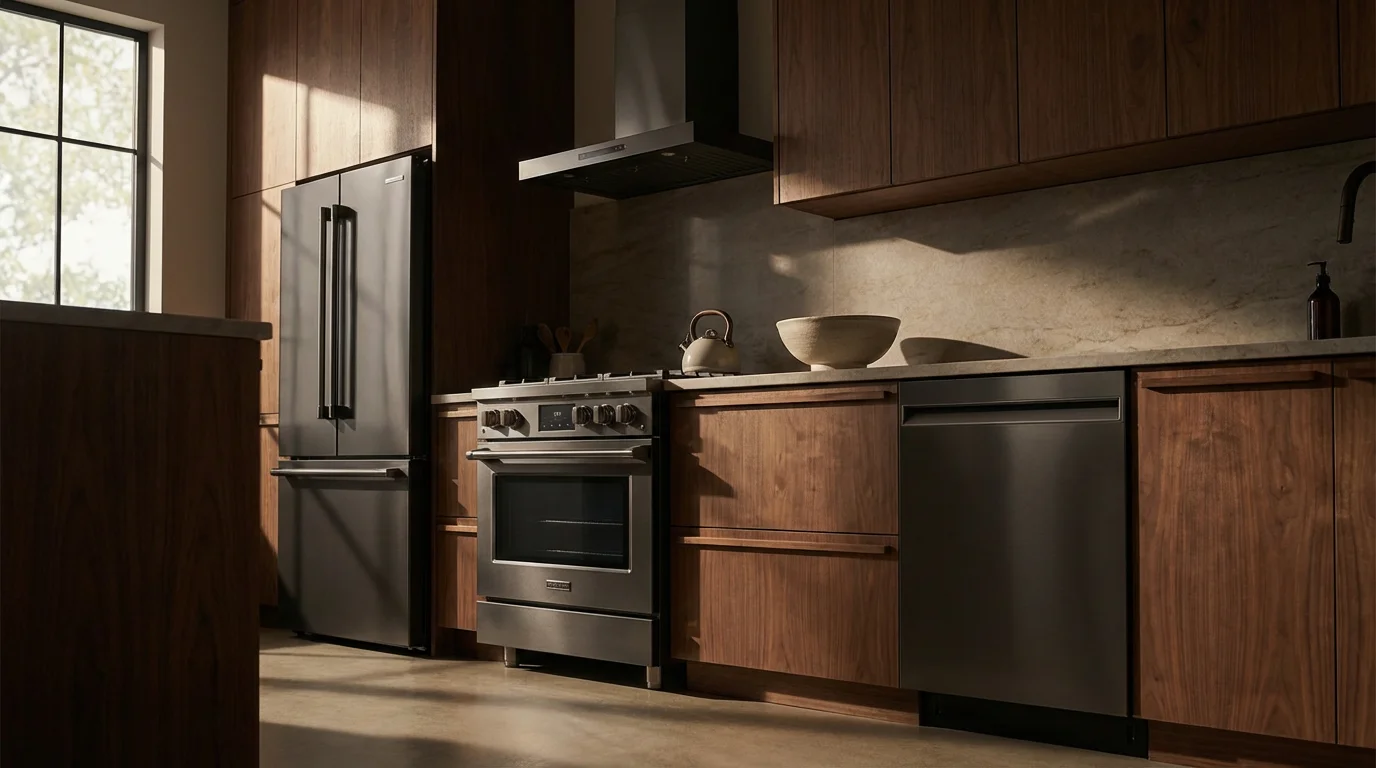
Renovating a kitchen requires hundreds of small decisions, but few impact your daily life—and your budget—as significantly as your appliances. While hand-picking a dishwasher from one brand and a refrigerator from another allows for granular customization, it often leads to mismatched handles, slightly different shades of stainless steel, and a higher total receipt. This is why the kitchen appliance package remains the go-to strategy for smart renovations.
Knowing how to spend and save when upgrading can help you stretch your renovation budget further.
buying a bundle (usually a refrigerator, range, microwave/hood, and dishwasher) offers two distinct advantages: cohesive aesthetics and significant cost savings. Retailers often knock 15% to 20% off the total price when you buy a four-piece suite. However, this convenience comes with a trade-off. You might get a stellar range but a mediocre dishwasher, or a beautiful fridge with an ice maker prone to jamming.
We analyzed the current market to identify which bundles offer the best performance across all four pieces, minimizing the “weak link” effect while maximizing value.

The Pros and Cons of Bundling
Before you commit to a single brand for your entire kitchen, you must understand the landscape. Manufacturers incentivize bundles to capture your entire budget, but Consumer Reports consistently notes that brands rarely excel in every single category. A company famous for its laundry machines might make average dishwashers.
While selecting your appliances, remember that choosing the right kitchen faucets is another key decision that impacts both the look and utility of your prep space.
The Advantages:
- Visual Consistency: Matching handles, badge placement, and steel grain direction create a high-end, designer look.
- Simplified Delivery: One delivery truck, one installation window, and one warranty registration process reduce logistical headaches.
- Rebates: Beyond the sticker price, manufacturers often offer mail-in rebates ranging from $500 to $2,000 during peak sales events like Black Friday or July 4th.
The Risks:
- The “Weak Link”: You might end up with a noisy dishwasher or an underpowered microwave just to get the matching set.
- Replacement Issues: If one appliance dies in five years, you feel pressured to buy the same brand again to maintain the look, even if the quality has dipped.

Best Overall: GE Profile Series
The Verdict: The safest bet for performance, reliability, and resale value.
If you want appliances that look professional without the volatile reliability of some tech-heavy brands, the GE Profile series is your strongest option. GE strikes a balance between modern features and traditional durability. Unlike basic GE models, the Profile line offers sleeker handles and upgraded user interfaces.
Why it wins: GE is one of the few manufacturers that produces solid equipment across all four major categories. Their ranges—particularly the gas and induction models—are favorites among serious home cooks for their heat consistency. Their refrigerators use advanced evaporation technology to keep produce fresh, and their dishwashers, while not quite at Bosch levels, are reliable cleaners with integrated hard food disposers.
The Bundle Typically Includes:
- Range: often features built-in air fry modes and high-BTU burners.
- Fridge: French-door styling with fingerprint-resistant stainless steel.
- Dishwasher: Stainless steel tub with bottle jets (a standout feature for cleaning water bottles).
Skip if: You are on a strict budget. Profile is mid-to-high tier pricing. If you need absolute silence from your dishwasher, you might find the Profile models slightly louder than European competitors.

Best Value & Tech: Samsung Bespoke
The Verdict: Incredible style and smart features for the price, but reliability varies.
Samsung disrupted the kitchen market by offering high-design looks at big-box store prices. The “Bespoke” line allows you to swap out front panels for different colors (like navy glass, white glass, or matte black), giving you a custom kitchen aesthetic that usually costs thousands more.
Why it wins: The value proposition is hard to beat. Samsung aggressively discounts their packages. You get WiFi connectivity, modern flat-front designs, and massive refrigerator capacity. Their induction ranges are particularly impressive for the price point, heating water faster than gas equivalents.
The Trade-off: You cannot discuss Samsung without addressing ice makers. Historically, Samsung has struggled with ice maker reliability in their French-door fridges. While the Bespoke line has moved the ice maker to the freezer drawer (improving reliability significantly), it is something to monitor. Additionally, finding repair technicians for Samsung appliances can be difficult in rural areas.
“Don’t buy the ‘best’ product. Buy the best product for how YOU cook. If you never bake, a high-end convection oven is a waste of budget.” — Kitchen Equipment Expert
Best Premium Look: KitchenAid
The Verdict: The best choice for an “industrial-chic” aesthetic without buying a Sub-Zero.
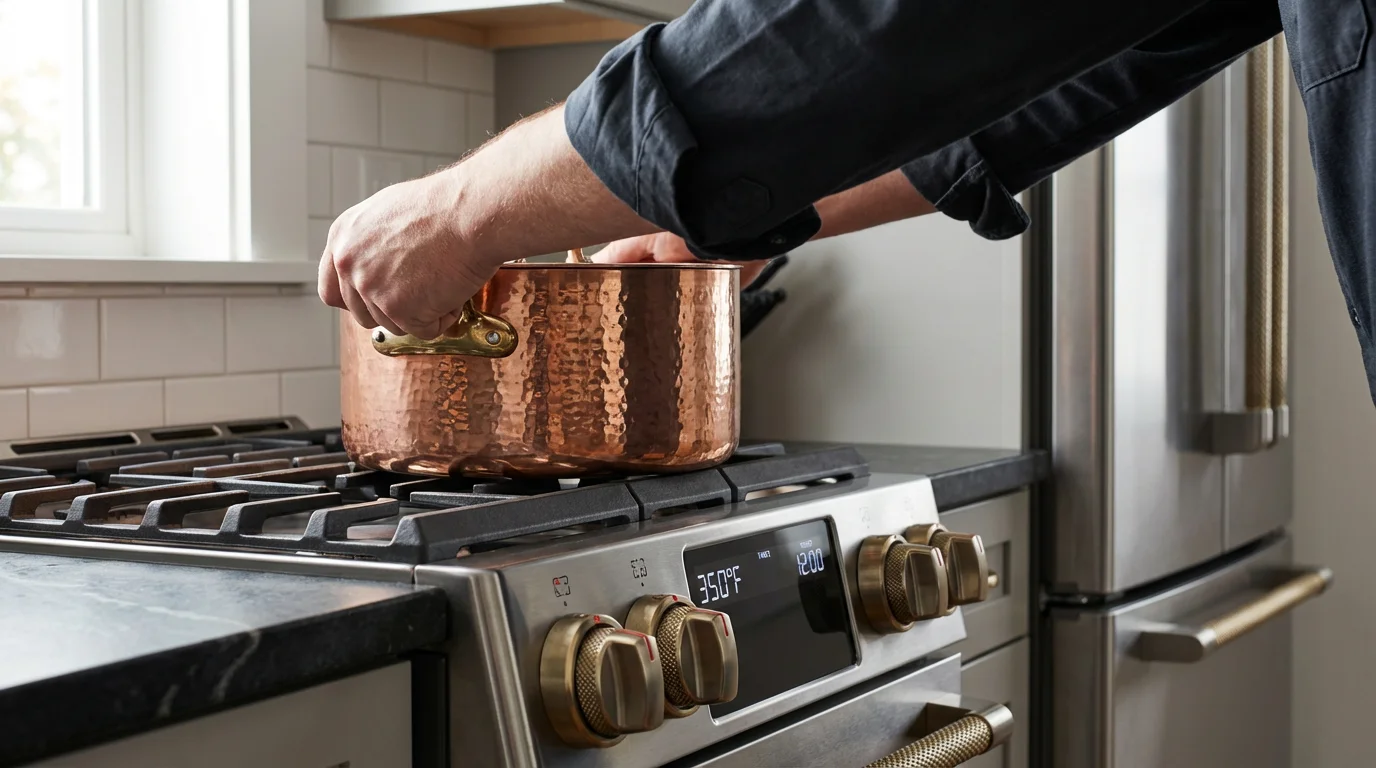
KitchenAid packages are instantly recognizable by their knurled handlebar ends and commercial-style badges. If your goal is a kitchen that looks like a chef lives there, but you don’t have $20,000 to spend on appliances, this is your pick.
Why it wins: KitchenAid is owned by Whirlpool Corporation, meaning you get the robust parts network of Whirlpool with a premium finish. Their dishwashers are excellent, often featuring a “FreeFlex” third rack that actually fits glasses, not just silverware. The “PrintShield” finish is widely considered the best fingerprint-resistant coating on the market—a lifesaver for families with young children.
Key Specs to Watch:
- Microwave Hoods: KitchenAid makes low-profile microwaves that save space above the range, a clever solution for smaller kitchens.
- Oven Racks: Higher-end bundles include “SatinGlide” racks that pull out smoothly even when holding a heavy turkey.
Skip if: You want smart features. KitchenAid focuses more on mechanical feel and cooking performance than touchscreens and WiFi.
Best Budget Starter: Whirlpool
The Verdict: Reliable, easy to fix, and affordable.
Whirlpool sets are frequently recommended in our kitchen registry guide because they offer long-term reliability for new homeowners.
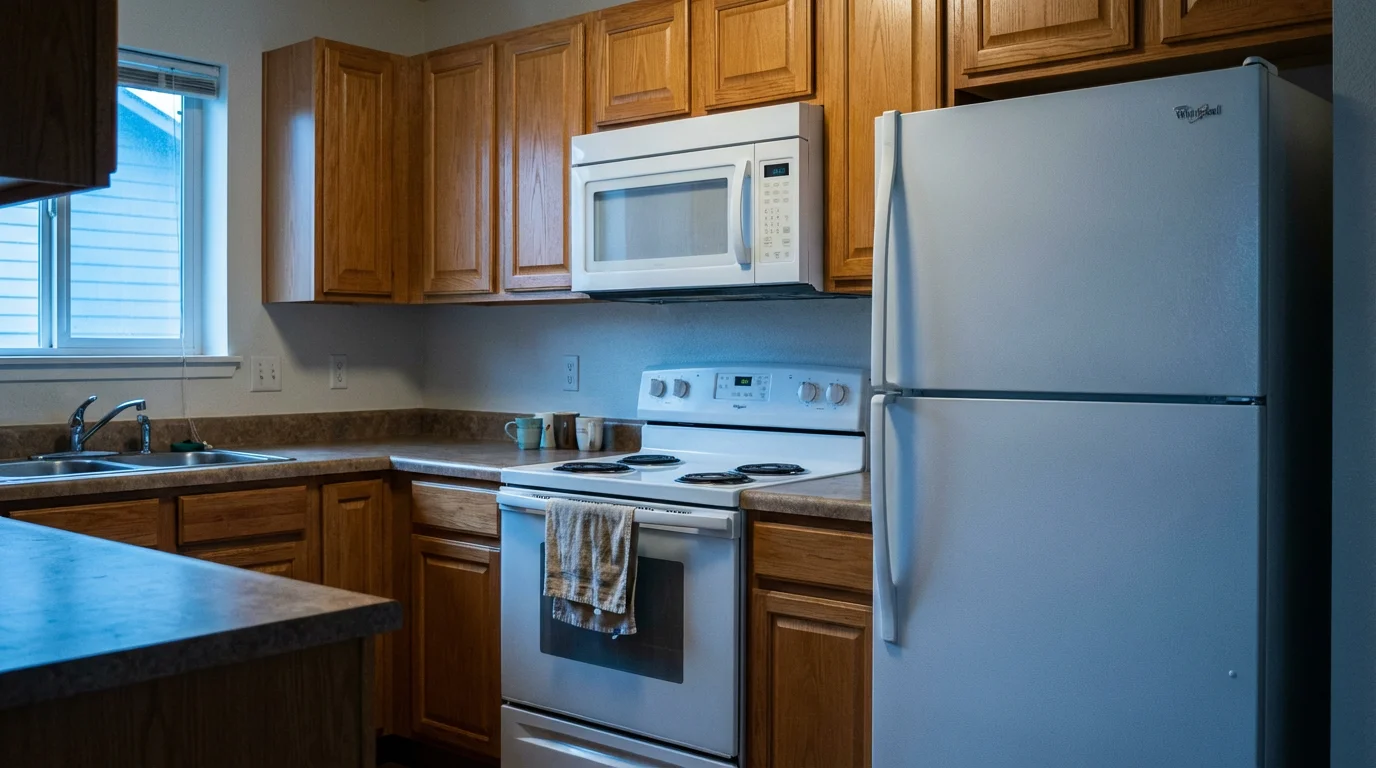
For first-time homeowners, rental property owners, or those prepping a house for sale, Whirlpool is the gold standard of “good enough.” You won’t find flashy touchscreens or customizable glass panels here, but you will find appliances that turn on and work for a decade.
Why it wins: Repairability. Because Whirlpool is so ubiquitous, parts are cheap and every technician knows how to fix them. The packages are cohesive and clean. While they lack the heavy-duty feel of KitchenAid, they handle daily cooking chores competently.
Buying Tip: Look for the “fingerprint-resistant” stainless steel option. Standard stainless on budget models can be a nightmare to keep clean.
The Splurge: Bosch 800 Series
The Verdict: The ultimate performance package, anchored by the world’s best dishwasher.
To protect high-end components in premium suites, it is vital to understand how water softeners affect your kitchen appliances and prevent scale buildup.
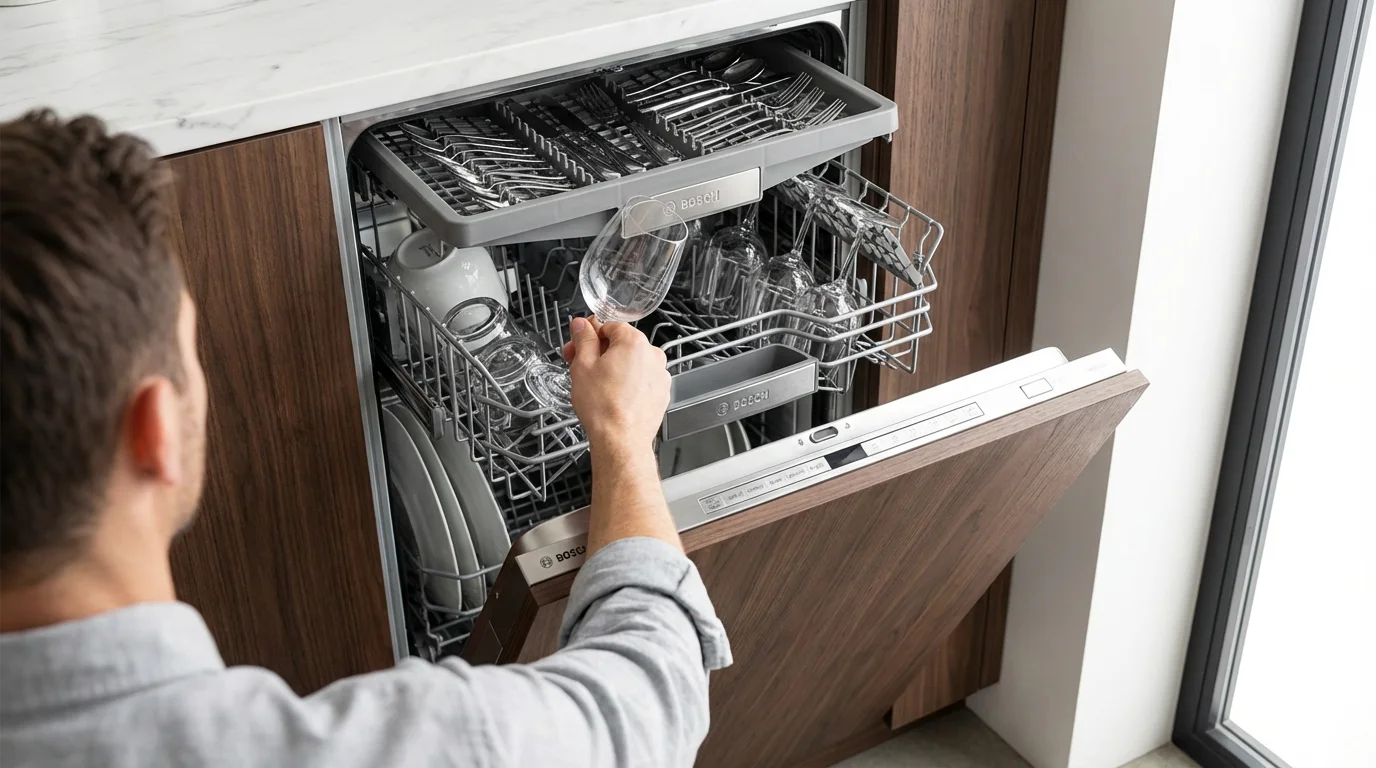
Bosch is unique. While other brands center their packages around the refrigerator or range, Bosch anchors its reputation on the dishwasher. Wirecutter and other testing outlets routinely rate Bosch dishwashers as the best on the market due to their unique drying method (CrystalDry) and near-silent operation.
Why it wins: The 800 Series package gives you European styling. The refrigerators are typically dual-compressor (one for fridge, one for freezer), which keeps food fresher longer by not mixing air between compartments. Their slide-in ranges fit over the countertop edge for a seamless built-in look.
The Trade-off: Bosch fridges are almost exclusively counter-depth. This means they sit flush with your cabinets for a beautiful look, but you lose significant interior storage space compared to a standard-depth Samsung or GE. If you have a large family, ensure the cubic footage meets your needs.

Are Smart Features Worth It?
Manufacturers are pushing “smart” appliances hard, but does your oven really need to be on your WiFi? Here is a practical breakdown of what is useful and what is fluff.
- Useful: Remote Preheat. Starting your oven from the grocery store so it’s ready when you get home is a genuine time-saver.
- Useful: Dishwasher Notifications. Knowing exactly when the cycle ends helps you unload before the steam settles and condenses back onto the dishes.
- Gimmick: Fridge Tablets. Screens on refrigerators often become outdated faster than the appliance itself. They look cool in the showroom but rarely add value to daily cooking.
- Gimmick: Scan-to-Cook. Scanning a barcode on a frozen meal to set the microwave automatically rarely saves more time than just pressing “2 minutes.”
Package Comparison at a Glance
| Brand | Price Tier | Best For | Strongest Appliance | Weakest Link |
|---|---|---|---|---|
| GE Profile | Mid/High | Reliability & Cooking | Range/Oven | Design (Traditional) |
| Samsung | Low/Mid | Tech & Style | Fridge Capacity | Ice Maker |
| KitchenAid | High | Pro-Style Aesthetics | Dishwasher/Mixer | Price |
| Whirlpool | Budget | First Kitchens | Repairability | Features |
| Bosch | High | Silence & Design | Dishwasher | Fridge Size |
Final Buying Checklist
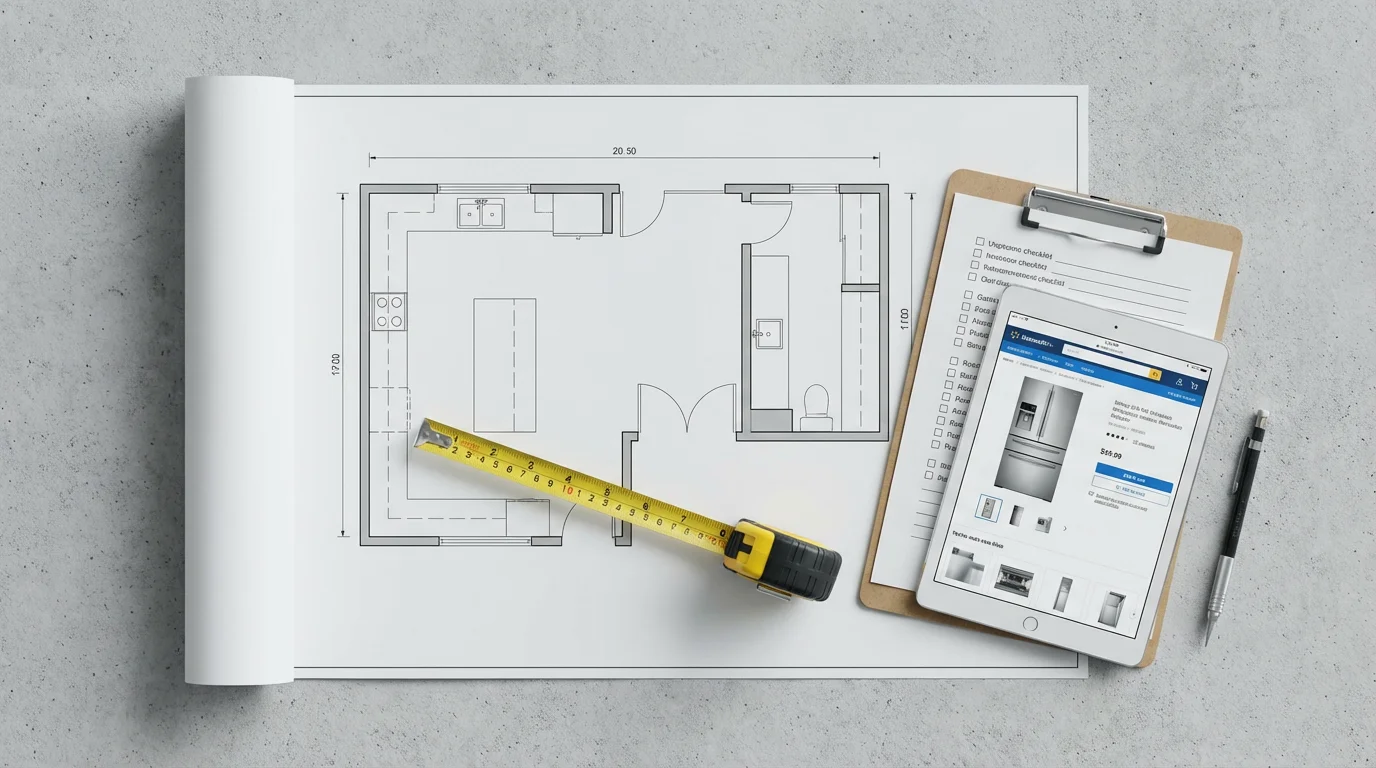
Before you click “Add to Cart,” verify these three critical specifications to avoid a delivery day disaster.
Once your major appliances are installed, you can decide whether to fill your remaining counter space with electric or stovetop small appliances based on your cooking style.
1. Measure the “Tight Spots”
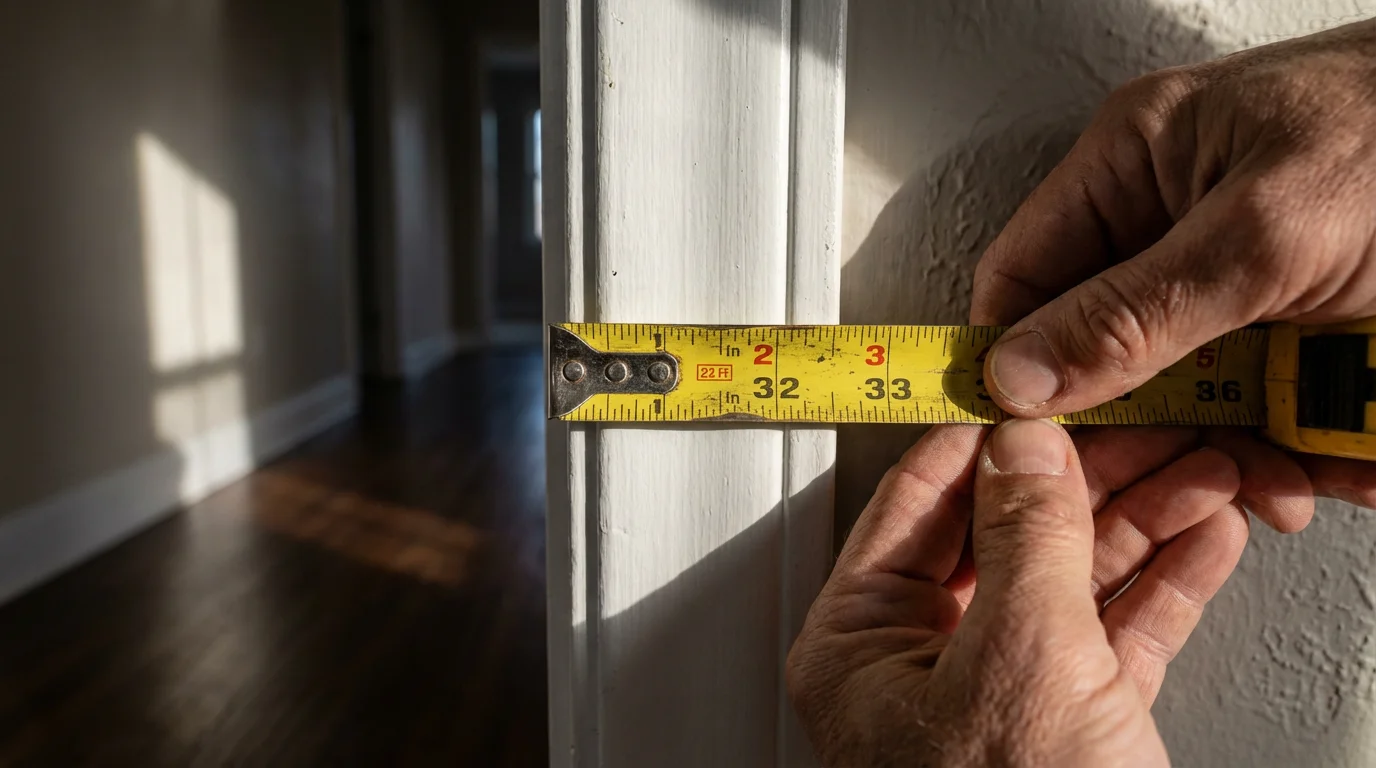
Do not just measure the space where the appliance goes. Measure your front door, your hallways, and the tight turn into the kitchen. A 36-inch wide fridge cannot fit through a 32-inch doorway without removing doors (which costs extra or requires DIY skills).
2. Check Your Fuel Type
Ranges come in Gas, Electric, and Dual Fuel. Dual Fuel means a gas cooktop paired with an electric oven. This is the gold standard for cooking but requires you to have both a gas line and a 240V electric outlet behind the stove. Don’t buy a Dual Fuel range if you only have a gas hookup.
3. Understand “Slide-In” vs. “Freestanding”
A Freestanding range has a backguard with controls on it. A Slide-In range has controls on the front and no backguard, allowing your backsplash to shine. If you switch from Freestanding to Slide-In, you might have a strip of unpainted wall or missing tile exposed behind the stove.
Frequently Asked Questions
Can I mix and match appliance brands?
Yes, but be careful with finishes. “Stainless steel” varies by manufacturer. Some are gray, some are warmer/yellow, and some are brushed heavily. If your appliances are right next to each other, the difference will be obvious. If they are separated by cabinetry, you can get away with mixing brands to get the best performance in each category.
Do appliance packages include installation?
Rarely. The listed price usually covers the product only. Delivery, haul-away of old units, and installation are add-on fees. Installation for dishwashers and gas ranges often requires a licensed professional, which can add $150–$300 per unit to your final cost.
When is the best time to buy kitchen packages?
November (Black Friday) is the absolute best time for appliance bundles. However, Memorial Day, July 4th, and Labor Day also feature aggressive sales. Avoid buying in January or February unless you find a specific clearance model, as prices are generally higher.
What is a “counter-depth” refrigerator?
A counter-depth fridge is shallower than a standard model, usually about 24 to 30 inches deep (excluding handles). It sits flush with your cabinets for a built-in look. Standard-depth fridges stick out 6 to 10 inches past the counter. While counter-depth looks better, you lose about 20% of your storage capacity.
Disclaimer: Product prices, features, and availability change frequently. Prices shown were accurate at time of writing but may have changed. We may earn a small commission from purchases made through links on this site, at no extra cost to you. Always verify current pricing and specifications on the retailer’s website before purchasing.