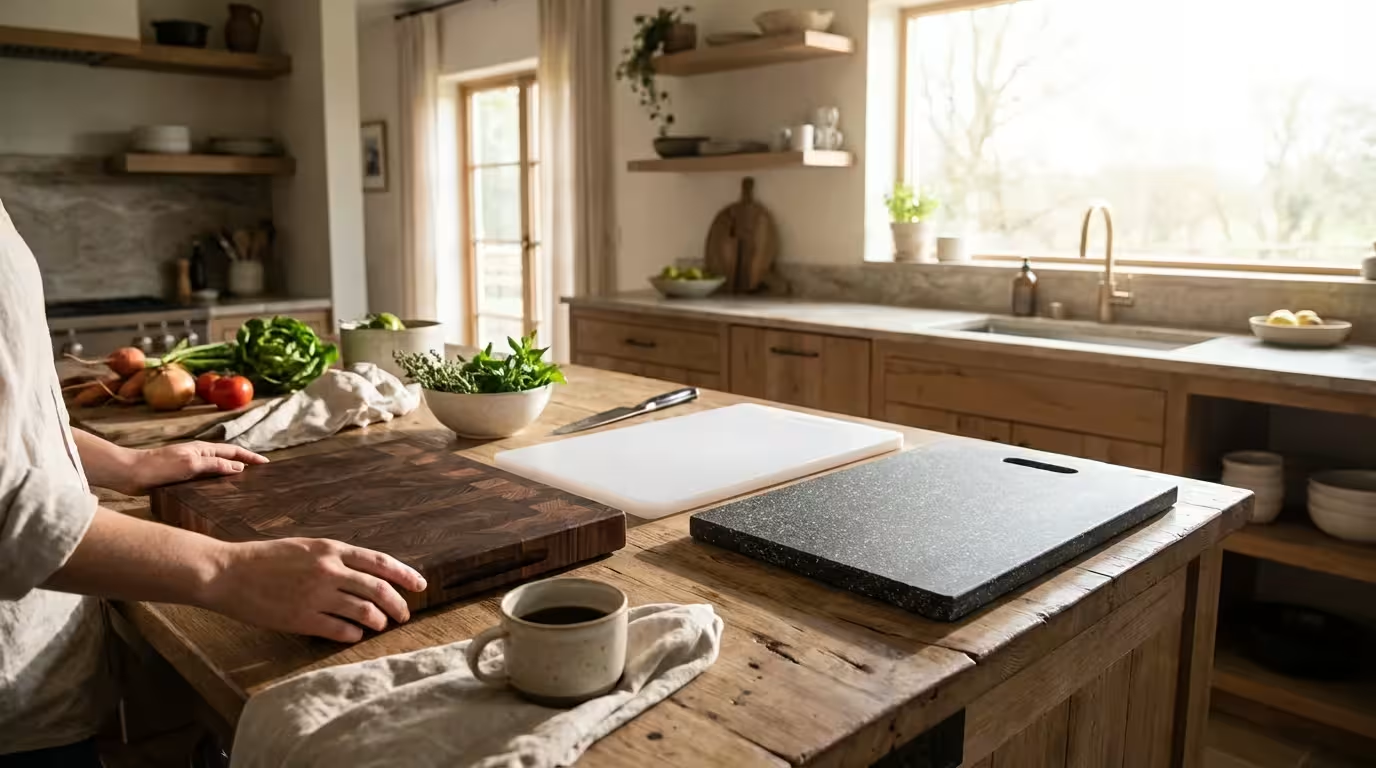
The sound of a knife striking a cutting board is the heartbeat of a working kitchen. But that repetitive impact does two things: it wears down your board, and more importantly, it dulls your knife. Choosing the right cutting board material isn’t just about aesthetics or sanitation—it is the single most important factor in preserving the sharp edge of your chef’s knife.
Walk into a kitchen supply store, and you face a wall of options. Heavy maple butcher blocks, colorful plastic sheets, sleek composite boards, and trendy bamboo slabs. Which one protects your knives? which one is easiest to clean? And which one is worth the investment?
This guide cuts through the marketing noise to compare the three major contenders: wood, plastic, and composite. We will examine the science of sanitation, the reality of maintenance, and help you select the perfect surface for your culinary needs.
The Material Showdown: At a Glance
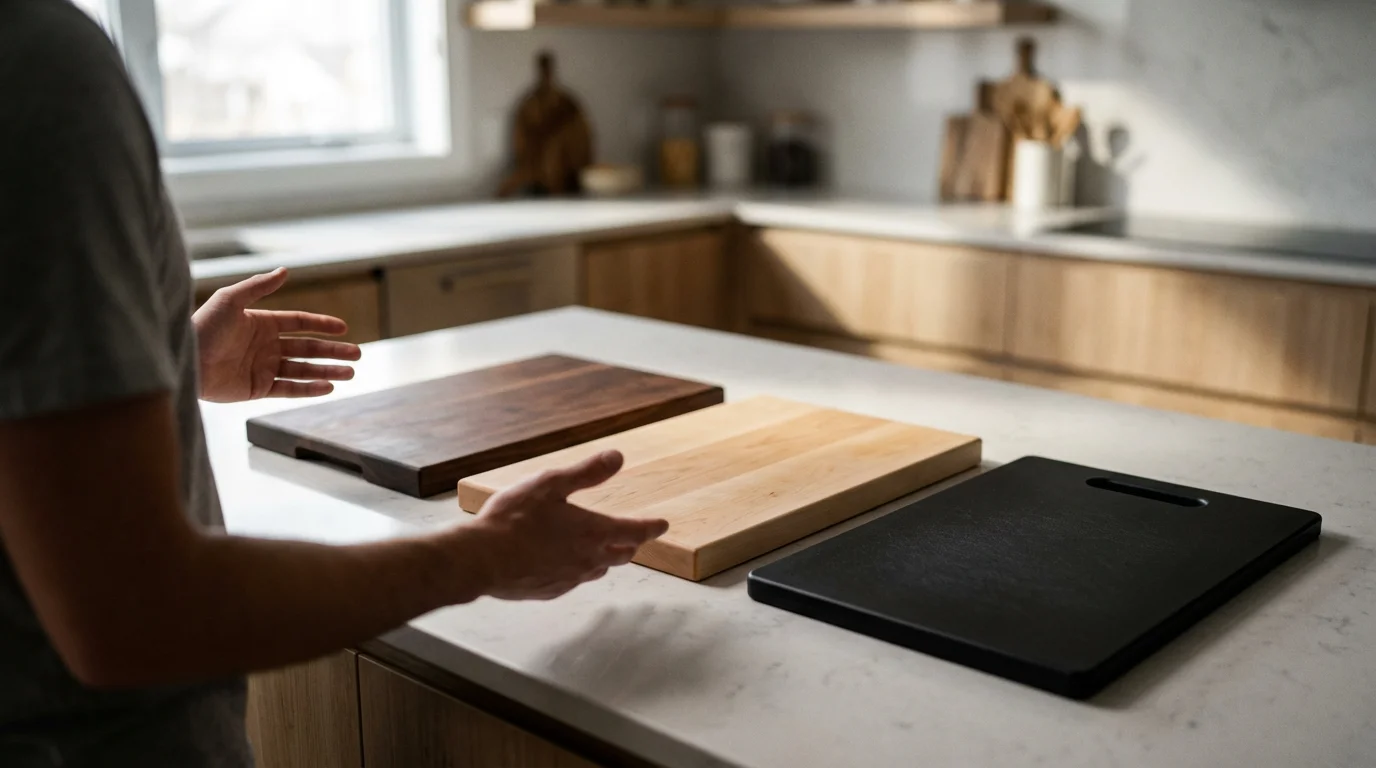
Before diving into the deep mechanics of end grain versus edge grain, it helps to see the big picture. Your choice ultimately depends on your priority: knife longevity, dishwasher convenience, or price.
Using a stable board is particularly important when working with precision tools like mandoline slicers to avoid dangerous slips.
| Feature | Wood (End Grain) | Plastic (HDPE) | Composite |
|---|---|---|---|
| Knife Friendliness | Excellent (Best) | Good | Fair |
| Dishwasher Safe? | Never | Yes | Yes |
| Sanitation | Naturally antimicrobial | Easy to bleach | Non-porous |
| Maintenance | High (Requires Oil) | Low | Zero |
| Price Tier | Splurge ($100+) | Budget ($20+) | Mid-Range ($40+) |
Wood: The Gold Standard for Knives
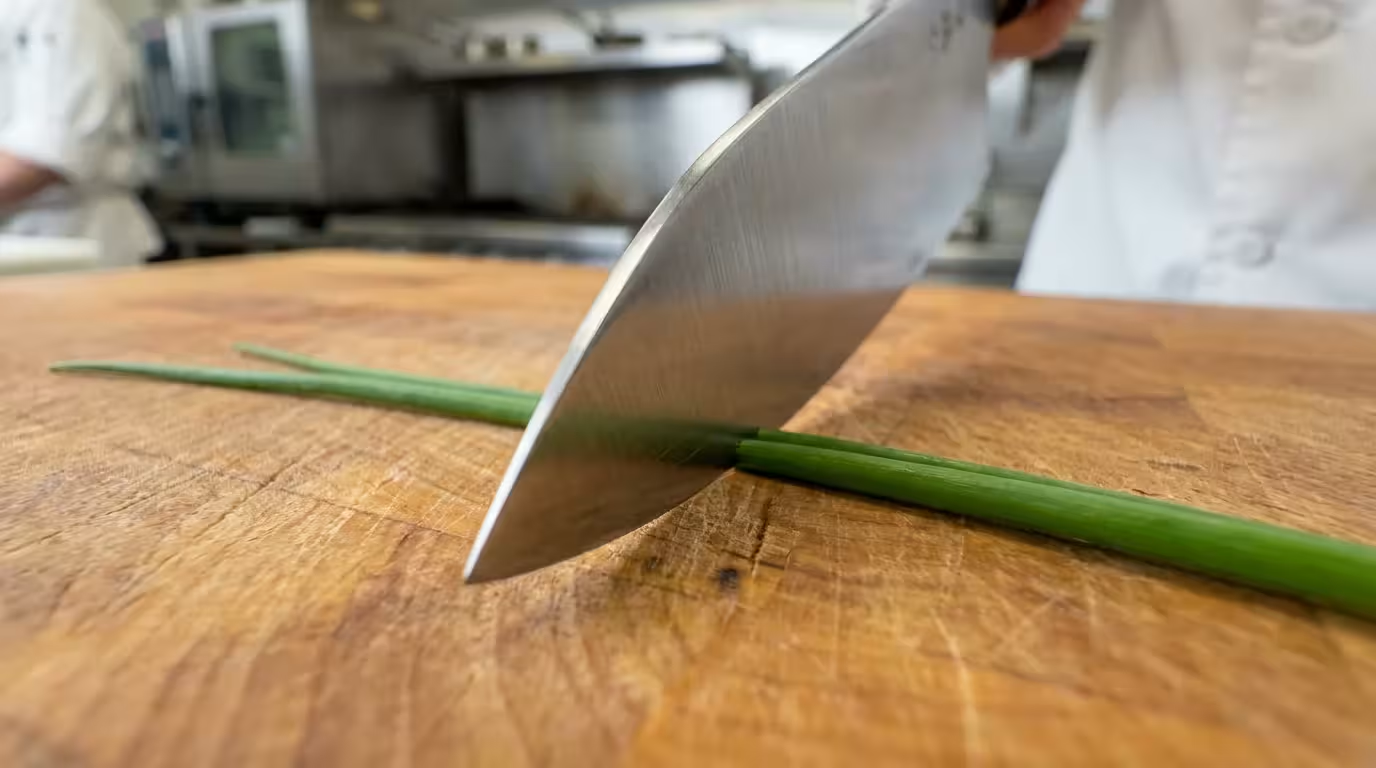
For professional chefs and serious home cooks, wood remains the king of the kitchen. Specifically, hardwoods like maple, walnut, and cherry are prized because they strike a balance between hardness (durability) and softness (give). When your knife hits a wood board, the wood fibers yield slightly, preserving your blade’s razor edge.
For crusty loaves, ensure you use a quality bread knife to avoid tearing the bread or damaging the board fibers.
The “Self-Healing” Property
Wood has a unique ability to “heal.” When you score a wooden board with a knife, the fibers separate to allow the blade in, and then naturally close back up when the blade is removed. This doesn’t mean the cut disappears entirely, but it prevents the deep, jagged gouges common in plastic boards where bacteria love to hide.
According to extensive testing by Serious Eats, wood boards are not only gentler on knives but have also been shown to halt the growth of bacteria better than scarred plastic, provided they are cleaned and dried properly.
Grain Matters: Edge vs. End
When shopping for wood, you will see two main construction types. Understanding the difference is critical to the price and performance.
- Edge Grain: These boards are made by gluing long strips of wood side-by-side. The wood fibers run horizontally.
- Pros: More affordable, durable, and require less frequent oiling.
- Cons: You are cutting across the fibers, which marks up the board faster and dulls knives slightly quicker than end grain.
- End Grain: These look like a checkerboard. Short pieces of wood are stood vertically and glued together so you are cutting into the ends of the wood fibers (like cutting into the top of a brush).
- Pros: The fibers separate and close up (self-healing), keeping knives sharper longer. They look stunning.
- Cons: Expensive. They absorb water easily, meaning they warp if not oiled frequently.
“If you invest in a Japanese high-carbon steel knife, you owe it to the blade to use an end-grain wood board.” — Professional Knife Sharpener
Plastic: The Sanitation Workhorse
Plastic boards, specifically those made from High-Density Polyethylene (HDPE), are the standard in commercial kitchens. They are inexpensive, lightweight, and can be blasted in a high-temperature dishwasher.
For those organizing their kitchen for meal prep Sundays, having a set of lightweight plastic boards is a significant time-saver.
The Hygiene Myth
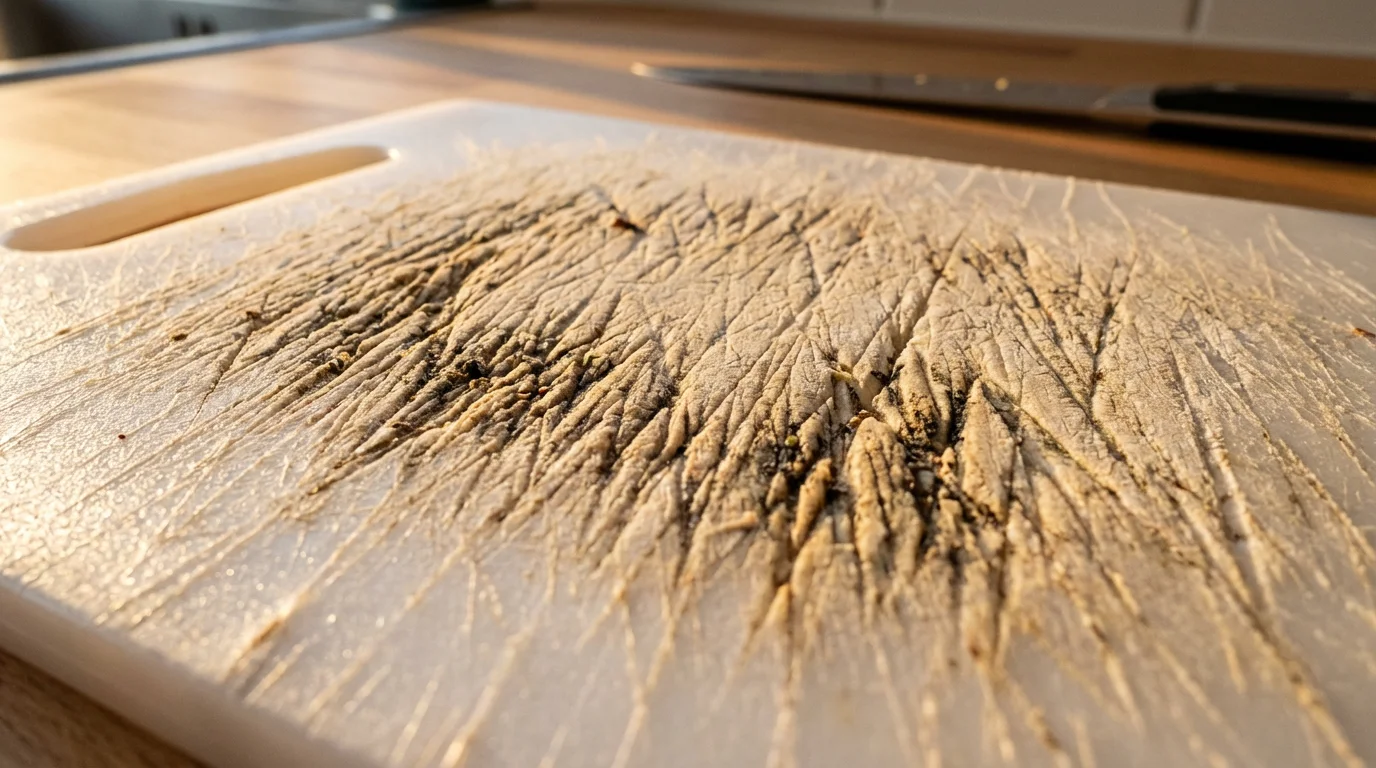
Many cooks assume plastic is safer than wood because it is non-porous. This is true when the board is new. However, once a plastic board becomes heavily scarred with knife cuts, it becomes difficult to disinfect. Bacteria create biofilms inside those jagged plastic canyons that even a dishwasher spray arm might miss.
If you choose plastic, you must view it as a semi-disposable item. Once the surface is rough and fuzzy from cuts, it’s time to replace it. Experts at Wirecutter suggest keeping separate plastic boards for raw proteins (chicken, fish) and sending them through the dishwasher immediately after use to mitigate risk.
What to Look For
Avoid thin, flimsy plastic mats that curl up. You need a board with heft—at least a half-inch thick—with rubberized feet or grips (often called “non-slip”). A sliding cutting board is a major safety hazard.
Composite: The Modern Hybrid
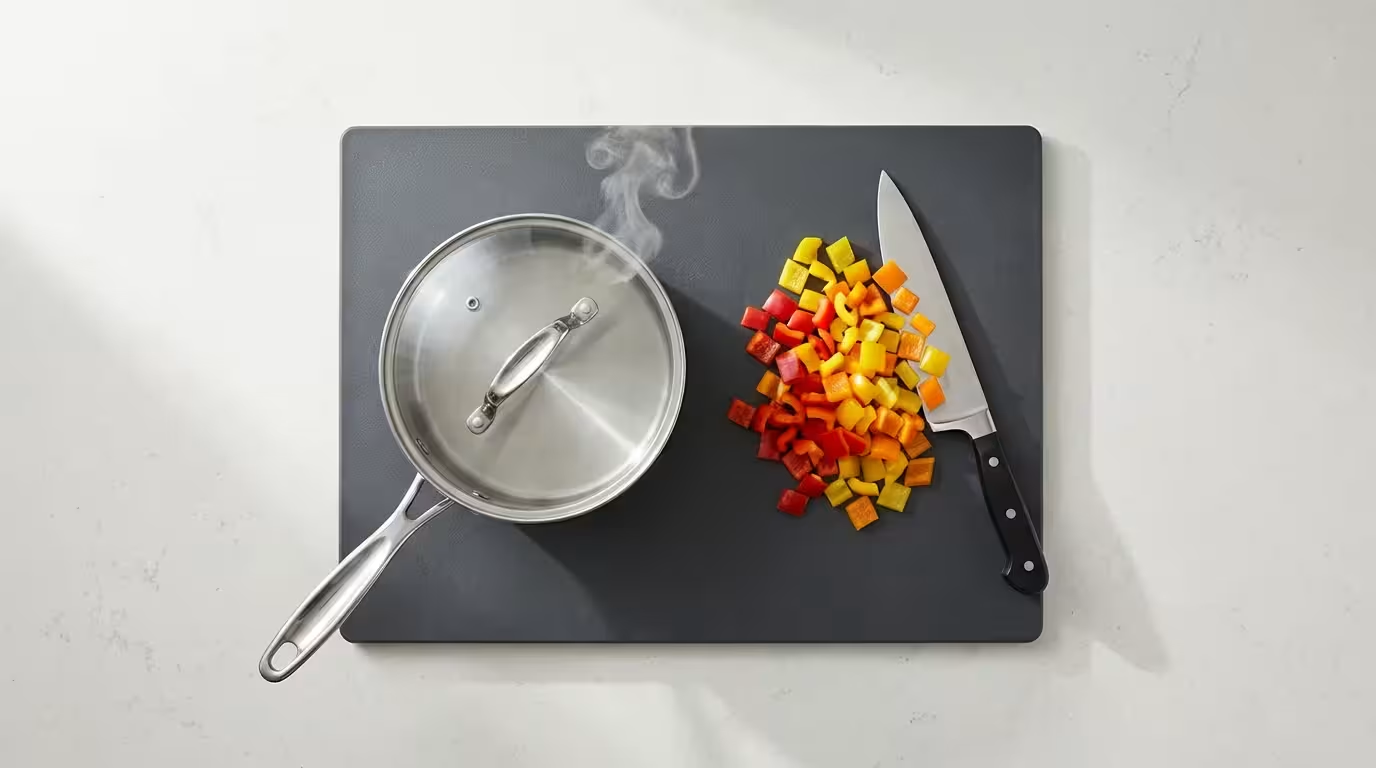
Composite boards (popularized by brands like Epicurean) sit squarely between wood and plastic. They are made from wood fibers compressed with food-safe resin under extreme pressure. Imagine the durability of a skateboard ramp, but for your kitchen counter.
If you find that the harder surface dulls your blade too quickly, you might consider electric knife sharpeners as a quick solution for maintaining your edges.
Why Choose Composite?
These boards solve the biggest headache of wood: maintenance. They are dishwasher safe, non-porous, and heat resistant (often up to 350°F), meaning you can use them as a trivet for hot pans. They are also incredibly thin and light, making them easy to store in a crowded apartment kitchen.
The Trade-Off
The resin that makes composite boards durable also makes them very hard. While better than glass, composite is harder on your knife edge than natural maple or walnut. You will hear a louder “clack” when chopping, and you will find yourself honing your knife more frequently. For many busy families, the ability to toss the board in the dishwasher outweighs the extra minute spent sharpening.
Materials to Avoid Immediately
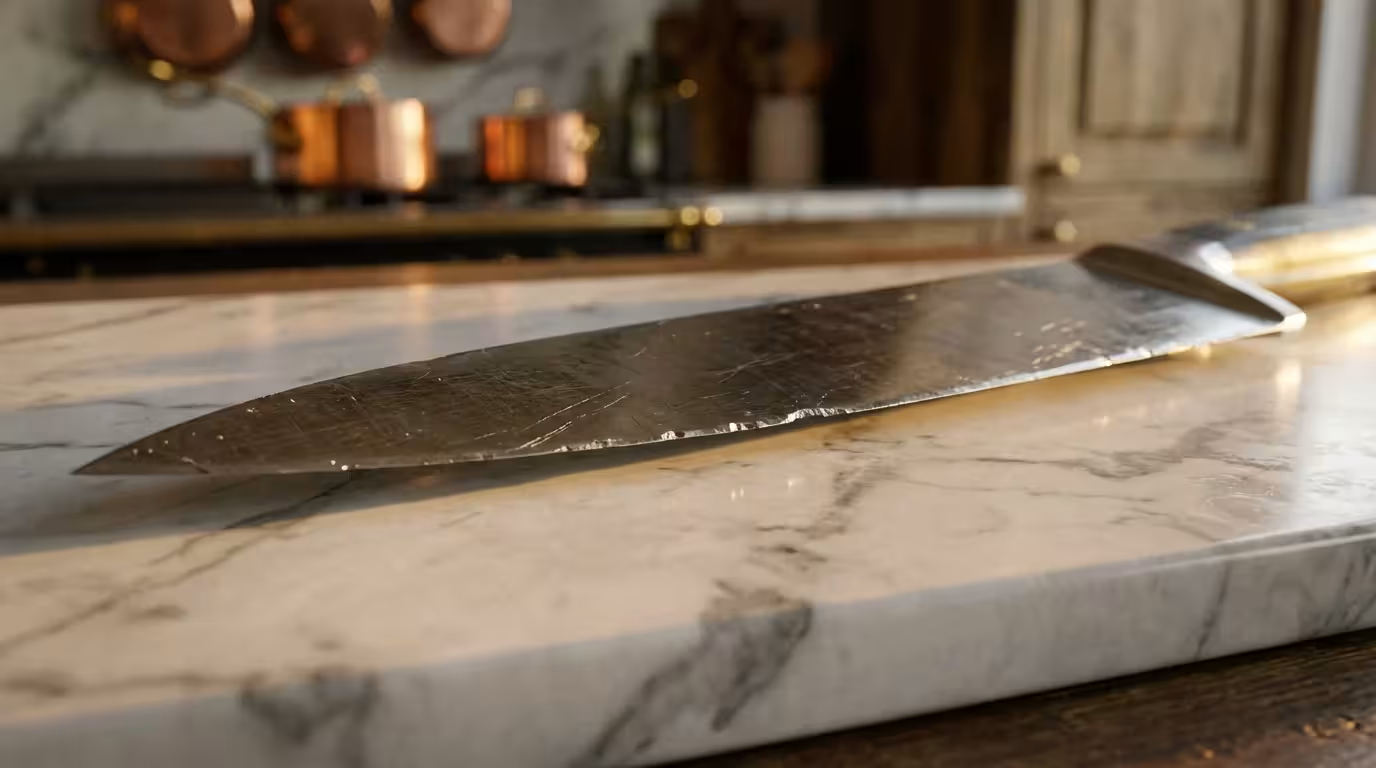
Not everything sold as a “cutting board” should actually be cut on. Some surfaces will ruin your knife’s edge in a single afternoon.
Even a serrated tomato knife can be damaged beyond repair if used on a granite or glass surface.
While often marketed as sustainable, there are several reasons why bamboo cutting boards are often tougher on your knives than traditional maple.
- Glass (Tempered Glass): These are often sold with decorative prints. Never buy these. Glass is harder than steel. Every time your knife hits glass, the edge rolls or chips. The sound is terrible, and the surface is slippery and dangerous.
- Stone (Granite/Marble): These are “pastry boards,” designed for rolling out cold dough or tempering chocolate. Using a chef’s knife on marble is a surefire way to chip the blade.
- Bamboo: Bamboo is technically a grass, not wood. It contains high amounts of silica (essentially sand), which makes it incredibly hard and abrasive on knives. While better than glass, it is significantly tougher on edges than maple or plastic. Use bamboo for serving charcuterie, not for daily chopping.
Our Top Recommendations
Based on durability, knife care, and user experience, here are the specific types of boards we recommend for different home cooks.
When setting up a new kitchen, pairing your boards with the right mixing bowls creates a streamlined workflow for any recipe.
1. Best Overall: The Heavy Duty Maple Board
The Pick: A reversible Edge-Grain Maple board (minimum 1.5 inches thick).
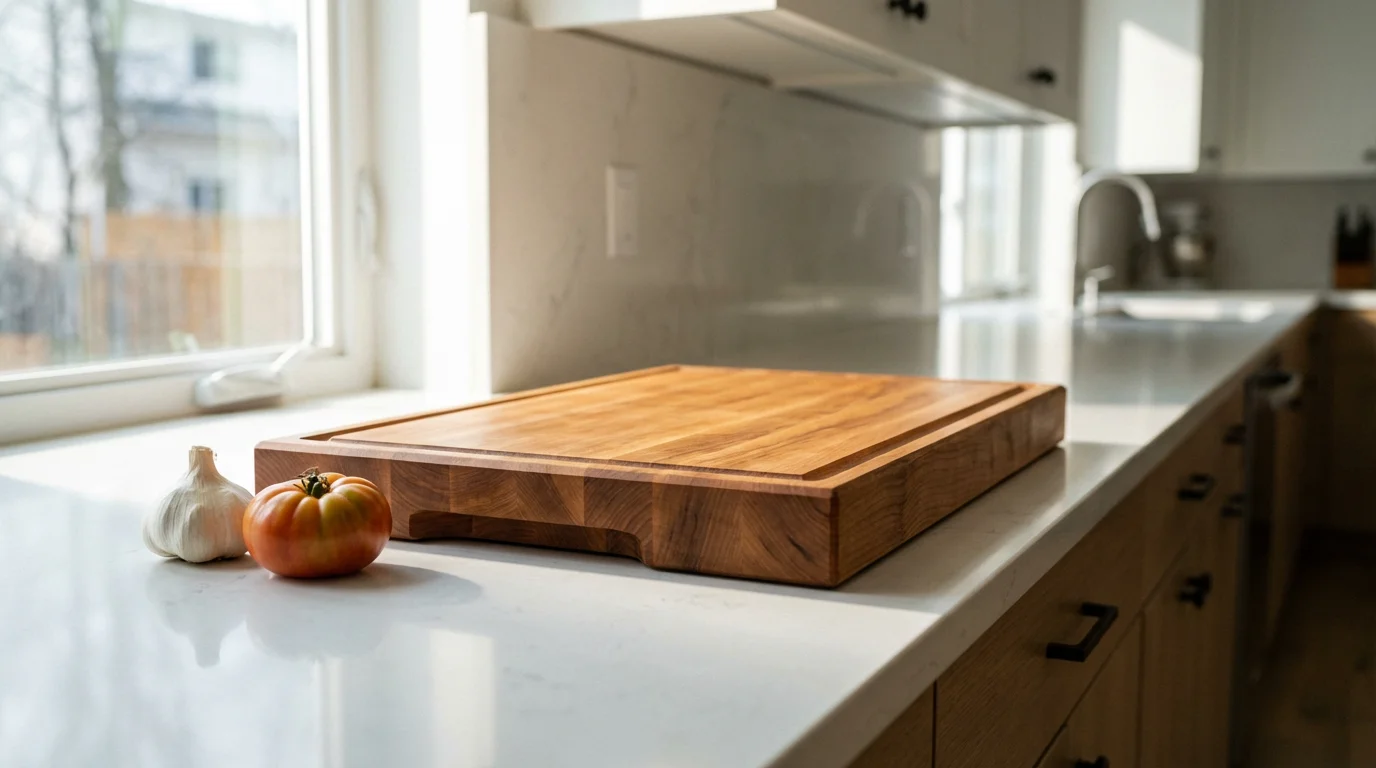
Why it wins: Maple is the industry standard for a reason. It is hard enough to resist deep gouges but soft enough to preserve your knife. A thick, heavy board won’t slide around on your counter. While end-grain is the premium “splurge,” a high-quality edge-grain board offers 90% of the performance for 50% of the price. This is the board that lives on your counter permanently.
Skip if: You refuse to hand-wash your equipment.
2. Best Value & For Raw Meat: High-Density Plastic with Grips
The Pick: Heavy-duty Polypropylene board with non-slip feet.
Why it wins: You need a board you can sanitize aggressively after cutting raw chicken. Look for a board with a “juice groove” (a trench around the perimeter) to catch liquids. The non-slip feet are non-negotiable for safety. Because the price point is lower, you won’t feel guilty replacing it every few years when it gets scarred.
Skip if: You want a board that doubles as a serving platter; these look strictly utilitarian.
3. Best Low Maintenance: Wood Fiber Composite
The Pick: Epicurean Series (or similar resin-wood blends).
Why it wins: This is the “busy parent” pick. It looks nicer than white plastic but behaves like it in the dishwasher. It is thin, practically indestructible, and resists staining from beets or turmeric better than natural wood. While Consumer Reports often highlights the durability of these materials, keep in mind the slightly higher impact on your knife edges.
Skip if: You are a knife enthusiast who obsesses over razor-sharp edges.
Maintenance and Care Essentials
Even the best board will fail if treated poorly. Here is how to keep your investment alive.
Following a routine similar to caring for wooden utensils ensures that your board remains sanitary and prevents the wood from drying out.
Beyond board care, finding the right knife storage solution is the next step in protecting your investment and ensuring kitchen safety.
These maintenance steps are also vital when caring for wooden spoons and utensils to prevent cracking and absorption of odors.
The Rules of Wood Care
- Never soak it: Water causes wood to swell and warp. Wash quickly with soap and warm water, then towel dry immediately. Stand it on its edge to air dry completely.
- Oil it monthly: When the wood looks dry or “ashy,” apply a generous coat of food-grade mineral oil. Let it soak in overnight.
- Avoid food oils: Never use olive oil, vegetable oil, or coconut oil to condition your board. These fats will go rancid and make your board smell like spoiled food. Stick to mineral oil or beeswax creams.
Deep Cleaning
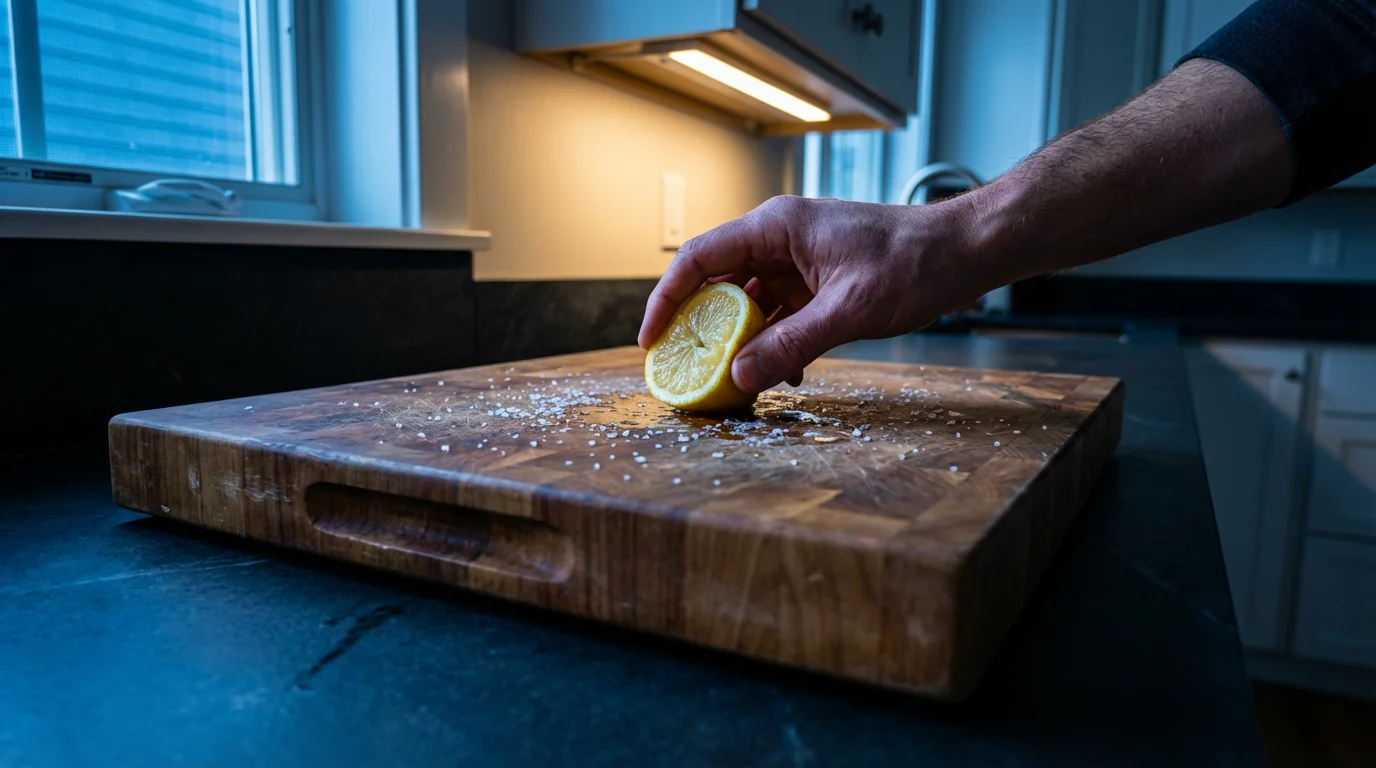
If your wooden board develops a funk (usually from garlic or onions), sprinkle the surface with coarse kosher salt and scrub it with half a lemon. The acidity neutralizes odors, and the salt acts as an abrasive scrub.
Frequently Asked Questions
Is it safe to cut raw meat on a wooden cutting board?
Yes, contrary to popular belief, it is safe if you clean it properly. Wood has natural antimicrobial properties that can trap and kill bacteria deep in the grain. However, to minimize risk, many cooks prefer using a designated plastic board for raw poultry that can be sanitized in the dishwasher, reserving their expensive wood board for vegetables, bread, and cooked meats.
When should I throw away my plastic cutting board?
You should replace your plastic cutting board when the surface is heavily scarred, fuzzy, or has deep grooves that cannot be cleaned. If your sponge catches or snags on the cuts while washing, the grooves are deep enough to harbor bacteria like Salmonella or E. coli. For most daily home cooks, this means replacing plastic boards every 2 to 3 years.
Can I sand down my wooden cutting board to make it look new?
Absolutely. This is one of the greatest advantages of wood. If your board has deep knife marks or stains, you can sand the surface using sandpaper (start with 80 grit, move to 120, and finish with 220). Once smooth, wash the board, let it dry, and apply a heavy coat of mineral oil. It will look brand new.
Disclaimer: Product prices, features, and availability change frequently. Prices shown were accurate at time of writing but may have changed. We may earn a small commission from purchases made through links on this site, at no extra cost to you. Always verify current pricing and specifications on the retailer’s website before purchasing.