You interact with your kitchen faucet more than any other appliance in your home. From filling the coffee pot in the morning to washing the final dish at night, the faucet is the true workhorse of the kitchen. Yet, when it comes time to replace one, the options can feel paralyzing. Do you need a high-arc spout? Is touchless technology a gimmick or a game-changer? What exactly is a ceramic disc valve, and why should you care?
Modern kitchens often pair these high-efficiency faucets with induction cooktops to create a sleek and high-performing workspace.
Beyond the sink, many home cooks also rely on electric kettles for quick boiling to speed up their morning coffee and tea routines.
If you are planning a full kitchen update, coordinating your appliance packages can help you achieve a unified look while maximizing your budget.
When upgrading your kitchen, determining where to spend and save will help you prioritize high-impact fixtures like the faucet.
Choosing the right faucet requires balancing aesthetics with everyday ergonomics. A beautiful faucet that splashes water onto your countertop every time you rinse a spoon will quickly become a source of frustration. Conversely, a highly functional commercial-style sprayer might look out of place in a cozy, traditional cottage kitchen.
This guide cuts through the marketing noise to help you find a durable, functional fixture that fits your sink configuration and your budget. We will cover the mechanics of installation, the finishes that actually resist fingerprints, and the specific models that consistently outperform the competition.
Understanding Configurations: Holes and Mounting
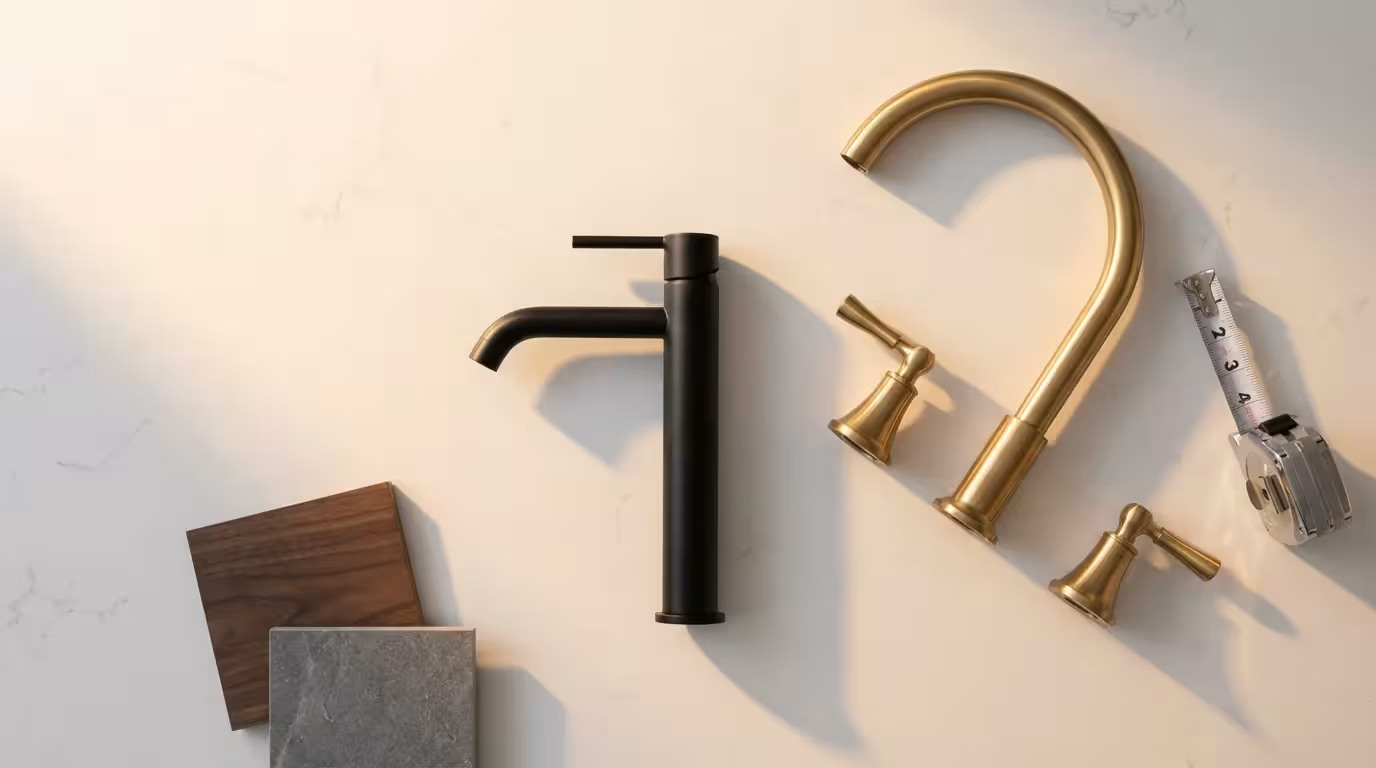
Before you fall in love with a specific design, you must assess your current sink setup. If you are replacing a faucet in an existing countertop, you are limited by the number of holes already drilled into the sink deck or the counter material. If you are remodeling and replacing the countertop, you have the freedom to choose any configuration.
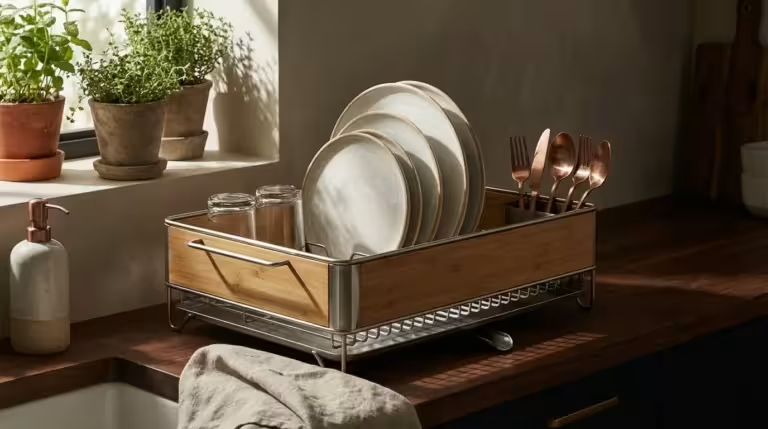
If you are working with limited space around your sink deck, pairing your new faucet with over-the-sink dish drying racks can reclaim valuable countertop area.
The Hole Count
Most modern faucets are “single-hole” designs, meaning the handle and the spout are integrated into one unit that requires one drilling. However, many older sinks have three or even four holes. These previously accommodated separate hot and cold handles and a side sprayer.
If you have a three-hole sink but want a sleek single-handle faucet, you don’t need to replace the sink. You simply need a faucet that includes a deck plate (also called an escutcheon). This metal plate sits at the base of the faucet and covers the unused holes. Most manufacturers include this plate in the box, but you should always verify the “What’s Included” section of the specs before buying.
Mounting Styles
- Deck Mount: The standard installation where the faucet sits directly on the countertop or the rim of the sink. This is the easiest to install and repair.
- Wall Mount: Often seen in commercial kitchens or farmhouse-style setups, these mount to the wall above the sink. While they save counter space and make cleaning behind the sink easier, they require plumbing lines to be run through the wall. This makes installation expensive and repairs difficult.
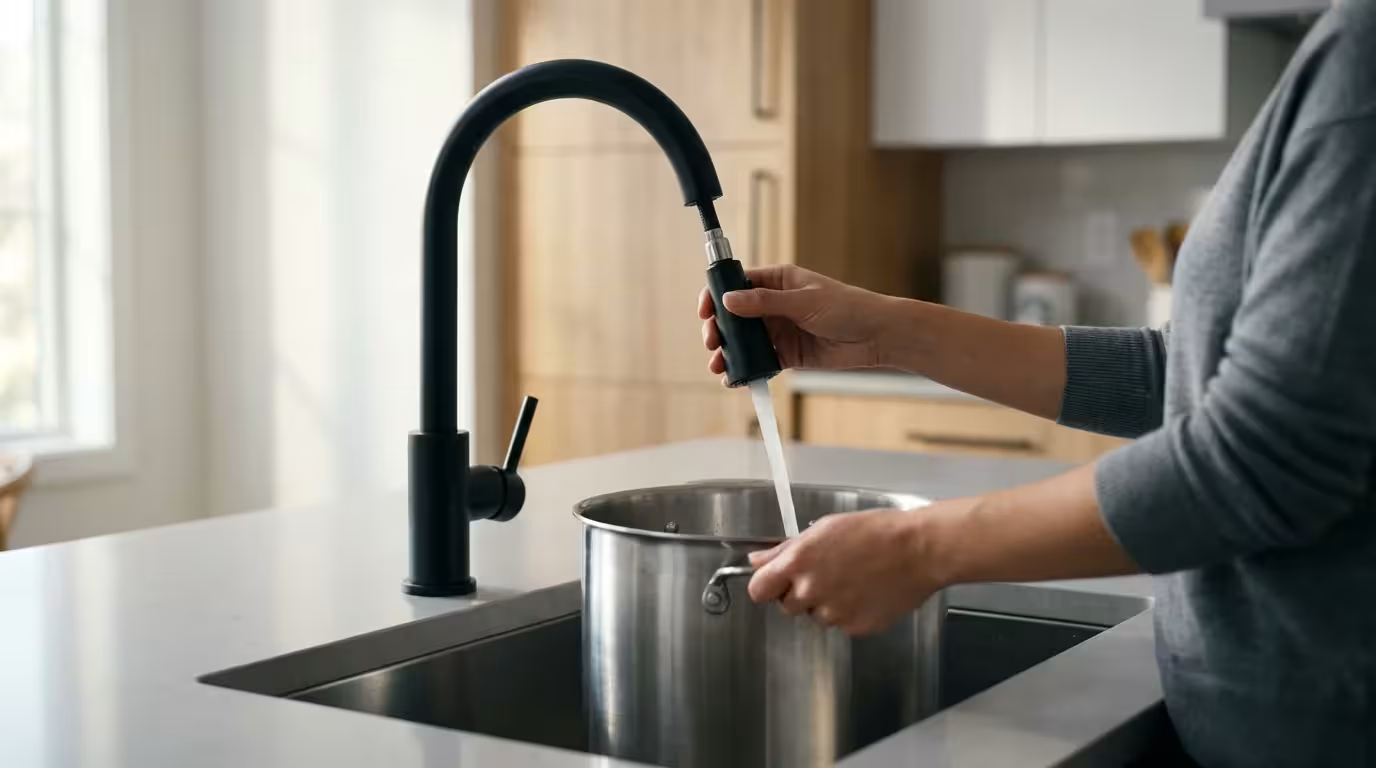
Pull-Down vs. Pull-Out: Which Spray Head Wins?
The days of the separate side sprayer are largely over. Modern faucets integrate the sprayer directly into the spout. The two primary designs are pull-down and pull-out, and the difference affects your daily workflow.
Replacing a bulky faucet is also a great opportunity to start decluttering your kitchen and organizing the high-traffic area around your sink.
Beyond the faucet, selecting one of the best dish drying racks is essential for an organized and efficient cleanup station.
Pull-Down Faucets
A pull-down faucet features a high-arc spout (often called a gooseneck) where the spray head pulls directly down into the sink. This is the most ergonomic choice for filling tall pots and pitchers.
Best For: Deep sinks and modern kitchens. The high arc creates plenty of clearance for large cookware. However, ensure you measure your upper cabinets; a tall faucet might block a cabinet door from opening fully or look crowded under low shelving.
Pull-Out Faucets
Pull-out faucets have a lower profile, and the spray head pulls straight out toward you. The handle is often mounted on the side or top of the spout. While less trendy than high-arc models, they are highly practical for specific situations.
Best For: Small kitchens, shallow sinks, or islands where you don’t want a tall fixture blocking the line of sight. Because the water enters the sink from a lower angle, pull-out faucets typically cause less splashing in shallow basins.
“Don’t buy the ‘best’ product. Buy the best product for how YOU cook. If you have a shallow vintage sink, a high-arc commercial faucet will soak your shirt every time you do dishes.” — Kitchen Equipment Expert
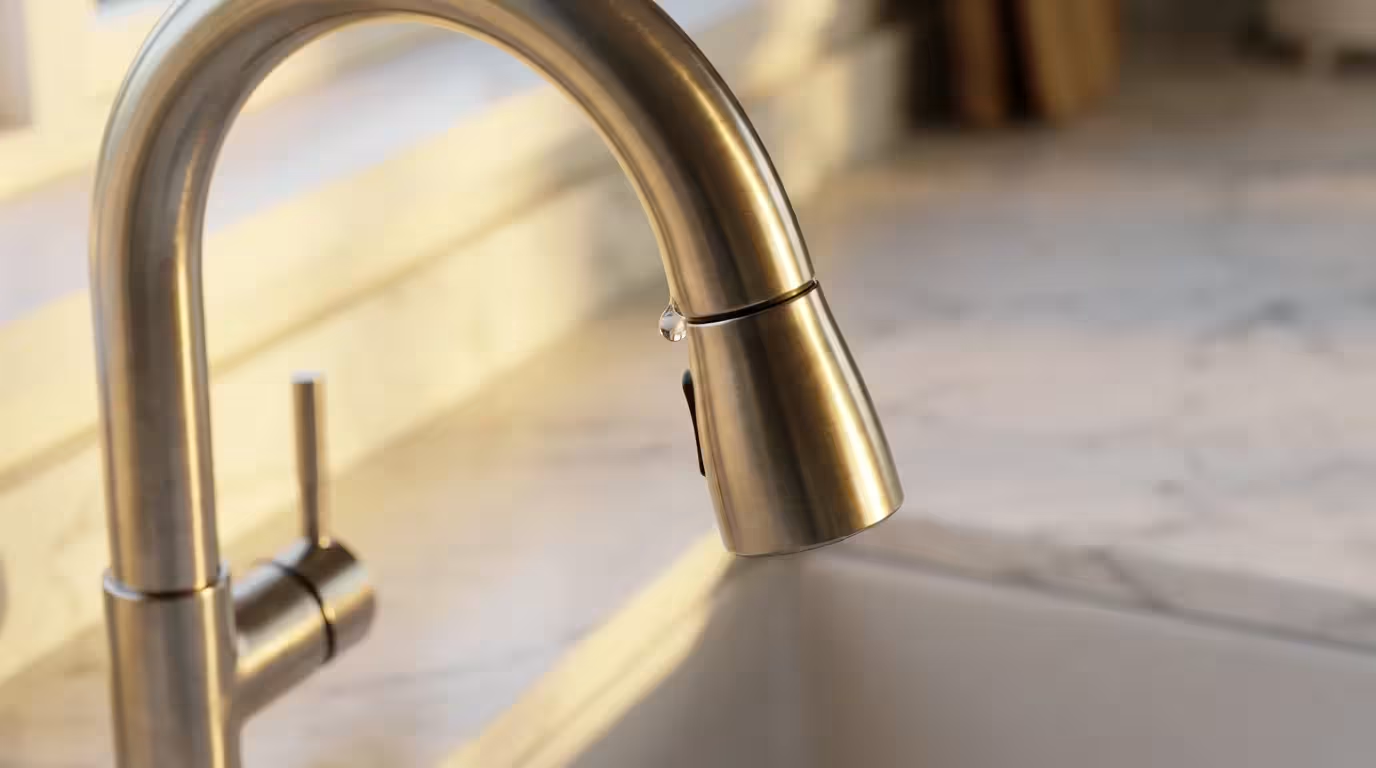
Top Picks: Best Kitchen Faucets by Category
We have categorized these recommendations based on reliability, ease of use, and value. We prioritize faucets with magnetic docking systems (to prevent the drooping spray head) and durable internal components.
Just as with finding coffee makers for every budget, selecting a faucet requires comparing technical performance against your daily habits.
Best Overall: Moen Arbor High-Arc Pulldown
The Moen Arbor strikes the perfect balance between style, function, and reliability. It features a transitional design that fits both contemporary and traditional kitchens. The standout feature is the “Reflex” system, which ensures the spray head retracts smoothly and docks securely every time.
According to Wirecutter, Moen faucets are consistently top performers due to their easy installation and responsive customer service. The Arbor specifically offers a spot-resist stainless finish that actually repels water spots and fingerprints—a massive bonus for busy households.
- Pros: Excellent retraction, resists spots, easy DIY installation.
- Cons: The plastic spray face feels less premium than the metal body.
- Skip if: You want a strictly industrial or hyper-modern aesthetic.
Best Value: Delta Leland with ShieldSpray
Delta is a powerhouse in the faucet industry, and the Leland is their flagship value model. It uses Delta’s “MagnaTite” docking, which uses a powerful magnet to snap the sprayer back into place—no drooping over time. It also features Diamond Seal Technology, a ceramic disc valve embedded with diamonds to reduce leak points and last significantly longer than standard valves.
The “ShieldSpray” feature shoots a concentrated jet of water inside a protective sphere of water, allowing you to blast food off plates without making a mess. It is an impressive piece of engineering at a mid-range price point.
- Pros: Magnetic docking is foolproof, ShieldSpray cleans effectively, durable internal valve.
- Cons: The handle requires clearance behind the faucet, which can be an issue if your backsplash is tight to the sink.
- Skip if: You have zero clearance between your sink hole and the backsplash.
Best Commercial Style: Kraus Bolden
If you love the look of a professional restaurant kitchen, the Kraus Bolden provides that industrial aesthetic without the massive footprint of a true commercial unit. At 18 inches tall, it fits under most standard kitchen cabinets, unlike many commercial rivals that soar over 22 inches.
The open-coil spout looks aggressive, but the spray head is easy to maneuver. Kraus is known for providing high-end looks at budget-friendly prices. While the internal plastic components aren’t quite as robust as a high-end Moen or Kohler, the price-to-performance ratio is undeniable.
- Pros: Stunning industrial look, compact height fits residential kitchens, excellent price.
- Cons: The spray button must be held down to stay in spray mode (on some versions), which can be annoying.
- Skip if: You hate cleaning dust out of the open spring coils.
The Splurge: Kohler Artifacts
For those who view the faucet as the “jewelry” of the kitchen, the Kohler Artifacts line is the upgrade pick. It features heavy brass construction and a level of finish quality that feels substantial in the hand. The “BerrySoft” spray is designed specifically for washing delicate produce without bruising it, while the “Sweep Spray” creates a wide, powerful blade of water for cleaning the sink.
- Pros: superior build quality, unique spray functions, beautiful vintage design.
- Cons: Expensive; side lever can feel stiff compared to Moen.
- Skip if: You are on a strict budget or prefer a minimalist, modern look.
Materials and Finishes That Last
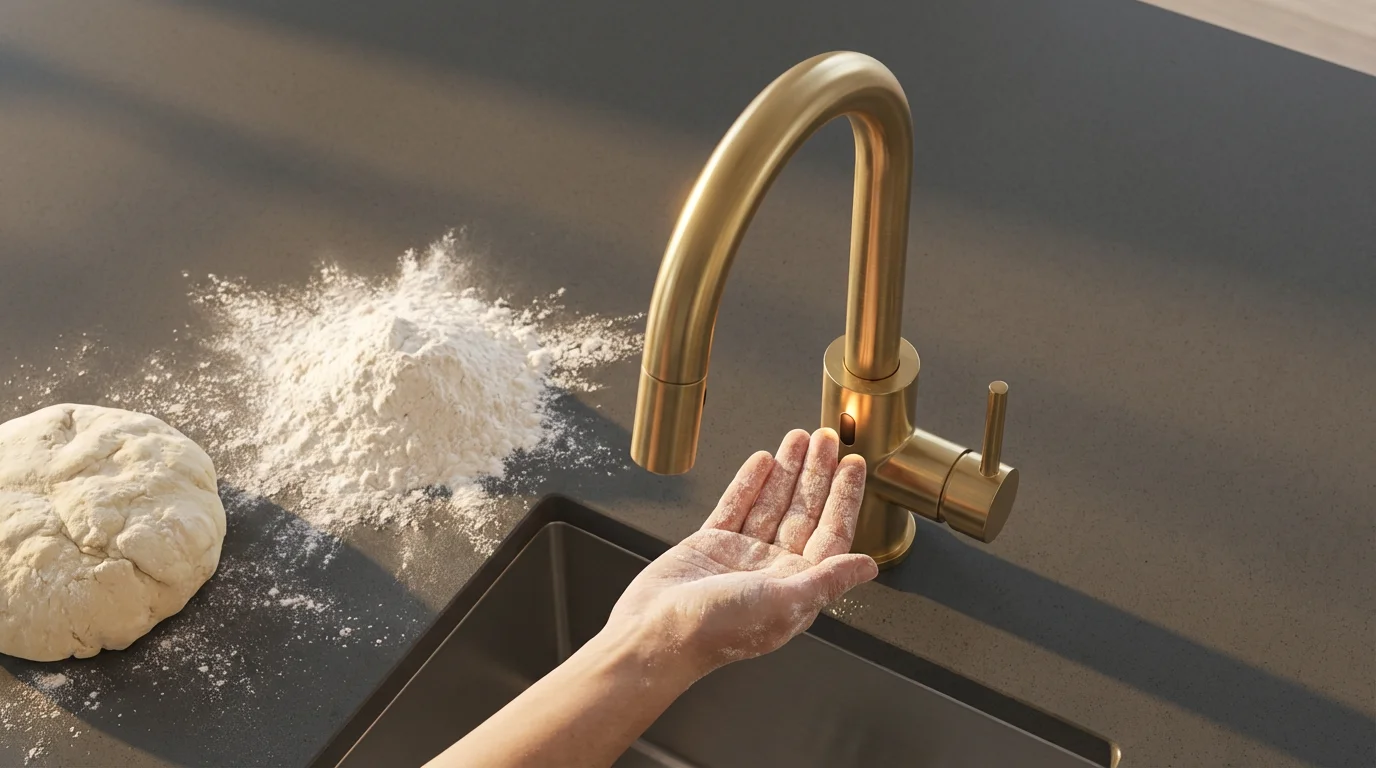
The finish of your faucet dictates how much time you will spend cleaning it. Durability is determined by how the finish is applied. Look for PVD (Physical Vapor Deposition) finishes. This process bonds the finish to the metal at a molecular level, making it incredibly resistant to scratching and tarnishing.
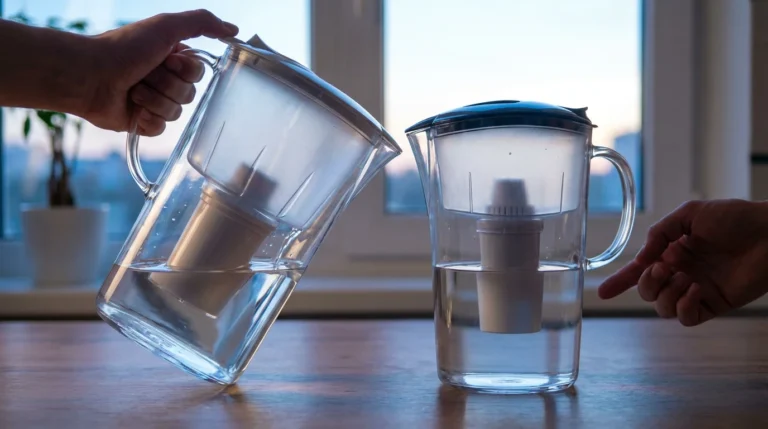
If you are concerned about water quality or mineral buildup on your new finish, using a water filter pitcher can improve the taste of your drinking water.
- Chrome: The most durable and easiest to clean. It shines up easily but does show water spots. It is usually the most affordable option.
- Spot-Resist Stainless / Brushed Nickel: The best choice for families. The matte texture hides water spots and fingerprints effectively.
- Matte Black: A major trend in kitchen design. While beautiful, it can show calcium deposits (white scale) if you have hard water. Ensure you buy a high-quality brand; cheap matte black finishes can chip or peel.
- Oil-Rubbed Bronze: Offers a rustic, traditional look. “Living finishes” (which change color over time) are common in this category, so read the description carefully to know if the color will stay consistent.
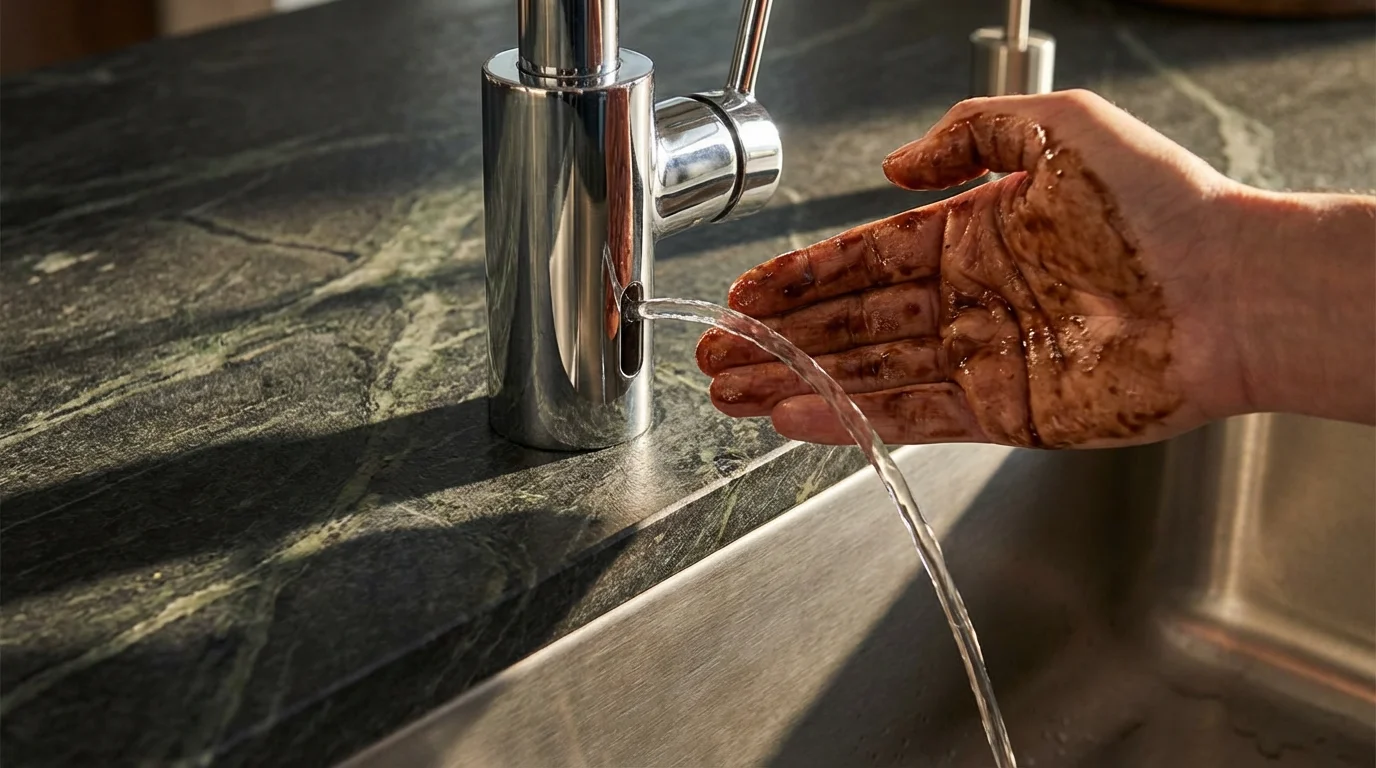
Smart Features: Are Touchless Faucets Worth It?
Touchless faucets allow you to turn the water on and off by waving your hand near a sensor. This sounds ideal for handling raw chicken or messy dough.
Finding a faucet that fits your cooking style is just as vital as learning how to choose the right blender for your daily prep needs.
These motion-activated features are frequently included in guides for accessible kitchen tools, as they reduce the physical effort required to operate the sink.
However, smart faucets introduce complexity. They require power (usually a battery pack under the sink or an AC adapter). If the batteries die or the solenoid valve fails, your faucet may stop working entirely or revert to manual mode. Consumer Reports notes that electronic faucets have higher repair rates than manual ones simply because there are more parts to break.
The Verdict: Only buy a touchless faucet if you cook frequently with raw meat and have the patience to change batteries annually. If you choose this route, the Moen MotionSense technology is widely regarded as the most reliable, utilizing dual sensors to distinguish between a wave (for washing) and you simply working near the sink.
Vital Specs: Flow Rate, Arc Height, and Valves
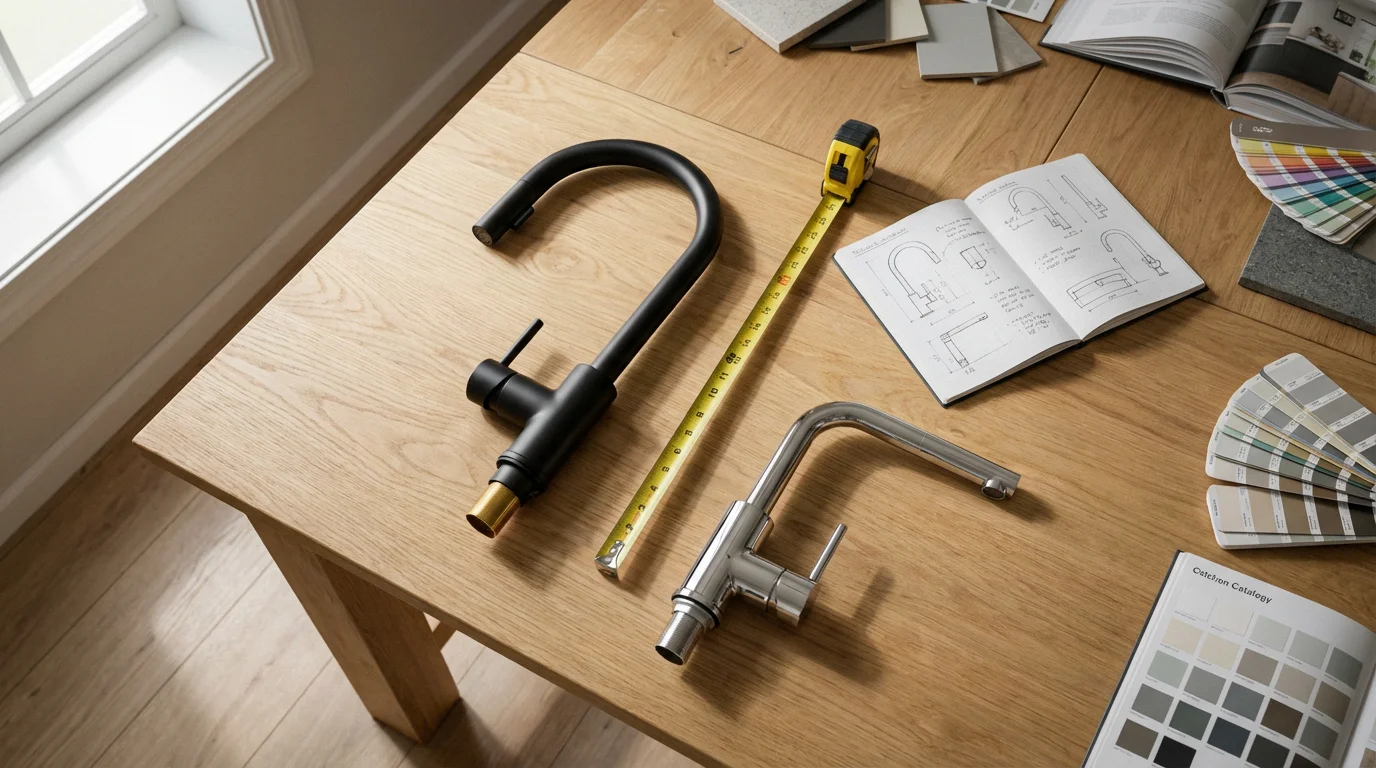
Ignoring the technical specifications is the most common buying mistake. Here is what the numbers mean.
Flow Rate (GPM)
Measured in Gallons Per Minute. The federal standard is 2.2 GPM, but states like California and Georgia restrict this to 1.8 GPM or lower for water conservation. Most modern faucets are 1.5 to 1.8 GPM. If you have low water pressure in your home, look for a faucet with a “Boost” button (common on Moen and Kohler models) that temporarily increases flow to fill pots faster.
Ceramic Disc Valves
The valve is the engine of the faucet. In the past, faucets used rubber washers that degraded over time, leading to drips. Modern faucets use ceramic disc valves. These are two hardened ceramic discs that slide against each other to control water flow. They are nearly diamond-hard and impervious to debris and temperature extremes. Do not buy a faucet that uses plastic cartridges or rubber washers; it is a leak waiting to happen.
Reach and Arc
Reach is how far the spout extends into the sink. The water stream should hit near the center of the drain. If the reach is too short, you will be washing your hands against the back of the sink. If it is too long, you will splash water onto the floor.
Comparison of Top Faucet Models
| Model | Type | Height | Docking Tech | Best For |
|---|---|---|---|---|
| Moen Arbor | Pull-Down | 15.5″ | Reflex (Weighted) | Overall Reliability |
| Delta Leland | Pull-Down | 14.8″ | MagnaTite (Magnetic) | Value & Durability |
| Kraus Bolden | Commercial Pull-Down | 18″ | Mechanical Arm | Budget & Style |
| Kohler Artifacts | Pull-Down | 17.6″ | DockNetik (Magnetic) | Luxury & Spray Options |
| Moen Align | Smart Pull-Down | 22.5″ | MotionSense | Touchless Technology |

Installation and Warranty: What to Look For
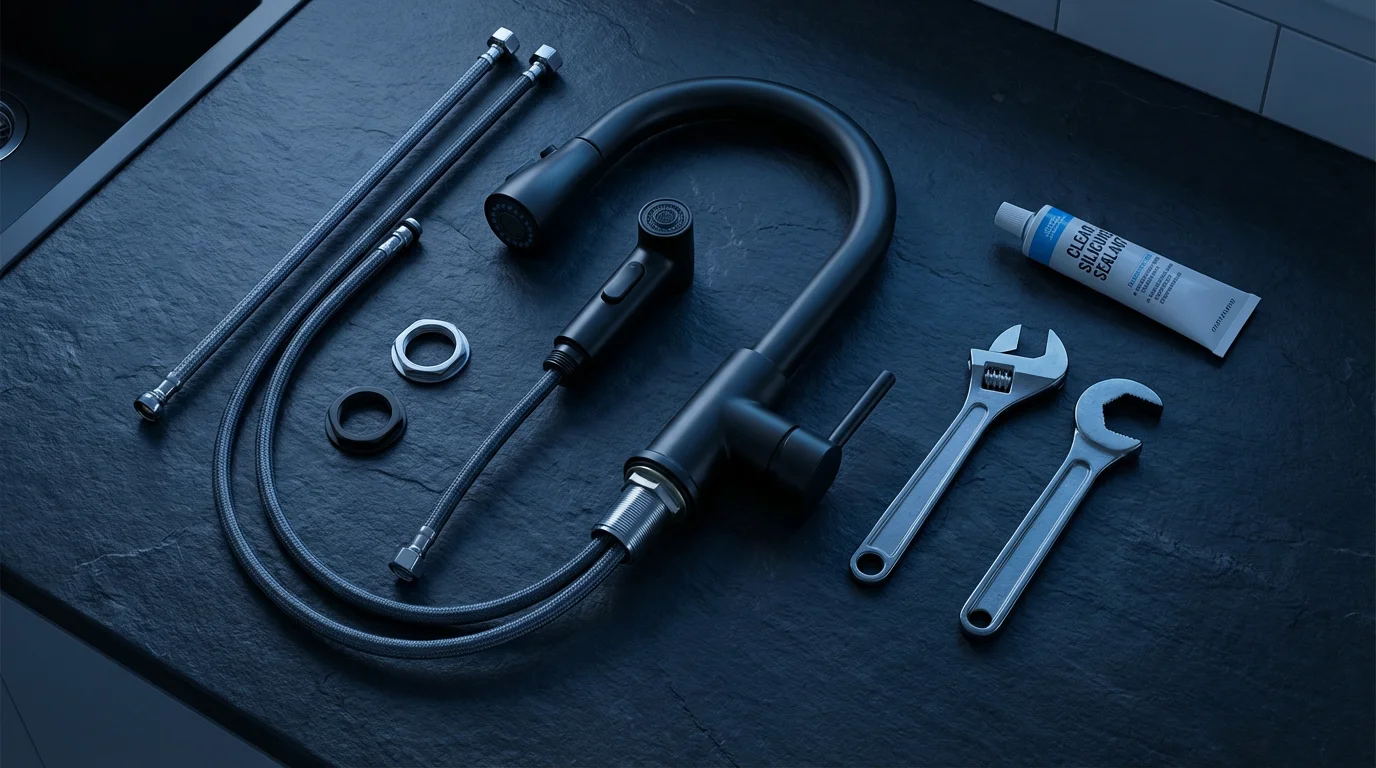
Installing a kitchen faucet is a manageable DIY project for most homeowners. It usually requires an adjustable wrench, silicone sealant, and about an hour of time. Manufacturers have simplified the process significantly; for example, Moen’s “Duralock” quick-connect system allows you to snap water lines together without tools.
However, removing the old faucet is often the hardest part due to rusted nuts and tight spaces behind the sink. If you aren’t comfortable lying on your back inside a cabinet, a plumber will typically charge between $150 and $300 for installation.
Decoding the Warranty
Look for a Lifetime Limited Warranty. Brands like Moen, Delta, and Kohler offer warranties that cover the finish and the function for as long as the original purchaser owns the home. This is crucial. If your cartridge starts leaking in five years, these companies will typically mail you a replacement part for free. Budget generic brands found on Amazon often only offer 1-year warranties and disappear when you need support.
Frequently Asked Questions
Can I install a single-hole faucet on a three-hole sink?
Yes. You will need to use a deck plate (escutcheon). This is a rectangular metal plate that sits at the base of the faucet and covers the two outer holes that are no longer needed. Most single-hole faucets come with a deck plate included in the box, but you should verify this before purchasing.
How do I clean my faucet to prevent hard water buildup?
Avoid harsh chemical cleaners or abrasive pads, which can ruin the finish. The best method is to clean with mild soap and water, then dry with a soft cloth. For existing calcium buildup (white crust), soak a paper towel in a 50/50 mixture of white vinegar and water, wrap it around the affected area for 15 minutes, and then wipe clean.
Why is my pull-down sprayer not retracting all the way?
This is usually caused by the counterweight under the sink getting stuck. Open the cabinet and locate the weight attached to the sprayer hose. Ensure it has a clear path to move up and down without hitting plumbing pipes or cleaning supplies. If the weight drags against an object, the sprayer won’t snap back into the spout.
Disclaimer: Product prices, features, and availability change frequently. Prices shown were accurate at time of writing but may have changed. We may earn a small commission from purchases made through links on this site, at no extra cost to you. Always verify current pricing and specifications on the retailer’s website before purchasing.