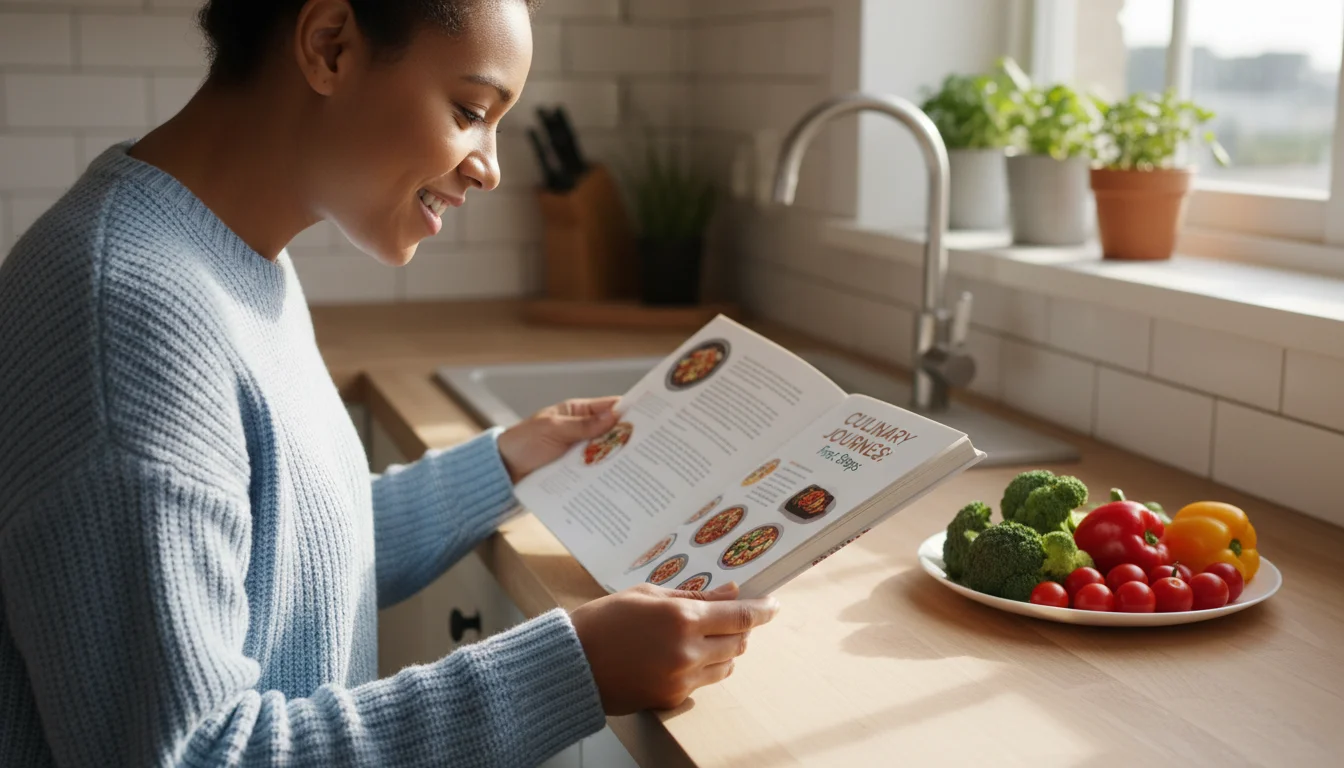
Walking into the cookbook section of a bookstore or scrolling through online listings is overwhelming. There are thousands of options, from celebrity chef memoirs to hyper-niche diet guides. But when you are just starting, you don’t need a book filled with aspirational photos of food you’ll never make. You need a mentor in paper form.
If you are interested in baking alongside your culinary studies, pairing your first book with the best bakeware sets for beginners will set you up for success.
If you are starting a new home together, our kitchen registry guide for new couples can help you coordinate your gear with your cooking goals.
The best cookbooks for beginner cooks do more than list ingredients; they teach you how to cook. They explain the “why” behind a technique, help you understand flavor profiles, and give you the confidence to eventually go off-script. Whether you are setting up your first apartment kitchen or finally deciding to stop ordering takeout every night, the right book accelerates your learning curve significantly.
We have curated a list of the most practical, educational, and accessible cookbooks available today. These aren’t just collections of recipes; they are manuals for building a life skill.

Quick Comparison: Top Picks at a Glance
If you are in a rush, here is how our top recommendations stack up against each other. We have categorized them by their primary strength to help you identify which teaching style fits you best.
| Book Title | Best For | Format Style | Skill Level |
|---|---|---|---|
| How to Cook Everything: The Basics | Most People (Top Pick) | Photo-heavy, step-by-step | Absolute Beginner |
| Salt, Fat, Acid, Heat | Learning Flavor Theory | Narrative & Illustrated | Beginner to Intermediate |
| The ATK Cooking School Cookbook | Visual Learners | Classroom Style | Beginner |
| Small Victories | Building Confidence | encouraging, spin-off recipes | Beginner |
| The Food Lab | Science & “Why” | Textbook/Reference | Curious Beginner |
| Good and Cheap | Budget Cooking | Practical & Flexible | Student / Budget |
How We Chose the Best Beginner Cookbooks
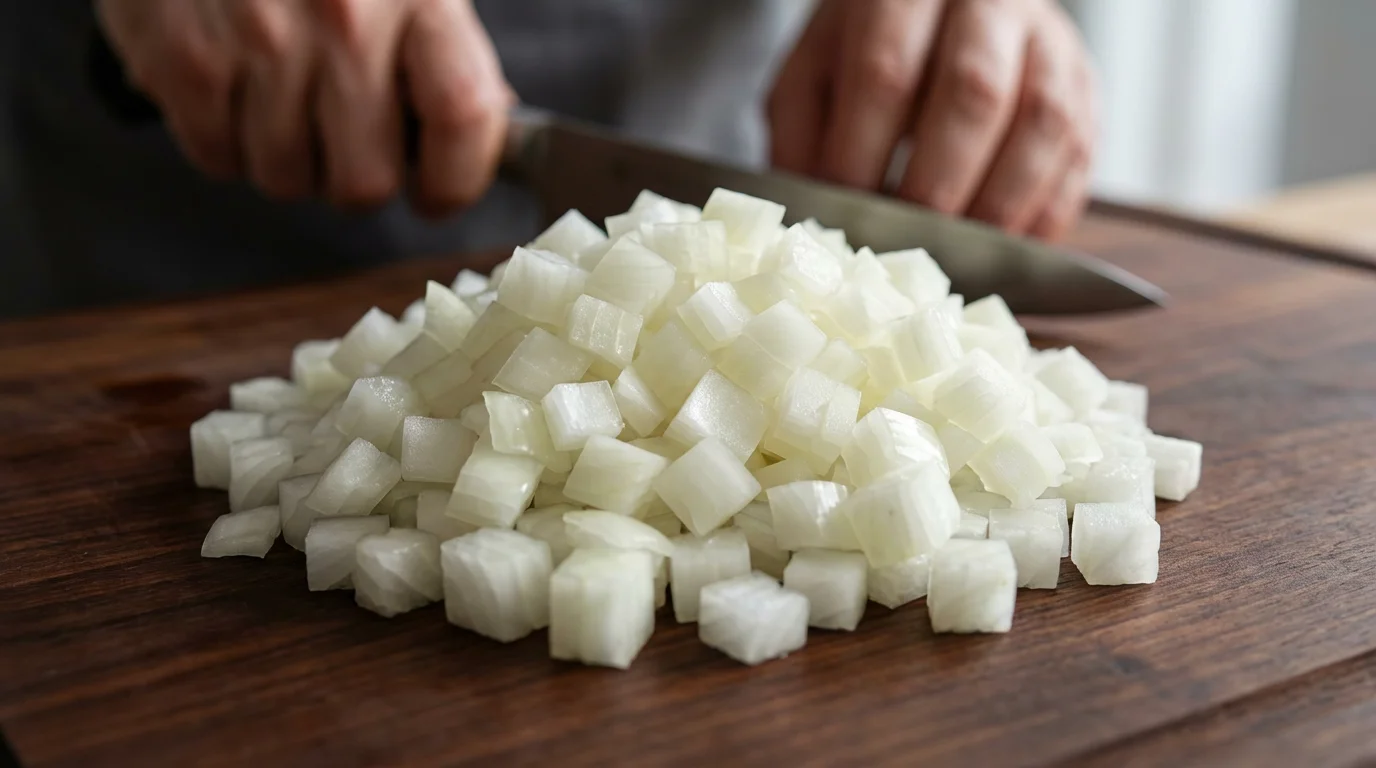
Not all “easy” cookbooks are good for beginners. Some use “easy” to mean “uses pre-packaged processed ingredients,” while others assume you already know how to dice an onion or braise meat. To select the books for this guide, we focused on three critical factors:
- Pedagogy (Teaching Style): Does the book explain the technique? If a recipe calls for “sautéing,” does the book explain what that looks and sounds like? The best books empower you to transfer skills from one recipe to another.
- Ingredient Accessibility: A beginner shouldn’t have to visit three different specialty grocers to make Tuesday night dinner. We prioritized books that utilize standard supermarket ingredients.
- Visual Guidance: For someone who has never roasted a chicken, text isn’t always enough. We looked for books that offer clear photography or illustrations that guide you through the process, not just “beauty shots” of the finished plate.
“A great beginner cookbook doesn’t just give you a fish; it teaches you how to use the fishing rod, clean the fish, and cook it three different ways.”
Best Overall: How to Cook Everything: The Basics
How to Cook Everything: The Basics by Mark Bittman
Perfect for: The absolute beginner who wants a comprehensive manual for almost any standard dish.
To follow Bittman’s simple recipes correctly, make sure you are using high-quality measuring cups and spoons to maintain accuracy.
If you only buy one book to start your kitchen journey, make it this one. Mark Bittman is a master of stripping away the pretension of cooking and focusing on straightforward, delicious results. While his original massive volume, How to Cook Everything, is a classic, this “Basics” edition is specifically re-engineered for true novices.
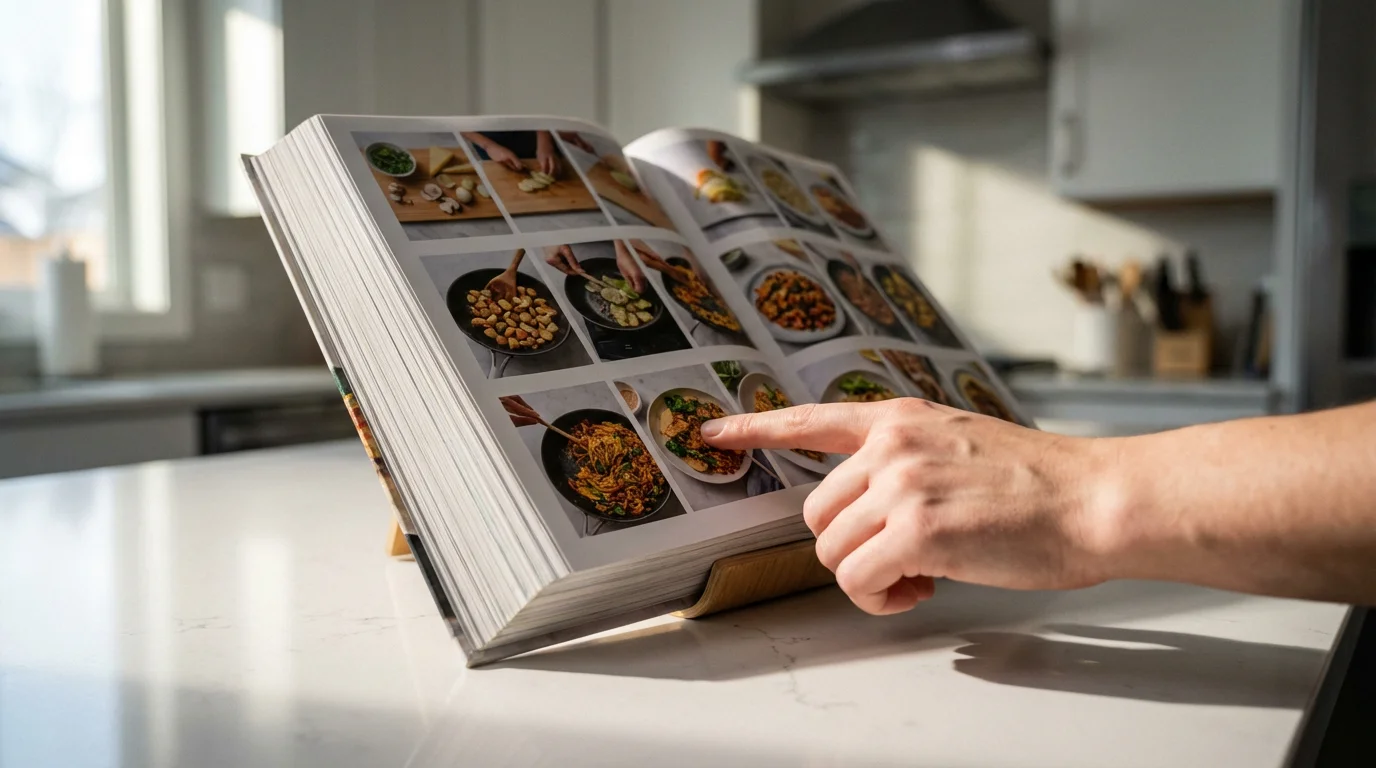
What sets this book apart is the photography. Unlike typical cookbooks that show only the final dish, Bittman includes thousands of photos illustrating the intermediate steps. You see what the onions look like when they are “softened,” and what the steak looks like when it’s “seared.” This visual confirmation is invaluable when you have no frame of reference.
The book covers essentials like boiling eggs, roasting vegetables, and making simple pasta sauces. It also introduces the concept of “variations,” teaching you that once you know the basic recipe, you can swap ingredients to create entirely new meals.
Pros:
- Step-by-step photography for almost every technique.
- Clear, jargon-free instructions.
- Teaches you how to fix mistakes.
Cons:
- Some readers may find the layout busy due to the number of photos.
- Focuses on American standard staples; less coverage of global cuisines.
Best for Learning Theory: Salt, Fat, Acid, Heat
Salt, Fat, Acid, Heat by Samin Nosrat
Perfect for: The intuitive cook who wants to break free from following recipes line-by-line.
Samin Nosrat’s book is a phenomenon for a reason. It is not just a collection of recipes; it is a masterclass in culinary theory. Nosrat argues that if you master four elements—Salt, Fat, Acid, and Heat—you can cook anything and make it taste delicious.
The first half of the book is a textbook (a fun, readable one) illustrated with charming watercolors by Wendy MacNaughton. It explains how salt affects meat versus vegetables, how different fats carry flavor, and how acid brightens a heavy dish. The second half offers recipes that reinforce these lessons. This is the book you read on the couch before you even step into the kitchen.
According to Serious Eats, understanding the underlying principles of cooking is often more valuable than owning the most expensive equipment. This book provides exactly that mental software.
Pros:
- Teaches the “whys” of cooking, allowing for improvisation.
- Engaging, warm narrative voice.
- Beautiful illustrations that simplify complex concepts.
Cons:
- Not a quick “what’s for dinner” reference guide.
- Requires reading the text to get the full value; not for skimmers.
Best for Visual Learners: The America’s Test Kitchen Cooking School Cookbook
The America’s Test Kitchen Cooking School Cookbook
Perfect for: People who crave precision, reliability, and classroom-style instruction.
If you are the type of person who liked science labs in school, you will love America’s Test Kitchen (ATK). As America’s Test Kitchen is famous for, they test every recipe dozens of times to ensure it is foolproof. This book is essentially their culinary school curriculum bound in hardcover.
This massive volume is structured by course/technique. It doesn’t just say “make a stew”; it has a chapter on “Stewing and Braising.” It features over 600 recipes and, crucially, over 2,500 photos. It explicitly highlights “What Can Go Wrong,” showing you photos of failed attempts (like over-whipped cream or broken sauces) so you can identify and avoid errors.
Pros:
- Extremely reliable recipes that work every time.
- “troubleshooting” sections are incredibly helpful.
- Covers equipment recommendations and knife skills thoroughly.
Cons:
- The book is physically heavy and large (high footprint).
- The aesthetic is very utilitarian and textbook-like.
Best for Building Confidence: Small Victories
Small Victories by Julia Turshen
Perfect for: The anxious cook who needs encouragement and low-stress wins.
Learning to master these small victories is a great first step toward efficient meal prep Sundays.
Julia Turshen understands that cooking can be scary. Small Victories is built around the idea that mastering one simple thing—a “small victory”—can unlock dozens of other possibilities. For example, she teaches you how to make a simple pot of lentils. Once you have that victory, she shows you how to turn those lentils into a salad, a soup, or a side dish.
The tone is supportive, like a kind friend standing next to you in the kitchen. The recipes are approachable but sophisticated enough to serve at a dinner party. It bridges the gap between “beginner food” and “food you actually want to eat.”
Pros:
- Highly encouraging tone reduces kitchen anxiety.
- “Spin-off” ideas maximize the value of learning one recipe.
- Focuses on achievable, delicious home cooking.
Cons:
- Fewer step-by-step process photos than Bittman or ATK.
- Smaller recipe count than the encyclopedic options.

Best for Science Geeks: The Food Lab
The Food Lab by J. Kenji López-Alt
Perfect for: Engineers, scientists, and anyone who asks, “But why do I have to do it that way?”
If you enjoy the technical side of cooking, you might also enjoy our air fryer basics guide to understand how convection heat works.
J. Kenji López-Alt applies the scientific method to home cooking. The Food Lab is a massive tome that challenges conventional wisdom. Kenji doesn’t just tell you to boil pasta in a large pot; he tests whether the volume of water actually matters (spoiler: often it doesn’t) and proves it with data.
This is an “upgrade pick” regarding complexity. It is dense. However, for a beginner with a curious mind, it is unmatched. You will learn the thermodynamics of searing a steak and the chemistry of an emulsion. While Wirecutter and other review sites often cite Kenji’s rigorous testing for equipment, his recipes apply that same rigor to ingredients.
Pros:
- Debunks common cooking myths.
- Produces restaurant-quality results.
- Entertaining, voice-driven writing style.
Cons:
- Can be intimidatingly large (nearly 1,000 pages).
- Some recipes are complex and time-consuming.

Best Budget Pick: Good and Cheap
Good and Cheap by Leanne Brown
Perfect for: Students, young professionals on a budget, and frugal cooks.
Originally created as a thesis project for New York University, this book was designed for people living on the US food stamp allotment (SNAP), which at the time was roughly $4 a day. Leanne Brown proves that limited funds do not mean you have to eat processed garbage.
The recipes are creative, vegetable-forward, and incredibly flexible. Brown focuses on using versatile ingredients that don’t go to waste. For a beginner, this teaches a crucial skill: resourcefulness. You learn to make savory oatmeal, versatile frittatas, and sauces that dress up inexpensive grains. The PDF version is available for free online, but the physical copy is a great kitchen companion.
Pros:
- Focuses on high-value, low-cost ingredients.
- Very flexible recipes that adapt to what you have.
- Teaches waste reduction.
Cons:
- Not a comprehensive technique manual (pair it with YouTube).
- Lacks recipes for expensive proteins (steaks, roasts).
Buying Guide: What Makes a Great Beginner Cookbook?
Before you fill your Amazon cart, understand that a cookbook is a tool, just like a chef’s knife. To get the most value, you need to choose one that aligns with your current skills and your learning style.
1. The “Lay-Flat” Factor
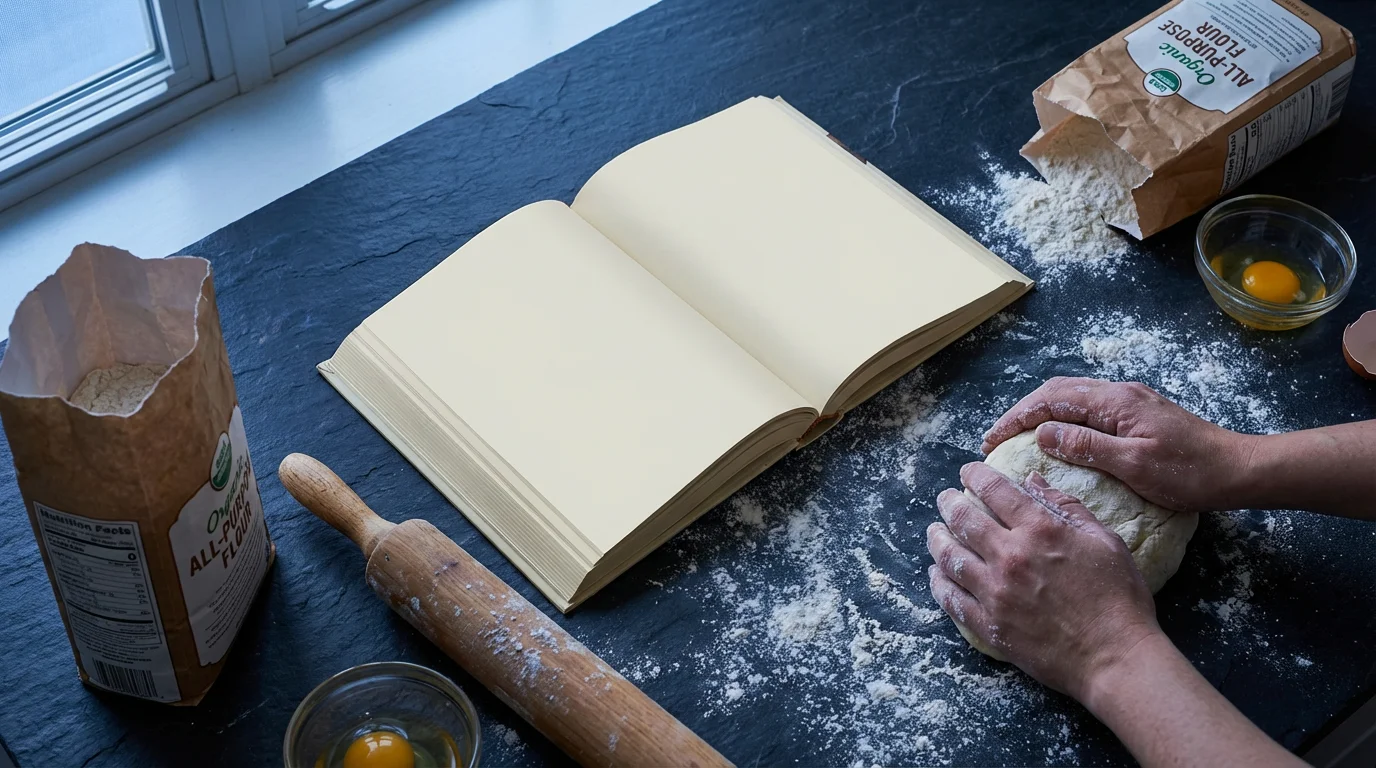
This is a physical spec often overlooked. A cookbook needs to stay open on the counter while your hands are covered in flour or chicken juice. Hardcovers with sturdy bindings (like The Food Lab or How to Cook Everything) usually stay open better than small paperbacks. If you buy a paperback, you might need a cookbook stand.
2. Ingredient Philosophy
Check the ingredient lists of a few recipes before buying. As a beginner, you want a book that relies on “pantry staples”—items you can buy at a standard grocery store and will use again. Avoid books that require a different $10 spice for every single recipe, as this leads to a cluttered pantry and wasted money.
3. “Mise en Place” and Prep Guidance
Mise en place is a French culinary phrase meaning “everything in its place.” It refers to organizing your ingredients before you start cooking. Good beginner books list ingredients in the order they are used and specify how they should be prepped (e.g., “1 onion, diced” vs. “1 onion”). This subtle detail saves you from panic mid-recipe.
4. Digital vs. Physical
While recipe apps are convenient, a physical book is often better for beginners. Screens dim, phones get dirty, and scrolling with wet fingers is a hassle. A physical book allows you to make notes in the margins—a practice we highly encourage. Write down if you added more salt, or if your oven cooked the chicken faster than the book said. These notes become your personal customization.
Frequently Asked Questions
How many cookbooks do I really need?
You truly only need one or two good ones to start. We recommend one comprehensive “bible” (like How to Cook Everything or The ATK Cooking School Cookbook) for reference, and perhaps one narrative or specific book (like Salt, Fat, Acid, Heat) for inspiration. Buying too many at once leads to decision paralysis.
Should I buy the e-book version to save money?
For reference books like The Food Lab, e-books are searchable, which is a great feature. However, for learning technique, physical books are generally superior. They allow you to see the full page layout, flip back and forth easily, and they don’t turn off automatically while you are chopping vegetables.
What if I follow the recipe but it tastes bad?
This is part of the learning process. Cookbooks provide a baseline, but your variables (your specific oven, the size of your vegetables, the brand of salt) will differ. Taste your food as you cook. If it tastes bland, it likely needs salt or acid (lemon juice/vinegar). If it tastes burnt, turn down the heat. Use the book as a map, not a rigid law.
Do I need expensive equipment for these books?
Most beginner cookbooks are written with standard equipment in mind. You generally need a chef’s knife, a cutting board, a skillet, a saucepan, and a baking sheet. Specialized books (like baking guides or sous-vide books) require more gear, but the general titles listed here assume a basic kitchen setup.
Disclaimer: Product prices, features, and availability change frequently. Prices shown were accurate at time of writing but may have changed. We may earn a small commission from purchases made through links on this site, at no extra cost to you. Always verify current pricing and specifications on the retailer’s website before purchasing.