

Cooking authentic stir-fry at home often feels like a battle against your equipment, especially if you have an electric stove. You watch professional chefs toss ingredients over roaring gas flames, achieving that smoky “wok hei” flavor, and wonder if your glass-top or coil burner can ever compete. The short answer is yes—but only if you choose the right tool.
Traditional round-bottom woks are disastrous on electric stovetops. They wobble, making cooking dangerous, and they have minimal contact with the heating element, which means your food steams rather than sears. To succeed, you need a vessel designed to bridge the gap between ancient technique and modern electric appliances.
You need a flat-bottomed wok with the right material composition to retain heat despite the cycling nature of electric burners. This guide cuts through the marketing noise to help you find the best wok for electric stoves, ensuring your next stir-fry is crisp, flavorful, and perfectly cooked.
Why Electric Stoves Require Specific Woks
Gas stoves provide instant, constant heat that wraps around the sides of a pan. Electric stoves, whether coil or glass induction/ceramic, operate differently. They heat a specific surface area and often cycle on and off to maintain a temperature setting. This cycling creates a problem for traditional stir-frying, which relies on blistering high heat.
When you lift a pan off a gas flame to toss food, the heat source is still there. When you lift a pan off an electric element, the heat transfer stops immediately. If your wok is too thin, the temperature plummets the second you add ingredients or lift the pan. If it’s too thick, it takes forever to react to temperature changes.
Therefore, the best wok for your kitchen must balance heat retention (staying hot when you add cold vegetables) with responsiveness (heating up quickly). You also need absolute stability. A wobbling pan on a glass cooktop spins dangerously and scratches the surface.
Material Matters: Carbon Steel vs. Cast Iron
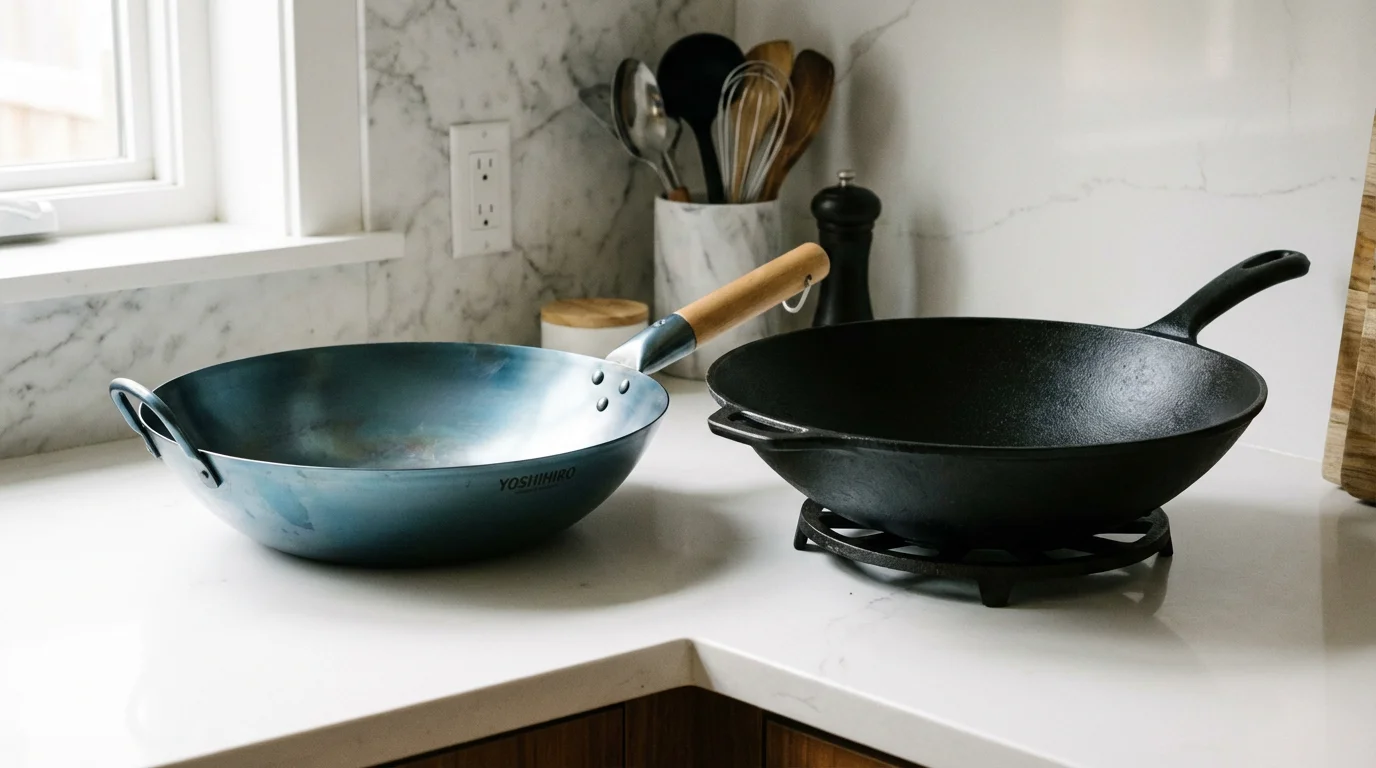
The material of your wok dictates how it performs. While you will see stainless steel and non-stick options, the battle for the best stir-fry usually comes down to carbon steel and cast iron.
Carbon Steel: The Professional Standard
Carbon steel is the traditional material for woks, favored in restaurants worldwide. It is essentially iron with a small amount of carbon (usually around 1%). It is lighter than cast iron but heats up much faster.
For an electric stove, you should look for carbon steel with a heavy gauge. “Gauge” refers to the thickness of the metal; confusingly, a lower gauge number means thicker metal. A 14-gauge wok (approx 1.6mm) is thicker than a 16-gauge one. Thicker carbon steel resists warping—a common issue on electric coils—and holds heat better than thin, cheap alternatives.
“Carbon steel is the gold standard for woks: It heats quickly and evenly, is highly responsive to changes in temperature, and, over time, develops a nonstick patina.” — Serious Eats
Cast Iron: The Heat Retainer
Cast iron is heavy and slow to heat, which sounds like a disadvantage. However, on an electric stove that cycles heat on and off, cast iron’s density is a massive asset. Once it gets hot, it stays hot. When you dump a pound of refrigerated chicken into a cast iron wok, the temperature won’t crash as drastically as it would in a thin pan.
The downside is the weight. Tossing food—a key part of stir-fry technique—is nearly impossible with a traditional cast iron wok. You will rely more on your spatula than your wrist.
Stainless Steel and Tri-Ply
Stainless steel is durable and non-reactive (you can cook acidic sauces in it), but it is a poor conductor of heat on its own. This is why high-end brands like All-Clad use “tri-ply” construction, sandwiching a layer of aluminum between layers of steel. This distributes heat evenly up the sidewalls. While excellent for general cooking, stainless steel is “sticky” compared to seasoned carbon steel, making it harder to use for delicate stir-fries unless you use plenty of oil.
Non-Stick Surfaces
You should generally avoid non-stick (PTFE/Teflon) woks for high-heat stir-frying. Most non-stick coatings degrade rapidly above 500°F (260°C). Since the goal of a wok is high heat, these pans are contradictory. However, for low-heat noodle dishes or steaming, they are serviceable.
Understanding Design: Flat vs. Round Bottoms
This is the most critical factor for your purchase. You must buy a flat-bottomed wok.
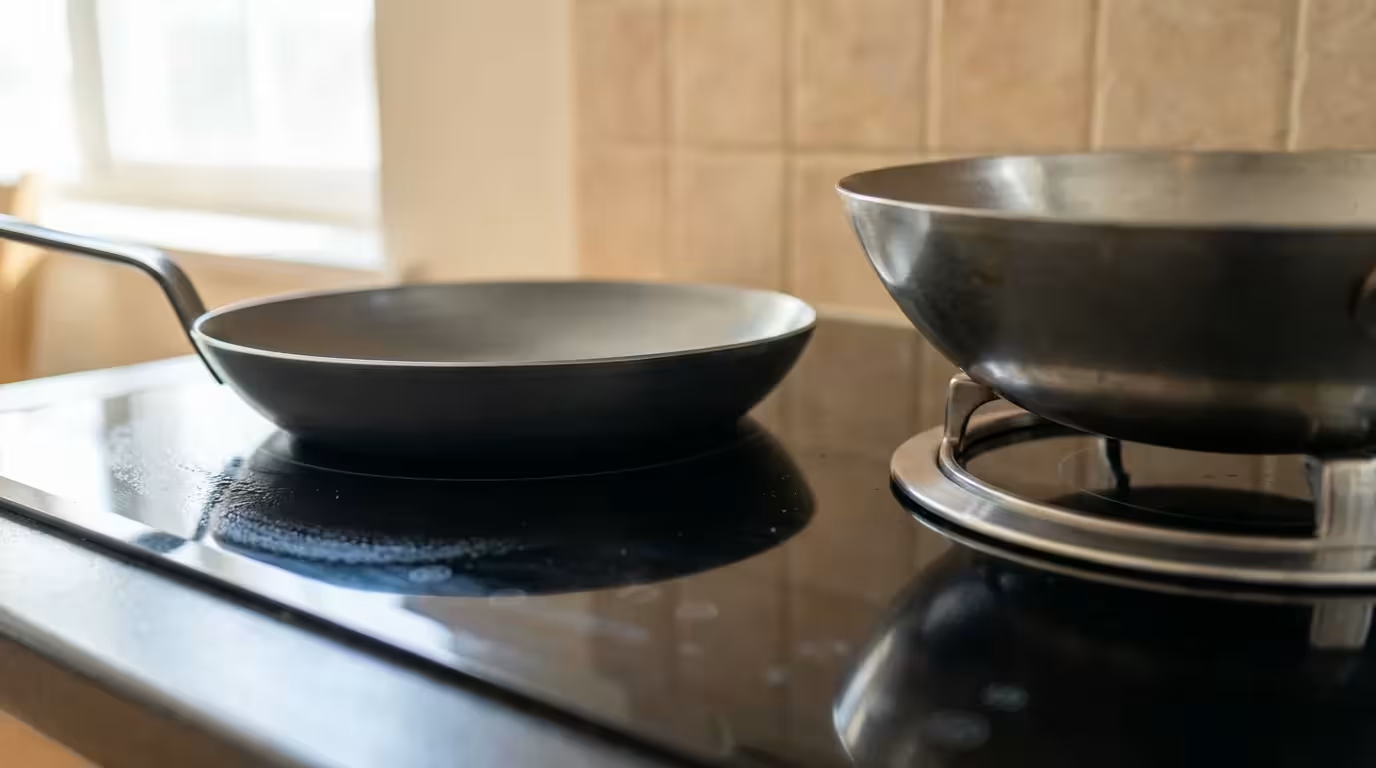
A round-bottom wok requires a wok ring to sit on a stove. On a gas stove, the flame shoots up through the ring to hit the pan. On an electric stove, the ring lifts the pan away from the heating element. Since electric heat transfers primarily through conduction (direct contact), a round-bottom wok on a ring will barely get hot enough to scramble an egg, let alone sear beef.
A flat-bottomed wok sits directly on the coil or glass. This maximizes the contact patch for heat transfer. Look for a wok where the flat area is roughly the same diameter as your largest burner (usually 6 to 8 inches) to ensure even heating.
Top Recommendations by Category
Based on material performance, durability, and compatibility with electric elements, here are the top contenders for your kitchen.
Best Overall: Heavy-Gauge Carbon Steel (e.g., Joyce Chen or Yosukata)
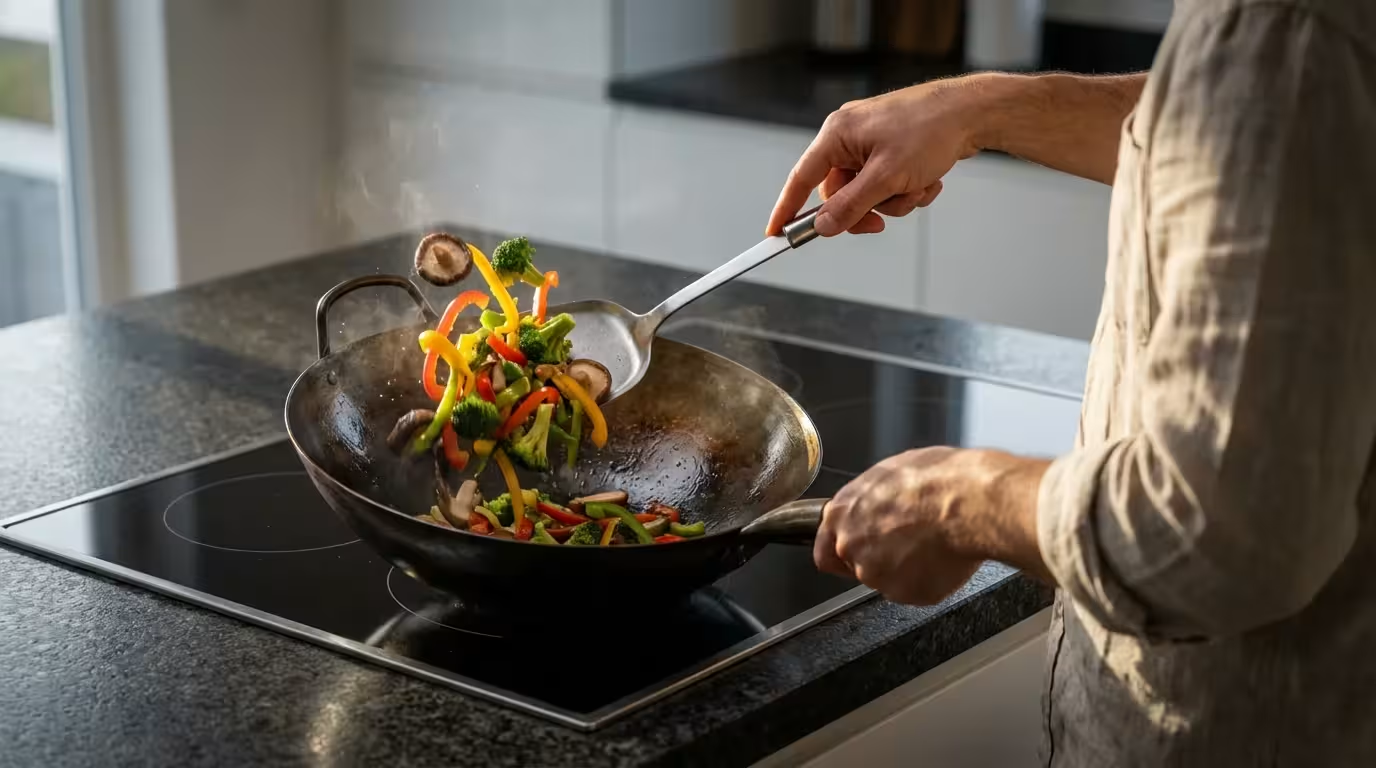
For most home cooks, a 14-inch flat-bottom carbon steel wok is the correct choice. Brands like Joyce Chen (specifically the Pro Chef series) or Yosukata offer excellent value. These pans are light enough to maneuver but thick enough to prevent warping on electric heat.
Why it wins: It seasons beautifully, becoming naturally non-stick over time. The flat bottom ensures maximum heat uptake from your electric burner, while the high walls allow you to push cooked food aside to keep it warm without burning.
Best for Heat Retention: Cast Iron Wok (e.g., Lodge)
If you have an older electric coil stove that struggles to maintain high temperatures, a cast iron wok from a maker like Lodge is a strategic choice. The Lodge 14-inch cast iron wok features a sturdy, flat base that sits securely on the burner.
Why it wins: It acts as a heat battery. Once preheated, it powers through the addition of cold ingredients. It is virtually indestructible. However, be aware of the weight; you will need to use the helper handles to move it.
Best Premium Pick: Tri-Ply Stainless Steel (e.g., All-Clad)
If you want a wok that can double as a deep fryer or a braising vessel and looks pristine in the kitchen, a tri-ply stainless steel wok is the answer. Wirecutter often highlights tri-ply construction for its superior ability to conduct heat evenly across the entire vessel, not just the bottom.
Why it wins: It is dishwasher safe (usually), non-reactive to acidic ingredients like vinegar or tomato, and incredibly durable. The heat distribution is superior to standard carbon steel, though it lacks the natural non-stick seasoning of the other options.
Best for Glass Top Stoves: Enameled Cast Iron (e.g., Le Creuset)
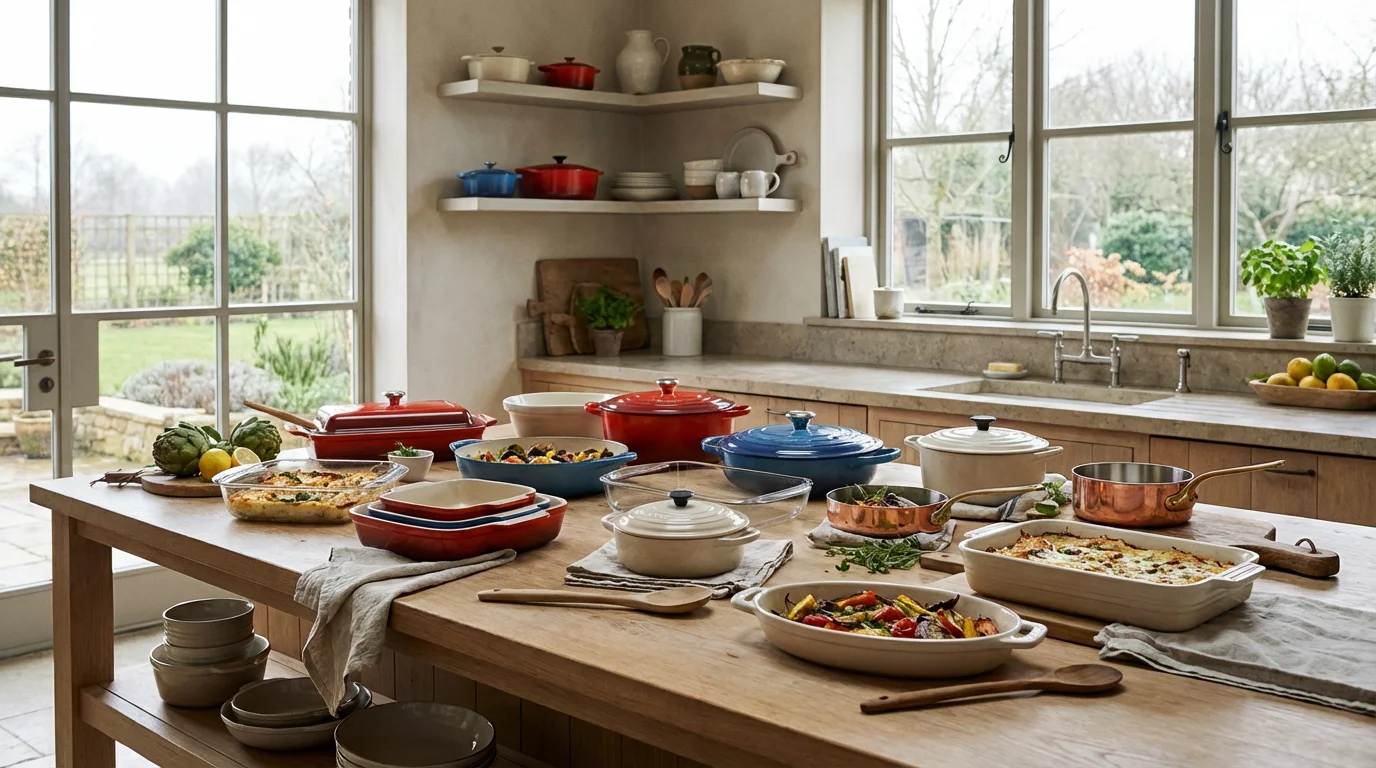
Raw cast iron can scratch delicate glass cooktops if you aren’t careful. Enameled cast iron offers the heat retention of iron but with a smooth, glazed exterior that is gentler on glass surfaces. Le Creuset’s woks are beautiful and functional, though they command a high price.
Why it wins: No seasoning required. The interior is often black enamel, which is formulated for higher surface temperatures than the cream-colored enamel found in their Dutch ovens.
Comparison of Cookware Materials
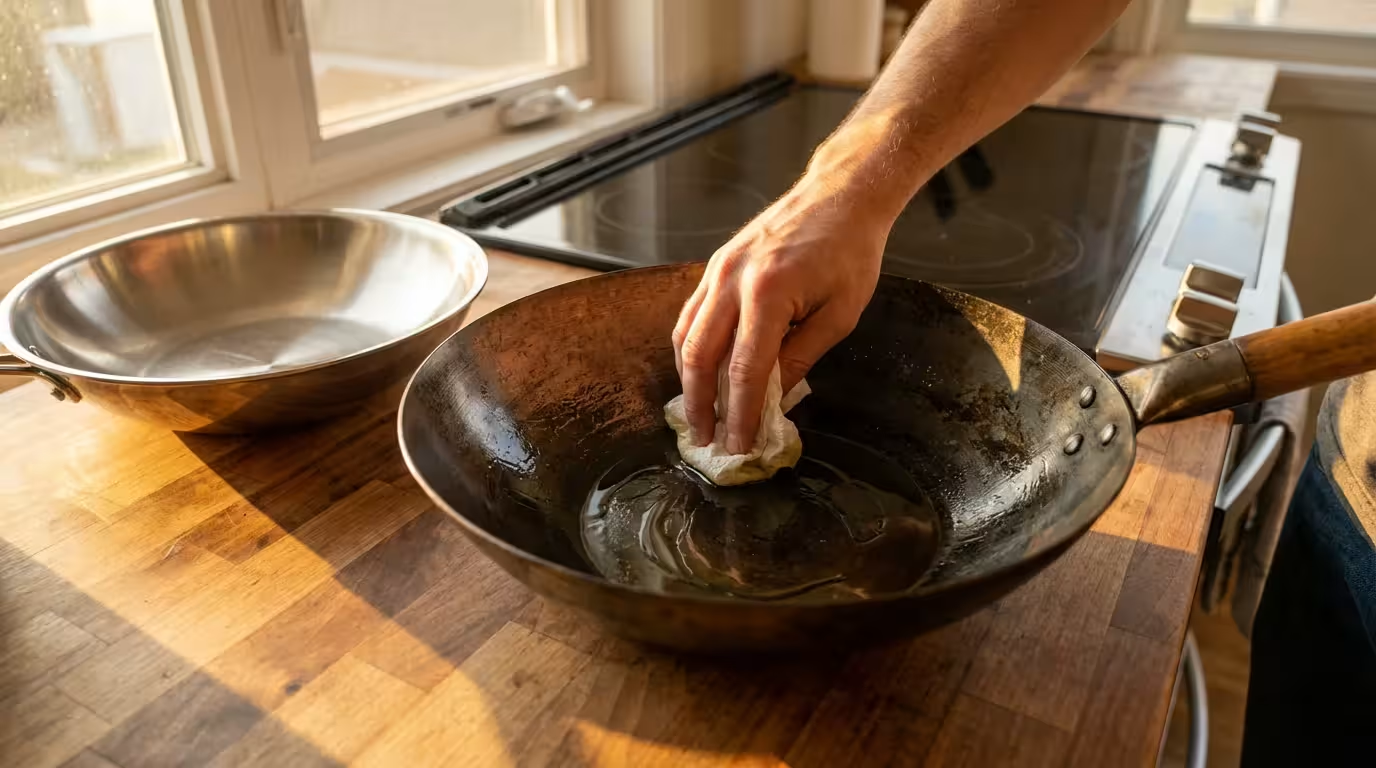
To help you decide, here is a breakdown of how these materials perform specifically in a wok format on electric heat.
| Material | Heat Retention | Responsiveness | Maintenance | Best For |
|---|---|---|---|---|
| Carbon Steel | Moderate | High | High (Seasoning required) | Traditional stir-fry, searing, tossing |
| Cast Iron | Excellent | Low | High (Seasoning required) | Consistent heat on weak burners, deep frying |
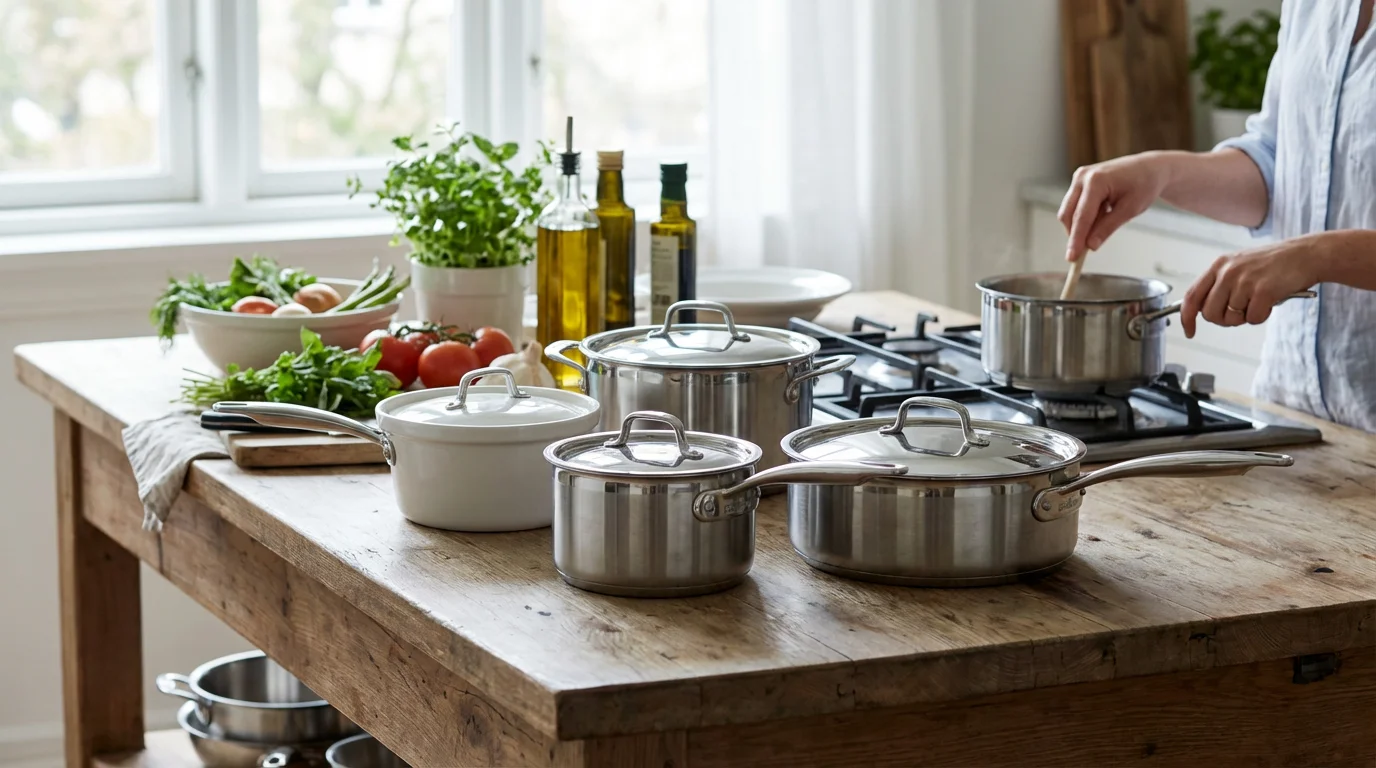
| Tri-Ply Stainless | Good | Moderate | Low (Dishwasher safe) | Acidic sauces, steaming, boiling |
| Non-Stick | Poor to Moderate | Moderate | Low (Fragile coating) | Low-heat cooking, sticky noodles, eggs |
Care and Maintenance
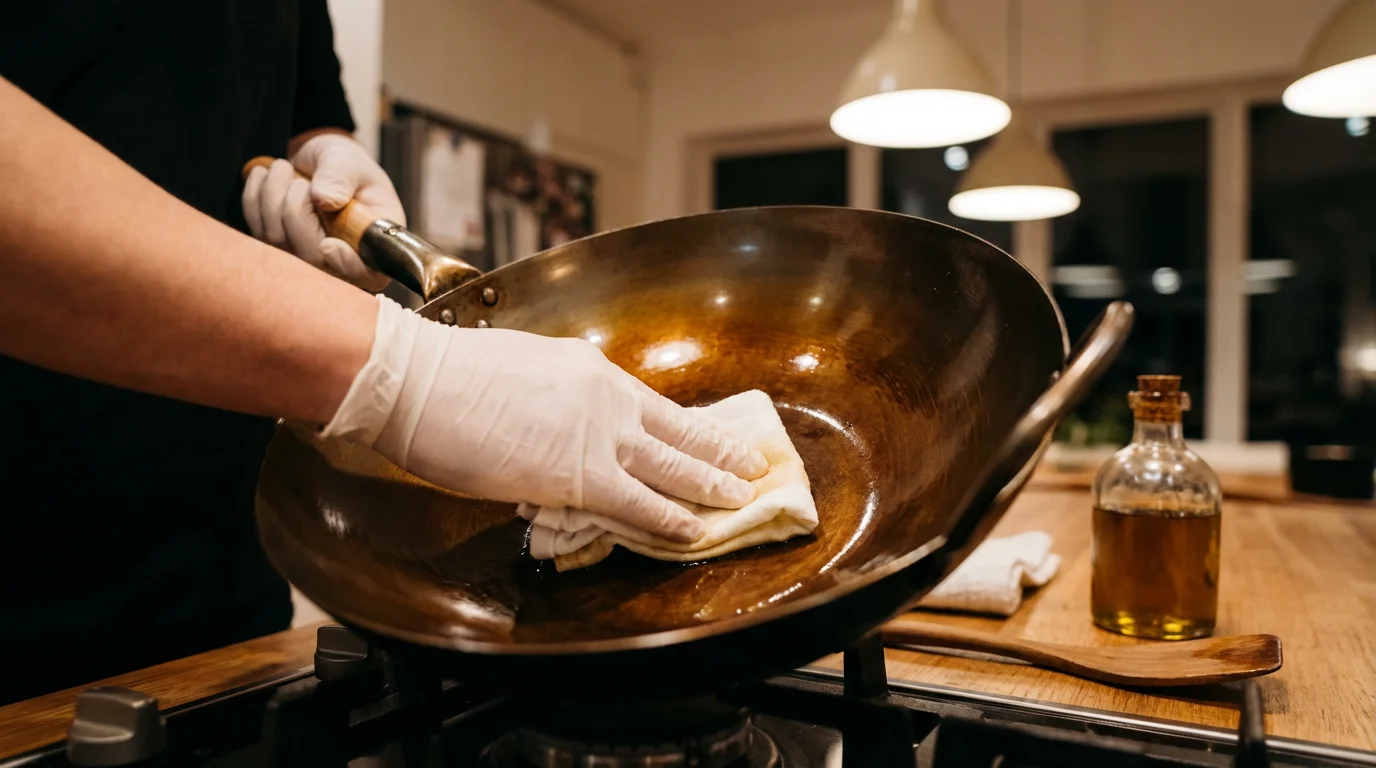
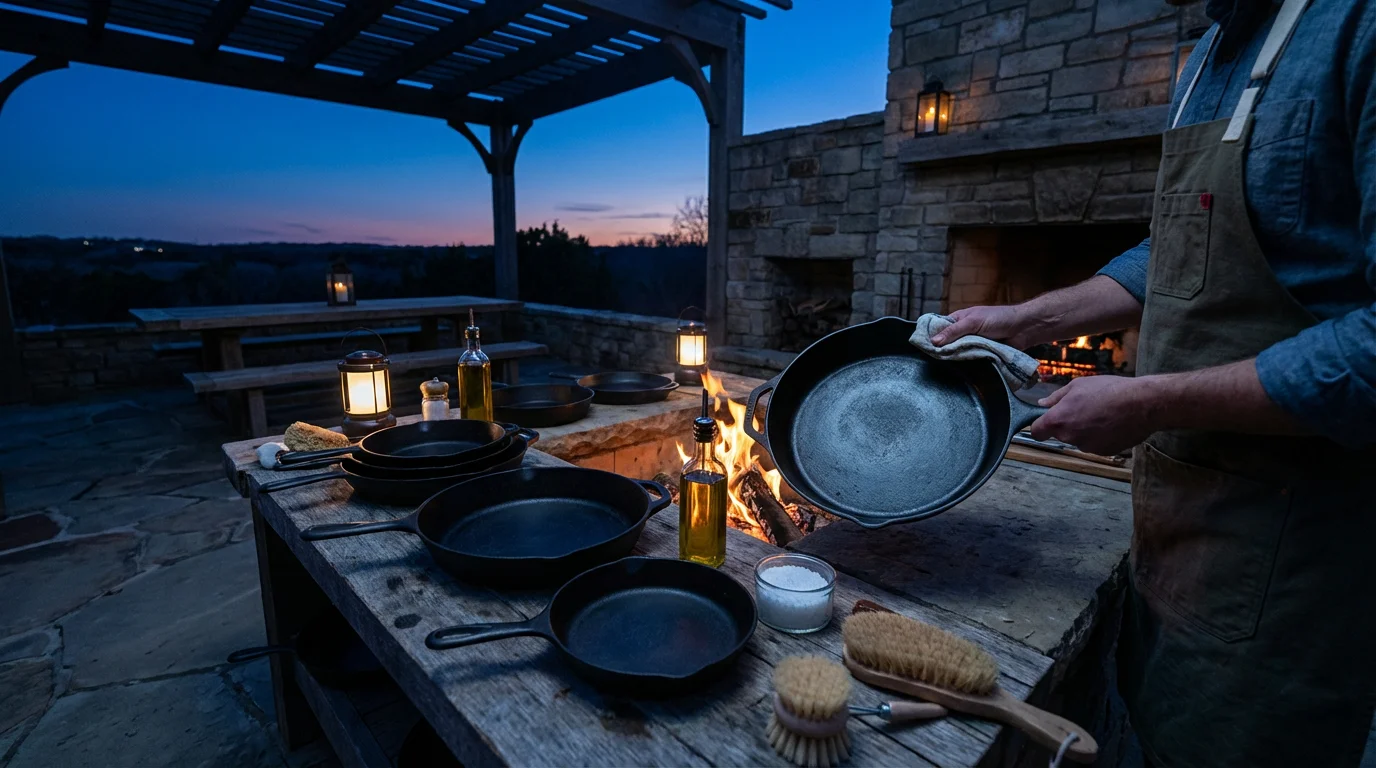
Buying the wok is just the first step. If you choose carbon steel or raw cast iron, you must maintain it to prevent rust and ensure a non-stick surface.
The Seasoning Process
Seasoning is the process of bonding oil to metal through heat, creating a hard, protective polymer layer. While many guides suggest using a gas flame to season a wok, you cannot do this effectively on an electric stove because the heat is only at the bottom.
The Oven Method (Safest for Electric Users):
- Scrub the new wok vigorously with steel wool and soap to remove the factory coating (beeswax or lacquer). This is the only time you should use harsh abrasives.
- Dry it completely.
- Rub a very thin layer of high-smoke-point oil (canola, grapeseed, or vegetable oil) all over the wok, inside and out. Buff it off until it looks like there is no oil left.
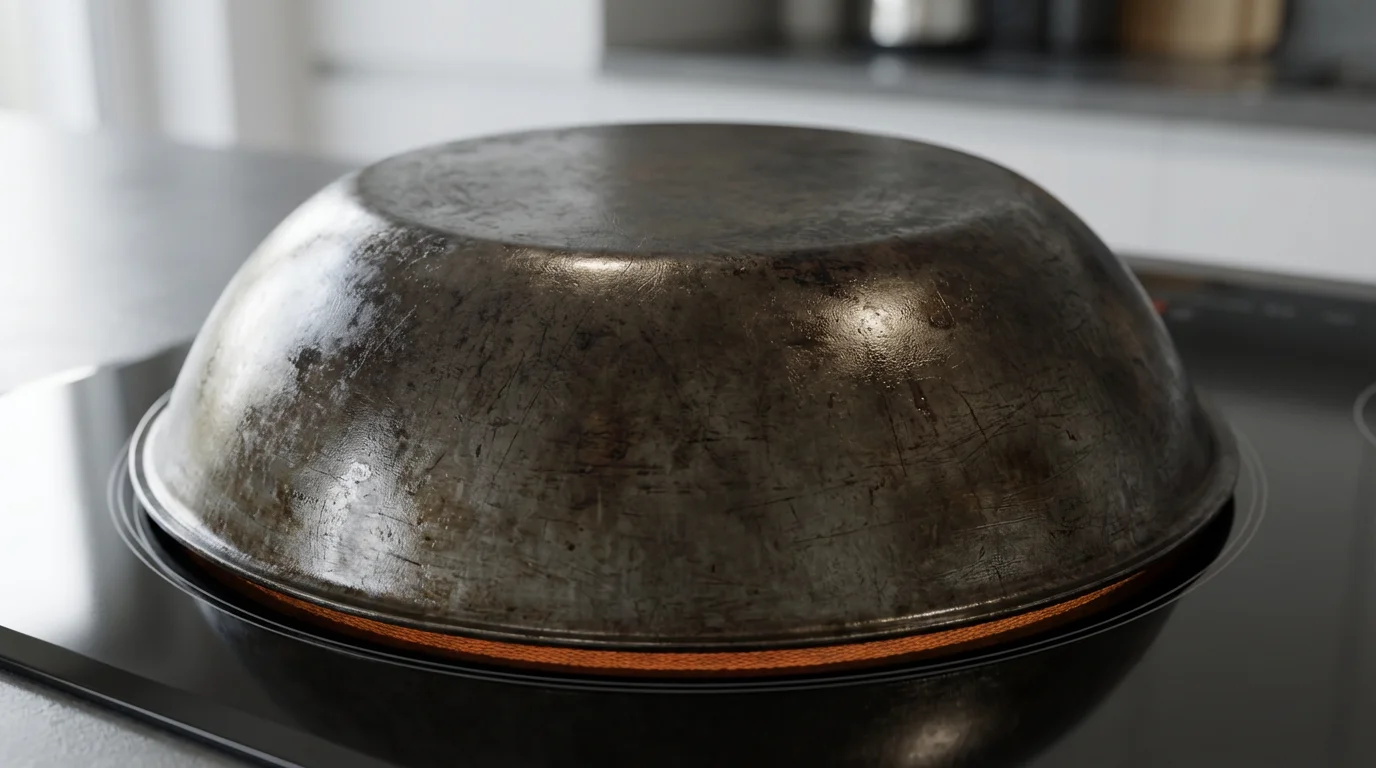
- Place the wok upside down in an oven preheated to 450°F (230°C). Place a foil-lined baking sheet on the rack below to catch any drips.
- Bake for 1 hour, then turn off the oven and let it cool inside.
- Repeat this process 2 or 3 times before cooking.
Cleaning Tips
After cooking, rinse the wok with hot water while it’s still warm. Use a bamboo brush or a soft sponge. Avoid soap if you want to maintain the patina quickly, though modern dish soaps are generally mild enough to use occasionally without stripping a well-seasoned pan. Dry the wok immediately on the stove over low heat, then wipe with a drop of oil.
Techniques for Electric Stir-Fry
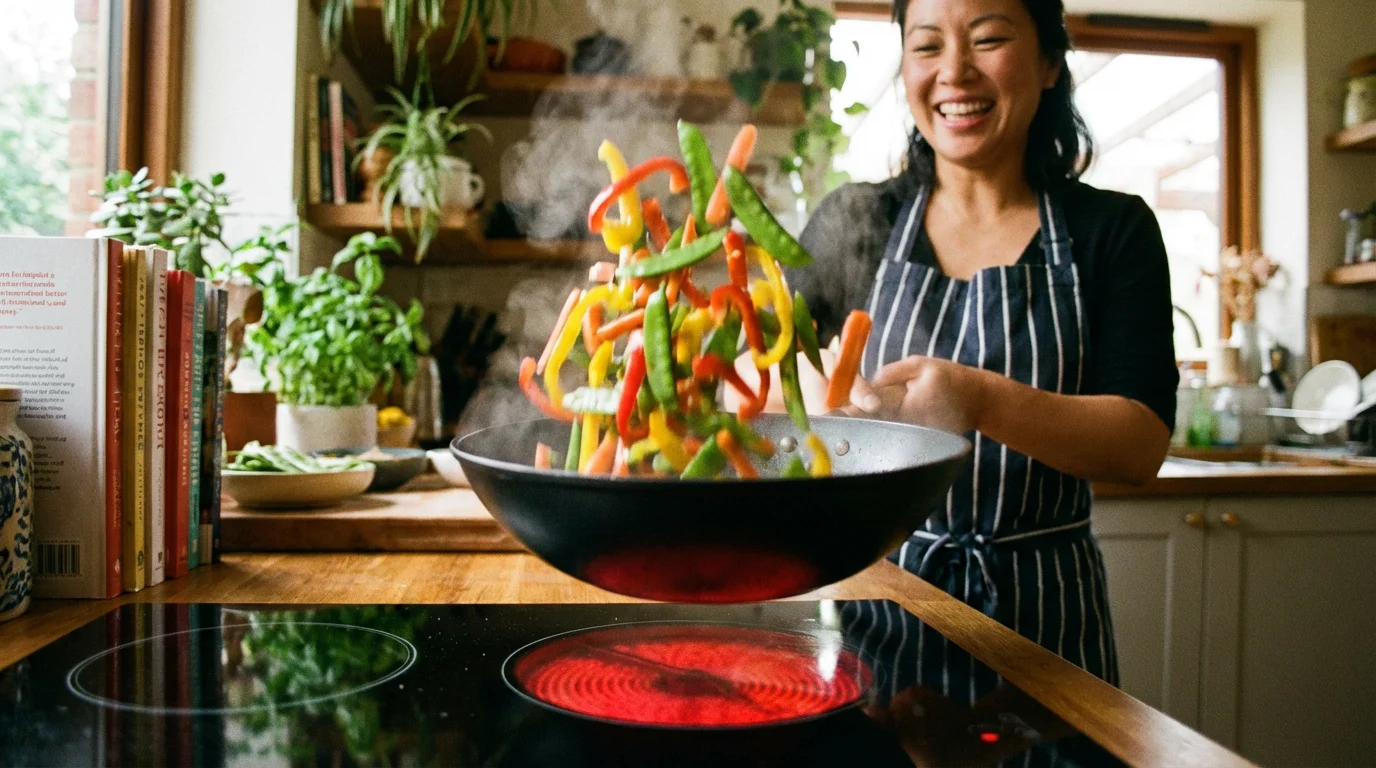
Owning the right wok solves half the problem. The rest is technique. Electric stoves have limitations, but you can work around them.
1. Preheat Patience
Allow your pan to heat up gradually. On a glass top, blasting the heat to “High” immediately can sometimes warp a cold carbon steel pan due to thermal shock. Start at medium-high and let the heat permeate the metal for 5–10 minutes.
2. Cook in Batches
This is the golden rule. Domestic stoves, especially electric ones, lack the BTUs of a restaurant burner. If you crowd the pan with beef, broccoli, and peppers all at once, the temperature will drop, and the food will boil in its own juices. Cook the meat first, remove it. Cook the vegetables, remove them. Combine everything at the end with the sauce.
3. Use Dry Ingredients
Water is the enemy of the sear. Pat your proteins and vegetables dry with paper towels before they hit the hot oil. Excess water requires massive amounts of energy to evaporate before the food can start browning.
Frequently Asked Questions
Can I use a round-bottom wok on an electric stove with a ring?
Technically yes, but practically no. The ring lifts the wok away from the heating element. On a gas stove, flames jump the gap. On an electric stove, the air gap acts as an insulator, preventing the wok from getting hot enough for proper stir-frying. Always choose a flat-bottomed wok for electric ranges.
Do flat-bottomed woks warp on electric stoves?
They can, especially if the steel is thin (high gauge) and the heat change is sudden. When a cold, thin wok hits a blazing hot electric element, the metal expands unevenly. To prevent this, choose a wok made of thicker carbon steel (14-gauge or lower) and preheat it gradually rather than cranking the dial to maximum instantly.
Is carbon steel induction compatible?
Yes, absolutely. Carbon steel is magnetic, which makes it perfect for induction cooktops. In fact, induction is often better for woks than standard electric coils because it heats the metal directly and offers faster response times.
Can I use olive oil to season my wok?
No. Extra virgin olive oil has a low smoke point and burns easily, creating a sticky, bitter residue rather than a hard, slick seasoning. You should use oils with high smoke points, such as grapeseed oil, canola oil, sunflower oil, or special seasoning blends made for cast iron and carbon steel.
How do I know when my wok is hot enough?
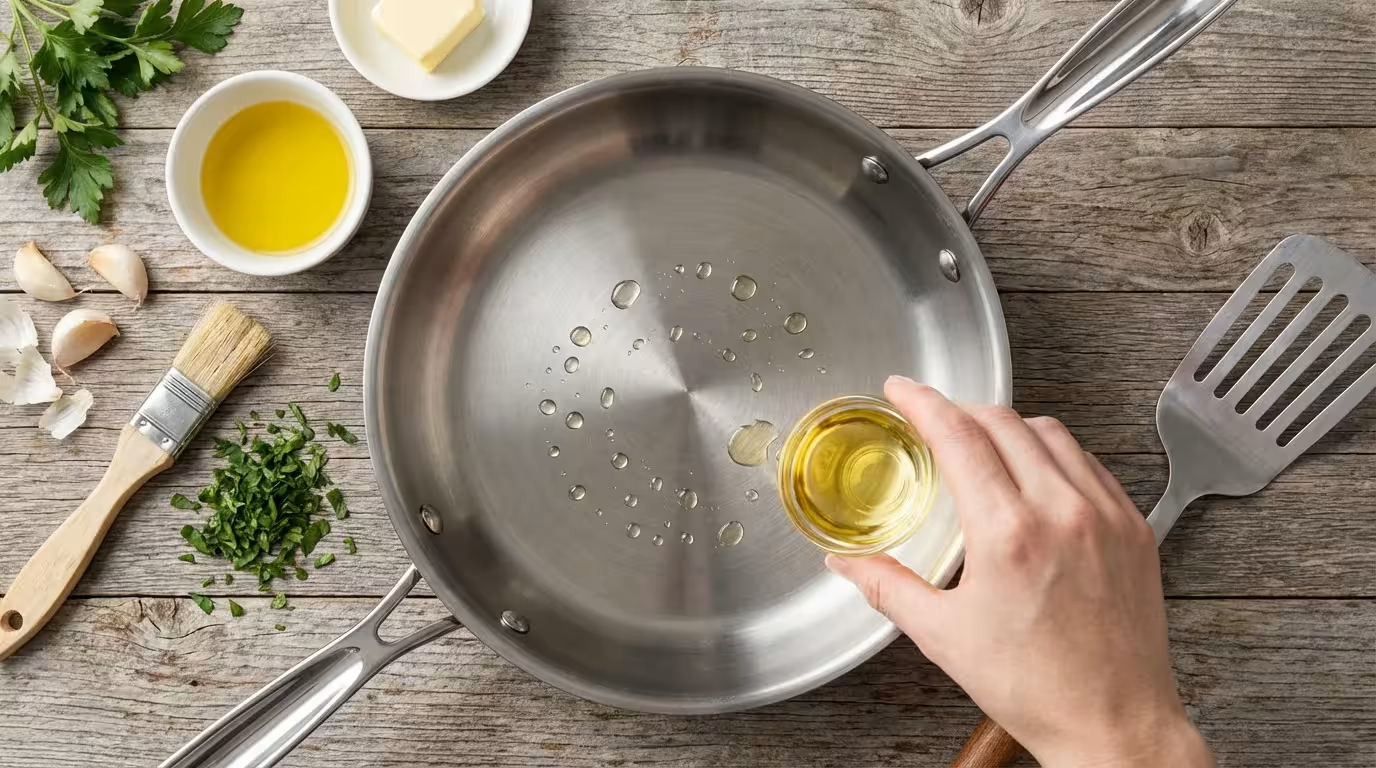
Use the water droplet test (Leidenfrost effect). Flick a few drops of water into the pan. If the water sizzles and evaporates immediately, it’s hot. If the water forms a cohesive mercury-like ball that skitters across the surface without evaporating instantly, the pan is very hot and ready for oil and ingredients.
Disclaimer: Product prices and availability change frequently. Prices shown were accurate at time of writing but may have changed. We may earn a small commission from purchases made through links on this site, at no extra cost to you. Always verify current pricing on the retailer’s website before purchasing.
Leave a Reply