
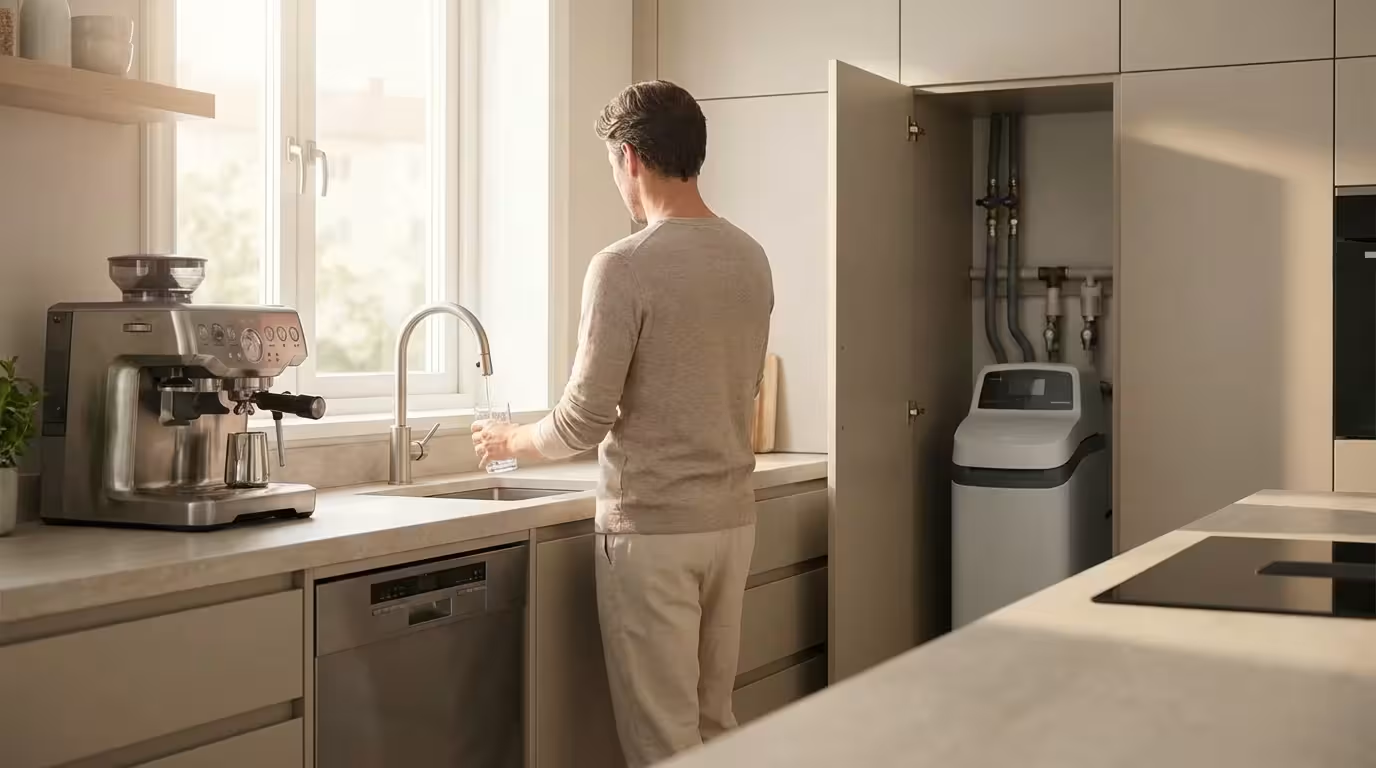
You invest significant money in your kitchen arsenal. From that precision-engineered espresso machine to the high-tech steam oven, you expect these tools to perform perfectly for years. However, there is a silent variable that dictates the lifespan and performance of every water-using appliance in your home: your water quality. If you live in an area with hard water, you have likely dealt with the dreaded white crust—limescale—that clogs kettles and slows down coffee makers. The logical solution seems to be a whole-home water softener.
But does soft water solve everything? Or does it introduce a new set of problems for your delicate machinery and your palate? Understanding the chemistry between your water supply and your countertop appliances is crucial for protecting your investments and ensuring your food and drinks taste exactly as they should.
Understanding Hard Water vs. Soft Water
Before diving into specific appliances, you need to understand what is actually flowing out of your tap. The distinction between hard and soft water comes down to mineral content.
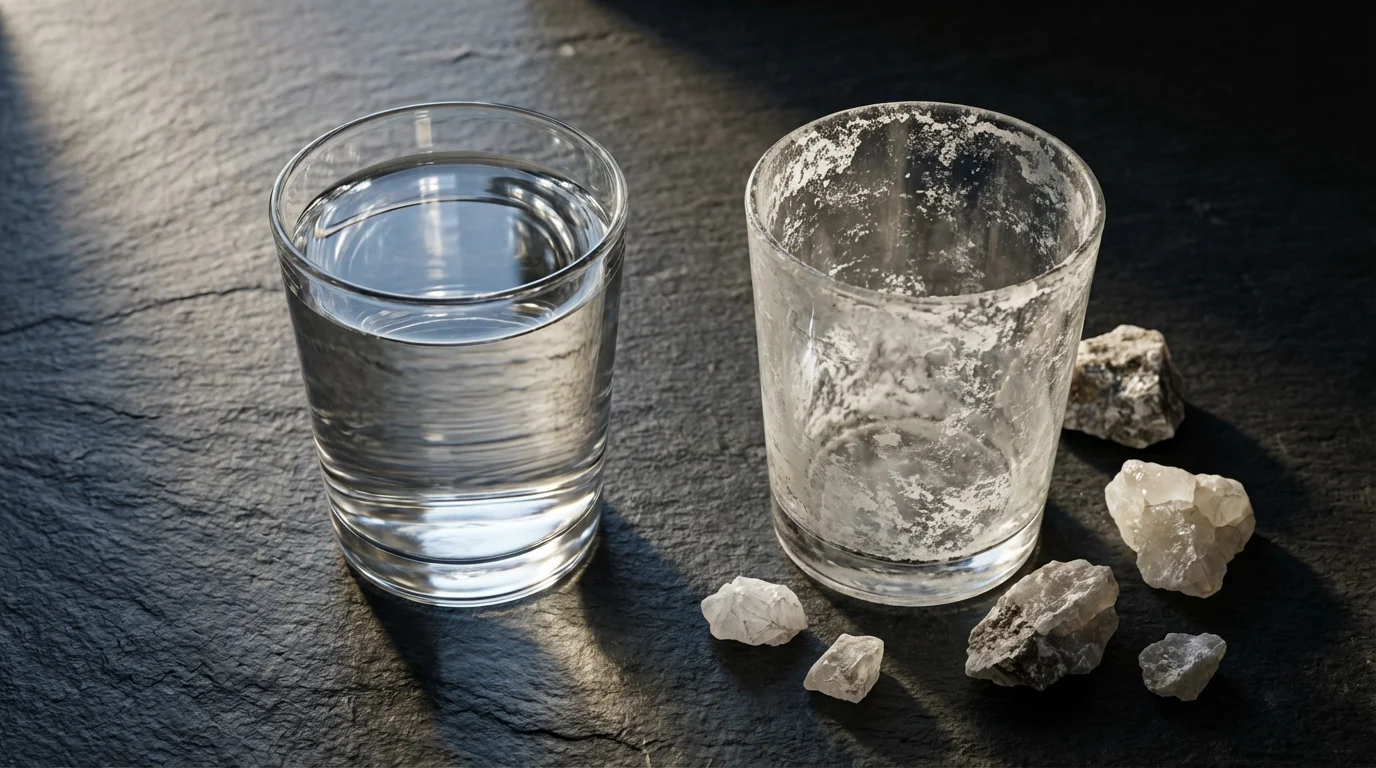
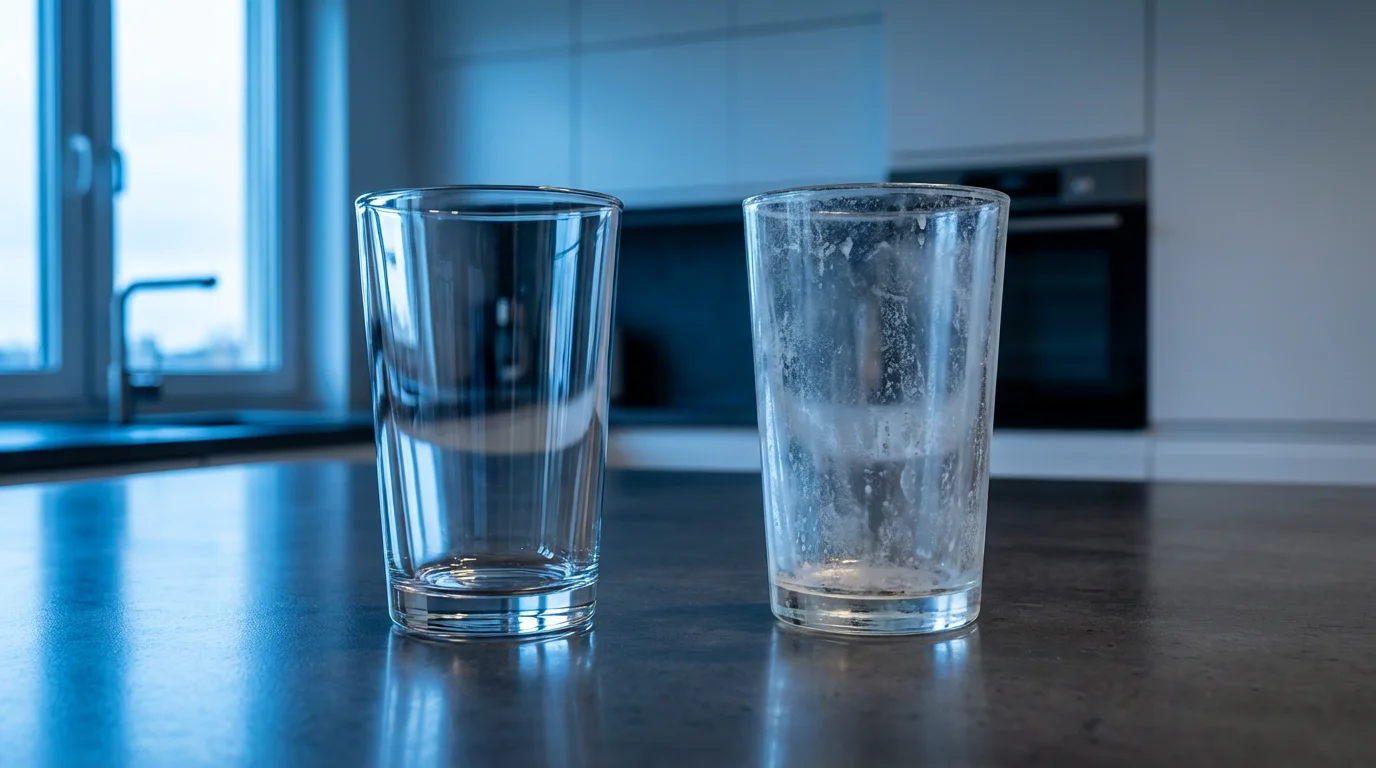
Hard water is rich in dissolved minerals, specifically calcium and magnesium. While these minerals are generally good for your health, they are brutal on plumbing and heating elements. As water heats up, these minerals precipitate out of the liquid and bond to surfaces, creating limescale. This scale acts as an insulator, coating heating coils and forcing your appliances to work harder to reach the desired temperature. Over time, this leads to overheating, burnout, and clogged valves.
Water softeners address this by using a process called ion exchange. The system passes hard water through a resin bed filled with negatively charged beads. These beads hold onto positively charged sodium ions. As the calcium and magnesium flow through, they swap places with the sodium. The result is water that effectively prevents scale buildup. However, this means your “soft” water now contains higher levels of sodium.
“The tradeoff is simple but critical: you exchange scale-causing minerals for sodium. For your plumbing, this is a victory. For your morning coffee, it’s a complication.” — Water Treatment Specialist
The Chemistry of Brewing: Coffee and Espresso Machines
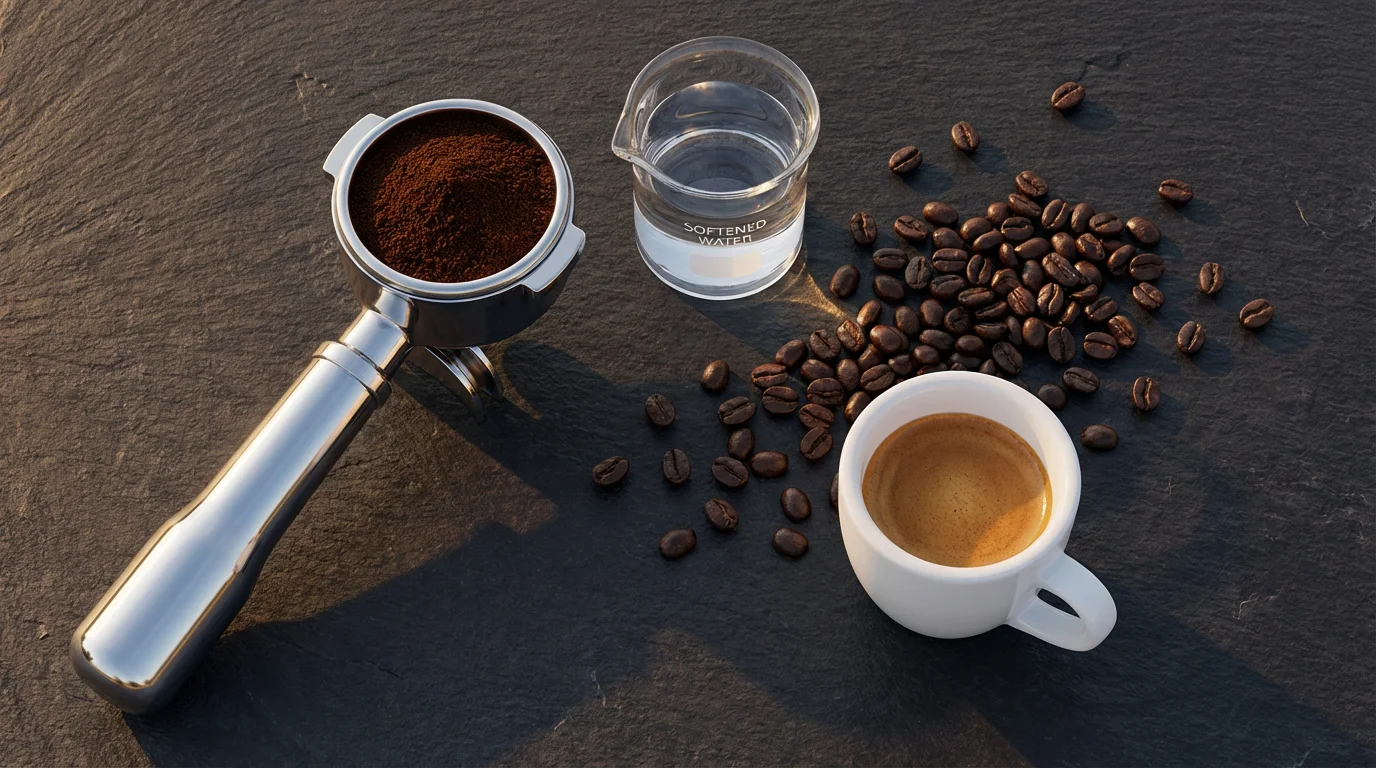
Coffee lovers are often the most affected by the switch to a water softener. Water makes up 98% of your cup of coffee, so its chemical composition drastically changes the extraction process.
The Drip Coffee Maker
For standard drip coffee makers, hard water is a known killer. Scale builds up in the internal tubing, slowing the drip rate and eventually stopping the machine entirely. Using softened water eliminates this risk almost completely. Your machine will run cleaner and likely last years longer without needing aggressive descaling sessions.
However, the flavor profile may shift. Magnesium—one of the minerals removed by softeners—is excellent at extracting flavor compounds from coffee beans. Without it, some people find their coffee tastes flat or slightly salty due to the increased sodium content. If you are a casual drinker, you might not notice. If you are a connoisseur, the difference can be palpable.
The Espresso Machine Dilemma
Espresso machines are far more sensitive. High-end machines often feature copper or brass boilers and complex sensors. Here, the debate between hard and softened water becomes critical.
The Scale Risk: Hard water is the number one cause of espresso machine failure. Scale coats the boiler, ruins the heating element, and clogs the tiny solenoid valves. Serious Eats frequently emphasizes that maintaining consistent water temperature is key to good espresso, and scale buildup makes that impossible.
The Soft Water Risk: Conversely, water that is too soft can be problematic. Some manufacturers warn that softened water can cause leaching in copper boilers. Furthermore, many modern espresso machines use electrical conductivity sensors to detect water levels in the boiler. Since the mineral content changes the conductivity of the water, extremely soft water might confuse these sensors, causing the machine to overfill or refuse to heat.
Most experts recommend a middle ground for espresso: water that has some hardness (for flavor and sensor function) but not enough to cause rapid scaling. If you have a whole-home softener, you may need a remineralization filter or a specific bypass for your espresso station.
Electric Kettles and Tea Makers: The Scale Battle
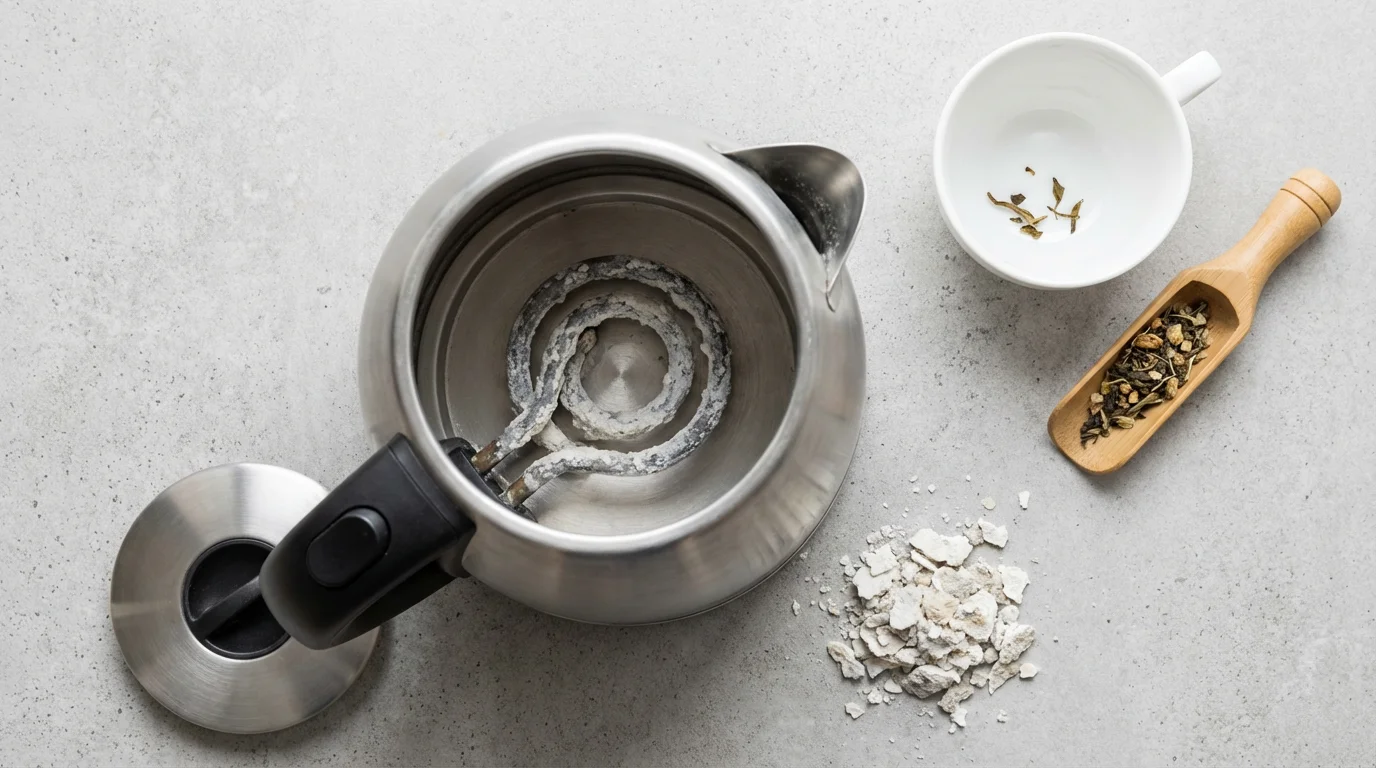
If you use an electric kettle, you have likely seen the flaky white residue at the bottom. This is the most visible evidence of hard water in the kitchen. In regions with very hard water, a kettle can develop a thick layer of scale in just a few weeks.
Wattage and Efficiency: Most modern electric kettles operate between 1,200 and 1,500 watts. This high wattage is designed to boil water rapidly. When scale coats the heating element (even a concealed one at the base), the kettle must transfer heat through that layer of rock before it reaches the water. This wastes energy and lengthens boil times. Eventually, the element overheats and fails.
Using softened water in your kettle solves the cleaning problem instantly. Your kettle will look brand new on the inside for years. However, tea drinkers face a similar issue to coffee lovers. Certain teas, particularly delicate green teas or high-grade oolongs, rely on minerals to round out the flavor profile. Softened water can sometimes make tea taste dull or flat. Additionally, tea brewed with very soft water often lacks that pleasing clarity, appearing slightly murkier in the cup.
Steam Appliances: Irons, Steam Ovens, and Instant Pots
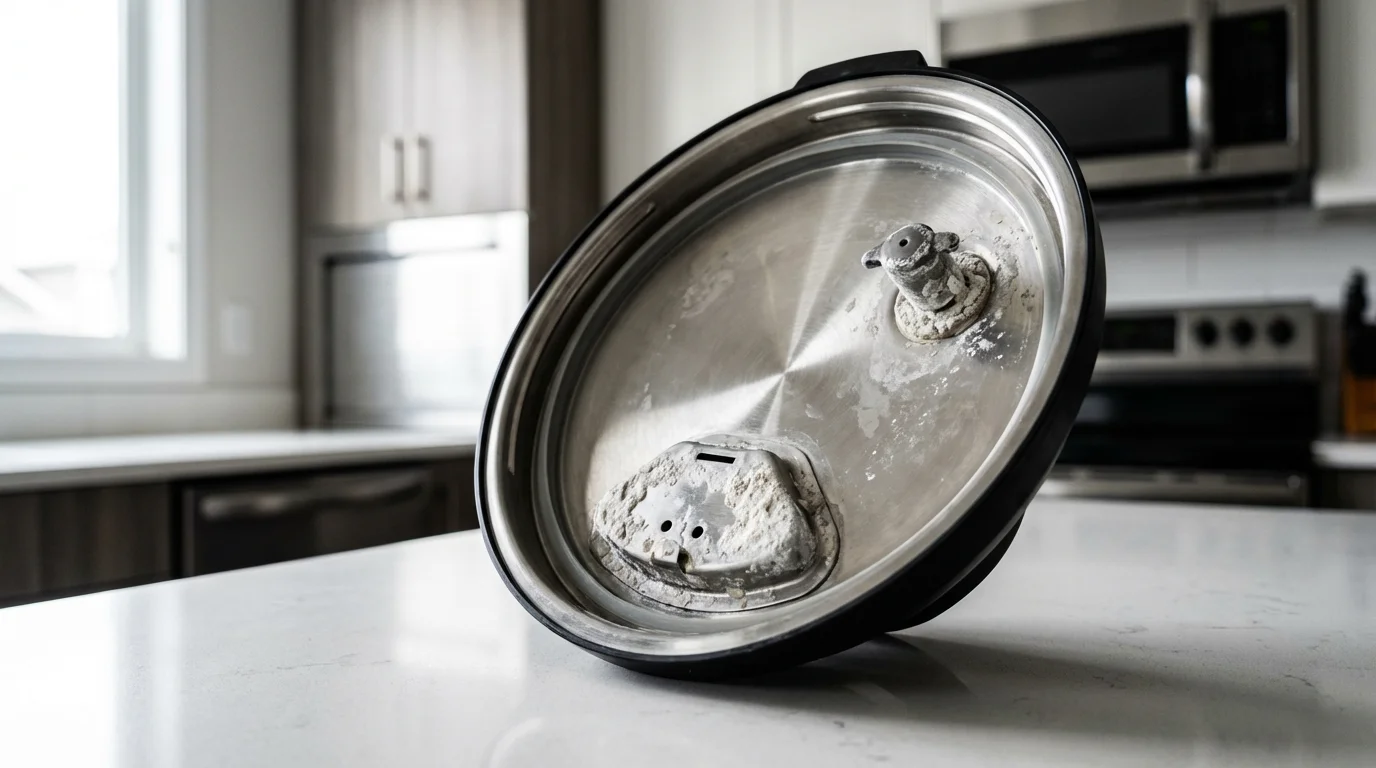
Steam-generating appliances are uniquely vulnerable to water quality issues because the process of turning water into steam leaves 100% of the minerals behind. This concentration effect accelerates damage.
The Instant Pot and Pressure Cookers
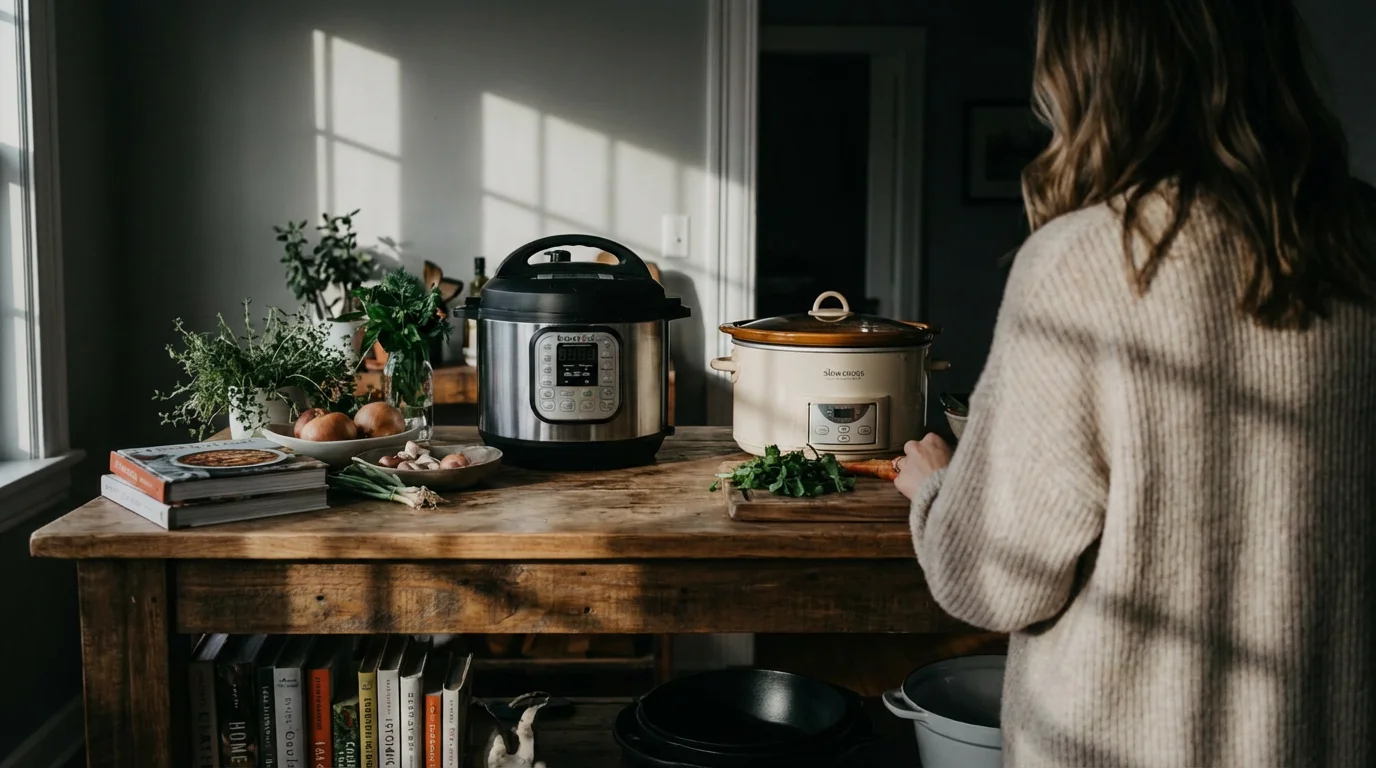
Your pressure cooker relies on a precise balance of heat and pressure. The valves that regulate this pressure are small and easily clogged. If you use hard water, mineral deposits can jam the float valve or block the anti-block shield, creating a safety hazard or preventing the unit from sealing.
Softened water is generally safe for pressure cookers and prevents these mechanical failures. However, you should be aware of the “foaming” effect. Soft water has a lower surface tension than hard water, which can sometimes lead to increased foaming when cooking starchy foods like oats or beans. This foam can spray through the venting knob if you release pressure too quickly.
Steam Ovens and Combi-Ovens
High-end steam ovens are becoming increasingly popular in American kitchens. These appliances inject steam into the oven cavity to keep meats juicy and bake bread with a crispy crust. They use intricate tubing and evaporators.
Manufacturers of steam ovens are often strict about water specifications. Hard water will destroy the evaporator plate quickly. However, some manufacturers also advise against using ion-exchange softened water because the salt content can be corrosive to certain internal metals over time. Always check your user manual. Often, the manufacturer will recommend distilled water or a specific descaling cartridge rather than tap water from a softener.
Ice Makers: Clarity and Consistency
Whether you have a portable countertop nugget ice maker or a high-capacity unit built into your refrigerator, scale is the enemy. Ice makers function by running water over a freezing plate. If that water is hard, the minerals precipitate out as the water freezes.
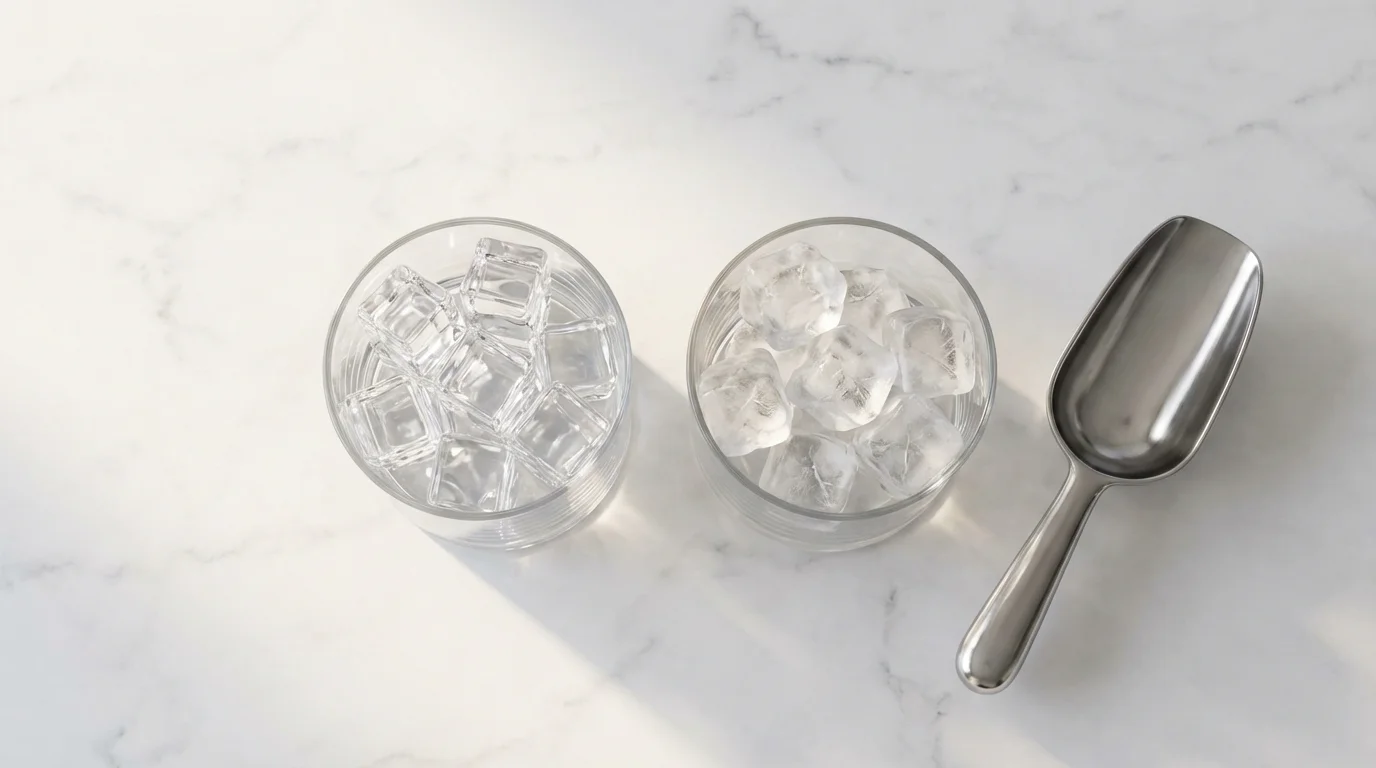
The Hard Water Result: Cloudy ice. As the water freezes, the trapped minerals create a foggy appearance. Worse, scale buildup on the freezing plate can cause the ice to stick, preventing it from harvesting (dropping into the bin). This leads to freeze-ups where the entire unit becomes a block of ice.
The Soft Water Result: Softened water generally produces clearer ice because the calcium and magnesium are gone. The machine will cycle more reliably and require less deep cleaning. However, the sodium content in softened water has a lower freezing point. In rare cases with extremely high sodium levels, the ice may be slightly softer or melt faster. For the vast majority of homeowners, the trade-off is worth it for the longevity of the machine.
Cooking and Baking: Does Soft Water Alter Flavor?
You might wonder if the water from your softener affects the food you put on the table. For most boiling tasks—pasta, potatoes, corn—the difference is negligible. The sodium added by a softener is relatively low compared to the salt you would manually add to the cooking water.
Baking and Yeast
Baking is chemistry. The mineral content of your water can affect how yeast ferments and how gluten structures form.
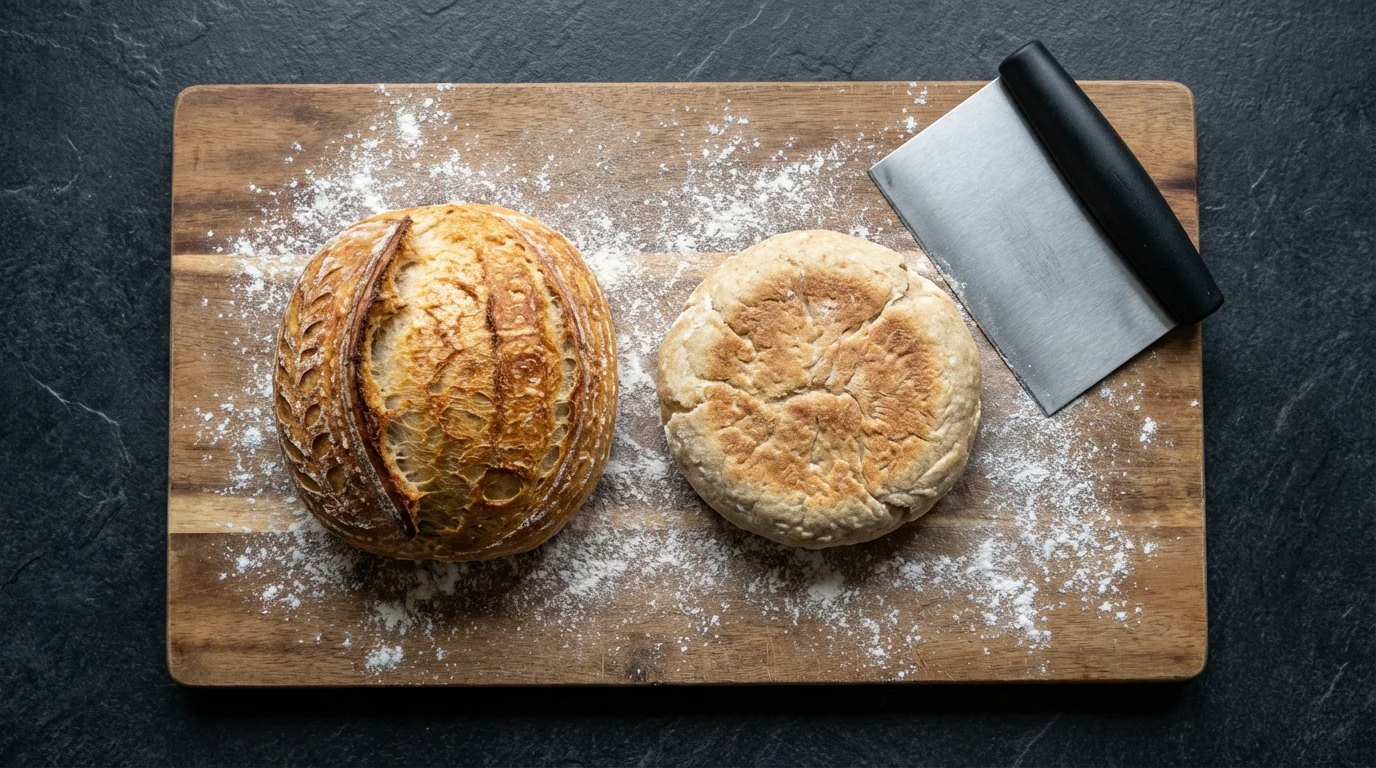
- Hard Water: The minerals in hard water can actually strengthen gluten, which is good for bread structure. However, if the water is excessively hard, it can tighten the gluten too much, leading to tough dough.
- Soft Water: Soft water can result in a softer, stickier dough. The lack of minerals might slow down yeast fermentation slightly. If you are a serious bread baker using softened water, you might find you need to add a pinch more salt or use a dough conditioner to get the exact texture you want.
Beans and Vegetables
Here is a practical win for soft water: it cooks dried beans faster. Calcium in hard water reinforces the cell walls of legumes, making them tough and increasing the cooking time significantly. America’s Test Kitchen has noted in their experiments that water quality can change the texture of cooked vegetables. Soft water allows the pectin in vegetable cells to break down more easily, leading to creamier beans and softer textures. If you struggle with dried beans that never seem to get tender, your hard water is likely the culprit.
Sodium vs. Potassium Chloride: Picking Your Salt
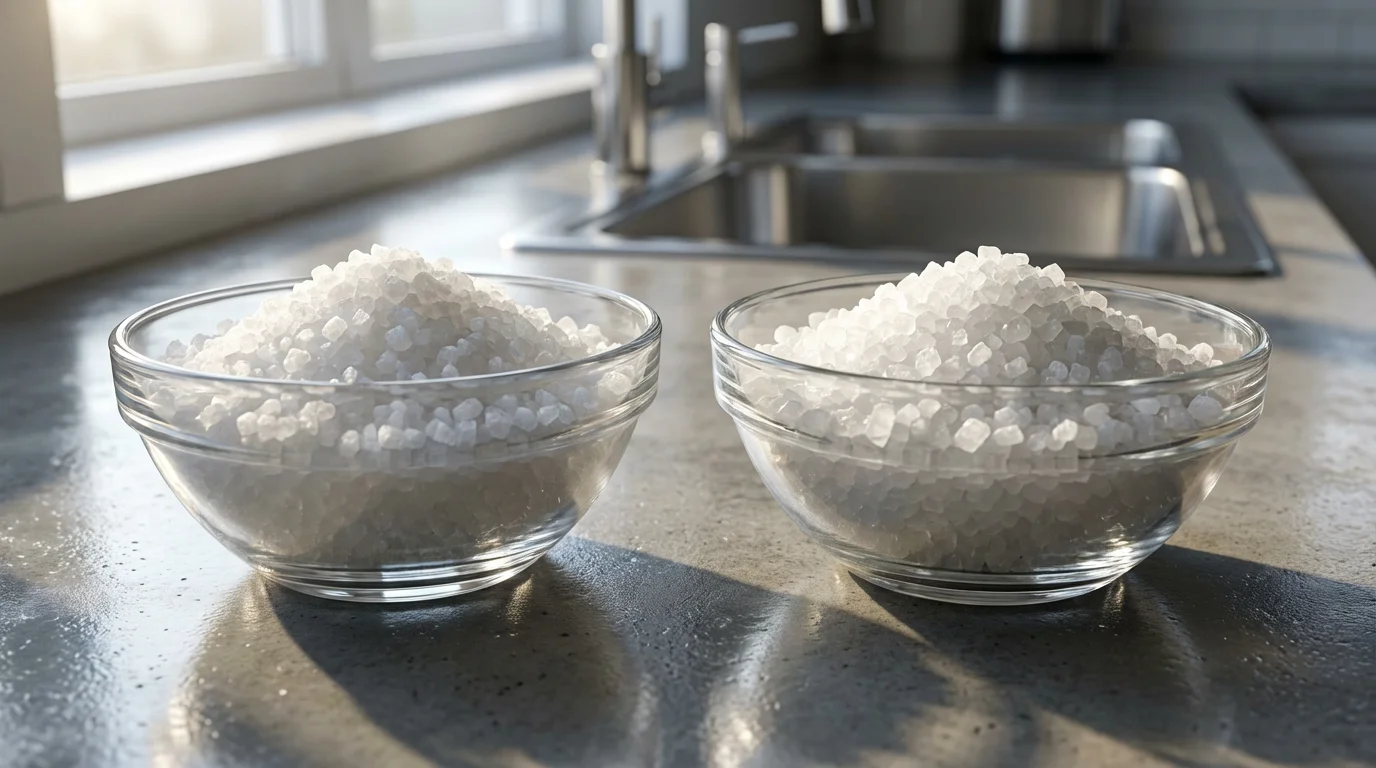
Most water softeners use sodium chloride (salt) pellets. This is the standard, cost-effective option. However, if you are on a strict low-sodium diet or are concerned about the taste in your coffee, you have an alternative: Potassium Chloride.
Potassium chloride works exactly the same way in the ion exchange process. The resin beads hold potassium ions instead of sodium. When hard water flows through, the calcium is swapped for potassium.
Pros of Potassium Chloride:
- Healthier: Potassium is a vital nutrient, whereas excess sodium is a health risk for many.
- Plant-Friendly: If you use your tap water to water houseplants, sodium can kill them. Potassium is actually a fertilizer.
- Taste: Many people find the taste of potassium-softened water to be more neutral than sodium-softened water.
Cons:
- Cost: Potassium chloride pellets are significantly more expensive than standard salt pellets—often three to four times the price.
- Availability: You may not find it at every gas station or grocery store; it usually requires a trip to a hardware store.
Maintenance Strategies for Soft Water Homes
Just because you have a water softener doesn’t mean your appliances are maintenance-free. The type of maintenance just changes. Instead of chipping away rock-hard lime, you need to manage salt creep and sanitation.
1. Check for Salt Creep
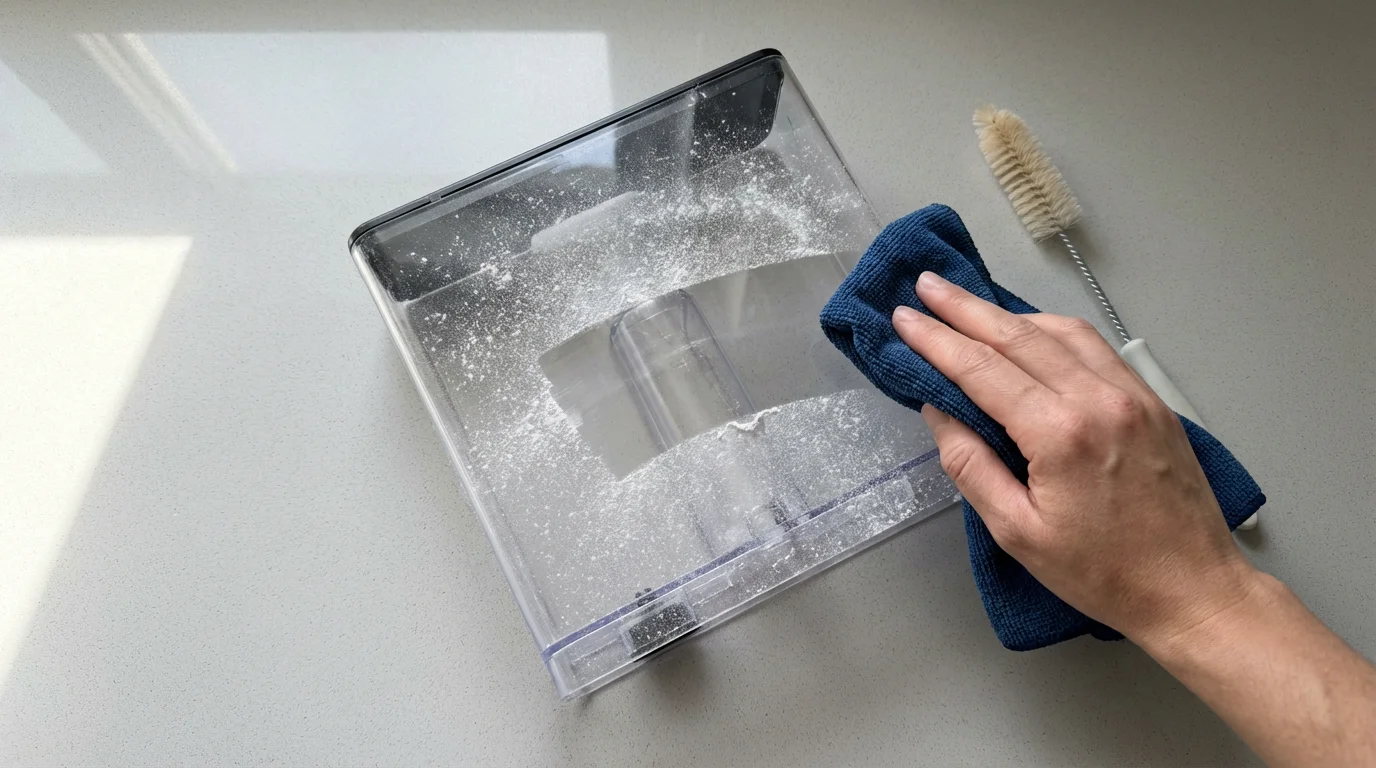
In appliances like humidifiers or steam ovens, soft water can leave a fine white dust of sodium as it evaporates. This is much easier to wipe away than limescale, but it can still be corrosive if left on aluminum parts. Wipe down reservoirs regularly.
2. The Reverse Osmosis (RO) Solution
If you want the best of both worlds—protection for your home’s plumbing but pure, mineral-free water for your drinking and cooking—consider installing a Reverse Osmosis system under your kitchen sink.
- An RO system removes the sodium that the softener added.
- It removes 99% of all contaminants.
- Crucial Step: If you use RO water for espresso machines, you must add a remineralization cartridge. Pure RO water is slightly acidic and can corrode boiler metals, plus it makes flat-tasting coffee.
3. Use the Hard Water Bypass
Most water softener installations include a bypass valve. If you are filling a large pot for boiling corn or watering indoor plants, you can flip the valve to use hard water, saving your softener salt and keeping sodium out of your food.
Comparison: Hard vs. Soft Water Effects by Appliance
Use this table to quickly understand how your water type impacts your most-used kitchen tools.
| Appliance | Impact of Hard Water | Impact of Soft Water (Sodium) | Ideal Water Source |
|---|---|---|---|
| Drip Coffee Maker | Scale clogs tubing; extends brew time; burn-out risk. | Prevents scale; may cause slightly “flat” or salty taste. | Filtered Soft Water or Spring Water |
| Espresso Machine | High failure rate due to boiler scale; ruins valves. | Potential sensor confusion; risk of corrosion in some metals. | Remineralized RO Water or Low-Scale Bottled Water |
| Electric Kettle | Visible flaky buildup; slower boiling; noise increase. | Clean interior; highly efficient heating. | Soft Water |
| Steam Oven | Clogs evaporators rapidly; requires frequent descaling. | Generally safe, though salt dust can accumulate. | Distilled (check manual) or Soft Water |
| Countertop Ice Maker | Cloudy ice; “sticking” cubes; pump failure. | Clearer ice; reliable harvesting; less cleaning. | Soft Water or RO Water |
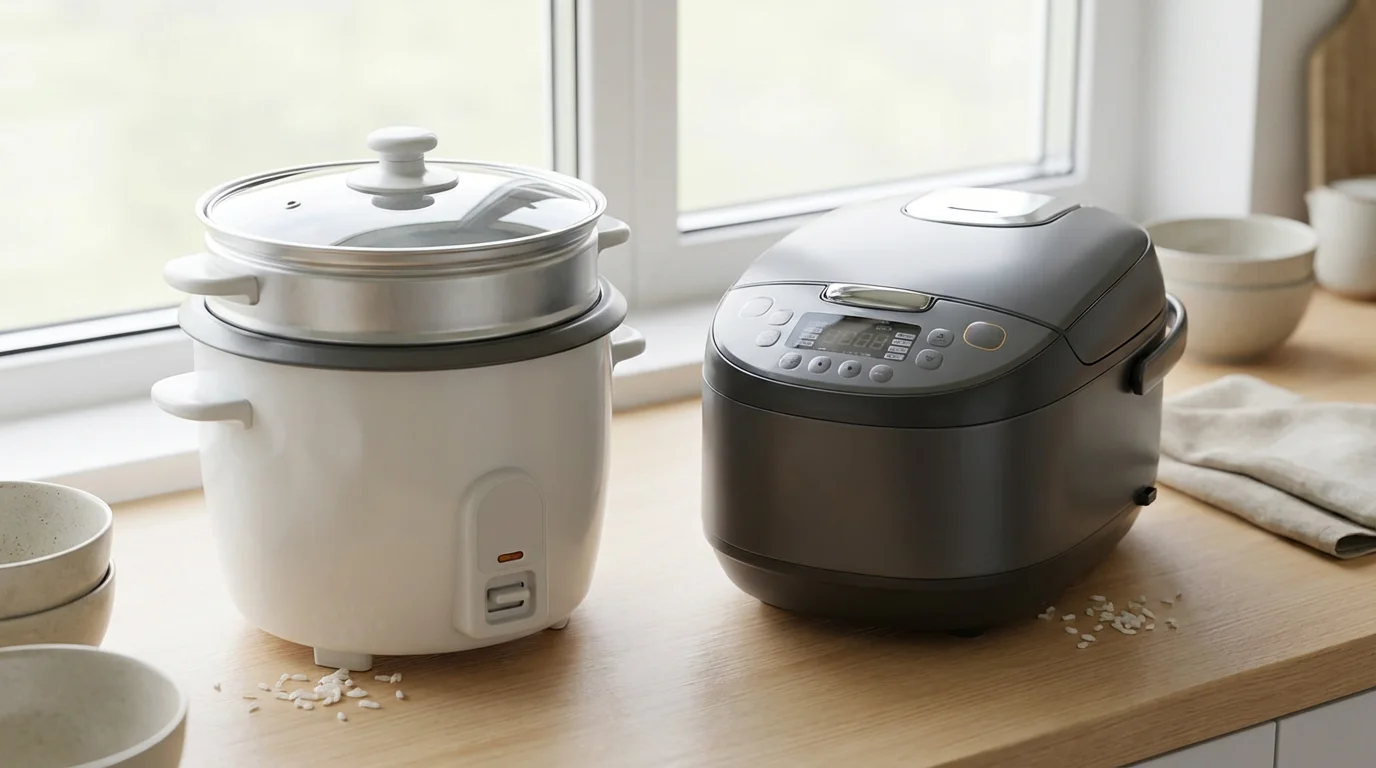
| Rice Cooker | Scale on sensors leads to uneven cooking/burning. | Clean pot; consistent cooking; slightly stickier rice. | Soft Water |
Frequently Asked Questions
Is it safe to drink softened water?
Yes, for the vast majority of people, softened water is perfectly safe to drink. The amount of sodium added is relatively small. For example, an 8-ounce glass of softened water typically contains less than 12.5 mg of sodium, which is within the range of a slice of white bread. However, if you are on a very strict low-sodium diet prescribed by a doctor, you should consult them or use a potassium chloride alternative.
Will soft water ruin my expensive espresso machine?
Soft water will not ruin the machine in the way hard water does (clogging it), but it can cause different issues. Extremely soft water lacks the minerals needed for the water-level sensors to work in some high-end machines. Additionally, water with zero hardness can become slightly acidic and corrosive to copper boilers over many years. Checking your manufacturer’s warranty is essential, as some brands explicitly recommend specific water hardness levels.
Why does my ice taste funny with soft water?
If your ice tastes salty or “off,” your water softener might be regenerating too frequently, or the rinse cycle might not be long enough, leaving excess brine in the line. It could also be that you are simply sensitive to the taste of the sodium exchange. Switching to potassium chloride pellets or installing a Reverse Osmosis system for your fridge line usually solves this taste issue.
Does soft water make soap bubbles in my dishwasher harder to remove?
Actually, soft water makes soap much more effective. This means you might be using too much detergent. With soft water, you often need to use 50% less soap than the manufacturer recommends. If you see excess suds or a film on your dishes, try cutting your detergent dose in half. The “film” is likely unrinsed soap, not hard water scale.
Disclaimer: Product prices, features, and availability change frequently. Prices shown were accurate at time of writing but may have changed. We may earn a small commission from purchases made through links on this site, at no extra cost to you. Always verify current pricing and specifications on the retailer’s website before purchasing.

Leave a Reply