
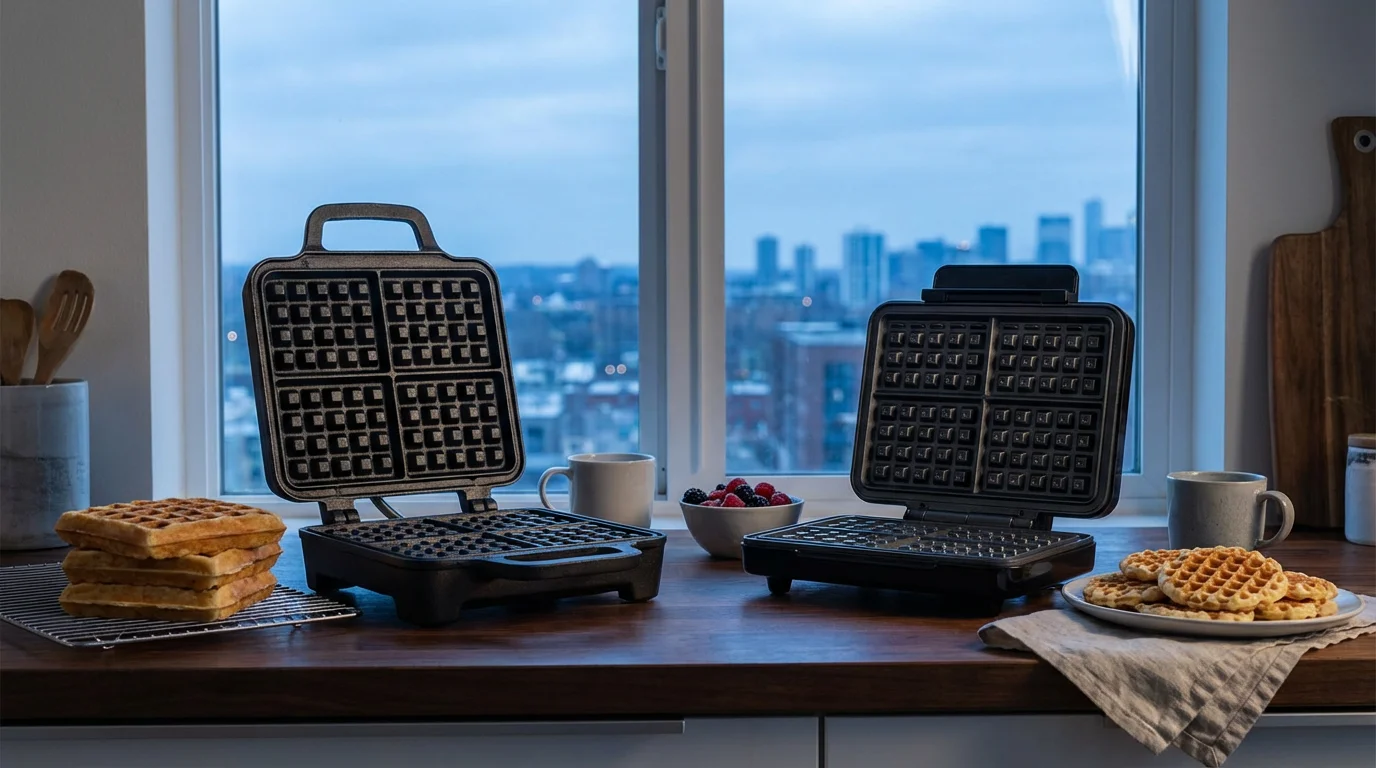
Deciding on a new breakfast appliance means making choices that fit your cooking style and kitchen space. When it comes to waffle makers, the biggest decision often boils down to two distinct styles: Belgian and classic. Each offers a unique waffle experience, influencing everything from texture and thickness to the appliance’s design and footprint on your countertop. Understanding these differences empowers you to select a waffle maker you will genuinely love and use regularly, rather than one destined for the back of the pantry. You want a machine that delivers consistent, delicious results and complements your kitchen setup. This guide breaks down the essential aspects of Belgian versus classic waffle makers, providing practical insights to help you choose.
Understanding the Waffle Landscape: Belgian and Classic Defined
Before you commit to a purchase, grasp the fundamental distinctions between Belgian and classic waffle makers. This knowledge forms the bedrock of your decision.
Belgian Waffle Makers
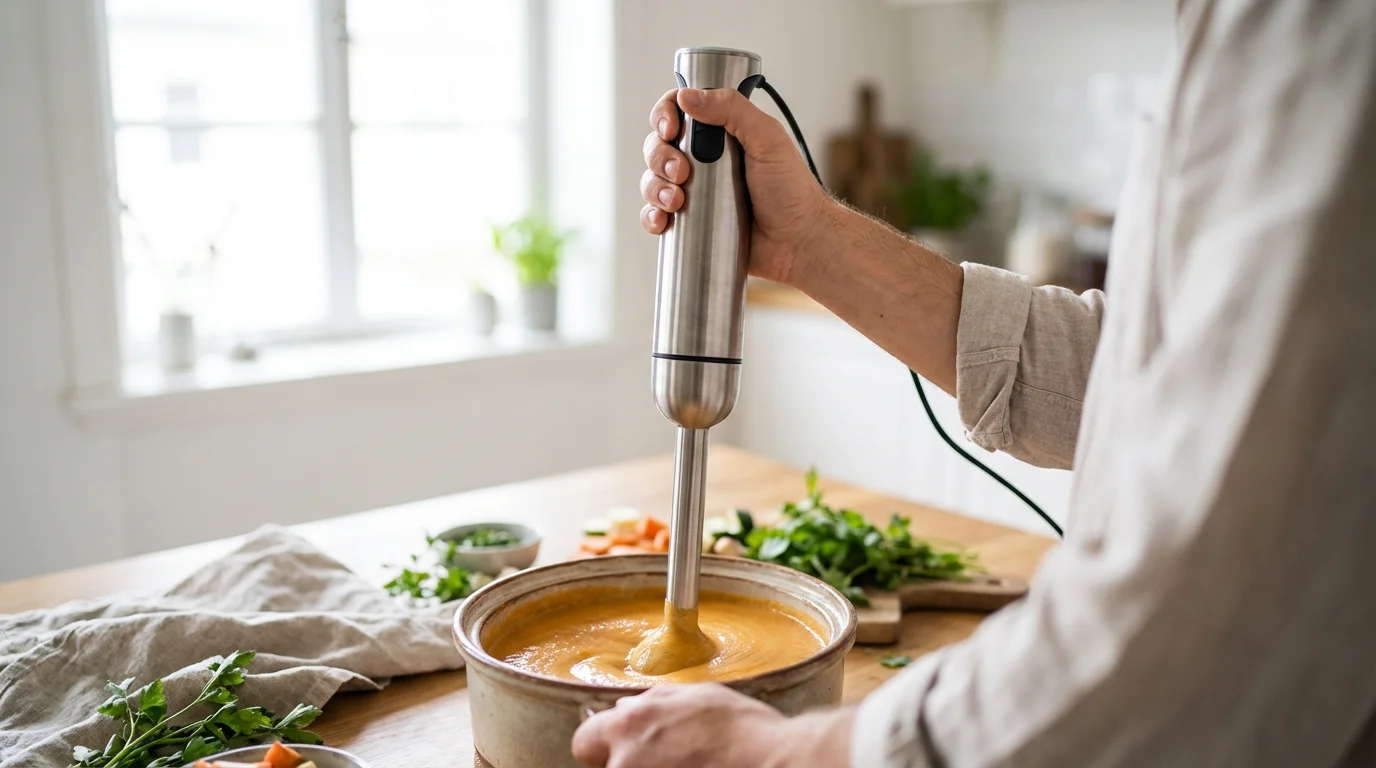
To ensure your batter is perfectly smooth, using immersion blenders can quickly remove any lumps before you pour.
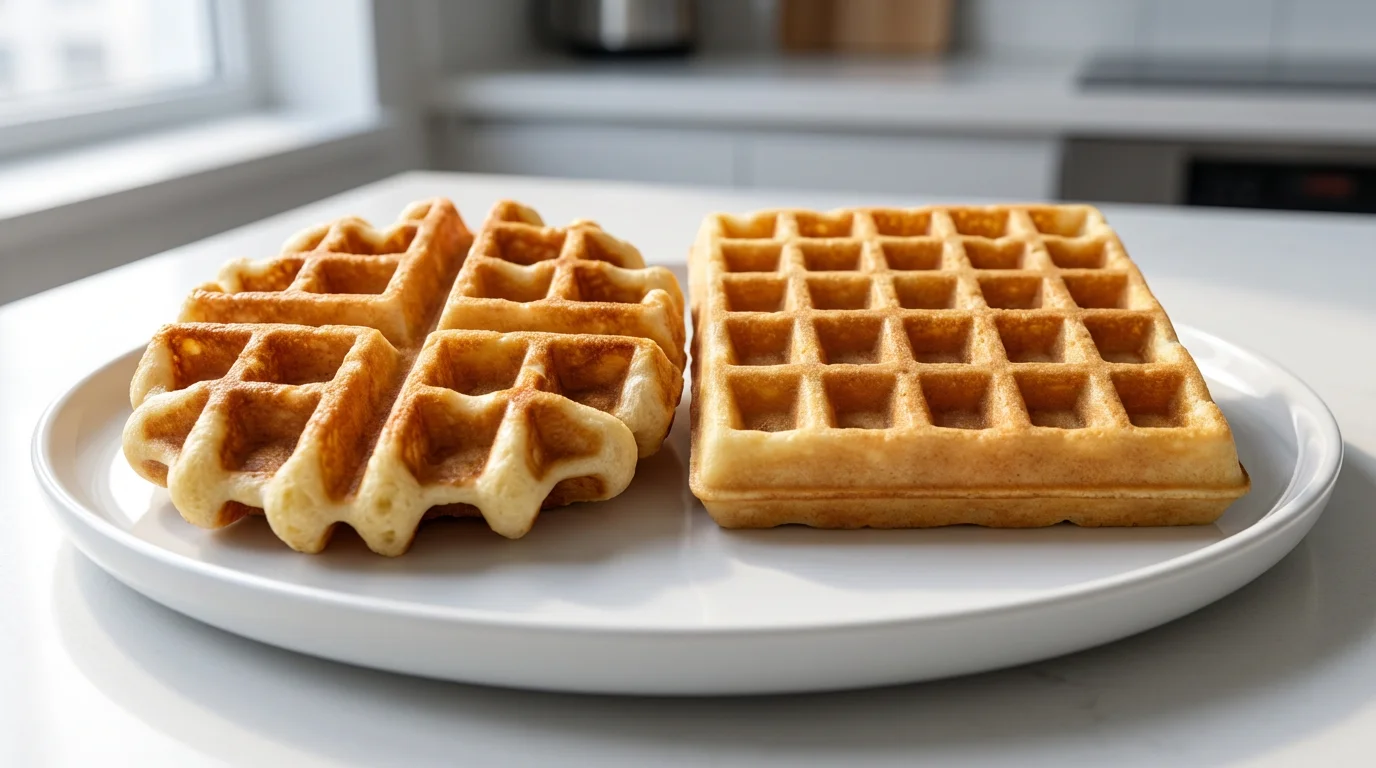
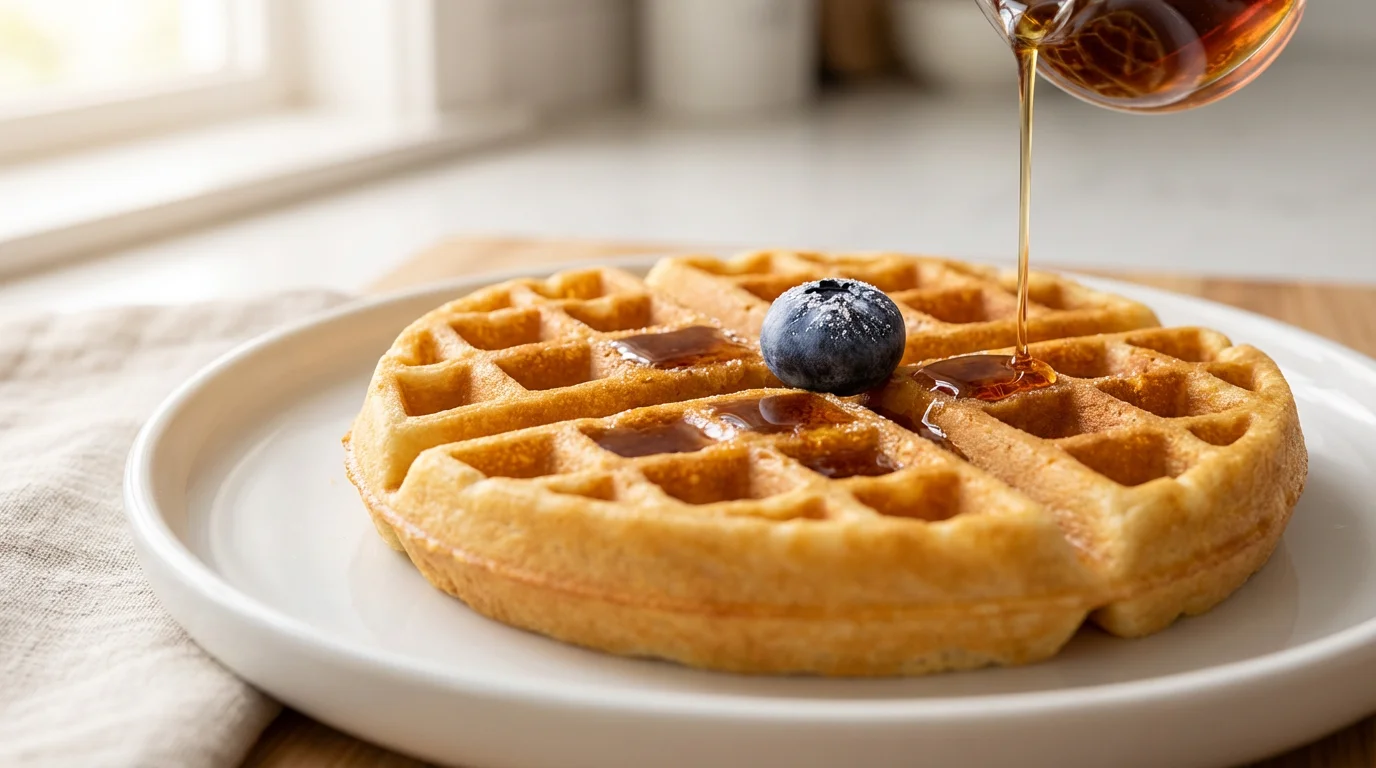
Belgian waffle makers create waffles with deep, large pockets. These pockets are designed to hold an abundance of toppings, from syrup and fruit to whipped cream and chocolate sauce. The characteristic texture of a Belgian waffle is a crisp, golden-brown exterior giving way to a light, airy, and tender interior. The batter used for Belgian waffles often includes yeast or whipped egg whites, contributing to their distinctive fluffiness and thickness. These machines typically feature thicker, heavier plates to accommodate the deeper pockets and often higher wattage for faster heating and consistent crisping.
Classic Waffle Makers
Conversely, classic waffle makers, sometimes called American-style waffle makers, produce thinner waffles with shallower, smaller grid patterns. These waffles are generally denser and offer a more uniform crispness throughout. They are excellent for stacking, creating waffle sandwiches, or serving alongside other breakfast items. The batter for classic waffles is typically a simpler baking powder leavened recipe. The machines themselves usually have thinner plates and often a slightly smaller overall footprint compared to their Belgian counterparts.
Texture, Taste, and Thickness: The Core Differences
Your preferred waffle texture dictates which style best serves your breakfast desires. This is where the core difference lies and where `belgian waffle maker vs regular which is better` becomes a personal preference question.
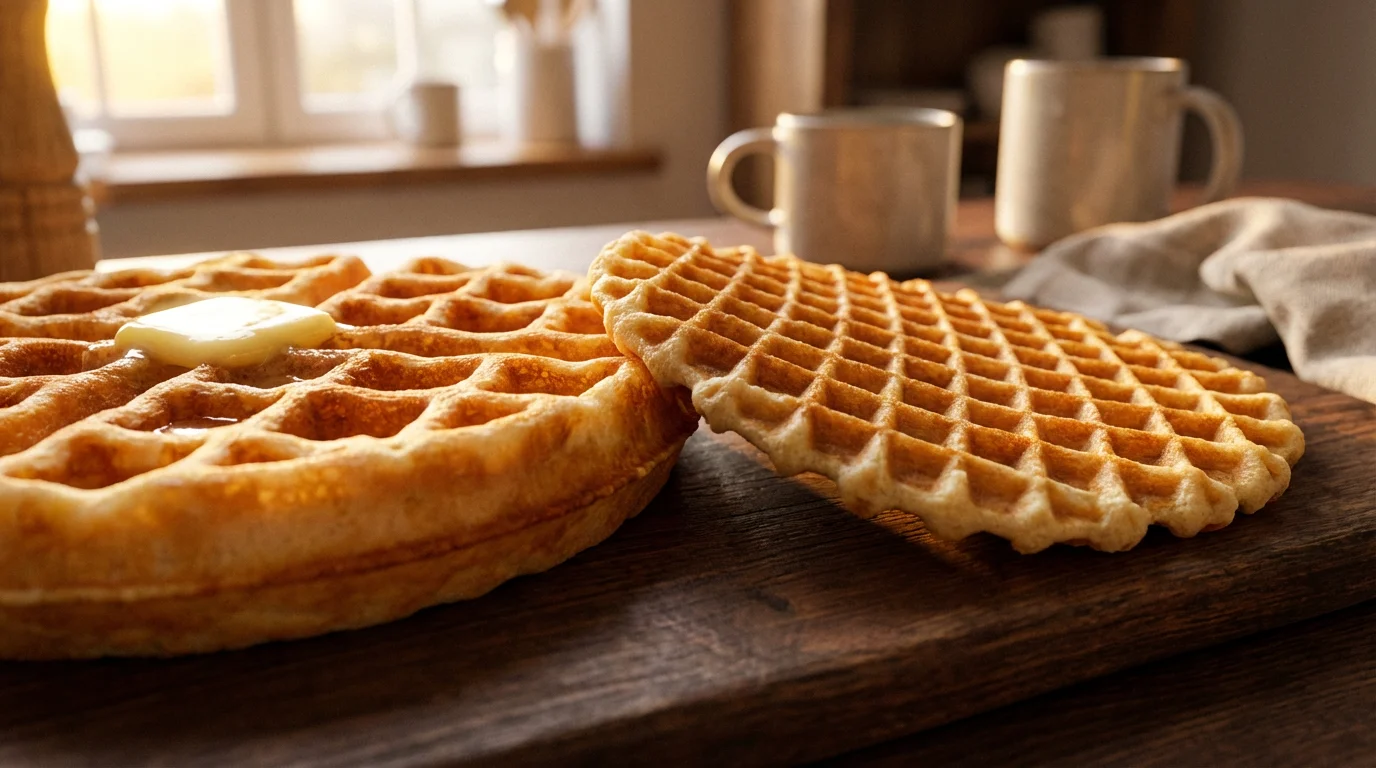
Belgian waffles truly excel if you prioritize a waffle that is substantial, soft on the inside, and crispy on the outside. The deep pockets are not just for aesthetics they are functional, acting as perfect reservoirs for all your favorite toppings. Think of a fluffy cloud with a delightful crunch, ready to soak up melted butter and maple syrup. The thicker profile means a single Belgian waffle can often be a satisfying meal on its own. If you want the `best waffle maker for crispy waffles` that also offer a soft interior, a Belgian style is often your ideal choice.
Classic waffles, on the other hand, deliver a consistently crispier experience from edge to edge. Their shallower grids mean less surface area for softness and more for that golden-brown crunch. If you prefer your waffles thinner, perhaps for a quick breakfast on the go, or if you enjoy a stack of waffles that are uniformly crunchy, then a classic `waffle iron` is more suitable. They are fantastic for making batches quickly and are less filling per individual waffle, allowing for more servings or smaller portions.
Consider your family’s preferences. Do they love a waffle piled high with toppings, or do they prefer a classic, crisp base for their breakfast? This crucial distinction guides your appliance selection.
“The perfect waffle isn’t universal. It’s about matching the machine to your ideal texture and how you plan to enjoy your breakfast.” — QuickKitchenTools.com Analyst
Design and Engineering: How Waffle Makers Differ
Beyond the waffle itself, the engineering of these small appliances
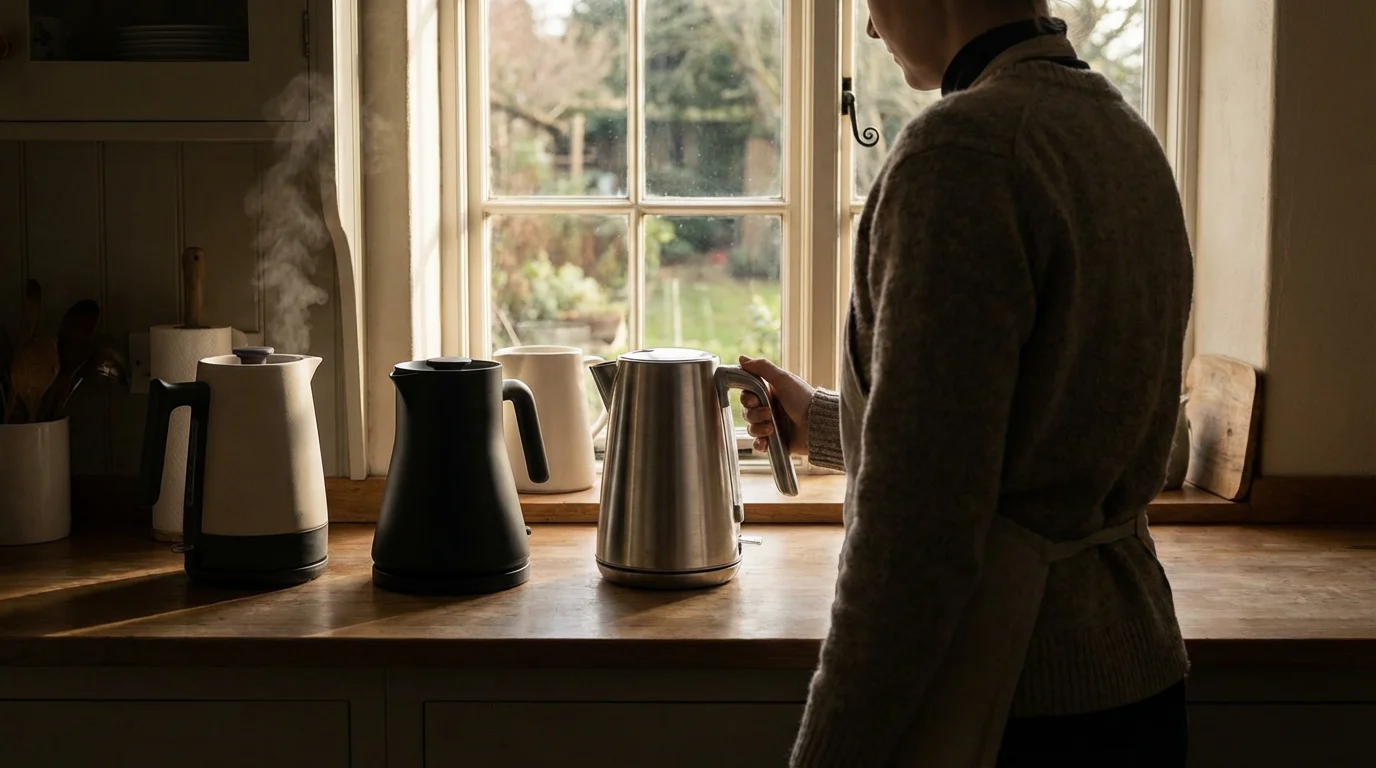
This focus on heating efficiency is similar to how electric kettles use high wattage to boil water in a matter of minutes.
presents significant variations impacting performance, user experience, and even energy consumption.
Heating Elements and Wattage
`Wattage`, which refers to how much power an appliance uses, directly influences heating speed and consistency. Most Belgian waffle makers range from 1000W to 1500W. Their higher wattage ensures they heat up quickly and maintain a consistent high temperature, which is crucial for achieving that desirable crispy exterior and fluffy interior on a thicker waffle. Classic waffle makers typically fall between 700W and 1200W. While still efficient, their lower power is sufficient for thinner waffles that do not require as much sustained heat to cook through. Higher wattage usually means faster cooking, but also marginally higher energy draw during operation. For a `breakfast appliance` like a waffle maker, which you use intermittently, the energy consumption difference is less significant than for a daily-use item.
Plates and Non-Stick Coatings
The plates are the heart of any `waffle maker`. Belgian models feature deeper, often thicker plates to create their characteristic pockets. Both styles universally use non-stick coatings, most commonly PTFE based, to ensure waffles release cleanly without tearing. The quality of this non-stick coating is paramount for ease of use and long-term durability. A robust, multi-layer non-stick surface resists scratching and flaking, extending the life of your appliance. Some high-end models offer ceramic non-stick coatings, which are often PFOA and PTFE-free, appealing to those seeking alternative materials.
Indicator Lights and Temperature Controls
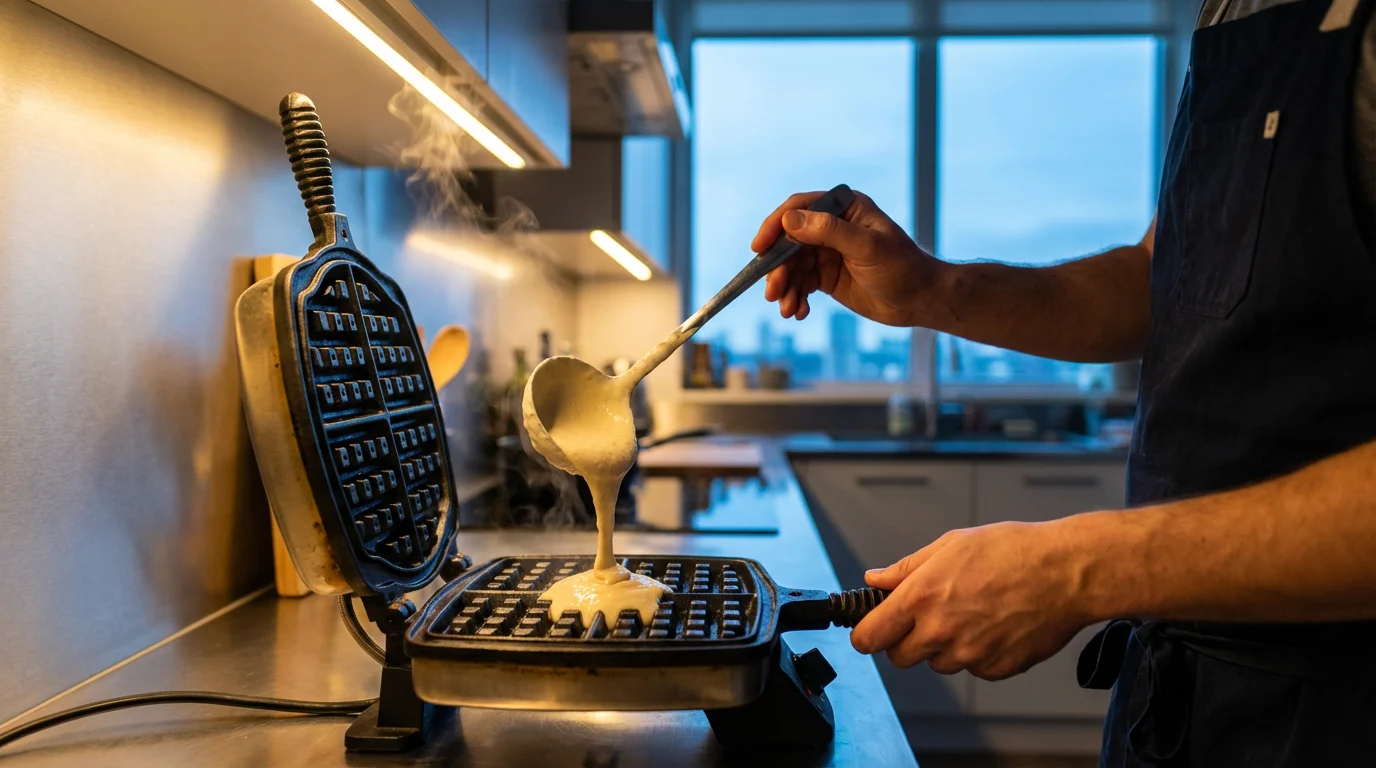
Most modern waffle makers include indicator lights that signal when the iron is preheated and when the waffle is cooked. Some advanced models offer variable browning controls, allowing you to choose how light or dark you want your waffle, providing greater customization. Rotary waffle makers, often found in Belgian styles, rotate 180 degrees during cooking. This feature helps distribute batter evenly and ensures consistent browning on both sides, making it easier to achieve a perfectly cooked waffle.
Here is a comparison of typical specifications you might find:
| Feature | Belgian Waffle Maker (Typical) | Classic Waffle Maker (Typical) |
|---|---|---|
| Waffle Thickness | Thick (1-1.5 inches) | Thin (0.5-0.75 inches) |
| Pocket Depth | Deep, large pockets | Shallow, small grids |
| Texture Profile | Crispy exterior, fluffy interior | Uniformly crispy, denser |
| Typical Wattage | 1000W – 1500W | 700W – 1200W |
| Footprint (approx.) | 10″ L x 10″ W x 5″ H | 8″ L x 8″ W x 4″ H |
| Weight (approx.) | 4-8 lbs | 3-6 lbs |
| Special Features Often | Rotary function, overflow channel, variable browning | Fixed plates, basic indicator lights |
| Price Range (Entry-Mid) | $40 – $100 | $25 – $70 |
Navigating Capacity and Footprint: What Fits Your Kitchen?
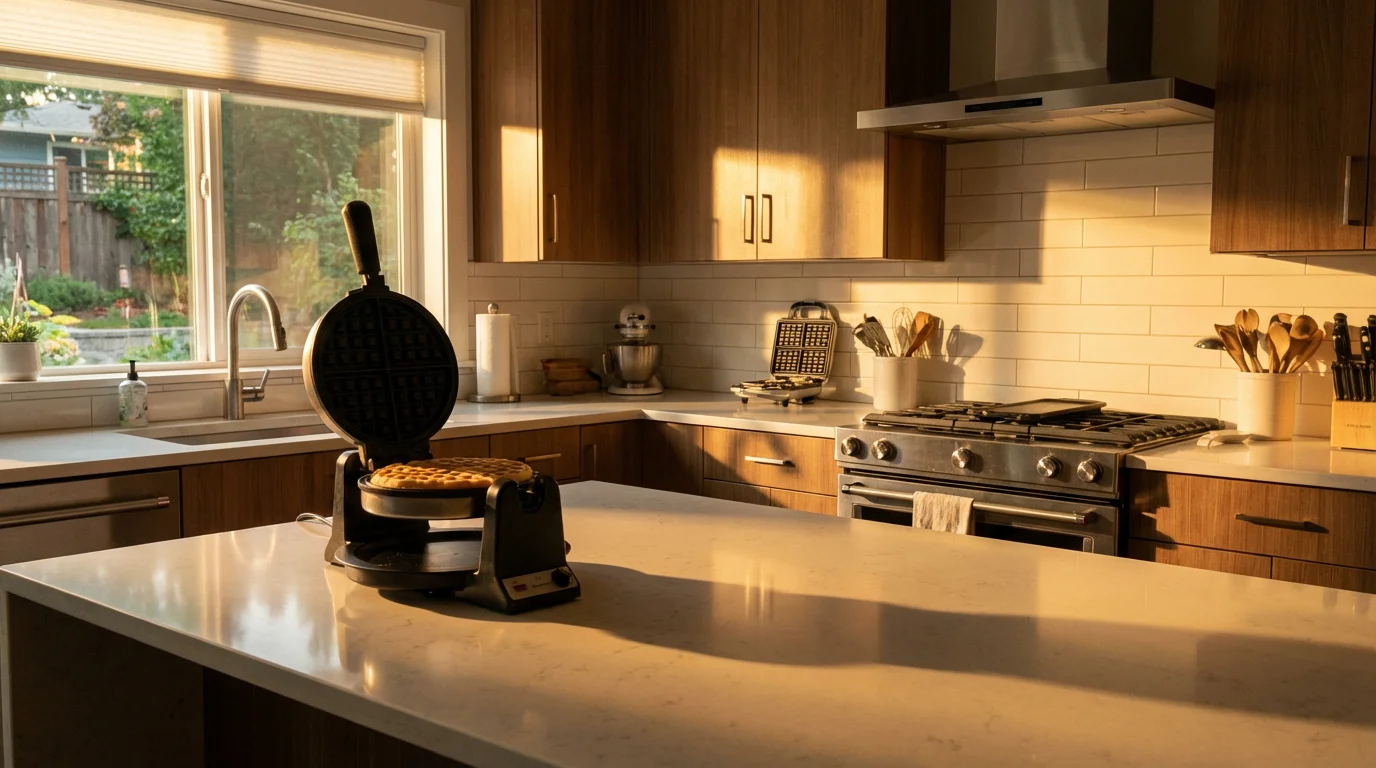
Your kitchen counter space is valuable real estate. You need a `waffle maker` that not only performs but also fits comfortably without overwhelming your workspace or becoming a storage burden.
Household Size and Waffle Output
Consider how many waffles you typically need to make at once. Standard waffle makers, both Belgian and classic, often make one large round or square waffle, or up to four smaller square waffles simultaneously.
* **For individuals or couples:** A single-waffle maker is perfectly adequate. Its smaller `quart capacity` or single waffle output means quicker preheating and less cleaning.
* **For families or frequent entertainers:** Look for models that produce two large Belgian waffles or up to five smaller classic waffles at a time. Some commercial-style waffle makers, while larger, can produce waffles in quick succession, ideal for brunch gatherings.
Counter Space Footprint
Always check the exact dimensions of any appliance before purchasing.
A typical single Belgian waffle maker might measure approximately 10 inches long by 10 inches wide by 5 inches high, requiring a dedicated spot. Rotary models, while excellent for cooking, often have a slightly larger operational footprint due to their rotating mechanism, sometimes requiring clearance up to 15 inches in height when flipped.
Classic waffle makers tend to be more compact, with a typical size around 8 inches long by 8 inches wide by 4 inches high. Their flatter design makes them easier to store upright in a cabinet if vertical storage is a priority for you.
Think about where you will store the waffle maker when not in use. Some models offer cord wraps or can be stored vertically to save space. According to Consumer Reports’ small appliance evaluations, thoughtful design for storage is a significant factor in long-term satisfaction. Ensure you have clear cabinet space or a designated pantry shelf for your chosen appliance.
Ease of Use and Cleanup: Essential Practicalities
A great `waffle maker` is not just about making delicious waffles; it is also about making the process as simple as possible, especially when it comes to cleaning. This directly impacts how often you actually use the appliance.
Indicator Lights and Controls
Simplicity in operation is key for a `breakfast appliance`. Look for clear indicator lights that tell you when the waffle maker is preheated and when your waffle is ready. This removes guesswork and prevents undercooked or burnt waffles. Models with variable browning control offer more precision, letting you customize your waffle from light and fluffy to dark and crisp. Some high-end models include digital timers or audible alerts, which are convenient for multitasking.
Non-Stick Plates and Overflow Channels
The quality of the non-stick coating on the cooking plates is critical for both cooking and cleaning. A good non-stick surface ensures waffles release easily, leaving minimal residue. However, even the best coatings can be challenged by overfilling. Many waffle makers, particularly Belgian styles, feature an `overflow channel` around the cooking plates. This simple design element catches any excess batter that might spill over, preventing it from dripping onto your counter or into the machine’s internal components. This makes cleanup significantly easier.
Removable and Dishwasher-Safe Plates
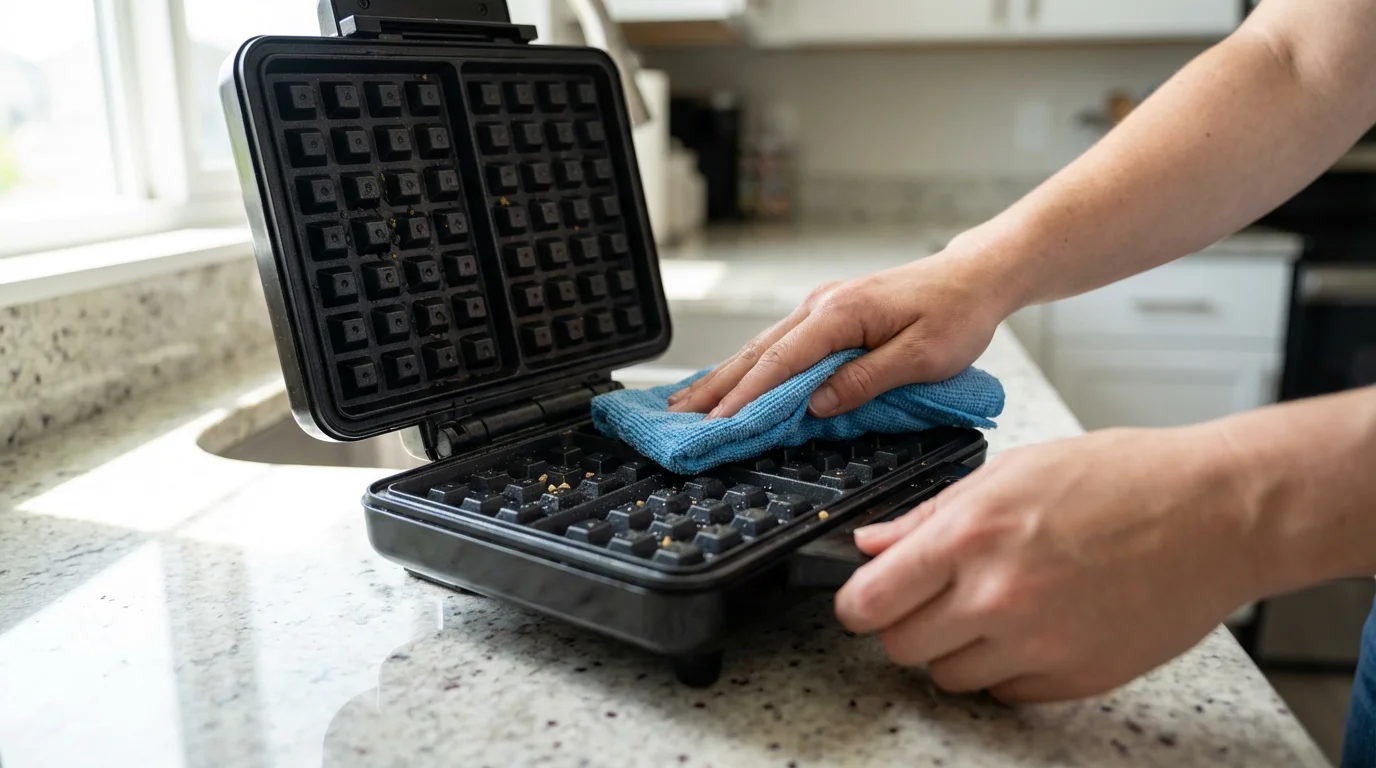
The gold standard for easy cleanup is removable, dishwasher-safe plates. While not universally available, especially in entry-level models, this feature transforms cleanup from a chore into a trivial task. You simply unclip the plates, pop them into the dishwasher, and wipe down the base. If your chosen model does not have removable plates, you will rely on the quality of the non-stick coating and need to wipe the plates down with a damp cloth or paper towel once they have cooled. Avoid abrasive scrubbers, which can damage the non-stick surface.
Durability and Longevity: Investing in a Breakfast Appliance
Investing in a `waffle maker` means you want it to last. Understanding common failure points and what contributes to durability helps you make a sound choice.
Build Quality
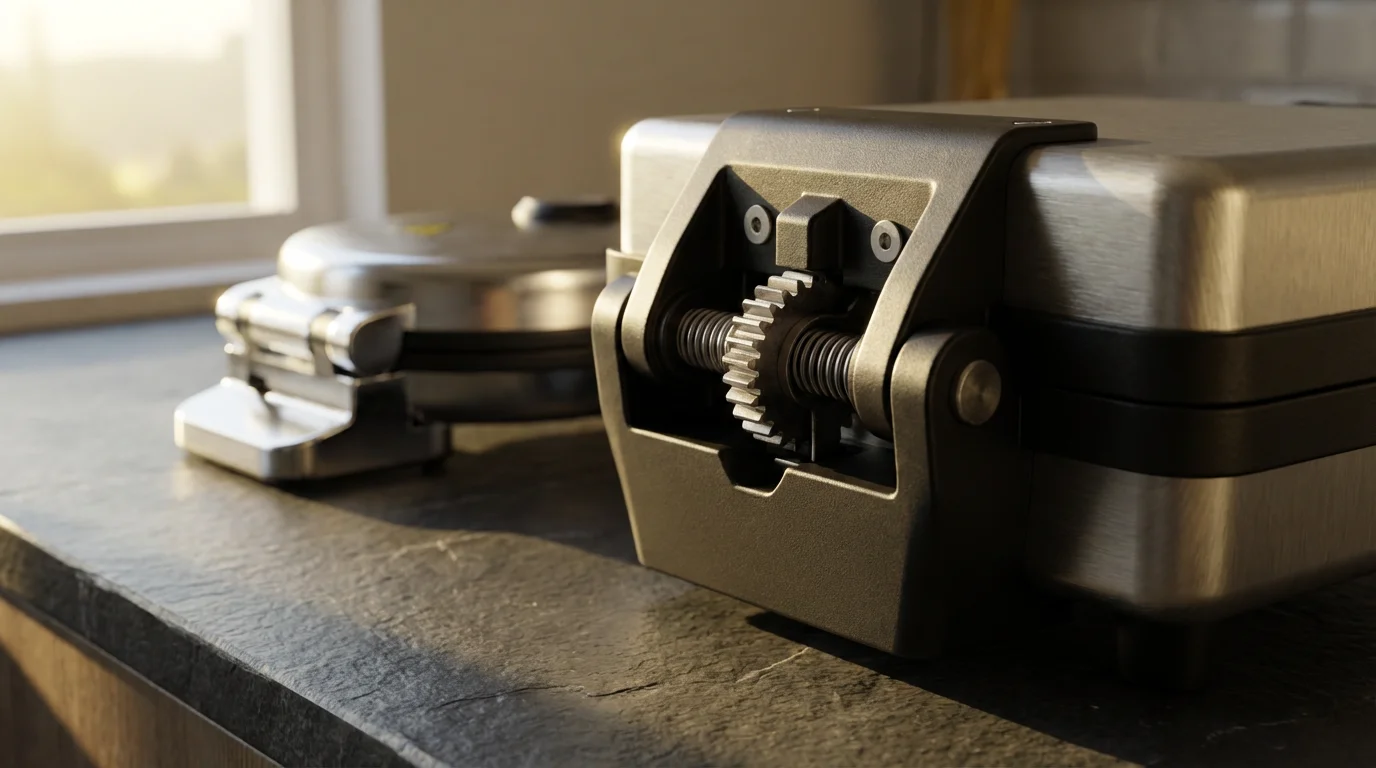
The overall construction of the `waffle iron` plays a big role in its longevity. Models made with sturdy stainless steel or heavy-duty plastic bodies tend to withstand more use and accidental bumps than those with flimsy plastic casings. Pay attention to the hinges, particularly on rotary Belgian waffle makers. Robust, well-constructed hinges prevent wobble and ensure the top plate closes evenly over time, which is essential for consistent cooking. Flimsy hinges are a common point of failure.
Non-Stick Coating Life
The non-stick coating is often the first component to show wear. Even with careful use, eventually, these coatings can degrade, leading to waffles sticking and tearing. To prolong the life of your non-stick plates, avoid metal utensils, never clean with abrasive scrubbers, and follow the manufacturer’s cleaning instructions carefully. Some brands offer extended warranties on their non-stick surfaces, signaling confidence in their product. Serious Eats’ equipment reviews often highlight the durability of non-stick coatings in their testing, providing valuable insights.
Heating Element Performance
A reliable heating element ensures consistent temperatures across the entire cooking surface. Uneven heating leads to waffles that are burnt in one spot and undercooked in another. While not always apparent upon initial purchase, reviews often highlight issues with uneven heating over time. Choosing reputable brands known for quality small appliances generally mitigates this risk.
Making Your Choice: Which Waffle Maker Suits You?
Now, with a clear understanding of the differences, you can confidently decide which `waffle maker` aligns with your needs.
Best for Families: Rotary Belgian Waffle Maker
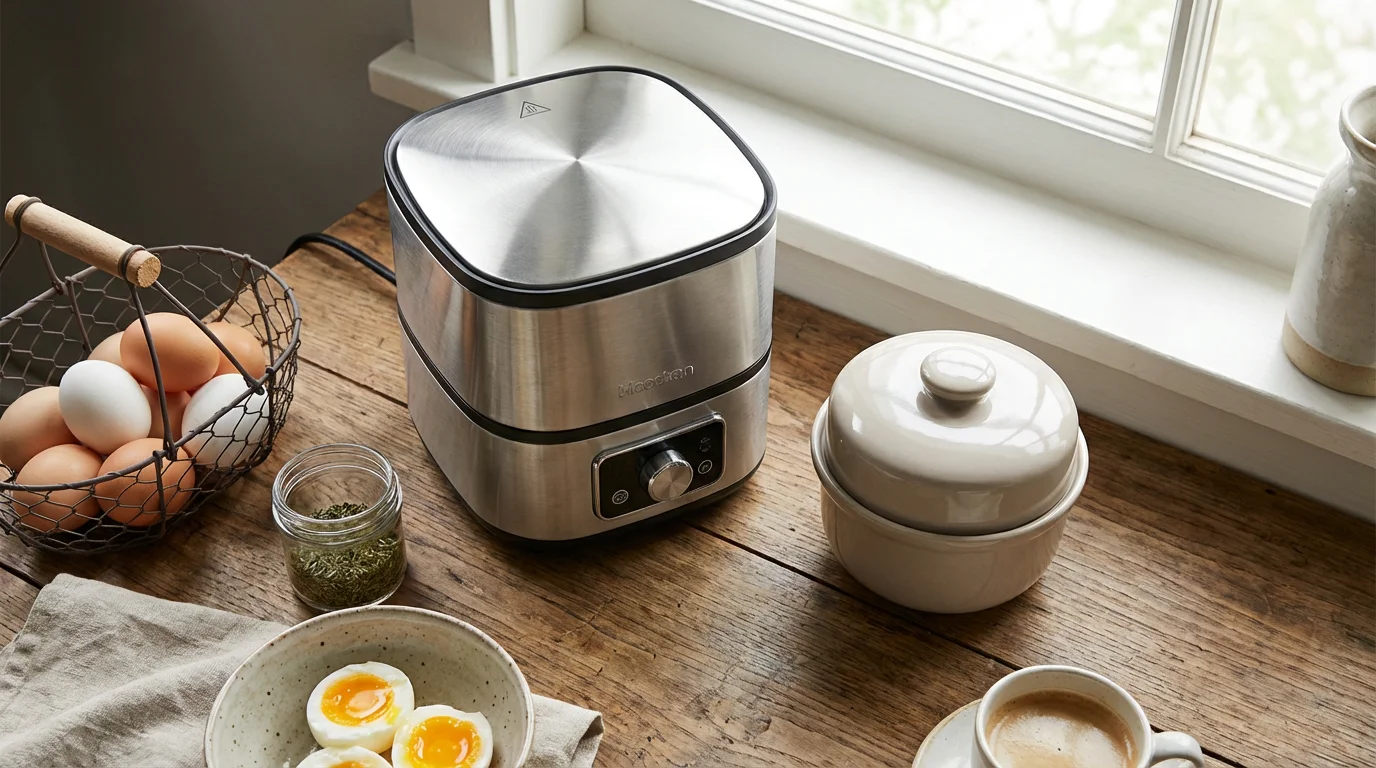
While your waffle iron does its work, you can use egg cookers to easily prepare a protein-rich side dish for a balanced breakfast.
If you have a bustling household that craves substantial, fluffy waffles with plenty of nooks for syrup, a rotary Belgian waffle maker is an excellent choice. Models that make two waffles simultaneously significantly speed up breakfast service. The rotary function ensures even cooking for consistent results across multiple batches. Look for models with a strong non-stick coating and an overflow channel for easier cleanup after a big breakfast.
Best for Small Kitchens: Compact Classic Waffle Maker
For those with limited counter space or for individuals/couples, a compact classic waffle maker is ideal. Its smaller footprint, typically around 8x8x4 inches, means it fits easily into tight spaces and stores upright without hassle. These machines generally heat up quickly and make delicious, crispy waffles perfect for a quick weekday meal. Their simpler design often translates to a lower price point and easier manual cleaning.
Best Value: Single Belgian Waffle Maker with Basic Features
If you desire the deep pockets and fluffy interior of a Belgian waffle but are on a budget, look for a single Belgian waffle maker without the rotary function. These models often provide excellent performance at a more accessible price. Focus on a model with reliable indicator lights, a decent wattage (at least 1000W), and a robust non-stick coating. You might sacrifice the convenience of a rotary flip or variable browning, but you will still get quality Belgian waffles. As America’s Test Kitchen often advises, sometimes the most basic models can outperform more complex ones if they execute their core function flawlessly.
Consider Your Topping Preferences
Your choice also depends heavily on how you enjoy your waffles.
* **Team “Pile on the Toppings”:** Go Belgian. The deep pockets are literally designed for maximum syrup, fruit, and whipped cream retention.
* **Team “Crispy All Over”:** Choose classic. Its thinner profile and shallower grids provide a consistently crunchy experience, great for savory applications or simpler syrup drizzles.
Ultimately, your `waffle maker` should enhance your breakfast routine. Think about how often you will use it, what kind of waffles you truly enjoy, and how much space you have.
Frequently Asked Questions
Does a higher wattage waffle maker make better waffles?
A higher wattage waffle maker typically heats up faster and maintains a more consistent temperature, which can contribute to quicker cooking and a crispier exterior, especially for thicker Belgian waffles. While higher wattage aids performance, the design of the plates and the quality of the non-stick coating also play significant roles in the final waffle quality. It helps achieve `best waffle maker for crispy waffles` results.
How do I prevent my waffles from sticking to the waffle maker?
Ensure you preheat your `waffle iron` fully until the indicator light signals it is ready. Lightly brush or spray the plates with a neutral cooking oil, even if the maker has a non-stick coating. Do not use metal utensils to remove waffles; instead, use silicone or wooden tools to avoid scratching the non-stick surface. Always allow the waffle maker to cool before cleaning it.
Can I make savory waffles in a standard waffle maker?
Yes, you can absolutely make savory waffles in both Belgian and classic `waffle maker` styles. Simply adapt your batter recipe to include savory ingredients like cheese, herbs, corn, or even mashed potatoes. The deep pockets of a Belgian maker are particularly good for holding savory fillings and creating a substantial meal.
What is the average lifespan of a waffle maker?
With proper care, a good quality `breakfast appliance` like a waffle maker can last anywhere from 3 to 7 years, or even longer for more robust models. The non-stick coating is often the first component to show wear. Consistent cleaning, avoiding abrasive tools, and not overfilling with batter will help extend its lifespan.
Final Thoughts on Your Waffle Journey
Choosing between a Belgian and a classic `waffle maker` boils down to understanding your specific needs and preferences. You now have a clear picture of how each style impacts the waffle itself, the design of the appliance, and its practical use in your kitchen. Whether you dream of thick, fluffy Belgian waffles piled high with toppings or crave thin, consistently crispy classic waffles, a perfect `waffle iron` awaits you. Prioritize features that enhance your enjoyment: ease of cleaning, suitable capacity for your household, and a footprint that fits your counter space. Make an informed decision, and you will enjoy delicious, homemade waffles for years to come.
Disclaimer: Product prices, features, and availability change frequently. Prices shown were accurate at time of writing but may have changed. We may earn a small commission from purchases made through links on this site, at no extra cost to you. Always verify current pricing and specifications on the retailer’s website before purchasing.
No morning meal is truly complete without the right beverage, so take a moment to look at different coffee makers to find your ideal pairing.

Leave a Reply