
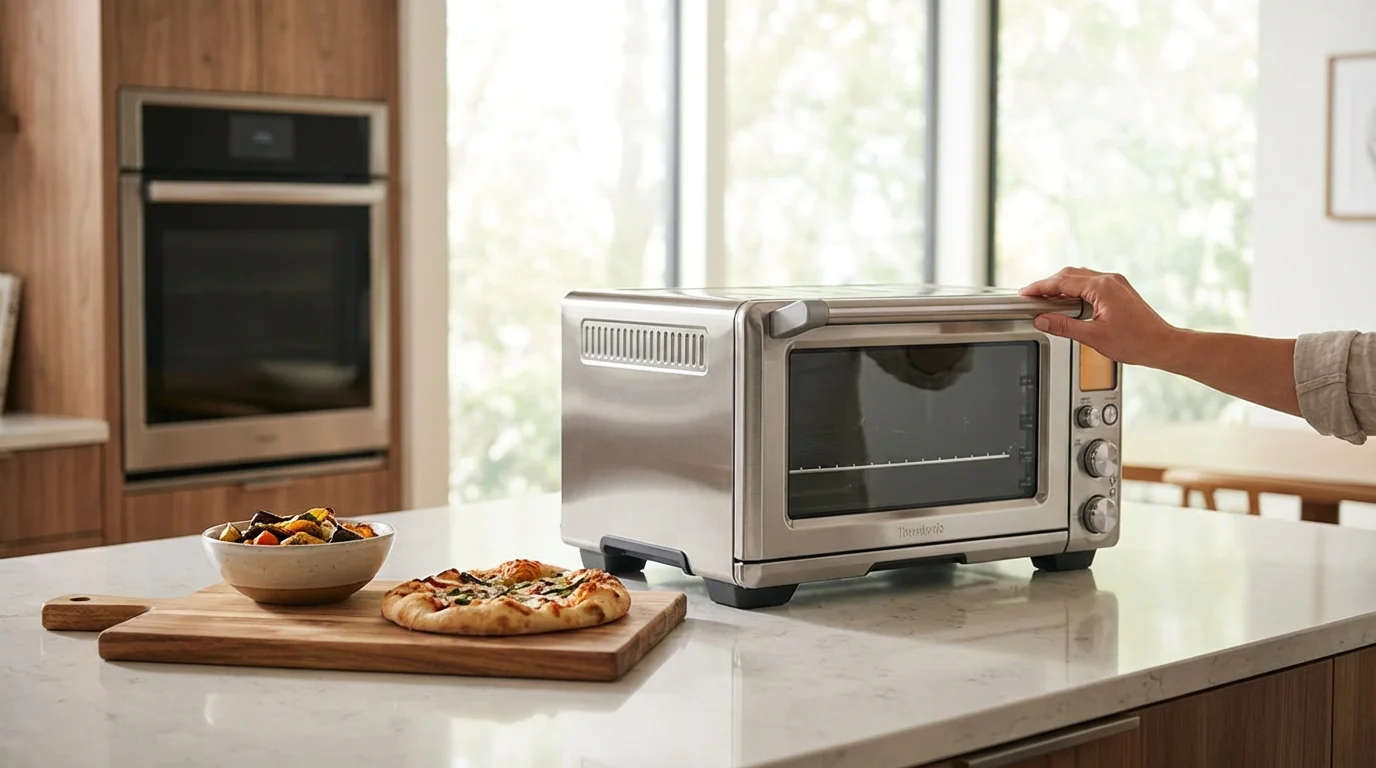
Your kitchen oven is a cornerstone appliance, handling everything from holiday roasts to weekly meal prep. However, it is not always the most efficient or practical tool for every cooking task. That is where a toaster oven, or a countertop oven, shines. This versatile small appliance offers a compelling alternative for many daily cooking needs, saving you time, energy, and avoiding overheating your kitchen. You will discover when to confidently reach for your toaster oven instead of your larger oven, making your cooking routine more efficient and enjoyable.
What is a Toaster Oven?
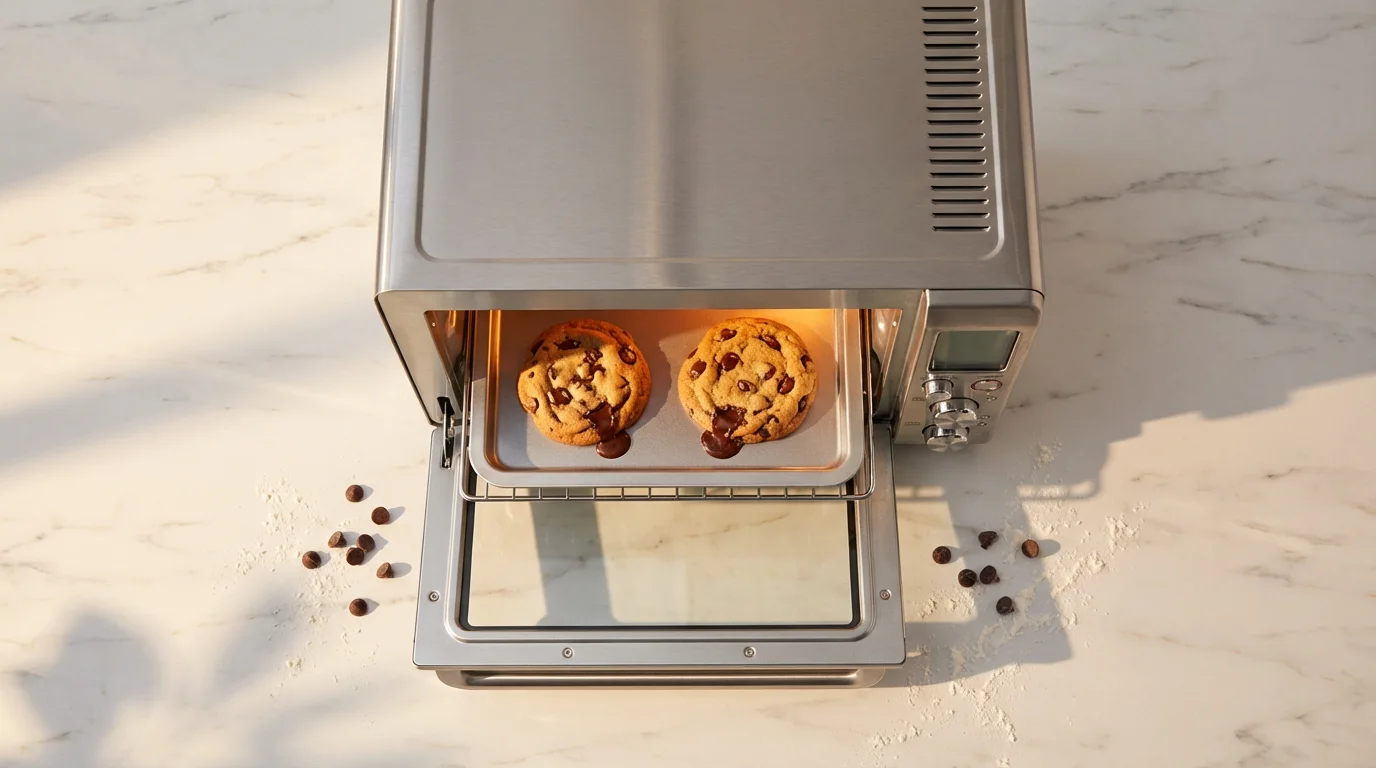
A toaster oven is a compact electric oven designed for countertop use. Unlike a pop-up toaster that only browns bread, a toaster oven offers a range of cooking functions similar to a conventional oven, but on a smaller scale. It can toast, bake, broil, and often reheat, making it incredibly versatile for small meals or individual portions. Think of it as a miniature version of your full-size oven, complete with heating elements on the top and bottom, adjustable temperature controls, and a timer.
While they aren’t meant for baking large loaves of homemade bread, they excel at toasting slices to perfection.
These appliances come in various sizes and with different feature sets. Some models are basic, ideal for making toast and reheating pizza, while others incorporate advanced functions like air frying or convection cooking. Convection cooking uses a fan to circulate hot air evenly around your food, resulting in faster and more consistent cooking, often achieving a crispier exterior. Understanding your primary uses helps you choose the right model without overspending on features you will not use.
Why Choose a Toaster Oven Over Your Full-Size Oven?
Deciding when to use your toaster oven instead of your regular oven boils down to efficiency, speed, and convenience. While your full-size oven handles large turkeys or multiple sheet pans, a toaster oven excels at smaller tasks. Here are key situations where a countertop oven makes more sense:
- Energy Efficiency: A toaster oven consumes significantly less electricity than a full-size oven. Its smaller internal volume requires less energy to preheat and maintain temperature. When you cook a small batch of cookies or reheat leftovers, heating a large oven cavity wastes considerable energy.
- Faster Preheating: Because of their compact size, toaster ovens preheat much faster than conventional ovens. You can often reach baking temperature in 5 to 10 minutes, compared to 15 to 20 minutes or more for a large oven. This speed is invaluable when you are hungry and short on time.
- Prevents Overheating Your Kitchen: During warmer months, running a large oven can drastically increase your kitchen’s temperature, making your home uncomfortable and driving up air conditioning costs. A toaster oven generates less ambient heat, keeping your kitchen cooler.
- Smaller Portions and Single Servings: Cooking for one or two people? A toaster oven is perfect for preparing individual pizzas, a few chicken breasts, roasted vegetables, or a small batch of muffins without the overhead of a large appliance.
- Reheating Leftovers: Forget soggy microwave reheating. A toaster oven restores crispiness to pizza, fries, and other fried or baked items, making leftovers taste fresh again.
- Secondary Oven Functionality: During holidays or large gatherings, your main oven might be occupied. A toaster oven provides extra cooking capacity for side dishes, appetizers, or desserts, alleviating oven space constraints.
“Counter space is premium real estate. Before you buy any appliance, ask: will I use this at least once a week? A versatile toaster oven often passes this test, becoming a daily workhorse.” — Kitchen Design Expert Sarah Chen
Key Features to Look For in a Toaster Oven
To ensure your toaster oven becomes a workhorse, not a dust collector, focus on features that align with your cooking habits. Considering these specifications will help you make an informed decision:
- Wattage: This indicates how much power an appliance uses; higher wattage usually means faster preheating and cooking. Most toaster ovens range from 1,200 to 1,800 watts. Higher wattage models generally deliver more consistent heating and better browning results, particularly for tasks like roasting or baking.
- Convection Fan: As mentioned, convection uses a fan to circulate hot air. This feature cooks food more evenly, often reducing cooking times by 20% to 30%, and produces crispier results, especially for items like fries, chicken wings, or roasted vegetables. Many high-performance toaster ovens now include this.
- Capacity: Toaster oven capacity is often measured by how many slices of toast it can hold or what size pizza it accommodates. Common capacities range from 4-slice models (fitting a 9-inch pizza) to 6-slice or 9-slice models (fitting a 12-inch pizza or a standard 9×13 inch baking dish). Choose a capacity that fits your typical meals, considering your household size and the types of dishes you plan to prepare.
- Temperature Range: Look for a model that offers a wide temperature range, typically from 150°F (for warming) up to 450°F or 500°F (for baking and broiling). Precise temperature control is crucial for consistent cooking results.
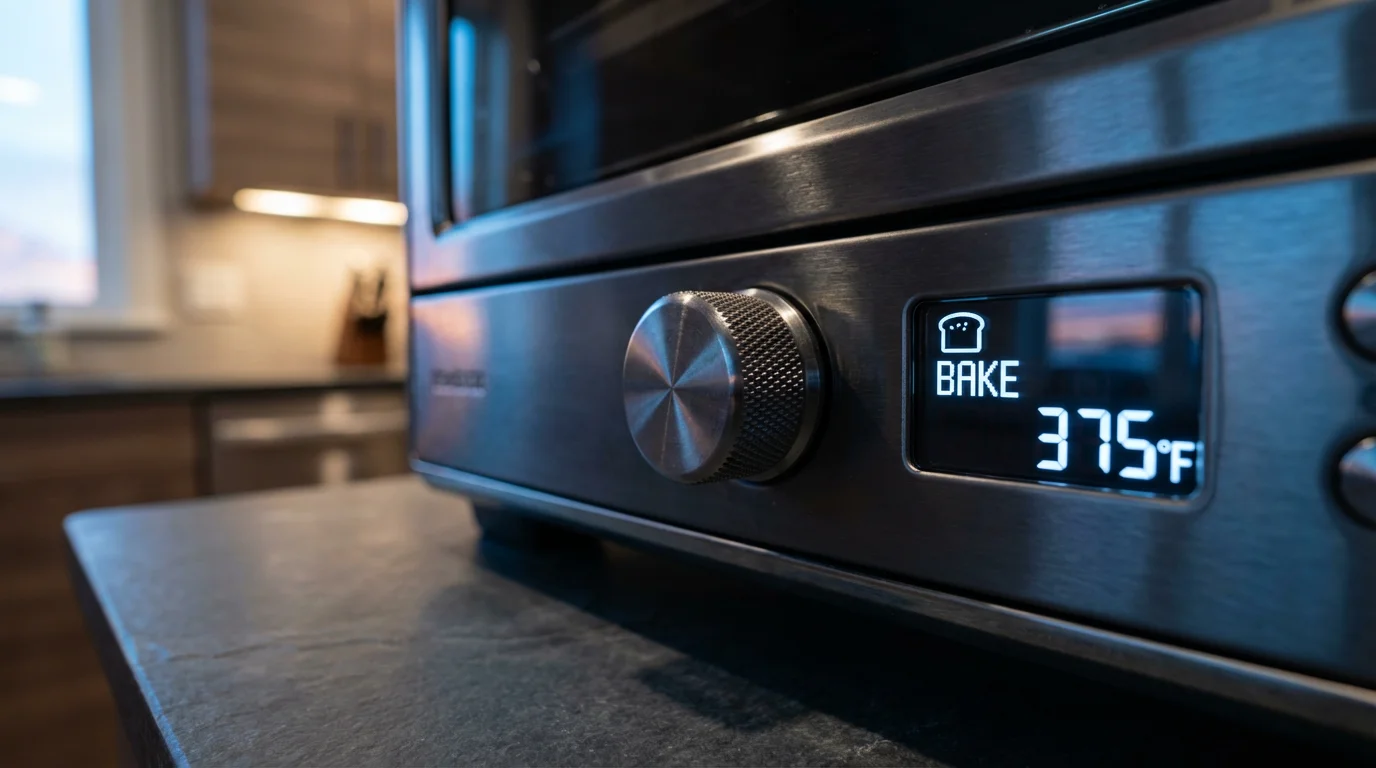
- Controls: You will find both dial controls and digital interfaces. Dial controls are simple and durable, while digital controls offer more precise temperature and time settings, often with preset programs. Preset programs are automatic settings for common tasks like “toast,” “bake,” or “reheat,” simplifying operation.
- Interior Light: An interior light allows you to monitor cooking progress without opening the door and releasing heat, which helps maintain consistent temperatures.
- Non-stick Interior and Removable Crumb Tray: These features significantly simplify cleaning. A non-stick interior prevents food from sticking, and a removable crumb tray catches crumbs and drips, preventing burnt residue buildup.
Finding the Right Size and Capacity
The physical footprint and internal capacity are critical considerations for any countertop appliance. Your counter space is a valuable resource, and choosing the right size ensures your toaster oven is a practical addition, not a cluttered obstacle.
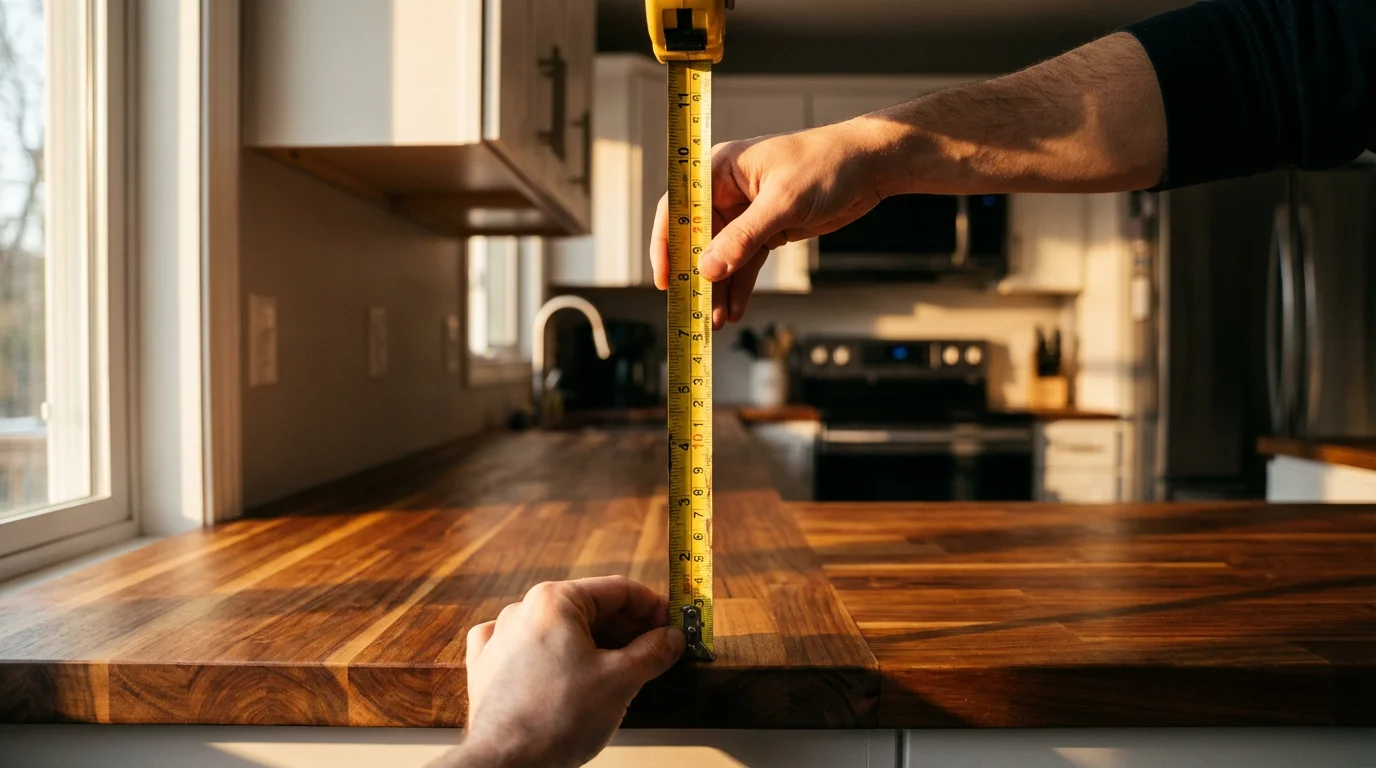
Toaster ovens vary significantly in external dimensions and internal capacity. Before purchasing, measure your available counter space, including height clearance under cabinets. You need enough room for the appliance itself, plus some ventilation space around it. Typically, manufacturers recommend a few inches of clearance on all sides.
Here is a general guide to help you match capacity to household needs:
| Toaster Oven Size Category | Toast Capacity | Typical External Dimensions (Width x Depth x Height) | Fits Pizza Size | Ideal For | Examples of Use |
|---|---|---|---|---|---|
| Compact | 4 slices | 16 x 10 x 8 inches | 9-inch | Individuals, dorm rooms, very small kitchens | Toast, reheating single portions, small frozen meals. |
| Mid-Size | 6 slices | 18 x 12 x 10 inches | 11-inch | Couples, small families (2-3 people) | Toast, reheating, baking a few cookies, frozen pizzas, roasted vegetables. |
| Large/Convection | 6-9 slices | 20 x 15 x 12 inches | 12-13-inch (9×13 pan) | Families (3+ people), those needing versatility, secondary oven | Toast, baking a chicken, roasting a sheet pan of veggies, small batch casseroles. |
Consider the types of dishes you cook most often. If you only plan to make toast and reheat small items, a compact model saves space and money. If you envision baking a small batch of brownies, roasting a chicken, or using it as a secondary oven for holiday meals, a larger convection model will serve you better. Keep in mind that a toaster oven capable of fitting a 9×13 inch baking dish provides significant flexibility for many standard recipes, making it a true workhorse in your kitchen.
Energy Consumption: Real Savings
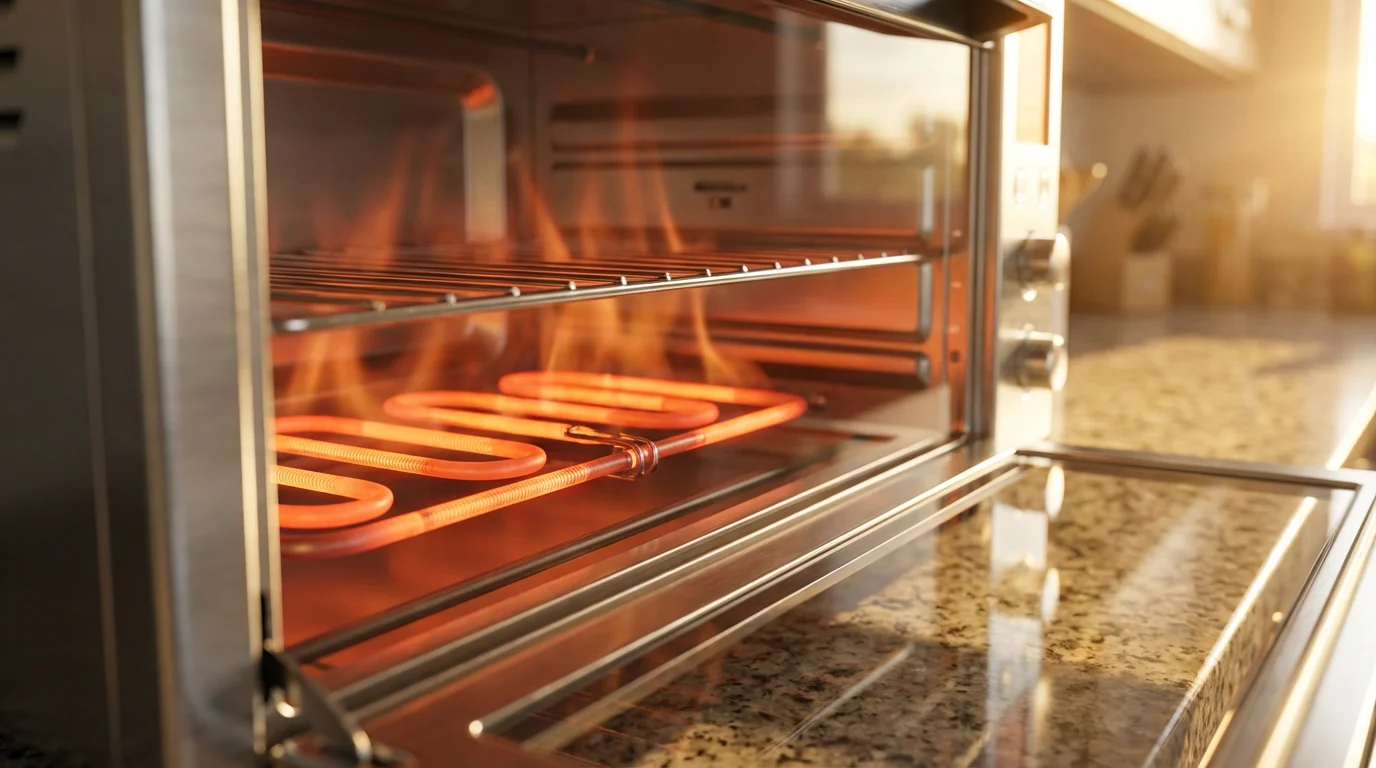
One of the most compelling reasons to use a toaster oven for smaller tasks is its energy efficiency compared to a full-size oven. Your conventional oven typically draws between 2,000 and 5,000 watts, while a toaster oven typically operates between 1,200 and 1,800 watts. This difference, combined with the smaller volume to heat, translates into tangible savings on your electricity bill.
This efficiency is similar to using electric kettles to boil water, as both tools focus energy on a smaller area than a stovetop or large oven.
According to Good Housekeeping’s kitchen appliance reviews, using a smaller appliance like a toaster oven for tasks it can handle effectively reduces energy use. For example, preheating a standard 30-inch electric oven to 350°F can consume approximately 0.1 to 0.2 kWh. Keeping it at that temperature for an hour might use another 1 to 2 kWh, depending on insulation and oven size. A toaster oven, in contrast, might only use 0.05 kWh to preheat and 0.5 kWh to maintain temperature for an hour. Over time, these small savings add up, especially if you use your toaster oven daily for things like reheating last night’s dinner or baking a quick batch of morning pastries.
The quick preheat time of a toaster oven also contributes to energy savings. You waste less energy bringing the appliance up to temperature, and you can turn it off sooner once cooking finishes. This makes it an environmentally conscious choice for busy households.
Beyond Toast: Everyday Uses for Your Toaster Oven
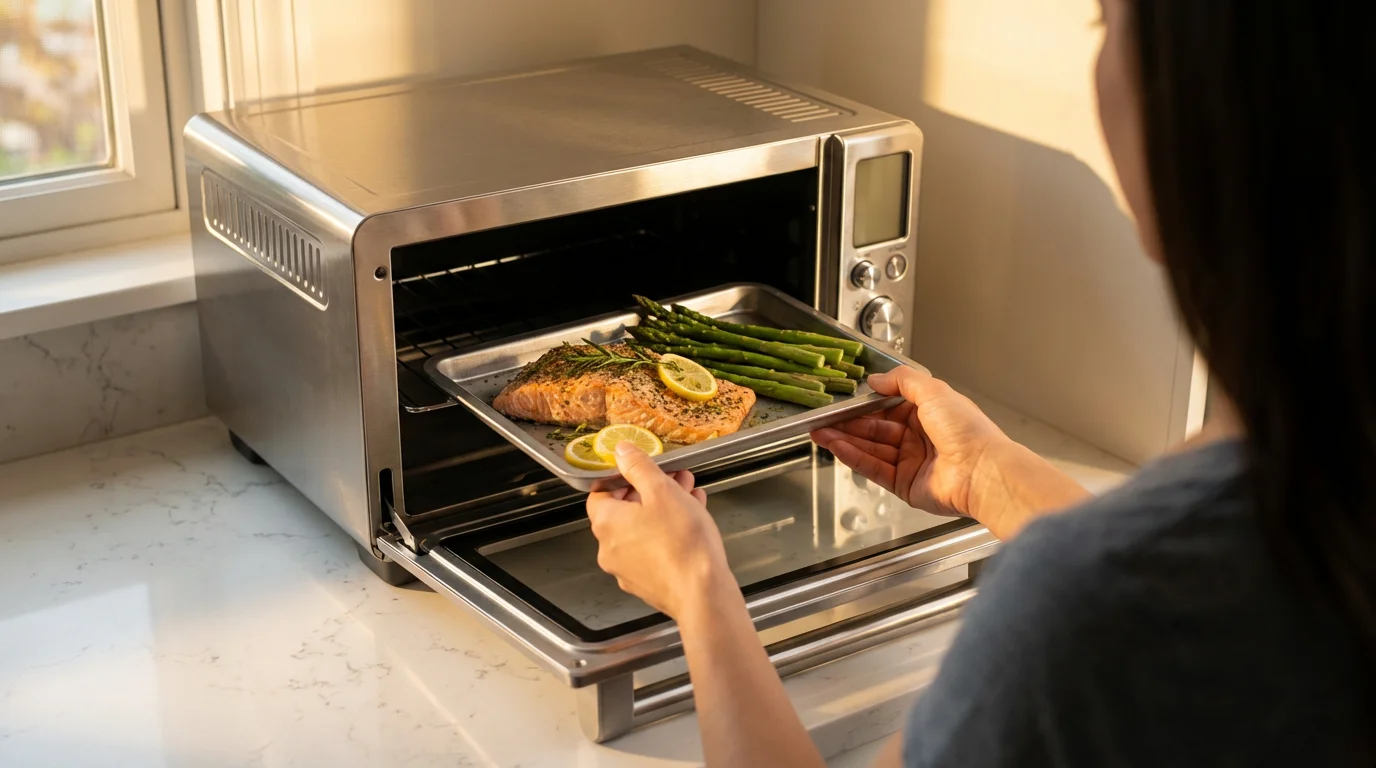
The “toaster” in “toaster oven” often undersells its true capabilities. While it excels at perfecting your morning toast, its utility extends far beyond. You can confidently use your toaster oven for a wide array of cooking tasks:
You can easily pair your morning snack with a fresh brew from one of the best coffee makers for a complete countertop breakfast station.
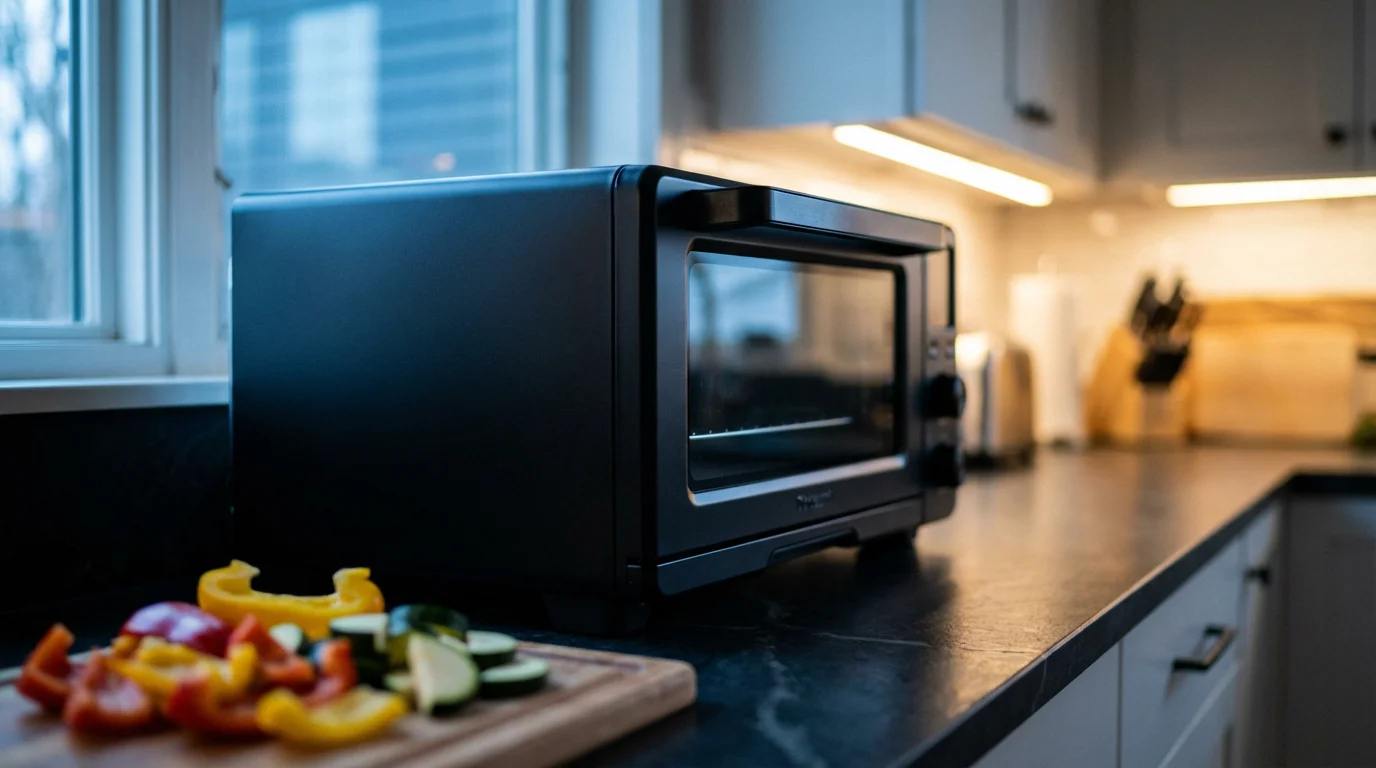
- Roasting Vegetables: Achieve perfectly tender-crisp Brussels sprouts, broccoli, or potatoes. The smaller space and often included convection fan create an ideal environment for caramelization and crisping. Simply toss your vegetables with oil and seasoning, spread them on a small baking sheet, and roast.
- Baking Small Batches: Whether it is a couple of cookies, a personal-sized cake, or a batch of muffins, a toaster oven handles it efficiently. This is particularly useful when you crave a fresh-baked treat but do not want to heat up your entire kitchen or make a huge batch.
- Reheating Leftovers: As mentioned, this is a prime use. Reheat pizza, fried chicken, spring rolls, or even casserole slices to their original glory, avoiding the microwave’s dreaded soggy results.
- Broiling: Many toaster ovens offer a broil function, perfect for melting cheese on nachos, browning the top of a casserole, or quickly cooking thin cuts of meat like fish fillets or chicken tenders. Monitor closely, as broiling in a toaster oven happens quickly due to the proximity of the heating elements.
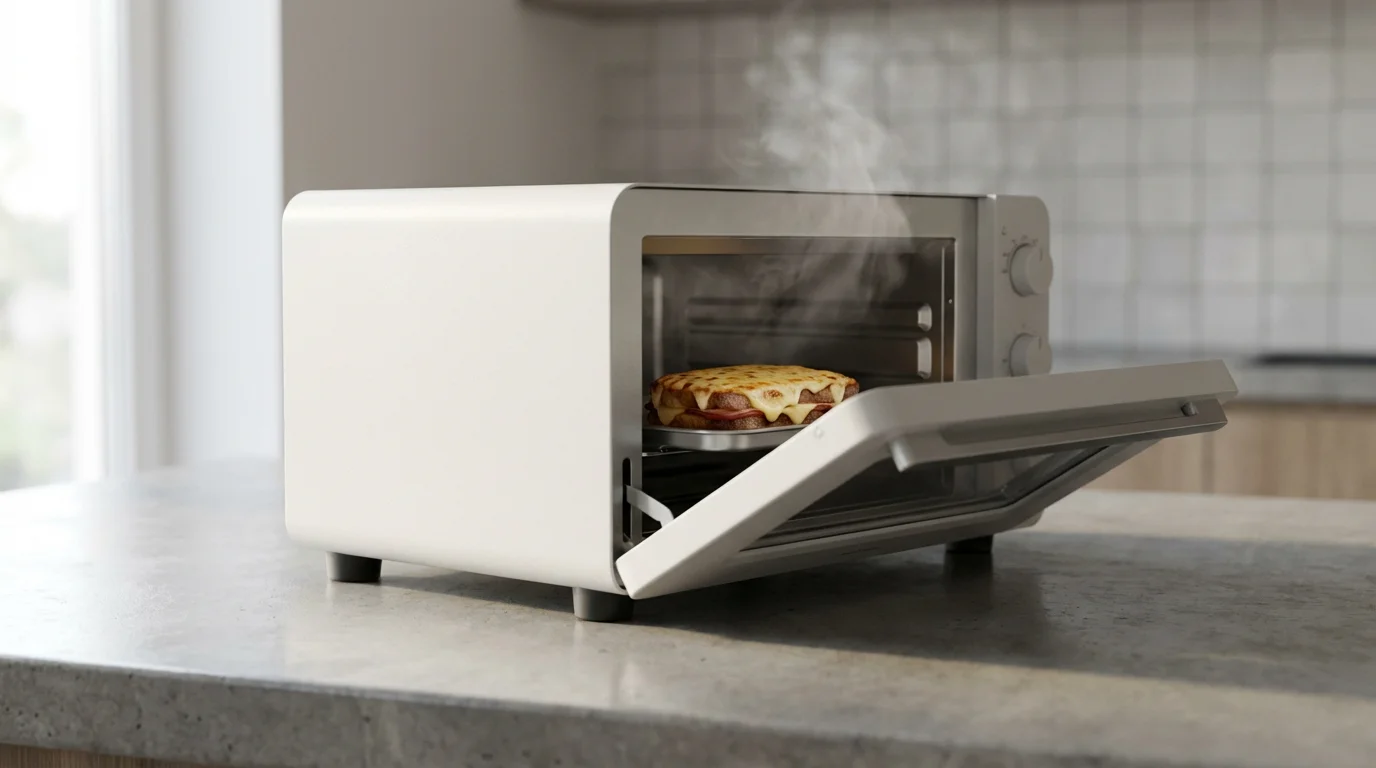
- Making Open-Faced Sandwiches: Toast bread and melt cheese or warm fillings for easy open-faced sandwiches or mini pizzas.
- Frozen Meals: Cook small frozen meals, chicken nuggets, or fish sticks quickly and efficiently, often achieving a better texture than microwaving.
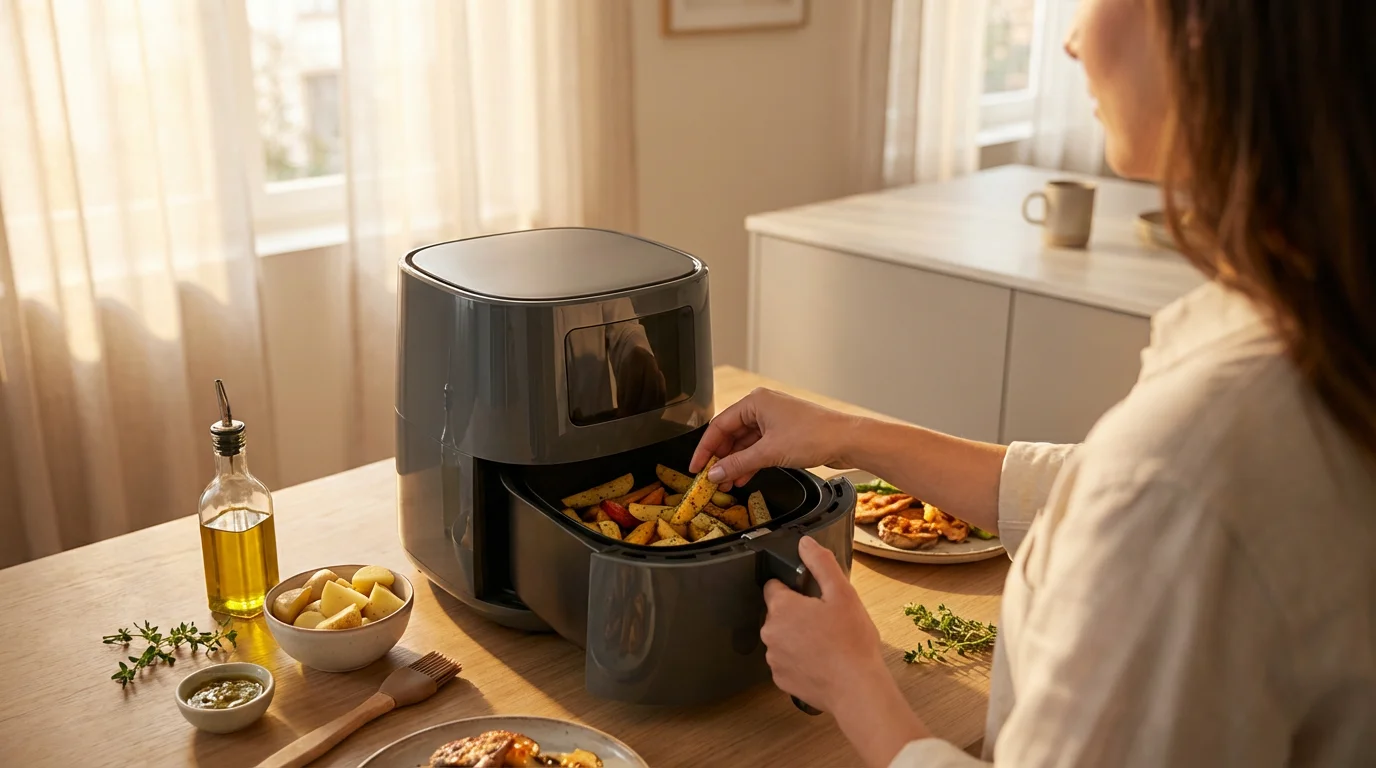
- Air Frying (with specific models): Many modern toaster ovens integrate an air fry function. If you own one of these models, you can achieve crispy results for fries, wings, and more using minimal oil, leveraging the powerful convection fan.
Think of your toaster oven as your go-to for any task that involves a baking sheet smaller than 9×13 inches. This broad applicability is why many reviewers, including those at Wirecutter’s kitchen guides, often recommend a versatile toaster oven as a top small appliance pick.
Maintenance and Durability
Maintaining your toaster oven ensures its longevity and consistent performance. Like any appliance, regular cleaning prevents issues and keeps it running efficiently. Durability often correlates with construction quality and how well you care for the unit.
Ease of Cleaning:
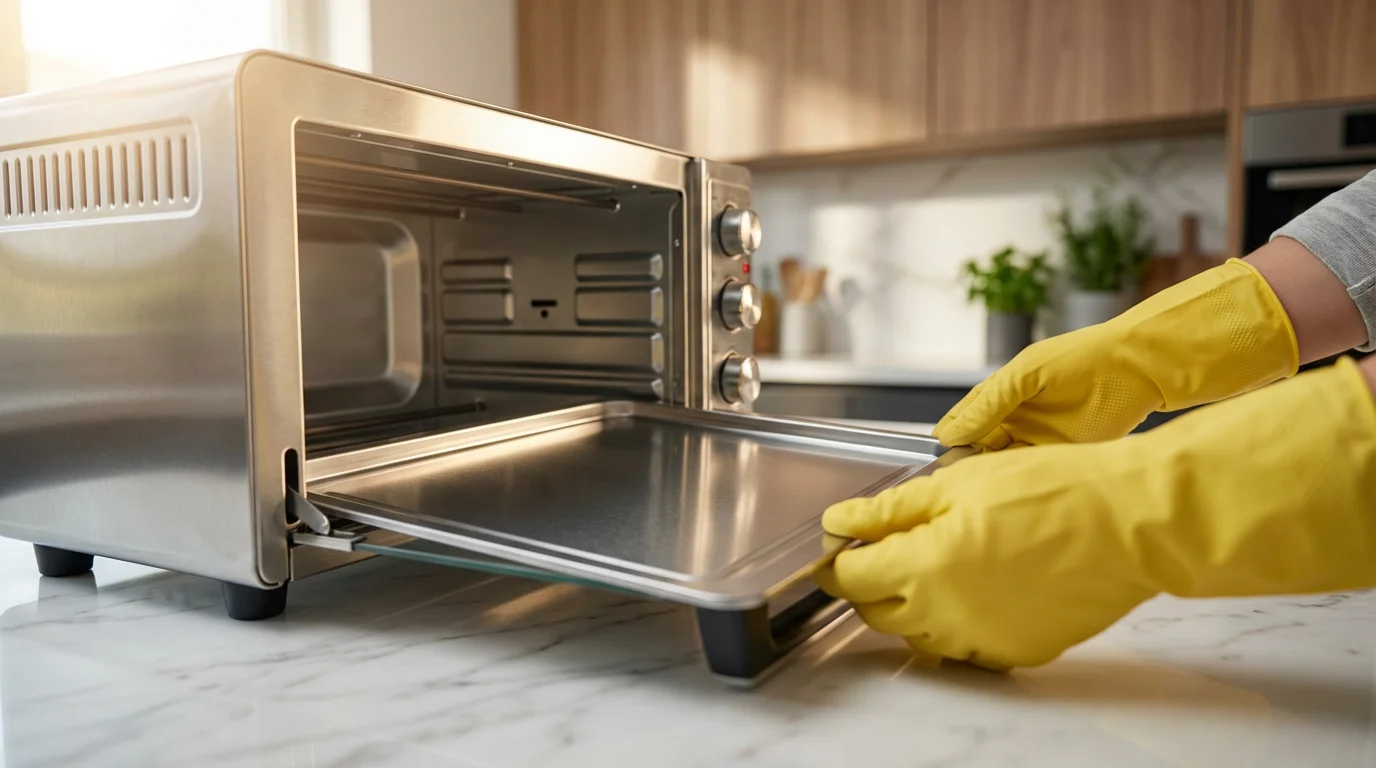
- Removable Crumb Tray: This is essential. Empty it frequently to prevent burnt crumbs and odors. Many trays are dishwasher-safe, simplifying cleanup.
- Non-stick Interior: Wipe down the interior regularly with a damp cloth and mild soap once the appliance cools. Avoid abrasive cleaners or scouring pads, which can damage the non-stick coating.
- Accessories: Clean baking racks, trays, and air fry baskets after each use. Many are dishwasher-safe, but confirm with your model’s manual.
- Exterior: Wipe down the exterior with a soft, damp cloth to remove fingerprints and splatters.
Durability and Common Failure Points:
Toaster ovens are generally robust, but some components can wear out over time:
- Heating Elements: The most common failure point. Over time, heating elements can burn out, though this is less common in higher-quality models. Ensure proper ventilation to prevent overheating.
- Control Dials/Buttons: Mechanical dials can loosen or become less precise over years of use. Digital buttons can wear out, but robust construction minimizes this.
- Door Seals: While less critical than in a full-size oven, a loose-fitting door can lead to heat loss and less efficient cooking. Check that your door closes snugly.
Investing in a reputable brand often means better build quality and more durable components. Regularly cleaning prevents food buildup from degrading components or creating fire hazards. For example, burnt food residue on heating elements can smoke and affect taste.
Top Picks for Different Needs
Choosing the right toaster oven depends on your specific kitchen setup and cooking requirements. Here are some categories to help you navigate the options:
For those looking to further automate their kitchen, exploring the safety and usage of electric pressure cookers can be a great next step.
- Best for Small Kitchens:
Look for compact models that offer essential functions without taking up excessive counter space. Often, these are 4-slice toaster ovens, typically measuring around 16 inches wide, 10 inches deep, and 8 inches high. They handle toast, bagels, and reheating single servings efficiently. Prioritize simple controls and an easy-to-clean crumb tray. A model with a pull-out crumb tray is ideal.
- Best for Versatility (All-in-One):
If you want an appliance that does more than just toast, consider models with multiple functions like convection baking, air frying, and even dehydrating. These are usually larger units, fitting a 9×13-inch baking dish, and include more advanced digital controls and preset programs. Brands known for these versatile models often receive high ratings from sources like Consumer Reports for small appliances. These models, while taking up more space (around 20-22 inches wide, 15-18 inches deep, 12-14 inches high), can genuinely replace multiple smaller gadgets and even reduce your reliance on your full-size oven.
- Best Value:
For budget-conscious buyers, focus on models that provide reliable basic functionality without too many bells and whistles. A good value toaster oven should offer consistent toasting, baking, and reheating, a durable build, and easy cleaning. You might sacrifice advanced features like convection or a digital interface, but you will still gain a highly functional countertop oven. These models often fall into the mid-size category, offering enough space for everyday tasks without a premium price tag.
Frequently Asked Questions
Can a toaster oven replace my microwave?
While a toaster oven can reheat food and handle some quick tasks, it does not fully replace a microwave. Microwaves excel at speed, especially for boiling water, defrosting, or quickly warming liquids. A toaster oven takes longer to preheat and cook but provides superior texture and browning for items like pizza, sandwiches, and roasted vegetables. Many homes benefit from having both appliances for different reheating and cooking needs.
Is it safe to leave a toaster oven unattended?
No, you should never leave a toaster oven unattended, especially when broiling or when operating at high temperatures. Like any heating appliance, there is a risk of fire if food burns or grease splatters. Always stay nearby, particularly during the first few uses of a new recipe or when cooking greasy foods. Ensure proper clearance from walls and cabinets to prevent heat-related damage.
What are the typical dimensions for a countertop toaster oven?
Toaster oven dimensions vary significantly based on capacity and features. A compact 4-slice model might measure approximately 16 inches wide, 10 inches deep, and 8 inches high. A larger, more versatile 6-9 slice model, especially one with convection or air frying capabilities, could be around 20-22 inches wide, 15-18 inches deep, and 12-14 inches high. Always check the specific product dimensions and measure your counter space before purchasing.
Can I put aluminum foil in a toaster oven?
Yes, you can generally use aluminum foil in a toaster oven, but with caution. Avoid letting the foil touch the heating elements, as it can melt and damage them, or even cause a fire. Do not line the crumb tray or the bottom of the oven with foil, as this can block airflow and trap heat, leading to overheating. Only use foil to cover food or line baking trays, ensuring it does not interfere with the oven’s heating or ventilation.
Disclaimer: Product prices, features, and availability change frequently. Prices shown were accurate at time of writing but may have changed. We may earn a small commission from purchases made through links on this site, at no extra cost to you. Always verify current pricing and specifications on the retailer’s website before purchasing.
If you are hosting a large brunch, using the oven for sides while preparing pancakes on electric griddles keeps your kitchen organized.
Just as rice cookers are ideal for small batches of grains, a toaster oven is the perfect companion for single-serving proteins.
Preparing your veggies is even faster if you use one of the top-rated food processors to slice them uniformly before roasting.


Leave a Reply