
A good blender does more than just whip up a morning smoothie. It pulverizes ice, purees soups, grinds nuts into butter, and even prepares dough. Choosing the right one for your kitchen involves balancing power, capacity, features, and your available counter space. This guide helps you navigate the options, ensuring you select an appliance you will truly use every day, not one that gathers dust.
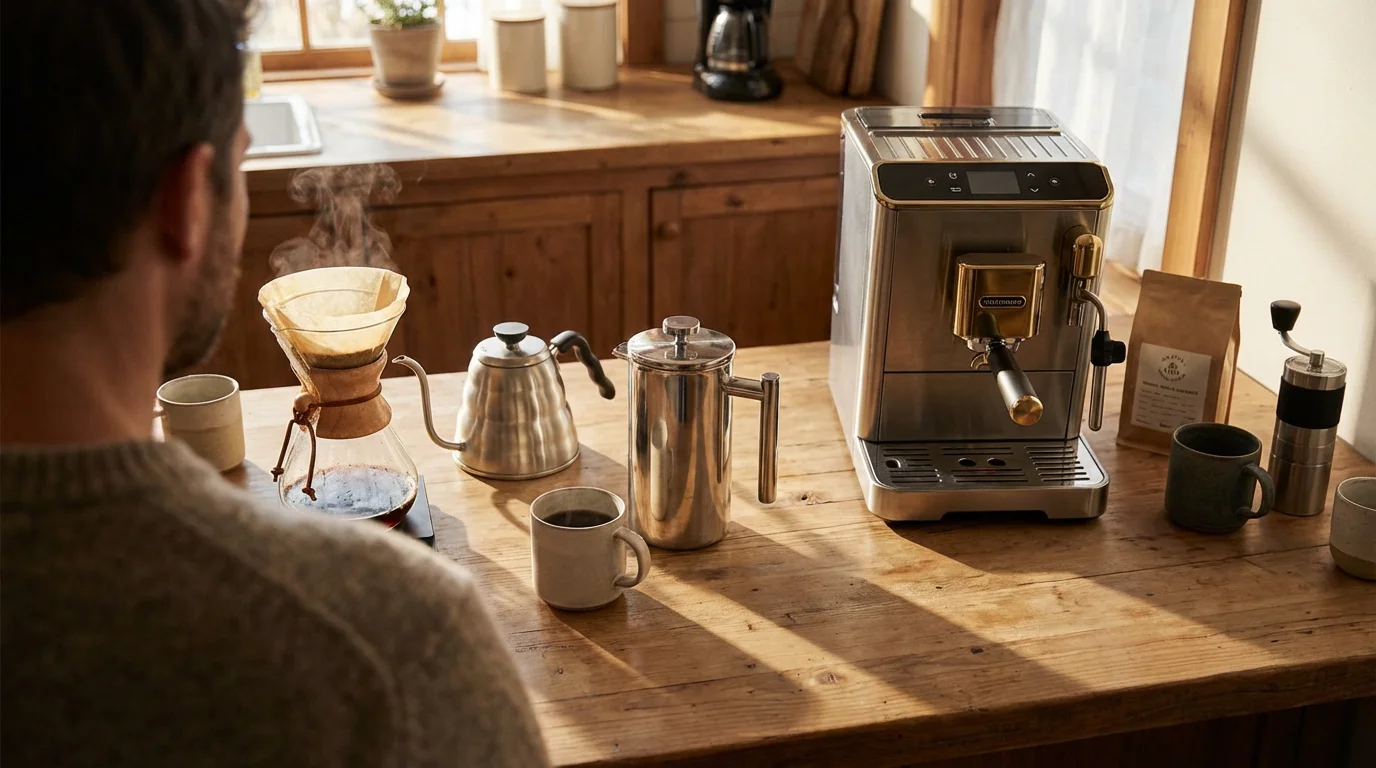
For a complete breakfast station, pairing a high-quality blender with the right coffee makers can streamline your morning routine.
Understanding Blender Power: Wattage and Performance
The motor’s power, measured in wattage, determines a blender’s ability to process tough ingredients. Wattage indicates how much power an appliance uses, and higher wattage usually means more power. This allows the blades to spin faster and break down fibrous fruits, frozen ingredients, and ice more efficiently. Blenders typically range from 300 watts for basic personal models to over 1500 watts for professional-grade machines.
- 300-600 Watts: These blenders are suitable for soft fruits, protein powders, and light blending tasks. They excel as smoothie makers for simple recipes.
- 600-1000 Watts: Blenders in this range handle frozen fruits, ice cubes, and slightly tougher vegetables. This offers a good balance for most everyday home cooks.
- 1000+ Watts: These models are considered high-performance. They pulverize nuts into butter, create ultra-smooth purees, and easily crush large quantities of ice. They are ideal if your smoothie maker will regularly tackle fibrous greens or large batches.
Do not solely rely on wattage numbers. Blade design, jar shape, and overall construction also play significant roles in a blender’s true performance. However, wattage offers a reliable benchmark for its raw processing power.
Choosing the Right Blender Type: Personalizing Your Kitchen
Your cooking style and kitchen space dictate the best blender type for your needs. Consider how often you blend, what ingredients you typically process, and how much storage you have.
- Full-Size Blenders: These are the workhorses of the kitchen. They come with large pitchers, typically ranging from 48 to 64 ounces. This offers ample quart capacity, which is how much the appliance holds, for family-sized batches of smoothies, soups, and sauces. They require dedicated counter space but offer superior power and versatility.
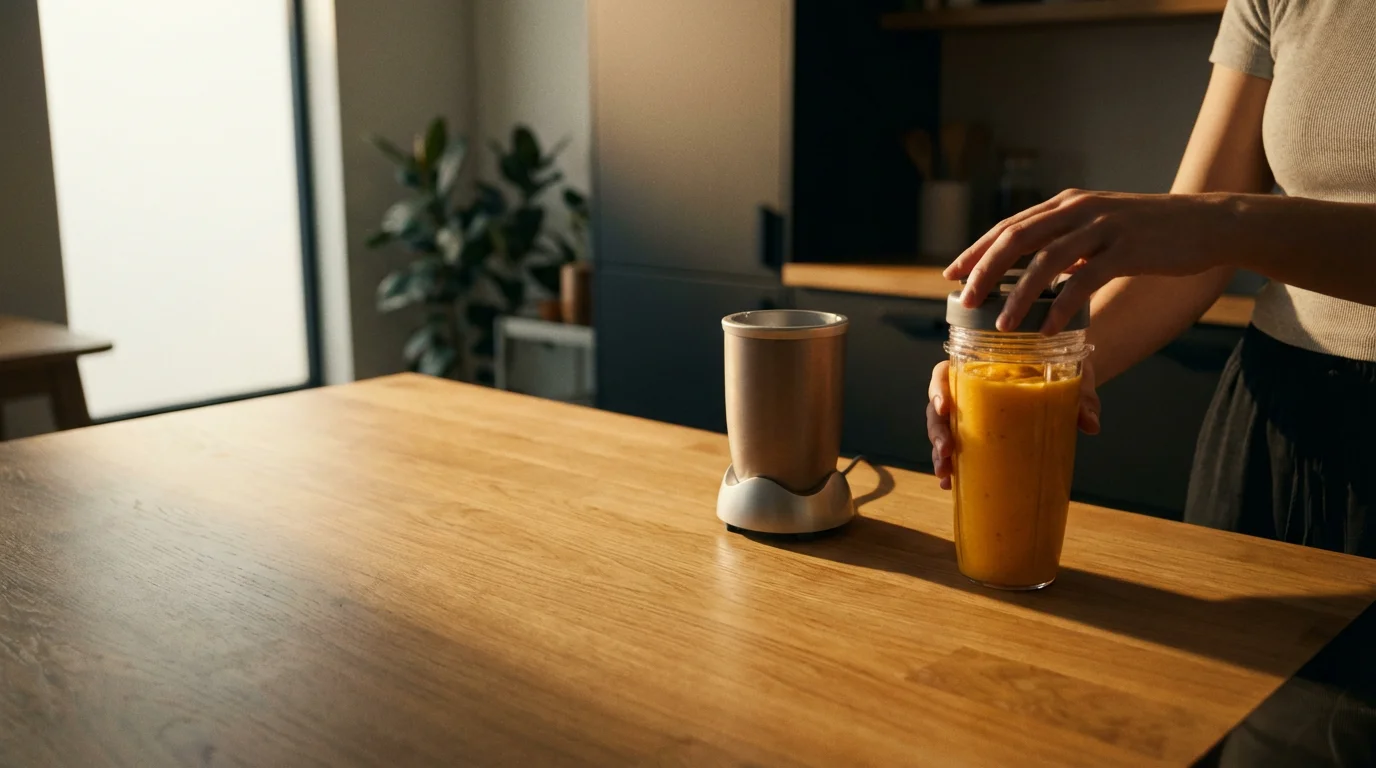
- Personal Blenders: Compact and convenient, personal blenders blend directly into a travel cup. Their smaller footprint makes them perfect for single servings and limited counter space. They are excellent for quick, on-the-go smoothies and protein shakes but lack the power for heavy-duty tasks.
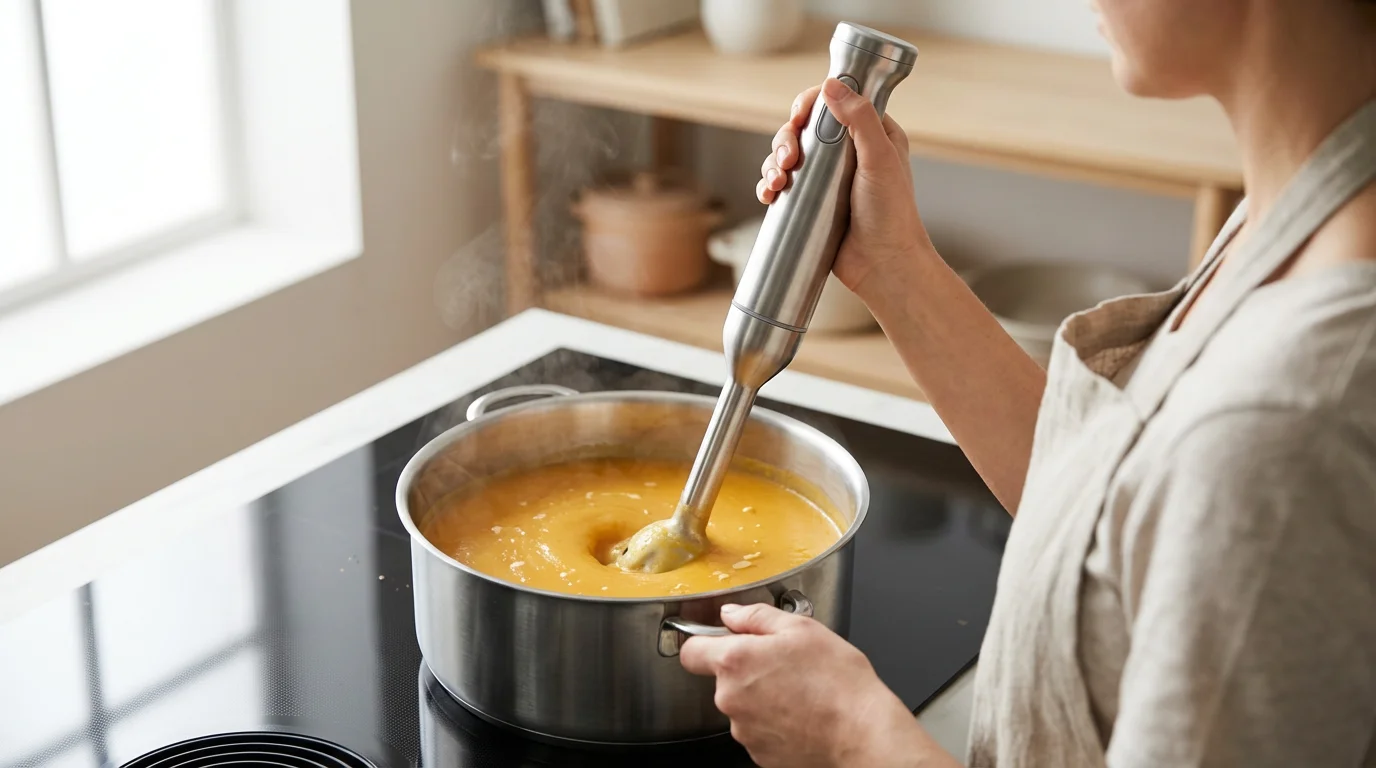
- Immersion Blenders (Hand Blenders): These stick-like blenders immerse directly into pots, bowls, or even tall glasses. They excel at pureeing soups directly in the pot, making mayonnaise, or blending small quantities. Their minimal storage requirement makes them invaluable for smaller kitchens, though they offer less power and versatility than countertop models.
“Counter space is premium real estate. Before you buy any appliance, ask: will I use this at least once a week?” — Kitchen Designer
Full-Size Blenders: Powerhouses for Every Kitchen
For versatility and raw power, a full-size blender is often the best choice. These models handle everything from daily smoothies to complex culinary preparations. They are essential for families or anyone who frequently cooks for crowds.
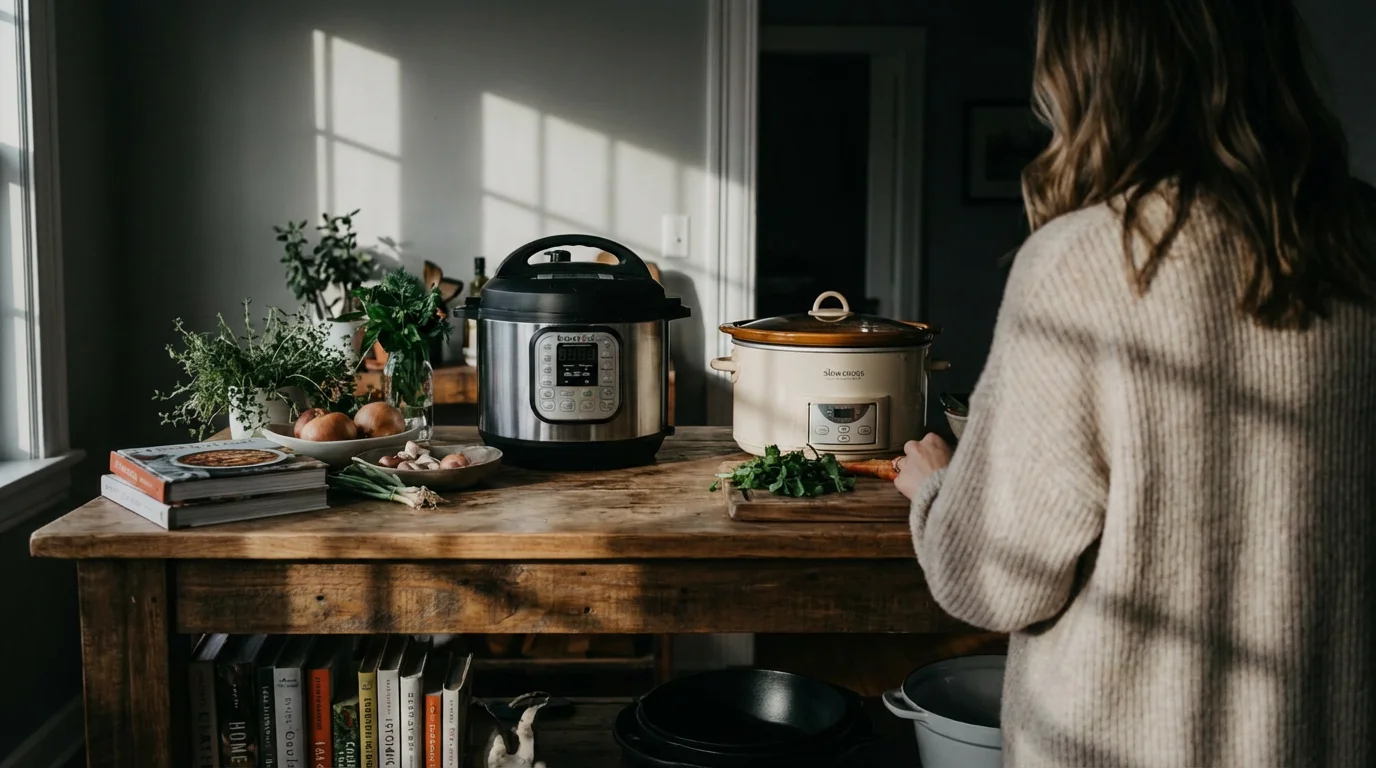
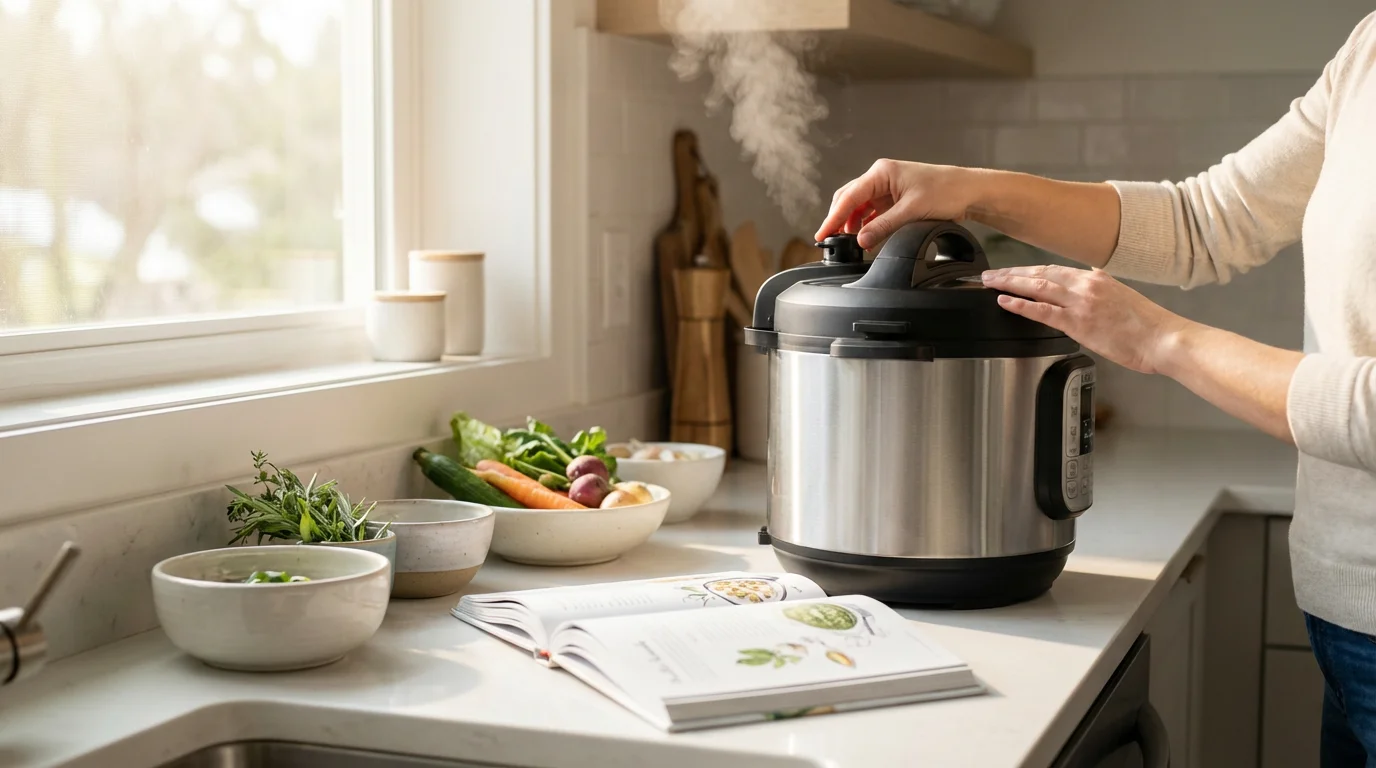
If you frequently prepare large meals, these powerhouses pair well with electric pressure cookers to handle different stages of food prep.
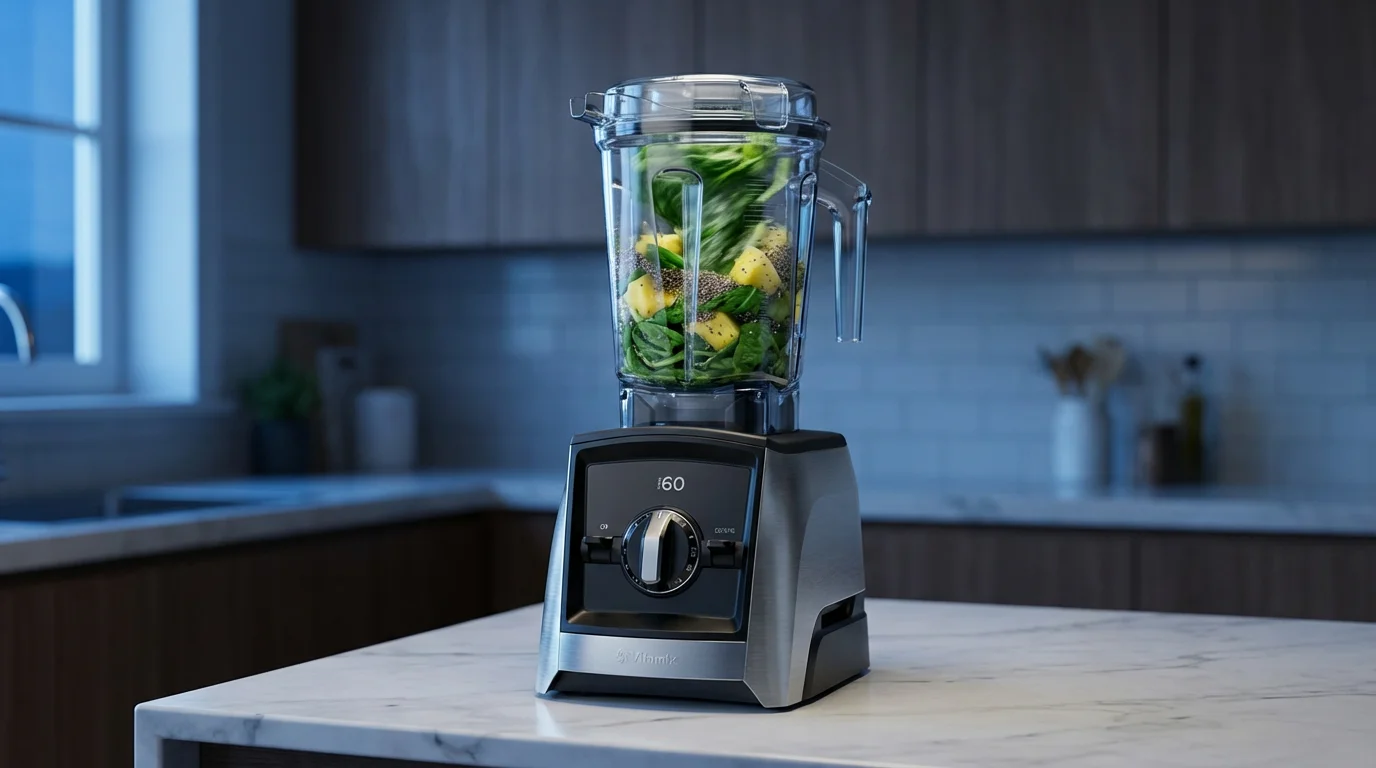
Vitamix Ascent Series A3500
The Vitamix A3500 represents the pinnacle of blending technology. With a powerful 2.2-peak horsepower motor, it tackles tough ingredients effortlessly. Its 64-ounce low-profile container fits under most kitchen cabinets, and the machine measures approximately 11 x 8 x 17 inches. It weighs around 14.9 pounds. You get five preset programs, which are automatic settings for common tasks, for smoothies, hot soups, dips & spreads, frozen desserts, and self-cleaning. It also features variable speed control and a pulse function. The digital timer prevents over-processing, and its quiet operation for such power is notable.
- Pros: Unmatched power and durability, exceptionally smooth results, versatile for hot and cold tasks, self-cleaning function.
- Cons: High price point, large footprint, heavy.
- Best for: Serious home cooks, health enthusiasts, large families, and those seeking restaurant-quality blending.
Ninja Foodi Power Pitcher System SS201
The Ninja SS201 offers impressive versatility at a more accessible price. It features a 1400-peak-watt motor and multiple attachments. These include a 72-ounce pitcher for large batches, a 24-ounce to-go cup, and a nutrient extraction cup for smoother drinks. Dimensions are roughly 7.7 x 9.8 x 16.9 inches, and it weighs about 7.6 pounds. Its Smart Torque technology handles thick mixtures without stalling. It also includes preset programs like smoothie, frozen drink, nutrient extraction, and dough.
- Pros: Excellent value, versatile attachments, powerful for crushing ice and blending frozen fruit, dishwasher-safe parts.
- Cons: Can be noisy at high speeds, plastic construction may feel less premium than Vitamix.
- Best for: Budget-conscious families, everyday smoothie drinkers, and those who appreciate multi-functional appliances.
Personal Blenders: Convenience for On-the-Go Smoothies
For quick individual portions, personal blenders are indispensable. They save time and minimize cleanup, as you blend directly in your drinking cup.
These compact units offer the same convenience as egg cookers for users looking for quick, healthy meals with minimal cleanup.
NutriBullet Pro 900
The NutriBullet Pro 900 uses a 900-watt motor to break down fruits, vegetables, and nuts. It excels at making single-serving smoothies quickly. It includes two 32-ounce cups with to-go lids. The base is compact, measuring approximately 7.7 x 12.01 x 15.98 inches, and it weighs around 4.7 pounds. Its intuitive operation, simply push, twist, and blend, makes it incredibly user-friendly. The blades are designed for nutrient extraction, ensuring smooth results.
- Pros: Compact, affordable, quick for single servings, easy to clean, excellent for nutrient-rich smoothies.
- Cons: Limited capacity, not ideal for hot liquids or complex blending tasks, can be noisy.
- Best for: Individuals, dorm rooms, small kitchens, and daily smoothie drinkers.
Immersion Blenders: Versatility in a Small Footprint
An immersion blender offers surprising utility for its size, without occupying precious counter space. It is perfect for tasks like pureeing soups or whipping cream directly in the container.
KitchenAid Cordless Hand Blender KHBBV53
This cordless immersion blender offers freedom of movement in the kitchen. It features a powerful motor and variable speed trigger switch for precise control. It comes with a blending arm, a pan guard, and a 4-cup blending jar with a lid. Its compact design means it easily stores in a drawer. The appliance’s length with the blending arm attached is about 18 inches, and it weighs approximately 2.9 pounds. The rechargeable lithium-ion battery delivers excellent runtime, and you can blend up to 25 bowls of soup on a full charge.
- Pros: Cordless convenience, quiet operation, easy to clean (removable blending arm is dishwasher-safe), excellent for soups and sauces.
- Cons: Less powerful than countertop blenders, battery needs recharging, higher price for a cordless model.
- Best for: Small kitchens, passionate home cooks who make soups and sauces often, or those needing portable blending power.
Key Features to Consider Before You Buy
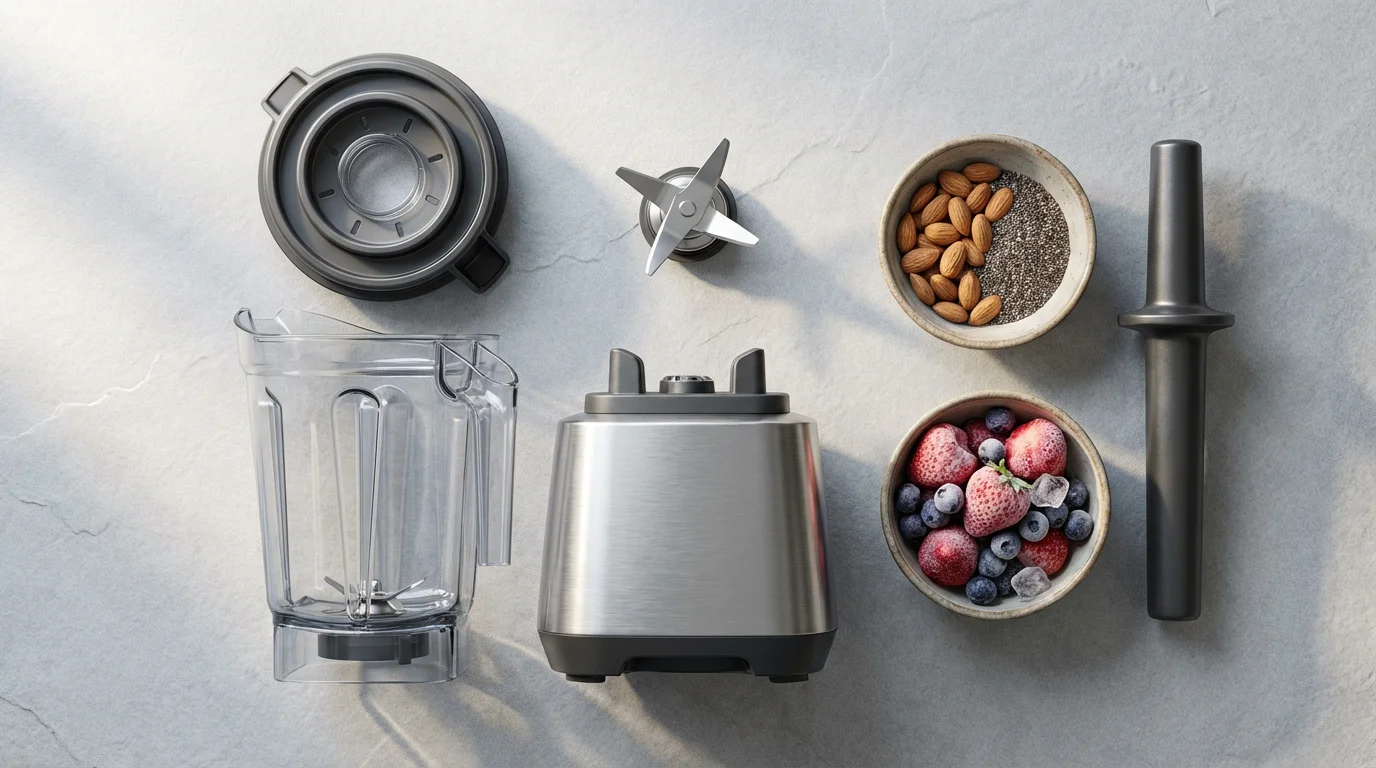
Beyond the basic function, several features enhance a blender’s utility and lifespan. Evaluate these based on your specific needs:
Balancing your countertop space between a blender and other popular gadgets like air fryers ensures your kitchen remains both functional and organized.
- Noise Levels: High-powered blenders can be loud. If you live in an apartment or make early morning smoothies, consider models with noise-dampening technology or enclosed bases. According to Consumer Reports’ blender ratings, some models perform better in noise reduction.
- Ease of Cleaning: Dishwasher-safe parts save significant time. Look for jars with removable blades or self-cleaning programs (common in high-end blenders like Vitamix). Jars with fewer crevices are easier to hand-wash.
- Durability and Material Quality: Stainless steel blades and robust plastic or glass jars withstand wear better. Look for strong motor bases and reliable manufacturer warranties. Many Vitamix models offer a 10-year warranty, indicating high confidence in their product.
- Dimensions and Counter Space Footprint: Measure your available counter space and overhead cabinets before purchasing. A blender with a 17-inch height might not fit under standard 18-inch cabinet clearance, especially with the lid on. Always check the exact dimensions.
- Controls and Preset Programs: Basic blenders have simple on/off and pulse functions. Advanced models feature variable speed dials and preset programs for common tasks like “smoothie” or “ice crush.” These automatic settings simplify operation and ensure consistent results.
- Additional Attachments: Some blenders come with personal cups, food processor bowls, or specialized dry-grinding containers, increasing their versatility.
Ninja vs. Vitamix: A Deep Dive into High-Performance Blending
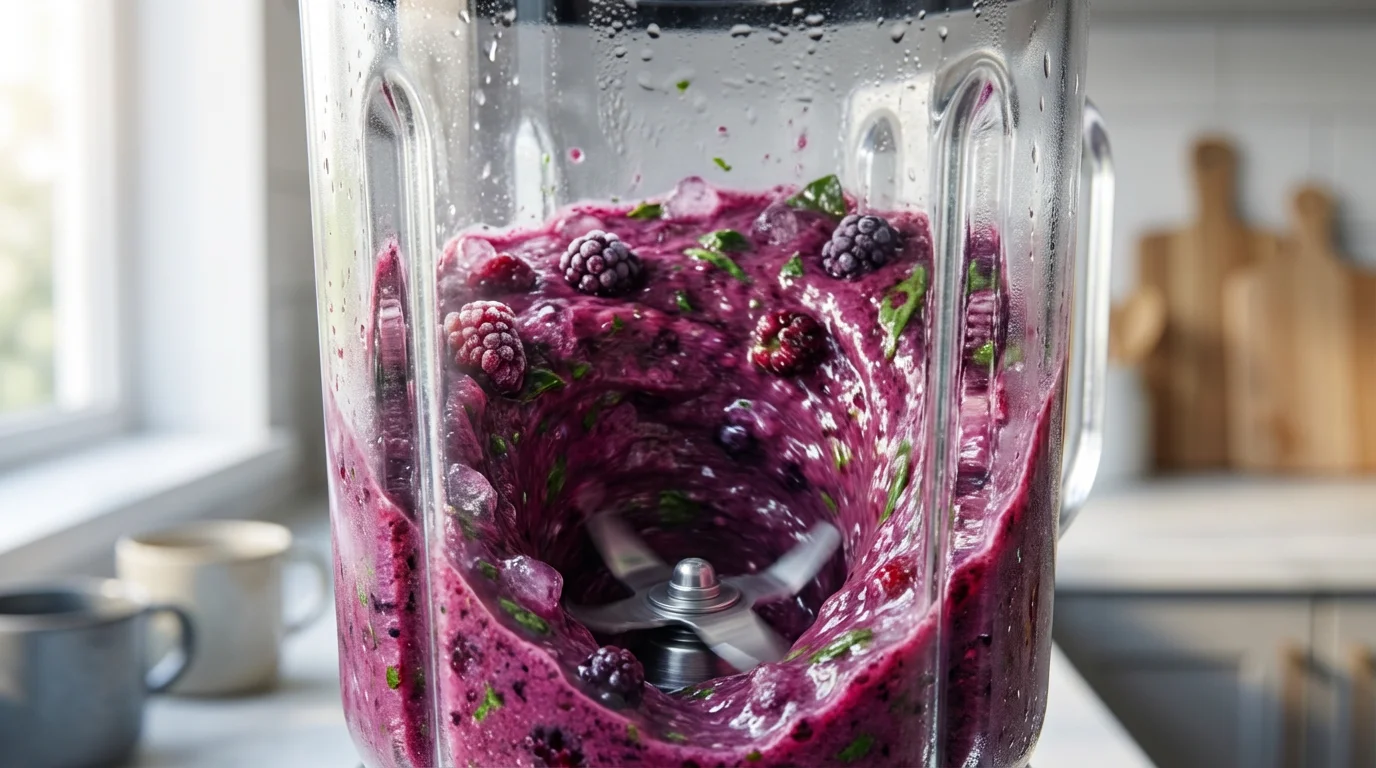
When searching for the best blender for frozen fruit smoothies or tackling tough ingredients, the debate often comes down to Ninja versus Vitamix. Both brands offer powerful kitchen blenders, but they cater to slightly different needs and budgets.
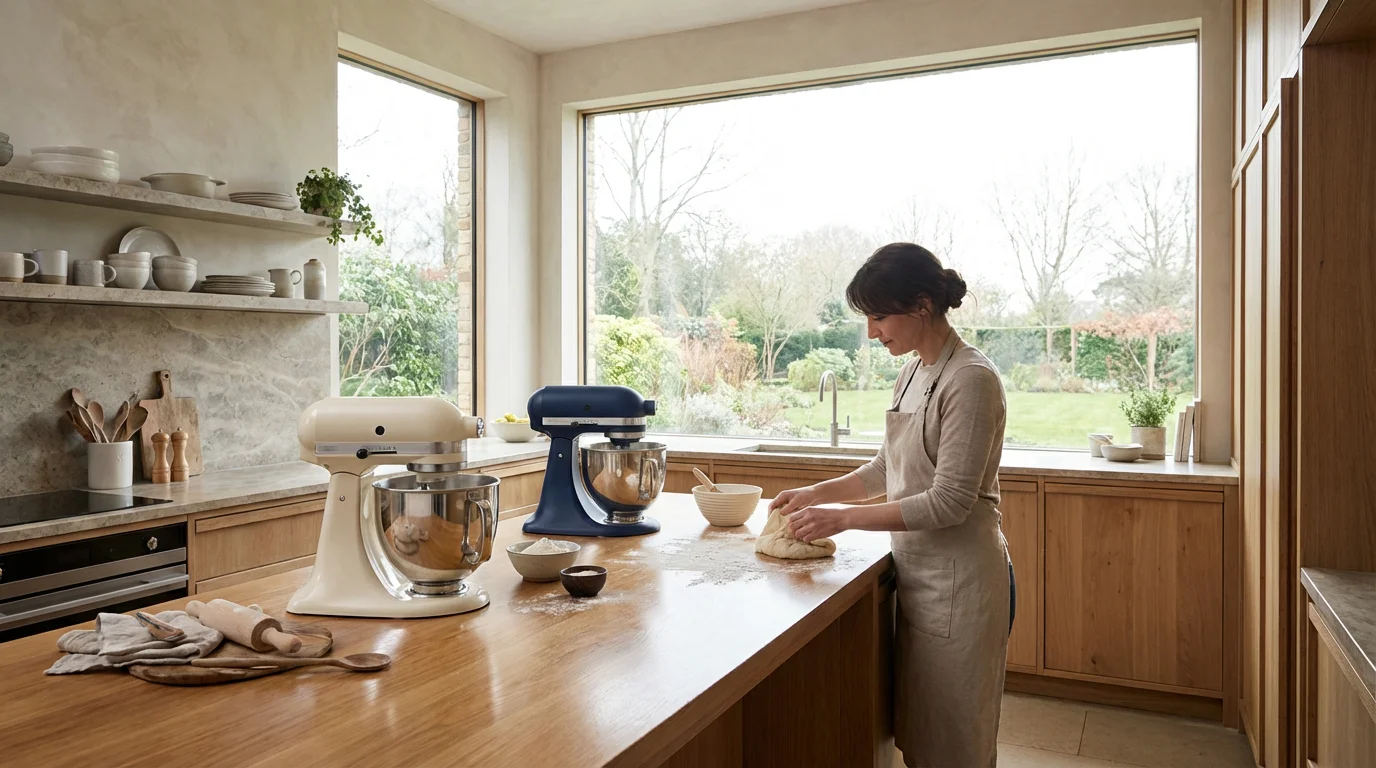
While Ninja models offer great value for making dough, serious bakers may still prefer the specialized power of stand mixers for heavy batches.
| Feature | Vitamix (e.g., A3500) | Ninja (e.g., Foodi Power Pitcher System SS201) |
|---|---|---|
| Typical Wattage / Motor | 1440-1600 Watts (2.2 Peak HP) | 1000-1500 Watts (Peak) |
| Blade Design | Blunt aircraft-grade stainless steel blades, relies on speed and vortex for pulverizing. | Sharp stacked blades for crushing and chopping. |
| Smoothness & Texture | Exceptional, creamy, utterly smooth. Best for fine purees, nut butters, hot soups. | Very good, excellent for smoothies and crushing ice. May leave tiny bits with fibrous greens. |
| Durability & Warranty | Industry-leading durability, 5-10 year warranty common. Built to last decades. | Good durability for its price point, 1-3 year warranty common. |
| Noise Level | Powerful but often engineered for relatively quieter operation for its output. | Can be quite loud, especially when crushing ice or frozen ingredients. |
| Typical Price Range | $$$$ (Premium investment) | $$ (Excellent value) |
| Versatility | Smoothies, hot soups, nut butters, dough, frozen desserts, baby food. | Smoothies, frozen drinks, ice crushing, some models include food processing and dough. |
| Cleaning | Self-cleaning program (soap + water), jar is easy to rinse. | Most parts are dishwasher-safe, stacked blades require careful handling. |
| Counter Space (Approx.) | Larger footprint, often taller (approx. 8″ W x 11″ D x 17″ H) | Slightly more compact base, but tall (approx. 8″ W x 10″ D x 17″ H) |
For making the best blender for frozen fruit smoothies with absolute silky perfection, a Vitamix blender often triumphs due to its unique blade design and extreme power that creates a powerful vortex. If you seek excellent blending performance and versatility without the premium price tag, a Ninja blender provides fantastic value. As Wirecutter’s kitchen reviews often highlight, Ninja excels in multi-functionality, making it a strong contender for a single appliance solution.
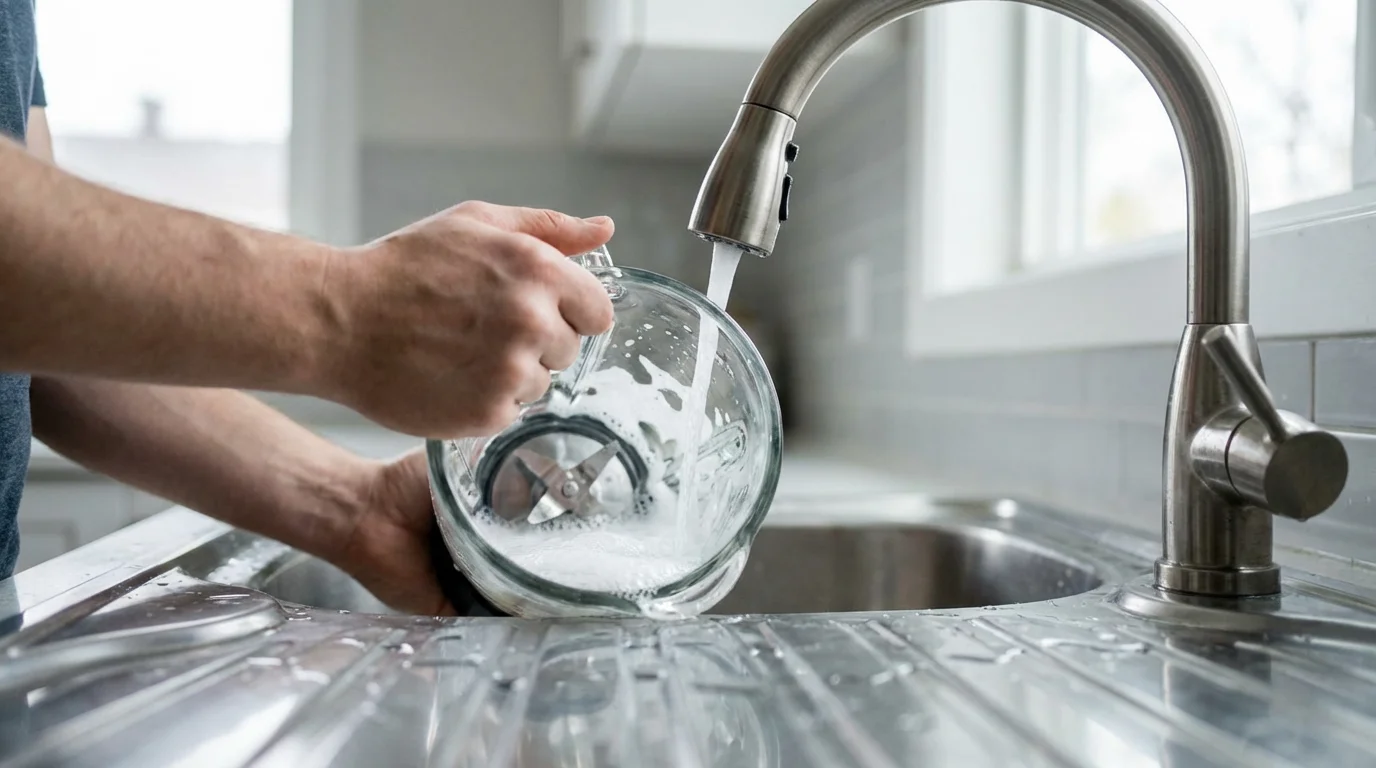
Blender Maintenance: Cleaning and Durability Tips
Proper care extends your blender’s life and maintains its performance. Follow these actionable steps:
- Immediate Rinse: After each use, rinse the blender jar and blades immediately. This prevents food from drying and sticking, making cleanup much easier.
- Self-Cleaning: For many blenders, especially high-powered models, fill the jar halfway with warm water and a drop of dish soap. Run it on high for 30-60 seconds, then rinse thoroughly. This simple process works wonders.
- Dishwasher Safety: Always check your manual for dishwasher-safe components. Many jars and lids are top-rack safe, but some blade assemblies require hand-washing.
- Blade Care: Handle blades with extreme care during cleaning, as they are very sharp. For blenders with removable blade assemblies, ensure you reassemble them correctly to prevent leaks.
- Motor Base: Wipe the motor base with a damp cloth. Never immerse the motor base in water, as it contains electrical components.
- Storage: Store your blender in a cool, dry place. If counter space is a concern, consider models with detachable jars and bases that store more compactly in a cabinet.
Durability often correlates with price. High-end blenders use more robust motors and materials designed for daily, heavy use, reflected in longer warranties. Budget models may have plastic gears or less powerful motors that can wear out faster under strenuous tasks like crushing ice daily. Evaluate your usage frequency against the expected lifespan to make a smart investment. As Serious Eats’ equipment reviews frequently emphasize, investing in quality often pays off in the long run.
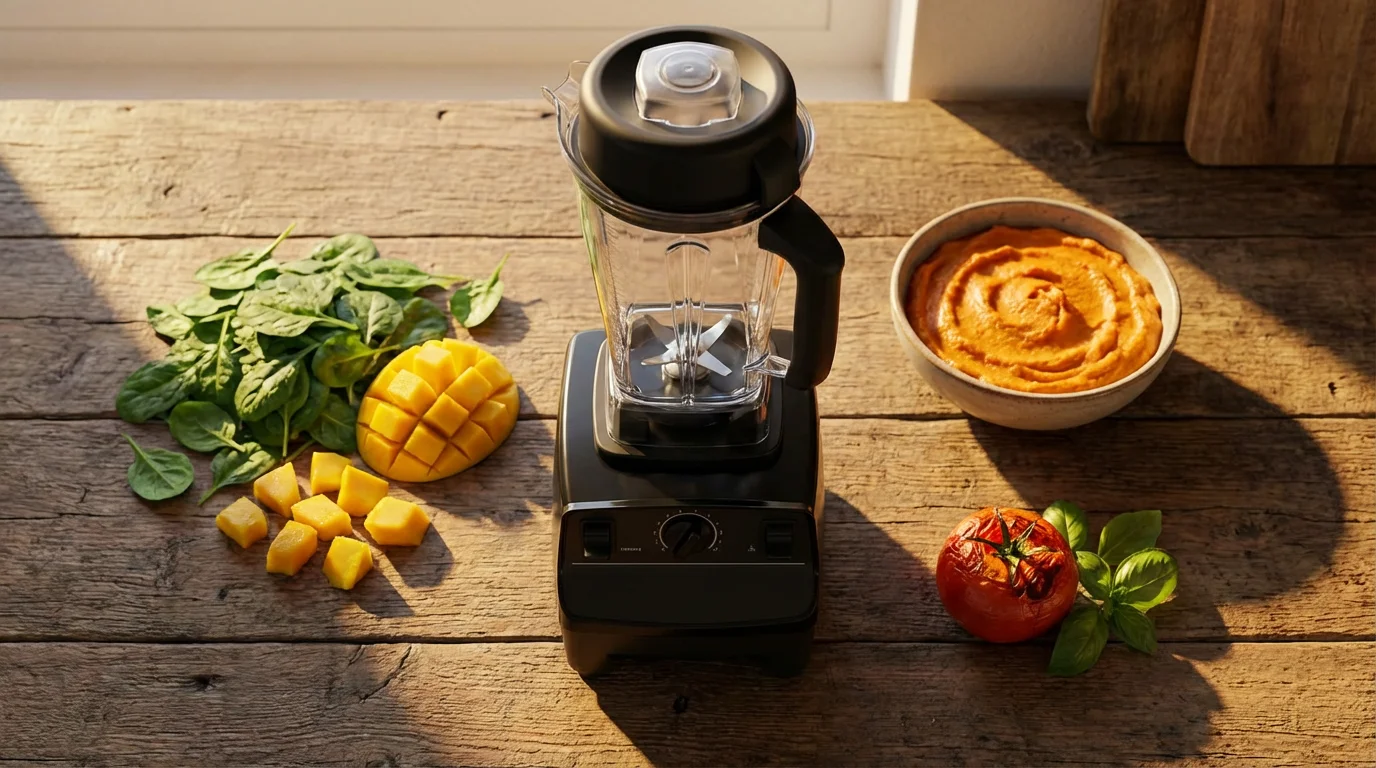
Best Blenders for Specific Needs
Best for Families: Vitamix E310 Explorian
The Vitamix E310 offers Vitamix power and durability at a more accessible price point. Its 48-ounce container is ideal for small to medium family batches, blending everything from daily smoothies to homemade baby food and soups. With a powerful motor and variable speed control, it consistently delivers ultra-smooth results. Its dimensions are roughly 11 x 8 x 18 inches, and it weighs about 10.5 pounds. The slightly smaller container means a marginally reduced footprint compared to larger Vitamix models.
Best for Small Kitchens: NutriBullet Pro 900
Its compact size and single-serving focus make the NutriBullet Pro 900 perfect for kitchens with limited counter space. You blend directly into the travel cup, eliminating the need for a bulky pitcher. Its simplicity and small footprint, approximately 7.7 x 12.01 x 15.98 inches for the base, are unmatched for daily personal use. It is also lightweight at 4.7 pounds, making it easy to store away.
Best Value: Ninja Professional Plus Blender with Auto-iQ BN701
The Ninja BN701 delivers 1400 peak watts of power and Auto-iQ preset programs for smoothies, frozen drinks, and ice crush. Its 72-ounce pitcher easily handles family-sized portions, and its ability to pulverize ice and frozen fruit is excellent for its price. You get robust performance and versatility without breaking the bank. Dimensions are approximately 7.5 x 9.5 x 17.5 inches, weighing around 7.6 pounds. This kitchen blender offers a significant performance jump from basic models at a very competitive cost.
Frequently Asked Questions
Can I put hot liquids in my blender?
Most modern blenders can handle warm liquids, but exercise caution. High-end blenders like Vitamix are designed to blend hot soups. For others, allow hot ingredients to cool slightly before blending. Always remove the center cap from the lid to vent steam and prevent pressure buildup, and never fill the jar more than halfway with hot liquids. Excessive pressure from steam can cause the lid to blow off.
How do I make a perfect frozen fruit smoothie without chunky bits?
Achieving a perfectly smooth frozen fruit smoothie requires two key elements: sufficient liquid and enough power. Start by adding your liquid (milk, juice, water) first, then soft ingredients, and finally frozen fruit and ice. Use enough liquid to allow the blades to create a vortex, pulling ingredients down. If your blender struggles, use the tamper (if available) or stop and scrape down the sides. High-wattage blenders with strong motors and effective blade designs, like those from Vitamix or powerful Ninja models, process frozen fruit into an incredibly smooth consistency.
Is it worth spending more on a high-end blender?
Spending more on a high-end blender like a Vitamix or a top-tier Ninja is often worth it if you plan to use it daily for demanding tasks. These blenders offer superior durability, more powerful motors to handle tough ingredients like nuts and fibrous greens, and often produce smoother results. They are also more versatile, capable of making hot soups, nut butters, and even dough. If you only make occasional, simple smoothies, a mid-range or personal blender might suffice, but for consistent, high-quality performance and longevity, the investment pays off.
What is the average lifespan of a good kitchen blender?
The lifespan of a kitchen blender varies significantly based on brand, model, and usage. Entry-level blenders might last 2-3 years with regular use, while mid-range models typically last 3-5 years. High-end blenders, especially those from brands like Vitamix, are renowned for their durability and often last 7-10 years, or even longer, with proper care and maintenance. Their robust motors and commercial-grade components contribute to their extended lifespan, making them a long-term investment.
Disclaimer: Product prices, features, and availability change frequently. Prices shown were accurate at time of writing but may have changed. We may earn a small commission from purchases made through links on this site, at no extra cost to you. Always verify current pricing and specifications on the retailer’s website before purchasing.
Leave a Reply