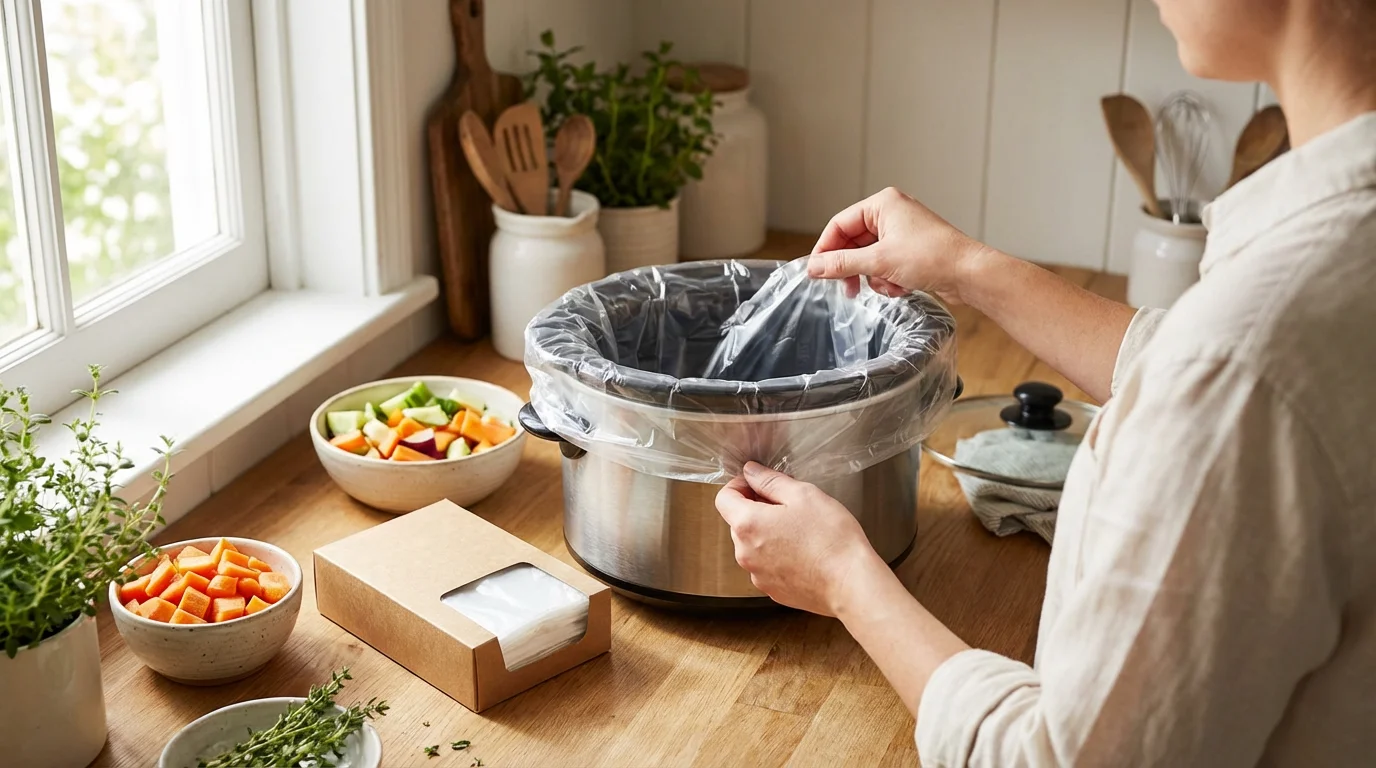
There is perhaps no debate in the home cooking community as polarized as the one surrounding slow cooker liners. For one camp, they are the ultimate kitchen hack, turning the dreaded post-dinner cleanup into a ten-second task. For the other, they represent an unnecessary expense, an environmental burden, and a potential health risk.
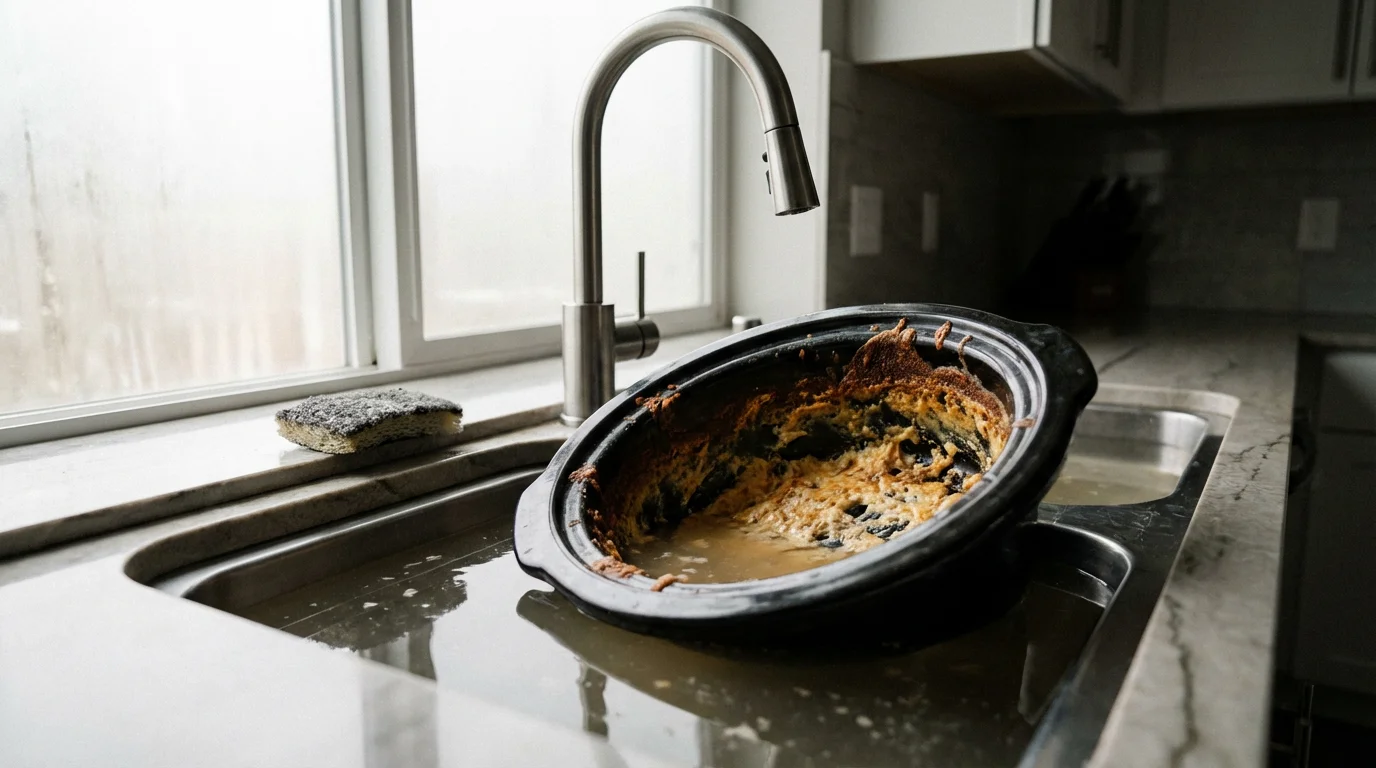
If you own a Crock-Pot or any standard slow cooker, you know the specific agony of scrubbing baked-on barbecue sauce or caramelized cheese from the heavy stoneware insert. The promise of simply lifting a bag out of the pot and throwing it away is incredibly tempting. But does the convenience outweigh the cost and the plastic waste? And more importantly, is it actually safe to cook your food inside plastic for eight hours at a time?
We are going to dismantle the myths, look at the material science, and weigh the practical pros and cons so you can decide if these kitchen aids deserve a spot in your pantry.
What Exactly Is a Slow Cooker Liner?
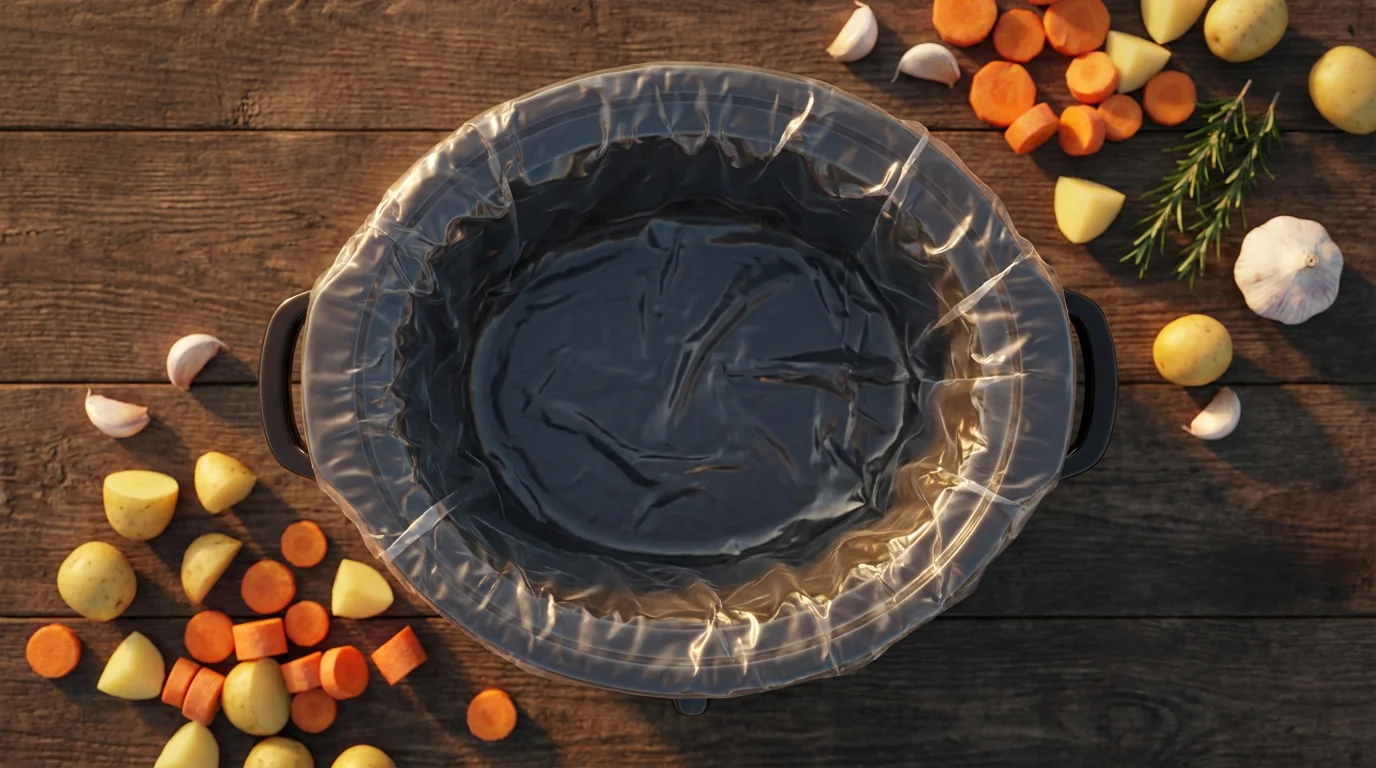
Before assessing safety, you need to understand what you are putting into your food. A slow cooker liner is not just a glorified sandwich bag. If you were to place a standard high-density polyethylene food storage bag into a slow cooker, it would likely melt, ruining both your dinner and your appliance.
Slow cooker liners are engineered from a specific type of nylon resin. This material is designed to be heat resistant, generally capable of withstanding temperatures up to 400°F (204°C). Considering that most slow cookers operate between 175°F (low setting) and 215°F (high setting), the liner operates well within its thermal safety margin.
These liners typically come in one standard size designed to fit round and oval cookers ranging from 3 to 8 quarts. (“Quart capacity” refers to the total volume the appliance holds; 8 quarts is roughly 7.5 liters, which is a standard large family size).
The Safety Question: BPA, Phthalates, and Heat
The biggest hesitation most home cooks have regarding liners is chemical leaching. Cooking involves heat, and heating plastic has generally been discouraged by health experts for decades. However, the context matters.
BPA and Phthalates
Bisphenol A (BPA) and phthalates are chemicals often used to make plastics durable or flexible. Research has linked them to various health issues, leading to significant consumer pushback. Consequently, reputable brands manufacturing slow cooker liners (such as Reynolds and store-brand equivalents) formulate their products to be BPA-free and phthalate-free. They are made from nylon resins that comply with FDA regulations for cooking at high temperatures.
“When buying liners, the ‘BPA-Free’ label isn’t just marketing fluff; it is a critical specification. Never buy generic industrial bags that do not explicitly state they are safe for food preparation.”
The Leaching Myth vs. Reality
While the FDA considers these materials safe for their intended use, some health-conscious cooks remain skeptical about heating any plastic. The science suggests that while nylon is stable, no plastic is completely inert. However, at the relatively low temperatures of a slow cooker (compared to an oven or frying pan), the molecular stability of high-heat nylon is robust.
If you are strictly reducing all potential microplastic exposure or chemical interaction, you might prefer cooking directly in ceramic or stainless steel. However, for the general population, using FDA-compliant nylon liners does not present a proven significant health risk according to current food safety standards.
Weighing Convenience Against Cost
Let’s talk about the primary selling point: your time. The value of a liner is directly correlated to what you are cooking.
The “Sticky” Factor
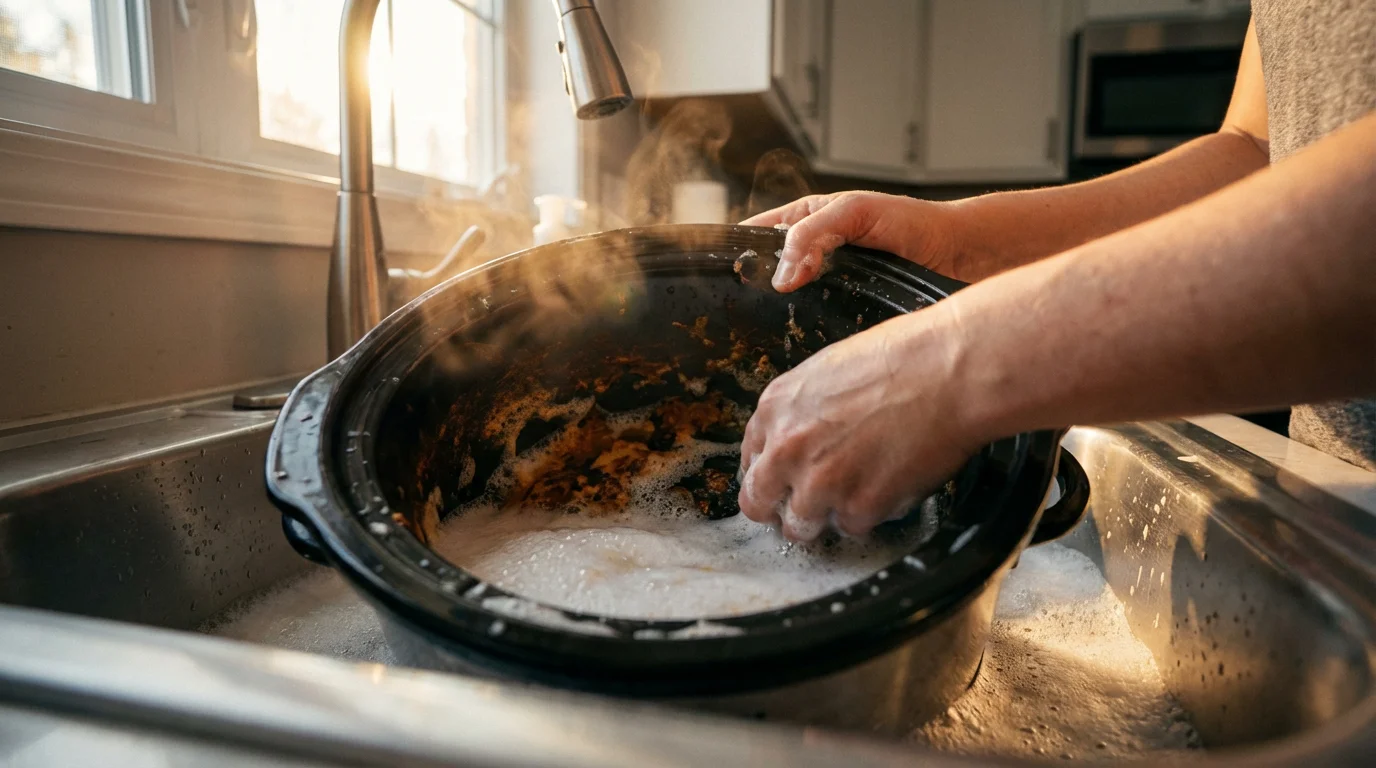
If you are making a broth-based chicken soup, the cleanup without a liner is minimal—a quick rinse and a wipe. However, if you are making a sugary barbecue pulled pork, a cheesy dip, or a lasagna, the cleanup involves soaking the heavy stoneware crock for hours and scrubbing vigorously.
Stoneware inserts are heavy, often weighing 5 to 10 pounds. Maneuvering a soapy, slippery, heavy crock in a small sink is a recipe for chipped ceramic or a strained wrist. In these scenarios, the liner is not just about laziness; it is about accessibility and safety in handling heavy cookware.
The Cost Breakdown
A box of name-brand slow cooker liners typically costs between $3.00 and $5.00 for a count of 4 to 6 liners. This averages out to approximately $0.50 to $1.00 per meal.
- Weekly User: If you use your slow cooker once a week, you are spending roughly $26 to $50 annually on liners.
- Daily User: If you rely on your slow cooker 4-5 times a week, that cost jumps to over $200 a year—enough to buy a high-end multi-cooker.
For occasional use during holidays or for particularly messy recipes, the cost is negligible. For daily cooking, it becomes a significant subscription cost for your kitchen.
Do Liners Affect Flavor or Cooking Time?
Purists argue that plastic interferes with the cooking process. We looked at the mechanics of heat transfer to see if this holds water.
Heat Transfer
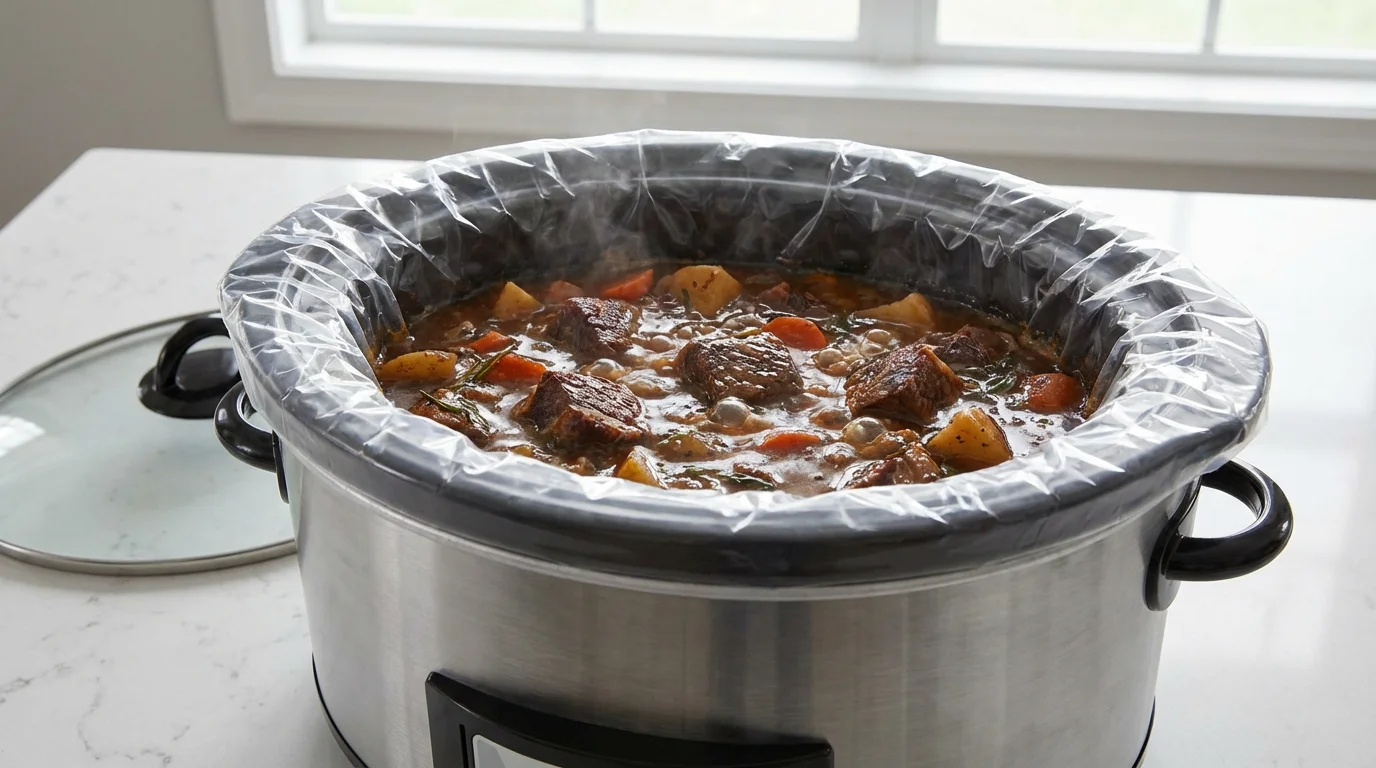
The nylon film is incredibly thin. While it technically acts as a barrier, its insulating properties are virtually non-existent. The heat transfer from the ceramic crock to the food remains efficient. You do not need to adjust your cooking time or temperature settings when using a liner.
Moisture and Texture
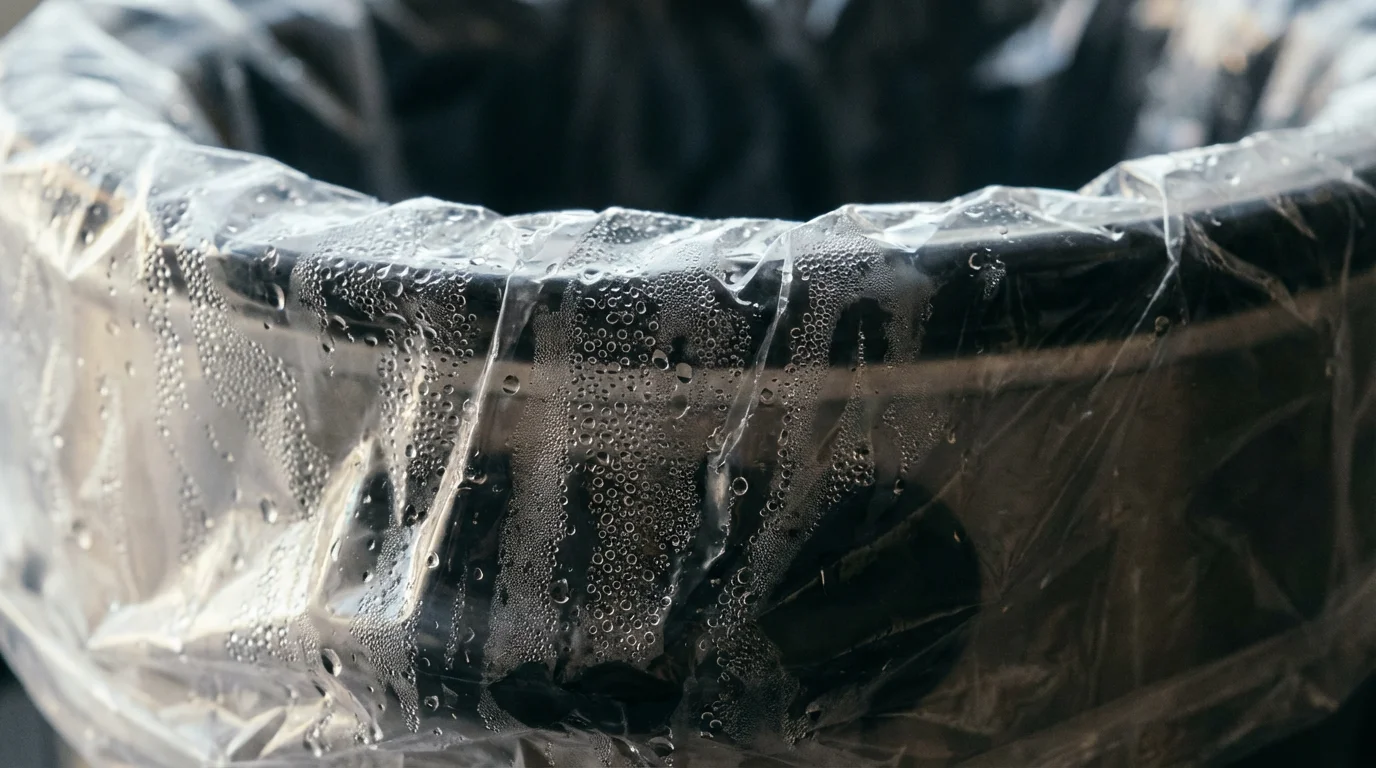
This is where things get tricky. A slow cooker naturally traps moisture. When you add a plastic barrier, you reduce the surface area where condensation might trickle down the side of the stoneware. Some users report that food ends up slightly soupier because the liner bunches up, creating pockets where liquid pools differently than it would in a bare pot.
Furthermore, the “fond”—the browned bits of food that stick to the bottom of the pot and provide deep flavor—does not develop as well on plastic as it does on ceramic. If you are making a pot roast where you want that caramelization at the bottom, a liner might yield a slightly blander result.
According to Serious Eats, achieving the best flavor in slow-cooked dishes often requires searing meat beforehand and allowing ingredients to interact directly with the cooking surface, which liners can inhibit if they bunch up or prevent proper heat distribution.
The Environmental Reality
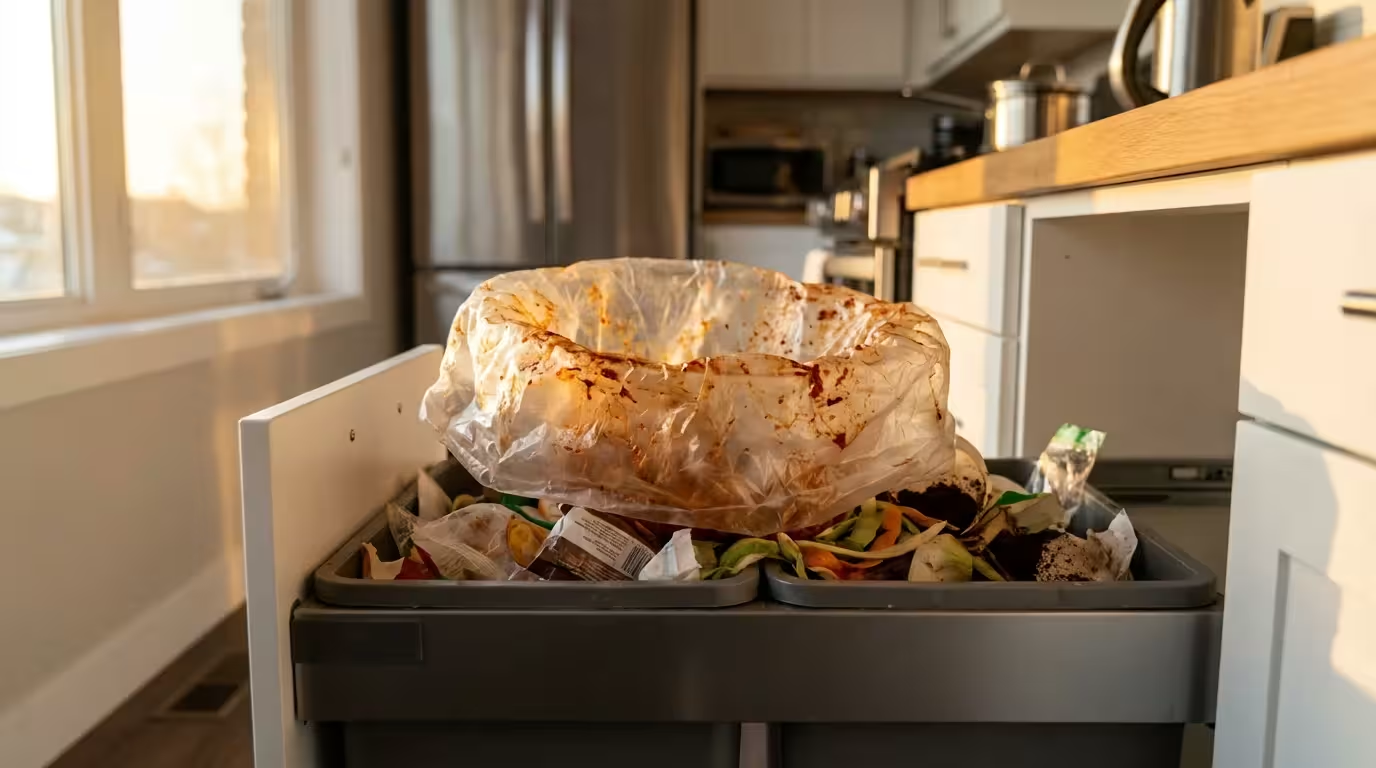
There is no greenwashing this section: disposable slow cooker liners are single-use plastics. They are not recyclable if they have food residue on them (which they always will), and nylon resin is not biodegradable.
Every time you use a liner, you are adding to a landfill. If you use your slow cooker to be eco-friendly by reducing energy consumption (slow cookers use significantly less wattage than an electric oven), using a disposable plastic bag negates some of that environmental goodwill.
For environmentally conscious households, this is often the dealbreaker. However, you must weigh this against water usage. Scrubbing a pot with baked-on cheese might require 5 to 10 gallons of hot water and harsh chemical detergents. While the plastic waste is visible, the water waste of aggressive cleaning is invisible but real.
Reusable Alternatives and Old-School Tricks
If you hate the waste but hate the scrubbing, you have options. The market has evolved beyond the binary choice of “plastic bag” or “bare pot.”
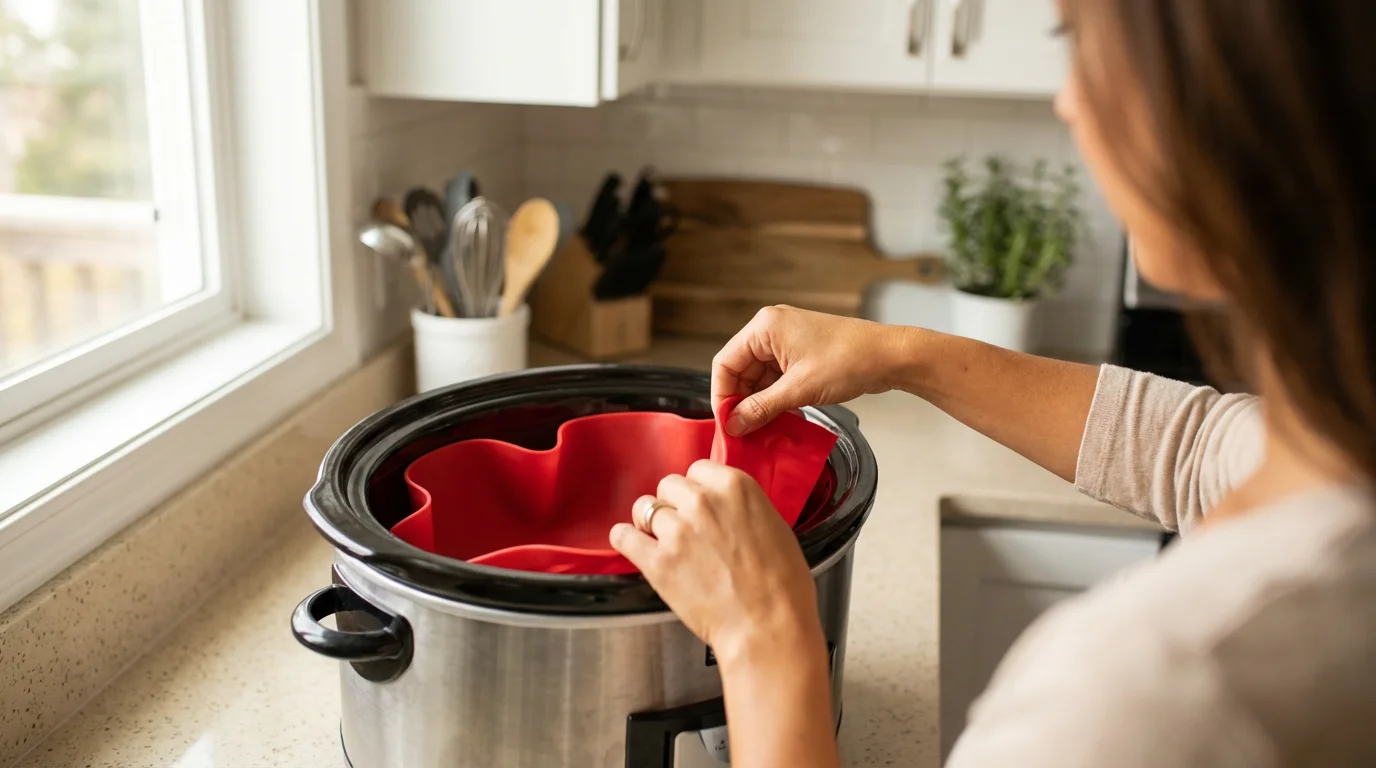
1. Reusable Silicone Inserts
This is the most exciting development in slow cooking accessories. These are thick, dishwasher-safe silicone bowls that fit inside your slow cooker. They are heat resistant up to 450°F+ and completely reusable.
- Pros: Eco-friendly, one-time purchase, sturdy (won’t tear).
- Cons: They can be slightly smaller than the crock, reducing capacity. They are heavy. They can absorb strong odors (like curry or cumin) over time.
2. The “Oil Barrier” Method
Before you add ingredients, coat the inside of the stoneware generously with vegetable oil, butter, or non-stick cooking spray. This creates a sacrificial layer. While it won’t make the pot “rinse-clean,” it prevents the chemical bonding of proteins to the ceramic, making scrubbing 50% easier.
3. Immediate Soaking
The reason slow cookers are hard to clean is that we eat dinner, leave the pot on “warm” or turn it off, and let the residue dry for two hours. If you transfer the leftovers immediately and fill the pot with hot soapy water right away, the residual heat helps lift the grime without scrubbing.
Comparison: Disposable vs. Reusable vs. Bare Pot
Here is a breakdown of how the three methods stack up for a standard 6-quart meal.
| Feature | Disposable Nylon Liners | Reusable Silicone Insert | Bare Stoneware (No Liner) |
|---|---|---|---|
| Cost | $0.50 – $1.00 per use | $15 – $25 (One time) | $0 |
| Cleanup Time | 10 seconds | Low (Dishwasher Safe) | High (Scrubbing required) |
| Environmental Impact | High (Landfill waste) | Low (Long-term use) | Moderate (Water usage) |
| Durability | Fragile (Can puncture) | Very Durable | Lifetime |
| Heat Tolerance | Up to 400°F | Up to 450°F+ | High (Depending on ceramic) |
| Best For | Occasional sticky meals | Frequent daily users | Soups and stews |
Best Practices for Using Liners Safely
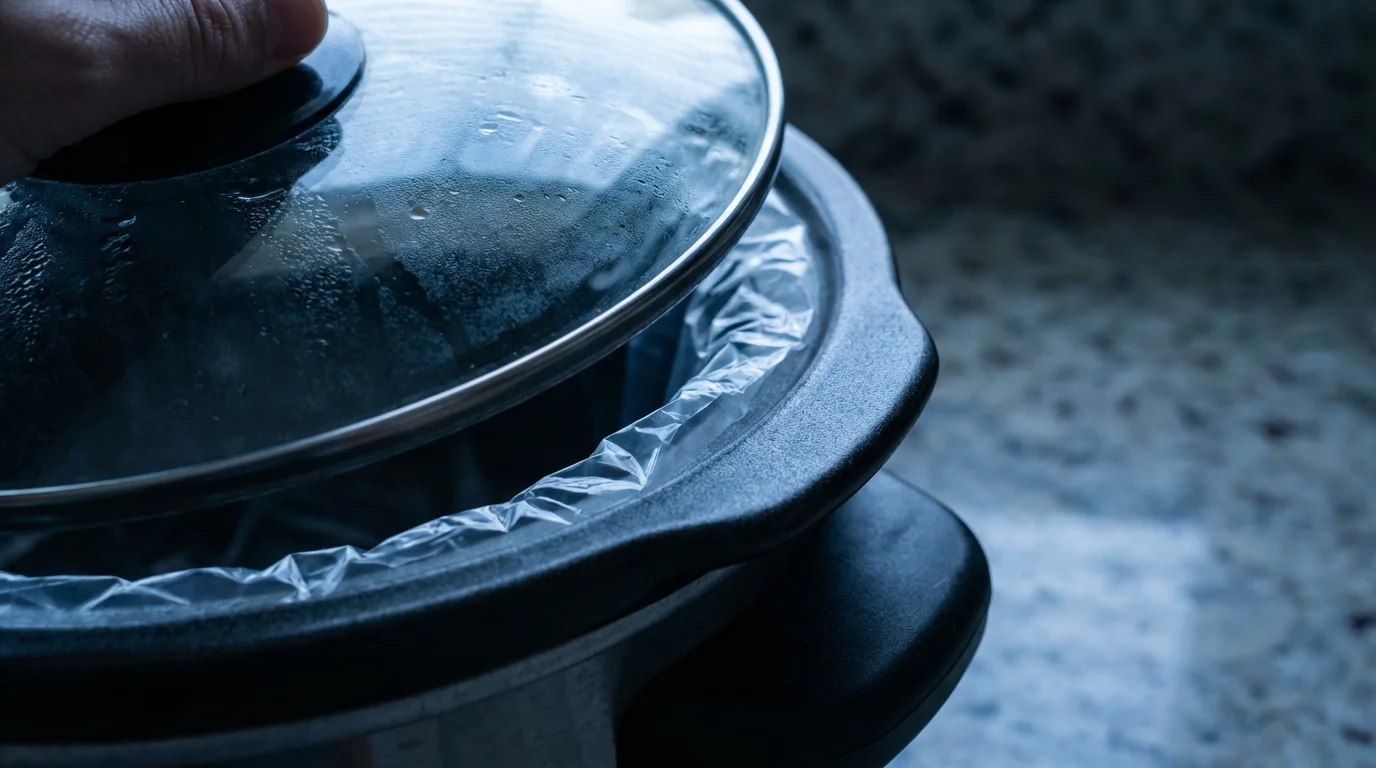
If you decide that disposable liners are right for your current lifestyle, follow these safety guidelines to ensure you don’t end up with melted plastic in your roast.
- Check the Size: Do not stretch a small bag to fit a large oval cooker. The tension creates weak points that will rupture during cooking. If you have an 8-quart cooker, ensure the box explicitly says “Fits up to 8 Quarts.”
- Add Liquid First: Pour a small amount of water or broth into the liner before adding solid ingredients. This prevents the plastic from pressing directly against the hot ceramic with heavy weights on top of it, reducing the risk of hot spots.
- Keep It Under 400°F: Never use these liners in an Instant Pot on the “Sauté” setting, and never use them in a toaster oven or standard oven. They are strictly for the low, slow, moist heat of a slow cooker.
- Watch for Sharp Bones: If you are cooking bone-in ribs or a whole chicken, the sharp edges of the bones can puncture the liner as the meat tenderizes and shifts. Be gentle when stirring.
- Ventilation: When lifting the lid, steam can rush out. If the liner has flopped over the edge, ensure the steam vent isn’t blocked, which can rattle the lid and affect pressure.
As Consumer Reports often highlights in their appliance guides, reading the manual for your specific slow cooker is vital; some manufacturers may void warranties if damage is caused by third-party accessories like liners melting onto the heating element.
Frequently Asked Questions
Can I use a regular trash bag or Ziploc bag instead?
Absolutely not. Food storage bags and trash bags are made of polyethylene which has a much lower melting point than the nylon used in slow cooker liners. They will melt, potentially ruin your expensive appliance, and release harmful chemicals into your food.
Will the liner melt if I put my slow cooker on “High”?
No, provided you use a liner designed for slow cookers. The “High” setting on a slow cooker typically stabilizes around 212°F to 215°F (the boiling point of water). Quality liners are rated for up to 400°F.
Can I use slow cooker liners in my Instant Pot or Pressure Cooker?
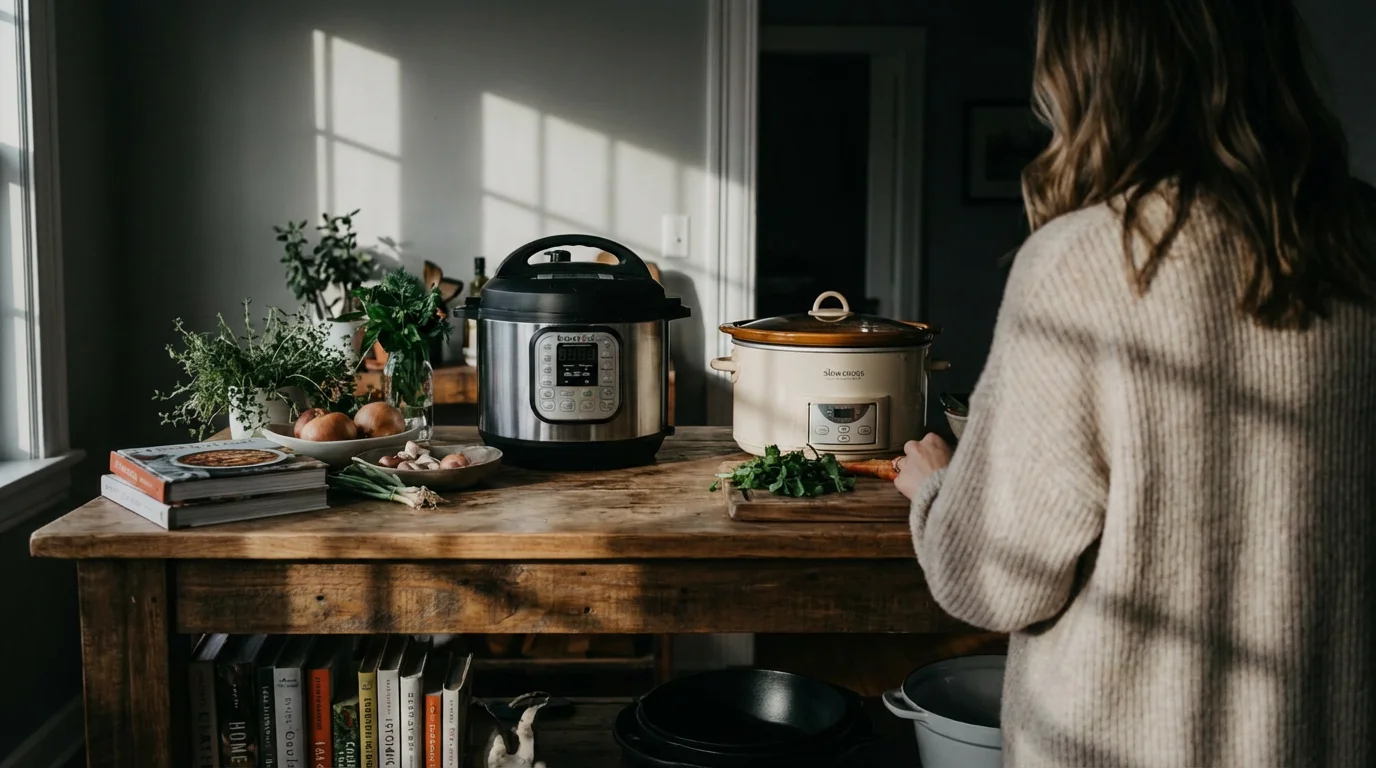
Generally, no. While the temperature might be within safe limits, the pressure cooking environment is different. The turbulence inside a pressure cooker can clog valves with the plastic liner, creating a dangerous safety hazard. Only use them if you are using the Instant Pot strictly as a slow cooker with the standard glass lid (not the pressure lid).
Do liners make the food taste like plastic?
They should not. Nylon resin is odorless and tasteless. If you detect a plastic taste, it may be because the liner was heated beyond its capacity (stuck to a dry spot) or you are using a low-quality, generic brand that isn’t FDA compliant.
Final Verdict: When to Use Them and When to Skip
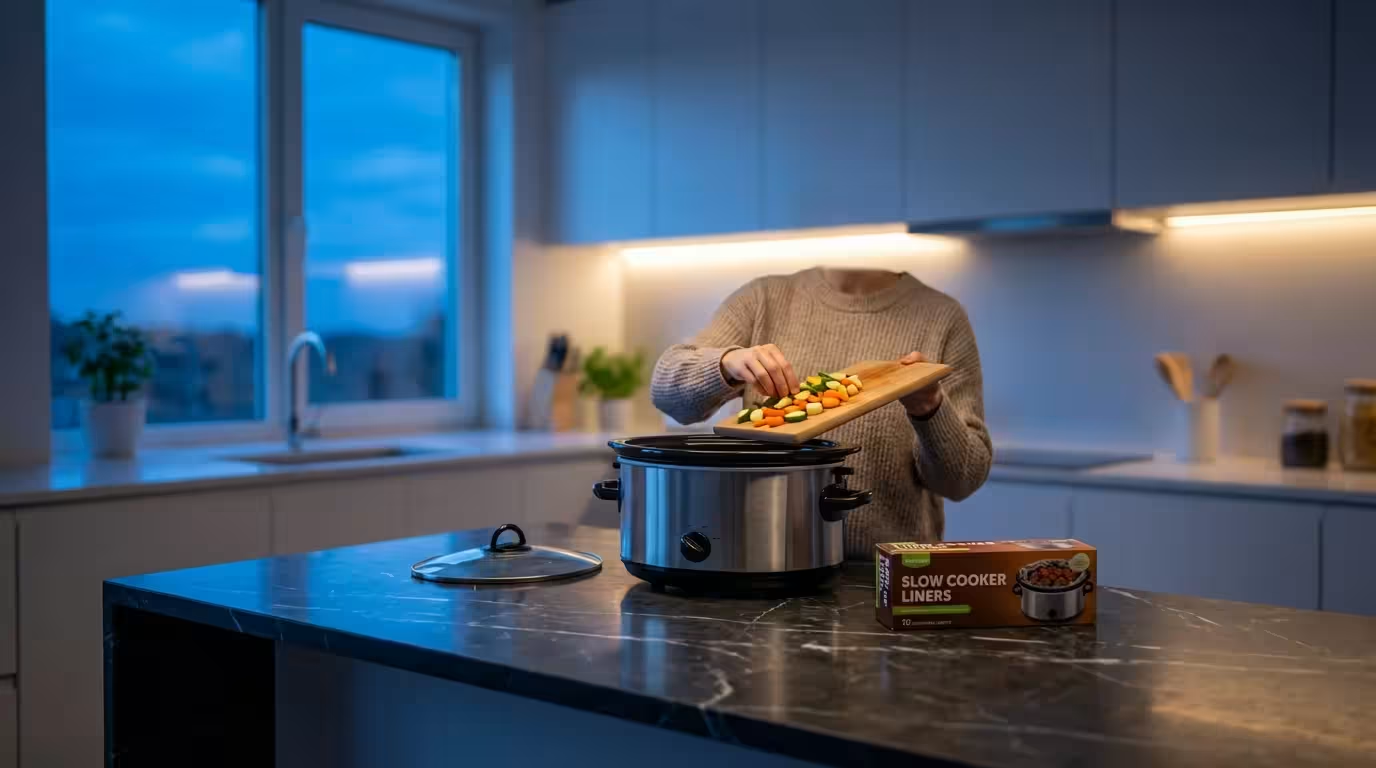
Slow cooker liners are not inherently evil, nor are they a necessity. They are a tool, and like any tool, they work best when applied to the right job.
You should skip the liner if:
- You are making soups, stews, or watery dishes that rinse out easily.
- You are cooking on a budget and want to save that $25-$50 a year.
- You are trying to eliminate single-use plastics from your home.
You should use a liner (or a reusable silicone insert) if:
- You are making “cement” foods like oatmeal, cheese dips, or sugary sauces.
- You are bringing a meal to a potluck and want to bring the dirty liner home in a trash bag rather than carrying a dirty heavy crock.
- You have mobility issues, arthritis, or limited strength that makes scrubbing a heavy stoneware crock difficult or dangerous.
Ultimately, the “worth” of a liner depends on how much you value 15 minutes of your evening. For many busy parents and professionals, that time is priceless.
Disclaimer: Product prices, features, and availability change frequently. Prices shown were accurate at time of writing but may have changed. We may earn a small commission from purchases made through links on this site, at no extra cost to you. Always verify current pricing and specifications on the retailer’s website before purchasing.
Leave a Reply