
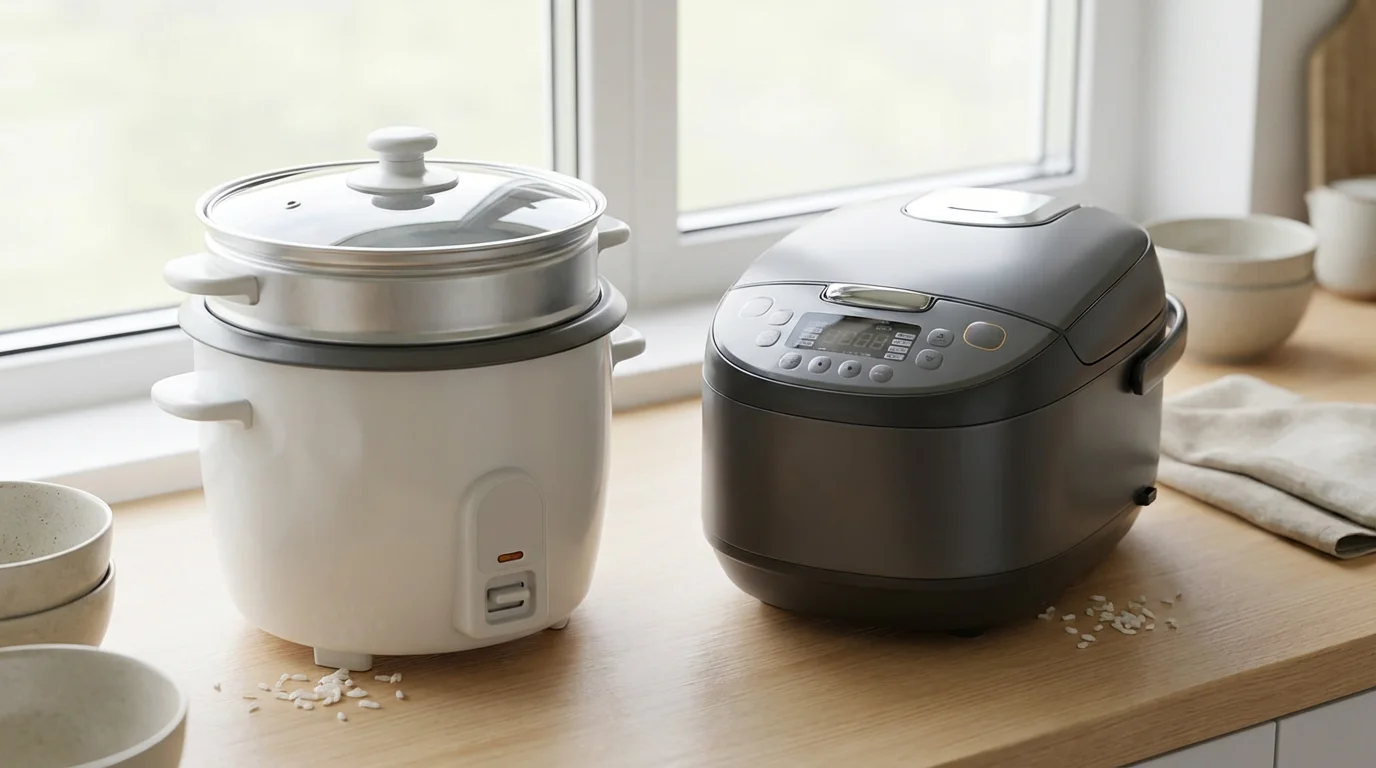
Perfectly cooked rice elevates any meal. Achieving that ideal texture, whether fluffy and separate or sticky and tender, often proves challenging on the stovetop. Variables like water absorption, heat consistency, and even the type of rice significantly impact the outcome. A dedicated rice cooker simplifies this process, delivering consistent results with minimal effort. But with a range of models available, from straightforward basic appliances to advanced fuzzy logic machines, you might wonder which one best fits your kitchen and cooking style.
This guide clarifies the differences between basic and fuzzy logic rice cookers, helping you make an informed decision. You will understand how each technology works, what features matter most, and which model offers the best value and performance for your needs.
What is a Rice Cooker and Why Do You Need One?
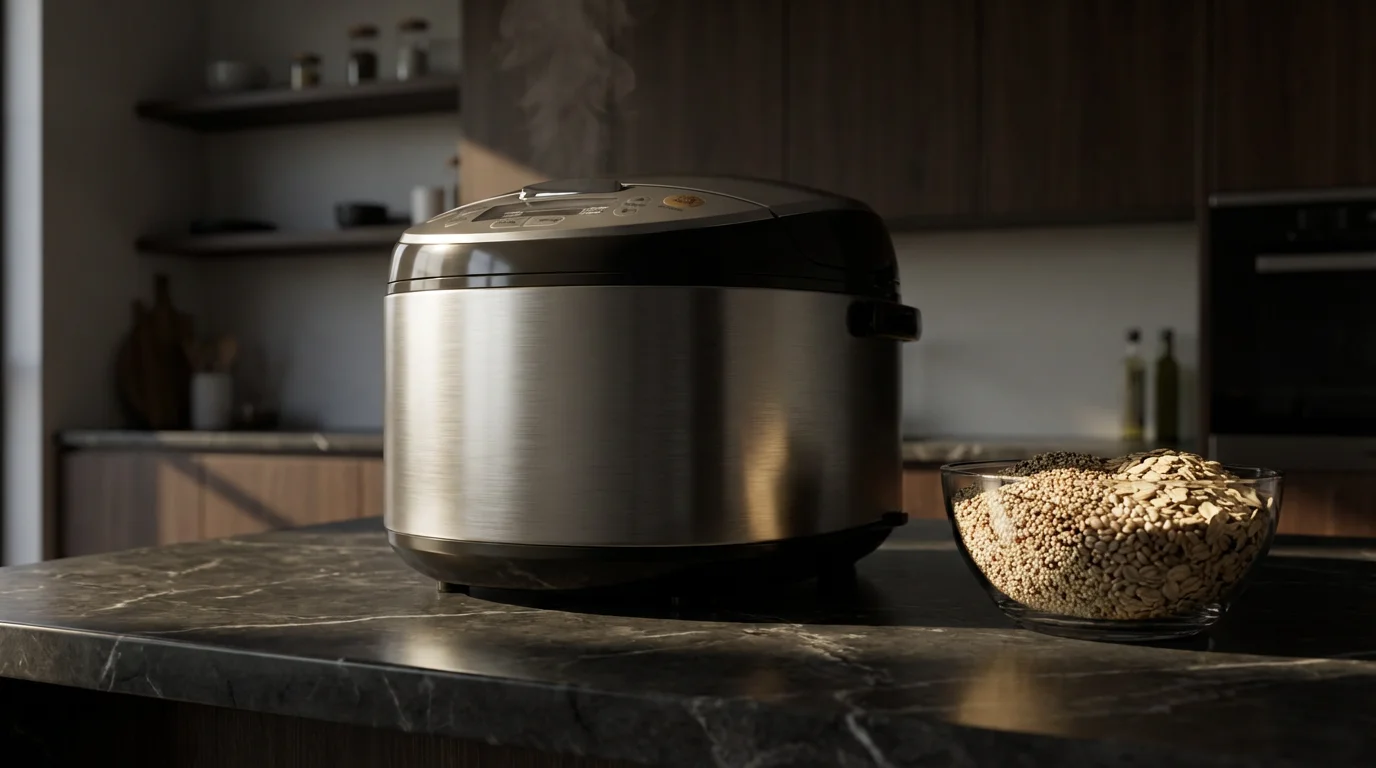
A rice cooker is a specialized kitchen appliance designed to cook rice automatically. It consists of a heating element, a cooking bowl, and a thermostat or a more advanced microprocessor. While stovetop methods require careful timing and attention, a rice cooker automates the process, freeing you to focus on other aspects of your meal. This appliance ensures your rice is cooked perfectly every time, preventing burning or undercooking.
Many households, particularly those who enjoy Asian cooking or frequently prepare meals with rice, find a dedicated rice cooker indispensable. It eliminates guesswork, offering convenience and reliability that conventional stovetop methods rarely match.
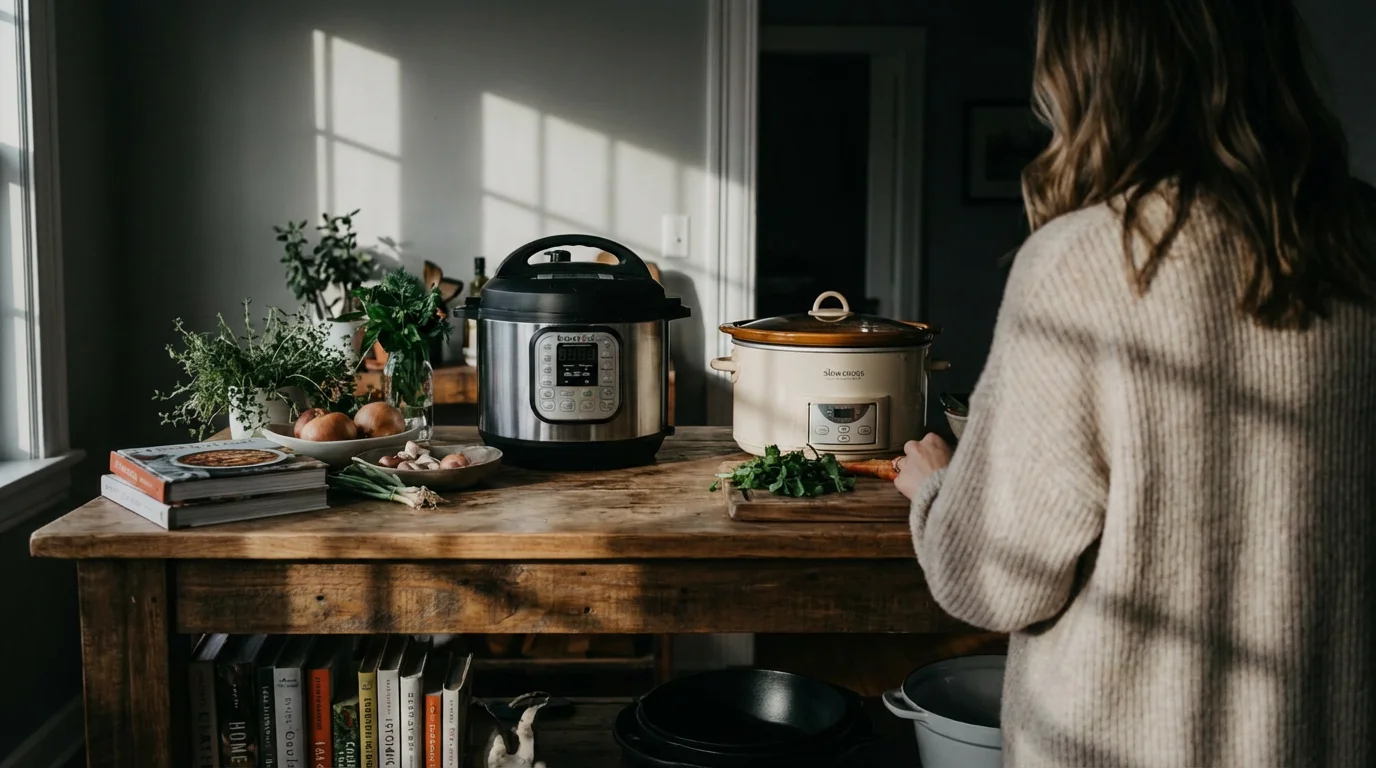
If you need even more speed, consider how electric pressure cookers compare in terms of convenience and safety when preparing bulk grains.
Basic Rice Cookers: Simplicity and Value
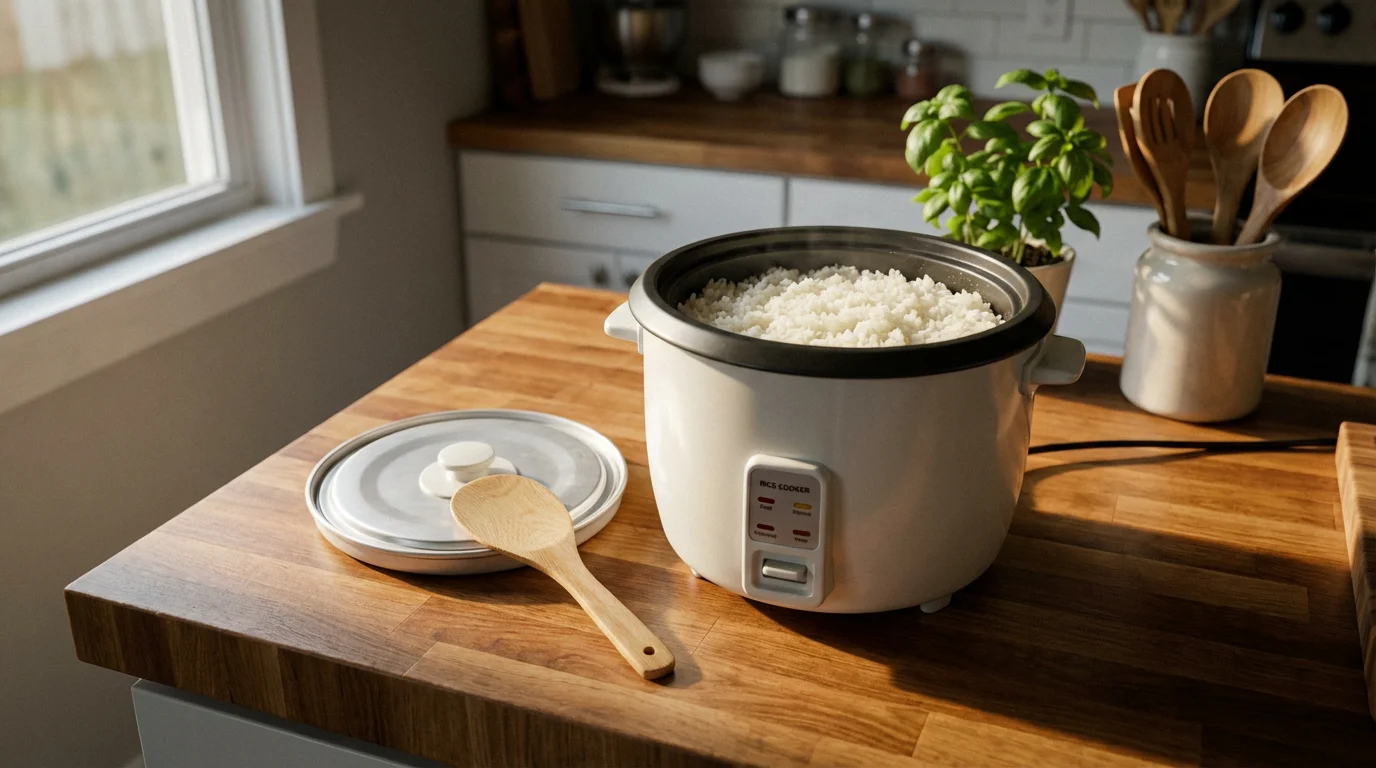
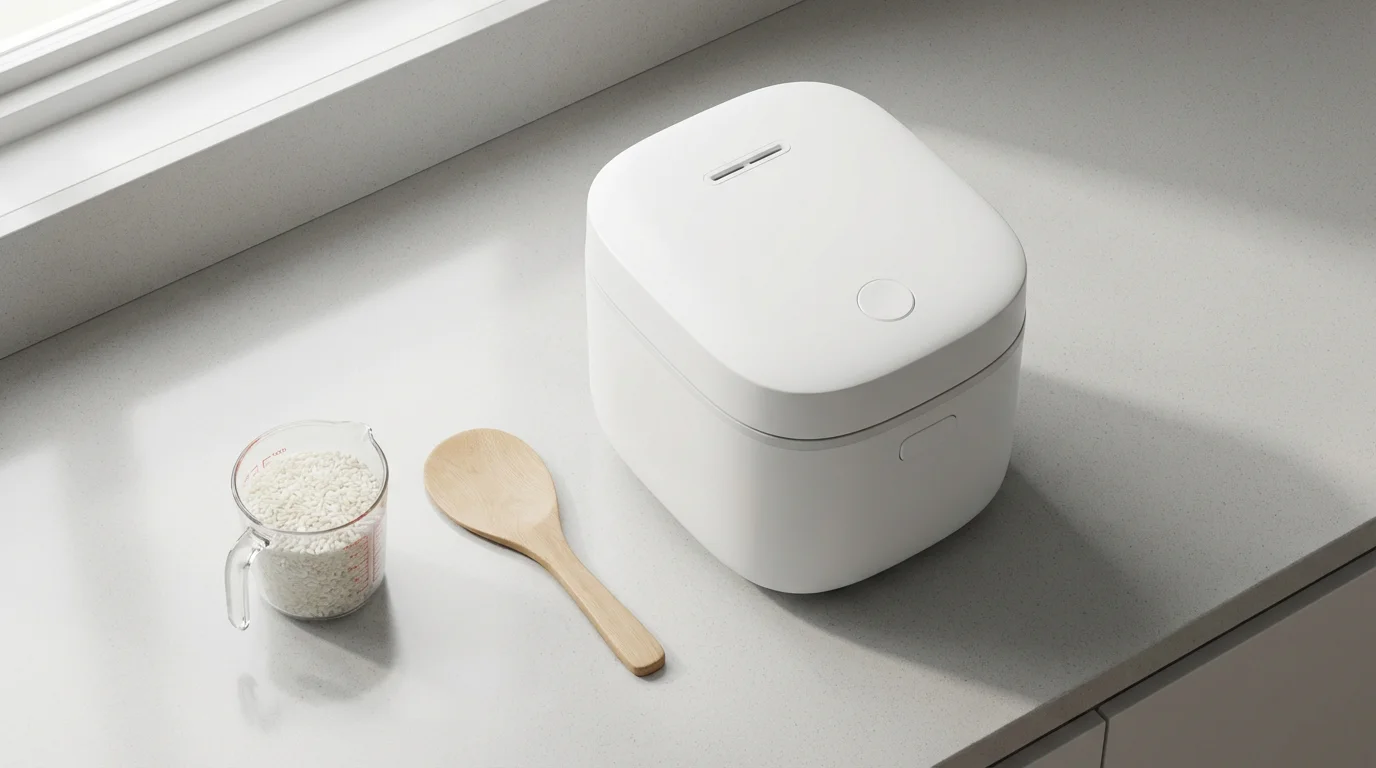
Basic rice cookers operate on a straightforward principle: they heat water to boiling, cook the rice until the water evaporates, and then switch to a “keep warm” mode. The “keep warm” function maintains the rice at a serving temperature after cooking, preventing it from getting cold. These models usually feature a single button or switch, making them incredibly easy to use.
When you add rice and water to the inner pot, the appliance begins to heat. Once the temperature reaches boiling point, the rice absorbs the water. A thermal sensor detects when the water has evaporated and the temperature inside the pot begins to rise, signaling the cooker to switch off the main heating element and activate the warming function.
**Pros of Basic Rice Cookers:**
- **Affordability:** Basic models are significantly less expensive, often available for under $50.
- **Ease of Use:** Their one-touch operation makes them ideal for beginners or those who prefer simplicity.
- **Compact Design:** Many basic models are smaller, requiring less counter space. For example, a 3-cup cooked capacity model might measure roughly 9 x 9 x 8 inches, fitting comfortably in smaller kitchens.
- **Reliable for White Rice:** They consistently produce good results for standard white rice varieties.
**Cons of Basic Rice Cookers:**
- **Limited Versatility:** They typically offer only basic cooking, struggling with different rice types like brown rice or sushi rice.
- **Inconsistent Results for Varied Grains:** These cookers might overcook or undercook more delicate or tougher grains because they rely on simple temperature thresholds.
- **No Delayed Start:** Most basic models lack a “delayed start” function, which allows you to program the cooker to begin cooking at a later time.
Common basic rice cookers come in capacities from 3 cups (cooked, about 0.6 quarts) to 10 cups (cooked, about 2.1 quarts). A 5-cup model, suitable for small families, typically uses around 400-500 **watts** of power. Wattage indicates how much power an appliance uses, with higher wattage often meaning faster heating.
“For consistent results with white rice and maximum budget-friendliness, a basic rice cooker is an excellent choice. Don’t overspend if simplicity is your priority.”
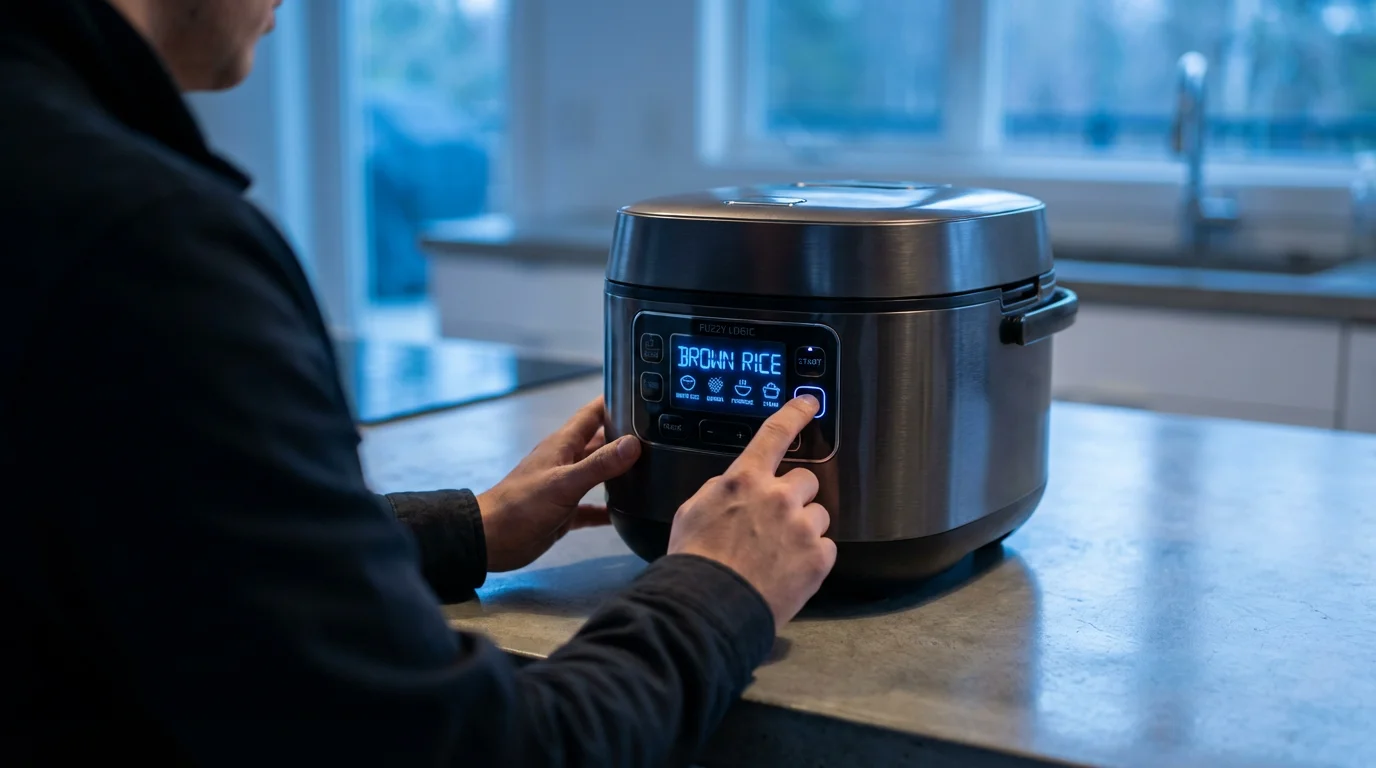
Fuzzy Logic Rice Cookers: The Smart Choice for Perfection
Fuzzy logic rice cookers represent a significant leap in cooking technology. Instead of relying on a simple thermostat, these appliances incorporate a microcomputer chip that “thinks” and makes adjustments during the cooking process. This technology allows the cooker to sense specific conditions, such as the moisture content and ambient temperature, and adjust cooking time and temperature accordingly.
The term “fuzzy logic” refers to the system’s ability to make nuanced decisions based on imprecise data, mimicking human intuition. This means a fuzzy logic rice cooker can perfectly adapt to different types of rice, varying water levels, and even slight changes in altitude or room temperature. This results in more consistently superior rice.
**Pros of Fuzzy Logic Rice Cookers:**
- **Superior Rice Quality:** They consistently produce perfectly textured rice, regardless of the variety. This is particularly noticeable with challenging grains like brown rice or sticky rice.
- **Versatility:** These models often include numerous **preset programs** for different rice types, such as white rice, brown rice, sushi rice, mixed rice, porridge, and sometimes even steaming or slow cooking. This makes them a true multi-purpose **rice maker** for those interested in diverse **asian cooking**.
- **Advanced Features:** Expect features like “delayed start,” extended “keep warm” cycles with re-heating options, and specialized settings for GABA brown rice or quick cooking.
- **Even Cooking:** The intelligent heating cycle prevents burning or uneven cooking, even if you slightly mismeasure your water.
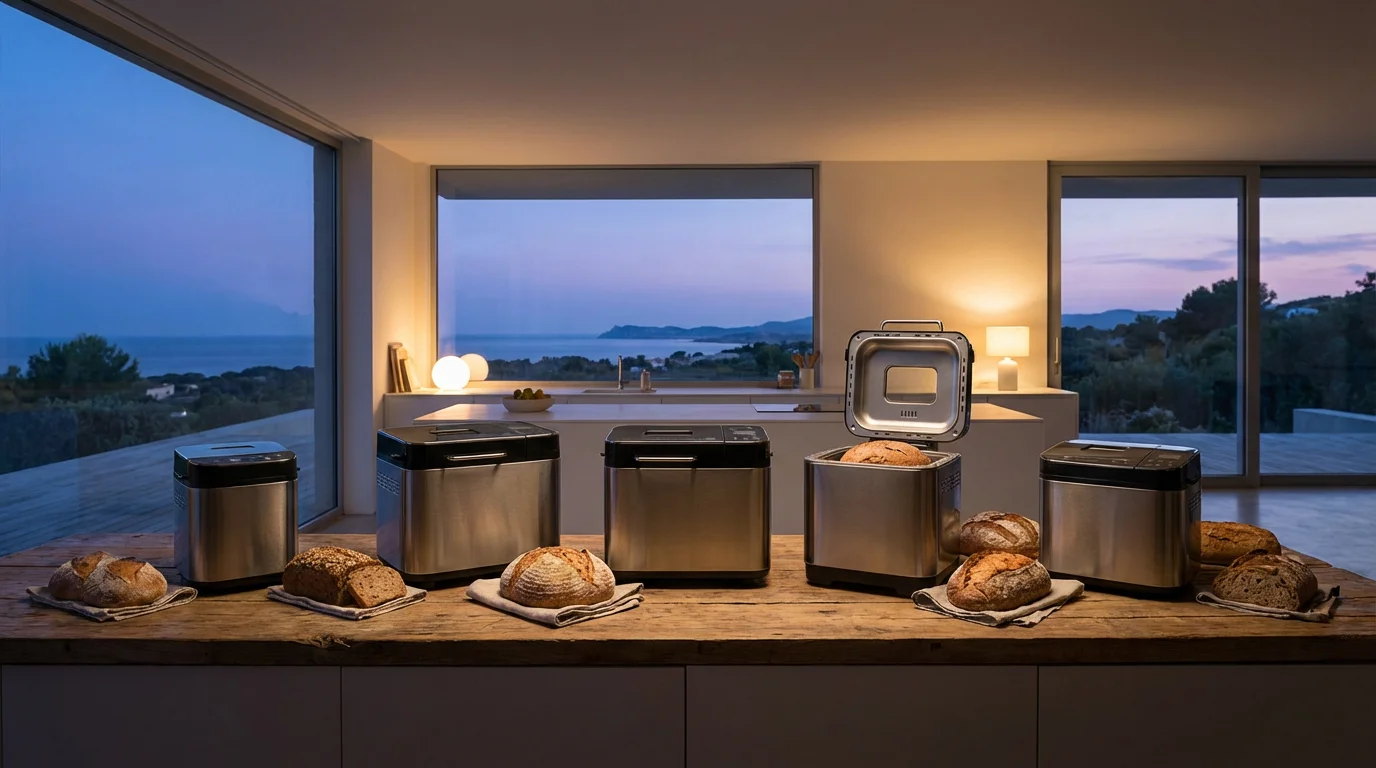
The automated ‘set-it-and-forget-it’ approach of these high-end models is similar to how the best bread machines handle complex cycles without manual intervention.
**Cons of Fuzzy Logic Rice Cookers:**
- **Higher Cost:** Fuzzy logic models are considerably more expensive, often ranging from $100 to $300 or more.
- **Larger Footprint:** Due to the internal technology and typically larger capacities, they often take up more counter space. A 5.5-cup model might measure 10 x 13 x 9 inches.
- **Complexity:** While still user-friendly, the multiple preset programs and functions can initially seem daunting compared to a basic model’s single button.
The question, “Is a **fuzzy logic rice cooker worth it**?” often comes down to how frequently you eat rice and how particular you are about its quality. For households that eat rice several times a week, especially those who enjoy a variety of rice types, the investment often pays off in convenience and consistent results.
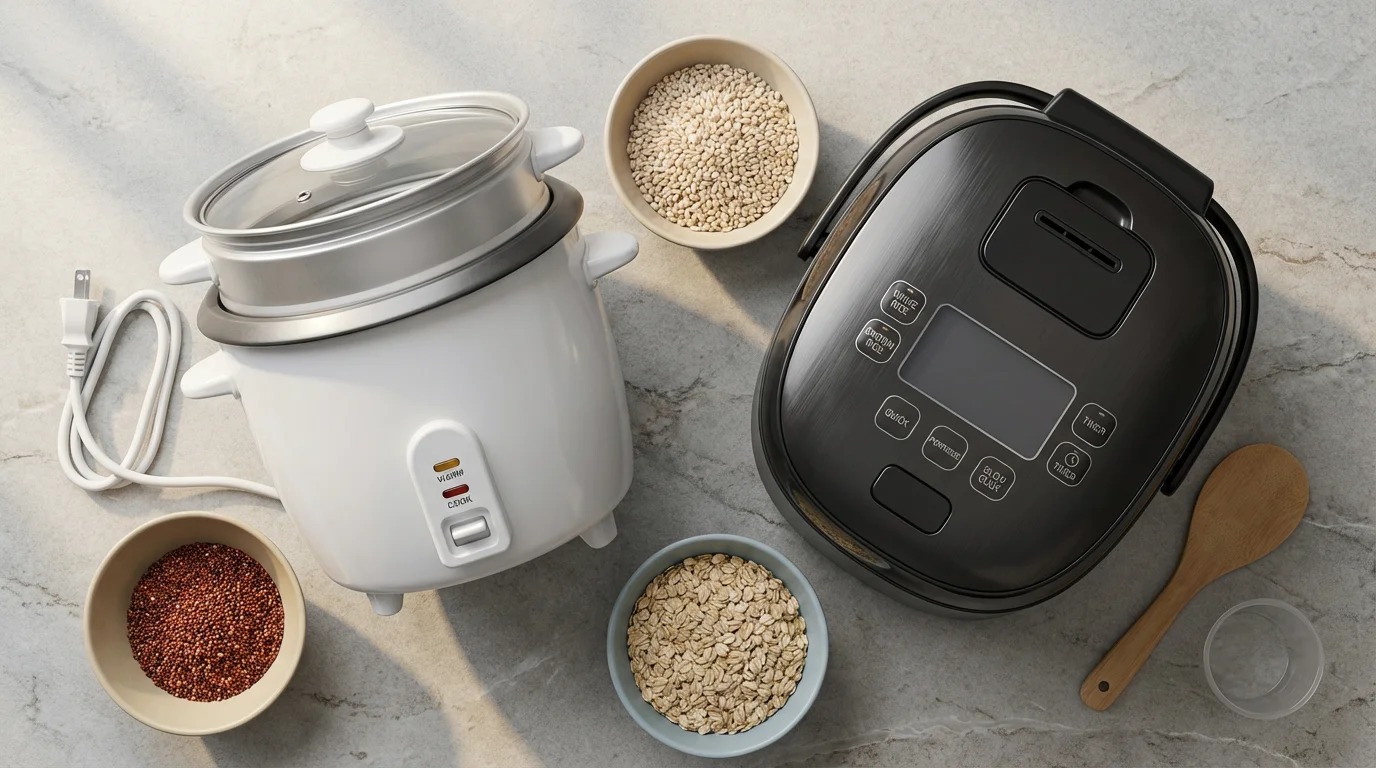
Key Differences: Basic vs. Fuzzy Logic Technology
Understanding the fundamental operational distinctions clarifies why these two types of rice cookers perform so differently.
A basic rice cooker operates on a simple on/off mechanism triggered by temperature. It heats until the water boils, then maintains that temperature until the water evaporates. A bimetallic strip or thermistor detects the temperature change once the water is gone, signaling the unit to switch to warming mode. This works well for white rice where the water to grain ratio and cooking time are relatively consistent.
Fuzzy logic models, on the other hand, employ a microcomputer chip that continuously monitors and adjusts. They use multiple sensors to detect temperature, humidity, and even the weight of the contents. The chip then references a database of cooking algorithms for various rice types. This allows the cooker to:
- **Pre-soak rice** at an optimal temperature before cooking begins.
- **Gradually increase and decrease heat** throughout the cooking cycle, rather than simply boiling.
- **Adjust cooking time** based on real-time conditions, not just a fixed timer.
- **Rest the rice** perfectly after cooking for optimal texture.
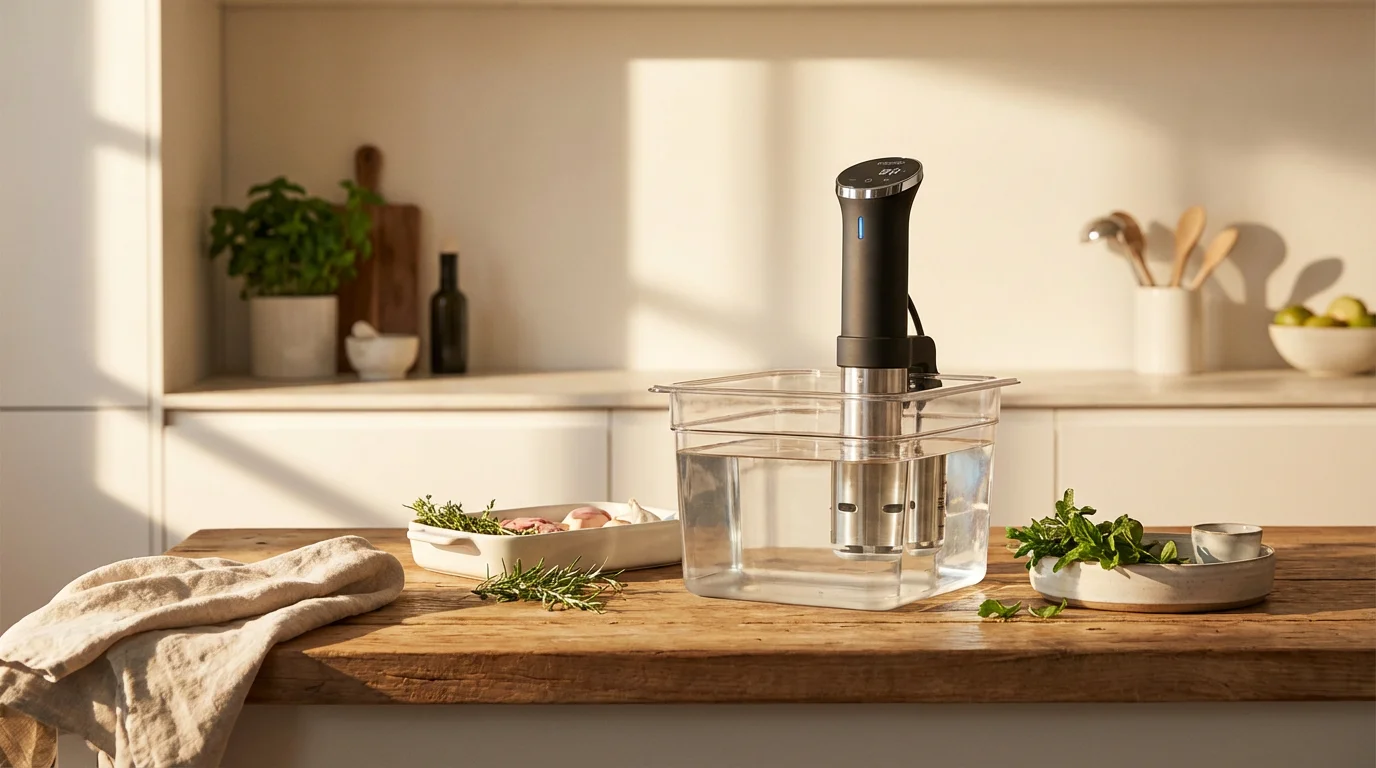
This emphasis on controlled heat and internal monitoring is comparable to the technology found in sous vide machines designed for precision results.
This sophisticated control system ensures that each grain absorbs water evenly and cooks thoroughly without becoming mushy or dry.
Here is a comparison table summarizing the key aspects:
| Feature | Basic Rice Cooker | Fuzzy Logic Rice Cooker |
|---|---|---|
| **Technology** | Simple mechanical thermostat | Microcomputer with fuzzy logic AI |
| **Price Range** | $20 – $70 | $100 – $350+ |
| **Cooking Performance** | Good for white rice, inconsistent for others | Excellent for all rice types, superior texture |
| **Versatility** | Limited (usually just white rice, “keep warm”) | High (multiple rice types, porridge, steam, cake, “delayed start”) |
| **Preset Programs** | Few or none | Many (e.g., White, Brown, Sushi, Mixed, Porridge) |
| **Delayed Start** | Rarely included | Commonly included |
| **Keep Warm Function** | Basic, often shorter duration | Extended, sometimes with reheating cycles |
| **Capacity Options** | 3-10 cups cooked (0.6-2.1 quarts) | 3-10 cups cooked (0.6-2.1 quarts), often larger physical size |
| **Energy Consumption (typical cooking cycle)** | 300-600 watts (peak) | 500-1200 watts (peak) |
| **Target User** | Budget-conscious, occasional rice eater, simple needs | Daily rice eater, connoisseur, variety of rice types, advanced features |
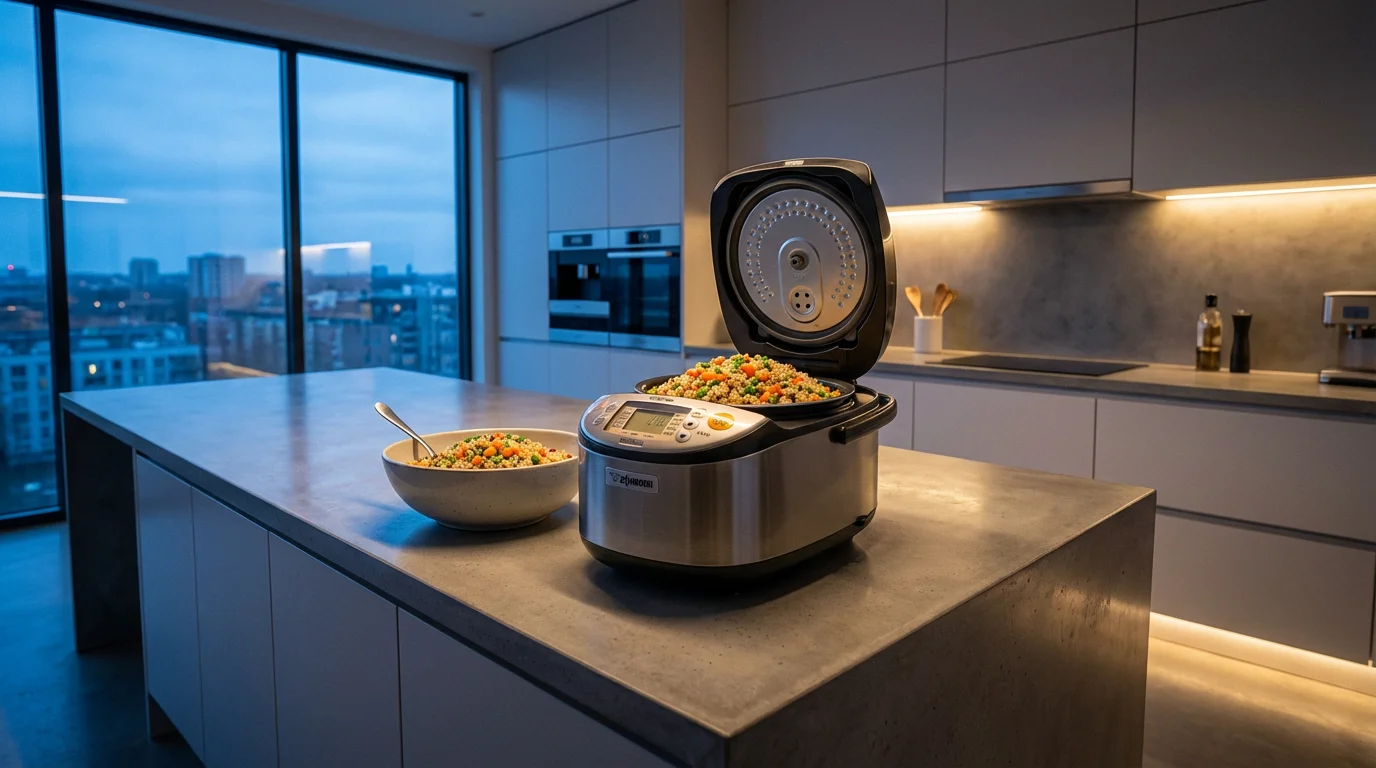
Cooking Performance: Beyond Just White Rice
The true test of a rice cooker extends beyond its ability to handle standard white rice. For many home cooks, especially those interested in diverse cuisines, the versatility with various grains matters significantly.
**White Rice (Jasmine, Basmati, etc.):** Both basic and fuzzy logic models can produce satisfactory white rice. Basic models typically yield fluffy, evenly cooked results provided you use the correct rice-to-water ratio. However, fuzzy logic models often achieve a more refined texture, with each grain distinct and perfectly moist, a subtle but noticeable difference for discerning palates. According to Serious Eats’ equipment reviews, the advanced temperature control of fuzzy logic units is particularly effective in preventing gummy or dry patches that can occur in simpler models.
**Brown Rice:** This is where fuzzy logic models truly shine. Brown rice requires a longer cooking time and a specific temperature profile to break down its outer bran layer while cooking the inner grain. Basic rice cookers often struggle, leading to undercooked, chewy brown rice or requiring additional water and monitoring. Fuzzy logic models, with their dedicated brown rice settings, manage the extended soak time and varied cooking temperatures automatically, ensuring tender, fully cooked brown rice every time.
**Sushi Rice:** Achieving the perfect sticky, yet distinct, texture for sushi rice demands precise temperature control and a specific resting period. Fuzzy logic rice cookers often feature a “sushi rice” or “sweet rice” setting that handles this beautifully. They manage the initial soak, the gradual cooking, and the crucial resting phase to produce rice with the ideal consistency for rolling. Basic models can attempt sushi rice, but the results are rarely as consistent or authentic.
**Mixed Rice, Porridge, and More:** Many fuzzy logic models extend their capabilities to include settings for mixed rice (rice with vegetables or meat), congee/porridge, and even quick cooking options. Some high-end models even offer steaming baskets or slow cooking functions, further enhancing their utility as a versatile countertop appliance. This range of preset programs significantly expands your culinary options.

Size, Space, and Storage Considerations
When adding any new appliance to your kitchen, its physical footprint and storage requirements are crucial. You want a tool you use regularly, not one that gathers dust in a pantry because it takes up too much valuable **counter space**.
**Capacity:** Rice cookers are typically measured by their raw rice capacity, usually in “cups,” which refers to the small measuring cup that comes with the cooker, not a standard US measuring cup. A “5.5-cup” model cooks 5.5 of these small cups of raw rice, yielding roughly 10-11 cups of cooked rice.
- **Small Households (1-2 people):** A 3-cup or 5.5-cup cooked capacity model is generally sufficient. These typically have a 0.6 to 1.0 **quart capacity**.
- **Medium Households (3-5 people):** A 5.5-cup to 8-cup cooked capacity model (1.0-1.5 quarts) balances utility with footprint.
- **Large Households (6+ people) or Frequent Entertainers:** Consider 10-cup cooked capacity models or larger (2.0+ quarts).
For those with limited room, choosing between a rice cooker and an air fryer often depends on which staple meals you prepare most frequently.
**Dimensions:**
* **Basic models** tend to be more compact. A 5-cup basic rice cooker might measure approximately 9-10 inches wide, 9-10 inches deep, and 8-9 inches high. Its weight is often around 3-5 pounds.
* **Fuzzy logic models** are often larger due to their internal components and thicker inner pots. A 5.5-cup fuzzy logic cooker can easily be 10-11 inches wide, 13-14 inches deep, and 9-10 inches high. These can weigh 8-12 pounds, making them less convenient to move in and out of storage.
Measure your available counter space and consider the height clearances under your upper cabinets. If you have limited space, a more compact basic model might be more practical, even if it offers fewer features. If you are frequently cooking for many people or making large batches for meal prep, the larger size of a fuzzy logic cooker may be a necessary trade-off for its capacity and performance.

Cleaning and Maintenance: Keeping Your Cooker Pristine
Ease of cleaning significantly impacts an appliance’s long-term utility. A complex cleaning process can deter regular use.
**Inner Pot:** The most critical component for cleaning is the non-stick inner pot. Most rice cooker inner pots feature a non-stick coating, usually PTFE (Teflon) or ceramic. These are easy to clean by hand with warm, soapy water and a soft sponge. Avoid abrasive scrubbers that can scratch and damage the coating. Many inner pots are also dishwasher-safe, offering maximum convenience. Always check the manufacturer’s instructions.
**Lid:** Rice cooker lids can be removable or hinged. Removable lids are generally easier to clean, allowing you to thoroughly wash away steam, condensation, and starchy residue. Some fuzzy logic models feature a removable inner lid that detaches from the main lid, making cleaning even simpler. Hinged lids, while convenient for cooking, require careful wiping to clean all crevices.
**Condensation Collector:** Many fuzzy logic models, and some basic ones, include a condensation collector that gathers excess steam and water. This prevents drips onto your counter and keeps the cooking area cleaner. Empty and wash this small cup after each use.
**Exterior:** Wipe down the exterior housing with a damp cloth. Never immerse the main unit in water.
**Durability and Common Failure Points:**
Both types of rice cookers are generally robust. For basic models, the primary failure points are often the heating element or the simple mechanical switch, which can wear out over time. With fuzzy logic models, the microcomputer or the specialized sensors are more complex and, theoretically, could be failure points, though manufacturers design them for longevity. Reputable brands typically offer a 1-year warranty. Based on insights from Consumer Reports’ evaluations of small appliances, brand reputation and user reviews often correlate with long-term reliability. Look for models with good reviews regarding durability.
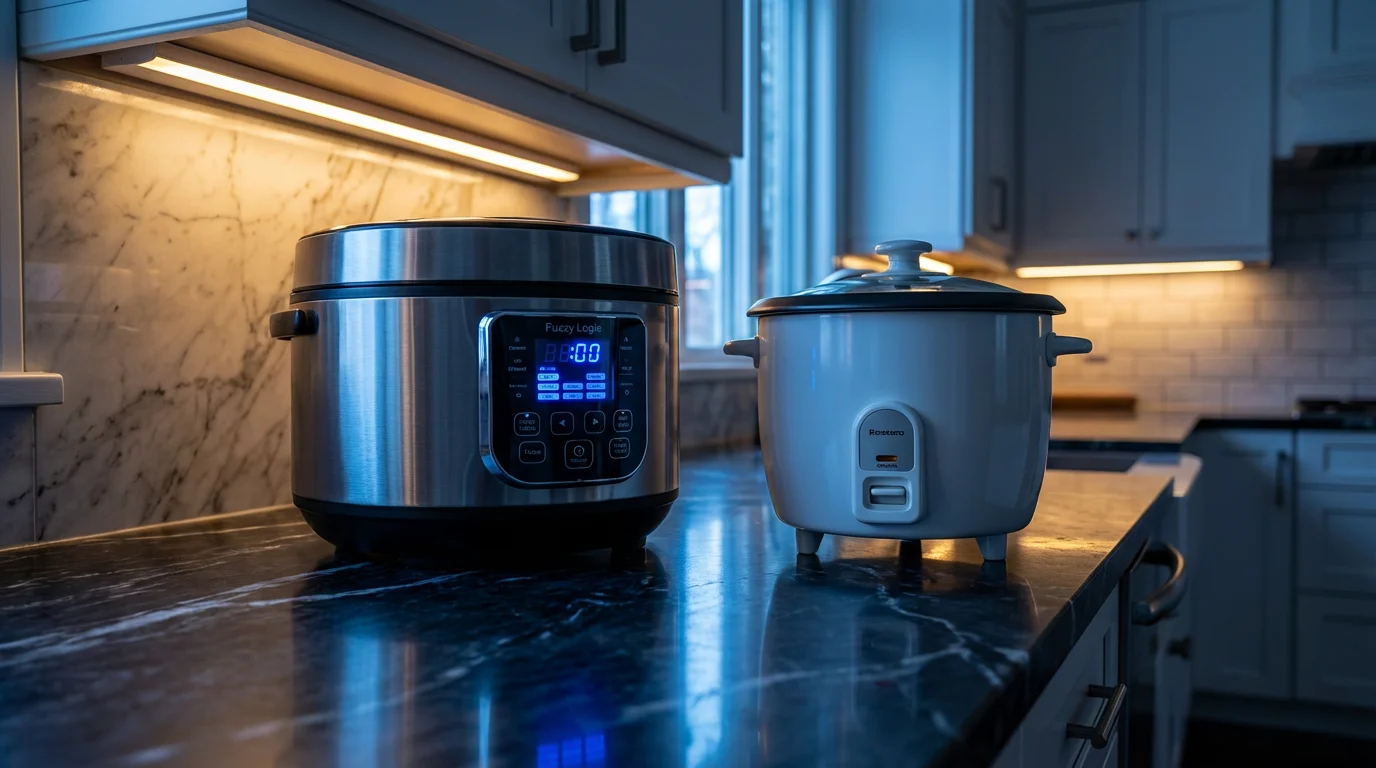
Which Rice Cooker is Right for You?
Choosing between a basic and a fuzzy logic rice cooker depends entirely on your cooking habits, budget, and culinary aspirations.
**Best Value:** For those who primarily cook white rice, on a tight budget, or have limited kitchen space, a basic rice cooker offers excellent value. You get reliable, hands-off cooking for everyday white rice without unnecessary features. A simple 5-cup model, often around $30-50, provides consistent results for families of 2-4 people.
**Best for Small Kitchens:** Basic models generally have a smaller physical footprint. If you have very limited counter space or prefer to store your appliances away, a compact 3-cup basic rice maker might be your best bet. Ensure you check the exact dimensions before purchasing.
**Best for Versatility and Quality:** If you enjoy diverse types of rice, frequently cook for larger groups, or demand consistently perfect texture, a fuzzy logic rice cooker is a worthwhile investment. Its ability to handle brown rice, sushi rice, and specialty grains with tailored programs makes it incredibly versatile. These models typically offer capacities up to 10 cups cooked, making them ideal for families or those who meal prep.
**Consider Your Rice Consumption:**
* **Occasional Rice Eaters (1-2 times a month):** A basic rice cooker suffices. You do not need to invest heavily in advanced features for infrequent use.
* **Regular Rice Eaters (1-2 times a week):** A basic model could still work, but a fuzzy logic cooker would enhance your experience with better quality and consistency, especially if you venture beyond white rice.
* **Frequent Rice Eaters (several times a week or daily):** A fuzzy logic rice cooker is highly recommended. The convenience, perfect results, and ability to handle various grains will quickly justify the cost. For anyone serious about **asian cooking** or needing a **best rice cooker for sushi rice**, the precision of fuzzy logic is unmatched.
Ultimately, both types simplify rice cooking. Your decision hinges on balancing your budget with your desire for culinary perfection and versatility.
Frequently Asked Questions
Can I cook other grains besides rice in a rice cooker?
Yes, many rice cookers, especially fuzzy logic models with multiple preset programs, can cook other grains. You can often prepare quinoa, oats, barley, couscous, and even some types of pasta. Always refer to your specific model’s manual for recommended water ratios and settings.
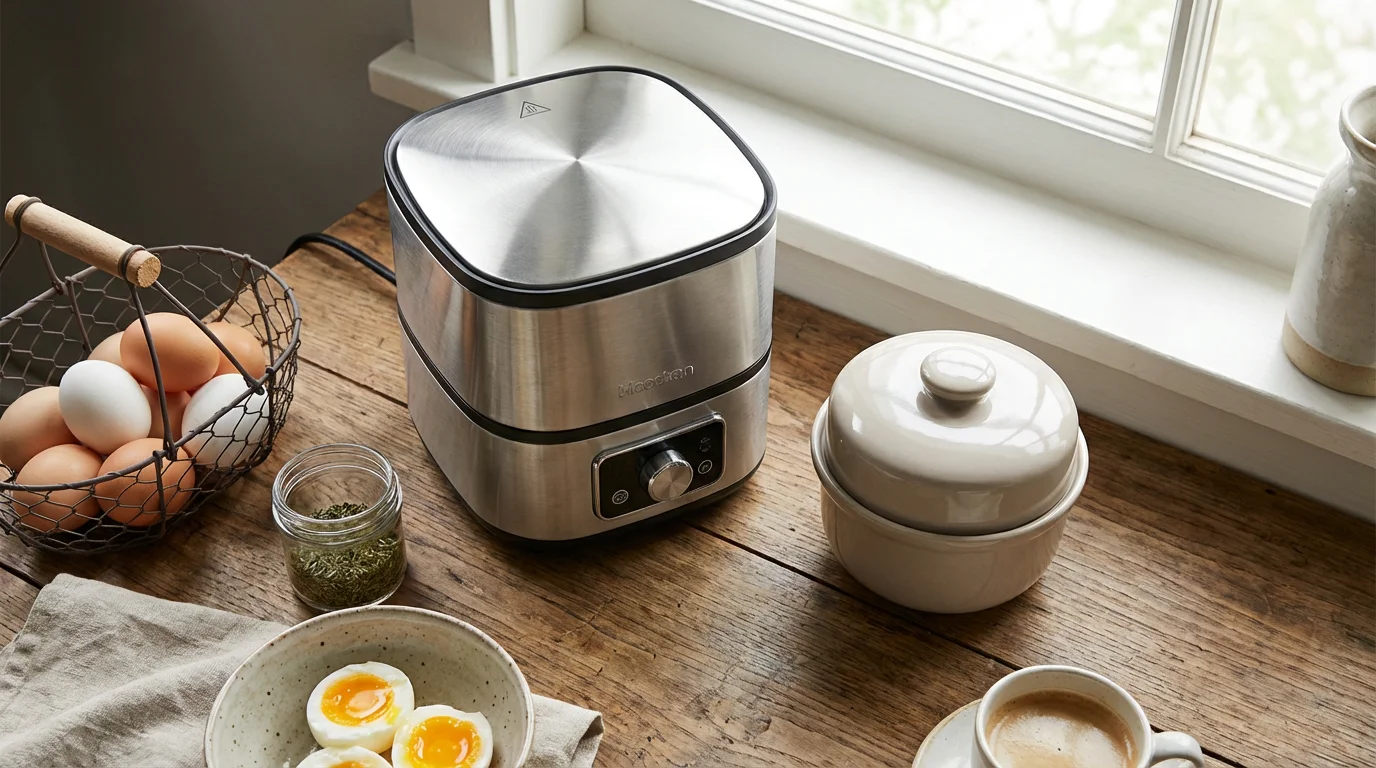
Just as egg cookers provide foolproof results for breakfast, a rice cooker ensures your grains are never undercooked.
How long does rice stay warm in a rice cooker?
Most basic rice cookers can keep rice warm for about 4-6 hours without significant degradation in quality. Fuzzy logic models often feature extended “keep warm” functions, sometimes up to 12-24 hours, with smart temperature cycling to prevent drying out or developing a crust. However, for best taste and texture, consume rice within a few hours of cooking.
What is the ideal water-to-rice ratio?
The ideal water-to-rice ratio varies depending on the type of rice and the specific rice cooker. A common starting point for white rice is 1:1, meaning one cup of water for every cup of rice. For brown rice, it is typically 1.5:1 or 2:1. Your rice cooker will usually come with a specialized measuring cup and clear lines inside the inner pot to guide you, which are generally more accurate than standard kitchen measuring cups for rice.
Do rice cookers use a lot of electricity?
Rice cookers are not typically high-energy consumers during their active cooking cycle, though their wattage, how much power an appliance uses, can be 400-1200 watts. The actual cooking time is relatively short, often 20-45 minutes. The “keep warm” function uses minimal power, generally under 50 watts. So, for a daily-use appliance, their overall energy consumption is modest compared to ovens or stovetops used for extended periods. According to insights from Good Housekeeping’s appliance guides, selecting the right capacity for your needs also helps minimize wasted energy.
Are ceramic non-stick pots better than traditional non-stick?
Ceramic non-stick coatings are often marketed as a healthier or more durable alternative to traditional PTFE (Teflon) coatings. They offer excellent non-stick properties and are typically free of PFOA and PFAS. However, like all non-stick surfaces, they can scratch if not cared for properly. Traditional PTFE coatings remain effective and safe when used as directed, but ceramic offers a good alternative for those who prefer it.
Disclaimer: Product prices, features, and availability change frequently. Prices shown were accurate at time of writing but may have changed. We may earn a small commission from purchases made through links on this site, at no extra cost to you. Always verify current pricing and specifications on the retailer’s website before purchasing.
While these prices are higher, they are often seen as long-term investments, similar to whether high-end stand mixers are worth the cost for frequent home cooks.
Managing your workspace is a common challenge with appliances like toaster ovens, where height and depth clearances are critical for safe operation.

Leave a Reply