
For decades, American kitchens have been divided into two camps: gas and electric. Gas offered the visual feedback of a flame and instant heat adjustments, while electric offered a cleaner surface but suffered from sluggish response times. Enter the induction cooktop—a technology that promises the best of both worlds, plus benefits neither of its predecessors can match.
If you are renovating your kitchen, looking for a portable burner to expand your cooking capacity, or simply curious why professional chefs are increasingly making the switch, this guide is for you. Induction is not just a different way to heat food; it is a fundamental shift in how energy is transferred in the kitchen. It changes how you boil water, how you sear steaks, and, most importantly, which pots and pans you can use.
However, the transition comes with questions. Is it safe? Is it worth the higher price tag? Will you have to replace your entire cookware collection? We will break down the science, the practical benefits, the inevitable downsides, and the specific equipment you need to make induction cooking work for your household.
The Science: How Induction Actually Works
To understand why induction is different, you have to look under the glass. With a standard electric stove, electricity flows through a metal coil (either exposed or under glass), causing it to glow red hot. That heat transfers to the glass, then to the pot, and finally to the food. It is an inefficient chain of thermal transfer.
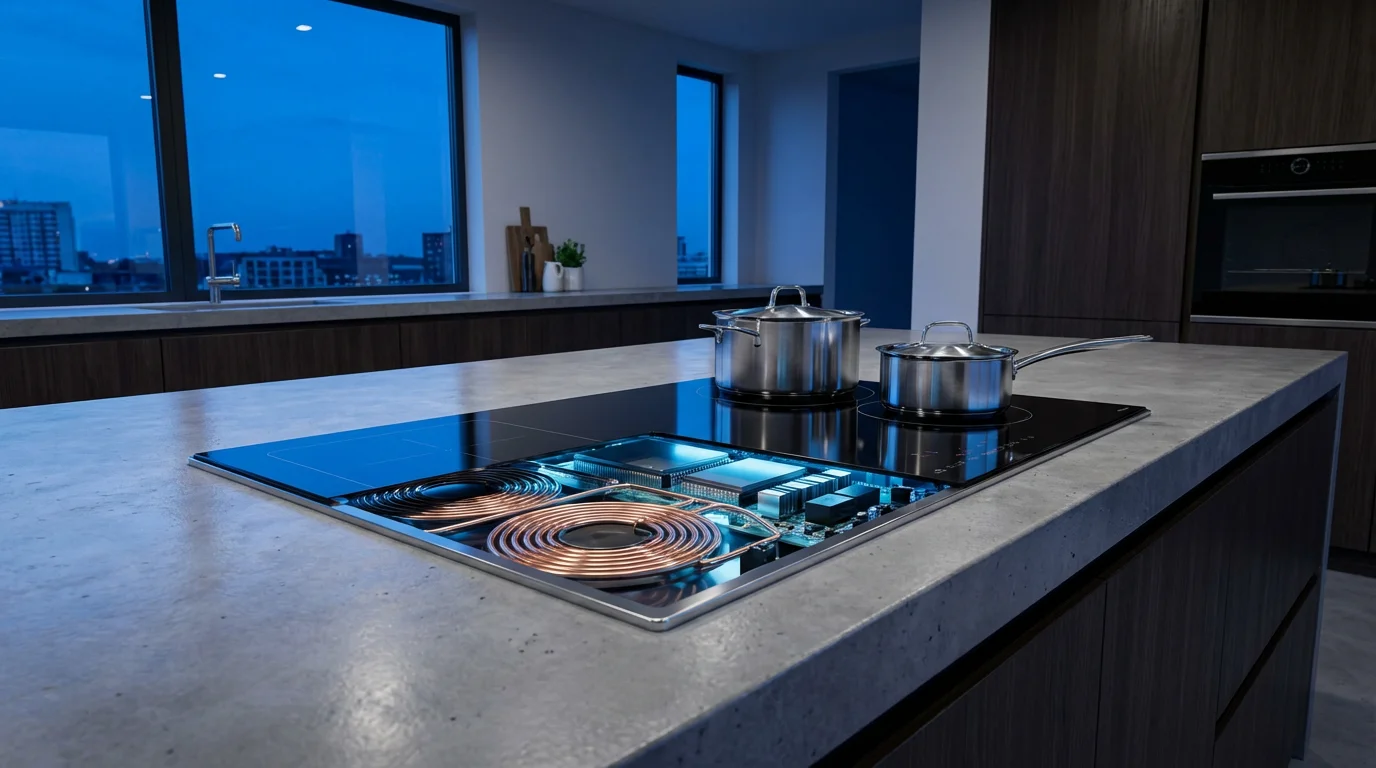
Induction skips the middleman. Underneath the ceramic glass surface lies a coil of copper wire. When you turn the burner on, an alternating electric current flows through the coil, creating an oscillating magnetic field. If you place a ferromagnetic (magnetic) pan on the burner, this magnetic field induces an electric current (eddy currents) directly inside the metal of the pan.
Because the metal offers resistance to this current, it generates heat rapidly. The glass top itself does not generate heat; the heat is created inside the cookware. The glass only gets hot because the hot pan sits on top of it. This distinction leads to nearly every benefit induction offers, from speed to safety.
The Major Pros: Why Make the Switch?
If you talk to anyone who has switched to induction, they rarely want to go back. The performance metrics generally blow gas and standard electric out of the water.
Unmatched Speed and Efficiency
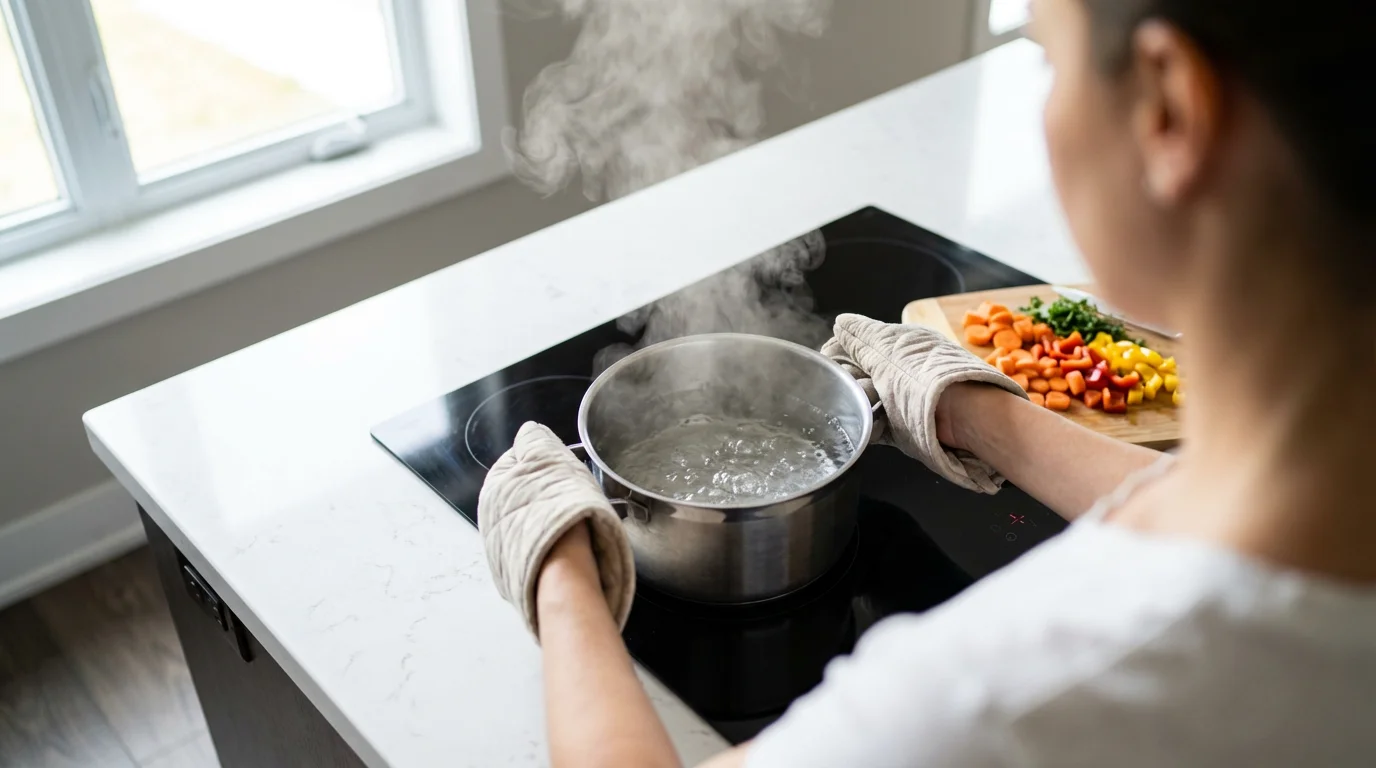
Induction is fast. A high-quality induction cooktop can boil 6 quarts (roughly 5.6 liters) of water in half the time it takes a standard gas burner. Because the energy goes directly into the pot rather than escaping into the air around it, induction is roughly 85% to 90% efficient. Compare that to gas, which is about 40% efficient, or radiant electric, which hovers around 70%.
“Counter space is premium real estate. Before you buy any appliance, ask: will I use this at least once a week?” — Kitchen Designer
While the quote above applies to small appliances, the efficiency of induction frees up time, which is just as valuable. You spend less time waiting for the pan to heat up and more time actually cooking.
Precision Temperature Control
Gas has long been the favorite of chefs because you can see the flame. However, induction offers even finer control. Many units allow you to set a specific temperature or utilize power levels that hold a steady simmer without fluctuating. You can melt chocolate directly in a saucepan on a low setting without a double boiler because the heat is so consistent and gentle.
Safety Features
Since the cooktop itself doesn’t generate heat, the surface stays much cooler than radiant electric stoves. If you accidentally turn on a burner with nothing on it, nothing happens—the unit senses the absence of a pan and won’t activate the magnetic field. This is a massive benefit for families with young children or curious pets. Furthermore, most units have auto-shutoff features if a pot boils over or is removed for more than a few seconds.
Easy Cleaning
Spills are inevitable. On a radiant electric stove, if pasta water boils over, it hits a surface that is 700°F or hotter, baking the starch onto the glass instantly. On induction, the glass around the pot is relatively cool. You can usually wipe up spills immediately with a damp cloth without fear of burning yourself or the mess hardening into cement.
The Cons: Cost, Noise, and Learning Curves
Despite the glowing reviews, induction isn’t perfect. There are barriers to entry that you need to consider before purchasing.
Initial Price and Installation
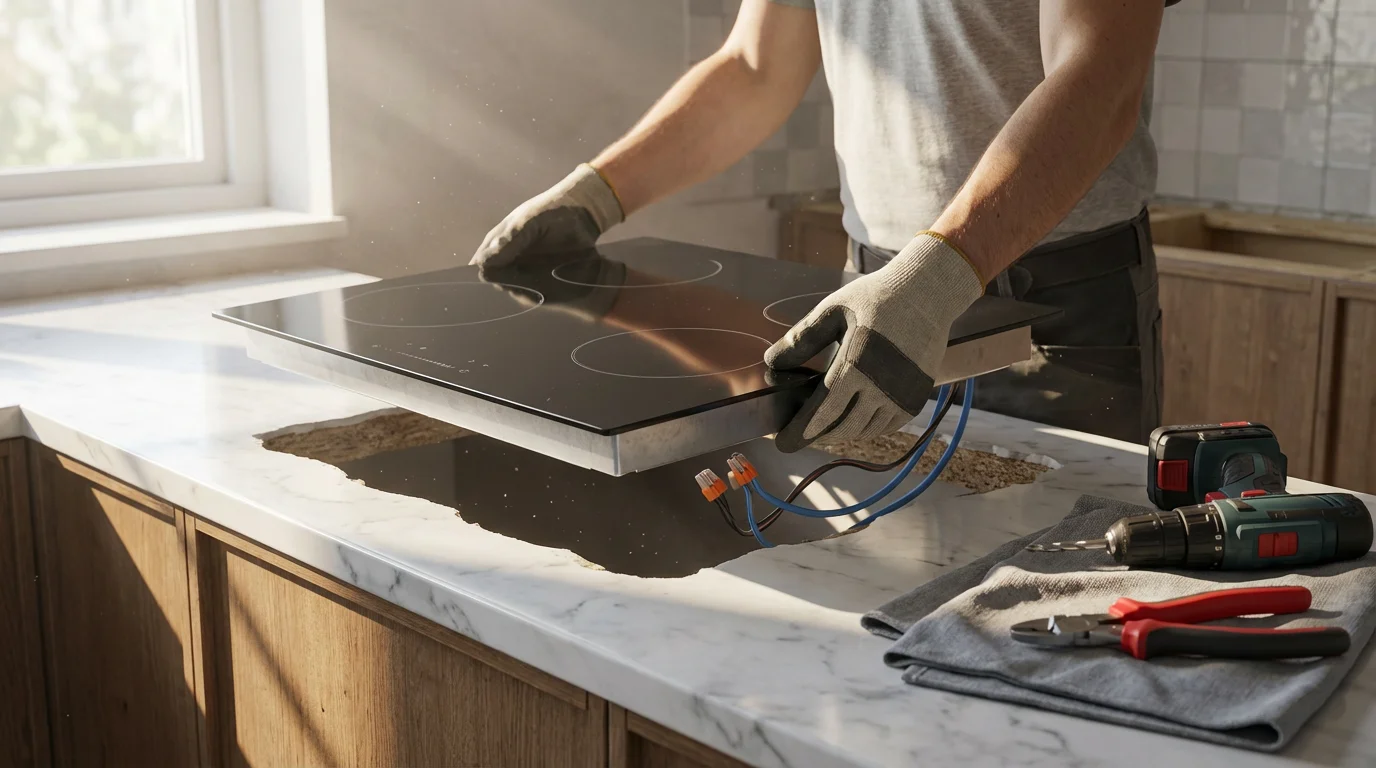
Induction ranges and cooktops are generally more expensive than their electric or gas counterparts. While prices have dropped significantly in recent years, you are still paying a premium for the technology. Additionally, if you are switching from gas to induction, you may need an electrician to install a dedicated 240-volt outlet with high amperage (usually 40 or 50 amps), adding to the upfront cost.
The Buzz and Hum
Induction cooking is not silent. You may hear a low hum or buzzing sound, especially at high power settings. This noise comes from the vibration of the coil and the cookware reacting to the magnetic field. Lighter, multi-ply pans tend to buzz more than heavy cast iron. You might also hear the cooling fan running inside the unit, similar to a laptop fan.
The Learning Curve
Because induction is so fast, it can catch new users off guard. Your oil will reach the smoke point in seconds, not minutes. You cannot walk away to chop an onion while the pan heats up; the pan will be ready immediately. You will need to adjust your cooking workflow to have your ingredients prepped (mise en place) before you turn on the heat.
The Cookware Dilemma: What You Can and Cannot Use
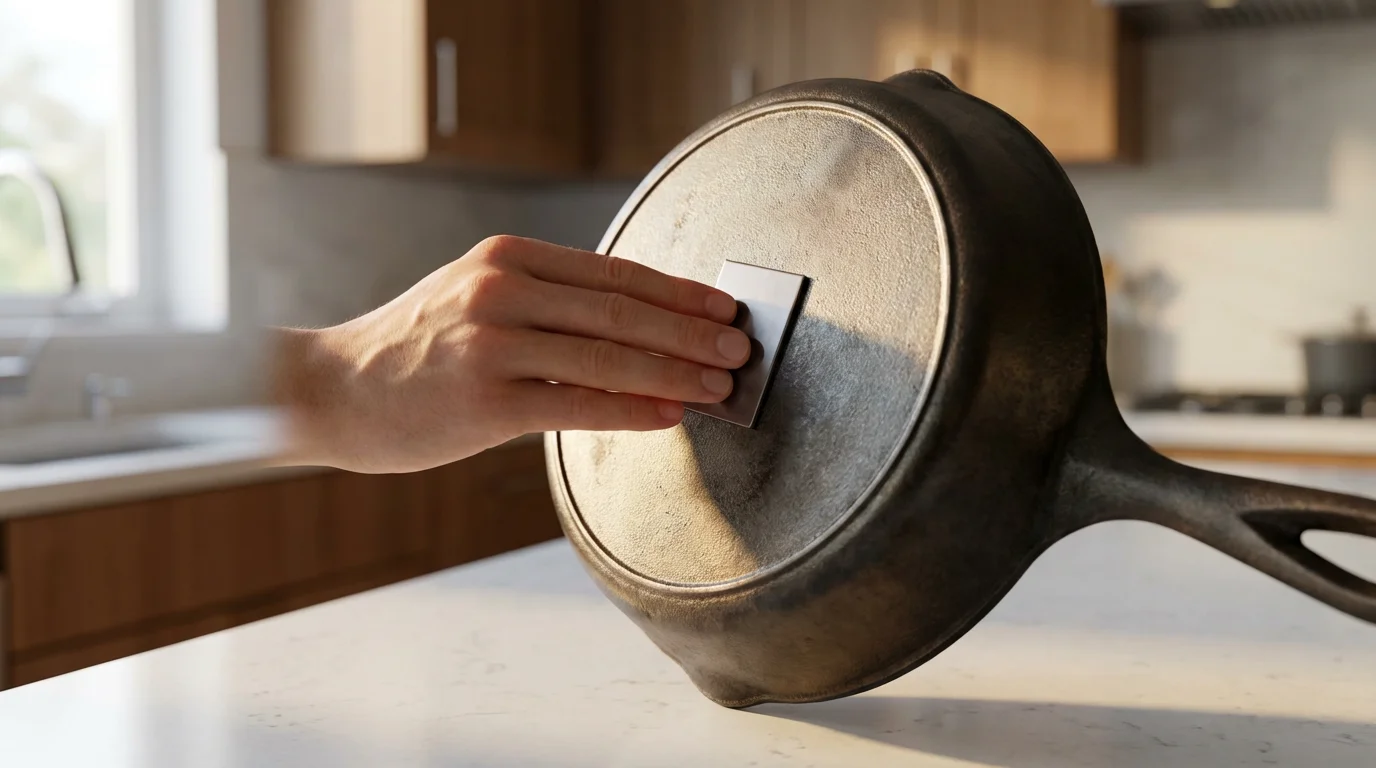
This is the most common hurdle for potential buyers. Induction relies on magnetism. If a magnet does not stick to the bottom of your pan, that pan will not work on an induction cooktop. It is that simple.
The Magnet Test
Take a magnet from your refrigerator and hold it to the bottom of your current pots and pans.
- Strong pull: This pan is perfect for induction.
- Weak pull: It might work, but performance could be inconsistent.
- No pull: This pan will not work at all.
What Works
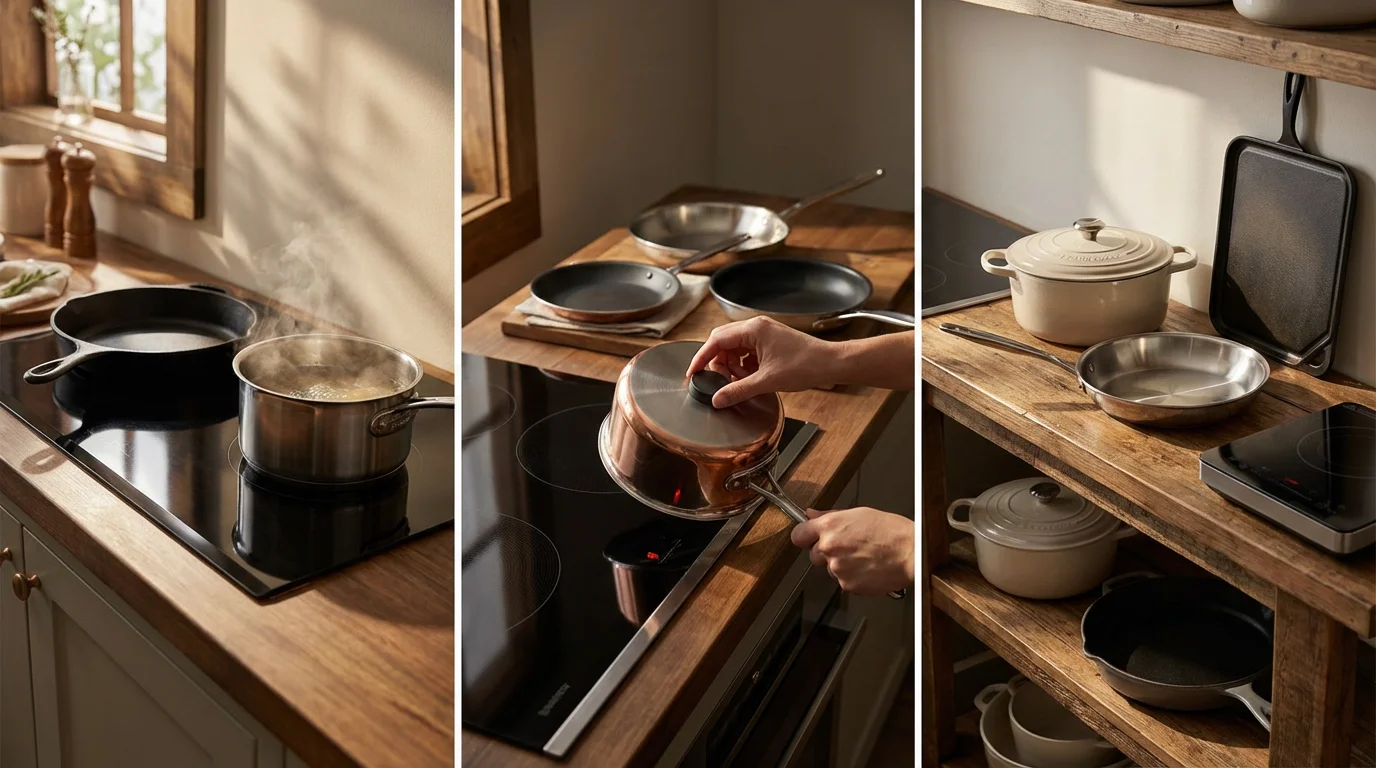
Cast Iron and Enameled Cast Iron: These are induction workhorses. Brands like Le Creuset or Lodge work beautifully because iron is highly magnetic. They retain heat well and don’t buzz as much as lighter pans.
Stainless Steel (Magnetic): Most high-quality multi-clad stainless steel pans (like All-Clad or Tramontina) are induction compatible. The exterior layer is usually a magnetic stainless steel specifically designed for this purpose. However, cheaper stainless steel pans might be made of nickel-heavy alloys that are not magnetic.
Carbon Steel: Like cast iron, carbon steel is excellent for induction. It is lighter than cast iron but offers similar searing capabilities.
What Usually Does Not Work
Aluminum: Unless it has a special magnetic base bonded to the bottom, aluminum will not generate heat.
Copper: Traditional solid copper pans are non-magnetic. However, manufacturers like Mauviel now make induction-compatible copper pans with a magnetic bottom layer.
Glass and Ceramic: Standard Pyrex or ceramic cookware cannot be used on induction.
The Flat Bottom Requirement
Induction requires close contact between the glass and the metal. Warped pans that spin or wobble will not heat evenly and may cause the sensors in the cooktop to shut off. If you have an old favorite frying pan that has bowed in the middle, it is time to retire it.
According to Serious Eats, the construction of the pan matters immensely; fully clad cookware distributes the intense heat of induction better than pans with just a magnetic disc on the bottom, which can lead to hot spots (heat concentrated only where the disc is).
Portable Burners vs. Full Ranges
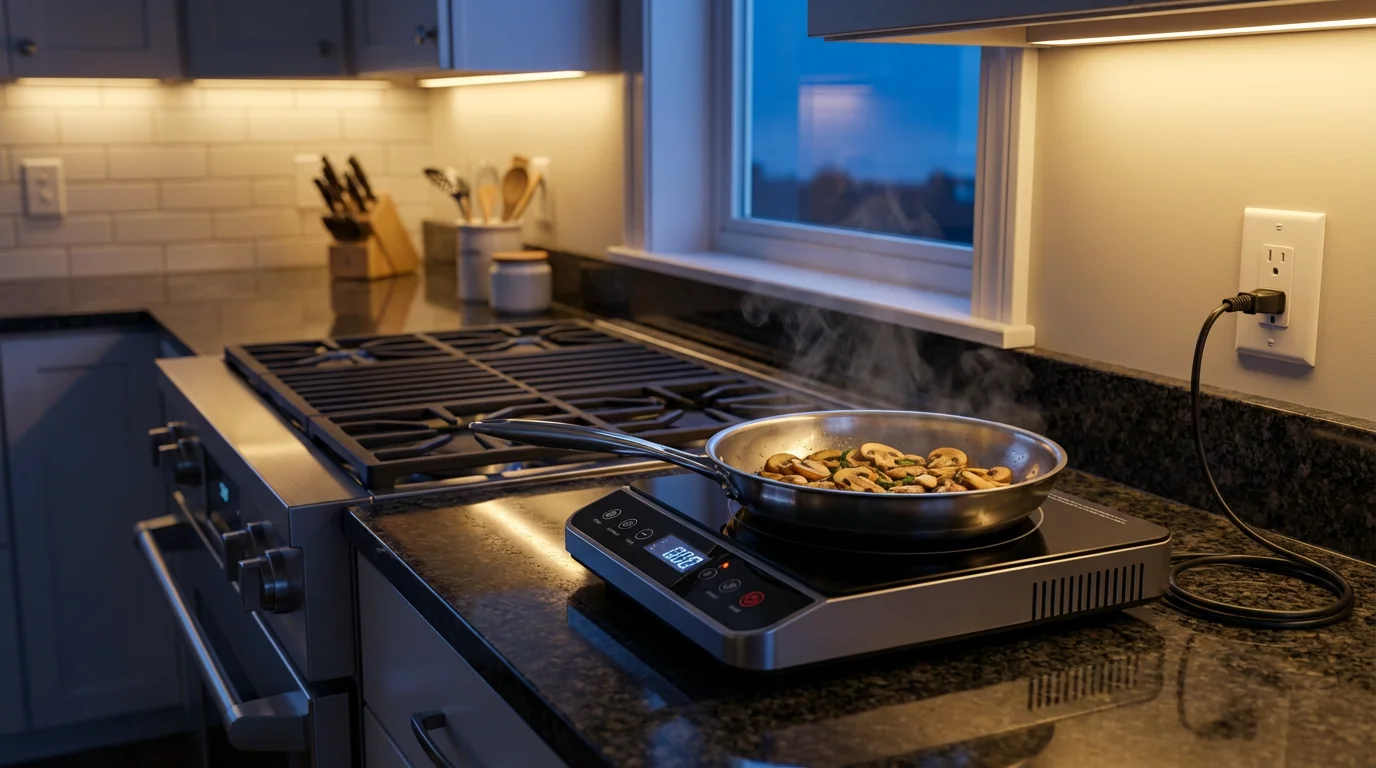
You don’t have to renovate your kitchen to try induction. The market is split between full-size ranges/cooktops and portable countertops units (PICs).
Portable Induction Cooktops (PICs)
These are single or double-burner units that plug into a standard 120-volt outlet. They are excellent for:
- Small apartments or dorm rooms with limited kitchen facilities.
- RVs and campers.
- Outdoor entertaining (if you have power access).
- Extra burner space during holidays.
- Testing if you like induction before buying a full range.
Wattage Limitations: A standard US outlet maxes out at about 1800 watts. Most portable units cap out around 1800 watts, whereas a built-in burner on a range might go up to 3700 watts with a “boost” feature. This means portable units are slower to boil water than full-size units, but still faster than many hot plates.
When selecting a portable unit, look for granular control. Cheaper models might only offer 10 temperature steps, making it hard to find the perfect simmer. High-end models allow you to adjust by single degrees.
For those looking for reliability in this category, Wirecutter has extensively tested portable options, noting that the physical interface (buttons vs. knobs) significantly impacts usability during active cooking.
Full Ranges and Built-Ins
These replace your current stove. They require 240-volt power (like a clothes dryer). The primary advantage here is power sharing. You can run four burners simultaneously, and high-end models offer “flex zones” where you can place a large griddle across two burners, and the cooktop detects the pan’s footprint to heat the entire area evenly.
Comparison: Induction vs. Gas vs. Electric
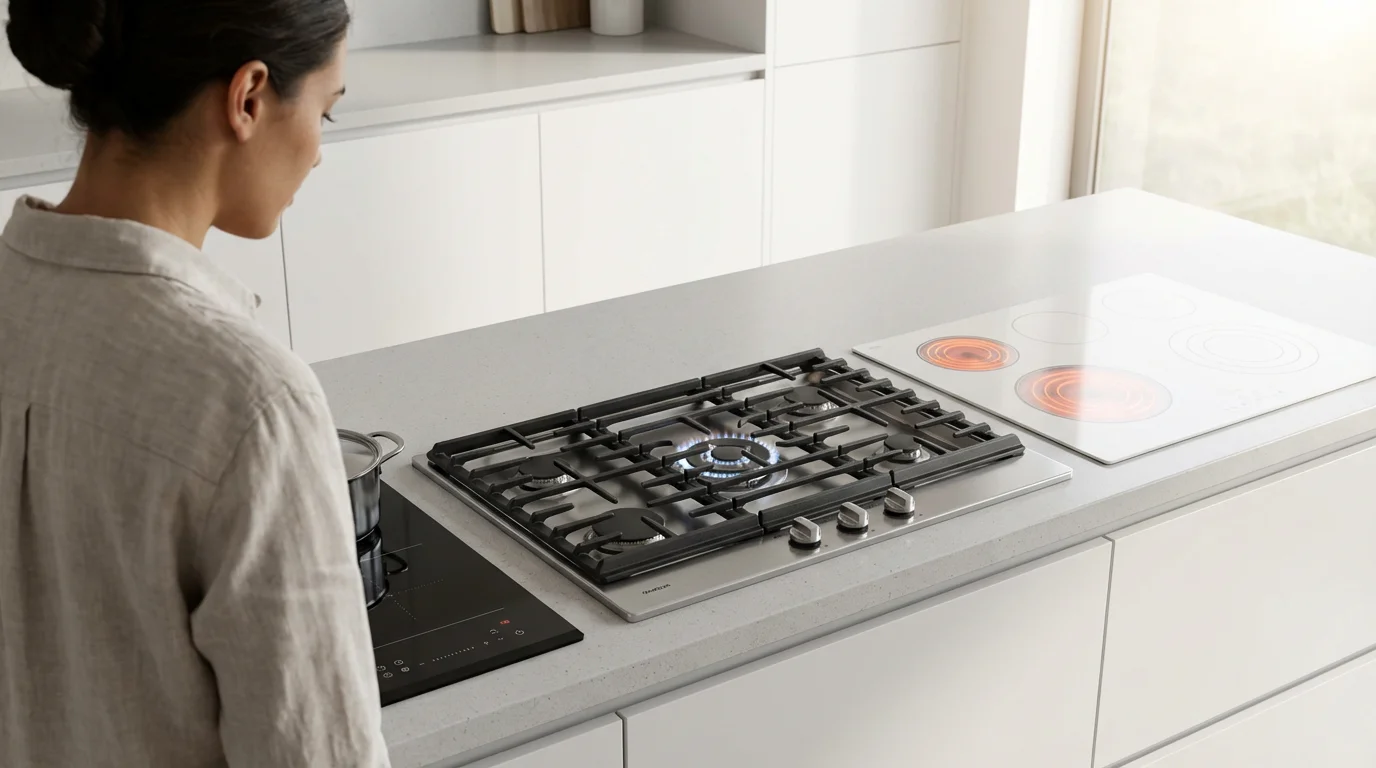
To help you visualize the differences, here is a breakdown of how the three major technologies stack up against each other.
| Feature | Induction | Gas | Radiant Electric |
|---|---|---|---|
| Heating Speed | Fastest (Rapid Boil) | Moderate | Slow |
| Energy Efficiency | High (~90%) | Low (~40%) | Medium (~70%) |
| Temperature Control | Precise and Immediate | Visual and Immediate | Lagged Response |
| Ease of Cleaning | Excellent (Flat, cool surface) | Difficult (Grates and burners) | Good (Flat, but burns spills) |
| Safety | High (No open flame, auto-off) | Low (Open flame, gas leaks) | Medium (Surface stays hot) |
| Cookware Needs | Magnetic Only | Any | Any Flat Bottom |
Key Features and Specifications to Look For
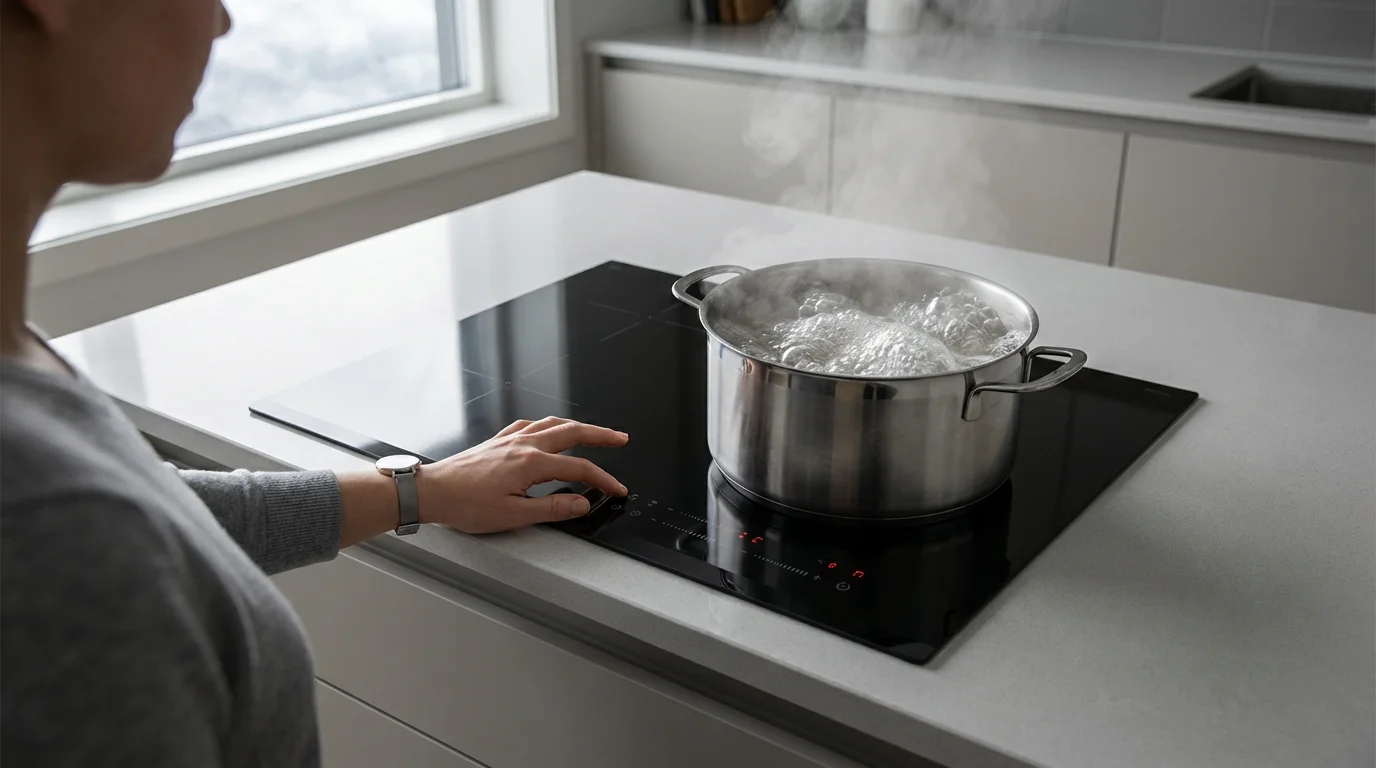
When shopping, descriptions can be filled with jargon. Here is what actually matters for your cooking experience.
Wattage and Power Boost:
Wattage determines how much power the appliance uses to create heat. Higher wattage means faster searing and boiling. Look for a “Power Boost” feature, which temporarily diverts power from other zones to one burner to boil water at maximum speed (often exceeding 3000 watts).
Burner Size and Layout:
Ensure the cooktop has at least one large element (11 inches or larger) to accommodate big stockpots or large skillets. If the element is too small for the pan, you will only heat the center, leaving the edges cold.
Bridge Elements:
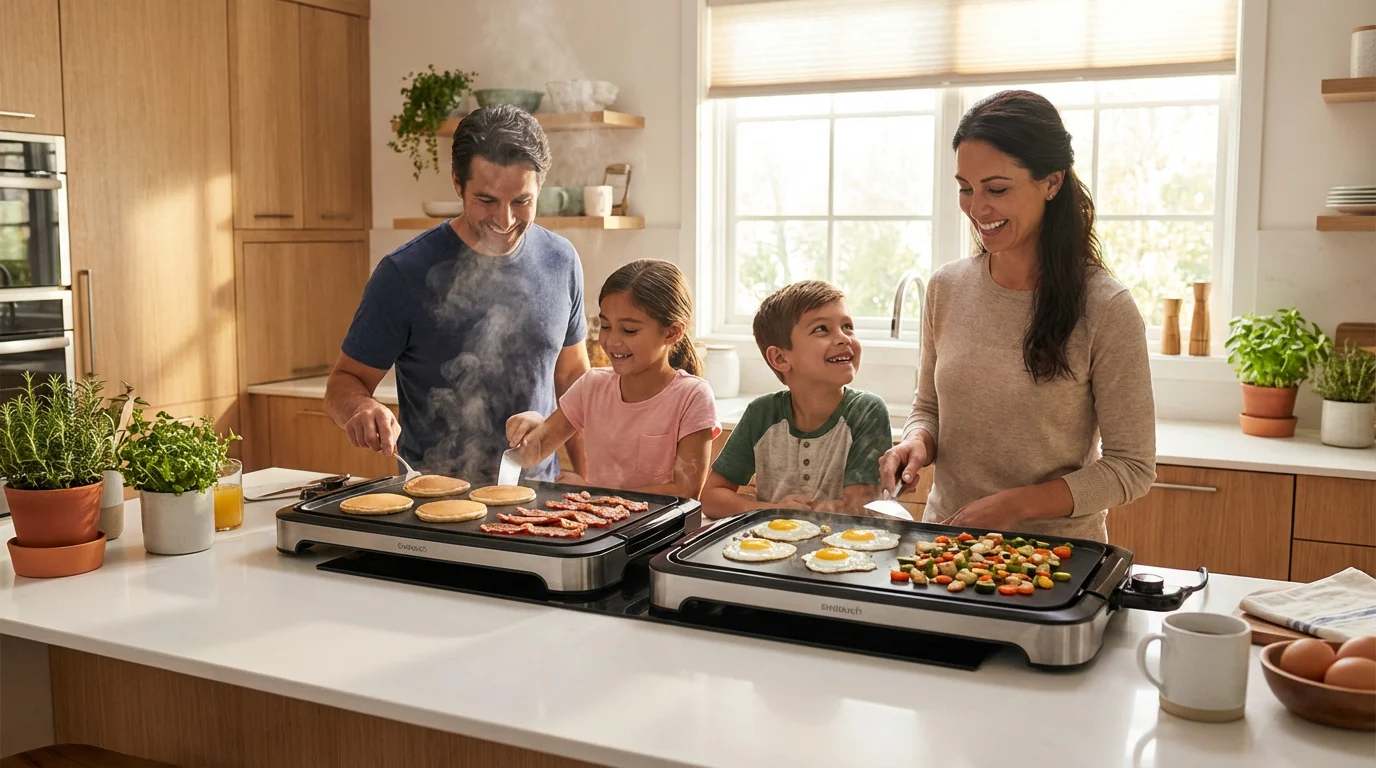
A bridge element allows you to sync two vertical burners to act as one long burner. This is essential if you plan to use a rectangular griddle for pancakes or burgers.
Control Interface:
Do you prefer tapping glass or turning a knob?
- Touch Controls: Sleek and easy to wipe clean, but can be finicky if your hands are wet or greasy.
- Physical Knobs: Rare on induction cooktops but available on some high-end ranges. They offer tactile feedback that many cooks prefer.
- Virtual Sliders: A middle ground where you slide your finger to adjust heat, which is faster than tapping a “+” button twenty times.
Timers and Auto-Off:
Some cooktops allow you to set a timer for a specific burner, which will turn that burner off automatically when time is up. This is great for rice or pasta.
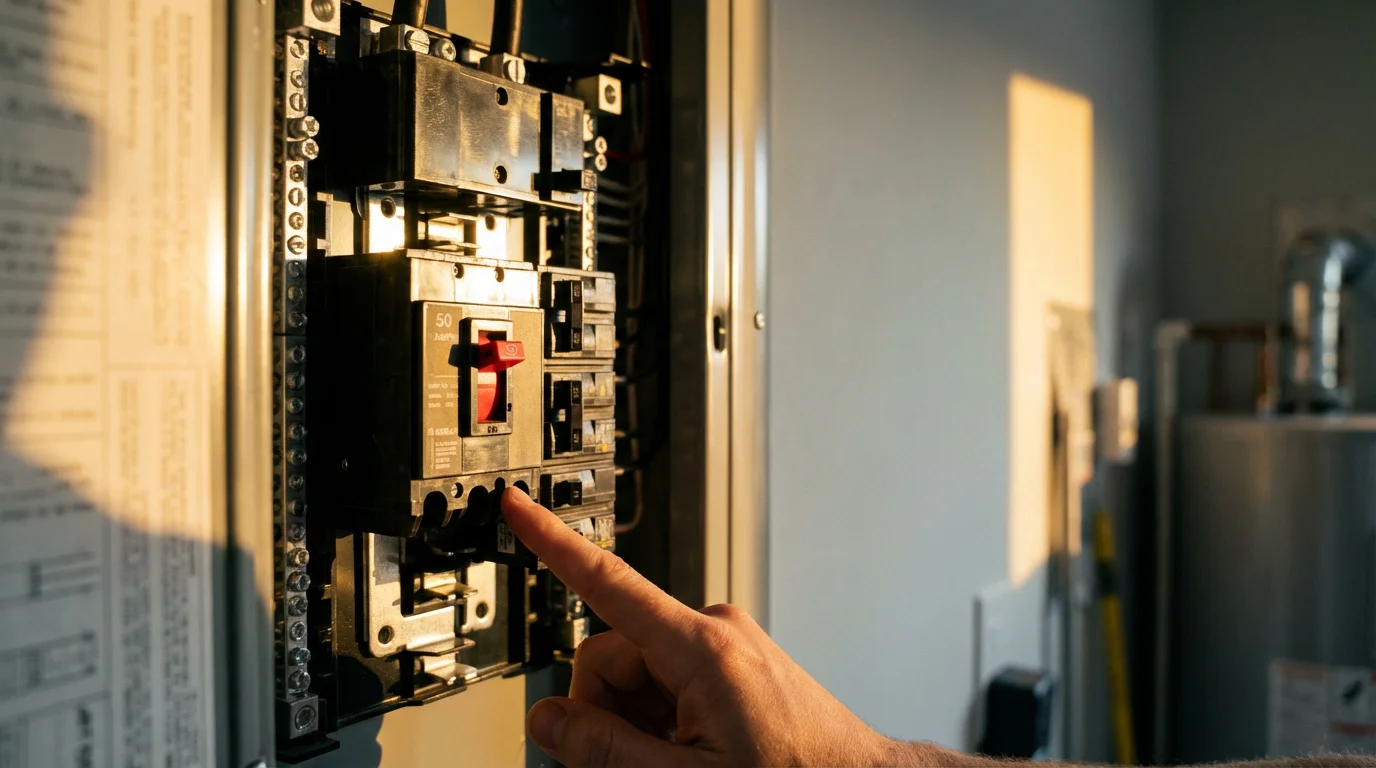
Installation and Power Requirements
If you are buying a portable unit, you simply need a standard 3-prong outlet. However, ensure the circuit is not overloaded. A 1800-watt induction burner draws about 15 amps. If you run your toaster and coffee maker on the same circuit simultaneously, you will likely trip the breaker.
For built-in cooktops and ranges, checking your electrical panel is mandatory. Most require a 240-volt circuit grounded with a 40 or 50-amp breaker. If you are replacing an old electric stove, you likely have the wiring in place. If you are replacing gas, you will need a licensed electrician to run a new heavy-duty line from your breaker box to the kitchen.
Ventilation: While induction doesn’t produce combustion gases like gas stoves, it still produces smoke and steam from the food. You still need a range hood or downdraft vent.
Maintenance and Durability
Induction cooktops are durable, but the glass-ceramic surface is not invincible.
Preventing Scratches:
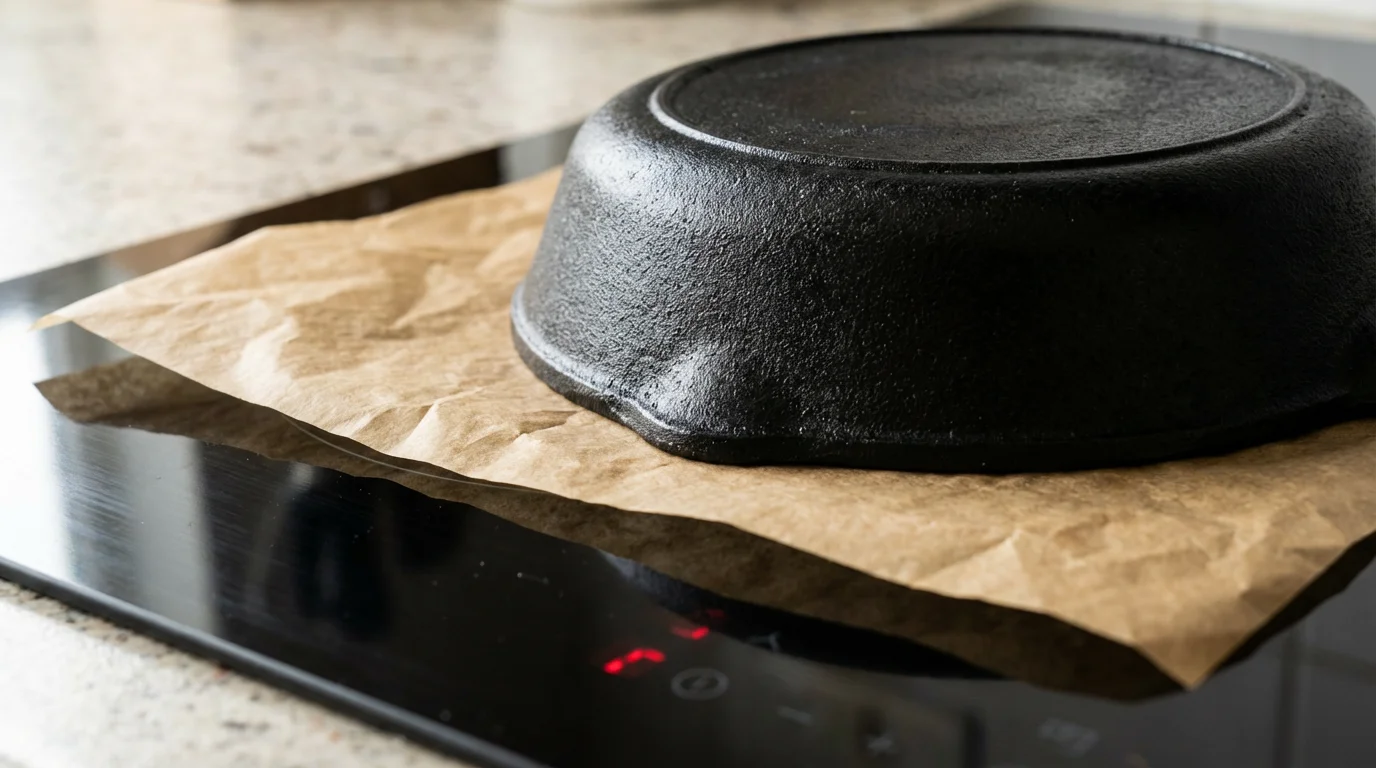
Cast iron is heavy and rough. If you drag a cast iron skillet across the glass, you will scratch it. Always lift pans to move them. Some users place a piece of parchment paper or a silicone baking mat between the pan and the cooktop during cooking. Because the surface doesn’t get hot enough to burn paper (unless you sear at max temp for long periods), this can protect the glass from scratches and spills.
Cleaning:
Avoid abrasive sponges or steel wool. Use a dedicated ceramic cooktop cleaner or a paste of baking soda and water. A razor blade scraper can remove stubborn residue, but use it carefully at a low angle.
Durability Issues:
The electronics are the weak point. Inverters and control boards can fail over time. According to reliability surveys from Consumer Reports, induction cooktops generally have similar reliability rates to electric smoothtops, but repairs can be more expensive due to the complex parts involved.
Frequently Asked Questions
Does induction cooking interfere with pacemakers?
There has been concern that the electromagnetic fields generated by induction units could interfere with pacemakers or insulin pumps. While modern pacemakers are shielded, the British Heart Foundation and other health organizations suggest maintaining a distance of at least 2 feet (60cm) from the cooktop if you have a pacemaker. Consult your cardiologist and the device manufacturer for specific advice regarding your medical equipment.
Why does my induction cooktop make a clicking noise?
Clicking usually happens at lower heat settings. Induction units often cycle the power on and off rapidly to maintain a low temperature (similar to how a microwave works). The clicking is the sound of the electronics switching. This is normal behavior, especially in portable or budget-friendly models.
Can I use a converter disk for my non-magnetic pans?
Yes, you can buy a steel interface disk that sits on the burner, heats up, and transfers heat to your non-magnetic pan. However, this defeats the purpose of induction. It makes the system slow, inefficient, and the surface becomes dangerously hot. It is generally better to invest in compatible cookware than to rely on interface disks for daily cooking.
Is induction cheaper to run than gas?
In terms of energy efficiency, yes. Induction uses electricity very efficiently, wasting little heat. However, the cost difference depends on your local utility rates. In areas where electricity is expensive and natural gas is cheap, the operational cost might be similar or slightly higher for induction, even though it uses less energy overall.
Disclaimer: Product prices, features, and availability change frequently. Prices shown were accurate at time of writing but may have changed. We may earn a small commission from purchases made through links on this site, at no extra cost to you. Always verify current pricing and specifications on the retailer’s website before purchasing.


Leave a Reply