
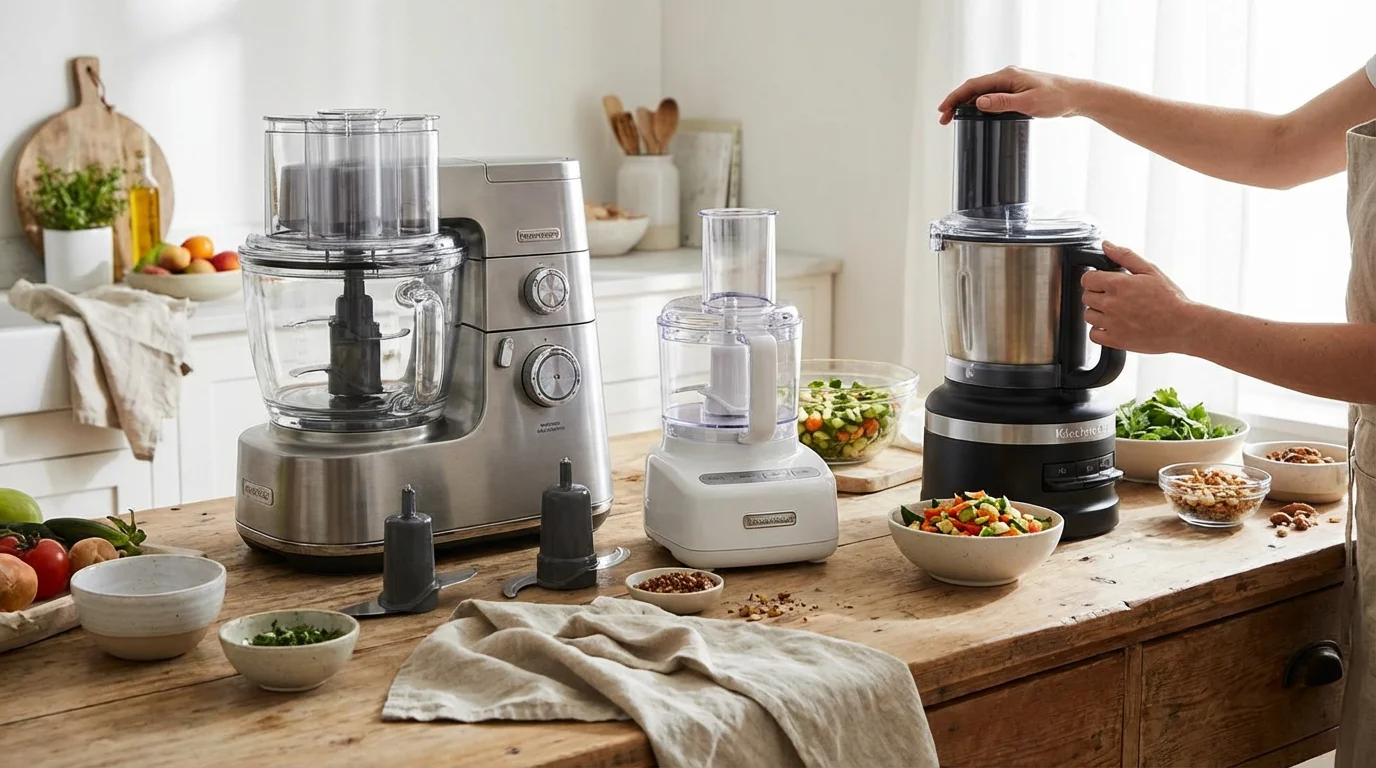
A food processor stands as a versatile, indispensable chopping appliance in any modern kitchen, dramatically reducing food prep time. It handles tasks from slicing vegetables and shredding cheese to kneading dough and pureeing sauces. However, choosing the right model involves more than just picking a brand. You must consider bowl capacity, motor power, and the available counter space in your kitchen. This guide empowers you to select a food processor that truly fits your lifestyle, ensuring it becomes a workhorse rather than a dust collector.
Understanding Food Processor Sizes
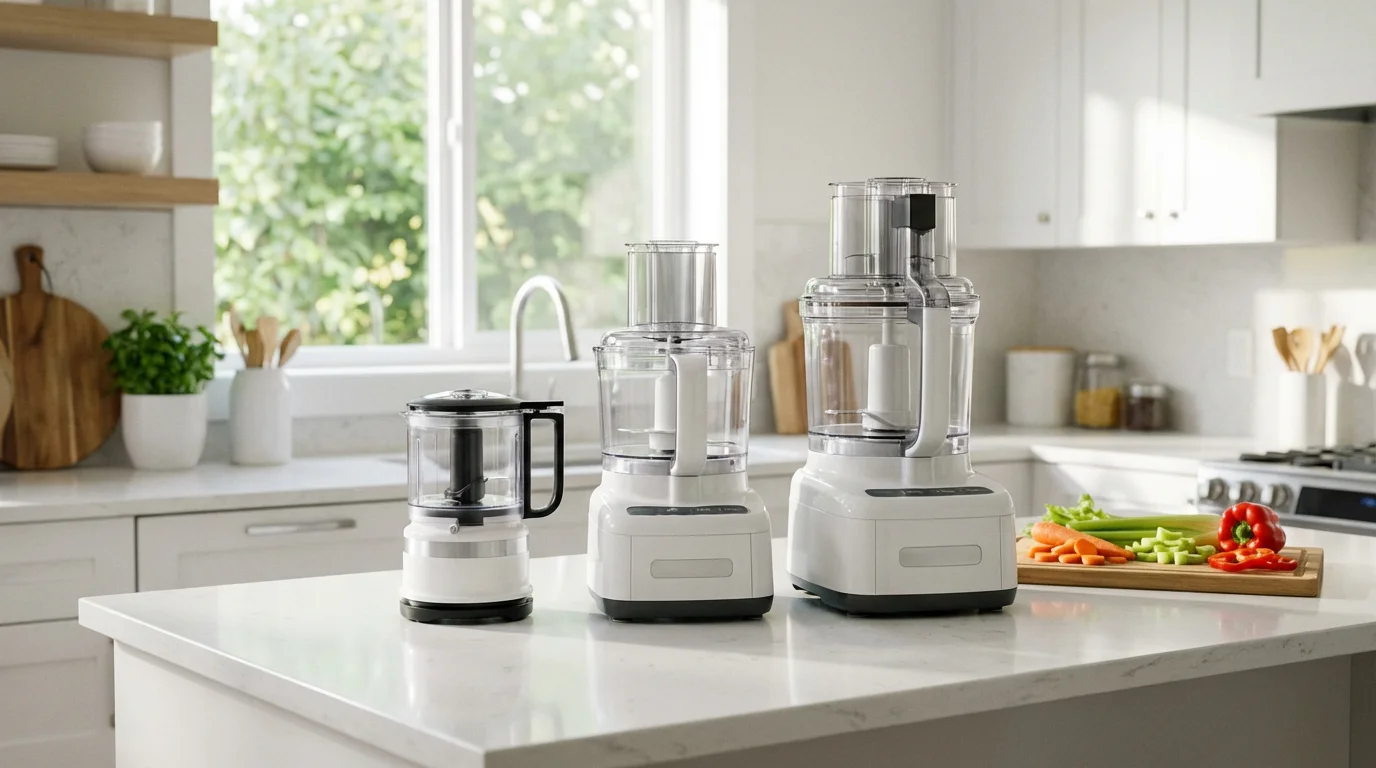
Food processors come in a range of sizes, primarily defined by their bowl capacity. This capacity, usually measured in cups, dictates how much food you can process at one time. Matching the capacity to your typical cooking needs is the first critical step in your decision. You will find models ranging from compact choppers to robust, extra-large machines designed for serious cooking.
Mini Food Processors (1-4 cups)
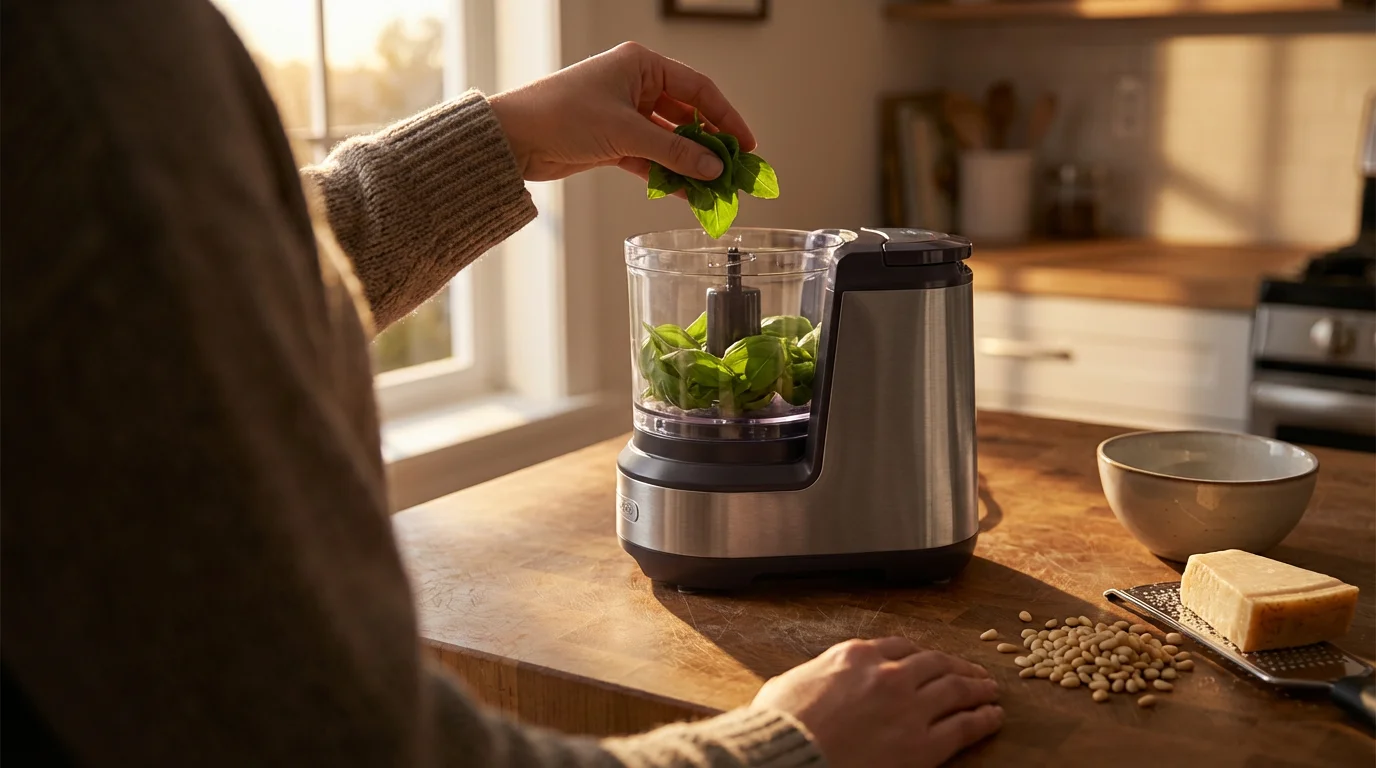
Mini food processors, often called choppers, feature capacities between 1 and 4 cups. These compact units excel at small, quick tasks. Think mincing garlic, chopping herbs, making a single serving of pesto, or grinding spices. They occupy minimal counter space, making them ideal for individuals or couples who rarely cook large meals. Their smaller footprint also makes them easy to store in a cabinet.
- Typical Uses: Mincing, chopping small quantities, creating dips and sauces for one or two.
- Pros: Space-saving, quick to clean, affordable.
- Cons: Limited capacity, struggles with larger or tougher ingredients, fewer blade options.
Compact or Mid-Size Food Processors (5-9 cups)
Stepping up in size, compact or mid-size food processors typically offer 5 to 9 cups of capacity. These are often considered the sweet spot for many home cooks. They manage a wider array of tasks without overwhelming your kitchen. You can chop onions for a family meal, shred cheese for a casserole, or prepare dough for a small batch of cookies. Many models in this range come with a few interchangeable blades, expanding their versatility. This category often suits small families (2-4 people) or individuals who enjoy cooking frequently.
- Typical Uses: Daily vegetable prep, shredding, mixing small batters, making salsas.
- Pros: Good balance of capacity and footprint, versatile, suitable for most common tasks.
- Cons: May still be too small for large batch cooking, some models lack advanced features.
Full-Size Food Processors (10-14 cups)
Full-size food processors, with capacities ranging from 10 to 14 cups, are the most popular choice for average to large families and those who entertain regularly. These powerful machines handle significant volumes of ingredients, making them excellent for meal prepping, holiday cooking, or baking large batches. You can process an entire head of cabbage for coleslaw, knead dough for multiple loaves of bread, or make a big batch of hummus. They usually come with a variety of blades and discs for slicing, shredding, chopping, and kneading. As Wirecutter often highlights, these larger models offer the best combination of power and versatility for most households.
- Typical Uses: Large-batch chopping, shredding, slicing, kneading bread dough, making purees, prepping for entertaining.
- Pros: High capacity, very versatile with multiple attachments, powerful motors, handles demanding tasks.
- Cons: Larger footprint, heavier, higher price point.
Extra-Large Food Processors (16+ cups)
For professional chefs, serious home entertainers, or large families that cook in bulk, extra-large food processors with capacities of 16 cups or more are the answer. These are heavy-duty machines built for continuous, demanding use. They can process huge quantities of food, ideal for canning, preserving, or preparing for significant events. Expect robust motors and durable construction designed to withstand the toughest ingredients.
- Typical Uses: Commercial applications, catering, large-scale meal prep, extensive baking and preserving.
- Pros: Maximum capacity, extreme durability, professional-grade performance.
- Cons: Very large and heavy, expensive, often overkill for average home use.
Decoding Food Processor Power and Motor Types
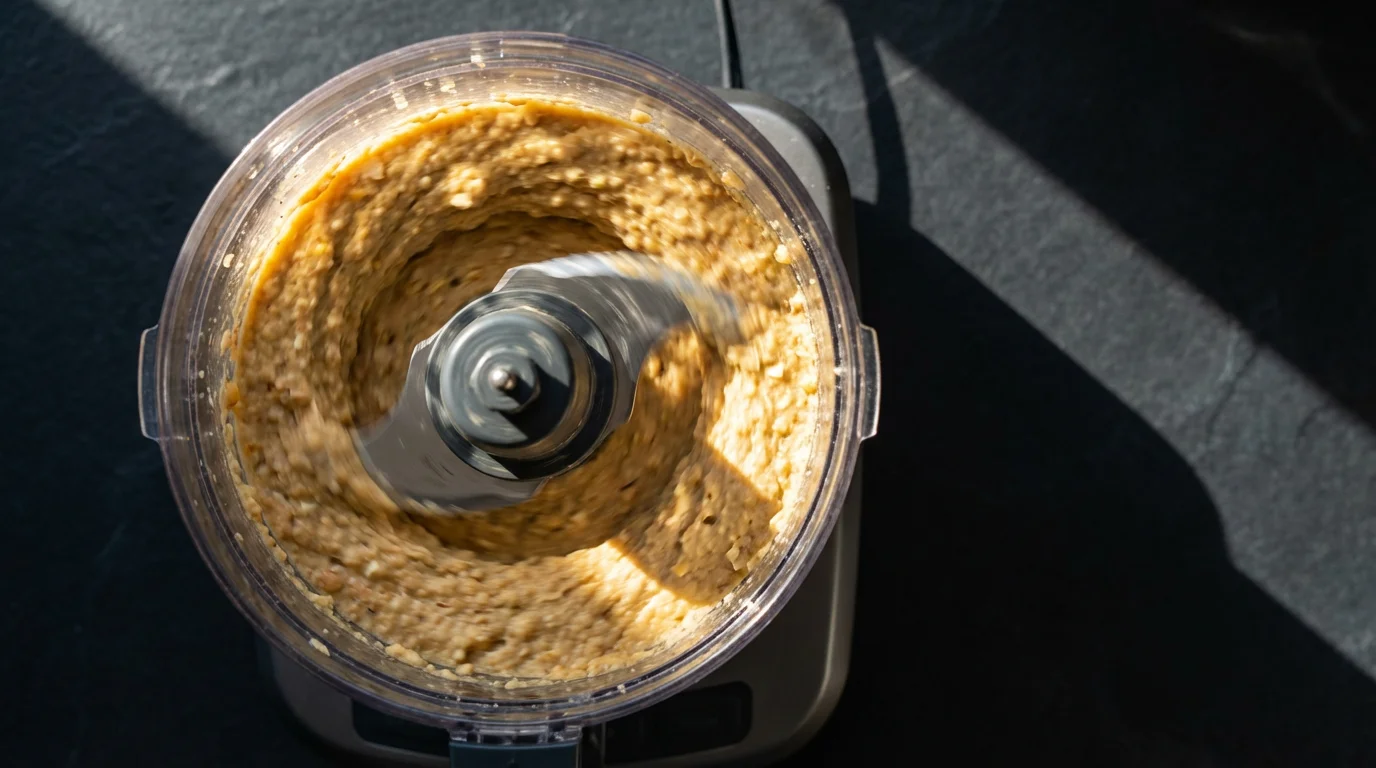
Beyond size, a food processor’s power, or wattage, significantly impacts its performance, especially when dealing with tough ingredients. Wattage indicates how much power an appliance uses, with higher numbers generally signifying more robust processing capabilities. Food processors typically range from 250 watts for mini choppers to over 1,000 watts for full-size and extra-large models.
Understanding Wattage
- 250-400 Watts (Mini to Compact): These motors handle soft foods and small chopping tasks well. They are sufficient for herbs, nuts, soft vegetables, and light pureeing. Expect them to struggle with dense ingredients like hard cheeses, root vegetables, or kneading stiff dough.
- 500-700 Watts (Mid-Size to Full-Size): This power range provides a good balance for most home cooks. These models can easily shred cheese, slice firm vegetables, chop onions, and mix batters. They generally manage moderate dough kneading without strain.
- 800-1200+ Watts (Full-Size to Extra-Large): High-wattage motors are necessary for heavy-duty tasks. If you plan to regularly knead stiff bread dough, process large batches of root vegetables, or grind meat, aim for a food processor in this range. These powerful units work quickly and efficiently through tough ingredients, reducing processing time and preventing motor burnout. As Serious Eats equipment reviews often confirm, a higher wattage provides smoother operation and greater longevity for intensive tasks.
Motor Types: Induction vs. Universal
While wattage is important, the type of motor also plays a role in performance and durability.
- Universal Motors: Most smaller and mid-range food processors use universal motors. These are often more compact, lighter, and less expensive to manufacture. They operate at high speeds but can be louder and may have a shorter lifespan compared to induction motors, especially under heavy load.
- Induction Motors: Found in higher-end, full-size, and extra-large food processors, induction motors are heavier, quieter, and more durable. They maintain consistent speed even with heavier loads, making them ideal for kneading dough or processing large quantities of dense foods. Their robust build contributes to a longer appliance life, though they come with a higher price tag.
When selecting your food processor, consider both the wattage and motor type. A powerful induction motor provides the best performance and longevity, especially for frequent and demanding food prep.
“Think of your food processor’s motor as its heart. A stronger heart handles tougher jobs more efficiently and lasts longer. Don’t underestimate the importance of wattage and motor type for consistent performance.”
Matching Food Processor Size to Your Household and Cooking Habits
The perfect food processor size directly correlates with your household size, how often you cook, and the types of dishes you prepare. A mismatch often leads to frustration, either from having to process ingredients in multiple small batches or from an oversized machine hogging valuable kitchen real estate.
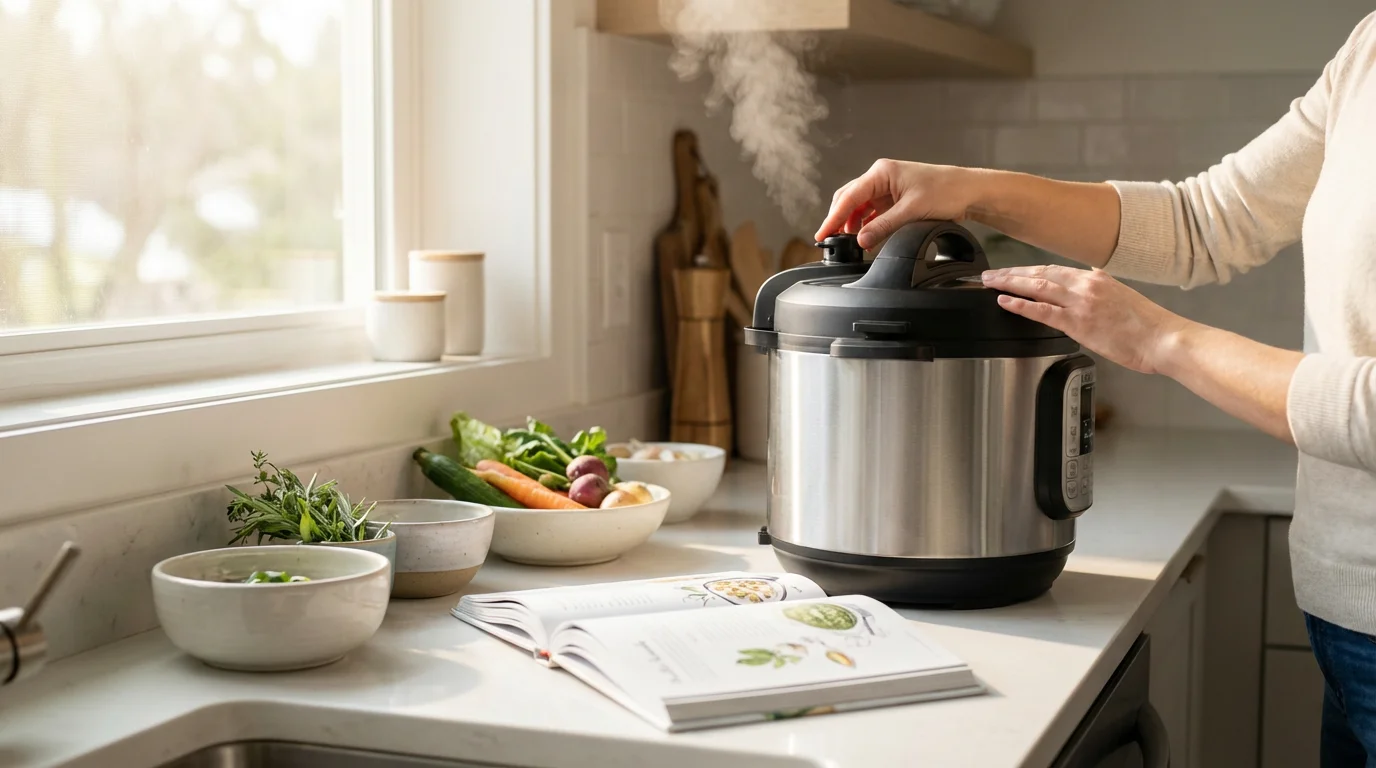
If you are meal prepping for a busy week, you might also find that electric pressure cookers are a great companion for cooking large quantities of food quickly.
For Individuals or Couples (1-2 People)
If you cook primarily for yourself or one other person, a mini (1-4 cup) or small compact (5-7 cup) food processor offers sufficient capacity. These are excellent for quick weeknight meals, preparing individual portions, or making small amounts of dips and dressings. They are easy to retrieve, use, and clean, encouraging daily use. You won’t feel the need to process half an onion at a time in a huge bowl.
For Small Families (3-4 People)
A compact (7-9 cup) or a modest full-size (10-11 cup) food processor is generally the best fit for small families. This range allows you to shred a block of cheese, slice vegetables for a side dish, or make a reasonable batch of soup without constantly emptying the bowl. It strikes a balance between processing capacity and manageable kitchen footprint, making it a practical choice for everyday cooking and occasional entertaining.
For Large Families or Regular Entertainers (5+ People)
For larger families, those who love to entertain, or cooks who engage in batch cooking and meal prep, a full-size (12-14 cup) or even an extra-large (16+ cup) food processor is essential. These capacities handle significant volumes of ingredients, preventing multiple laborious batches. Imagine chopping multiple onions, slicing several pounds of potatoes, or kneading dough for several loaves of bread in one go. The time savings are substantial, making elaborate meals much more accessible. According to Consumer Reports’ small appliance ratings, larger models often offer the power and features needed for these demanding tasks.
Consider Your Cooking Style:
- Daily Quick Prep: If you primarily use a food processor for chopping a few vegetables or making a quick sauce, a smaller, easier-to-clean model is best.
- Baking & Dough: For bakers, especially those who make bread, a full-size processor with a powerful motor (800+ watts) and a dough blade is indispensable.
- Meal Prepping & Bulk Cooking: Larger capacities are key for anyone who prepares meals for the week ahead or buys ingredients in bulk.
- Specialty Tasks: If you frequently make nut butter, grind meat, or process very tough ingredients, prioritize a high-wattage motor regardless of bowl size.
Key Features Beyond Size and Power
While size and power form the foundation of your food processor choice, several other features significantly enhance usability, versatility, and safety. Paying attention to these details ensures you invest in a machine that truly meets your cooking demands.
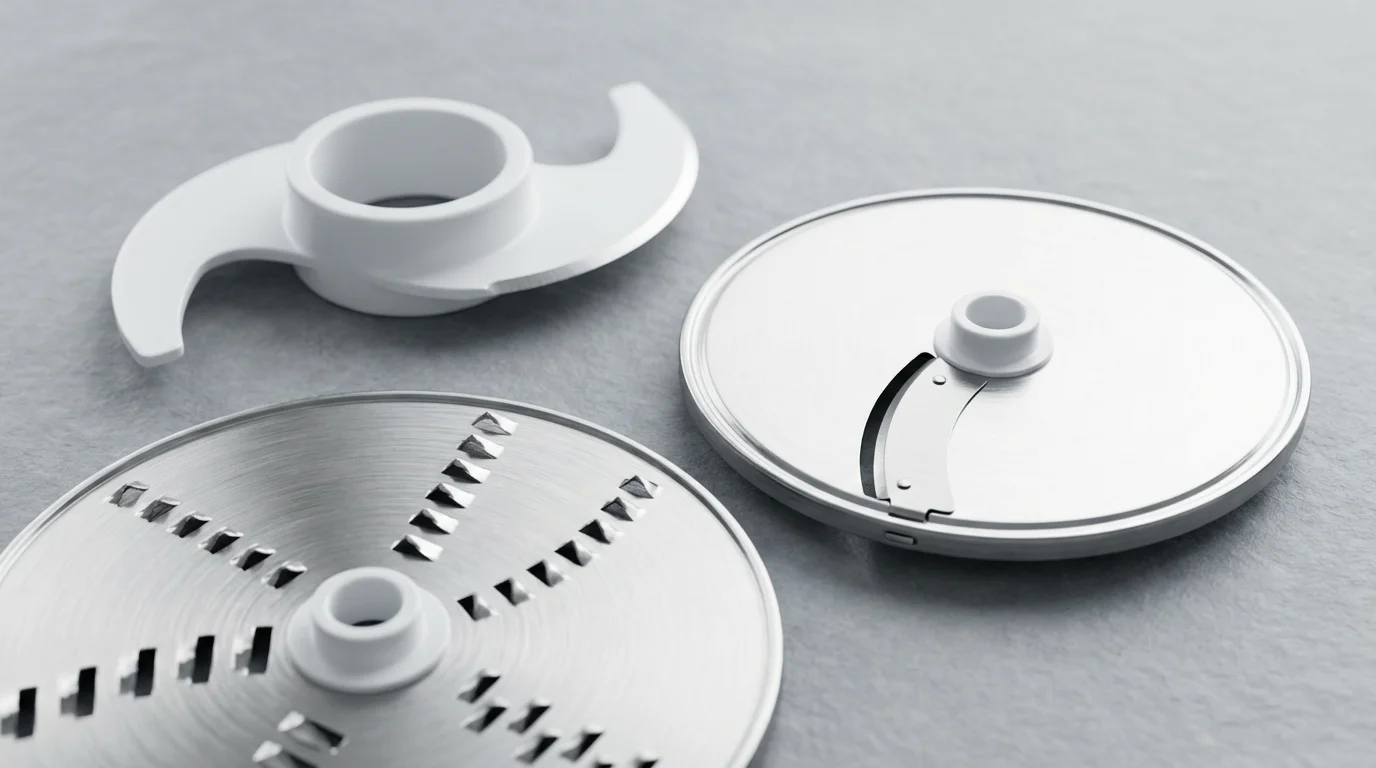
Blades and Discs
Most food processors come with a basic S-blade for chopping, mixing, and pureeing. However, versatility often hinges on the additional attachments included. Look for:
- Slicing Discs: Adjustable slicing discs allow you to control the thickness of your slices, from paper-thin cucumbers to thick potato gratin.
- Shredding Discs: Coarse and fine shredding discs are invaluable for cheese, carrots, cabbage, and other vegetables. The best food processor for shredding cheese will have durable, sharp shredding discs that handle hard cheeses without clogging.
- Dough Blade: A plastic dough blade is essential for kneading bread dough, pizza dough, and pastry dough.
- Julienne Disc: Creates matchstick-sized cuts, perfect for salads or stir-fries.
- Whisk/Emulsifying Disc: Useful for whipping cream or making mayonnaise.
Consider the material of the blades. Stainless steel is standard, but look for sharp, robust blades that resist dulling over time.
Feed Tube Size
The feed tube is where you insert ingredients into the processing bowl. A wider feed tube minimizes pre-chopping, saving you time. Some models feature “wide-mouth” or “extra-wide” feed tubes that can accommodate whole potatoes, large onions, or blocks of cheese. This significantly speeds up food prep, making the appliance more efficient.
Controls and Speed Settings
Simple controls are often best. Most food processors feature “on,” “off,” and “pulse” settings. The “pulse” function gives you greater control over texture, allowing for quick bursts of power without over-processing. Some advanced models offer multiple speed settings, which can be useful for different tasks: a lower speed for kneading dough, a higher speed for pureeing.
Bowl Material and Durability
Food processor bowls are typically made from durable plastic, often Tritan, which is shatter-resistant and BPA-free. Glass bowls are also available but are heavier and more prone to breaking. Ensure the bowl, lid, and pusher are robust and designed to withstand frequent use. Look for tight-sealing lids to prevent leaks, especially when processing liquids.
Safety Features
Modern food processors incorporate safety interlocks, preventing the machine from operating unless the bowl and lid are correctly assembled. This is a crucial feature, especially in busy kitchens or homes with children. Overload protection, which shuts off the motor if it senses too much strain, also protects the appliance from damage.
Navigating Counter Space and Storage
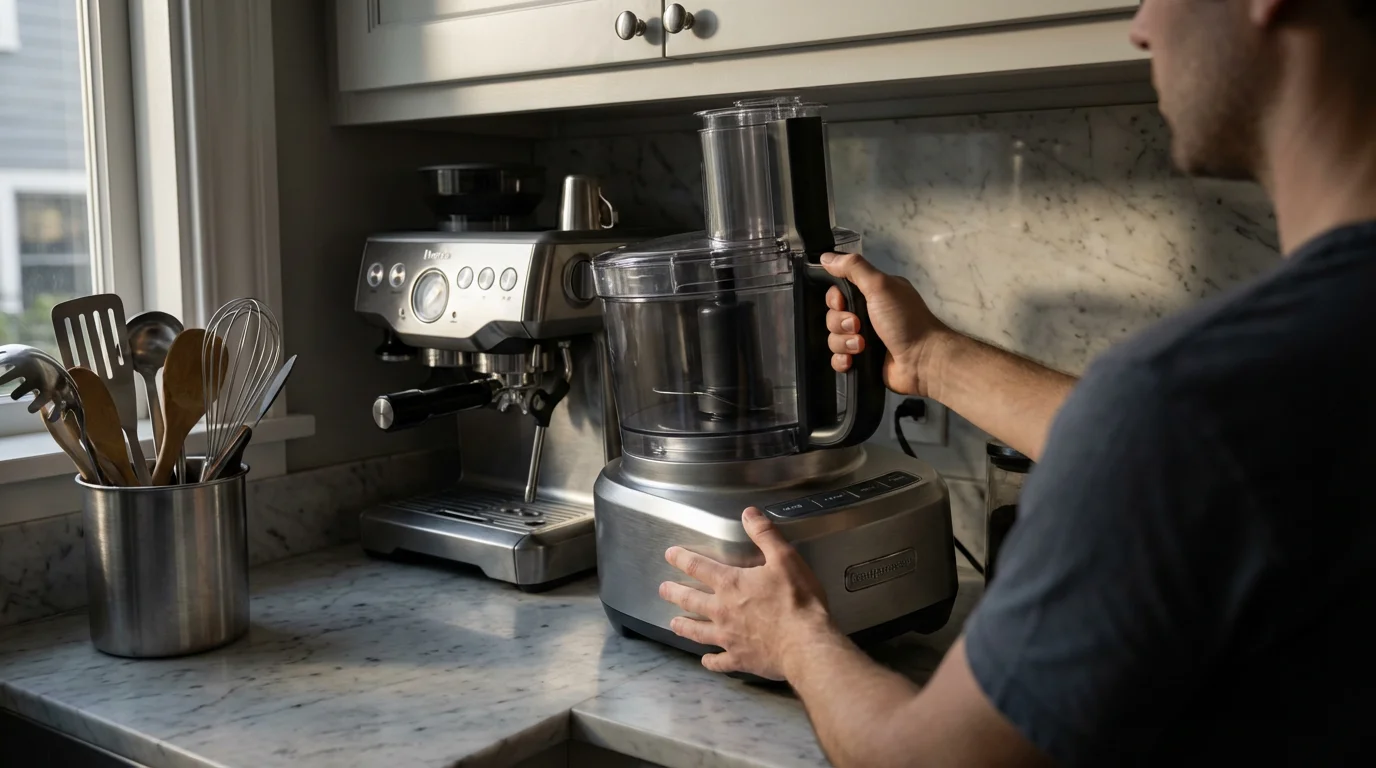
Even the most powerful food processor serves no purpose if it remains boxed in a cupboard because it is too cumbersome to access. Counter space in American kitchens is premium real estate. You must realistically assess how much space you have available and how willing you are to store the appliance when not in use.
If counter space is a concern, you might need to decide between a food processor and other versatile units like toaster ovens.
Footprint and Dimensions
Before purchasing, measure your available counter space. Note not only the width and depth but also the height, especially if you plan to store it under overhead cabinets. Here are typical dimension ranges:
- Mini Food Processors: Around 6-8 inches wide, 6-8 inches deep, 8-10 inches tall. Easily fits in most cabinets or on a small section of counter.
- Compact Food Processors: Approximately 8-10 inches wide, 8-10 inches deep, 12-14 inches tall. Manageable for many countertops, but may require specific cabinet space for storage.
- Full-Size Food Processors: Typically 10-12 inches wide, 10-12 inches deep, 15-17 inches tall. These often demand a dedicated spot on the counter or a roomy pantry shelf. Their weight (often 15-20 pounds) makes frequent lifting and storing less appealing.
- Extra-Large Food Processors: Can be 12-15 inches wide, 12-15 inches deep, and 18-20+ inches tall. These are substantial appliances, almost certainly requiring permanent counter residence or a very large, easily accessible storage area.
Consider the total height with the feed tube and pusher attached. You want enough clearance to easily add ingredients without bumping into upper cabinets.
Weight and Portability
Heavier machines often indicate more robust motors and construction, but they are also less convenient to move. If you plan to store your food processor in a cabinet and only bring it out for specific tasks, a lighter model might be more practical. However, for a powerful, full-size unit that stays on the counter, weight indicates stability during operation.
Cord Length and Storage
Check the cord length and whether the unit offers integrated cord storage. A longer cord provides flexibility in placement, while cord storage keeps your counter tidy. Some models have retractable cords, a convenient feature for neat storage.
Ease of Cleaning and Durability
An appliance that is difficult to clean will quickly fall out of favor, regardless of its performance. Durability, on the other hand, determines the long-term value of your investment. Both factors are paramount for a food processor you will truly use.
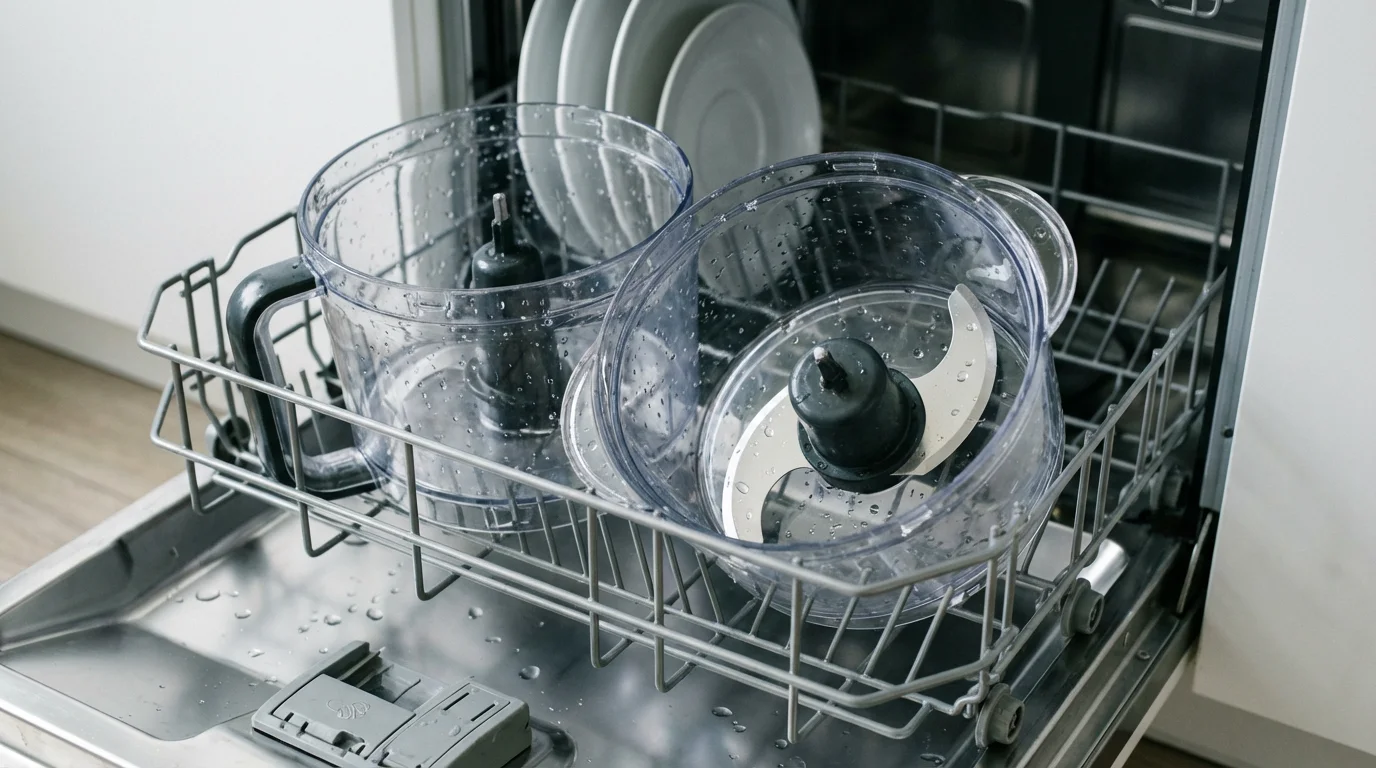
Dishwasher-Safe Parts
The vast majority of modern food processor bowls, lids, and blades are top-rack dishwasher-safe. This feature is a significant time-saver. Always confirm this in the product specifications. Be aware that over time, dishwashing can dull plastic parts or cause minor warping in some cases, so hand-washing delicate blades or components may extend their life.
Design for Easy Cleaning
Look for designs with minimal crevices where food can get trapped. Smooth surfaces and easily detachable parts simplify the cleaning process. The S-blade, in particular, should be easy to remove and wash thoroughly, as food can accumulate under the blade housing. Some models offer sealed control panels that prevent food particles from seeping into buttons, a detail that enhances hygiene.
Common Failure Points
Understanding potential weaknesses helps you identify a well-built machine:
- Motor Burnout: Often caused by processing ingredients that are too tough or overfilling the bowl, especially in lower-wattage models. Higher wattage and induction motors mitigate this risk.
- Bowl/Lid Cracks: Frequent drops or processing very hard foods can lead to stress cracks in plastic bowls and lids. Thicker, higher-quality plastics like Tritan offer better resistance.
- Dull Blades: Blades will naturally dull over time. High-quality stainless steel blades maintain their sharpness longer. Some manufacturers offer replacement blades.
- Stripped Gears: In some models, the connection between the motor and the blade drive can wear out. Robust construction with metal gears is a good sign of durability.
Investing in a brand known for its reliability and good customer service can provide peace of mind. Many reliable manufacturers offer warranties that cover manufacturing defects, providing an additional layer of protection for your purchase.
Food Processor Versus Blender: Knowing the Difference
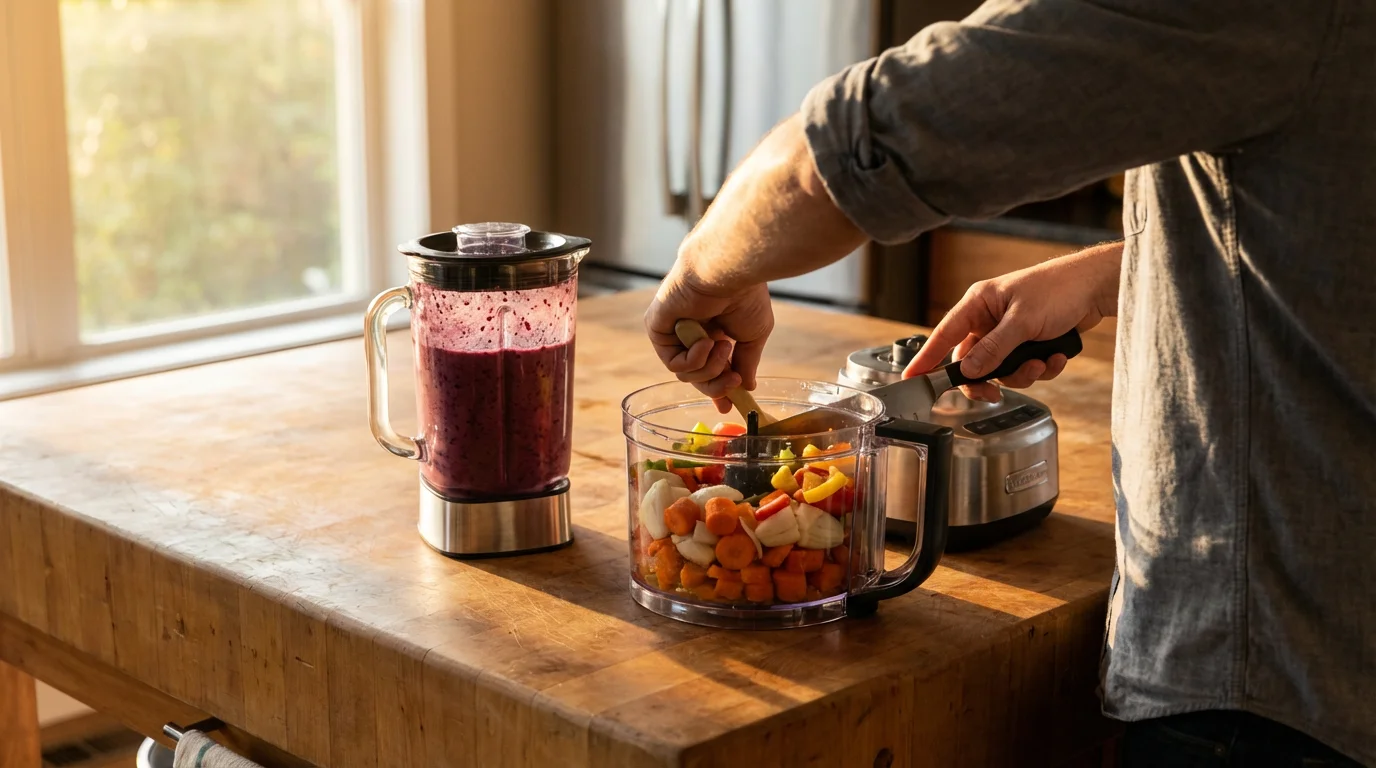
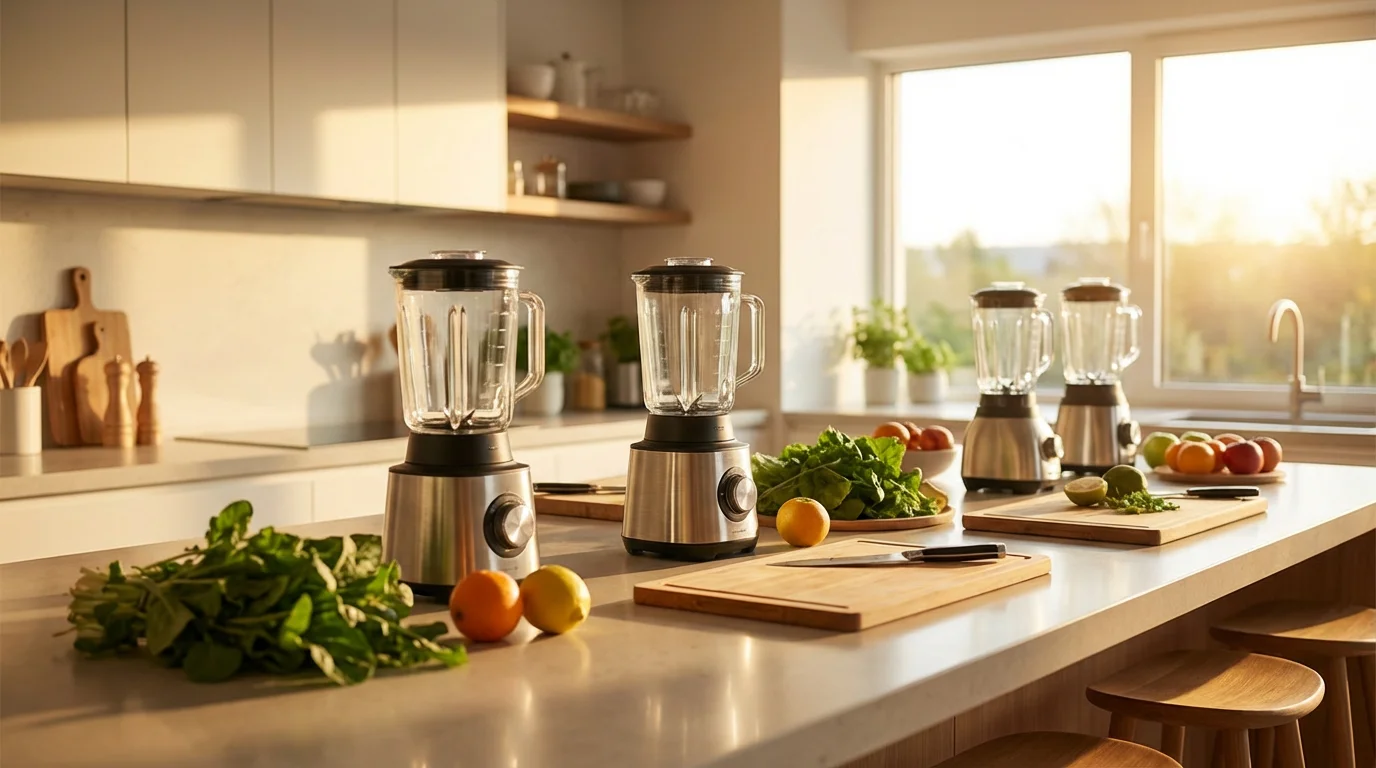
It is a common question: “Can’t a blender do what a food processor does?” While both are kitchen workhorses for chopping and pureeing, they serve distinct purposes. Understanding their differences helps you decide which appliance best suits specific tasks and avoids disappointment.
Food Processor Strengths
Food processors excel at tasks that require controlled chopping, slicing, shredding, and mixing a variety of textures.
- Chopping and Mincing: From fine mincing garlic and herbs to coarsely chopping nuts and vegetables, a food processor provides precise, even results.
- Slicing and Shredding: With interchangeable discs, it effortlessly slices vegetables for salads or gratin, and shreds cheese, cabbage, or carrots. The best food processor for shredding cheese performs this task in seconds.
- Dough Kneading: A specialized dough blade can knead bread, pizza, and pastry dough more efficiently and consistently than hand kneading.
- Thick Purees and Pastes: Making hummus, pesto, or nut butter, where a thicker, less liquid consistency is desired, is a food processor’s forte.
- Processing Dry Ingredients: It handles dry goods like crackers for crumbs, or oats for flour, without creating a fine powder like a blender.
Blender Strengths
Blenders, on the other hand, are designed to create smooth, homogeneous liquids and very fine purees.
- Smoothies and Shakes: Their primary function is blending fruits, vegetables, and liquids into perfectly smooth drinks.
- Soups and Sauces: Achieving silky-smooth soups, pureed sauces, or gravies is a blender’s specialty.
- Crushing Ice: Powerful blenders with robust blades effectively crush ice for frozen drinks or cocktails.
- Nut Milks: Making creamy almond milk or other plant-based milks.
- Wet Preparations: Blenders are best for tasks requiring a significant amount of liquid to achieve the desired consistency.
Key Differences Summarized
| Feature | Food Processor | Blender |
|---|---|---|
| Primary Action | Chopping, Slicing, Shredding, Mixing, Kneading | Pureeing, Blending, Liquefying |
| Blade Type | Wide S-blade, various discs | Fixed multi-tiered blade assembly |
| Ideal for | Solid, dry, or thick ingredients; varied textures | Liquid-heavy mixtures; smooth consistency |
| Texture Output | Coarsely chopped to smooth paste (controlled) | Smooth liquid to fine puree |
| Liquid Handling | Not ideal for very thin liquids; may leak | Excellent for liquids; sealed container |
| Typical Uses | Vegetable prep, dough, hummus, salsa | Smoothies, soups, sauces, nut milk |
While some modern blenders offer food processing attachments and vice versa, generally, a dedicated food processor performs its specific tasks more efficiently and effectively than a blender trying to mimic them. If you frequently need both capabilities, investing in separate, specialized appliances or a high-quality “combo” unit is often the best approach.
Selecting Your Ideal Food Processor
Choosing the right food processor means synthesizing all the information: size, power, features, and practical considerations like storage and cleaning. You want an appliance that matches your culinary ambitions and fits seamlessly into your kitchen. Here is how to make that final, informed decision.
Best for Small Kitchens and Minimalist Cooks
If your kitchen boasts limited counter space or you cook for one or two, a compact (5-7 cup) food processor is your best bet. Look for models with a smaller footprint (e.g., 8x8x12 inches) and a wattage around 500-600W. These machines handle basic chopping, mincing, and small-batch sauces without overwhelming your space. Prioritize dishwasher-safe parts for effortless cleanup. These units are generally lighter, making them easier to retrieve from a cabinet for occasional use. While they won’t knead a large bread dough, they will competently manage everyday food prep.
Best for Busy Families and Everyday Cooking
For families of 3-5 people who cook regularly, a full-size (11-14 cup) food processor offers the ideal balance of capacity and versatility. Aim for a motor with at least 700-1000W of power to easily manage shredding blocks of cheese, slicing multiple vegetables, and making larger batches of purees. Look for models that include a variety of slicing and shredding discs, and ideally, a dough blade. While these will occupy more counter space (typically 10x10x16 inches), their efficiency significantly reduces prep time for family meals and school lunches. Durability becomes key here, so consider brands known for robust construction and reliable motors.
Best for Avid Bakers, Entertainers, and Bulk Preppers
If you regularly bake bread, host large gatherings, or dedicate time to extensive meal prepping, an extra-large (14-16+ cup) food processor with a powerful induction motor (1000W+) is a smart investment. These machines are built for heavy-duty, continuous use, effortlessly handling large quantities of ingredients. Key features include a wide-mouth feed tube, multiple specialized blades and discs (including a strong dough blade), and a sturdy, heavy base that prevents walking on the counter during operation. Expect these units to be substantial (e.g., 12x12x18 inches and 20+ pounds) and likely to live permanently on your counter. Their higher price reflects their professional-grade capabilities and longevity.
Best Value Picks
Value doesn’t always mean the cheapest option; it means the best performance and features for your budget. For many, a 9-11 cup food processor with a 600-800W motor hits this sweet spot. These models often provide excellent basic functionality, including good chopping, slicing, and shredding capabilities, at a mid-range price point. They might not have every specialized attachment, but they perform core tasks admirably for most home cooks. Prioritize ease of cleaning and a solid warranty for the best long-term value.
Your ultimate decision should reflect your honest assessment of your cooking habits, storage constraints, and budget. By focusing on these practical aspects, you will choose a food processor that truly enhances your kitchen experience, saving you time and effort for years to come.
Frequently Asked Questions
Can I use my food processor as a blender?
While a food processor can perform some blending-like tasks, such as pureeing thick soups or making nut butter, it is not a direct substitute for a blender. Food processors excel with solid, dry, or thick ingredients and offer controlled chopping. Blenders are designed to create smooth liquids, smoothies, and very fine purees from liquid-heavy mixtures. Using a food processor for thin liquids can lead to leaks and less desirable results.
What does “wattage” mean for a food processor?
Wattage refers to the power consumption of the food processor’s motor. Generally, a higher wattage (e.g., 800-1200+ watts) indicates a more powerful motor that can handle tougher ingredients like hard cheeses, root vegetables, or stiff dough with greater ease and less strain. Lower wattage motors (250-500 watts) are sufficient for lighter tasks like chopping herbs or making small batches of sauce.
How much counter space does a full-size food processor need?
A full-size food processor (10-14 cups) typically requires a footprint of approximately 10-12 inches wide by 10-12 inches deep, and it stands about 15-17 inches tall with the lid. You also need to consider overhead cabinet clearance to easily open the lid and add ingredients. It is best to measure your available space before purchasing to ensure a comfortable fit.
Are food processor blades dishwasher-safe?
Most modern food processor blades, bowls, and lids are designed to be top-rack dishwasher-safe. However, always check the manufacturer’s instructions specifically for your model, as some older or specific high-carbon steel blades might be better off hand-washed to maintain sharpness and prevent corrosion. Regular dishwashing can sometimes dull plastic parts over time.
What is the difference between a food processor and a mini chopper?
A mini chopper is essentially a smaller version of a food processor, typically with a capacity of 1-4 cups. It is designed for quick, small-batch tasks like mincing garlic, chopping herbs, or making a single serving of pesto. A full-size food processor (8-16+ cups) offers significantly more capacity, a more powerful motor, and a wider range of attachments (slicing, shredding, dough blades) for more versatile and larger-scale food prep.
Disclaimer: Product prices, features, and availability change frequently. Prices shown were accurate at time of writing but may have changed. We may earn a small commission from purchases made through links on this site, at no extra cost to you. Always verify current pricing and specifications on the retailer’s website before purchasing.
A full-size processor is ideal for prepping vegetables that can then be cooked perfectly using air fryer basics.
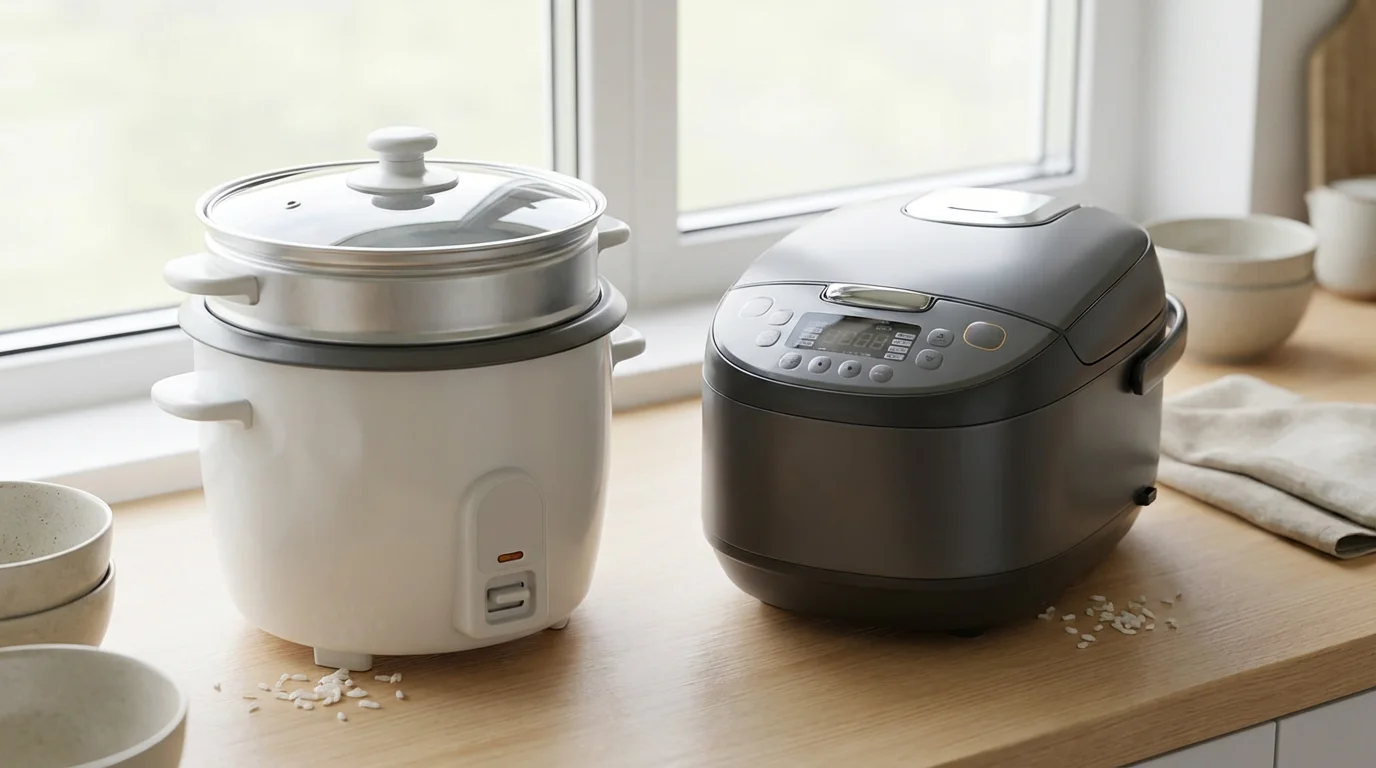
For those who prioritize automation, pairing your prep tool with one of the many rice cookers available can further simplify your kitchen routine.

Leave a Reply