
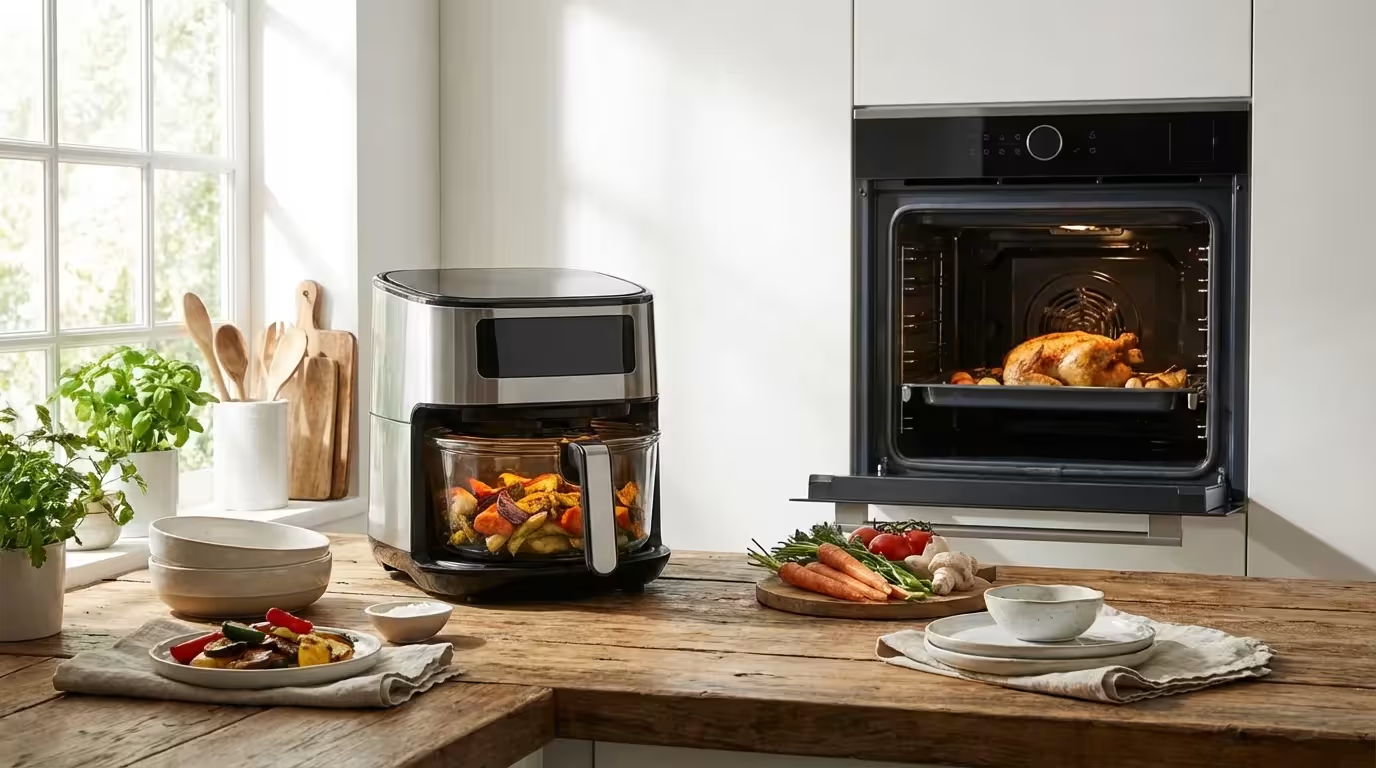
You are standing in the appliance aisle, or perhaps you have ten browser tabs open, trying to decide between the trendy air fryer and the reliable countertop convection oven. It is a common dilemma. Both appliances promise to cook your food faster and make it crispier than a standard oven, and both claim to deserve a permanent spot on your counter.
The confusion is understandable because the underlying technology is surprisingly similar. In fact, an air fryer is technically a small, turbocharged convection oven. However, the way they apply heat, how much food they hold, and the results they produce are vastly different.
Choosing the wrong one means ending up with an appliance that eats up valuable counter space while gathering dust. Choosing the right one can revolutionize your weeknight dinner routine. This guide breaks down the mechanics, performance, and practical realities of owning an air fryer versus a convection oven so you can buy with confidence.

Understanding the Technology: How They Work
Before comparing models, you need to understand the mechanism driving both appliances: convection heating. In standard cooking terms, convection simply means using a fan to circulate hot air around the food. This eliminates cold spots and speeds up cooking.
While both appliances use this principle, they execute it differently. Think of a convection oven as a gentle breeze that helps your food cook evenly. In contrast, an air fryer is like a wind tunnel. It blasts hot air at high speeds in a confined space. This intensity is what mimics the results of deep frying without the oil.
“The difference often comes down to fan speed and chamber size. The smaller the cooking chamber and the faster the fan, the crispier the food will get.” — Professional Appliance Tester
The Air Fryer: Speed and Crunch
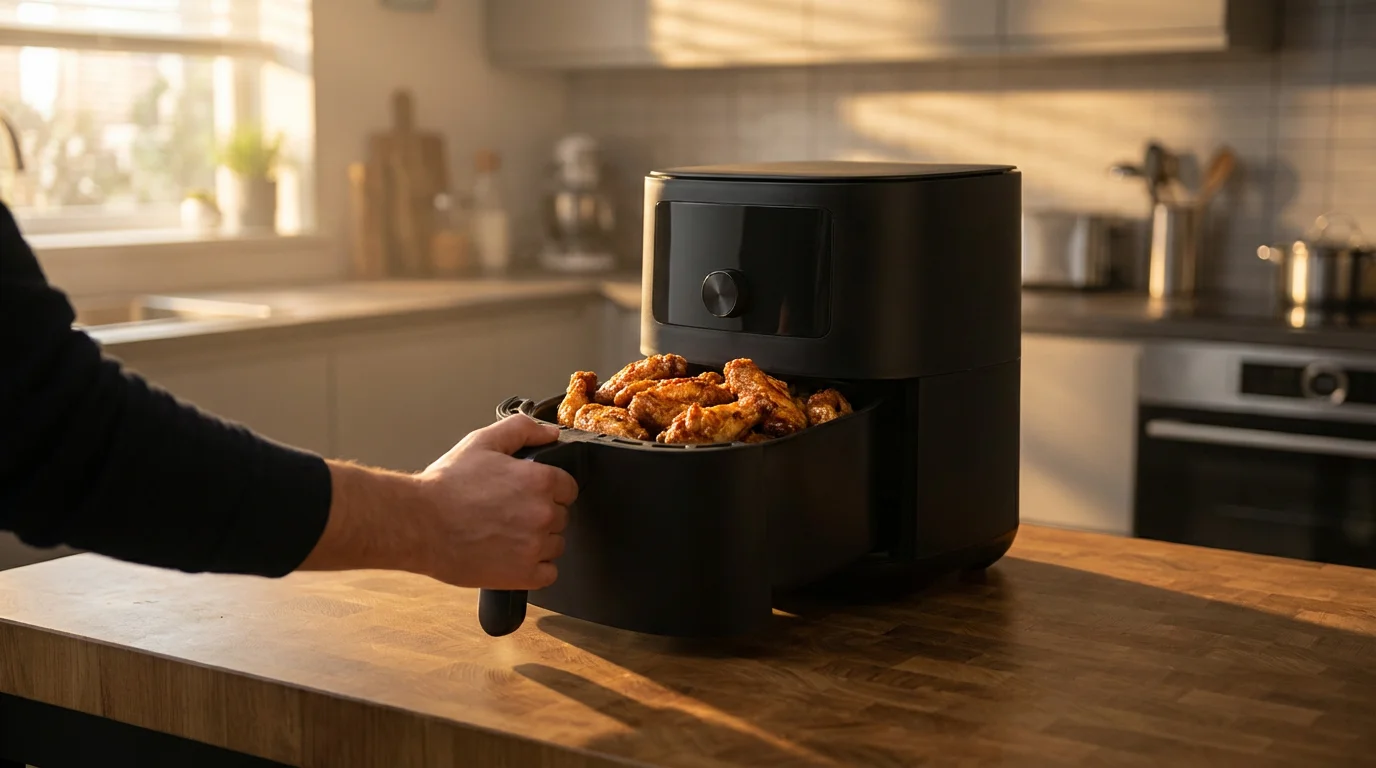
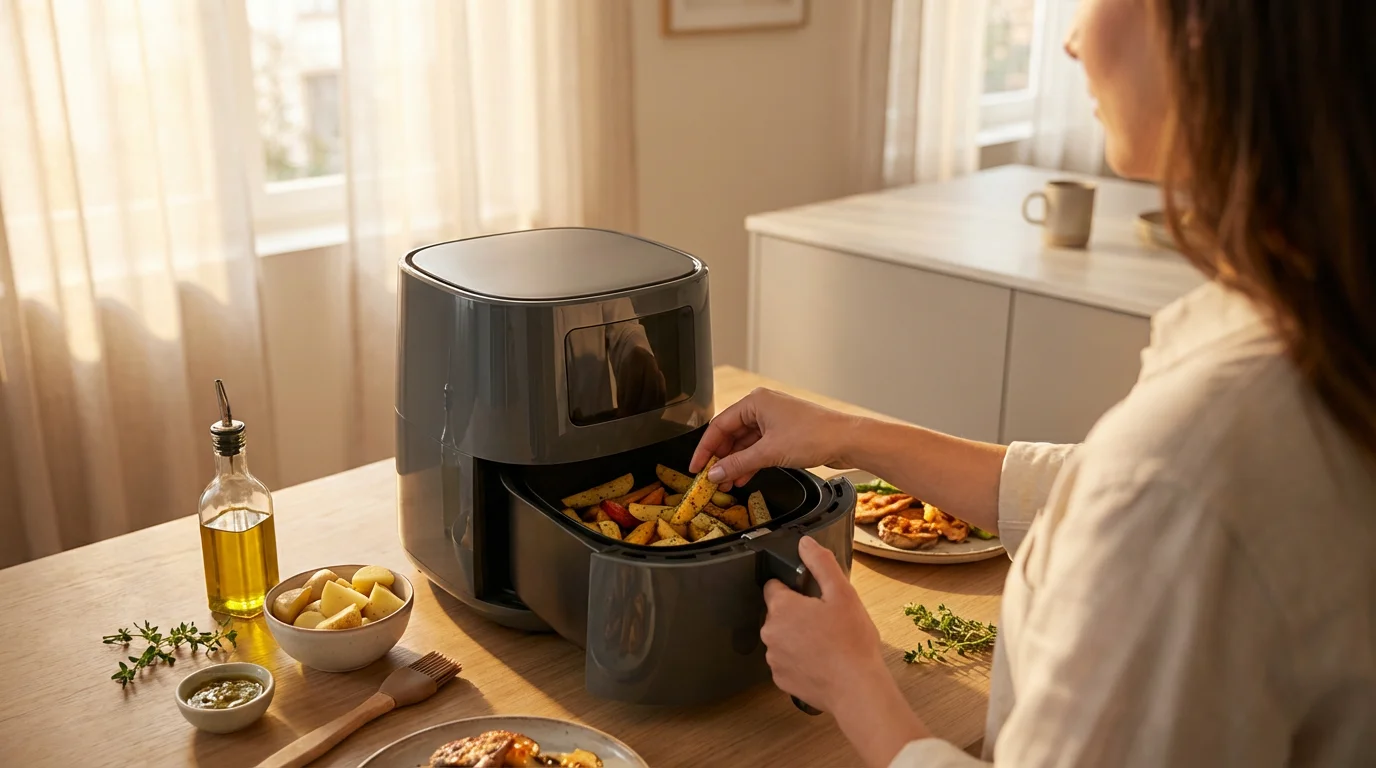
When we talk about dedicated air fryers, we usually refer to the “basket-style” or “pod” models. These units have a drawer that slides out, a heating element directly above the food, and a powerful fan.
The Pros
- Intense Crispiness: Because the heating element is close to the food and the chamber is small, air fryers create a rapid Maillard reaction. This is the chemical reaction between amino acids and reducing sugars that gives browned food its distinctive flavor and crust.
- Speed: An air fryer preheats almost instantly. You can cook salmon fillets in 10 minutes or frozen fries in 12.
- Safety: Most basket models shut off automatically when you pull the drawer out, making them safer for households with distracted cooks or older children.
- Easy Cleanup: The non-stick baskets are generally easy to rinse out or toss in the dishwasher.
The Cons
- Limited Capacity: Even “large” air fryers have a limited surface area. You cannot pile food too high, or the air won’t circulate, leading to soggy results. You often have to cook in batches.
- Noise: The high-speed fan can be as loud as a vacuum cleaner or a running hair dryer.
- Bulky Shape: They are often tall and oddly shaped, making them difficult to store in cabinets with fixed shelves.
The Convection Oven: Versatility and Volume
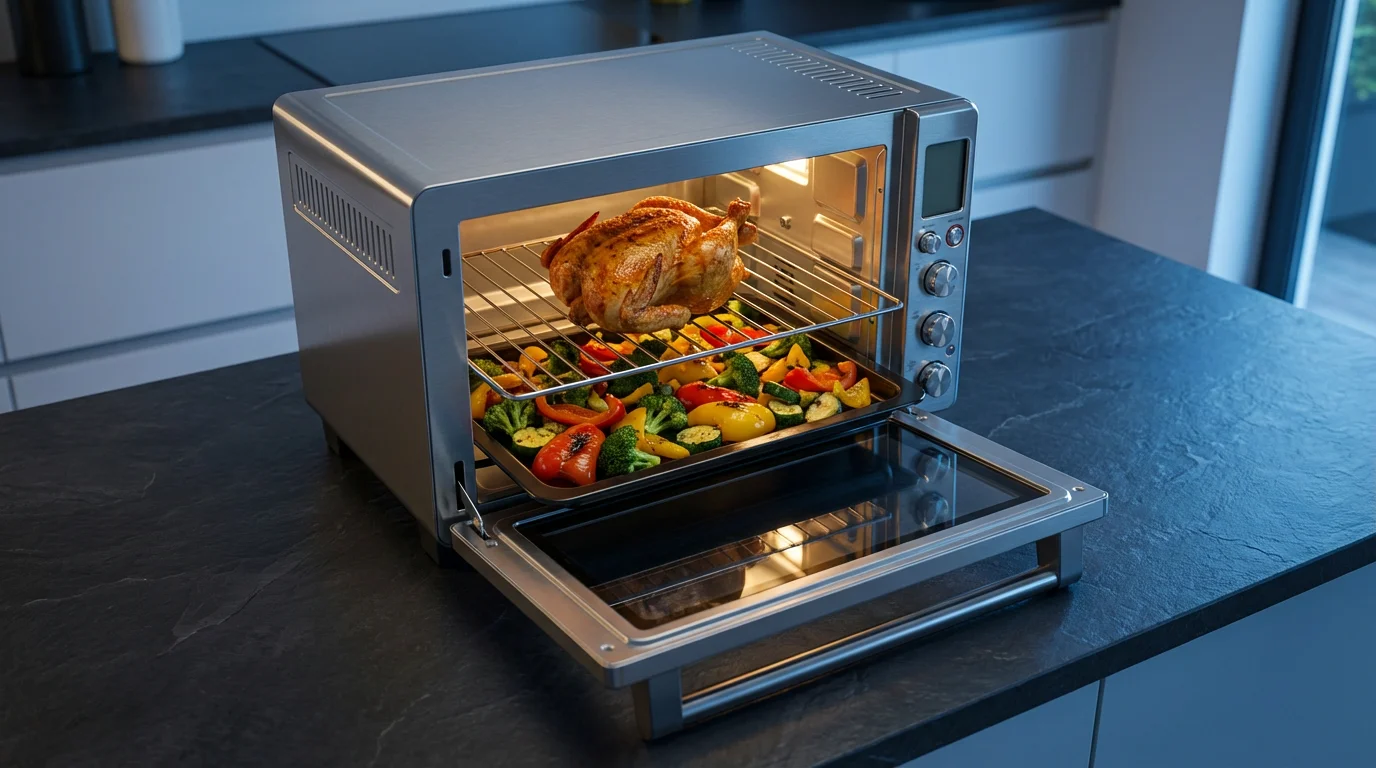
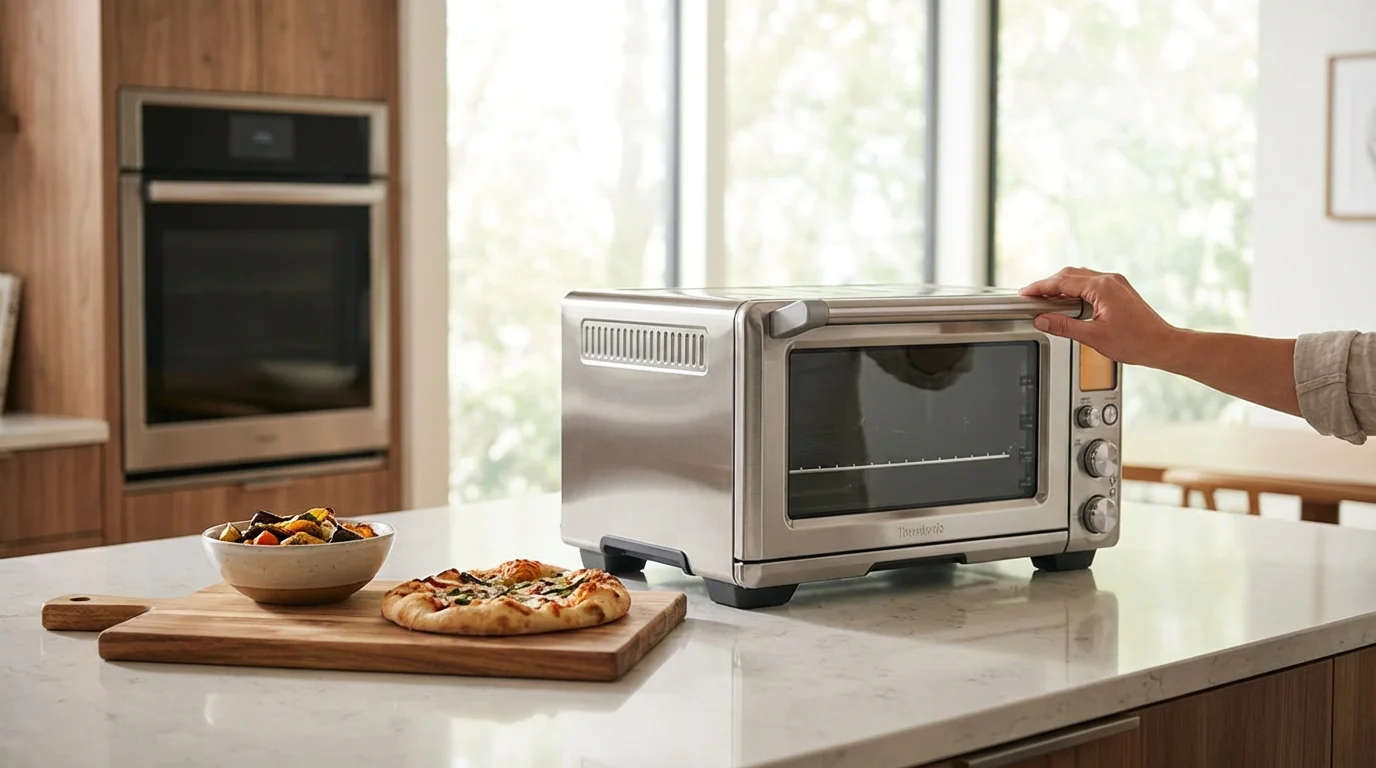
For the purpose of this comparison, we are discussing countertop convection ovens (often called toaster ovens with a convection setting), not full-sized kitchen ranges. These look like miniature ovens with a glass door, wire racks, and heating elements on the top and bottom.
The Pros
- Capacity: You can fit a 12-inch pizza, a 9×13 baking pan, or a whole chicken in many standard models. Wirecutter notes that the best toaster ovens can replace your full-size oven for most daily tasks, saving energy and keeping your kitchen cooler.
- Versatility: These appliances can toast bread (evenly), bake muffins, broil steaks, and roast vegetables. They are true multi-taskers.
- Visibility: The glass door allows you to monitor your food without opening the unit and losing heat.
- Silence: Convection fans in these ovens are generally much quieter than the jet-engine roar of an air fryer.
The Cons
- Slower Cooking: Because the cavity is larger and the fan is less aggressive, cooking times are longer than in an air fryer.
- Heat Radiance: The exterior of metal toaster ovens can get extremely hot, posing a burn risk if you brush against it.
- Cleaning Difficulty: Grease splatters on the glass door and heating elements can be difficult to scrub off over time.
Head-to-Head Comparison: The Specs
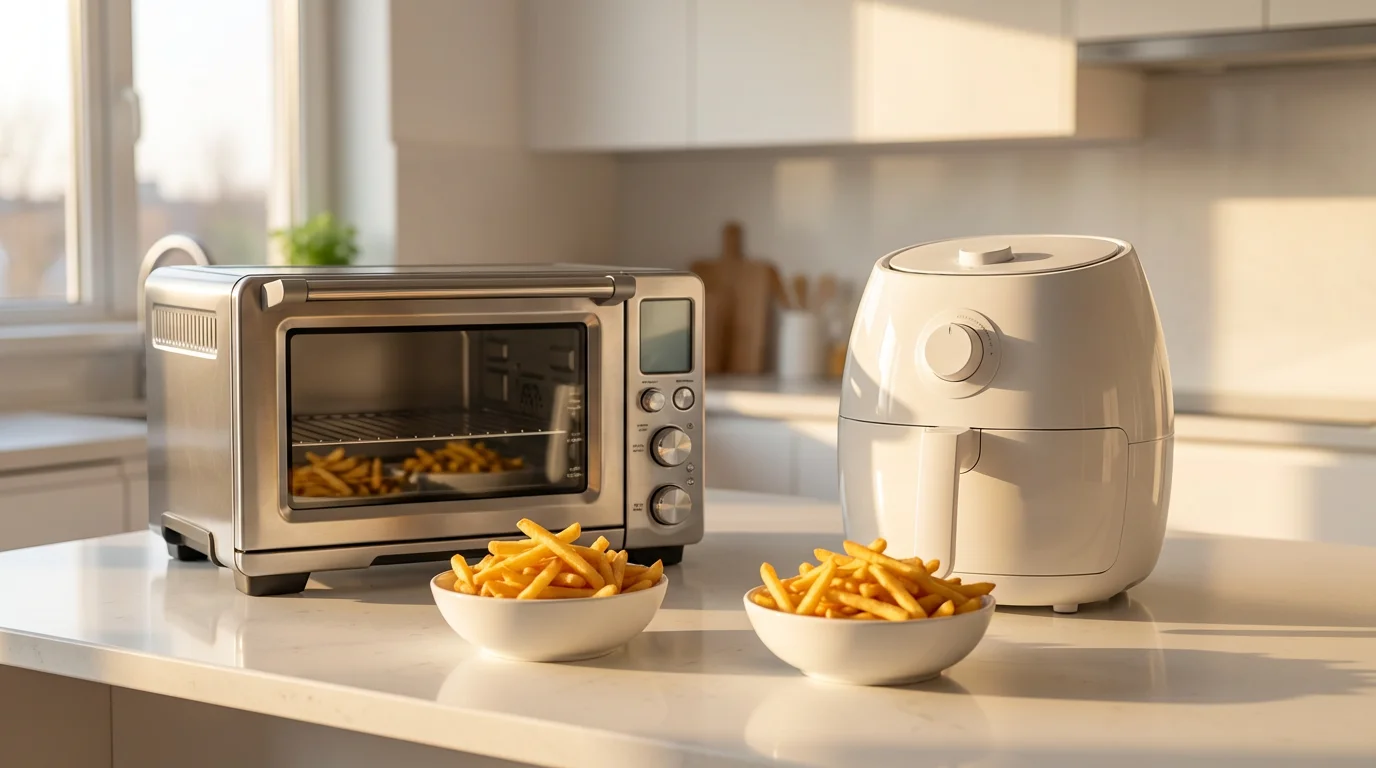
To help you visualize the trade-offs, here is a breakdown of how average models from reliable brands stack up against each other.
| Feature | Basket Air Fryer | Countertop Convection Oven |
|---|---|---|
| Primary Function | Rapid crisping / Reheating | Baking / Toasting / Roasting |
| Heating Speed | Very Fast (Instant preheat) | Moderate (5-10 min preheat) |
| Noise Level | High (60-65 decibels) | Low to Moderate |
| Capacity | 2 to 7 Quarts (vertically limited) | 0.5 to 1.0 Cubic Feet (wider area) |
| Energy Use | 1400 – 1700 Watts (runs for less time) | 1200 – 1800 Watts (runs longer) |
| Food Texture | Crispy outside, moist inside | Evenly cooked, roasted texture |
| Price Range | $50 – $200 | $80 – $400 |
Cooking Performance: Wings, Roasts, and Baking
Specs are useful, but performance is what matters at 6:00 PM on a Tuesday. We analyzed how these appliances handle four common kitchen tasks.
1. Frozen Foods (Fries, Nuggets)
Winner: Air Fryer.
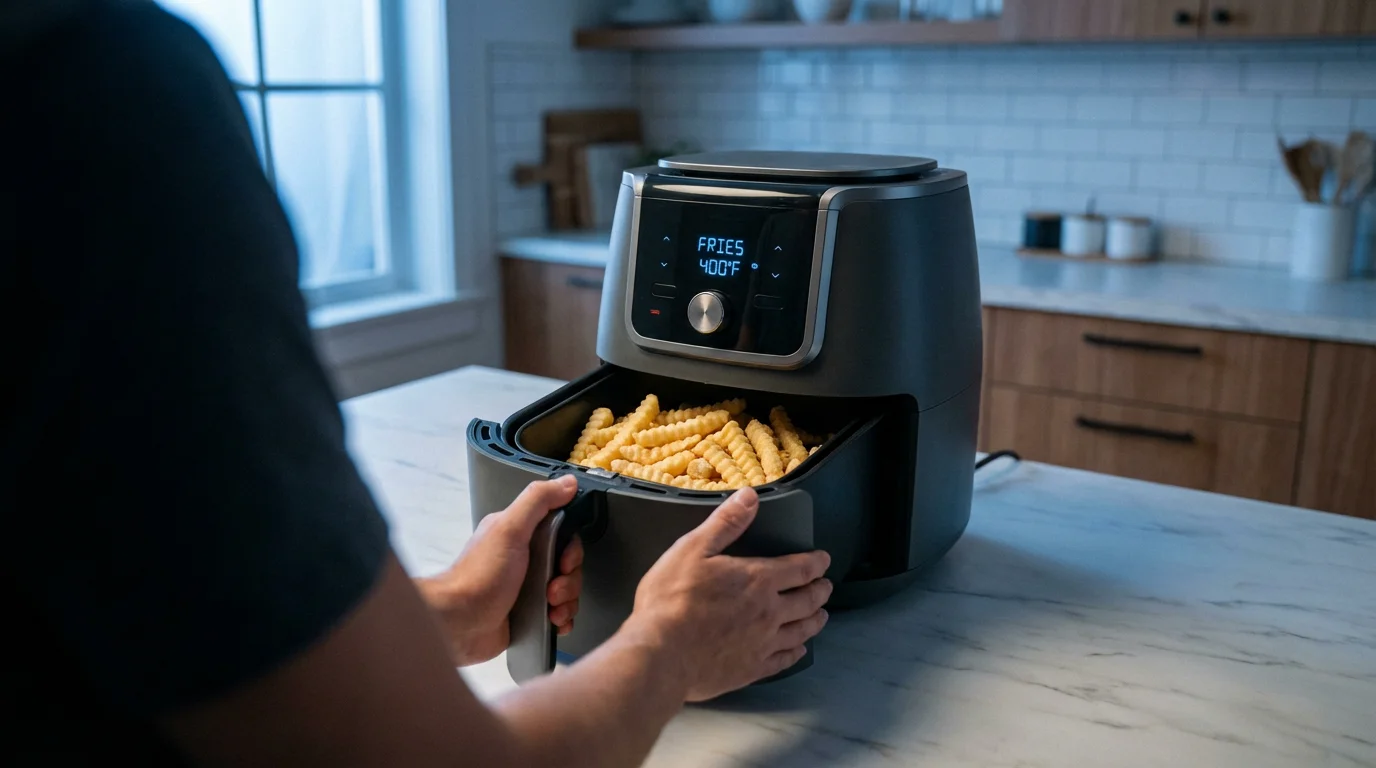
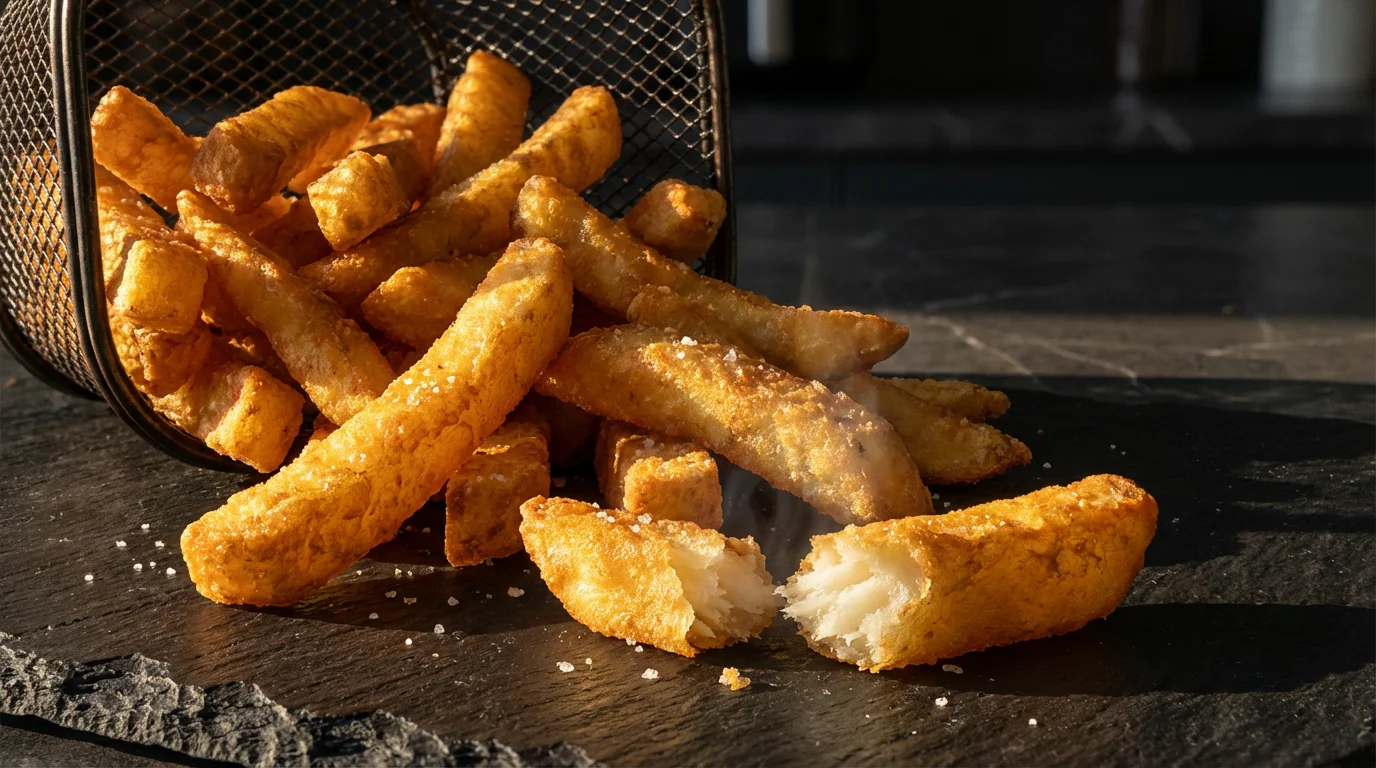
This is where the air fryer shines. It takes frozen, limp french fries and turns them golden brown and crunchy in 12 to 15 minutes. A convection oven will eventually get them there, but it takes 20 to 25 minutes, and they often dry out before they get fully crisp.
2. Roast Chicken and Meats
Winner: Convection Oven.
While you can cook a small chicken in a large air fryer, it is often a tight squeeze. The proximity to the heating element might burn the skin before the inside reaches a safe internal temperature. A convection oven handles larger cuts of meat beautifully, allowing for even roasting and space for vegetables on the side.
3. Baking (Cookies, Cakes)
Winner: Convection Oven.
Air fryers are generally too harsh for delicate baking. The powerful fan can blow batter around or create a lopsided rise. Furthermore, you can only fit 2 or 3 cookies at a time in a basket. According to Consumer Reports, convection ovens provide the consistent, radiant heat necessary for baking cakes, muffins, and cookies evenly.
4. Reheating Leftovers
Winner: Air Fryer.
The microwave makes pizza soggy. The regular oven takes too long to heat up. The air fryer revives leftover pizza, fried chicken, and roasted veggies to their original glory in about 3 to 4 minutes.
Counter Space and Kitchen Footprint
Space is the currency of the kitchen. Before you buy, you must measure your available “real estate.”
The Vertical vs. Horizontal Trade-off
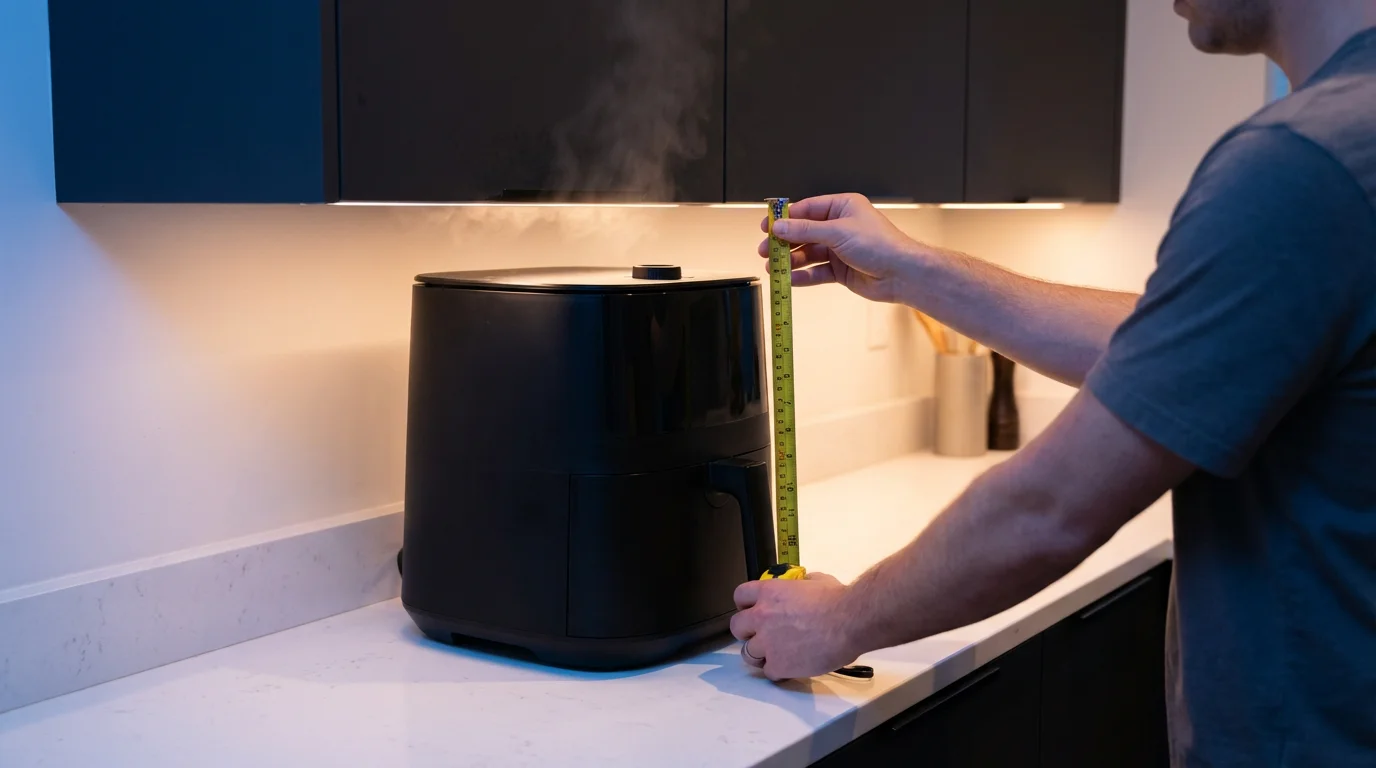
Air fryers usually have a smaller footprint (the amount of counter space they touch), but they are tall. You need to check the clearance under your upper cabinets. Many air fryers vent hot steam out of the top or back, which can damage cabinet laminates if there isn’t enough airflow.
Convection ovens are wider and deeper. A standard model might measure 20 inches wide by 16 inches deep. If you have limited counter depth, a convection oven might dominate your workspace. However, because they are shorter, they fit easily under standard 18-inch backsplashes.
Cooking Capacity Reality Check
Don’t be fooled by “quart capacity” marketing in air fryers. A 6-quart air fryer sounds huge, but that capacity is vertical. You cannot stack chicken wings five layers deep and expect them to crisp; you need a single layer. This means the usable cooking area is often much smaller than the spec sheet suggests.
Convection ovens utilize racks. Even a small oven usually has enough rack space to toast six slices of bread at once or cook a 12-inch frozen pizza flat. If you are cooking for a family of four, the convection oven allows you to cook more food simultaneously without batching.
Cleaning and Maintenance Realities
You will use the appliance that is easiest to clean. This is a simple fact of human nature.
The Air Fryer Advantage:
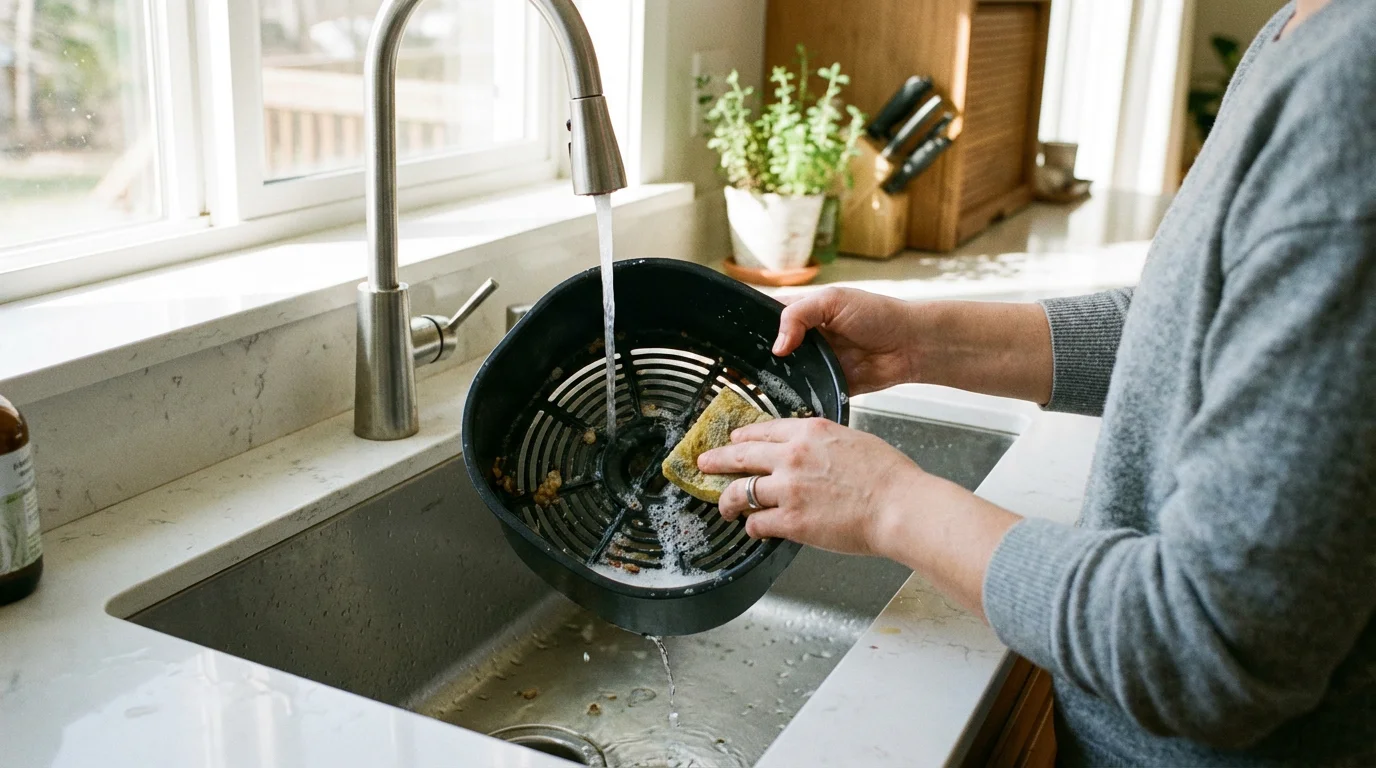
Most air fryer baskets and crisper plates have a non-stick coating and are dishwasher safe. Even if you hand wash, a quick swipe with a soapy sponge usually does the trick. Because the mess is contained within the basket, the heating element (located above) rarely gets dirty.
The Convection Oven Challenge:
Convection ovens have more parts to clean: the wire rack, the baking pan, the crumb tray, and the glass door. If cheese drips off a pizza onto the heating element, it burns and smokes. Keeping a convection oven looking new requires regular maintenance, including emptying the crumb tray and scrubbing the glass.
Buying Guide: Who Should Buy What?
Still on the fence? Find the profile below that matches your cooking style.
Buy an Air Fryer If:
- You love frozen foods: If fries, wings, mozzarella sticks, or veggie nuggets are weekly staples, nothing beats an air fryer.
- You cook for 1-2 people: The small capacity is perfect for singles or couples.
- You hate waiting: You want to press a button and eat 10 minutes later.
- You want healthy crunch: You want “fried” texture with little to no added oil.
- Summer cooking: You want to cook without heating up the entire kitchen.
Buy a Convection Oven If:
- You are a baker: You want to bake muffins, cookies, or small casseroles.
- You lack a full-size oven: You live in a dorm, RV, or studio apartment and need one appliance to do it all.
- You hate batch cooking: You need to feed a family of four in one go.
- Toast matters: You want to get rid of your standalone toaster. (Note: Air fryers make terrible toast; they just dry out the bread).
Frequently Asked Questions
Can I use aluminum foil in an air fryer?
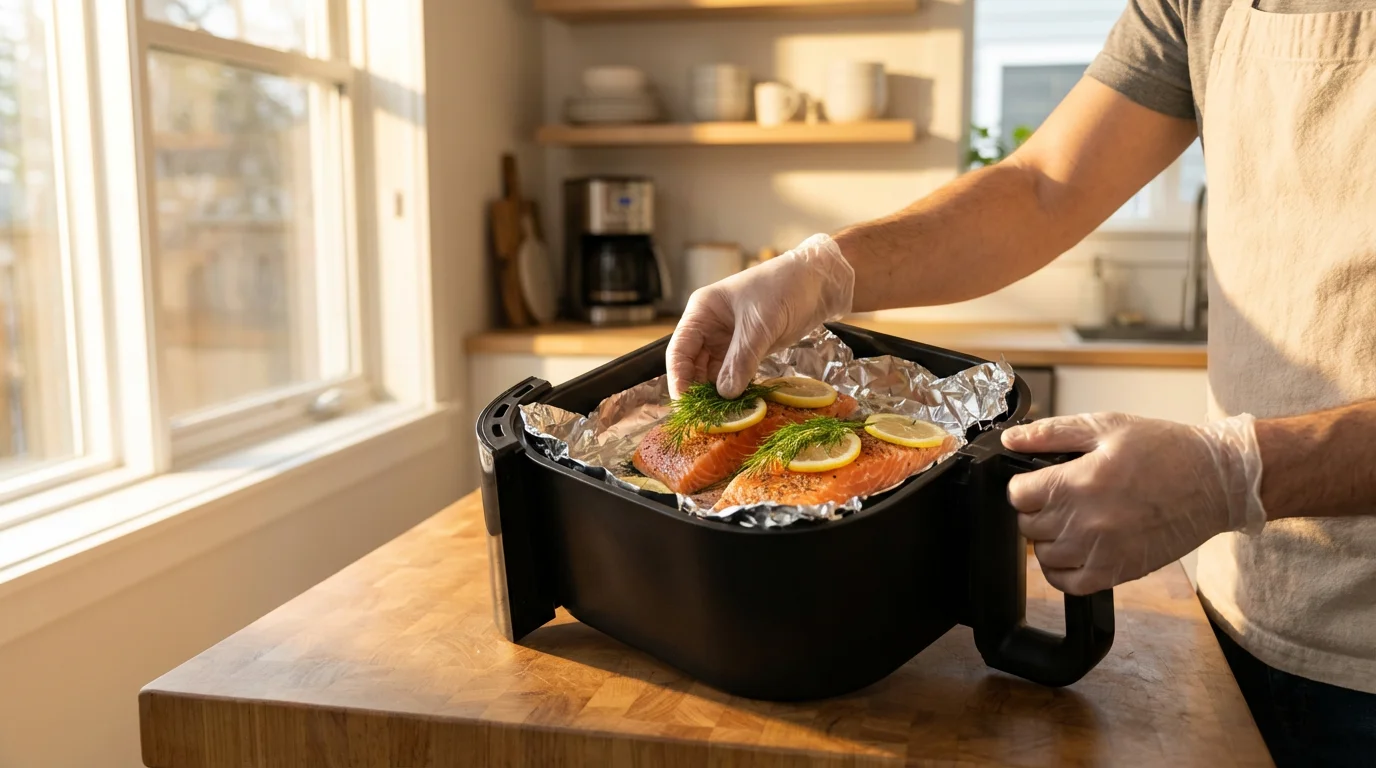
Yes, you can use aluminum foil in an air fryer, but you must be careful. Ensure the foil is weighted down by food so the high-speed fan doesn’t blow it into the heating element, which is a fire hazard. Also, avoid covering the entire basket bottom; air needs to circulate for the appliance to work effectively.
Is air fried food actually healthy?
Air fried food is generally healthier than deep-fried food because it uses significantly less oil—often just a tablespoon versus quarts of oil. This reduces calorie and fat intake. However, if you are simply air frying processed frozen foods, the appliance won’t magically make the ingredients themselves healthier.
Can a convection oven replace an air fryer?
Many modern convection ovens now come with an “Air Fry” setting. While these are versatile, they often don’t cook as quickly or crisp food as evenly as a dedicated pod-style air fryer because the cooking chamber is larger. However, for many home cooks, the difference is negligible enough that the space saving of a combo unit is worth it.
Do I need to preheat my air fryer?
While some recipes suggest it, preheating is rarely strictly necessary for an air fryer due to how fast it heats up. However, for meats where you want a good sear (like steak or chicken breast), letting the unit run empty for 3 minutes before adding food can improve the result.
Making the Final Decision
Ultimately, the battle between the air fryer and the convection oven comes down to your priorities: speed versus versatility.
If your kitchen life revolves around getting crispy food on the table as fast as possible, or if you are reheating leftovers and cooking snacks, the air fryer is the specialized tool you need. It does one thing—high-speed convection roasting—exceptionally well.
If you need an appliance that can act as a second oven, handle a wider variety of cooking tasks from baking to broiling, and feed a larger group, the countertop convection oven is the wiser investment. It may be slower, but it is a workhorse that offers more utility per square inch of counter space.
Assess your counter space, check your weekly grocery list, and choose the one that solves your specific dinner dilemmas.
Disclaimer: Product prices, features, and availability change frequently. Prices shown were accurate at time of writing but may have changed. We may earn a small commission from purchases made through links on this site, at no extra cost to you. Always verify current pricing and specifications on the retailer’s website before purchasing.


Leave a Reply