
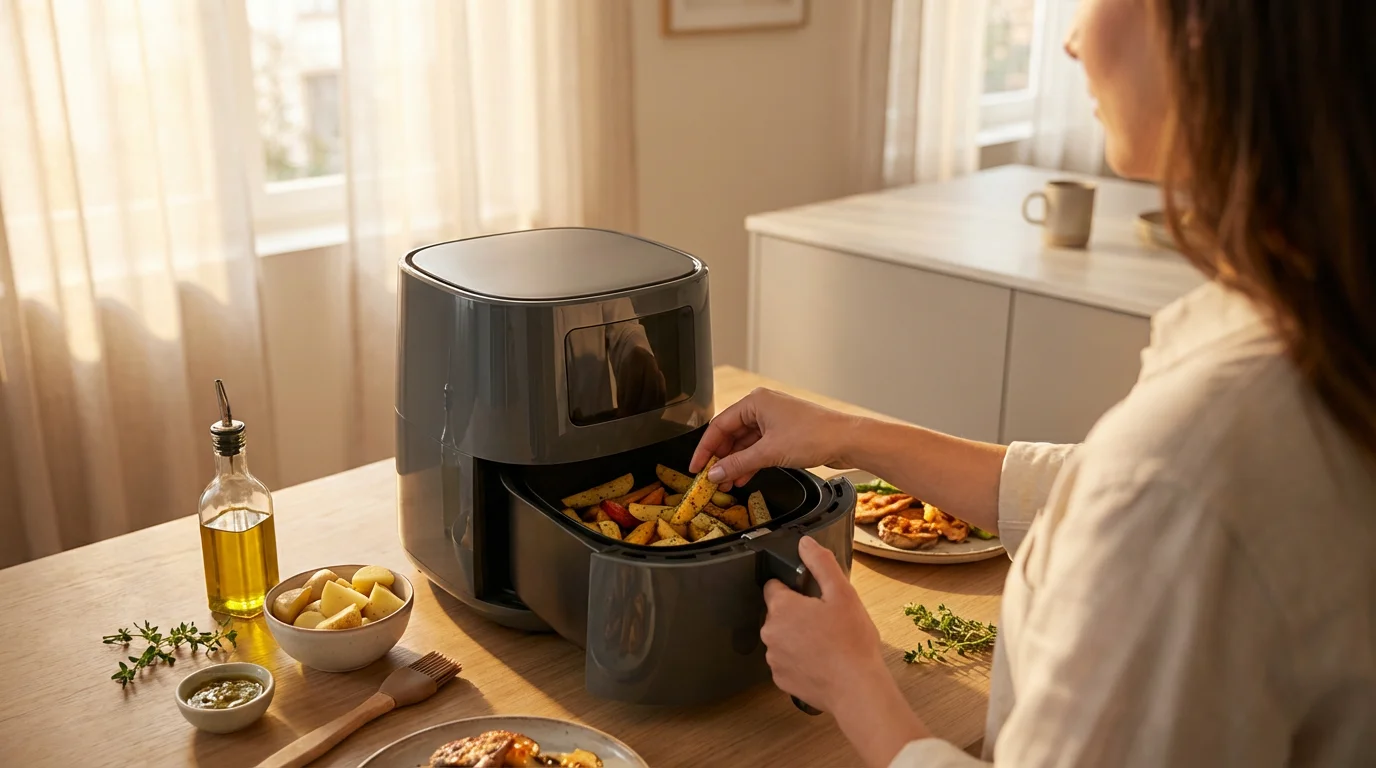
You want to cook healthier meals faster without sacrificing flavor. An air fryer often appears as the ideal solution, promising crispy results with less oil. But how do these popular countertop appliances actually work, and how do you pick the right one for your kitchen? This complete beginner’s guide helps you understand the world of air frying, providing practical advice to choose and use your first air fryer effectively.
What Exactly Is an Air Fryer?
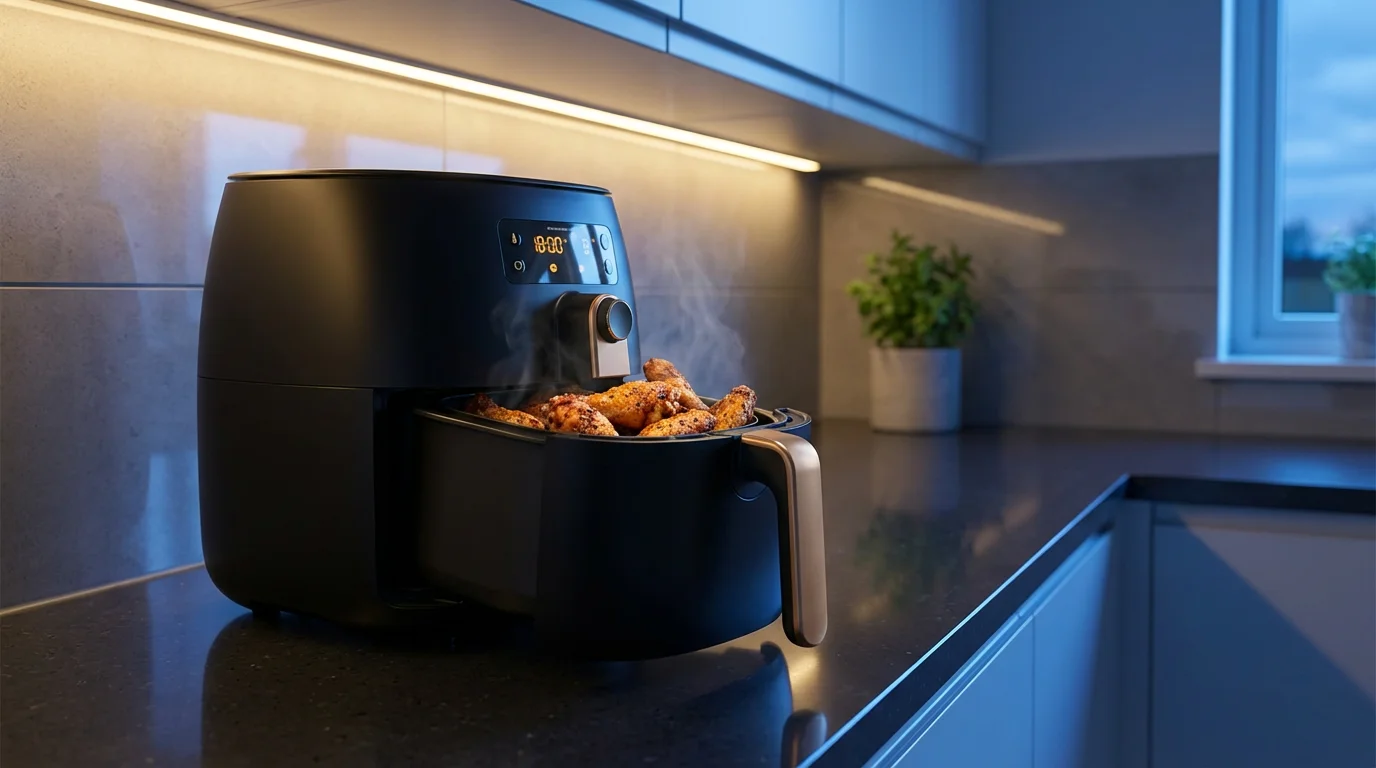
An air fryer is a compact countertop convection oven designed to simulate deep frying without submerging food in oil. It uses a powerful fan to circulate hot air, typically between 300°F and 400°F (150°C and 200°C), around your food. This process, called convection, ensures rapid and even cooking. This circulation creates a crispy, browned layer on foods like fries, chicken wings, and vegetables, delivering a similar texture to traditional frying using significantly less oil. This capability makes an air fryer an excellent tool for those pursuing healthy cooking.
How Does an Air Fryer Work?
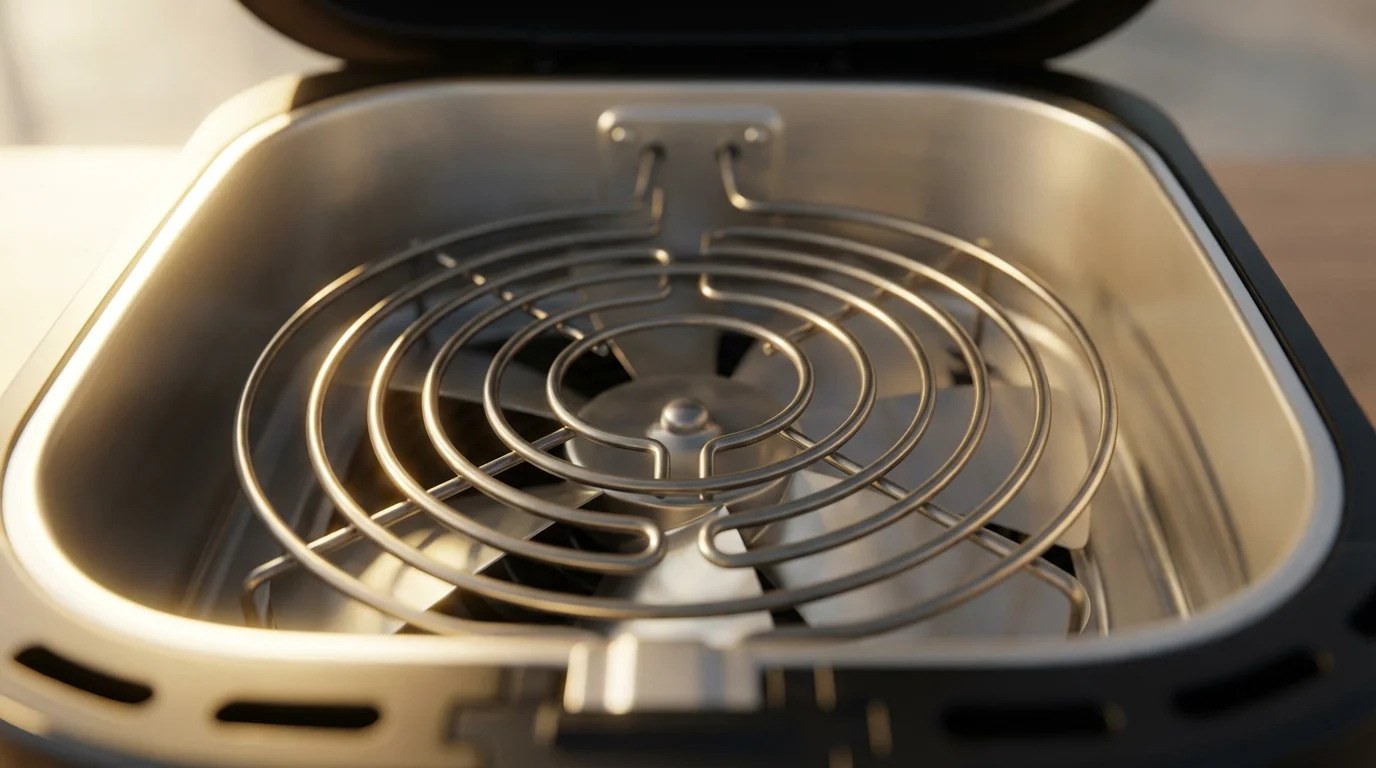
Understanding the mechanism helps you maximize your air fryer’s potential. An air fryer contains a heating element, usually at the top, and a powerful fan. When you turn it on, the heating element generates heat, and the fan immediately begins to circulate this hot air at high speed around the food. The design of the cooking chamber, often a perforated basket or tray, allows the hot air to reach all surfaces of the food, removing moisture and creating that desirable crispy exterior. The constant air circulation also helps to cook food more evenly and often faster than a conventional oven.
The intensity of this hot air circulation cooks food by creating a Maillard reaction, a chemical process responsible for browning and flavor development in many foods. This reaction is what gives air-fried foods their distinct crispness and rich taste, akin to deep frying but with only a tablespoon or two of oil, or sometimes none at all.
Why Choose an Air Fryer? Unpacking the Benefits
Many home cooks embrace air fryers for compelling reasons. Here are the primary advantages you gain by incorporating an air fryer into your kitchen:
While air frying focuses on speed and health, pairing it with other tools like sous vide machines can help you achieve restaurant-quality results at home.
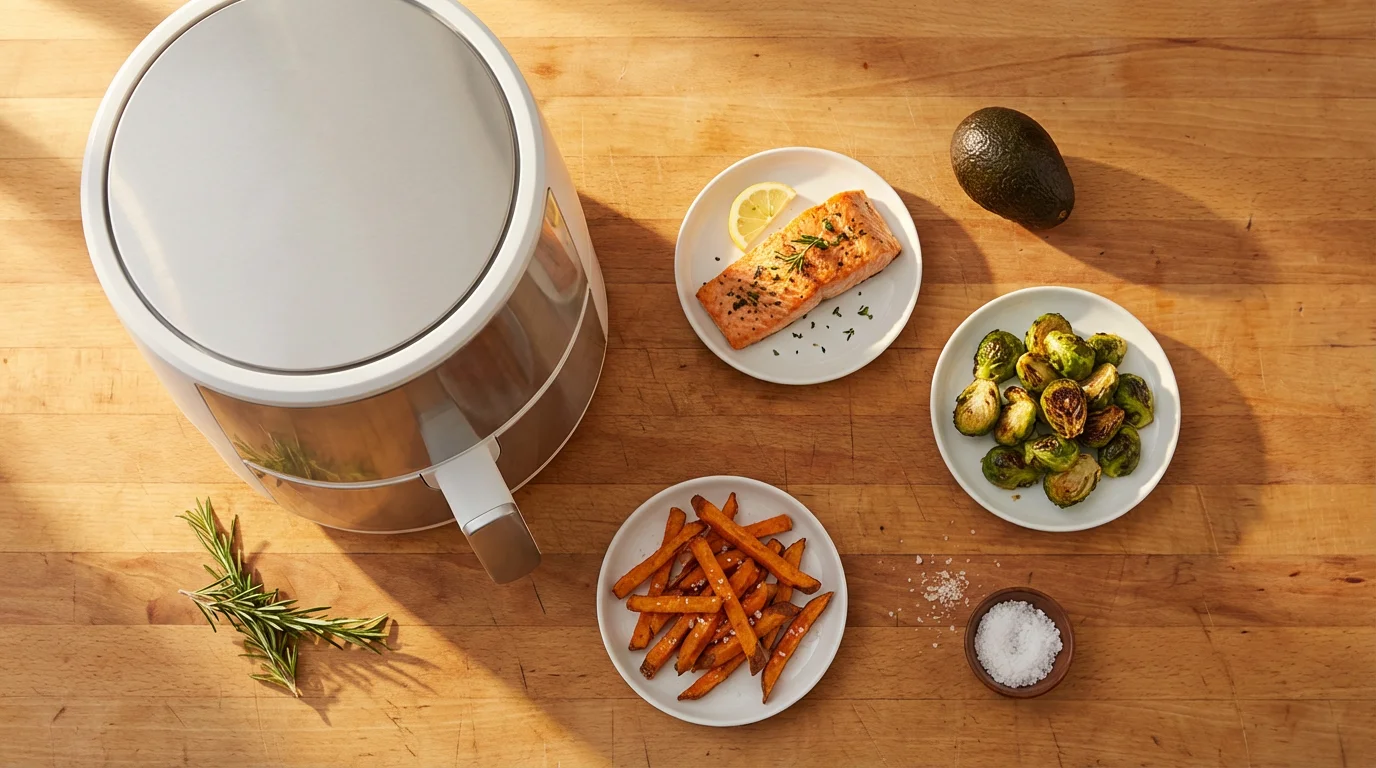
- Healthier Meals: Air frying significantly reduces the amount of oil needed compared to deep frying. You achieve crispy textures with a fraction of the fat, supporting healthy cooking habits.
- Speed and Efficiency: Air fryers preheat quickly, often in just 2-5 minutes. Their powerful convection cooking drastically cuts down cooking times for many dishes. For example, frozen fries that take 20-25 minutes in a conventional oven often finish in 12-15 minutes in an air fryer.
- Crispy Texture: The intense, circulating hot air excels at creating a satisfying crispy exterior on foods like chicken wings, french fries, and breaded items, which can be challenging to achieve in a regular oven.
- Versatility: While “frying” is in the name, air fryers can roast vegetables, bake small cakes, reheat leftovers, and even dehydrate some foods. They are far more versatile than just a fryer.
- Energy Savings: Air fryers are smaller than full-sized ovens, requiring less energy to heat. For smaller meals, they offer a more energy-efficient cooking method, particularly for single servings or small families. According to Consumer Reports, air fryers are generally more energy-efficient for small batches of food than a traditional oven.
- Easy Cleanup: Most air fryer baskets and trays feature non-stick coatings and are often dishwasher-safe, simplifying cleanup.
“Counter space is premium real estate. Before you buy any appliance, ask: will I use this at least once a week?” — Kitchen Designer
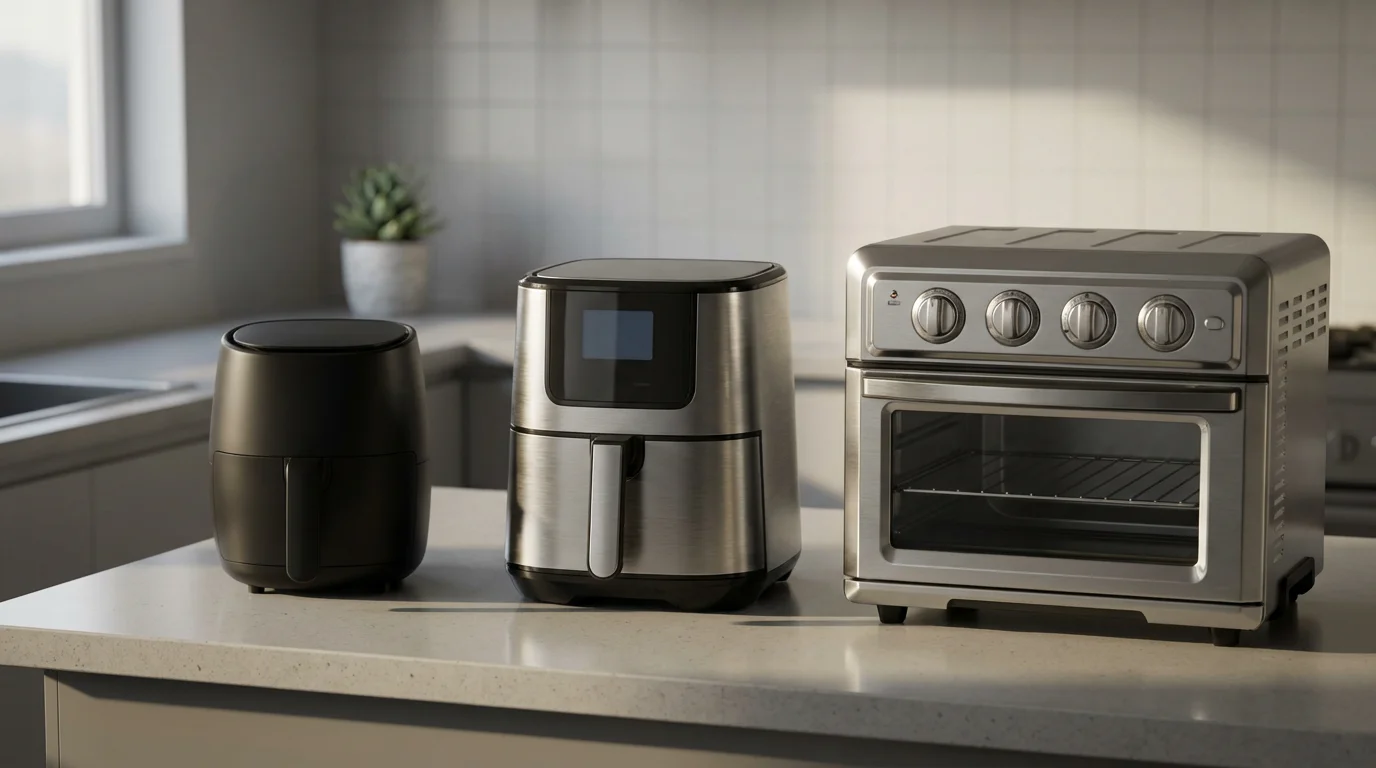
Choosing Your First Air Fryer: Key Considerations
Selecting the right air fryer involves balancing your needs with the appliance’s capabilities. Consider these factors:
Capacity
Air fryer capacity is typically measured in quart capacity. This refers to how much food the appliance holds, with 4 quarts equaling approximately 4 liters. A common mistake beginners make is underestimating the capacity they need.
- 2-3 Quarts: Best for individuals or couples. You can cook about 1-2 servings of fries or wings. These models have a smaller counter footprint.
- 4-6 Quarts: Ideal for small families (3-4 people). These handle larger batches of fries, up to a pound of chicken wings, or a small whole chicken. This range offers a good balance of capacity and counter space.
- 7+ Quarts: Suitable for larger families (5+ people) or those who entertain frequently. You can cook larger meals, multiple servings simultaneously, or even a small roast.
Always consider the internal cooking area, as a 5-quart basket from one brand might differ slightly in usable space from another.
Wattage
Wattage measures how much power an appliance uses. Higher wattage usually means faster preheating and cooking times, leading to more consistent results. Most air fryers range from 1200 to 1800 watts. Ensure your kitchen outlets can handle the wattage without tripping breakers. A higher wattage model typically performs better, but it also draws more power.
Dimensions and Counter Space
Air fryers vary significantly in size. Measure your available counter space and consider storage before buying. A typical 4-quart basket model might measure around 12-14 inches tall, 10-12 inches wide, and 12-14 inches deep. Oven-style models can be larger. Think about clearance above the air fryer for proper ventilation, especially if you have overhead cabinets. A compact model (e.g., 2-3 quarts) is best for small kitchens, minimizing its counter footprint.
Features and Controls
- Digital vs. Analog Controls: Digital displays offer precise temperature and time settings. Analog dials are simpler, but less precise.
- Preset Programs: Many air fryers include preset programs, automatic settings for common tasks like “fries,” “chicken,” or “fish.” These can simplify operation for beginners.
- Temperature Range: A wider temperature range (e.g., 180°F to 400°F) offers more cooking flexibility.
- Shake Reminder: Some models beep to remind you to shake or flip your food for even cooking. This feature significantly improves results for items like fries.
- Keep Warm Function: A keep warm function maintains food at serving temperature after cooking finishes, which is convenient if you are coordinating multiple dishes.
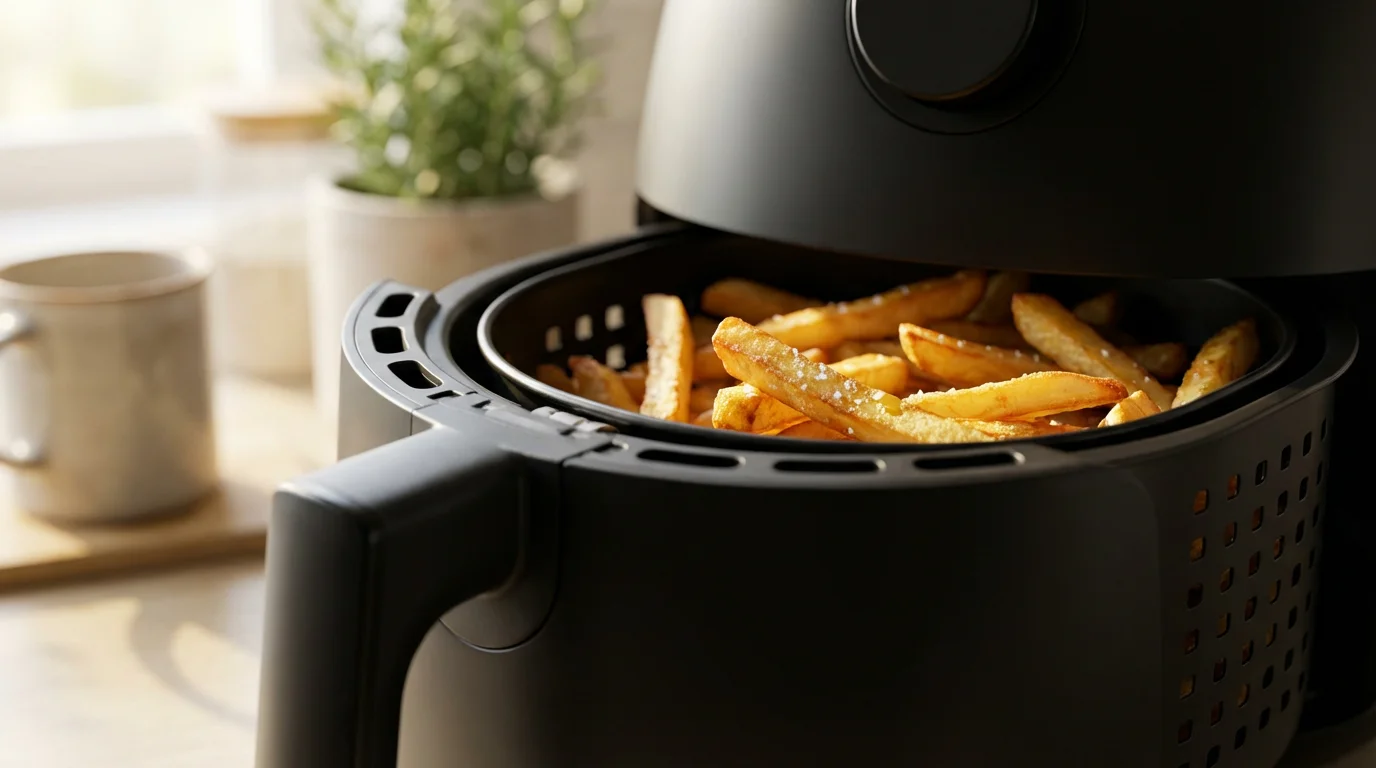
Basket vs. Oven-Style Air Fryers: Which Is Right for You?
Air fryers come in two primary configurations, each with distinct advantages:
Basket-Style Air Fryers
These are the most common type, resembling a compact pod or egg shape. They feature a pull-out drawer with a removable basket, ideal for single-layer cooking or shaking small batches of food.
- Pros:
- Compact footprint, saving counter space.
- Excellent at circulating air for crispy results.
- Simple operation and easy to clean.
- Often more affordable.
- Cons:
- Limited capacity, making it harder to cook for larger groups or prepare multiple items at once.
- Requires shaking or flipping food for even cooking.
- Not suitable for very large items or dishes that require a flat surface.
Oven-Style Air Fryers (Air Fryer Toaster Ovens)
These appliances resemble a small countertop oven and often combine the functions of a toaster oven, convection oven, and air fryer. They typically include racks, a rotisserie spit, and sometimes a baking pan.
- Pros:
- Larger capacity, accommodating bigger meals, a whole chicken, or multiple layers of food.
- More versatile, often performing baking, roasting, toasting, and dehydrating in addition to air frying.
- Visibility through a clear door to monitor cooking progress.
- Many models include a rotisserie function.
- Cons:
- Significantly larger counter footprint, requiring more space.
- Can be more expensive.
- Cleanup might be more involved due to multiple accessories and interior surfaces.
- Air circulation can sometimes be less intense than dedicated basket models, potentially requiring longer cooking times for ultimate crispiness.
Consider your primary needs. If crispiness for small batches and minimal counter space are priorities, a basket-style air fryer is an excellent choice. If you need capacity for a family, desire multiple cooking functions, and have ample counter space, an oven-style model might better suit you.
| Feature | Basket-Style Air Fryer | Oven-Style Air Fryer |
|---|---|---|
| Typical Capacity | 2-6 quarts | 6-20+ quarts |
| Counter Footprint | Compact | Larger, similar to a microwave |
| Versatility | Air frying, reheating, some roasting | Air frying, baking, roasting, toasting, dehydrating, rotisserie |
| Crispiness Factor | Excellent, highly efficient air flow | Very good, but may vary by model and food item |
| Ease of Cleaning | Generally easy (removable basket) | Can be more involved (multiple racks, interior) |
| Price Range | Typically $50-$150 | Typically $100-$300+ |
| Best For | Individuals, couples, small families needing dedicated air frying | Larger families, those needing multi-functionality, replacing other small appliances |
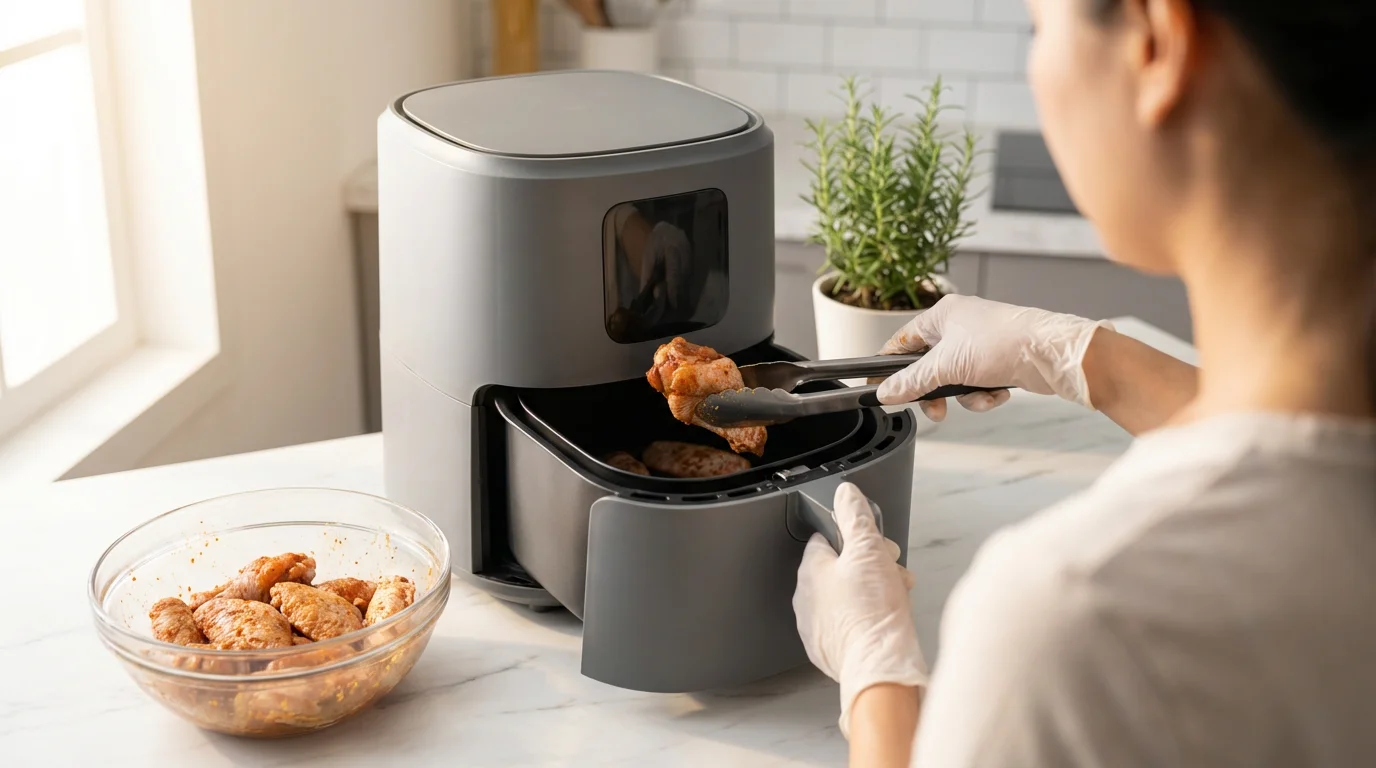
Essential Tips for Your First Air Frying Experience
Now that you have chosen your air fryer, it is time to start cooking. Learning how to use air fryer for first time is straightforward with these tips:
- Preheat Your Air Fryer: Just like a conventional oven, preheating your air fryer for 3-5 minutes at the desired temperature ensures more even cooking and crispier results.
- Don’t Overcrowd the Basket: This is perhaps the most critical rule for successful air frying. Overcrowding prevents hot air from circulating effectively, resulting in steamed, not crispy, food. Cook in batches if necessary, maintaining a single layer or leaving space between items.
- Use a Little Oil: While air frying uses less oil, a light spray or toss with a teaspoon of oil (like avocado, grapeseed, or canola) helps achieve optimal crispiness and prevents food from sticking. Avoid non-stick sprays in aerosol cans, as their propellants can damage non-stick coatings over time. Instead, use an oil mister.
- Shake or Flip Your Food: For items like fries, chicken nuggets, or vegetables, shake the basket or flip the food halfway through the cooking time. This ensures all sides get exposed to the circulating hot air, promoting even browning and crispness. Some models feature a “shake reminder.”
- Check Doneness: Air fryer cooking times are often shorter than traditional methods. Start checking your food a few minutes before the recommended time, especially when you are using the air fryer for the first time.
- Experiment with Temperature and Time: Recipes and guides provide good starting points, but every air fryer performs slightly differently. Note down what works best for your specific model and preferred crispiness. The best air fryer settings for beginners often involve starting at a moderate temperature (around 350-375°F) and adjusting the time as you learn. For specific guidance, resources like Serious Eats equipment reviews often provide detailed usage tips and recipe ideas.
- Clean After Each Use: Residue builds up and affects performance and hygiene. Prompt cleaning prevents food from sticking and makes the job easier.
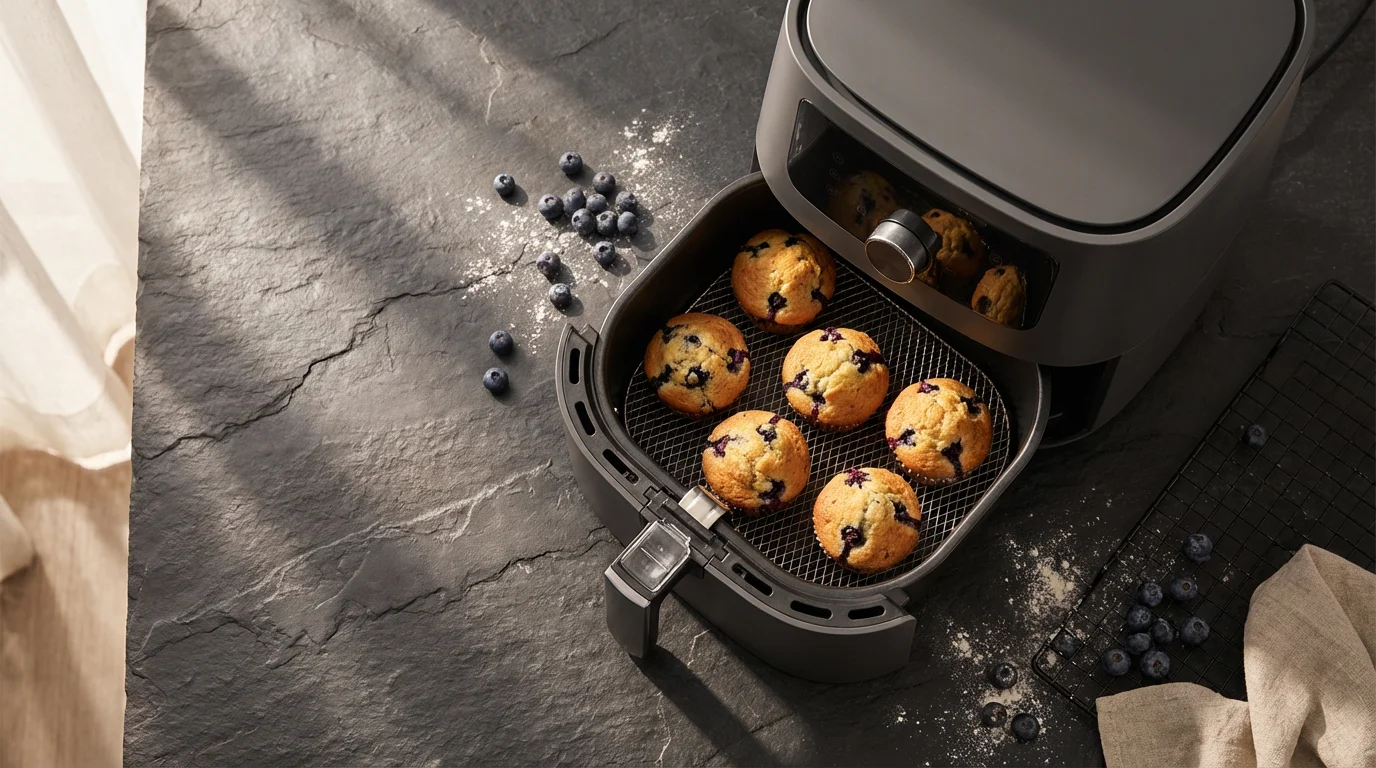
Beyond Frying: What Else Can Your Air Fryer Do?
An air fryer is a versatile kitchen workhorse. Beyond perfectly crispy “fried” foods, you can use it for:
For those who love making breakfast, waffle makers are another great addition to a versatile countertop setup.
- Roasting Vegetables: Broccoli, Brussels sprouts, asparagus, and potatoes become beautifully tender-crisp.
- Baking: Small batches of cookies, brownies, muffins, or even a personal pizza can bake efficiently.
- Reheating Leftovers: It revitalizes leftovers like pizza slices, fried chicken, or spring rolls, making them crispy again instead of soggy like a microwave.
- Cooking Frozen Foods: From fish sticks to chicken tenders, frozen foods cook quickly and achieve excellent texture.
- Toast and Bagels: Many oven-style air fryers perform effectively as a toaster oven.
- Searing and Grilling: While not a true grill, some accessories allow for grilling small items like chicken breasts or steaks.
Cleaning and Maintenance for Longevity
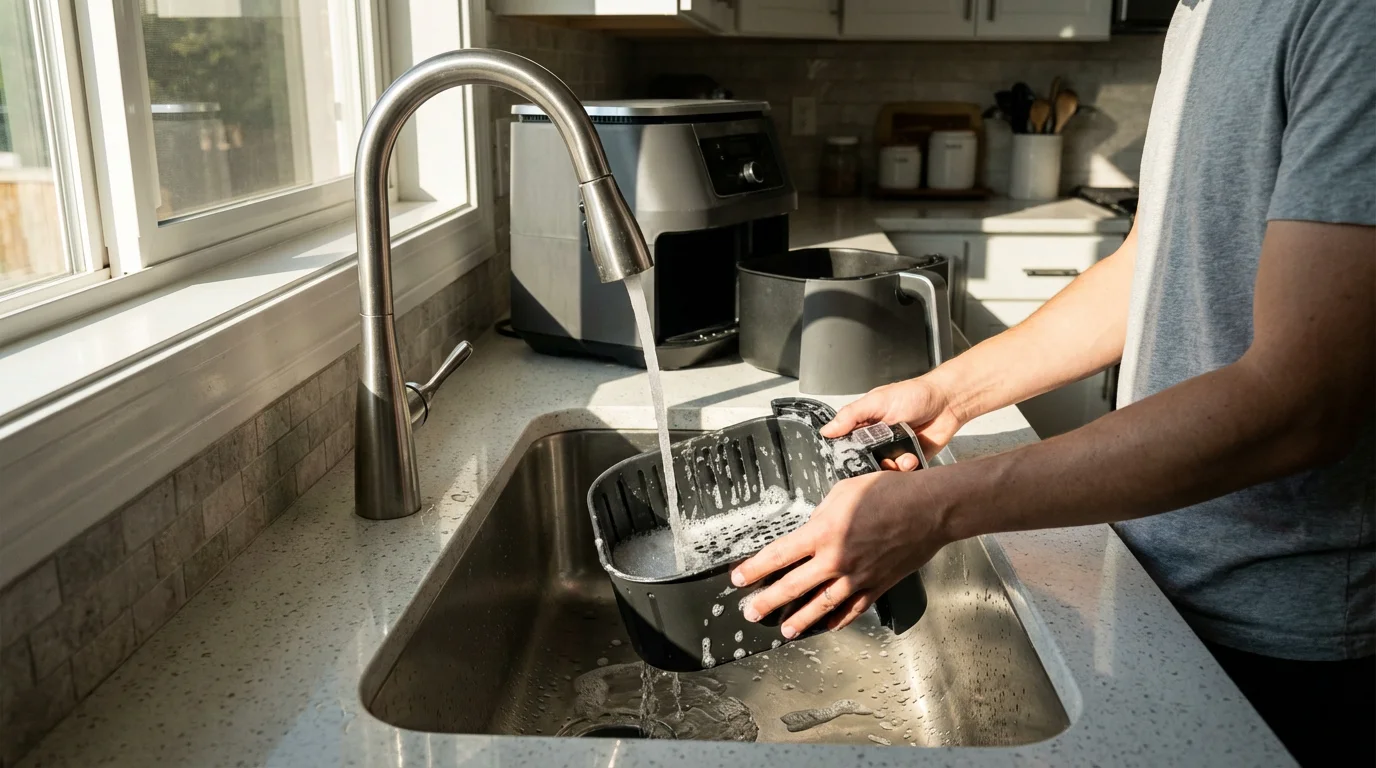
Regular cleaning extends your air fryer’s life and ensures hygienic, efficient operation. Many modern air fryers feature dishwasher-safe components, making cleanup a breeze. Here’s how to keep your appliance in top condition:
- Unplug Before Cleaning: Always disconnect your air fryer from the power outlet before you start cleaning.
- Clean After Every Use: Allow the air fryer to cool completely. Remove the basket or trays and wash them with warm, soapy water and a non-abrasive sponge. Most are non-stick, so food should slide off easily. Many baskets and trays are dishwasher-safe.
- Wipe Down the Interior: Use a damp cloth to wipe the inside of the cooking chamber. For stubborn grease, a mixture of baking soda and water can create a gentle paste to scrub it away. Ensure you clean around the heating element carefully.
- Clean the Exterior: Wipe the outside of the air fryer with a damp cloth to remove fingerprints and splatters.
- Address the Heating Element: If you notice residue on the heating element at the top, gently wipe it with a damp cloth or a soft brush once the unit is cool. Avoid using excessive water directly on the element.
- Check Air Vents: Ensure the air intake and exhaust vents on the appliance are free from dust or debris, which can impede airflow and affect performance.
Common Air Fryer Mistakes to Avoid
As you get comfortable with your air fryer, be mindful of these common pitfalls:
- Using Too Much Oil: While a little oil helps, excessive amounts can cause smoking, especially with oils that have a low smoke point. Stick to a light coat.
- Not Preheating: Skipping preheating means your food starts cooking in a cool environment, extending cooking time and yielding less crispy results.
- Not Shaking/Flipping Food: Uneven cooking and soggy spots occur if you do not turn or shake food.
- Ignoring Recommended Temperatures: Air fryers cook faster and hotter than conventional ovens. Adjust recipes accordingly. Lower the temperature by 25°F and reduce cooking time by about 20% from conventional oven instructions.
- Using Wet Batter: Standard wet batters (like for tempura) do not work well in an air fryer. They drip and make a mess. Use drier coatings, breadcrumbs, or flour-based coatings instead.
- Not Cleaning Regularly: Accumulated grease and food particles affect performance, cause odors, and can pose a fire hazard.
- Using Parchment Paper Incorrectly: Do not place parchment paper in an empty, preheating air fryer. The circulating air can lift it into the heating element and cause a fire. Always ensure food weighs down the parchment.
Frequently Asked Questions
Can I put aluminum foil in an air fryer?
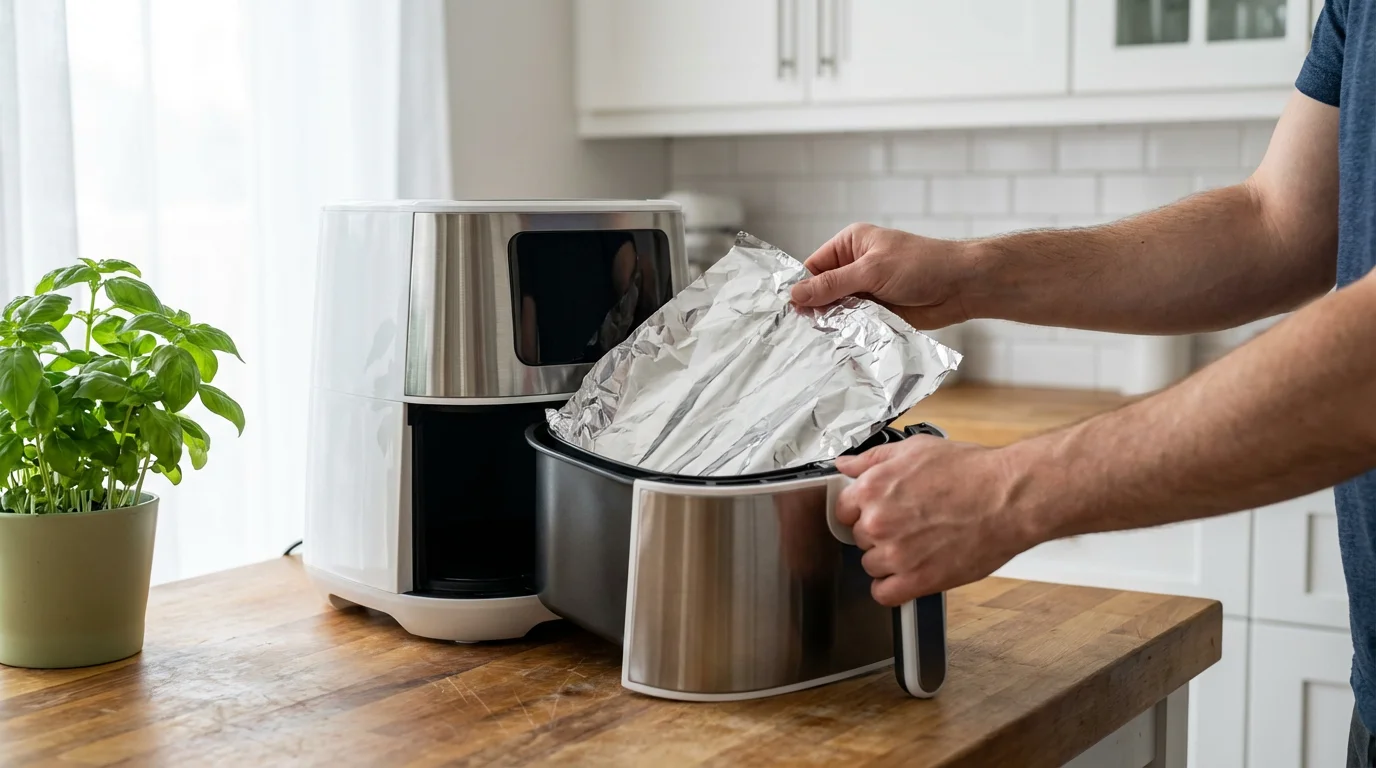
Yes, you can use aluminum foil in an air fryer, but do so carefully. Always place it beneath the food to ensure it stays in place and does not interfere with the air circulation. Avoid covering the entire basket or blocking the airflow, as this defeats the purpose of air frying and can hinder cooking efficiency. Do not use foil during preheating if it is not weighted down by food.
How loud are air fryers?
Air fryers typically produce a moderate amount of noise, comparable to a loud fan or a running dishwasher. The noise level depends on the model and the power of its fan. Some higher-end models feature quieter operation, but you should expect a discernible hum while it is running. This is generally a non-issue for most users.
Do air fryers use a lot of electricity?
Air fryers consume between 1200 and 1800 watts, similar to a microwave or a hair dryer. For a typical half-hour cooking session, they use less energy than a conventional oven because of their smaller size and faster cooking times. While they draw significant power when active, their efficiency for smaller meals can lead to overall energy savings compared to heating a large oven.
What is the best oil to use for air frying?
Use oils with a high smoke point, such as avocado oil (smoke point around 520°F), grapeseed oil (around 420°F), canola oil (around 400°F), or refined olive oil (around 465°F). These oils tolerate the high temperatures inside the air fryer without burning or producing off-flavors. Avoid extra virgin olive oil or butter for high-temperature air frying, as they have lower smoke points.
Can I cook frozen food directly in an air fryer?
Absolutely. The air fryer excels at cooking most frozen foods, often with superior results compared to a microwave or even a conventional oven. Items like frozen french fries, chicken nuggets, fish fillets, and mozzarella sticks cook quickly and achieve a delightful crispness directly from the freezer. You generally do not need to defrost them first, but you might need to add a few minutes to the suggested cooking time.
Disclaimer: Product prices, features, and availability change frequently. Prices shown were accurate at time of writing but may have changed. We may earn a small commission from purchases made through links on this site, at no extra cost to you. Always verify current pricing and specifications on the retailer’s website before purchasing.
If efficiency is your top priority, you might also find electric kettles useful for speeding up your morning routine.
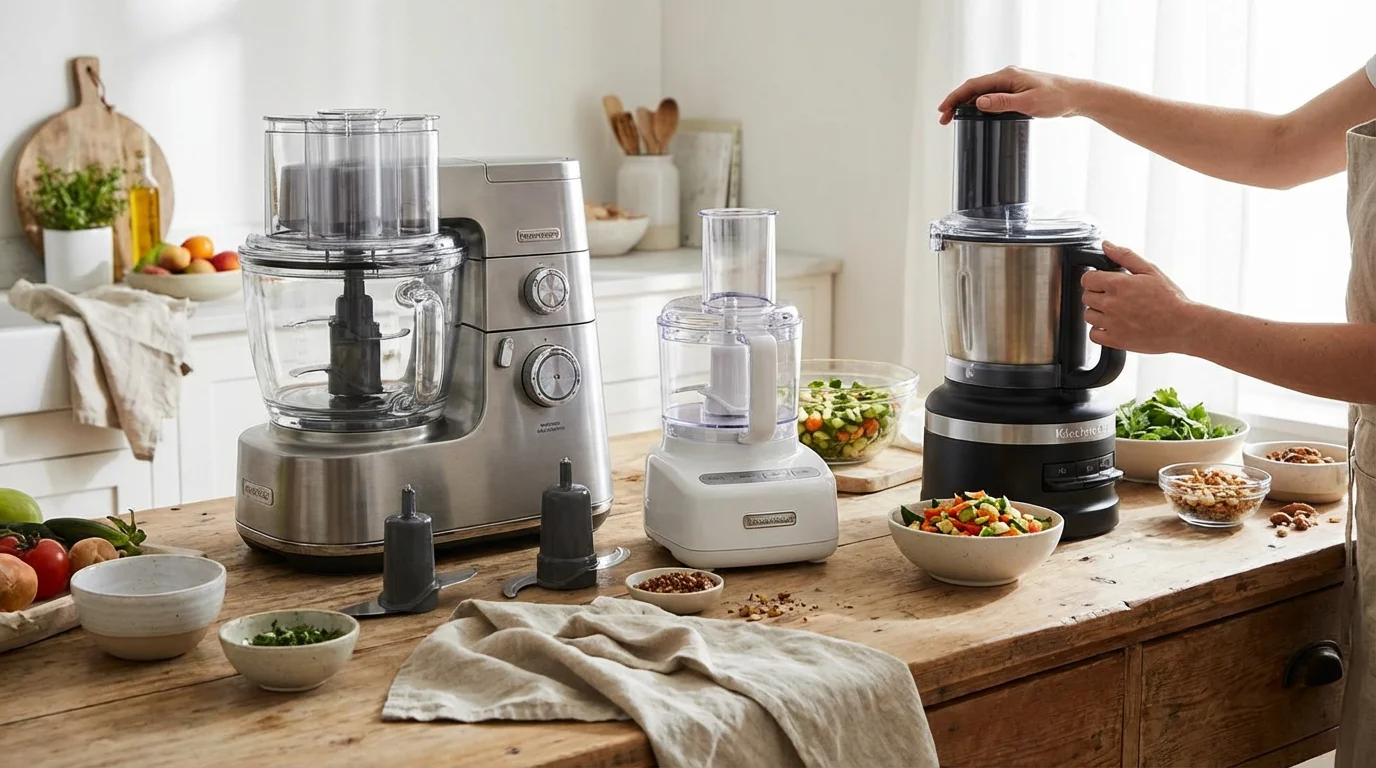
To further your healthy cooking journey, food processors can significantly reduce the time spent prepping fresh vegetables and salads.
If you enjoy the baking capabilities of your air fryer, you may eventually want to invest in stand mixers for more complex doughs and batters.
When cooking for a crowd, electric griddles offer another energy-efficient way to prepare large amounts of food simultaneously.


Leave a Reply