
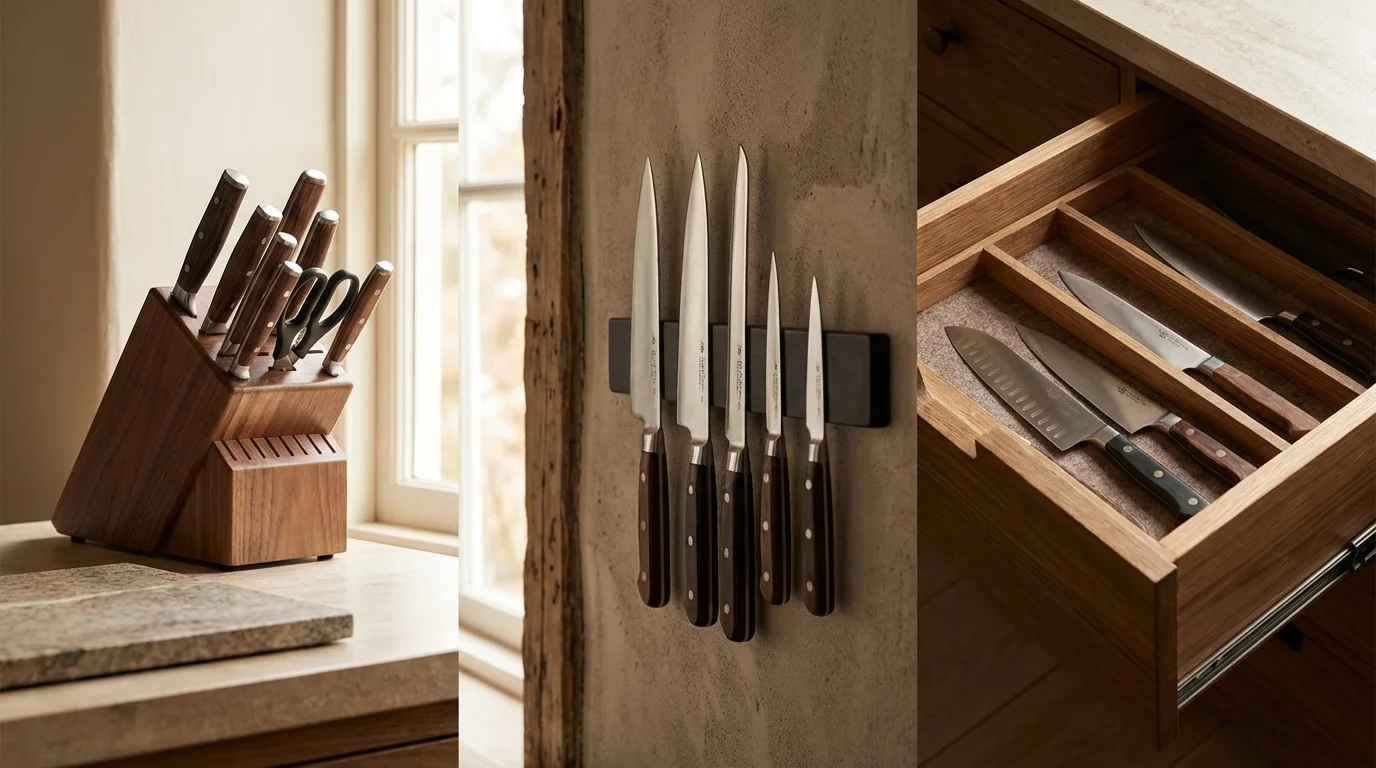
A well-organized kitchen makes cooking a pleasure, not a chore. Among the many tools battling for space, your kitchen knives demand special attention. Proper knife storage protects your valuable blades, keeps them sharp longer, and, most importantly, prevents accidents. Choosing the best way to store kitchen knives safely involves considering your kitchen layout, knife collection size, budget, and personal aesthetic. We will explore the three primary methods: knife blocks, magnetic knife strips, and in-drawer knife organizers, offering practical insights to help you decide.
Why Proper Knife Storage Matters
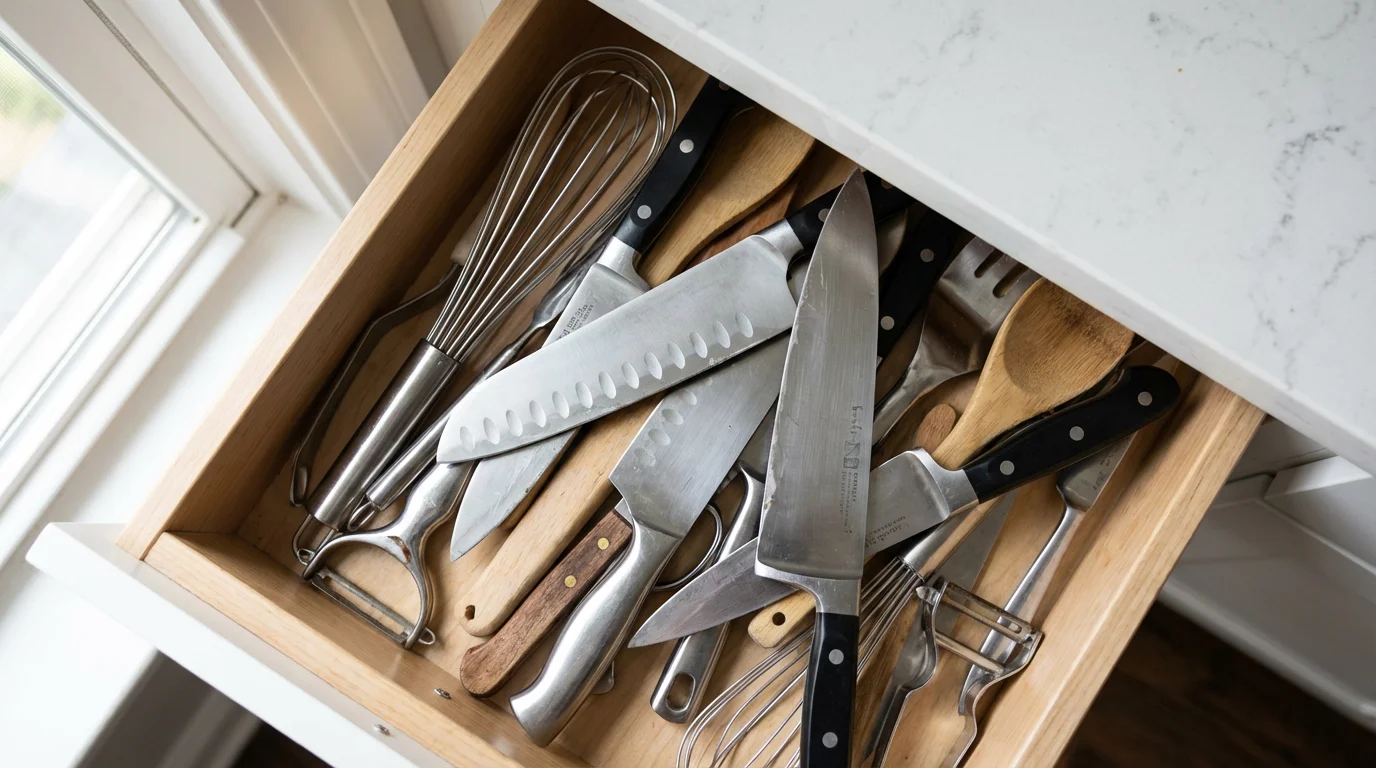
You invest in quality knives for efficient food preparation, so protect that investment with appropriate storage. Improper storage dulls blades quickly, requires more frequent sharpening, and creates safety hazards. Imagine fumbling through a cluttered drawer, cutting yourself on an exposed blade. Or picture a beautiful knife set, its edges chipped from banging against other utensils. Effective knife storage prevents these issues. It means your knives stay sharp, you retrieve them without risk, and your kitchen appears more organized. According to Good Housekeeping’s home organization advice, keeping frequently used items accessible and safe is a cornerstone of an efficient kitchen.
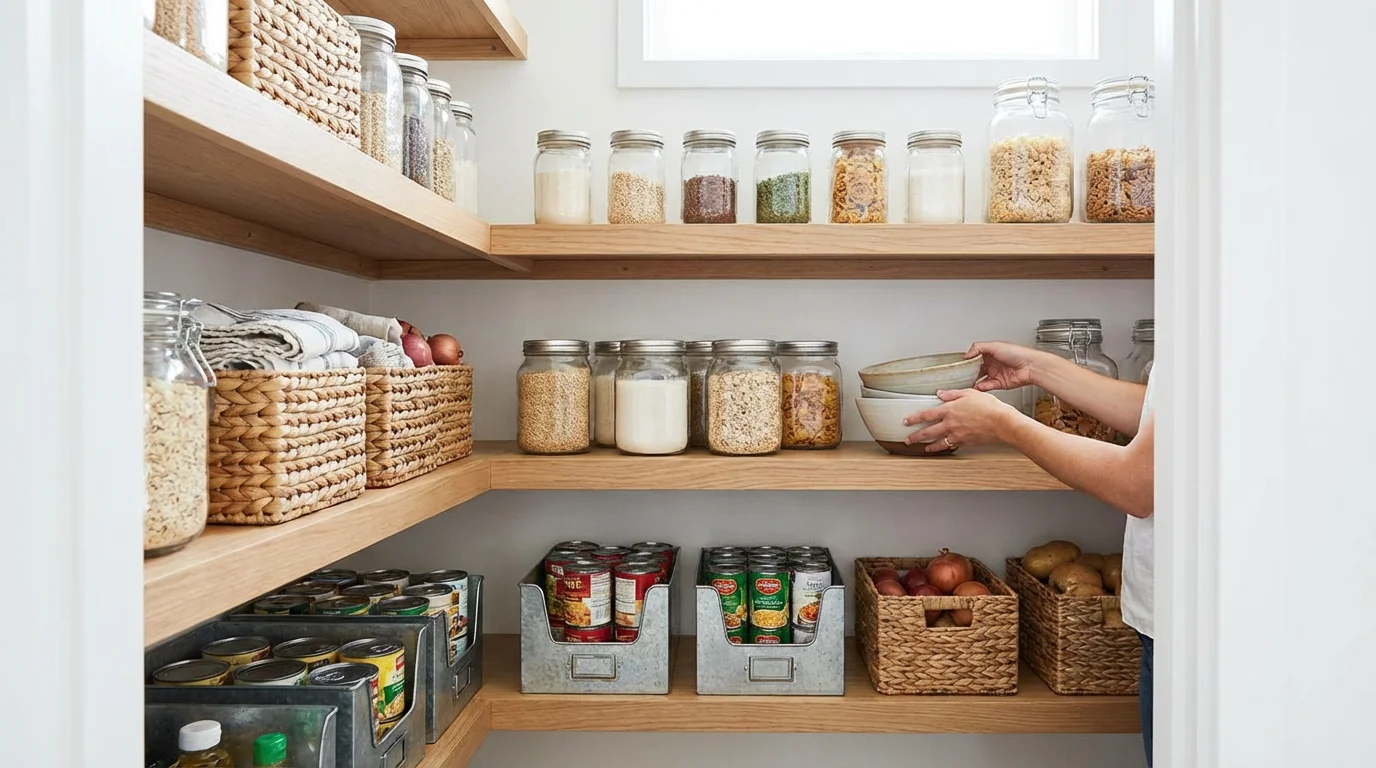
Effective storage is a key part of broader pantry organization ideas that actually work to streamline your cooking process.
Knife Blocks: Traditional and Versatile
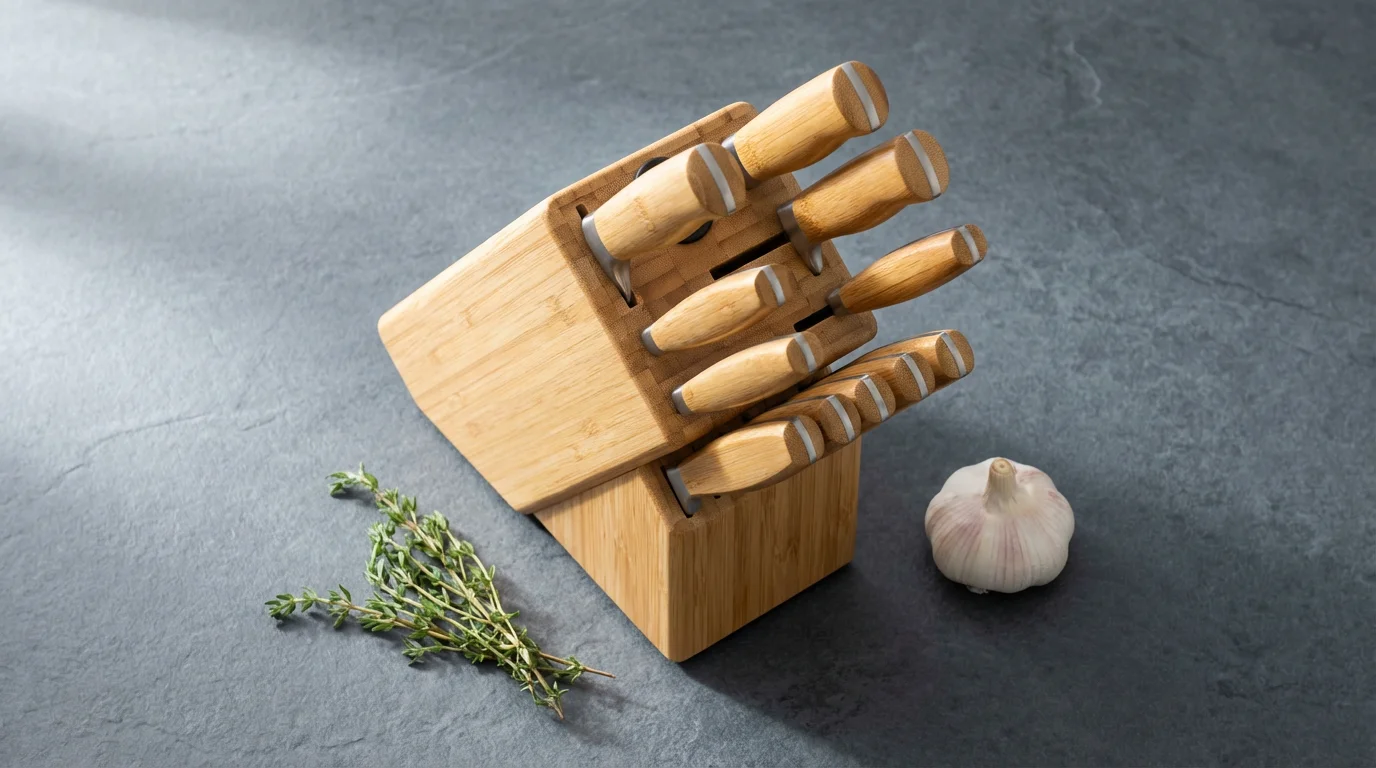
Knife blocks, often crafted from wood, bamboo, or plastic, provide individual slots for each knife. They come in various designs, from classic countertop models to innovative in-drawer solutions. Most countertop blocks feature angled slots, allowing easy access while protecting the blade.
Types of Knife Blocks
- Slotted Blocks: These are the most common, featuring pre-cut slots sized for specific knife types (chef’s knife, paring knife, bread knife, etc.). A typical 12-slot block might measure approximately 9 inches wide, 12 inches deep, and 8.5 inches high.
- Universal Blocks: These blocks use flexible rods or bristles, allowing you to insert knives anywhere, regardless of blade size or shape. They offer greater flexibility than slotted blocks, accommodating a wider range of knife collections. A popular universal block might be 4 inches wide, 10 inches deep, and 9 inches high.
- In-Drawer Blocks: Designed to sit inside a kitchen drawer, these blocks offer the safety and protection of a traditional block without consuming countertop space. They typically have a low profile, often around 2 inches high, and vary in width and depth to fit standard drawer sizes, such as 10-17 inches wide and 15-20 inches deep.
Pros of Knife Blocks
- Blade Protection: Knives rest securely in individual slots, preventing contact with other utensils that can dull or damage edges.
- Safety: Blades are fully enclosed, significantly reducing the risk of accidental cuts.
- Accessibility (Countertop): Your essential knives remain within arm’s reach while you cook.
- Aesthetics: Many blocks feature attractive designs and materials, complementing kitchen decor.
- Portability: You can move a countertop block if you need to clear space or reorganize.
Cons of Knife Blocks
- Countertop Space: Countertop blocks consume valuable counter real estate, a significant drawback in smaller kitchens.
- Cleaning Challenges: Knife slots can collect crumbs, dust, and moisture, making thorough cleaning difficult. This can harbor bacteria or promote rust if not cleaned regularly.
- Limited Flexibility: Slotted blocks only accommodate specific knife sizes. If your collection changes, you might find some slots unusable or not enough space for new knives.
Maintenance Tips for Knife Blocks
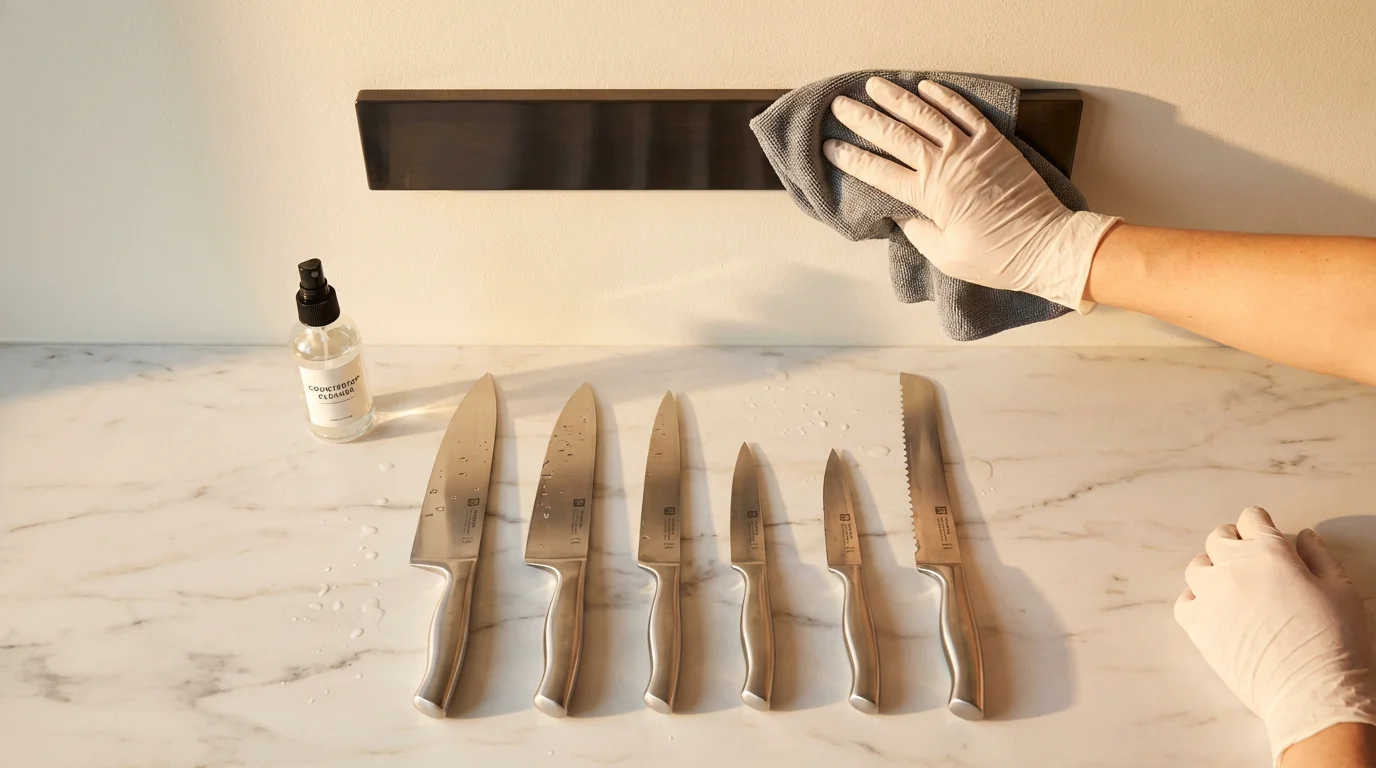
To keep your knife block sanitary, periodically empty it, turn it upside down, and shake out crumbs. For slotted blocks, use a pipe cleaner or bottle brush with a mild soap solution to clean inside the slots, then rinse and allow it to air dry completely before reinserting knives. For universal blocks, remove the rod inserts and wash them thoroughly. Ensure the block is completely dry to prevent mold or mildew growth, especially important for wood blocks.
Magnetic Knife Strips: Sleek and Accessible
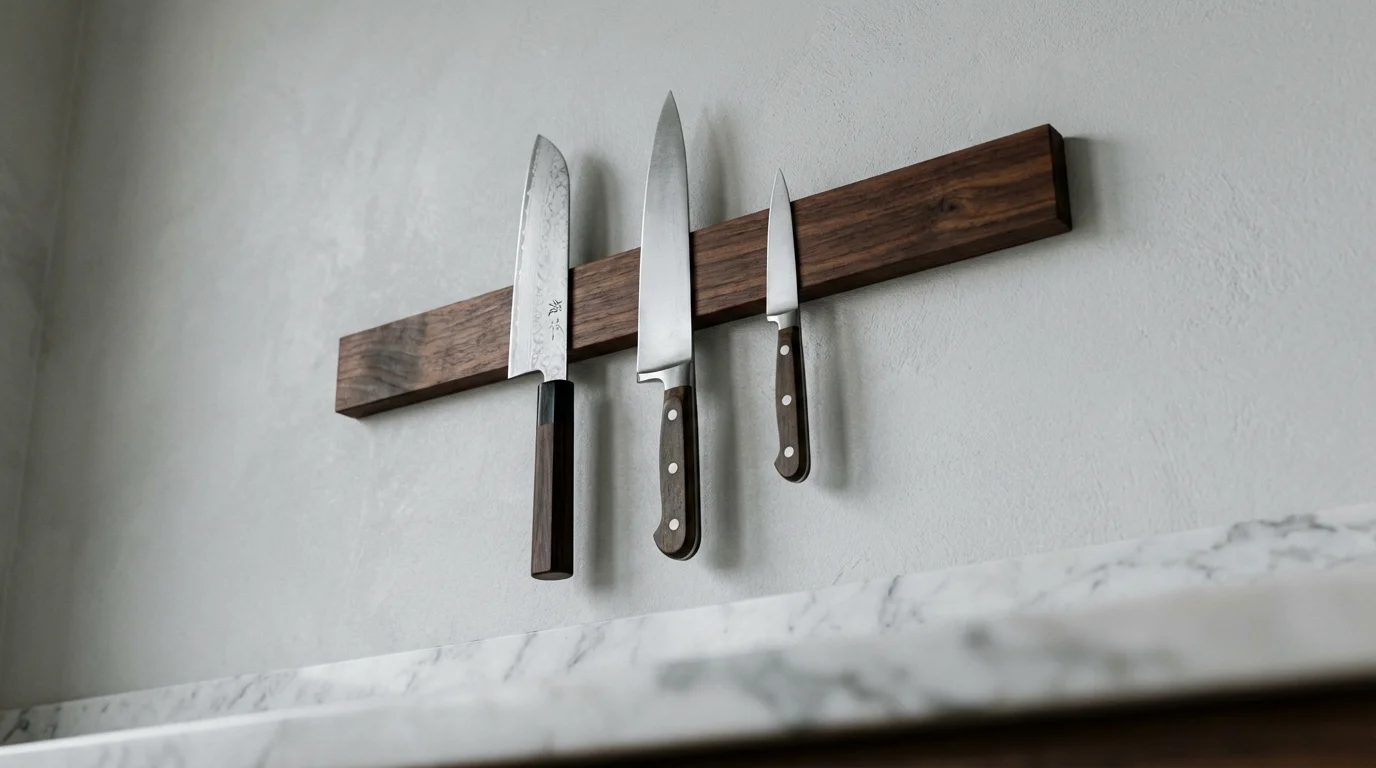
A magnetic knife strip, also known as a magnetic knife rack, is a wall-mounted bar containing strong magnets. Knives adhere directly to the strip, displaying their blades openly. These strips commonly measure 12 to 24 inches in length, but some extend up to 36 inches, offering substantial storage. They are a popular choice for their modern aesthetic and efficient use of vertical space.
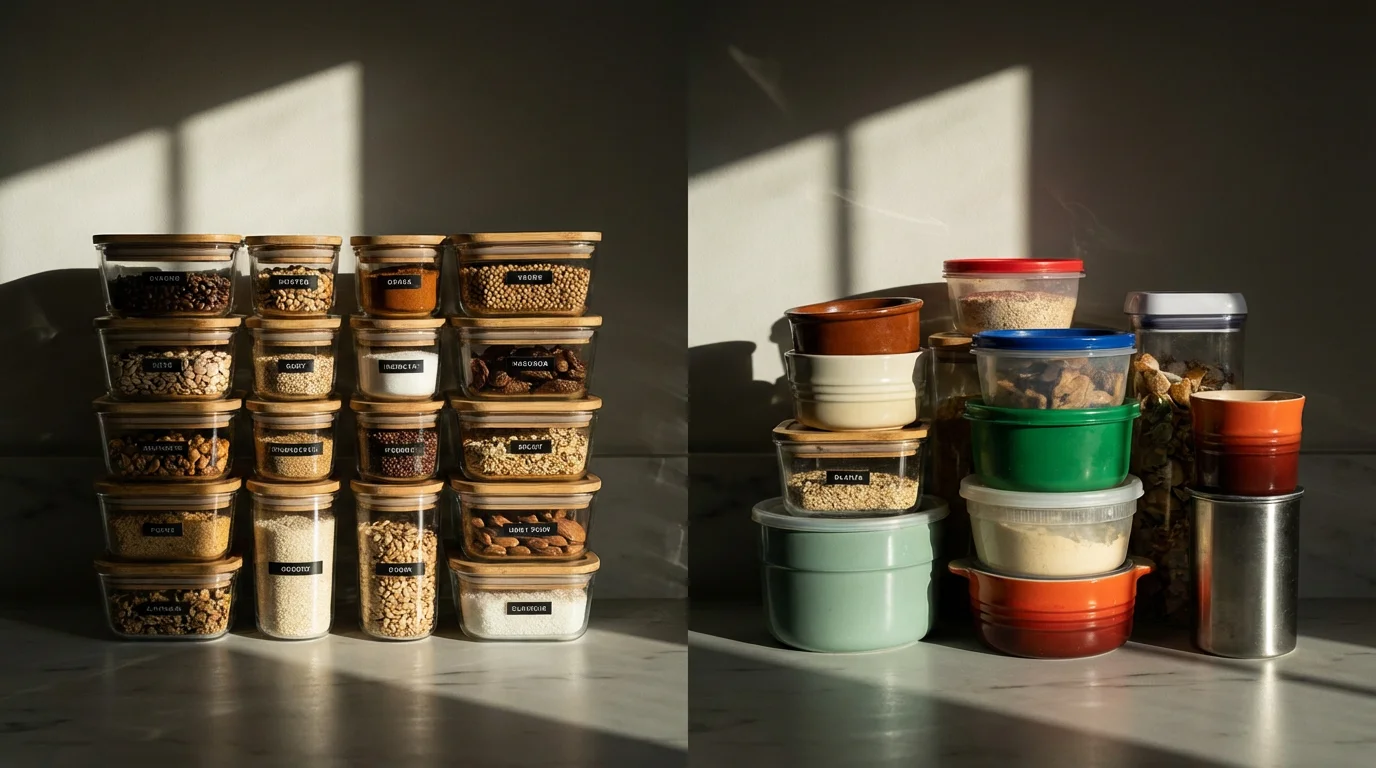
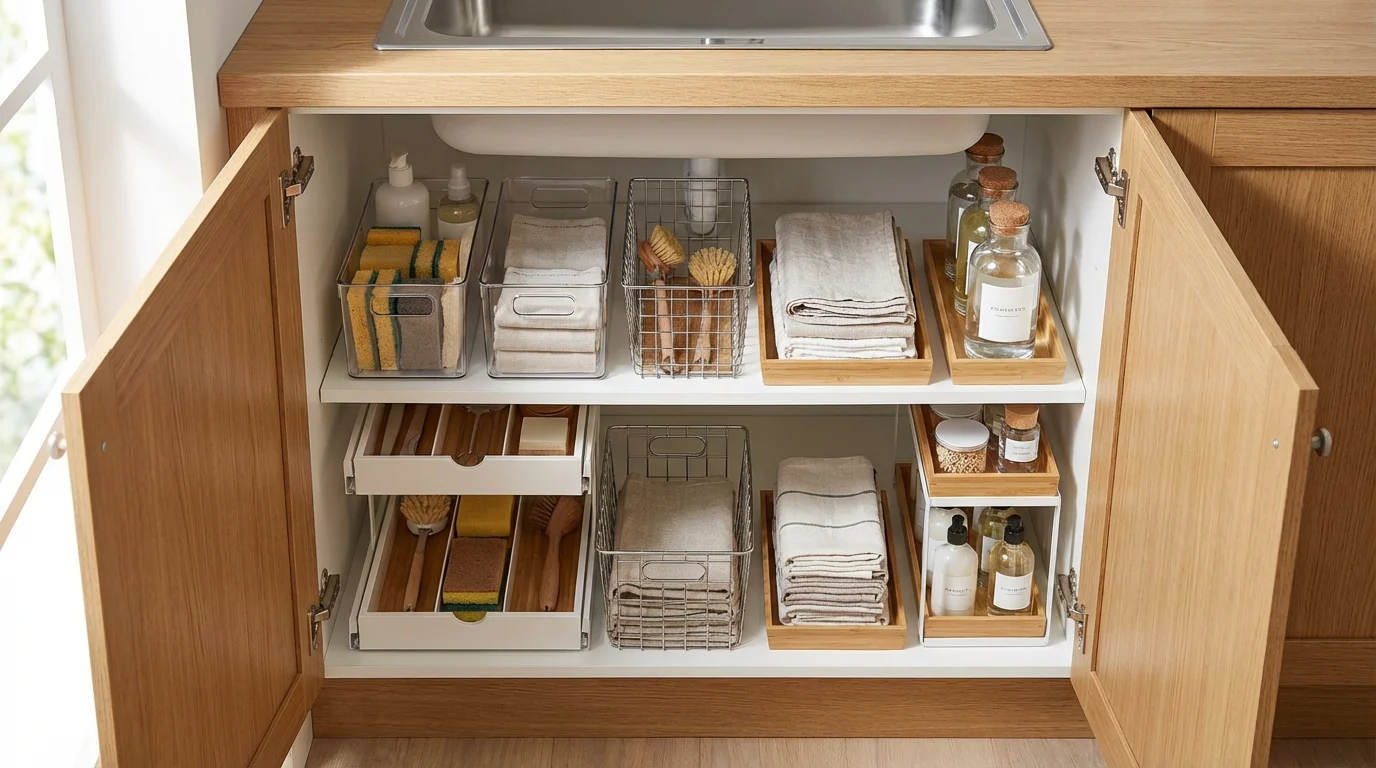
Keeping your counters tidy is easier when you also use efficient food storage containers in your cabinets.
Materials and Installation
Magnetic strips typically consist of wood, stainless steel, or plastic housing powerful rare-earth magnets. Installation usually involves screwing the strip directly into wall studs for maximum security. For renters or those who cannot drill into walls, some adhesive-backed strips exist, though they hold fewer knives and offer less reliability for heavier blades. Always mount a magnetic knife strip at a comfortable height, away from areas where you might accidentally bump into it, such as above a sink or directly over a high-traffic counter edge.
Pros of Magnetic Knife Strips
- Space-Saving: Frees up valuable countertop and drawer space, making them ideal for small kitchens.
- Hygienic: Knives are openly displayed, allowing for quick cleaning and air circulation, which prevents moisture buildup and bacterial growth. You see any dirt or residue instantly.
- Easy Access: Grab the exact knife you need with a single motion.
- Blade Health: Blades do not rub against other surfaces, preserving their edge.
- Versatility: Can hold other magnetic kitchen tools like scissors or peeler.
- Aesthetics: Creates a professional, minimalist look in your kitchen.
Cons of Magnetic Knife Strips
- Safety Concerns: Exposed blades pose a greater risk of accidental cuts, especially if children are present or if mounted at an improper height. When removing a knife, pull it from the spine, not the blade edge.
- Installation: Requires drilling into a wall, which might not be suitable for renters or those unwilling to make permanent changes.
- Appearance: A constantly changing knife collection might look less tidy on an open display. Some find the visual of exposed blades unappealing.
- Dust: Openly displayed knives can collect dust and grease more readily than enclosed storage.
“When mounting a magnetic knife strip, always consider the flow of your kitchen. Place it near your primary prep area for efficiency, but high enough to keep blades out of reach of small children. Safety should always be your top priority.” — QuickKitchenTools.com Expert Tip
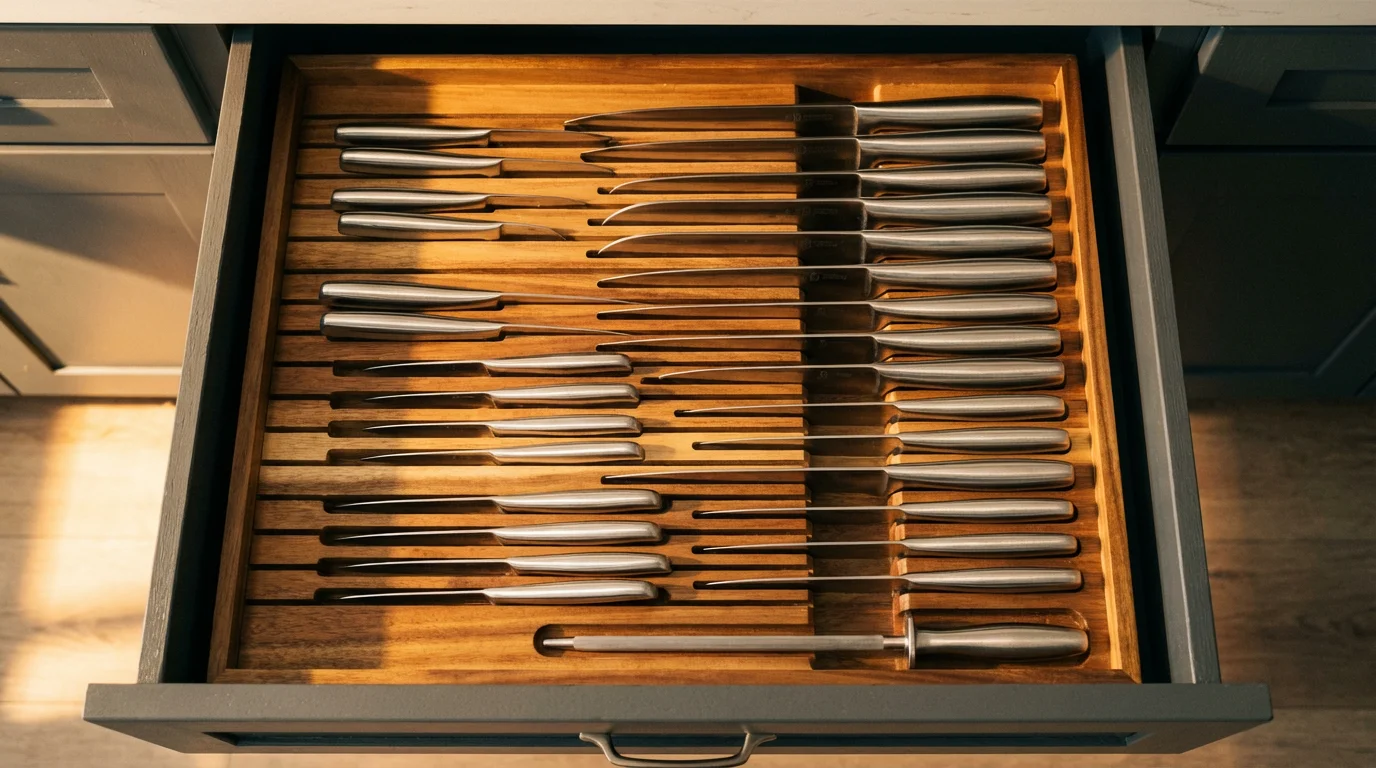
In-Drawer Knife Organizers: Out of Sight, Out of Mind
In-drawer knife organizers provide a safe, concealed way to store knives within existing kitchen drawers. These organizers come in various configurations, typically with slots or grooves that cradle knife blades horizontally. They are an excellent option for maintaining a clean, clutter-free countertop while protecting your knives.
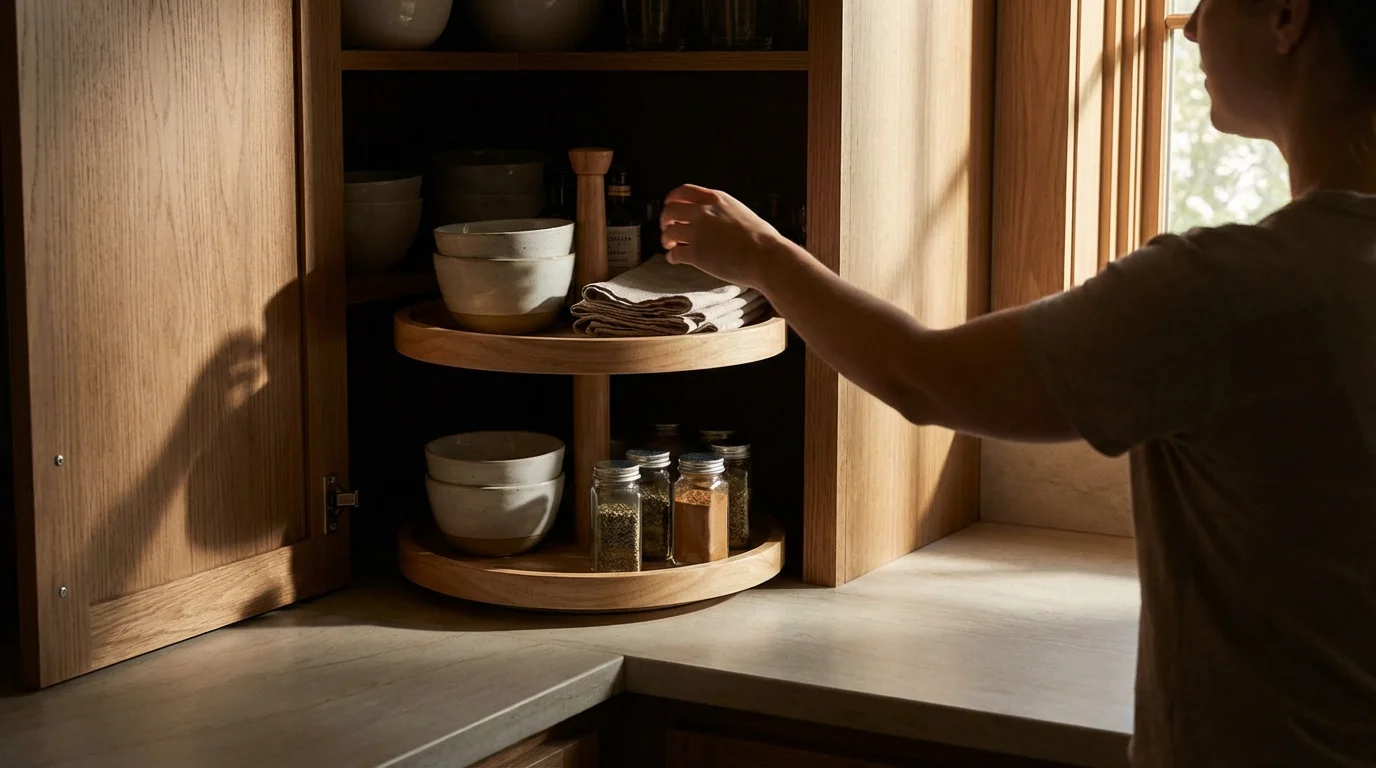
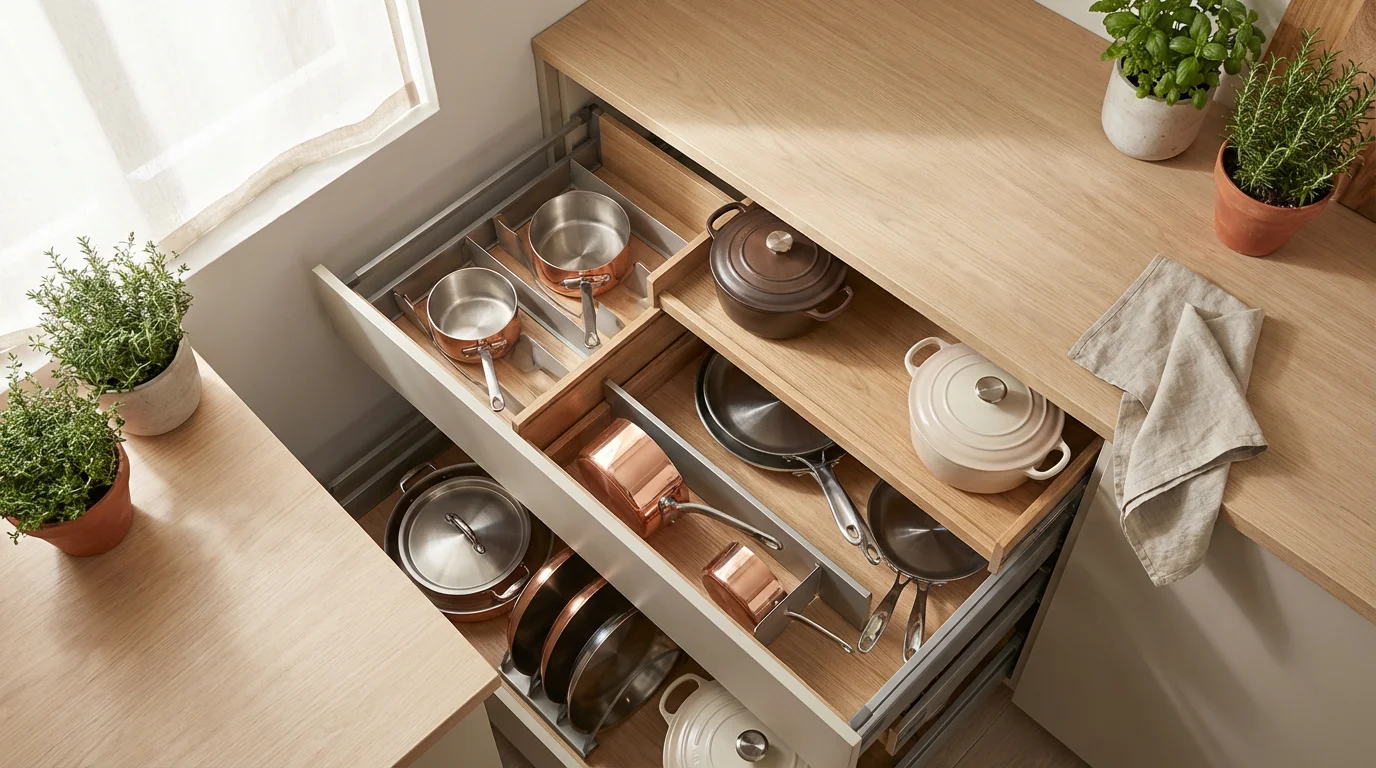
If you are also struggling with bulky cookware, consider using dedicated cabinet organizers for pots and pans to free up more kitchen storage.
Types of In-Drawer Organizers
- Slotted Trays: These are molded plastic or wood inserts with specific slots for various knife sizes. Many feature two tiers, allowing you to store a larger quantity of knives in a compact footprint. A common two-tier tray might measure 8-10 inches wide, 15-18 inches deep, and 2-3 inches high.
- Universal Dividers: Some organizers use adjustable dividers to create custom compartments for knives and other utensils. While not specifically for knives, you can configure them to hold knives safely if they include knife-friendly materials.
- Wooden Blocks: Similar to countertop blocks, these are purpose-built wooden blocks designed to fit inside a drawer, offering sturdy, precise knife storage. They typically measure 15-20 inches deep and 5-10 inches wide, with a height of 2 inches or more, accommodating 5-10 knives.
Drawer Considerations
Before purchasing an in-drawer organizer, accurately measure your drawer’s interior dimensions: width, depth, and height. Standard kitchen drawers vary; typical interior dimensions for a base cabinet drawer might be 15-21 inches wide, 20-22 inches deep, and 3-6 inches high. Ensure you account for the organizer’s height, especially for two-tier models, to ensure the drawer closes smoothly without blades catching. For example, a chef’s knife can be 13-15 inches long, so you need a drawer at least that deep to store it horizontally.
According to Wirecutter’s kitchen organization reviews, in-drawer solutions are often praised for their ability to maximize space efficiency in smaller kitchens by keeping countertops clear.
Pros of In-Drawer Organizers
- Safety: Blades remain fully enclosed and out of sight, offering the highest level of safety, especially in households with children.
- Space-Saving (Countertop): Keeps your countertops completely clear, contributing to a minimalist and uncluttered kitchen aesthetic.
- Blade Protection: Knives rest in individual slots, preventing contact and preserving blade edges.
- Discreet: Hides your knife collection, contributing to a streamlined kitchen appearance.
- No Installation: Simply place the organizer in your drawer. Great for renters.
Cons of In-Drawer Organizers
- Drawer Space: Consumes valuable drawer space that could otherwise hold other utensils.
- Accessibility: Requires opening a drawer each time you need a knife, which can be slightly less immediate than a countertop block or magnetic strip.
- Limited Capacity: Many organizers hold 6-12 knives. If you have an extensive collection, you might need multiple organizers or a different solution.
- Fit Issues: Requires precise measurement to ensure the organizer fits your drawer and accommodates your longest knives.
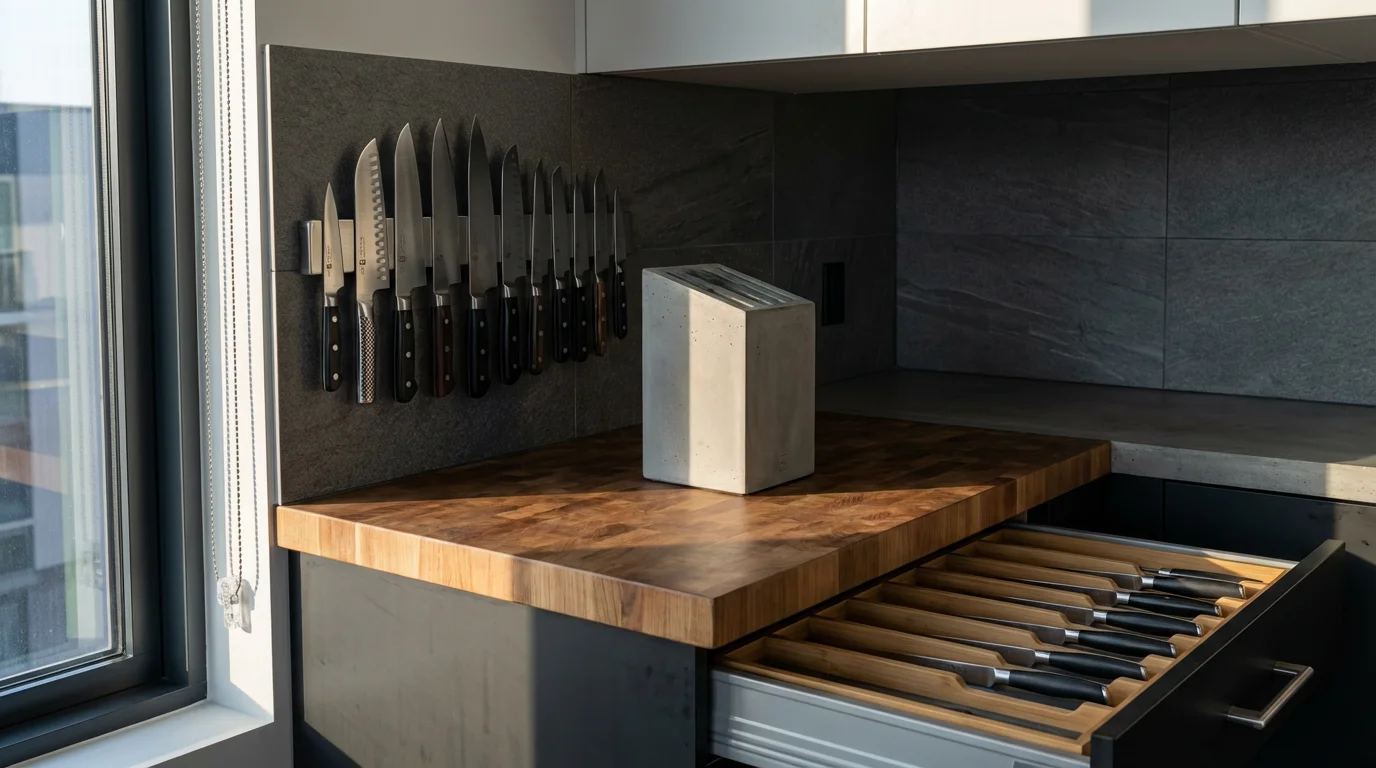
Comparative Overview: Choosing Your Best Fit
Deciding between knife blocks, magnetic strips, and in-drawer organizers involves weighing their characteristics against your specific needs. This table summarizes the key differences:
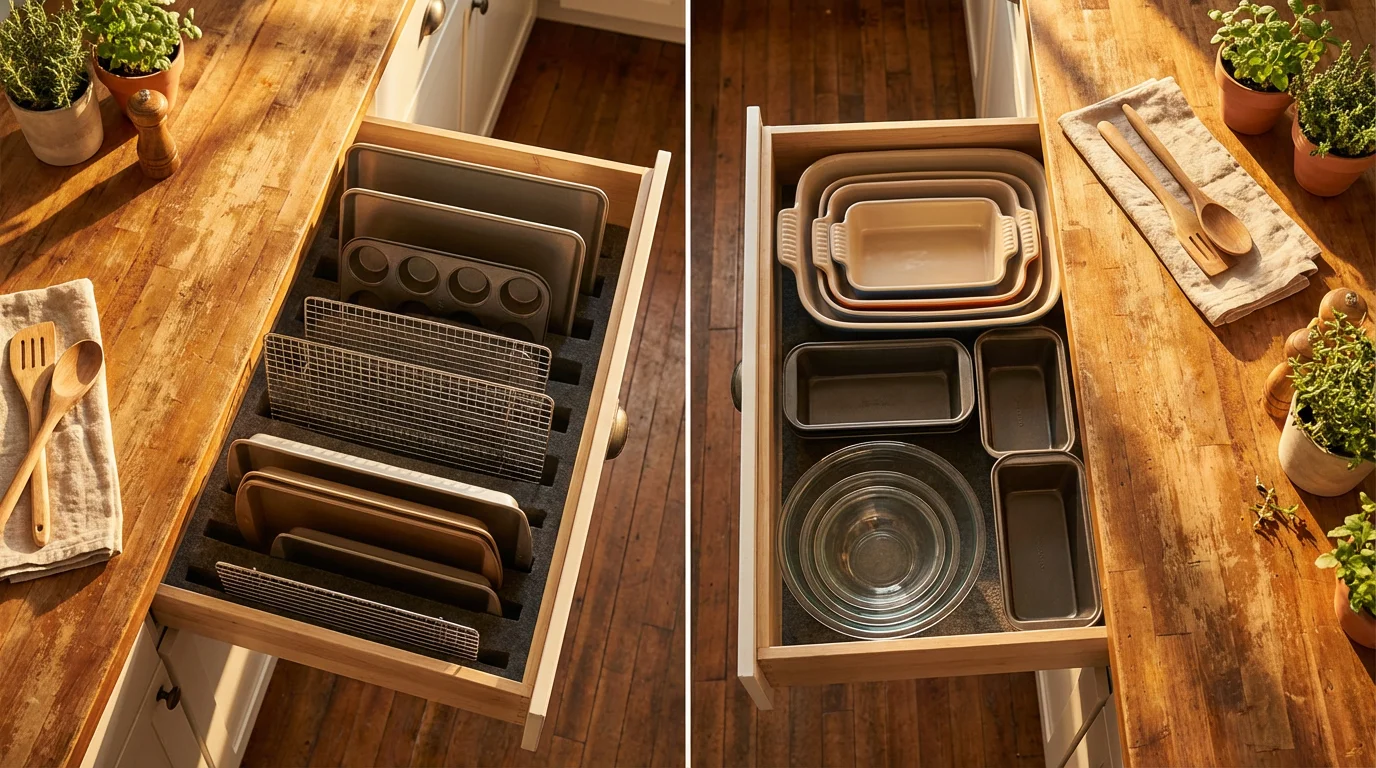
Similarly to choosing between vertical and horizontal bakeware organization, the best knife storage depends on your specific kitchen footprint.
| Feature | Knife Block (Countertop) | Magnetic Knife Strip | In-Drawer Organizer |
|---|---|---|---|
| Countertop Space | High usage | None (uses wall space) | None (uses drawer space) |
| Drawer Space | None | None | High usage |
| Safety (Blades) | Fully enclosed, high safety | Exposed, moderate safety | Fully enclosed, highest safety |
| Blade Protection | Good (individual slots) | Excellent (no contact) | Good (individual slots) |
| Accessibility | Excellent (on counter) | Excellent (on wall) | Good (drawer access) |
| Cleaning Ease | Challenging (slots) | Easy (open surface) | Moderate (remove and wipe) |
| Installation | None | Requires drilling (for most) | None (just place in drawer) |
| Ideal For | Medium-large kitchens, traditional aesthetic, quick access | Small kitchens, modern aesthetic, frequent use, renters (if adhesive) | Small-medium kitchens, families with children, clutter-free counters, renters |
| Average Price Range | $20 – $150 (empty) | $15 – $70 | $15 – $60 |
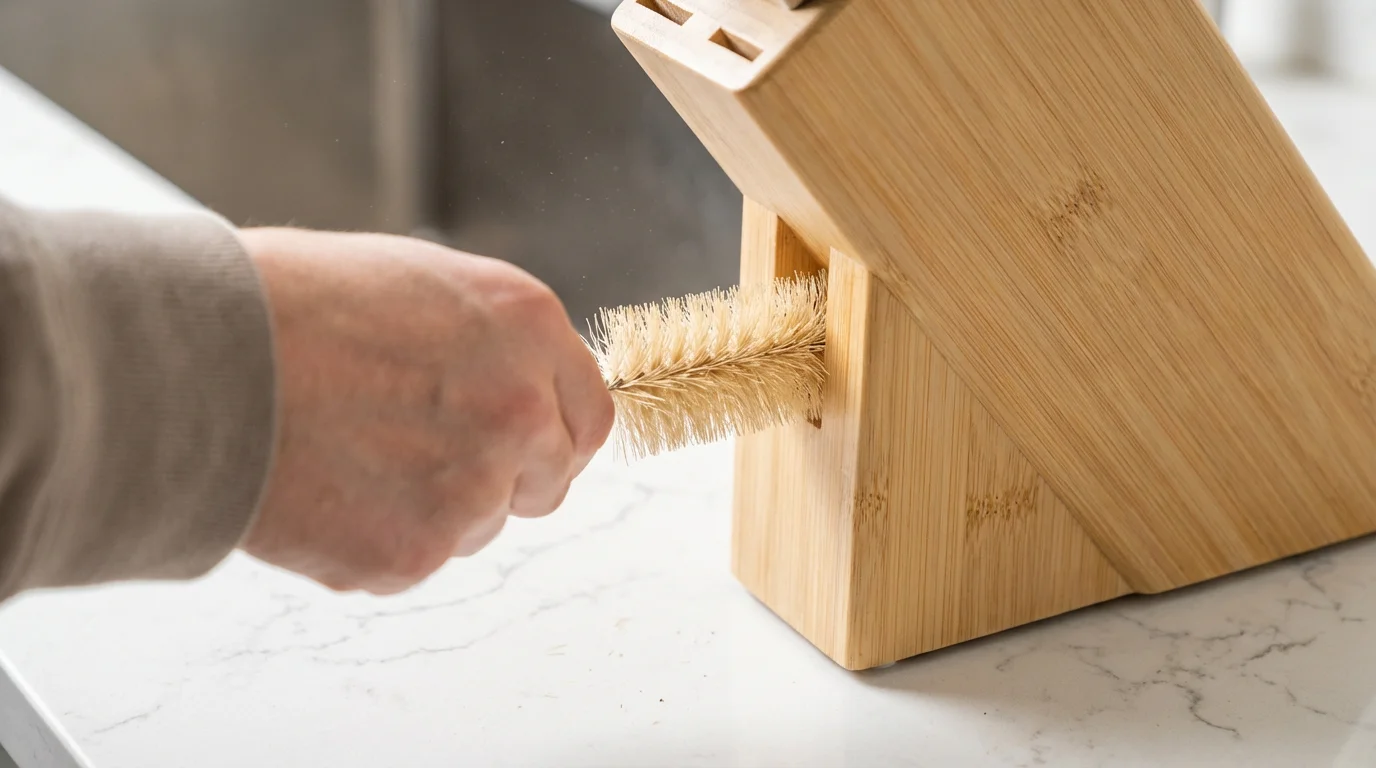
Making the Right Choice for Your Kitchen
Consider these factors to select the best knife storage solution for your household:
If you have a central prep area, exploring kitchen island storage and organization can help you decide where to place your knife block for maximum efficiency.
- Kitchen Size and Layout:
- Small Kitchens: If countertop space is precious, a magnetic knife strip or an in-drawer organizer frees up surfaces. A 16-inch magnetic strip above your cutting board can hold 6-8 essential knives without taking up an inch of counter.
- Large Kitchens: You have more flexibility. A countertop knife block can be a stylish and convenient addition, perhaps positioned near your main cooking zone, such as next to the stove or primary prep area.
- Knife Collection Size:
- Small Collection (3-5 knives): A compact knife block or a shorter magnetic strip (e.g., 10-12 inches) works well. Many in-drawer organizers accommodate this size.
- Medium Collection (6-12 knives): Standard knife blocks and longer magnetic strips (18-24 inches) are appropriate. Look for two-tier in-drawer organizers to maximize capacity.
- Large Collection (12+ knives): You might need a combination of solutions, such as a magnetic strip for frequently used knives and an in-drawer organizer for specialty blades.
- Safety Concerns:
- Households with Children: In-drawer organizers provide the highest level of safety by keeping blades completely out of sight and reach. Magnetic strips, while excellent, require careful placement to avoid curious hands.
- Elderly or Impaired Vision: Slotted blocks and in-drawer solutions can offer more secure handling, as the knives are less likely to shift or fall.
- Aesthetics and Personal Preference:
- Modern, Minimalist: Magnetic strips often fit this style perfectly, offering a clean, industrial look.
- Traditional, Warm: Wooden knife blocks or bamboo in-drawer organizers complement classic kitchen designs.
- Clutter-Free: In-drawer organizers are unmatched for keeping countertops entirely clear.
- Budget: All three options offer budget-friendly and premium choices. Basic plastic in-drawer organizers start around $15, while high-end wooden blocks or stainless steel magnetic strips can cost over $70. Consider the long-term value; a durable solution protects your knives and lasts for years.
- Renter vs. Homeowner: Renters often prefer solutions that do not require drilling, making in-drawer organizers or adhesive magnetic strips excellent choices. Homeowners have more freedom for permanent installations like screwed-in magnetic strips.
Maintaining Your Knife Collection and Storage
Maintaining organization means ongoing care for your tools and their homes. Regularly clean your knife storage solution to prevent grime, dust, and potential bacterial buildup. For knife blocks, as mentioned, use a thin brush to clean slots and ensure full dryness. Magnetic strips wipe clean easily with a damp cloth; do this weekly. In-drawer organizers can be removed and washed periodically. Also, ensure your knives are always clean and dry before storing them, regardless of the method. Storing a damp knife, even for a short time, promotes rust and dulls the blade. Properly caring for your knives and their storage extends their lifespan and keeps your kitchen safe and efficient.
Just as with knives, selecting spice rack options for every kitchen size involves balancing accessibility with available space.
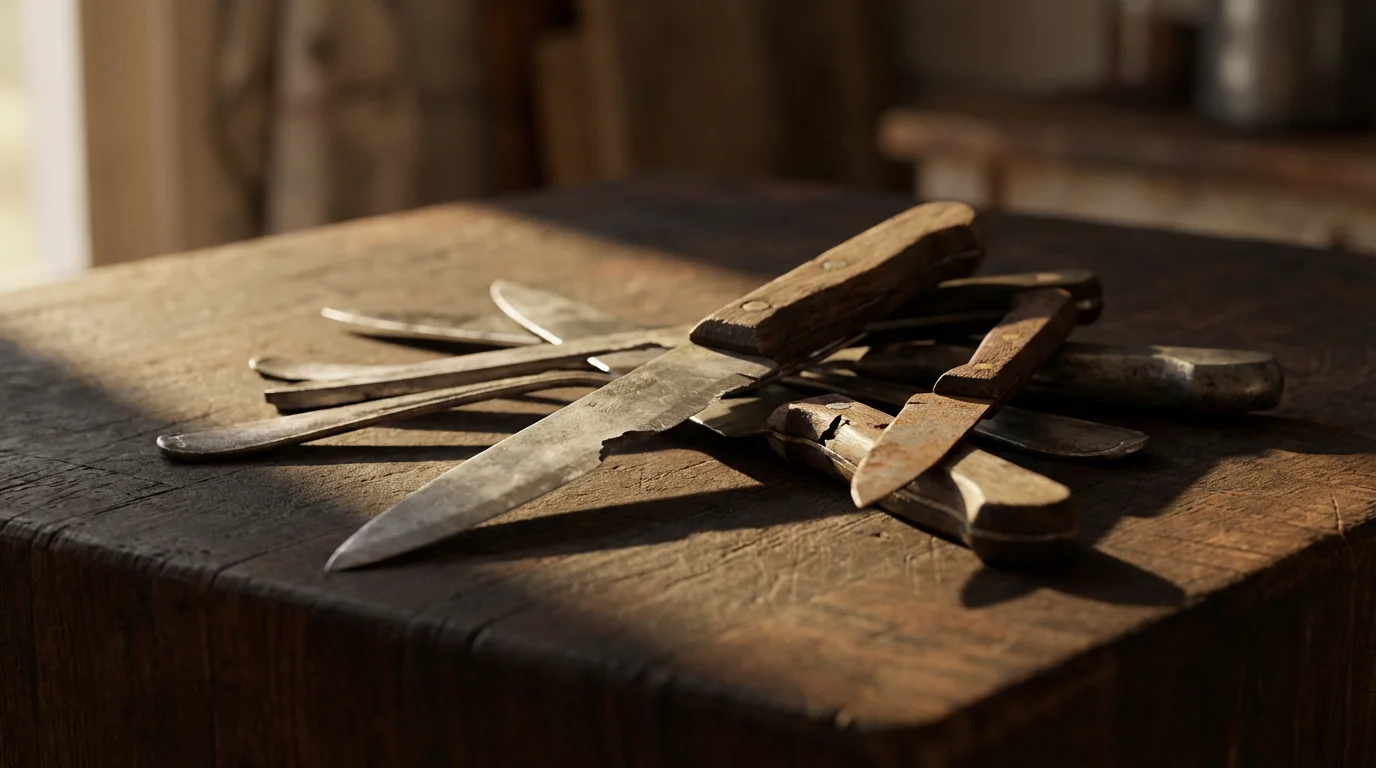
Decluttering Your Knife Collection
Effective organization starts with decluttering. Many home cooks accumulate more knives than they actually use. Review your collection:
- Evaluate Usage: Which knives do you use daily, weekly, or rarely?
- Assess Condition: Are any knives chipped, excessively dull beyond sharpening, or broken?
- Identify Duplicates: Do you have two chef’s knives but only use one?
Keep only the knives that are functional, sharp, and frequently used. Donate or responsibly dispose of excess or damaged knives. A streamlined collection not only makes storage easier but also makes cooking more efficient, as you always reach for a tool you truly need. This approach aligns with practical minimalism, focusing on essential tools that enhance your cooking experience.
Frequently Asked Questions
Can I mix and match different knife storage solutions?
Absolutely! Many home cooks use a combination of solutions. You might keep frequently used knives on a magnetic strip for quick access, while specialty knives or less frequently used blades reside in an in-drawer organizer. This approach allows you to tailor storage to different types of knives and optimize your kitchen’s workflow.
Are magnetic knife strips safe for my knife blades?
Yes, magnetic knife strips are generally safe for blades. The key is proper technique: place the spine (the non-sharp side) of the knife against the strip first, then roll the blade down. When removing, pull the knife away from the spine rather than sliding it sideways, which can scratch the blade or dull the edge over time. Quality magnetic strips also feature smooth surfaces, such as wood or silicone, that are gentle on metal.
How do I choose the right size in-drawer organizer?
First, measure the interior width, depth, and height of your drawer. Then, measure the length of your longest knife (usually your chef’s knife or bread knife). Your organizer must be deep enough to accommodate this length. Compare these measurements with the organizer’s dimensions. Many organizers are designed for standard drawer widths like 12, 15, or 18 inches, but always verify to ensure a snug, efficient fit.
What should I do with oversized knives that don’t fit standard storage?
Oversized knives, such as a large cleaver or carving knife, often require specialized storage. For these, consider a dedicated knife roll or sleeve for protection if they are used infrequently. Alternatively, a custom-made magnetic strip or a larger, purpose-built in-drawer organizer might be necessary. Some countertop blocks have extra-wide slots for cleavers.
Disclaimer: Product prices and availability change frequently. Prices shown were accurate at time of writing but may have changed. We may earn a small commission from purchases made through links on this site, at no extra cost to you. Always measure your space before purchasing organizers to ensure proper fit.

Leave a Reply