

You have likely faced the challenge: recipes call for fresh zest, finely grated Parmesan, or minced ginger, and your old box grater just does not deliver. It shreds more than it grates, tears delicate zest, and leaves you with sore knuckles. Many kitchen gadgets promise to simplify cooking, but few truly earn their permanent spot on your counter or in your drawer. The microplane grater is an essential tool that genuinely transforms your cooking with precision and ease. It is not just another gadget; it is a fundamental upgrade for any home cook looking to elevate flavors and streamline preparation.
The Unsung Hero of Your Kitchen: What is a Microplane Grater?
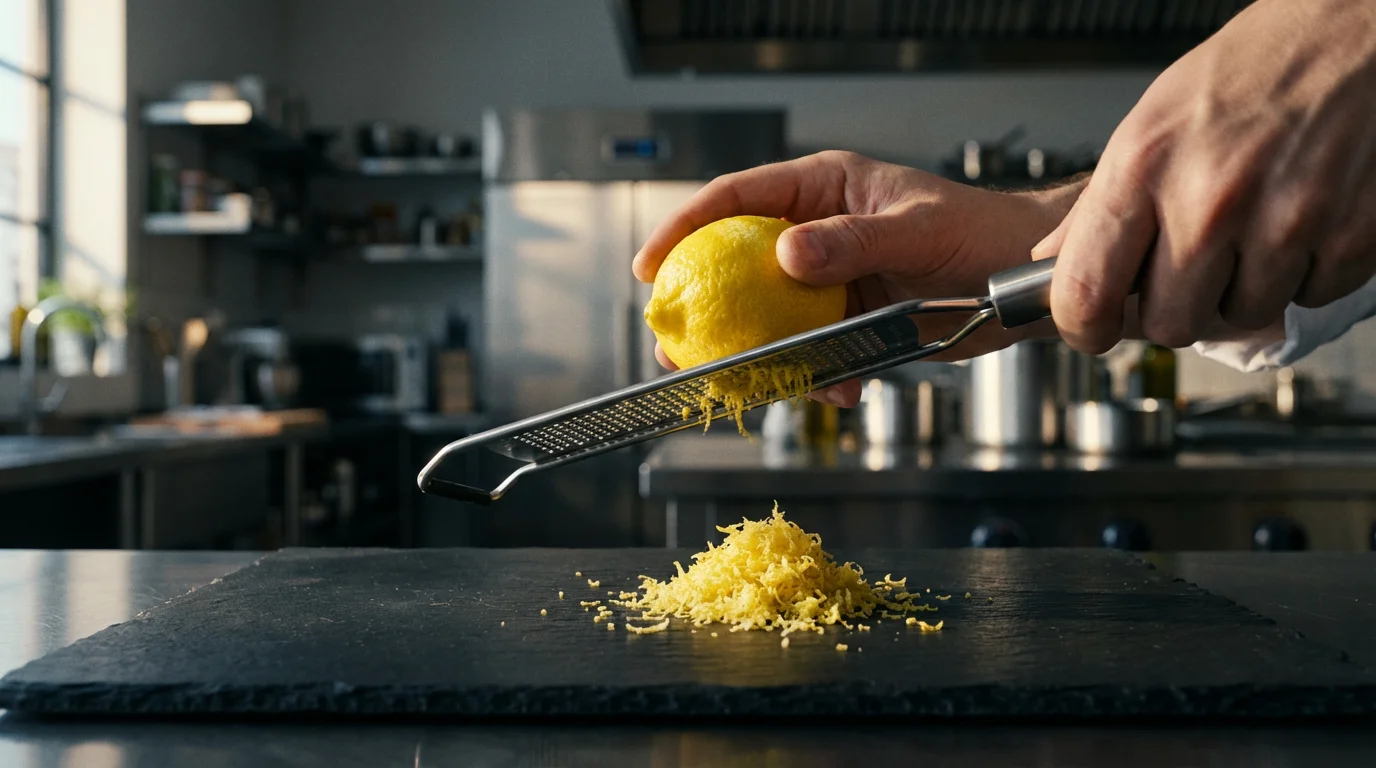
The microplane grater began its life not in the kitchen, but in woodworking shops, designed as a rasp to shape and smooth wood. Cooks quickly discovered its remarkable ability to create incredibly fine, fluffy results that traditional graters simply could not achieve. A microplane grater features hundreds of tiny, razor-sharp blades, typically made from stainless steel, that cleanly shave off ingredients rather than tearing them. This design allows for unparalleled precision, especially when you need fine textures for delicate flavors.
Unlike a bulky box grater with its various hole sizes, the microplane focuses on a single, highly effective function. Some might label it a “unitasker,” a gadget that only performs one specific task. However, the microplane is a rare example of a unitasker that truly earns its space. Its superior performance for tasks like zesting and fine grating makes it indispensable, offering results that no other tool can replicate with the same consistency and ease. It is a specialized tool, yes, but its impact on flavor and texture justifies its dedicated role in your kitchen arsenal.
Precision Zesting: Unlocking Flavor with Ease
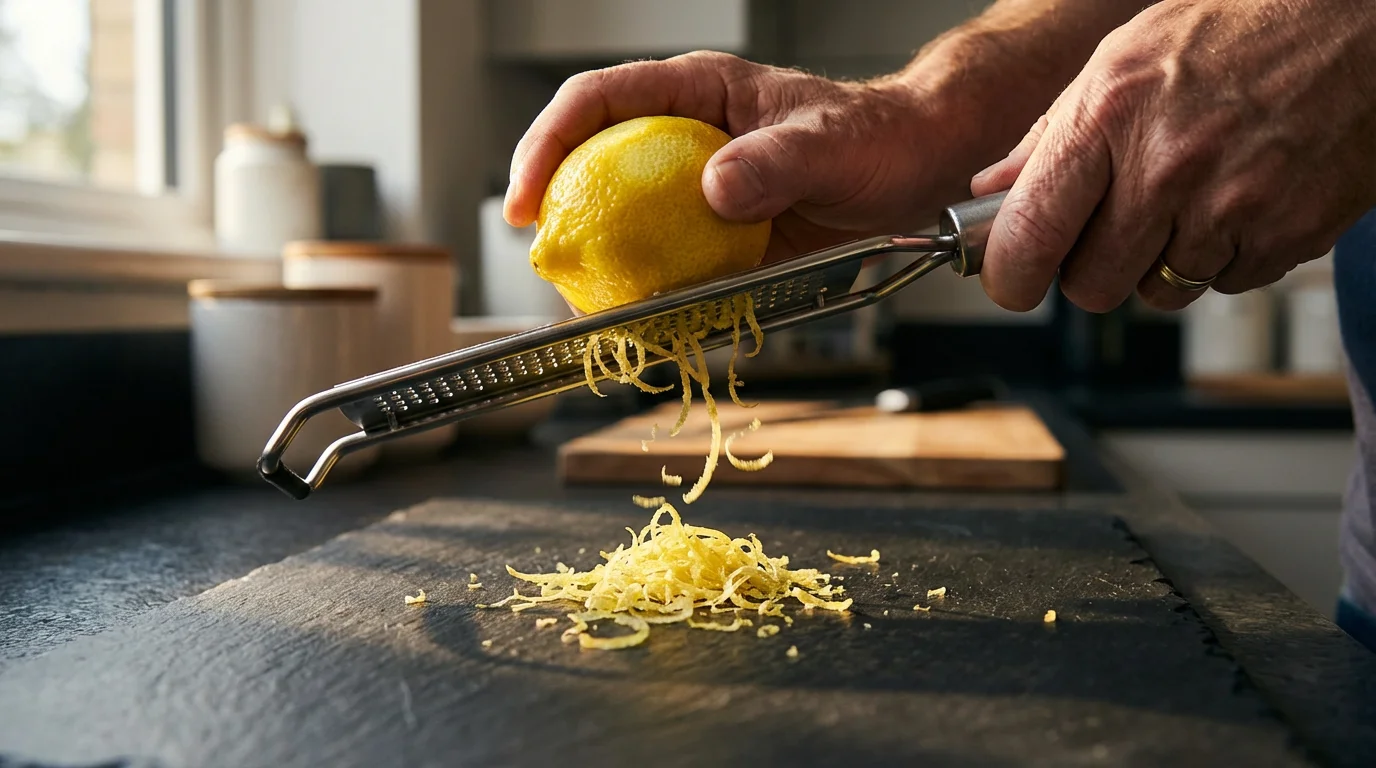
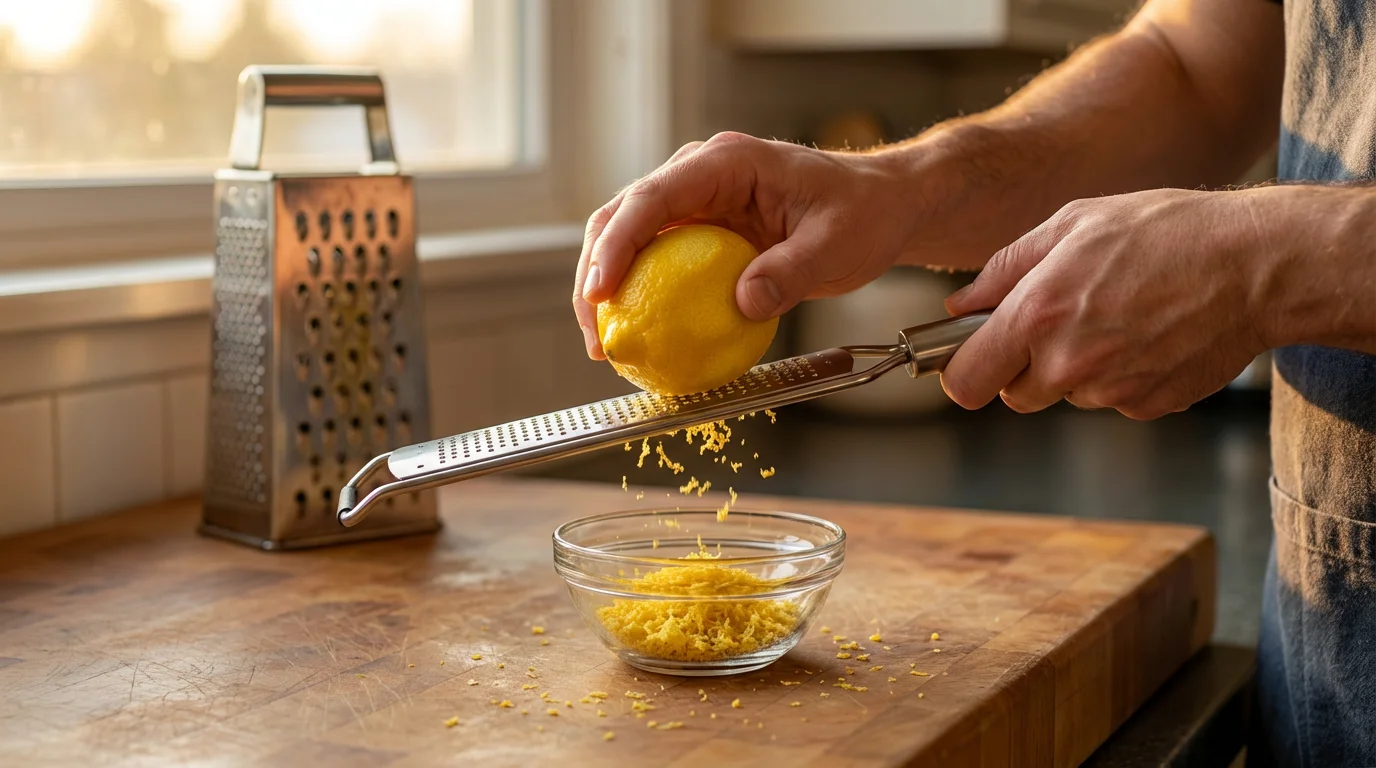
One of the primary reasons to invest in a quality microplane grater is its unmatched ability to zest citrus. Zest, the colorful outer layer of citrus fruit, holds potent aromatic oils that add brightness and depth to both sweet and savory dishes. Traditional methods often remove too much of the white pith, the bitter layer directly beneath the zest, which can ruin the flavor profile. A good microplane grater, often referred to as a “zesting tool,” expertly shaves off only the outermost layer, leaving the bitter pith untouched.
To zest citrus with a microplane, hold the grater at an angle over a bowl or cutting board. Gently glide the fruit across the blades, applying light pressure, and rotating the fruit as you go. Stop zesting as soon as you see the white pith appear. This technique ensures you capture only the vibrant, flavorful oils. Imagine adding a bright burst of lemon zest to a simple pasta dish, or lime zest to a fish marinade. The difference in flavor is immediate and impactful. According to Serious Eats’ equipment reviews, the microplane’s blade design consistently produces superior zest compared to other tools, making it a crucial component for maximizing flavor in your cooking.
Using a microplane for zesting takes mere seconds, saving you time and frustration compared to trying to meticulously shave zest with a vegetable peeler or knife, which often results in uneven pieces and bitter pith contamination. This efficiency makes it an invaluable time-saving tool for any home cook.
Beyond Citrus: The Best Microplane for Parmesan Cheese and More
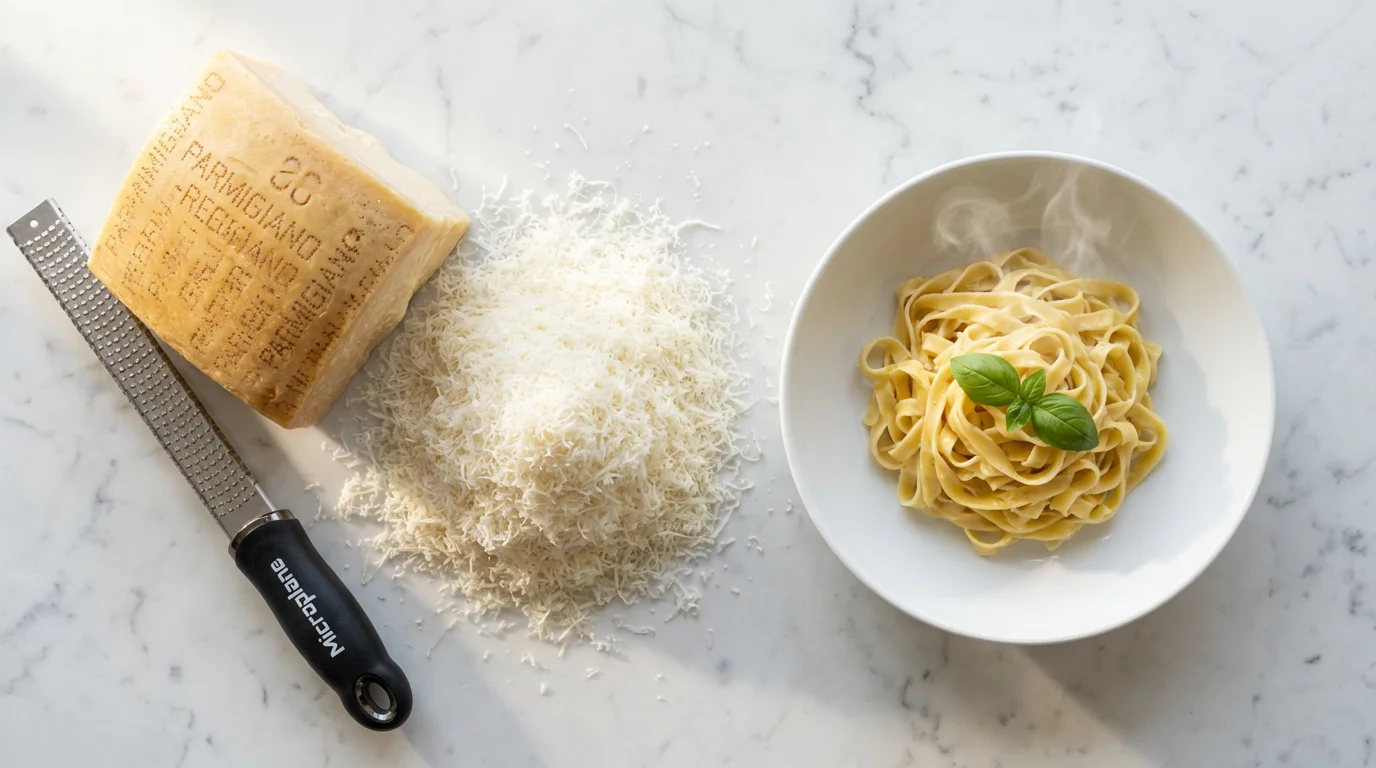
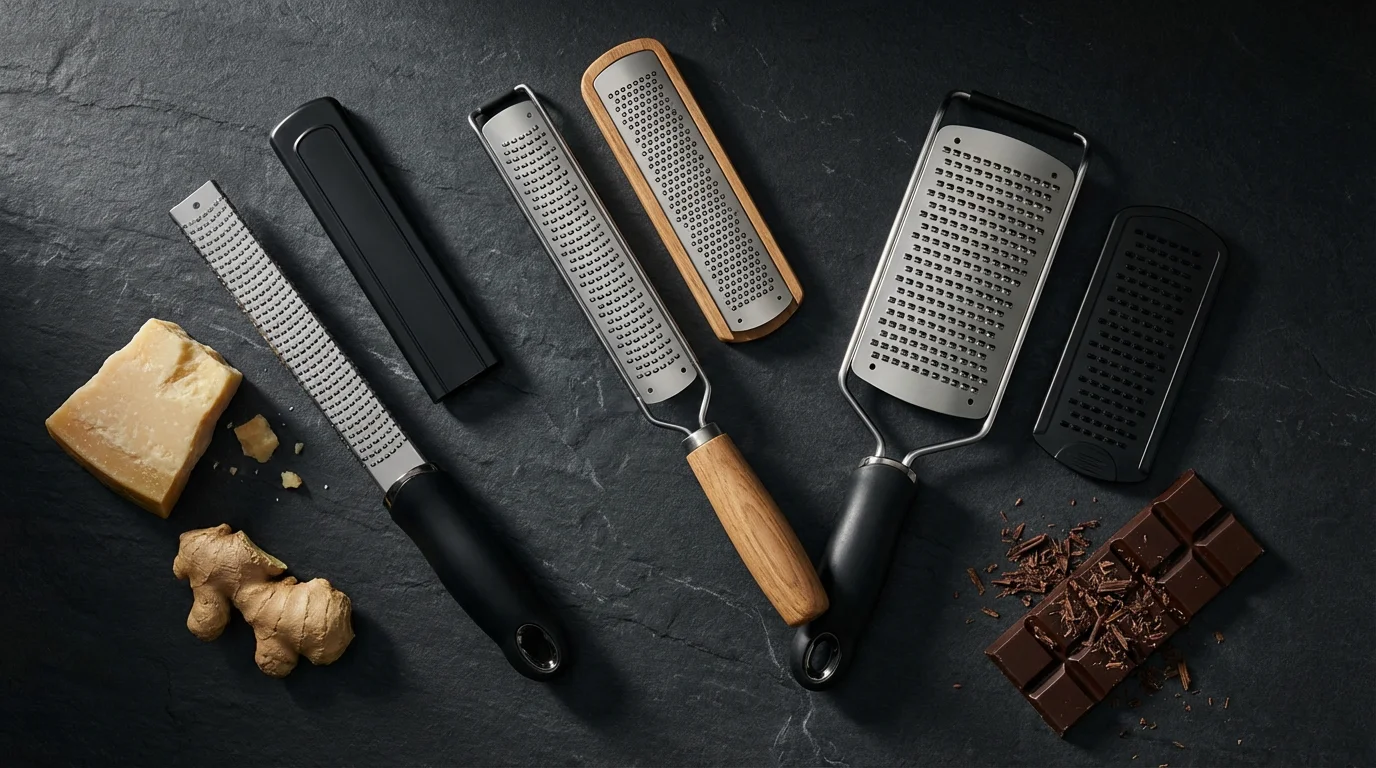
While celebrated as a zesting tool, the microplane grater proves its worth in many other applications. It excels as the “best microplane for parmesan cheese,” transforming a hard block of Parmigiano-Reggiano into delicate, airy clouds. These finely grated cheese particles melt beautifully into sauces, dissolve seamlessly onto hot pasta, and create a lighter, more evenly distributed flavor than coarser gratings from a box grater.
For cooks who frequently use fresh rosemary or thyme, herb strippers and scissors are another excellent addition to a well-equipped kitchen.
Consider grating fresh ginger or garlic with your microplane. Instead of rough, fibrous bits from mincing, you get a fine paste that blends perfectly into stir-fries, marinades, or dressings. This smooth consistency releases more flavor and prevents undesirable chunks in your finished dish. You can also use it for:
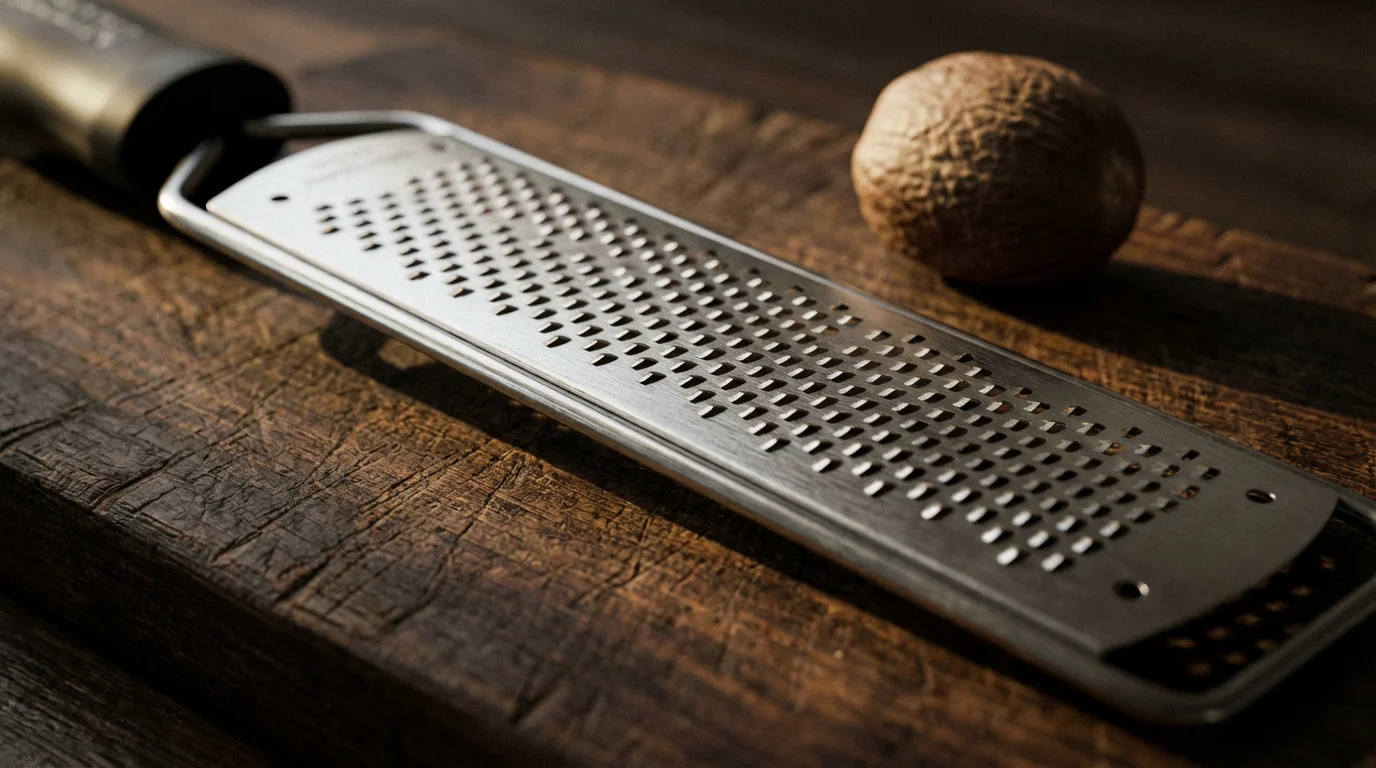
- Nutmeg: Freshly grated nutmeg offers a far superior aroma and flavor to pre-ground versions. A microplane makes quick work of a whole nutmeg seed.
- Chocolate: For elegant garnishes on desserts or hot beverages, finely grated chocolate provides a delicate texture and rich flavor.
- Hard Spices: Beyond nutmeg, you can use a microplane for cinnamon sticks or even dried chilis to create a fine powder for seasoning.
The ability to produce such fine textures unlocks new culinary possibilities, allowing flavors to integrate more smoothly into your dishes. It is a subtle but significant upgrade that you will notice in every bite.
Anatomy of a Great Microplane: Durability, Materials, and Design
Not all microplanes are created equal. Understanding the key components helps you choose a durable and effective tool that lasts. The blade is the heart of any microplane. High-quality microplanes feature blades made from corrosion-resistant 18/8 or 18/10 “stainless steel,” indicating its chromium and nickel content, which enhances durability and rust resistance. These blades are typically etched, creating incredibly sharp, long-lasting cutting surfaces. Avoid cheaper stamped blades, which often dull quickly and tear ingredients rather than grate them cleanly.
The handle material significantly impacts comfort and control. Many microplanes feature an “ergonomic” design, meaning the handle is shaped to fit comfortably in your hand, reducing strain during use. Look for handles with a “non-slip grip,” often made from soft-touch “silicone” or rubberized plastic. This ensures the grater remains secure in your hand, even when wet, providing safety and precision.
Durability testing reveals that microplanes with a robust frame supporting the blade resist bending and warping over time. A good microplane feels solid and well-balanced. While some budget options exist, investing a bit more in a model with a high-quality stainless steel blade and a comfortable, durable handle pays off in longevity and performance. Brands like Microplane itself (the original brand), OXO, and Rösle consistently offer products that meet these high standards. For example, the classic Microplane Zester/Grater boasts a surgical-grade stainless steel blade, known for its extreme sharpness and durability, a feature often highlighted in reviews from sources like Wirecutter’s kitchen gadget recommendations.

Cleaning and Storage: Keeping Your Microplane Sharp and Safe
Cleaning a microplane grater might seem daunting due to its sharp blades, but it is straightforward with the right approach. Most quality microplanes are “dishwasher safe,” meaning you can place them in the top rack of your dishwasher for easy cleaning. However, for optimal blade longevity and to prevent food particles from drying onto the fine teeth, hand washing immediately after use is often recommended. Use warm, soapy water and a brush (a stiff-bristled scrub brush or even an old toothbrush works well) to gently dislodge any food residue. Always brush in the direction of the blades, not against them, to avoid injury and to clean effectively. Rinse thoroughly and allow it to air dry.
Just as with maintaining the best can openers, proper care of your microplane prevents rust and ensures it remains a kitchen staple for years.
Storage is another practical consideration. Many microplanes come with a plastic safety cover. This cover is crucial for two reasons: it protects your hands from the sharp blades when reaching into a drawer, and it protects the delicate blades from damage, which can dull them over time. Store your microplane in a drawer with its cover on, or utilize its hanging loop to store it on a hook with other tools. Its slim profile means it takes up minimal drawer space, often fitting neatly alongside knives or other long utensils. Avoid storing it loose in a drawer where blades can get dinged by other metal objects. A compact design with an effective safety cover ensures the tool remains sharp and safe for years of use.
Multi-Use vs. Single-Purpose: Why the Microplane Justifies Its Spot
The debate between multi-use gadgets and single-purpose tools often rages in the kitchen. Many “unitaskers” end up gathering dust because they offer marginal convenience for a task you rarely perform. The microplane, while specialized, represents the pinnacle of a well-executed single-purpose tool. Its effectiveness at precision grating and zesting surpasses any multi-tool alternative, making it an indispensable part of a functional kitchen.
Consider the box grater, a common multi-use tool. While it offers different grating sizes, its fine grating side produces wider, rougher strands than a microplane, often tearing rather than shaving. This results in clumpier cheese, thicker zest, and fibrous ginger. The microplane’s unique etched blade design, in contrast, creates an airy, snow-like texture for cheese and a delicate, oil-rich zest that disperses flavor more effectively. This is where its singular focus shines: it performs its specific tasks with a level of excellence that no other tool can match.
Instead of being a gadget that solves a problem you do not have, the microplane actively enhances flavors and simplifies critical prep steps. Its efficiency and superior results make it an essential investment, proving that some single-purpose tools are not just justified, but necessary. It saves time, elevates dishes, and consistently delivers a level of precision that you will appreciate in your daily cooking.
Our Top Recommendations and What to Look For
When selecting your microplane grater, consider the type of handle, the specific blade type, and any added features like a protective cover. Here is a comparison of common types and what you should look for:
| Model Type | Best For | Blade Type | Handle Material | Key Features | Price Range |
|---|---|---|---|---|---|
| Classic Zester/Grater | Citrus zest, garlic, ginger, hard cheese | Fine etched stainless steel | Ergonomic silicone/plastic | Slim profile, sharp, often includes safety cover | $15 – $25 |
| Paddle Grater (Fine Blade) | Larger tasks, hard cheese, chocolate, nuts | Fine etched stainless steel | Ergonomic silicone/plastic | Wider grating surface, stable base, sometimes non-slip feet | $20 – $35 |
| Coarse Grater | Semi-hard cheeses, vegetables like carrots | Coarse etched stainless steel | Ergonomic silicone/plastic | Larger holes for coarser texture, faster grating | $18 – $30 |
Buy if you:
- Regularly cook with fresh ingredients that benefit from fine grating or zesting.
- Want to elevate the flavor and presentation of your dishes.
- Are tired of struggling with a box grater for delicate tasks.
- Seek a durable, efficient tool that saves time and improves results.
Skip if you:
- Rarely cook or prefer pre-packaged, pre-grated ingredients.
- Have extremely limited kitchen storage and need only multi-purpose tools.
For an essential kitchen tool that consistently performs, you cannot go wrong with a classic fine-blade microplane. Its precision makes it a true workhorse, not just another gadget. Consumer Reports’ evaluations of small kitchen appliances often highlight the importance of single-purpose tools that excel in their specific functions, and the microplane consistently earns high marks in this category.
Frequently Asked Questions
What is the difference between a microplane and a regular grater?
To complement your precision grating, using accurate meat thermometers will ensure every protein you prepare is cooked to the perfect internal temperature.
A microplane uses tiny, razor-sharp etched blades to shave ingredients incredibly finely, producing delicate zest or fluffy cheese. A regular box grater typically has stamped, larger holes that tear ingredients, resulting in coarser, less consistent textures and often removing bitter pith with zest.
How do I choose the best microplane for my needs?
For most home cooks, a classic fine-blade microplane (often called a zester/grater) is the most versatile choice. It excels at citrus zest, garlic, ginger, and hard cheeses. If you grate large quantities of cheese, a wider paddle-style fine grater might be more efficient. Always prioritize a surgical-grade stainless steel blade and an ergonomic, non-slip handle.
How do I clean a microplane grater safely?
Most microplanes are dishwasher safe, but hand washing immediately after use is often best for longevity. Use warm, soapy water and a stiff brush, scrubbing in the direction of the blades, not against them, to remove food particles. Always use the protective cover when storing it to protect both the blades and your hands.
Can a microplane be used for soft cheeses?
While a microplane excels at hard cheeses like Parmesan, it generally is not ideal for soft or semi-soft cheeses. These cheeses tend to gum up the fine blades rather than grate cleanly, making it difficult to use and clean.
Disclaimer: Product prices and availability change frequently. Prices shown were accurate at time of writing but may have changed. We may earn a small commission from purchases made through links on this site, at no extra cost to you. Always verify current pricing on the retailer’s website before purchasing.




Leave a Reply