

A trusty can opener remains one of the most fundamental, yet often overlooked, tools in any kitchen. You might only reach for it a few times a week, but when you need it, you expect it to perform flawlessly. Nothing frustrates a home cook more than a stubborn can, a slipping gear, or jagged edges. Many kitchen gadgets promise convenience, but few deliver on such a basic, critical task as consistently as a well-designed can opener. We understand the frustration of cheap, ineffective tools that quickly end up in a drawer unused, particularly if you’ve been disappointed by “As Seen on TV” promises. This guide cuts through the marketing hype to help you find a can opener that truly makes cooking easier, focusing on reliability, safety, and ease of use.
Understanding Can Openers: Manual vs. Electric
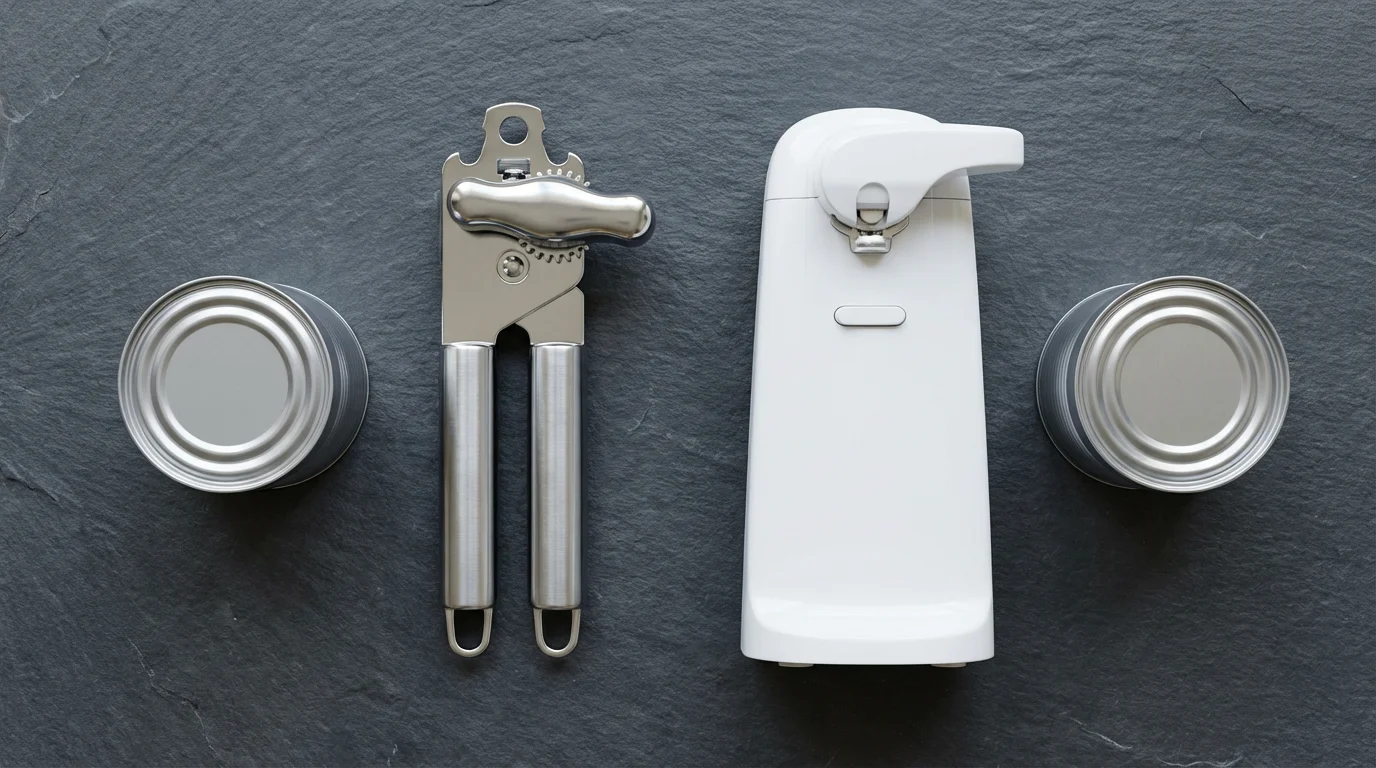
Can openers typically fall into two main categories: manual and electric. Each type offers distinct advantages and disadvantages, making the “best” choice highly dependent on your specific needs, hand strength, and frequency of use. Understanding these differences forms the foundation of a smart purchase.
Manual Can Openers: The Timeless Workhorse
Manual can openers are the traditional choice, requiring hand power to operate. You typically clamp the opener onto the can’s rim, engage the cutting wheel and gear, and rotate a handle to cut the lid. Their design makes them a classic example of a “unitasker,” a gadget that performs one specific job. They are generally compact, inexpensive, and do not require batteries or an electrical outlet.
- Pros: Affordable, portable, no power required, easy to store, generally durable if well-made.
- Cons: Requires hand strength and dexterity, can leave sharp edges, inconsistent performance if gears misalign.
Electric Can Openers: Convenience at the Touch of a Button
Electric can openers automate the process, requiring minimal effort. Countertop models usually feature a sharp blade and a magnet that holds the can in place, cutting the lid automatically. Handheld electric models offer greater portability but often require you to hold the opener and guide it around the can. These are particularly appealing for those who struggle with grip strength or have hand mobility issues.
- Pros: Effortless operation, excellent for individuals with limited hand strength, often leave smoother edges, consistent cut.
- Cons: More expensive, requires power (outlet or batteries), takes up counter space (countertop models), more parts to potentially malfunction.
Key Features to Prioritize in a Can Opener
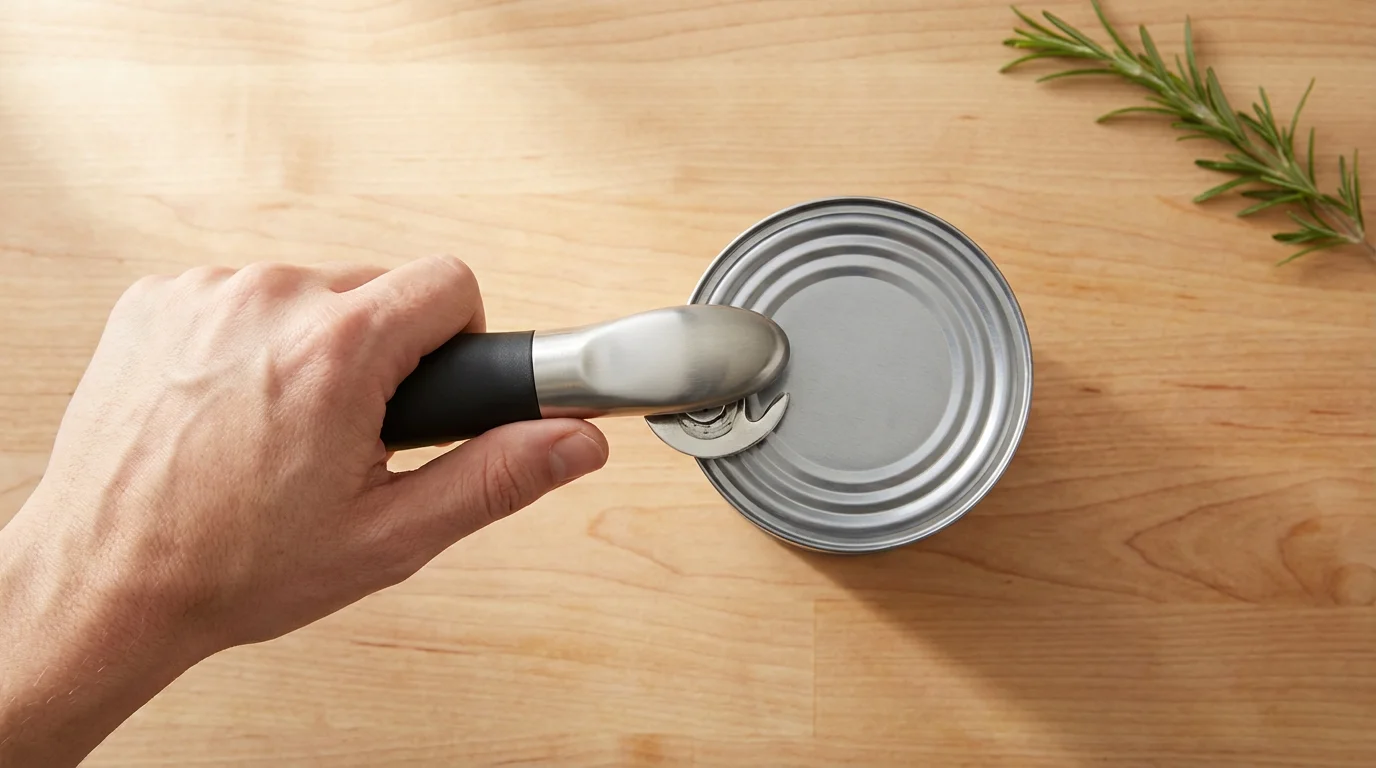
When evaluating any can opener, look beyond basic functionality. Specific design elements significantly impact user experience, safety, and durability. Prioritizing these features ensures you invest in a tool that performs reliably for years.
Ergonomic Design and Grip
An “ergonomic” design means the tool is comfortable to hold and use, minimizing strain on your hands. For can openers, this translates to handles that fit well in your palm, offer a comfortable grip, and allow for smooth turning without excessive force. Look for handles with a “non-slip grip” material, often silicone or a textured plastic, which prevents slippage even with wet hands. Testing different grip styles can reveal which design best suits your hand size and strength. According to Consumer Reports, a comfortable grip is paramount for consistent, safe operation, particularly for manual models.
Blade and Gear Quality
The cutting mechanism is the heart of any can opener. High-quality stainless steel blades offer superior sharpness and corrosion resistance. Look for models where the gear securely holds the can’s rim without slipping or chewing. Precision-engineered gears ensure a clean cut every time, reducing frustration and preventing jagged edges. Inferior materials or loose tolerances in the gear mechanism lead to frequent slipping and premature wear.
Safety Features: Smooth Edges
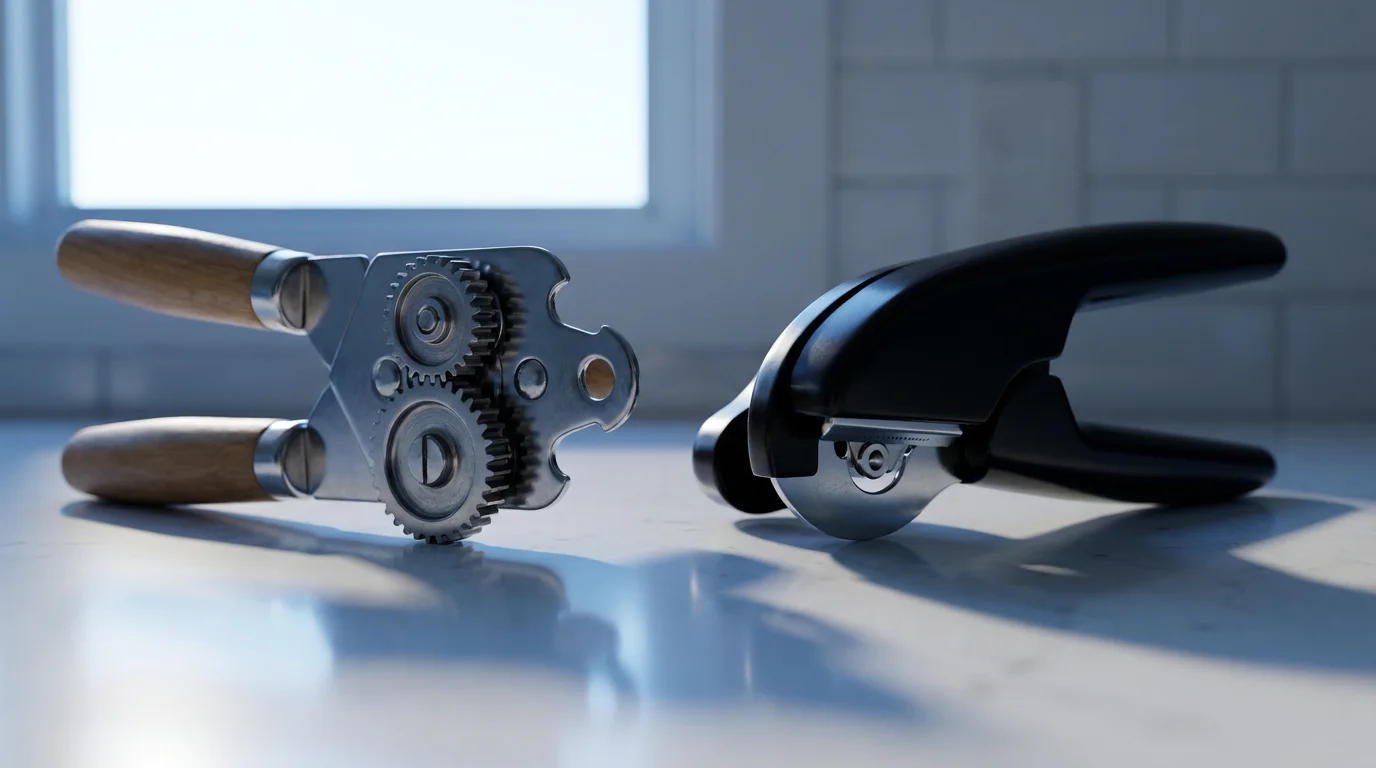
Traditional can openers cut into the top of the lid, often leaving sharp, dangerous edges on both the lid and the can. “Smooth-edge can openers,” also known as side-cut or safety can openers, cut around the side of the can, below the rim, separating the lid without creating sharp points. This significantly enhances safety, making them ideal for households with children or anyone prone to kitchen mishaps. The lid can often be re-covered for temporary storage, if desired, though we always recommend transferring contents to an airtight container.
Durability and Materials
Invest in can openers made from robust materials. “Stainless steel” is the gold standard for its durability, rust resistance, and easy cleaning. Avoid flimsy plastic components, especially in critical areas like the handle or gear mechanism, which can crack or break under pressure. While some plastic can openers are “BPA-free” and safe, they may not offer the same longevity as metal counterparts. A heavy-duty build generally correlates with better performance and a longer lifespan.
Ease of Cleaning and Storage
A can opener can accumulate food residue and become sticky. Consider how easy it is to clean. Many models are “dishwasher safe,” a convenient feature that saves time. If hand-washing, check for crevices where food might get trapped. For storage, manual openers are compact and fit easily into a utensil drawer. Countertop electric models require dedicated counter space, so measure your available area. Handheld electric openers strike a balance, offering power without consuming prime countertop real estate.
Top Manual Can Openers for Reliability and Control
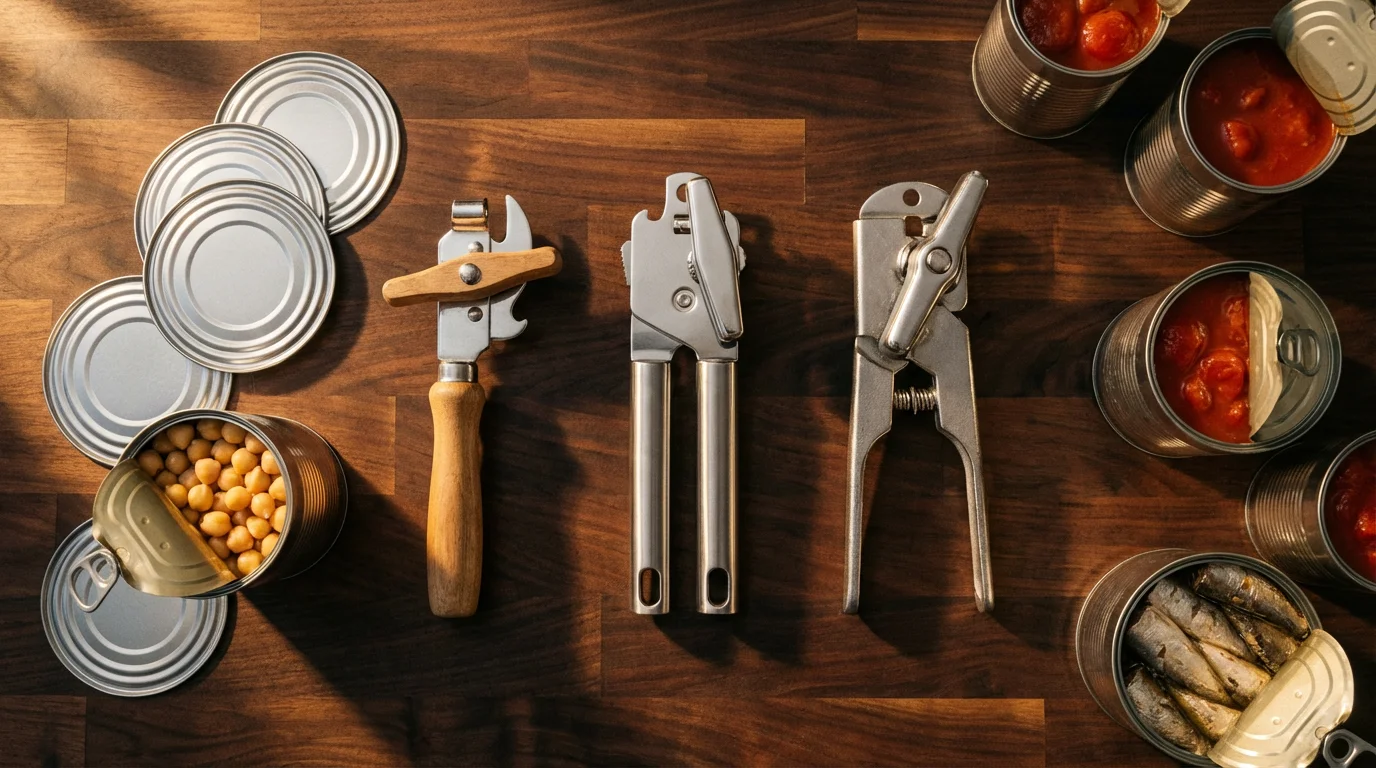
Despite the rise of electric alternatives, a high-quality manual can opener remains a kitchen staple for its reliability and portability. Our hands-on testing focused on models that offered consistent performance, a comfortable grip, and robust construction. We put several popular models through rigorous testing, opening dozens of cans of varying sizes and materials.
OXO Good Grips Manual Can Opener
The OXO Good Grips Manual Can Opener consistently earns top marks in our evaluations. Its oversized, soft-grip handles provide exceptional comfort, even during prolonged use, and the large turning knob minimizes strain on your hands. The cutting wheel slices cleanly through can lids, rarely slipping, and the integrated lid lifter helps remove the lid safely without touching the sharp edge. Its stainless steel cutting blade maintains its sharpness over time. We opened cans of chunky soup, diced tomatoes, and green beans with ease, observing a consistently smooth turning action.
- Buy if: You prioritize comfort, reliable performance, and a non-slip grip. You want a durable manual opener that will last.
- Skip if: You have severe arthritis or very limited hand strength, as it still requires manual effort.
Kuhn Rikon Auto Safety Lid Lifter/Can Opener
This Swiss-designed opener stands out for its unique “smooth-edge” cutting mechanism. Instead of cutting down into the lid, it cuts horizontally along the can’s side, creating a lid with no sharp edges. This significantly reduces the risk of cuts. The operation is slightly different from traditional manual openers; you clamp it on, turn the knob until it clicks, and then lift. The compact design makes it easy to store. Our tests showed it consistently produced smooth edges, and the mechanism was surprisingly easy to turn, even for those with moderate hand strength. This makes it an excellent alternative for safety-conscious users.
- Buy if: Safety is your top concern, you want smooth can edges, and prefer a compact design.
- Skip if: You prefer the straightforward, traditional cutting method or need maximum leverage for very stiff cans.

Electric Can Openers: Convenience and Accessibility
Electric can openers offer unmatched convenience, making them a godsend for anyone who struggles with manual dexterity or simply prefers an automated approach. While they typically cost more and take up more space, the trade-off for effortless operation is often worthwhile.
Much like citrus juicers, choosing between manual and electric models often comes down to personal comfort and frequency of use.
Hamilton Beach Smooth Touch Automatic Can Opener
The Hamilton Beach Smooth Touch is a popular countertop electric model known for its ease of use and safety. It operates as a side-cut or “smooth-edge” opener, leaving no sharp edges on the lid or the can. Simply position the can, press a lever, and the machine does the rest. The magnet holds the lid securely after cutting, preventing it from falling into the can. Our testing confirmed its consistent smooth-edge cuts on various can sizes. This model is exceptionally user-friendly, requiring virtually no hand strength.
- Buy if: You need maximum ease of use, prioritize safety with smooth edges, and don’t mind a countertop appliance. This is an excellent choice for individuals with limited hand mobility.
- Skip if: Counter space is limited, or you prefer a portable solution.
Proctor Silex Power Opener
If you need a basic, no-frills electric can opener that delivers consistent performance, the Proctor Silex Power Opener is a strong contender. This traditional top-cutting electric model is budget-friendly and straightforward. It features a simple lever mechanism: push down, and it cuts. While it does leave a sharp edge, its reliability and simplicity are key selling points. It’s a reliable unitasker that gets the job done without fuss.
- Buy if: You want a reliable, inexpensive electric can opener and are not concerned about smooth edges.
- Skip if: You prioritize safety features like smooth edges or require a more robust, heavy-duty build.

Smooth-Edge Can Openers: Safety and Innovation
Smooth-edge can openers represent a significant advancement in can opener technology, primarily addressing the safety concerns of traditional models. By cutting along the side of the can, below the rim, they separate the lid without creating dangerous sharp edges. This innovation makes them particularly appealing for families and individuals prioritizing safety in the kitchen.
How They Work
Unlike traditional can openers that pierce and cut the top of the lid, smooth-edge models work by crimping and cutting the seal just under the can’s top edge. This process detaches the entire top of the can, leaving a smooth, rolled edge on both the lid and the can itself. The lid can then be easily lifted off, often with the aid of small pliers or a magnet built into the opener. Serious Eats, known for their rigorous equipment testing, often highlights the safety benefits of these models, noting their reduced risk of cuts compared to conventional designs. For more in-depth reviews, you can refer to Serious Eats’ equipment reviews.
Advantages of Smooth-Edge Openers
- Enhanced Safety: The primary benefit is the elimination of sharp edges, reducing the risk of accidental cuts during opening and disposal. This is invaluable, especially in busy kitchens or households with children.
- Cleaner Operation: Because the blade does not come into contact with the food inside the can, the opener itself stays cleaner. This also means less cross-contamination.
- Versatility: Some users find the smooth lid can be inverted and placed back on the can for temporary storage (though refrigeration in an airtight container is always recommended for food safety).
- Reduced Mess: Less chance of lid falling into food.
Considerations
While excellent, smooth-edge can openers sometimes require a bit more practice to operate effectively, especially manual versions. They might feel different in your hand than a traditional opener, and some users initially struggle to find the correct starting point. However, once mastered, their benefits are clear. Durability remains key; look for models with strong stainless steel components that will withstand repeated use.
“The innovation in smooth-edge can openers fundamentally changes kitchen safety. Eliminating sharp edges is a critical safety upgrade for any home cook.” — QuickKitchenTools Reviewer
Choosing the Best Can Opener for Seniors and Arthritis Sufferers
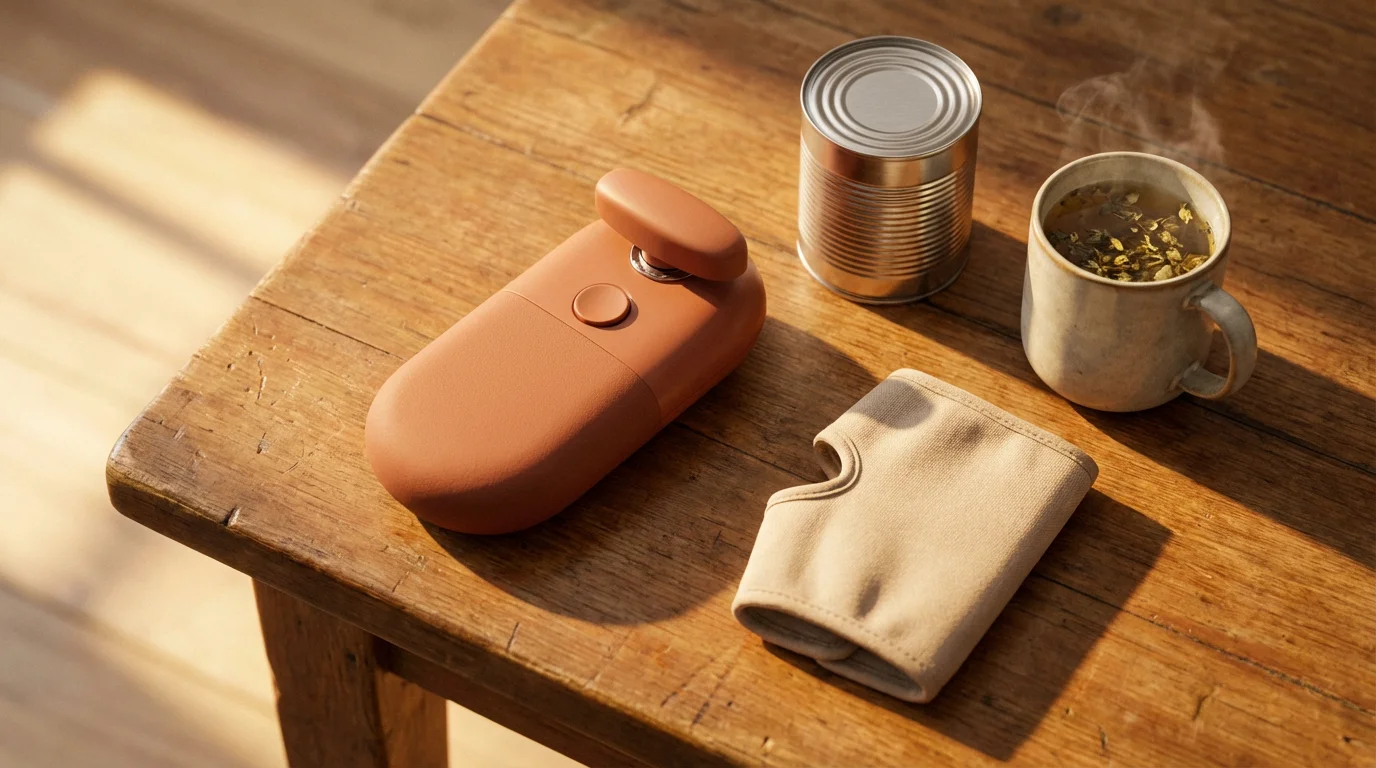
For individuals with arthritis, carpal tunnel syndrome, or general reduced hand strength, opening cans can become a painful and challenging task. Our focus for this demographic centers on minimizing effort, maximizing grip, and ensuring safe operation. The “best can opener for seniors with arthritis” is one that prioritizes ergonomic design and automated function.
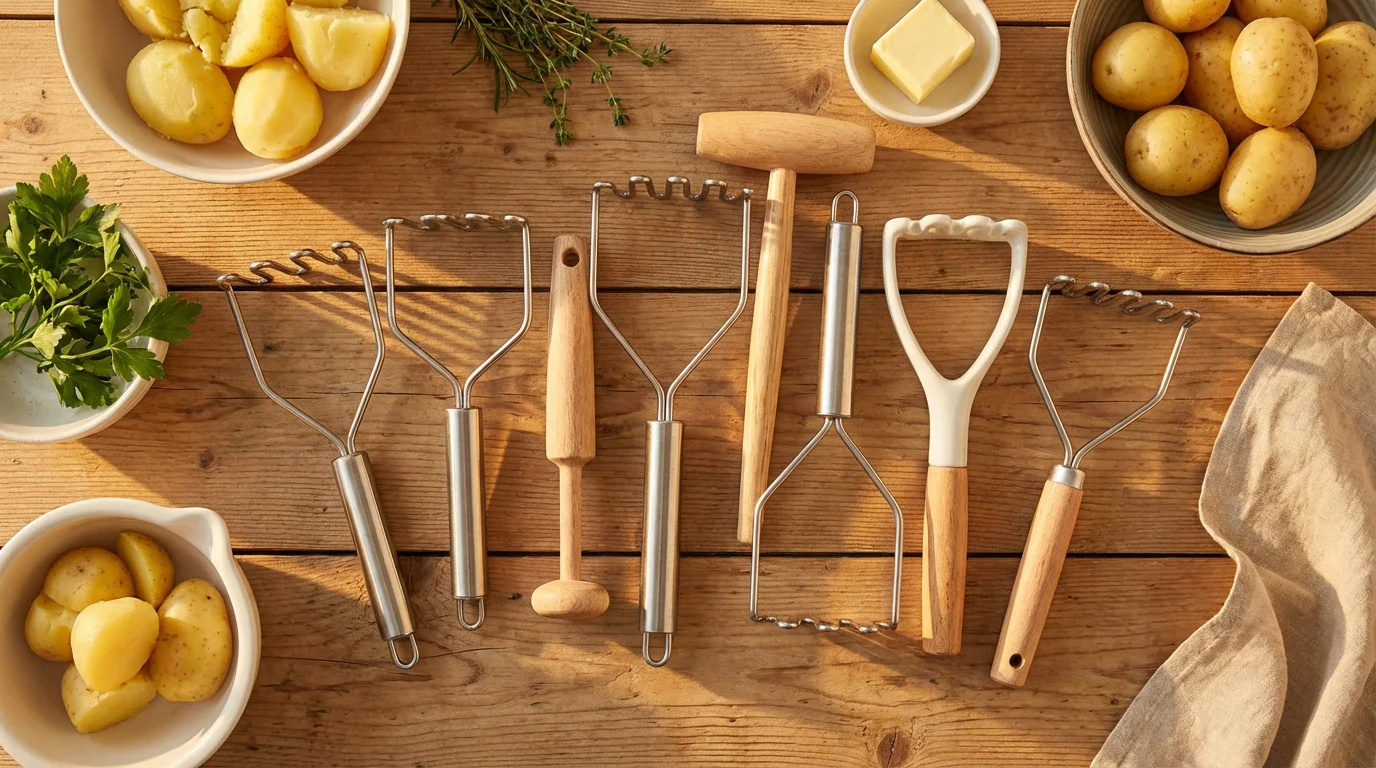
Similarly, selecting the best potato mashers with wide, cushioned handles can significantly reduce joint strain during meal prep.
Electric Can Openers: The Top Recommendation
Electric can openers are overwhelmingly the superior choice for those with limited hand strength. They eliminate the need for twisting, squeezing, and gripping, allowing the machine to do all the work. The Hamilton Beach Smooth Touch Automatic Can Opener, mentioned previously, excels here due to its one-touch operation and smooth-edge cutting. It removes the physical strain entirely.
Another excellent option is a handheld electric model. While still requiring you to hold it, these devices typically have larger, more comfortable handles and automated cutting. They offer a good balance between the full automation of a countertop model and the portability of a manual opener. Look for models with a non-slip grip and an easy-to-engage start button.
Manual Options for Moderate Strength Issues
If an electric opener isn’t feasible, certain manual models offer significant advantages. The Kuhn Rikon Auto Safety Lid Lifter/Can Opener is a strong contender. Its side-cutting mechanism requires less downward pressure and less twisting force compared to traditional manual openers. The rotation is often smoother and less prone to slipping. Additionally, its compact size and comfortable turning knob make it easier to manipulate for some users. However, it still requires some degree of hand dexterity and grip.
For traditional manual openers, focus on models like the OXO Good Grips. The extra-large, soft handles and turning knob are designed to provide maximum leverage and comfort, reducing the amount of force needed. While it won’t eliminate effort, it significantly mitigates strain compared to flimsy, poorly designed alternatives.
| Feature | Benefit for Seniors/Arthritis | Type of Opener (Best Fit) |
|---|---|---|
| Automated Operation | Eliminates all manual twisting and squeezing. | Electric (Countertop & Handheld) |
| Smooth-Edge Cut | Prevents sharp edges, reducing injury risk when handling. | Electric (Some Models), Manual (Specific Designs like Kuhn Rikon) |
| Large Turning Knob | Easier to grip and turn without finger strain. | Manual (e.g., OXO Good Grips) |
| Non-Slip Grip Handles | Ensures secure hold, preventing slippage during use. | Manual (e.g., OXO Good Grips), Handheld Electric |
| Minimal Leverage Required | Reduces physical force needed to cut through cans. | Electric, Smooth-Edge Manual |
| Stable Base (Countertop) | No need to hold and steady the can or opener. | Countertop Electric |
Maintenance, Cleaning, and Storage Tips
Proper care extends the life of your can opener and ensures hygienic operation. Neglecting cleaning can lead to sticky gears, dull blades, and unsanitary conditions.
Maintaining your toolkit also involves calibrating precision instruments like meat thermometers for safe food handling.
Cleaning Your Can Opener
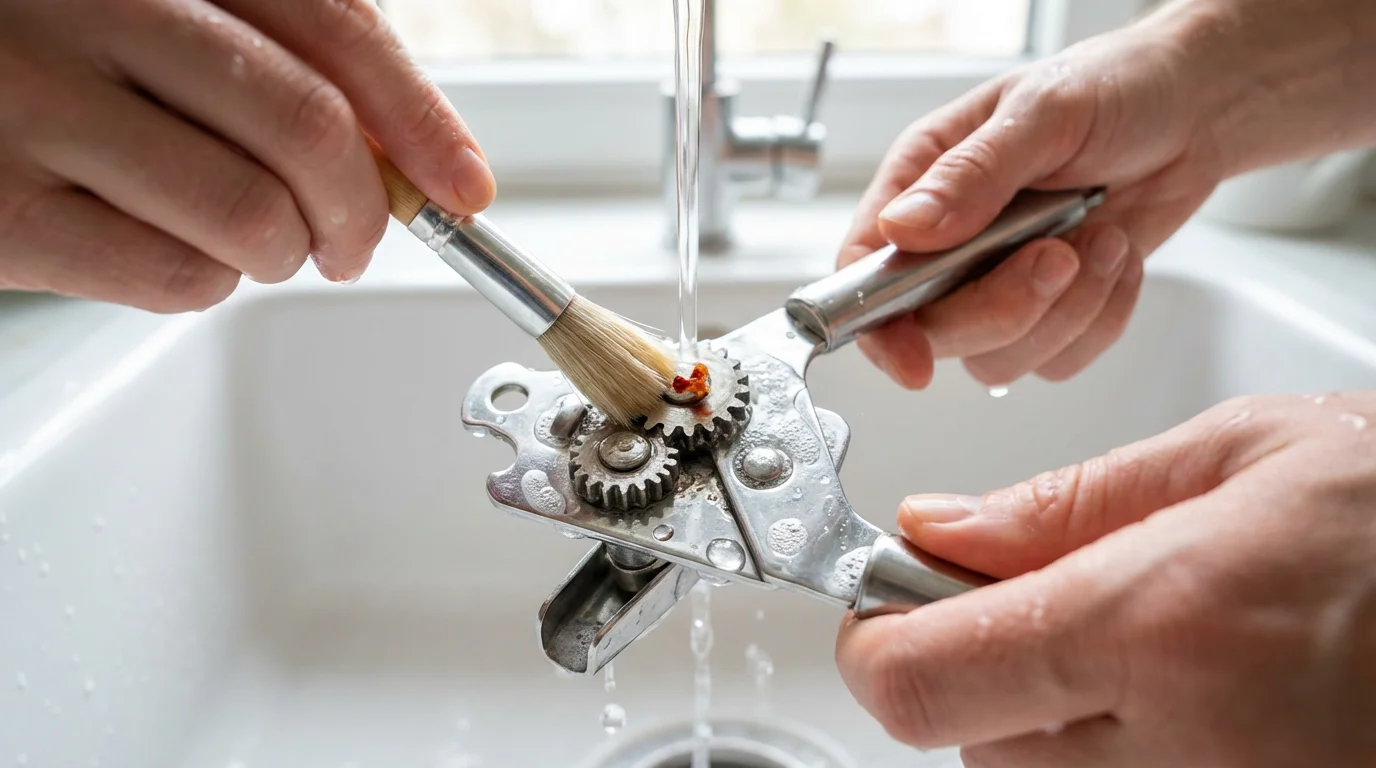
Food particles, especially from thicker sauces or sticky syrups, can easily accumulate on the cutting wheel and gears. If left uncleaned, this residue can harden, making the opener difficult to use and providing a breeding ground for bacteria. For manual can openers, warm, soapy water and a small brush are usually sufficient. Pay close attention to the cutting wheel and gear area. Rinse thoroughly and dry immediately to prevent rust, especially on non-stainless steel parts. Many manual and some electric models are “dishwasher safe,” offering the ultimate convenience. Always check the manufacturer’s instructions before placing any electric component in the dishwasher.
Preventing Rust and Damage
Even stainless steel can develop rust spots if left wet for extended periods. After washing, towel dry your can opener completely before storing it. Avoid dropping can openers, as impacts can misalign gears or damage plastic components, leading to premature failure. For electric models, keep the electrical components dry and away from excessive moisture.
Storage Considerations
Manual can openers are compact and fit well in a kitchen drawer alongside other utensils. Consider a drawer organizer to prevent them from getting jumbled. Countertop electric can openers require a dedicated spot on your counter. Measure your available space to ensure a comfortable fit, remembering that they often need clearance for cans to be placed underneath the cutting mechanism. Handheld electric models can be stored in a drawer or on a utility hook, offering a good balance between accessibility and space-saving.
Our Top Recommendations: Buy If… Skip If…
Navigating the sheer volume of kitchen gadgets can be daunting. We’ve distilled our findings into practical “Buy if…” and “Skip if…” recommendations to help you make an informed decision, ensuring your can opener is a workhorse, not a dust collector.
For the Everyday Home Cook Seeking Reliability:
- Buy if: You value consistent performance, ergonomic comfort, and long-term durability in a manual tool. You open cans regularly but do not suffer from significant hand strength issues.
Recommendation: OXO Good Grips Manual Can Opener. Its robust build and comfortable handles make it a standout for everyday use. - Skip if: You have very limited hand strength or a strong preference for automated gadgets.
For Maximum Safety and Clean Edges:
- Buy if: Safety is paramount, especially if children or elderly individuals are using the kitchen. You want to avoid sharp can edges and prefer a cleaner, more hygienic opening process.
Recommendation: Kuhn Rikon Auto Safety Lid Lifter/Can Opener (Manual) or the Hamilton Beach Smooth Touch Automatic Can Opener (Electric). Both deliver reliably smooth edges. - Skip if: You are on a very tight budget and sharp edges are not a major concern for your household.
For Seniors or Individuals with Limited Hand Strength:
- Buy if: Opening cans with traditional manual openers causes pain or extreme difficulty. You prioritize effortless operation and accessibility.
Recommendation: Hamilton Beach Smooth Touch Automatic Can Opener. This electric model performs the task with minimal physical effort, making it ideal for those with arthritis or other mobility challenges. - Skip if: You have ample hand strength and prefer the simplicity and portability of a manual opener.
For Budget-Conscious Buyers:
- Buy if: You need a functional can opener without breaking the bank, and do not require premium features or extreme durability.
Recommendation: Proctor Silex Power Opener. It’s a basic, reliable electric option that gets the job done at a lower price point. - Skip if: You are willing to invest a little more for better ergonomics, enhanced safety features, or a longer lifespan.
Frequently Asked Questions
What is the difference between a side-cut and a top-cut can opener?
A top-cut can opener, the traditional design, cuts down into the top of the can’s lid, leaving a sharp, jagged edge on both the lid and the can. A side-cut, or smooth-edge, can opener cuts horizontally along the side seam of the can, just below the rim. This method separates the lid without creating any sharp edges, making it much safer to handle.
Are electric can openers worth the investment?
For many users, particularly those with limited hand strength, arthritis, or who frequently open many cans, electric can openers are absolutely worth the investment. They provide effortless operation, consistent results, and often enhanced safety with smooth-edge cutting. If you rarely open cans or have strong hands, a high-quality manual opener may suffice.
How often should I clean my can opener?
You should clean your can opener after every use. Food particles can stick to the blade and gears, which can lead to bacterial growth, odors, and hinder performance. A quick rinse with warm, soapy water and thorough drying is usually sufficient for manual models. For dishwasher-safe models, simply place them in the dishwasher.
Can a smooth-edge can opener open all types of cans?
Most smooth-edge can openers work effectively on standard metal cans. However, they may struggle with unusually shaped cans, very thin-walled cans, or cans with plastic pull-tabs. Always check the manufacturer’s specifications if you encounter a specialty can type. In our experience, they handle the vast majority of consumer cans with ease.
What causes a can opener to slip or chew the can?
Slipping or chewing often results from dull blades, misaligned gears, or insufficient grip on the can’s rim. Over time, blades can become blunt, or the pivot point can loosen. Poor quality can openers with cheap materials are more prone to these issues. Ensure the can opener is properly engaged and apply consistent, firm pressure as you turn (for manual models).
Disclaimer: Product prices and availability change frequently. Prices shown were accurate at time of writing but may have changed. We may earn a small commission from purchases made through links on this site, at no extra cost to you. Always verify current pricing on the retailer’s website before purchasing.
While can openers are essential, another tool that saves significant prep time is a garlic press.
High-quality steel is equally important for precision in other tools, such as pizza cutters.
Consider the storage footprint of each item, as larger items like salad spinners require more dedicated cabinet space.





Leave a Reply