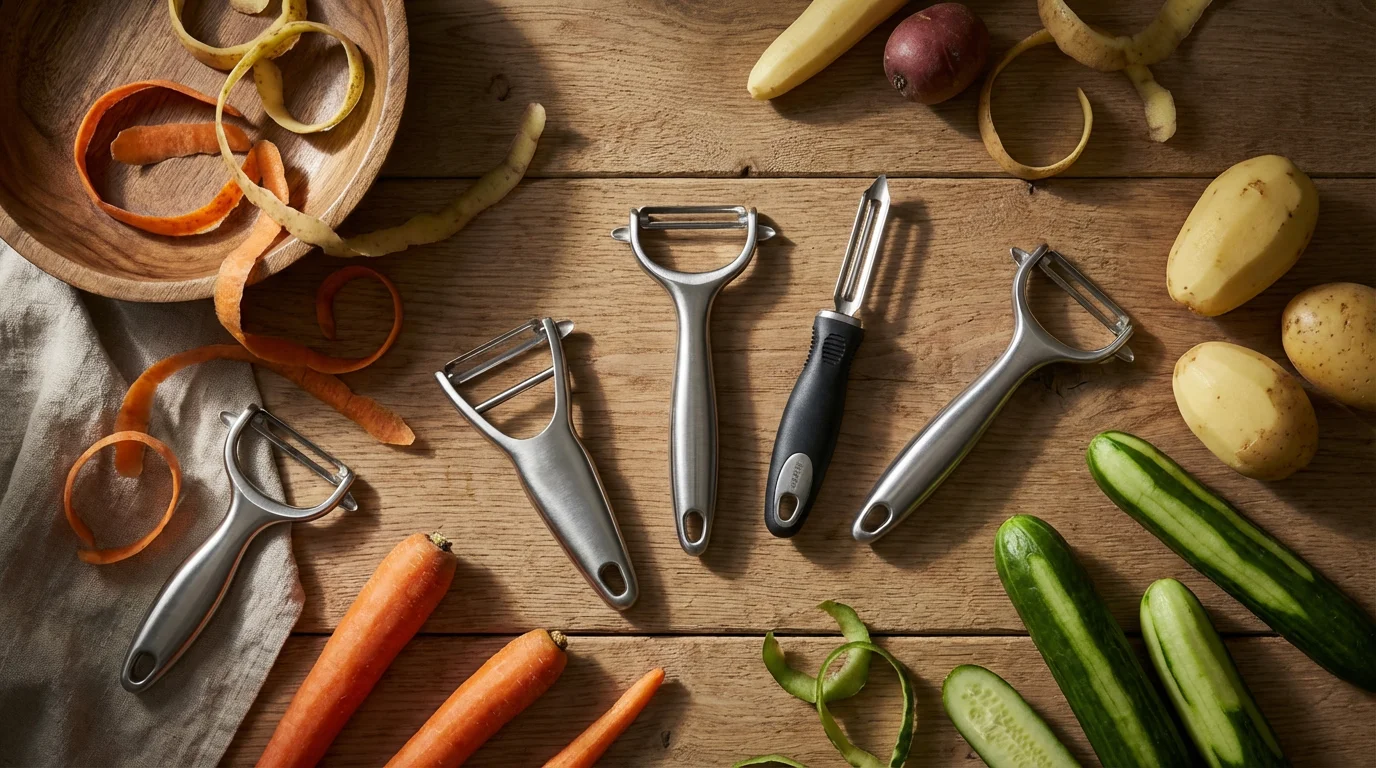
Efficient meal preparation relies on the right tools. A high-quality vegetable peeler, often overlooked, significantly speeds up your cooking process and enhances safety in the kitchen. Peeling vegetables like potatoes, carrots, or apples becomes a quick, effortless task when you use an effective peeling tool designed for comfort and precision. This guide helps you navigate the options, focusing on practical insights to select the best vegetable peeler for your needs, ensuring faster, safer prep every time.
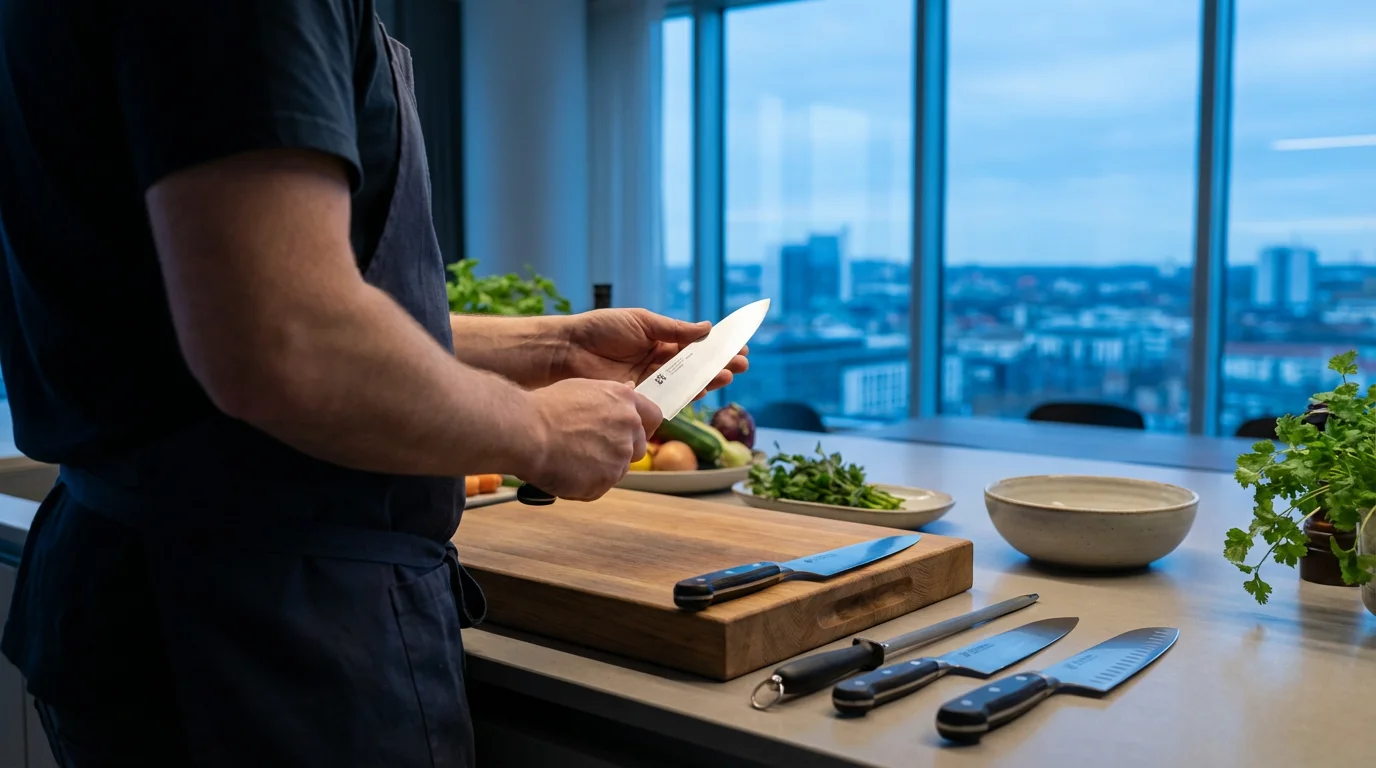
Pairing a high-quality peeler with an understanding of Chef’s knife basics is the first step toward professional-level kitchen efficiency.
Why a Great Peeler Matters for Your Kitchen
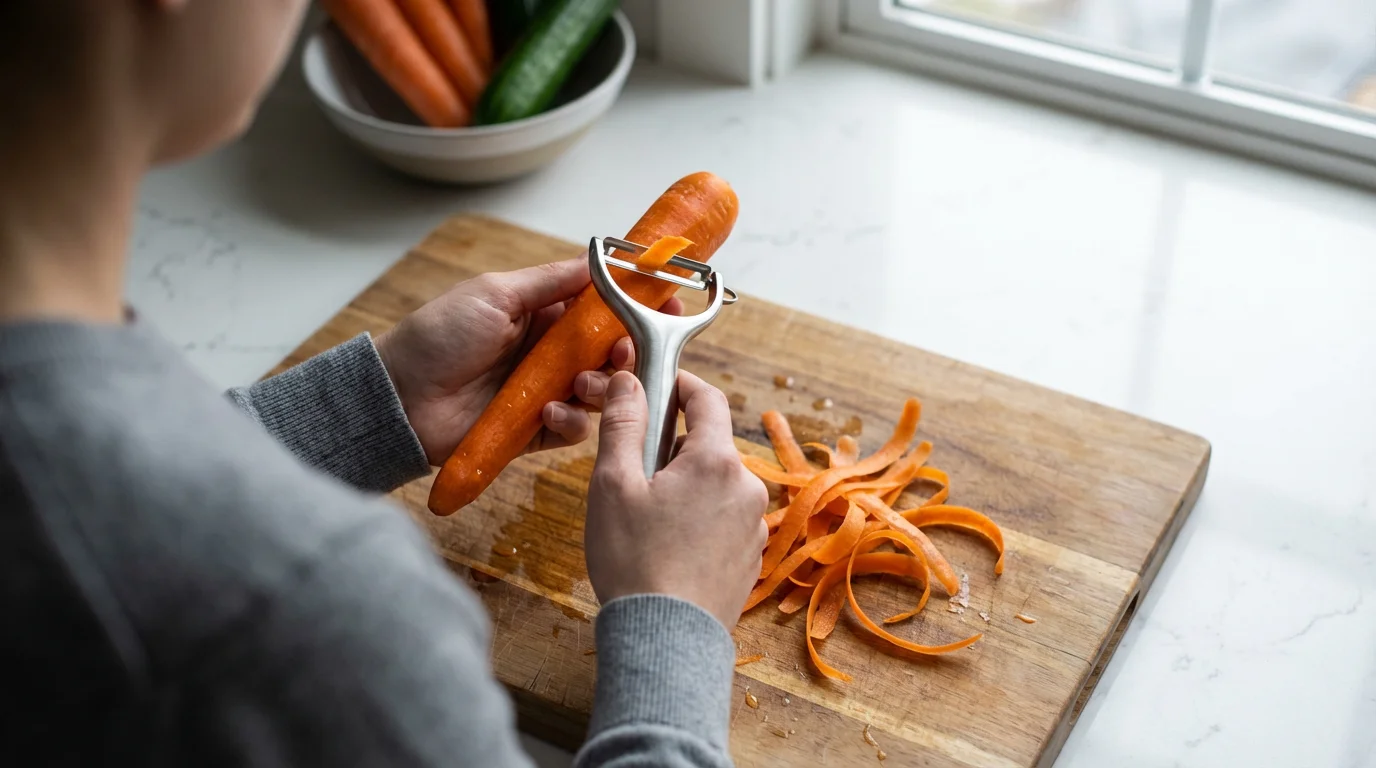
Many home cooks underestimate the power of a superior vegetable peeler. A flimsy or dull peeling tool not only wastes your time but also increases the risk of nicks and cuts. A sharp, well-designed peeler glides through skins, minimizes waste, and reduces hand fatigue, especially when you are preparing large batches of ingredients for weekly meal prep. Think about the volume of potatoes, carrots, cucumbers, and even fruits like apples or pears you peel over a year. Investing in a quality potato peeler transforms a tedious chore into a smooth, efficient step in your culinary routine. It allows you to maintain control and precision, improving both speed and safety.
For those focusing on fresh greens, incorporating specialized salad making tools can further streamline your weekly meal preparation workflow.
“The right peeler can cut your prep time in half for root vegetables. It is not just about speed, but also consistency and reducing effort, which prevents strain.”
Understanding Peeler Types: Y-Peeler vs. Straight Peeler
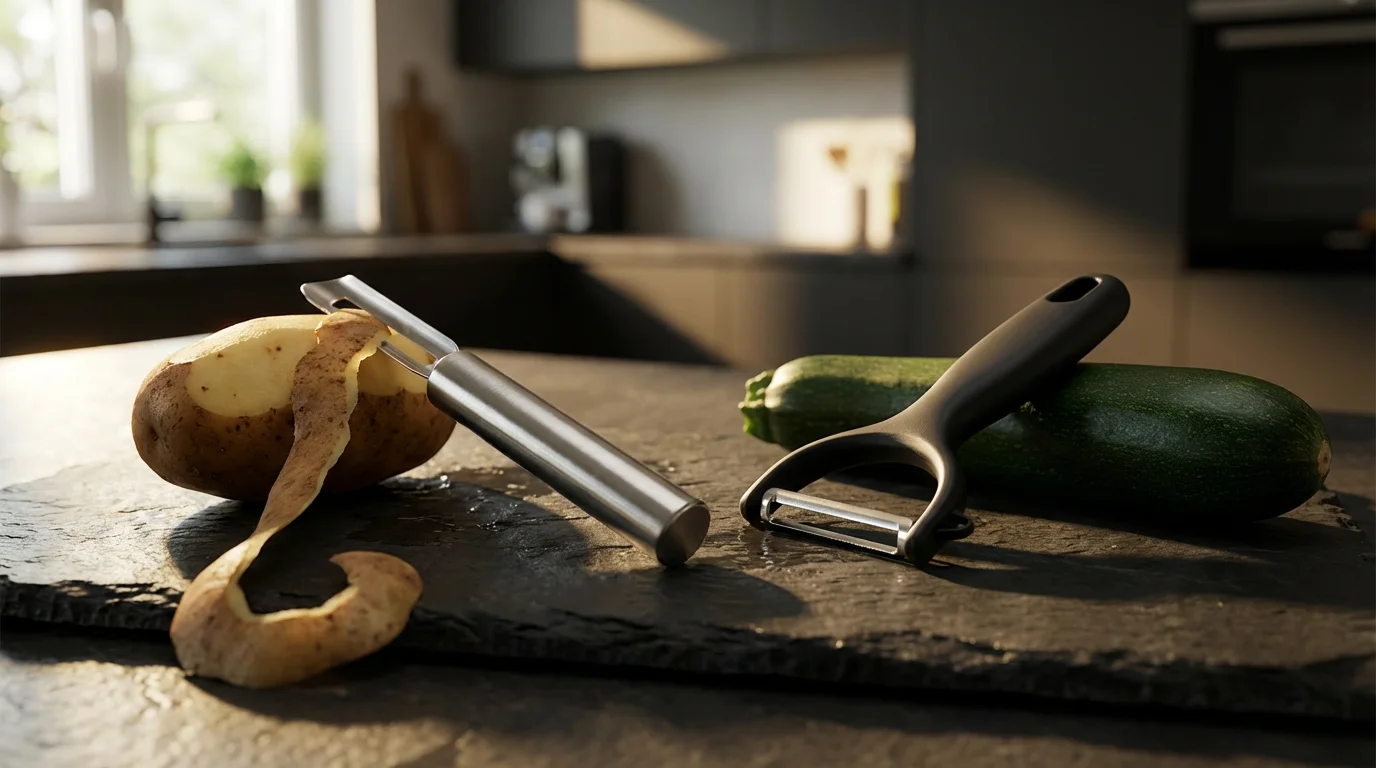
The primary distinction in the world of vegetable peelers lies between two main designs: the Y-peeler and the straight peeler. Each design offers distinct advantages based on your peeling style and the shape of the produce you handle.
While peelers handle the skin, the best mandoline slicers are ideal for creating perfectly uniform slices for salads or side dishes.
Y-Peeler (Swiss Peeler)
The Y-peeler, often called a Swiss peeler, features a blade oriented perpendicular to the handle. This design creates a “Y” shape. You hold it with your thumb and forefinger gripping the handle, and the blade passes over the vegetable. Many chefs and experienced home cooks prefer the Y-peeler for its comfortable, natural grip and ability to peel in long, swift strokes. Its design allows for more pressure to be applied with less strain on the wrist. This makes it an excellent peeling tool for larger, firmer vegetables like potatoes, butternut squash, or long carrots. The wide gap between the blade and the frame also reduces clogging, keeping your peeling process uninterrupted.
Straight Peeler (Swivel or American Peeler)
The straight peeler, also known as a swivel peeler or American peeler, positions its blade parallel to the handle, similar to a knife. You typically hold it like a pen or a small knife. The blade often swivels, adapting to the contours of the food. Many individuals find this familiar grip intuitive, especially if they are accustomed to using paring knives. Straight peelers excel at peeling smaller, rounder, or irregularly shaped produce such as apples, kiwis, or potatoes with many “eyes.” The swivel action helps reduce waste by following the curve of the fruit or vegetable closely.
Consider this quick comparison:
| Feature | Y-Peeler | Straight Peeler |
|---|---|---|
| Blade Orientation | Perpendicular to handle (Y-shape) | Parallel to handle (knife-like) |
| Common Grip | Palm grip, thumb and forefinger around handle | Pen-like grip, often with index finger on top |
| Best For | Large, firm, long vegetables (potatoes, carrots, squash) | Small, round, irregular vegetables (apples, cucumbers, small potatoes) |
| Pressure Application | Leverage from palm, efficient for hard skins | More direct finger pressure, good for delicate skins |
| Ease of Clogging | Less prone to clogging due to open design | Can clog with starchy or sticky peels |
| Learning Curve | Slightly different from knife, but quickly mastered | More intuitive for those used to knives |

Ergonomics and Comfort: Finding the Best Peeler for Your Hands
Hand fatigue and discomfort significantly impact your cooking enjoyment and efficiency. An ergonomically designed peeling tool ensures a secure, comfortable grip, reducing strain, especially during extended use. This is crucial for anyone, but particularly vital for individuals with conditions like arthritis or carpal tunnel syndrome, making the search for the best vegetable peeler for arthritic hands a priority.
Handle Design and Material
The handle is your primary point of contact with the peeler. Look for handles made from soft, non-slip materials like silicone, rubber, or textured plastic. These materials provide a secure grip even when your hands are wet or greasy. Handles with a slightly wider or contoured shape fit comfortably in the palm, distributing pressure evenly. Avoid thin, hard plastic handles, which can dig into your hand and offer poor grip.
- Rubberized or Silicone Grips: These offer excellent non-slip properties and absorb some of the pressure, making them ideal for comfortable, long-term use.
- Contoured Shapes: Handles designed to fit the natural curve of your hand reduce the need for a tight grip.
- Weight and Balance: A peeler that feels balanced, neither too heavy nor too light, helps with control. An overly light peeler might require more effort, while an overly heavy one can cause fatigue.
Blade Sharpness and Swivel Action
A sharp blade is paramount for reducing effort. A dull blade forces you to apply more pressure, increasing the risk of slips and hand strain. Look for peelers with consistently sharp blades that glide effortlessly through skins. For straight peelers, a smooth swivel action is beneficial, allowing the blade to adapt to contours without requiring you to twist your wrist. This adaptability minimizes jerky movements and reduces overall strain.
Y-Peeler vs. Straight Peeler for Ergonomics
While personal preference plays a role, Y-peelers often receive recommendations for better ergonomics due to their grip. The palm grip allows for more leverage from your arm rather than relying solely on finger strength. This can be less fatiguing for many users, particularly those with reduced grip strength. However, some individuals find the familiar knife-like grip of a straight peeler more comfortable. Trying both types can help you determine which feels best for your hand and peeling style.
According to Consumer Reports, ergonomic design in kitchen tools significantly enhances user comfort and safety, reducing the likelihood of repetitive strain injuries in the kitchen.
Blade Materials and Performance: Stainless Steel, Ceramic, and Beyond
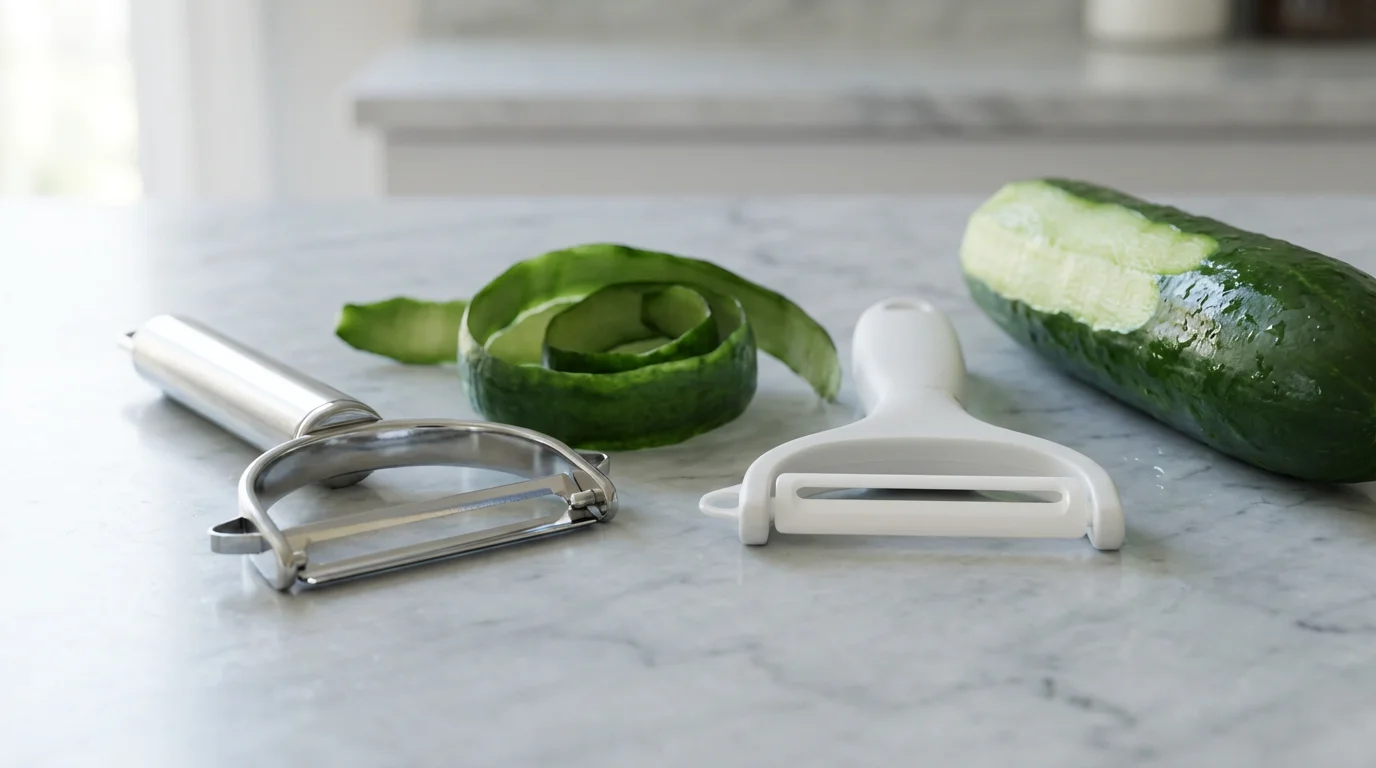
The blade is the heart of any peeling tool, and its material directly impacts sharpness, durability, and maintenance. Understanding the differences helps you choose a peeler that performs consistently.
Comparing box graters vs rotary graters involves similar considerations regarding blade material durability and ease of cleaning.
Stainless Steel Blades
Most common vegetable peelers feature stainless steel blades. This material offers an excellent balance of sharpness, durability, and corrosion resistance. High-quality stainless steel maintains its edge well and resists rust, making it suitable for everyday kitchen use. Many stainless steel blades come with a serrated edge option, which excels at peeling soft-skinned fruits and vegetables like tomatoes, peaches, or bell peppers without tearing the delicate flesh.
- Pros: Durable, rust-resistant, generally affordable, available in straight or serrated edges.
- Cons: Can dull over time, requiring occasional maintenance.
Ceramic Blades
Ceramic blades are renowned for their exceptional sharpness and ability to hold an edge for extended periods without sharpening. They are also non-reactive, which means they do not transfer metallic tastes or smells to food, and they will not brown fruits like apples as quickly as metal blades might. However, ceramic is brittle. A ceramic peeler can chip or break if dropped on a hard surface or twisted improperly.
- Pros: Extremely sharp, holds edge well, non-reactive, very light.
- Cons: Brittle, prone to chipping or breaking, not suitable for very hard or uneven surfaces.
Carbon Steel Blades
Less common in modern peelers but prized by some traditionalists, carbon steel blades offer incredible sharpness and are relatively easy to resharpen. The downside is that carbon steel is highly reactive and prone to rust if not dried immediately and meticulously after use. It also develops a patina over time.
- Pros: Exceptionally sharp, easy to resharpen.
- Cons: High maintenance (rusts easily), can react with acidic foods, develops patina.
For most home cooks, a good quality stainless steel blade provides the best all-around performance and ease of care. If you prioritize extreme sharpness and handle delicate produce frequently, a ceramic peeler could be a valuable addition, provided you handle it with care.
Safety First: Peeling Techniques and Best Practices
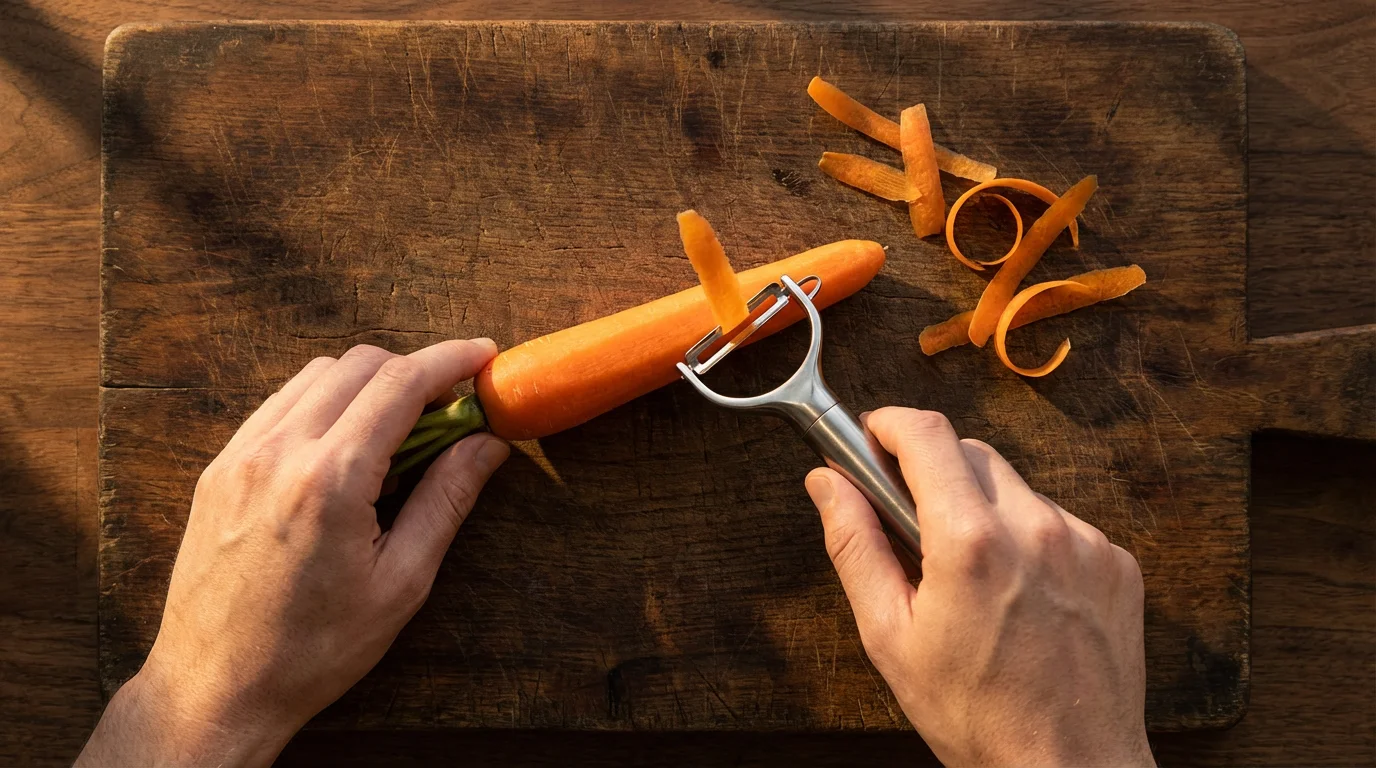
Even the sharpest peeling tool can cause injury if not used correctly. Prioritizing safety ensures an efficient and incident-free meal prep experience. Here are essential tips for safe peeling:
Once your produce is safely peeled, use the best colanders and strainers to give them a final thorough rinse before cooking.
Maintain a Firm, Comfortable Grip
Always hold the peeler and the vegetable firmly. A loose grip increases the risk of slipping. If your hands are wet, dry them thoroughly before peeling. For Y-peelers, use a palm grip; for straight peelers, a pen-like grip provides control.
Peel Away From Your Body
This is the golden rule for any cutting tool. Always direct the blade’s movement away from your hands, fingers, and body. If the blade slips, it will move into open air rather than towards you.
Use a Stable Surface
When peeling awkward or large vegetables, like butternut squash or pumpkin, use a cutting board. Cut the vegetable into smaller, stable pieces if necessary, then peel flat against the board. This provides stability and prevents the vegetable from rolling.
Keep Blades Sharp
A sharp blade requires less force to cut, significantly reducing the chance of slippage. While most peeler blades are not designed for routine sharpening like knives, a quality peeler will maintain its edge for a long time. Replace your peeler if the blade becomes dull and you find yourself applying excessive pressure.
Utilize Blade Guards
Some peelers come with blade guards. Always use them when the peeler is stored in a drawer to protect the blade and prevent accidental cuts when reaching for other utensils.
Consider a Peeling Glove (Optional)
For extensive peeling or if you have concerns about your grip, consider wearing a cut-resistant glove on the hand holding the vegetable. These gloves offer an extra layer of protection against accidental nicks.
As Serious Eats’ equipment reviews frequently emphasize, safety features and proper technique are equally important when evaluating kitchen tools, especially those with blades.

Top Picks: Our Recommended Vegetable Peelers
Based on performance, ergonomics, durability, and user feedback, we have identified several excellent peeling tool options. These picks cater to different preferences and needs, ensuring you find the best potato peeler or general vegetable peeler for your kitchen.
Best All-Around Y-Peeler: OXO Good Grips Swivel Peeler
- Why We Like It: The OXO Good Grips Swivel Peeler consistently ranks high for its comfort and efficiency. It features an oversized, soft, non-slip handle that is incredibly comfortable to grip, even for those with arthritic hands or larger hands. The sharp, stainless steel swivel blade glides effortlessly over produce, adapting to various shapes. Its Y-peeler design allows for powerful, long strokes, making quick work of tough skins.
- Pros: Excellent ergonomics, extremely sharp, durable stainless steel, built-in potato eye remover.
- Cons: Some users prefer a fixed blade over a swivel.
- Best For: Everyday use, large volume peeling, individuals seeking an ergonomic peeling tool.
Best Straight Peeler for Control: Victorinox Swiss Classic Paring/Peeler Combo
- Why We Like It: Victorinox, known for its iconic Swiss Army Knives, also produces outstanding kitchen tools. Their straight peeler is lightweight with an ultra-sharp blade that holds its edge remarkably well. While it resembles a paring knife, its blade is designed purely for peeling. The handle, while not as bulky as OXO’s, is textured and provides a secure grip, offering exceptional control for intricate peeling tasks or smaller vegetables.
- Pros: Super sharp, lightweight, excellent control, very durable blade.
- Cons: Less ergonomic for prolonged, heavy-duty peeling than some Y-peelers.
- Best For: Precision peeling, smaller fruits and vegetables, users comfortable with a knife-like grip.
Best Value Peeling Tool: Kuhn Rikon Original Swiss Peeler
- Why We Like It: The Kuhn Rikon Original Swiss Peeler is a classic Y-peeler, often available in vibrant colors, and it offers unparalleled performance for its price point. It is incredibly lightweight with a carbon steel blade (though stainless steel versions are also available). This peeler makes quick work of any vegetable and represents fantastic value. Its lightweight nature can be a pro for those with hand fatigue, though the handle is slim.
- Pros: Exceptionally sharp, very lightweight, excellent value, efficient design.
- Cons: Handle can feel less substantial for some users, carbon steel version requires diligent drying to prevent rust.
- Best For: Budget-conscious cooks, those prioritizing sharpness and efficiency over bulky ergonomics, a great backup peeler.
Best Serrated Peeler for Soft Skins: Zyliss SmoothGlide Peeler
- Why We Like It: When dealing with delicate skins like tomatoes, kiwis, or peaches, a serrated peeler is indispensable. The Zyliss SmoothGlide features a micro-serrated stainless steel blade that grips and slices through soft skins without tearing. Its ergonomic handle provides a comfortable and secure hold. This specialized peeling tool proves essential for minimizing waste and mess with fragile produce.
- Pros: Excellent for soft-skinned fruits and vegetables, comfortable grip, very sharp serrated blade.
- Cons:1 not ideal for hard-skinned vegetables; a specialized tool.
- Best For: Peeling tomatoes, peaches, kiwis, bell peppers, or any produce with delicate skin.
Caring for Your Peeler: Maintenance and Longevity
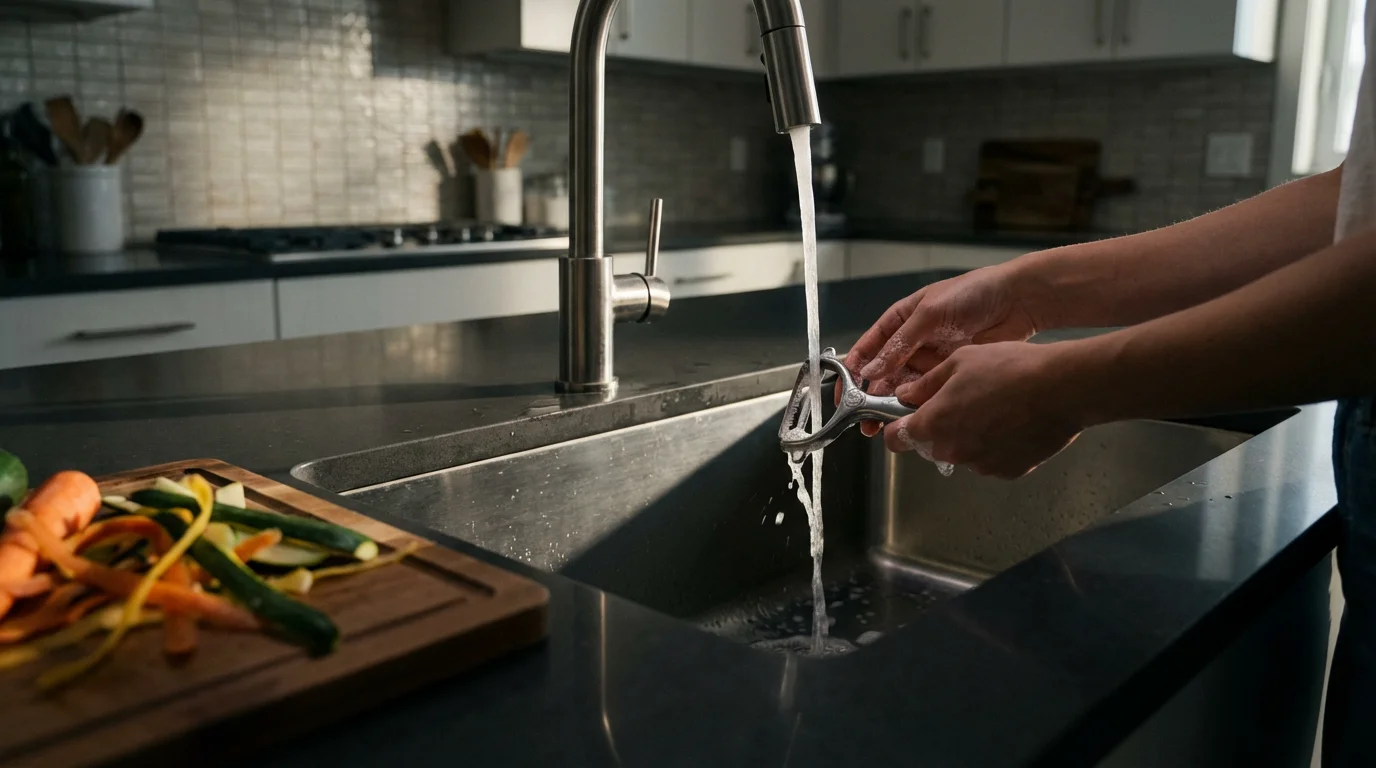
Proper care extends the life of your vegetable peeler and ensures its blades remain sharp and effective. While peelers are relatively low-maintenance, a few practices make a significant difference.
Cleaning Your Peeler
Most peelers are dishwasher-safe, especially those with stainless steel blades and durable plastic or silicone handles. However, hand washing is always preferable for preserving the blade’s sharpness and the integrity of the handle materials over time. Wash your peeler immediately after use with warm, soapy water and a brush to remove any stuck food particles. Be extremely careful when cleaning around the blade. Always dry your peeler thoroughly, particularly if it has a carbon steel blade, to prevent rust and water spots.
Blade Sharpness
Unlike kitchen knives, which you regularly hone and sharpen, most vegetable peeler blades are not designed for user sharpening. The exception might be some higher-end models with replaceable blades, but these are rare. If your peeler’s blade becomes noticeably dull, replacement is usually the most practical solution. A dull blade requires more pressure, increasing safety risks and inefficiency.
Storage
Store your peeler safely to protect its blade and prevent accidental injury. If your peeler came with a blade guard, use it. Otherwise, store it in a utensil crock with the blade facing down or in a drawer where it will not come into contact with other sharp objects that could dull or damage the blade.
“Proper storage not only protects the blade of your peeler, keeping it sharp longer, but also protects your fingers when reaching into a busy drawer.”
Frequently Asked Questions
Which is better, a Y-peeler or a straight peeler?
The choice between a Y-peeler and a straight peeler largely depends on personal preference and the type of produce you often peel. Y-peelers excel at handling larger, firmer vegetables like potatoes or squash, offering a more powerful, ergonomic grip for many users. Straight peelers provide excellent control for smaller, rounder, or irregularly shaped items, and some find their knife-like grip more intuitive. We recommend trying both to see which feels more comfortable and efficient for your peeling style.
Can I sharpen my vegetable peeler?
Most standard vegetable peelers are not designed for sharpening. Their blades are often thin and delicate, making traditional knife sharpening methods ineffective or even damaging. If your peeler’s blade becomes dull, it is generally more practical and safer to replace the entire peeler to ensure optimal performance and safety.
Are ceramic peelers better than stainless steel?
Ceramic peelers offer exceptional sharpness and retain their edge for a long time, making them excellent for delicate tasks and preventing browning in fruits. However, they are also brittle and prone to chipping or breaking if dropped. Stainless steel peelers are more durable and versatile for general use, resisting impact better, and they provide a great balance of sharpness and longevity for most home cooks.
What is the best vegetable peeler for arthritic hands?
For individuals with arthritic hands, comfort and reduced strain are paramount. Look for peelers with oversized, soft, non-slip handles, often made from rubber or silicone, as seen in the OXO Good Grips line. These handles provide a secure, comfortable grip that minimizes the need for a tight grasp. Y-peelers are often recommended due to their palm-grip design, which allows for more leverage from the arm rather than relying solely on finger strength.
Disclaimer: Product prices and availability change frequently. Prices shown were accurate at time of writing but may have changed. We may earn a small commission from purchases made through links on this site, at no extra cost to you. Always use cutting tools carefully and follow manufacturer safety guidelines.


Leave a Reply