
Preparing a fresh, delicious salad should be a joy, not a chore. Many home cooks struggle with the time, effort, and occasional intimidation involved in chopping, slicing, and dicing ingredients. You want to eat healthier, but the weekly salad prep can feel like a marathon. We understand your challenge: how do you chop salad quickly, safely, and efficiently without cluttering your kitchen with unnecessary gadgets?
This comprehensive guide details the best salad tools and techniques to transform your meal prep. We focus on practical, actionable insights, helping you streamline your routine, reduce prep time, and enjoy perfectly composed salads more often. Whether you are a beginner looking to master basic knife skills or an experienced cook seeking to optimize your America’s Test Kitchen-level efficiency, you will find valuable strategies here.
Mastering Salad Prep: Why Efficiency Matters
Eating a nutrient-rich diet often hinges on how easy you make it for yourself. When salad prep feels daunting, you are less likely to choose fresh greens over convenience foods. Efficient salad preparation is about more than just speed, it is about creating a sustainable habit for healthy eating. By optimizing your tools and techniques, you save time, reduce food waste, and enjoy more diverse, appealing salads. This guide helps you identify the key salad tools that genuinely enhance your kitchen workflow, focusing on safety and practical utility.
Essential Knives for Your Salad Station
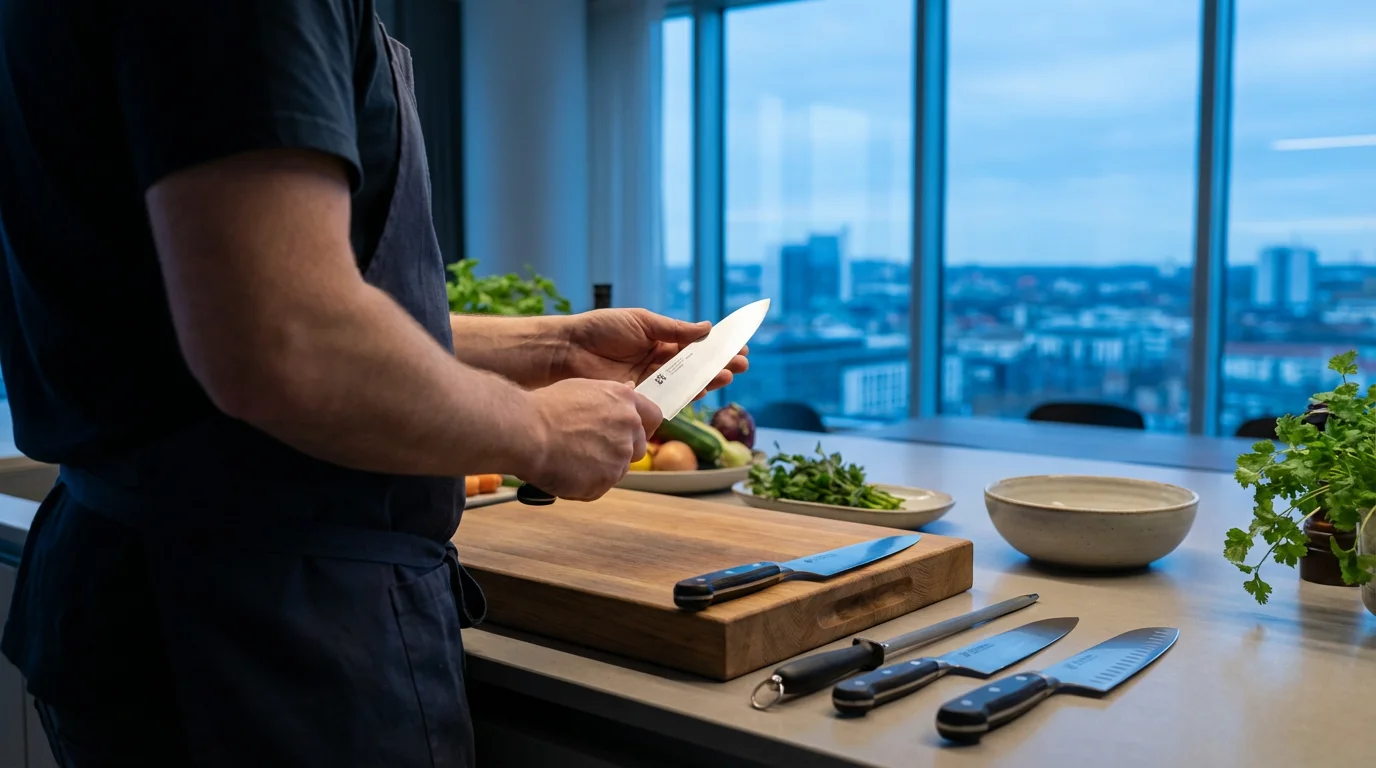
Your knife is arguably the most fundamental tool in salad preparation. A sharp, well-balanced knife makes chopping quicker, safer, and more enjoyable. Dull blades require more force, increasing the risk of slips and injury. For most salad tasks, you need a few key knives:
Chef’s Knife
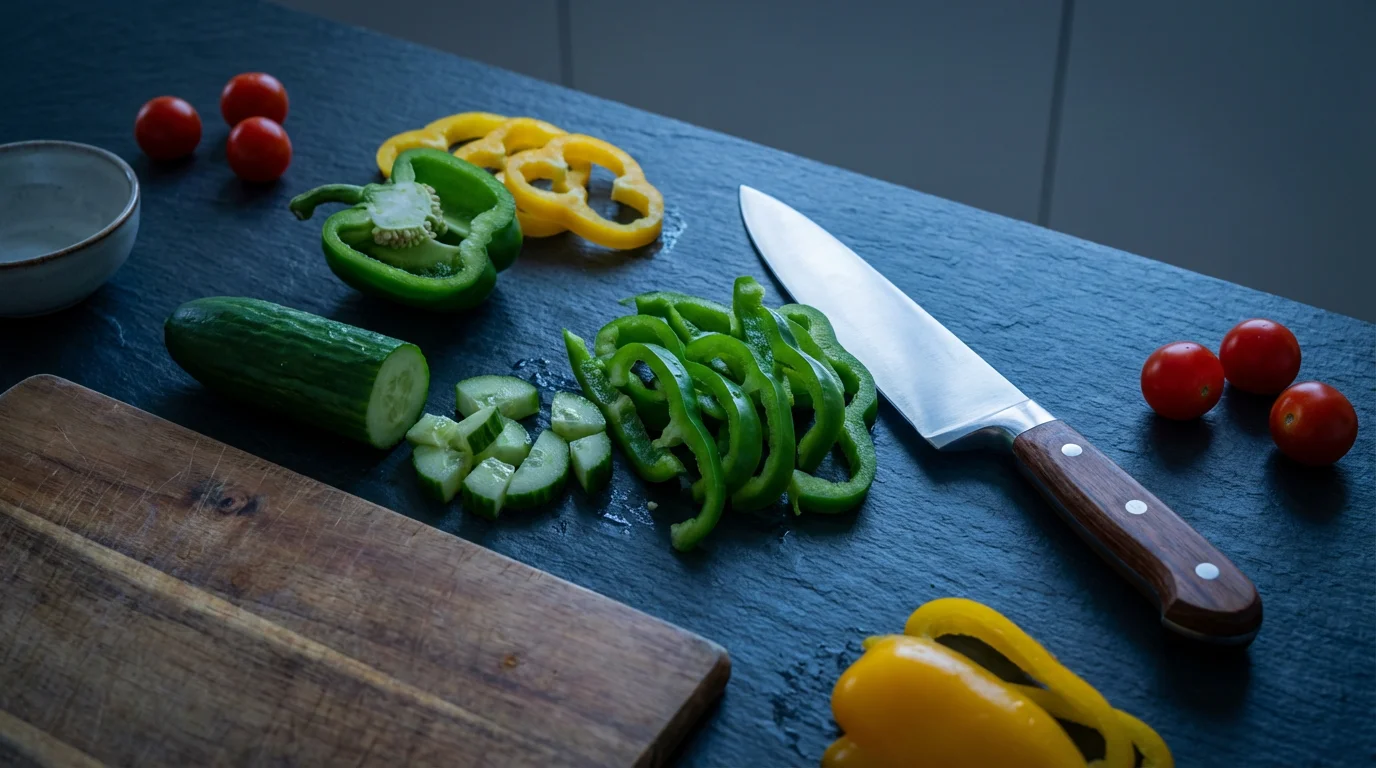
A chef’s knife, typically with an 8-inch blade, is your primary workhorse. Its curved blade allows for a rocking motion, ideal for rapidly dicing vegetables like cucumbers, bell peppers, and carrots. Look for high-carbon stainless steel for a good balance of sharpness, edge retention, and corrosion resistance. A full tang construction, where the knife blade extends all the way through the handle, provides superior balance and durability. The bolster, the thick part where the blade meets the handle, offers balance and protects your fingers during use.
- Pros: Versatile, excellent for volume chopping, durable.
- Cons: Can be intimidating for beginners, requires proper technique.
- Safety Tip: Always keep your non-dominant hand’s fingertips tucked back, forming a “claw” to guide the blade safely. Hold the knife with a firm pinch grip, thumb on one side of the blade, index finger on the other, for maximum control.
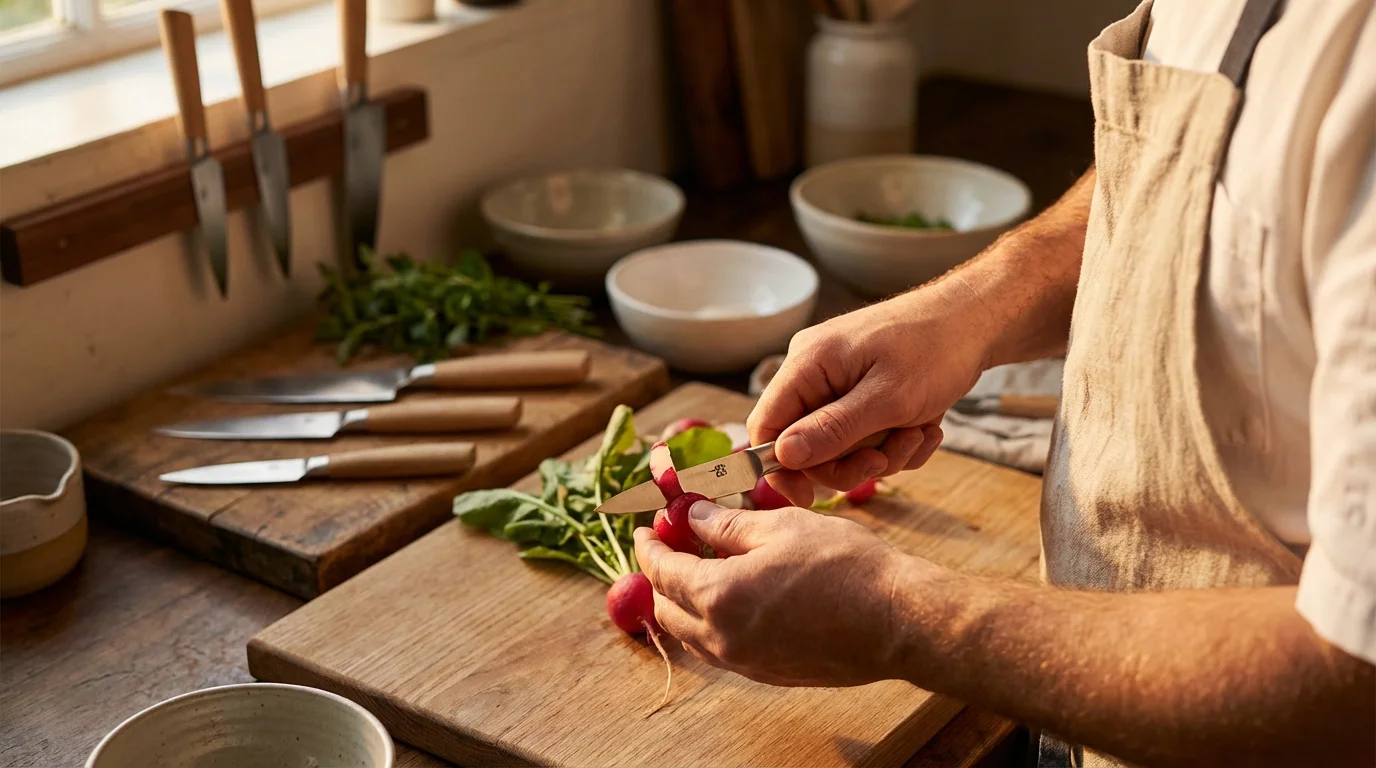
Paring Knife
A paring knife, usually with a 3-4 inch blade, excels at precision tasks. Use it for hulling strawberries, segmenting citrus, or mincing small aromatics like garlic or shallots for dressings. Its small size offers exceptional control for intricate cuts.
- Pros: Excellent for detailed work, compact.
- Cons: Not suitable for large volume chopping.
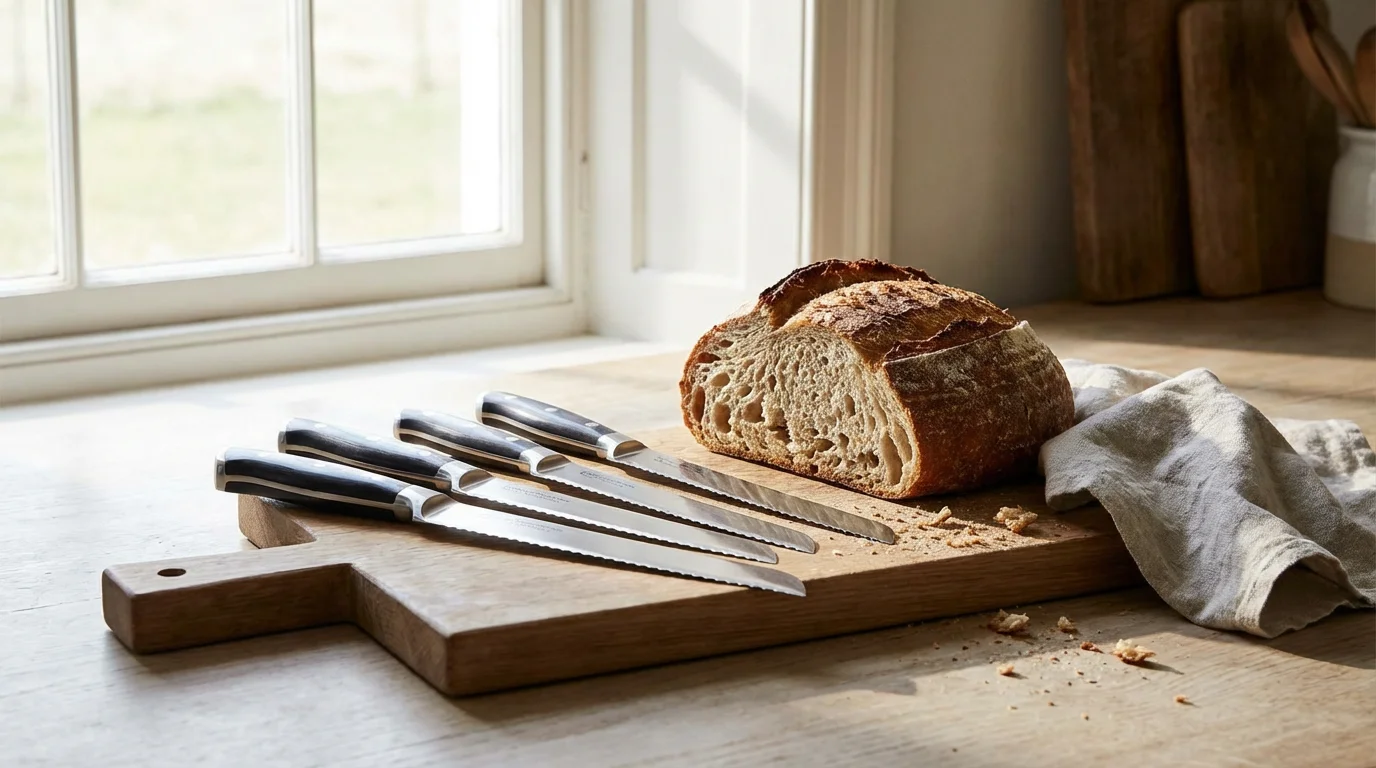
Bread Knife (Serrated Knife)
While not strictly for vegetables, a serrated bread knife proves invaluable for specific salad components. It slices through ripe tomatoes without crushing them, and it cuts crusty bread into croutons effortlessly. The serrations grip and tear through soft or hard exteriors cleanly.
- Pros: Perfect for tomatoes, bread, and delicate leafy greens like cabbage.
- Cons: Less versatile for general chopping, difficult to sharpen at home.
When selecting a knife set, prioritize quality over quantity. A solid chef’s knife, a reliable paring knife, and a good serrated knife cover most of your salad preparation needs. Reviews from trusted sources, such as Wirecutter’s kitchen knife recommendations, often highlight models known for performance and value.
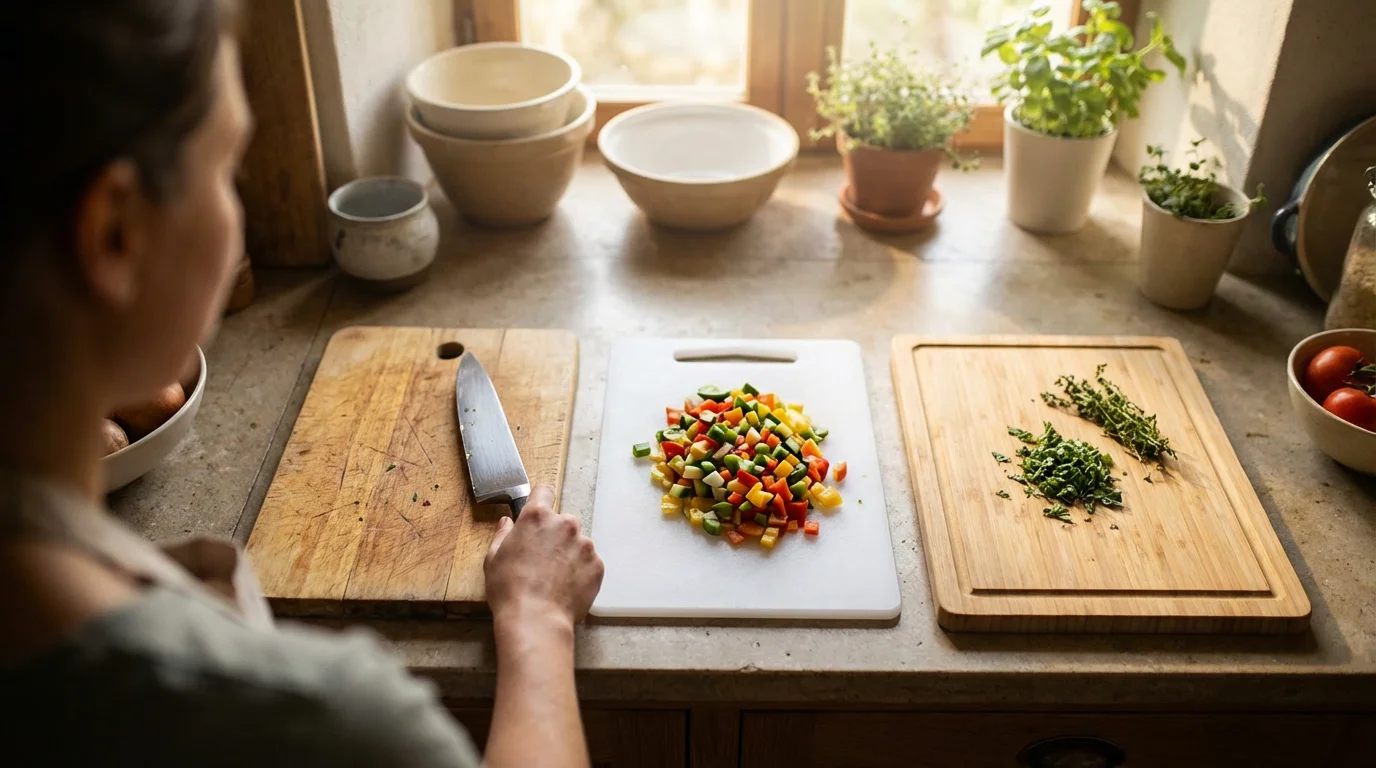
Cutting Boards: The Crucial Foundation
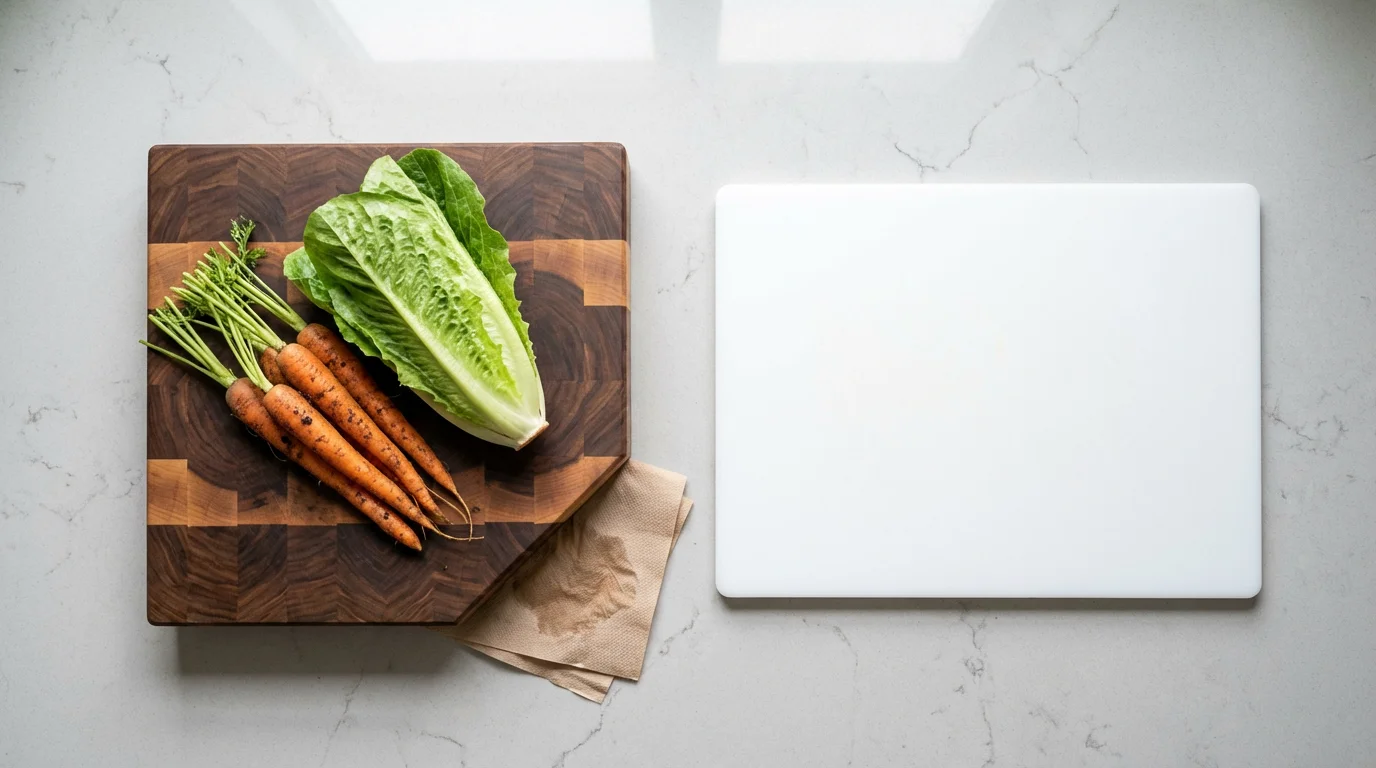
A good cutting board is as vital as a good knife. It provides a stable, safe surface for cutting and protects your countertops. The right board also helps maintain your knife’s edge.
| Material | Pros | Cons | Maintenance | Best For |
|---|---|---|---|---|
| Wood (Maple, Walnut) | Gentle on knife edges, self-healing, aesthetically pleasing. | Requires oiling, not dishwasher safe, can be heavy. | Hand wash, oil regularly, sanitize with lemon/salt. | All-purpose, especially for primary prep. |
| Plastic (Polypropylene) | Dishwasher safe, lightweight, color-coded for hygiene. | Can dull knives faster, prone to deep scoring. | Dishwasher or hand wash, replace when deeply scored. | Raw meat (separate board), quick tasks, travel. |
| Bamboo | Eco-friendly, durable, attractive. | Harder than wood, can dull knives more quickly. | Hand wash, oil occasionally. | General chopping, light use. |
| Specialty (Composite) | Dishwasher safe, knife-friendly, durable. | Often higher cost. | Dishwasher safe. | Heavy use, professional kitchens. |
Safety Tip: Always place a damp paper towel or non-slip mat under your cutting board to prevent it from sliding. This simple step significantly reduces the risk of injury. Also, dedicate separate cutting boards for raw meats and produce to prevent cross-contamination.
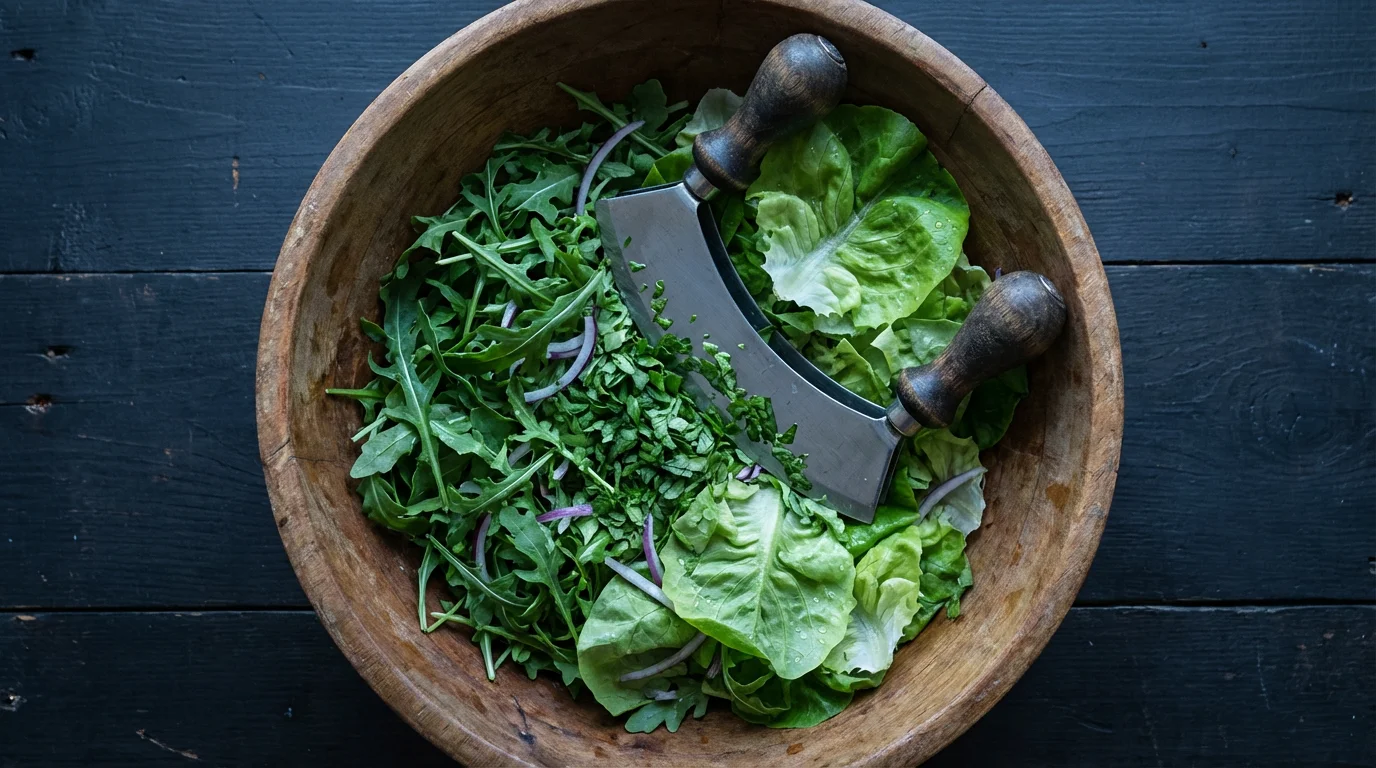
Dedicated Salad Choppers and Scissors
If you aim to chop salad quickly, especially large quantities of leafy greens, dedicated salad choppers can be game-changers. These tools specialize in rapid, consistent chopping directly in a bowl.
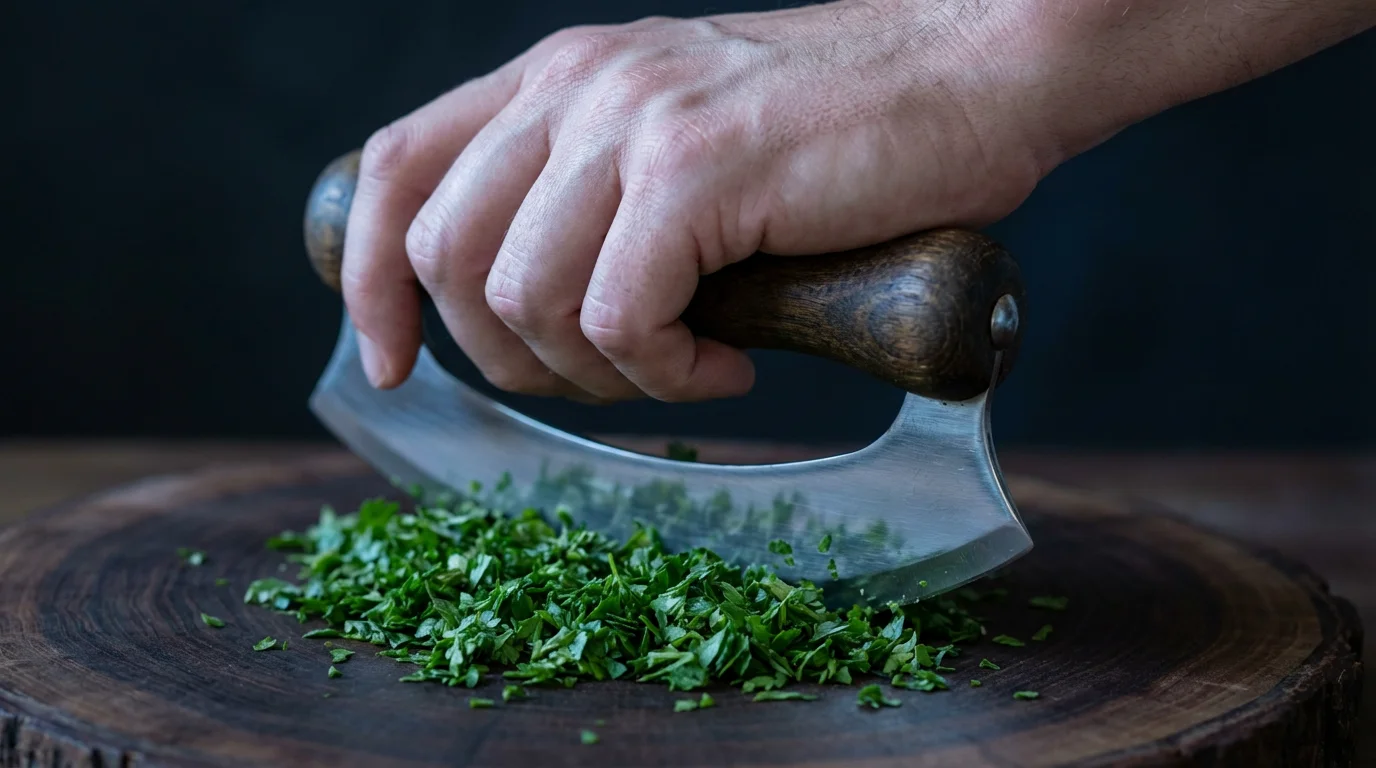
Mezzaluna
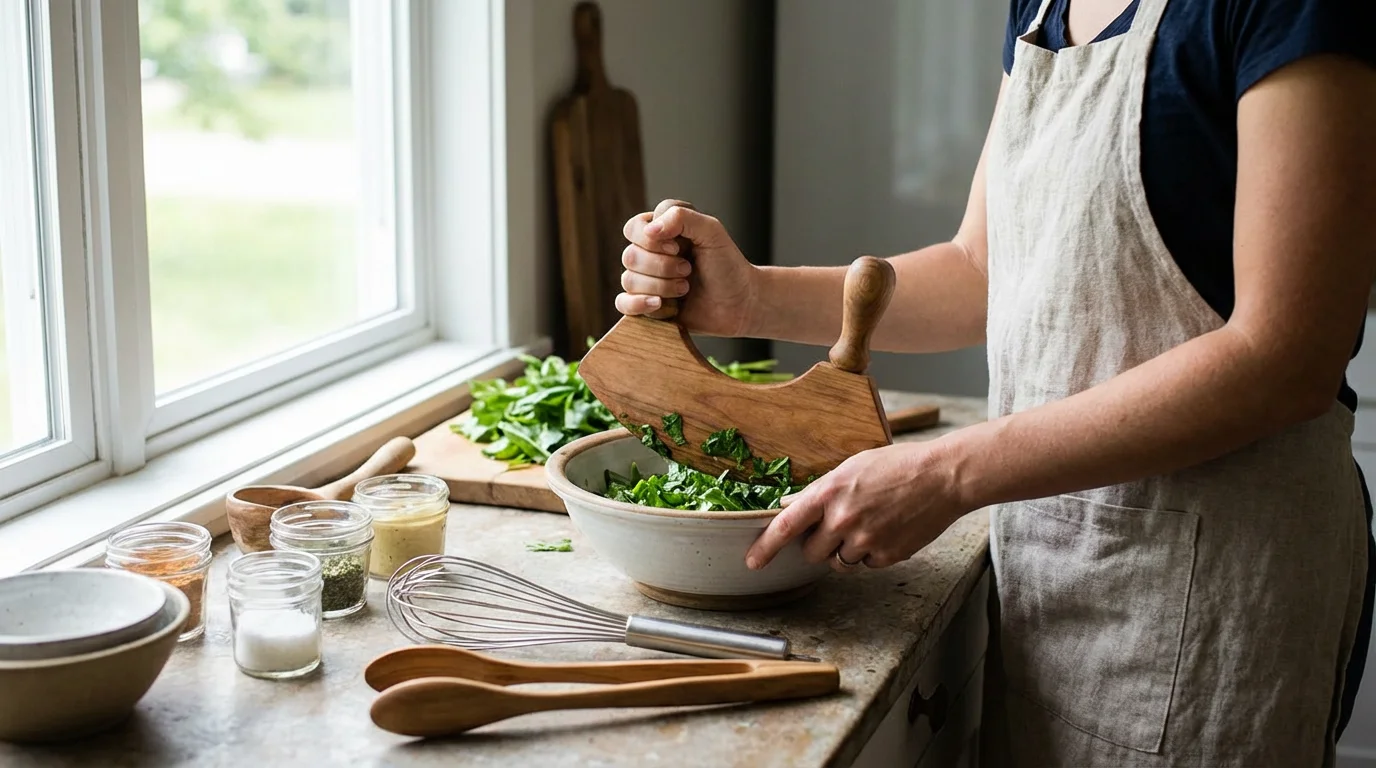
A mezzaluna, Italian for “half moon,” is a curved blade with handles on each end. You rock it back and forth over ingredients, often in a bowl, to create finely chopped greens and vegetables. Some models feature a double blade for even faster chopping. This is an excellent tool for preparing finely chopped salads or herbs, providing a texture similar to a deli-style chopped salad.
- Pros: Excellent for finely chopped greens, works well in a bowl, good for herbs.
- Cons: Less versatile than a chef’s knife, requires a specific rocking motion.
- Best For: Those who love finely chopped salads and don’t mind a single-purpose tool.
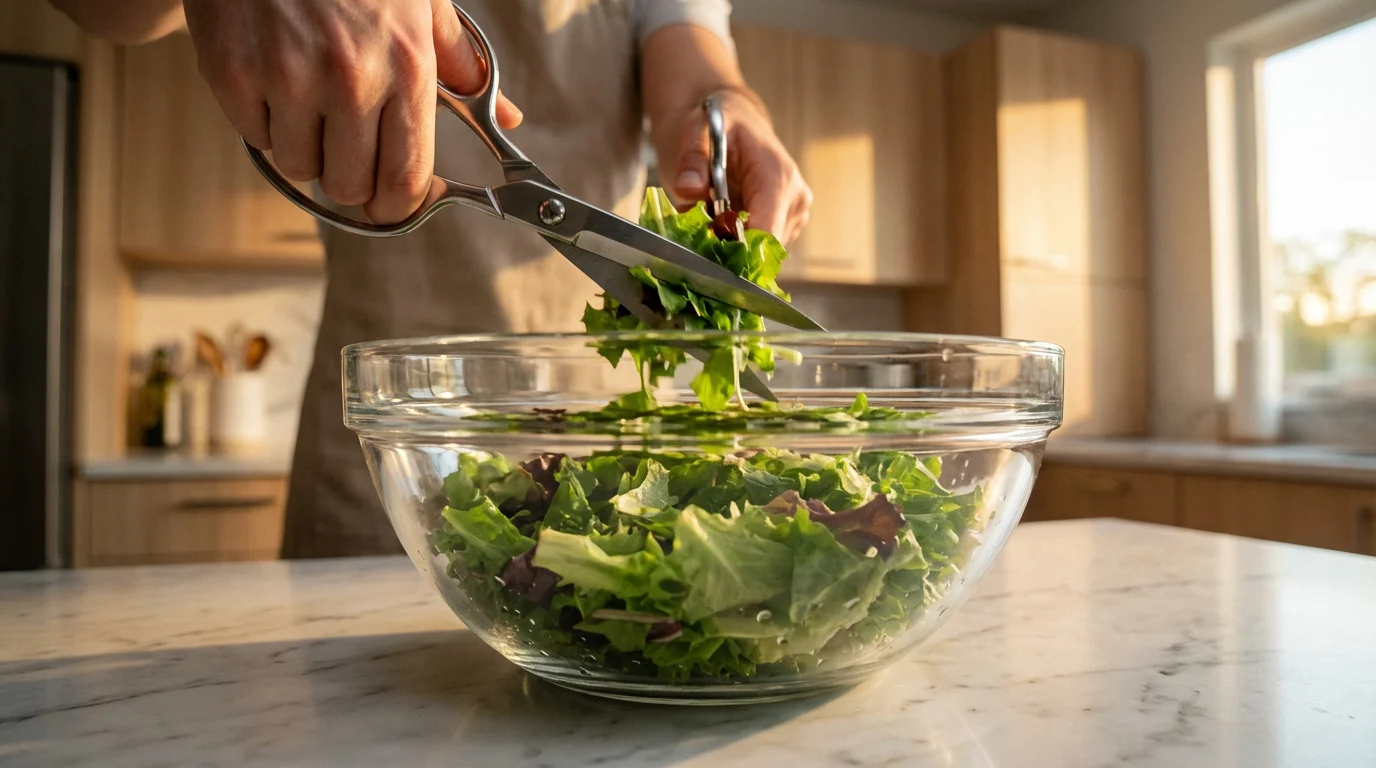
Salad Scissors (Lettuce Shears)
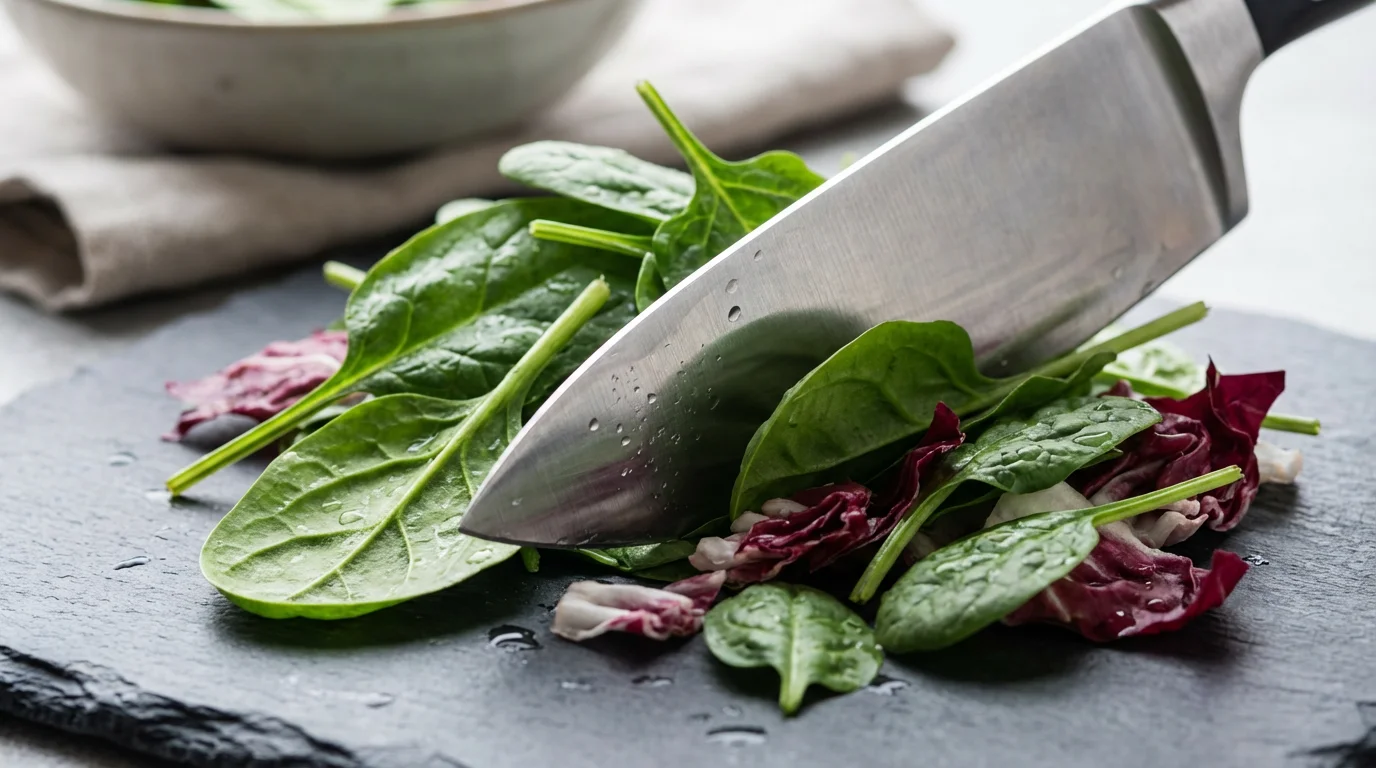
These specialized scissors feature long, often serrated blades, designed to cut through lettuce and other greens directly in the serving bowl. Some models include multiple blades for even faster processing. Salad scissors are incredibly easy to use, making them a great option for beginners or anyone looking for minimal fuss.
- Pros: Easy to use, safe, no cutting board needed, ideal for serving.
- Cons: Less precise than a knife for small, hard vegetables; best for soft greens.
- Best For: Quick preparation of leafy greens directly into the bowl, especially for individual servings.
Bowl Choppers with Integrated Blades
These systems often involve a specialized bowl and a matching set of rotary or cross-cutting blades. You place your ingredients in the bowl, then press down or rotate the blade mechanism to chop. These can be very effective for quick, uniform chopping of entire salads. Some come with covers to store the chopped salad directly.
- Pros: Chops large quantities uniformly, often comes with storage.
- Cons: Can be bulky, more parts to clean, may struggle with very hard vegetables.
- Best For: Family-sized portions or weekly meal prep when you need a consistent dice.
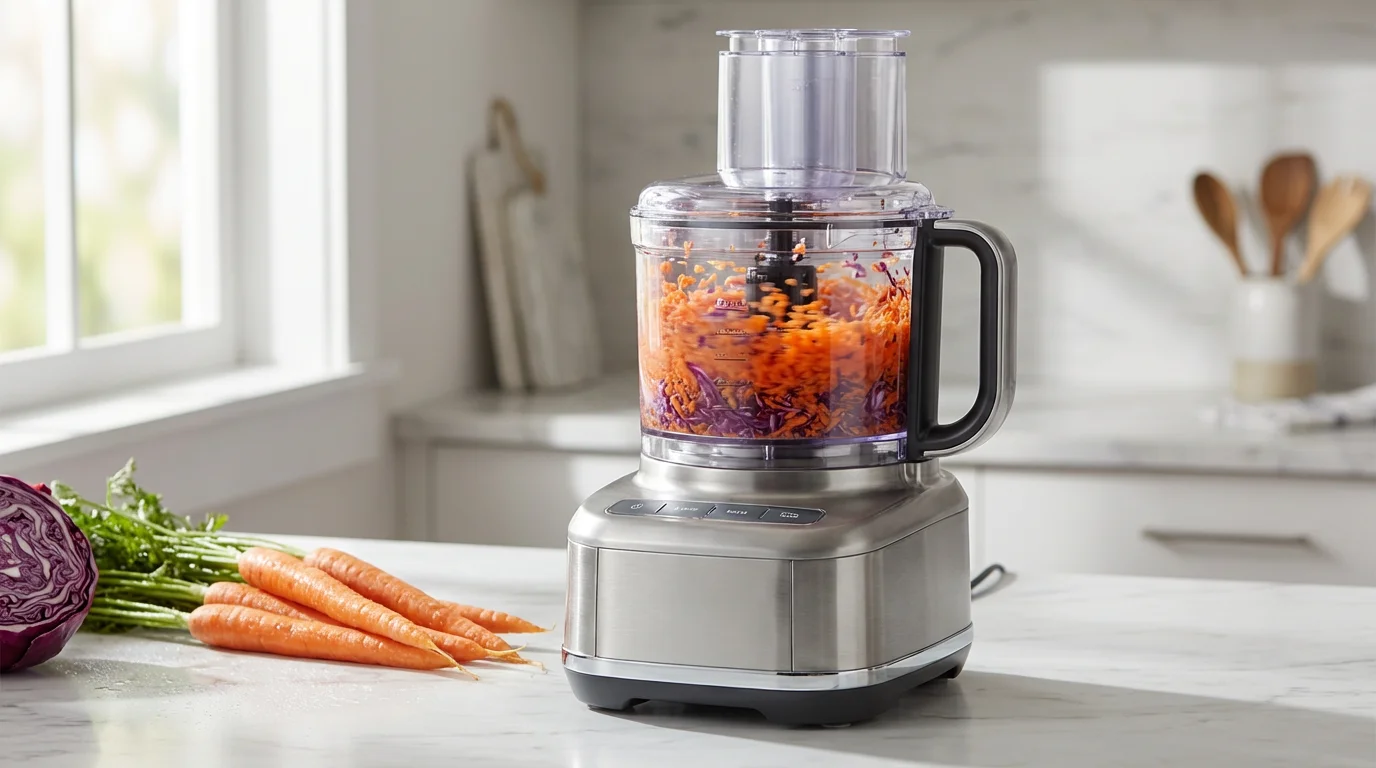
Food Processors and Mini Choppers: Bulk Prep Powerhouses
For large-batch salad prep or when you need ingredients finely minced for dressings, a food processor or mini chopper saves significant time and effort. These tools handle volume quickly, reducing hand fatigue.
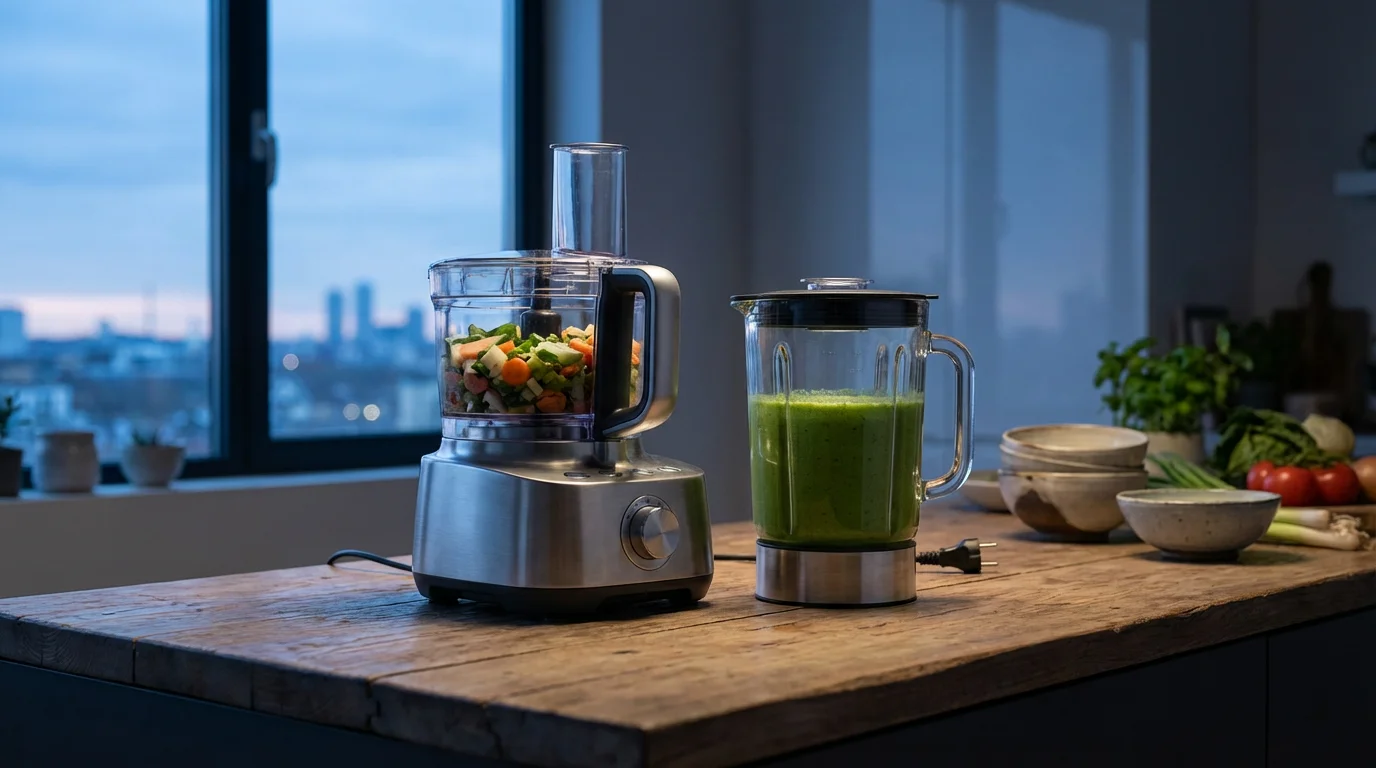
Food Processors
A full-sized food processor (8-14 cup capacity) is invaluable for chopping large quantities of vegetables, making creamy dressings, or even preparing components for a blended salad base. Look for models with a powerful motor (at least 600 watts) and a “pulse function.” The pulse function gives short bursts of power, allowing you to control the chop texture precisely, preventing over-processing into a purée. You can chop a head of lettuce or cabbage in seconds, julienne carrots with a disc attachment, or finely mince herbs for a vinaigrette.
- Pros: Extremely fast for volume, versatile (slicing, grating, puréeing), reduces hand fatigue.
- Cons: Can be bulky, more parts to clean than a knife, can over-process ingredients if not careful.
- Best For: Batch cooking, preparing large salads, making dressings and dips, reducing prep time significantly.
- Safety Tip: Always ensure the lid is securely locked before operating. Never reach into the bowl when the blade is moving.
Mini Choppers
Mini choppers (1-4 cup capacity) offer a compact alternative for smaller tasks. They are perfect for quickly mincing garlic, onions, or nuts for a salad topping, or whipping up a small batch of dressing. Their smaller footprint makes them easy to store and clean.
- Pros: Compact, easy to clean, quick for small tasks.
- Cons: Limited capacity, less powerful than full-sized processors.
- Best For: Small households, quick additions, dressings, mincing aromatics.
When selecting an appliance, consider performance reviews. According to Consumer Reports’ small appliance ratings, motor power, blade quality, and ease of cleaning are critical factors for user satisfaction.
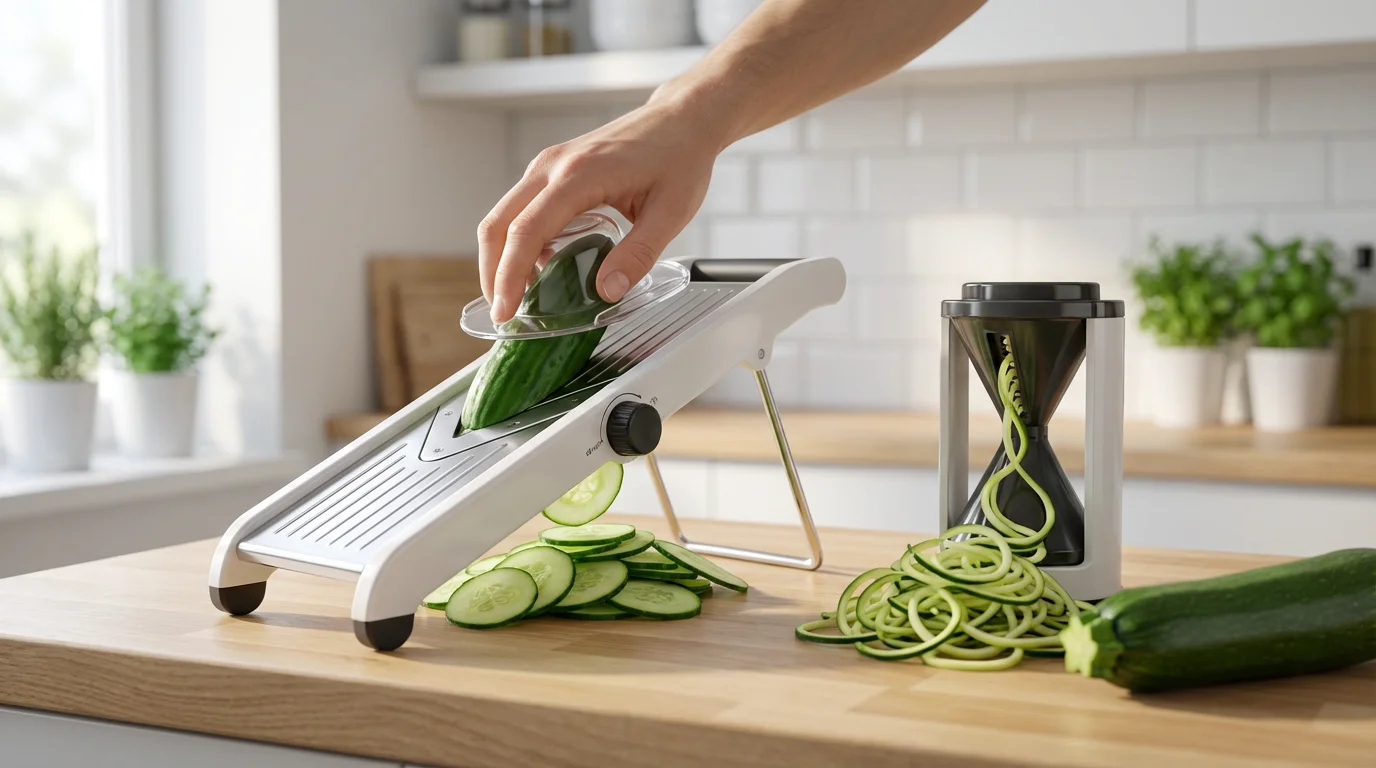
Mandolines and Spiralizers: Precision and Variety
For perfectly uniform slices and fun shapes, mandolines and spiralizers add a professional touch and visual appeal to your salads. Uniform cuts ensure even cooking (if applicable) and a more consistent texture in your salad.
Mandolines
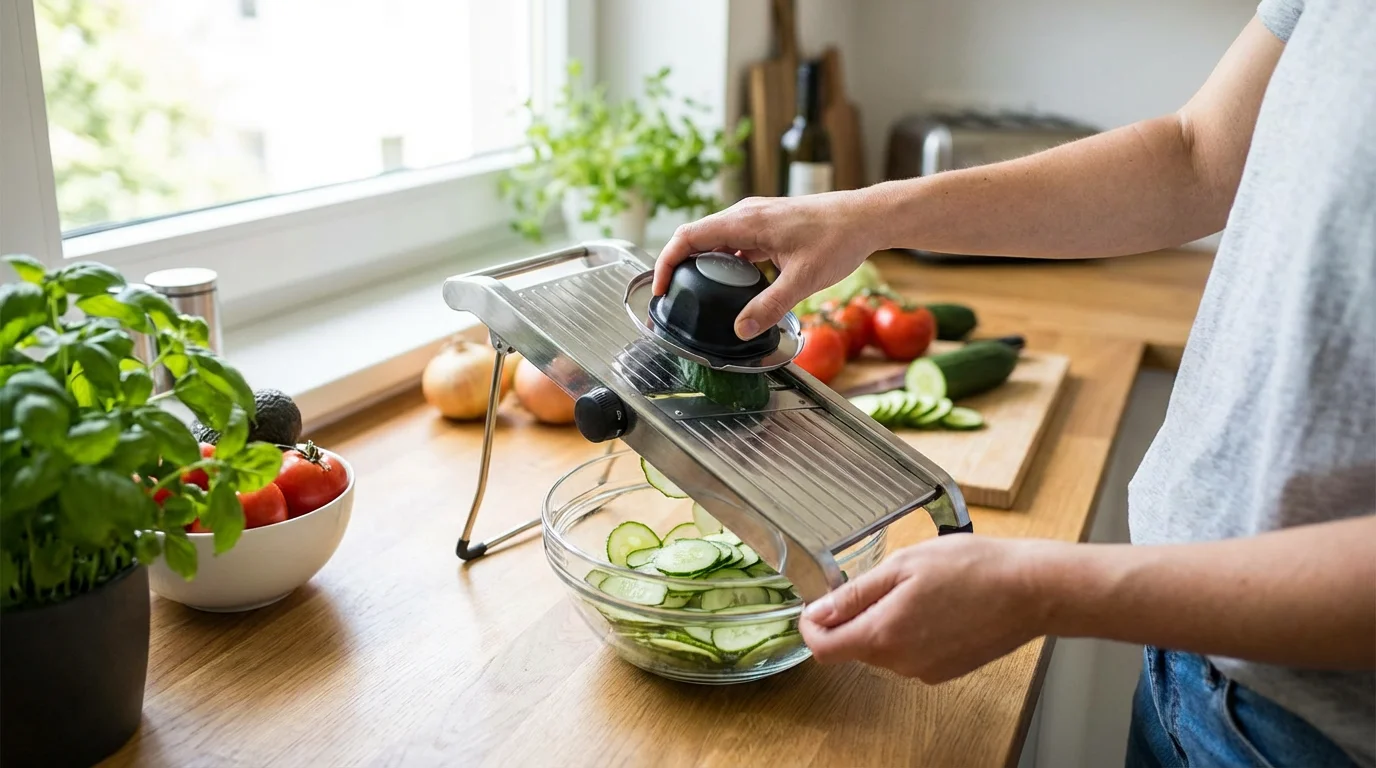
A mandoline is a flat cutting tool with adjustable blades for uniform slicing. It allows you to create paper-thin slices of cucumber, radishes, or apples, or even julienne vegetables into thin matchstick strips, far faster and more consistently than a knife. Look for models with robust construction, non-slip feet, and various blade options.
- Pros: Achieves perfectly uniform slices and juliennes rapidly, professional results.
- Cons: Extremely sharp, requires extreme caution, can be bulky.
- Best For: Creating visually appealing, consistently sized salad ingredients; thin-slicing hard vegetables.
- Safety Tip: Mandolines are incredibly sharp. ALWAYS use the provided hand guard. Consider cut-resistant gloves for added protection, especially when handling smaller pieces. Never allow your bare hand to come near the exposed blade.
Spiralizers
Spiralizers transform vegetables like zucchini, carrots, or beets into long, noodle-like strands, adding a unique texture and fun element to salads. They are excellent for making “zoodles” as a low-carb pasta alternative or simply for incorporating more raw vegetables creatively.
- Pros: Creates unique textures, makes vegetables fun, encourages more raw vegetable consumption.
- Cons: Limited to certain vegetables, can be a single-purpose gadget.
- Best For: Adding novelty and variety to salads, making vegetable noodles.
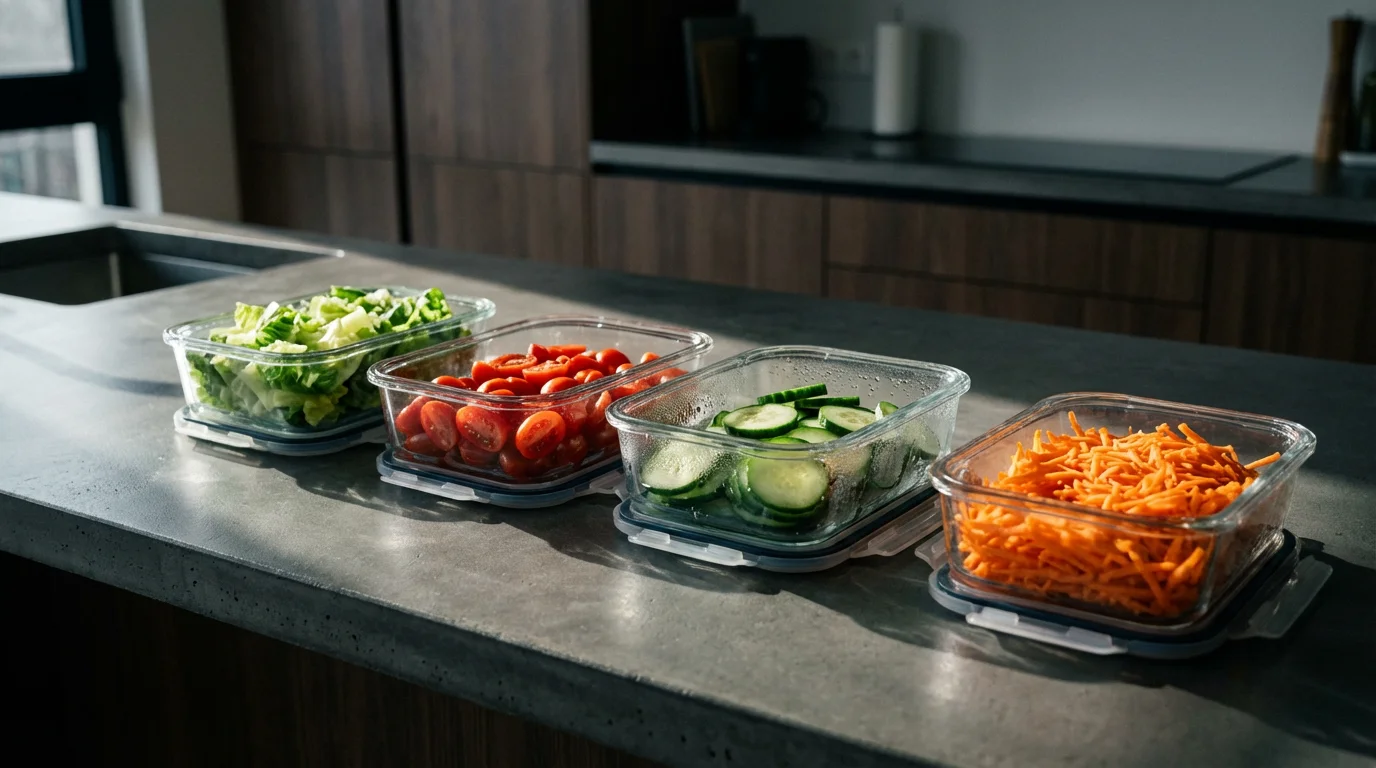
Smart Storage Solutions for Fresh Salads
Efficient salad prep extends beyond chopping; it includes proper storage. Preparing ingredients in advance, a concept known as “mise en place” (having all ingredients prepped and ready before cooking), saves you valuable time during busy weekdays. The right meal prep containers keep your ingredients fresh, crisp, and ready to assemble.
Airtight Containers
Invest in high-quality, airtight containers. Glass containers are excellent because they do not absorb odors or stains and are microwave and dishwasher safe. Plastic containers are lighter and more portable, but ensure they are BPA-free. Proper sealing prevents oxidation and wilting, extending the life of your pre-chopped greens and vegetables for several days.
- Pros: Keeps ingredients fresh longer, stackable, ideal for portion control.
- Cons: Requires fridge space, some plastics can stain.
Salad Spinners
A salad spinner is an often-overlooked tool that is crucial for perfectly crisp greens. Excess moisture causes greens to wilt and dressing to run off. A spinner quickly removes water, ensuring your salad stays vibrant and your dressing adheres properly.
- Pros: Ensures crisp greens, extends freshness, helps dressing cling better.
- Cons: Can be bulky to store.
Dressing Containers
Small, leak-proof dressing containers allow you to store your vinaigrette separately. Dressing salad too early makes it soggy. Keeping it separate until serving time ensures a fresh, crisp experience.
“Prepping your salad components individually and storing them in airtight containers can keep them fresh for up to 5 days. Just assemble right before serving for the best texture.” — Good Housekeeping Kitchen Experts
Blade Maintenance: Keep Your Tools Sharp and Safe
A sharp knife is a safe knife. You exert less force with a sharp blade, leading to better control and fewer accidents. Proper knife maintenance involves both honing and sharpening.
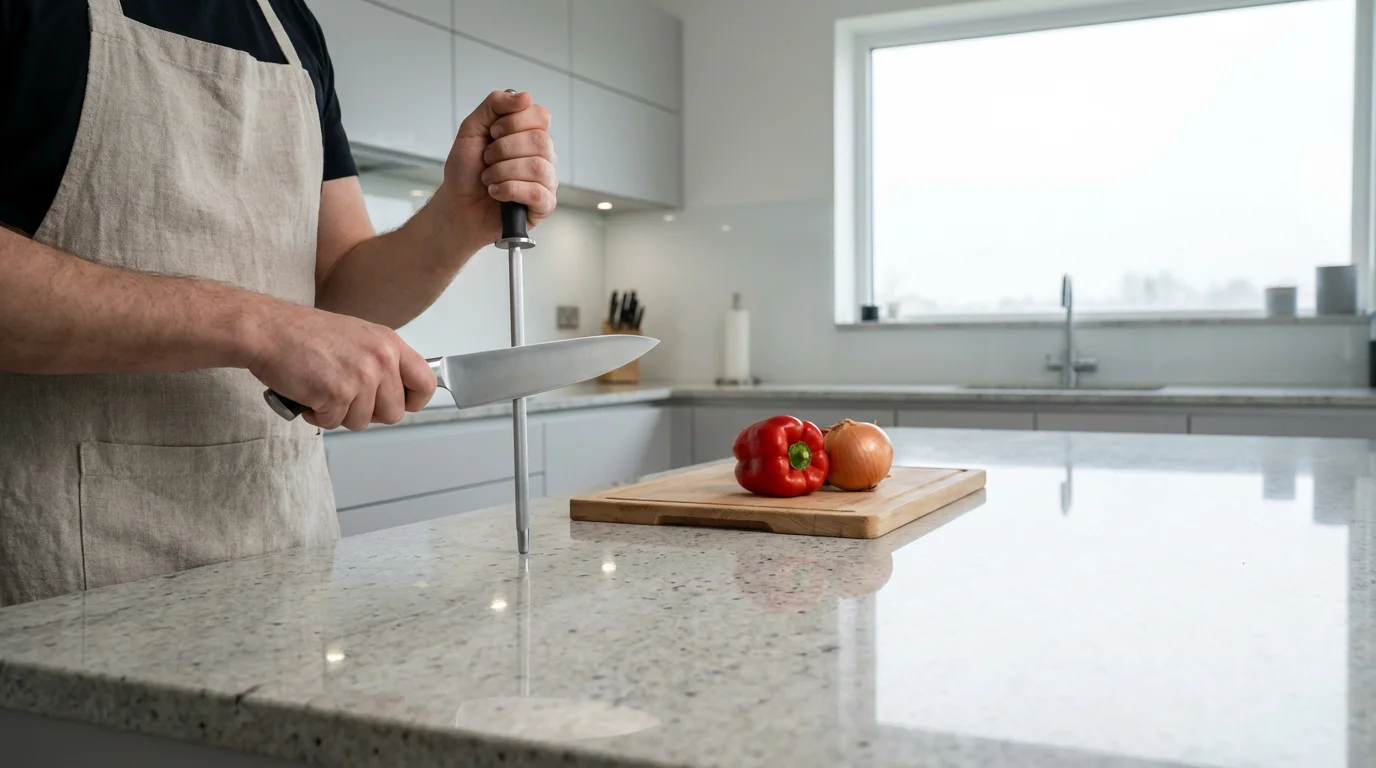
Honing Rod
A honing rod (often mistakenly called a sharpener) realigns the blade edge, straightening out microscopic bends that occur with use. It does not remove metal, it just straightens it. Use a honing rod before or after every few uses to maintain your knife’s edge.
- Hold the honing rod vertically on a stable surface.
- Place the knife blade against the rod at a 20-degree angle.
- Draw the blade down and across the rod, from heel to tip, applying light pressure.
- Repeat 5-10 times on each side.
Safety Tip: Keep your fingers well away from the edge during honing. Point the blade away from your body.
Knife Sharpeners
Sharpening actually removes metal from the blade to create a new, keen edge. When honing no longer restores sharpness, your knife needs sharpening. You can use a whetstone, an electric sharpener, or send your knives to a professional sharpener. Electric sharpeners offer convenience for home cooks, often with guides that ensure the correct angle.
- Whetstones: Offer the most control and finest edge, but require skill.
- Electric Sharpeners: Fast and easy, good for beginners, but can remove more metal.
- Pull-Through Sharpeners: Simple to use, but often aggressive on the blade and less precise.
Most quality kitchen knives, especially those with wooden handles, are hand-wash only. The harsh detergents and high heat of a dishwasher can degrade the handle materials and dull the blade over time. Wash immediately after use, dry thoroughly, and store safely in a knife block or magnetic strip.
Ergonomics and Hand Fatigue: Prep Smart, Not Hard
Long salad prep sessions can lead to hand, wrist, and arm fatigue. Ergonomics plays a crucial role in making your kitchen tasks more comfortable and sustainable. Choose tools that feel balanced and comfortable in your hand.
- Knife Handles: Look for handles that fit your grip, are non-slip, and do not feel too heavy or too light. Synthetic materials often provide better grip than polished wood, especially when wet.
- Cutting Technique: Use the rocking motion of a chef’s knife for efficiency. Keep your wrist straight and let the knife do the work, avoiding excessive force.
- Workstation Height: Ensure your countertop height is comfortable for chopping. You should not have to stoop or reach uncomfortably.
- Breaks: For extended prep, take short breaks to stretch your hands and wrists.
Investing in ergonomically designed tools, like a comfortable grip knife or a food processor that minimizes manual chopping, can significantly reduce strain and encourage more frequent, stress-free meal prep.
Best Salad Prep Tools for Every Cook
Selecting the right tools depends on your skill level, cooking frequency, and budget. Here are our top recommendations:
Best for Beginners:
- Good Quality Chef’s Knife (8-inch): Focus on learning proper technique with one versatile tool.
- Plastic Cutting Board: Easy to clean and sanitize, less concern about damaging a high-end board.
- Salad Spinner: Essential for crisp greens without the learning curve.
- Salad Scissors: An easy, safe way to chop greens directly into a bowl.
Best for Serious Home Cooks:
- High-Carbon Stainless Steel Knife Set: Chef’s, paring, and serrated knives from a reputable brand (e.g., Wüsthof, Shun, Victorinox).
- Wooden Cutting Board: Gentle on blades, durable, and provides an excellent prep surface.
- Food Processor (8-14 cup): For batch prep, dressings, and versatile chopping.
- Mandoline with Hand Guard: For precision slicing and julienning.
- Honing Rod and Basic Sharpening System: To maintain keen edges.
Best Value Picks:
- Victorinox Fibrox Pro Chef’s Knife: Often recommended for its excellent performance-to-price ratio. Serious Eats’ equipment reviews frequently laud its value.
- Basic Plastic Cutting Boards (set of 3): Affordable, dishwasher-safe, and allows for hygienic separation of ingredients.
- Pull-Cord Mini Chopper: Manual but effective for small tasks, no electricity needed, easy to clean.
Frequently Asked Questions
Are salad choppers better than a knife for chopping salad?
For fine, uniform chopping of leafy greens directly in a bowl, a mezzaluna or salad scissors can be faster and easier than a traditional knife, especially for beginners. However, a sharp chef’s knife offers unmatched versatility for all types of vegetables, allowing for various cuts and textures that dedicated choppers may not achieve. The “best” tool depends on your desired texture and volume.
How do I keep my chopped salad fresh for meal prep?
To keep your chopped salad fresh, wash and dry greens thoroughly with a salad spinner. Store all ingredients separately in airtight containers in the refrigerator. Harder vegetables like carrots and bell peppers store well for 3-5 days. Softer ingredients like tomatoes or avocado should be added just before serving. Keep dressing separate until you are ready to eat.
What is a mezzaluna and how do I use it safely?
A mezzaluna is a curved blade with one or two handles, used with a rocking motion for finely chopping ingredients. To use it safely, place your ingredients in a bowl or on a cutting board with a slight well. Hold both handles firmly and rock the blade back and forth over the ingredients, moving it across the pile until you reach your desired consistency. Keep your fingers clear of the blade’s path at all times.
Can I put my kitchen knives in the dishwasher?
We strongly advise against putting kitchen knives in the dishwasher. The high heat and harsh detergents can dull the blade, corrode the metal, and damage wooden or composite handles. Dishwashers also allow knives to bang against other items, potentially chipping the blade or causing injury when unloading. Always hand wash your knives immediately after use with warm, soapy water, rinse, and dry thoroughly.
Disclaimer: Product prices and availability change frequently. Prices shown were accurate at time of writing but may have changed. We may earn a small commission from purchases made through links on this site, at no extra cost to you. Always use cutting tools carefully and follow manufacturer safety guidelines.

Leave a Reply