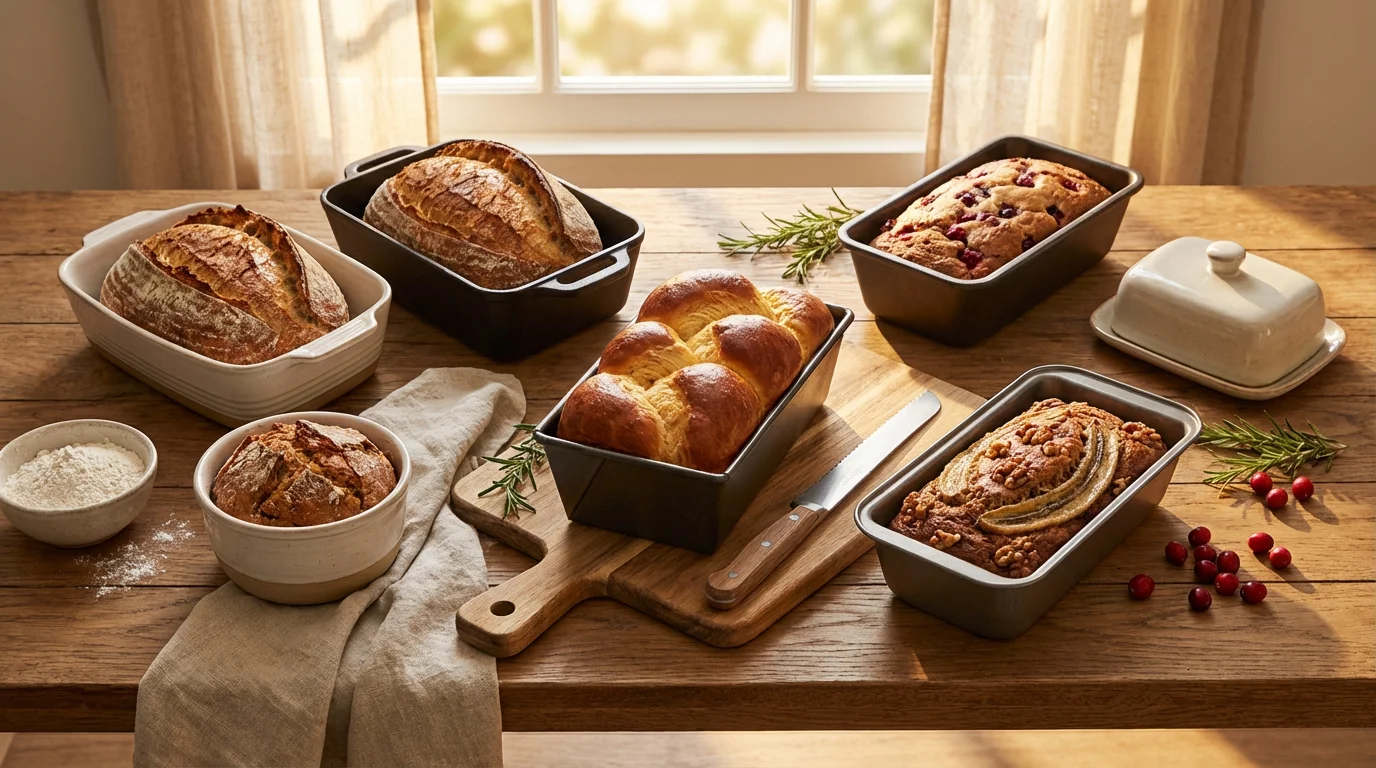
Baking a perfect loaf of bread or a moist quick bread begins long before you mix the ingredients. The pan you choose profoundly impacts the final product, from its crust texture to its internal crumb. This guide helps you navigate the world of loaf pans, ensuring you select the right baking tin for consistent, delicious results. You will learn about the different materials available, how they conduct heat, and which options deliver the best outcome for your favorite recipes.
Understanding Loaf Pans: More Than Just a Mold
A loaf pan, often called a bread pan or baking tin, is a foundational piece of bakeware in any kitchen. While seemingly simple, its design and material determine how your bread rises, how the crust forms, and the overall texture of your baked goods. For example, a heavy-gauge pan offers superior stability and even heating compared to a thin, flimsy one. Understanding these differences allows you to choose pans that enhance your baking, making your efforts more successful.
If you are interested in smaller, individual treats, you might also find a muffin tins and cupcake pans guide helpful for choosing the right materials.
“The right loaf pan is an unsung hero in baking. It controls how heat reaches your dough, dictating everything from crust development to crumb texture. Do not underestimate its role.”
Material Matters: How Pan Type Impacts Your Bake
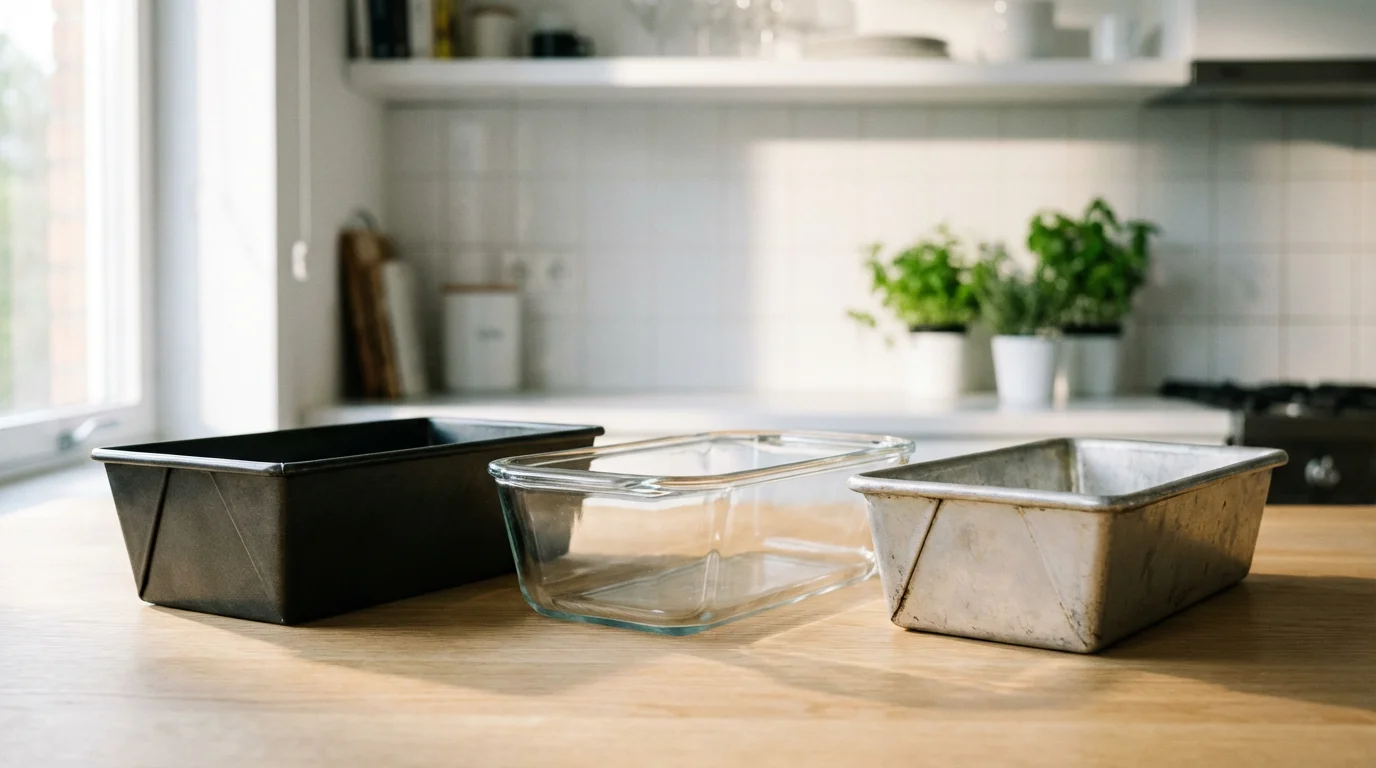
The material of your loaf pan directly influences its thermal properties, affecting how quickly it heats up, how evenly it distributes heat, and ultimately, your baking results. You find various options available, each with distinct advantages and disadvantages.
Glass Loaf Pans: The Visual Baker’s Choice
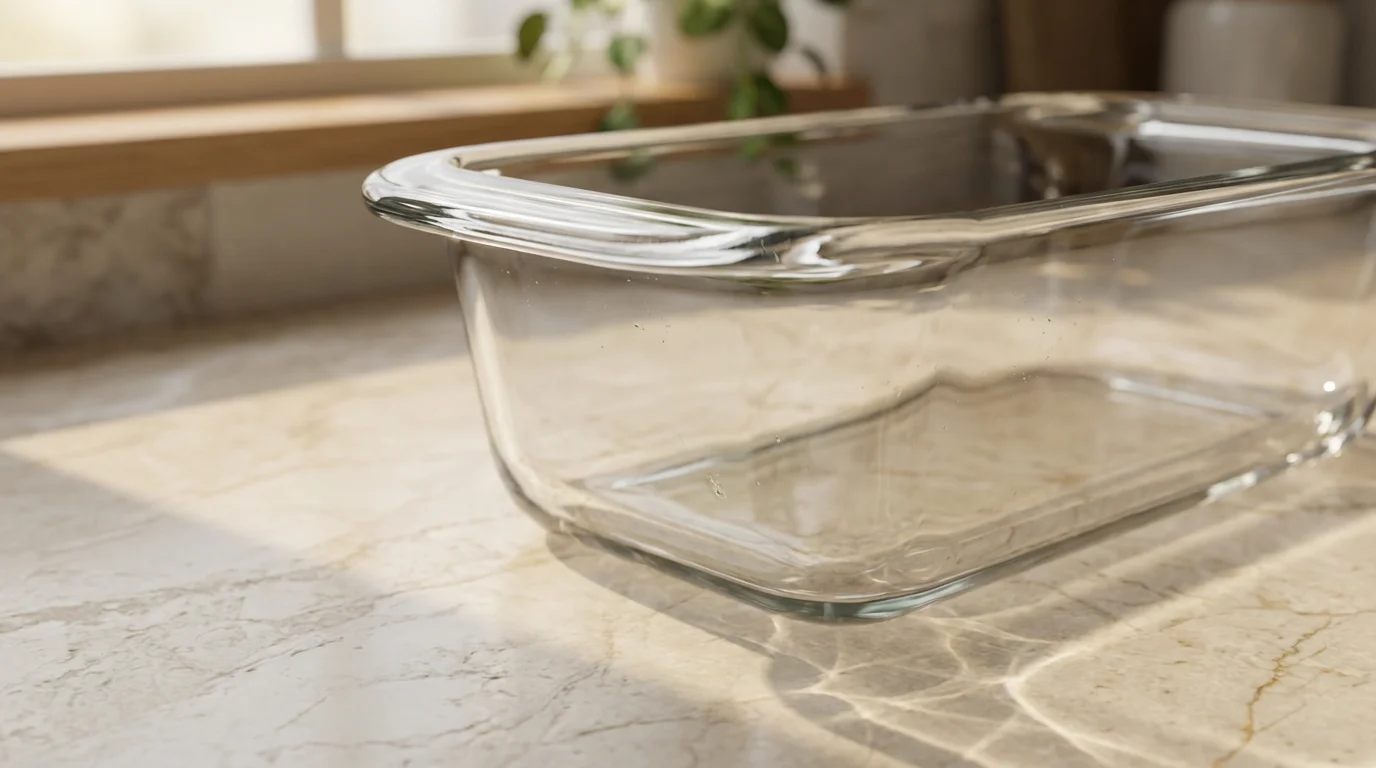
Glass loaf pans, typically made from tempered borosilicate glass, offer a clear view of your bread as it bakes. This allows you to monitor browning on the sides and bottom, which helps prevent over or under-baking. Glass is a poor conductor of heat, meaning it takes longer to heat up, but once hot, it retains heat very effectively. This can lead to a darker, crispier crust, especially on the bottom and sides of your loaf. A common consideration with glass is thermal shock. Avoid extreme temperature changes to prevent cracking. Glass loaf pans are often oven-safe up to 450°F to 500°F.
Pros: Excellent heat retention, even browning once heated, non-reactive, visually appealing, easy to clean, generally affordable.
Cons: Prone to thermal shock, slower to preheat, can result in over-darkened crusts if not adjusted for, heavier than metal. The visual element can sometimes be misleading, making you think the bread is done before the internal temperature reaches its target.
Aluminum Loaf Pans: The Workhorse for Even Browning
Aluminum is a highly efficient heat conductor, making it a popular choice for baking. It heats up quickly and distributes heat evenly across the pan’s surface. This results in a lighter, more tender crust compared to glass. You find aluminum pans in various forms: bright, shiny aluminum; anodized aluminum; and aluminized steel. Bright aluminum reflects heat, promoting a lighter crust, while anodized aluminum, which undergoes an electrochemical process to harden the surface, absorbs heat more effectively, leading to slightly darker crusts without sticking. Aluminized steel combines aluminum’s conductive properties with steel’s strength, offering excellent durability and even heating. The gauge, or thickness of the metal, plays a significant role here. Lower numbers mean thicker metal, providing better heat distribution and resistance to warping.
Pros: Excellent and even heat distribution, prevents over-browning, lightweight, durable, especially aluminized steel, generally affordable. They are oven-safe typically up to 450°F to 500°F.
Cons: Can react with acidic ingredients, like buttermilk in quick breads, potentially leading to metallic flavors or discoloration unless anodized or coated. Lacks the non-stick properties of specially coated pans.
Non-Stick Loaf Pans: Easy Release, Specific Care
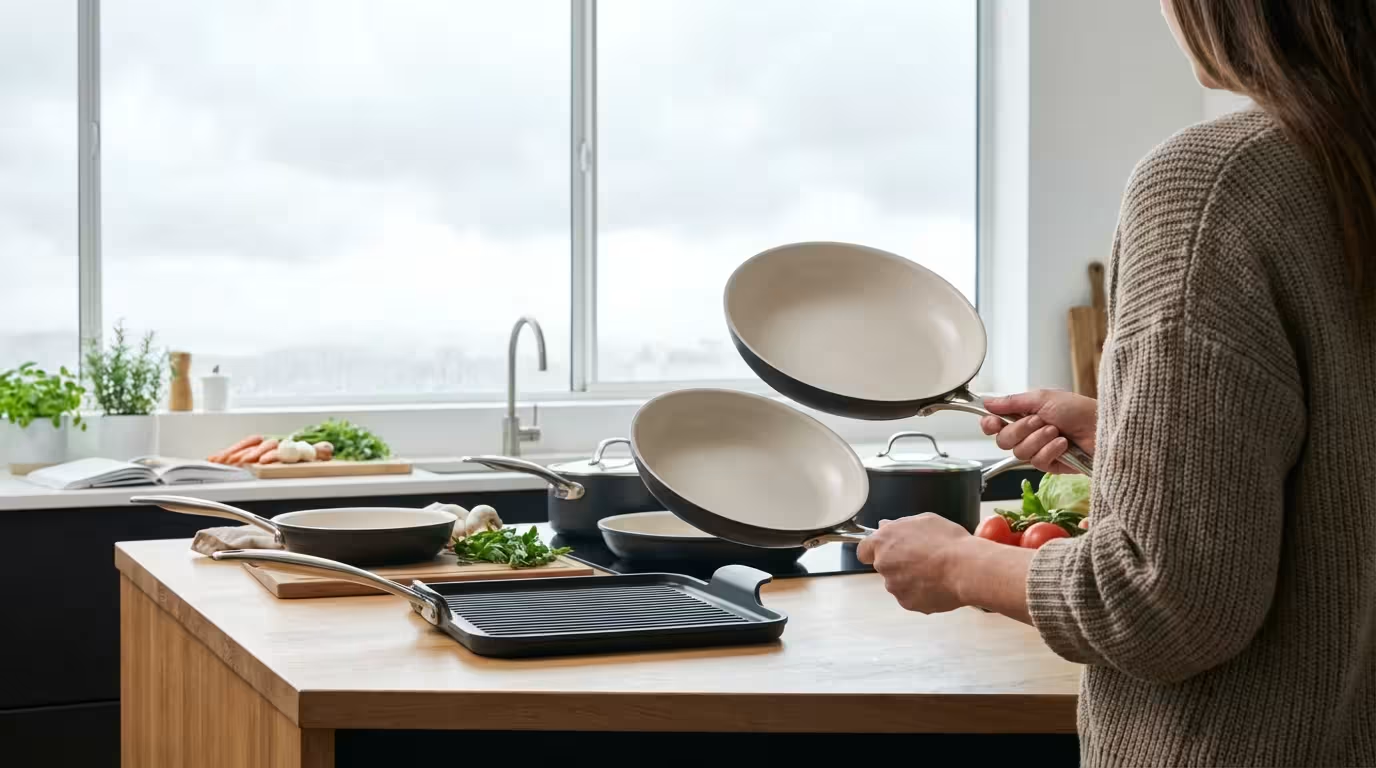
Non-stick loaf pans feature a coating, often PTFE, polytetrafluoroethylene, which is the chemical name for Teflon-style coatings, or a ceramic coating. These coatings ensure easy release of your baked goods, a significant advantage for delicate quick breads or loaves without a sturdy crust. Non-stick coatings are typically applied to aluminum or carbon steel pans. While convenient for release, they generally do not promote as crisp a crust as uncoated metal or glass. You must use caution with non-stick surfaces to prolong their life. Avoid metal utensils and abrasive cleaners, as these scratch and degrade the coating. Non-stick pans are usually oven-safe to lower temperatures, typically 400°F to 450°F, depending on the manufacturer, as higher temperatures can degrade the coating.
Pros: Easy food release, simple cleanup, good for delicate recipes.
Cons: Less durable coatings scratch easily, can degrade at high temperatures, may not achieve the desired crust texture, generally not suitable for very long baking times at high heat.
Carbon Steel Loaf Pans: The Robust All-Rounder
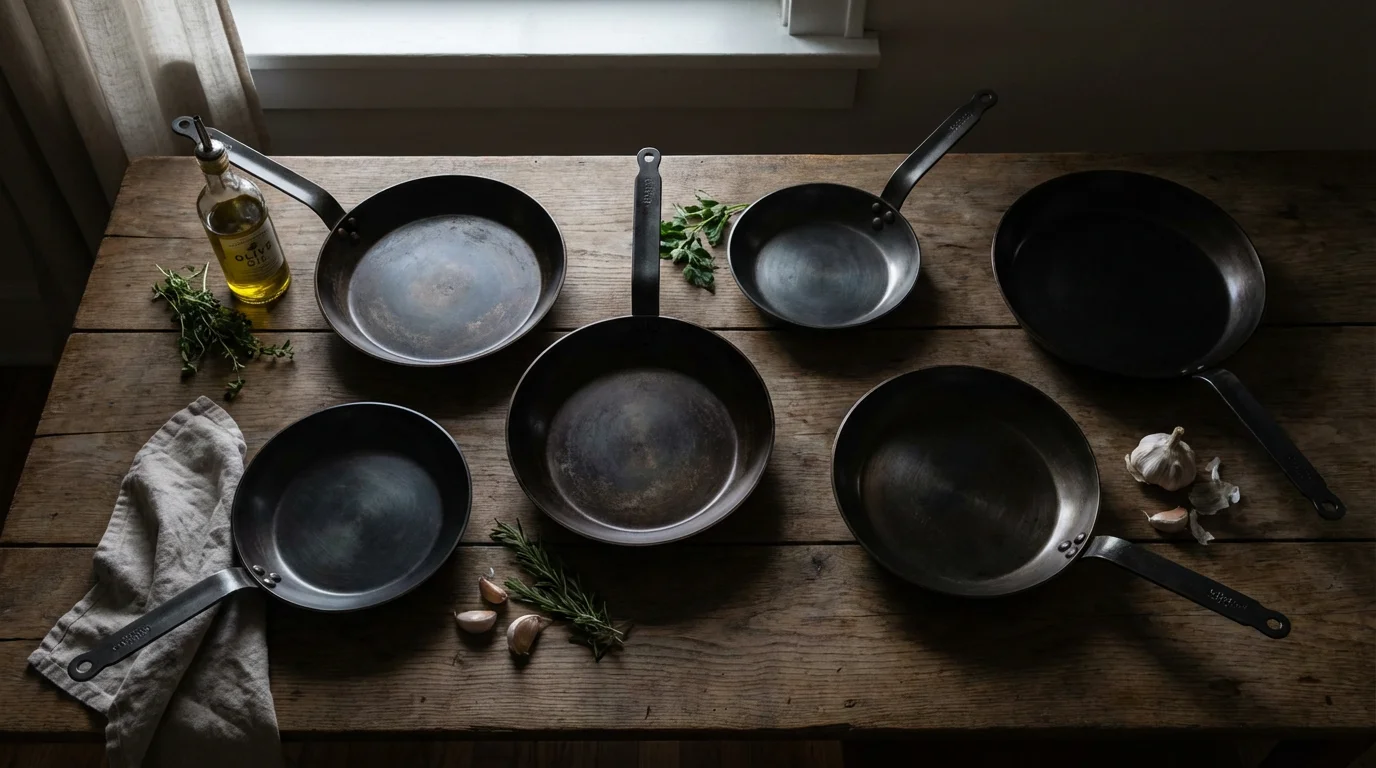
Carbon steel offers a middle ground between cast iron and stainless steel in terms of heat retention and responsiveness. It heats up quickly and retains heat well, contributing to excellent browning and crisp crusts. Many carbon steel pans come pre-seasoned, a protective coating built up through oil and heat, which provides a natural non-stick surface that improves with use. Like cast iron, carbon steel requires specific care, including hand washing and re-seasoning, to maintain its properties. These pans are exceptionally durable and oven-safe to very high temperatures, often over 500°F, making them suitable for virtually any baking task.
Pros: Excellent heat conduction and retention, develops a natural non-stick seasoning, highly durable, oven-safe to high temperatures, creates a robust crust.
Cons: Requires seasoning and specific maintenance, hand washing, oiling, can rust if not properly cared for, heavier than aluminum pans.
Silicone Loaf Molds: Modern Convenience
Silicone molds are flexible, non-stick, and oven-safe. They offer incredible convenience for food release, often requiring no greasing. However, silicone is a poor heat conductor, meaning it bakes differently than metal or glass. It does not promote browning as effectively, often resulting in softer crusts and bottoms. You also need to place silicone molds on a baking sheet for stability, as they are floppy. While easy to store and clean, they are often better suited for things like quick breads or individual portions where a crisp crust is not the primary goal.
Pros: Extremely easy food release, flexible for storage, often dishwasher safe.
Cons: Poor browning, requires a baking sheet for support, can sometimes retain odors, generally not ideal for traditional yeast breads.
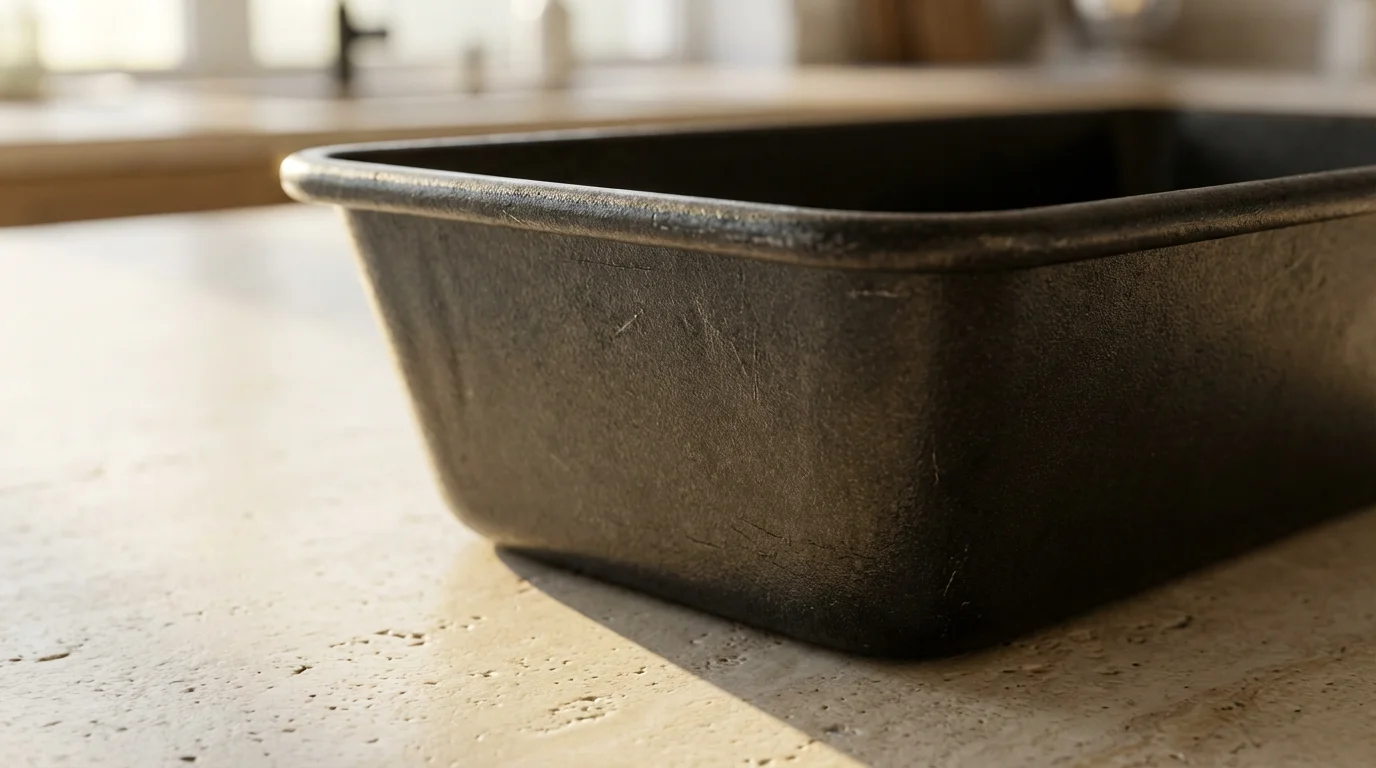
Heat Distribution Explained: The Science Behind a Great Loaf
Understanding heat distribution is crucial for consistent baking. Heat distribution refers to how evenly the pan spreads heat across its surface. When a pan distributes heat poorly, you get hot spots and cold spots, leading to unevenly baked bread: burnt edges with a raw center, or a pale crust on one side and a dark one on the other. Different materials handle heat very differently:
- Good Conductors, e.g., Aluminum: These materials heat up quickly and spread heat rapidly and uniformly. This results in an even bake and a consistent, lighter crust. For a uniform rise and golden-brown exterior, good conductivity is essential.
- Poor Conductors, e.g., Glass, Silicone: These materials take longer to heat but retain heat for extended periods. This can lead to a phenomenon known as “thermal lag.” While glass eventually bakes evenly, its slow heating means the exterior of your bread bakes longer, often leading to a thicker, darker crust. Silicone, being a very poor conductor, bakes even slower and struggles to develop any significant crust.
For most breads, especially yeast breads that require a consistent rise and even browning, a material with excellent heat distribution is paramount. As America’s Test Kitchen often demonstrates in their equipment tests, even heat transfer minimizes variables, giving you more control over the final product.
Choosing Your Loaf Pan: Practical Considerations
When selecting a bread pan or baking tin, consider more than just the material. Size, gauge, and design features all play a role in your baking success.
- Standard Sizes: Most recipes call for a 9×5-inch or 8.5×4.5-inch loaf pan. Always check your recipe requirements, as using a pan too large results in a short, wide loaf, while a pan too small causes overflow. You also find smaller mini loaf pans and larger specialty pans for specific recipes.
- Gauge Thickness: This applies primarily to metal pans. Gauge refers to the thickness of the metal, where lower numbers indicate thicker metal. Thicker pans resist warping at high temperatures and provide superior heat distribution. A pan with a gauge between 14 and 18 is generally considered high quality. Thin, flimsy pans often warp and bake unevenly, impacting your results and the pan’s longevity.
- Light vs. Dark Finish: Darker finishes, whether from anodized aluminum or a non-stick coating, absorb more heat and promote darker crusts. Lighter, shiny aluminum pans reflect heat, resulting in a lighter, softer crust. Match the finish to your desired outcome.
- Handles and Rims: Sturdy, rolled rims add strength and prevent warping. Wide, easy-to-grip handles make transferring the hot pan in and out of the oven safer and easier.
Care and Maintenance for Loaf Pan Longevity
Proper care extends the life of your loaf pans and maintains their performance. Each material requires specific attention.
- Glass Loaf Pans: Dishwasher safe. Avoid sudden temperature changes to prevent thermal shock, such as placing a hot pan directly into cold water or a cold pan into a very hot oven.
- Aluminum Loaf Pans: Hand wash with warm soapy water. Dishwashers can cause discoloration and pitting, especially for uncoated aluminum. Anodized or aluminized steel pans are more resistant to dishwasher effects, but hand washing is still recommended for best longevity.
- Non-Stick Loaf Pans: Hand wash with a soft sponge and mild detergent. Avoid abrasive cleaners, metal utensils, and excessive scrubbing, which damage the coating. Limit high oven temperatures to preserve the non-stick surface.
- Carbon Steel Loaf Pans: Hand wash with hot water, avoid soap if possible, and dry immediately. Re-season with a thin layer of oil after each wash, especially when new. This builds up the seasoned surface, enhancing its non-stick properties and preventing rust.
- Silicone Loaf Molds: Dishwasher safe. Wash thoroughly to prevent oil residue from building up.
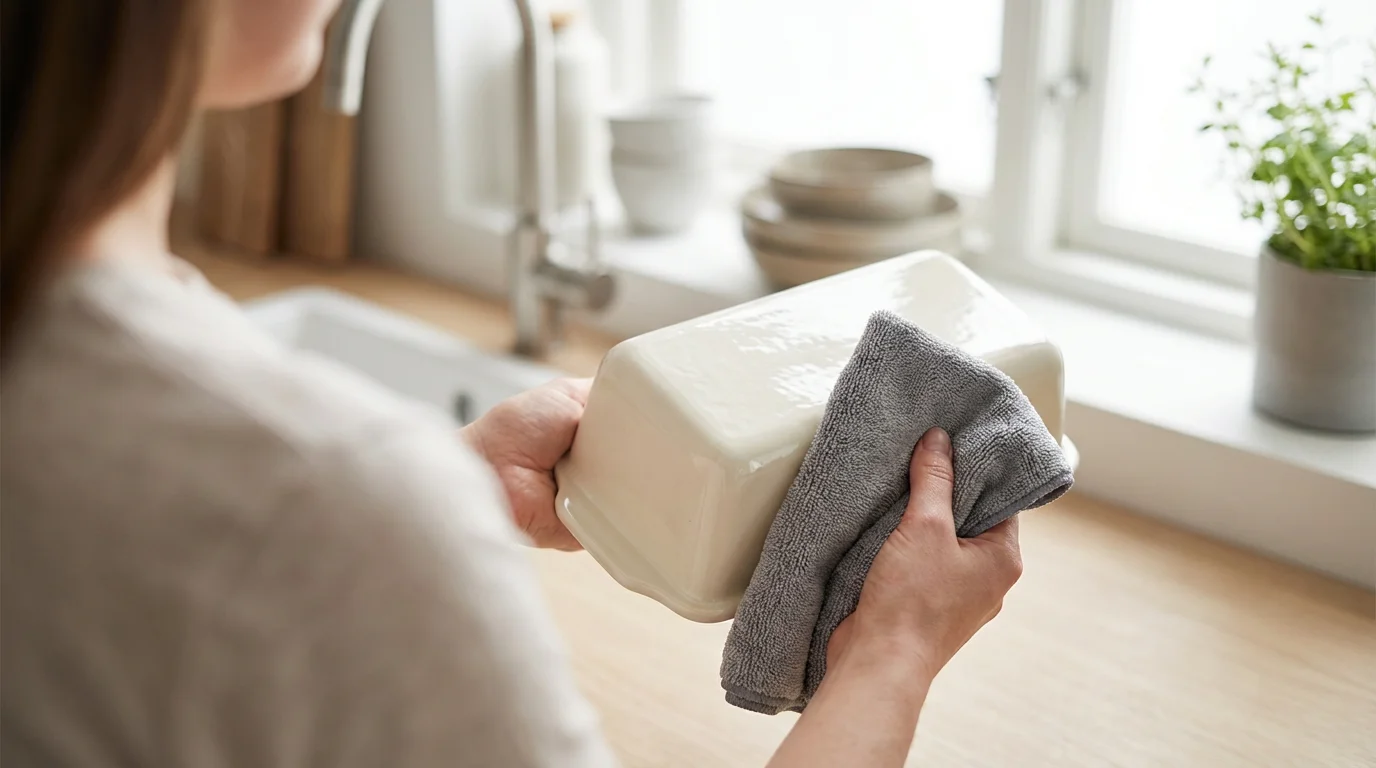
Regardless of material, ensure your pans are completely dry before storing them to prevent rust or mildew, especially in humid environments.
The Best Loaf Pan for Banana Bread and Other Quick Breads
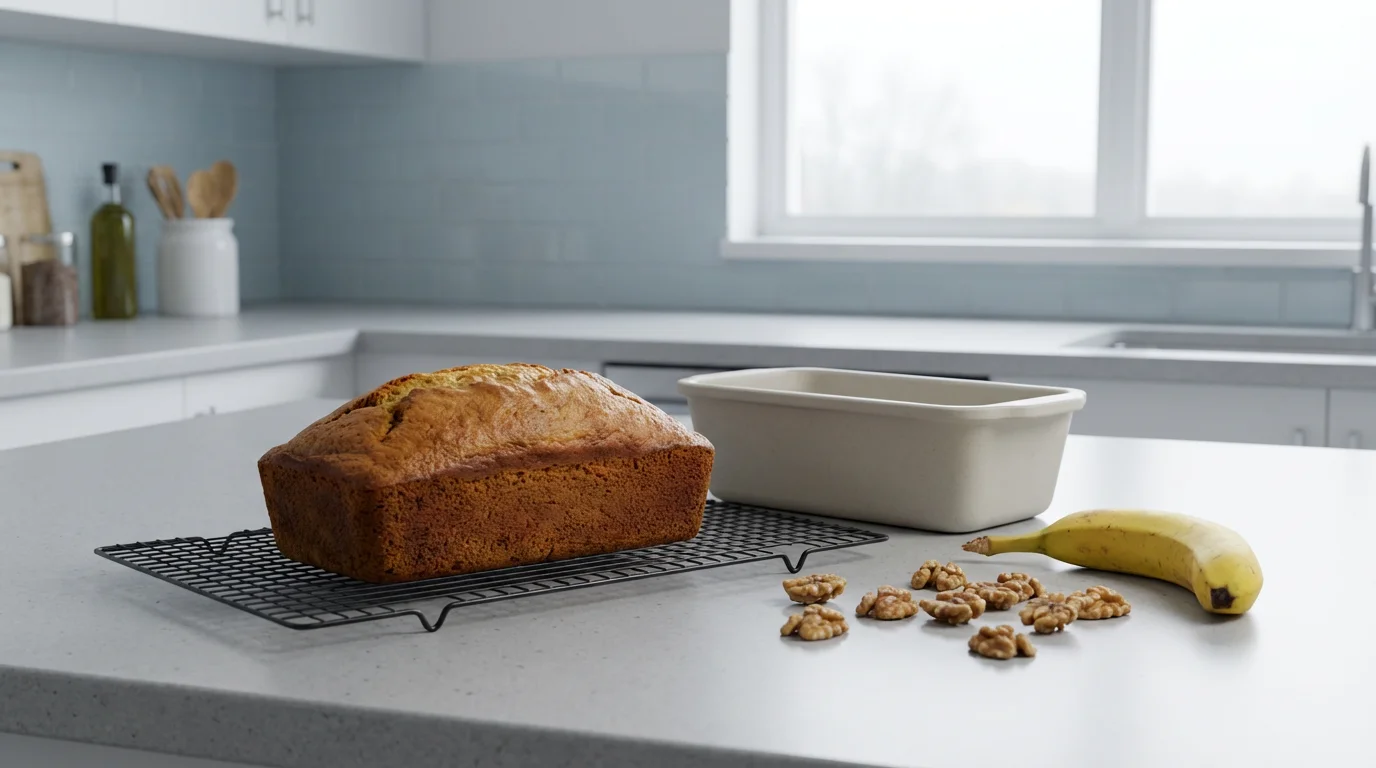
When baking quick breads like banana bread, zucchini bread, or lemon poppy seed loaf, you want a pan that promotes a moist interior while developing a nicely browned, flavorful crust. Many home cooks seek the best loaf pan for banana bread specifically because it is a popular staple.
For these types of recipes, you often prioritize even baking and a consistent crumb over an extremely thick, crunchy crust. While glass pans work, their slower heating and excellent heat retention can sometimes lead to overly dark bottoms and sides before the center finishes baking, especially with sugary quick breads. Many bakers, including experts cited by Serious Eats in their equipment reviews, recommend metal pans for quick breads.
Bright or Anodized Aluminum Pans: These are excellent choices. Aluminum’s superior heat conductivity ensures the batter cooks evenly from all sides, preventing dry edges and raw centers. Anodized aluminum offers a slight edge by promoting a slightly darker, more appealing crust without the stickiness sometimes associated with uncoated aluminum.
Non-Stick Loaf Pans: These are also a fantastic option, particularly for quick breads rich in sugar or delicate ingredients. The easy release prevents your beautiful loaf from tearing when inverted, which is a common frustration. Just remember to keep the oven temperature within the pan’s recommended maximum to protect the non-stick coating.
Ultimately, a high-quality aluminum or non-stick aluminized steel loaf pan often provides the best balance of even baking, desirable crust, and easy release for quick breads.
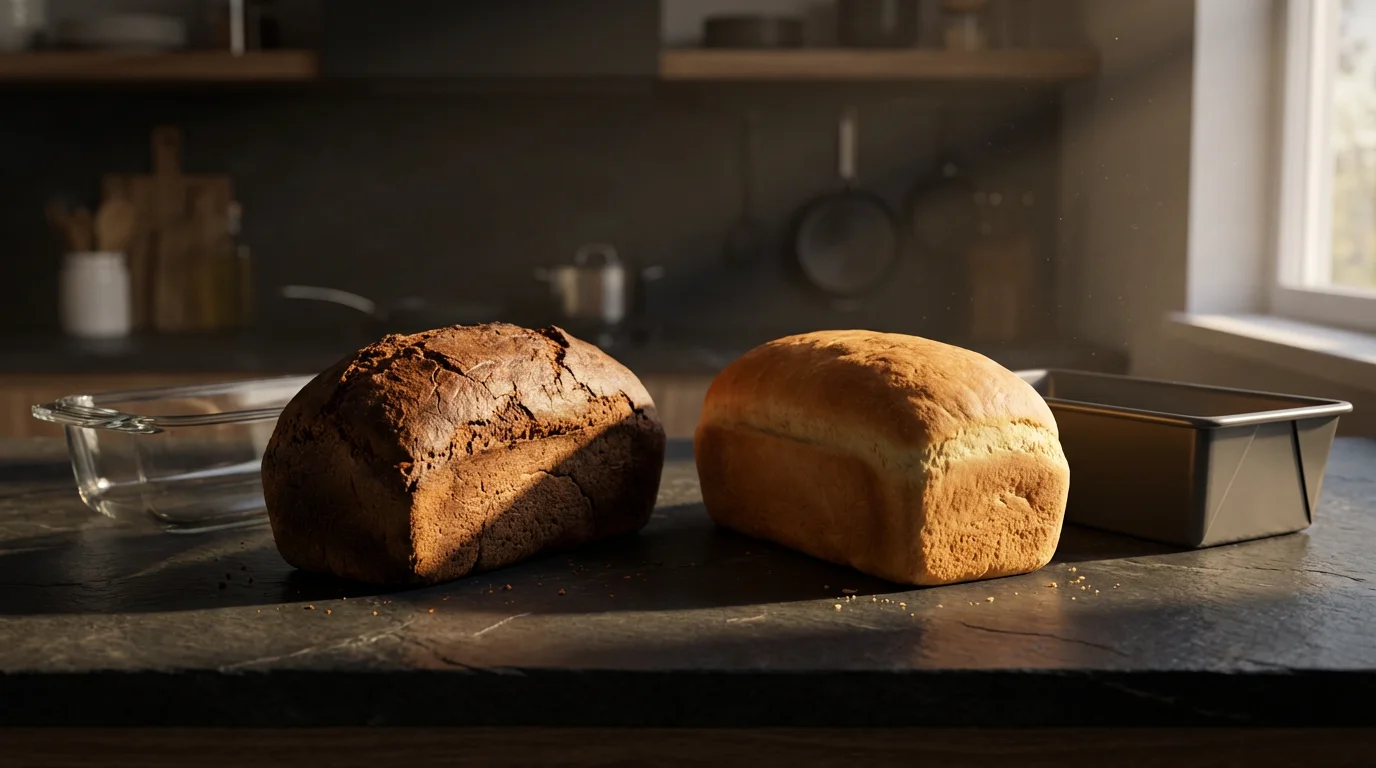
Glass vs. Metal Loaf Pans for Bread: A Direct Comparison
The debate between glass and metal loaf pans is common, especially for yeasted breads. Each offers distinct advantages and disadvantages that influence your baking process and the final outcome.
This debate over thermal properties is very similar to the choices bakers face when comparing glass and metal pie plates.
| Feature | Glass Loaf Pan | Metal Loaf Pan (Aluminum/Aluminized Steel) |
|---|---|---|
| Heat Distribution | Slow to heat, retains heat very well, can cause darker crusts. | Heats quickly and evenly, promotes uniform baking. |
| Crust Formation | Thicker, darker, crispier crust, especially on sides and bottom. | Lighter, thinner, more tender crust. |
| Baking Time | May require slight reduction in oven temperature (25°F) or increased baking time to prevent over-browning. | Standard baking times, predictable results. |
| Reactivity | Non-reactive with all ingredients. | Uncoated aluminum can react with acidic ingredients, anodized or aluminized steel is non-reactive. |
| Durability | Durable but susceptible to thermal shock and chipping or breaking if dropped. | Highly durable, resists warping, especially thicker gauges, can dent if dropped. |
| Visibility | Allows you to see browning on all sides. | Opaque, requires visual checks for top browning. |
| Weight | Heavier than most metal pans. | Lighter weight, easier to handle. |
| Cleaning | Dishwasher safe, easy to clean. | Hand washing recommended for longevity, especially for uncoated aluminum. |
For a classic sandwich bread with a soft, pliable crust, metal is often preferred. For a rustic, artisan-style loaf with a robust crust, glass can deliver excellent results, provided you adjust your baking temperature to account for its heat retention. Ultimately, your preferred crust texture dictates your best choice between these two popular materials.
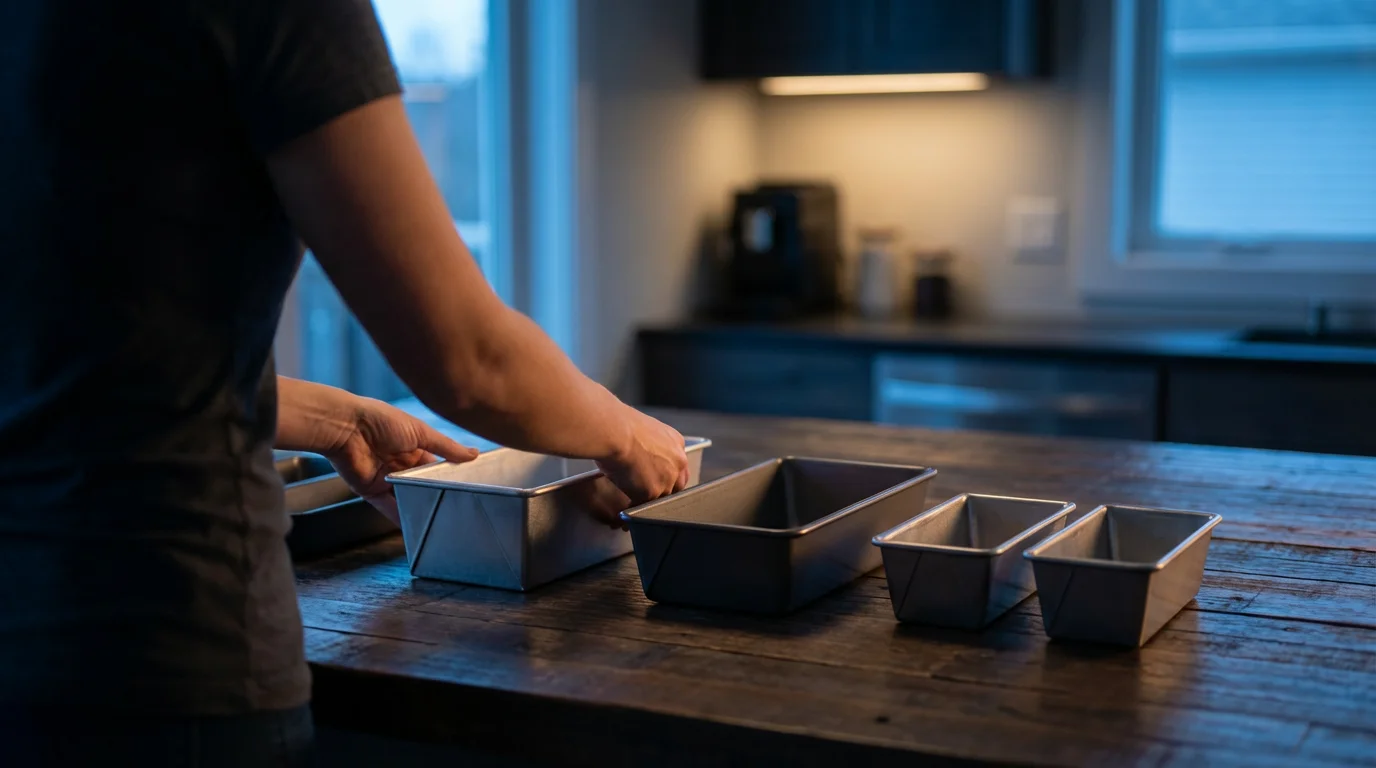
Building Your Loaf Pan Collection: What You Actually Need
You do not need a vast collection of loaf pans to be a successful baker. Focus on quality and versatility. Most home bakers benefit significantly from just two types of loaf pans:
To complete your bakeware set, ensure you also have the best cake pans for birthdays and special occasions.
- One High-Quality Metal Loaf Pan, 8.5×4.5 or 9×5 inches: Opt for a heavy-gauge aluminized steel or anodized aluminum pan. This will be your workhorse for almost all quick breads and many yeast breads. Its even heat distribution promotes consistent baking, and its durability ensures it lasts for years. Brands like Nordic Ware or Wilton offer excellent choices in this category. For superior performance and longevity, prioritize a heavier gauge.
- One Glass Loaf Pan, 8.5×4.5 or 9×5 inches: A glass pan gives you versatility for recipes where a darker, crispier crust is desired, or when you want to visually monitor the baking process. It also serves as a fantastic backup or for when you need to bake two loaves simultaneously. Pyrex is a well-known and reliable brand for glass bakeware.
If you frequently bake smaller loaves, adding a set of mini loaf pans can be useful. For specialty breads or specific preferences, consider a carbon steel loaf pan for exceptionally robust crusts, or a non-stick pan if easy release is your top priority for delicate quick breads. Remember, investing in quality pays off in better baking results and pans that endure years of use.
Frequently Asked Questions
What size loaf pan should I buy?
Most recipes call for a standard 8.5×4.5-inch or 9×5-inch loaf pan. If your recipe does not specify, a 9×5-inch pan is a versatile starting point for many breads and quick breads. Measure the top inside rim to confirm the size of your existing pans.
Can I use a glass loaf pan for all my bread recipes?
You can use glass loaf pans for most bread recipes, but be aware that they conduct heat differently than metal. Glass heats slower and retains heat longer, potentially leading to darker, thicker crusts. You might need to reduce your oven temperature by 25°F to prevent over-browning, especially for quick breads with high sugar content.
How do I prevent bread from sticking to my loaf pan?
Proper preparation is key. Even with non-stick pans, greasing and flouring, or using parchment paper, provides an extra layer of protection, especially for complex recipes. For glass or uncoated metal pans, generously grease the pan with butter, shortening, or non-stick spray, then dust with flour or cocoa powder, for chocolate breads, tapping out the excess. Carbon steel pans benefit from proper seasoning.
Is a dark non-stick loaf pan better than a light one?
Darker non-stick loaf pans absorb more heat, resulting in faster and darker browning, especially on the crust. Lighter pans reflect heat, leading to a paler, softer crust. The “better” choice depends on the type of crust you desire for your specific bread. For some quick breads, a dark pan might result in over-browning before the interior cooks through. A light pan often offers more forgiving results.
Disclaimer: Product prices and availability change frequently. Prices shown were accurate at time of writing but may have changed. We may earn a small commission from purchases made through links on this site, at no extra cost to you. Always verify current pricing on the retailer’s website before purchasing.
Leave a Reply