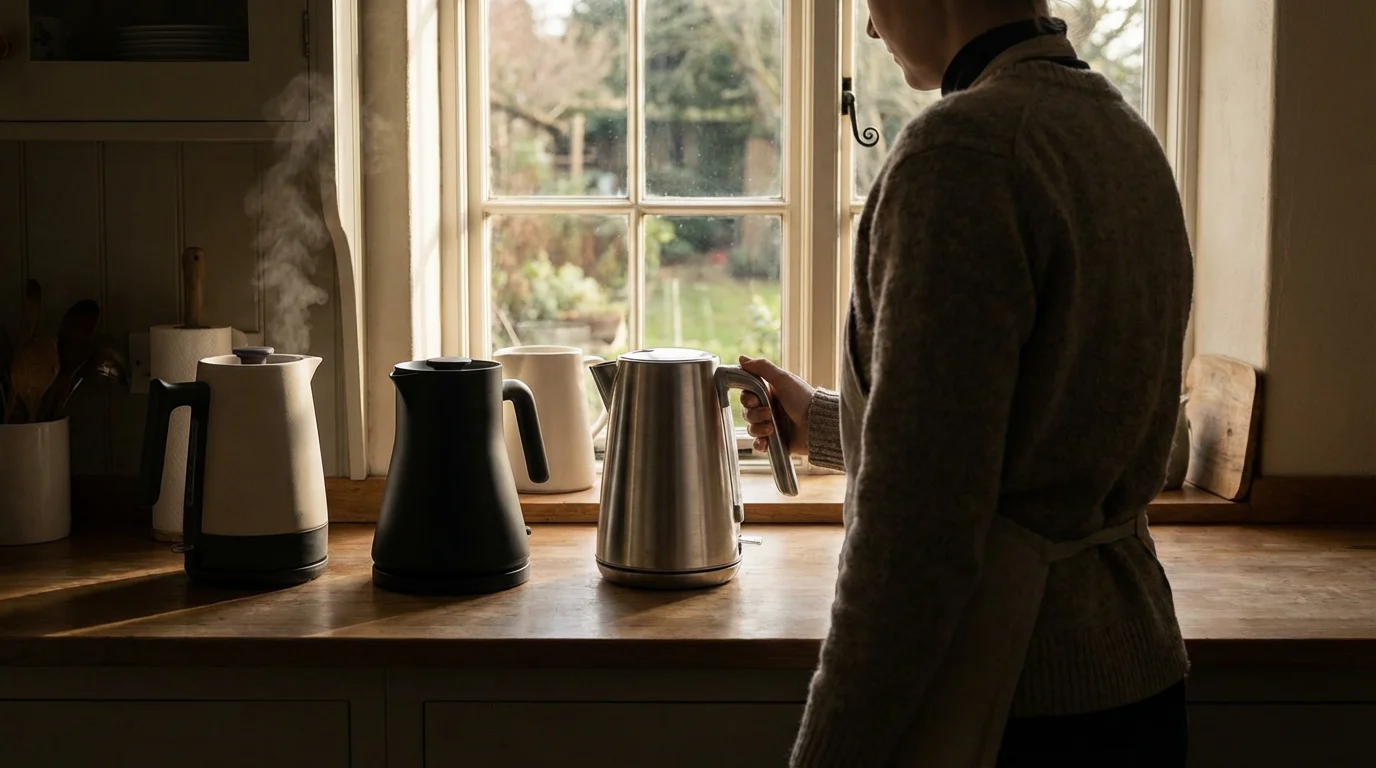
An electric kettle simplifies your kitchen routine, offering unparalleled speed and convenience for boiling water. Whether you need hot water for your morning coffee, a soothing cup of tea, or instant meals, an electric kettle delivers. This guide will help you understand the essential features, compare top models, and choose the perfect `electric kettle` that fits your cooking style and kitchen space, ensuring you get a reliable `water boiler` that performs when you need it most.
Why Electric Kettles Are Essential for Modern Kitchens
Electric kettles offer a distinct advantage over stovetop methods, primarily in speed and efficiency. They directly heat water using an internal element, typically boiling water faster than a microwave or a pot on a gas range. This rapid heating translates to time savings in your busy schedule.
Many modern `electric kettle` models come equipped with higher `wattage` ratings, indicating how much power the appliance uses. A higher wattage, often ranging from 1200 to 1800 watts, usually means faster heating. For instance, a 1500-watt kettle boils a liter of water in about 3 to 5 minutes, significantly quicker than a stovetop kettle which can take 5 to 10 minutes depending on the burner and pot. This `rapid boil` capability is a game-changer for anyone who frequently prepares hot beverages or needs boiling water for cooking tasks.
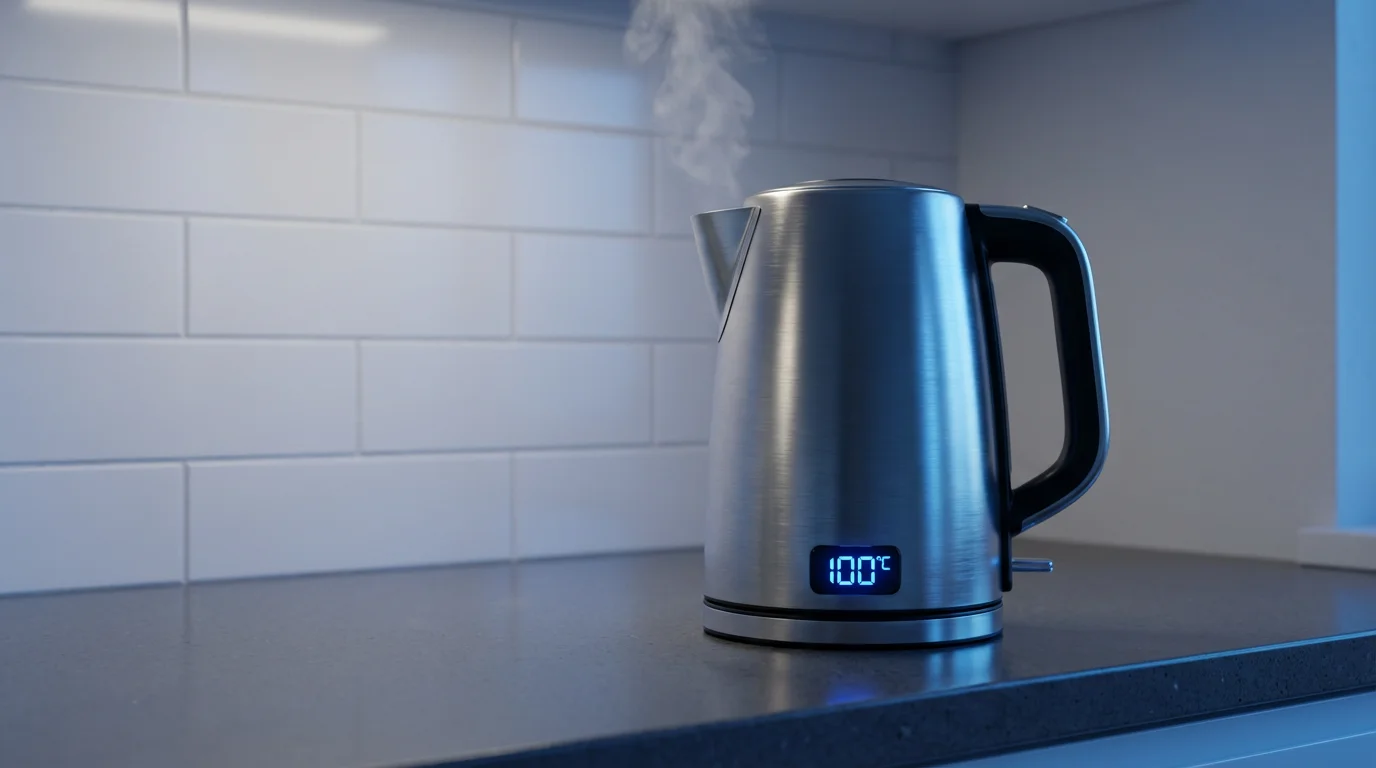
Beyond speed, electric kettles offer convenience. Their automatic shut-off feature provides safety, preventing dry boiling or excessive energy consumption once the water reaches its boiling point. Many also include a `keep warm` function, maintaining the water’s temperature for a set period, which is ideal for multiple cups of tea or coffee over a short span.
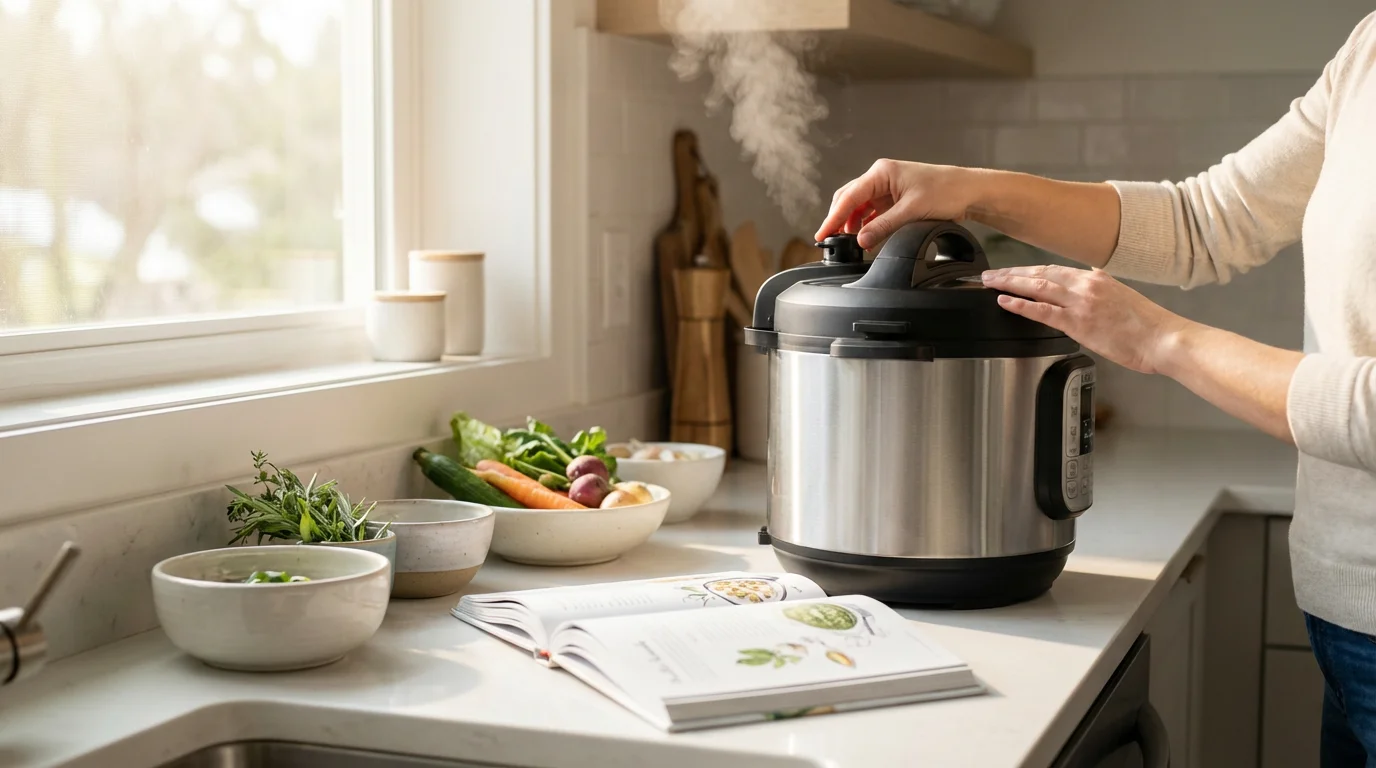
While kettles excel at boiling water, electric pressure cookers provide similar speed and safety for full meal preparation.
Understanding Key Features: Speed, Temperature Control, and Capacity
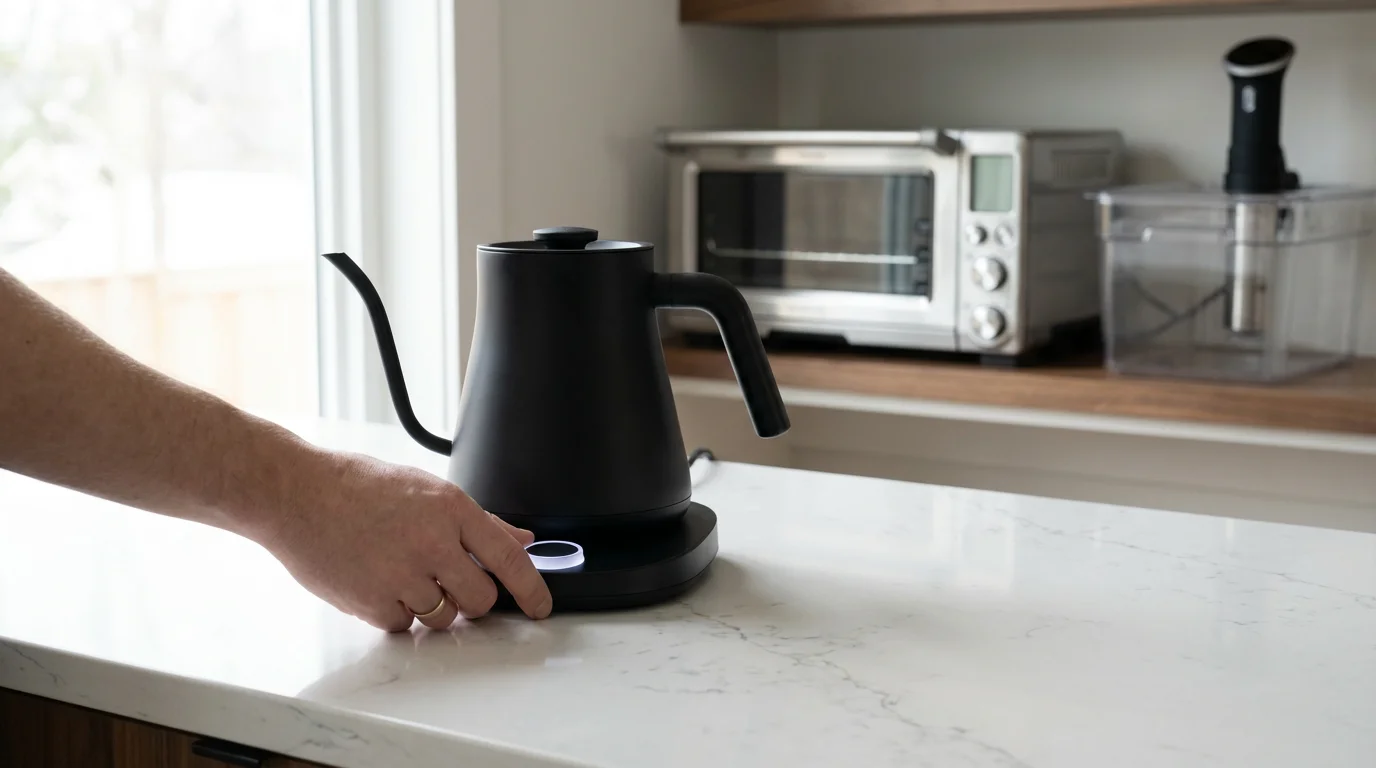
When selecting an `electric kettle`, prioritize features that align with your daily usage. Speed, precise temperature control, and appropriate capacity are paramount for a satisfying experience.
Speed and Wattage: Boil Faster, Wait Less
As mentioned, `wattage` directly impacts boiling speed. Most electric kettles range from 1000W to 1800W. If speed is your top priority for making `tea kettle` beverages or quick meals, opt for models at the higher end of this spectrum, typically 1500W or above. These high-wattage kettles are often marketed for their `rapid boil` capabilities, cutting down your waiting time considerably. A 1.7-liter, 1500W kettle, for example, can boil a full capacity in under 6 minutes.
Temperature Control: The Connoisseur’s Choice
For tea aficionados or pour-over coffee lovers, precise temperature control is invaluable. Different teas steep best at specific temperatures: green tea at 175°F, white tea at 185°F, oolong at 195°F, and black tea at 205°F. Coffee often benefits from water heated to around 200-205°F.
A `best electric kettle with temperature control` allows you to select exact temperatures, preventing burnt tea leaves or bitter coffee. These models typically feature digital displays and preset buttons for common beverage types. This level of precision ensures you extract the optimal flavor from your ingredients, transforming your daily hot drink ritual. According to Serious Eats equipment reviews, accurate temperature control is crucial for brewing delicate teas and achieving perfect pour-over coffee.
Capacity: Matching Your Household Needs
`Quart capacity` refers to how much water the kettle holds. (A quart is approximately one liter.)
* **Small (1.0 – 1.2 quarts / 1.0 – 1.2 liters):** Ideal for singles or couples who only need 1-2 cups at a time. These are compact and save counter space.
* **Medium (1.5 – 1.7 quarts / 1.5 – 1.7 liters):** The most common size, suitable for families of 2-4, or those who frequently entertain. It provides enough hot water for multiple drinks or small cooking tasks.
* **Large (2.0 quarts / 2.0 liters and above):** Best for larger families, frequent entertaining, or preparing large batches of hot water for cooking.
Consider how often you boil water and for how many people. Buying a kettle that is too large means you heat more water than necessary, wasting energy. A kettle that is too small requires multiple refills, negating the convenience factor.
“Choosing the right kettle capacity means considering your average daily use, not just peak demand. An oversized kettle wastes energy boiling extra water, while an undersized one frustrates with constant refills.”
Corded vs. Cordless: Choosing the Right Design for Your Countertop
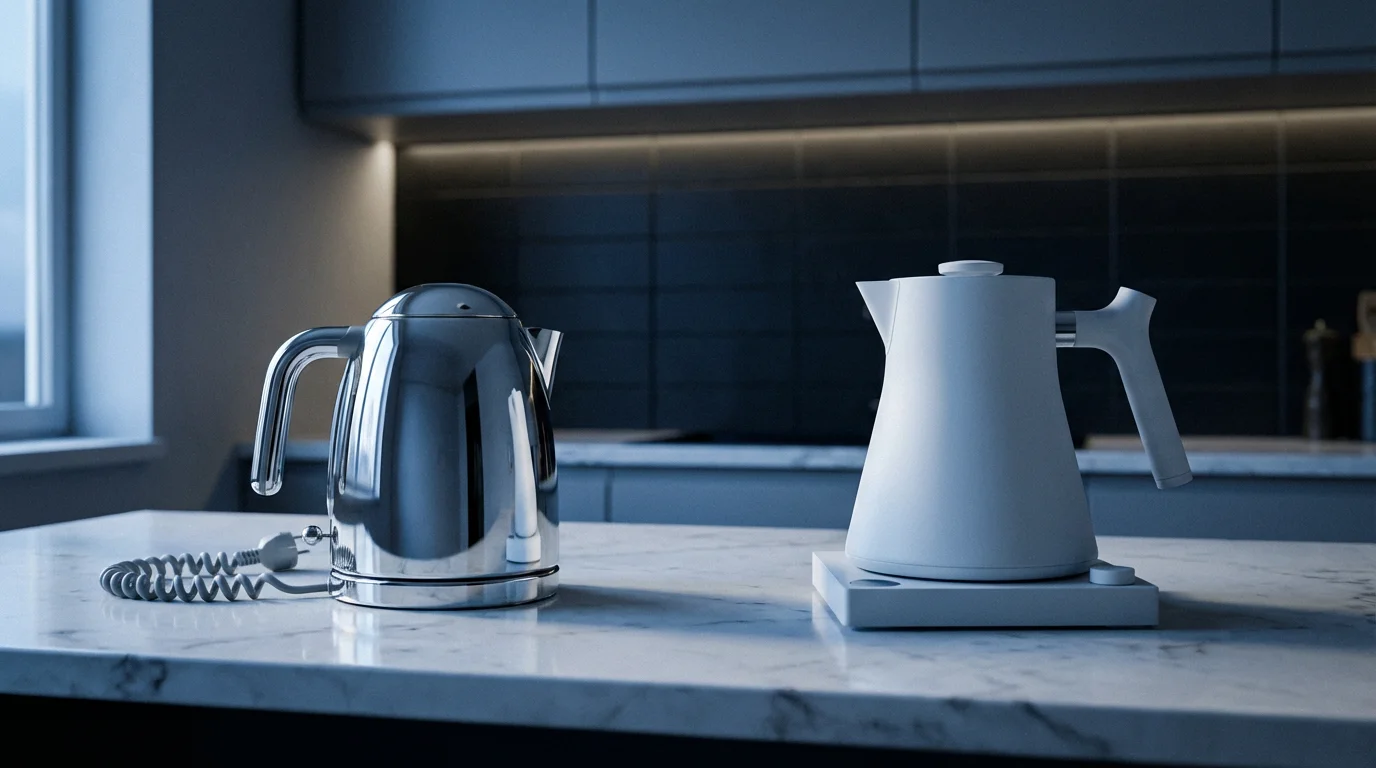
Electric kettles come in two primary designs: corded and cordless. Your choice impacts convenience and countertop aesthetics.
Cordless Kettles: Freedom and Flexibility
The precision found in cordless bases is also a hallmark of modern sous vide machines, which maintain exact water temperatures for cooking.
Most modern `electric kettle` models are cordless. They consist of a kettle body that lifts off a base, which contains the power cord. This design offers immense flexibility. You can boil water in the kitchen and then carry the kettle to your dining table or office desk to pour, without dragging a cord. The base typically features 360-degree rotation, making it easy for both left and right-handed users to place the kettle. This design also makes storage simpler, as the kettle itself is unencumbered by a cord.
Corded Kettles: Stability for Specific Needs
Corded kettles have the power cord permanently attached to the kettle body. While less common now, some specialty kettles or travel models still use this design. They generally offer more stability due to their fixed base, which might be a consideration for some users. However, their portability is limited by the cord length, making them less convenient for serving away from the power outlet. For most home cooks, a cordless design offers superior practicality.
Material Matters: Glass, Stainless Steel, and Plastic Kettles Compared
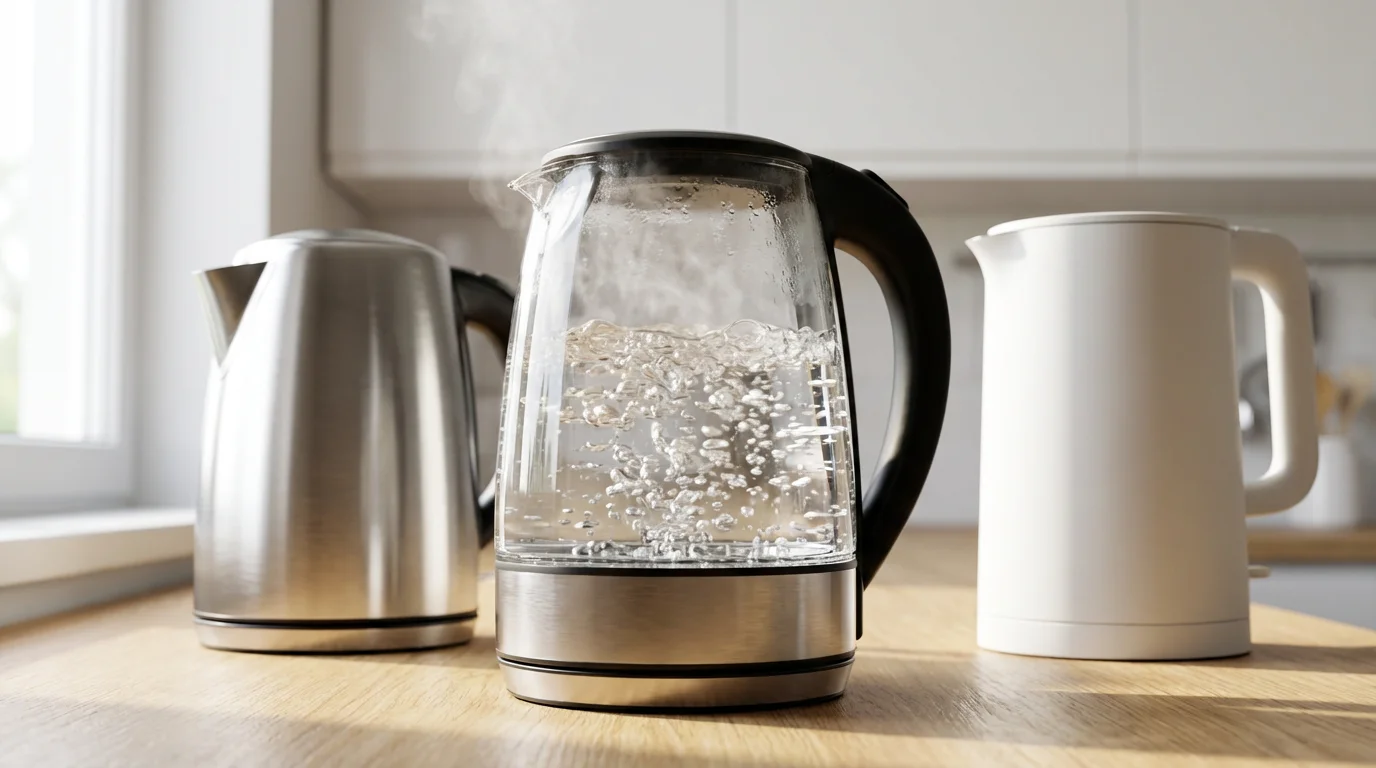
The material of your `electric kettle` impacts its durability, taste neutrality, and ease of cleaning. Each material has distinct pros and cons.
Stainless Steel Kettles: Durable and Timeless
Regardless of the material you choose, keeping your countertop organized with multi-functional tools like toaster ovens can save significant space.
Stainless steel kettles are among the most popular due to their durability and classic appearance. They resist rust, are relatively easy to clean, and do not impart any taste to the water. High-quality stainless steel models maintain their appearance over time. However, stainless steel bodies can get very hot to the touch, so look for models with cool-touch handles and double-wall insulation to prevent burns. Common failure points often involve the heating element or the lid mechanism rather than the body itself.
Glass Kettles: Elegant and Pure
Glass kettles, typically made from borosilicate glass, offer a visually appealing experience as you watch the water boil. Many users prefer glass because it is entirely taste-neutral, ensuring the purest water flavor. Glass is also easy to clean and resist staining. The primary downside is fragility; glass can break if dropped or subjected to extreme temperature shocks. The base and handle are usually stainless steel or plastic for durability.
Plastic Kettles: Lightweight and Affordable
Plastic kettles are generally the most affordable and lightweight option. They are often cool to the touch on the exterior. However, some users report a “plastic taste” in the water, especially during initial uses. Reputable brands use BPA-free plastics to address health concerns. If you choose a plastic kettle, look for brands known for high-quality, food-grade materials. Durability can be a concern, with plastic parts potentially cracking or degrading over time.
Top Picks for Speed and Features: Our Recommended Electric Kettles
Selecting the right `electric kettle` means balancing speed, advanced features like temperature control, and practical considerations like capacity and footprint. Here are our recommendations across various needs.
Best Overall Fastest Electric Kettle for Tea: Cuisinart CPK-17 PerfecTemp Cordless Electric Kettle
The Cuisinart CPK-17 stands out with its 1500 watts of power, ensuring a `rapid boil` for up to 1.7 liters of water. It features six preset temperature settings, making it an excellent choice for any `tea kettle` enthusiast needing specific brewing temperatures. Its stainless steel construction offers durability and a sleek look.
* **Wattage:** 1500W
* **Capacity:** 1.7 quarts (1.7 liters)
* **Dimensions:** 8.25″ L x 6.5″ W x 9.75″ H
* **Key Features:** 6 preset temperatures, 30-minute `keep warm` function, boil-dry protection, water level indicator.
* **Why We Like It:** Combines speed with precise temperature control in a durable package.
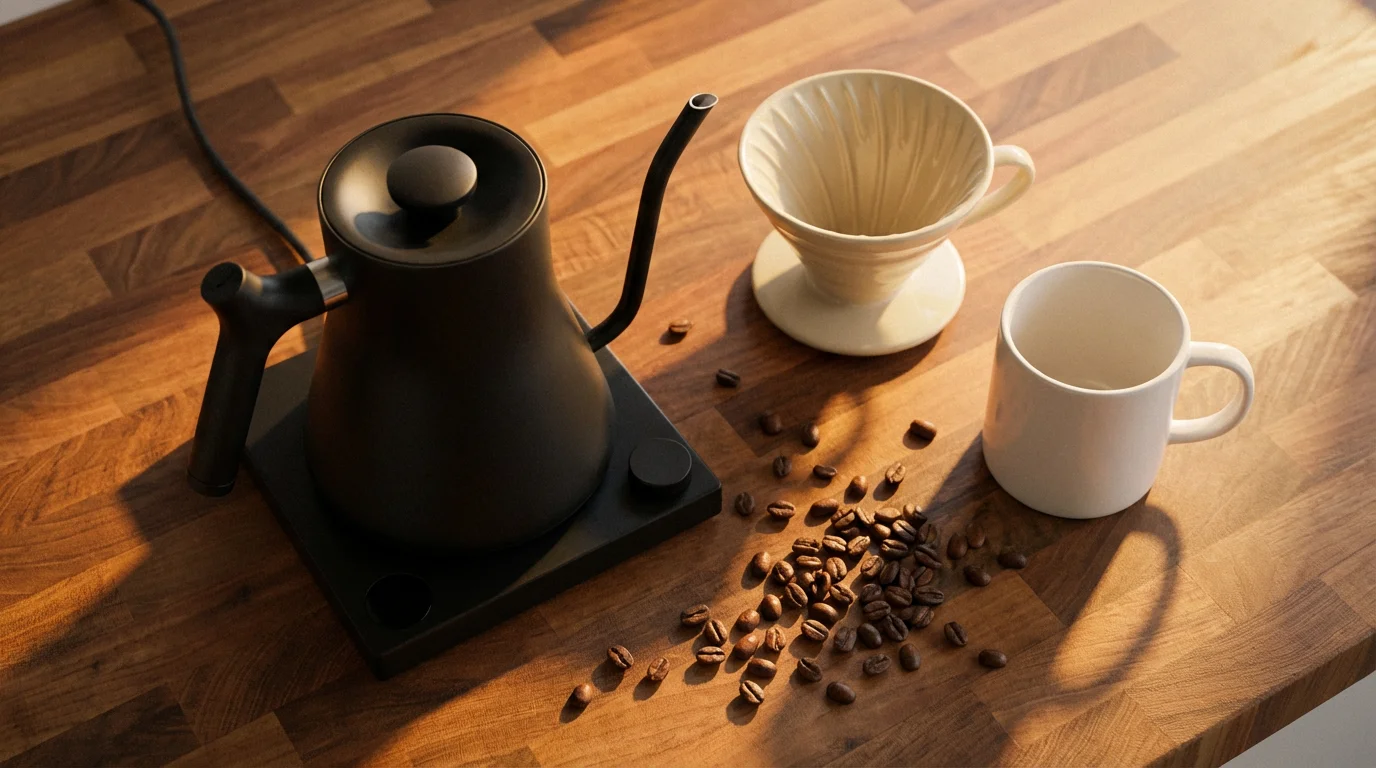
Best Electric Kettle with Temperature Control: Fellow Stagg EKG Electric Pour-Over Kettle
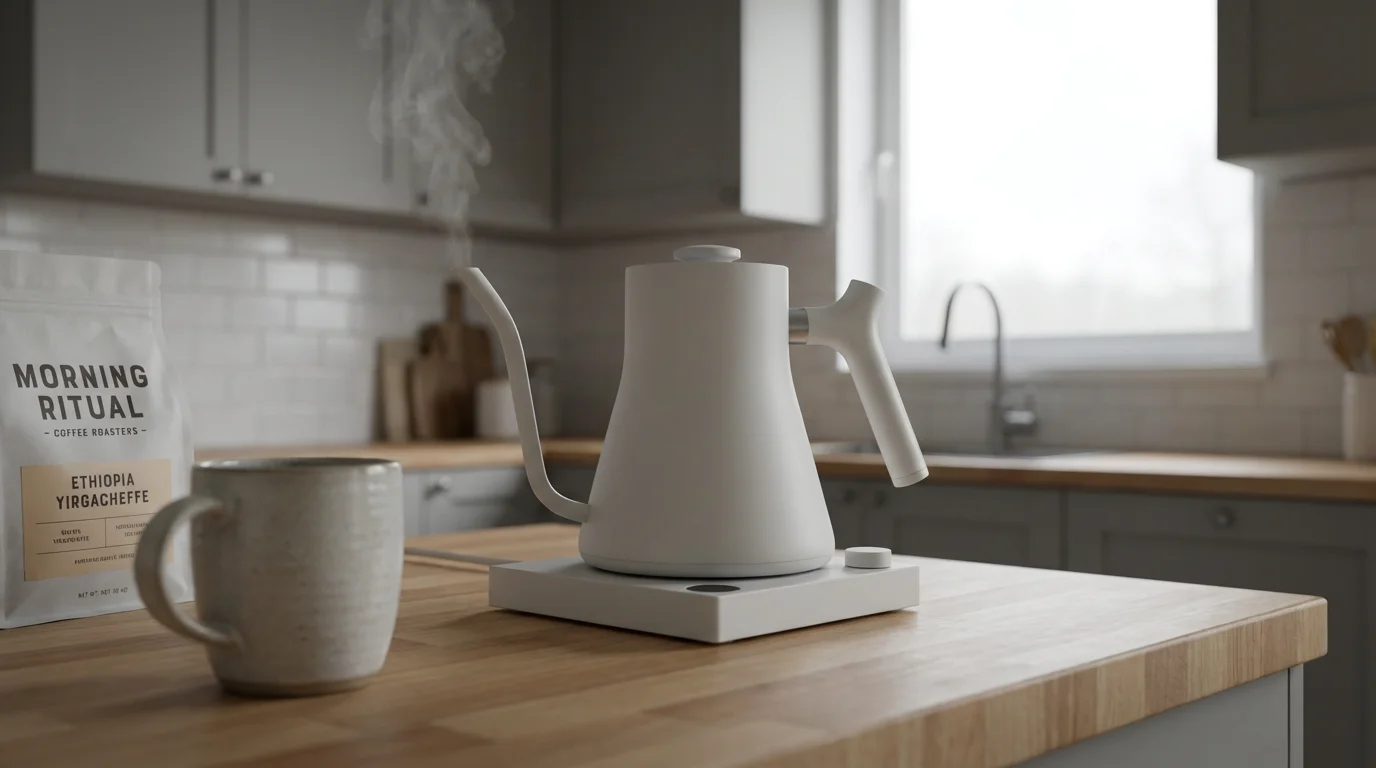
While primarily designed for pour-over coffee, the Fellow Stagg EKG offers unparalleled temperature precision for tea lovers too. You can set the desired temperature down to the degree, and it holds that temperature for up to 60 minutes. Its minimalist design and gooseneck spout offer excellent control for precise pouring.
* **Wattage:** 1200W
* **Capacity:** 0.9 quarts (0.9 liters)
* **Dimensions:** 11″ L x 6.7″ W x 8″ H
* **Key Features:** Variable temperature control (135-212°F), 60-minute hold mode, built-in brew stopwatch, counterbalanced handle.
* **Why We Like It:** Unmatched temperature accuracy and pour control, ideal for specialty coffee and tea. Its smaller capacity suits individuals or couples perfectly.
Best Value Water Boiler: Amazon Basics Stainless Steel Electric Kettle
For those seeking a reliable `water boiler` without breaking the bank, the Amazon Basics kettle provides excellent performance for its price. It features a fast-boiling 1500-watt element and a 1.7-liter capacity, making it a workhorse for everyday needs. It lacks advanced temperature control but excels at its primary function: boiling water quickly and safely.
* **Wattage:** 1500W
* **Capacity:** 1.7 quarts (1.7 liters)
* **Dimensions:** 8.7″ L x 6.3″ W x 9.1″ H
* **Key Features:** Automatic shut-off, boil-dry protection, removable filter, concealed heating element.
* **Why We Like It:** Offers strong boiling performance and standard safety features at an accessible price point.
Best for Small Kitchens: Bodum Bistro Electric Water Kettle
The Bodum Bistro is a compact and stylish option perfect for limited counter space. Its 1.0-liter capacity is ideal for individuals or couples. While not the fastest due to its slightly lower wattage, it still delivers boiling water efficiently and its clean design adds a touch of modern aesthetic to any kitchen.
* **Wattage:** 1100W
* **Capacity:** 1.0 quart (1.0 liter)
* **Dimensions:** 8.8″ L x 5.7″ W x 9.8″ H
* **Key Features:** Automatic shut-off, boil-dry protection, borosilicate glass construction, non-slip handle.
* **Why We Like It:** Its small footprint, appealing design, and sufficient performance for single-person use make it a great choice for small apartments or dorms.
Here is a comparison of these top models:
| Model | Wattage | Capacity (Quarts/Liters) | Dimensions (L x W x H) | Key Features | Best For |
|---|---|---|---|---|---|
| Cuisinart CPK-17 | 1500W | 1.7 / 1.7 | 8.25″ x 6.5″ x 9.75″ | 6 preset temps, 30-min keep warm | Overall performance, varied hot drinks |
| Fellow Stagg EKG | 1200W | 0.9 / 0.9 | 11″ x 6.7″ x 8″ | Variable temp (135-212°F), hold mode, gooseneck | Pour-over coffee, specialty tea |
| Amazon Basics | 1500W | 1.7 / 1.7 | 8.7″ x 6.3″ x 9.1″ | Auto shut-off, boil-dry protection | Budget-friendly, basic boiling needs |
| Bodum Bistro | 1100W | 1.0 / 1.0 | 8.8″ x 5.7″ x 9.8″ | Compact, glass body, auto shut-off | Small kitchens, single users |
Maintenance and Durability: Keeping Your Kettle Performing Its Best
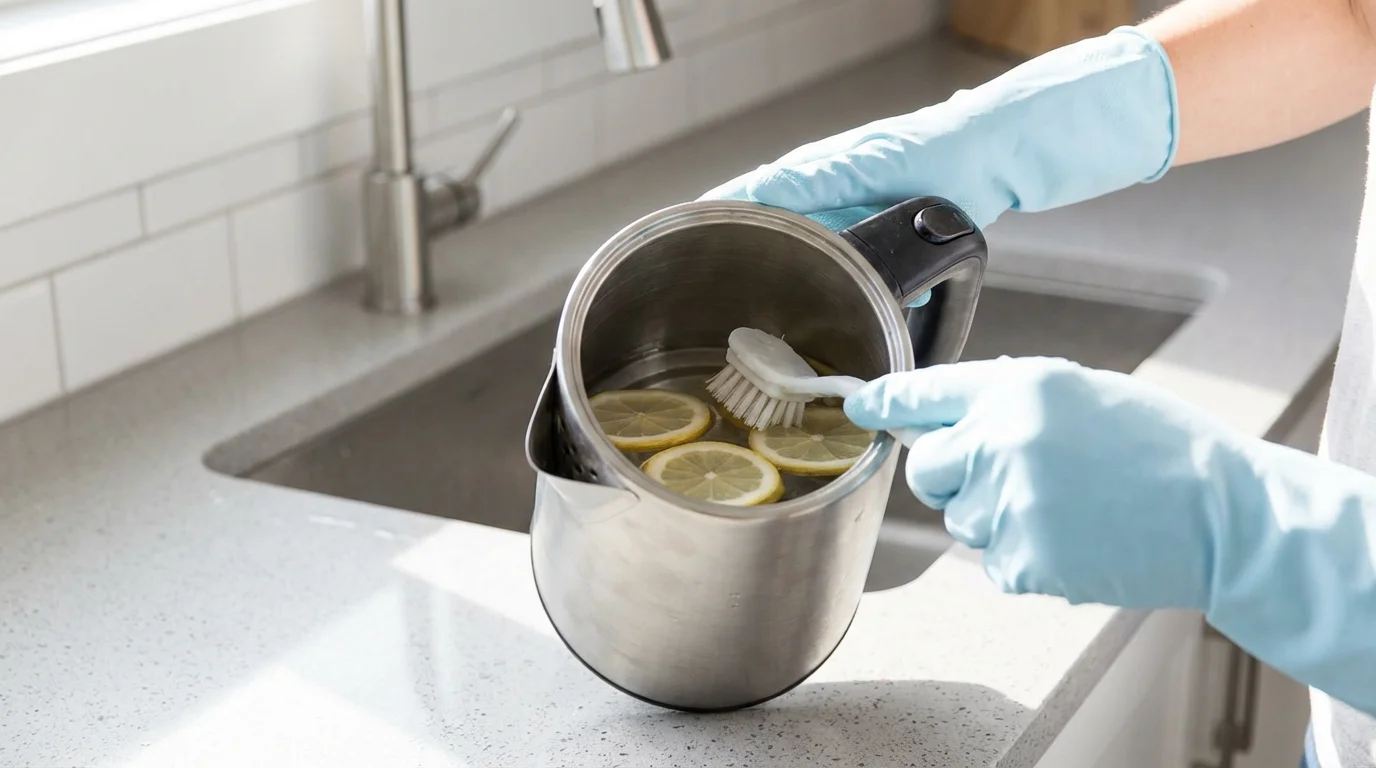
Proper maintenance extends the life of your `electric kettle` and ensures optimal performance. The primary concern for kettles is mineral buildup, commonly known as limescale, which appears as white or grayish deposits inside the kettle.
Descaling for Longevity
Regular care isn’t just for kettles; learning air fryer basics will ensure your other countertop appliances stay in top shape as well.
Limescale buildup affects heating efficiency and can impact the taste of your water. You should descale your kettle every 1-3 months, depending on your water’s hardness.
- Fill the kettle with equal parts white vinegar and water.
- Boil the mixture.
- Let it sit for at least 30 minutes, or longer for heavy buildup.
- Pour out the mixture and rinse the kettle thoroughly several times to remove any vinegar smell.
- Alternatively, use a citric acid solution or commercial descaling products, following the manufacturer’s instructions.
Regular descaling maintains your kettle’s `rapid boil` performance and prolongs the life of the heating element, a common failure point for neglected kettles.
Cleaning and Care
Wipe the exterior of your `water boiler` with a damp cloth to keep it clean. For glass kettles, occasional scrubbing with a soft brush can remove water spots. Ensure the electrical base remains dry. Most kettles have removable, washable filters at the spout to catch scale, clean these regularly. Following these simple steps significantly contributes to the durability and consistent performance of your appliance.
Energy Efficiency and Noise: What to Expect from Your Electric Kettle
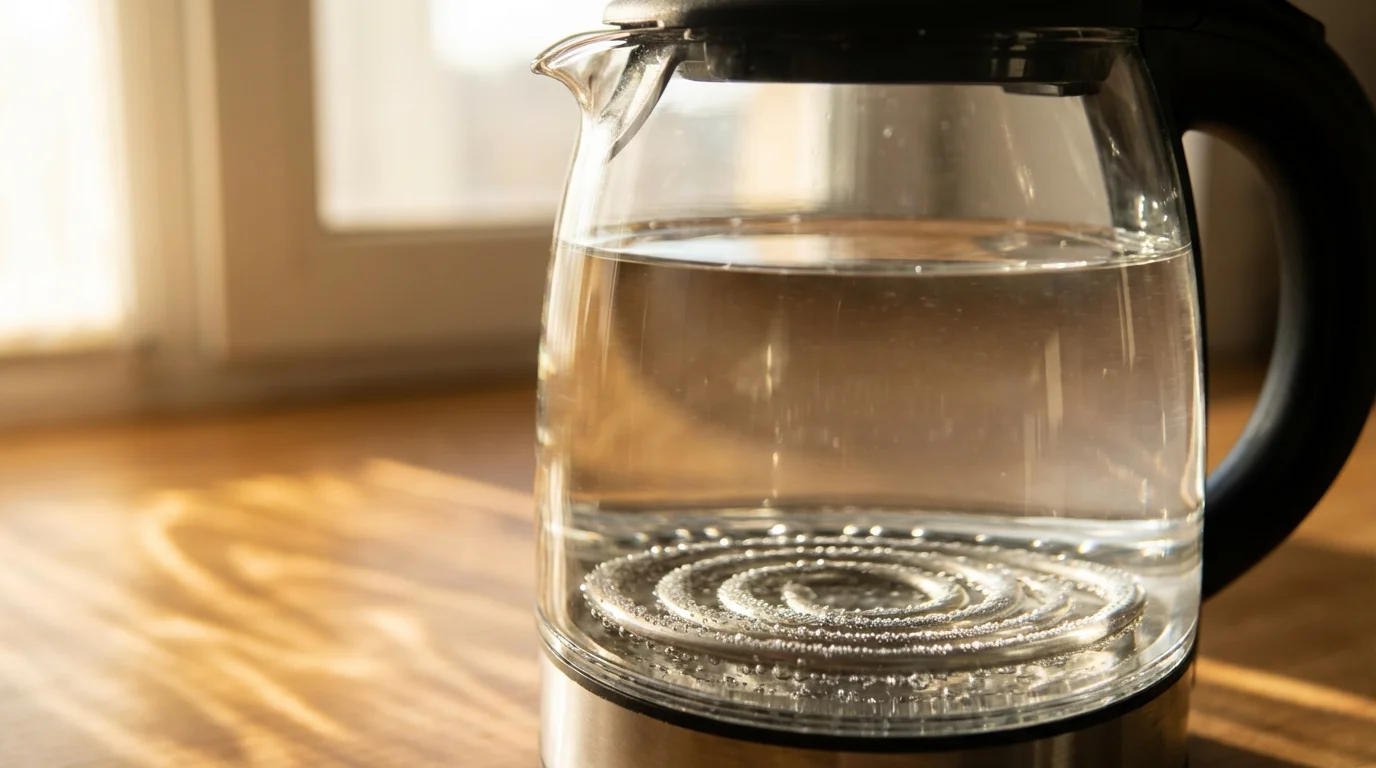
Electric kettles are generally more energy-efficient than stovetop kettles for boiling small to medium amounts of water. They heat water directly, with minimal heat loss, and automatically shut off once boiling, preventing wasted energy. While a large stovetop pot might be more efficient for boiling huge quantities, the focused heating of an electric kettle usually wins for daily use. According to research cited by Consumer Reports on small appliances
For even more specialized efficiency, egg cookers can prepare a high-protein breakfast using just a fraction of the energy used by traditional stovetop pots.
, electric kettles are often the most energy-efficient way to boil water quickly for typical beverage needs.
Regarding noise, most electric kettles produce a noticeable sound as the water heats and boils, similar to a stovetop kettle. The intensity varies by model; some high-wattage kettles can be louder due to their faster boiling action. Generally, models with a concealed heating element tend to be quieter than those with exposed elements. Glass kettles might amplify the sound of boiling water slightly compared to double-walled stainless steel models. While no electric kettle is truly silent, the boiling process is typically brief, so noise is usually a minor inconvenience.
Choosing the Right Electric Kettle for Your Lifestyle
Selecting the ideal `electric kettle` involves matching its features to your specific habits and kitchen setup. Consider these actionable points:
For the Tea Connoisseur:
Prioritize a `best electric kettle with temperature control`. Look for models with precise degree settings or multiple presets for different tea types. A `keep warm` function is also beneficial for multiple servings.
For the Coffee Lover:
If you enjoy pour-over coffee, a gooseneck kettle with variable temperature control offers the precision you need for an optimal brew. For regular drip coffee, a `rapid boil` kettle with a simple on/off function suffices.
For Busy Families:
Opt for a high-capacity (1.7 quarts or more) and high-wattage `electric kettle` for quick boiling. A durable stainless steel model can withstand frequent use. Automatic shut-off and boil-dry protection are essential safety features.
For Small Kitchens or Dorms:
Focus on compact designs with a smaller `quart capacity` (1.0-1.2 quarts). Measure your available counter space to ensure the kettle fits comfortably. Look for models with neat cord storage in the base to minimize clutter.
For Budget-Conscious Shoppers:
A straightforward `water boiler` with decent wattage and essential safety features is a smart choice. You might sacrifice advanced temperature control, but you still gain speed and convenience over stovetop methods.
No matter your culinary preferences, an electric kettle adds efficiency and ease to your kitchen. By considering wattage, capacity, material, and specific features like temperature control, you can choose a reliable appliance that you will use daily, not one that gathers dust.
Frequently Asked Questions
What is the ideal wattage for a fast electric kettle?
For a truly `fastest electric kettle for tea` or other hot beverages, aim for a model with at least 1500 watts. Many high-performance kettles reach 1700 or 1800 watts, boiling a full capacity of water in 3-6 minutes, depending on the volume.
Are plastic electric kettles safe to use?
Yes, modern plastic `electric kettle` models from reputable brands are generally safe. They typically use food-grade, BPA-free plastics. If you are concerned about taste or chemical leaching, consider stainless steel or glass kettles for peace of mind.
How do I clean limescale from my electric kettle?
The most effective way to clean limescale, or descaling, involves using a solution of equal parts white vinegar and water. Boil this mixture in the kettle, let it sit for 30 minutes to an hour, then thoroughly rinse the kettle multiple times. You can also use citric acid or commercial descaling solutions.
Can I boil milk or other liquids in an electric kettle?
No, you should only boil water in an `electric kettle`. Boiling milk, soup, or other liquids can cause them to scorch, damage the heating element, and create difficult-to-clean residue. It can also pose a fire hazard or interfere with the automatic shut-off mechanism.
Do electric kettles use a lot of electricity?
Compared to traditional stovetop methods, electric kettles are quite energy-efficient for boiling water because they heat directly and shut off automatically. While they draw significant power (high wattage) during operation, their short run time makes them economical for daily use for tasks like making tea or coffee.
Disclaimer: Product prices, features, and availability change frequently. Prices shown were accurate at time of writing but may have changed. We may earn a small commission from purchases made through links on this site, at no extra cost to you. Always verify current pricing and specifications on the retailer’s website before purchasing.
To complete your morning setup, many homeowners pair their kettle with electric griddles for a fast and efficient breakfast routine.
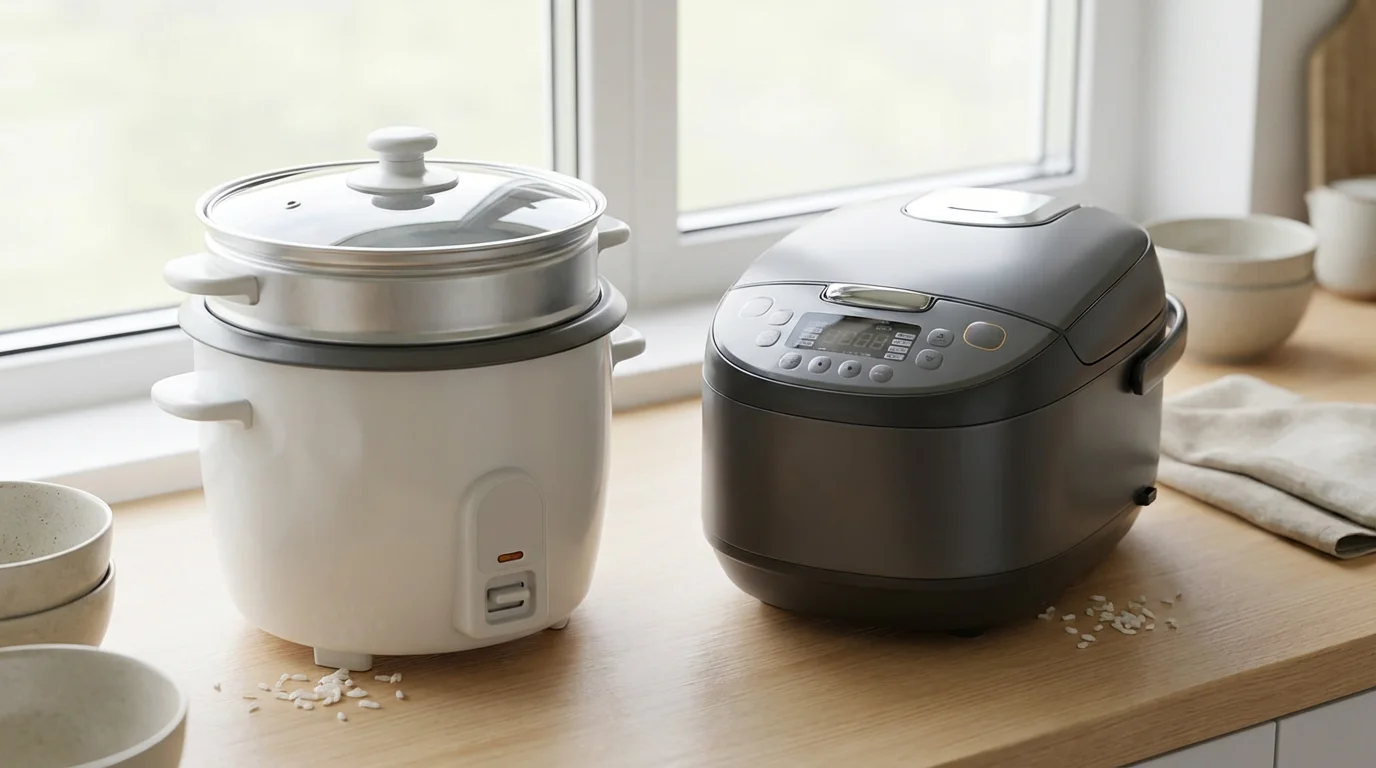
If you often use boiling water for grains, you might also find that rice cookers are an essential companion for your daily cooking.

Leave a Reply