
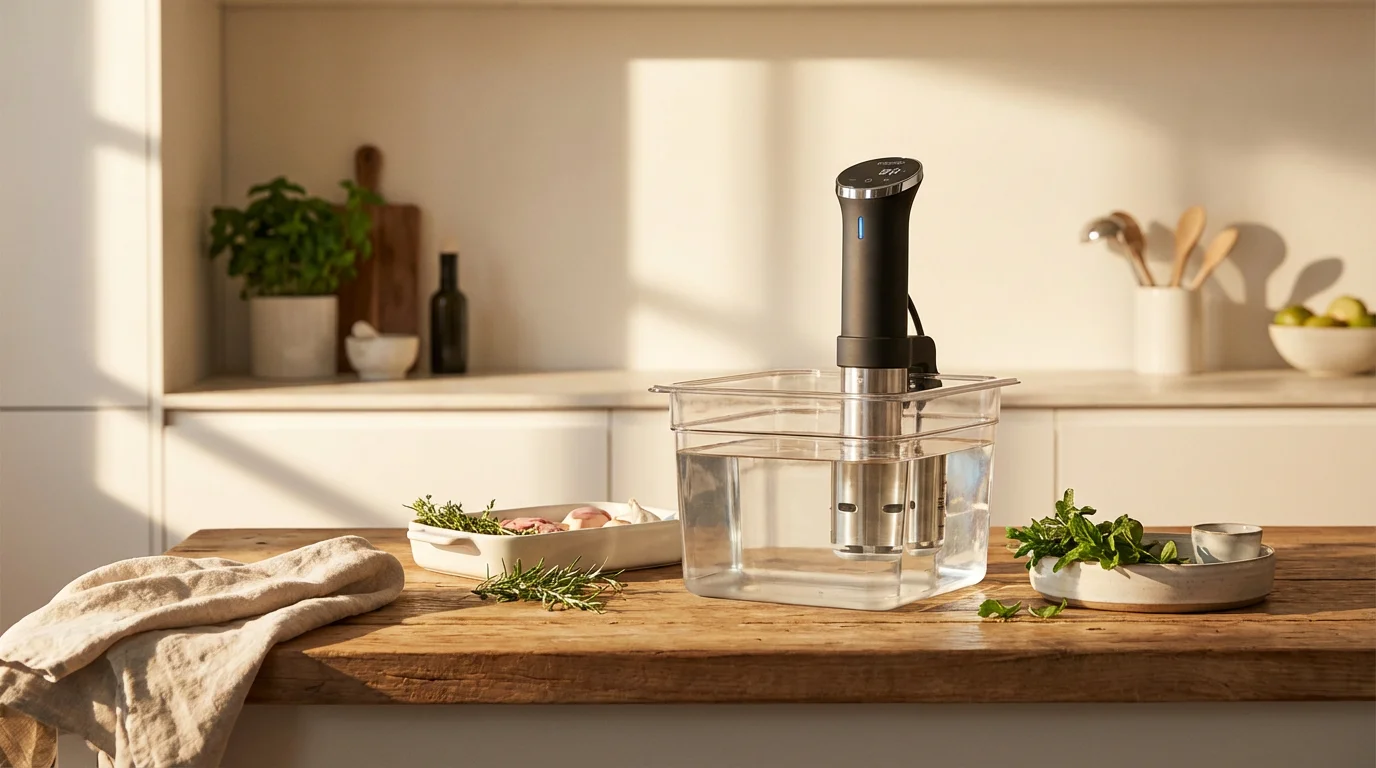
You seek reliable countertop appliances that truly deliver on their promises. Many home cooks face decisions between similar products, wondering if an appliance will actually see regular use or simply gather dust. This guide focuses on sous vide machines, exploring how these precision cookers elevate your culinary skills and whether they fit your kitchen and cooking style.
What is Sous Vide Cooking and Why Should You Care?
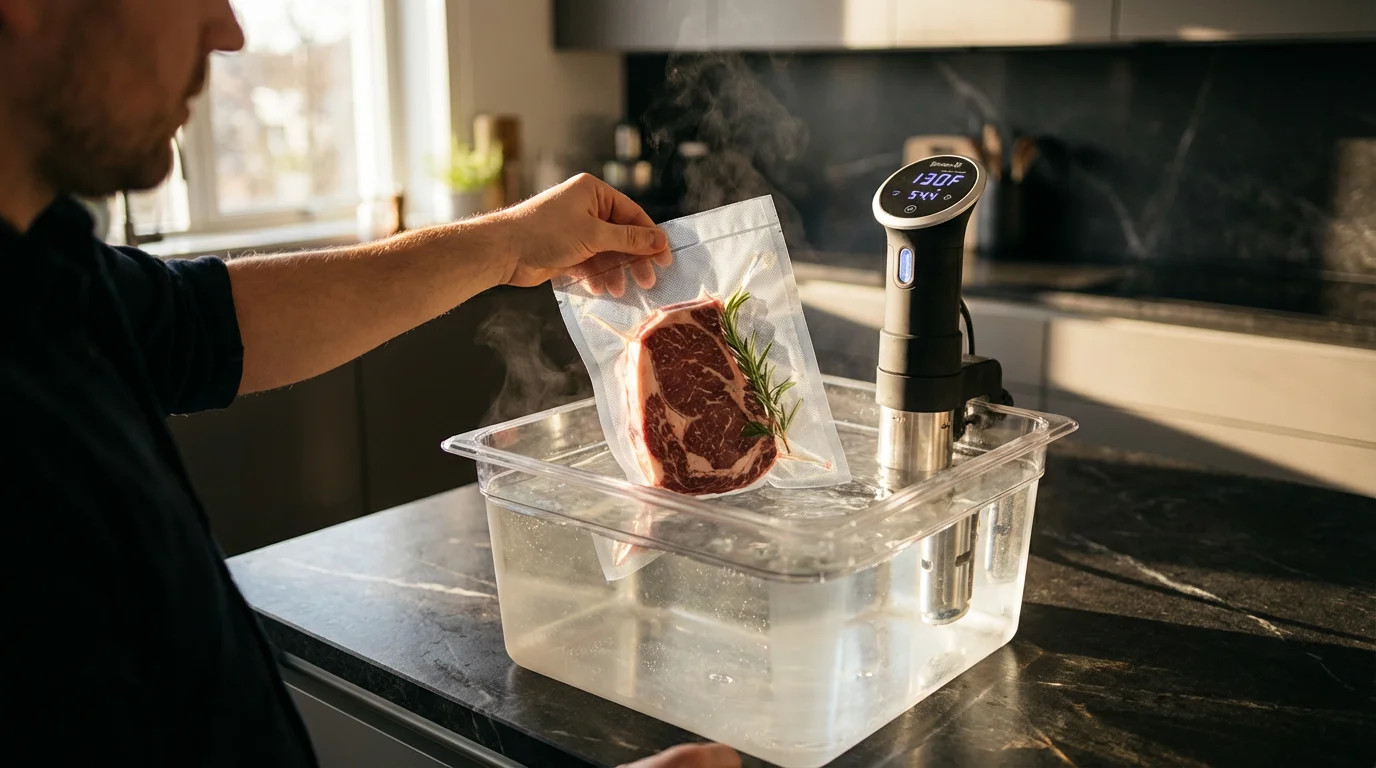
Sous vide, pronounced “soo veed,” means “under vacuum” in French. It describes a cooking method where you seal food in a vacuum-sealed bag, then cook it in a precisely temperature-controlled water bath. This technique ensures unparalleled consistency and tenderness. Unlike traditional cooking methods, which expose food to fluctuating heat sources, sous vide maintains an exact temperature throughout the cooking process. You eliminate guesswork and achieve perfectly cooked results every time, from edge to edge.
Many enthusiasts use this method to replicate the consistent results of dedicated egg cookers for the ultimate soft-poached egg.
The primary benefit of sous vide is its precision. You set the exact internal temperature you want your food to reach, and the water bath maintains that temperature without overcooking. Imagine a perfectly medium-rare steak from crust to core, without any gray band. This consistency significantly improves your cooking, especially for proteins like beef, poultry, and fish.
Furthermore, sous vide offers incredible convenience. Once you place your food in the water bath, you gain hands-off cooking time. The food holds its perfect temperature for extended periods, allowing flexibility in your meal preparation. You no longer rush to serve immediately when everything else is ready.
How Sous Vide Works: The Science of Precision
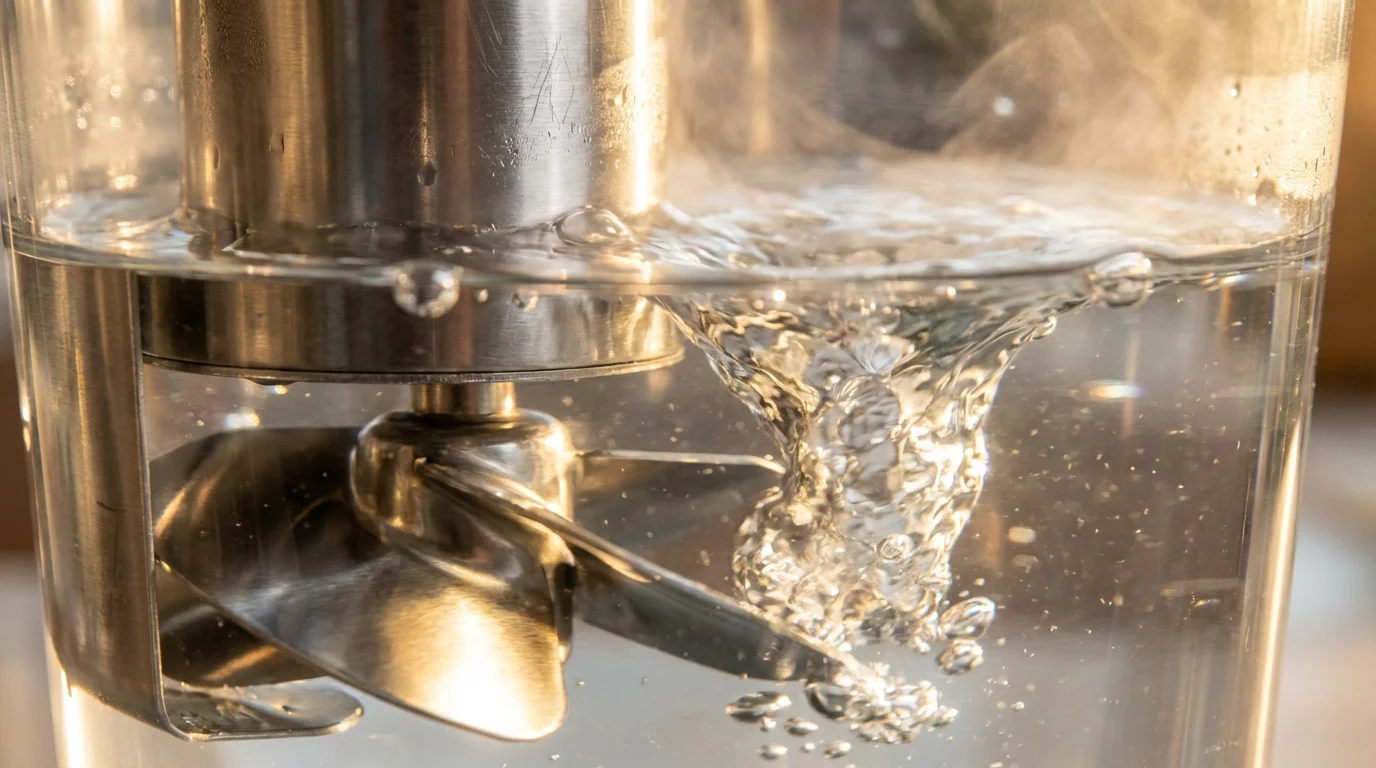
The principle behind sous vide relies on controlled heat transfer. A sous vide machine, often called a precision cooker, heats water to a specific temperature and circulates it to ensure uniformity throughout the bath. You prepare food by seasoning it and sealing it in a food-grade, heat-safe bag. This bag is then submerged in the heated water. The water transfers heat to the food gently and consistently, bringing it to the precise temperature of the water bath. Since the water cannot exceed the set temperature, the food cannot overcook.
This method differs significantly from traditional cooking. A pan-fried steak, for instance, exposes the meat to very high temperatures on the surface, creating a gradient where the exterior cooks much faster than the interior. Sous vide avoids this drastic temperature differential, cooking the food evenly from the outside in. This gentle, consistent heat breaks down tough muscle fibers and connective tissue without drying out the food, resulting in incredibly tender and moist results.
For example, cooking a chicken breast to exactly 149°F (65°C) in a sous vide bath for an hour yields a juicy, tender piece of chicken. In contrast, pan-frying or baking often results in dry, overcooked spots while striving for a safe internal temperature.
Key Components of a Sous Vide Setup
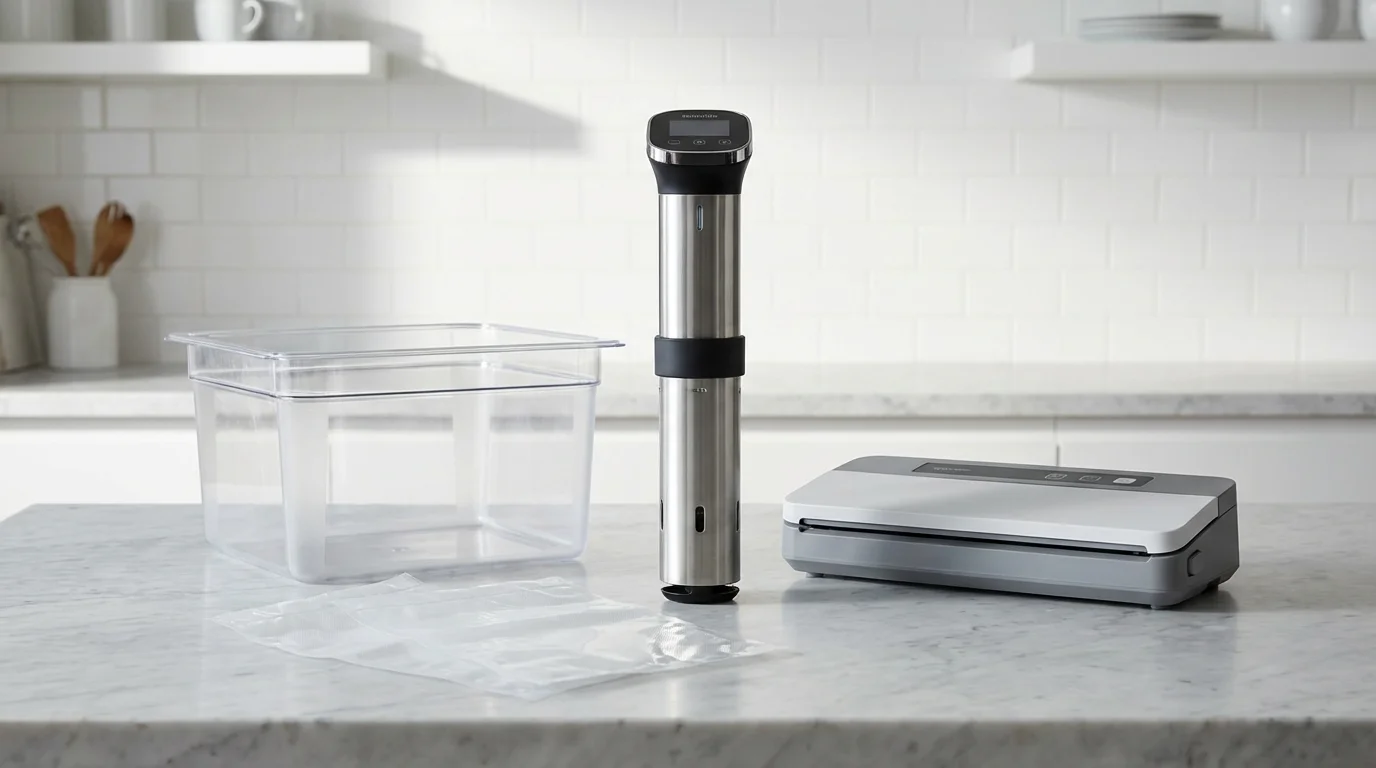
Setting up for sous vide cooking requires a few core items:
- Sous Vide Machine (Precision Cooker): This is the heart of your setup. It heats the water and circulates it to maintain a precise, consistent temperature. Most home cooks opt for immersion circulators, which clamp onto the side of any pot.
- Water Bath Container: A large pot or food-grade plastic container works perfectly. You need something deep enough to fully submerge your food. Clear containers allow you to monitor the cooking process without disturbing the water bath.
- Food-Safe Bags: You need bags capable of withstanding the temperatures of the water bath without leaching chemicals. These are typically BPA-free plastic bags. Options include standard freezer bags (most Ziploc brand bags are safe for sous vide), specialized vacuum sealer bags, or reusable silicone bags.
- Vacuum Sealer (Optional but Recommended): While you can use the “water displacement method” with zipper-top bags (slowly lowering the bag into water to push air out before sealing), a dedicated vacuum sealer removes more air, ensuring better heat transfer and preventing the food from floating.
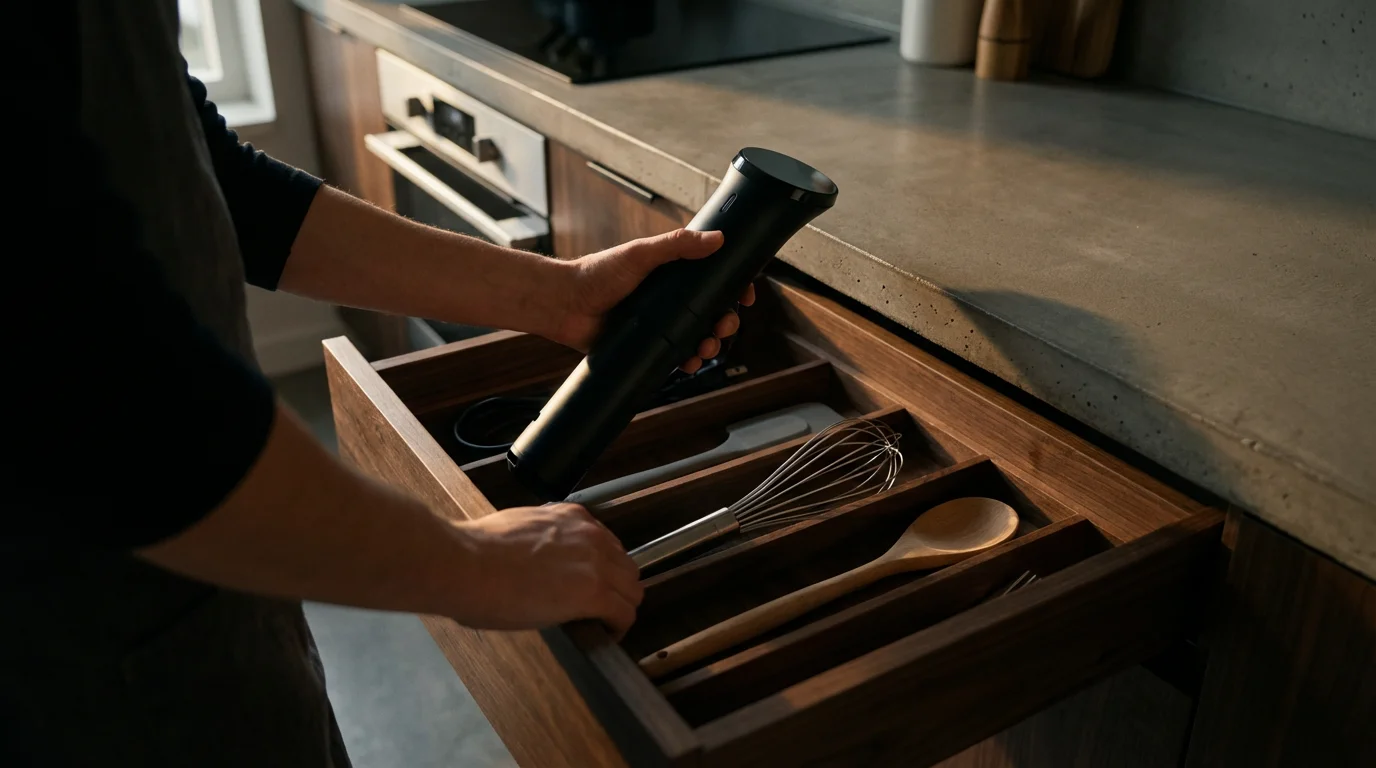
Considering your counter space, an immersion circulator offers the most flexibility. It stores compactly in a drawer and uses a pot you likely already own. Dedicated water baths, while often featuring integrated racks, demand significant storage space when not in use.
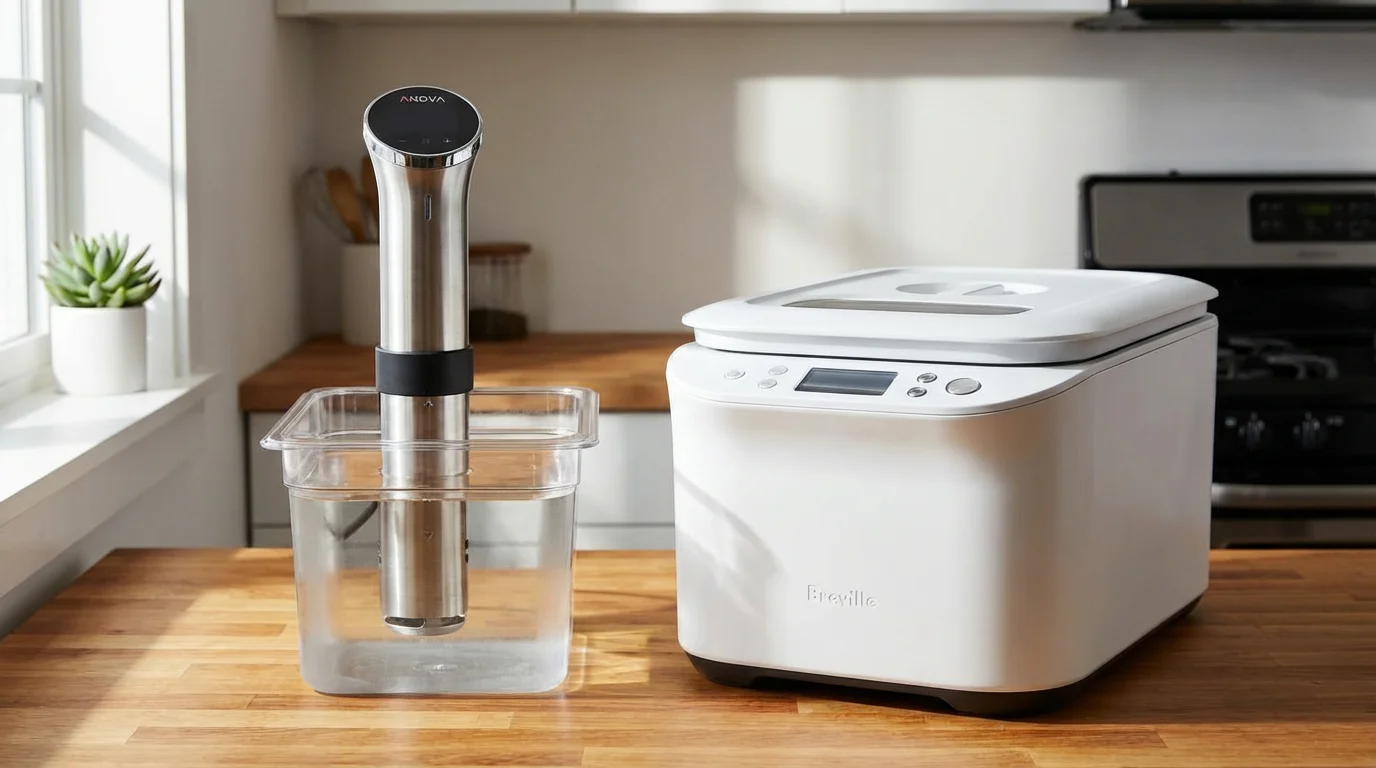
Choosing Your Sous Vide Machine: Immersion Circulator vs. Water Bath
When you decide to embrace precision cooking, you face a fundamental choice: an immersion circulator or a self-contained water bath. Your decision hinges on factors like kitchen space, desired features, and budget.
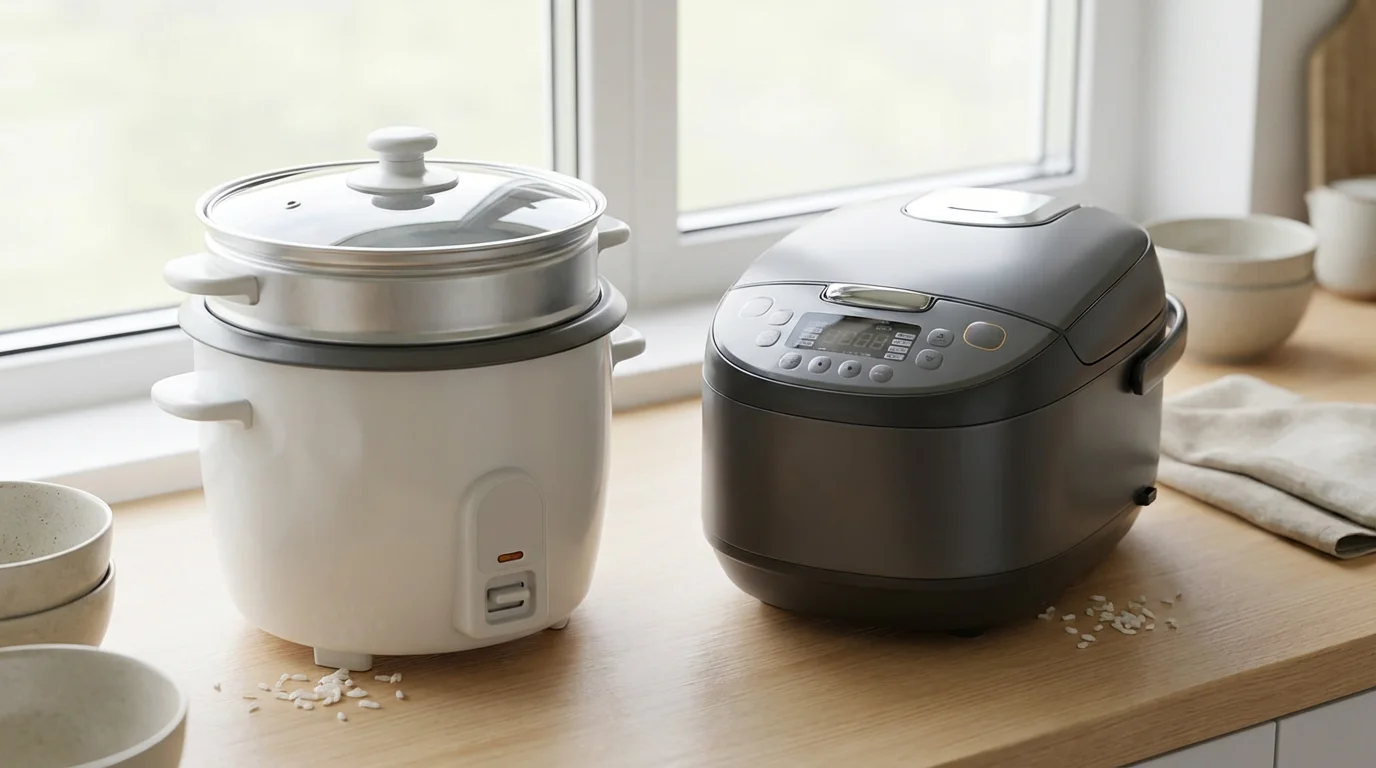
This decision is similar to choosing between basic or advanced rice cookers based on how much automation you desire in your kitchen.
- Immersion Circulators: These popular devices look like a stick blender. You clamp them onto the side of any pot or container, then they heat and circulate the water.
- Pros:
- Space-saving: They store compactly, requiring minimal dedicated counter or cabinet space.
- Versatile: You use them with various pot sizes, adapting to small or large batches.
- Cost-effective: Generally more affordable than self-contained units.
- Easy to clean: Many models feature removable skirts or simple designs for quick wiping.
- Cons:
- Requires you to provide your own pot.
- Water can evaporate over long cooking times, potentially requiring refills.
- Open water baths might lose heat slightly faster, though most modern circulators compensate well.
- Self-Contained Water Baths: These are all-in-one units with an integrated heating element and pump, often resembling a slow cooker.
- Pros:
- Integrated system: No need for a separate pot.
- Lid often included: Minimizes water evaporation, ideal for very long cooks.
- Integrated rack systems: Can hold multiple bags in place more easily.
- Cons:
- Bulky: Occupy significant counter and storage space.
- Less versatile: Fixed capacity limits batch size.
- More expensive: Typically cost more than immersion circulators.
For most home cooks, an immersion circulator provides the best balance of performance, versatility, and space efficiency. If you have limited kitchen real estate, the compact design of an immersion circulator offers a clear advantage.
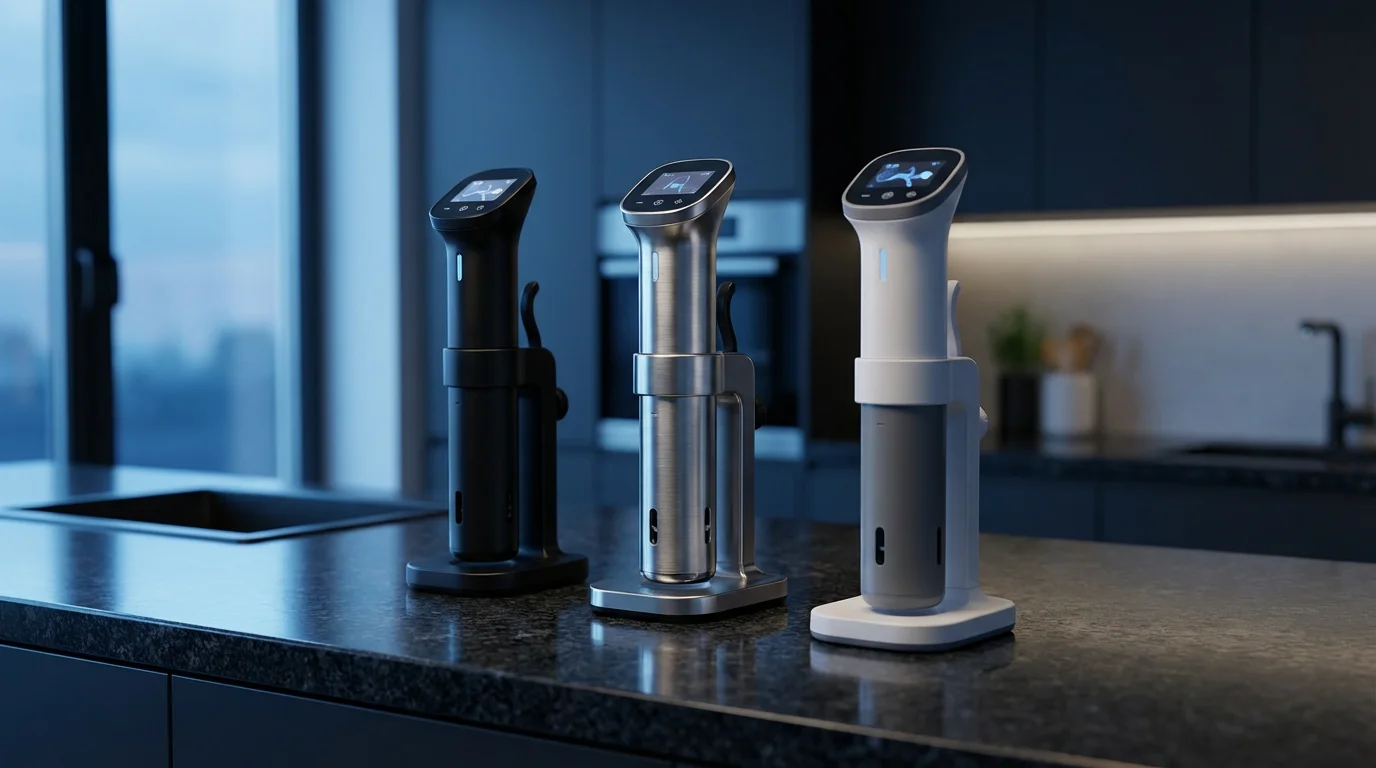
Essential Features to Look for in an Immersion Circulator
Choosing the right sous vide machine involves evaluating several key specifications and features. Consider these points to select the best model for your needs:
- Wattage: This indicates how much power an appliance uses. Higher wattage (e.g., 900W to 1200W) means faster water heating and better temperature recovery, especially for larger water baths or when adding cold food. A 1000W unit generally heats 4 gallons of water to 140°F in under an hour.
- Temperature Accuracy and Stability: The core of sous vide is precision. Look for models advertising temperature control within 0.1°F or 0.2°F. Reputable brands consistently deliver this accuracy. Wirecutter, for instance, frequently evaluates precision in their kitchen appliance reviews, noting that stability is key for consistent results. You can find their detailed reports on various models at Wirecutter’s kitchen section.
- Connectivity (Wi-Fi/Bluetooth): Many modern circulators offer app control. Wi-Fi connectivity allows you to monitor and adjust cooking from anywhere, while Bluetooth typically requires you to stay within range. While convenient, this feature adds to the cost. Decide if remote control genuinely enhances your cooking routine.
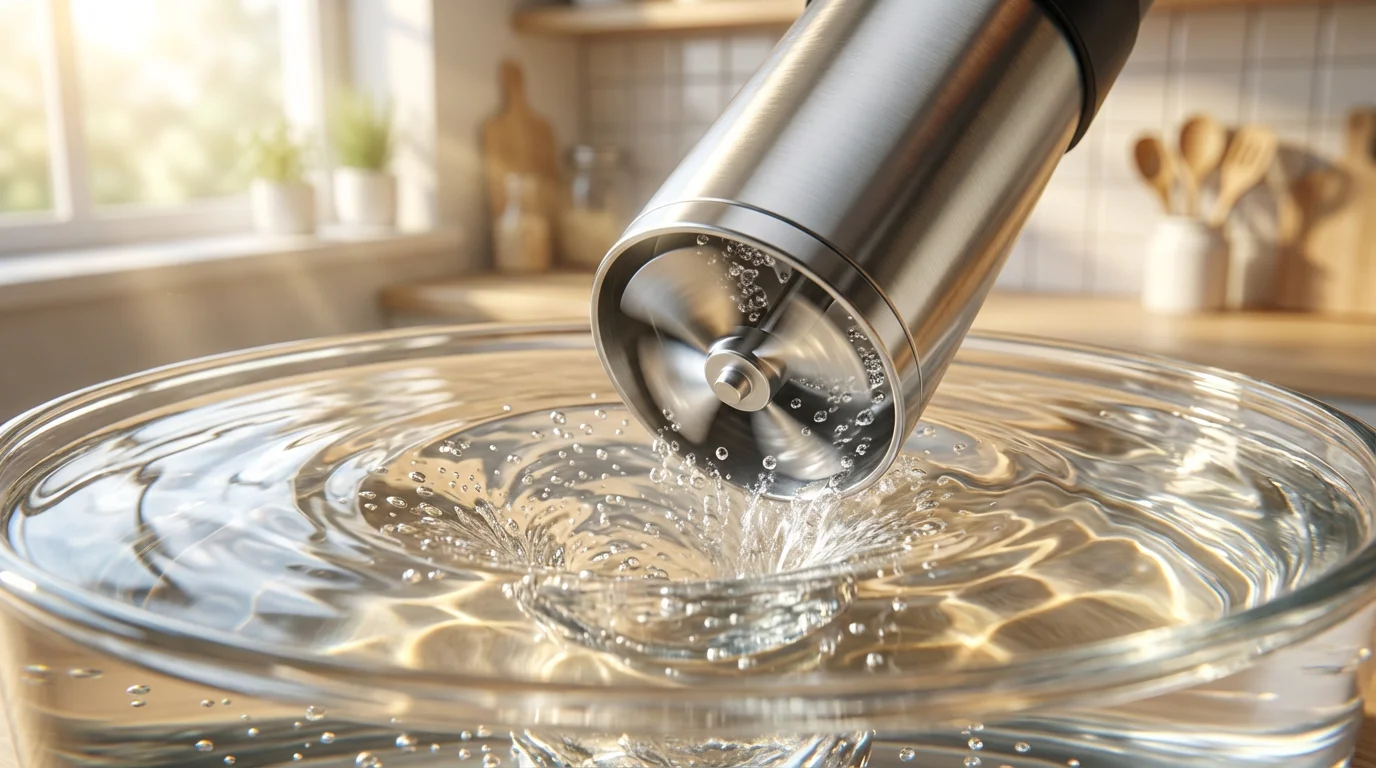
- Circulation Speed: Measured in liters per minute (LPM), a higher circulation speed (e.g., 8-12 LPM) ensures more even temperature distribution throughout the water bath, preventing cold spots.
- Ergonomics and Build Quality: A comfortable grip, secure clamping mechanism, and durable materials contribute to a better user experience. Stainless steel components generally offer greater longevity than plastic.
- Noise Level: Most immersion circulators operate quietly, producing only a gentle hum from the pump. However, some budget models can be noticeably louder. If your kitchen is open-plan or you are sensitive to noise, seek out reviews that comment on the operational sound.
- Maximum Water Capacity: This specifies the largest volume of water the circulator can effectively heat and circulate. Most home models handle up to 5 gallons, sufficient for cooking large roasts or multiple smaller items.
Sous Vide Appliance Comparison: Popular Models
To give you a clearer picture, let’s examine some popular immersion circulators on the market. These models represent different price points and feature sets, helping you identify a machine that aligns with your budget and cooking habits.
| Model | Wattage | Temp Range (°F) | App Control | Dimensions (H x W x D) | Price Range | Best For |
|---|---|---|---|---|---|---|
| Anova Culinary Nano | 750W | 32-197 | Bluetooth | 12.8″ x 2.2″ x 4.1″ | $99-$129 | Beginners, small households, occasional use. |
| Anova Culinary Precision Cooker (Wi-Fi) | 1000W | 32-197 | Wi-Fi + Bluetooth | 12.8″ x 2.2″ x 4.1″ | $149-$199 | Enthusiasts, remote monitoring, medium batches. |
| ChefSteps Joule Turbo | 1100W | 68-208 | Wi-Fi + Bluetooth | 11″ x 1.9″ (diameter) | $199-$249 | Speed, compact size, minimalist design, app-centric users. |
| Inkbird WiFi Sous Vide ISV-200W | 1000W | 77-210 | Wi-Fi | 15.8″ x 3.9″ x 2.8″ | $79-$109 | Budget-conscious buyers, solid performance, good value. |
When you consider these options, think about your specific needs. If you want the absolute best precision and speed in a compact form, the Joule often stands out. For a robust balance of features and value, the Anova Wi-Fi model proves a strong contender. If you are just starting and want to experiment without a large investment, the Anova Nano or Inkbird offers excellent entry points.
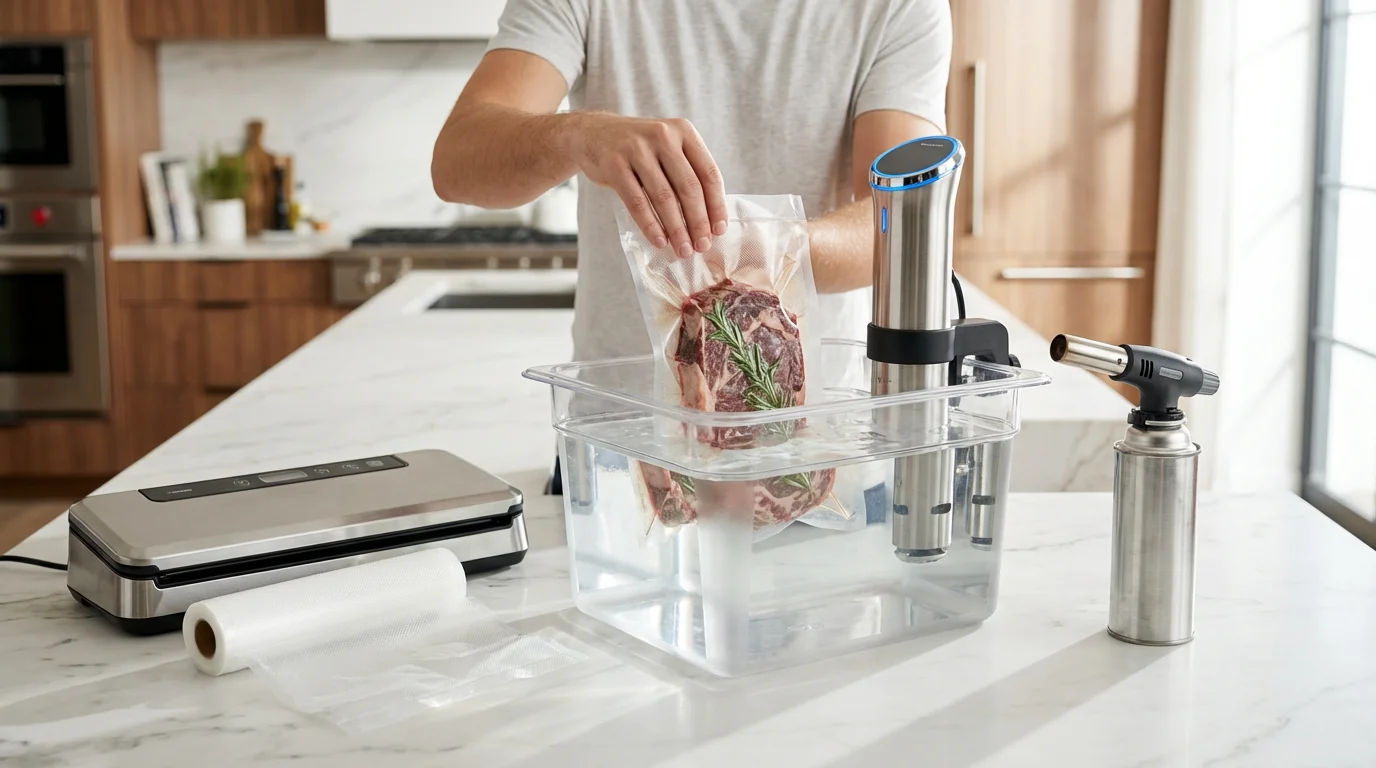
Beyond the Basics: Accessories and Advanced Tips
Once you acquire a sous vide machine, you can enhance your experience with a few accessories and techniques:
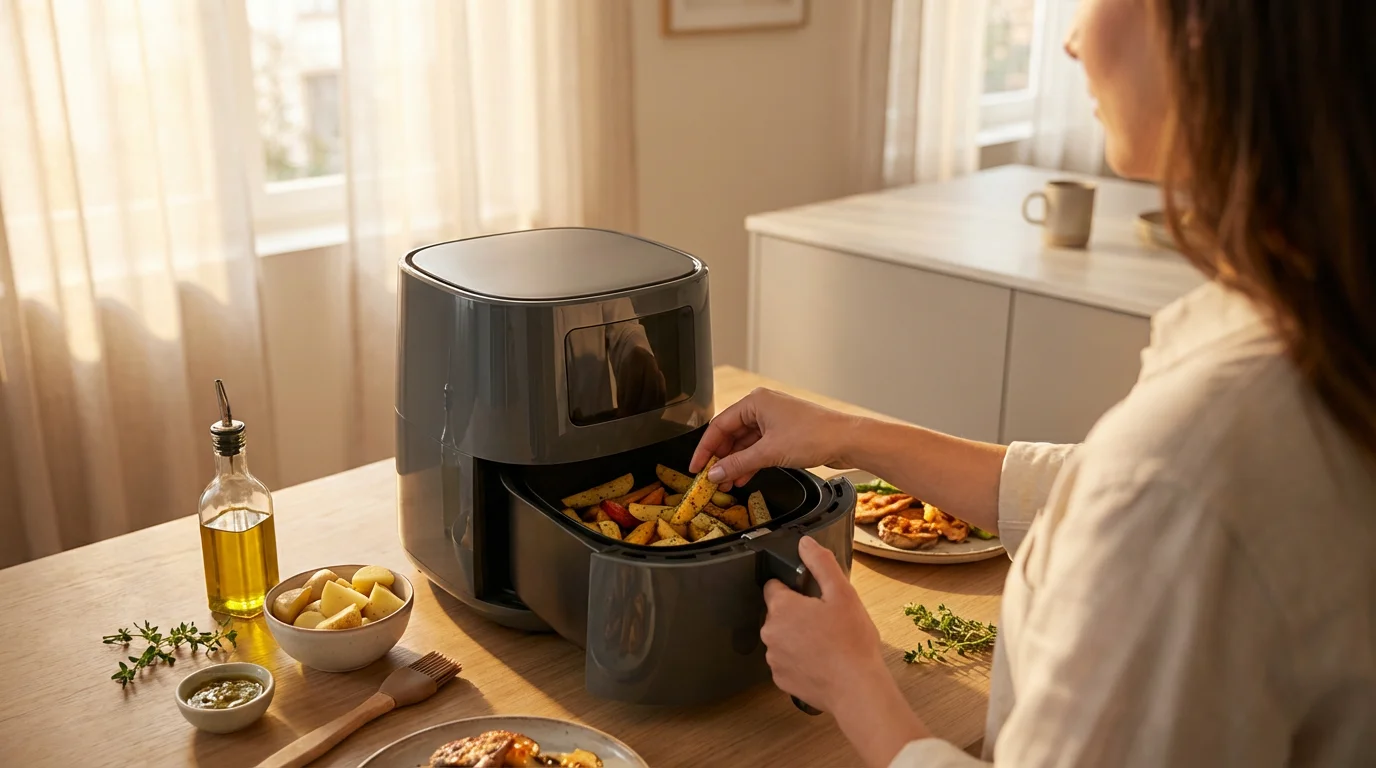
To achieve a crispy finish without a pan, you can even use an air fryer for a quick and mess-free sear on your cooked proteins.
- Container Lid: A lid for your water bath drastically reduces water evaporation, especially during long cooking times. Specialized sous vide lids often have a cutout for your immersion circulator, or you can use plastic wrap. This also improves energy efficiency, keeping heat contained.
- Container Insulation: For extra-long cooks or very large water baths, insulating your container (e.g., wrapping it in a towel or using a dedicated insulated sleeve) helps maintain temperature and reduce energy consumption.
- Weights: Sometimes food bags float, especially with buoyant items like vegetables or if you do not remove enough air. You can use ceramic pie weights, heavy magnets, or even clean binder clips with silverware attached to keep bags submerged.
- Racks: Sous vide racks keep multiple bags separated and fully submerged, ensuring even cooking for all items.
- Sear for Finish: Sous vide cooks food to a perfect internal temperature, but it does not create a crust. You must finish most foods, especially meats, with a quick sear in a hot pan, on a grill, or with a blowtorch to develop flavor and texture. This crucial step elevates your sous vide results.
- Ice Bath: For meal prepping or cooling food rapidly for later consumption, an ice bath immediately after sous vide cooking stops the cooking process and brings the temperature down quickly and safely.
America’s Test Kitchen frequently shares expert tips and recipes for getting the most out of your sous vide cooking. Exploring their resources at America’s Test Kitchen provides valuable insights for both beginners and advanced users.
Addressing Common Concerns: Space, Noise, and Cleaning
You naturally wonder about the practicalities of adding a new appliance to your kitchen. Let’s tackle some common concerns surrounding sous vide machines.
Counter Space Footprint
Immersion circulators are exceptionally space-efficient. They typically measure around 11-16 inches tall and have a diameter of 2-3 inches. You store them in a drawer or cabinet with minimal fuss. Since you use them with an existing pot, they do not add to your permanent counter clutter. This makes them ideal for small kitchens or anyone prioritizing clear counter space.
Noise Levels
Most modern sous vide immersion circulators operate very quietly. You typically hear a gentle hum as the water circulates. Compared to blenders or food processors, their noise output is negligible. Even during multi-hour cooks, the sound remains unobtrusive. Reviewers at Consumer Reports often rate appliance noise levels, and sous vide machines consistently score well in this regard. You can find their detailed appliance reviews and ratings at Consumer Reports’ small appliance section.
Ease of Cleaning
Cleaning a sous vide machine is straightforward. The heating element and pump section of most immersion circulators are either exposed or protected by a removable stainless steel skirt. After each use, wipe down the circulator with a damp cloth. If you notice mineral buildup from hard water, run the circulator in a water bath with a solution of vinegar and water to descale it. The cooking bags themselves are usually disposable or, in the case of silicone bags, dishwasher-safe.
Energy Consumption
Sous vide machines generally use less energy than you might expect, especially after the initial heating phase. A 1000W circulator, for example, draws 1000 watts to heat the water quickly. Once the water reaches temperature, the heating element cycles on and off only to maintain the temperature, drawing significantly less power overall. Insulating your cooking vessel with a lid or a towel further reduces energy usage during long cooks by minimizing heat loss.
Is Sous Vide Worth It for the Home Cook?
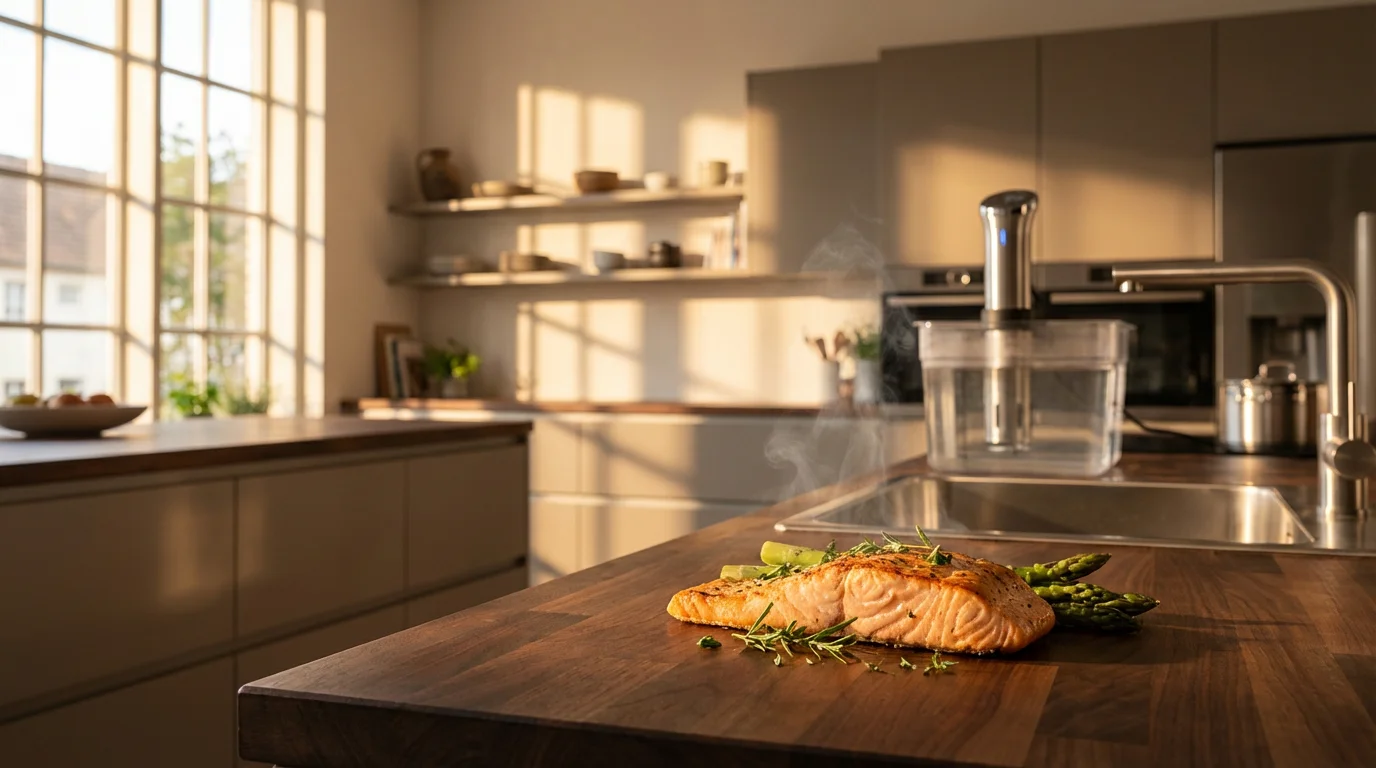
Deciding if a sous vide machine deserves a spot in your kitchen comes down to your cooking style and priorities. If you value precision, consistency, and a hands-off approach to cooking, then sous vide offers tremendous value. You will consistently achieve restaurant-quality results for proteins, perfectly cooked vegetables, and even desserts like custards.
For those who value speed more than precision, comparing this method to electric pressure cookers can help determine which tool best suits your daily cooking routine.
Consider these points:
- Best for Families: Sous vide excels at meal prepping. Cook large batches of chicken breasts, pork tenderloin, or steak to perfection, then chill them for quick weeknight meals. This significantly cuts down on active cooking time when you need it most.
- Best for Small Kitchens: As discussed, immersion circulators are incredibly space-efficient. They do not demand dedicated counter space and store easily.
- Best Value: For your investment, a quality immersion circulator (ranging from $80-$200) opens up a new world of cooking precision. The consistent results prevent costly mistakes like overcooking expensive cuts of meat, ultimately saving you money in the long run.
If you find yourself frequently overcooking meats, struggling with meal timing, or simply want to elevate your home cooking with minimal effort, then investing in a sous vide machine is absolutely worth it. It simplifies complex cooking and consistently delivers delicious results, transforming your kitchen into a precision culinary lab.
Frequently Asked Questions
Can I use regular Ziploc bags for sous vide?
Yes, most Ziploc brand freezer bags (often indicated as BPA-free polyethylene) are safe for sous vide cooking. The water displacement method works effectively with these bags: slowly lower the bag into the water, allowing the water pressure to push out the air, then seal the zipper just above the waterline. Always ensure the bags are food-grade and heat-safe.
Do I need a vacuum sealer for sous vide?
No, you do not strictly need a vacuum sealer. While a vacuum sealer offers the most efficient way to remove air from your food bags, the “water displacement method” using ordinary zipper-top freezer bags achieves sufficient air removal for most sous vide cooking. A vacuum sealer simply provides a slightly better seal and prevents bags from floating more reliably.
How long does sous vide cooking take?
Sous vide cooking times vary significantly based on the type of food, its thickness, and your desired texture. Thin items like fish fillets might cook in 30-45 minutes. Thicker steaks or chicken breasts typically take 1-2 hours. Tougher cuts of meat, like short ribs or pork shoulder, benefit from much longer cooks, sometimes 24-48 hours, to achieve tenderness. The beauty of sous vide is that precision prevents overcooking, so a longer cook within a reasonable window still yields perfect results.
Is sous vide dangerous for bacteria?
Sous vide cooking, when done correctly, is very safe. The precise temperature control allows you to cook foods to safe pasteurization levels without overcooking. You must ensure the food reaches and maintains a safe internal temperature for an adequate duration. For example, pasteurizing chicken requires specific time and temperature combinations. Always follow reputable recipes and food safety guidelines. Rapidly chilling cooked food in an ice bath if you plan to store it for later consumption is also important to prevent bacterial growth.
Disclaimer: Product prices, features, and availability change frequently. Prices shown were accurate at time of writing but may have changed. We may earn a small commission from purchases made through links on this site, at no extra cost to you. Always verify current pricing and specifications on the retailer’s website before purchasing.
Leave a Reply