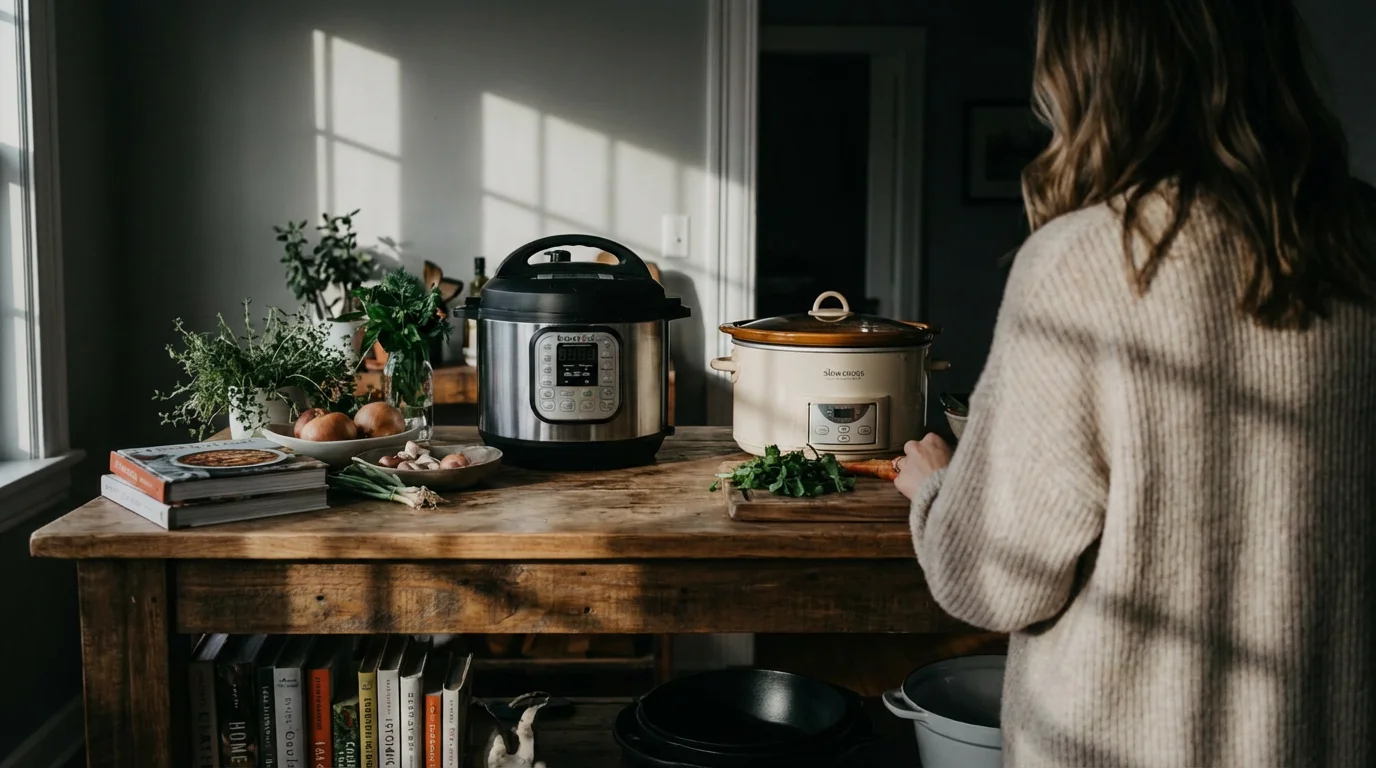
Choosing the right kitchen appliance can transform your cooking experience, making meal preparation faster, easier, and more enjoyable. Two of the most popular countertop multi-functional appliances vying for your attention, and your precious kitchen real estate, are the Instant Pot and the slow cooker. Both promise convenient, hands-off cooking, yet they achieve it through fundamentally different methods, catering to distinct cooking styles and schedules. Understanding these differences helps you invest in the appliance you will truly use, avoiding another gadget that merely gathers dust. This guide breaks down everything you need to know, from cooking principles to counter footprint, helping you decide which appliance best fits your kitchen and lifestyle.
Understanding the Instant Pot: A Versatile Multi-Cooker
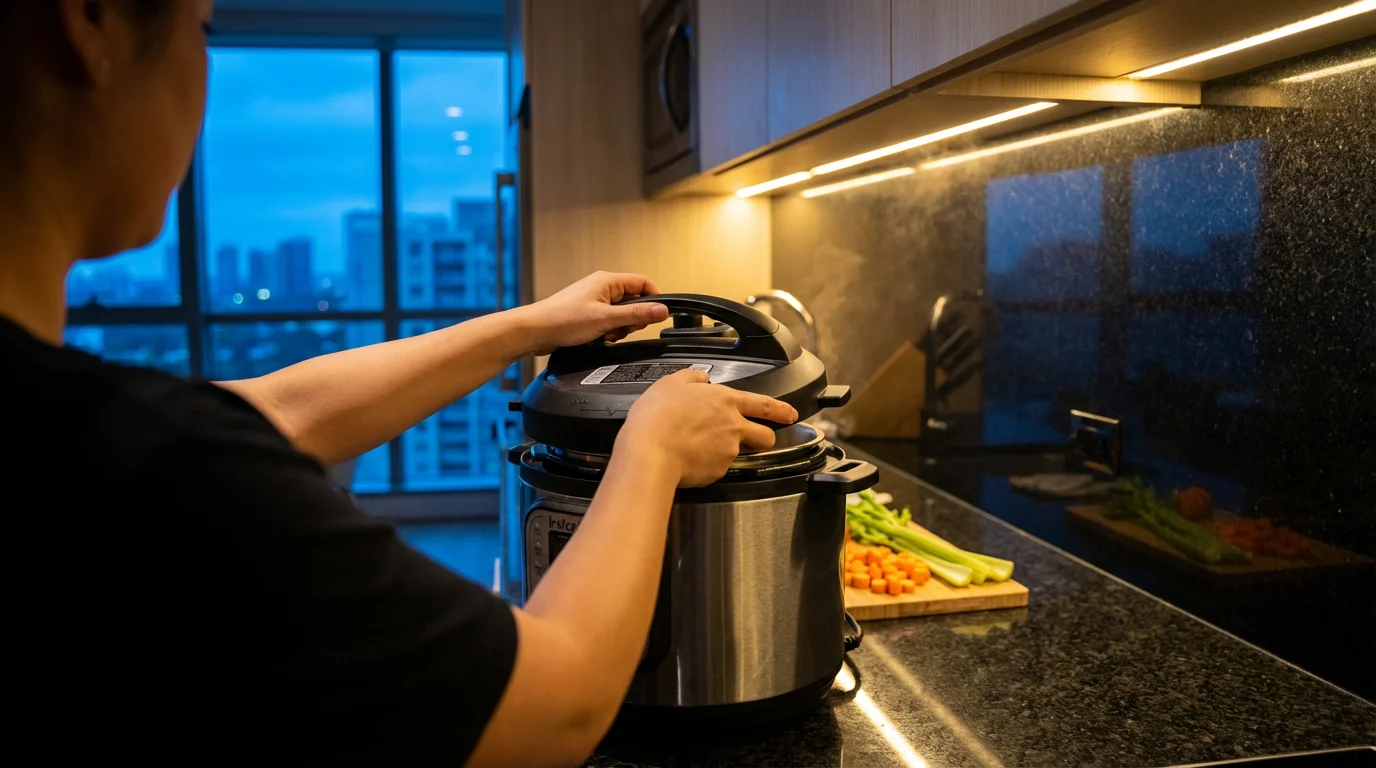
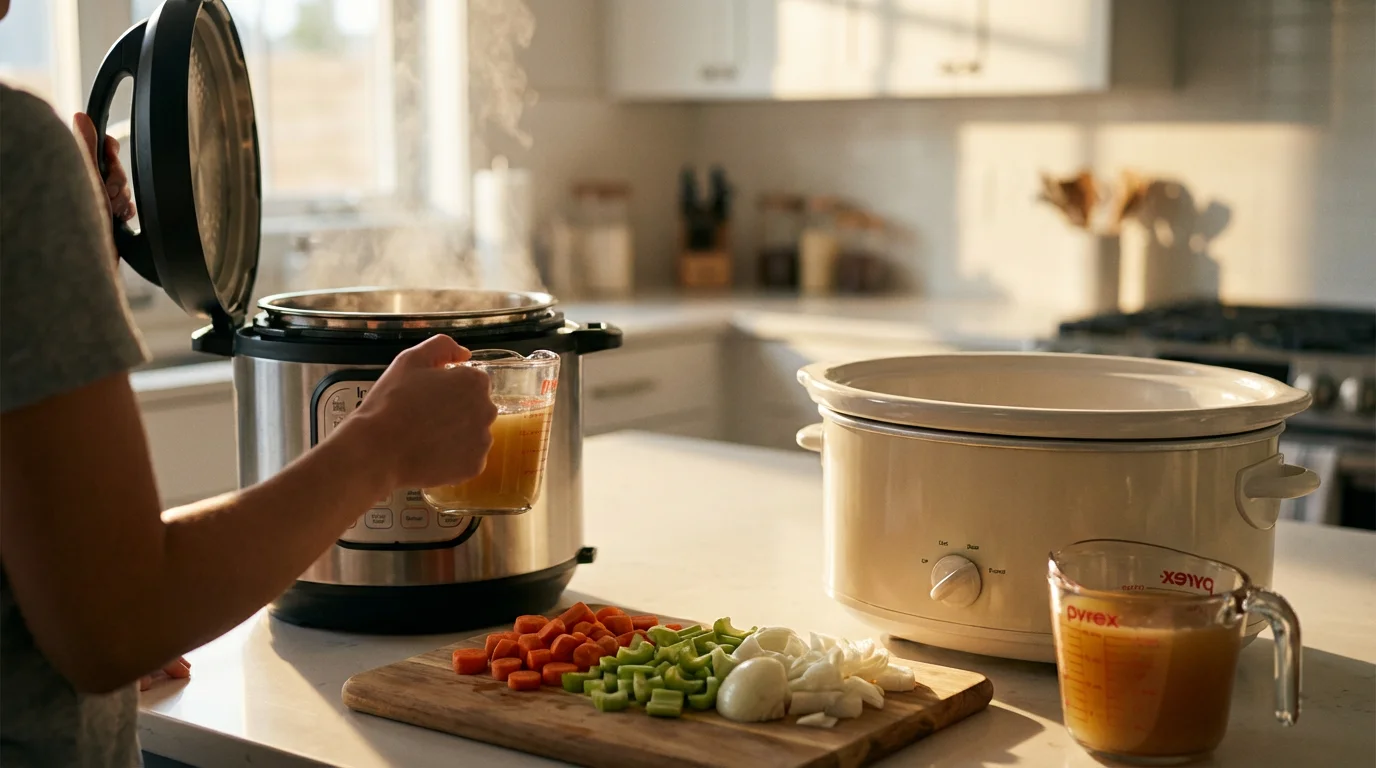
The Instant Pot burst onto the scene as a game-changer, primarily known for its pressure cooking capabilities. It is a multi-functional electric pressure cooker designed to replace numerous kitchen appliances, often combining the functions of a pressure cooker, slow cooker, rice cooker, steamer, sauté pan, yogurt maker, and food warmer. Its core strength lies in its ability to cook food significantly faster than conventional methods by generating steam pressure inside a sealed pot.
The Instant Pot operates by increasing the pressure inside the cooking chamber. This elevates the boiling point of water, allowing food to cook at higher temperatures and consequently, much quicker. For instance, dried beans that typically require hours on the stovetop can cook in under 30 minutes. Most models offer various preset programs, which are automatic settings for common tasks like “poultry,” “rice,” or “soup,” simplifying the cooking process with optimized temperatures and timings.
Common models, such as the Instant Pot Duo or Pro, come in different quart capacity options, typically ranging from 3 quarts (suitable for 1-2 people) to 8 quarts (ideal for families of 6+), with 6 quarts being the most popular choice for average households. These appliances generally draw between 1000 and 1500 wattage, indicating how much power they use. Higher wattage usually means faster heating. Pressure is measured in PSI (pounds per square inch), with most Instant Pots operating around 10-12 PSI for high pressure.
Many Instant Pot models also feature a delayed start option, allowing you to program the appliance to begin cooking at a later time, and a keep warm function, which maintains food at serving temperature after the cooking cycle completes. This versatility makes the Instant Pot a popular choice for busy individuals seeking to reduce cooking times and consolidate kitchen gadgets.
Understanding the Slow Cooker: Set It and Forget It Simplicity
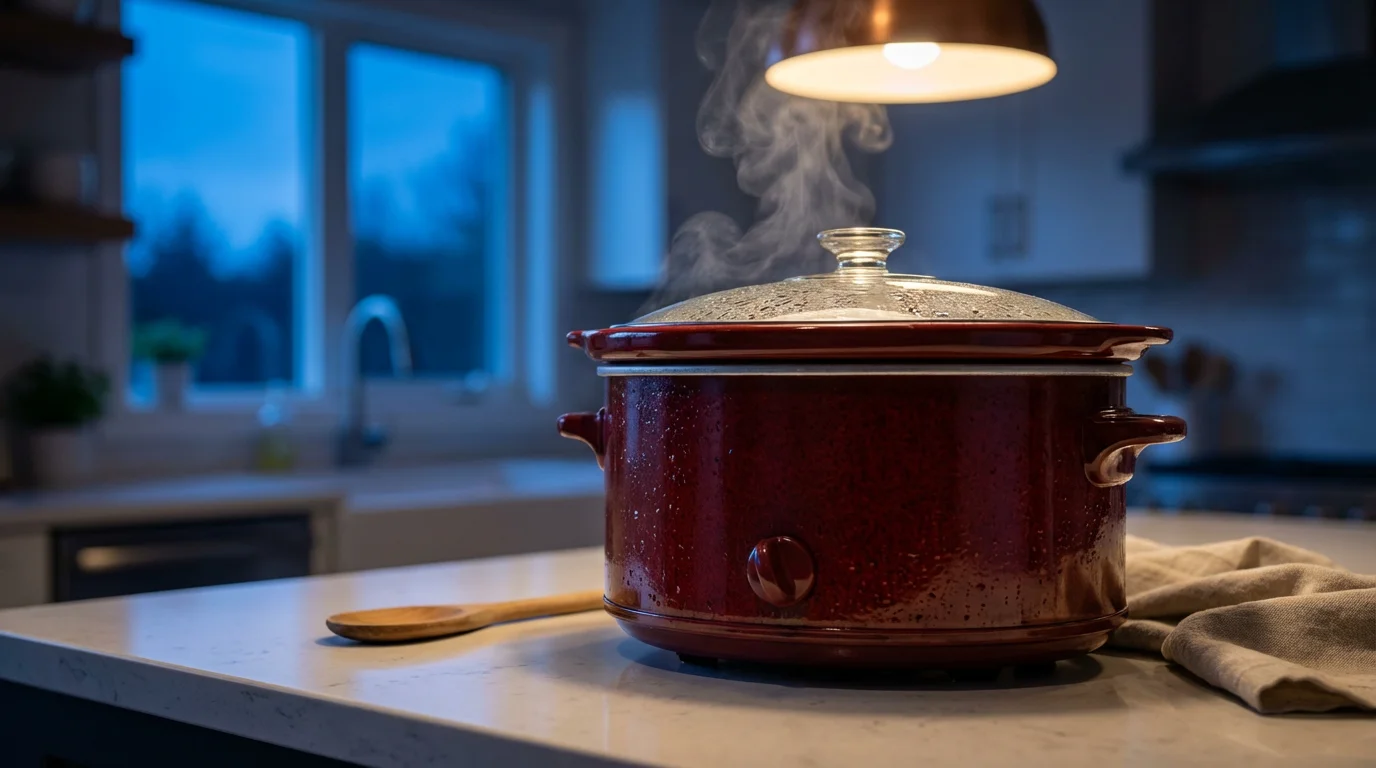
The slow cooker, often generically referred to by the brand name Crock-Pot, has been a kitchen staple for decades. Its appeal lies in its straightforward, hands-off approach to cooking. A slow cooker uses moist heat over an extended period to tenderize ingredients, making it perfect for stews, chilis, roasts, and hearty soups. You simply add your ingredients in the morning, set it, and return hours later to a fully cooked meal.
Unlike the Instant Pot, a slow cooker operates at lower temperatures, typically between 175°F and 285°F (79°C and 140°C), cooking food gradually over 4-8 hours on high or 6-10 hours on low. This gentle, prolonged cooking method breaks down tough cuts of meat and infuses flavors deeply into dishes, creating incredibly tender and flavorful results. Slow cookers generally consist of a heating element in the base, a ceramic or stoneware insert, and a lid, usually glass.
Similar to Instant Pots, slow cookers also come in various quart capacity
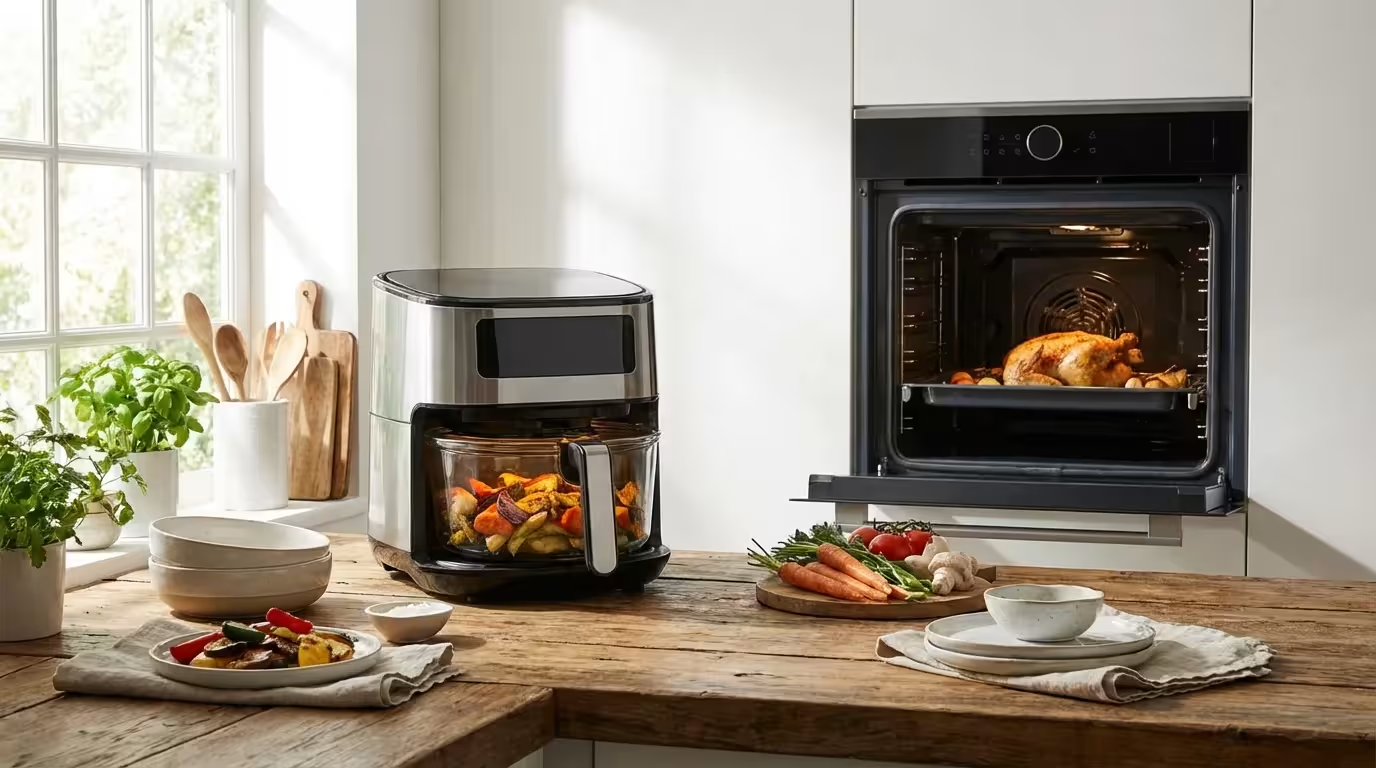
While the slow cooker handles the main course, you might use an air fryer to quickly prepare crispy sides.
sizes, from compact 1.5-quart models for single servings to large 8-quart or 10-quart units suitable for entertaining or large families. Their wattage typically ranges from 150 to 300 watts, reflecting their lower, sustained heat output compared to pressure cookers. Many modern slow cookers include programmable timers and a keep warm setting, ensuring your meal stays at a safe serving temperature until you are ready to eat. Some also offer a delayed start feature.
The slow cooker’s simplicity, coupled with its ability to transform inexpensive ingredients into delicious meals, has cemented its place in kitchens worldwide. As Serious Eats reports, the slow cooker excels at dishes that benefit from long, gentle simmering.
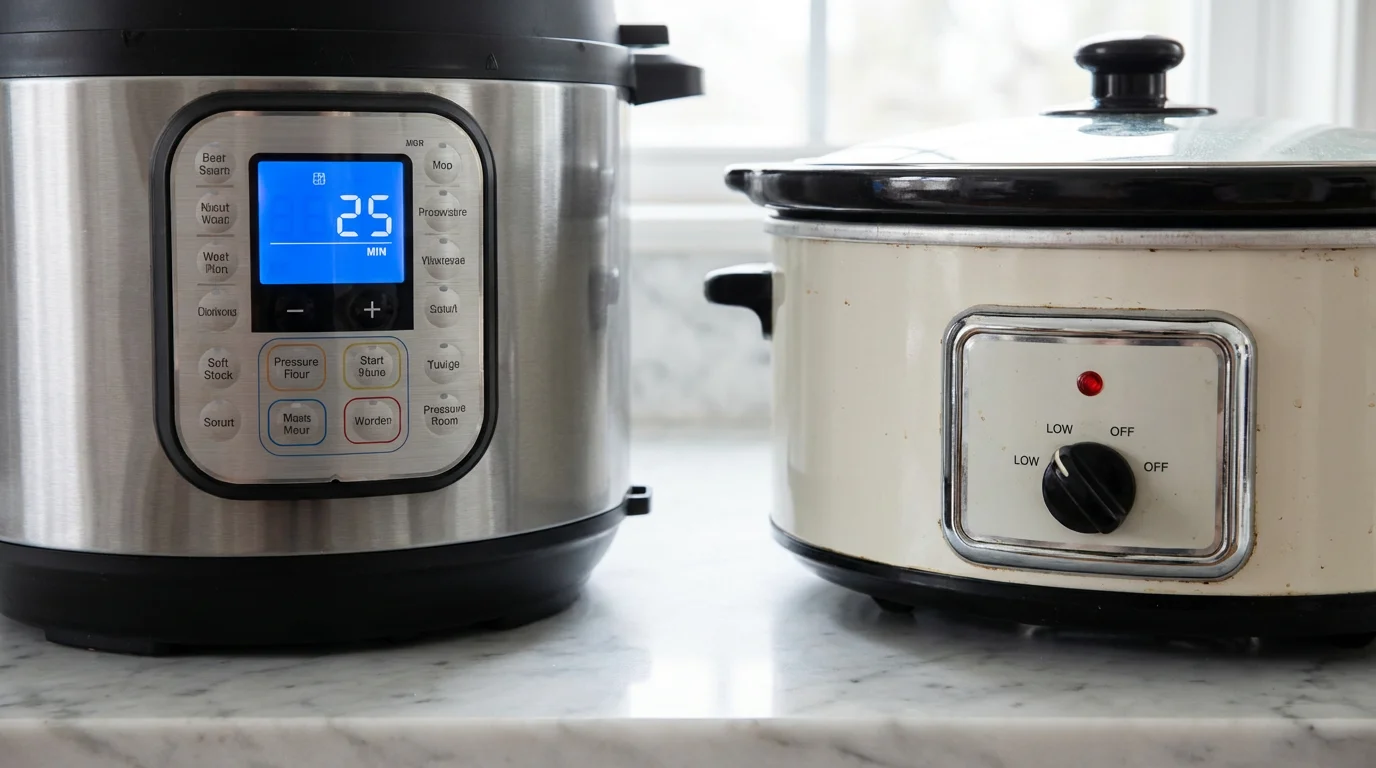
Key Differences: Speed, Functionality, and Cooking Methods
The most obvious difference between an Instant Pot and a slow cooker lies in their speed. An Instant Pot dramatically reduces cooking times by using pressure. For example, a recipe that takes 6-8 hours in a slow cooker often finishes in 30-60 minutes of active pressure cooking time in an Instant Pot, plus the time to come to pressure. This speed difference makes the Instant Pot ideal for last-minute meals or when you forget to plan ahead.
However, speed is only one aspect. The Instant Pot’s versatility extends beyond just pressure cooking. Most models offer:
- Pressure Cooker: Rapid cooking using high pressure.
- Slow Cooker: Functions as a traditional slow cooker, though some users find its performance slightly less consistent than dedicated slow cookers for very long, low-temperature cooking.
- Sauté: Allows you to brown ingredients directly in the pot before cooking, eliminating the need for a separate pan.
- Rice Cooker: Specialized settings for perfectly cooked rice.
- Steamer: Quickly steams vegetables, fish, and other foods.
- Yogurt Maker: Maintains precise temperatures for making homemade yogurt.
- Keep Warm: Automatically switches on after cooking.
- Delayed Start: Programs cooking to begin at a later time.
Advanced multi-cooker models are even beginning to incorporate features found in sous vide machines for ultra-precise temperature control.
In contrast, the slow cooker’s primary function is its namesake: slow cooking. It excels at this singular task, often providing more consistent, even heat distribution over long periods. While some advanced slow cookers offer programmable features or a probe for temperature control, they generally lack the multi-functionality of an Instant Pot. You cannot sauté in a standard slow cooker, nor can you use it to quickly steam vegetables or make yogurt.
Your choice often comes down to your priorities. Do you value speed and multi-functionality, even if it means a slight learning curve? Or do you prefer the ultimate in set-it-and-forget-it simplicity for tender, slow-cooked dishes?
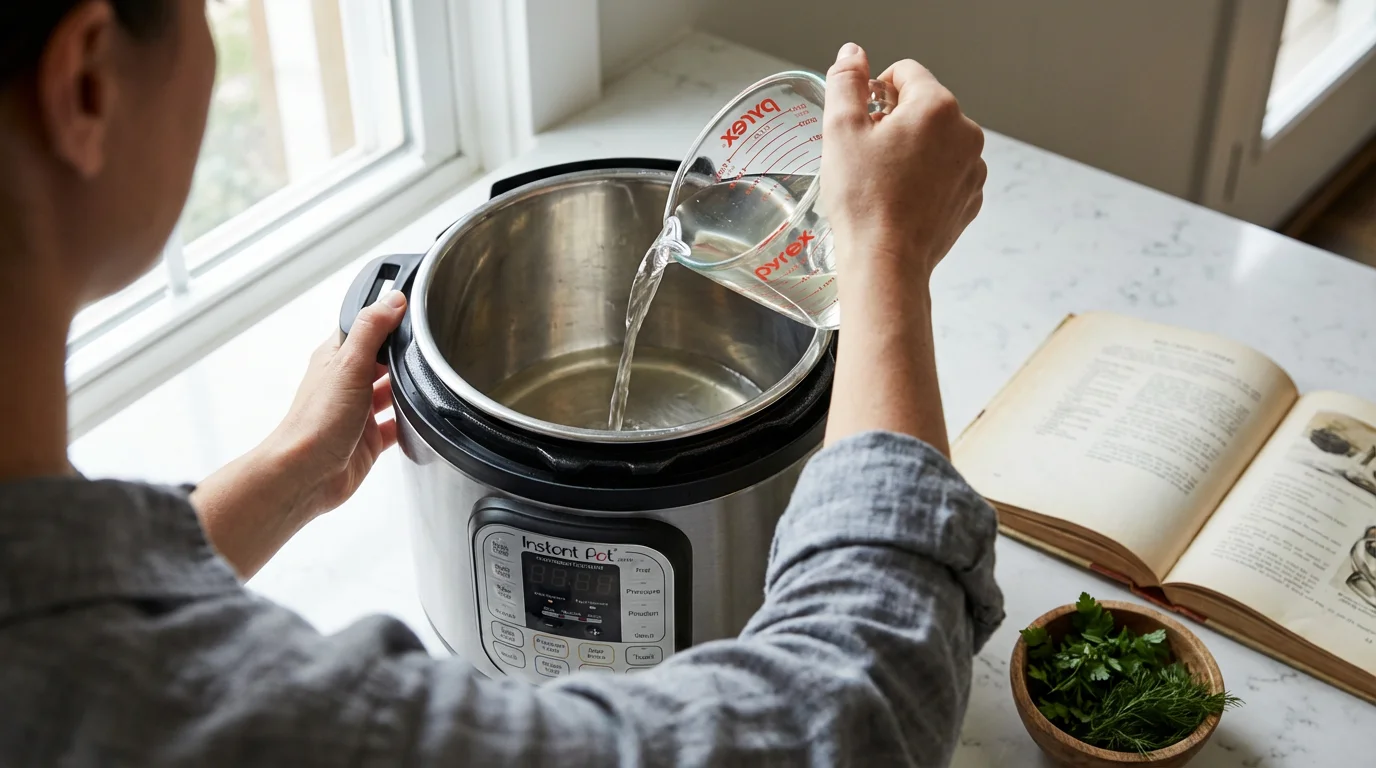
Instant Pot vs Slow Cooker: A Feature-by-Feature Comparison Table
To help visualize the distinctions, here is a direct comparison of typical features and specifications for popular models.
| Feature | Instant Pot (e.g., Duo Evo Plus 6-Quart) | Slow Cooker (e.g., Crock-Pot Programmable 6-Quart) |
|---|---|---|
| Primary Cooking Method | Pressure Cooking, Multi-cooking | Slow, Moist Heat Cooking |
| Speed | Significantly Faster (e.g., stews in 30-60 mins) | Slower (e.g., stews in 4-8 hours) |
| Wattage | 1000W – 1500W (Higher) | 150W – 300W (Lower) |
| PSI (Pounds per Square Inch) | 10-12 PSI (High Pressure) | Not Applicable |
| Functions | Pressure Cook, Slow Cook, Sauté, Rice Cook, Steamer, Yogurt Maker, Warmer, Sterilizer (model dependent) | Slow Cook (High/Low settings), Warm |
| Browning/Searing | Yes, Sauté function | No, requires separate pan |
| Typical Capacity Range | 3-8 quarts | 1.5-10 quarts |
| Noise Level | Minimal (some hissing during pressure release) | Silent operation |
| Learning Curve | Moderate (understanding pressure release, different settings) | Very Low (add ingredients, set time/temp) |
| Average Price Range | $80 – $200+ | $30 – $100+ |
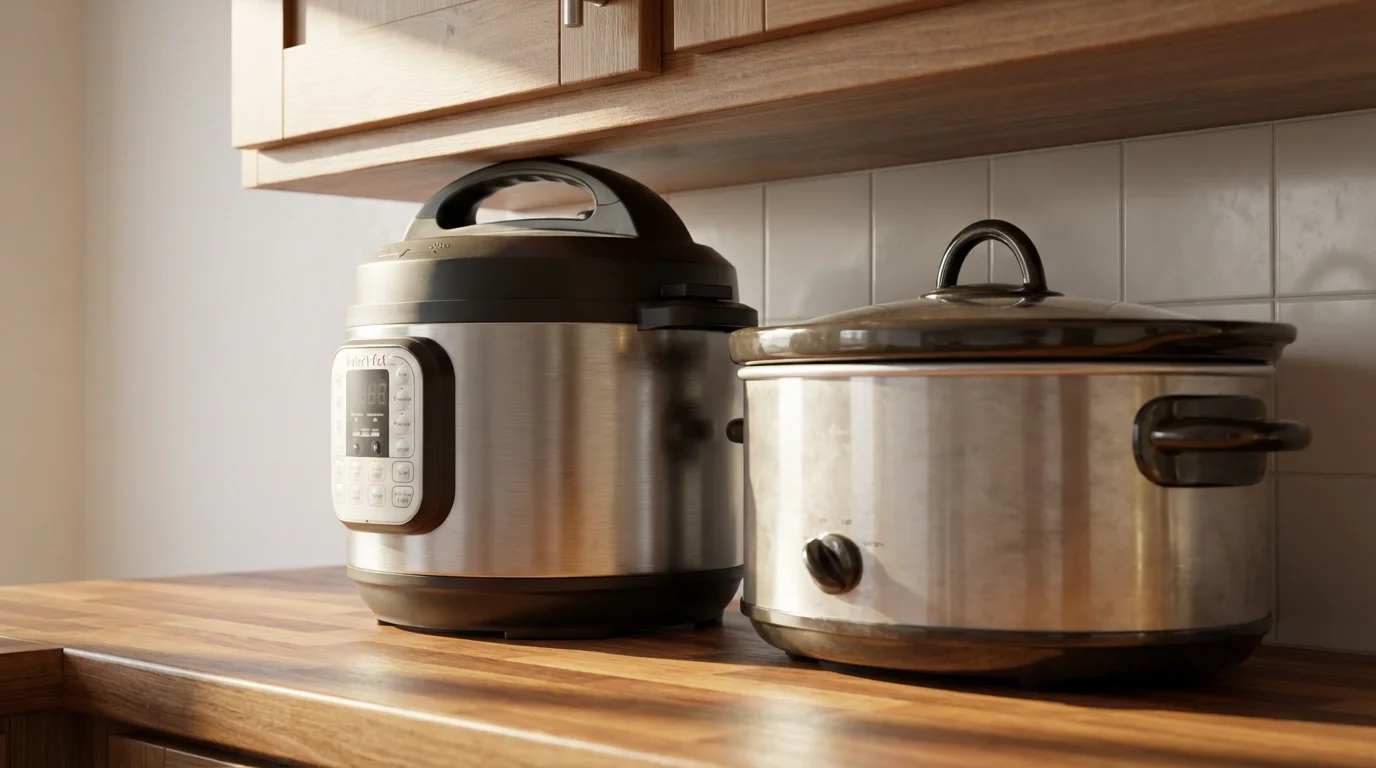
Counter Space, Storage, and Practical Dimensions
Kitchen real estate is often at a premium, making appliance footprint a critical consideration. Both Instant Pots and slow cookers generally occupy a similar amount of counter space, but there are nuances.
A typical 6-quart Instant Pot, such as the Duo Nova, measures approximately 13 inches long, 12 inches wide, and 12.5 inches high. It weighs around 12-14 pounds. This relatively compact size combines several appliances into one, which can be a significant advantage if you have limited storage or counter space. Instead of housing a separate pressure cooker, rice cooker, and slow cooker, you have a single unit.
A standard 6-quart slow cooker, for example, a Crock-Pot Programmable model, often has dimensions around 15 inches long, 10 inches wide, and 10 inches high, weighing roughly 10-15 pounds. While similar in overall footprint, its shape might differ. Some slow cookers are more oval, others round. The interior pot in a slow cooker often has a larger surface area at the bottom compared to the Instant Pot’s typically taller, narrower pot. This can matter for browning larger cuts of meat, though you will need to do so in a separate pan.
Consider not just the base dimensions, but also the height, especially if you plan to store it in a cabinet. The Instant Pot, with its lid and pressure release valve, can be slightly taller. You also need to account for ventilation space around the appliance during operation, particularly for the Instant Pot during pressure release. If you choose an Instant Pot primarily for its multi-functionality, ensure you will actually use those extra features. If you only ever use the slow cook function, a dedicated slow cooker might be a more space-efficient choice for your needs.
If counter space is extremely tight, prioritize essentials like electric kettles that you use multiple times a day.
Ease of Use and Cleaning: Which Saves You More Time?
When considering a new kitchen appliance, ease of use and cleaning directly impact how often you will actually use it. Both appliances offer hands-off cooking, but their operational and cleanup routines differ.
**Ease of Use:**
The slow cooker is generally simpler to operate. You add ingredients, select “low” or “high,” set the timer, and walk away. There is almost no learning curve. This makes it incredibly user-friendly for beginners or those who prefer minimal interaction with their cooking process.
The Instant Pot, while incredibly versatile, has a slightly steeper learning curve. Understanding different functions, pressure release methods (natural vs. quick release), and ensuring the lid is properly sealed takes a few uses to master. However, once you become familiar with its operation, it becomes second nature. Its preset programs
To save even more time during meal prep, using food processors can help you quickly dice vegetables before they go into the pot.
do simplify many tasks, allowing you to select a specific food type rather than manually setting time and pressure.
**Ease of Cleaning:**
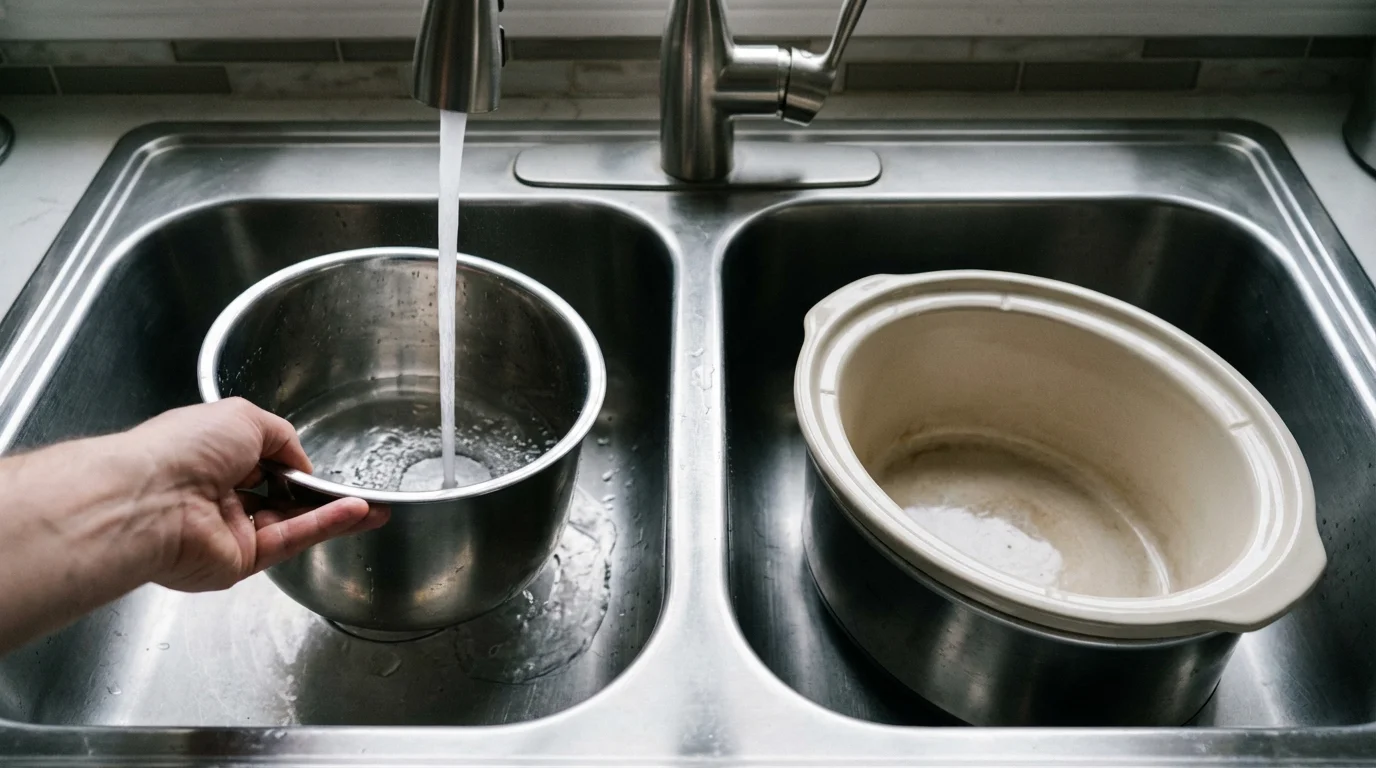
For both appliances, the inner cooking pot is typically removable and dishwasher safe, which is a major convenience.
* **Slow Cooker:** The stoneware insert and glass lid are almost always dishwasher safe. The exterior base simply requires wiping down if spills occur. Cleanup is usually very straightforward.
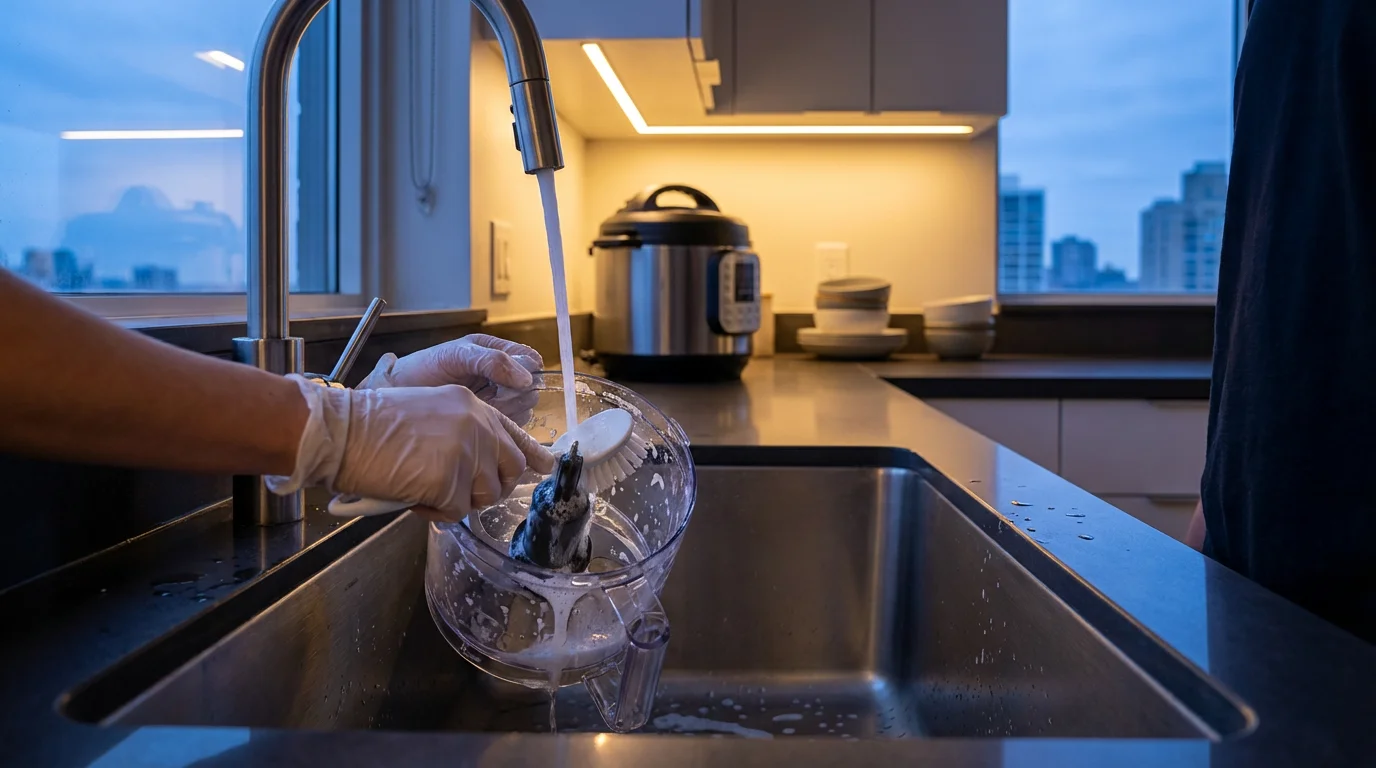
* **Instant Pot:** The stainless steel inner pot and sealing ring are usually dishwasher safe. The lid components, including the sealing ring and anti-block shield, often require more attention. Food particles can sometimes get trapped around the sealing ring, and the ring itself can absorb odors. Regular cleaning of all lid parts, including checking and cleaning the steam release valve, is essential for safety and hygiene. While not difficult, it is more involved than cleaning a slow cooker lid. The exterior housing also needs occasional wiping.
Many home cooks find the Instant Pot’s ability to sauté directly in the pot a huge advantage, as it means one less pan to wash. For recipes that require browning ingredients before slow cooking, the Instant Pot offers a streamlined, one-pot process. A study by Consumer Reports on small appliances often highlights ease of cleaning as a key factor in user satisfaction.
Energy Consumption and Cost Efficiency
When you use an appliance regularly, its energy consumption can contribute to your electricity bill. Understanding this can help you make a more cost-effective choice in the long run.
**Slow Cooker Energy Consumption:**
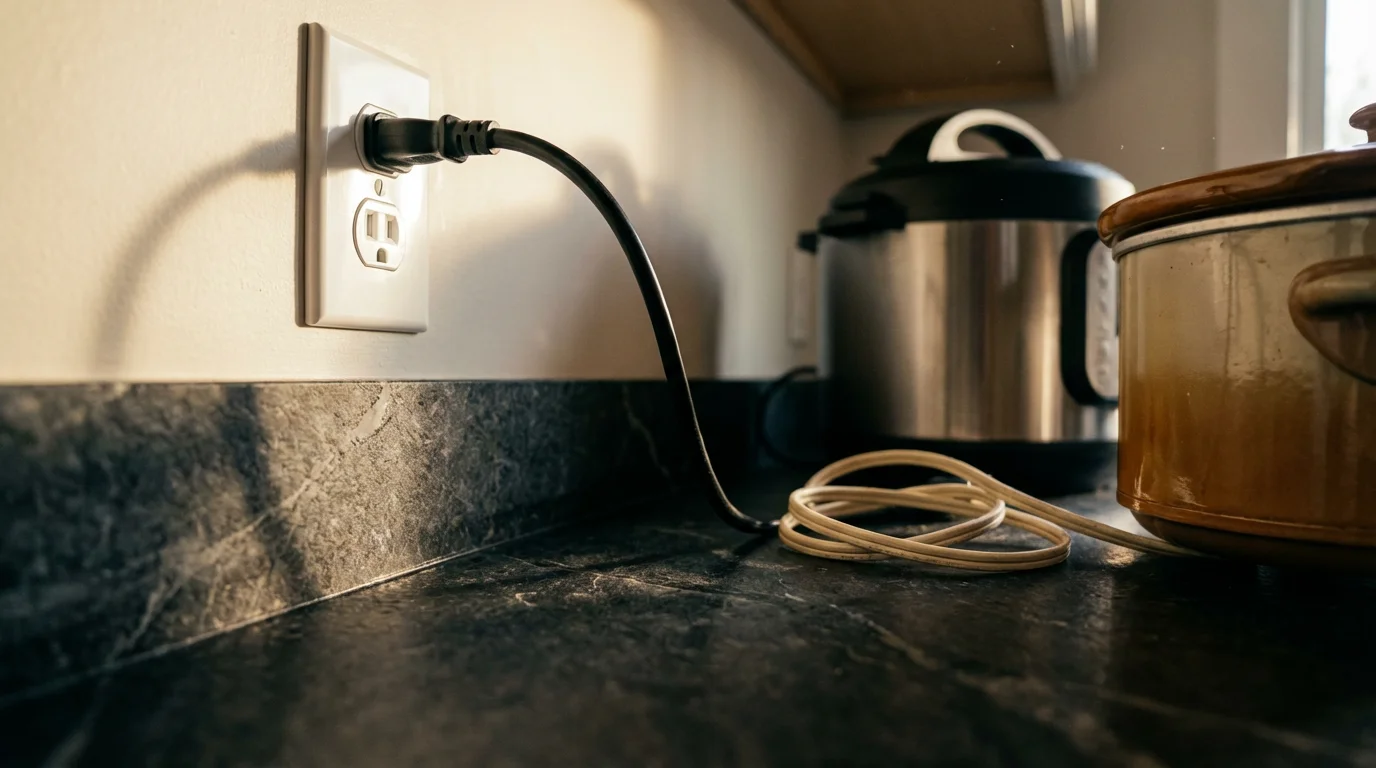
Slow cookers are known for their relatively low wattage, typically ranging from 150W to 300W for a 6-quart model. While they cook for many hours (e.g., 8 hours on low), their low power draw means the total energy consumed is surprisingly modest. For an 8-hour cook cycle, a 200W slow cooker consumes 1.6 kilowatt-hours (kWh). At an average electricity rate of $0.15 per kWh, this costs about $0.24 per use. This makes slow cooking a very energy-efficient way to prepare meals, especially compared to heating a large oven for hours.
**Instant Pot Energy Consumption:**
Instant Pots have a much higher wattage, typically 1000W to 1500W. When pressure cooking, they draw more power for a shorter duration. For a recipe that cooks for 30 minutes under pressure, plus an additional 15-20 minutes to come to pressure, a 1000W Instant Pot might run for approximately 45-50 minutes total. This equates to about 0.75-0.83 kWh per use, costing around $0.11-$0.12 at the same $0.15 per kWh rate.
When using the Instant Pot’s slow cook function, it operates at a lower wattage similar to a traditional slow cooker, drawing perhaps 250W-400W for a 6-hour cycle. In this mode, its energy consumption would be comparable to a dedicated slow cooker.
**Conclusion on Cost Efficiency:**
For a single meal, the Instant Pot often uses less electricity overall because it cooks so much faster. However, both appliances are very economical compared to using a full-size oven. The difference in operational cost per meal is minimal, typically just a few cents. Your decision should rely more on desired cooking speed and versatility rather than significant energy savings between these two specific appliances.
Much like toaster ovens, these countertop appliances are far more energy-efficient than heating up a full-sized range.
Durability and Longevity: A Long-Term Investment
Investing in a kitchen appliance means you expect it to last. Both Instant Pots and slow cookers generally offer good durability, but there are a few points to consider regarding their construction and common failure points.
**Slow Cooker Durability:**
Traditional slow cookers are robust. Their design is simple: a heating element, a stoneware or ceramic pot, and a lid. There are fewer moving parts and less complex electronics. The most common issues arise from dropping the ceramic insert, leading to cracks, or the heating element failing after many years of use. Reputable brands like Crock-Pot or Hamilton Beach typically build their slow cookers to last, often for 5-10 years or more with proper care. The simplicity of their design contributes to their longevity.
**Instant Pot Durability:**
Instant Pots, being multi-functional, involve more complex electronics, multiple sensors, and a pressure-sealing mechanism. While built to high safety standards, these additional components introduce more potential points of failure compared to a basic slow cooker. Common issues can include:
- **Sealing Ring Degradation:** The silicone sealing ring can wear out, crack, or lose its elasticity over time, preventing the pot from coming to pressure. These are easily replaceable, but require monitoring.
- **Lid Mechanism Issues:** The pressure release valve or float valve can sometimes become stiff or clogged, requiring cleaning.
- **Electronic Malfunctions:** Given the digital display and various preset programs, electronic glitches are more possible, though rare with quality control.
- **Burn Messages:** While not a failure, “burn” messages can occur if there isn’t enough liquid or food sticks to the bottom, causing frustration.
Just as with stand mixers, choosing a reputable brand ensures your appliance remains a functional part of your kitchen for years.
Despite these complexities, Instant Pots from leading manufacturers are generally well-regarded for their build quality and often come with a one-year warranty. With proper maintenance, particularly cleaning the sealing ring and valves, an Instant Pot can provide many years of reliable service.
Consider the warranty and brand reputation when making your purchase. Well-established brands often offer better customer support and readily available replacement parts, which contribute to an appliance’s overall longevity. According to Good Housekeeping’s appliance reviews, durability and ease of maintenance are critical for consumer satisfaction.
Choosing Your Ideal Appliance: Cooking Styles and Needs
Ultimately, the best appliance for you depends on your lifestyle, cooking habits, and what you prioritize in the kitchen.
“Counter space is premium real estate. Before you buy any appliance, ask: will I use this at least once a week?”
Consider these scenarios:
* **You need speed and versatility for last-minute meals.**
* **Choose the Instant Pot.** Its pressure cooking function drastically cuts down cooking times, making it perfect for weeknight dinners when you are short on time. Its sauté function allows you to brown meat and vegetables in the same pot, streamlining the cooking process. You can make a full chicken and rice dinner in under an hour. This is an excellent choice for instant pot vs crockpot for meal prep because it offers both speed and the ability to cook large batches quickly.
* **You love coming home to a hot meal with minimal effort.**
* **Choose the Slow Cooker.** If you consistently plan meals in advance and prefer the truly hands-off “set it and forget it” method, a slow cooker is ideal. It gently simmers food all day, developing deep flavors with minimal supervision. It’s perfect for pot roasts, chilis, and hearty soups.
* **You frequently make specific items like yogurt, rice, or steamed vegetables.**
* **Choose the Instant Pot.** Its specific preset programs for these functions make it an excellent multi-tasker, potentially replacing several smaller appliances and saving counter space.
* **You are on a tight budget and prioritize simplicity.**
* **Choose the Slow Cooker.** Dedicated slow cookers are generally more affordable, making them a great entry point for hands-off cooking. They are also incredibly straightforward to operate, requiring no complex instructions.
* **You have a small kitchen or limited storage.**
* **Consider the Instant Pot.** While it occupies a similar footprint to a slow cooker, its multi-functionality means it can replace a pressure cooker, rice cooker, steamer, and slow cooker, consolidating your appliances. If you only plan to slow cook, a compact 4-quart slow cooker might be slightly smaller.
* **You often cook for a large family or frequently entertain.**
* **Both appliances offer large capacities.** You can find 8-quart models of both the Instant Pot and slow cooker. The choice then reverts to whether you need speed or slow-cooked tenderness. For which is better slow cooker or instant pot for large batch cooking, consider how quickly you need those large batches prepared.
Many households find value in having both appliances, particularly if different family members have different schedules or cooking preferences. However, if you must choose just one, assess your most frequent cooking needs. The Instant Pot provides unparalleled speed and versatility, making it a powerful tool for a wide range of recipes. The slow cooker offers unmatched simplicity and convenience for those who appreciate slow-cooked dishes and have time for extended cooking.
Frequently Asked Questions
Can I convert slow cooker recipes to an Instant Pot?
Yes, you can adapt many slow cooker recipes for an Instant Pot, but it requires adjustments. Pressure cooking significantly reduces liquid requirements since less evaporates. Also, cooking times drastically decrease. A recipe that cooks for 6-8 hours on low in a slow cooker might take only 25-45 minutes under high pressure in an Instant Pot, plus pressure build-up and release time. Always reduce the liquid amount by about half and adjust spices as flavors can concentrate under pressure. Many online resources and cookbooks provide conversion guidelines.
Is the Instant Pot a good slow cooker?
The Instant Pot can function as a slow cooker, and it does an adequate job for many recipes. However, dedicated slow cookers often have heating elements distributed around the pot, providing more even and consistent low heat. The Instant Pot typically heats from the bottom. For very long, delicate slow-cooked recipes that require precise, even low heat, a traditional slow cooker might still outperform an Instant Pot using its slow cooker setting. For most everyday slow cooking, the Instant Pot’s slow cooker function is perfectly acceptable.
Which is safer to use: Instant Pot or slow cooker?
Both modern Instant Pots and slow cookers are very safe when used correctly. Instant Pots incorporate numerous safety features, including lid locks, pressure regulators, and temperature sensors, to prevent accidents. You must ensure the lid is properly sealed and the pressure release valve is clear. Slow cookers operate at lower temperatures, reducing immediate risks, but you should always ensure they are placed on a stable, heat-resistant surface and not left unattended for excessively long periods. Follow the manufacturer’s instructions for both appliances to ensure safe operation.
Can I leave food in an Instant Pot on the Keep Warm setting overnight?
While the Instant Pot’s keep warm function is designed to hold food at a safe serving temperature (typically above 140°F or 60°C), leaving food in it overnight is generally not recommended for food safety. The “keep warm” setting is usually intended for a few hours immediately after cooking, not for prolonged storage. For optimal food safety, transfer cooked food to airtight containers and refrigerate it within two hours of cooking if you plan to store it overnight or longer.
Disclaimer: Product prices, features, and availability change frequently. Prices shown were accurate at time of writing but may have changed. We may earn a small commission from purchases made through links on this site, at no extra cost to you. Always verify current pricing and specifications on the retailer’s website before purchasing.

Leave a Reply