
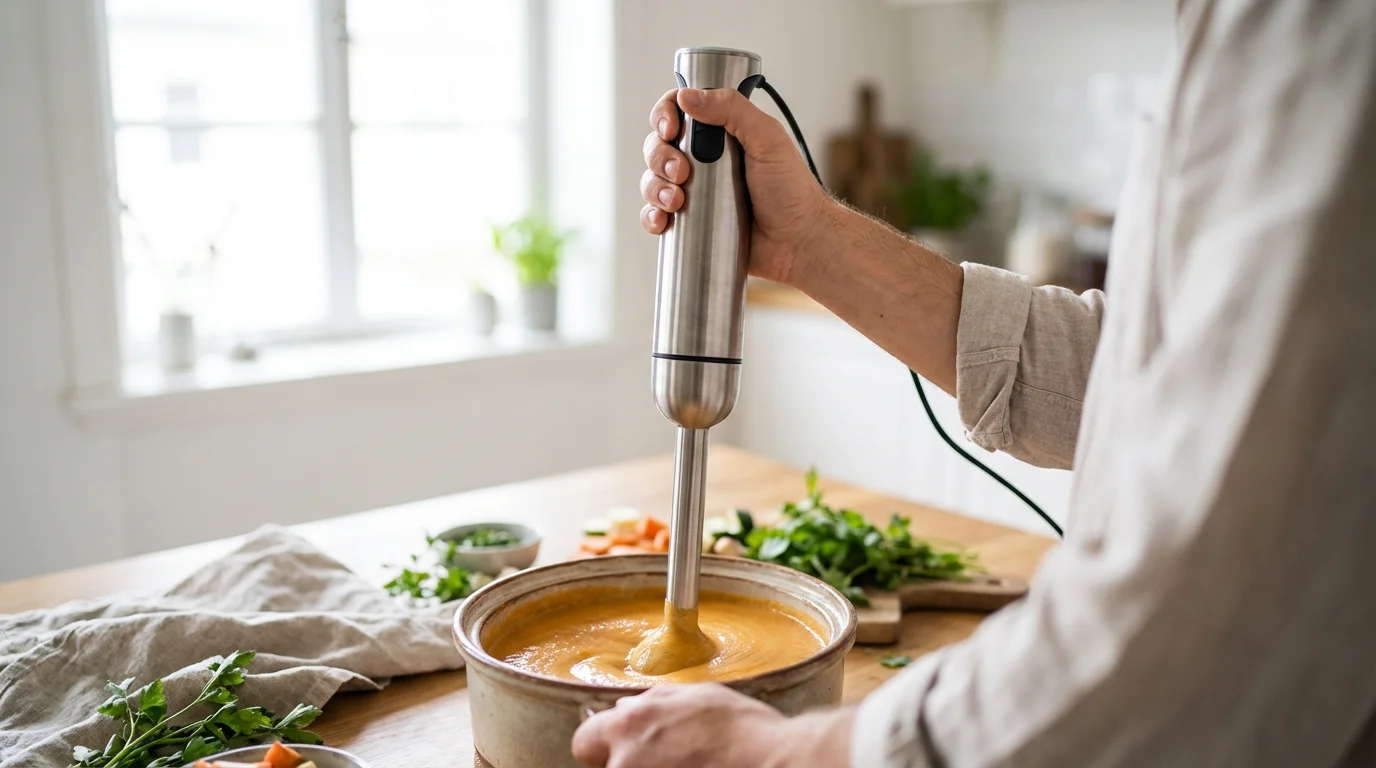
You want kitchen tools that earn their counter space, delivering efficiency and versatility without unnecessary bulk. An immersion blender, also known as a hand blender or stick blender, often stands out as one of the most underappreciated appliances. Unlike bulky traditional blenders, an immersion blender offers the convenience of blending directly in your pot, pan, or mixing bowl, streamlining your cooking process and minimizing cleanup. This guide explores how this compact powerhouse can transform your kitchen tasks, helping you choose the best model for your specific needs and cooking style.

What is an Immersion Blender and Why You Need One
An immersion blender, often called a hand blender or stick blender, represents a cornerstone of efficient kitchen design. It features a motor housed in a handle, with a blending shaft extending downwards, terminating in a blade guard encasing a small, sharp blade. You immerse the blending shaft directly into your food, eliminating the need to transfer hot liquids or large batches to a separate blender pitcher. This direct approach reduces mess and saves you valuable time, particularly when preparing soups, sauces, or purées.
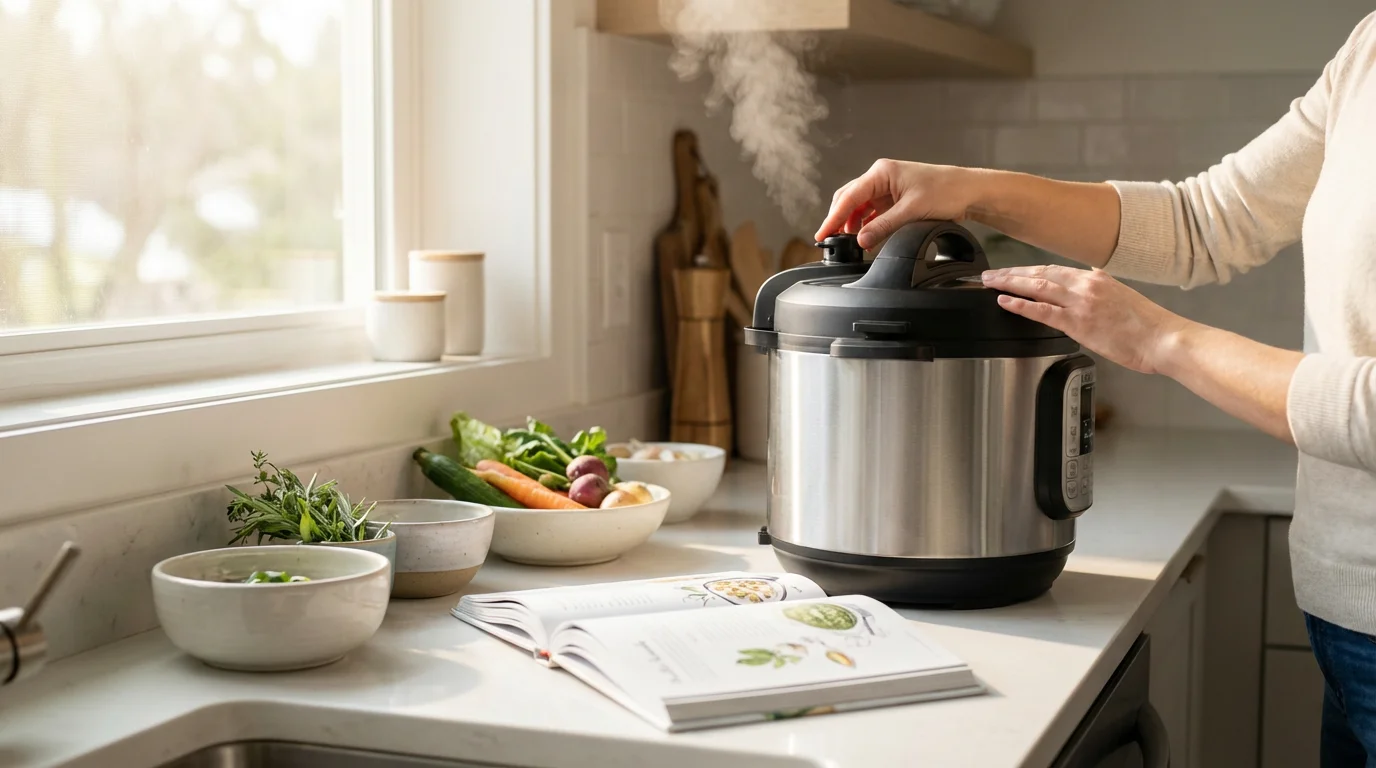
This device is particularly useful for thickening stews or puréeing vegetables directly in electric pressure cookers after the cooking cycle is complete.
The primary benefit lies in its convenience. Imagine making a creamy tomato soup. With a traditional blender, you would ladle hot soup in batches into the blender, process it, and then pour it back into the pot. This process involves multiple dirty dishes and the risk of spills. An immersion blender allows you to blend the entire pot of soup on the stovetop, achieving a smooth consistency in minutes. This immediate, in-pot blending is a game changer for many home cooks.
Furthermore, immersion blenders are remarkably compact. They typically store easily in a drawer or a narrow cabinet, freeing up precious counter space that bulkier appliances demand. For those in smaller kitchens or who prefer a minimalist setup, an immersion blender offers maximum utility with minimal footprint. They are also incredibly quick to clean, often requiring just a rinse of the blending shaft under running water, which we will detail later.
When considering power, you will see specifications listed in wattage, which indicates how much power an appliance uses. A higher wattage usually translates to a more powerful motor, capable of handling tougher ingredients like frozen fruit or fibrous vegetables more efficiently. Immersion blenders range from around 200W for basic models to over 800W for professional-grade units. Choosing the right wattage depends on your typical blending tasks.

Key Features to Look For in an Immersion Blender
Selecting the ideal immersion blender involves evaluating several key features that impact performance, versatility, and ease of use. Focus on these aspects to ensure your investment truly meets your cooking demands.
- Power (Wattage): As mentioned, wattage directly relates to motor strength. For basic tasks like blending cooked vegetables or making thin sauces, a 200W-400W model works well. If you plan to tackle tougher ingredients, such as crushing ice for smoothies, puréeing raw root vegetables, or making nut butter, aim for 500W or higher. More power means less strain on the motor and a smoother result.
- Speed Settings: Most immersion blenders offer multiple speed settings, often including a turbo or pulse button. Variable speed control gives you precision, allowing you to start slow to prevent splashing and gradually increase speed for a finer texture. A turbo button provides a quick burst of maximum power for stubborn chunks.
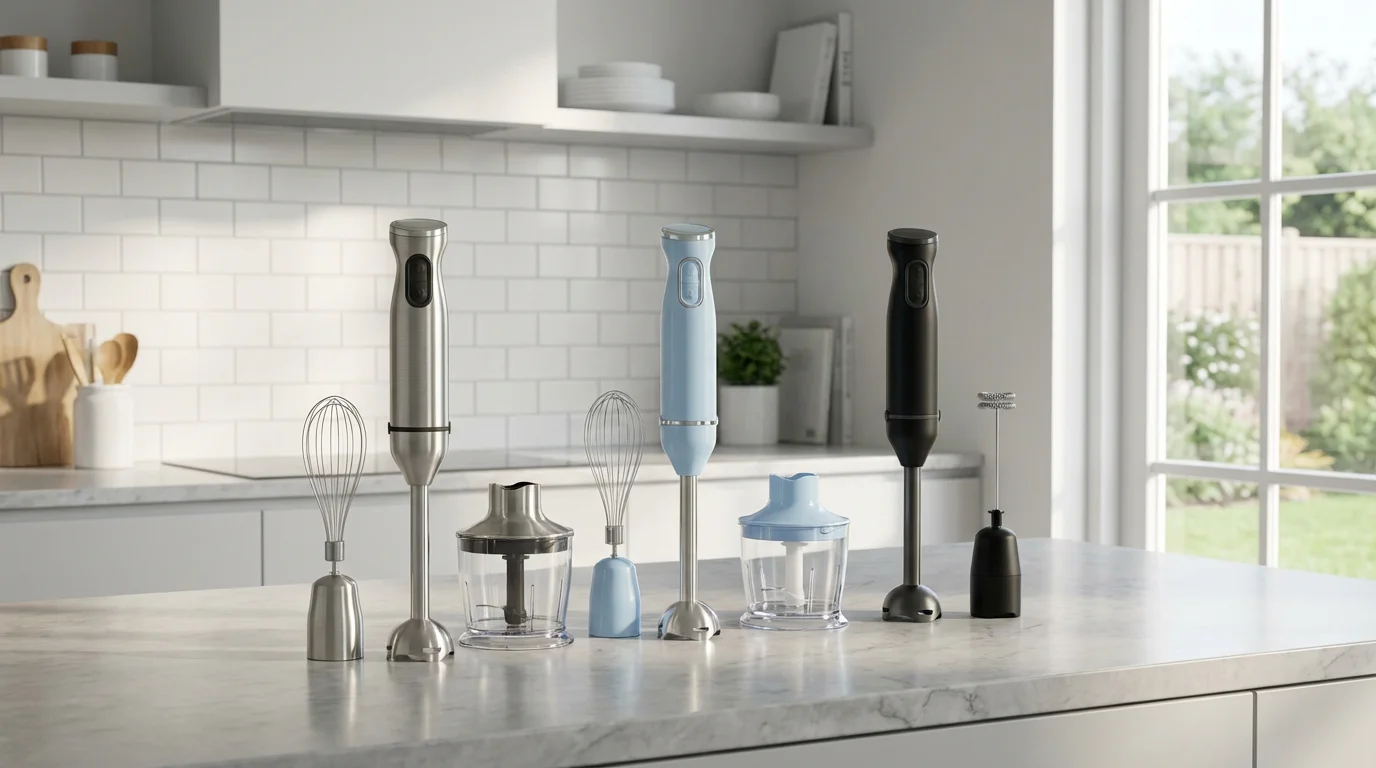
- Attachments: Many immersion blenders come as part of a kit, including various attachments that extend their utility.
- Whisk Attachment: Excellent for whipping cream, beating eggs, or making meringues.
- Chopper Attachment: A small food processor bowl with its own blade, perfect for mincing herbs, chopping nuts, or making small batches of salsa.
- Beaker or Measuring Cup: Useful for blending smaller quantities, like a single serving smoothie or salad dressing, and often doubles as a storage container.
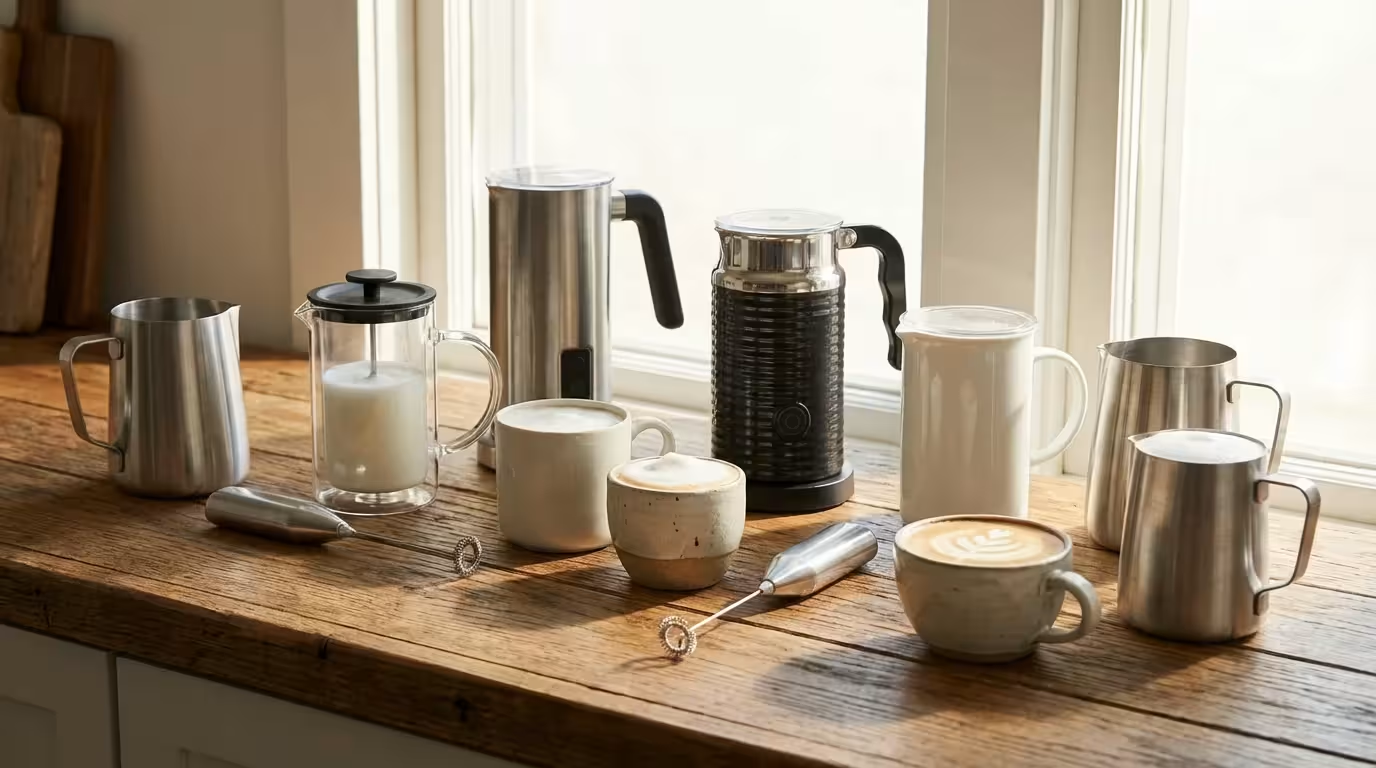
- Milk Frother: Some models include an attachment specifically for frothing milk for lattes and cappuccinos.
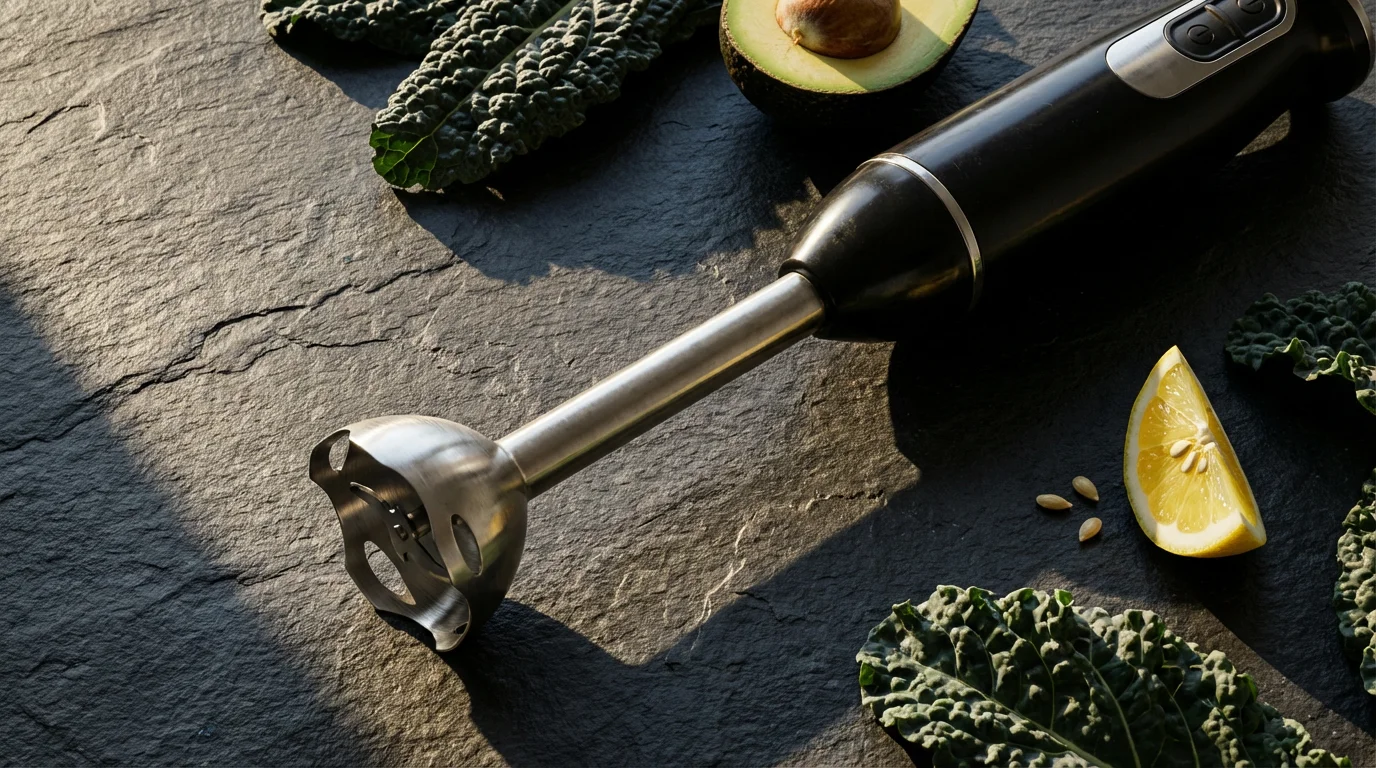
- Blade Material: Always look for stainless steel blades. Stainless steel is durable, resists corrosion, and maintains sharpness over time. Ensure the blade guard, the perforated bell surrounding the blade, is also made of stainless steel for better longevity and heat resistance, especially when blending hot liquids.
- Corded vs. Cordless:
- Corded models offer consistent power without battery limitations, ideal for longer blending sessions or heavy-duty tasks.
- Cordless models provide ultimate freedom of movement, allowing you to blend anywhere in the kitchen without proximity to an outlet. However, they rely on battery life and generally have less sustained power than corded counterparts. Consider the run time and charging time if you opt for cordless.
- Ergonomics and Weight: You will hold this appliance for several minutes at a time, so comfort is important. Look for a blender with an ergonomic grip that fits comfortably in your hand. Weight also matters. A lighter model reduces fatigue, especially during extended use.
- Ease of Cleaning: The best immersion blenders feature detachable blending shafts that are dishwasher safe. This simplifies cleanup significantly. Ensure there are no complex crevices where food can get trapped.
Immersion Blender Anatomy and How It Works
Understanding the components of an immersion blender helps you appreciate its functionality and maintain it properly. Fundamentally, it consists of a motor body, a blending shaft, and a blade assembly. The motor body, which you grip, houses the electric motor and controls, including speed buttons. The blending shaft connects to the motor body, usually with a twist-lock or click-in mechanism, making it detachable for cleaning and storage. At the end of the shaft is the blade guard, a protective bell-shaped housing that surrounds the spinning blade. This guard prevents direct contact with the blade, minimizes splashing, and helps draw food into the blades for efficient processing.
If you are starting a recipe with boiling water from electric kettles, the immersion blender makes it easy to safely incorporate ingredients into the hot liquid.
When you activate the blender, the motor rotates the shaft, which in turn spins the blade within the guard. The blade’s design creates a vortex, pulling ingredients downwards towards the cutting edge, resulting in a smooth, uniform blend. The small size of the blade assembly allows for precise blending in tight spaces and direct work in various containers, from narrow beakers to wide stockpots.
Beyond Soup: Unleashing Your Immersion Blender’s Versatility
While often celebrated for its ability to purée soups directly in the pot, an immersion blender offers a vast array of uses that extend far beyond. Its compact design and direct application make it incredibly versatile for everyday cooking.
It is also a vital companion for those using sous vide machines, as it allows you to quickly emulsify pan juices into a silky, professional finishing sauce.
- Soups and Sauces: This is the classic application. Whether you are making a creamy butternut squash soup, a rich tomato sauce, or a smooth gravy, an immersion blender achieves a silky texture right in the cooking vessel. You avoid the mess and danger of transferring hot liquids. For example, to make a creamy vegetable soup, simply cook your vegetables until tender, add your broth, and then immerse the blender directly into the pot. Blend until you reach your desired consistency.
- Smoothies and Shakes: While a full-sized blender is great for large batches, an immersion blender excels at single-serving smoothies and protein shakes. Use a tall, narrow beaker or a large mug. If you use frozen fruit, a model with higher wattage will deliver better results, crushing ice and frozen ingredients more effectively. For instance, the Wirecutter team often highlights models capable of handling frozen ingredients in their comprehensive reviews.
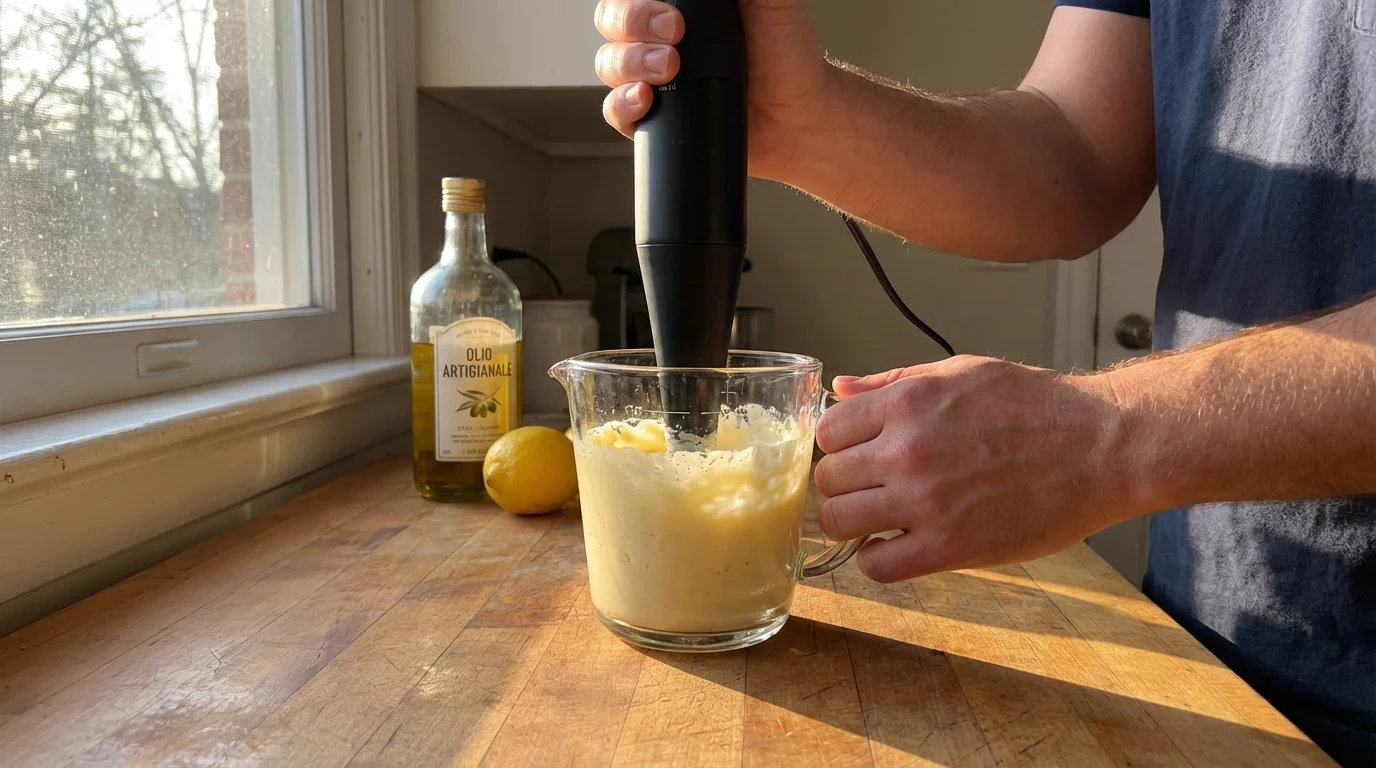
- Mayonnaise and Dressings: Making homemade mayonnaise becomes remarkably simple. Combine egg yolk, mustard, vinegar, and oil in a tall, narrow container. Place the immersion blender to the bottom, start blending, and slowly pull it upwards as the emulsion forms. The same technique applies to creamy salad dressings, pestos, and marinades.
- Baby Food: For parents, an immersion blender is a fantastic tool for preparing fresh, homemade baby food. You can purée cooked fruits and vegetables to the perfect consistency, ensuring your baby receives nutritious meals without added preservatives. It allows for small batches, reducing waste.
- Whipped Cream and Batters: With a whisk attachment, your immersion blender transforms into a hand mixer. You can whip heavy cream to stiff peaks, beat eggs for omelets or scrambled eggs, or quickly mix thin batters for pancakes or crepes.
- Pestos and Salsas: The chopper attachment, included with many immersion blender kits, makes quick work of chopping herbs, nuts, and vegetables. This is perfect for fresh pesto or a chunky salsa in minutes.
- Purées and Dips: From hummus to bean dips to creamy mashed potatoes (blending in some broth or milk), an immersion blender helps achieve smooth, lump-free textures for appetizers and sides.
This versatility means you can replace several single-purpose gadgets with one space-saving tool, making your kitchen more efficient and less cluttered.

Choosing the Right Immersion Blender for Your Kitchen
Your ideal immersion blender balances power, features, and ergonomics with your specific cooking habits and kitchen constraints. Consider these factors when making your decision:
Remember that a perfectly puréed soup is best enjoyed with a fresh slice of artisan bread made in one of the best bread machines.
- Household Size and Cooking Habits:
- For single individuals or small households: A basic model with 200W-350W and perhaps a simple whisk attachment might suffice for occasional soups, sauces, and smoothies.
- For families or frequent cooks: Invest in a more robust model, 500W or higher, with variable speed settings and a chopper attachment. This handles larger batches and tougher ingredients more efficiently.
- Counter Space and Storage: Immersion blenders are inherently space-saving, typically fitting in a drawer. However, if you opt for a model with many attachments and a storage stand, ensure you have a dedicated spot. Consider models with a compact design and a wall mount option if counter and drawer space are severely limited.
- Budget: Immersion blenders range from approximately $25 for entry-level models to $150+ for premium sets with extensive attachments and powerful motors. Determine your budget upfront, then prioritize features within that range. You can find highly effective models in the $50-$80 sweet spot.
- Noise Levels: While immersion blenders are generally quieter than traditional blenders, some models can be quite loud, especially at high speeds. This is a personal preference. If you frequently cook early in the morning or late at night, or if you are sensitive to noise, look for reviews that specifically mention quiet operation.
- Durability and Build Quality: A durable immersion blender features a sturdy motor housing, stainless steel blending shaft, and robust attachments. Pay attention to user reviews regarding motor longevity and common failure points, such as plastic gears in attachments. Brands known for small appliance reliability, often reviewed by Consumer Reports’ small appliance ratings, typically offer better long-term value.
- Cord Length: A longer cord (e.g., 5-6 feet) provides more flexibility, allowing you to move around your stovetop or kitchen island without needing an extension cord. For cordless models, assess battery life and recharge time.
Top Immersion Blender Recommendations and Comparison
To give you a clearer picture, let’s compare a few popular and highly-regarded immersion blender models that cater to different needs and budgets. This table highlights key specifications and benefits to help you differentiate.
While these tools are great for light whisking, for heavy-duty doughs and baking projects, you may want to consider whether stand mixers are a better fit for your kitchen.
| Model Name | Wattage | Speed Settings | Key Attachments | Dimensions (Approx.) | Weight (Approx.) | Price Range | Best For |
|---|---|---|---|---|---|---|---|
| Cuisinart Smart Stick (CSB-179) | 300W | 2 speeds (Low/High) | Whisk, Chopper/Grinder, 16 oz Beaker | 2.3″ D x 2.3″ W x 14″ H | 2.1 lbs | $50-70 | Beginners, light blending, excellent value |
| Breville Control Grip (BSB510XL) | 280W | 15 variable speeds | Whisk, Chopper, 42 oz Jug, Blending Base | 3.5″ D x 2.5″ W x 16″ H | 3.8 lbs | $100-130 | Versatile tasks, precise control, ergonomic grip |
| Vitamix Immersion Blender | 625W | 5 variable speeds | Long 8″ blending arm | 2.9″ D x 2.9″ W x 18.1″ H | 2.8 lbs | $120-150 | Power users, heavy-duty tasks, large pots |
| KitchenAid Cordless Hand Blender | Not listed (battery) | 7 variable speeds | Chopper, Whisk, Blending Pitcher, Pan Guard | 2.5″ D x 2.5″ W x 17.5″ H | 2.7 lbs | $120-180 | Freedom of movement, occasional powerful blending |
- Best Overall Value: Cuisinart Smart Stick CSB-179. This model consistently receives high marks for its balance of power, features, and affordability. Its 300W motor handles most common tasks, and the included chopper and whisk attachments add significant utility without a premium price tag. It is a solid choice for most home cooks.
- Best for Power and Precision: Vitamix Immersion Blender. If you frequently blend tough ingredients, large batches, or need a truly silky smooth result, the Vitamix’s 625W motor and five variable speeds deliver exceptional performance. Its longer blending arm is particularly useful for deep stockpots.
- Best for Freedom of Movement: KitchenAid Cordless Hand Blender. For cooks who value convenience and hate being tethered to an outlet, this cordless option offers excellent mobility. While battery life requires management, its seven-speed settings and useful attachments make it a strong contender for those prioritizing flexibility.

Maintenance and Cleaning Tips for Longevity
Proper care of your immersion blender ensures its longevity and maintains its hygienic operation. Fortunately, cleaning an immersion blender is usually straightforward.
- Immediate Cleaning: The best practice is to clean the blending shaft immediately after use. This prevents food from drying and sticking, making cleanup much easier.
- Quick Rinse Method: For simple tasks like blending soup or thin sauces, detach the blending shaft and rinse it under warm running water. You can also fill a tall glass or the blending beaker with warm, soapy water, immerse the blending shaft, and briefly run the blender on low speed for 10-20 seconds. This effectively cleans the blades and blade guard. Afterward, rinse thoroughly and wipe dry.
- Dishwasher Safe Parts: Many blending shafts and attachments (like whisks and chopper bowls) are dishwasher safe. Always check your specific model’s manual for confirmation. Place these items on the top rack of your dishwasher. The motor body, however, should never be immersed in water or put in a dishwasher; simply wipe it clean with a damp cloth.
- Drying and Storage: Ensure all parts are completely dry before reassembling or storing. Storing wet components can lead to mildew or odors. Store the blender and its attachments in a dry cabinet or drawer. If your model came with a storage stand, utilize it to keep everything organized.
- Blade Care: While stainless steel blades are durable, avoid blending extremely hard items that could dull or damage them unless the manufacturer explicitly states the blender is designed for such tasks (e.g., crushing large quantities of ice).
Following these simple steps will keep your immersion blender performing optimally for years.
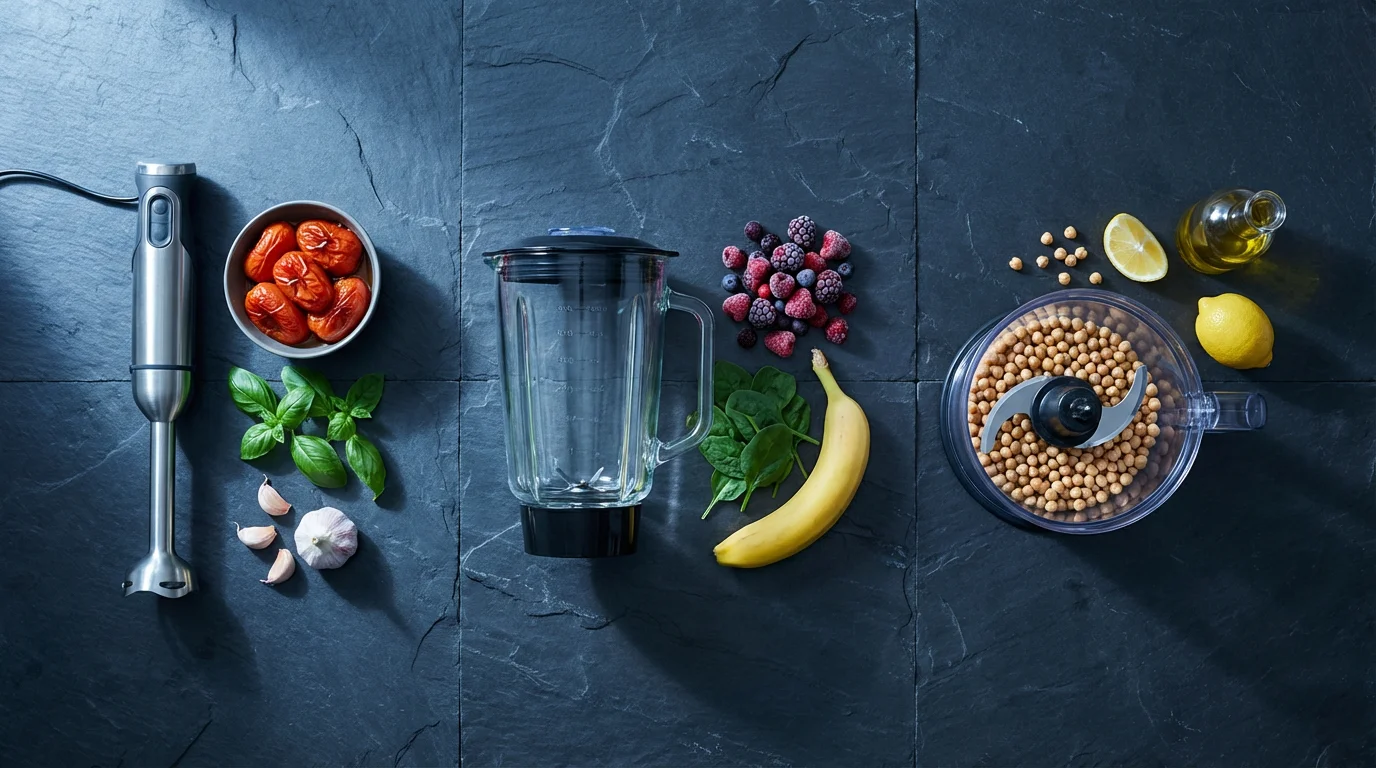
Immersion Blender vs. Traditional Blender vs. Food Processor
It is common for home cooks to deliberate between these kitchen workhorses. Understanding their distinct strengths helps you decide when to reach for which tool.
Immersion Blender:
- Strengths: Unparalleled convenience for in-pot blending of hot liquids, minimal cleanup, compact storage, excellent for small batches of smoothies, sauces, baby food, and dressings.
- Limitations: Less powerful than full-sized blenders for crushing large amounts of ice or processing very dense, tough ingredients. Not ideal for large volumes of solid chopping.
- Best For: Creamy soups, smooth sauces, quick smoothies in a cup, mayonnaise, baby food, whipped cream, gravies.
Traditional Blender (e.g., countertop blender):
- Strengths: High power, large capacity (quart capacity often 4 quarts or more), excels at pulverizing ice, frozen fruit, and tough fibers into perfectly smooth textures. Great for large batches of smoothies, purées, and nut milks.
- Limitations: Bulky, requires transferring ingredients, more difficult to clean (especially the pitcher and blade assembly), not suitable for blending directly in a hot pot.
- Best For: Large family smoothies, frozen cocktails, nut butters, silky purées from tough ingredients, batches of hot sauces that can cool before blending. According to Serious Eats’ equipment reviews, a good full-sized blender offers superior power for tasks like liquefying vegetables for large batches of soup.
Food Processor:
- Strengths: Designed for chopping, slicing, shredding, grating, and dough mixing. Features various blades and discs for processing solids. Excellent for preparing vegetables, making dough, or creating coarser textures.
- Limitations: Not designed for liquid-heavy tasks or achieving silky smooth purées. Bulky, multiple parts to clean.
- Best For: Chopping onions, carrots, and celery, shredding cheese, slicing vegetables, making pie crusts, creating chunky salsas, preparing hummus or other dips.
In summary, an immersion blender is your go-to for speed, convenience, and minimal mess when working with liquids or semi-solids directly in their cooking vessel or small containers. A traditional blender offers brute force for smooth textures from tough ingredients and large volumes. A food processor is for precise processing of solids, where chopping, slicing, or shredding is the goal.
Frequently Asked Questions
Can an immersion blender crush ice?
Most immersion blenders can crush small amounts of ice, especially models with higher wattage (500W+). For best results, use a narrow, tall container and add a splash of liquid. For large quantities or frequent ice crushing, a dedicated traditional blender will perform more efficiently and without straining the motor.
How do I clean my immersion blender safely?
Detach the blending shaft from the motor body. Rinse the shaft immediately under warm running water. For a more thorough clean, fill a tall glass with warm, soapy water, immerse the blending shaft, and run the blender on low for 10-20 seconds. Rinse again and wipe dry. The motor body should only be wiped clean with a damp cloth, never submerged in water.
What is the ideal wattage for an immersion blender?
The ideal wattage depends on your intended use. For basic tasks like blending cooked vegetables or making thin sauces, 200W-400W is sufficient. If you plan to blend tougher ingredients like frozen fruits, raw vegetables, or for heavy-duty daily use, a model with 500W or more will provide better performance and durability.
Can I make hot soup directly in the pot?
Yes, this is one of the primary advantages of an immersion blender. You can blend hot soup directly in the pot it cooked in, eliminating the need to transfer hot liquids. Ensure the blade guard is fully submerged and start blending on a low speed to prevent splashing. Be careful not to let the cord touch hot surfaces.
Do immersion blenders last a long time?
With proper care, a good quality immersion blender can last many years. Durability often correlates with construction quality, such as stainless steel components and a robust motor. Avoiding overuse or attempting to blend items beyond its capacity helps extend its lifespan. Check user reviews for insights into specific model reliability.
Disclaimer: Product prices, features, and availability change frequently. Prices shown were accurate at time of writing but may have changed. We may earn a small commission from purchases made through links on this site, at no extra cost to you. Always verify current pricing and specifications on the retailer’s website before purchasing.

Leave a Reply