
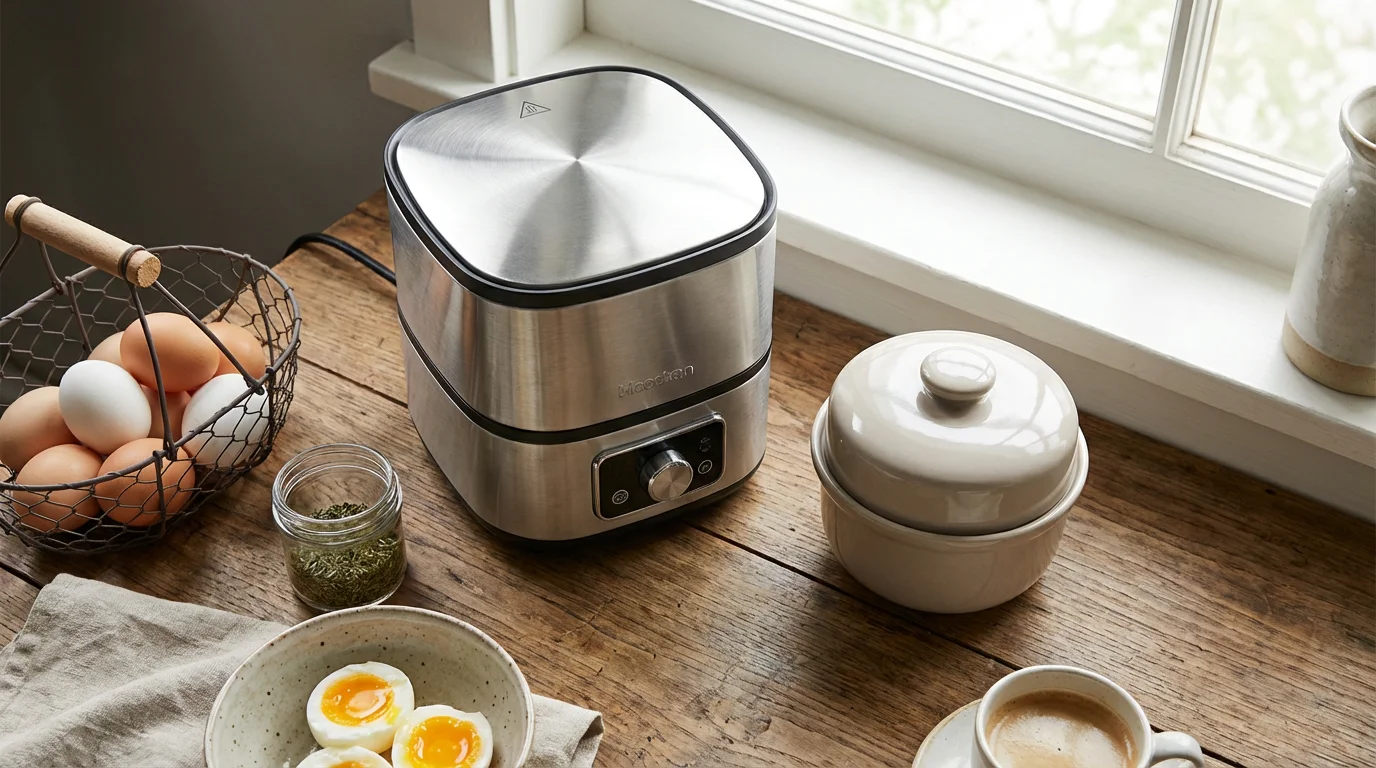
Achieving consistently perfect eggs, whether soft-boiled, hard-boiled, poached, or even in an omelet, often feels like a culinary lottery. Variables like water temperature, cooking time, and even egg size can throw off your results. An egg cooker, a compact and often overlooked breakfast appliance, removes this guesswork. This guide provides practical insights into choosing and using an egg cooker, helping you decide if this specialized tool earns its spot on your valuable countertop.
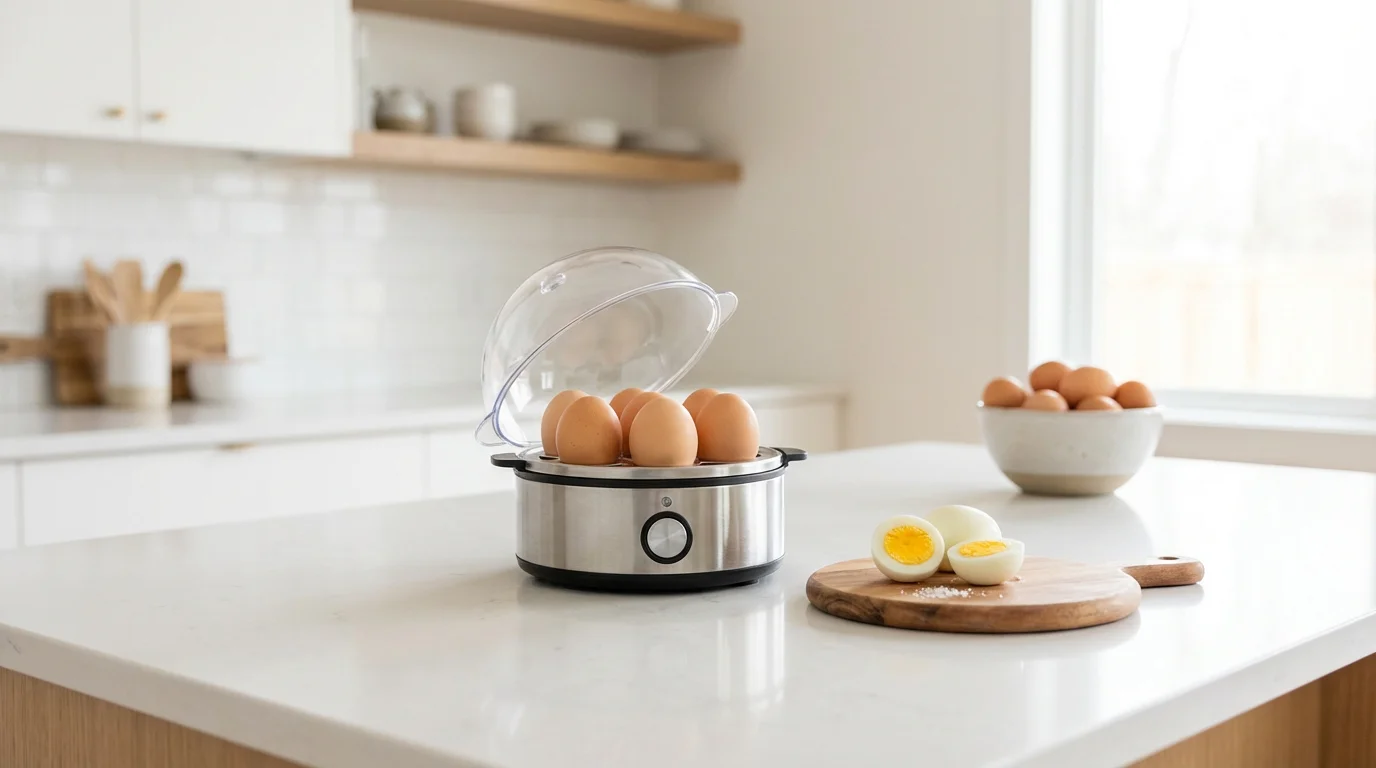
Why an Egg Cooker: Simplifying Breakfast
You might wonder if a dedicated egg cooker is truly necessary when a pot of boiling water accomplishes the same task. The answer lies in consistency and convenience. An egg cooker streamlines the process, delivering precise results every time. It eliminates the need for careful timing, constant monitoring, and the risk of over or undercooking.
To complete your morning setup, using electric griddles allows you to cook bacon or pancakes while your eggs steam automatically.
For individuals who eat eggs daily, particularly hard-boiled eggs for meal prep or quick snacks, an egg cooker becomes an invaluable breakfast appliance. It offers a set-it-and-forget-it experience, allowing you to focus on other morning tasks while your eggs cook to perfection. This specialized appliance also uses less water and energy than boiling a large pot, making it an efficient choice for daily use.
“Counter space is premium real estate. Before you buy any appliance, ask: will I use this at least once a week? For daily egg eaters, an egg cooker quickly justifies its footprint.”
How Egg Cookers Work: The Science of Steam
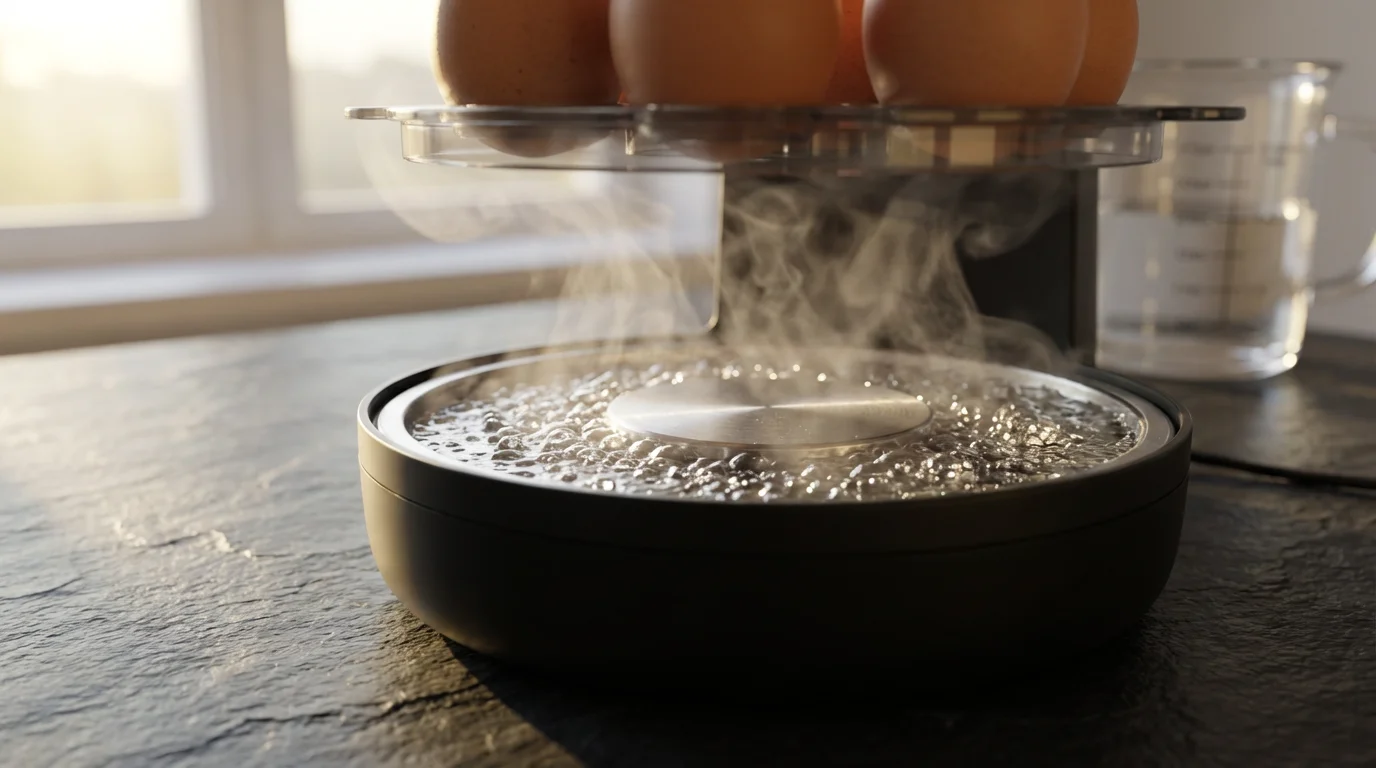
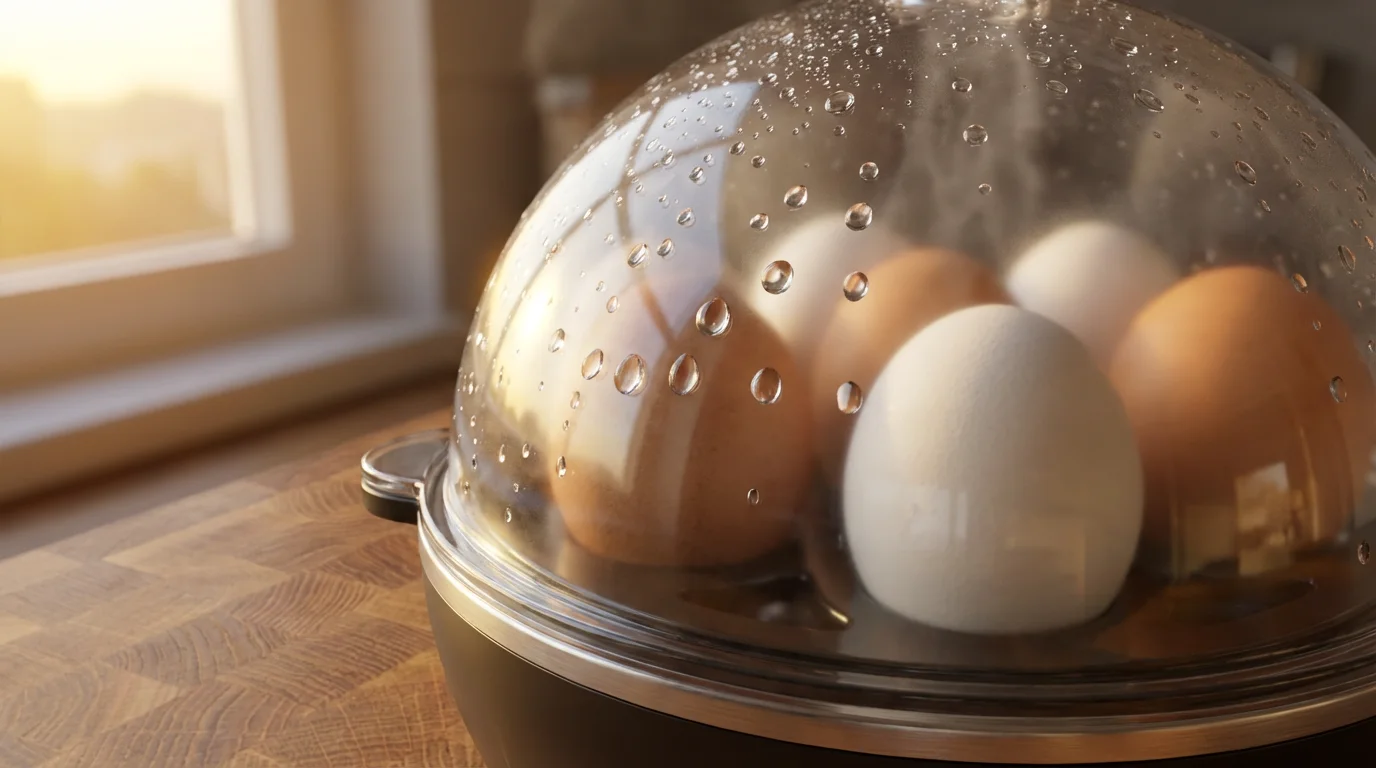
Most electric egg cookers operate using a simple yet effective steam method. You place eggs on a cooking tray, add a specific amount of water to a heating plate below, and cover the unit. The appliance heats the water, creating steam that cooks the eggs gently and evenly. The cooking time is determined by the amount of water you add, which the cooker converts into steam.
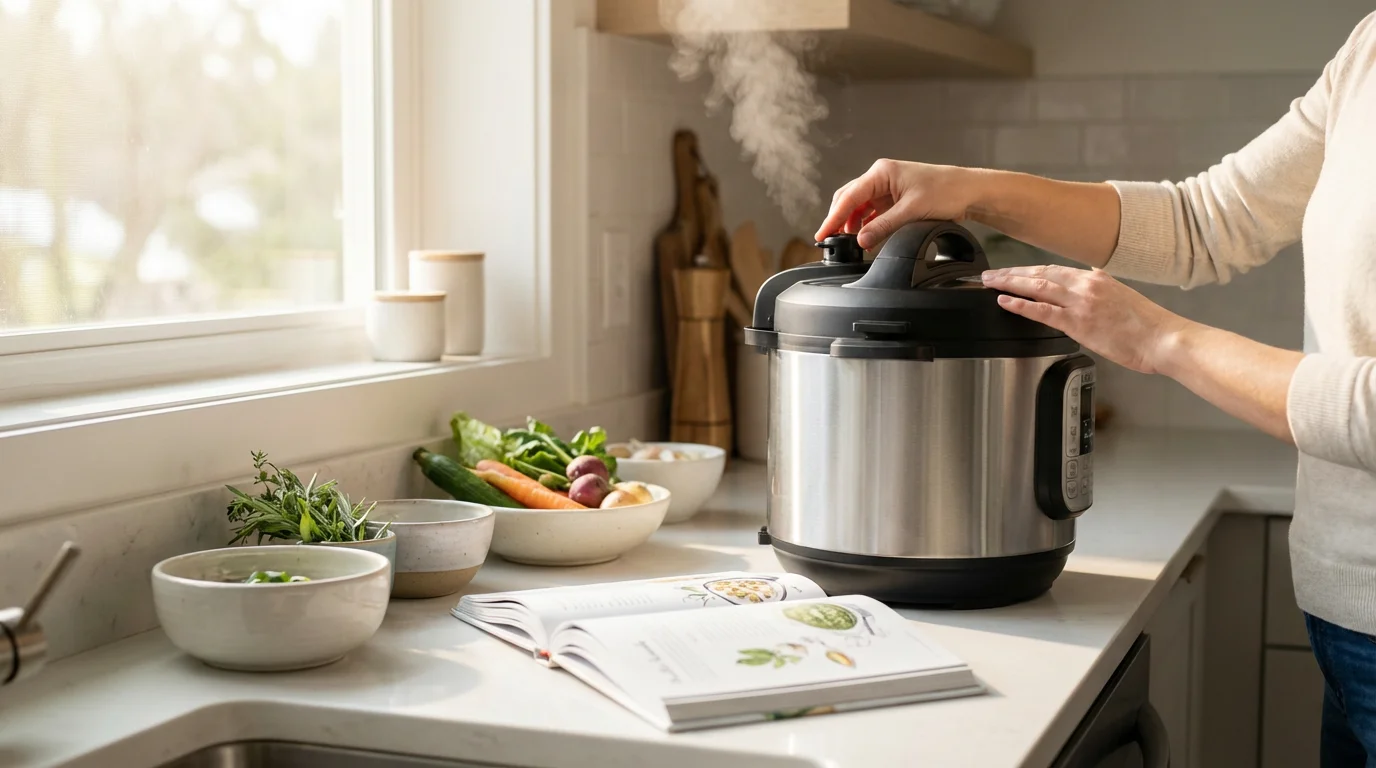
The evaporation-based shut-off mechanism is very similar to the technology found in rice cookers, which also use steam to deliver perfectly cooked results.
Modern egg cookers often include a measuring cup with markings for soft, medium, and hard-boiled eggs, indicating precisely how much water to use for your desired doneness. Once the water completely evaporates, the heating element typically shuts off automatically, and an audible alert signals that your eggs are ready. This auto shut-off feature prevents overcooking and ensures safety.
This steam-based cooking method results in eggs that are easier to peel compared to traditionally boiled eggs. The gentle, even heat from the steam prevents the egg white from bonding too tightly to the shell membrane, a common frustration with stovetop methods. For anyone struggling with stubborn shells, an egg cooker offers a significant advantage.
Key Features to Look For in an Egg Cooker
When selecting the best egg cooker for your home, consider these essential features:
- Capacity: Egg cookers typically hold between 6 and 12 eggs. A 6-egg model suits individuals or couples, while a 7-egg or 12-egg capacity works better for families or those who meal prep.
- Wattage: This indicates how much power an appliance uses, with higher wattage usually meaning faster heating. Most egg cookers range from 350 to 500 watts, which is sufficient for quick cooking without excessive energy consumption.
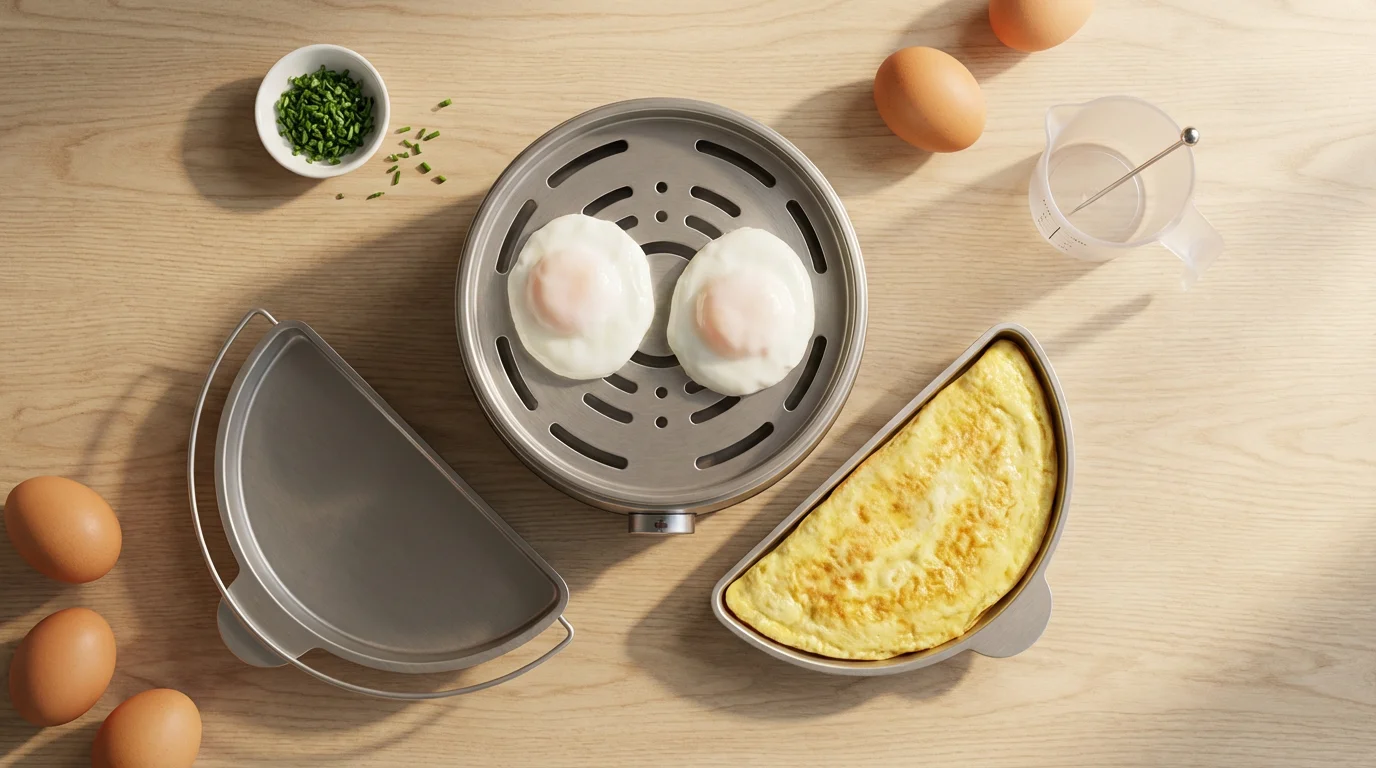
- Versatility: Many models offer more than just boiling. Look for an egg boiler that includes poaching trays, which hold 1-3 eggs for perfect poached eggs, or omelet trays for single-serving omelets. This expands the appliance’s utility beyond just hard-boiled eggs.
- Auto Shut-Off and Audible Alert: These safety and convenience features are standard in quality egg cookers. The auto shut-off prevents overcooking and potential hazards if you forget the appliance is running, while the alert lets you know when your eggs are done.
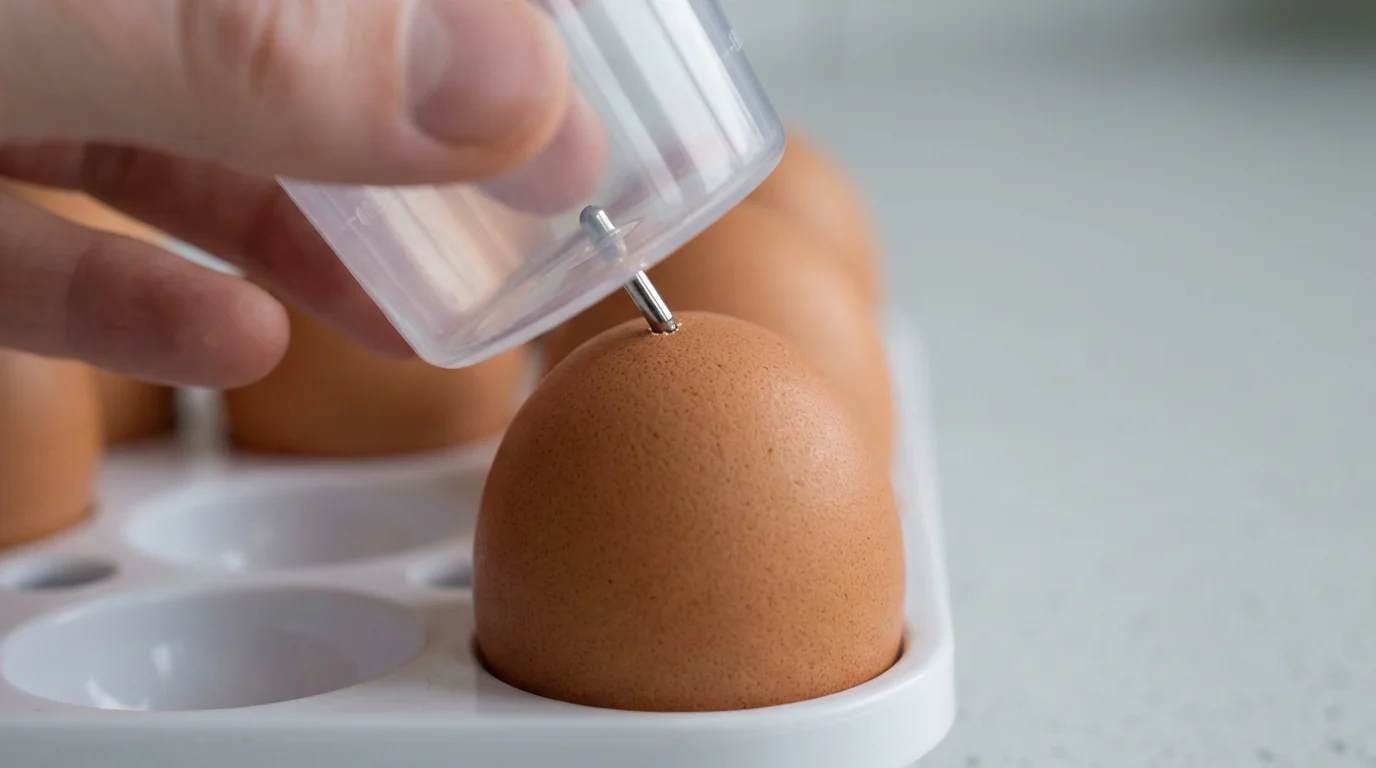
- Puncture Tool/Measuring Cup: Most egg cookers come with a small measuring cup that also features a pin to puncture a small hole in the larger end of each egg. This tiny hole helps prevent cracking during the cooking process and can aid in easier peeling.
- Build Materials: Stainless steel heating plates are durable and easy to clean. Look for BPA-free plastic components for food safety.
- Compact Footprint: Consider your available counter space. Most egg cookers are quite small, with dimensions typically around 6-8 inches in diameter and 6 inches in height, making them a good fit for smaller kitchens.
For more general guidance on selecting small kitchen appliances, Wirecutter’s kitchen appliance reviews offer valuable insights into various product categories, emphasizing practical utility and performance.
Mastering Egg Types with Your Egg Cooker
The primary appeal of an egg cooker is its ability to deliver specific egg textures consistently. Here’s how you can achieve different results:
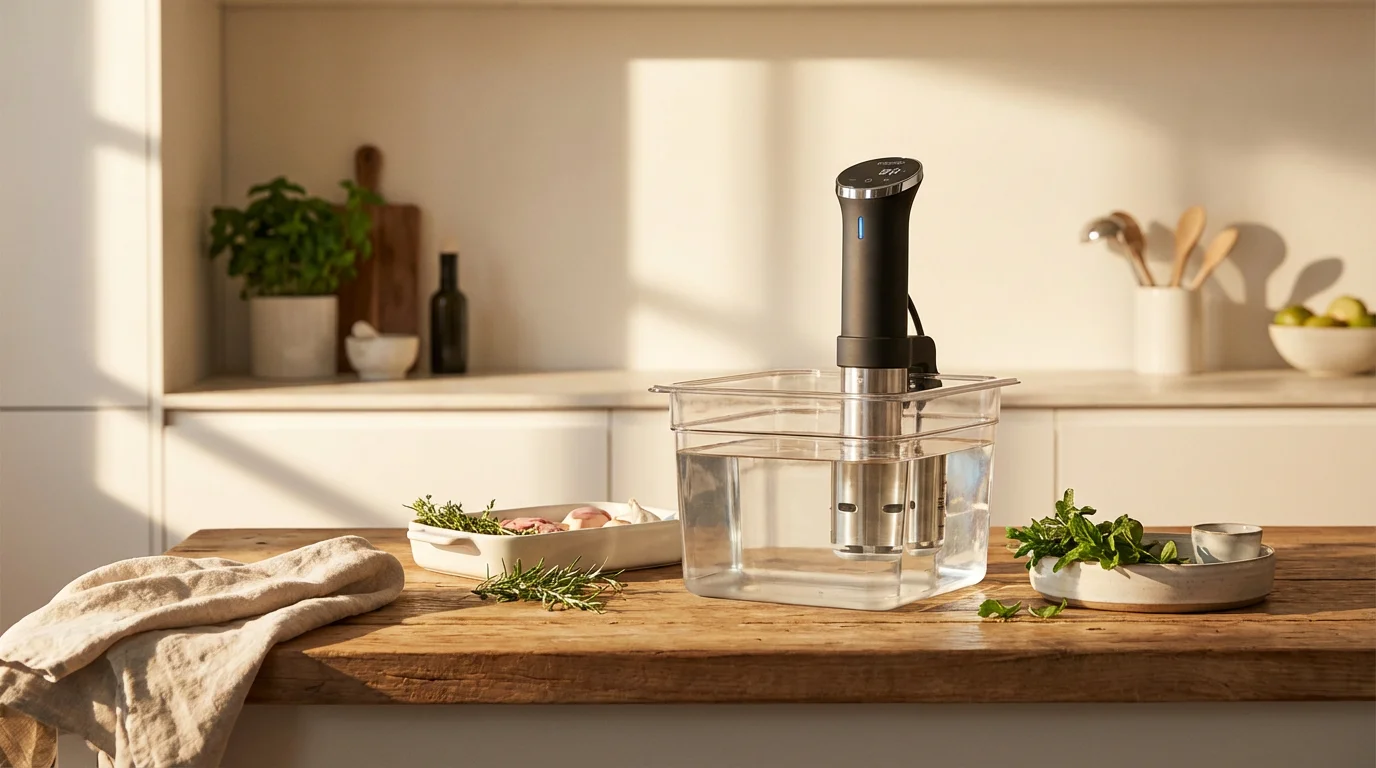
While these units are highly effective, enthusiasts of professional-grade accuracy might also enjoy sous vide machines for achieving the ultimate control over egg yolk texture.
How to Use Egg Cooker for Soft Boiled Eggs
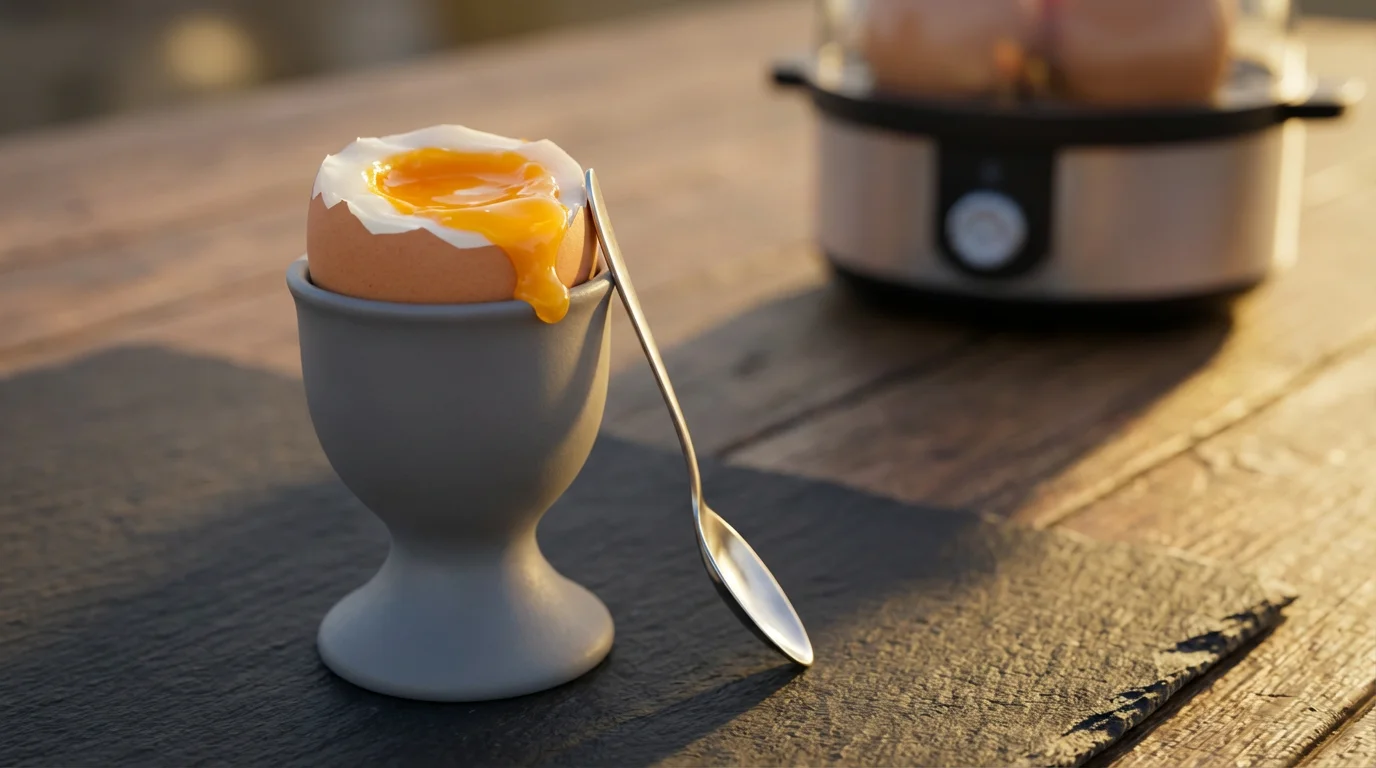
To prepare soft-boiled eggs, use the measuring cup to add water up to the “soft” line (usually indicated on the cup). Puncture the large end of each egg with the included pin. Place the eggs on the tray, cover, and start the cooker. The appliance cooks the eggs just enough for the whites to set while the yolk remains wonderfully runny. This typically takes about 6-8 minutes, depending on the cooker’s wattage and egg size.
Best Egg Cooker for Hard Boiled Eggs
For hard-boiled eggs, fill the measuring cup to the “hard” line. Again, puncture each egg. The cooker then steams the eggs for a longer duration, usually around 12-16 minutes. The precise steam cooking ensures a uniformly cooked yolk without any greenish ring, a common sign of overcooked stovetop eggs. This consistent result makes an egg cooker the best egg cooker for hard boiled eggs, especially for meal preparation.
Poached Eggs and Omelets
Many egg cookers include specialized trays for poaching or making individual omelets. For poached eggs, lightly grease the poaching cups, crack an egg into each, add the recommended amount of water to the heating plate, and cook. This method yields perfectly shaped, tender poached eggs without the fuss of stovetop swirling techniques. For omelets, whisk an egg or two with your desired mix-ins, pour into the omelet tray, and cook until set. These functionalities elevate the egg cooker beyond a single-purpose device, making it a versatile breakfast appliance.
According to experts at Serious Eats’ equipment reviews, the precision offered by dedicated egg cookers often surpasses traditional methods for specific egg preparations, particularly for consistent results across batches.
Egg Cooker Comparison: Top Picks for Every Kitchen
Choosing an egg cooker depends on your household size and how frequently you plan to use it. Here’s a look at common types and how they stack up:
| Model Type | Capacity | Wattage | Approx. Dimensions (L x W x H) | Key Features | Best For |
|---|---|---|---|---|---|
| Basic 6-Egg Boiler | 6 eggs | 360W | 6″ x 6″ x 6″ | Auto shut-off, audible alert, measuring cup, puncture tool. | Singles, couples, small kitchens, occasional use. |
| Versatile 7-Egg Cooker | 7 eggs (boil), 2 poached, 1 omelet | 400W | 7.5″ x 7.5″ x 6.5″ | Includes poaching and omelet trays, auto shut-off, easy-clean. | Small families, meal prep, those wanting versatility. |
| Family-Size 12-Egg Cooker | 12 eggs (boil), 3-4 poached, 2 omelets | 500W | 9″ x 7″ x 7.5″ | Larger capacity, often with a two-tier design, stainless steel finish. | Larger families, batch cooking, entertaining. |
Best for Small Kitchens: Basic 6-Egg Boiler
If your counter space is limited, a compact 6-egg boiler is your ideal choice. Its minimal footprint, typically around 6×6 inches, means it stores easily in a cabinet or tucks away on the counter without clutter. These models focus on efficient boiling, delivering perfect soft-boiled or hard-boiled eggs without any unnecessary frills. They operate quietly and quickly, consuming minimal energy.
Best for Families: Family-Size 12-Egg Cooker
For larger households or individuals who regularly prepare eggs for multiple meals, a 12-egg capacity egg cooker saves significant time. These often feature two stacking trays, allowing you to cook a dozen eggs simultaneously. Many also include larger poaching or omelet trays, enhancing their utility for varied breakfast needs. While they occupy slightly more space, their efficiency for batch cooking makes them indispensable for busy families.
Best Value: Versatile 7-Egg Cooker
The 7-egg versatile model strikes an excellent balance between capacity and functionality. It offers sufficient capacity for most small to medium households while providing additional trays for poaching and omelets. This model typically costs only slightly more than a basic boiler but significantly expands your cooking options, offering excellent bang for your buck without a large increase in counter space or wattage. This model is often the best egg cooker for hard boiled eggs and more.
Cleaning and Maintenance: Keeping Your Appliance Pristine
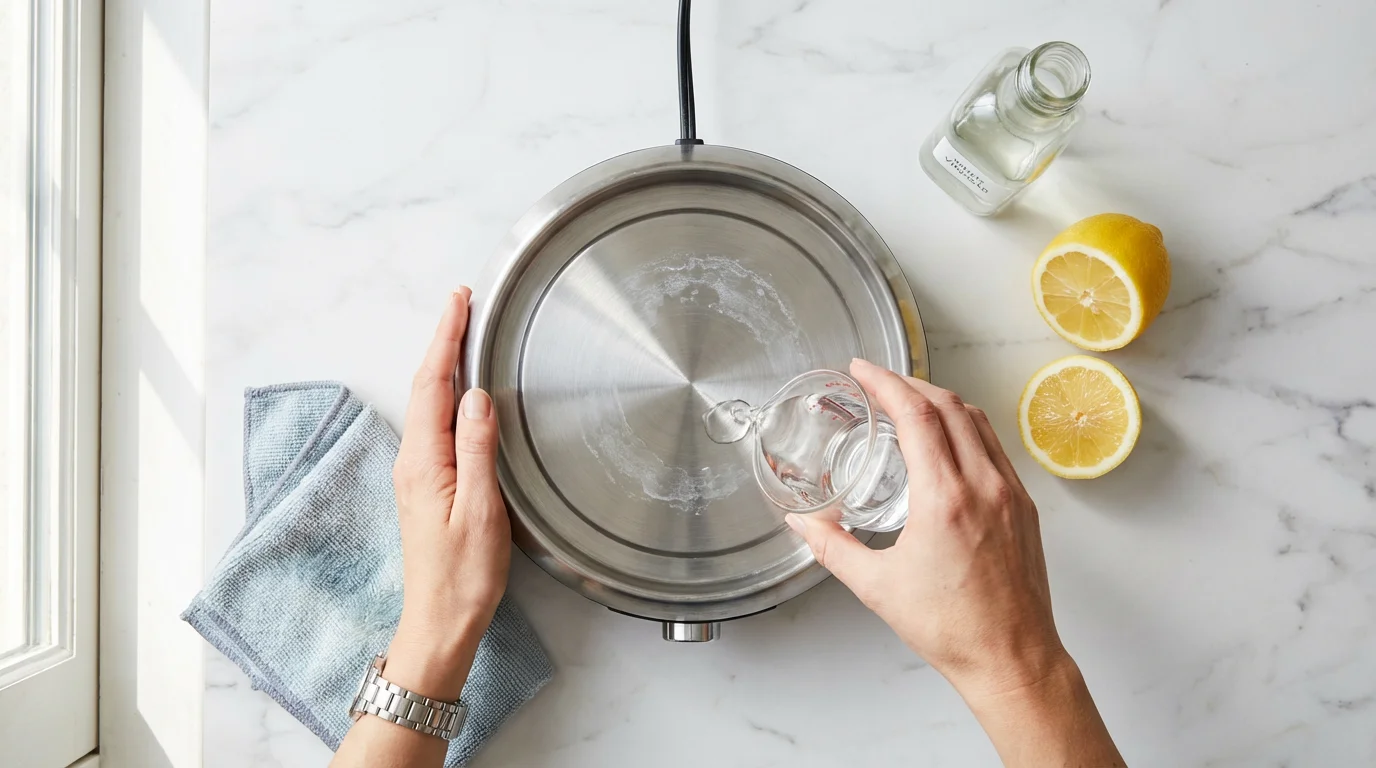
Maintaining your egg cooker is straightforward, ensuring its longevity and hygienic operation. The most common issue is mineral buildup on the heating plate, especially if you use hard water. This appears as white or brownish residue.
- Heating Plate: After each use, allow the heating plate to cool. If mineral deposits appear, wipe the plate with a damp cloth. For stubborn buildup, add a small amount of white vinegar to the heating plate, let it sit for 5-10 minutes, then wipe clean. Avoid abrasive scrubbers that can scratch the non-stick surface.
- Egg Trays and Lids: Most egg trays, poaching trays, and lids are dishwasher-safe, making cleanup incredibly easy. If washing by hand, use warm soapy water and a soft sponge. Ensure all egg residue is removed to prevent odors or bacterial growth.
- Puncture Tool/Measuring Cup: Rinse the measuring cup and puncture tool after each use. Pay attention to the pin on the puncture tool to ensure it remains clean.
Regular cleaning prevents limescale accumulation, which can affect the cooker’s efficiency and lifespan. Proper maintenance guarantees your egg cooker continues to deliver perfect eggs every time.
Is an Egg Cooker Worth the Counter Space?
Evaluating whether a single-purpose appliance like an egg cooker merits its spot on your kitchen counter or in your cabinets involves considering your lifestyle and cooking habits. An average egg cooker has dimensions ranging from 6 to 9 inches in diameter and 6 to 8 inches in height. This makes it significantly smaller than appliances like stand mixers or even some blenders.
For individuals who:
- Eat hard-boiled eggs frequently for breakfast, snacks, or salads.
- Struggle with inconsistent results or difficult-to-peel eggs from stovetop boiling.
- Desire a hands-off, set-it-and-forget-it cooking method.
- Value energy efficiency for small tasks.
An egg cooker offers immense practical value, quickly becoming a daily-use item. The initial investment is typically modest, and the time and frustration saved can be substantial.
Conversely, if you rarely eat eggs or only prepare them on special occasions, a traditional pot might suffice. However, for anyone seeking consistently perfect soft-boiled, hard-boiled, or poached eggs with minimal effort, an egg cooker is a worthwhile addition that performs its specialized task exceptionally well. Its relatively low energy consumption, often between 350-500 watts, means it will not significantly impact your electricity bill, even with daily use.
Frequently Asked Questions
Can I cook different types of eggs at once in an egg cooker?
Typically, no. The cooking time for soft-boiled, medium-boiled, and hard-boiled eggs depends directly on the amount of water added to the heating plate. If you use the “hard-boiled” water level, all eggs will cook to that consistency. You would need to run separate batches for different doneness levels.
Do I need to puncture the eggs before cooking in an egg cooker?
Yes, most manufacturers recommend puncturing a small hole in the large end of each egg using the included pin tool. This helps prevent the eggs from cracking during the cooking process as steam builds inside, and it also aids in easier peeling once cooked.
Are egg cookers energy efficient?
Egg cookers are generally very energy efficient for their task. They use a small amount of water and wattage (usually 350-500W) to generate steam, which is more energy-efficient than boiling a large pot of water on a stovetop, especially if you are only cooking a few eggs.
Can I use an egg cooker for something other than eggs?
While primarily designed for eggs, some versatile models with larger capacities or special trays can steam small vegetables or dumplings. However, their design optimizes for egg cooking, so their utility for other foods is limited. For general steaming, a dedicated steamer or a pot with a steamer basket is more appropriate.
How long do eggs last after being cooked in an egg cooker?
Hard-boiled eggs cooked in an egg cooker last just as long as those boiled on a stovetop. When refrigerated in their shells, they typically remain fresh for up to one week. Promptly cool and store them after cooking for best results.
Disclaimer: Product prices, features, and availability change frequently. Prices shown were accurate at time of writing but may have changed. We may earn a small commission from purchases made through links on this site, at no extra cost to you. Always verify current pricing and specifications on the retailer’s website before purchasing.

Leave a Reply