
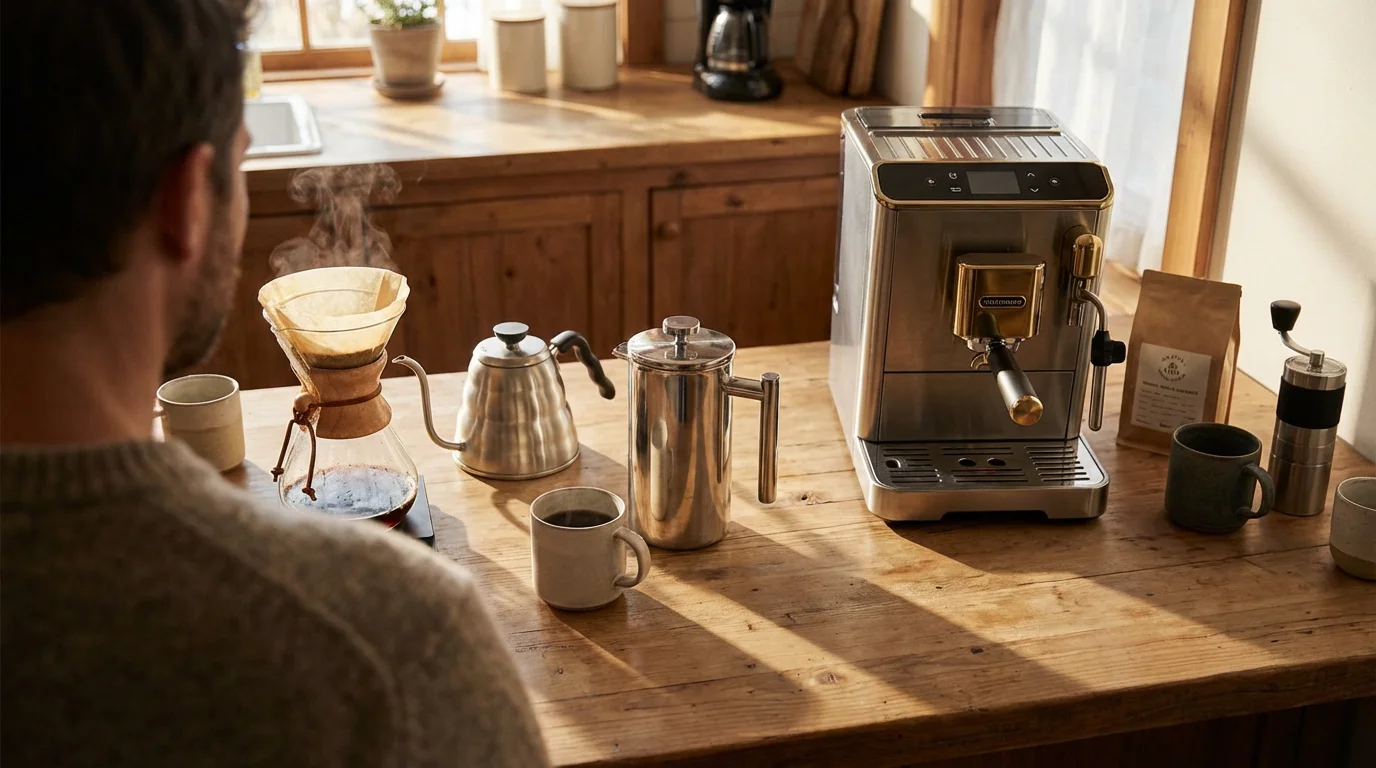
Choosing the perfect coffee maker feels like a quest for many home cooks. You want a reliable countertop companion that consistently delivers a great cup, fits your kitchen’s aesthetic, and doesn’t demand excessive counter space. Whether you crave a quick morning brew, entertain often, or savor the ritual of an artisanal pour, the right `coffee maker` transforms your daily routine. This comprehensive guide helps you navigate the options, ensuring you select an appliance you will truly love and use every day, making your `coffee brewing` experience effortless and delicious.
Understanding Your Coffee Habits and Needs
Before you explore models, take a moment to assess your daily `coffee brewing` habits. This crucial step helps you determine `how to choose right coffee maker for home`, preventing buyer’s remorse and wasted counter space. Consider how many people drink coffee in your household, how often you brew, and what kind of coffee you prefer.
First, consider **capacity**. A single person might only need a small 4-cup brewer or a single-serve machine. A family of four, however, likely needs a 12-cup carafe to handle multiple morning cups without constant re-brewing. Think about your entertaining frequency too; a larger capacity machine serves guests efficiently.
Second, evaluate **your morning routine**. Do you need coffee ready the moment you wake up? A `coffee maker` with a `delayed start` feature allows you to program brewing the night before, waking to the aroma of freshly brewed coffee. If you often rush, a machine with a `rapid boil` function heats water faster than standard models, cutting down on waiting time.
Third, assess your **available counter space**. Kitchens in the USA often prioritize appliance accessibility, but a crowded counter becomes a nuisance. Measure the height, width, and depth of the spot where your new `coffee maker` will live. Many 12-cup drip machines, for example, measure around 14 inches tall, 8 inches wide, and 10 inches deep. Some espresso machines are significantly wider or taller. You want easy access to the water reservoir and brew basket without having to pull the machine out from under cabinets.
Finally, think about **your taste preferences**. Do you prefer a strong, robust cup, or a milder, smoother brew? Some machines offer brew strength control, letting you customize your coffee’s intensity. Espresso aficionados, of course, need a machine specifically designed for that rich, concentrated shot.
“Counter space is premium real estate. Before you buy any appliance, ask: will I use this at least once a week? If the answer is no, reconsider or find a model with a smaller footprint.” — Kitchen Designer
When organizing your counter, consider how toaster ovens can be positioned to maximize your available workspace alongside your brewing station.
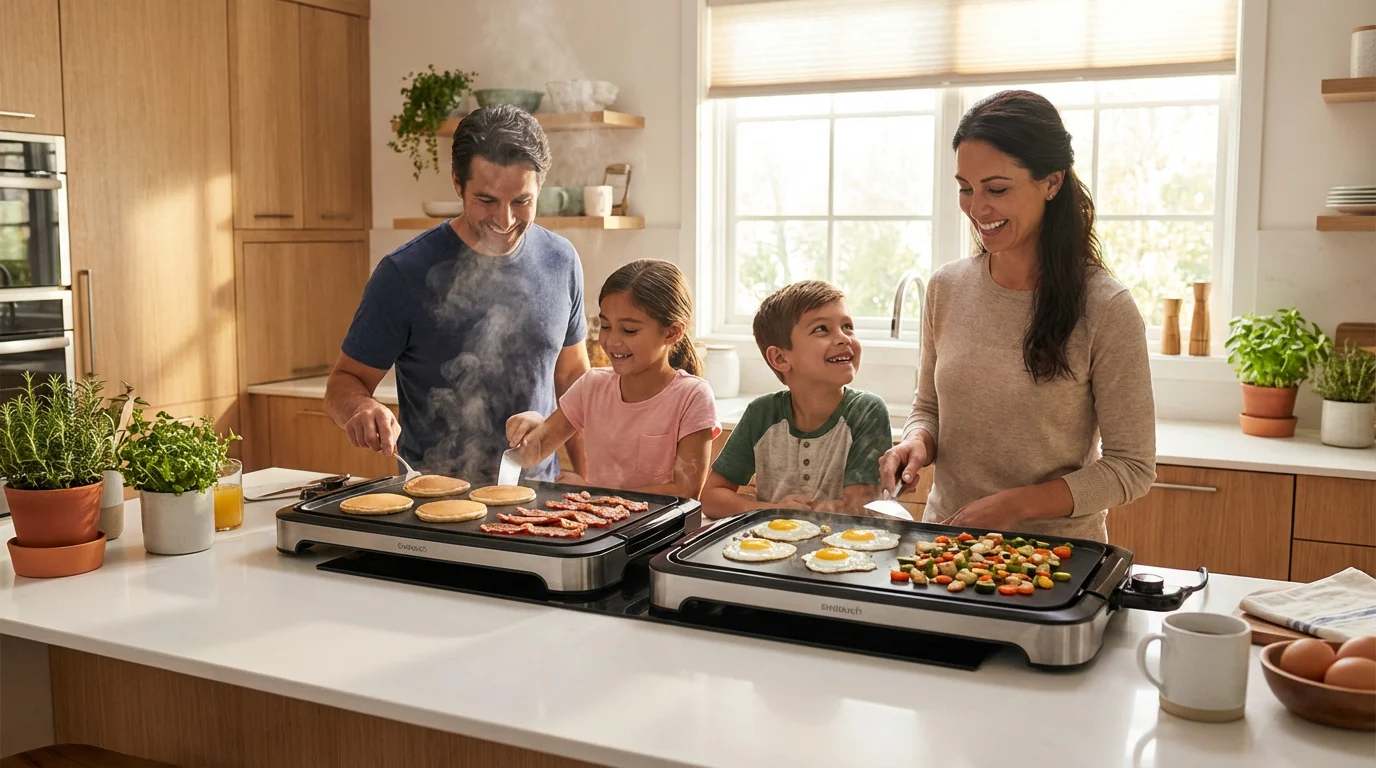
A high-capacity coffee maker is the perfect companion to electric griddles when preparing a large family breakfast on the weekend.
Exploring Main Coffee Maker Types
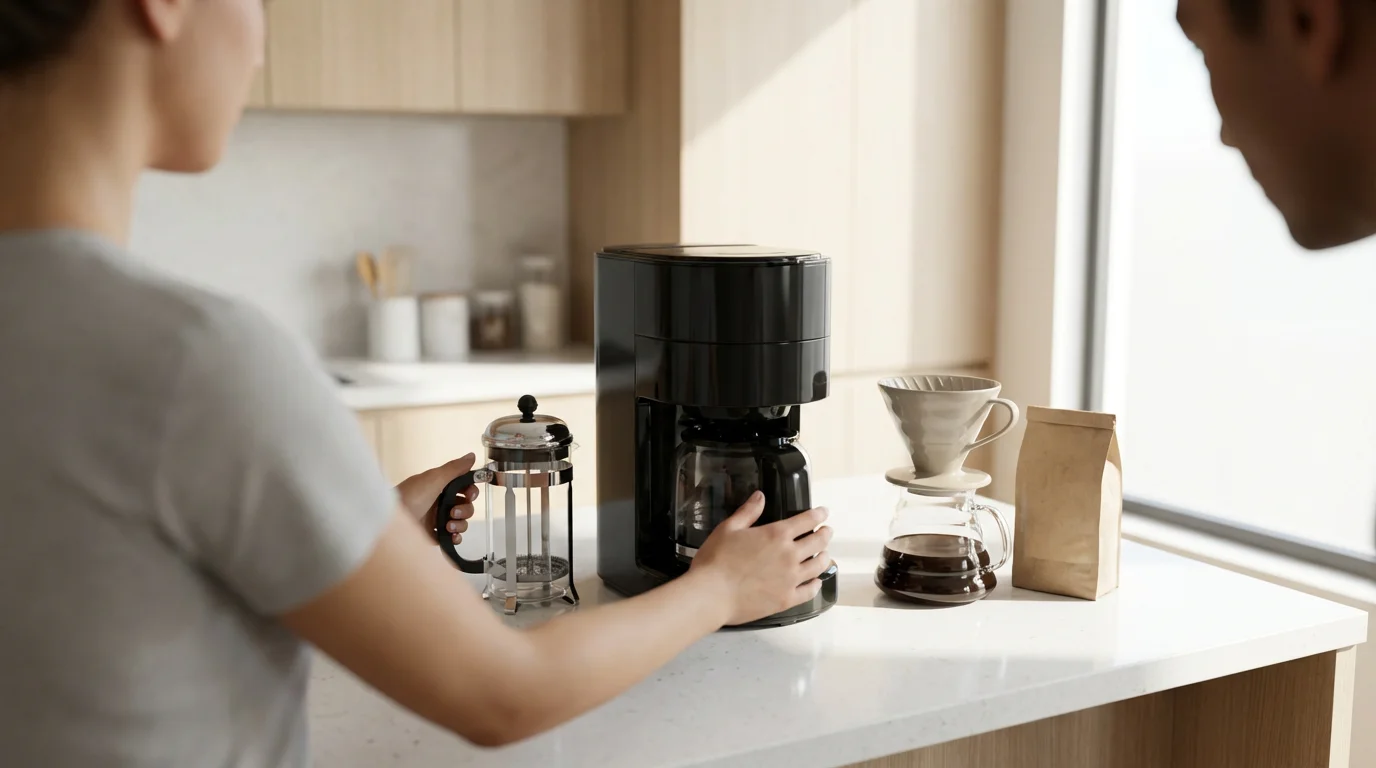
The world of `coffee makers` offers a diverse range of machines, each suited to different preferences and lifestyles. Understanding these primary categories helps you narrow down your search.
Drip Coffee Makers
Pairing your morning cup with a fresh breakfast from one of the many available waffle makers can transform a simple coffee break into a full café experience.
`Drip coffee` makers remain the most popular choice for households across America. They work by heating water and dripping it over ground coffee in a filter basket, which then drains into a carafe below. These machines offer convenience and consistent results.
* **Pros:** Easy to use, brews multiple cups, wide price range, available with many features like programmability and brew strength control.
* **Cons:** Can sometimes produce a less nuanced flavor compared to other methods, often takes up significant counter space for larger models.
* **Best for:** Households needing multiple cups of coffee, busy mornings, general daily use.
Single-Serve Coffee Brewers
These machines, popularized by brands like Keurig and Nespresso, brew one cup of coffee at a time using pre-packaged pods. They offer unparalleled convenience and variety.
* **Pros:** Extremely fast brewing, no mess, wide range of beverage options (coffee, tea, hot chocolate), ideal for individuals or offices.
* **Cons:** Higher cost per cup, environmental concerns with single-use pods, limited customization for brew strength.
* **Best for:** Individuals, occasional coffee drinkers, those prioritizing speed and convenience above all else.
Espresso Machines
Espresso machines force hot, pressurized water through finely ground coffee, producing a concentrated shot of espresso. Many models also include a steam wand for frothing milk, allowing you to create lattes, cappuccinos, and other specialty drinks.
* **Pros:** Produces rich, strong espresso shots, allows for crafting various coffee shop drinks, can be a rewarding hobby.
* **Cons:** Higher cost, requires more skill and practice, often larger footprint, regular cleaning and maintenance.
* **Best for:** Espresso enthusiasts, those who enjoy crafting specialty coffee drinks, individuals who prioritize taste and ritual.
Pour-Over and French Press (Manual Methods)
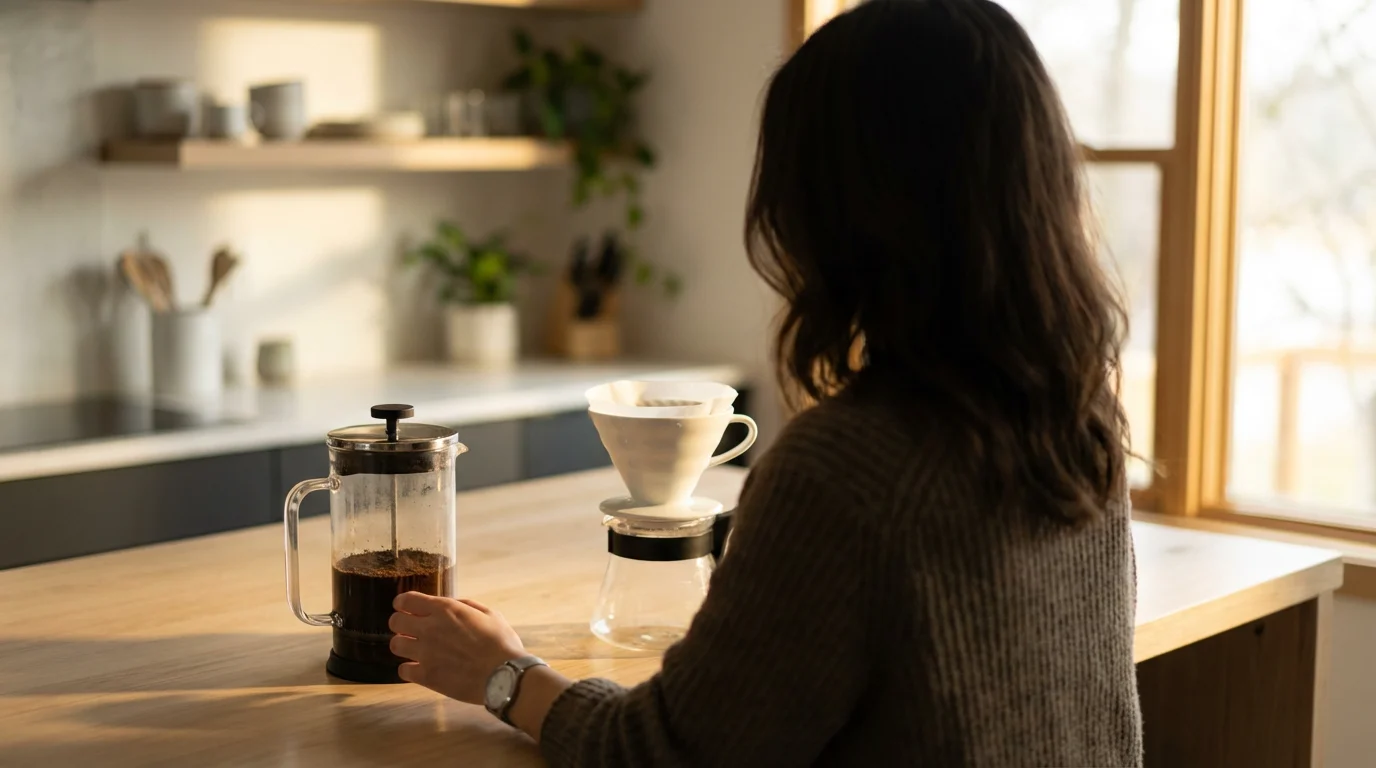
While not electric appliances, manual methods like pour-over and French press deserve mention for their simplicity and quality. They require more hands-on involvement but offer exceptional control over the brewing process.
* **Pros:** Excellent flavor extraction, inexpensive, portable, no electricity needed.
* **Cons:** Requires more time and effort, brews smaller batches, often requires a separate kettle.
* **Best for:** Coffee purists, those who appreciate the brewing ritual, small households, camping.
Budget-Friendly Coffee Makers: Under $75
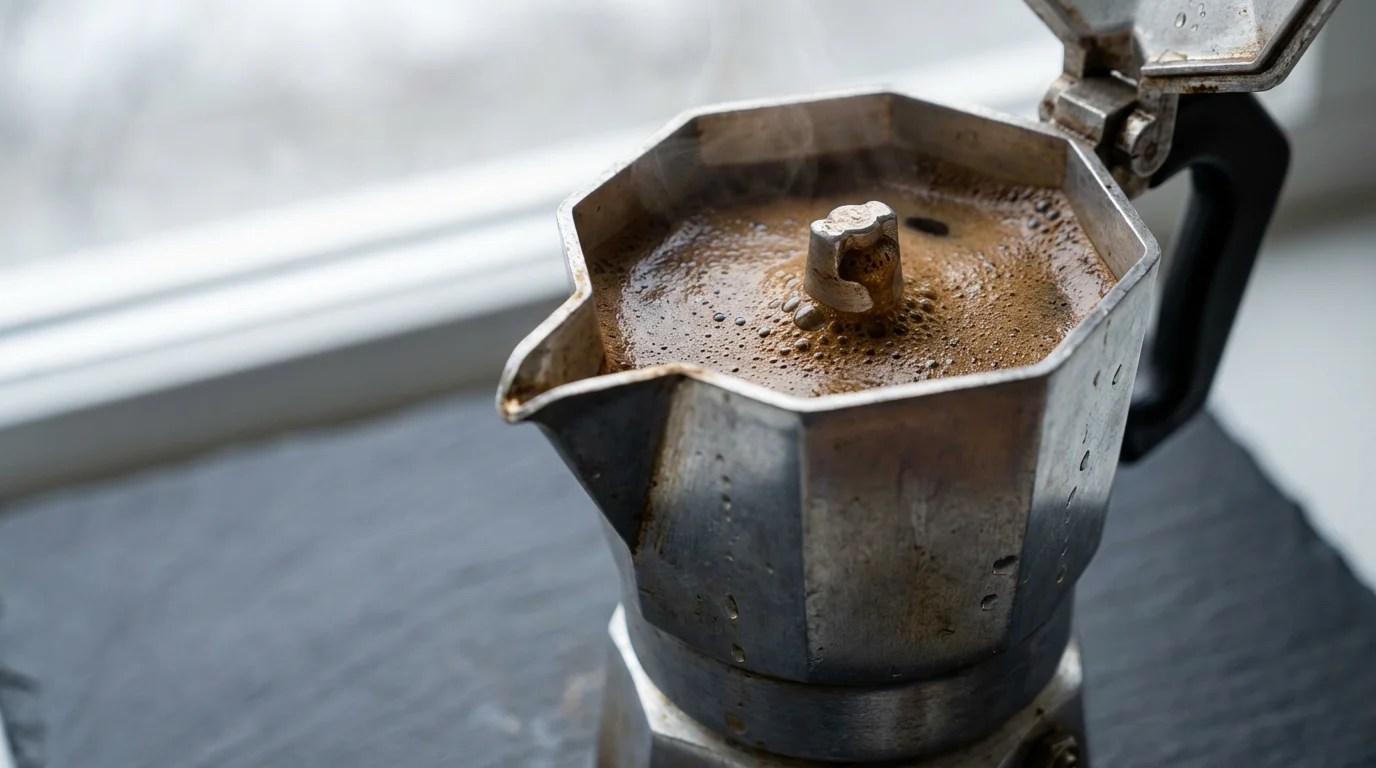
You do not need to spend a fortune to get a decent cup of coffee. The budget segment focuses primarily on basic `drip coffee` makers and entry-level single-serve machines, perfect for those seeking functional reliability without extra frills. You can find many excellent options for the `best coffee maker under 50 dollars`.
Typical Features and Expectations
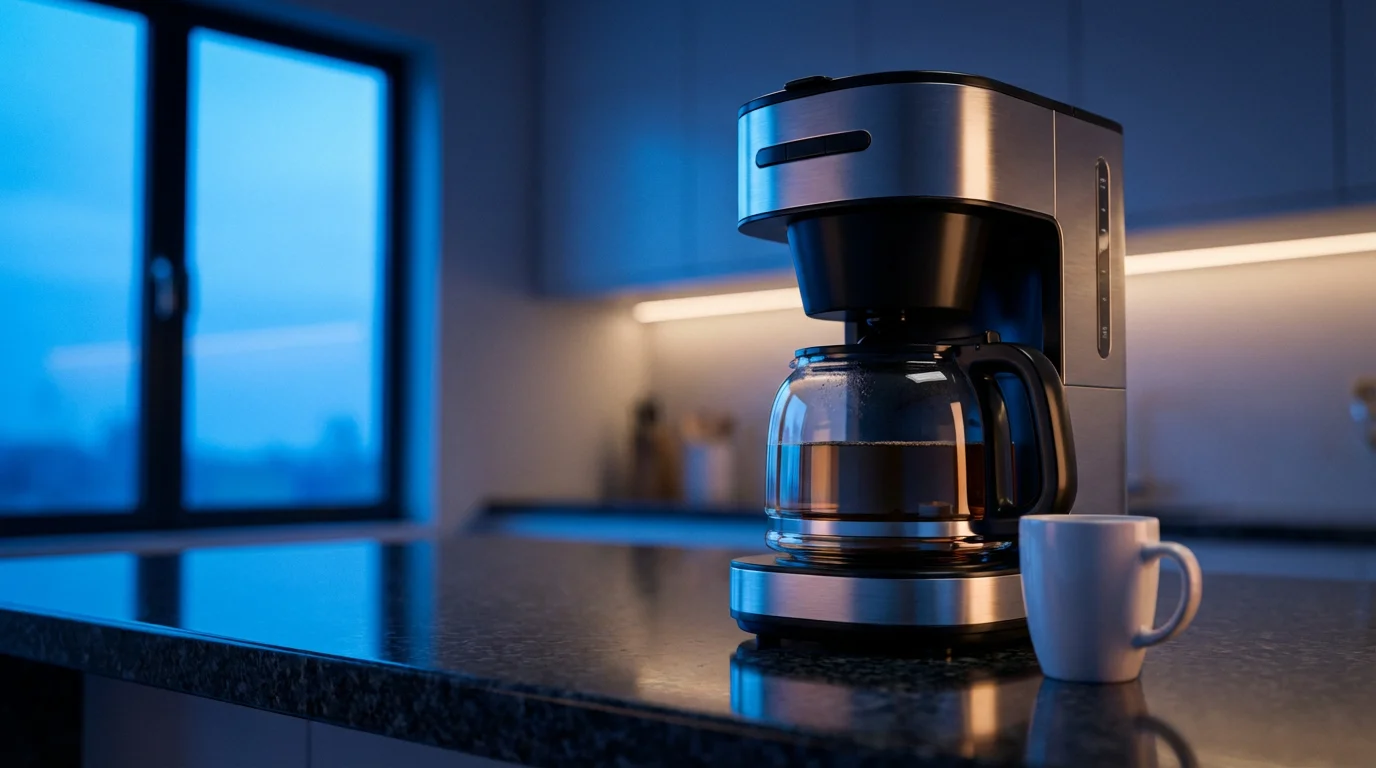
Most budget `drip coffee` makers come with a glass carafe and a warming plate to `keep warm` your coffee. They often feature a simple on/off switch or a basic timer. Expect capacities ranging from 5 to 12 cups. For example, a common 12-cup model in this price range might measure 13.5 inches high, 8 inches wide, and 9 inches deep, with a `wattage` of around 900-1000 watts. This wattage allows it to brew a full pot in about 10-12 minutes.
Single-serve options at this price point usually include basic models from brands like Hamilton Beach or older Keurig models. These focus solely on brewing a single cup quickly, with minimal settings. A budget single-serve brewer might be around 11 inches high, 6 inches wide, and 9 inches deep.
Pros and Cons
* **Pros:** Highly affordable, simple to operate, easy to clean basic models, brews a consistent cup of `drip coffee`.
* **Cons:** Often lacks advanced features like brew strength control or programmable timers. Glass carafes can break. Warming plates can scorch coffee if left on too long. Build materials may feel less robust.
* **Actionable Insight:** Look for models with a removable filter basket, which simplifies cleaning. Ensure the water reservoir is easy to fill without spilling.
Durability and Energy Consumption
Budget models are generally durable enough for daily use, but their components may not withstand heavy abuse. Common failure points include the warming plate, which can burn out, or the pump mechanism. Energy consumption for a `drip coffee` maker typically hovers around 900-1200 `wattage` during brewing. While the warming plate uses less power (around 100-200 watts), leaving it on for extended periods adds to your electricity bill and degrades coffee flavor.
For actionable guidance on finding reliable budget appliances, publications like Consumer Reports’ small appliance reviews often highlight value picks that perform well for their price point.
Mid-Range Marvels: $75-$200
Stepping into the mid-range category opens up a world of enhanced features, improved build quality, and more versatile `coffee brewing` options. This segment often offers the best balance of price, performance, and functionality for most home users.
Key Upgrades and Features
In this price bracket, `drip coffee` makers start to offer crucial conveniences. You frequently find **programmable timers** that allow for `delayed start`, so your coffee brews automatically at a set time. Many models feature **thermal carafes** instead of glass. Thermal carafes keep coffee hot for hours without a warming plate, preventing the burnt taste associated with prolonged heating. They often have better insulation, reducing overall energy use compared to glass carafes on a hot plate.
You will also see features like **brew strength selectors**, letting you choose between regular, bold, or even iced coffee settings. Some machines incorporate charcoal water filters, improving the taste of your `drip coffee` by removing impurities. Expect slightly higher `wattage` (1100-1400 watts) for faster brewing and better temperature control, essential for optimal extraction. A typical 12-cup thermal carafe `coffee maker` might measure 14 inches high, 9 inches wide, and 11 inches deep.
For single-serve enthusiasts, mid-range options include Keurig’s more advanced models with larger water reservoirs, multiple cup sizes, and sometimes even hot water dispensers. Entry-level semi-automatic espresso machines also appear here, providing a taste of true espresso without the premium price tag. These machines typically feature a 15-bar pump (a measure of `PSI` or pounds per square inch, indicating extraction pressure) and a basic steam wand.
Pros and Cons
* **Pros:** Excellent balance of features and value, improved coffee taste with thermal carafes and brew strength control, greater convenience with programmability, better build quality and aesthetics.
* **Cons:** Still primarily focuses on `drip coffee` or basic espresso, more parts to clean than basic models, thermal carafes can be harder to clean internally compared to glass.
* **Actionable Insight:** Prioritize a thermal carafe if you often drink coffee over several hours or despise the burnt taste from warming plates. Look for models with an automatic shut-off feature for safety and energy saving.
Counter Space and Noise Levels
Mid-range `drip coffee` makers maintain similar footprints to their budget counterparts, but espresso machines can take up more space. An entry-level espresso machine might measure 12 inches high, 10 inches wide, and 13 inches deep. Noise levels for `drip coffee` makers remain minimal, primarily the sound of water heating and dripping. Espresso machines, however, produce more noticeable noise from their pumps and steam wands, especially during milk frothing.

Premium Perfection and Entry-Level Espresso: Over $200
The premium segment delivers superior performance, advanced features, and often, professional-level `coffee brewing` capabilities for the home user. If you prioritize exceptional taste, ultimate control, or sophisticated design, this is where you find your ideal `coffee maker`.
Advanced Features and Performance
Deciding on a high-end coffee machine often involves the same considerations as asking if stand mixers are worth the investment for your specific culinary needs.
High-end `drip coffee` makers in this category often carry certifications from organizations like the Specialty Coffee Association (SCA), ensuring they meet strict standards for brewing temperature, contact time, and uniformity. These machines precisely heat water to the optimal 200-205°F (93-96°C), crucial for extracting the best flavor from your coffee. They often include pre-infusion (or “bloom”) cycles, which wet the coffee grounds before full brewing to enhance flavor extraction. Many also integrate built-in burr grinders, ensuring you always brew with freshly ground beans, a significant factor in coffee quality. A premium 10-cup `drip coffee` maker with an integrated grinder could measure 16 inches high, 9.5 inches wide, and 13 inches deep, operating at 1500-1700 `wattage`.
For espresso enthusiasts, this segment offers robust semi-automatic and even entry-level super-automatic espresso machines. Semi-automatics provide manual control over grind size, tamp pressure, and shot volume, allowing for extensive customization. Super-automatics grind beans, tamp, brew, and even froth milk at the touch of a button, offering convenience with high-quality results. These machines often feature 15-bar or higher `PSI` pumps, dedicated thermoblock heating systems for quick warm-up, and advanced milk frothing systems. They typically have larger water reservoirs and bean hoppers. An average entry-level super-automatic machine might be 14 inches high, 10 inches wide, and 17 inches deep.
Pros and Cons
* **Pros:** Superior coffee quality, precise temperature control, robust and durable construction, advanced programmability, integrated grinders (in some models), excellent milk frothing capabilities.
* **Cons:** Significant investment, often larger footprint, steeper learning curve for espresso machines, require diligent cleaning and descaling, higher complexity can mean more potential points of failure.
* **Actionable Insight:** If you value peak `drip coffee` flavor, look for SCA-certified brewers. For espresso, consider if you prefer the hands-on control of a semi-automatic or the push-button convenience of a super-automatic.
Maintenance and Energy Use
Premium machines, especially espresso makers, demand more dedicated maintenance. Regular descaling becomes critical, particularly in areas with hard water, to prevent mineral buildup from impacting performance. Many models include cleaning programs or indicators. Due to their higher `wattage` and sometimes multiple heating elements, these appliances can consume more power during active use, though efficient heating systems minimize overall daily impact.
Essential Features to Consider Before You Buy
Choosing a `coffee maker` involves more than just selecting a type. Key features significantly impact usability, taste, and longevity. Carefully evaluating these aspects ensures your chosen appliance perfectly matches your needs.
| Feature | Description & Benefit | Considerations |
|---|---|---|
| Carafe Type | Glass carafes are easy to see through and clean. Thermal carafes (insulated) keep coffee hot for hours without a heating plate, preventing burnt flavors and saving energy. | Glass carafes often sit on a warming plate, which can degrade coffee flavor. Thermal carafes can be harder to clean but preserve taste better. |
| Programmable Timer | Allows you to set a `delayed start` for brewing, so coffee is ready when you wake up. | Essential for busy mornings. Ensure the interface is intuitive. |
| Brew Strength Control | Adjusts the brewing process to produce a stronger or milder cup of `drip coffee`. | Great for households with varied taste preferences. |
| Water Filter | Integrated charcoal filters remove chlorine and impurities from tap water, improving coffee taste and reducing scale buildup. | Requires regular filter replacement. Improves coffee quality. |
| Automatic Shut-Off | Turns off the `coffee maker` after a set period, preventing accidental overheating and saving energy. | Standard safety feature. Look for adjustable shut-off times. |
| Ease of Cleaning | Removable parts like the filter basket, water reservoir, and carafe should be easy to access and clean. Some parts may be `dishwasher-safe`. | Crucial for hygiene and consistent coffee taste. Descaling functionality is important for hard water areas. |
| Footprint & Dimensions | The physical size of the `coffee maker` in inches (height, width, depth). | Measure your available counter space, especially under cabinets, to ensure a good fit. For example, a common 12-cup `drip coffee` maker might be 14 inches (H) x 8 inches (W) x 10 inches (D). |
| Durability & Materials | Quality of construction materials (stainless steel, BPA-free plastics, ceramic). | Higher quality materials often mean longer appliance lifespan. Read reviews for common failure points. |
| Noise Levels | How loud the appliance operates. | `Drip coffee` makers are typically quiet. Espresso machines, with their pumps and steam wands, generate more noticeable noise. |
When considering durability, keep in mind that a `coffee maker` often endures daily use. According to Wirecutter’s kitchen appliance guides, robust construction and readily available replacement parts significantly contribute to an appliance’s longevity. This means looking beyond the initial price tag to assess the potential for long-term use.

Maintaining Your Brew Master for Longevity and Taste
Proper maintenance extends your `coffee maker`’s lifespan and ensures every cup tastes its best. Neglecting cleaning and descaling leads to slower brewing, lukewarm coffee, and an off-putting taste.
Regular Cleaning Schedule
While your coffee is brewing, the smell of fresh loaves from the best bread machines can make your kitchen feel like a professional bakery.
You should clean your `coffee maker` after every use.
- **Empty and Rinse:** Immediately after brewing, empty the carafe and rinse it thoroughly. Do the same for the brew basket.
- **Wipe Down:** Use a damp cloth to wipe down the exterior of the machine, removing any splatters or dust.
- **Water Reservoir:** If your reservoir is removable, wash it weekly with warm, soapy water. For non-removable reservoirs, wipe the interior as best you can with a damp cloth.
- **Filter Basket:** If your `coffee maker` has a reusable filter basket, wash it with soap and water after each use. Disposable paper filters simply get discarded.
Descaling is Critical
Mineral buildup, or scale, from tap water clogs internal components and reduces your `coffee maker`’s efficiency. Descaling should happen every 1-3 months, depending on your water hardness and how frequently you use the machine. Most manufacturers recommend a solution of white vinegar and water.
* **Process:** Fill the water reservoir with equal parts white vinegar and water. Place a paper filter in the brew basket. Run a full brew cycle without coffee. Discard the vinegar solution. Then, run 2-3 full cycles with plain water to rinse out any lingering vinegar smell or taste.
* **Specialty Cleaners:** For espresso machines or high-end `drip coffee` makers, consult your owner’s manual for specific descaling solutions and procedures. These often use proprietary descaling tablets or liquids designed for the machine’s materials.
Filter Replacement
If your `coffee maker` uses an activated charcoal water filter, replace it according to the manufacturer’s recommendations, typically every 1-2 months. This ensures your coffee tastes clean and prevents mineral buildup.
By following these simple maintenance steps, your `coffee maker` will continue to deliver delicious `drip coffee` or espresso for years to come.
Frequently Asked Questions
What is the ideal wattage for a good coffee maker?
For most `drip coffee` makers, a `wattage` between 1000 and 1500 watts indicates sufficient power for rapid heating and proper water temperature during brewing, which is crucial for optimal flavor extraction. Espresso machines can range from 1100 watts for basic models to over 1700 watts for more powerful, feature-rich units. Higher wattage generally means faster heating and more consistent brewing temperatures.
How often should I descale my coffee maker?
You should descale your `coffee maker` every one to three months. The exact frequency depends on the hardness of your tap water and how often you use the machine. If you notice slower brewing times, lukewarm coffee, or mineral deposits, it is time to descale immediately. Regular descaling prevents mineral buildup, ensuring efficient operation and better-tasting coffee.
Is a thermal carafe really better than a glass carafe?
Yes, a thermal carafe is generally better than a glass carafe, especially if you plan to drink your coffee over an extended period. Thermal carafes keep coffee hot for several hours without needing a warming plate, which prevents the coffee from scorching and developing a burnt, bitter taste. While a glass carafe allows you to see the coffee level easily, it relies on a heating element that can degrade coffee quality over time.
Disclaimer: Product prices, features, and availability change frequently. Prices shown were accurate at time of writing but may have changed. We may earn a small commission from purchases made through links on this site, at no extra cost to you. Always verify current pricing and specifications on the retailer’s website before purchasing.
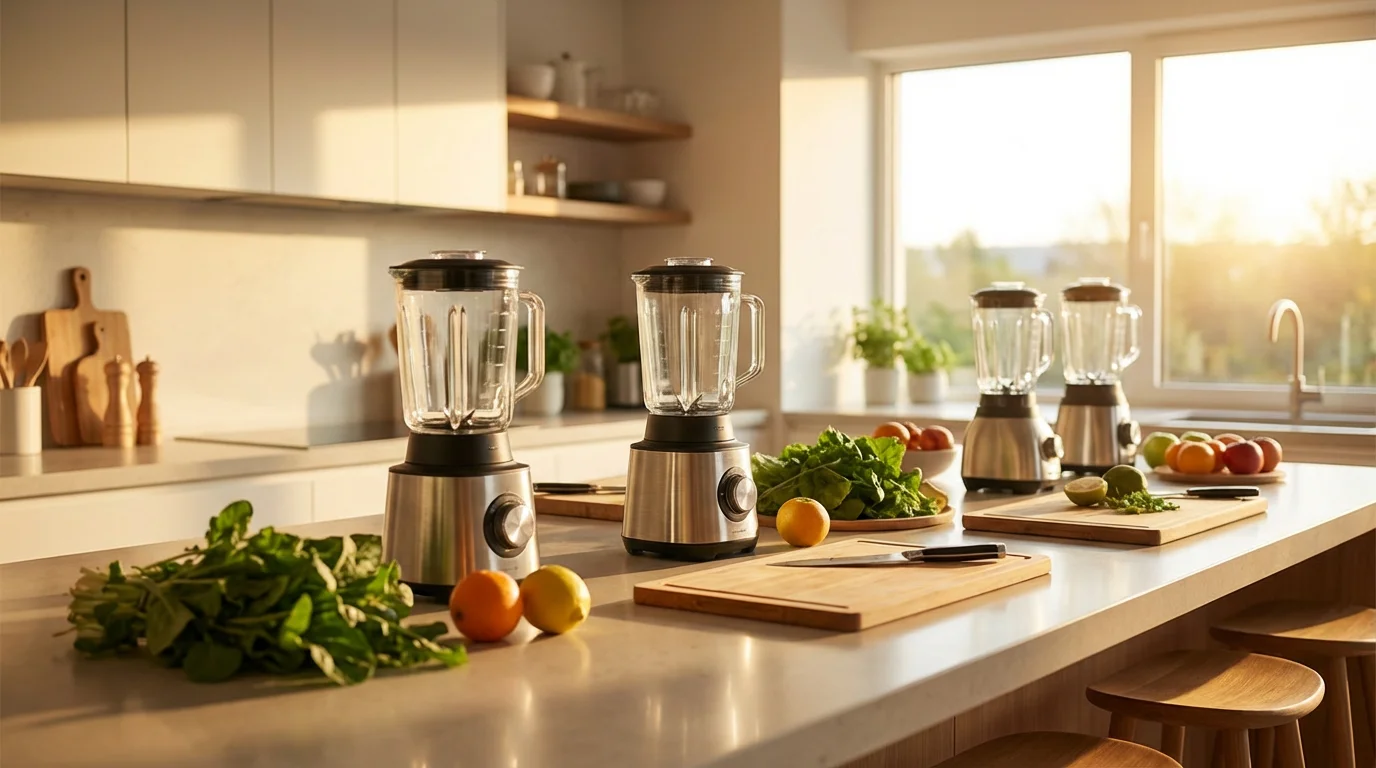
Just as you would research the best blenders for smoothies to ensure powerful performance, finding the right coffee maker requires looking at motor quality and durability.
Leave a Reply