
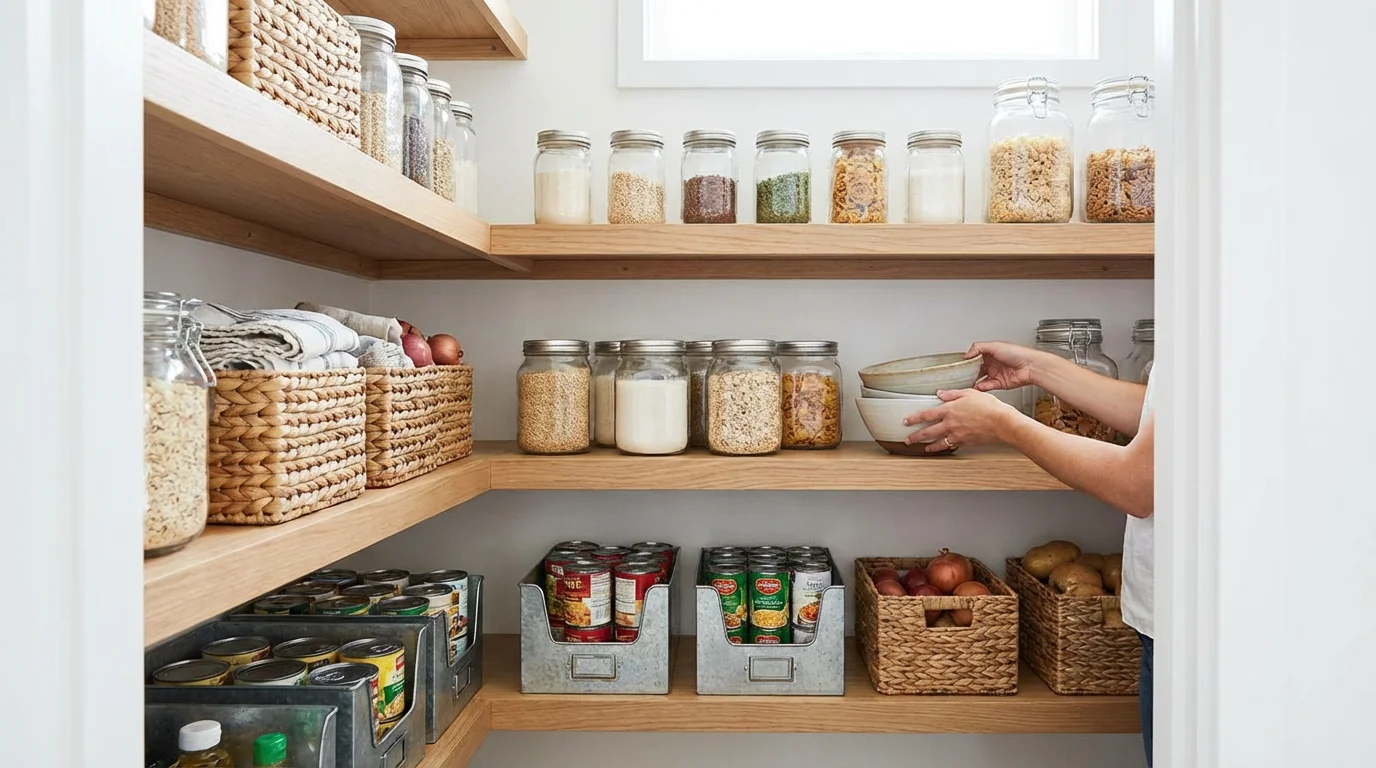
Do you open your pantry door only to be met with a cascade of cans, bags, and boxes? Are your baking supplies lost in the depths, and snacks waging a silent war for shelf space? You are not alone. Many home cooks in the USA struggle with cluttered, disorganized kitchens, particularly the pantry, where too many gadgets and groceries fight for limited room. A chaotic pantry wastes your time, money, and valuable ingredients. It makes meal prep a chore and finding what you need a constant battle.
This guide delivers practical, actionable strategies to transform your pantry into an efficient, functional space. We focus on real-world solutions that maximize every inch without requiring expensive renovations. You will learn how to declutter effectively, implement smart storage solutions, and maintain an organized system long-term. Let’s create a pantry where everything has a home and finding ingredients becomes effortless.
Why Organize Your Pantry: Beyond Aesthetics
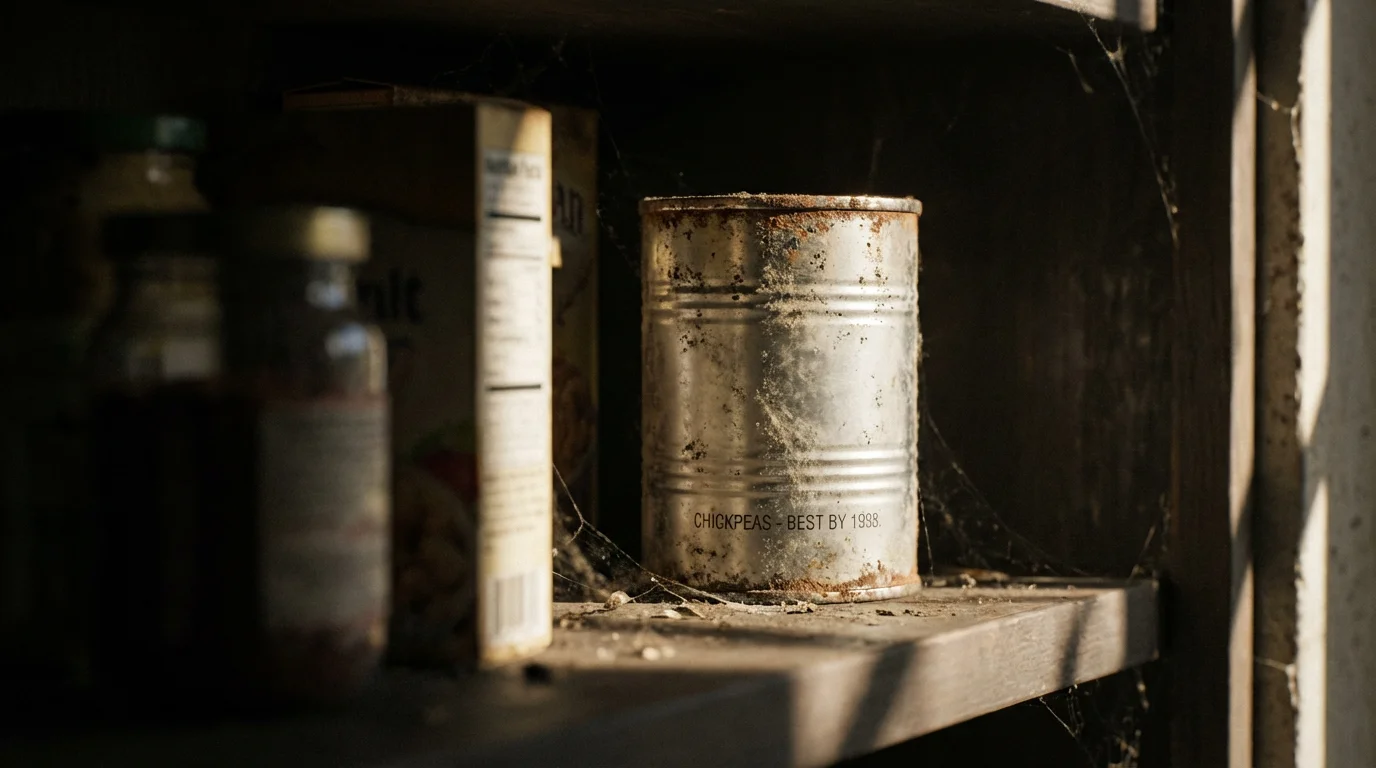
An organized pantry offers more than just a pleasing appearance. It provides tangible benefits that impact your daily life and budget. When you know where everything is, you spend less time searching, which streamlines meal preparation. This efficiency directly translates into less food waste, as items do not get lost and expire unseen. A study highlighted by Good Housekeeping’s home organization experts emphasizes that a well-structured kitchen environment significantly reduces stress during cooking.
Once your dry goods are in order, you might find that professional refrigerator organization systems can similarly reduce stress and food waste in your kitchen.
Consider the cost savings. When you can easily see what you have, you avoid purchasing duplicates. This reduces unnecessary grocery expenses. Moreover, an organized pantry supports healthier eating habits. You are more likely to cook at home when the process is straightforward, and you can quickly locate fresh ingredients and healthy staples. An organized space creates a sense of calm and control, which extends beyond the kitchen.
“The goal is not a Pinterest-perfect pantry. It is being able to find what you need in 10 seconds or less.” — Professional Organizer
Phase One: Declutter and Inventory Your Pantry
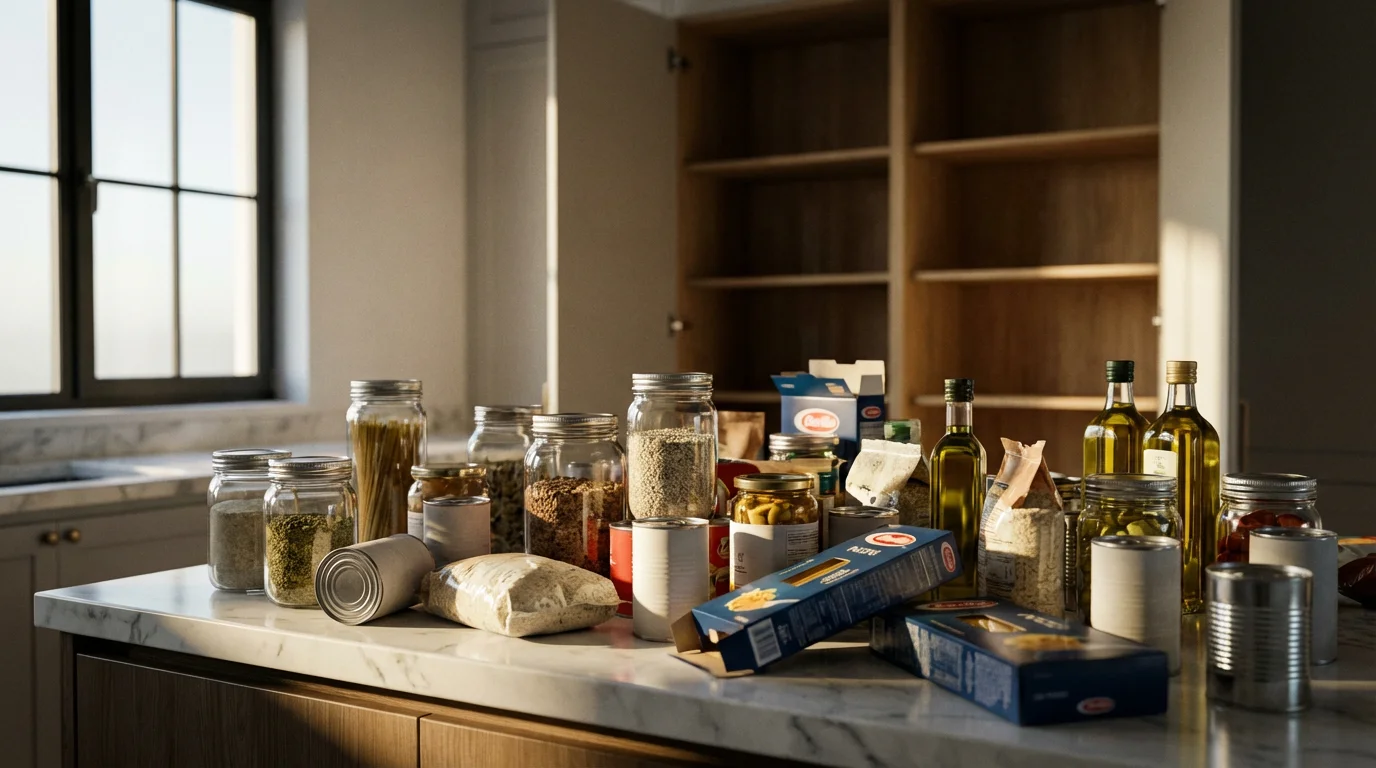
Before you implement any new storage solutions, you must perform a thorough decluttering. This essential first step prevents you from organizing clutter and ensures you only store items you truly use and need. Begin by completely emptying your pantry. Take every item out and place it on your kitchen counter or a temporary surface. This gives you a clear view of your existing space and helps you assess your inventory.
As you remove items, sort them into categories: Keep, Donate, and Discard.
- Keep: These are items you regularly use, have not expired, and are in good condition.
- Donate: Unopened, non-perishable food items that are still within their expiration date can often be donated to local food banks. This is a great way to give back and ensure food does not go to waste.
- Discard: This category includes expired items, opened packages that have gone stale, foods with unusual odors, or anything that looks suspicious. Be ruthless here; old food poses health risks and consumes valuable space.
Review expiration dates on every single item. You will likely be surprised by how many forgotten treasures lurk past their prime. Wipe down all shelves and interior surfaces of your pantry before you put anything back. This clean slate prepares your pantry for its new, organized life.
Mastering Pantry Zones for Efficient Storage
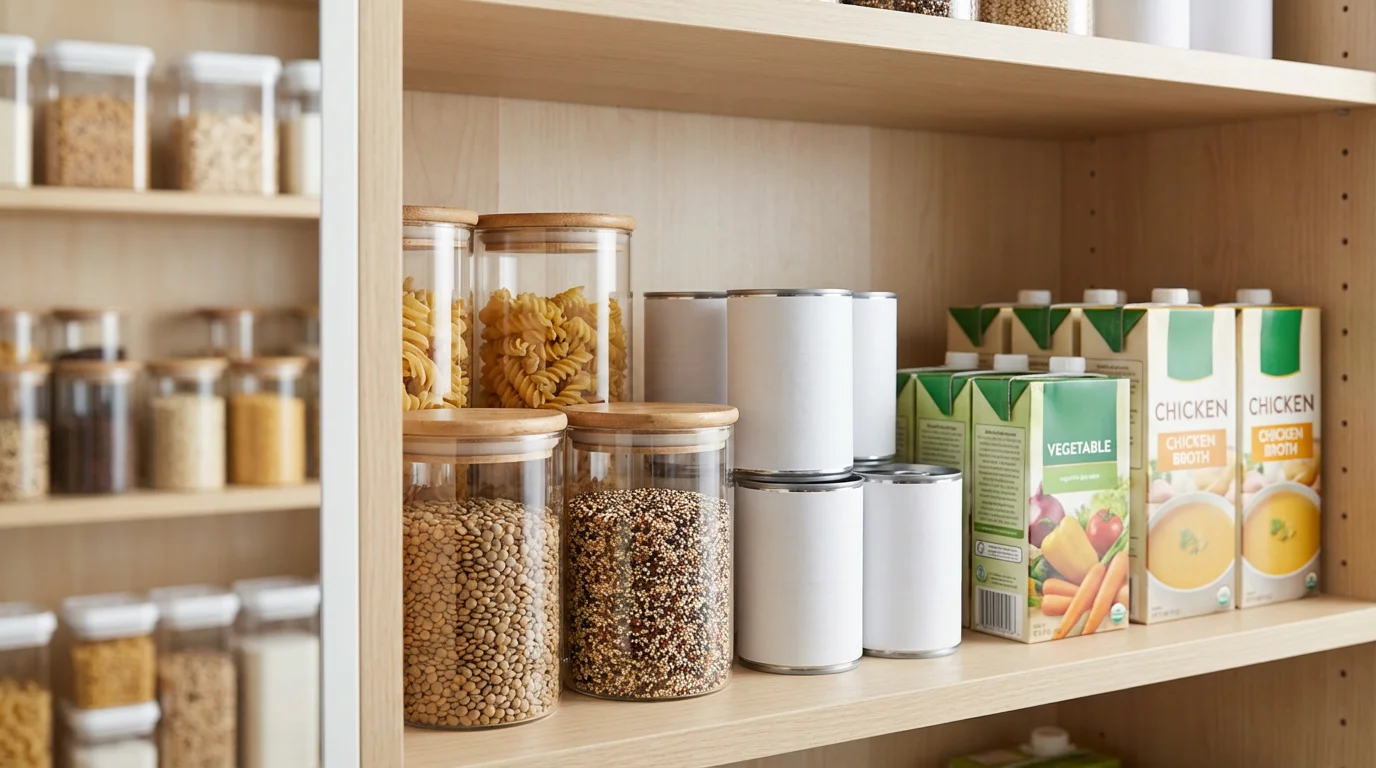
Once your pantry is clean and decluttered, implement a zoning strategy. This means grouping similar items together, making them easy to find and access. Think about your cooking workflow and how you use your pantry daily. This approach minimizes “dead space,” which refers to unused storage areas, often in corners or above appliances, and helps you maximize every shelf.
If you use your pantry to store cookie sheets or muffin tins, choosing the right bakeware organization strategy can prevent heavy items from becoming a cluttered pile.
Here are common pantry zones:
- Baking Supplies: Flour, sugar, baking powder, chocolate chips, vanilla extract. Store these together, ideally in airtight containers, on a dedicated shelf.
- Breakfast Items: Cereal, oatmeal, granola, coffee, tea.
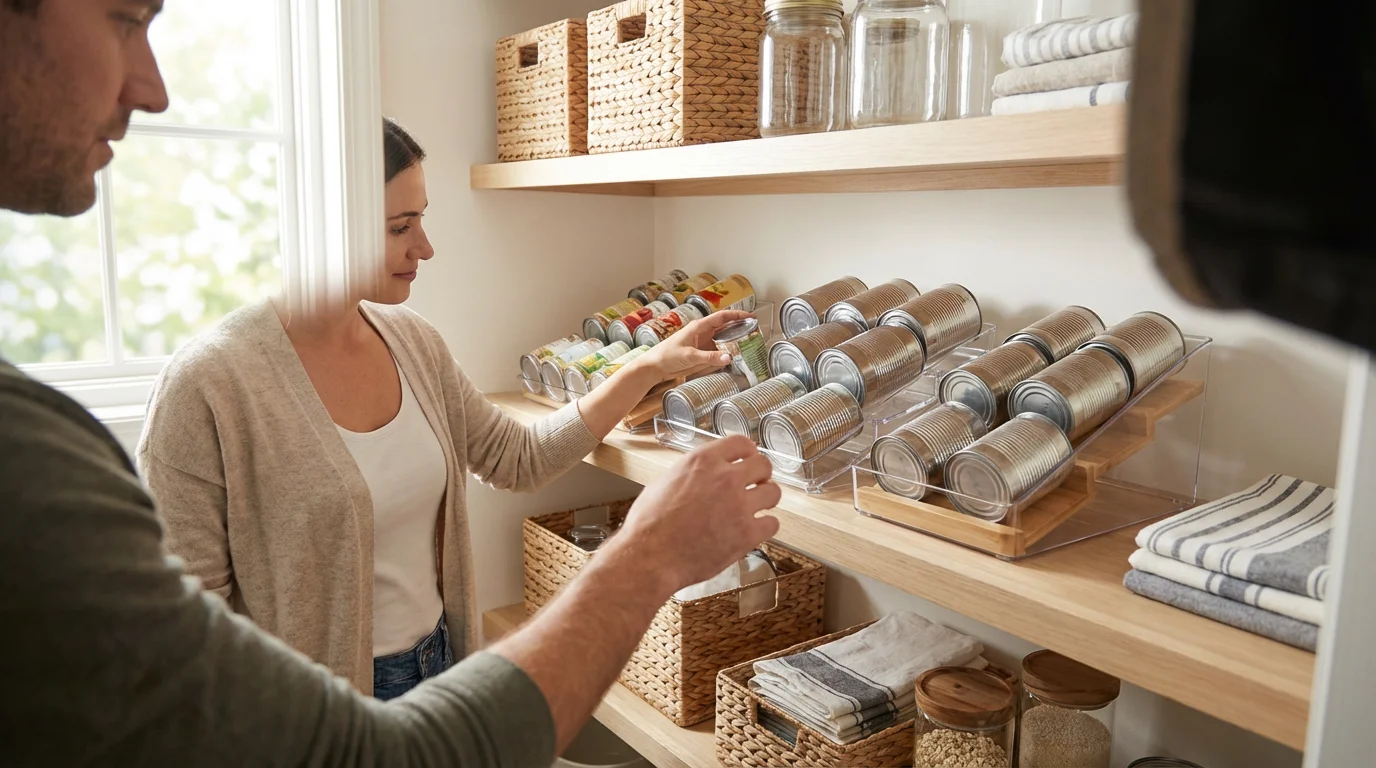
- Canned Goods: Soups, vegetables, fruits, beans. Group similar cans and use a “shelf riser” for visibility. A shelf riser is a mini shelf that creates two levels of storage in one space, making it easier to see items in the back.
- Grains and Pasta: Rice, various pasta shapes, quinoa. Store these in clear, airtight containers.
- Snacks: Chips, crackers, granola bars. Consider a dedicated basket for grab-and-go items, especially for families.
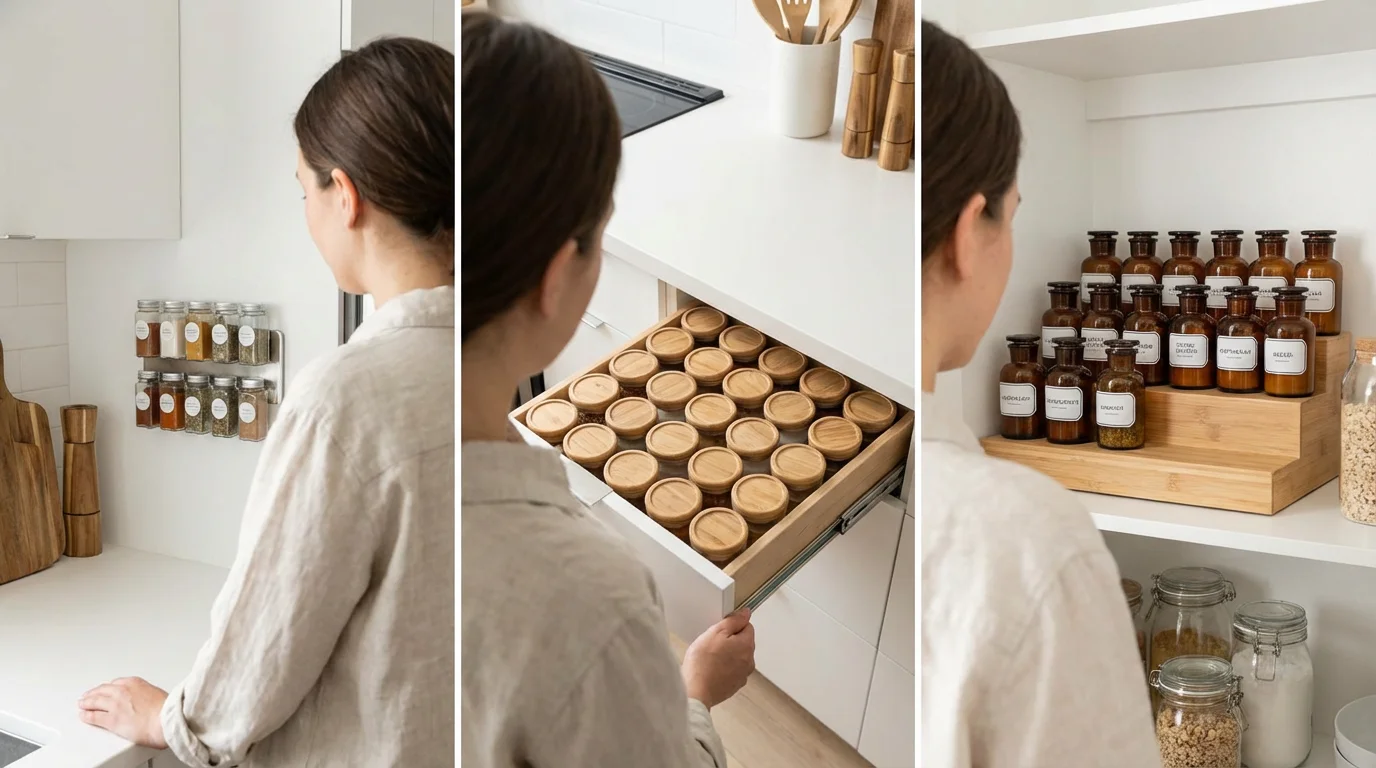
- Spices and Seasonings: Organize them alphabetically or by frequency of use. A small lazy susan works well for these.
- Bulk Items: Large bags of flour, sugar, or rice. Store these on lower, sturdier shelves, ideally in large, sturdy containers.
- Infrequently Used Items: Special occasion serving dishes, small appliances used only a few times a year. Place these on the highest shelves.
Implement the FIFO (First In, First Out) method for perishable and date-sensitive items. This means placing newer items behind older ones, ensuring you use the oldest items first, which significantly reduces food waste.
Smart Storage Solutions: Bins, Baskets, and Containers
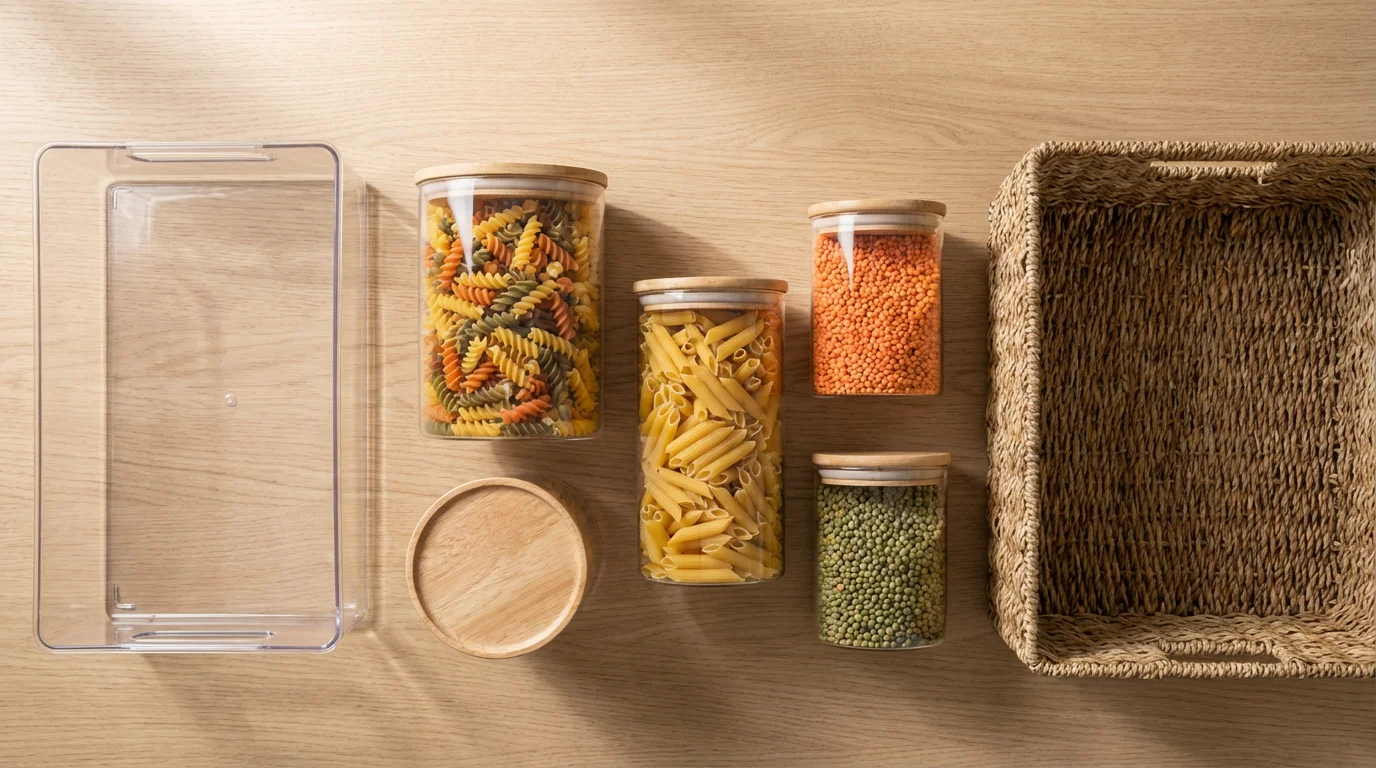
The right storage containers are the backbone of an organized pantry. They define categories, prevent items from toppling over, and create a uniform, tidy appearance. When selecting bins and baskets, consider both function and material.
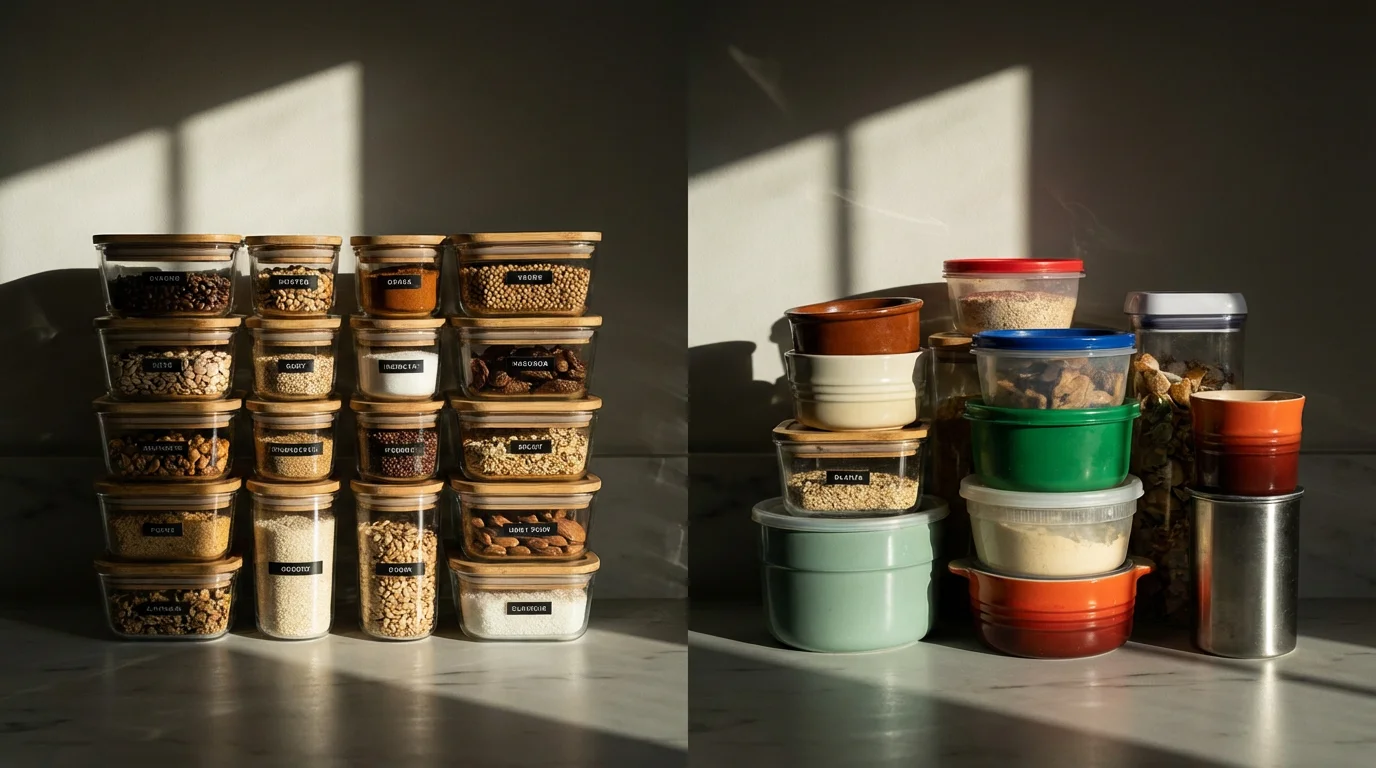
Airtight Food Storage Containers
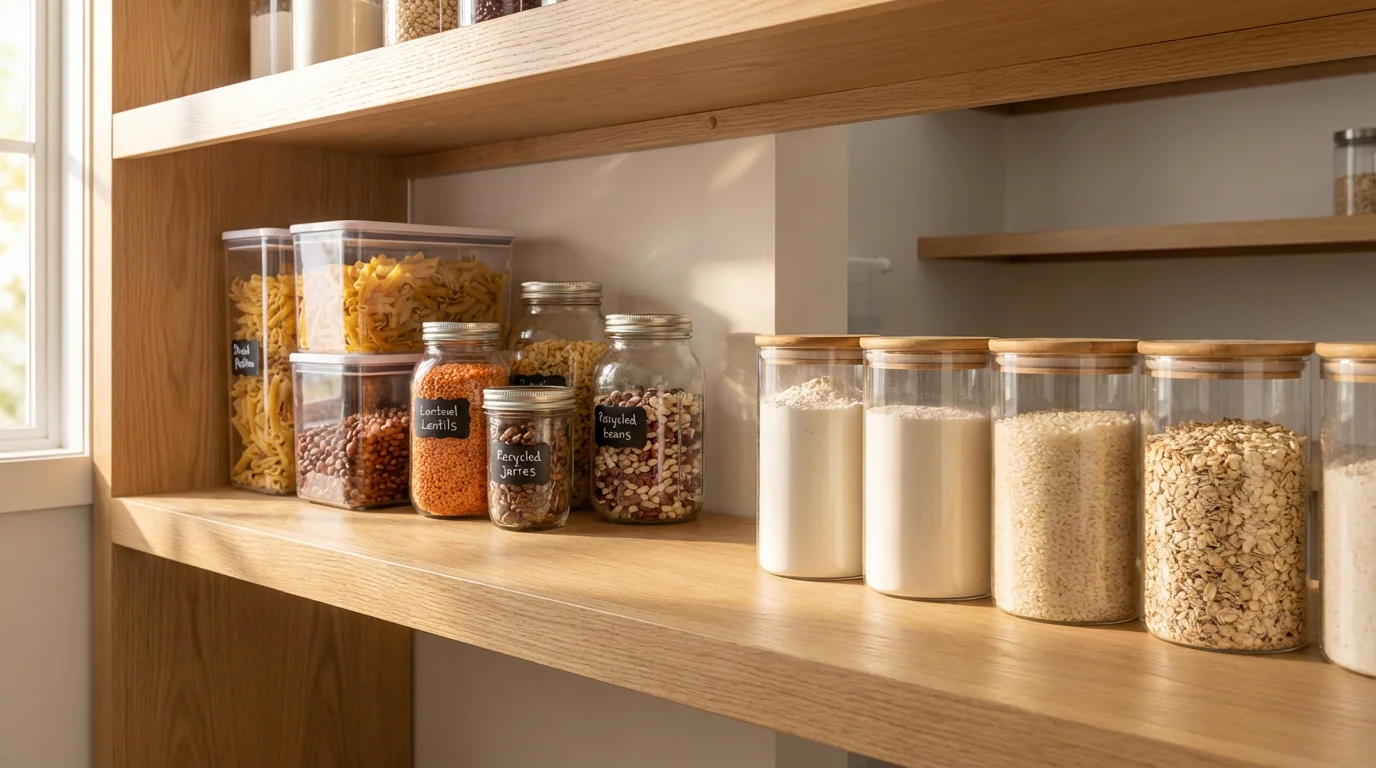
For dry goods like flour, sugar, pasta, grains, and cereals, airtight containers are indispensable. They keep food fresh, protect against pests, and allow for clear visibility of contents. Common materials include BPA-free plastic and glass. Look for modular designs, meaning pieces that can be combined and configured different ways, as they maximize vertical space.
- Sizes: A typical set might include 16-cup containers for flour/sugar, 8-cup for oats/pasta, 4-cup for rice/beans, and smaller 2-cup containers for nuts or dried fruit.
- Dimensions: Most modular sets feature square or rectangular bases around 4-6 inches per side, allowing them to fit snugly next to each other and maximize standard pantry shelf depths of 12-18 inches.
- Benefit: Creates a uniform look, keeps food fresh, eliminates messy bags.
Open Bins and Baskets
These are perfect for grouping items like snacks, small bags of chips, juice boxes, or produce that does not require refrigeration (onions, potatoes). They prevent small items from scattering across shelves. Materials vary widely.
| Material | Pros | Cons | Typical Use Cases |
|---|---|---|---|
| Clear Acrylic/Plastic Bins | Visibility, easy to clean, modern look | Can scratch, less durable than wire | Cans, pouches, snack bags, baking mixes |
| Woven Baskets (Wicker, Hyacinth) | Aesthetic appeal, hides clutter, adds warmth | Harder to clean, can snag items, opaque | Produce (onions, potatoes), snack bags, linens |
| Wire Baskets | Durable, breathable, industrial look, affordable | Items can fall through gaps, visible contents | Root vegetables, canned goods, larger packages |
| Plastic Totes with Handles | Sturdy, easy to pull out, good for heavier items | Less aesthetic, can be bulky | Bulk items, cleaning supplies, pet food |
When selecting bins, measure your shelves carefully. For example, if your shelves are 14 inches deep, choose bins that are 12-13 inches deep to allow for easy retrieval. If your shelf height is 10 inches, ensure your bins are no taller than 9 inches.
Maximizing Vertical Space: Shelf Risers and Stackable Organizers
One of the most common pantry frustrations is wasted vertical space between shelves. Often, items only fill half the height of a shelf, leaving valuable room above them unused. This is where shelf risers and stackable organizers become invaluable.
Shelf Risers
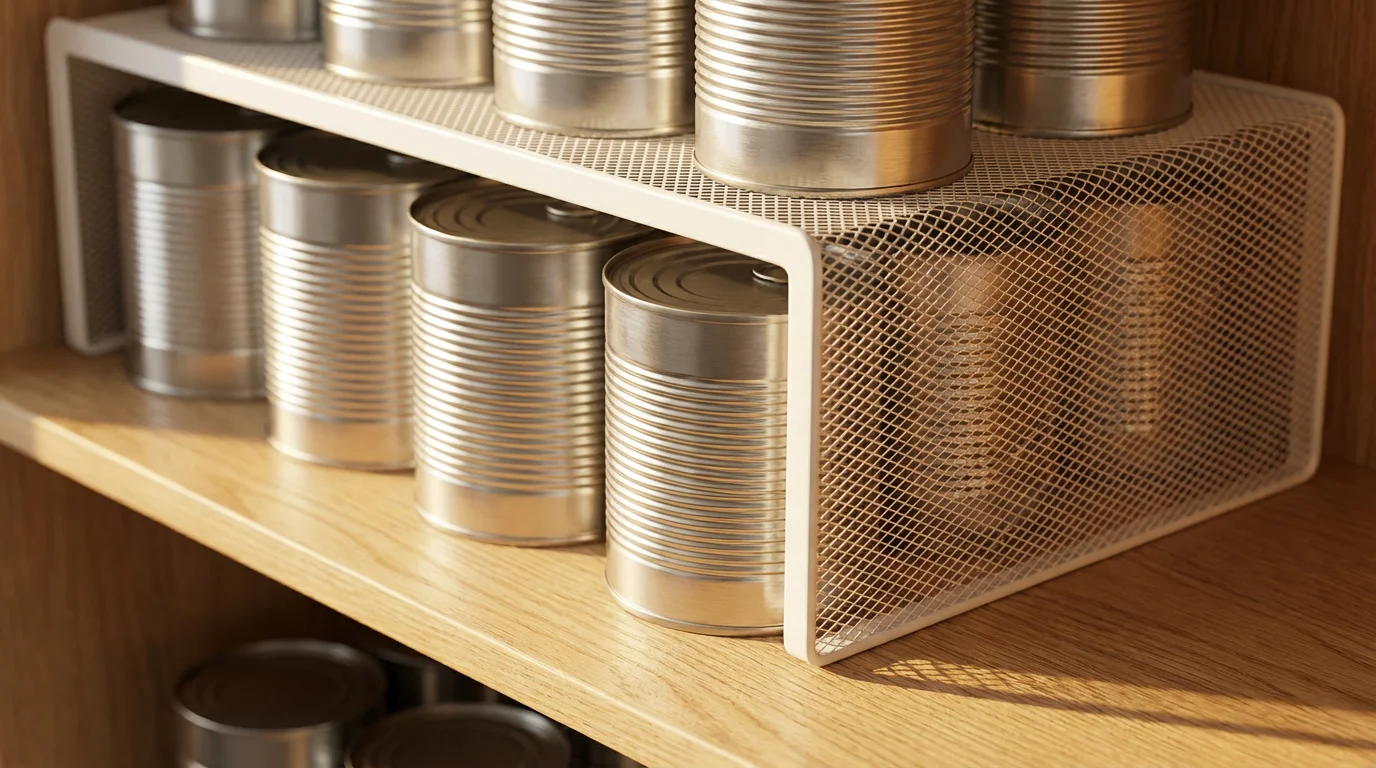
A shelf riser is a simple, elevated platform that creates an additional level of storage. They are particularly effective for canned goods, spices, and small jars. By lifting the back row of items, you can see everything at a glance, eliminating forgotten items. They typically come in metal, plastic, or bamboo.
- Standard Dimensions: Most shelf risers are 8-15 inches wide, 4-6 inches tall, and 6-10 inches deep.
- Example Application: Use a 12-inch wide, 5-inch tall metal shelf riser to store two rows of 15-ounce cans on a shelf with 12 inches of vertical clearance. The front row sits on the shelf, and the back row sits on the riser, making both visible.
- Benefit: Prevents items from being lost in the back, doubles storage for smaller items.
Stackable Organizers
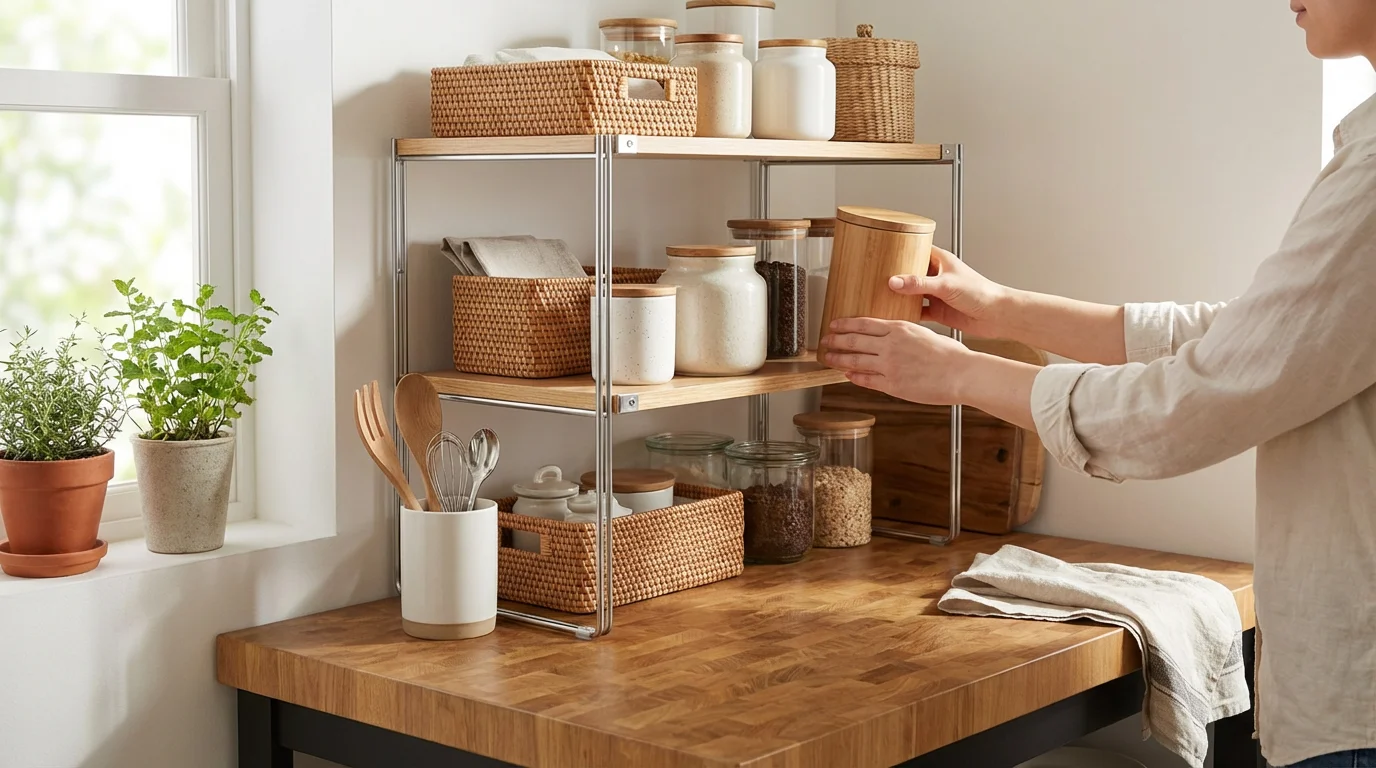
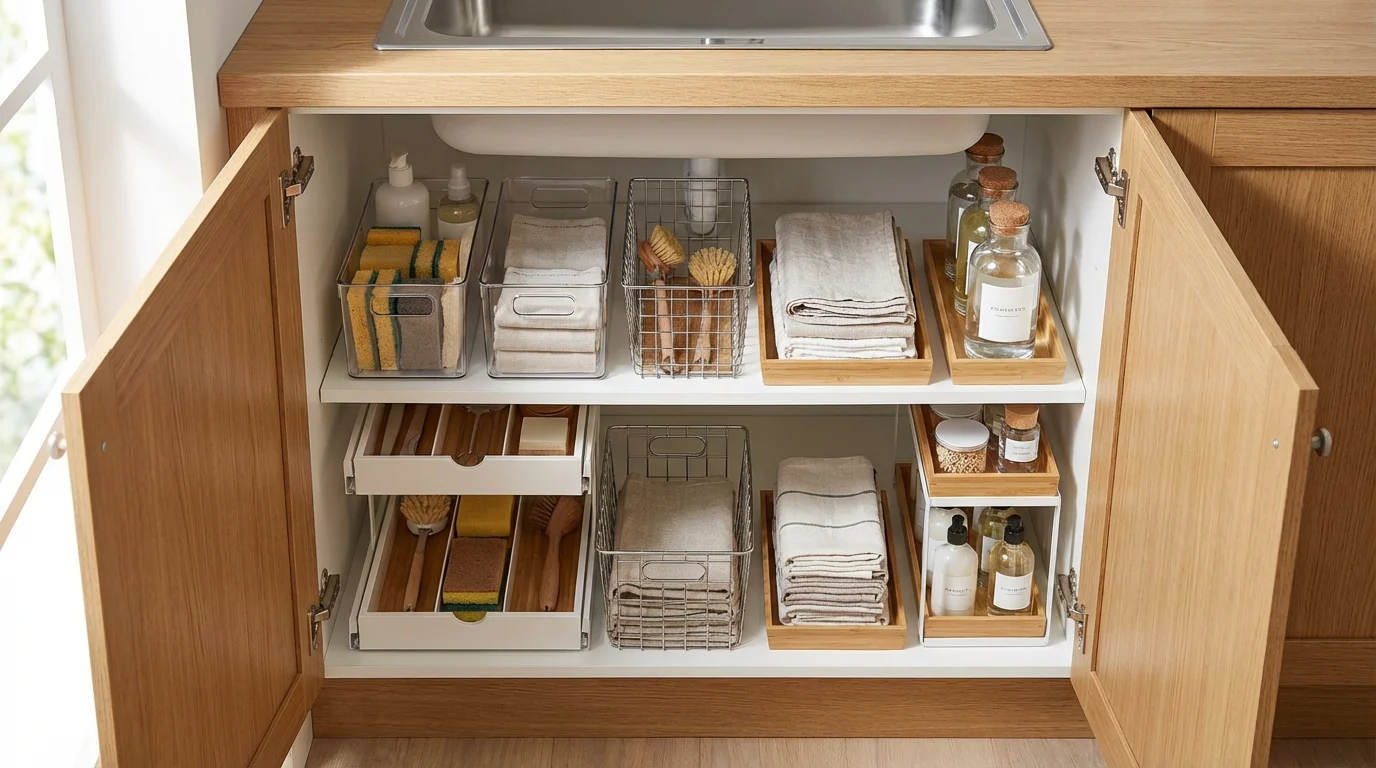
Stackable organizers, which are designed to safely pile on top of each other, offer flexible solutions for various items. These can range from simple wire shelves that create a second tier to stackable bins and drawers. They are especially useful for renters who cannot modify built-in shelving.
- Wire Stacking Shelves: Common sizes are 12-18 inches wide, 8-10 inches deep, and 6-8 inches tall. You can stack two or three of these on a single shelf to create multiple levels for plates, small appliances, or bulkier pantry items.
- Stackable Bins: Look for plastic or wire bins designed with interlocking features or sturdy bases that allow stable stacking. These work well for creating “drawers” for snacks or produce.
- Considerations: Ensure the total height of your stacked organizers leaves enough clearance to easily access the items on each level. For example, if you have 14 inches of vertical space, two 6-inch tall stackable shelves leave 2 inches of clearance for items.
Using these tools effectively means you are not just organizing horizontally, but also maximizing every vertical inch your pantry offers.
Conquering Deep and Corner Pantries with Lazy Susans and Pull-Outs
Deep pantry shelves and corner units present unique challenges. Items tend to get pushed to the back, becoming invisible and forgotten. Solutions like lazy susans and pull-out organizers directly address this “dead space” by making items easily accessible.
Lazy Susans (Rotating Trays)
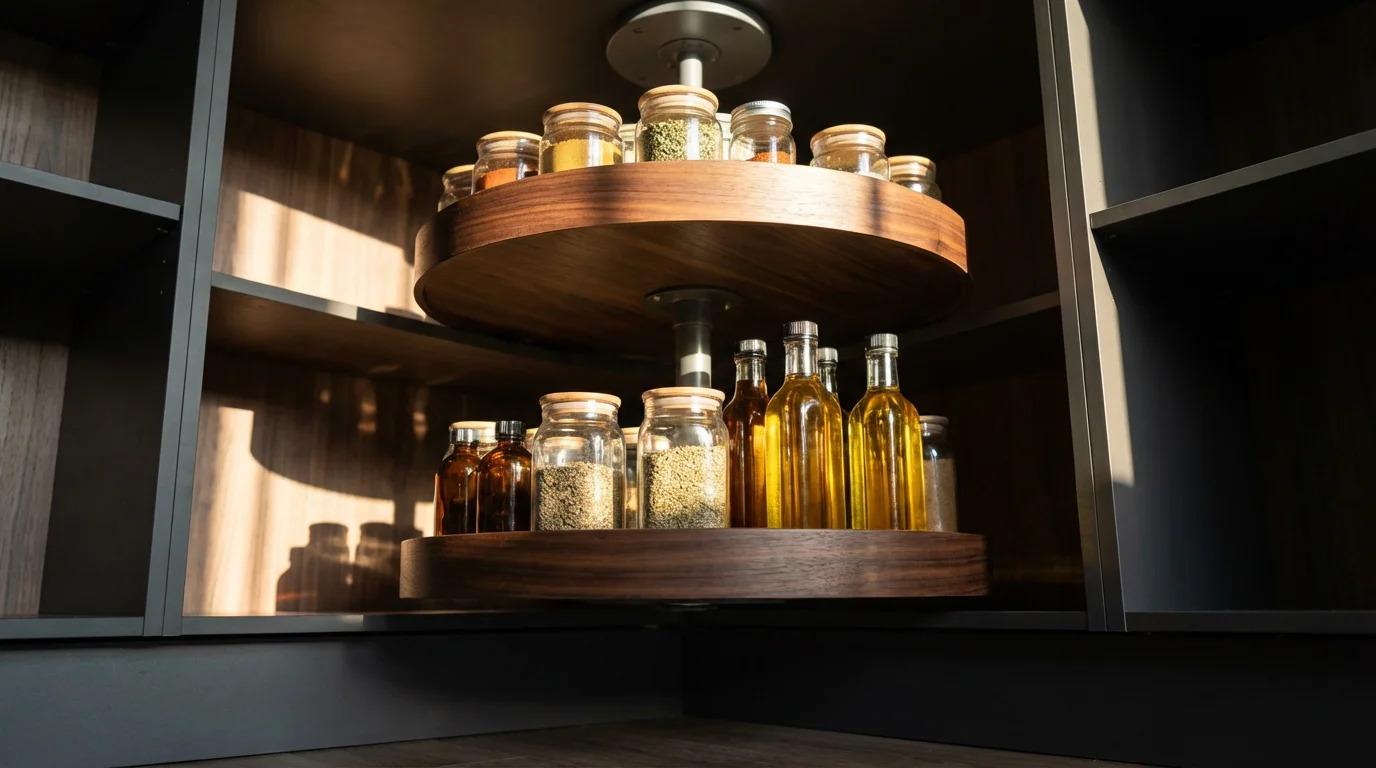
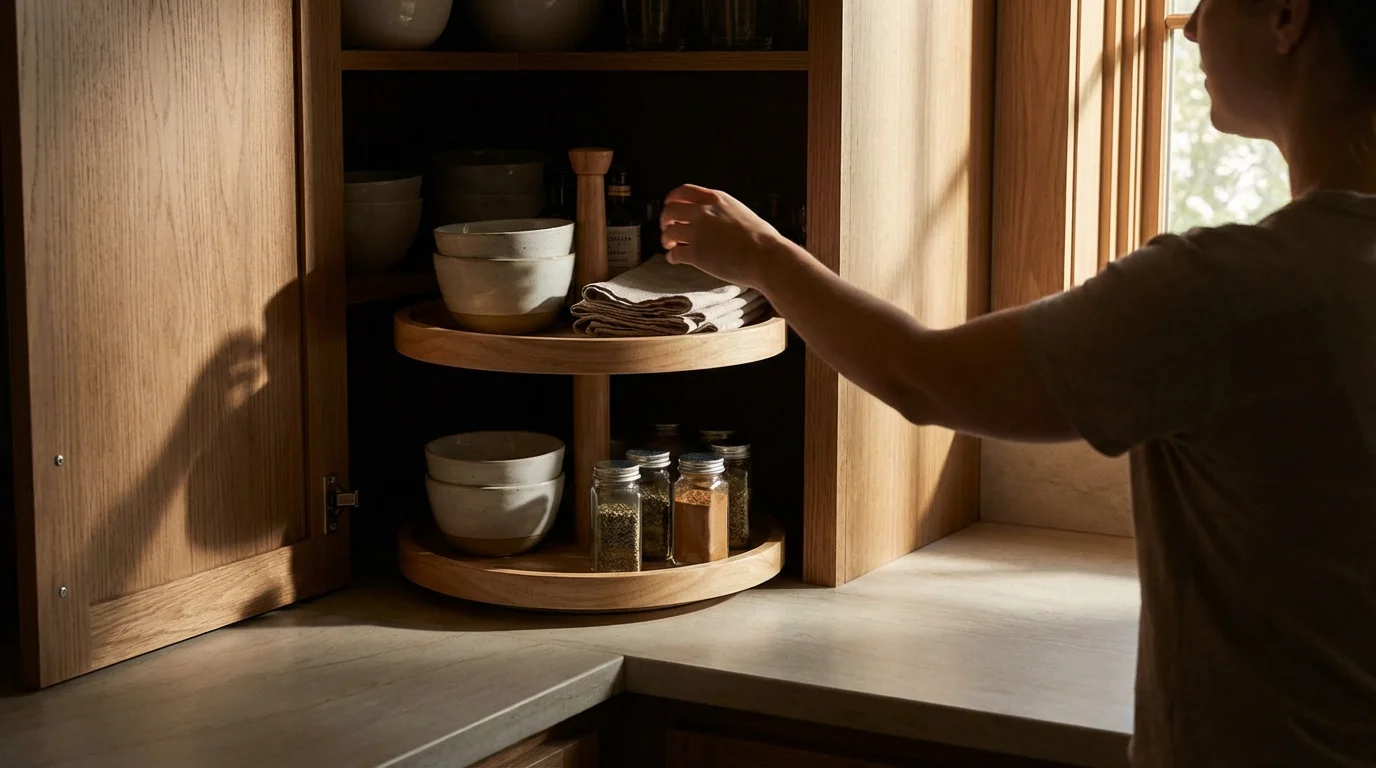
A lazy susan is a rotating tray that makes corner cabinet items accessible, or brings items from the back of a deep shelf to the front with a simple spin. They are excellent for spices, oils, condiments, and smaller jars. They can be single or multi-tiered.
- For Spices/Condiments: A 10-12 inch diameter lazy susan fits most standard spices and small jars.
- For Deep Shelves/Corner Pantries: Larger 18-24 inch diameter lazy susans can hold bulkier items like bottles of vinegar, large jars of peanut butter, or even small bags of snacks.
- Material: Plastic, wood, or metal. Clear plastic allows you to see items easily, while wood offers a warmer aesthetic.
- Placement: Place lazy susans in corners, on deep shelves, or even on a countertop for frequently used items.
According to Wirecutter’s kitchen organization reviews, a well-chosen lazy susan can drastically improve the functionality of awkward pantry spaces, especially for small items that frequently get lost.
Pull-Out Organizers
A pull-out organizer is a drawer or shelf that slides out for easy access to items stored deeper within a cabinet or pantry. These are transformative for deep, lower shelves where kneeling and rummaging are typically required. They come in various widths and depths, often made of chrome wire or sturdy plastic.
- Installation: Many pull-out units require permanent installation, screwing into the base of the cabinet or pantry shelf. However, freestanding versions are available for renters or those unwilling to drill.
- Standard Dimensions: Typical depths range from 18-22 inches to fit standard pantry depths. Widths vary from 8-24 inches.
- Considerations: Measure your pantry opening width (accounting for hinges) and the internal depth precisely. Ensure enough clearance above the pull-out for items like cereal boxes or tall bottles. For instance, if your pantry opening is 15 inches wide, you might choose a 12-inch wide pull-out organizer to ensure it clears the frame.
- Benefit: Brings items from the back to the front, preventing forgotten goods and making heavy items easier to retrieve.
While pull-out organizers often represent a larger investment, their impact on accessibility and organization for deep spaces is unmatched.
Door-Mounted Racks: Unlocking Hidden Storage
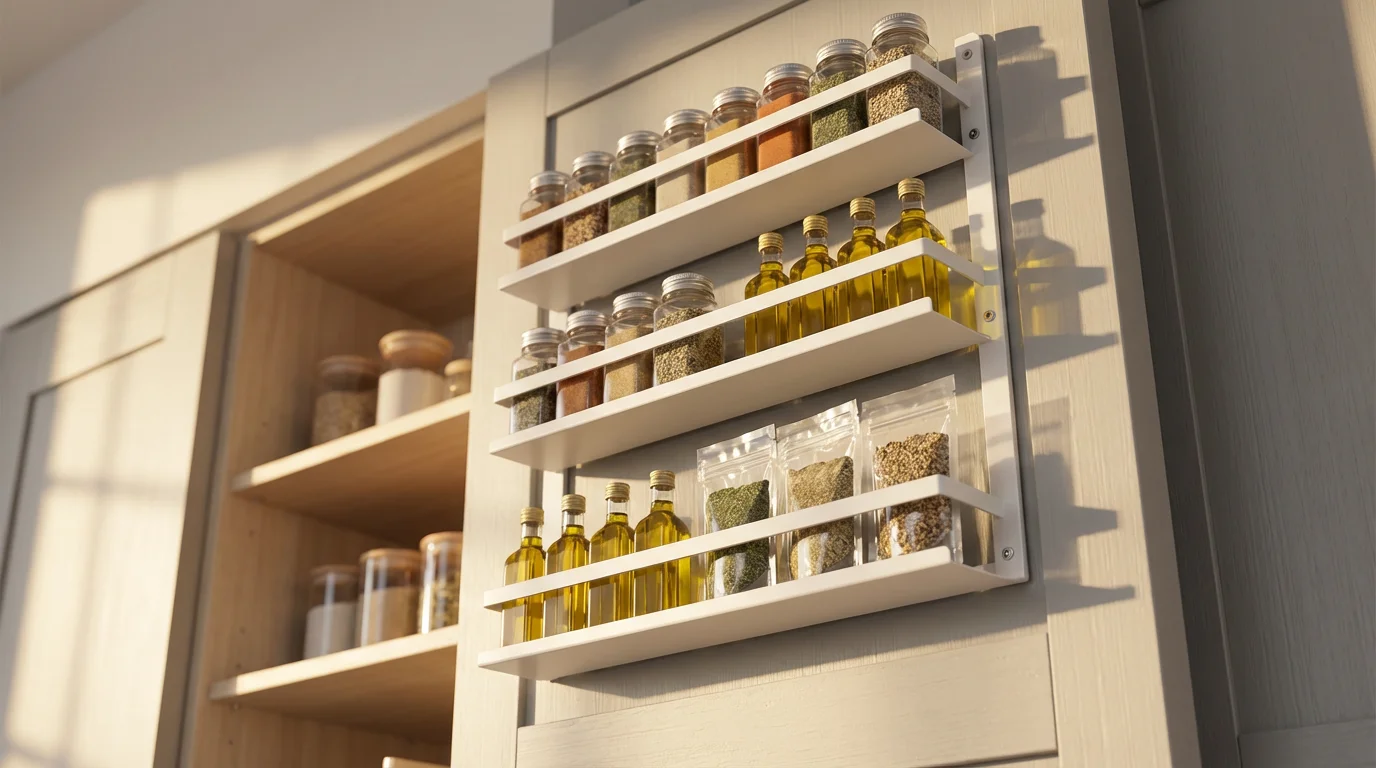
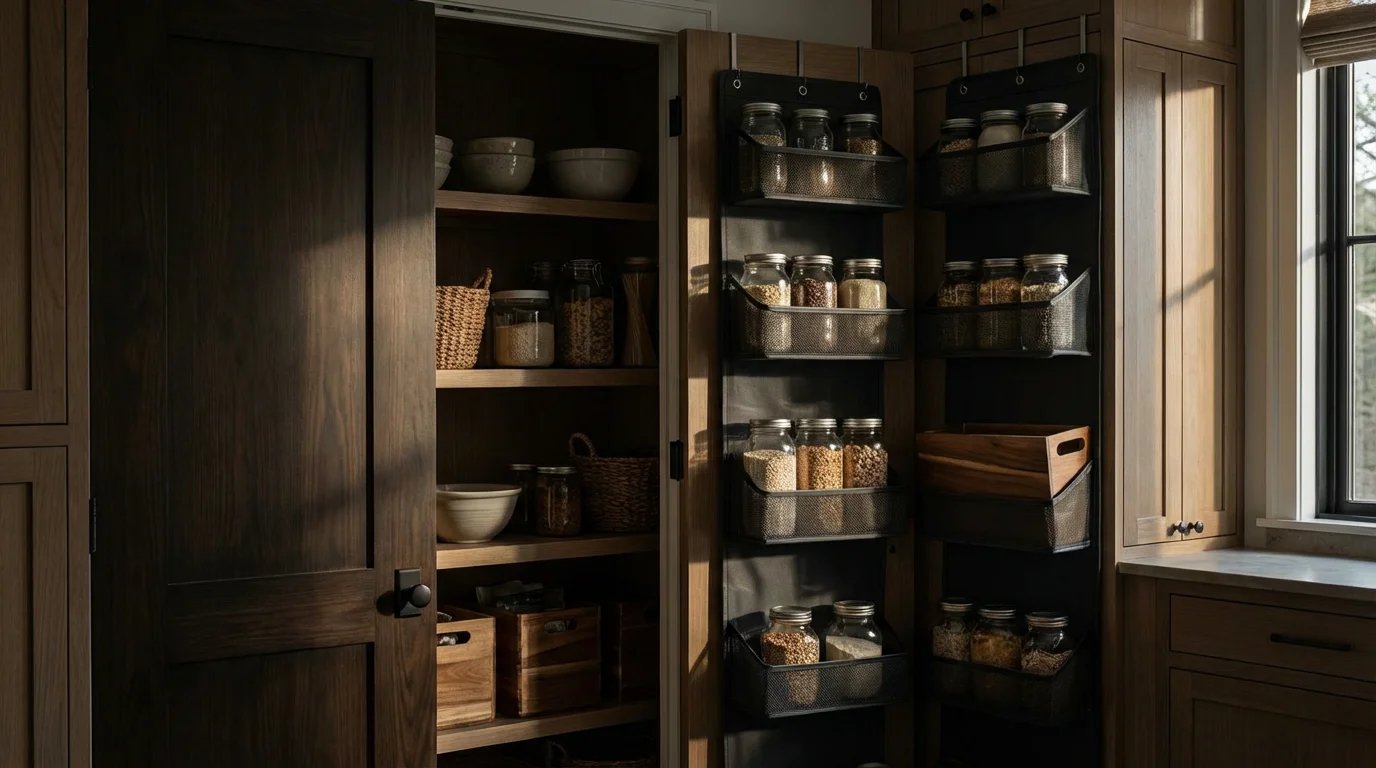
Do not overlook the inside of your pantry door. This often-neglected vertical space offers significant additional storage, especially useful for smaller, lightweight items. A door-mounted rack is storage that hangs on the inside of cabinet doors, either via over-the-door hooks or by screwing into the door itself.
Door racks are perfect for:
- Spices and Seasonings: Free up shelf space by moving your entire spice collection to the door. Look for racks with adjustable shelves to accommodate various jar heights.
- Condiments: Bottles of hot sauce, olive oil, and other frequently used condiments fit well here.
- Snack Pouches/Bars: Keep grab-and-go items visible and accessible.
- Foil, Plastic Wrap, and Sandwich Bags: Many racks are designed with wider shelves specifically for these boxes.
Types and Considerations:
- Over-the-Door Racks: These simply hook over the top of your pantry door, requiring no drilling. They are ideal for renters or those who prefer non-permanent solutions. Ensure your door has sufficient clearance (usually 1/8 to 1/4 inch) to close properly with the hooks in place.
- Screw-In Racks: These offer a more secure and stable installation. If you are a homeowner, this option provides greater weight capacity and stability.
- Adjustable Shelves: Many door racks feature shelves that you can reposition to customize for your items. This flexibility is crucial as your storage needs evolve.
- Depth: Most door racks have a shallow depth, typically 4-6 inches, to ensure the pantry door can close without hitting internal shelves. Measure the clearance between your closed door and the nearest pantry shelf to confirm fit.
By utilizing door-mounted racks, you can significantly increase your pantry’s storage capacity for small items, freeing up valuable shelf space for bulkier goods.
Budget-Friendly vs. Premium Organizers: What is Right for You?
Organizing your pantry does not require a massive financial outlay. Solutions exist for every budget, from DIY to high-end custom systems. Your choice depends on your needs, aesthetic preferences, and whether you are a renter or homeowner.
Budget-Friendly Options:
- DIY and Upcycled: Repurpose shoe boxes, cereal boxes (covered in decorative paper), or sturdy grocery bags as temporary bins. Use old jars for dry goods after a thorough cleaning.
- Basic Plastic Bins: Inexpensive plastic bins are readily available at discount stores. They offer practical containment, though they may not be as durable or aesthetically pleasing as higher-end options. Look for clear options for easy visibility.
- Wire Organizers: Simple wire baskets and shelf risers are often very affordable and effective. They offer good visibility and ventilation.
- Renters: Focus on non-permanent solutions like tension rods for hanging items, over-the-door racks, and freestanding stackable shelves that you can take with you when you move.
Mid-Range Options:
- BPA-Free Plastic Containers: Brands like OXO Good Grips or Rubbermaid Brilliance offer modular, airtight containers that are durable, visually appealing, and highly functional. They are a worthwhile investment for preserving food freshness.
- Woven Baskets: Hyacinth or rattan baskets provide a warmer, more decorative look than plastic. They are good for hiding clutter.
- Bamboo Organizers: Bamboo shelf risers, drawer dividers, and spice racks offer a natural, elevated aesthetic and are generally quite durable.
Premium Options:
- Custom Pull-Out Systems: For homeowners, professionally installed pull-out drawers and shelves from companies like Rev-A-Shelf or Kesseböhmer offer custom fits and robust construction. These maximize space in deep or awkward cabinets and pantries.
- Built-In Pantry Systems: If you are renovating, consider built-in shelving and drawer systems that fully integrate into your pantry space, providing a seamless and highly customized solution.
- High-End Glass Containers: Borosilicate glass containers with bamboo lids offer superior durability and a high-end aesthetic, though they are heavier and more fragile.
Evaluate what areas cause the most frustration in your pantry and allocate your budget accordingly. Sometimes, investing in a few key items, like airtight containers for frequently used dry goods, can make a significant difference.
Maintaining Your Organized Pantry: A Long-Term Strategy
An organized pantry is not a one-time project; it requires ongoing maintenance. The key to long-term success lies in establishing simple habits that prevent clutter from accumulating again. Consistency is more important than perfection.
Integrating labels and label makers into your system ensures that every family member knows exactly where each item belongs, making maintenance effortless.
Here are actionable strategies to keep your pantry pristine:
- Designate a “Donate” or “Use First” Bin: Keep a designated bin on a lower shelf for items nearing their expiration date or those you purchased accidentally. Make a conscious effort to use these items first.
- Weekly Quick Tidy: Spend 5-10 minutes each week doing a quick tidy. Straighten items, put things back in their zones, and wipe up any spills. This prevents small messes from becoming overwhelming.
- “One In, One Out” Rule: When you bring home new groceries, particularly if you have limited space, consider if you need to consume an older item or discard an expired one to make room. This prevents overstocking.
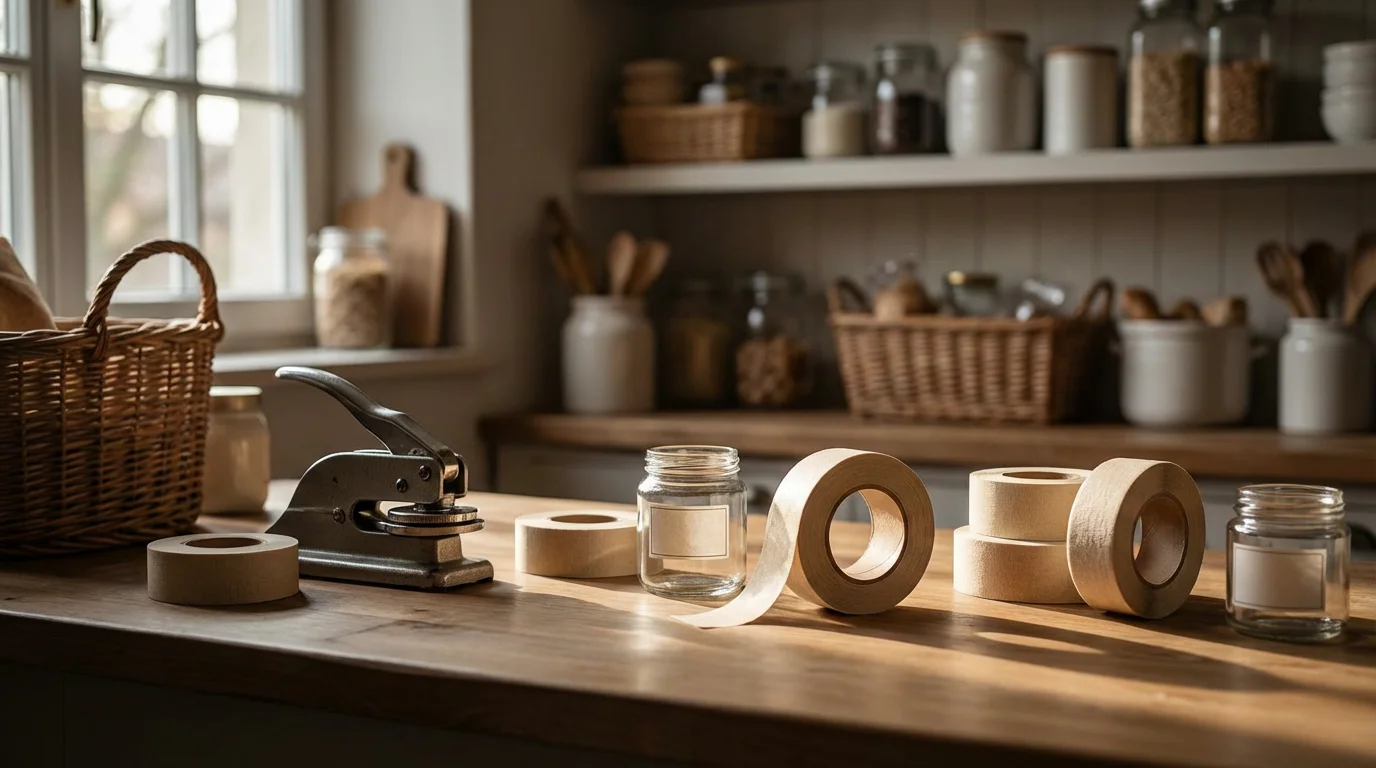
- Label Everything: Once you transfer items to new containers, label them clearly with the contents and the expiration date. Use a permanent marker on masking tape, or invest in a label maker. This eliminates guesswork.
- Adjust as Needed: Your cooking habits and family needs will change over time. Do not be afraid to re-evaluate your zones or container choices every few months. If something is not working, adjust it.
- Quarterly Deep Dive: Plan a deeper review every three months. Empty a section or two, check all dates, and wipe down shelves thoroughly. This prevents hidden clutter.
Remember that organization is a tool to simplify your life, not an additional burden. By integrating these small habits into your routine, you maintain the functional, efficient pantry you worked hard to create.
Frequently Asked Questions
How do I organize deep pantry shelves so items do not get lost?
For deep pantry shelves, use pull-out organizers or large lazy susans. Pull-out drawers allow you to slide items forward, making everything visible and accessible. For smaller items like spices or condiments, a large lazy susan brings the back items to the front with a simple spin. You can also use clear, stackable bins to group items, pulling the entire bin out to access contents.
What are the best pantry organizers for small spaces?
In small pantries, maximizing vertical space and using every available inch is crucial. Implement narrow shelf risers, stackable bins, and door-mounted racks. Consider slim rolling carts that can slide into gaps. Clear, modular containers help you see contents instantly, reducing the need for rummaging in tight spaces. For renters, focus on freestanding or over-the-door solutions.
Should I remove food from original packaging for pantry storage?
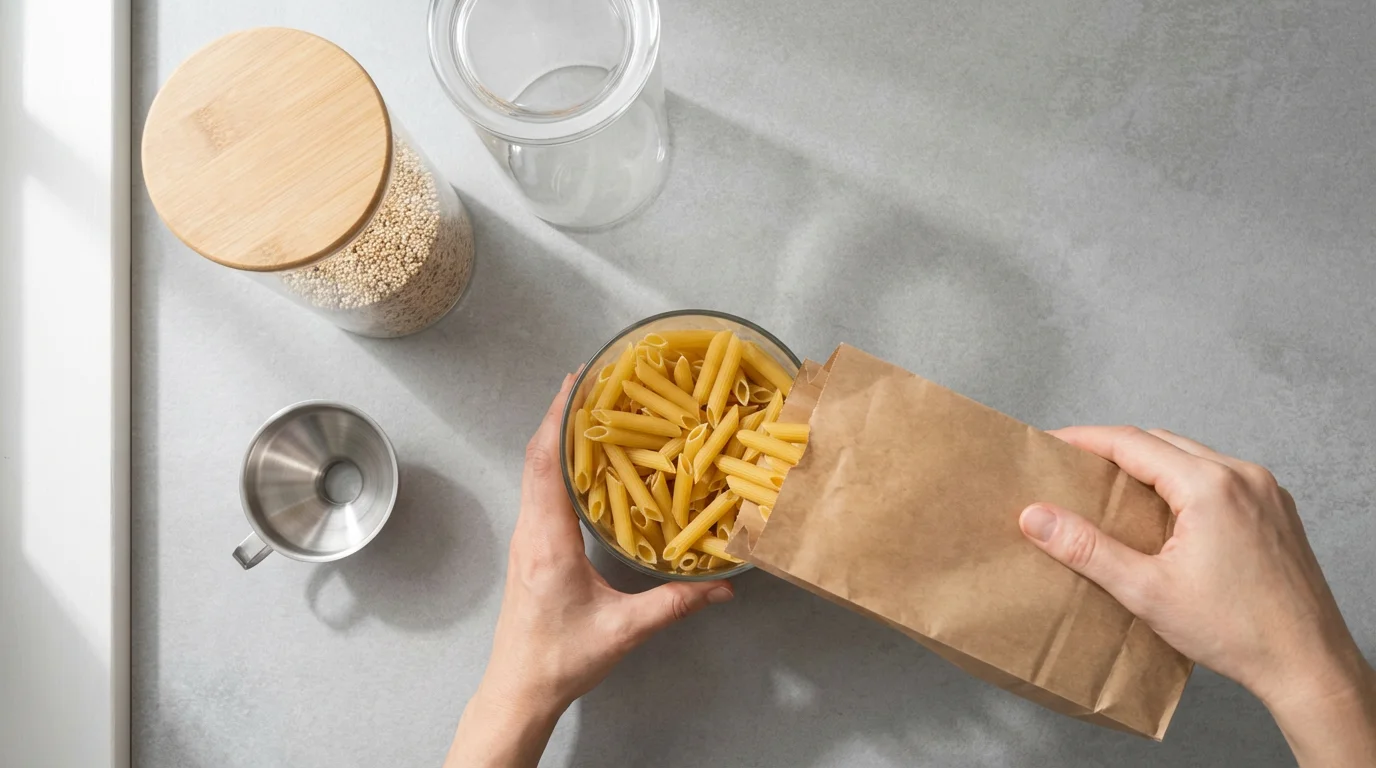
For dry goods like pasta, rice, flour, sugar, and cereals, absolutely. Transferring them to clear, airtight containers keeps them fresh, prevents pests, and creates a uniform, organized look. You gain visibility into your stock and can easily see when you need to replenish. For items like chips or crackers, a dedicated basket might suffice, but if you want to prevent staleness, transfer them to airtight containers as well.
How often should I declutter my pantry?
Perform a quick tidy and check for expired items weekly or bi-weekly. This prevents small issues from growing. For a thorough declutter and clean, aim for a seasonal or quarterly deep dive, roughly every three months. This ensures you maintain control over your inventory and prevent food waste.
Disclaimer: Product prices and availability change frequently. Prices shown were accurate at time of writing but may have changed. We may earn a small commission from purchases made through links on this site, at no extra cost to you. Always measure your space before purchasing organizers to ensure proper fit.
Leave a Reply