
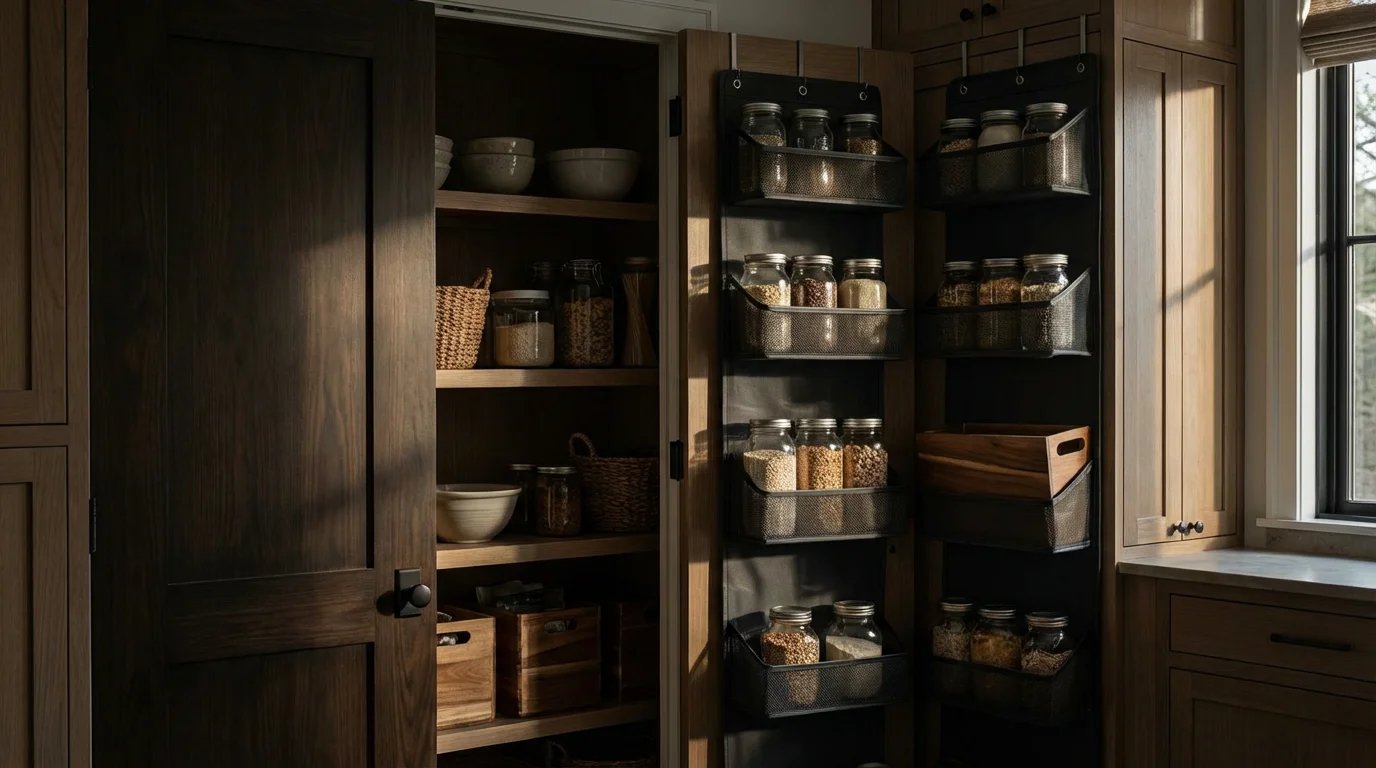
Do you face frustration every time you open your pantry or kitchen cabinets? Are stacks of cans threatening to avalanche, or do spices disappear into a dark abyss? You have more storage space than you realize. Your kitchen doors, often overlooked, offer prime real estate for organization. Over door organizers transform these neglected surfaces into valuable storage, helping you conquer clutter and streamline your cooking workflow.
Many home cooks in the USA grapple with cluttered, disorganized kitchens, often feeling overwhelmed by too many gadgets and not enough room. This article guides you through maximizing your kitchen space using smart, practical over door storage solutions. You will discover how to create a functional kitchen without expensive renovations, bringing a sense of order and calm to your culinary domain.
The Power of Vertical Space
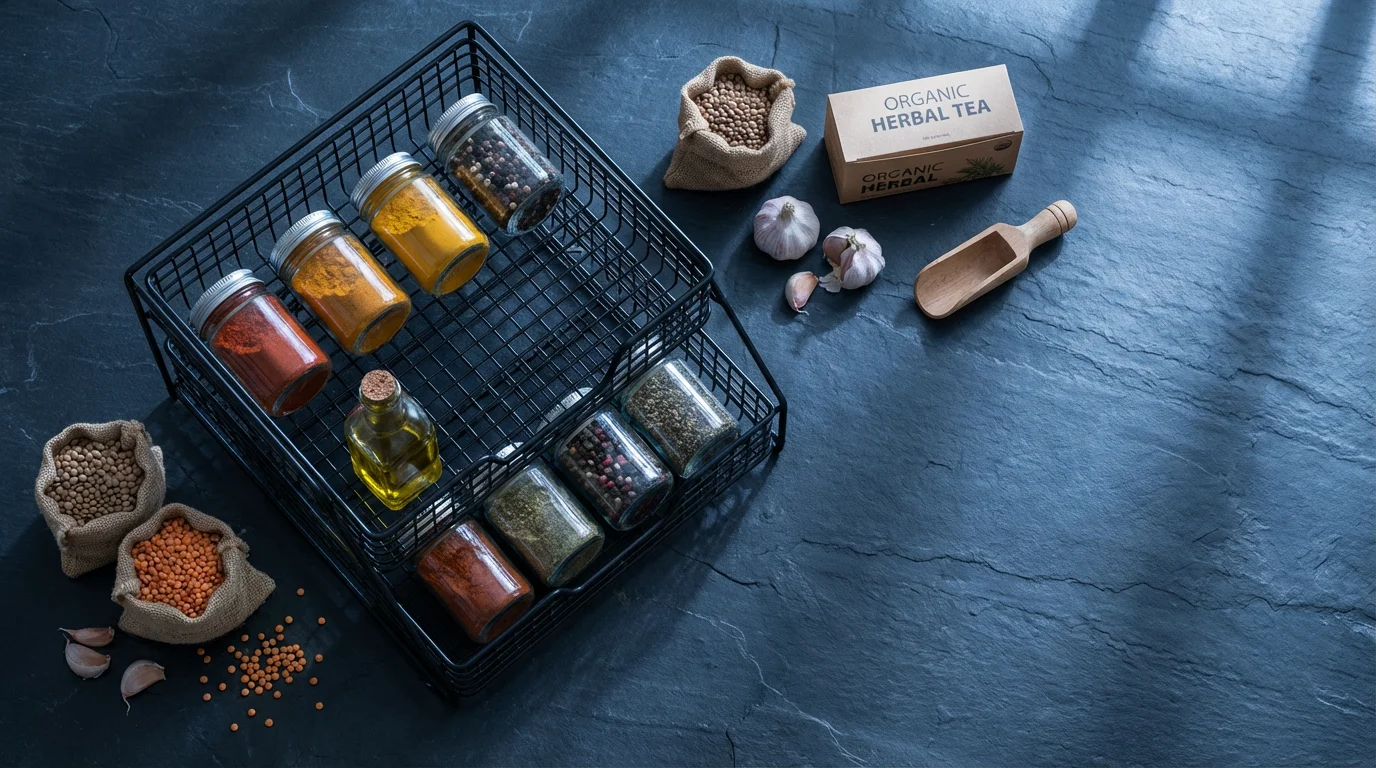
Many kitchens, especially smaller ones, suffer from unused vertical space. This often appears as “dead space,” which refers to unused storage areas, frequently in corners, above appliances, or on the inside of cabinet doors. You might have overflowing countertops or crammed drawers, yet ignore vast opportunities to store items vertically. Over door organizers specifically target this untapped potential, allowing you to reclaim square footage without adding bulk to your room. Think about the space behind your pantry door or under your kitchen sink. These areas offer surprising capacity when you equip them with the right tools. By shifting items off shelves and into these vertical zones, you free up prime cabinet and countertop real estate, making your kitchen feel larger and more efficient.
Understanding Over Door Organizers
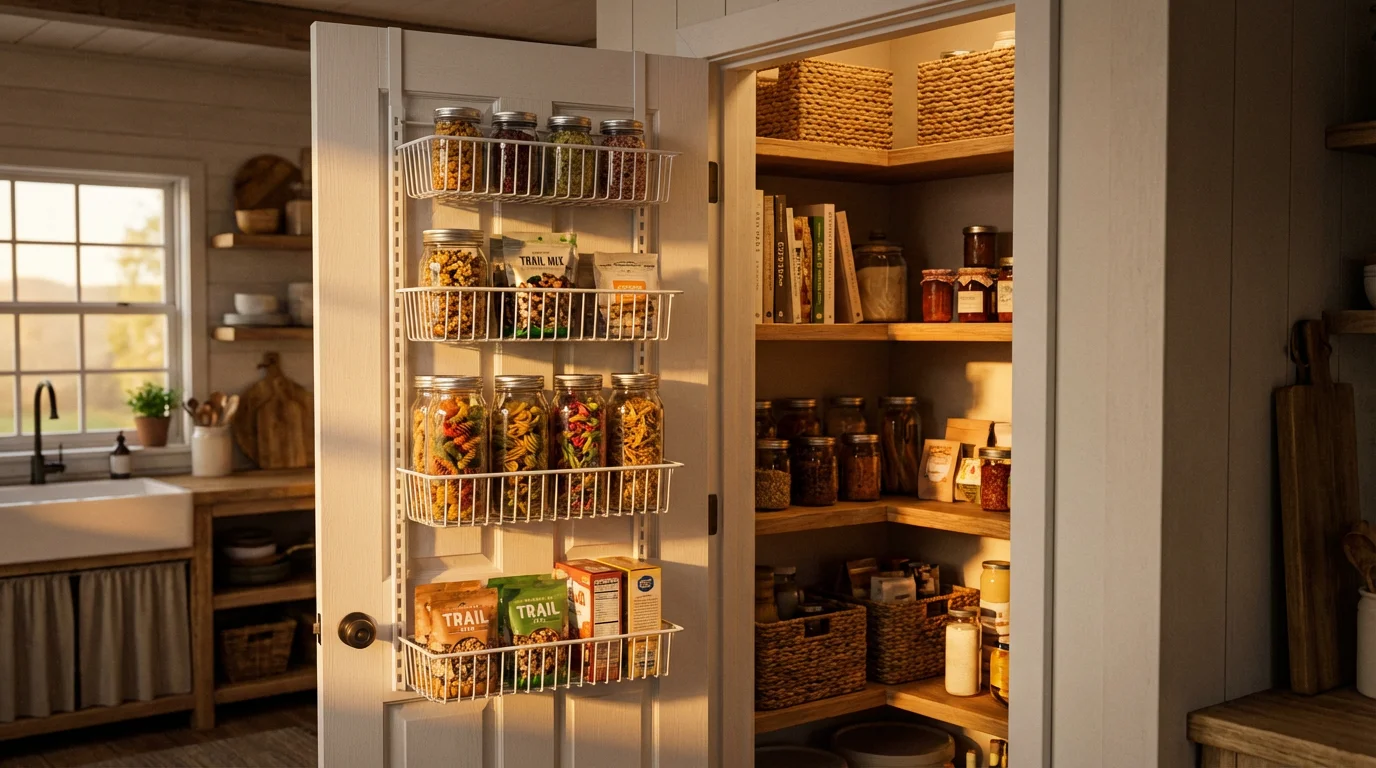
An “over door organizer,” also commonly called a “door-mounted rack,” is a storage solution designed to hang on the inside or outside of a door. You attach it using hooks that slip over the top edge of the door, or sometimes with screws for a more permanent fixture. These organizers come in various forms, including tiered baskets, shelving units, or pocket systems. They provide immediate access to items while keeping them out of sight when the door closes. You can find them made from wire, plastic, fabric, or even bamboo, each material offering different aesthetic and functional benefits. The versatility of these racks makes them ideal for storing everything from spices and cleaning supplies to pantry staples and small kitchen gadgets. They act as an extension of your existing storage, converting formerly wasted door space into highly functional zones.
Key Benefits of Door Racks
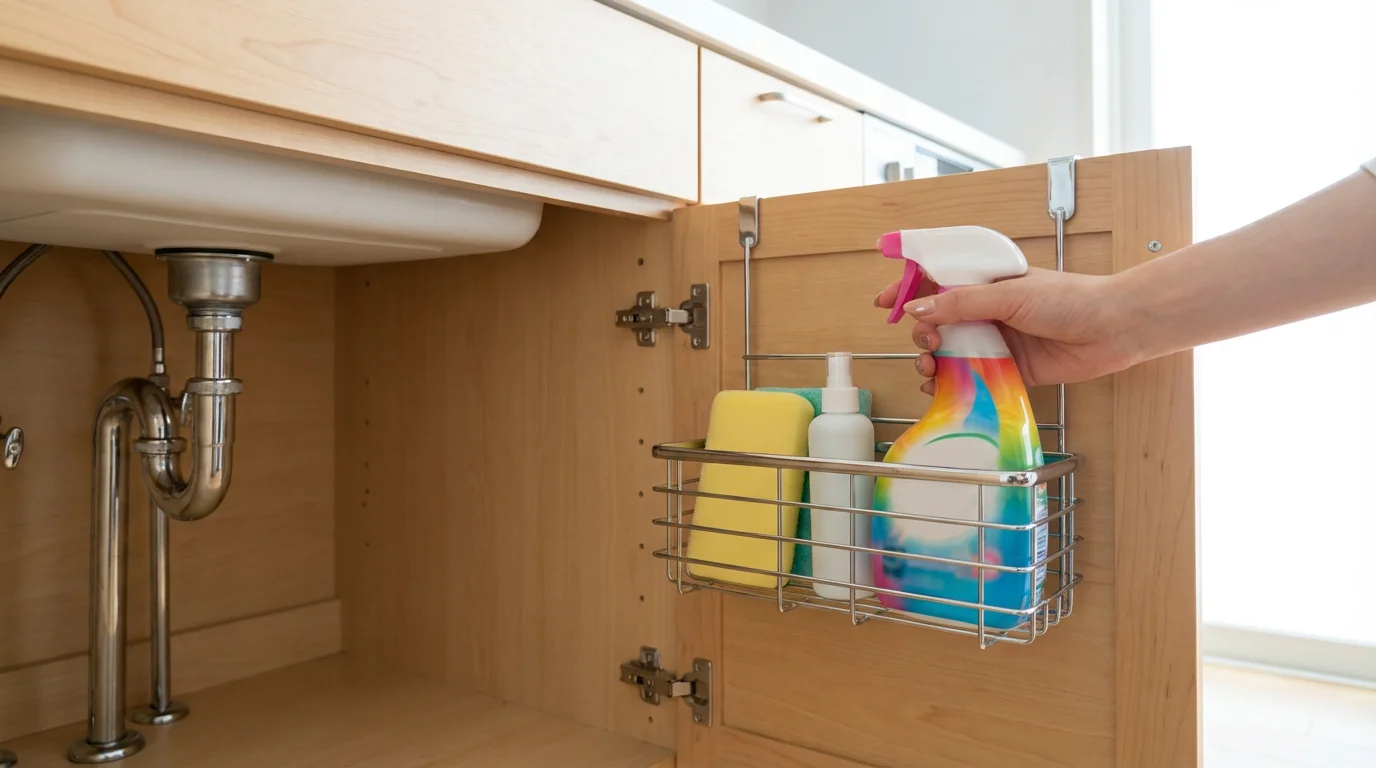
Incorporating door-mounted racks into your kitchen offers several compelling advantages. First, they provide instant extra storage. You gain immediate usable space without complex installations or renovations. Second, they improve visibility and accessibility. Instead of digging through deep shelves, you see items at a glance, reducing search time and preventing duplicate purchases. This is especially useful for small, frequently used items like spices or cleaning products. Third, they declutter countertops and cabinet interiors. Moving these items to the door frees up valuable surface area for food prep or larger appliances. According to Good Housekeeping’s home organization advice, utilizing vertical space is a key strategy for maintaining a tidy kitchen. Finally, many over door organizers are “modular,” meaning they consist of pieces you can combine and configure in different ways. This adaptability allows you to customize the storage to fit your specific needs and the items you want to store.
“The goal isn’t a Pinterest-perfect pantry. It’s being able to find what you need in 10 seconds or less.” — Professional Organizer

Choosing the Right Over Door Organizer
Selecting the best over door organizer depends on what you plan to store, your door type, and your budget. Consider these common types and their features:
Types of Over Door Organizers:
- Wire Rack Systems: These typically feature multiple baskets or shelves made of sturdy metal wire. They offer excellent airflow, making them suitable for pantry items like produce or canned goods. Many are “stackable,” designed to safely pile on top of each other, or offer adjustable shelf heights. You often find these in widths ranging from 12 to 18 inches and heights up to 70 inches.
- Plastic Bins/Caddies: Individual plastic bins that hook onto a frame or directly over the door. They work well for cleaning supplies, small toiletries, or items you want to contain securely. They are easy to clean and come in various colors.
- Fabric Pockets: These soft organizers are great for lighter items, snacks, or even small kitchen towels. They provide flexible storage and prevent items from clanking. You often see them with clear windows, helping you identify contents quickly.
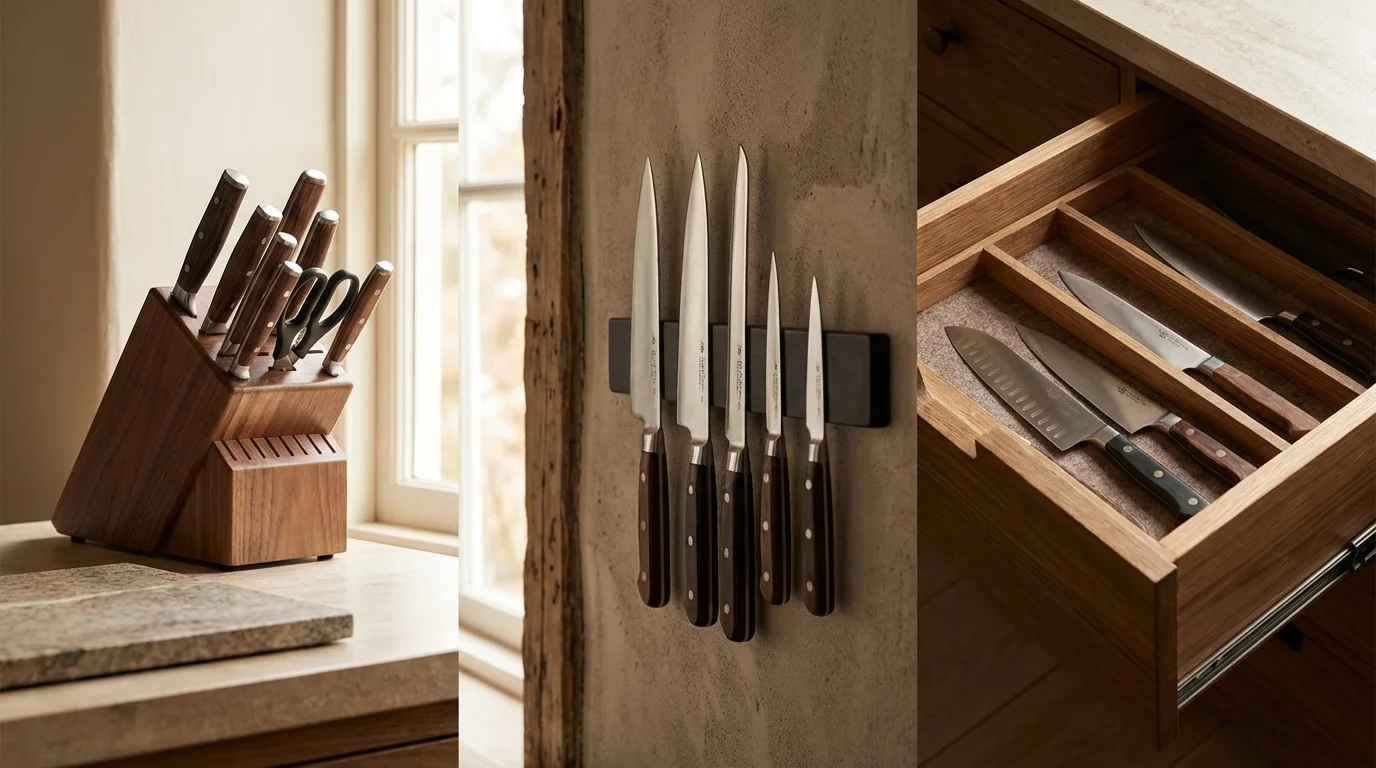
- Magnetic Strips: While not a full organizer, magnetic strips attached to the inside of a cabinet door offer fantastic vertical storage for knives, freeing up drawer space or countertop blocks. Ensure the strip is strong enough for your knife collection.
Material Considerations:
- Metal (Chrome, Steel): Durable, strong, and easy to clean. Ideal for heavier items like canned goods or glass jars. Look for rust-resistant coatings.
- Plastic (ABS, PP): Lightweight, often budget-friendly, and comes in many designs. Suitable for lighter items or cleaning supplies.
- Fabric (Canvas, Polyester): Best for lightweight items, less rigid but can be machine washed.
Key Features to Look For:
- Adjustable Shelves: Allows you to customize spacing for tall items or varying container sizes.
- Non-slip Pads/Bumpers: Prevents the organizer from swinging or scratching your door. Essential for quiet operation and door protection.
- Installation Method: Over-the-door hooks are renter-friendly, while screw-mounted options offer greater stability and weight capacity.
To help you compare, consider this table outlining common organizer types and their ideal uses:
| Organizer Type | Best Use Cases | Pros | Cons |
|---|---|---|---|
| Multi-Tier Wire Rack | Pantry staples, spices, cleaning supplies, small appliances | High capacity, good airflow, durable, often adjustable | Can be noisy if not secured, some visible items |
| Individual Plastic Bins/Caddies | Under-sink cleaners, toiletries, small snacks, craft supplies | Easy to clean, contained storage, modular, customizable layout | Lower capacity per bin, plastic can crack |
| Fabric Pocket System | Snacks, lightweight items, foil/wrap, small linens | Soft, quiet, often budget-friendly, good for soft items | Less durable, lower weight capacity, not for heavy items |
| Magnetic Knife Strip | Knives, metal utensils | Frees drawer/counter space, displays knives safely, aesthetic | Requires clear door space, only for magnetic items |
Installation and Fit: Measuring for Success
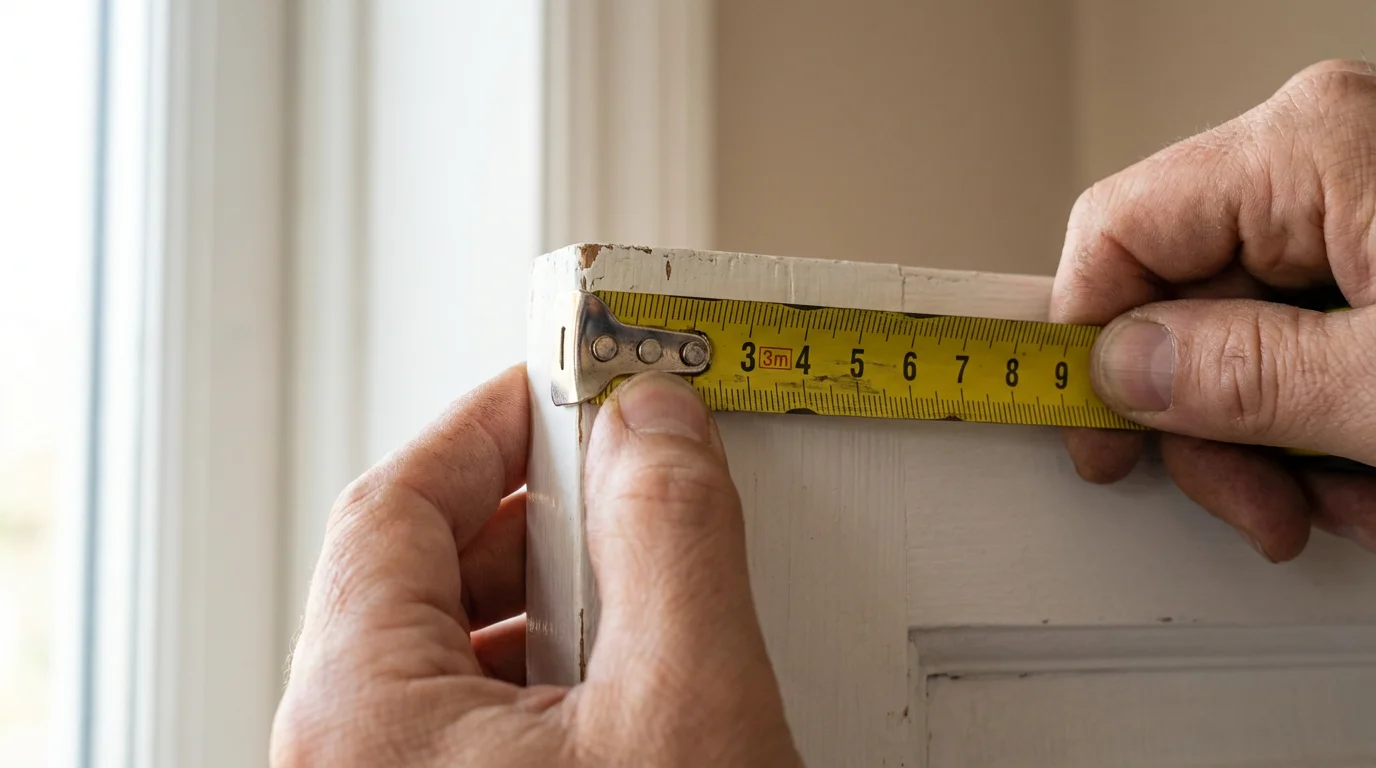
Before purchasing any over door organizer, precise measurements are critical. You need to know your door’s dimensions and the clearance around it. Ignore this step, and you risk buying an organizer that does not fit, or worse, prevents your door from closing. This applies whether you are a homeowner or a renter.
Key Measurements to Take:
- Door Thickness: Most interior doors in the USA have a standard thickness of 1-3/8 inches (3.5 cm). Some older or custom doors might be 1-1/2 inches or 1-3/4 inches thick. Ensure the organizer’s hooks accommodate this measurement.
- Door-to-Frame Clearance: This is the gap between the edge of your door and the door frame when the door is closed. You typically need at least 1/8 inch (0.3 cm) of clearance for over-the-door hooks to fit and for the door to close smoothly. Organizers with thicker hooks or mounting brackets require more space. If your clearance is minimal, consider organizers that attach with adhesive or screws, if permissible.
- Door Width and Height: Measure the width of your door to select an organizer that fits without obstructing the door handle or interfering with the frame. Standard pantry doors are usually 24, 28, or 30 inches wide and 80 inches tall. Measure the desired height for the organizer, considering that the top shelf should remain within easy reach.
- Organizer Depth: This is crucial. Measure the depth of the baskets or shelves on the organizer. Ensure this depth allows your door to close fully without hitting adjacent shelves, walls, or items stored inside the cabinet/pantry. A common organizer basket depth is 4-6 inches. If your shelves are shallow, a 4-inch deep organizer works best. For deeper shelves, you might use a 6-inch deep option.
Renters vs. Homeowners:
- Renters: Focus on “over-the-door” hook style organizers. These require no drilling or permanent alterations, making them ideal for temporary living situations. Always check your lease agreement regarding wall or door modifications. Look for models with anti-slip pads to protect your doors from scratches and reduce noise.
- Homeowners: You have the flexibility for both over-the-door and screw-mounted organizers. Screw-mounted options offer greater stability and weight capacity, excellent for heavy items or frequently accessed supplies. You can also explore options that utilize both methods for enhanced security.
As Real Simple recommends, taking the time to measure precisely saves you from the frustration of returns and ensures your new organization system functions flawlessly from day one.
Transforming Your Pantry Door
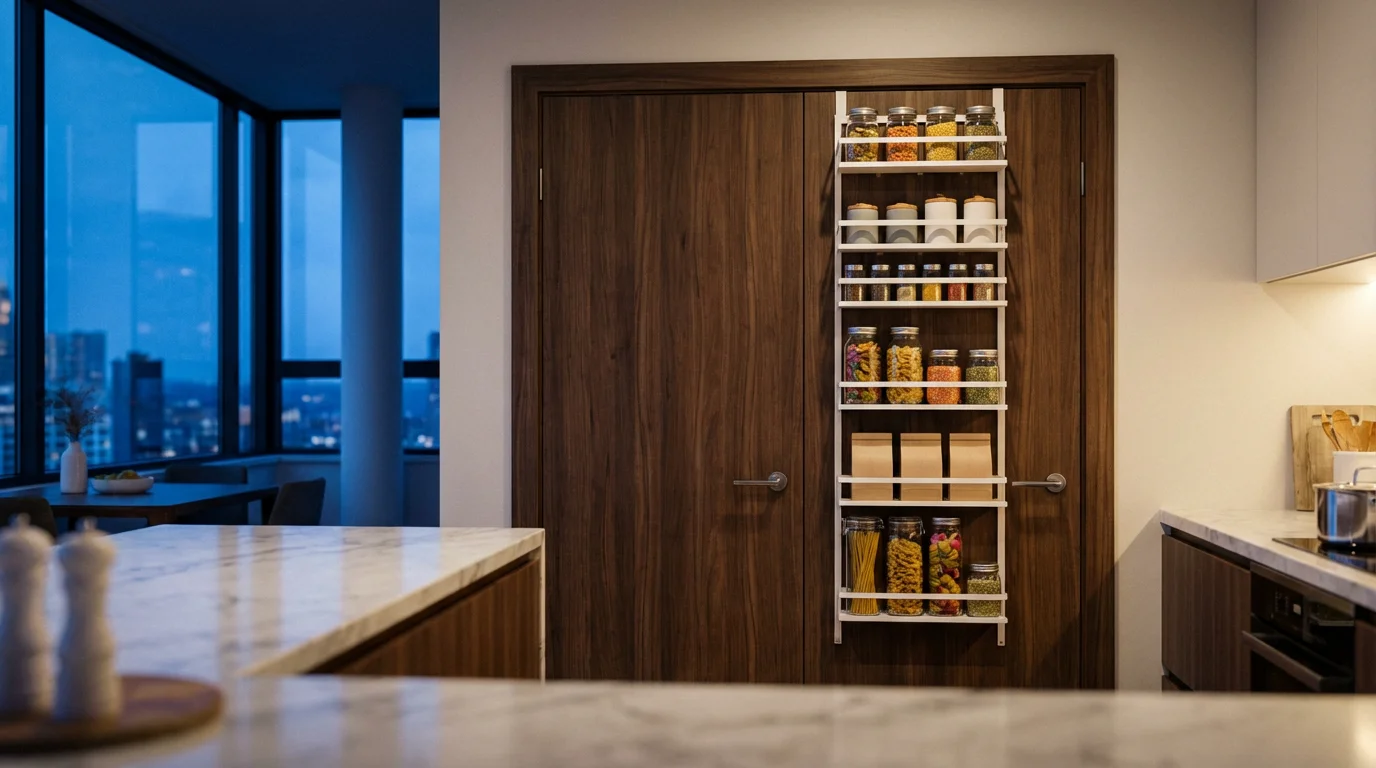
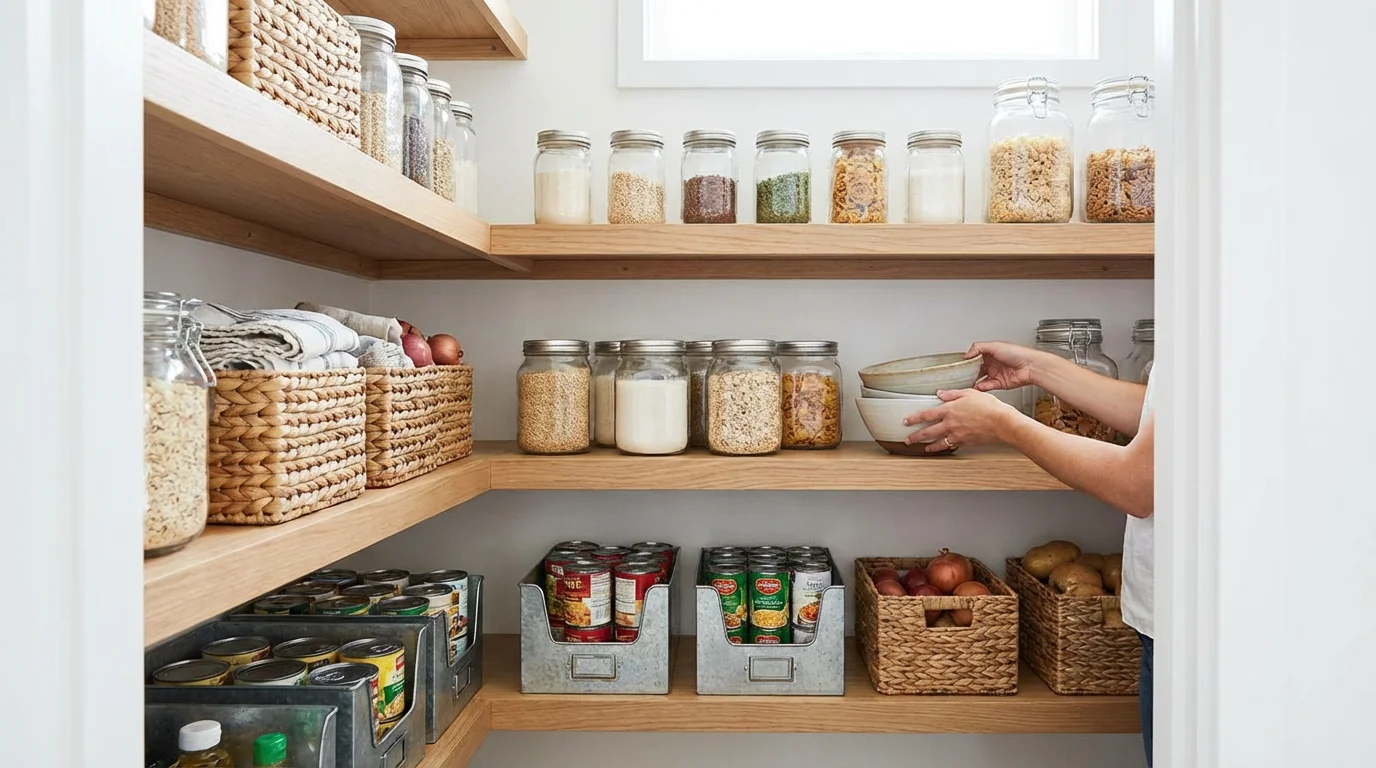
A pantry door offers one of the best opportunities for vertical storage. You can significantly expand your pantry’s capacity and improve its functionality with the right over door organizer. Think of your pantry door as another set of shallow shelves.
To truly overhaul your storage, pair your door rack with other pantry organization ideas that actually work for a seamless system.
Ideal Items for Pantry Door Storage:
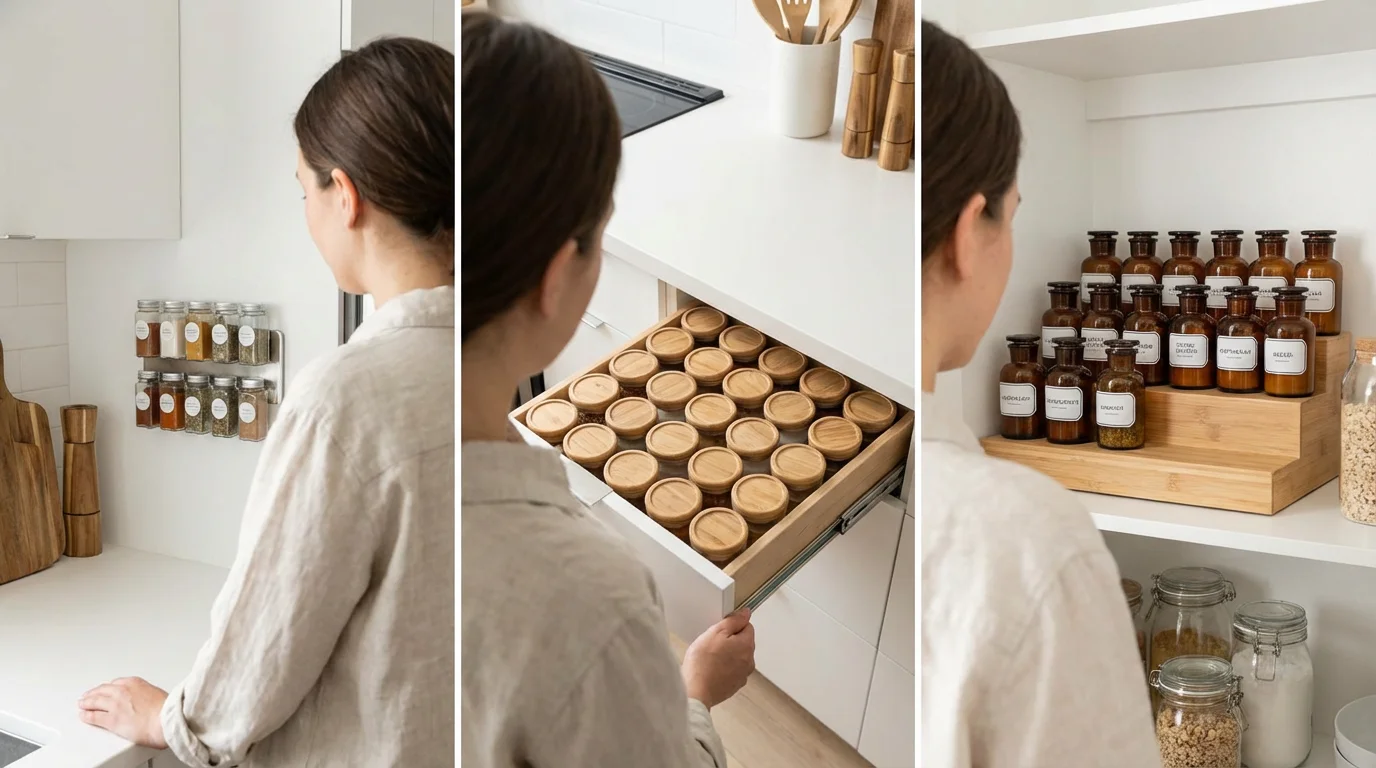
- Spices and Seasonings: Small jars fit perfectly in narrow baskets, keeping them organized and visible. No more rummaging through a cluttered spice cabinet.
- Baking Supplies: Vanilla extract, food coloring, sprinkles, and small bags of nuts store well here.
- Snack Items: Granola bars, individual chip bags, or fruit leathers are easily accessible, especially for children.
- Canned Goods: Choose sturdy wire racks that hold several cans. This helps implement “FIFO” (first in, first out), a method of rotating food so the oldest items get used first, preventing spoilage and waste.
- Wraps and Foils: Many organizers include dedicated slots for aluminum foil, plastic wrap, and parchment paper boxes.
- Small Jars and Condiments: Peanut butter, jam, or hot sauce bottles that do not require refrigeration can live on the door.
Pantry Door Organization Strategies:
- Zone-Based Organization: Dedicate specific sections of your over door organizer to categories. For example, top baskets for baking items, middle for spices, and bottom for snacks or overflow canned goods. This workflow-driven approach makes finding items intuitive.
- Adjustable Heights: Look for organizers with “modular” or adjustable shelves. This allows you to customize basket heights to fit tall bottles or short jars, maximizing every inch of space.
- Utilize Hooks: Many over door organizers come with integrated hooks. Use them to hang measuring cups, small colanders, or oven mitts, adding even more functionality.
Before you load up your new door rack, consider the weight. Distribute heavier items evenly or place them on lower shelves. A typical wire organizer can hold anywhere from 20-50 pounds, depending on its construction and mounting method.
Maximizing Cabinet Doors
Over door organizers are not just for the pantry. Your kitchen cabinet doors, both above and below the counter, offer untapped potential. These areas are perfect for items you use frequently but want to keep off your countertops or out of main drawers.
Under-Sink Cabinet Doors:
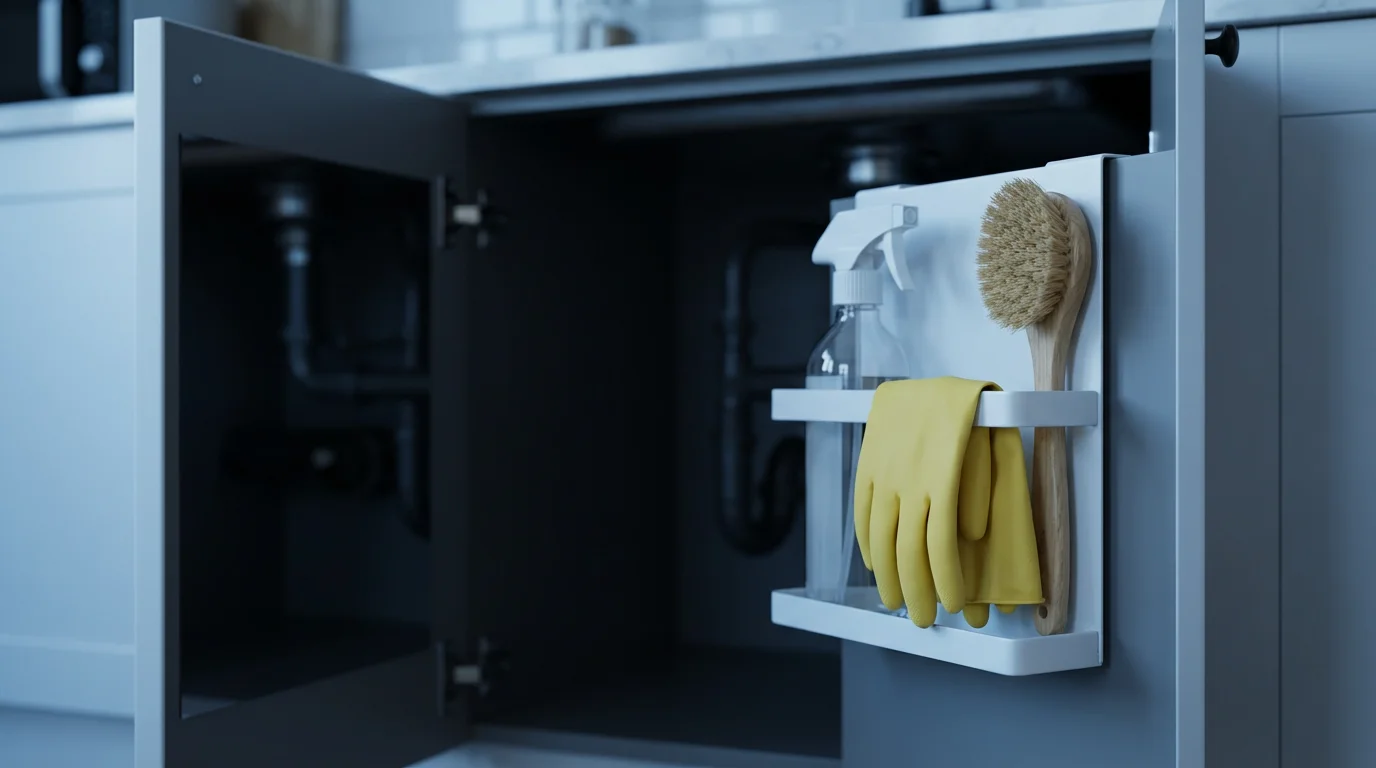
This space is often a chaotic mix of cleaning supplies. A slim door-mounted rack can organize spray bottles, sponges, rubber gloves, and scrub brushes. Look for plastic or coated metal options that resist moisture. Ensure the organizer’s depth does not interfere with pipes or the sink basin when the door closes.
Upper Cabinet Doors:
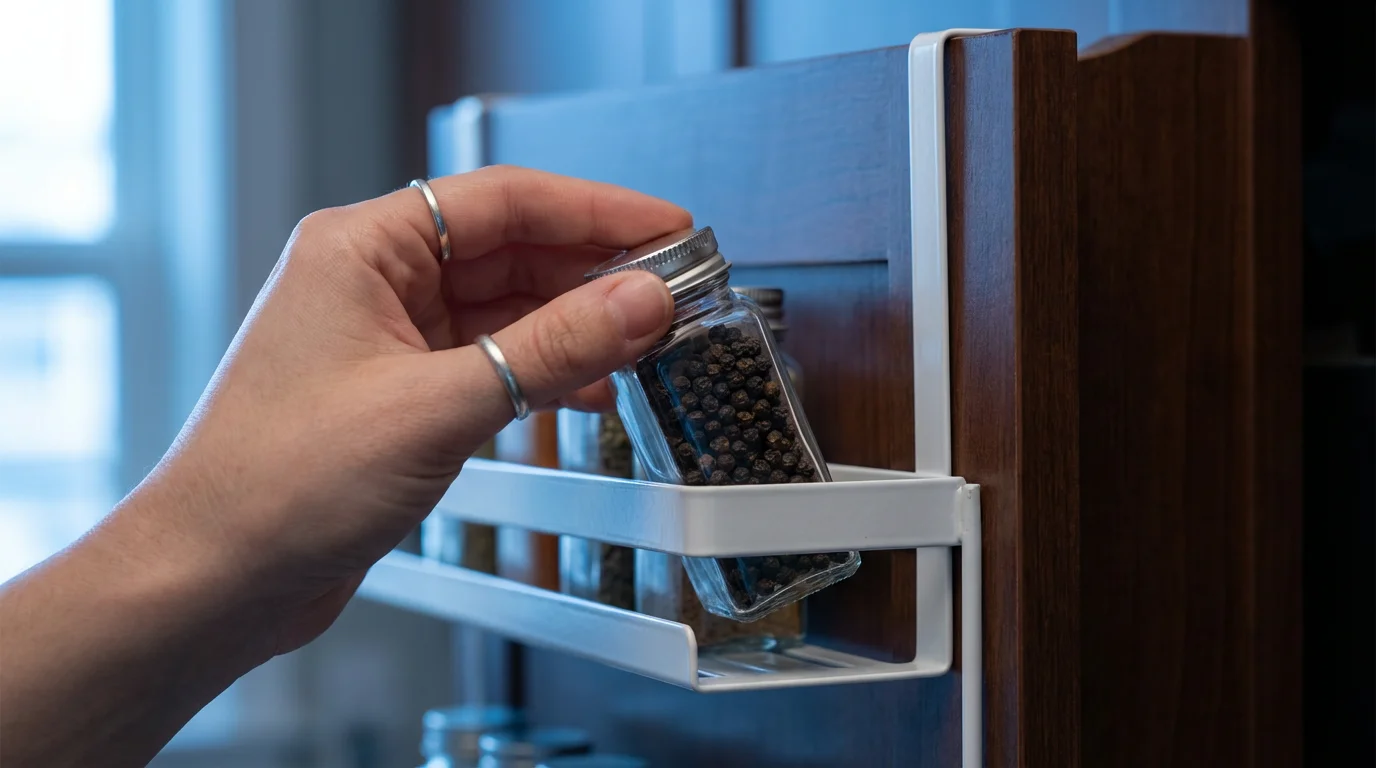
These are excellent for spices, small baking extracts, or even medicine bottles (if you keep them in the kitchen). A narrow, tiered spice rack on an upper cabinet door keeps frequently used spices at eye level. This avoids the need for a lazy susan, a rotating tray that makes corner cabinet items accessible, in your main cabinet. Consider a depth of 3-4 inches to ensure the door still closes without hitting shelves.
Specific Solutions for Cabinet Doors:
- Spice Racks: A 3-tier spice rack, often 11-13 inches wide and 12-18 inches tall, fits many standard upper cabinet doors. It typically accommodates 9-12 standard spice jars.
- Foil and Wrap Organizers: Dedicated units, usually 10-12 inches wide and 10-14 inches tall, hold standard-sized boxes of aluminum foil, plastic wrap, and parchment paper, freeing up drawer space.
- Cutting Board Holders: Slim, flat racks, about 8-10 inches wide and 10-12 inches tall, secure cutting boards or baking sheets vertically against the door, preventing them from taking up valuable cabinet shelf space.
Always check that the internal shelves or contents of your cabinet do not obstruct the door organizer. For instance, a deep dish stack inside a cabinet might block a door-mounted spice rack.

Decluttering Before You Organize
Effective organization starts with decluttering. You cannot organize clutter, you just move it around. Before you install a single organizer, take everything out of the area you plan to organize. This gives you a clear picture of what you own and what you truly need.
Once you have grouped your belongings, using labels and label makers helps identify contents quickly and maintains order long-term.
Your Decluttering Action Plan:
- Empty the Space: Remove all items from your pantry or cabinet. Lay them out on a table or countertop.
- Sort into Categories: Group similar items: all canned goods together, all spices together, all cleaning supplies, etc.
- Purge ruthlessly:
- Expired Items: Discard anything past its expiration date.
- Duplicates: Do you have three bottles of olive oil? Keep the freshest or the one you prefer, and consolidate.
- Seldom-Used Items: If you haven’t used an item in over a year, consider donating it or finding a more appropriate storage spot outside the kitchen.
- Damaged Items: Get rid of broken gadgets or chipped dishes.
- Clean the Space: Wipe down shelves and cabinet interiors. This provides a fresh start for your organized space.
- Reassess Needs: With a clearer picture of your actual inventory, you can better decide what items require over door storage and which can remain on shelves or in drawers.
This initial purge ensures you only organize what you use and love, making your new over door system more effective and sustainable. Wirecutter, in their guide to kitchen organization, emphasizes that decluttering forms the essential first step to any successful organization project.
Maintaining Long-Term Organization
An organized kitchen is not a one-time project. It requires ongoing effort and good habits to keep it functioning smoothly. Here are actionable tips to maintain your newly organized vertical spaces:
- Regular Audits: Schedule a quick 15-minute check-in every few months. Quickly scan your pantry and cabinet door organizers for expired items or things that have migrated out of place.
- “One In, One Out” Rule: When you buy a new item, especially for something you store on a door organizer, commit to using up an old one or discarding duplicates. This prevents over-accumulation.
- Return Items Immediately: After cooking or cleaning, make it a habit to return items to their designated spots on your door racks. Consistency is key.
- Labeling: For opaque containers or if multiple family members use the kitchen, label the shelves or baskets on your door organizer. This ensures everyone knows where items belong.
- Adjust as Needed: Your cooking habits and storage needs might change. If an organizer no longer serves its purpose, re-evaluate. Perhaps you need to adjust a shelf height or repurpose a basket for different items. The flexibility of “modular” systems helps here.
By integrating these small habits, you will ensure your over door organizers continue to provide efficient, practical storage, keeping your kitchen consistently tidy and functional.
Frequently Asked Questions
Are over door organizers suitable for renters?
Yes, many over door organizers are ideal for renters. Most models feature hooks that simply slide over the top of the door, requiring no drilling or permanent installation. Always measure your door thickness and the clearance between the door and its frame to ensure a proper fit without damaging the door or preventing it from closing. Look for organizers with soft pads or bumpers to protect your door’s finish.
What is the maximum weight an over door organizer can hold?
The weight capacity varies significantly depending on the organizer’s material, construction, and installation method. Wire and metal organizers that screw into the door or frame generally hold more, sometimes up to 50 pounds or more. Over-the-door hook styles typically support 20-30 pounds. Always check the manufacturer’s specifications. Distribute weight evenly, placing heavier items on lower shelves for better stability.
Can I use an over door organizer on a bifold or accordion door?
Over door organizers generally do not work well with bifold or accordion doors. These door types fold or slide, and an organizer would impede their movement. Over door organizers are most effective on standard swing doors, such as pantry doors, cabinet doors, or utility closet doors, where they hang flat against the door’s surface.
How do I prevent an over door organizer from swinging or scratching my door?
Many quality over door organizers come with suction cups, adhesive strips, or foam pads on the back to secure them against the door and prevent swinging or scratching. You can also purchase additional felt pads or rubber bumpers and apply them to the contact points. For heavier units, consider models with screw-in lower brackets for added stability, if you own your home.
Disclaimer: Product prices and availability change frequently. Prices shown were accurate at time of writing but may have changed. We may earn a small commission from purchases made through links on this site, at no extra cost to you. Always measure your space before purchasing organizers to ensure proper fit.
Leave a Reply