
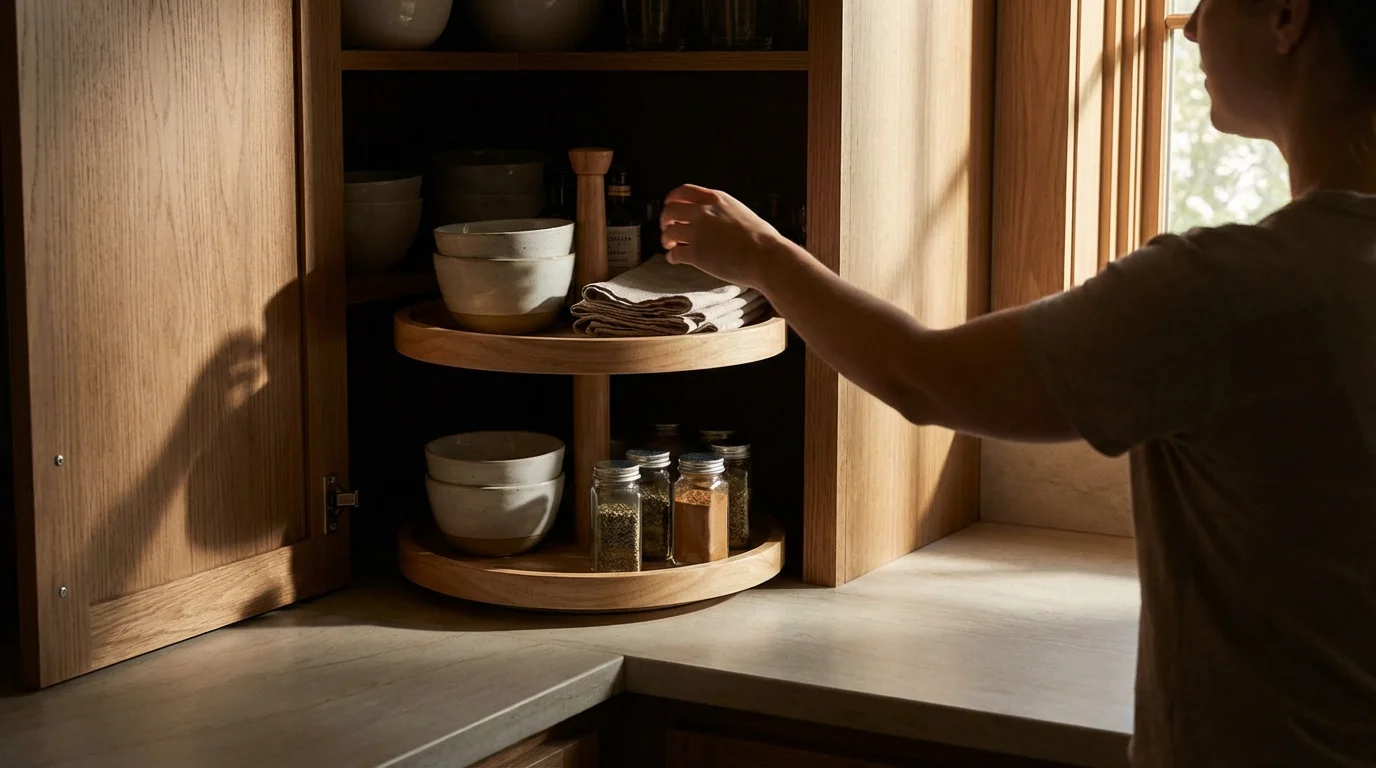
Corner cabinets often become notorious black holes in our kitchens. They offer significant storage potential, yet their deep, awkward spaces make items disappear, creating frustration for many home cooks across the USA. You know the scenario: you need that specific spice jar or baking pan, and it is always at the very back, requiring a full excavation of everything in front of it. This challenge is particularly acute in smaller kitchens where every inch of space matters. Clutter accumulates rapidly when you cannot easily access what you own, turning what should be a functional space into a source of daily annoyance. Maximizing your kitchen space with smart storage solutions, especially in these challenging corners, transforms your cooking experience, making your kitchen more efficient and enjoyable.
If you are working with limited cabinet space, exploring countertop storage solutions for small kitchens can provide additional relief while you reorganize.
Taming the Corner Cabinet Beast: Why Corners Challenge Us
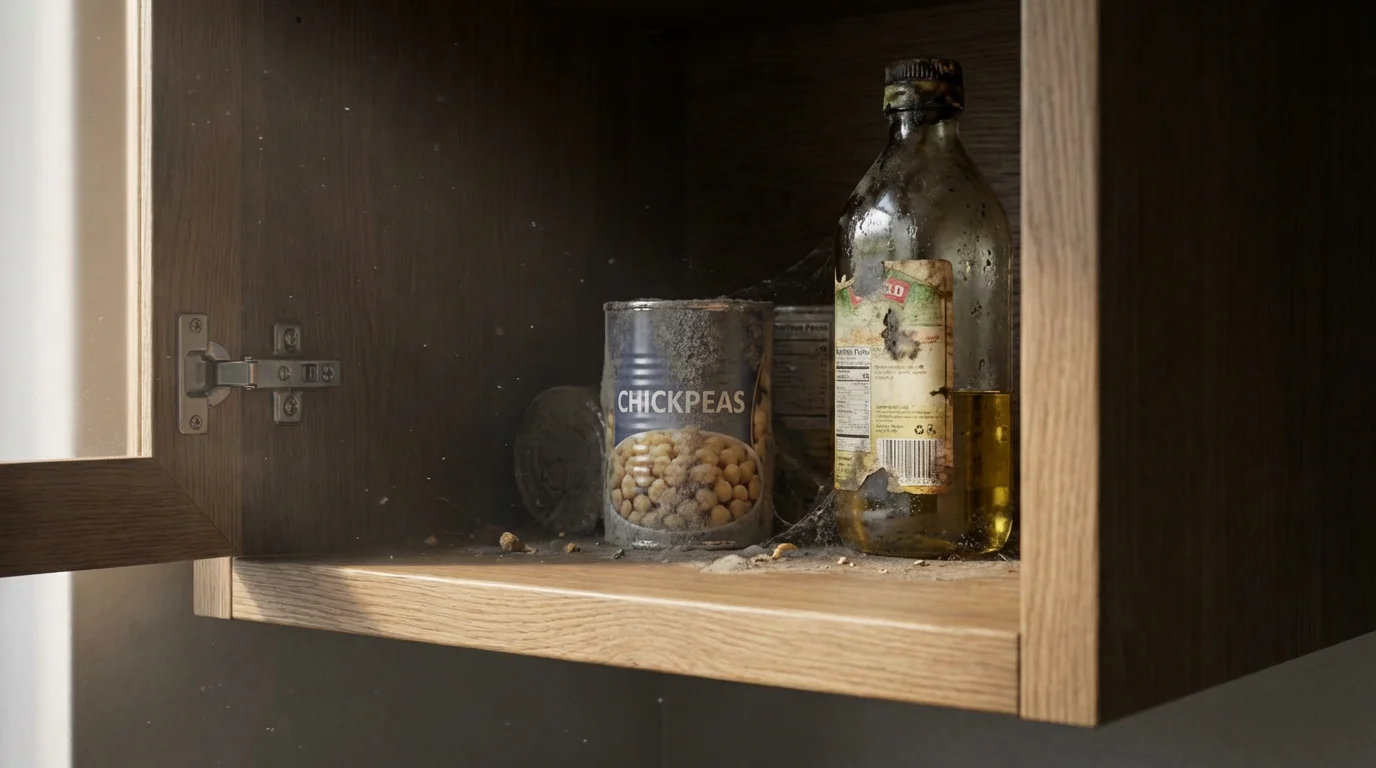
The inherent design of corner cabinets, whether L-shaped or blind corners, creates significant challenges for organization. Their depth often makes the back inaccessible, creating what we call “dead space”—unused storage areas, often in corners or above appliances, where items go to be forgotten. Many homeowners struggle with these spaces, piling items indiscriminately simply because they lack an effective system for retrieval. You often find a mismatched collection of rarely used appliances, seasonal dishes, or bulk ingredients shoved into these dark recesses. According to Real Simple’s organization experts, effective kitchen organization begins with understanding the specific pain points of your space, with corner cabinets frequently topping the list for frustration. Addressing this dead space transforms your kitchen’s overall functionality.
You can reclaim this valuable real estate. The first step involves decluttering. Before you consider any organizational tools, pull everything out of your corner cabinet. Evaluate each item: do you use it regularly? Is it expired? Do you have duplicates? Donate, discard, or relocate items that do not belong in your kitchen or are no longer serving a purpose. This crucial decluttering phase sets the stage for a truly effective reorganization. Without it, you are simply organizing clutter, which fails to solve your core problem of accessibility and functionality.
What is a Lazy Susan? Your Turntable Organizer Defined
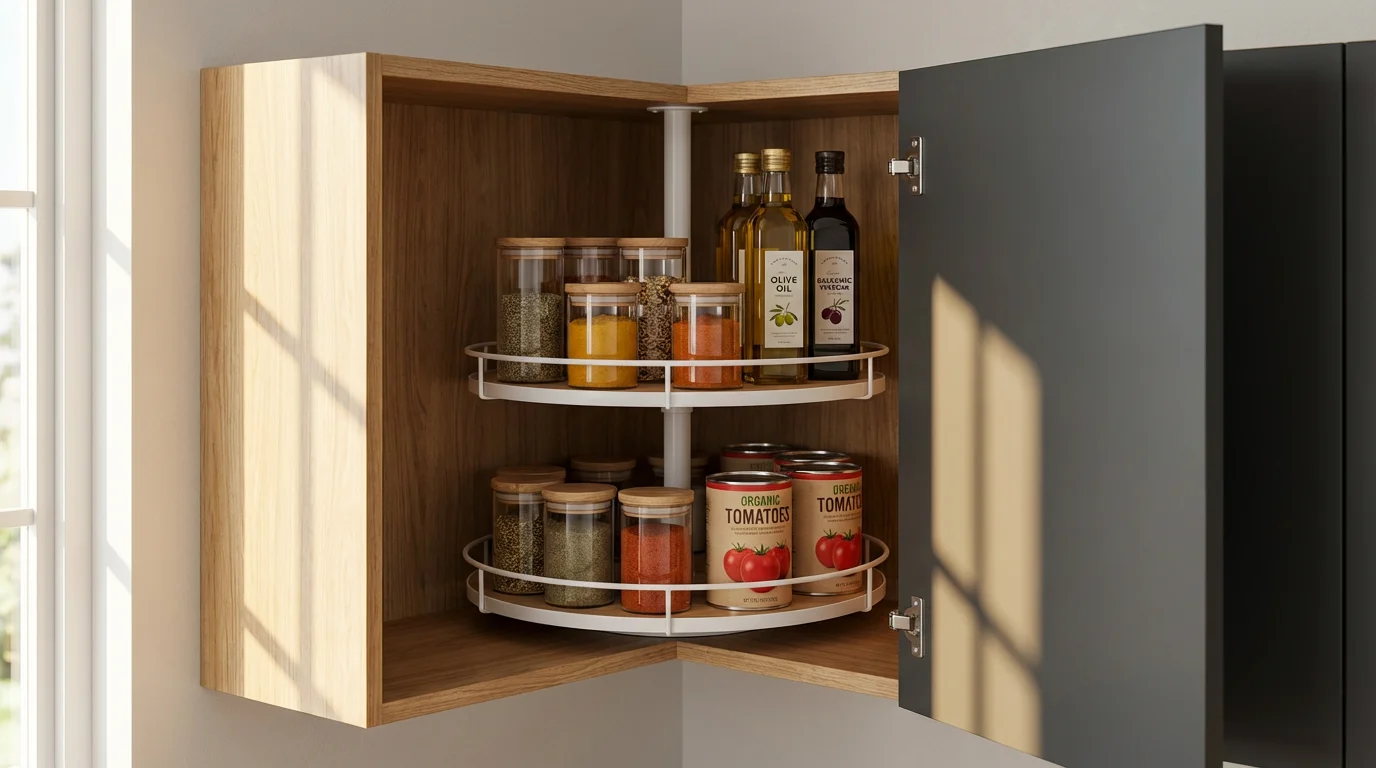
A lazy susan is a rotating tray that makes corner cabinet items accessible. In the context of a corner cabinet, this means you can spin the tray to bring items from the back to the front without having to reach or remove other objects. This simple mechanism eliminates the frustration of deep storage and transforms unusable space into highly functional real estate. Often referred to as a turntable organizer, it comes in various shapes and sizes to fit different cabinet configurations and serve a multitude of storage needs. The beauty of a lazy susan lies in its ability to bring forgotten items into plain sight, drastically reducing the time you spend searching for ingredients or tools.
When you integrate a lazy susan, you leverage vertical space more efficiently and streamline your workflow. Imagine reaching for spices and simply rotating the shelf to find the exact jar you need, rather than rummaging through a dark cabinet. This direct access saves time and reduces stress during meal preparation. For those with limited mobility, a lazy susan becomes an invaluable aid, bringing items within easy reach without bending or stretching excessively.
Choosing Your Turntable Organizer: Types of Lazy Susans
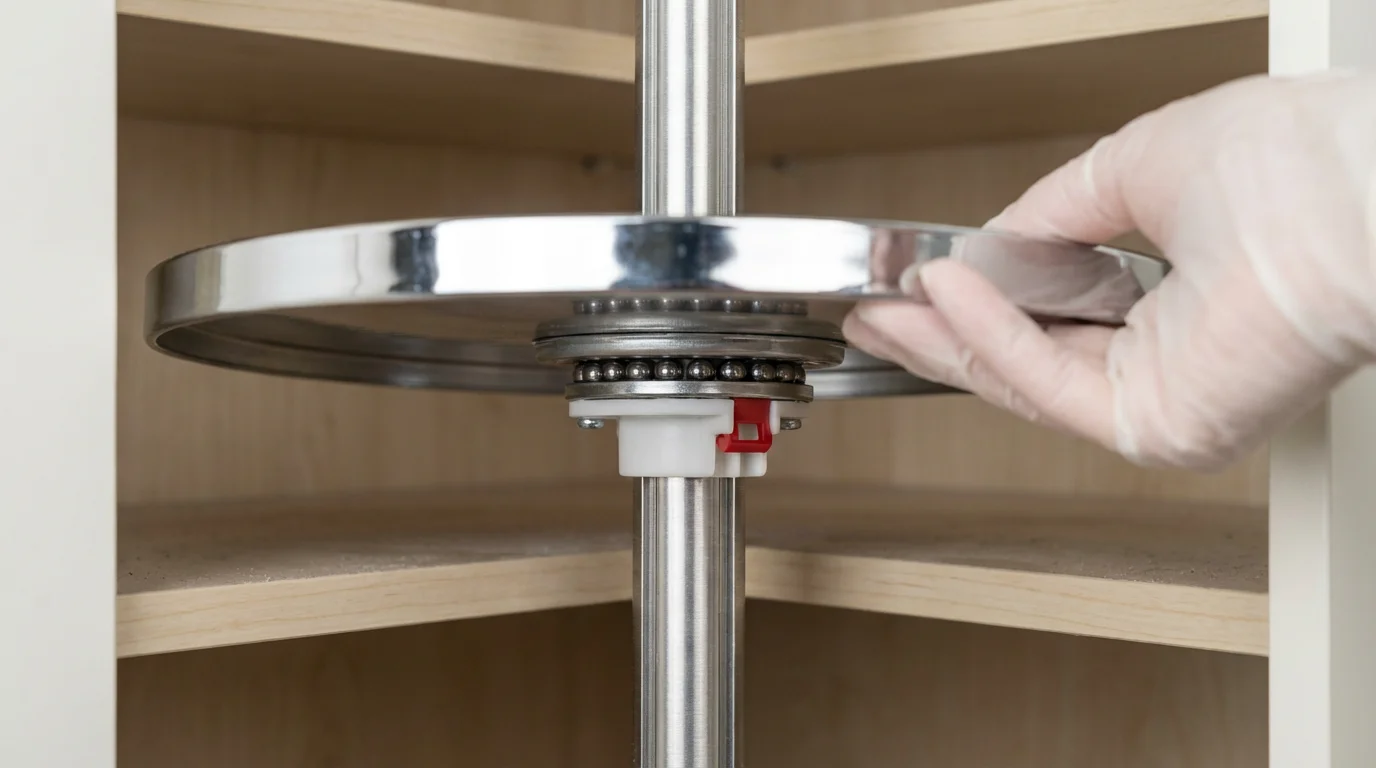
Selecting the best lazy susan for corner cabinet organization depends heavily on your specific cabinet type, its dimensions, and the items you plan to store. Understanding the different forms available helps you make an informed decision.
Full-Round Lazy Susans
These are circular trays, often found in sets of two or three tiers, mounted on a central pole. They are ideal for corner base cabinets and upper corner cabinets that have a true 90-degree angle and no obstructing center stile. Standard diameters include 24, 28, and 32 inches. You usually install these directly into the cabinet frame, meaning they are a more permanent fixture suitable for homeowners. They excel at storing small appliances, pots, pans, dry goods, or baking supplies.
D-Shaped Lazy Susans
D-shaped units feature one flat side and one curved side, resembling a capital ‘D’. They often come in sets of two, mounted on a central pole. The flat side aligns with the cabinet door opening, creating a flush appearance when the doors close. These are particularly effective for base cabinets with bi-fold doors, as they allow maximum use of space while providing easy access. Common sizes are 18, 20, and 24 inches in depth. They typically require installation.
Half-Moon Lazy Susans
Similar to D-shaped, these are designed specifically for blind corner cabinets. A blind corner cabinet has an opening that does not fully reveal the entire cabinet space; part of the cabinet extends into an adjacent wall or cabinet run. Half-moon lazy susans slide out partially from the opening and then rotate. They often attach to the cabinet door, allowing them to pull out and pivot. This design is highly effective for retrieving items from the deepest part of a blind corner. Standard sizes range from 18 to 22 inches in radius.
Pie-Cut Lazy Susans
These units look like a pie with a slice missing. They fit snugly into a corner where the cabinet doors attach directly to the lazy susan shelves themselves. When you open the doors, the shelves pivot out, bringing items into full view. They are typically full-round systems with a small wedge cut out for the door hinge. Sizes mirror full-round units, commonly 28 or 32 inches. They offer very high space utilization.
Freestanding Lazy Susans
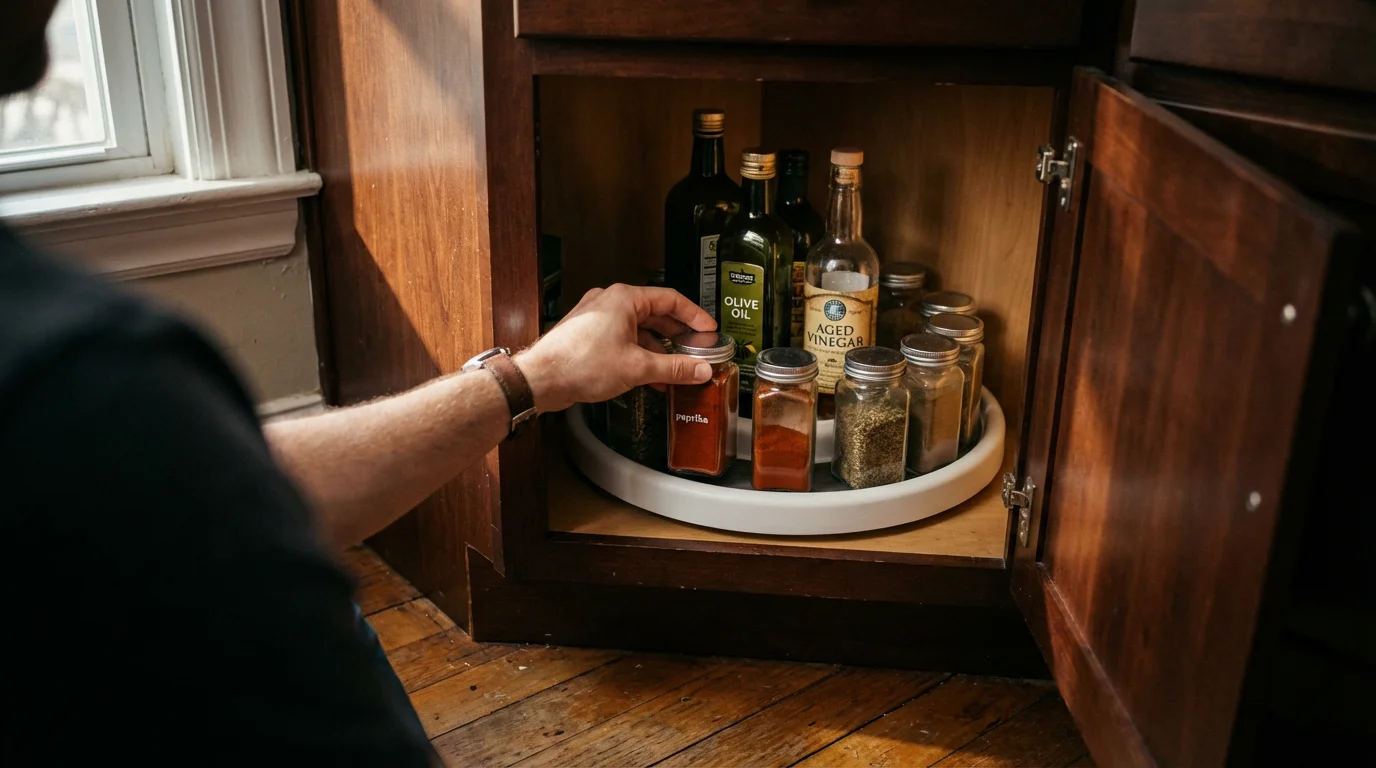
For renters or those hesitant about installation, freestanding options provide flexibility. These are individual turntables, often made of plastic, wood, or metal, that you place directly on an existing shelf. They come in various diameters, from small 9-inch models perfect for spices to larger 16-inch units for pantry items. While they do not utilize the full height of the cabinet like installed systems, they offer immediate, no-commitment organization for smaller sections of your corner cabinet or pantry shelves. These are excellent for organizing oils, vinegars, condiments, or small jars.
Here is a comparison of common lazy susan types:
| Type of Lazy Susan | Cabinet Type Best Fit | Common Dimensions (Diameter/Radius) | Installation Required? | Key Benefit |
|---|---|---|---|---|
| Full-Round | Standard 90-degree corner base/wall cabinets | 24″, 28″, 32″ | Yes (pole mount) | Maximizes full corner depth and height |
| D-Shaped | Base cabinets with bi-fold doors | 18″-24″ depth | Yes (pole mount) | Flush fit, works with cabinet door design |
| Half-Moon | Blind corner base cabinets | 18″-22″ radius | Yes (door/cabinet mount) | Pulls out and pivots for blind corner access |
| Pie-Cut | Corner cabinets with doors attached to shelves | 28″, 32″ | Yes (integrated) | Highly efficient, doors move with shelves |
| Freestanding | Any cabinet, pantry, countertop | 9″-16″ diameter | No | Flexible, no installation, ideal for renters |
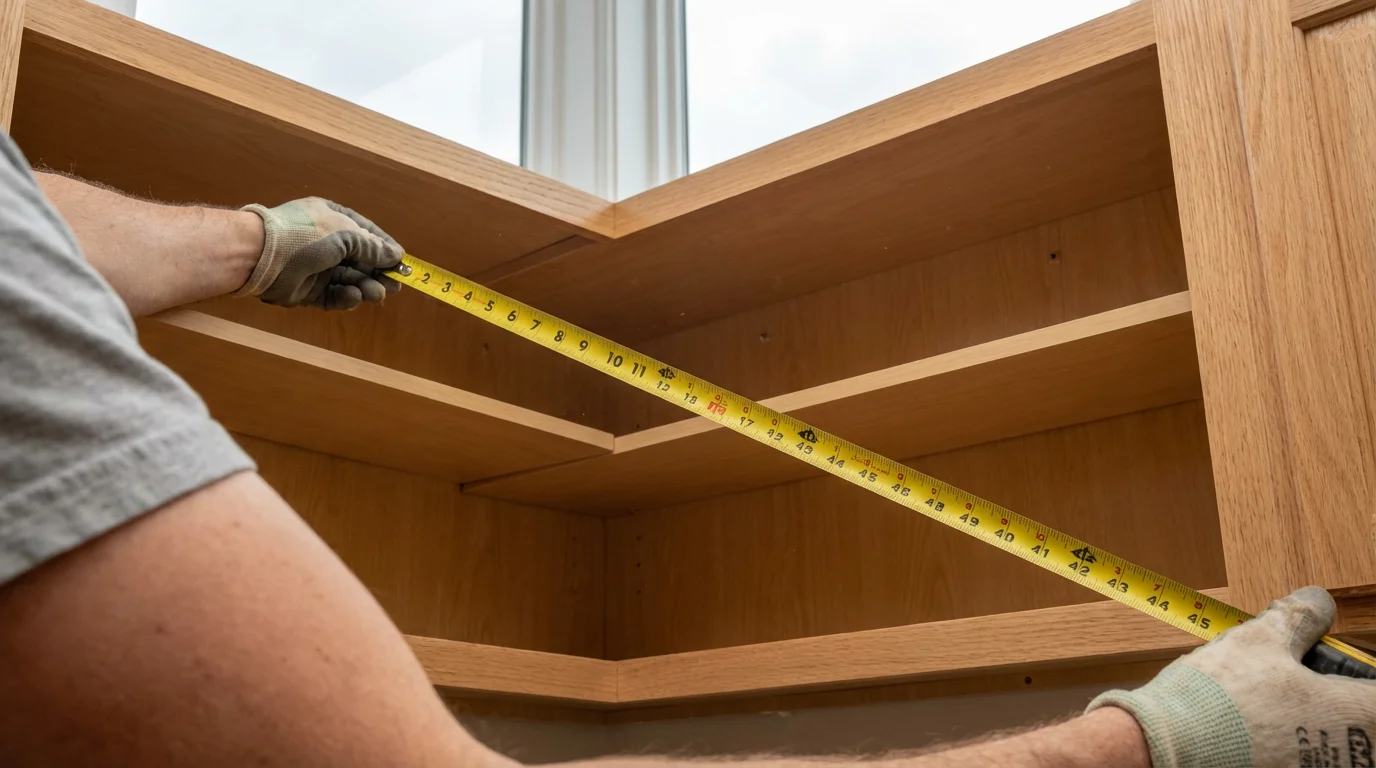
Precision Measurement for the Perfect Lazy Susan Fit
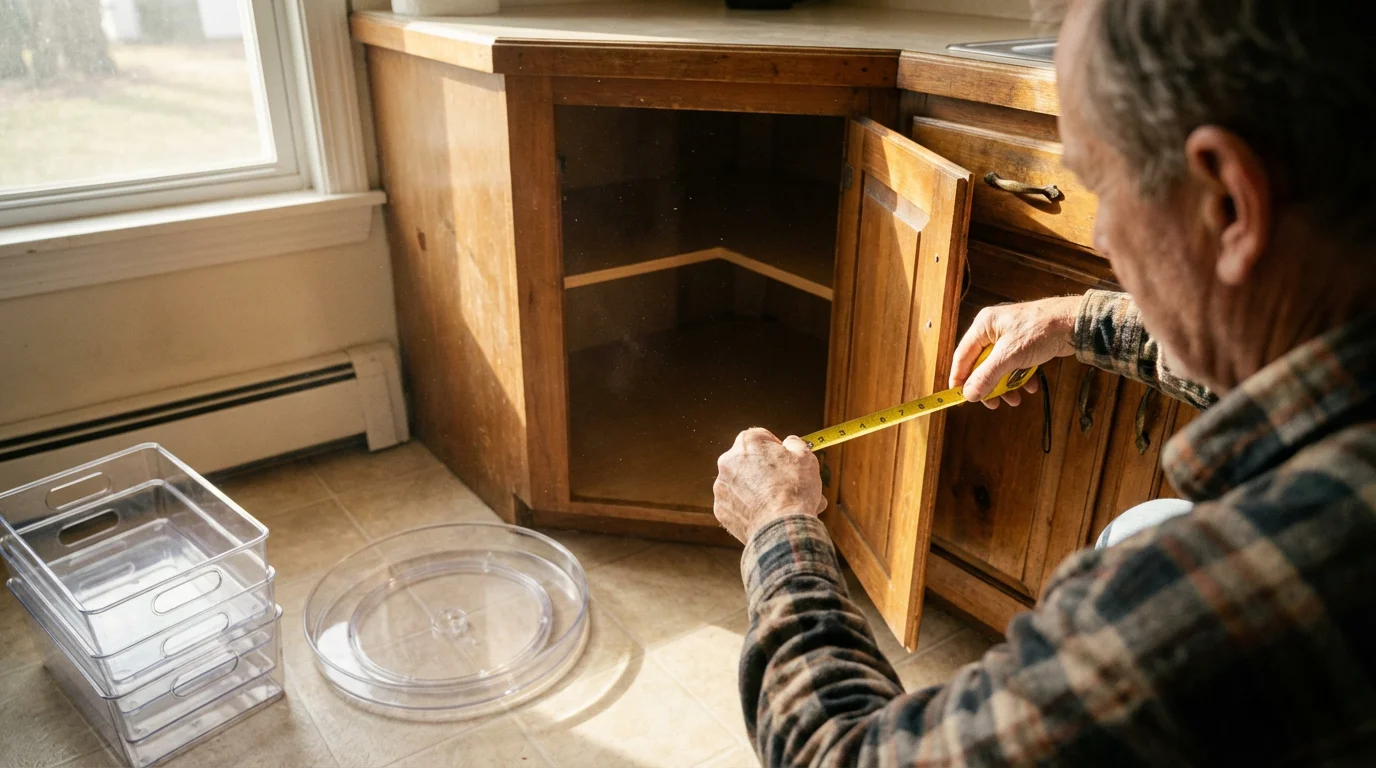
Accurate measurement is the most critical step in ensuring your lazy susan fits perfectly and functions effectively. A misplaced purchase wastes money and adds to your organizational headache. Do not guess; measure your cabinet opening and interior space carefully.
For Full-Round or Pie-Cut Systems:
- Measure the cabinet opening: Note the narrowest point of the opening. Your lazy susan’s diameter must be at least 2 inches smaller than this measurement to allow for rotation and clearance of the cabinet frame or doors.
- Measure the interior depth and width: For a typical 90-degree corner base cabinet, the internal dimensions are usually around 33-36 inches from each corner wall to the cabinet front. A standard 28-inch or 32-inch diameter lazy susan commonly fits these spaces.
- Measure the interior height: If you are installing multiple tiers on a central pole, measure the total clear height from the bottom of the cabinet to the underside of the shelf above it, or to the top of the cabinet if it is an upper unit. Most pole systems are adjustable, but knowing your maximum height ensures proper fit.
For D-Shaped or Half-Moon Systems (Blind Corners):
- Measure the cabinet opening width: This dictates the size of the unit that can slide out.
- Measure the interior depth from the front to the back of the blind corner: This determines how large of a unit can extend into the blind space. Blind corner cabinets vary significantly; some can be 36-42 inches deep from the opening along the wall.
- Measure the height: Similar to full-round units, note the clear height for multi-tiered systems or for door-mounted options that may interfere with shelving.
Always double-check your measurements. When in doubt, err on the side of slightly smaller rather than too large. Remember to account for any existing shelves, hinges, or obstructions within the cabinet.
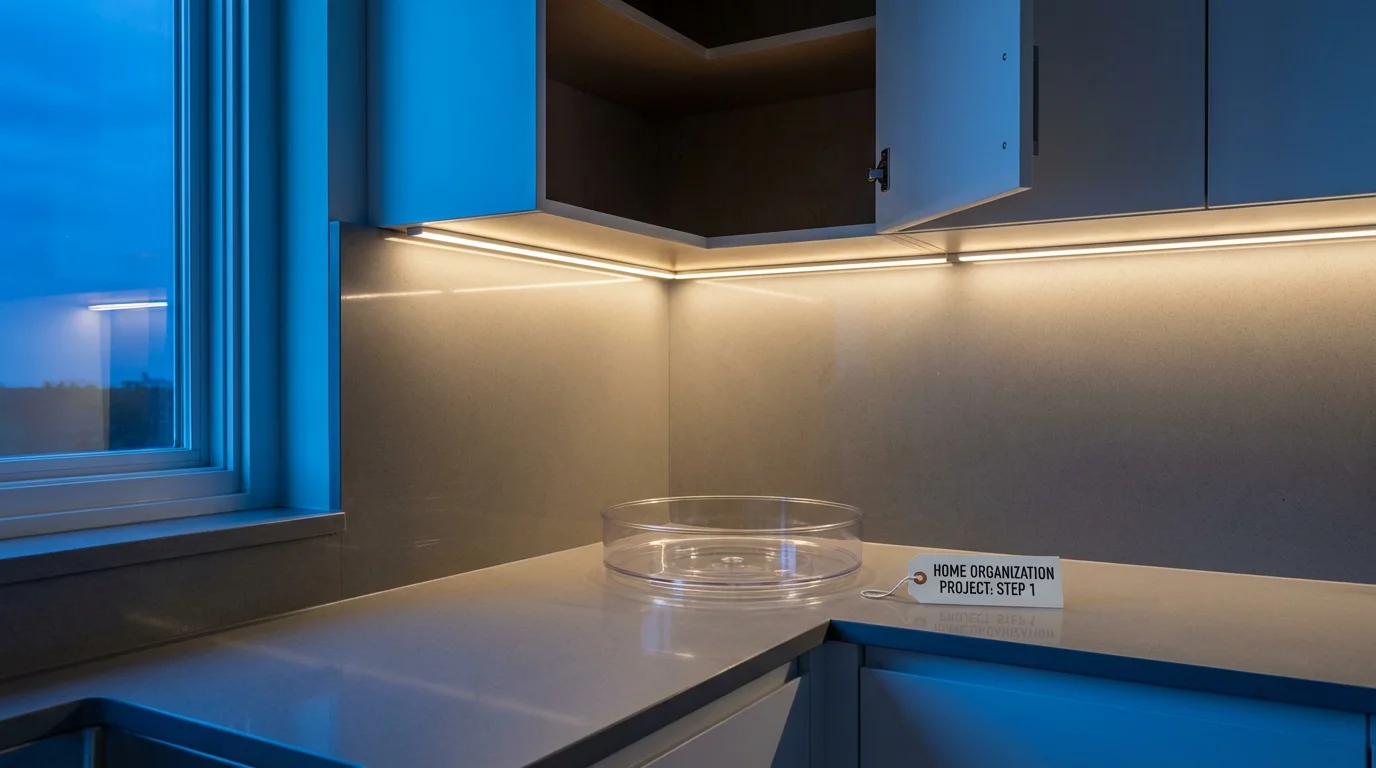
Installation Options and Considerations
Your choice between a freestanding or an installed lazy susan often comes down to whether you rent your home or own it, and your comfort level with DIY projects. Each option offers distinct advantages.
Freestanding Turntables:
These are the simplest and most budget-friendly option, perfect for renters. You simply place them on an existing shelf. No tools, no drilling, no commitment. They are easy to remove and relocate. Freestanding lazy susans excel at organizing spices, condiments, oils, baking extracts, or even small cleaning supplies under the sink. You can find them in various materials like plastic, bamboo, or stainless steel, with diameters typically ranging from 9 to 16 inches. While they do not fully optimize the deep corner space from floor to ceiling, they provide excellent accessibility for the items they hold. This makes them a fantastic starting point for tackling clutter without making permanent changes.
Installed Lazy Susans (Pole-Mounted, Door-Mounted, Integrated):
These systems offer superior space utilization and stability. They typically involve drilling into the cabinet base, sides, or frame. Homeowners often prefer these for their durability and custom-fit appearance. Installation can range from relatively straightforward (a central pole that secures to the top and bottom of the cabinet) to more complex (door-mounted or integrated pie-cut systems that require precise alignment of hinges and hardware).
“Installing a permanent lazy susan might seem daunting, but the long-term payoff in accessibility and cabinet efficiency is immense. It transforms a frustrating corner into your most functional storage zone.”
If you are a confident DIYer, many manufacturers provide detailed instructions and templates. A power drill, screwdriver, level, and measuring tape are typically all you need. If you are uncomfortable with power tools or intricate installations, consider hiring a handyman or a cabinet installer. While this adds to the cost, it ensures a professional, secure fit, and avoids potential damage to your cabinets. Consumer Reports often provides insights into the durability and ease of installation for various home organization products, which can guide your purchase decision.
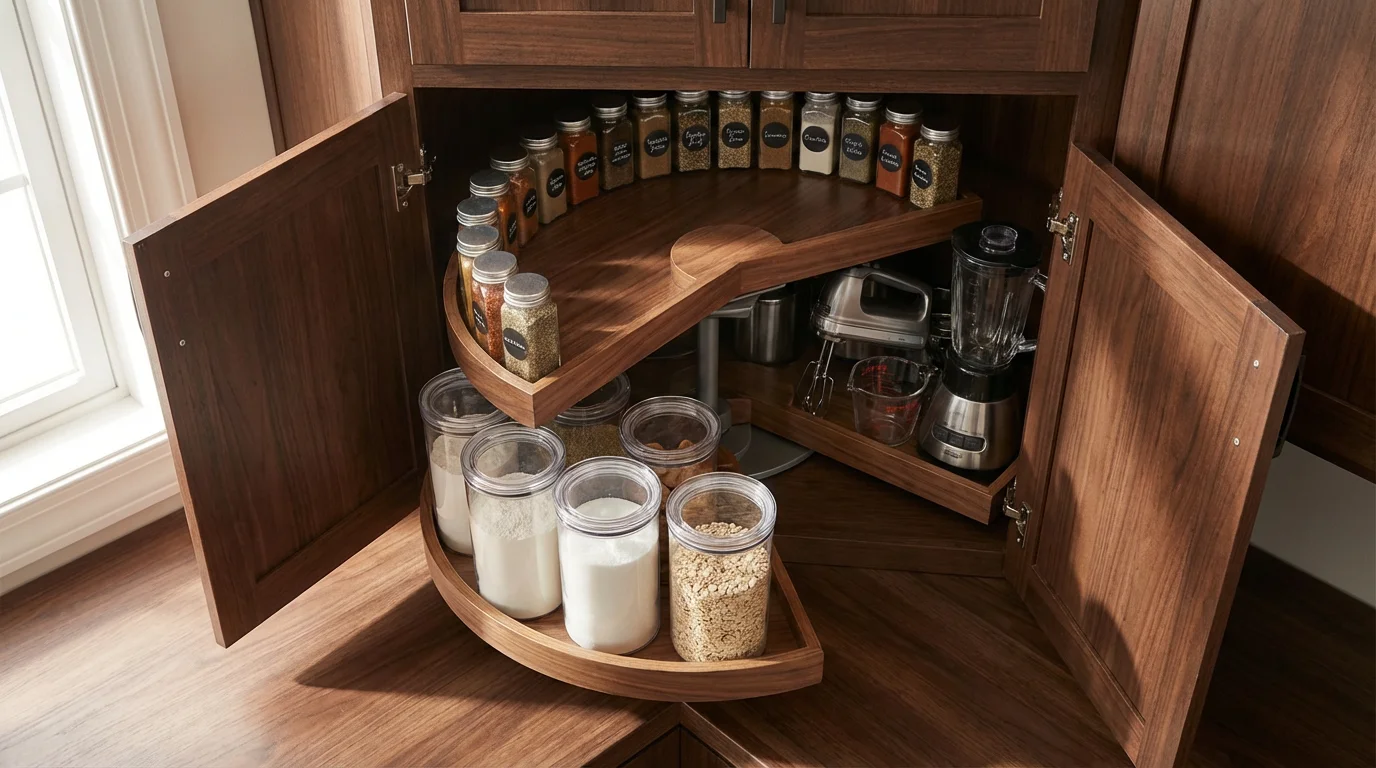
Strategically Organizing Your Corner Cabinet
Once your lazy susan is in place, the real magic of organization begins. A simple turntable without a strategic approach only moves clutter in a circle. Implement zone-based organization to maximize efficiency and create a functional kitchen workflow.
Declutter First, Always
Before placing anything back, reiterate the decluttering process. Remove expired items, duplicates, and anything you have not used in the past year. This step lightens the load and ensures you are only organizing items you genuinely need and use.
Zone Your Corner
Assign categories to your lazy susan tiers or sections. This prevents a chaotic mix of unrelated items:
- Baking Zone: Dedicate a tier to baking essentials. Flour, sugar, baking soda, chocolate chips, and extracts become easily accessible. Using clear, airtight containers for dry goods keeps them fresh and prevents spills.
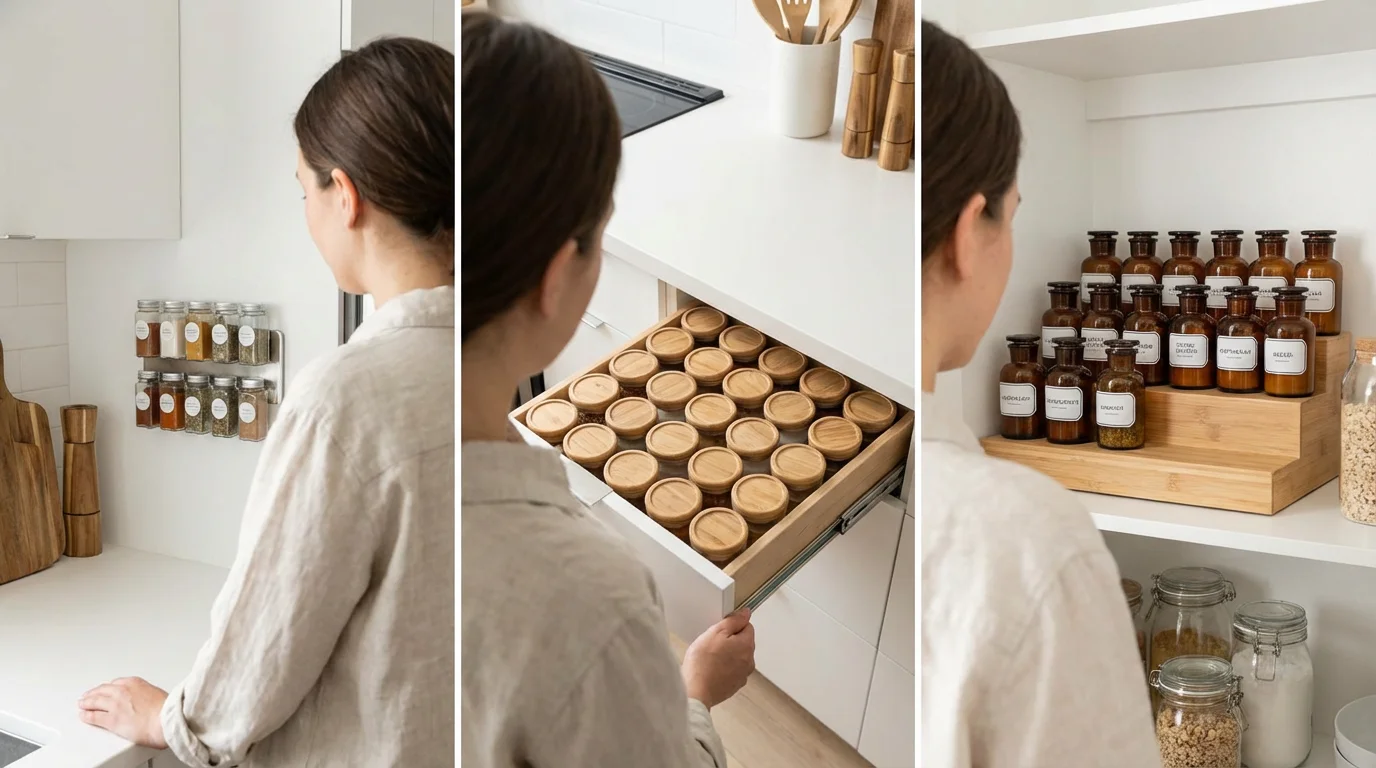
- Spice Central: A smaller, multi-tiered lazy susan is perfect for spices. Arrange them alphabetically or by cuisine type. This eliminates endless searching for that elusive cumin jar.
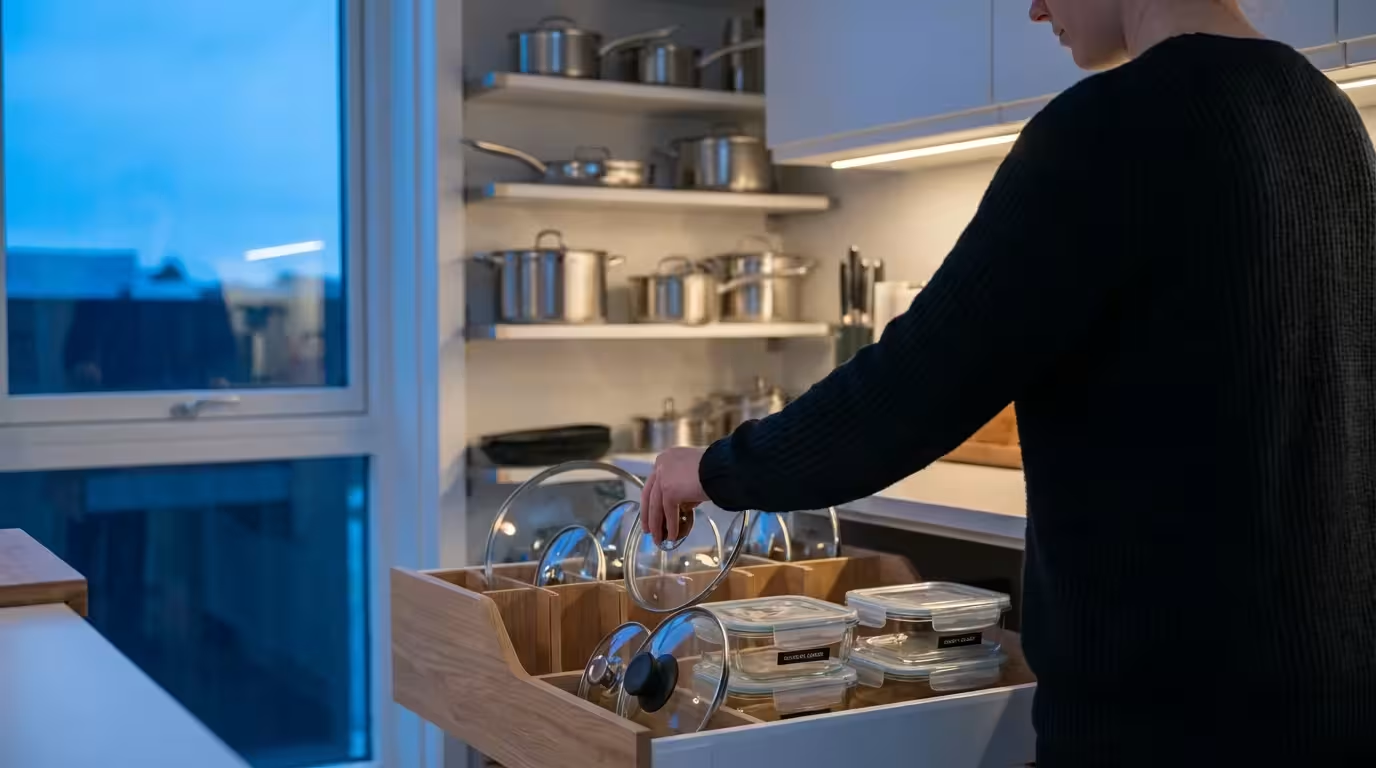
- Pots and Pans: Larger, sturdy lazy susans in base cabinets can hold pots, pans, and lids. Consider pan organizers or lid holders on the lazy susan to keep items from sliding around when rotated.
- Small Appliances: Infrequently used small appliances like a stand mixer, food processor, or waffle maker can reside on a lower, sturdy lazy susan. A simple spin brings them to the front when you need them.
- Cleaning Supplies: Under-sink corner cabinets benefit from a lazy susan for cleaning sprays, sponges, and brushes, making your cleaning routine more efficient.
Use Containers and Dividers
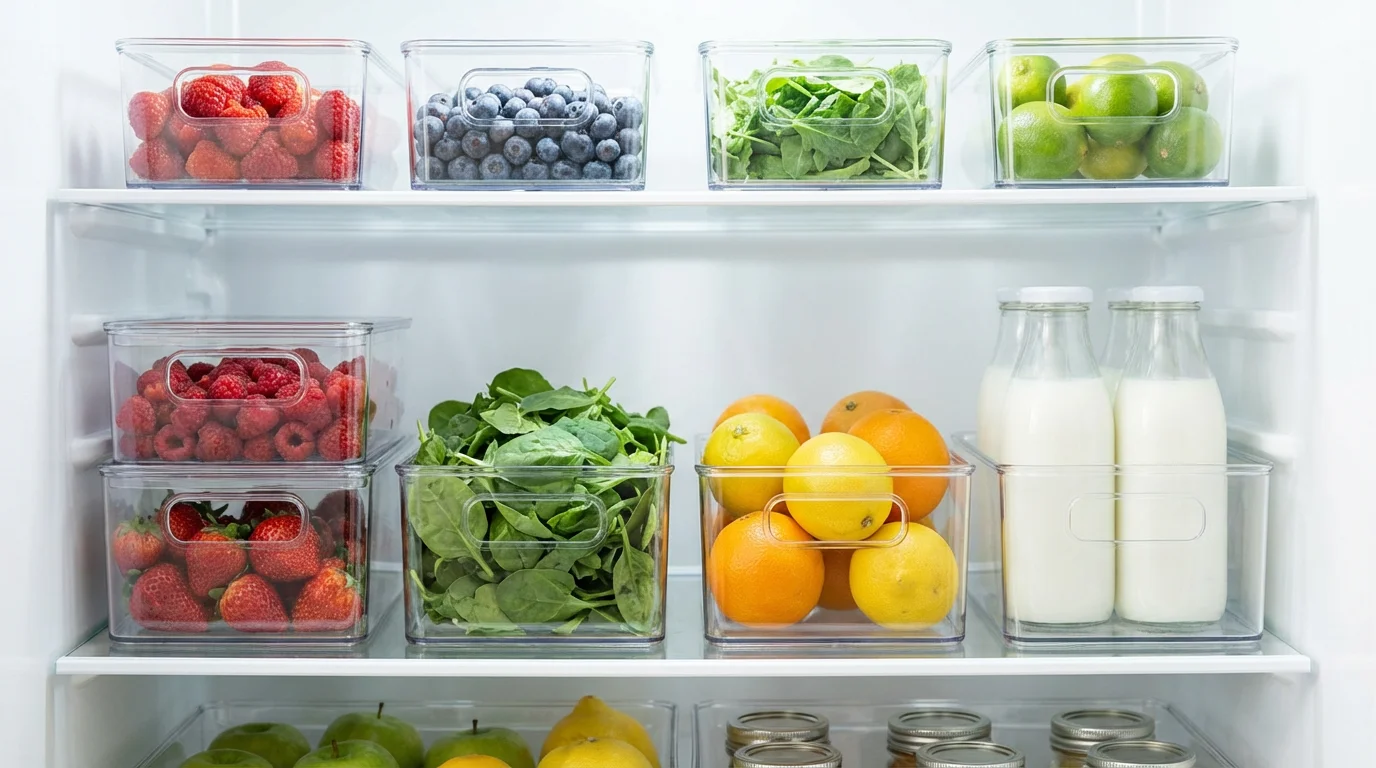
Even on a lazy susan, items can shift. Use small bins, baskets, or clear containers on each tier to contain smaller items. For instance, a small rectangular bin can hold all your tea bags, while another stores protein powder. This creates defined spaces and prevents items from falling off when you rotate the unit. If you have an adjustable lazy susan, customize the height between shelves to accommodate taller items like olive oil bottles or short stackable bins.
Implement FIFO
For food items, practice FIFO: first in, first out, a method of rotating food so oldest gets used first. Place newer items at the back of a tier and move older items to the front. This ensures you use products before they expire, minimizing waste. This simple habit keeps your pantry items fresh and your inventory managed.
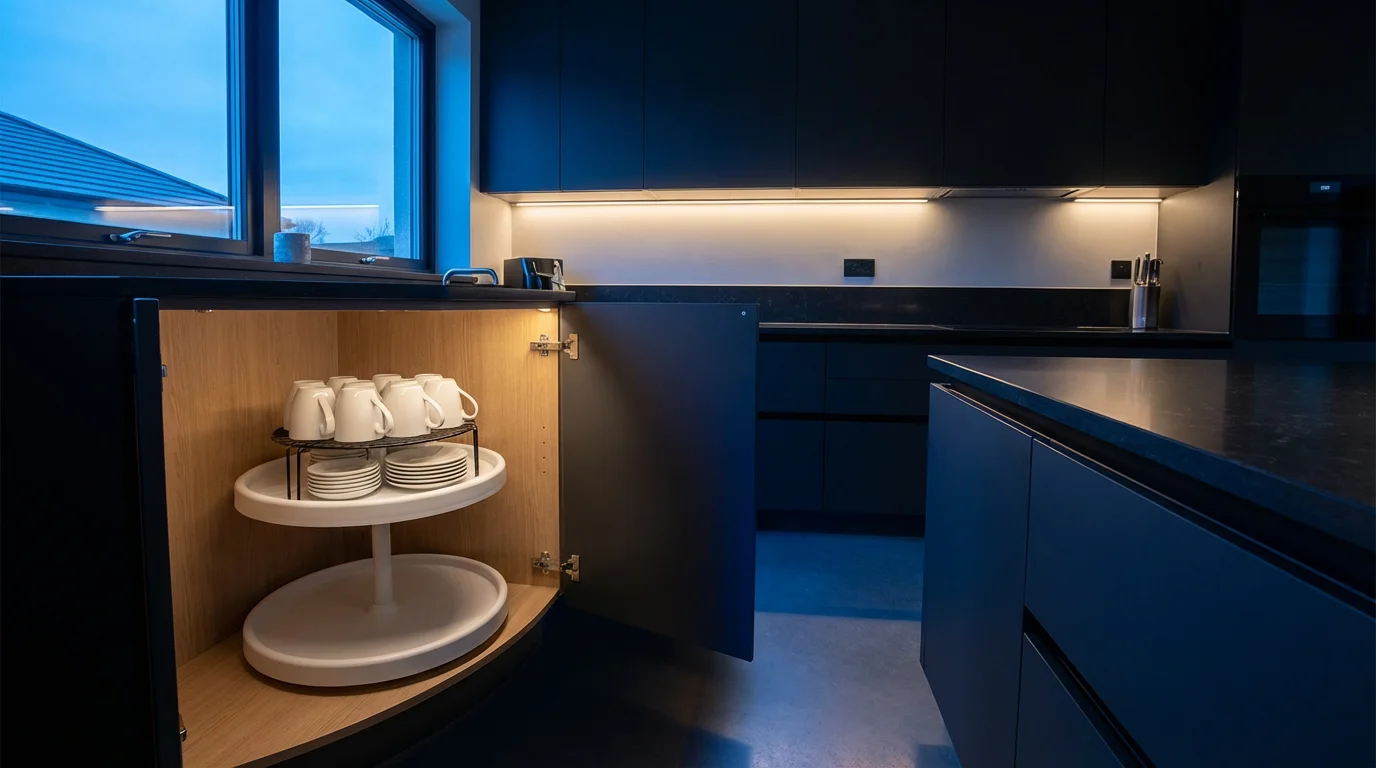
Beyond the Turntable: Complementary Corner Solutions
While a lazy susan is a powerful corner cabinet solution, combining it with other organizers maximizes your overall storage potential. Think of your cabinet as a complete system, not just a single shelf.
Shelf Risers
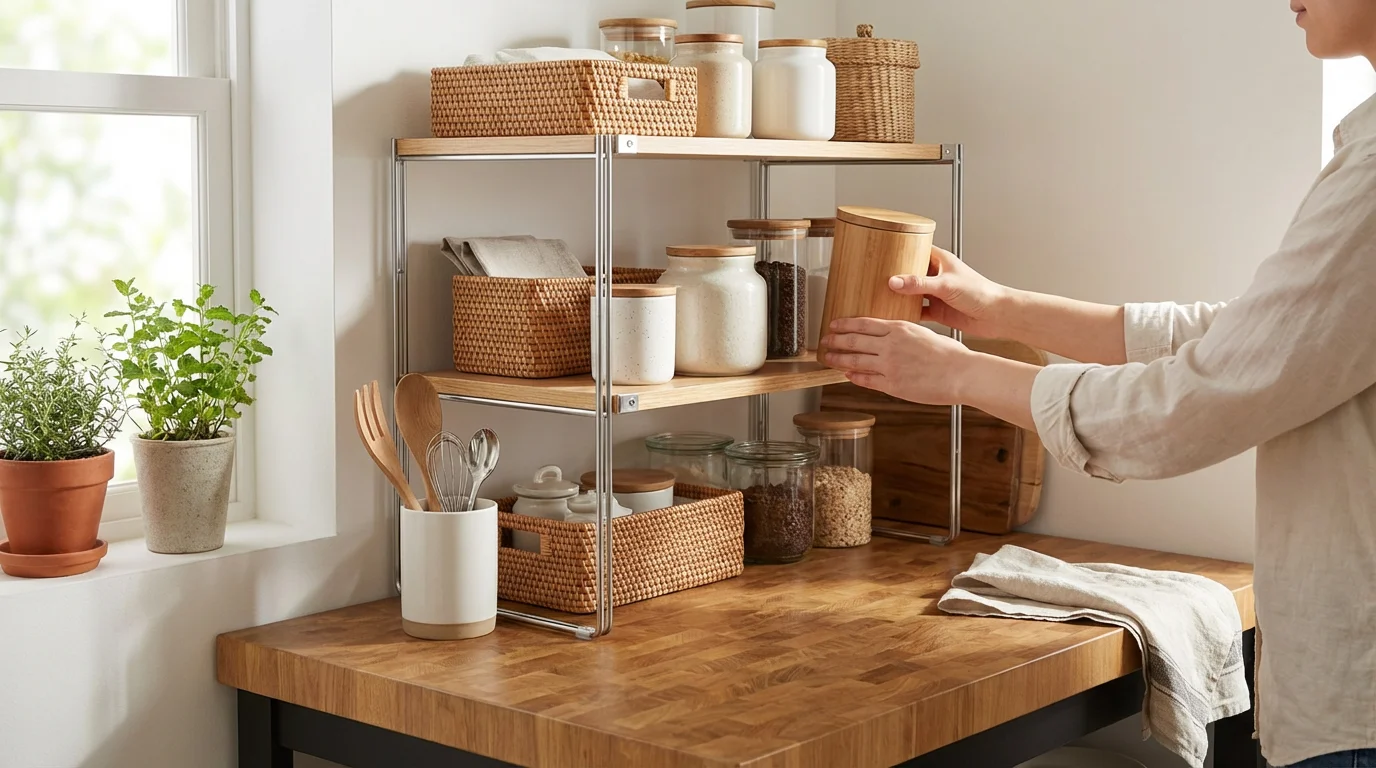
A shelf riser is a mini shelf that creates two levels of storage in one space. Place them on top of a lazy susan tier or on an adjacent fixed shelf to stack cans, small plates, or mugs, effectively doubling your vertical storage in that section. They are particularly useful for items that do not require rotation but need to be visible.
Pull-Out Organizers
For deep base cabinets adjacent to your corner, or for sections that are difficult to reach even with a lazy susan, consider a pull-out organizer—a drawer or shelf that slides out for easy access. These are shelves or drawers that slide out completely from the cabinet, bringing everything into full view. They are excellent for heavy pots and pans or larger pantry items. Some blind corner solutions even combine a pull-out mechanism with shelves that pivot out, offering comprehensive access to the deepest reaches.
Door-Mounted Racks
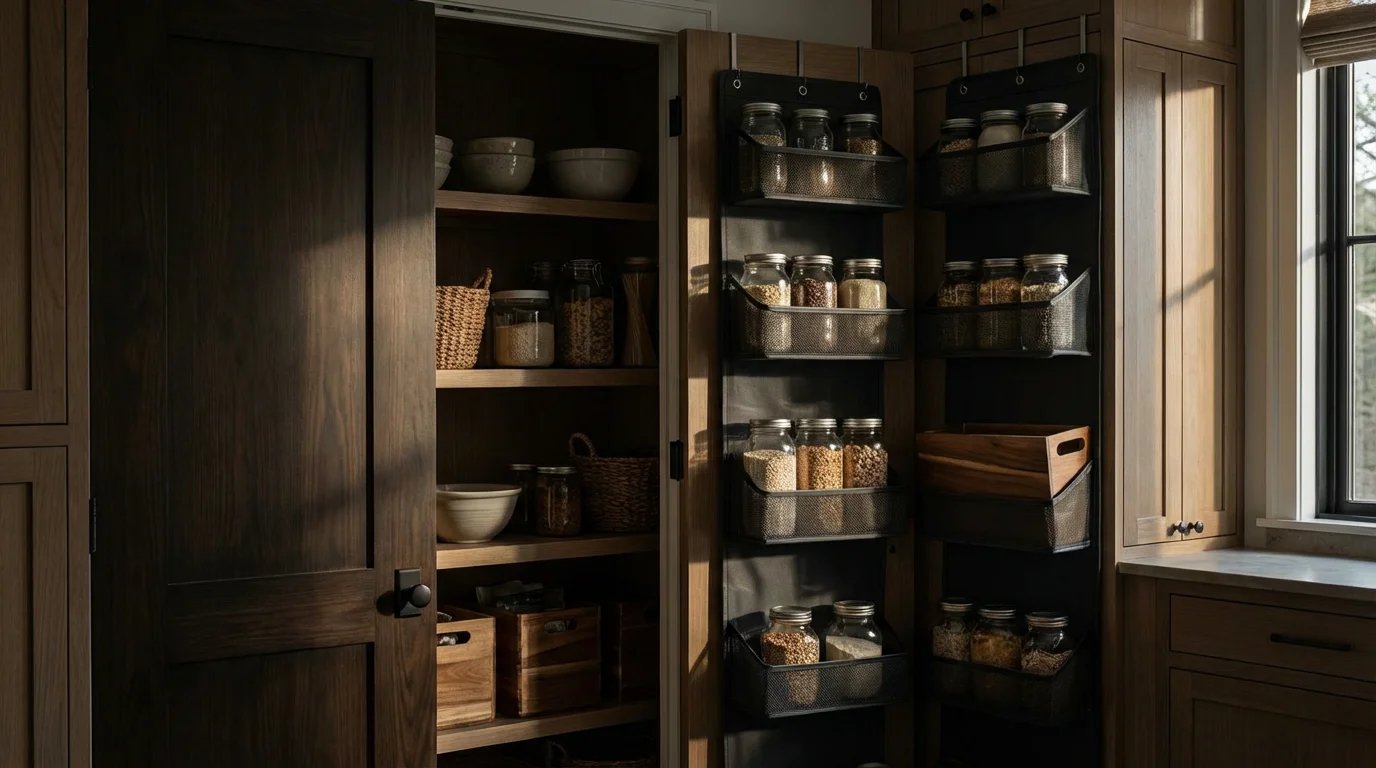
A door-mounted rack—storage that hangs on the inside of cabinet doors—utilizes the often-overlooked inside surface of your cabinet doors. These racks, typically wire or plastic, are perfect for spices, wraps (foil, plastic wrap), small bottles, or even cutting boards. They free up valuable shelf space and keep frequently used items immediately accessible. Ensure there is enough clearance for your lazy susan to rotate without hitting the items on the door rack. For renters, over-the-door hooks or adhesive organizers provide similar benefits without permanent installation.
Stackable Bins and Containers
For areas around your lazy susan, or for items you do not need to rotate, use stackable bins. These containers are designed to safely pile on top of each other, making the most of vertical space. Choose clear containers to easily identify contents. This strategy works well for separating different types of snacks, smaller baking ingredients, or dish towels.
Modular Solutions
Some cabinet organization systems are modular, meaning they consist of pieces that can be combined and configured different ways. This flexibility allows you to adapt your storage as your needs change, or to perfectly fit unusually shaped cabinets. You might combine a small freestanding lazy susan with modular bins and risers to create a truly customized system. As Good Housekeeping’s home organization advice highlights, tailored solutions often provide the most sustainable long-term benefits.
Maintaining Your Organized Space
Achieving an organized corner cabinet is a victory, but maintaining it requires ongoing effort. Organization is a continuous process, not a one-time event. Build habits that keep your system functional and clutter-free.
The “One In, One Out” Rule
Whenever you purchase a new item, especially for pantry staples or spices, discard or use up an old one. This prevents accumulation and keeps your inventory at a manageable level, respecting the capacity of your organized space.
Regular Mini-Declutters
Once a month or every quarter, take five minutes to quickly spin your lazy susan and check for expired items, items that have migrated out of their zone, or anything that no longer belongs. This proactive approach prevents small issues from snowballing into a major reorganization project. As The Spruce’s kitchen organization guides emphasize, consistency is key to long-term success.
Designate a “Holding Zone”
If you are unsure where an item belongs or cannot immediately put it away, place it in a temporary “holding zone” elsewhere in the kitchen (a small basket on the counter, for example). Address this zone weekly to ensure items find their permanent home, preventing random items from ending up back in your neatly organized corner cabinet.
Involve the Household
Ensure everyone who uses the kitchen understands the new organization system. Clearly label shelves or containers if necessary, especially for children or other family members who might instinctively put things back in the easiest, not necessarily the correct, spot. Consistency from all household members significantly contributes to long-term maintenance.
Remember, the goal is not a Pinterest-perfect pantry. The goal is being able to find what you need in 10 seconds or less, consistently. This realistic approach makes maintenance achievable and reduces the pressure of perfection.
Budgeting for Your Corner Cabinet Transformation
Organizing your corner cabinet does not require an expensive renovation. You can achieve significant improvements on various budgets, from simple, cost-effective solutions to more premium, installed systems.
Budget-Friendly Options (Under $50-$100)
For minimal investment, focus on freestanding lazy susans, small bins, and shelf risers. Plastic or bamboo freestanding turntables typically cost $15-$30 each, depending on size. A few shelf risers are usually $10-$20 for a set. Clear plastic bins are often available in multi-packs for under $20. This approach is ideal for renters or those testing the waters of organization without committing to permanent changes. You can significantly improve accessibility and organization for under $100 by strategically combining these items.
Mid-Range Solutions ($100-$300)
This budget allows for higher-quality freestanding units, perhaps stainless steel or heavy-duty plastic, and basic installed lazy susans. You might find a single-tier or double-tier full-round lazy susan system for a corner base cabinet within this range. Installation kits for pole-mounted systems generally fall into this category. You also gain access to more durable pull-out drawers for adjacent cabinets or a wider selection of modular components. This investment often provides a more robust and integrated solution, better utilizing the full depth and height of your cabinet.
Premium & Comprehensive Systems ($300+)
At the higher end, you are looking at multi-tiered, professional-grade installed lazy susans, often with features like soft-close mechanisms or heavy-duty construction for large appliances. Blind corner solutions with sophisticated pull-out and pivot designs, custom-designed for maximum space efficiency, also fall into this category. If you opt for professional installation, factor in those labor costs as well. These solutions offer the highest level of convenience, durability, and often a seamless aesthetic integration with your existing cabinetry, making them a worthwhile investment for a homeowner planning to stay in their home long-term.
Regardless of your budget, always prioritize measuring accurately. A well-measured, less expensive solution performs better than a costly, ill-fitting one. Focus on functionality and accessibility first, then consider aesthetic upgrades.
Frequently Asked Questions
Can I install a lazy susan in my existing corner cabinet myself?
Yes, many lazy susan kits are designed for DIY installation, especially pole-mounted full-round or D-shaped units. You will need basic tools like a drill, screwdriver, tape measure, and a level. Manufacturers provide detailed instructions. However, blind corner solutions or integrated pie-cut systems can be more complex and might benefit from professional installation if you lack experience.
What items are best stored on a lazy susan?
Lazy susans excel at organizing items you need to access frequently or that tend to get lost in deep cabinets. This includes spices, oils, condiments, baking ingredients (flour, sugar in airtight containers), small appliances, pots and pans (especially with lid organizers), cleaning supplies, and pet food. The rotating mechanism makes all these items easily visible and reachable.
How do I clean a lazy susan?
Cleaning depends on the material. For plastic or metal lazy susans, simply wipe them down with a damp cloth and mild dish soap. For wooden or bamboo units, use a slightly damp cloth and a gentle wood cleaner, avoiding excessive moisture. Regularly remove all items, wipe down the trays, and clean up any spills immediately to prevent stickiness or residue buildup.
Will a lazy susan fit in a small kitchen’s corner cabinet?
Absolutely. Lazy susans are particularly beneficial for small kitchens because they maximize otherwise unusable corner space. You will need to carefully measure your specific cabinet dimensions to ensure a proper fit. Freestanding lazy susans work well for small spaces and renters, while installed units offer the most comprehensive space utilization for homeowners.
Disclaimer: Product prices and availability change frequently. Prices shown were accurate at time of writing but may have changed. We may earn a small commission from purchases made through links on this site, at no extra cost to you. Always measure your space before purchasing organizers to ensure proper fit.
For a professional finish, using labels and label makers ensures every family member knows exactly where each container belongs on the turntable.

Leave a Reply