
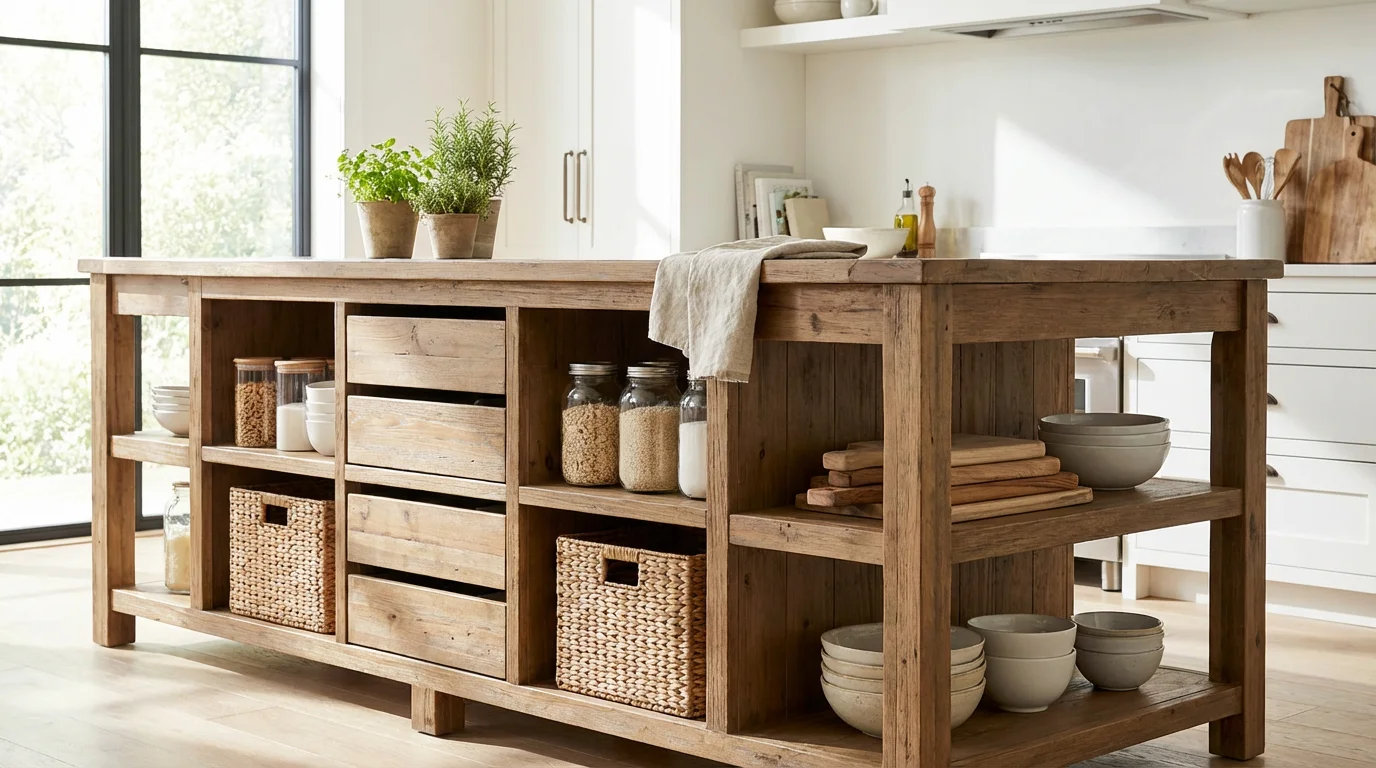
Your kitchen island stands as a central hub for cooking, dining, and gathering, but often becomes a magnet for clutter. Home cooks across the USA grapple with limited kitchen space and an ever-growing collection of gadgets. A well-organized kitchen island transforms this vital workspace from a chaotic landing zone into a highly efficient and enjoyable part of your home. This guide provides practical, actionable strategies to maximize your island’s storage potential, helping you reclaim your countertop and streamline your kitchen workflow without expensive renovations.
Maximizing Your Kitchen Island’s Potential
A kitchen island serves multiple purposes: food prep, casual dining, and often, additional storage. Many homeowners view their island as a secondary pantry or an extension of their main cabinetry. Understanding its primary roles in your home helps you tailor your organization approach. Consider what you frequently use at your island. Do you chop vegetables there daily? Do your kids eat breakfast at the counter? Identifying these core activities guides your decisions on what to store where, promoting a functional kitchen designed for your real-world needs.
Begin by assessing your island’s existing features: how many cabinets, drawers, or open shelves does it have? Measure each compartment accurately. Standard base cabinets often measure 24 inches deep by 34.5 inches high (excluding the countertop), with widths varying from 12 to 36 inches in 3-inch increments. Drawers also come in various depths and widths. Precise measurements are critical for selecting organizers that fit perfectly and maximize every inch of available space. This proactive approach saves you time and prevents returns.
Decluttering Your Island: The Foundation of Organization
Before you implement any new storage solutions, you must declutter. This step eliminates items you no longer need, use, or want, making room for what truly matters. Clutter often accumulates on countertops, in shallow drawers, and at the front of cabinets, creating an illusion of insufficient space. The goal isn’t just a tidy surface, it’s creating an environment where you can find what you need in seconds, reducing meal prep stress.
Follow these steps to effectively declutter your island:
- Empty Everything: Remove every item from your island’s drawers, cabinets, and countertop. Place them all on your main kitchen counter or a dining table.
- Sort into Categories: Group similar items together: all utensils, all small appliances, all baking ingredients, etc. This reveals duplicates and excess.
- Purge Ruthlessly: Evaluate each item. Ask yourself:
- When did I last use this? (If over a year, consider donating or discarding).
- Do I have duplicates? (Keep only the best one or what you truly need).
- Is it broken or damaged? (Repair or discard).
- Does it belong somewhere else? (Relocate items that migrated to the island).
According to Good Housekeeping’s home organizing advice, a significant portion of kitchen clutter stems from unused or expired items. Be honest with yourself about what you genuinely use.
- Clean Thoroughly: Wipe down all surfaces, inside cabinets, and drawers. This provides a fresh start.
For items you decide to keep, categorize them based on frequency of use and where they make most sense in your cooking workflow. Items used daily should be the most accessible.
Smart Cabinet Solutions for Island Storage
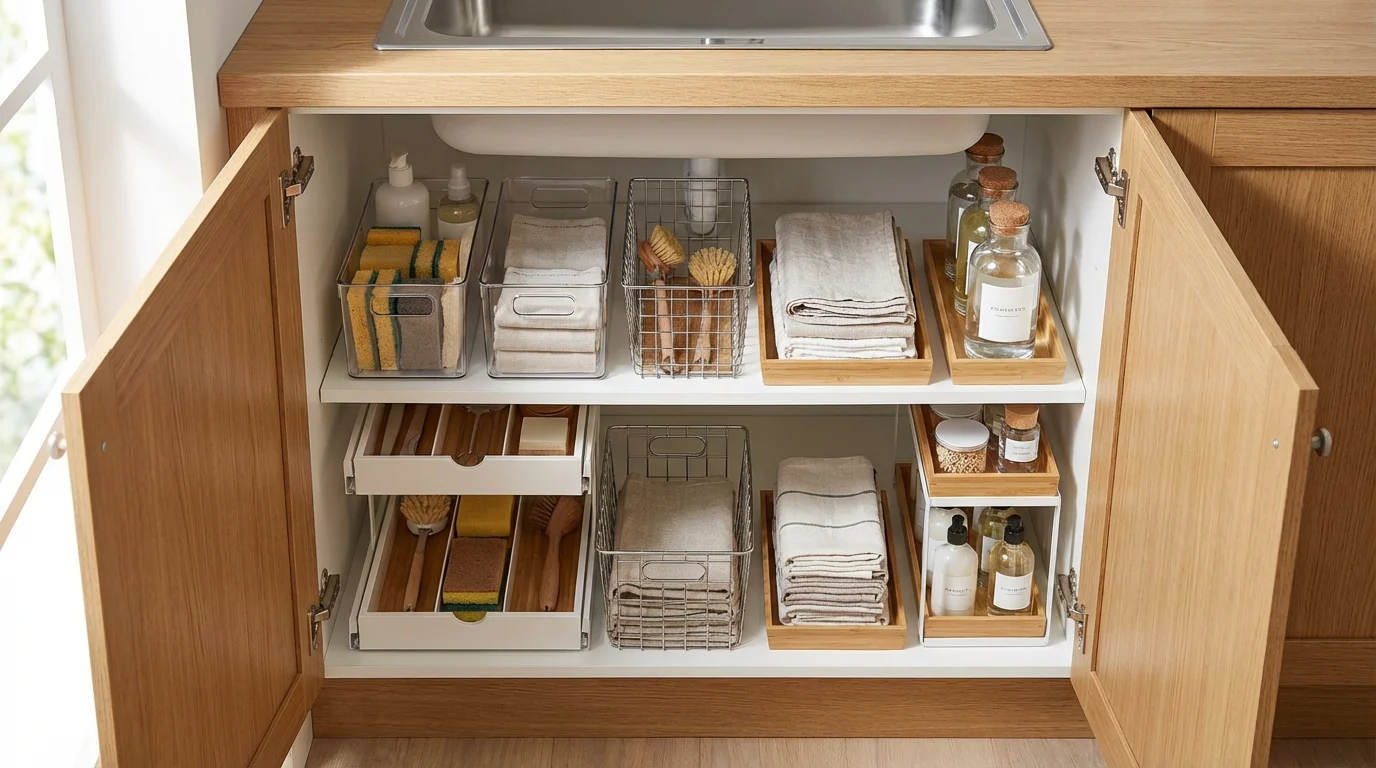
Island cabinets, whether deep or shallow, offer significant storage potential. Converting dead space, which is unused storage areas often in corners or above existing items, into functional zones requires thoughtful organization products. Remember to measure your cabinet interiors, including height, width, and depth, before purchasing any organizers.
Pull-Out Organizers and Drawers
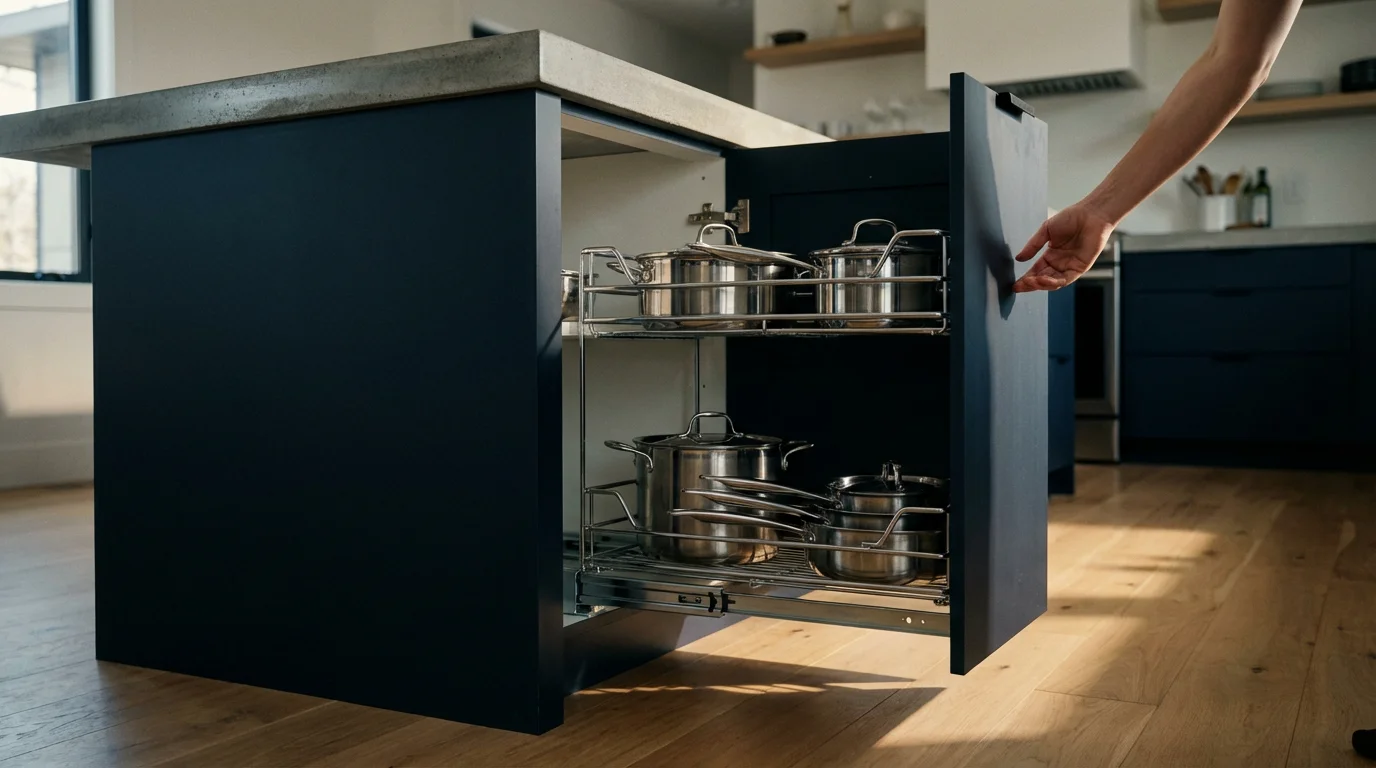
Pull-out organizers are shelves or drawers that slide out for easy access to items stored deep within a cabinet. They prevent items from getting lost in the back and eliminate the need to rummage. These are game-changers for deep island cabinets, making everything visible and reachable. Standard sizes fit 12-inch, 15-inch, 18-inch, 21-inch, and 24-inch wide cabinets. Look for models with full-extension glides for maximum accessibility. Renters can find tension-mounted or freestanding pull-out options that do not require drilling.
For instance, a 15-inch wide by 22-inch deep pull-out shelf system can hold pots, pans, or small appliances like blenders or food processors, keeping them off your countertop but readily available for prep work.
Shelf Risers and Stackable Shelves
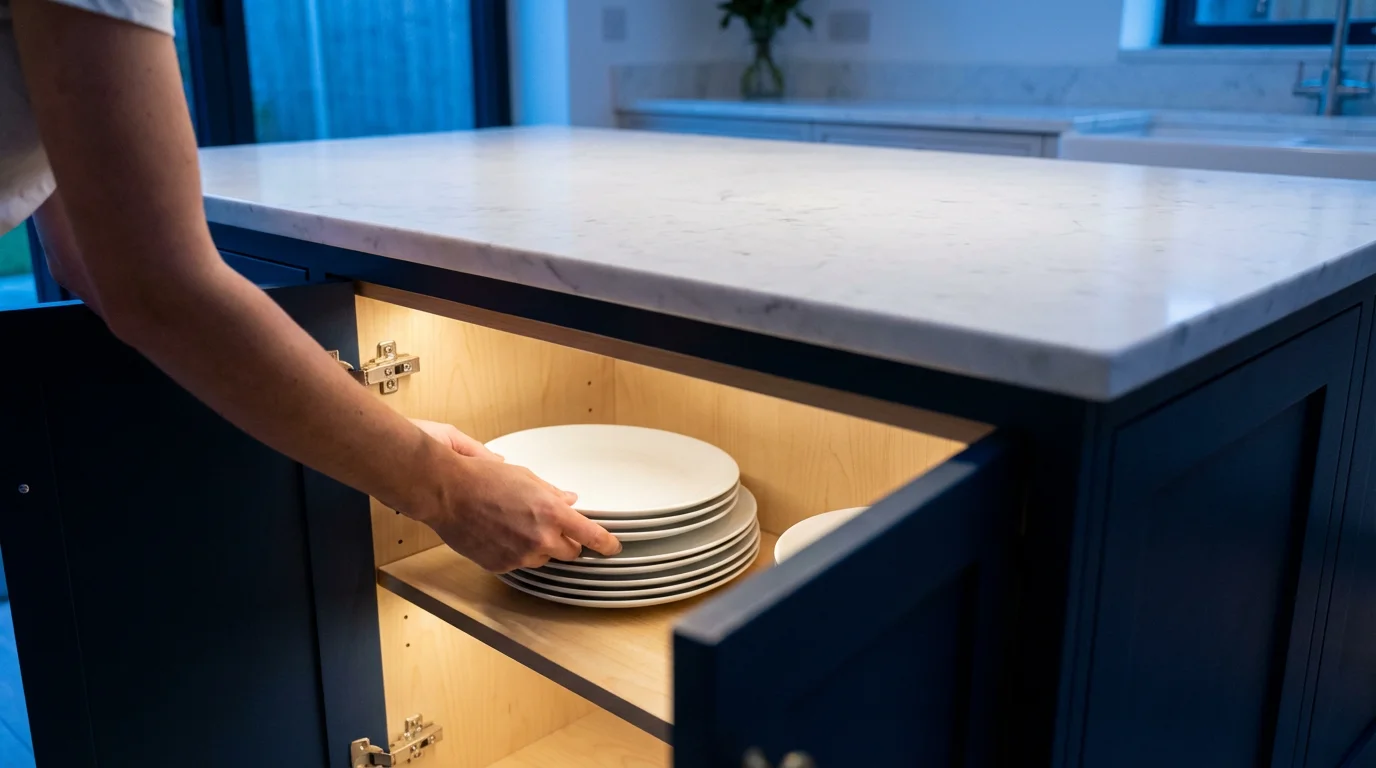
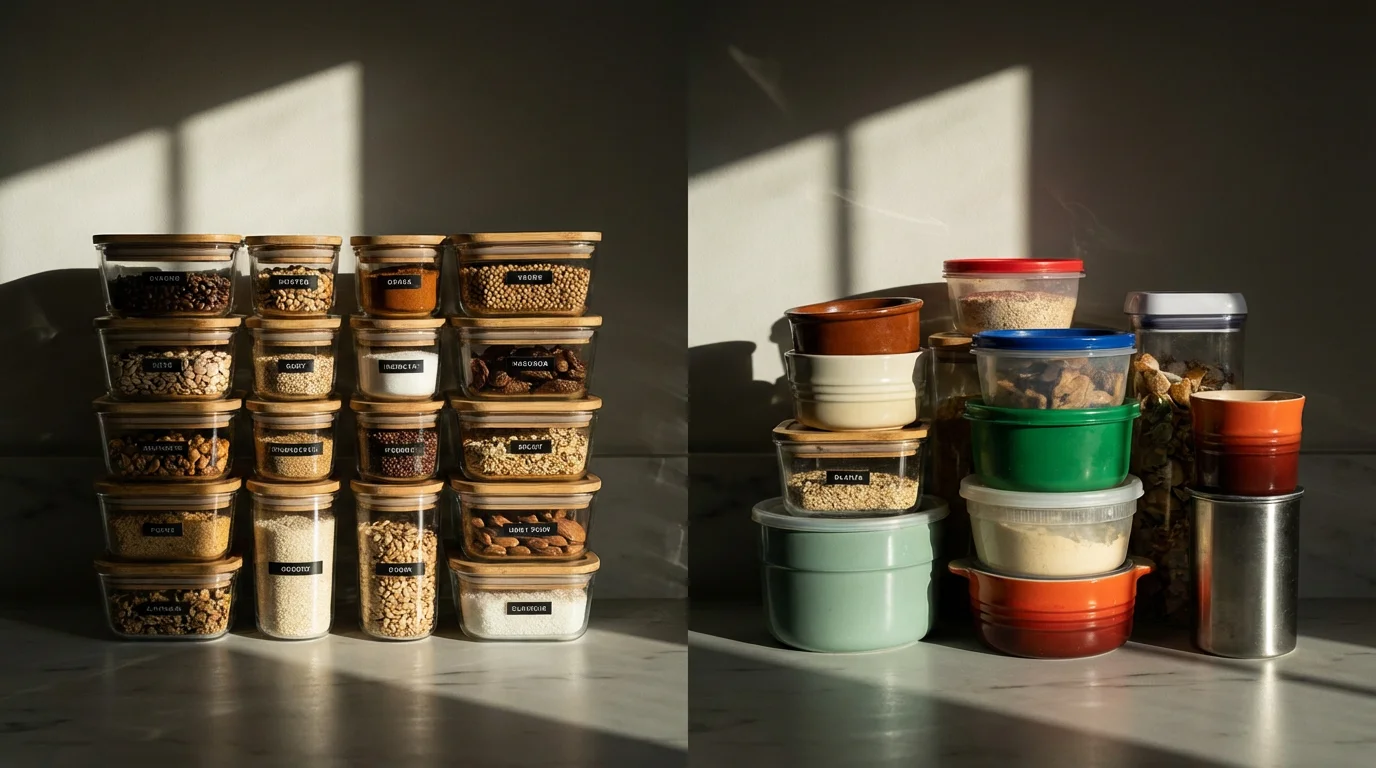
Shelf risers are mini shelves that create two levels of storage in one space, effectively doubling vertical storage. They are perfect for organizing plates, bowls, or even canned goods within your island cabinets. For example, a set of 10-inch wide by 10-inch deep by 6-inch high risers can elevate smaller plates, allowing larger dinner plates to sit underneath. Stackable shelves are designed to safely pile on top of each other, providing flexible vertical storage for various items, from cookware lids to pantry staples. Many models are modular, meaning they can be combined and configured in different ways to suit your specific cabinet dimensions and storage needs.
Lazy Susans for Corner Cabinets
If your island features a corner cabinet, a lazy susan, a rotating tray that makes corner cabinet items accessible, is an indispensable tool. They come in various diameters, typically 12-inch, 18-inch, or 24-inch, and can be single or double-tiered. Use them for frequently accessed items like oils, vinegars, spices, or condiments. A two-tier 18-inch lazy susan can hold an impressive amount of cooking liquids, ensuring you can quickly grab what you need without shuffling bottles around.
Door-Mounted Racks
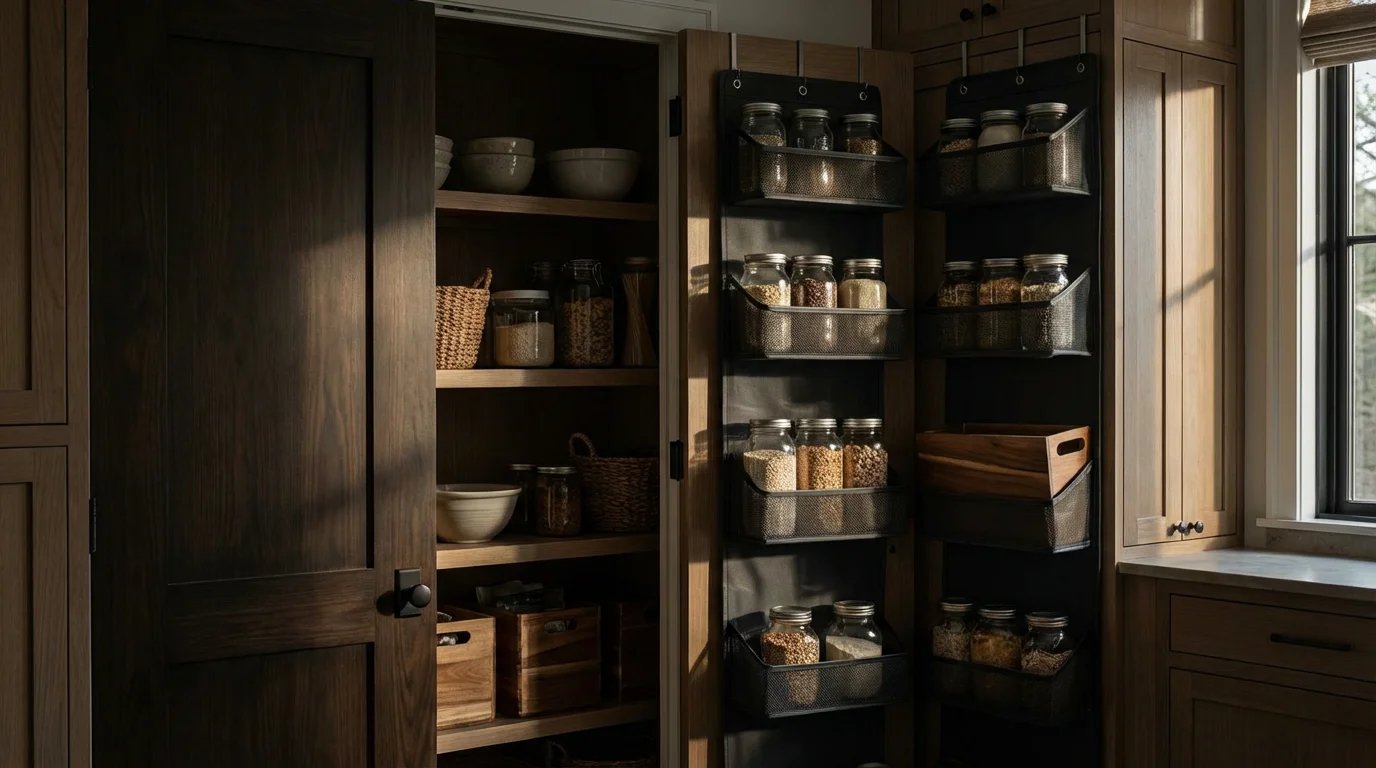
The inside of your island cabinet doors represents often-overlooked storage potential. A door-mounted rack is storage that hangs on the inside of cabinet doors, perfect for flatter items like cutting boards, foil, plastic wrap, or even cleaning supplies. Ensure you measure the internal depth of your cabinet to confirm the rack won’t interfere with shelves or items stored inside when the door closes. Many racks are adjustable and attach with screws for homeowners or with over-the-door hooks for renters.
Here’s a comparison of popular island cabinet organization solutions:
| Solution Type | Best For | Key Benefits | Considerations | Typical Fit (Cabinet Width) |
|---|---|---|---|---|
| Pull-Out Shelves | Pots, pans, small appliances, bulk items | Full accessibility, visibility, prevents bending | Requires installation (for homeowners), measure depth | 12-24 inches |
| Shelf Risers | Plates, bowls, canned goods, smaller items | Doubles vertical space, affordable, no installation | Limited to item height, can shift | Fits most cabinet widths |
| Lazy Susans | Oils, spices, condiments, small jars | Maximizes corner cabinet space, easy access | Requires specific cabinet dimensions, items can fall off | 12-24 inch diameter |
| Door Racks | Cutting boards, foil, plastic wrap, cleaning supplies | Utilizes vertical dead space, keeps items flat | Check internal cabinet depth, might require drilling | Fits most standard doors |
Optimizing Island Drawers for Efficiency
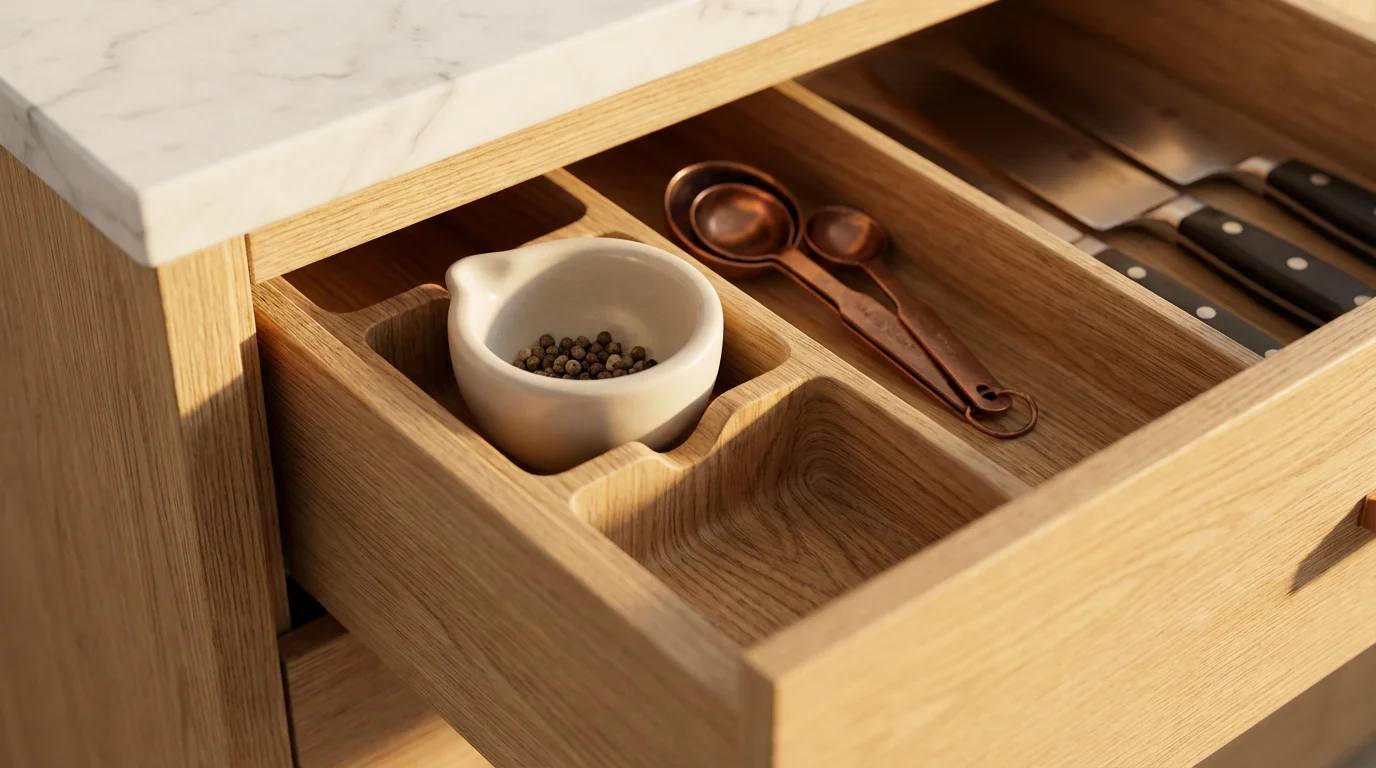
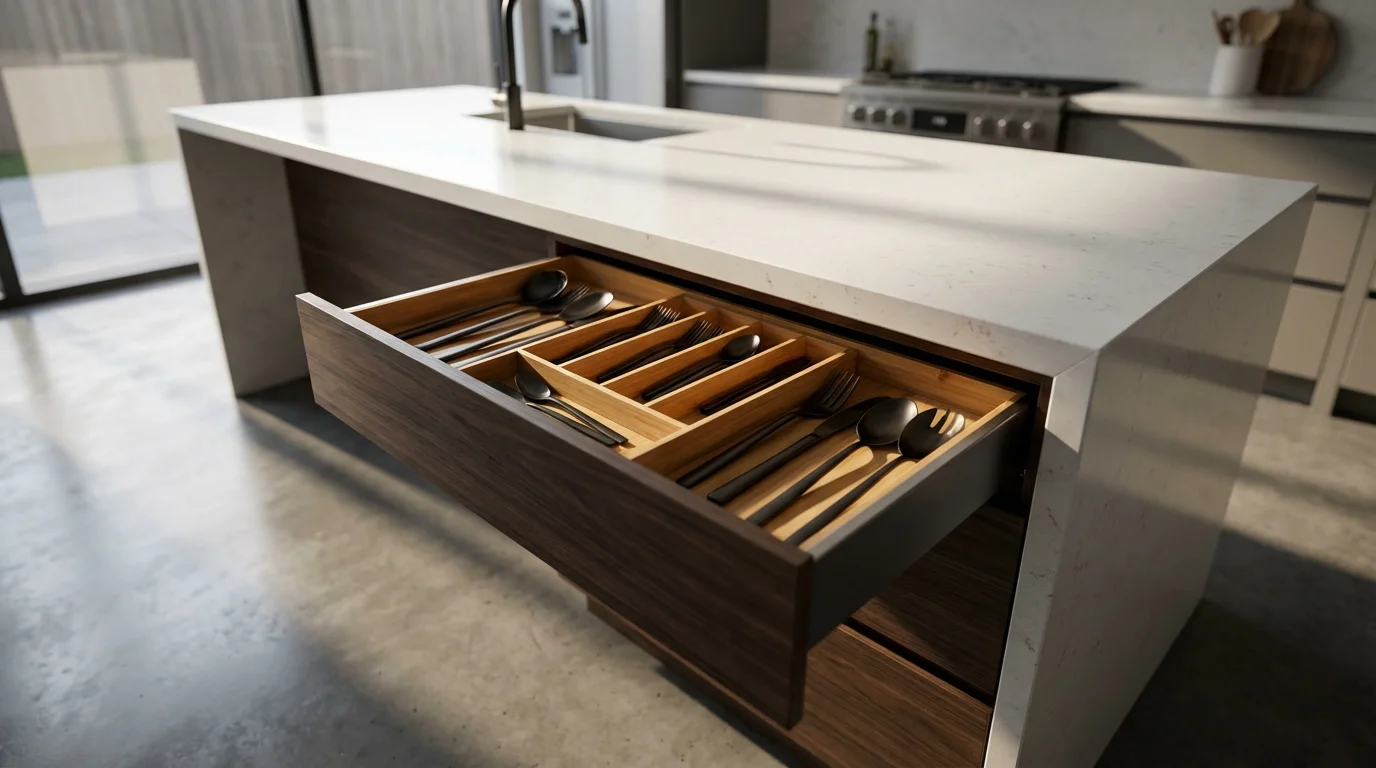
Island drawers are prime real estate for utensils, gadgets, and frequently used tools. Without proper organization, they quickly become catch-all zones, hindering your cooking efficiency. The goal is to give every item a designated home, making it easy to find and put away.
To keep your baking sheets and muffin tins from becoming a jumbled pile, consider adopting proven bakeware organization techniques within your deeper island drawers.
Utensil Trays and Dividers
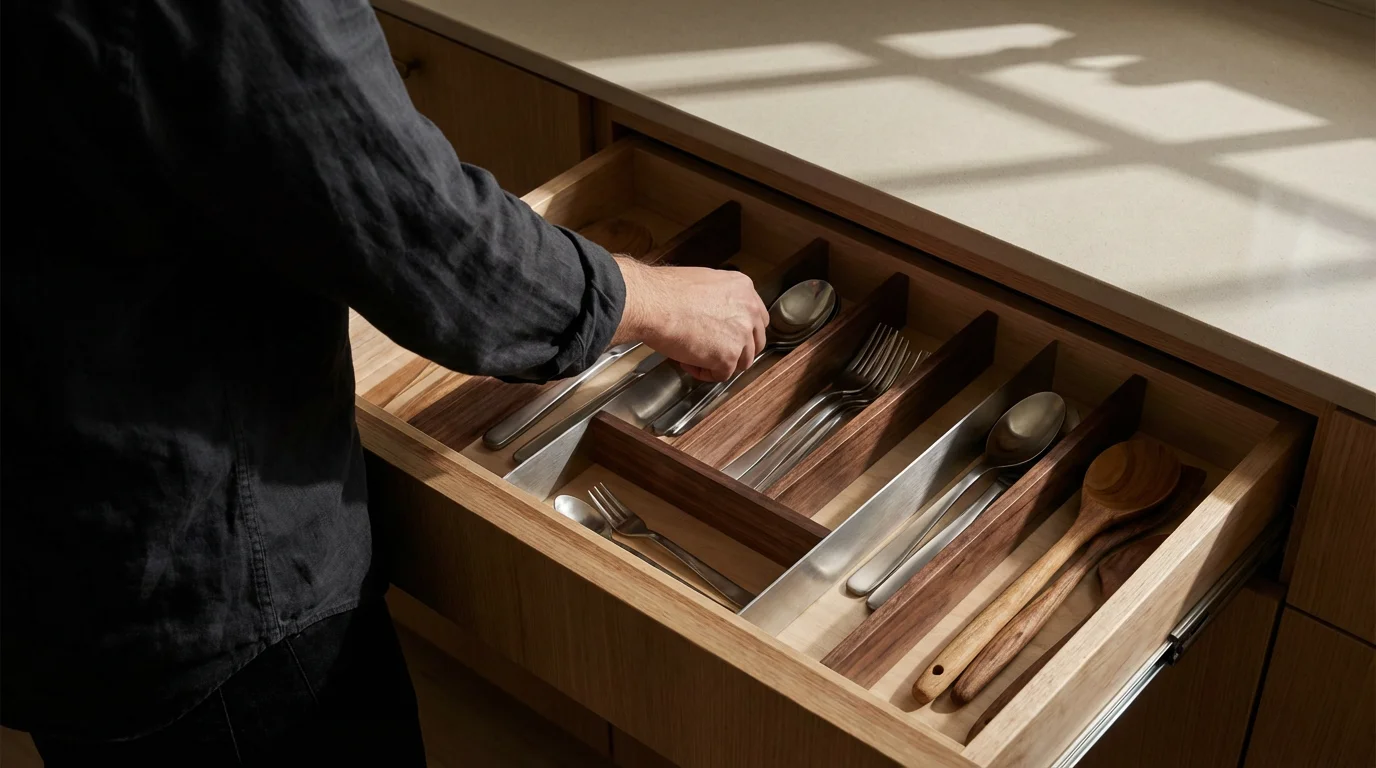
For cutlery and serving utensils, a dedicated utensil tray is essential. These come in various materials like bamboo, plastic, or metal, and many are expandable to fit different drawer widths. A typical expandable tray might range from 12 to 20 inches in width and 17 inches in depth, providing compartments for forks, knives, spoons, and larger serving pieces. For other kitchen gadgets like whisks, spatulas, or measuring cups, adjustable drawer dividers create custom compartments. These spring-loaded or adhesive-backed dividers allow you to configure spaces to fit specific items, preventing them from rolling around or mixing. This zoning ensures you grab a specific tool without rummaging.
Consider dedicating one drawer to baking tools, another to prep tools, and so on. This zone-based organization by cooking workflow ensures that items you need together are stored together. For example, if you frequently bake on your island, storing measuring cups, spoons, and a small whisk in a dedicated drawer there makes perfect sense.
Expandable Inserts and Peg Systems
Beyond basic trays, expandable inserts offer flexibility for odd-shaped items or larger tools. These often feature adjustable sections or removable bins. For deeper drawers, especially those holding plates or bowls, a peg system can be incredibly effective. Pegs fit into a grid-patterned base, allowing you to customize supports for different sized dishes, preventing them from sliding or chipping. This works well if you use your island for setting tables or as a buffet during gatherings.
“A well-organized drawer isn’t just about aesthetics; it’s about reducing friction in your daily cooking. When every spatula has a home, you cook more efficiently.” — Professional Organizer
Making the Most of Your Island’s Countertop
Your island countertop is your primary workspace. Keeping it clear maximizes its utility and creates a more pleasant cooking environment. The key is to be selective about what resides on the surface. Only items used daily, or those too heavy or awkward to store elsewhere, deserve a spot.
Appliance Garages
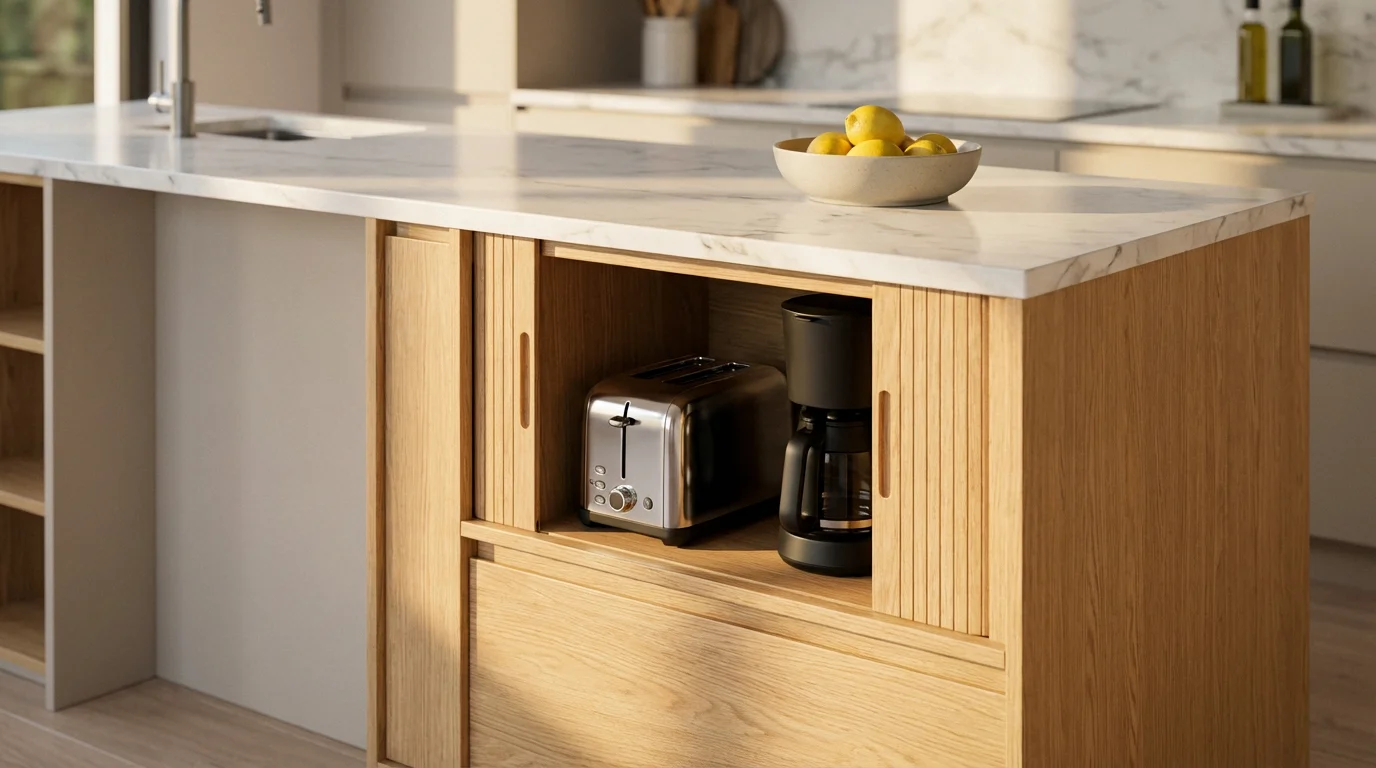
An appliance garage is a cabinet or built-in nook designed to hide small appliances like toasters, coffee makers, or blenders when not in use. If your island design incorporates one, use it to its full potential. This keeps your countertop clear while making daily-use appliances easily accessible. For islands without a built-in garage, consider a freestanding cabinet or a large, decorative box that can house smaller items.
Utensil Holders and Knife Blocks
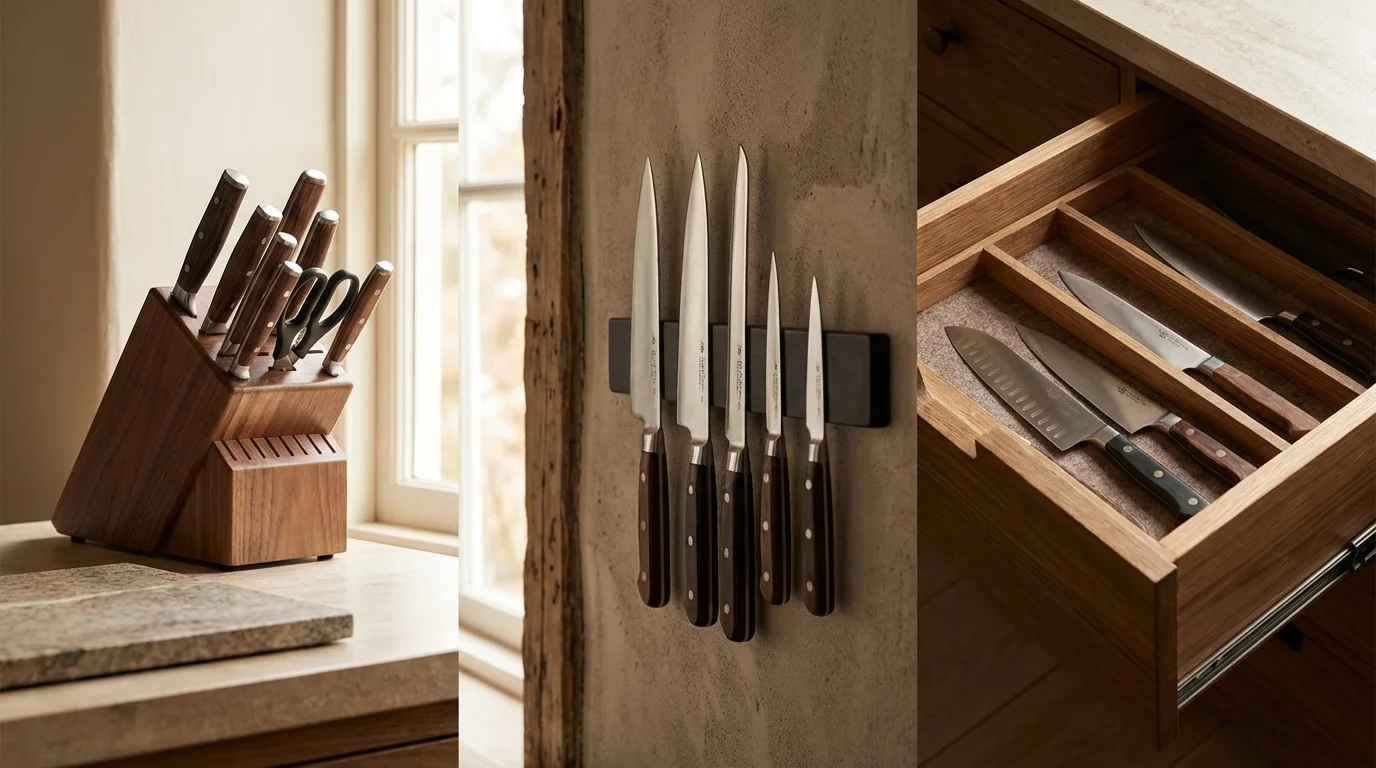
For frequently used cooking utensils like spatulas, ladles, and tongs, a stylish utensil holder keeps them within arm’s reach while cooking. Choose one with a small footprint, such as a 5-inch diameter ceramic crock or a stainless steel cylinder, to minimize counter space usage. Similarly, a quality knife block protects your knives and keeps them safely accessible. A compact, universal knife block that can hold 5-8 knives takes up minimal space while offering superior organization compared to a loose knife drawer. As Wirecutter’s kitchen organization guides often highlight, keeping essential tools close at hand reduces effort and improves workflow.
Fruit Bowls and Decorative Storage
While minimalism is key, a single, attractive fruit bowl or a small tray for essentials like salt, pepper, or olive oil can add functionality and visual appeal without creating clutter. Choose items that complement your kitchen’s aesthetic and serve a practical purpose.
The Versatile Kitchen Cart: An Alternative Island Solution
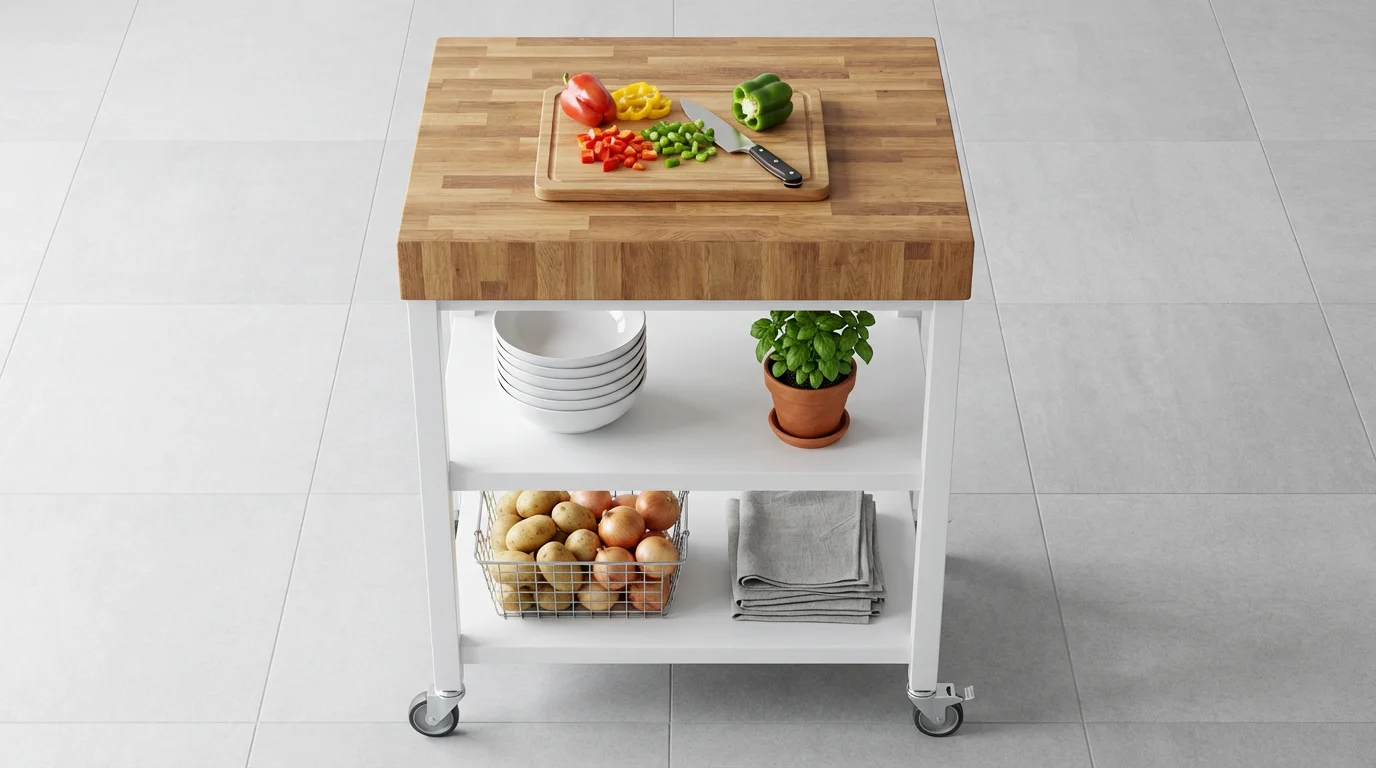
For those with smaller kitchens or limited budgets, a kitchen cart often serves as an invaluable, flexible alternative to a fixed kitchen island. A good kitchen cart provides additional counter space and crucial island storage without requiring permanent installation or significant investment. Many models are on casters, allowing you to move them where needed, from providing extra prep space next to the stove to serving as a mobile bar cart for entertaining.
Choosing the Best Kitchen Island with Storage (Cart Edition)
When selecting a kitchen cart, prioritize models that offer varied storage options. Look for carts with:
- Drawers: Ideal for utensils, placemats, or smaller gadgets.
- Shelves: Open shelving is excellent for cookbooks, serving dishes, or even a small microwave. Some carts feature enclosed cabinet sections for discreet storage.
- Towel Bars/Spice Racks: Side-mounted additions increase functionality without taking up precious top surface space.
- Durable Countertop: Stainless steel, butcher block, or granite tops offer robust work surfaces.
For example, a kitchen cart measuring approximately 36 inches wide by 20 inches deep, featuring two drawers and two open shelves, can significantly enhance your storage. This is particularly useful for renters who cannot modify existing cabinetry. You can utilize bins, baskets, and shelf risers within the cart’s shelves just as you would with a fixed island, further customizing its storage to your needs.
Maintaining Your Organized Island
Organization isn’t a one-time event; it’s an ongoing practice. To ensure your kitchen island remains a beacon of efficiency, integrate simple maintenance habits into your routine.
The “One-Touch” Rule
When you use an item, put it back immediately after cleaning. Avoid setting things down “just for a minute.” This simple habit prevents clutter from accumulating on your island countertop and within its drawers and cabinets.
Regular Mini-Declutters
Dedicate 5-10 minutes each week to a quick tidy-up. Straighten items in drawers, wipe down shelves, and remove anything that has migrated to your island that doesn’t belong there. This prevents small messes from snowballing into overwhelming projects. As Real Simple’s organizing tips emphasize, consistency is key to long-term success.
The FIFO Method for Pantry Items
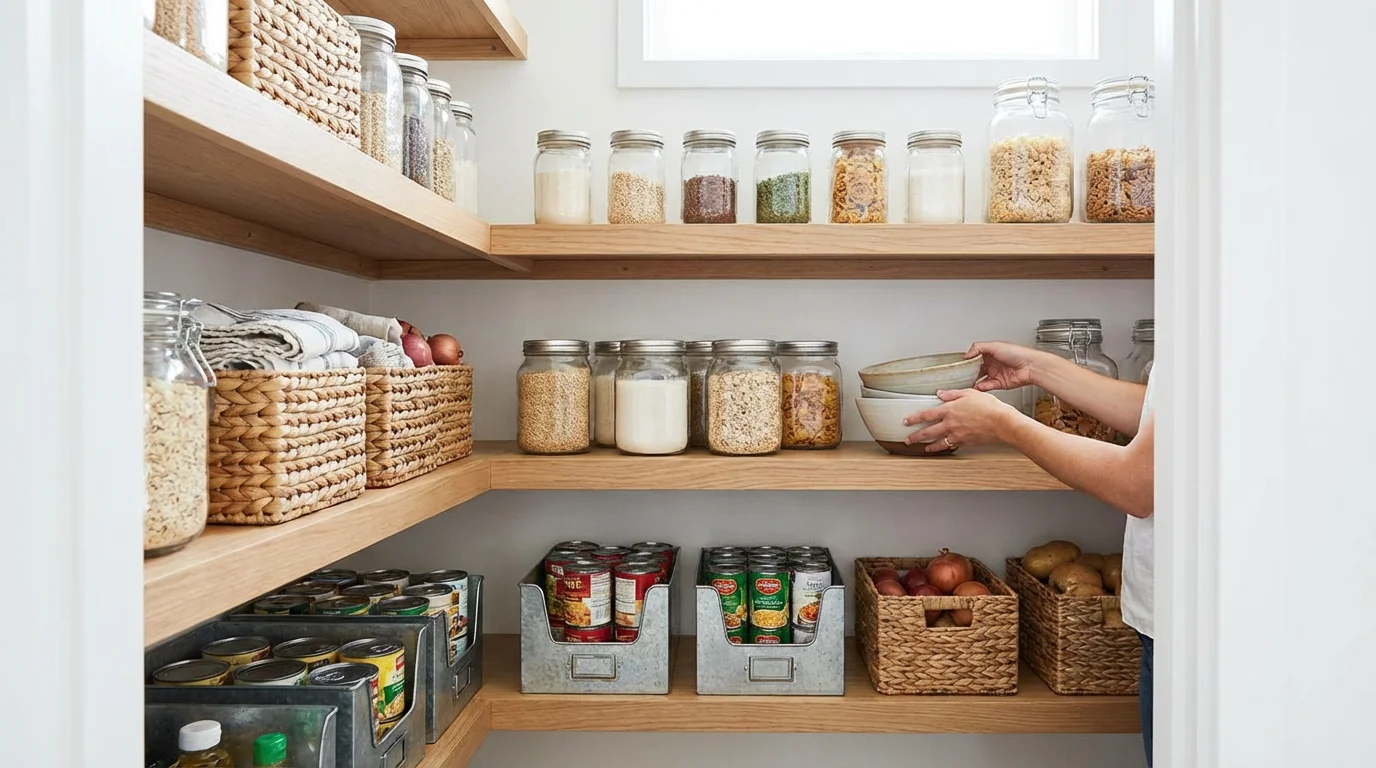
If your island cabinets store pantry staples, implement the FIFO (first in, first out) method. This means rotating your food so the oldest items get used first, reducing waste. When you buy new groceries, place them behind existing similar items. This is particularly effective for canned goods, oils, and other long-shelf-life ingredients.
Periodic Review
Every few months, conduct a more thorough review of your island’s contents. Reassess whether the current organization still serves your needs. Your cooking habits evolve, and your storage should too. Perhaps you’ve acquired new gadgets or no longer use certain items. Adjust your organizers and declutter as necessary.
Frequently Asked Questions
What is the best way to organize a small kitchen island?
For a small kitchen island, prioritize vertical storage and multi-functional items. Utilize shelf risers to double cabinet space, shallow drawer dividers for essentials, and a compact utensil holder on the countertop. Consider a kitchen cart with integrated storage as a flexible solution. Only keep items you use daily or those that truly belong on or in the island.
How do I prevent my island countertop from becoming a dumping ground?
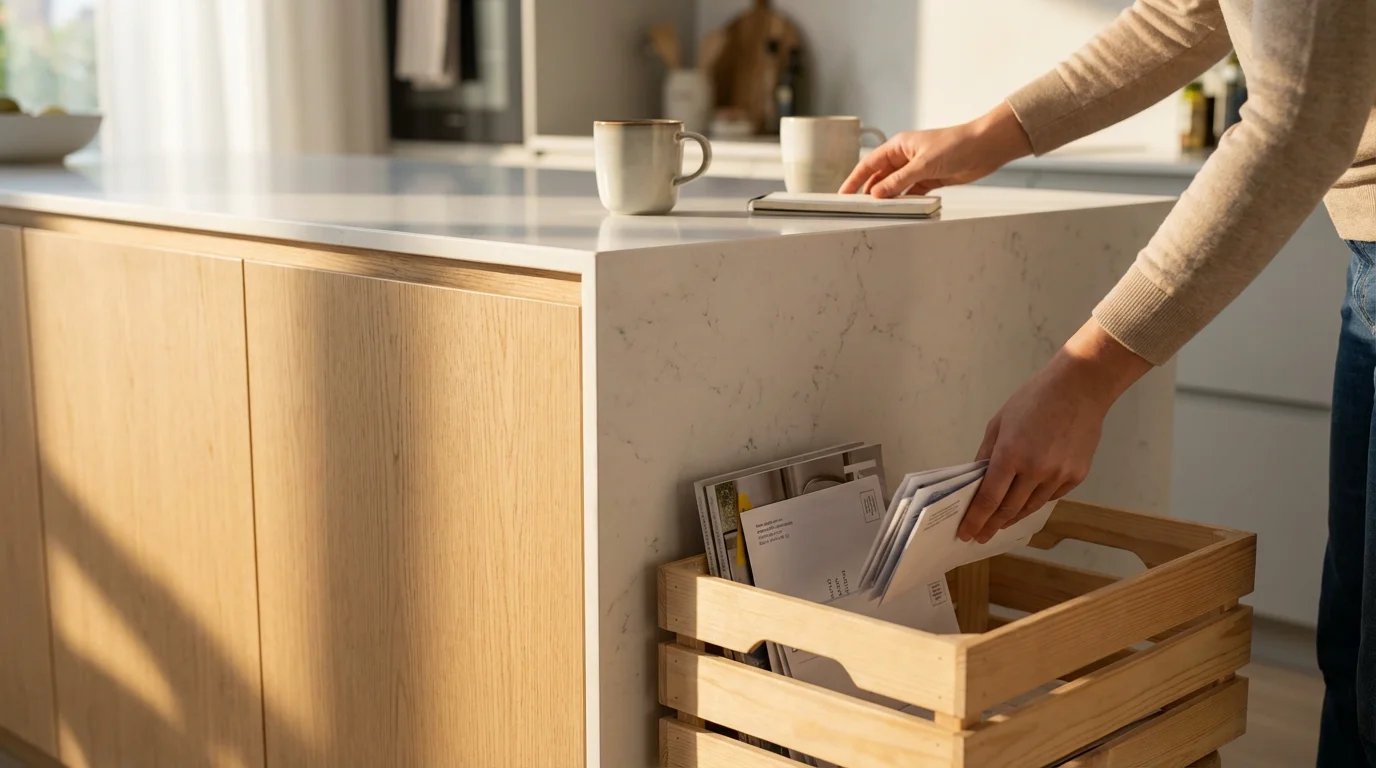
Implement a “one-touch” rule: put items away immediately after use. Create designated homes for everything, both on and in your island. Use a small, attractive tray for common items like keys or mail that tend to accumulate, making it easy to clear. A regular, quick daily sweep of the island surface helps maintain a clear and functional workspace.
Can I add storage to an existing kitchen island without renovations?
Absolutely. For existing islands, focus on interior cabinet and drawer organizers. Install pull-out shelves or drawers, use shelf risers and stackable bins to maximize vertical space, and add door-mounted racks for flat items. For drawers, use expandable utensil trays and adjustable dividers. These solutions typically require minimal to no installation, making them ideal for both homeowners and renters.
What are smart storage solutions for deep island cabinets?
Deep island cabinets benefit most from solutions that bring items forward. Pull-out organizers are excellent for pots, pans, and small appliances. Large, clear bins or baskets can categorize bulkier items like baking supplies or extra linens, making them easy to slide out and retrieve. For corner deep cabinets, a lazy susan is indispensable for making everything accessible.
Disclaimer: Product prices and availability change frequently. Prices shown were accurate at time of writing but may have changed. We may earn a small commission from purchases made through links on this site, at no extra cost to you. Always measure your space before purchasing organizers to ensure proper fit.

Leave a Reply