
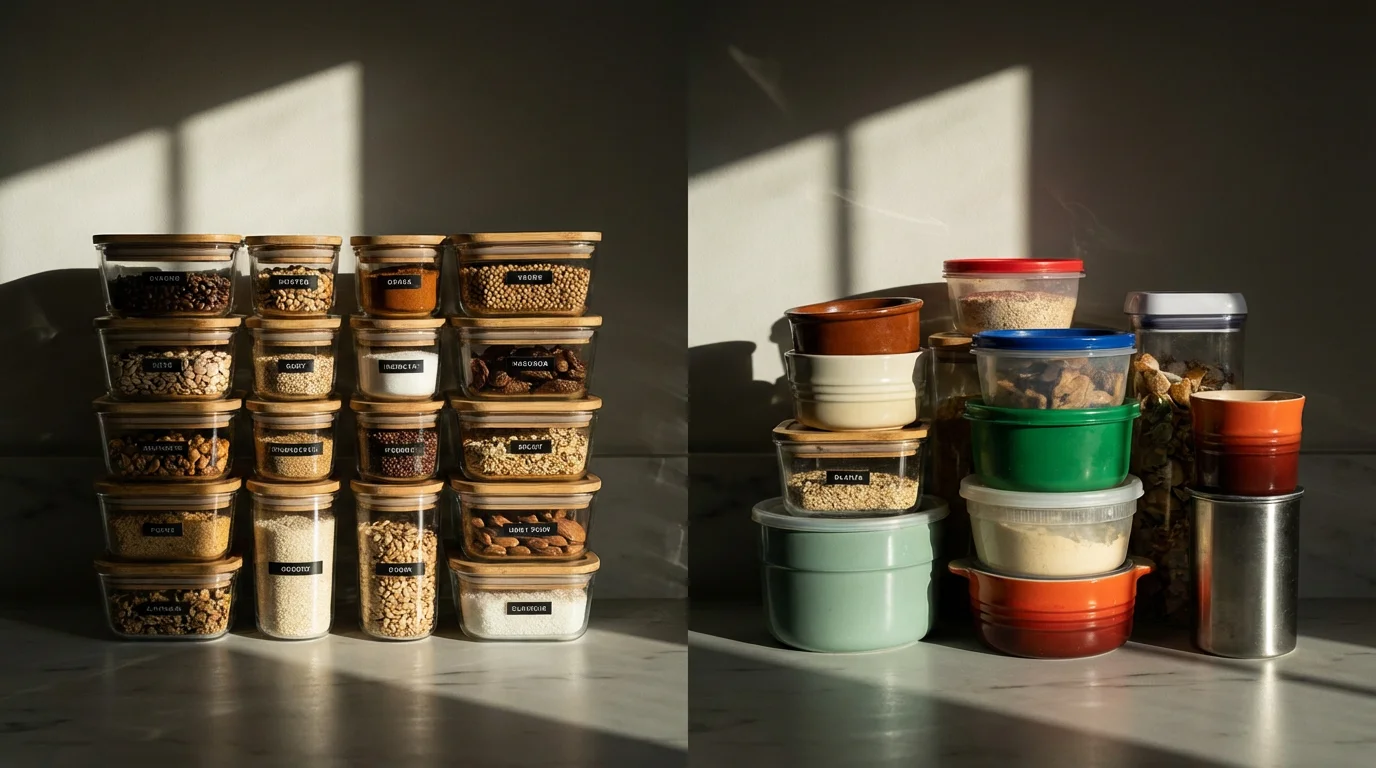
Your kitchen likely harbors a hidden battleground, a chaotic cabinet where lids and containers wage war for space. You open a cupboard, and an avalanche of plastic or glass tumbles out, creating a frustrating mess. Sound familiar? Many home cooks face this exact challenge, struggling to manage leftovers, meal prep ingredients, and pantry staples within limited space. The fundamental question often arises: should you invest in a cohesive set of food storage containers, or does a collection of mixed, utilitarian pieces serve your needs better?
This article dives deep into the strategic choices you make for your food storage, comparing the elegance and efficiency of matching sets against the practical flexibility of a mixed collection. We provide actionable insights to help you conquer clutter, maximize every inch of your kitchen, and finally achieve a functional, stress-free storage system. You will discover how to select containers that truly fit your lifestyle and your kitchen’s unique layout, ensuring every container earns its valuable space.
Understanding Your Food Storage Needs
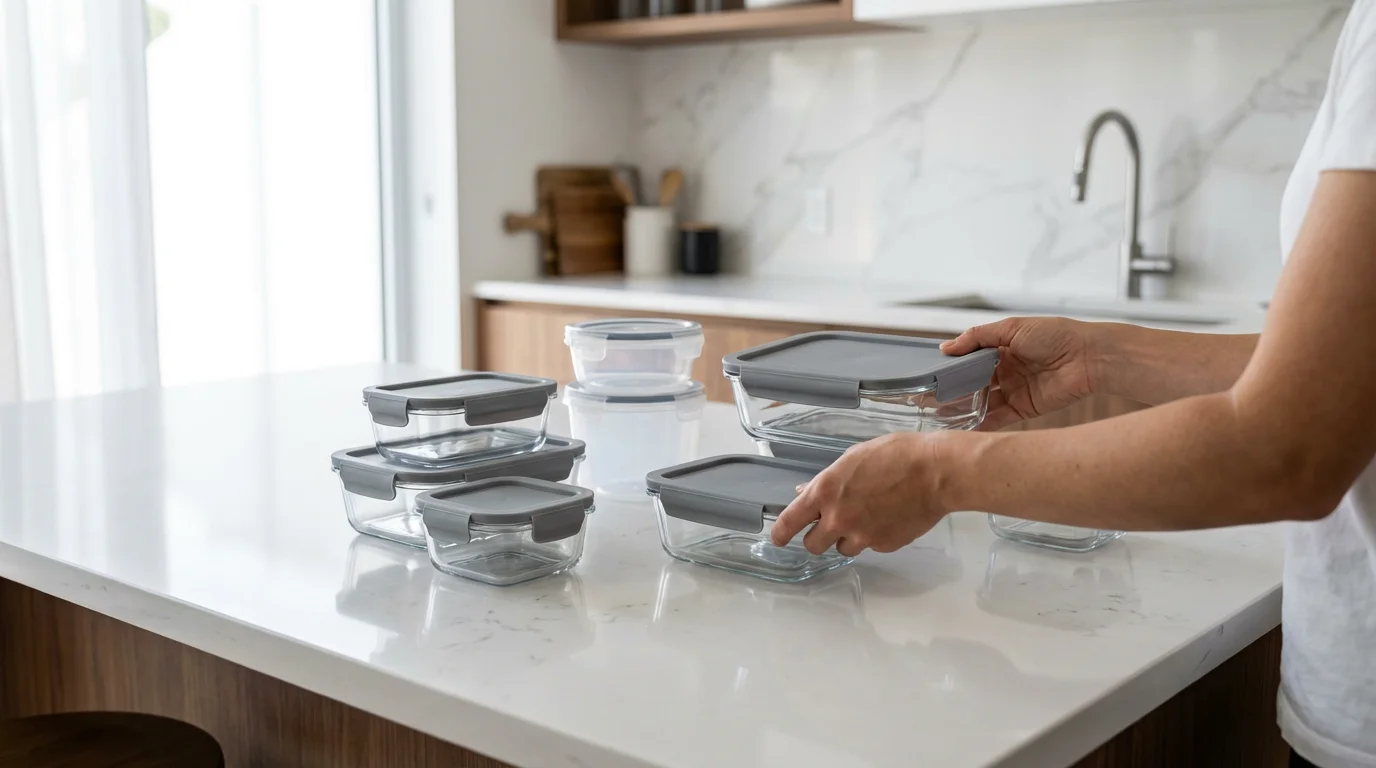
Before you commit to either matching sets or a mixed collection, take a moment to assess your current food storage habits and identify pain points. This crucial first step ensures you invest in solutions that truly solve your problems, rather than adding more clutter.
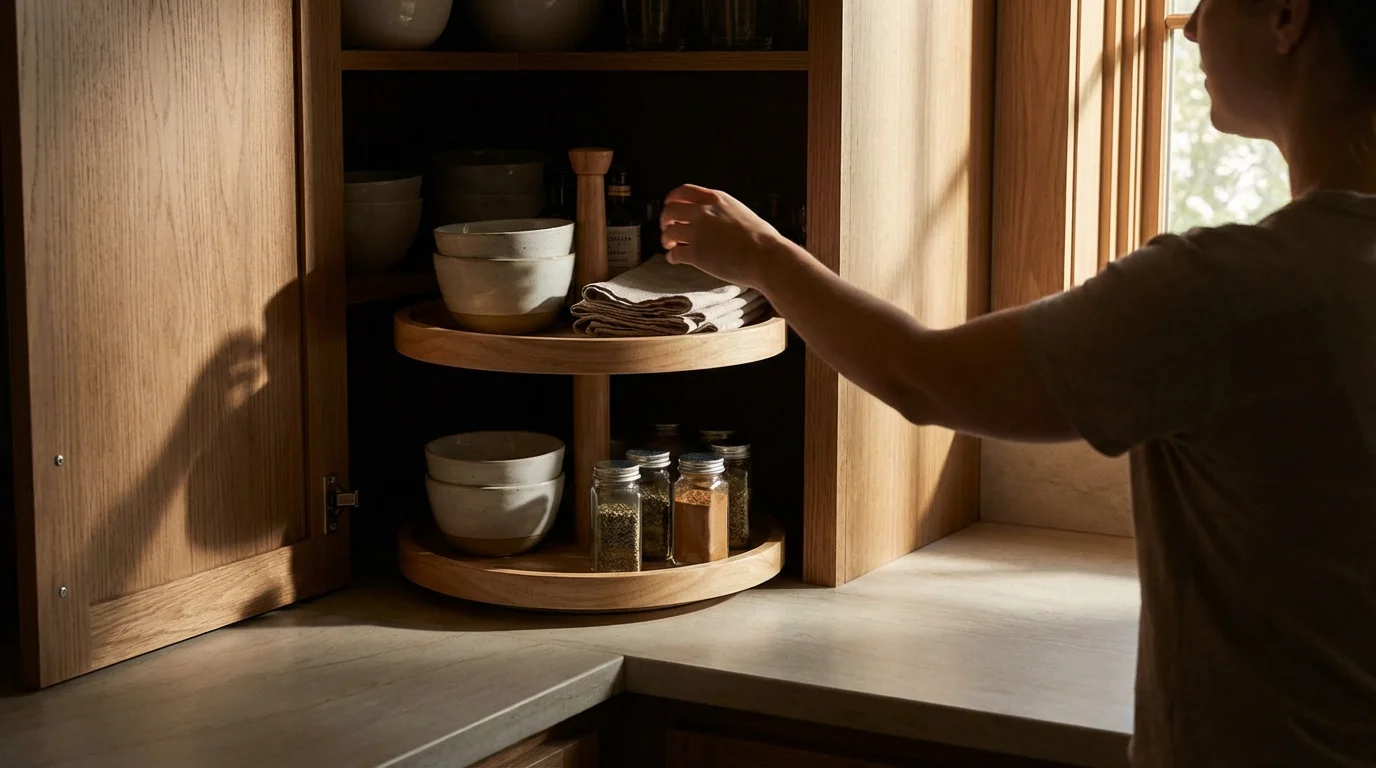
For those with deep or awkward spaces, installing lazy susans for corner cabinets can ensure no container gets lost in the back.
First, consider your cooking style. Do you heavily rely on meal prep containers, cooking large batches on Sundays for the week ahead? Do you primarily store leftovers from daily meals? Are you preserving bulk pantry items like flour, sugar, or pasta? Each scenario demands different container sizes, shapes, and materials.
Next, evaluate your existing container collection. Pull everything out of your cupboards and drawers. You will likely find a medley of mismatched lids, stained plastic, and containers without their mates. This “decluttering chaos” provides a clear picture of what you have, what you use, and what needs replacing. Dispose of or recycle any containers that are chipped, cracked, warped, permanently stained, or missing their corresponding lids. Do not keep a container “just in case” if it lacks a lid or shows significant wear.
Finally, consider the specific dimensions of your storage spaces. Measure the interior height, width, and depth of your pantry shelves, cabinet interiors, and refrigerator shelves. For example, standard upper kitchen cabinets typically have shelves that are 10 to 12 inches deep, while lower cabinets can be 20 to 24 inches deep. Knowing these measurements prevents you from purchasing containers too tall for a shelf or too deep for a drawer. This detailed assessment sets the foundation for smart, space-efficient decisions, guiding you toward the best food storage containers that don’t leak and fit your lifestyle.
The Appeal of Matching Food Storage Sets
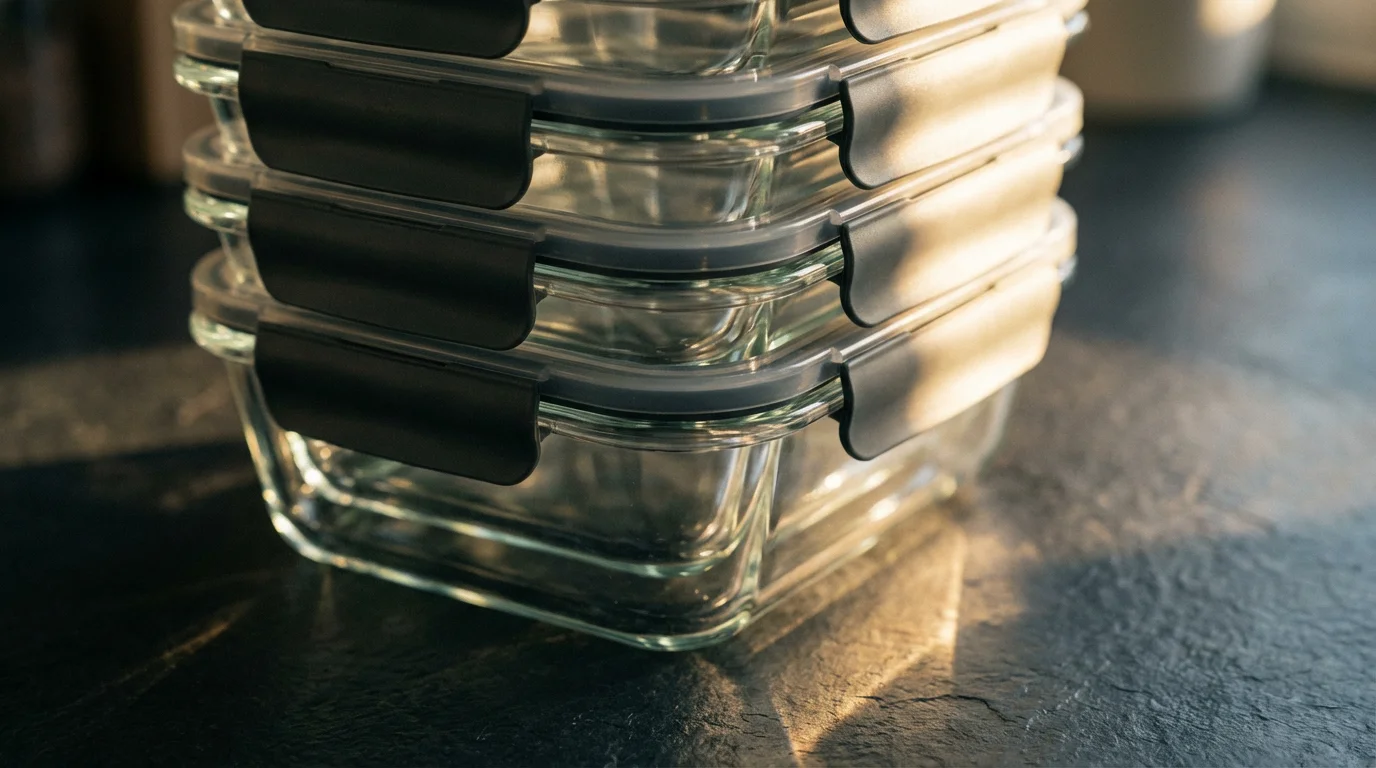
Matching food storage sets offer undeniable advantages, particularly for those who value aesthetics and streamlined organization. These sets typically include a range of containers in various sizes, all designed to stack neatly and often share interchangeable lids.
**The Benefits of Uniformity:**
* **Aesthetics:** A matching set presents a visually pleasing, orderly appearance in your pantry or refrigerator. This visual harmony contributes to a sense of calm and reduces perceived clutter.
* **Efficient Stacking:** Manufacturers design matching sets for maximum stackability. Square and rectangular containers, common in these sets, utilize space more efficiently than round ones. They nest compactly when empty, saving precious cabinet real estate, and stack securely when full, preventing toppling in the fridge. This modularity means pieces combine and configure in various ways, adapting to your needs.
* **Simplified Lid Management:** Many matching sets feature universal lids that fit multiple container sizes. This significantly reduces the frustrating search for the correct lid, a common pain point for mixed collections. Some systems even offer innovative lid storage solutions, like lids that snap onto the bottom of containers or dedicated lid organizers.
* **Predictable Quality:** When you buy a set from a reputable brand, you generally expect consistent quality across all pieces. This can mean reliable leak-proof seals, durable materials, and consistent performance in the microwave, dishwasher, and freezer.
**Considerations and Drawbacks:**
* **Upfront Cost:** Matching sets often carry a higher initial price tag compared to individually purchased mixed containers. While an investment, the long-term benefits of durability and organization can justify the expense.
* **Rigidity in Sizing:** While sets offer variety, you might find yourself with container sizes you rarely use, or conversely, lack a specific size you frequently need. For instance, a 16-piece set might include several small 1-cup containers you do not use often but only one large 10-cup container for family-sized leftovers.
* **Commitment to One Material/Brand:** Most sets come in either all glass or all plastic. If you prefer a mix of materials, a single set might not fulfill all your requirements.
For example, a typical 20-piece plastic set often includes containers ranging from 0.5 cups to 10 cups, with corresponding lids. These stackable containers, when empty, can nest within each other to fit into a cabinet that is 10 inches deep by 12 inches wide by 8 inches high. A glass set, being heavier, might require sturdier shelves and more careful handling, though many offer superior longevity and resistance to staining. As Good Housekeeping’s home organization advice emphasizes, consistent systems bring efficiency to your kitchen.
The Flexibility of a Mixed Container Collection
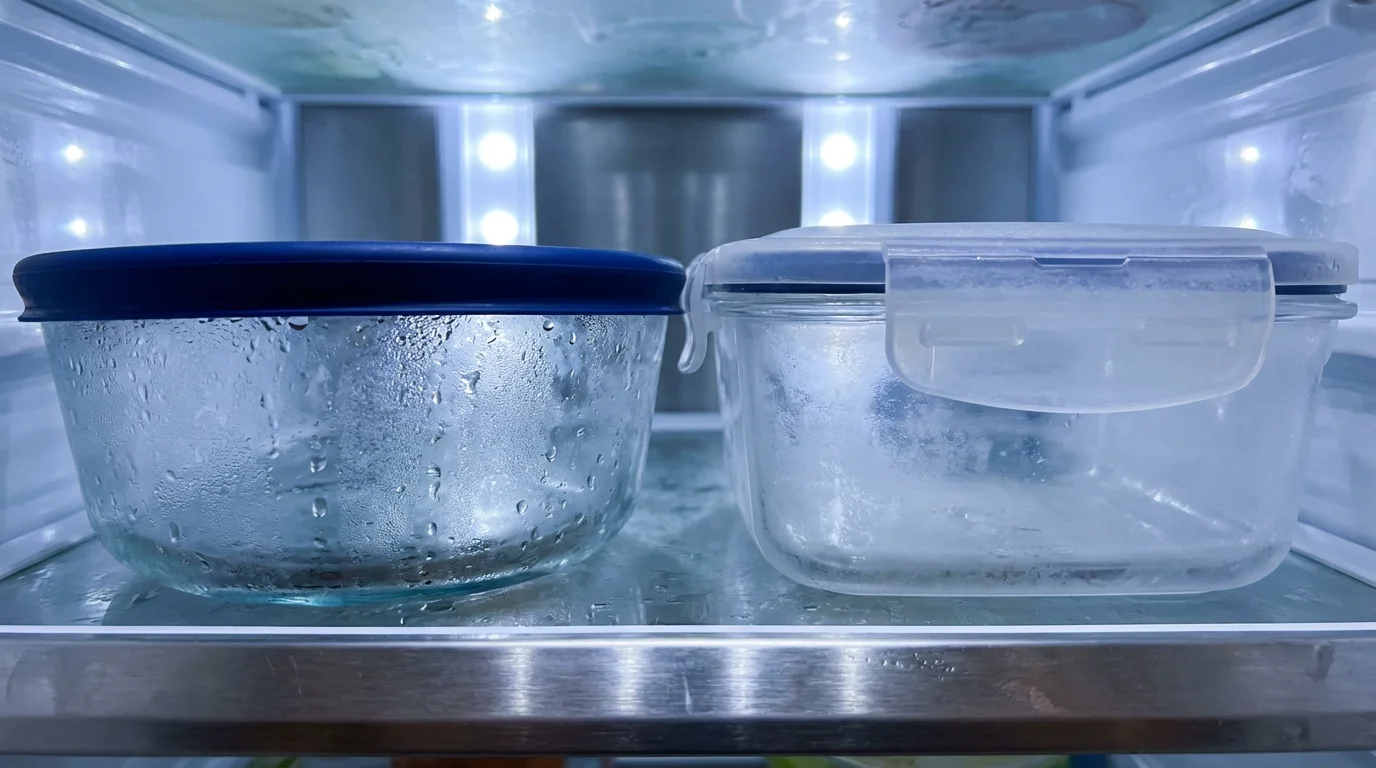
Embracing a mixed collection of food storage containers means choosing individual pieces based on their specific utility and your unique needs. This approach provides unparalleled flexibility and can be highly cost-effective.
**The Advantages of Variety:**
* **Cost-Effectiveness:** You only purchase containers you genuinely need and use, avoiding unused pieces that often come with sets. You can also take advantage of sales or repurpose existing containers, such as deli containers or yogurt tubs, for short-term storage.
* **Tailored to Specific Needs:** A mixed collection allows you to acquire specialized containers for particular tasks. Think tall, slender containers for spaghetti, wide shallow ones for lasagna, or small glass jars for homemade sauces and dressings. This customization ensures you have the perfect vessel for every food item.
* **Material Versatility:** You can freely mix glass vs plastic food containers, leveraging the strengths of each. Use glass for reheating in the oven or storing acidic foods without staining, and plastic for lightweight portability or kid-friendly snacks.
* **Repurposing and Sustainability:** This approach encourages reusing existing containers, reducing waste and extending the life cycle of items that might otherwise end up in a landfill.
**Challenges to Manage:**
* **Visual Disarray:** The most common drawback of a mixed collection is its potential for visual clutter. Varied shapes, colors, and materials can make a pantry or refrigerator appear disorganized, even if items are technically contained.
* **Lid Chaos:** Mismatched lids pose a significant challenge. Finding the correct lid for a specific container can consume valuable time and lead to frustration. This “lid chaos” often results in people abandoning perfectly good containers because they cannot find their mate.
* **Inefficient Stacking:** Containers of different brands and designs rarely stack efficiently. Round containers waste more space than square ones, and varied shapes often create “dead space”—unused storage areas—in your cabinets or refrigerator.
For instance, you might use a tall, 12-inch high plastic container for dry pasta in your pantry, while storing your meal prep containers, often square plastic with silicone seals (typically 7x7x3 inches), in a drawer. Refrigerator shelves, usually 15-18 inches deep, can accommodate various shapes, but mixing round and square containers quickly reduces capacity. Managing a mixed collection effectively requires more intentional organization, often through the use of bins and dividers.
Glass vs. Plastic Food Containers: A Practical Comparison
The choice between glass and plastic food storage containers is pivotal, influencing durability, safety, and longevity. Both materials offer distinct advantages and disadvantages.
According to Wirecutter’s kitchen organization recommendations, selecting the right material significantly impacts how you store and prepare food.
| Feature | Glass Containers | Plastic Containers |
|---|---|---|
| Durability | Highly durable, resistant to scratches and warping. Breakable if dropped. | Generally durable, but can warp, scratch, and degrade over time. Less prone to shattering. |
| Stain & Odor Resistance | Excellent. Does not absorb food colors (e.g., tomato sauce) or odors. | Prone to staining and absorbing odors, especially from highly pigmented or pungent foods. |
| Temperature Range | Oven-safe (without lid), microwave-safe, freezer-safe. Resistant to thermal shock (some types). | Typically microwave-safe and freezer-safe. Not oven-safe. Heat can cause degradation. |
| Weight | Heavier, especially when full. | Lightweight, easy to transport. |
| Cost | Generally higher initial cost. | Typically lower initial cost. |
| Health Concerns | Inert material, no chemical leaching. | Some plastics (older types) contain BPA, though most modern food-grade plastics are BPA-free. |
| Transparency | Always clear, easy to see contents. | Varies from clear to opaque. Clear plastic offers visibility. |
| Maintenance | Easy to clean, dishwasher safe. | Easy to clean, dishwasher safe (top rack recommended for some). Stains can be difficult to remove. |
**Glass Containers:**
Glass is inert, meaning it does not react with food or leach chemicals, ensuring purity of taste and safety. Its non-porous surface resists stains and odors, keeping your containers looking new for longer. You can often transfer glass containers directly from the freezer to the oven (check manufacturer’s instructions for thermal shock resistance) or microwave, making them incredibly versatile for meal prep and reheating. The main drawbacks include their weight, which can make them cumbersome for packed lunches, and their fragility, as they can break if dropped.
**Plastic Containers:**
Plastic containers are lightweight, making them ideal for portability. They are less expensive, a good option for those on a budget, or for high-volume storage. Modern food-grade plastics are typically BPA-free, addressing past health concerns. However, plastic can scratch, stain, and absorb odors over time, especially from foods like tomato sauce or curries. They also have a shorter lifespan than glass, as plastic can warp or degrade with repeated use and heating cycles. For those focusing on meal prep containers that don’t leak, ensure the plastic features a robust, often silicone-sealed, lid.
Your decision should balance these factors with your specific needs. If you prioritize oven-to-table functionality and chemical-free storage, glass is an excellent choice. If budget, portability, and shatter-resistance are paramount, high-quality, BPA-free plastic serves well. Many home cooks find a hybrid approach, using glass for home storage and reheating, and plastic for school lunches or picnics, offers the best of both worlds.
Optimizing Storage for Both Matching and Mixed Collections
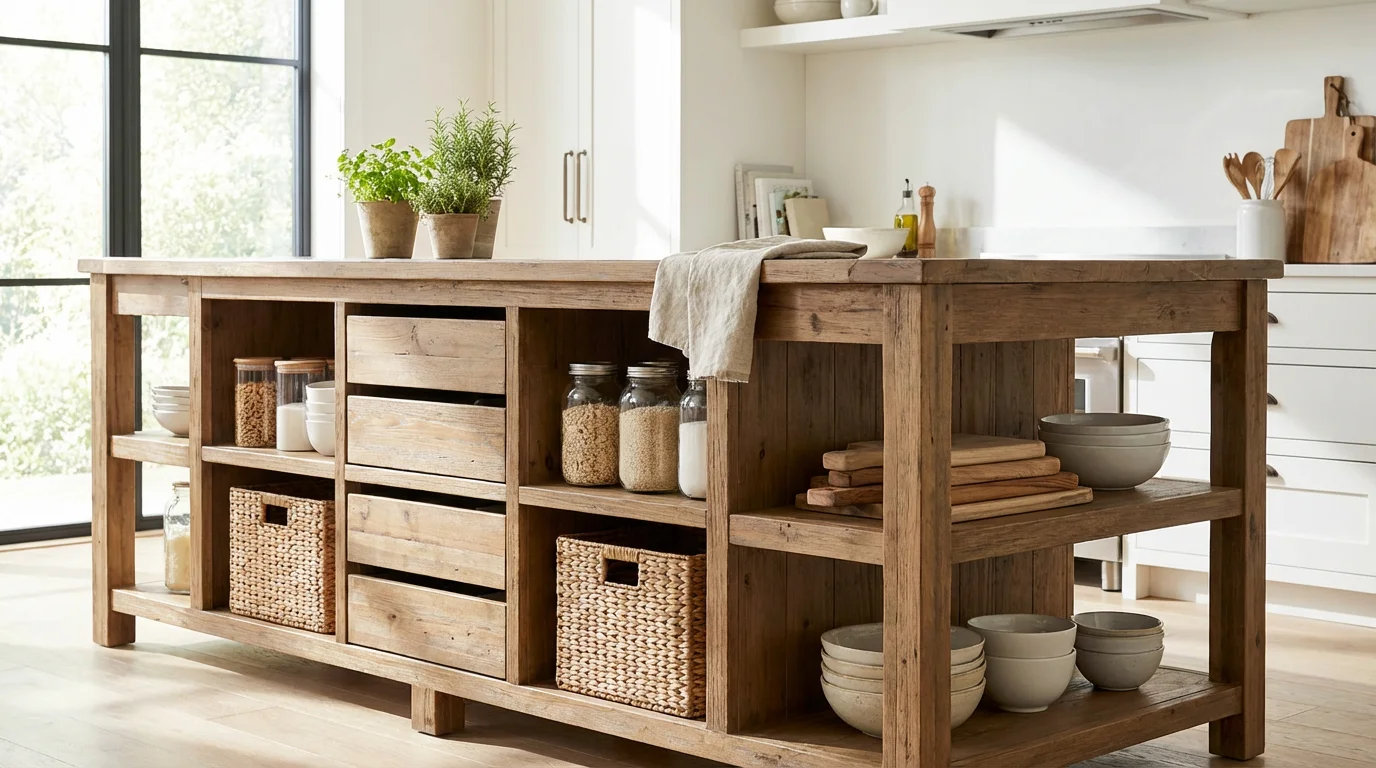
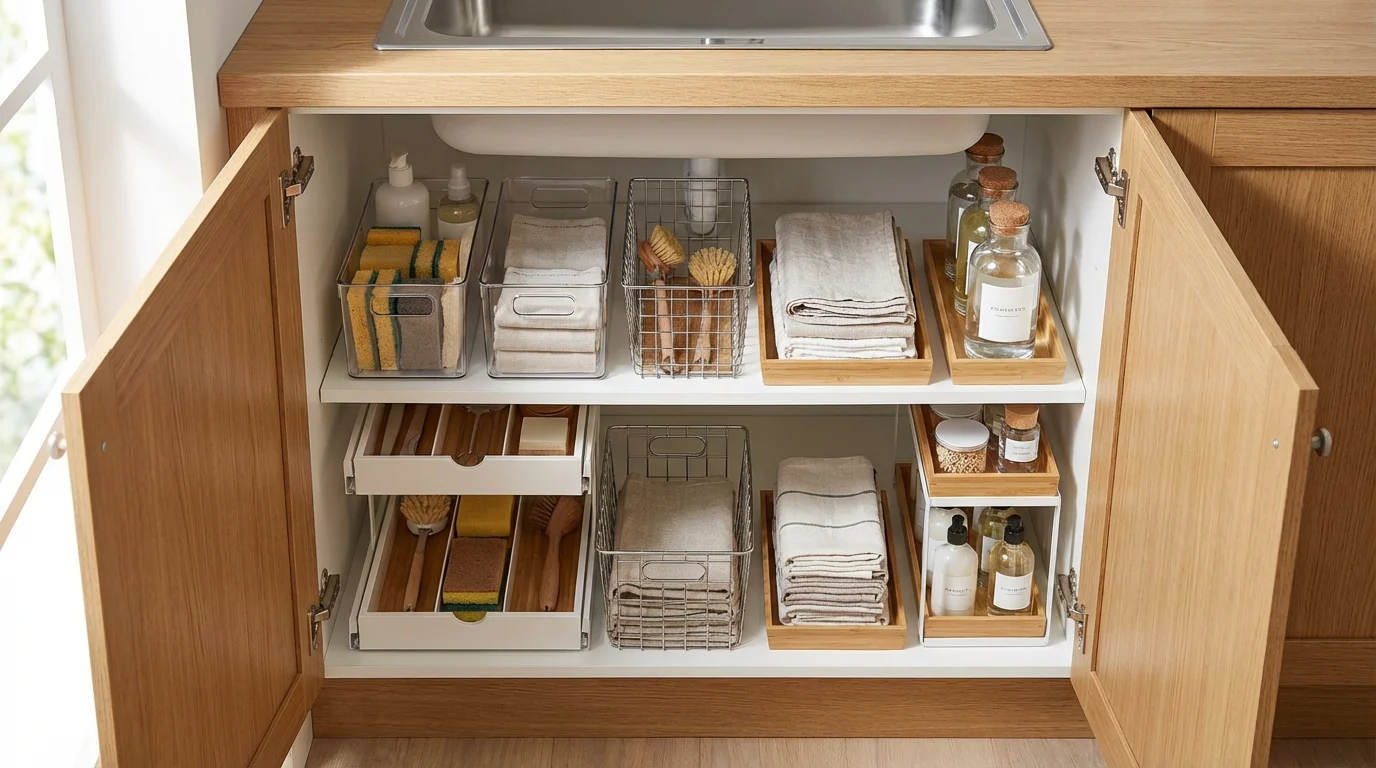
Regardless of whether you choose matching sets or a mixed collection, strategic organization is key to maximizing your kitchen space and reducing frustration. Effective storage goes beyond just the containers themselves; it involves utilizing various kitchen organizers.
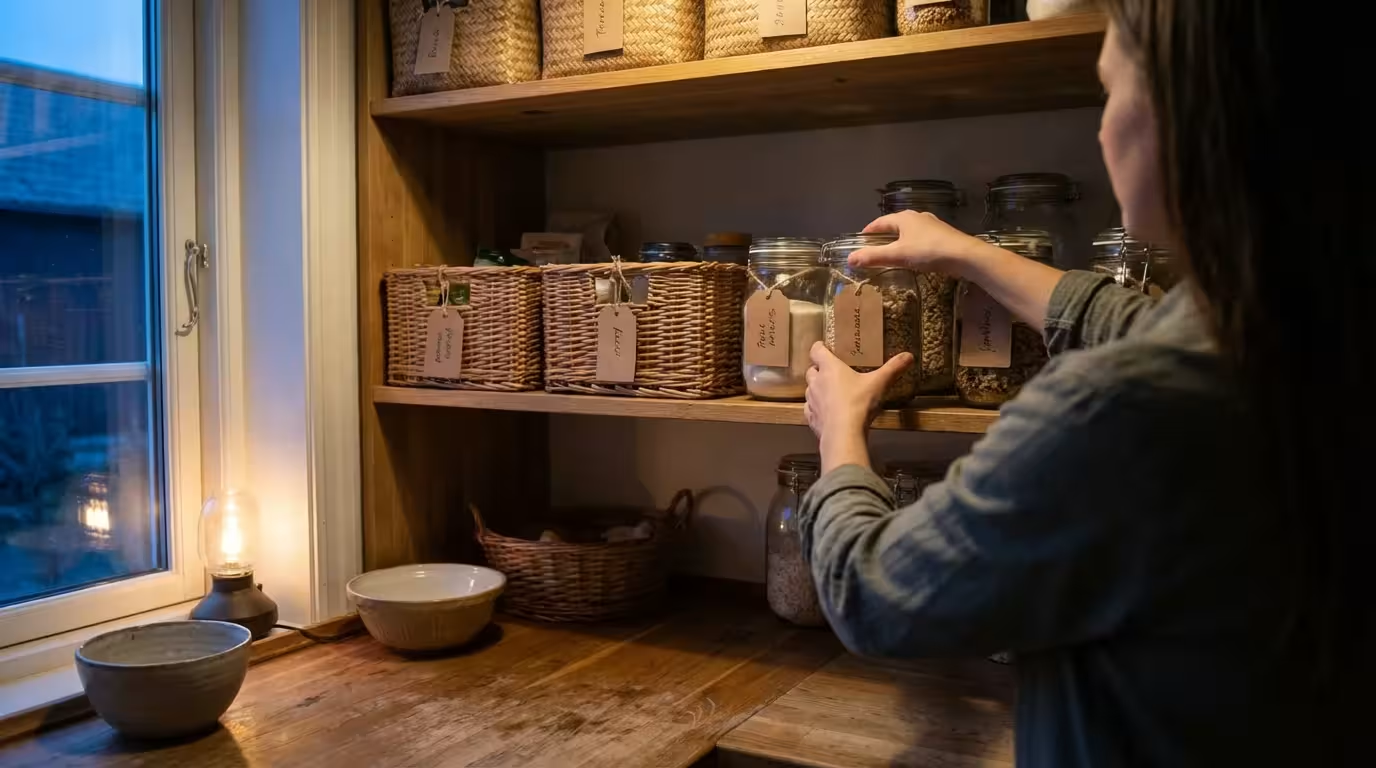
To further streamline your system, using labels and label makers for kitchen organization helps identify contents quickly, especially in opaque or frosted containers.
**Lid Organization: The Perennial Challenge**
Lids are often the biggest culprit of container chaos.
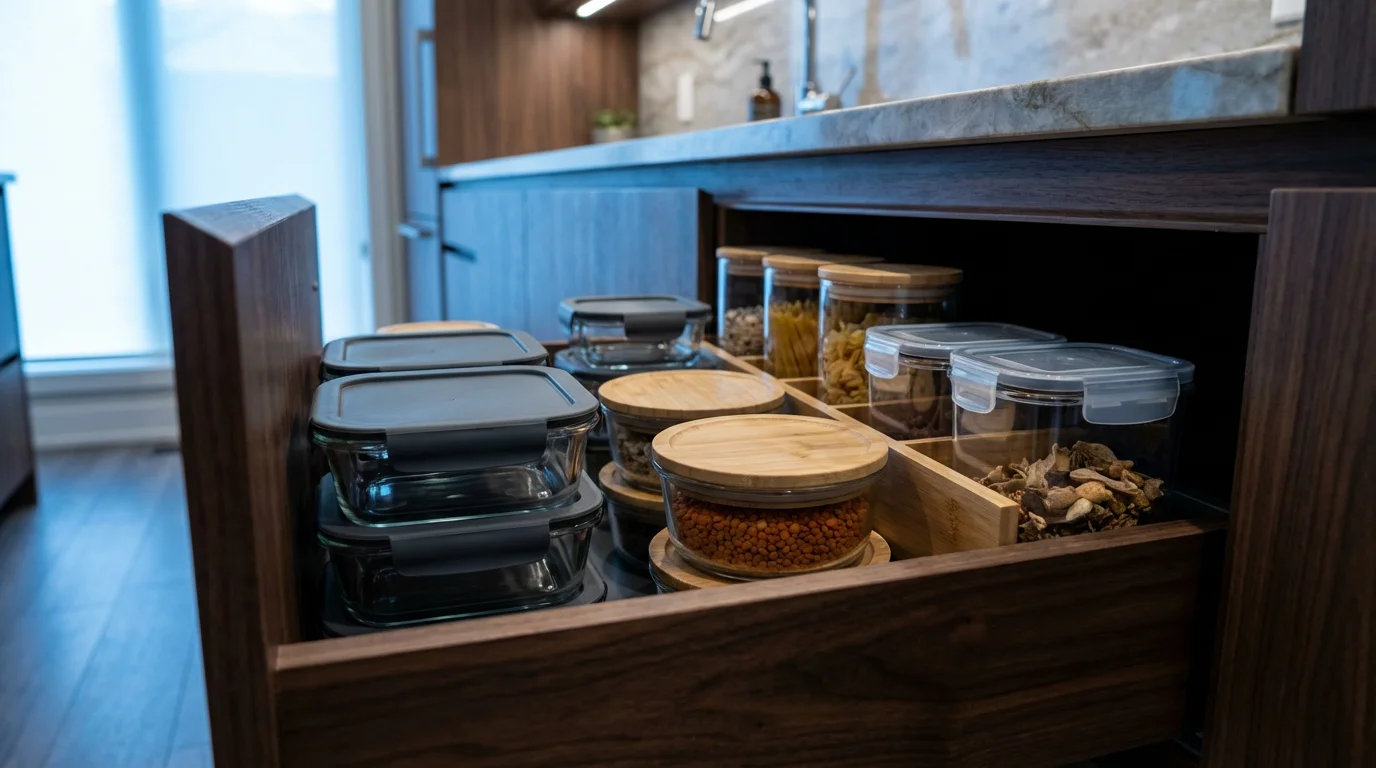
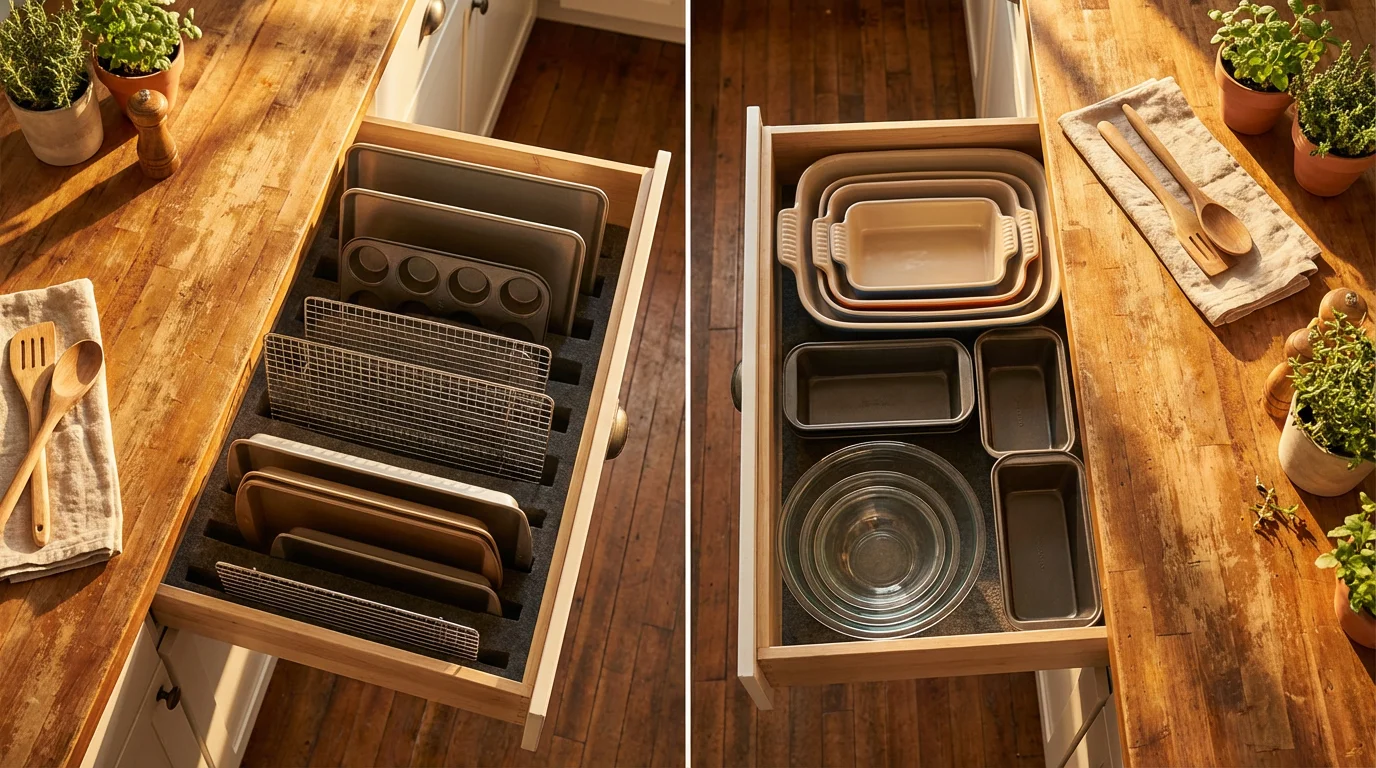
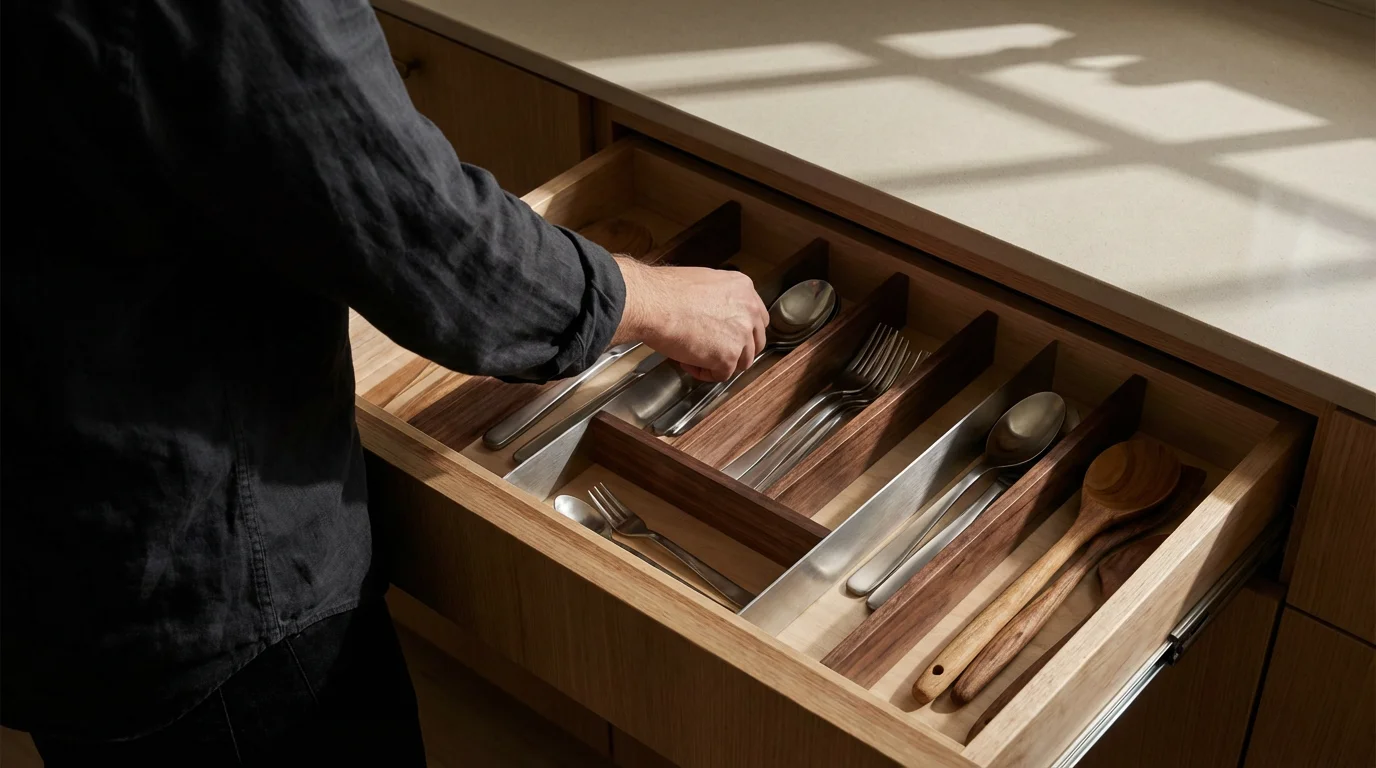
* **Vertical Dividers:** Install vertical dividers in a deep drawer or cabinet. These can be simple tension rods, wire racks, or purpose-built lid organizers. Stand lids on their side, categorized by size or type. This allows you to quickly flip through them like records.
* **Dedicated Bins:** Use a small, shallow bin or basket within a drawer to corral all lids. This keeps them from scattering and makes it easier to find the right one.
* **Snap-on Systems:** Some matching sets design lids to snap onto the bottom of their respective containers when not in use. This keeps pairs together and eliminates lid hunting.
**Leveraging Pantry and Cabinet Organizers:**
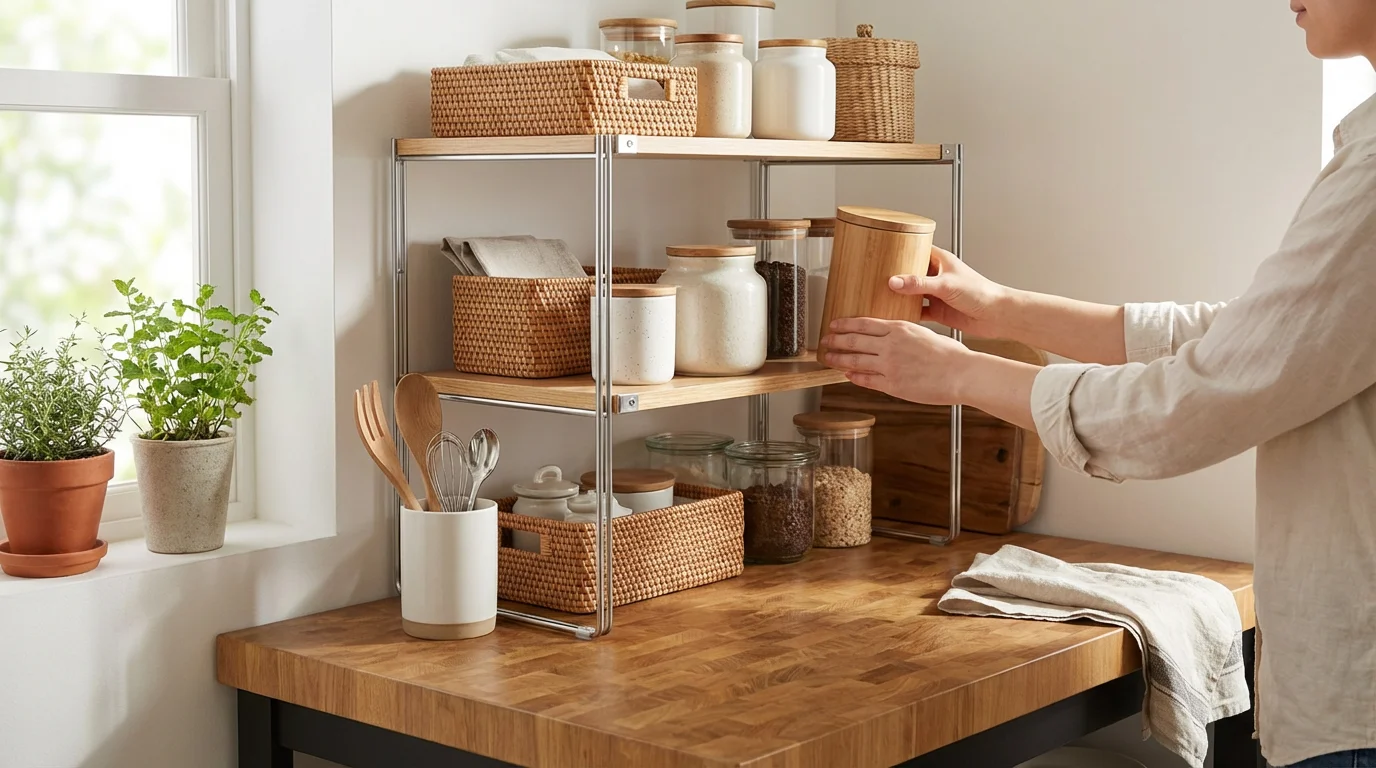
* **Shelf Risers:** A shelf riser is a mini shelf that creates two levels of storage in one space. Use these to create additional vertical space within a cabinet or pantry shelf, allowing you to stack smaller containers underneath and larger ones on top, without sacrificing accessibility. For example, a 10-inch wide, 8-inch high shelf riser can effectively double storage for small meal prep containers in a standard 12-inch deep cabinet.
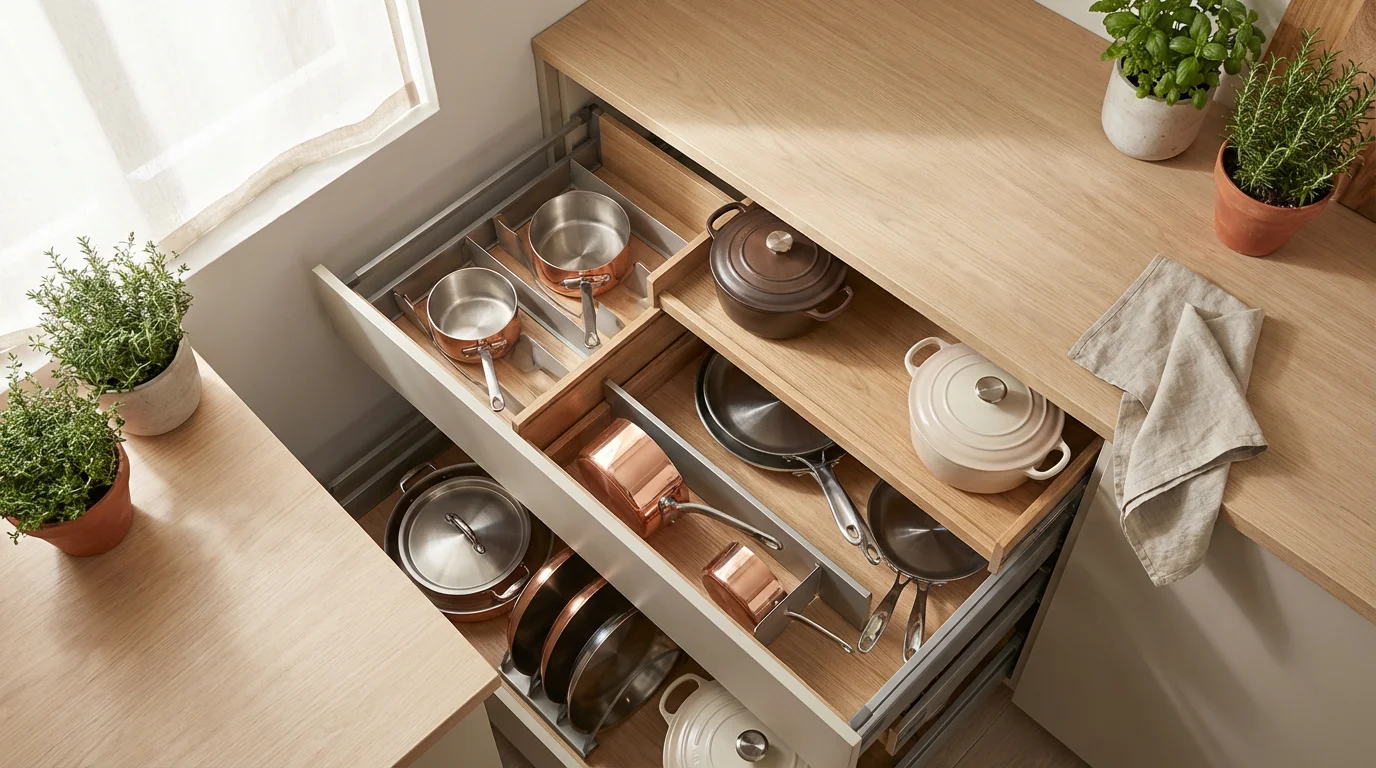
* **Pull-Out Organizers:** A pull-out organizer, such as a sliding drawer or shelf, transforms deep, dark cabinets into accessible storage. Install these in lower cabinets for heavy glass containers or frequently used plastic sets, bringing items to you rather than forcing you to reach in. Look for units that are at least 18-20 inches deep to maximize the space in standard base cabinets.
* **Door-Mounted Racks:** A door-mounted rack, storage that hangs on the inside of cabinet doors, provides excellent storage for flat items like cutting boards or, in this case, container lids. Some specialized racks feature hooks or slots for lids, keeping them out of main storage areas.
**Refrigerator and Freezer Organization:**
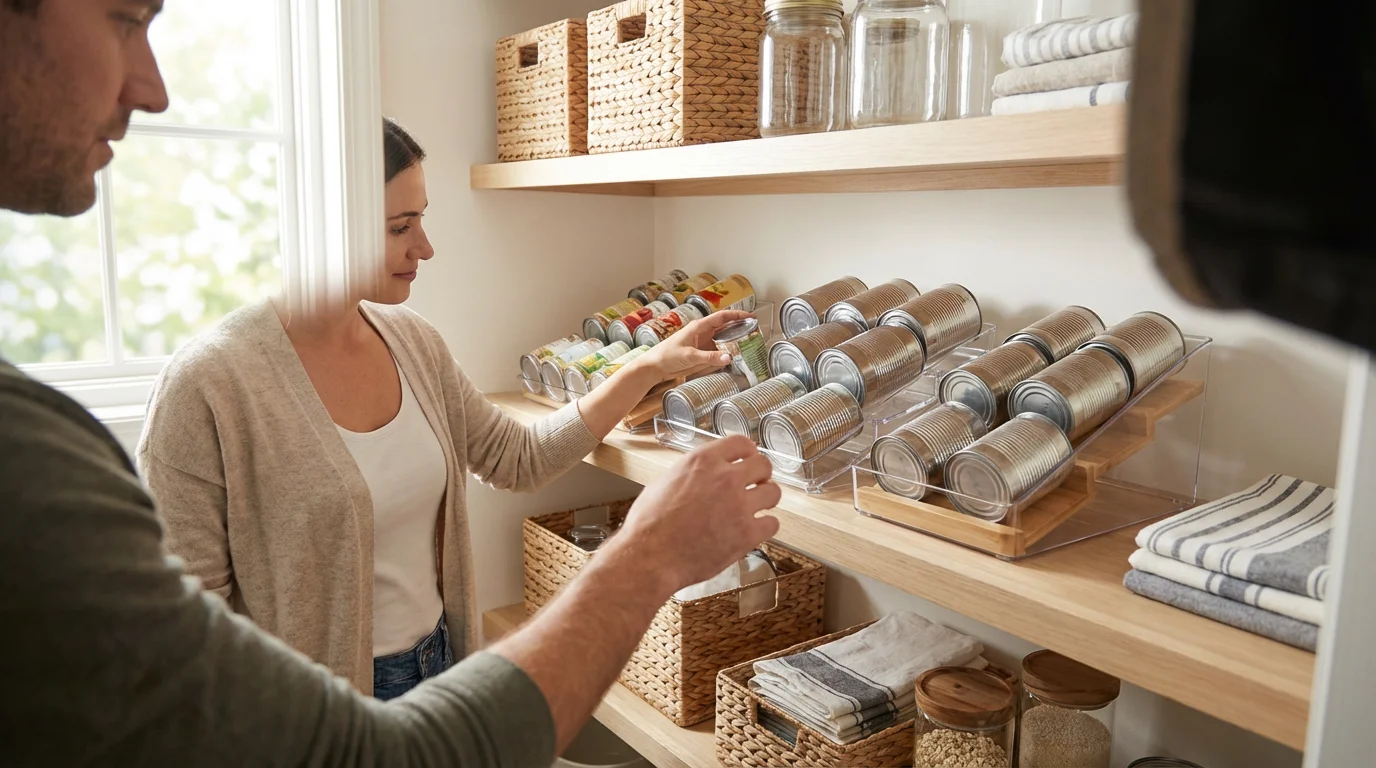
* **Clear Bins:** Use clear, stackable bins to group similar food items or containers in your refrigerator and freezer. This prevents items from getting lost at the back and makes it easy to pull out a whole category (e.g., “lunch prep” or “dairy”).
* **Zone-Based Storage:** Implement zone-based organization by cooking workflow. Store meal prep containers, for example, near where you typically prepare lunches. Arrange refrigerator containers by food type: dairy, produce, leftovers. This reduces decision fatigue and makes putting groceries away and preparing meals more efficient.
* **FIFO Method:** The FIFO method, first in, first out, is a critical practice for food rotation. When storing leftovers, place newer items behind older ones. This ensures you use the oldest food first, minimizing waste and ensuring freshness.
**Space-Saving Solutions for Small Kitchens:**
For those with limited space, every inch counts.
* **Nesting Containers:** Prioritize containers designed to nest compactly when empty. This is a hallmark of many matching sets and is crucial for maximizing cupboard space.
* **Verticality:** Embrace vertical storage solutions wherever possible. Stackable (designed to safely pile on top of each other) containers, shelf risers, and tall pantry pull-outs turn dead space into functional storage. For example, a tall container (10-12 inches high) can utilize the full vertical space of an upper pantry shelf for dry goods, while shorter nesting containers (2-4 inches high when empty) occupy minimal space.
* **Multi-Purpose Items:** Opt for containers that serve multiple purposes, such as glass containers that go from freezer to oven, eliminating the need for separate baking dishes.
* **Renters vs. Homeowners:** Renters should focus on non-permanent solutions like freestanding shelf risers, tension-rod dividers, and door-mounted racks that hook over the door rather than requiring screws. Homeowners have the flexibility to install pull-out organizers or permanent shelving.
No matter your kitchen size or container preference, intentional use of these organizational tools transforms chaotic spaces into highly functional storage hubs.
Maintaining Your Organized Food Storage System
An organized kitchen is not a one-time project; it is an ongoing commitment. Implementing good habits ensures your food storage system remains efficient and clutter-free over time.
**Regular Decluttering:** Periodically review your container collection, perhaps once every six months. Look for cracked lids, stained plastic, warped pieces, or containers that no longer have a mate. Immediately discard or recycle these items. This proactive decluttering prevents accumulation and ensures every container in your arsenal is functional.
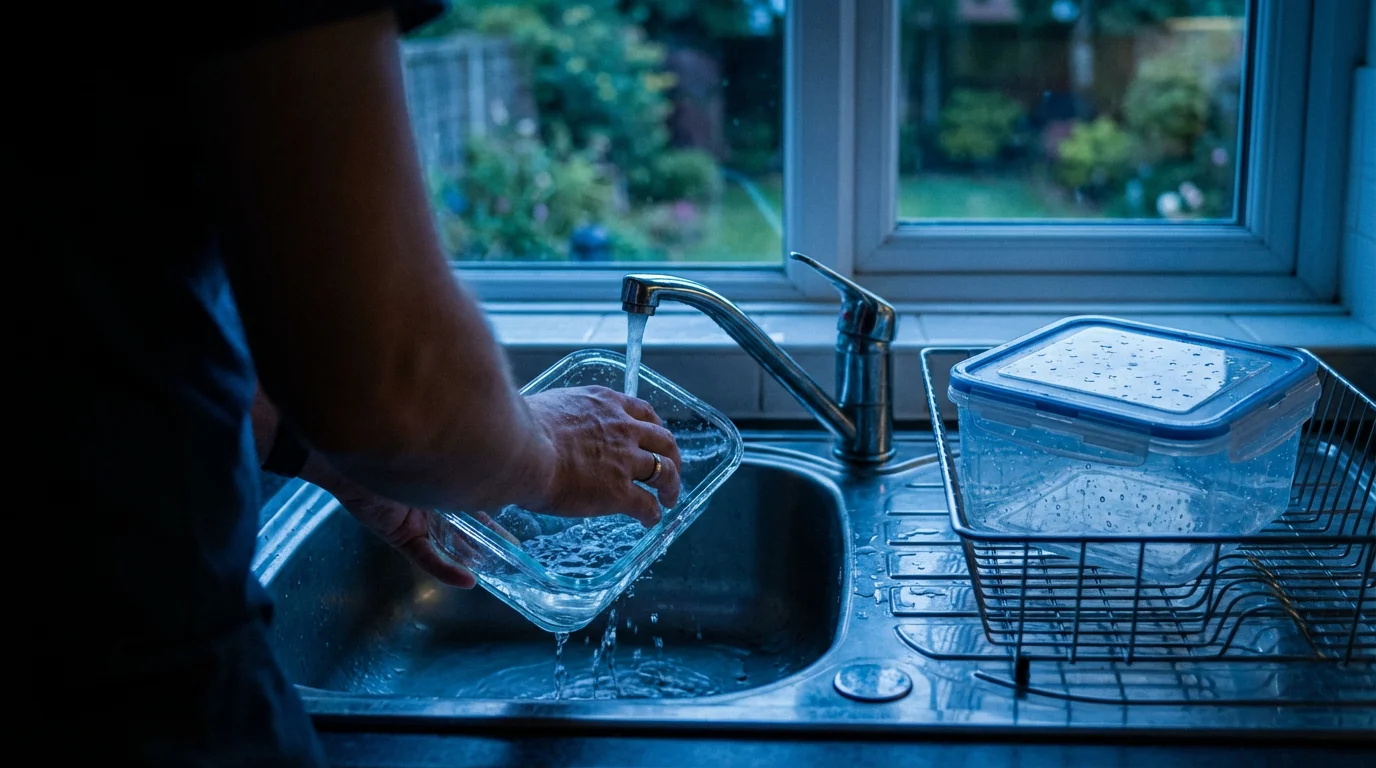
**Wash and Return Promptly:** Make it a habit to wash and put away clean containers and lids as soon as they are dry. Leaving them in a drying rack or piled on the counter for days inevitably leads to disarray. When putting them away, ensure lids go to their designated lid organizer and containers nest or stack correctly.
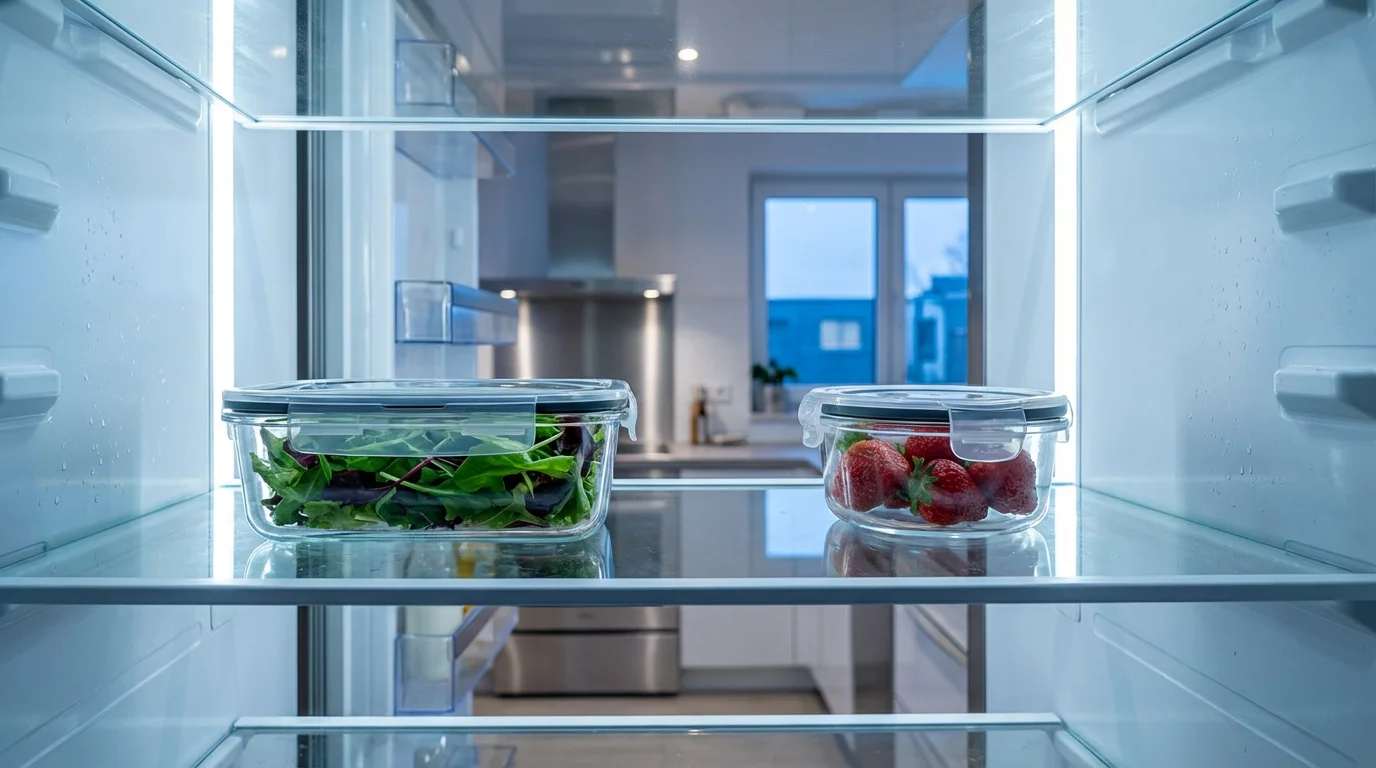
**The FIFO Principle:** Consistently apply the FIFO (first in, first out) method, which means using the oldest items first, to your food storage rotation. When you put away new leftovers or meal prep, place them behind existing items of the same type. This practice reduces food waste and ensures you consume food before it spoils. A quick glance inside your refrigerator reveals what needs consuming.
**Labeling for Clarity:** Use removable labels on opaque containers or for freezer storage. Clearly mark contents and dates. This eliminates guessing games about “what’s in that container?” and “how old is it?”, saving you time and preventing food waste. Simple masking tape and a marker work perfectly, or invest in reusable dry-erase labels for glass containers.
“The goal isn’t a Pinterest-perfect pantry. It’s being able to find what you need in 10 seconds or less and prevent food waste.” — QuickKitchenTools.com Expert
Establishing these routines helps you maintain an organized system effortlessly. You will spend less time searching for items and more time enjoying your cooking.
Making the Right Choice for Your Kitchen
Ultimately, the decision between matching food storage sets and a mixed collection comes down to your personal preferences, budget, and the specific demands of your kitchen. There is no single “best” approach; the most effective system is the one that works best for you.
If visual uniformity, efficient stacking, and simplified lid management are your top priorities, and your budget allows, investing in a high-quality matching set makes perfect sense. These systems provide a streamlined, aesthetically pleasing solution that can simplify your kitchen life. Consider a comprehensive 40-piece glass set for superior durability and non-reactive storage or a durable BPA-free plastic set for lightweight versatility.
If flexibility, cost-effectiveness, and the ability to choose specialized containers for specific tasks appeal more to you, a mixed collection offers greater freedom. This approach allows you to curate an arsenal of containers perfectly suited to every need, from specialized meal prep containers to bulk food storage, often at a lower cumulative cost. The key here involves proactive organization: utilize lid organizers, stackable bins, and clear labels to maintain order among diverse shapes and sizes.
Many home cooks find a hybrid approach provides the ideal balance. They might use a matching set of glass containers for daily leftovers and oven reheating, while maintaining a collection of mixed, specialized plastic containers for dry goods in the pantry or for packed lunches. This allows you to leverage the strengths of both systems, creating a truly optimized food storage solution.
Start by decluttering your current collection, then assess your actual storage needs and available space. Gradually introduce new containers, whether as part of a matching set or as individual pieces, making sure each addition serves a specific purpose. You will transform your cluttered kitchen into an organized, efficient culinary space, making cooking and meal prep a joy rather than a chore.
Frequently Asked Questions
Are expensive food storage containers worth the investment?
Expensive food storage containers, particularly those made from high-quality glass or durable, leak-proof plastic with robust seals, often represent a worthwhile investment. They typically last longer, resist staining and warping better, and provide superior airtight seals that keep food fresher for extended periods. While the upfront cost is higher, their longevity and performance can save you money and frustration in the long run.
How do I stop my plastic food containers from staining?
To prevent plastic food containers from staining, particularly with tomato-based sauces or highly pigmented foods, spray the inside of the container with cooking oil or a non-stick spray before adding the food. This creates a barrier against the pigments. Alternatively, wash them immediately after use, or opt for glass containers for highly staining foods. You can also try a paste of baking soda and water to scrub away existing stains.
What are the best food storage containers that don’t leak?
The best food storage containers that don’t leak typically feature a secure, airtight seal, often achieved with silicone gaskets or locking tabs. Brands known for their leak-proof designs include those with four-sided locking lids that create a tight vacuum seal. Look for containers explicitly marketed as “leak-proof” and read reviews, especially for those intended for liquids like soups or sauces. Glass containers with silicone-sealed lids are particularly reliable.
Can I put hot food directly into storage containers?
You can put hot food directly into most glass storage containers without issue, though it is always wise to check the manufacturer’s guidelines for thermal shock resistance. For plastic containers, it is generally recommended to allow hot food to cool slightly before transferring it to avoid warping the plastic or, in older plastics, potentially leaching chemicals. Cooling food before sealing also reduces condensation buildup, which can lead to sogginess or faster spoilage.
Disclaimer: Product prices and availability change frequently. Prices shown were accurate at time of writing but may have changed. We may earn a small commission from purchases made through links on this site, at no extra cost to you. Always measure your space before purchasing organizers to ensure proper fit.
Leave a Reply