
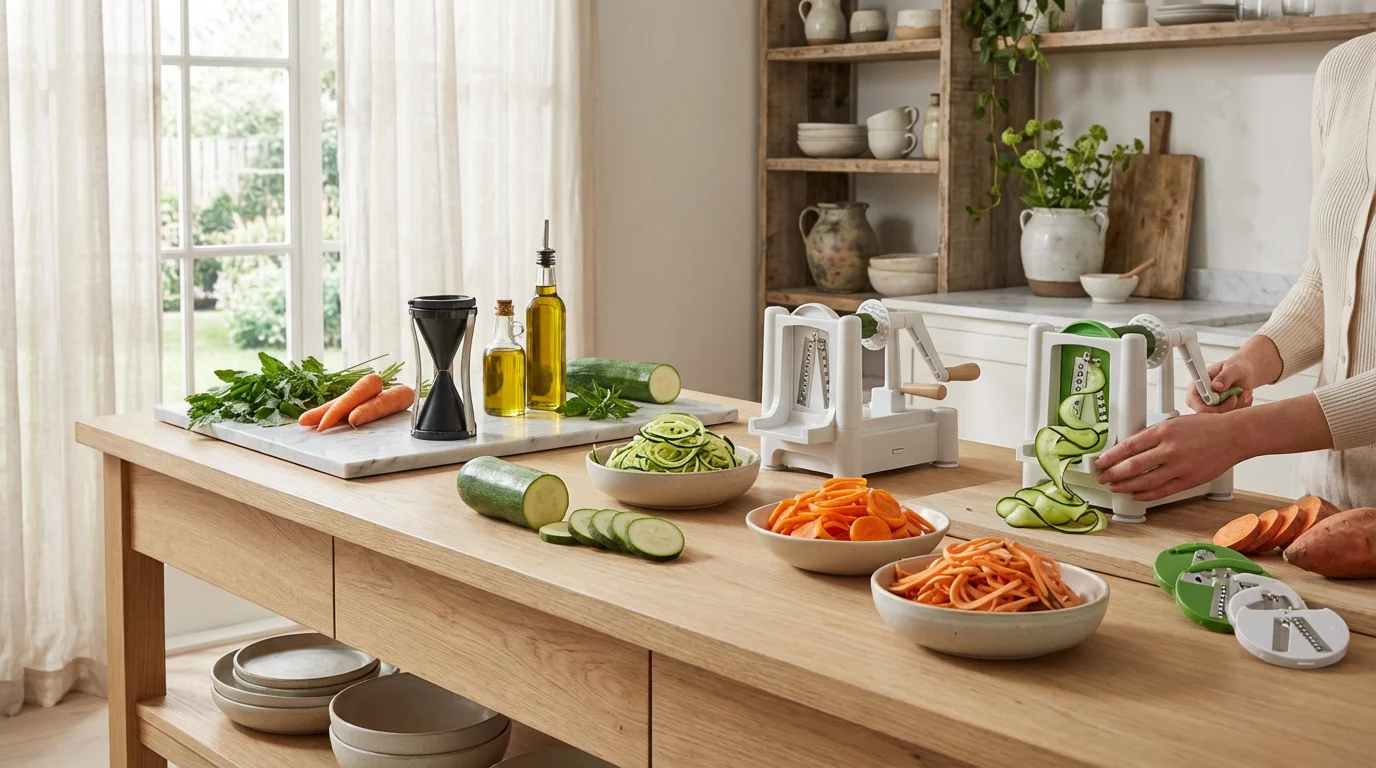
In a kitchen full of gadgets, some earn their keep, while others gather dust in a drawer. The vegetable spiralizer often falls into this gray area for many home cooks. You might have seen compelling ads showing perfect veggie noodles or heard enthusiastic friends rave about “zoodles.” But do spiralizers truly deliver on their promise of making cooking easier and healthier, or are they simply another unitasker destined for the gadget graveyard?
As experts who rigorously test kitchen products, we approach every gadget with a healthy dose of skepticism. Our goal is to provide practical, actionable insights, helping you discover tools that genuinely enhance your cooking experience. This comprehensive guide cuts through the marketing hype to offer an honest assessment of vegetable spiralizers. We’ll explore various types, crucial features, and hands-on performance, ensuring you make an informed decision about whether a spiralizer belongs in your kitchen.
What is a Spiralizer and Why Consider One?
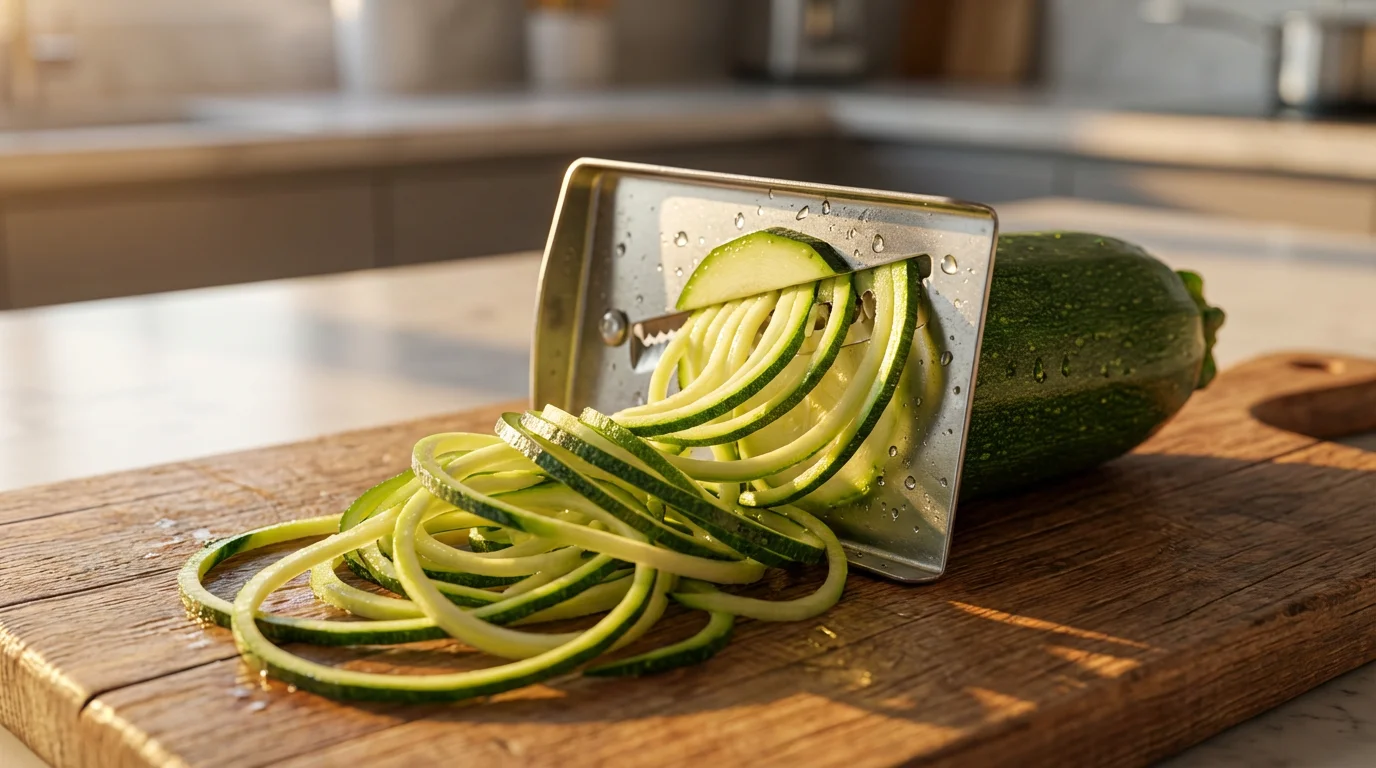
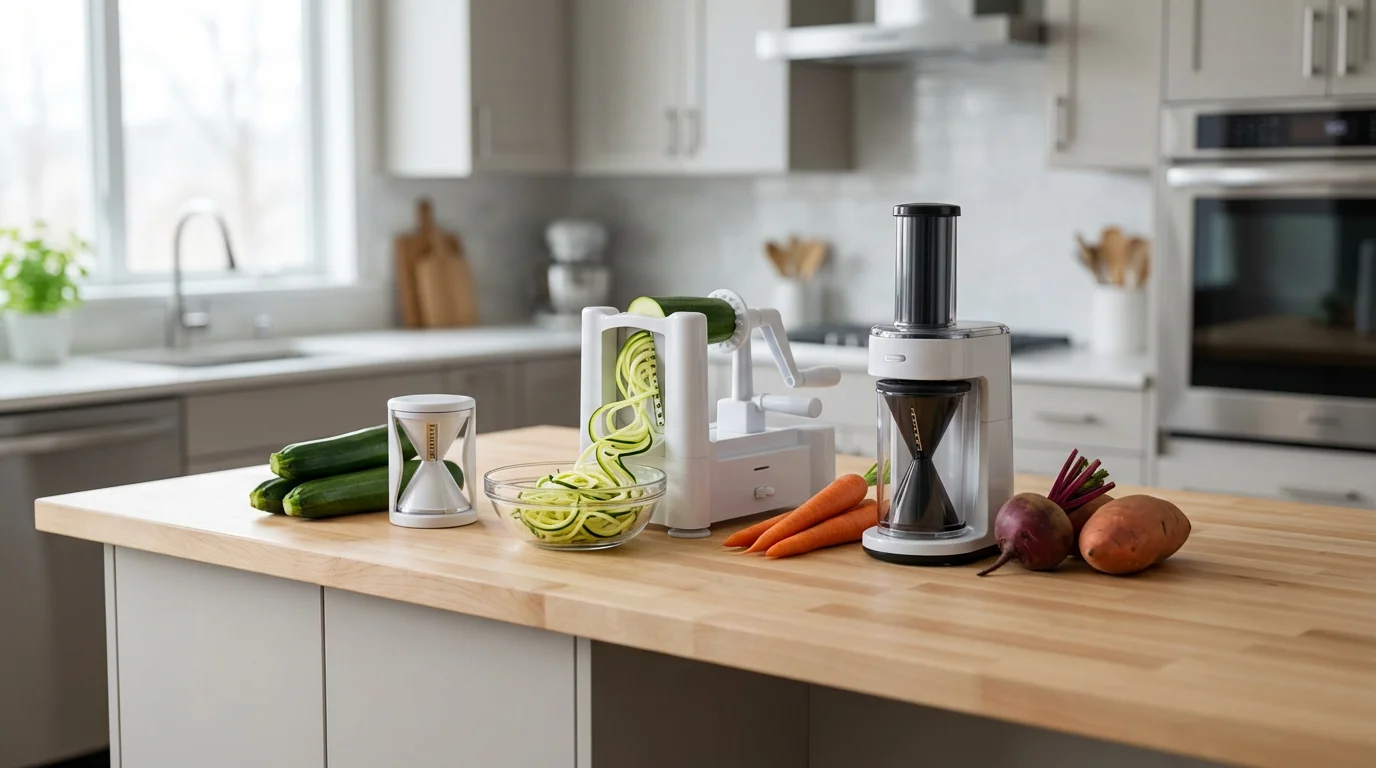
A spiralizer is a kitchen tool designed to cut firm vegetables and fruits into long, continuous strands resembling noodles. This process transforms ingredients like zucchini, sweet potatoes, carrots, and apples into visually appealing spirals or ribbons. The primary appeal lies in creating “veggie noodles” or “zoodles,” a popular low-carb, gluten-free alternative to traditional pasta. You can use a spiralizer to add more vegetables to your diet in an exciting way, introduce variety to meals, and even make dishes more appealing to picky eaters.
For many home cooks, the allure of spiralized vegetables extends beyond dietary considerations. They cook quickly, offer a unique texture, and integrate easily into stir-fries, salads, and even baked dishes. Imagine substituting heavy pasta with light, refreshing zucchini noodles topped with your favorite sauce, or serving a vibrant salad featuring curly cucumber ribbons. A spiralizer empowers you to experiment with ingredients and presentation, elevating simple meals into something special.
Types of Spiralizers: Finding Your Best Fit
Spiralizers come in various designs, each offering a different balance of convenience, versatility, and cost. Understanding these distinctions helps you choose the best spiralizer for beginners or experienced cooks alike, ensuring you invest in a tool you will genuinely use.
Handheld Spiralizers
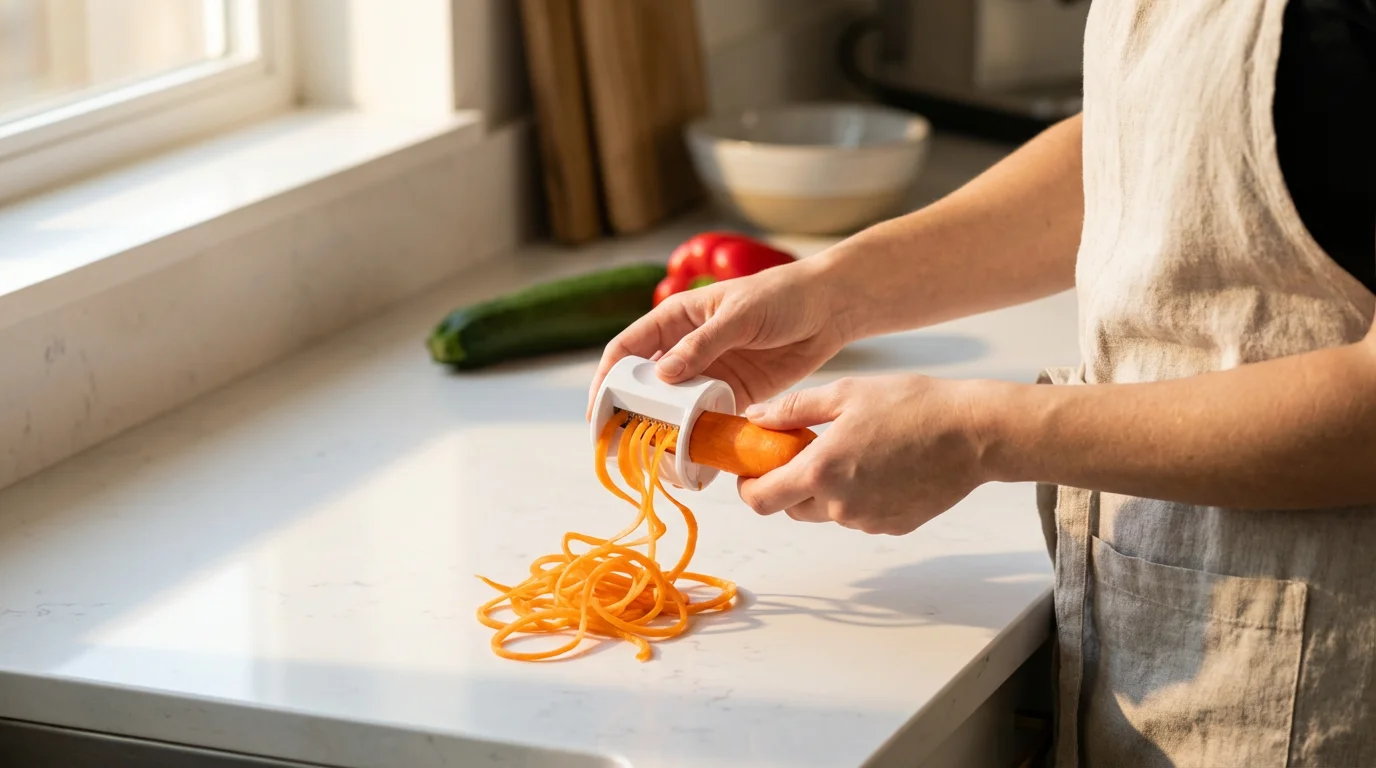
Handheld spiralizers are the most compact and typically the most affordable option. These units resemble a large pencil sharpener. You insert a vegetable like a zucchini or carrot into one end and twist it against a blade, creating veggie noodles. They are excellent for single servings or small quantities of softer vegetables. While portable and easy to store, they can be challenging to use with firmer produce or for larger batches, requiring significant hand strength. This type of spiralizer is often considered a “unitasker,” meaning it performs one specific function, but its minimal footprint can justify its presence for occasional use.
Countertop Spiralizers (Manual)
Manual countertop spiralizers are the most common and versatile choice. These models feature a crank handle, multiple interchangeable blades, and a suction base to secure them to your counter. You mount the vegetable between a spiked holder and a blade, then turn the crank to push the vegetable through. They handle a wider range of produce, from delicate cucumbers to tough sweet potatoes, and produce larger quantities with less effort than handheld models. Many people consider a countertop spiralizer the best spiralizer for beginners because it provides stability and control, making the spiralizing process much easier.
Stand Mixer Attachments
For those who own a compatible stand mixer, spiralizer attachments offer a convenient, powered option. These attachments typically connect to the power hub of your mixer, using the motor to rotate and push the vegetable through the blades. They eliminate the need for manual cranking, making spiralizing large batches quick and effortless. While an initial investment, a stand mixer attachment transforms a multi-purpose appliance into a high-performance spiralizer, justifying its cost for frequent users.
Electric Spiralizers
Electric spiralizers are the ultimate in convenience, requiring minimal effort. You simply load the vegetable, select a blade, and press a button. The machine does all the work, quickly producing uniform veggie noodles. These are often the largest and most expensive spiralizers. They are ideal for individuals with limited hand strength, those who spiralize very frequently, or anyone prioritizing speed and ease of use above all else. However, their larger footprint means you need dedicated counter or cabinet space.
Key Features to Look For in a Spiralizer
Selecting the right spiralizer involves more than just picking a type. Several key features influence performance, durability, and user experience. Paying attention to these details helps ensure your spiralizer performs well and lasts for years.
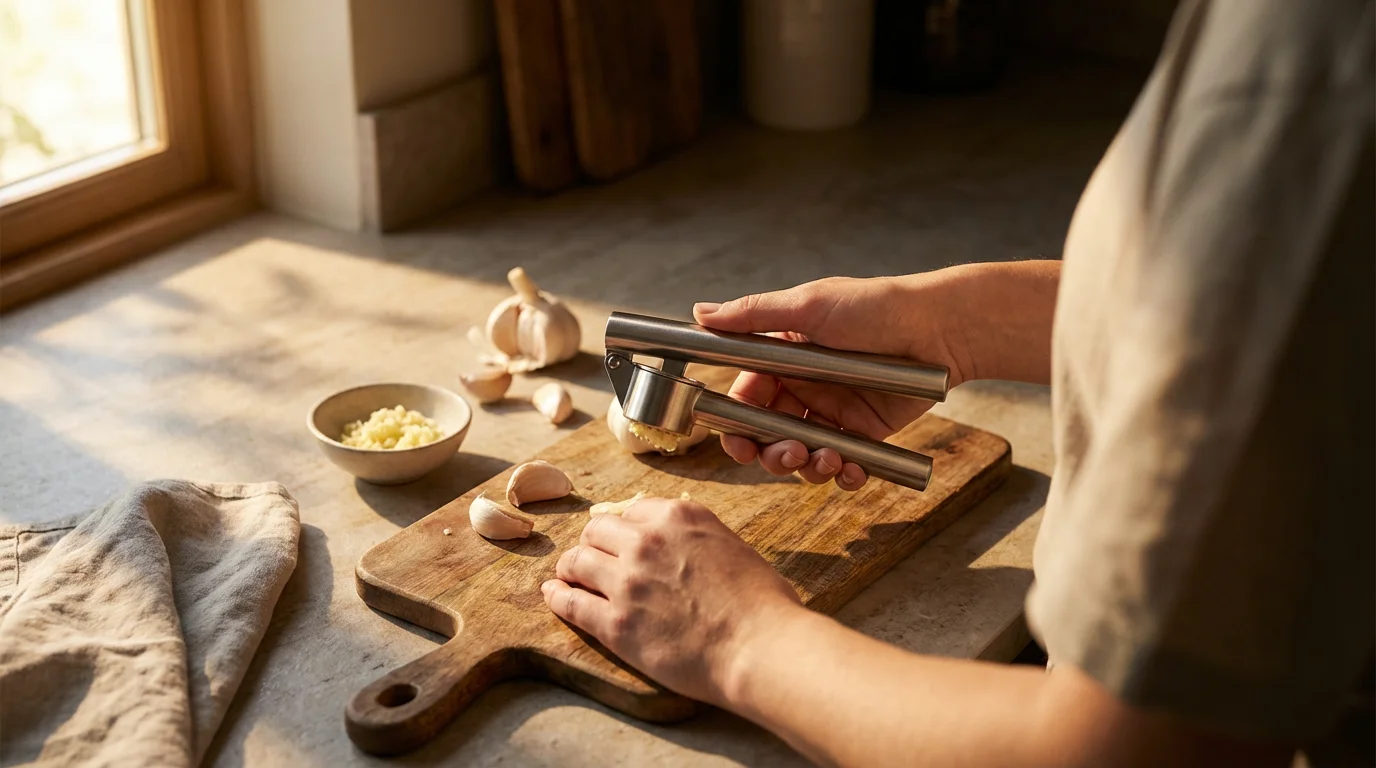
Much like selecting the best garlic press, you should prioritize durability and ease of cleaning when choosing your model.
Build Quality and Materials
The materials a spiralizer uses directly impact its durability and performance. We recommend models featuring high-quality stainless steel blades. Stainless steel maintains sharpness longer and resists rust, crucial for consistent noodle production. Many parts of a spiralizer might be plastic, but look for sturdy, thick plastic construction that feels robust, not flimsy. Consider models labeled “BPA-free,” meaning they are made without Bisphenol A, a chemical some people prefer to avoid in food contact materials. Avoid spiralizers with thin, brittle-looking plastic or blades that flex under pressure, as these often lead to frustrating experiences and short lifespans.
Ergonomic Design and Ease of Use
An “ergonomic” design means the spiralizer is comfortable to hold and use, reducing strain during operation. For handheld models, this translates to a comfortable grip that allows you to apply pressure without discomfort. Countertop models benefit from smooth-turning cranks and secure suction bases that prevent sliding during use. A “non-slip grip” on handles or bases enhances safety and stability. We test for these aspects, observing how easily different hand sizes can operate the crank or twist vegetables. A good design makes spiralizing a pleasure, not a chore.
Blade Variety and Swapping
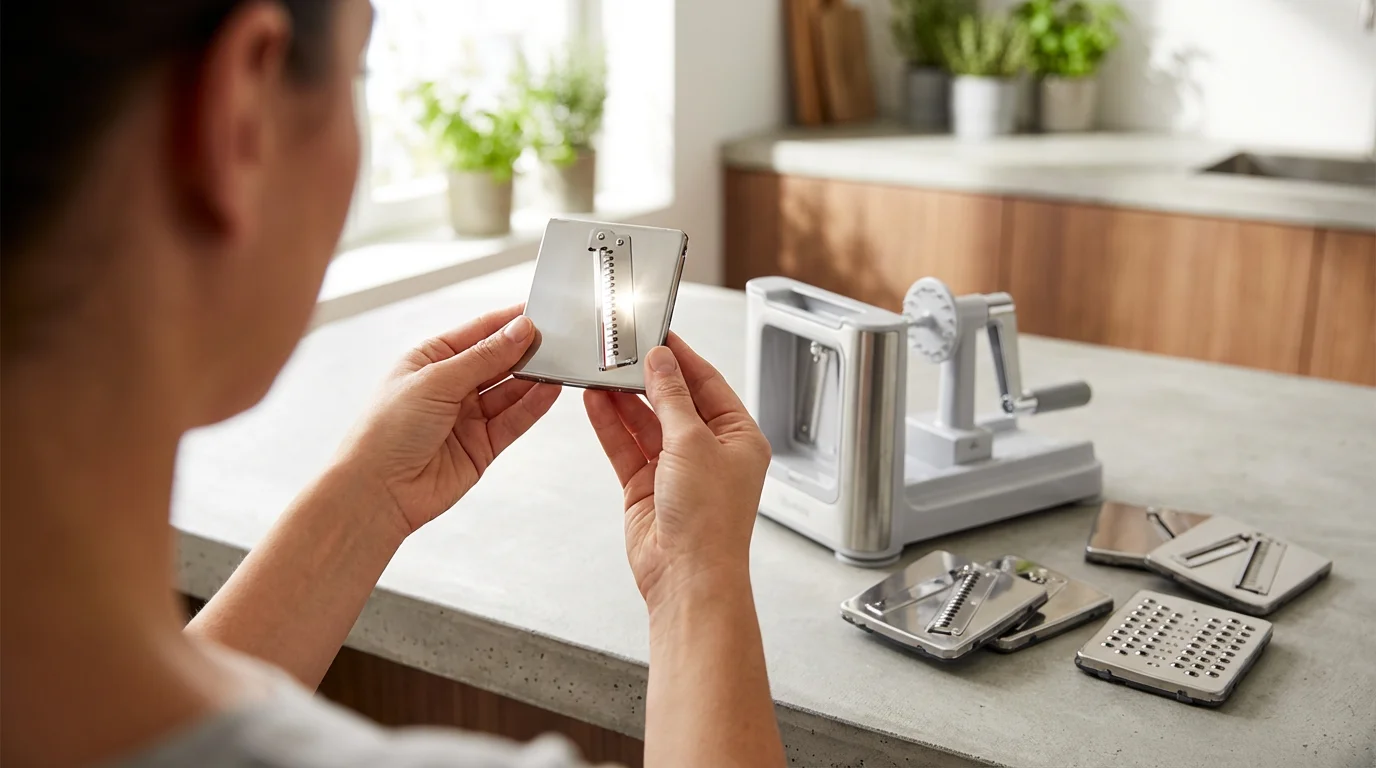
Most countertop and electric spiralizers come with multiple interchangeable blades, offering different noodle shapes and thicknesses. Common blades include fettuccine, spaghetti, and ribbon cuts. Assess how easily you can swap these blades. Magnetic attachments or integrated blade storage systems simplify the process and prevent losing small parts. A good selection of blades allows you to tackle a broader range of recipes, from thick sweet potato fries to delicate cucumber ribbons.
Safety Features
Spiralizer blades are very sharp. Look for models with enclosed blade storage or safety caps for individual blades to prevent accidental cuts during handling or cleaning. Stable bases, whether suction cups or non-slip feet, are essential to keep the unit firmly in place during operation, reducing the risk of accidents. For countertop models, a secure food holder that grips the vegetable firmly and keeps your hands away from the blade is paramount.
Storage and Footprint
Consider where you will store your spiralizer. Handheld models are tiny and fit into any drawer. Countertop models vary, some being quite bulky. Look for designs that allow blades to be stored within the unit or in a compact case. For larger models, assess if it fits comfortably in your cupboard or if you have dedicated counter space. A gadget that is difficult to store often ends up unused.
Hands-On Testing: Performance Across Different Models
Our hands-on testing focuses on real-world performance. We put various types of spiralizers through their paces with a range of vegetables, from soft zucchini to hard root vegetables, to gauge their effectiveness and ease of use. This helps us determine which models truly deliver on their promise.
Zucchini Noodles (Zoodles)
Zucchini is the quintessential spiralizer vegetable. Almost every spiralizer, even basic handheld models, handles zucchini well. We look for smooth, consistent strands without excessive tearing or mushiness. Good spiralizers produce long, unbroken zoodles, perfect for replicating pasta dishes. Models with sharp stainless steel blades excel here, gliding through the zucchini with minimal resistance.
Sweet Potatoes and Butternut Squash
These firmer vegetables truly differentiate a good spiralizer from a mediocre one. Handheld units struggle significantly, often requiring immense effort and resulting in uneven or broken noodles. Manual countertop models perform much better, but require a strong, steady cranking motion. Electric spiralizers and stand mixer attachments shine here, effortlessly transforming hard vegetables into uniform spirals. For consistent sweet potato fries or butternut squash “pasta,” a powered option or a robust manual countertop model with a secure grip and sharp, stable blades is essential.
Carrots and Cucumbers
Carrots, being smaller and harder, test a spiralizer’s ability to handle dense produce. Cucumbers, while softer, challenge a spiralizer to produce delicate ribbons without crushing. Top-performing models yield crisp, even carrot spirals and long, thin cucumber ribbons. We evaluate how much waste is left behind. Efficient spiralizers leave a small, central core, minimizing food waste.
Our tests reveal that while a basic handheld spiralizer can serve an occasional need for soft vegetables, serious home cooks who want to regularly incorporate spiralized dishes into their diet benefit significantly from a more robust manual countertop model or a powered option. As Wirecutter reports in their kitchen tool reviews, the convenience and versatility of a good countertop model often make it the best long-term investment for most users.
| Spiralizer Type | Ease of Use (Zucchini) | Ease of Use (Sweet Potato) | Speed | Blade Variety | Storage Footprint |
|---|---|---|---|---|---|
| Handheld | Good | Poor (High Effort) | Slow | Limited (1-2) | Very Small |
| Manual Countertop | Excellent | Good (Moderate Effort) | Moderate | Excellent (3-5+) | Medium |
| Stand Mixer Attachment | Excellent | Excellent (Low Effort) | Fast | Excellent (3-5+) | Small (when stored detached) |
| Electric | Excellent | Excellent (Minimal Effort) | Very Fast | Good (2-4) | Large |
Cleaning and Maintenance: Keeping Your Spiralizer Ready
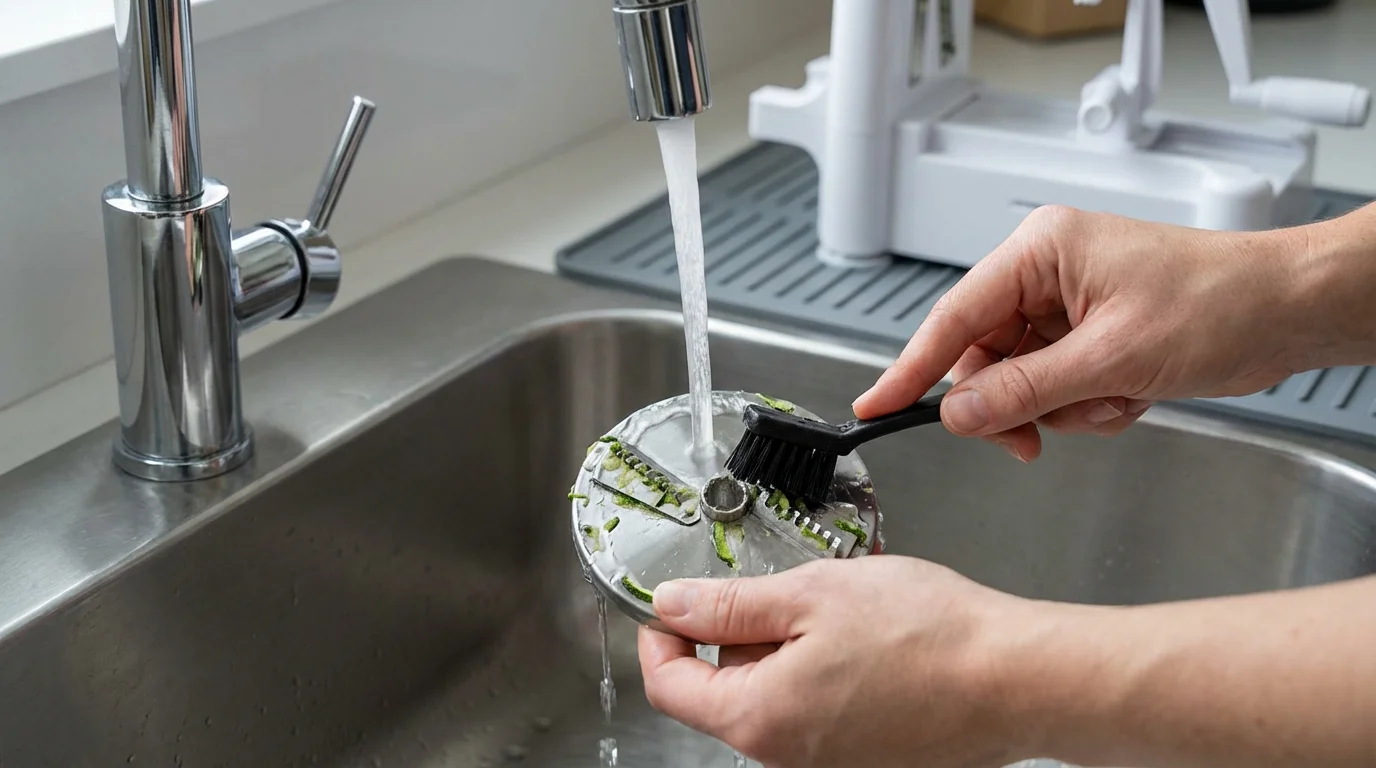
Ease of cleaning significantly impacts how often you reach for a gadget. Spiralizers, with their sharp blades and nooks, can be tricky. We consider this a critical factor in our evaluations.
Similar to cleaning a microplane grater, prompt care after use ensures food particles don’t dry inside the small blades.
Dishwasher Safe Components
Many spiralizers claim to be “dishwasher safe,” meaning they can be cleaned in a dishwasher without damage. While convenient, we often recommend hand-washing blades to preserve their sharpness. However, removable plastic components that can go into the top rack of a dishwasher are a major plus. Always check the manufacturer’s instructions for specific cleaning guidance.
Hand-Washing Tips
For blades and other parts not suitable for a dishwasher, hand-washing is necessary. Use a stiff brush, often included with the spiralizer, to dislodge food particles from the small crevices around the blades. A small bottle brush also works wonders. Always exercise extreme caution when cleaning blades to avoid cuts. Warm, soapy water immediately after use prevents food from drying onto the surfaces, making cleaning much easier.
Storage Considerations
Proper storage prevents damage and keeps your spiralizer hygienic. Store blades in their designated compartments or a protective case. Keep the main unit clean and dry. For countertop models, ensure the suction base is clean before storage to maintain its integrity. If space is tight, consider models with integrated blade storage or those that disassemble easily for compact storage in a drawer or cupboard.
Beyond Zucchini: Creative Uses for Your Spiralizer
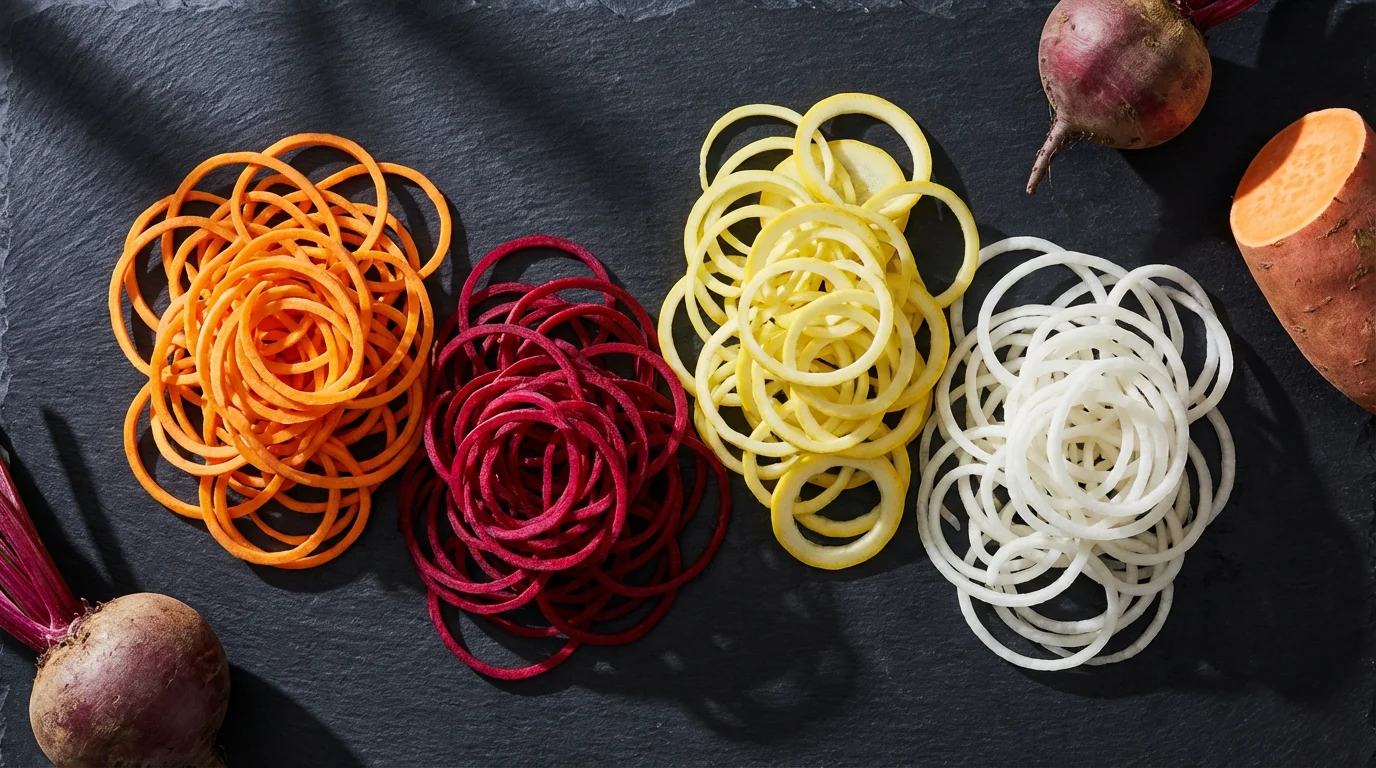
While “zoodles” dominate the conversation, a spiralizer offers a much broader culinary palette. Expanding your repertoire helps maximize your investment and keeps cooking exciting.
To finish your dishes, consider using herb strippers and scissors to add fresh aromatics to your veggie noodles.
- Sweet Potato Curly Fries: Cut sweet potatoes into thick spirals, toss with oil and seasonings, then bake or air-fry for a healthier alternative to traditional fries.
- Apple & Pear Ribbons: Spiralize apples or pears for vibrant salads, elegant garnishes, or a fun, healthy snack. Toss with cinnamon and bake for crispy fruit chips.
- Cucumber & Beet Salads: Create beautiful, delicate cucumber ribbons for refreshing salads or as a base for sushi bowls. Spiralize raw beets for earthy, crunchy additions to grain bowls.
- Broccoli Stem & Cabbage Slaw: Don’t discard those broccoli stems! Spiralize them for a crunchy, nutrient-packed addition to slaws. Cabbage can also be spiralized for a finer, more tender slaw texture.
- Onion Rings (Baked): Thinly spiralized onions can be battered and baked or air-fried for lighter, crispy onion rings.
Experimentation is key to unlocking the full potential of your spiralizer. These tools encourage you to look at vegetables in a new light, transforming familiar ingredients into fresh, exciting dishes. According to America’s Test Kitchen, the versatility of a good spiralizer extends well beyond just zoodles, making it a valuable addition for creative cooks.
“The best kitchen gadget is one you’ll actually use every week—not the one with the most Amazon reviews. If a spiralizer helps you eat more vegetables in ways you enjoy, it’s worth the investment.” — QuickKitchenTools Expert Reviewer
Is a Spiralizer Right for Your Kitchen?
Before committing to a purchase, honestly assess your cooking habits and needs. Many kitchen gadgets are solutions looking for problems. A spiralizer, however, offers genuine benefits for specific culinary goals.
If you already enjoy using specialty items like avocado tools, a spiralizer is likely to become a frequently used part of your healthy cooking routine.
Buy a Spiralizer If You:
- Actively seek low-carb or gluten-free alternatives for pasta and rice.
- Enjoy experimenting with new textures and presentations for vegetables.
- Want to increase your daily vegetable intake in a fun and appealing way.
- Cook for individuals who are picky about vegetables but might enjoy them in “noodle” form.
- Have sufficient storage space for a countertop or electric model, if that’s your preferred type.
Skip a Spiralizer If You:
- Rarely cook pasta or grain-based dishes and don’t feel the need for substitutes.
- Prefer your vegetables in traditional forms (steamed, roasted, chopped).
- Have limited kitchen storage and struggle to find space for even compact gadgets.
- Are perfectly content with using a vegetable peeler or mandoline for ribbons, which can achieve similar, though not identical, results.
- Are on a very tight budget and aren’t sure you will use it frequently enough to justify the cost.
A spiralizer is not a mandatory kitchen tool, but for those who embrace its specific capabilities, it can become an indispensable part of their cooking routine. Its value depends entirely on how well it aligns with your personal cooking style and dietary preferences.
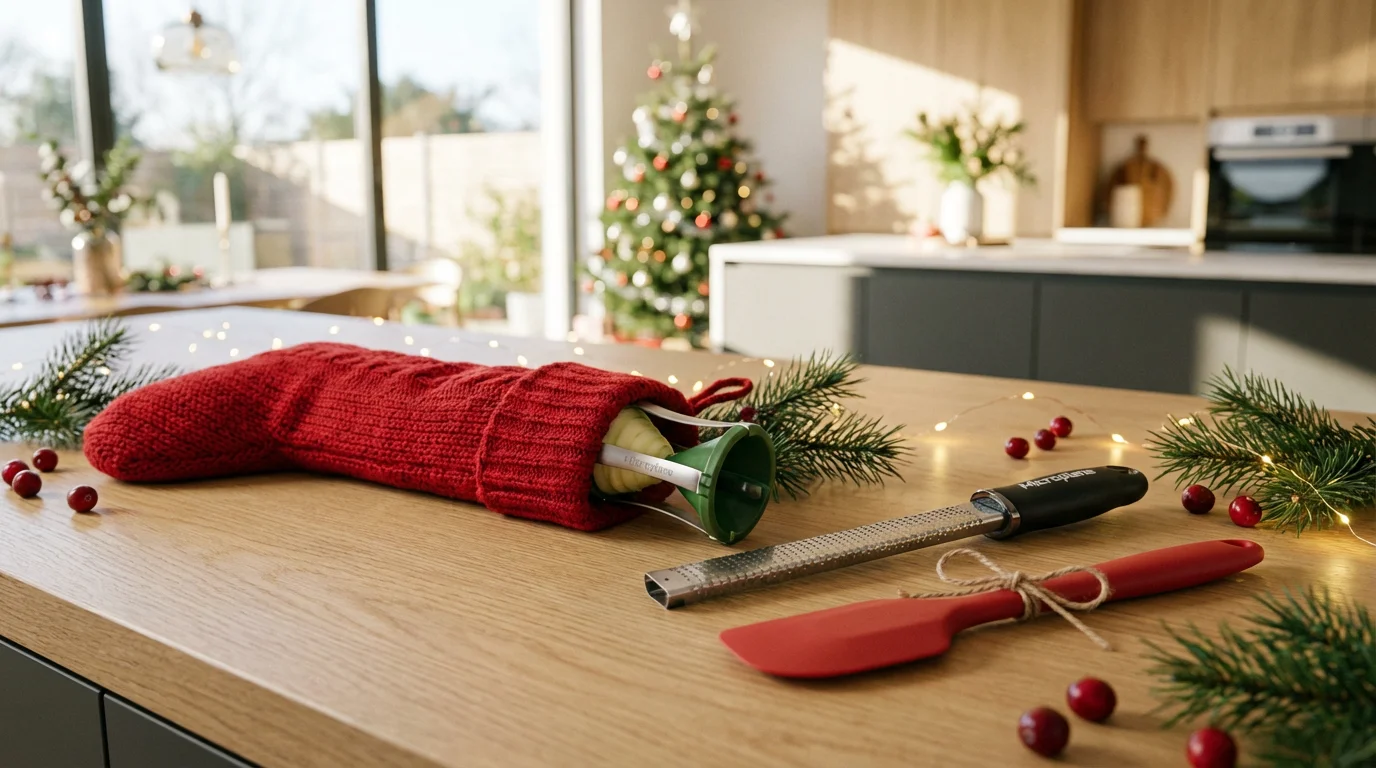
Gift-Worthy Spiralizers and Kitchen Stocking Stuffers
A well-chosen spiralizer makes an excellent gift for the health-conscious cook, the culinary adventurer, or anyone looking to add more vegetables to their diet. Consider these options when gifting.
For the Beginner or Space-Conscious Cook
A high-quality handheld spiralizer is a perfect stocking stuffer or small gift. It introduces the concept without overwhelming the recipient with a large appliance. Look for models with a comfortable grip and sharp, secure blades. They are also ideal for college students or those living in smaller apartments.
For the Enthusiastic Home Cook
A robust manual countertop spiralizer makes a fantastic gift. These models offer the best balance of versatility, performance, and reasonable price. Opt for one with multiple blades, a strong suction base, and durable construction, perhaps made with a good proportion of stainless steel. This type of spiralizer provides a great entry point into more serious spiralizing without the higher cost of electric models.
For the Gadget Lover or Health Advocate
If your recipient already loves kitchen gadgets or is dedicated to a specific diet, an electric spiralizer or a stand mixer attachment could be the ultimate gift. These offer unparalleled ease and speed, making spiralizing a truly effortless task. Ensure you know if they own a compatible stand mixer before gifting an attachment. These gifts represent a higher investment but provide maximum convenience for frequent users.
Frequently Asked Questions
How do you make zucchini noodles with a spiralizer?
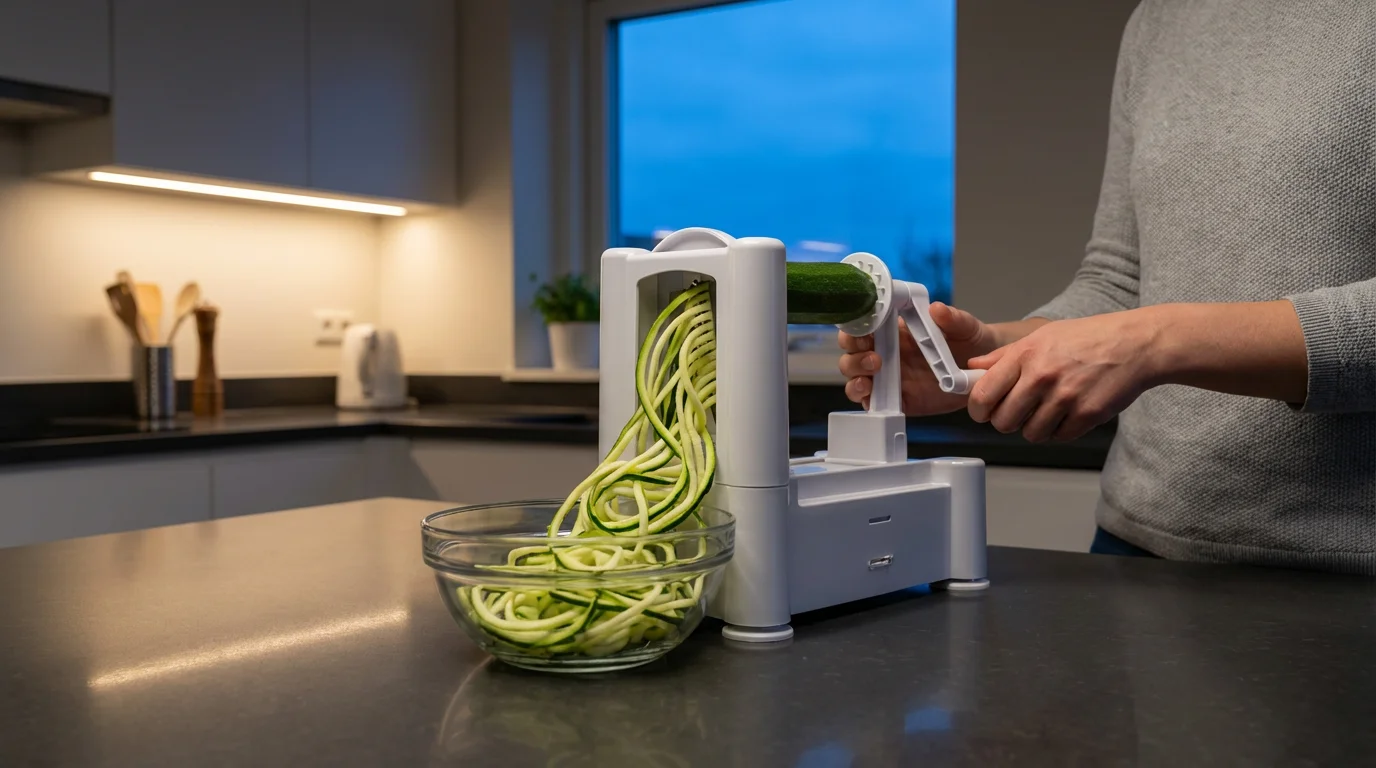
To make zucchini noodles with a spiralizer, first wash and trim the ends of a firm zucchini. For handheld models, insert one end into the spiralizer and twist firmly, letting the noodles emerge from the other side. For countertop models, secure the zucchini onto the spikes, press it against your chosen blade, and turn the crank. For electric or stand mixer attachments, simply load the zucchini and activate the machine. Aim for uniform pressure to create consistent “zoodles.”
What vegetables can I spiralize besides zucchini?
You can spiralize a wide variety of firm vegetables and fruits. Popular choices include sweet potatoes, carrots, cucumbers, beets, apples, pears, and butternut squash. You can also spiralize potatoes, parsnips, and even broccoli stems. The key is to choose produce that is relatively firm and has a consistent diameter to ensure good contact with the blades.
Are electric spiralizers worth the investment?
Electric spiralizers are worth the investment if you frequently spiralize large quantities of vegetables, if you have limited hand strength, or if you simply prioritize maximum convenience. They are significantly faster and require less effort than manual models. However, they come at a higher price point and take up more counter or storage space. For occasional use, a manual countertop model often offers better value.
How do I safely clean spiralizer blades?
Safely cleaning spiralizer blades requires caution due to their sharpness. Immediately after use, rinse the blades under running water to prevent food from drying. Use a stiff cleaning brush, often provided with the spiralizer, to dislodge any stuck-on bits from the crevices. Avoid using your fingers directly on the blades. Many non-blade components are “dishwasher safe” for the top rack, but hand-washing blades typically helps maintain their sharpness longer. Always dry blades thoroughly before storing to prevent rust.
Can I store spiralized vegetables, and if so, for how long?
You can store most spiralized vegetables, though freshness and texture will vary. Store them in an airtight container in the refrigerator. Zucchini and cucumber noodles tend to release water quickly, so place a paper towel in the container to absorb moisture; they will keep for 2-3 days. Firmer vegetables like sweet potato and carrot noodles will last 3-5 days. For best results, spiralize just before use, but proper storage allows for some meal prep.
Disclaimer: Product prices and availability change frequently. Prices shown were accurate at time of writing but may have changed. We may earn a small commission from purchases made through links on this site, at no extra cost to you. Always verify current pricing on the retailer’s website before purchasing.



Leave a Reply