
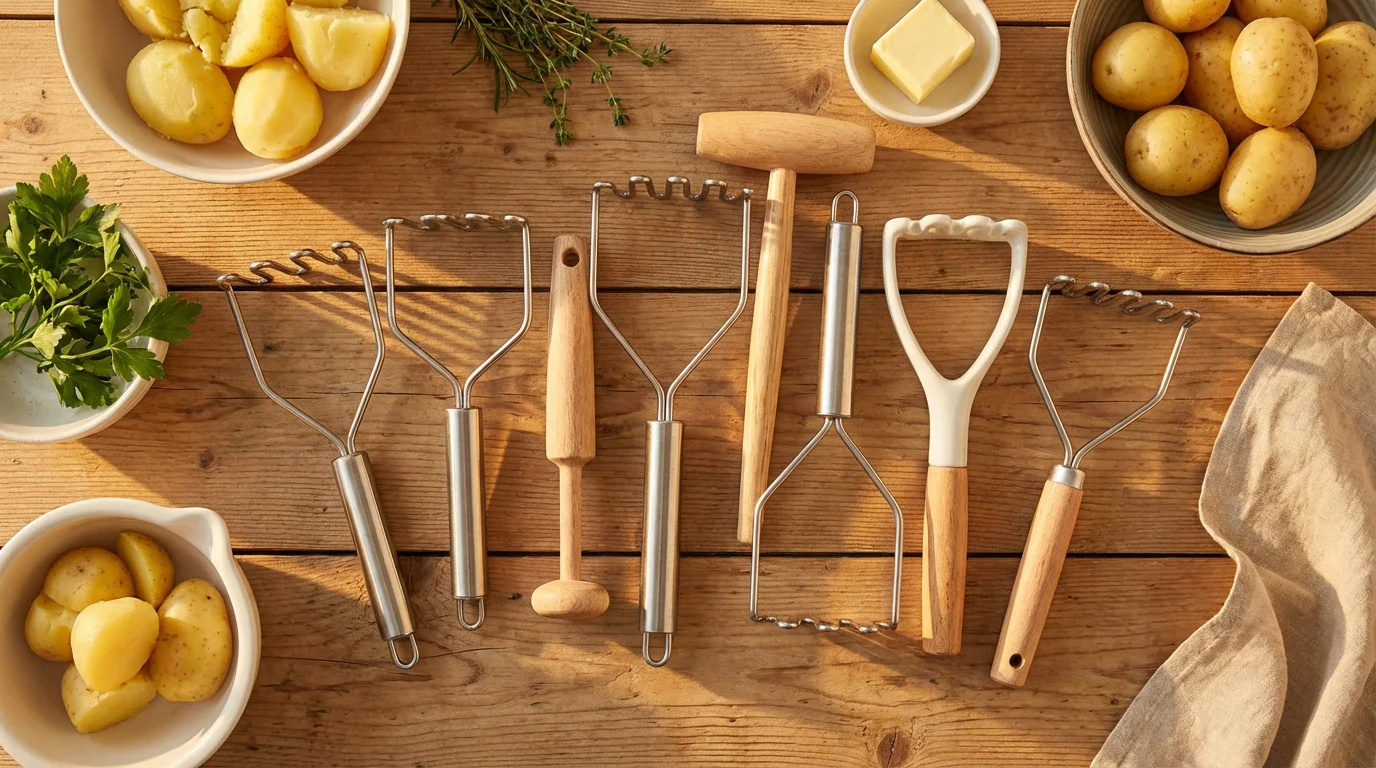
You love mashed potatoes, but achieving that perfect texture, whether luxuriously smooth or satisfyingly chunky, often presents a challenge. Many kitchen gadgets promise convenience, yet frequently fall short, ending up in a drawer after a single use. We understand your skepticism. As expert kitchen product reviewers, we rigorously test tools to determine which ones deliver on their promises, helping you avoid buyer’s remorse.
This comprehensive guide dives deep into the world of potato mashers, comparing various types and their performance. We evaluate their build quality, ease of use, and cleaning, ensuring you select a kitchen tool that truly elevates your culinary experience. We cut through marketing claims to give you practical, actionable insights on finding the best potato masher for your texture preference.
Understanding Potato Masher Types: The Path to Your Perfect Mash
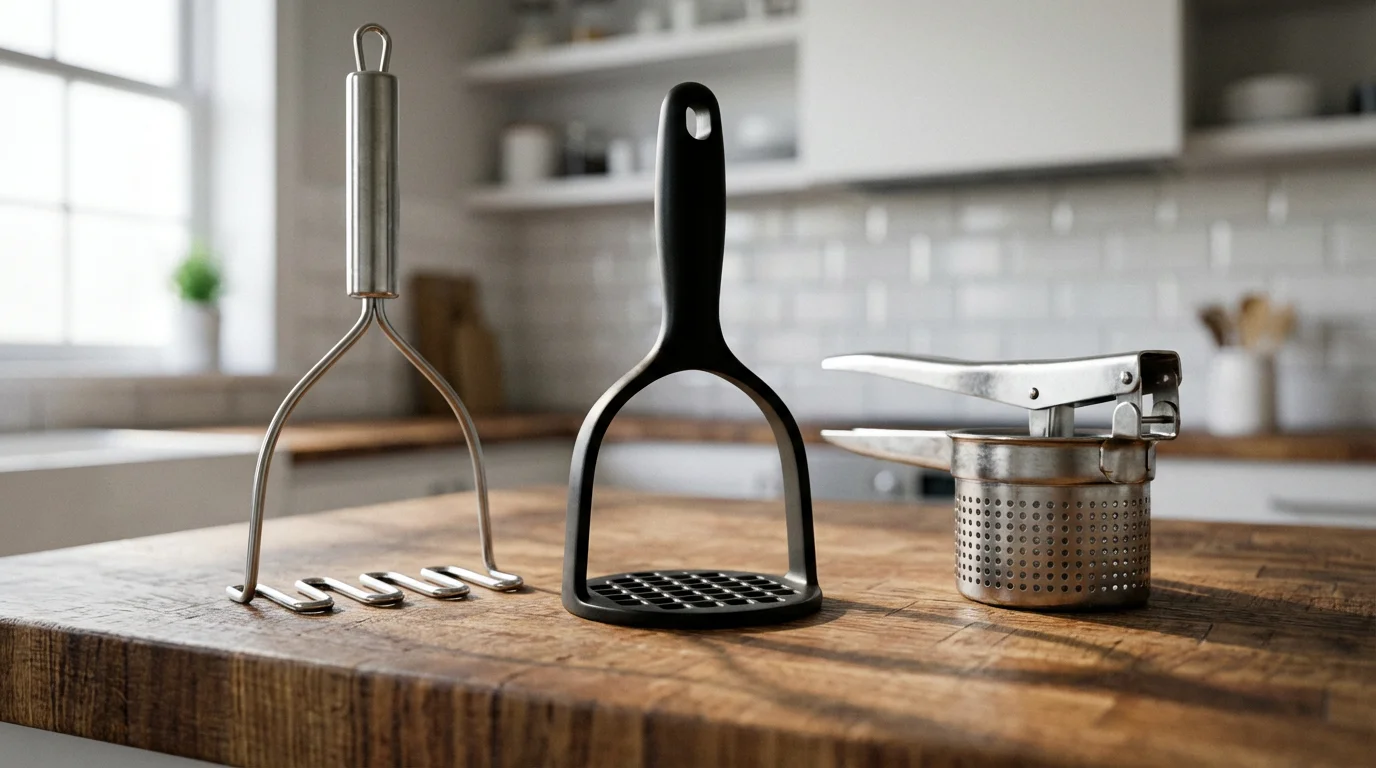
Potato mashers come in several distinct designs, each producing a different texture. Understanding these differences helps you select the right tool for your desired outcome. You will encounter plate mashers, zig-zag or wavy mashers, and more specialized tools like potato ricers and food mills.
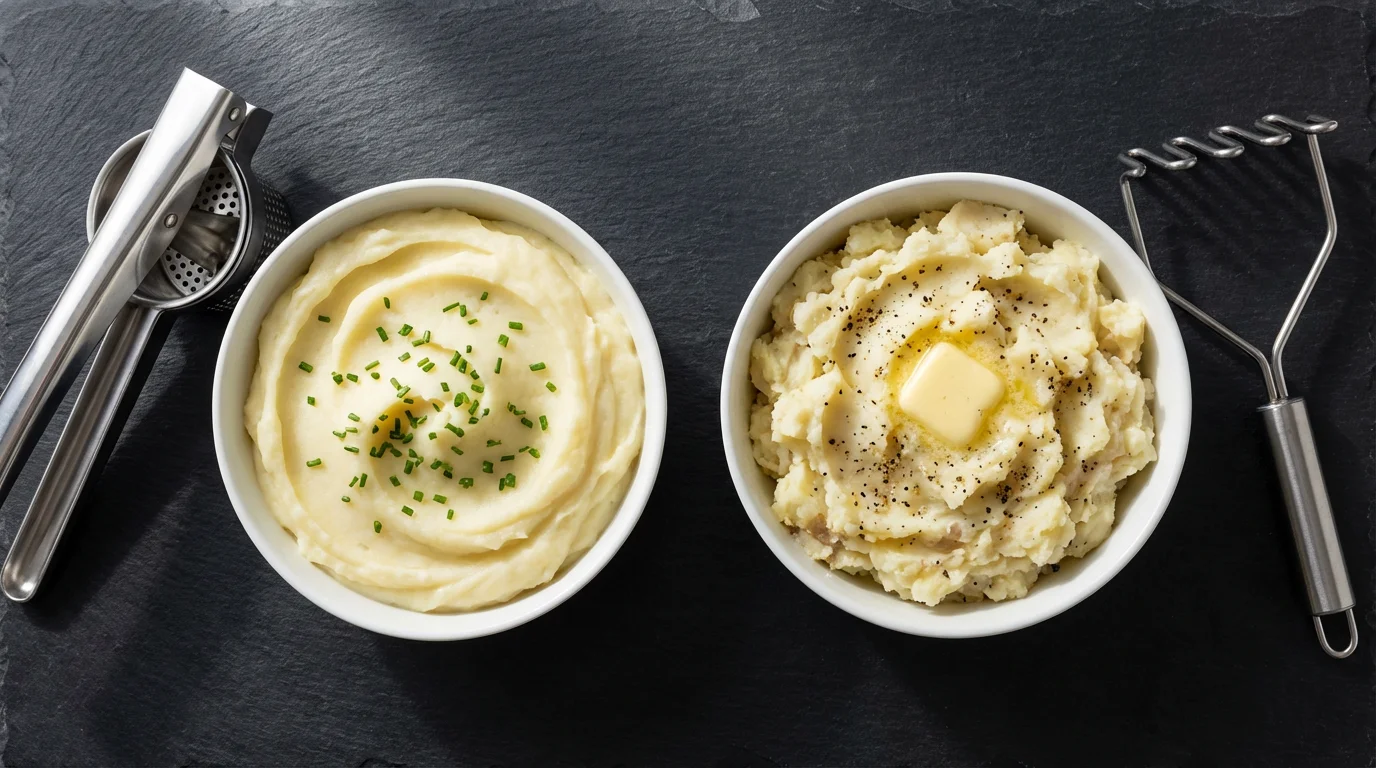
Plate mashers feature a flat or slightly curved plate with holes or a grid at the bottom. You press these directly onto the cooked potatoes. They excel at breaking down soft vegetables, leaving some lumps for a more rustic texture. Zig-zag or wavy mashers, on the other hand, incorporate a series of wavy wires or a zig-zag pattern. This design allows for more efficient mashing and generally produces a more consistent, medium-smooth texture.
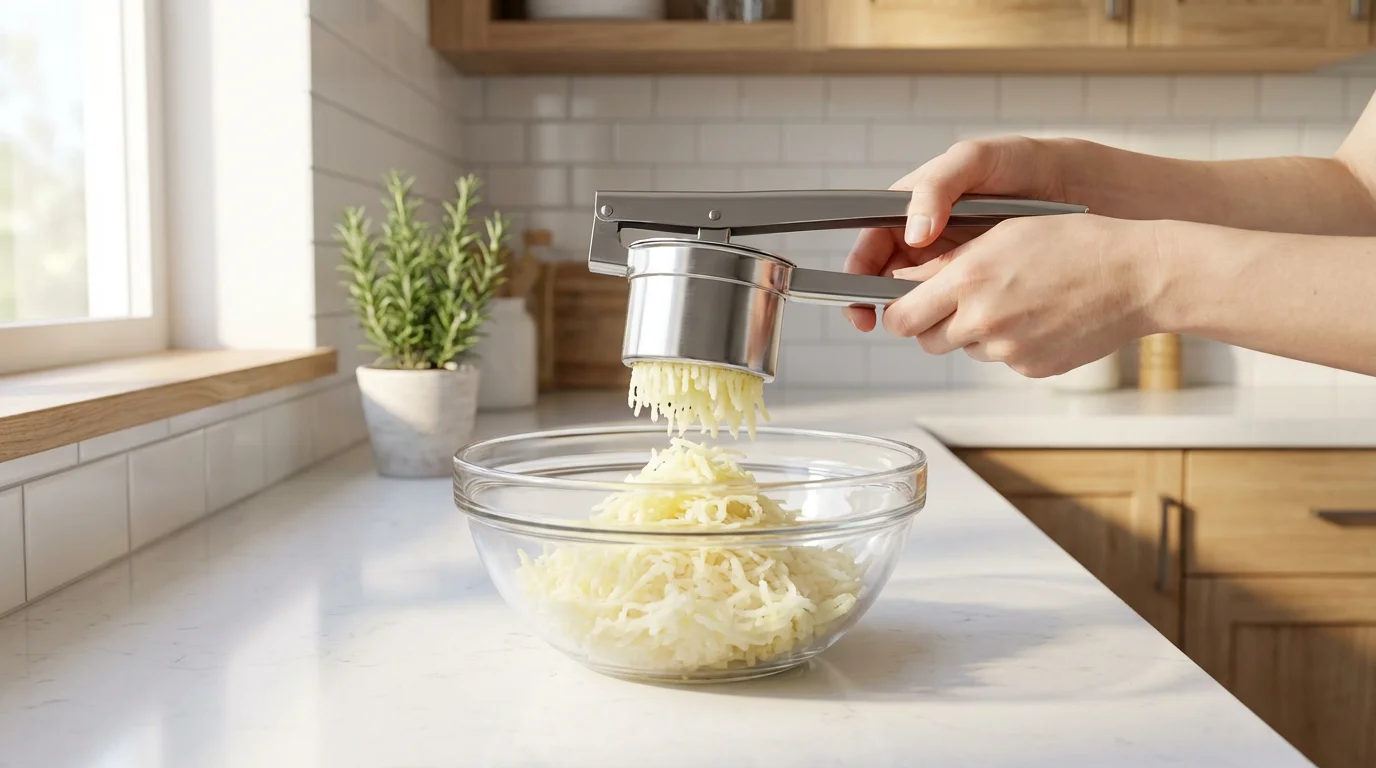
Potato ricers and food mills represent a different class of kitchen tools. A potato ricer, often called a “unitasker” because it primarily performs one specific task, forces cooked potatoes through small holes using a plunger or lever mechanism. This process separates the starch cells without tearing them, resulting in an exceptionally light, fluffy, and lump-free mash. Similarly, a food mill processes food through a perforated disc, often with a rotating blade, yielding smooth purées. While incredibly effective for smooth textures, these tools require more effort to clean and take up more storage space than traditional mashers.
“For truly lump-free mashed potatoes, a ricer or food mill is indispensable. You achieve a texture you simply cannot replicate with a traditional hand masher.” — Serious Eats’ Equipment Reviews
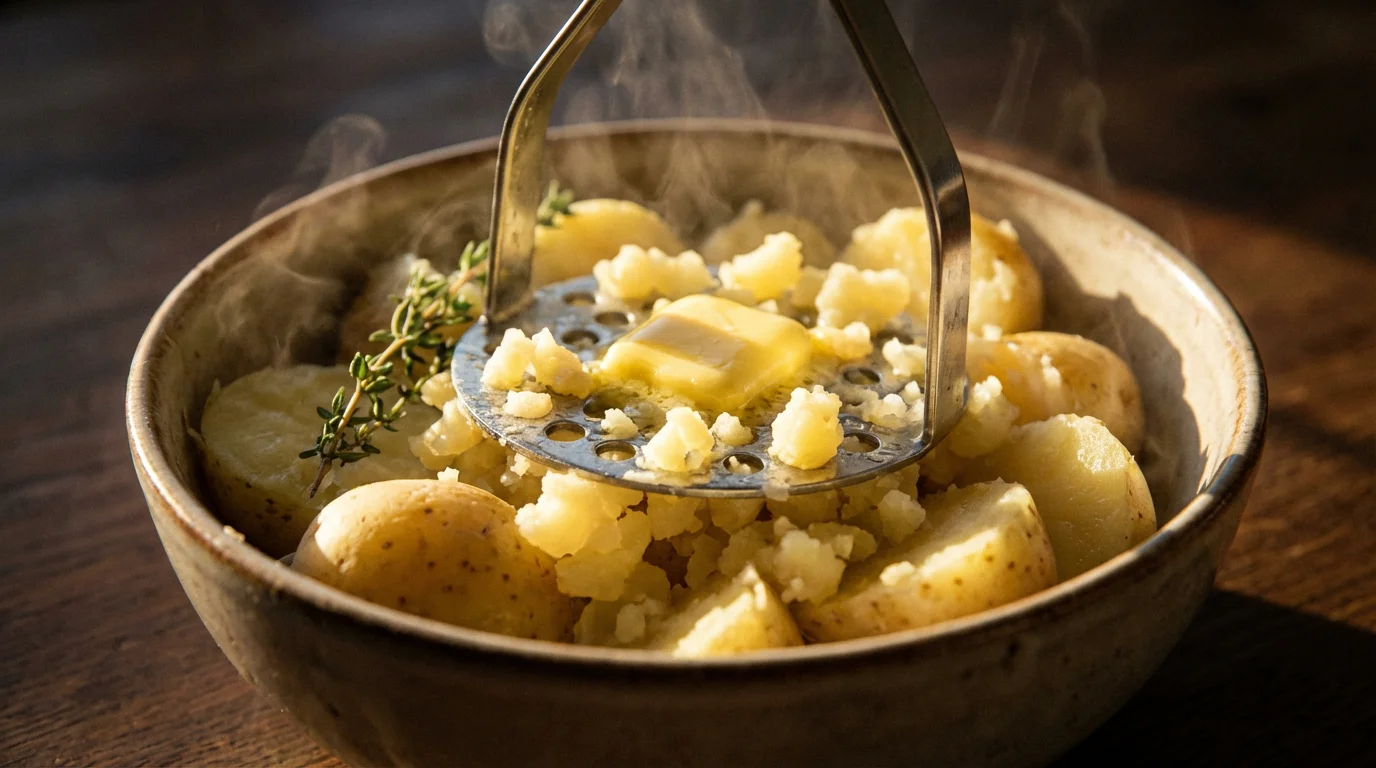
Plate Mashers: Ideal for Rustic, Chunky Results
If you prefer your mashed potatoes with some texture, a plate masher is your ideal companion. These tools offer excellent control, allowing you to achieve a consistency ranging from coarsely chunky to moderately smooth with some effort. Their simple design makes them straightforward to use and clean.
Beyond potatoes, these sturdy plate designs are also among the most effective avocado tools for mashing a chunky guacamole.
A classic example is the OXO Good Grips Smooth Potato Masher. This masher features a broad, stainless steel mashing plate with round holes. The large surface area covers a significant portion of potatoes with each press, making the mashing process efficient. Its non-slip grip, made of soft rubber, provides comfort and prevents your hand from sliding, even when wet. In our tests, this masher consistently delivered potatoes with a pleasant, rustic texture, breaking them down effectively without over-processing. Cleaning is simple; food bits rarely stick to the smooth stainless steel surface, and it is dishwasher safe, meaning you can place it in your dishwasher without fear of damage.
While plate mashers excel at creating chunky mash, you can also use them for a smoother consistency if you work the potatoes longer and more vigorously. However, achieving a completely lump-free result often proves difficult without overworking the starch, which can lead to a gummy texture.
- Pros of Plate Mashers:
- Excellent for chunky, rustic mashed potatoes.
- Simple design, easy to use.
- Easy to clean, often dishwasher safe.
- More compact for storage compared to ricers.
- Generally lower price point.
Zig-Zag and Wavy Mashers: The Versatile Choice for Medium Texture
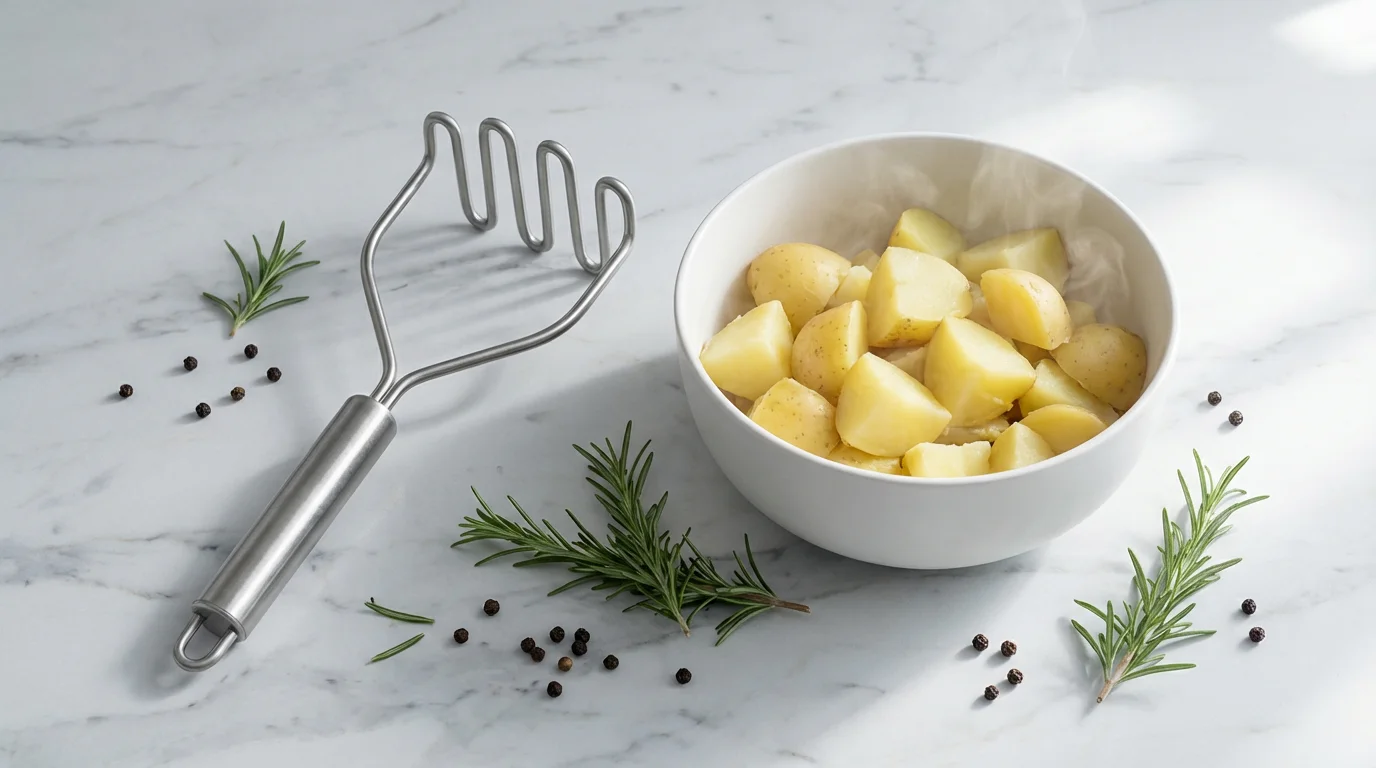
For those who desire a middle-ground texture, somewhere between rustic and completely smooth, zig-zag or wavy mashers offer a compelling solution. Their unique design typically features a pattern of robust wires or a zig-zag grid that effectively breaks down potatoes, producing a more uniform, medium-smooth mash than plate mashers.
Consider the RSVP International Endurance Stainless Steel Wavy Masher. This particular model boasts a sturdy stainless steel construction, a durable metal that resists rust and staining, ensuring longevity. Its wavy wire design effectively passes through potatoes, minimizing the effort required for mashing. We found it significantly reduces mashing time compared to some plate mashers. The handle on this masher is ergonomically designed, meaning it is comfortable to hold and use for extended periods, reducing hand fatigue. This makes a notable difference when mashing a large batch of potatoes. The wavy design allows potatoes to pass through the wires efficiently, creating a consistent texture.
However, these mashers can sometimes accumulate sticky potato residue between the wires, making cleaning slightly more involved than with a flat plate masher. While most models are dishwasher safe, a quick rinse immediately after use helps prevent dried-on starch. The efficiency and balance of texture make zig-zag mashers a highly practical choice for many home cooks.
Potato Ricers and Food Mills: The Ultimate for Velvety Smooth Mash
If you crave an impossibly smooth, cloud-like mashed potato consistency, free of any lumps, a potato ricer or food mill is your best investment. These specialized tools excel at separating the starch cells of cooked potatoes without breaking them down excessively, which is the secret to a light, fluffy, and uniform texture. America’s Test Kitchen frequently recommends these tools for superior mashed potato results, emphasizing their ability to create an airy consistency that hand mashing simply cannot achieve.
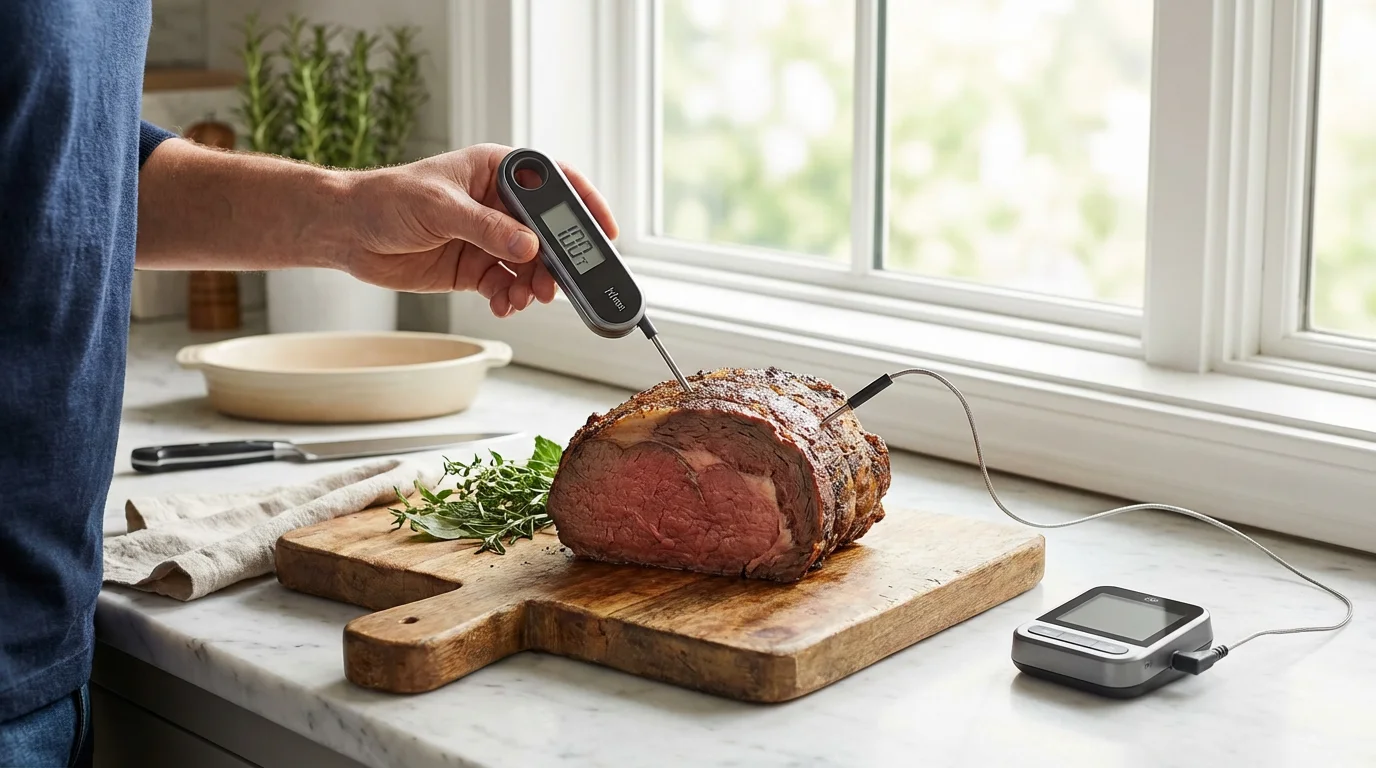
To ensure your potatoes are perfectly tender before they hit the hopper, you can use meat thermometers to check for a soft internal consistency.
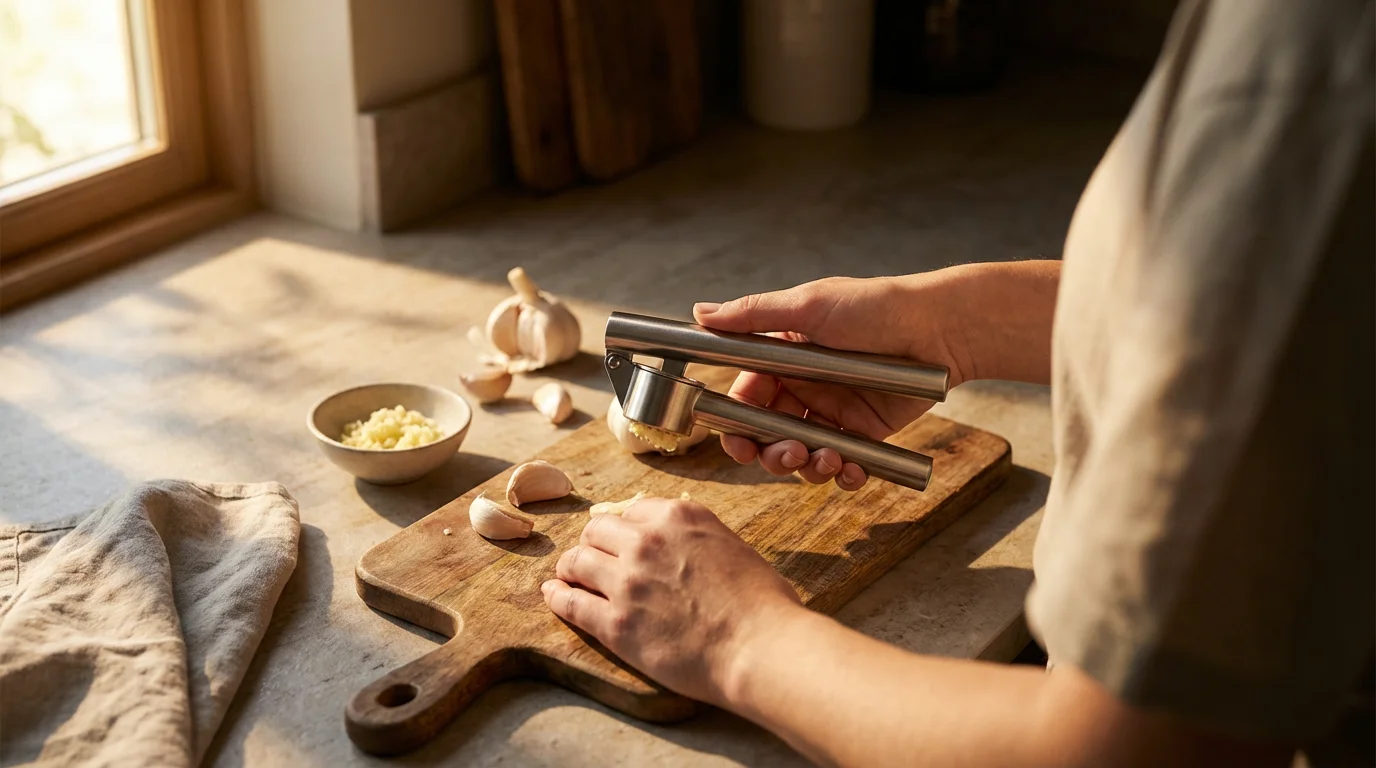
A potato ricer operates similarly to a giant garlic press. You place cooked potatoes into a hopper and then press a lever, forcing the potatoes through small perforations. This action transforms the potatoes into fine, rice-like strands, which you then gently mix with butter and cream. The OXO Good Grips Stainless Steel Potato Ricer is a prime example. Its robust stainless steel construction guarantees durability, and it often includes multiple discs for varying textures. The soft, non-slip grip handles absorb pressure, making the ricing process more comfortable, even with firm potatoes. We appreciate that some plastic components, if present, are often BPA-free, meaning they are made without a chemical (BPA) that some people prefer to avoid.
Food mills serve a similar purpose, using a hand crank to push food through a perforated disc. While excellent for potatoes, food mills are incredibly versatile, processing anything from tomatoes for sauce to apples for purée. However, both ricers and food mills are “unitaskers” in your kitchen, meaning they perform one specific task exceptionally well. Their size also means they occupy more storage space than a simple hand masher, and cleaning often involves disassembling components to remove all potato residue from the perforations.
Despite the extra storage and cleaning effort, the unparalleled texture achieved with a ricer or food mill makes them essential for anyone truly dedicated to the art of smooth mashed potatoes. You immediately taste the difference in texture and consistency.
Material Quality and Durability: Stainless Steel vs. Plastic
The materials your potato masher incorporates directly impact its longevity, performance, and cleaning ease. Two primary materials dominate the market: stainless steel and plastic. You will find mashers made entirely of one, or a combination of both.
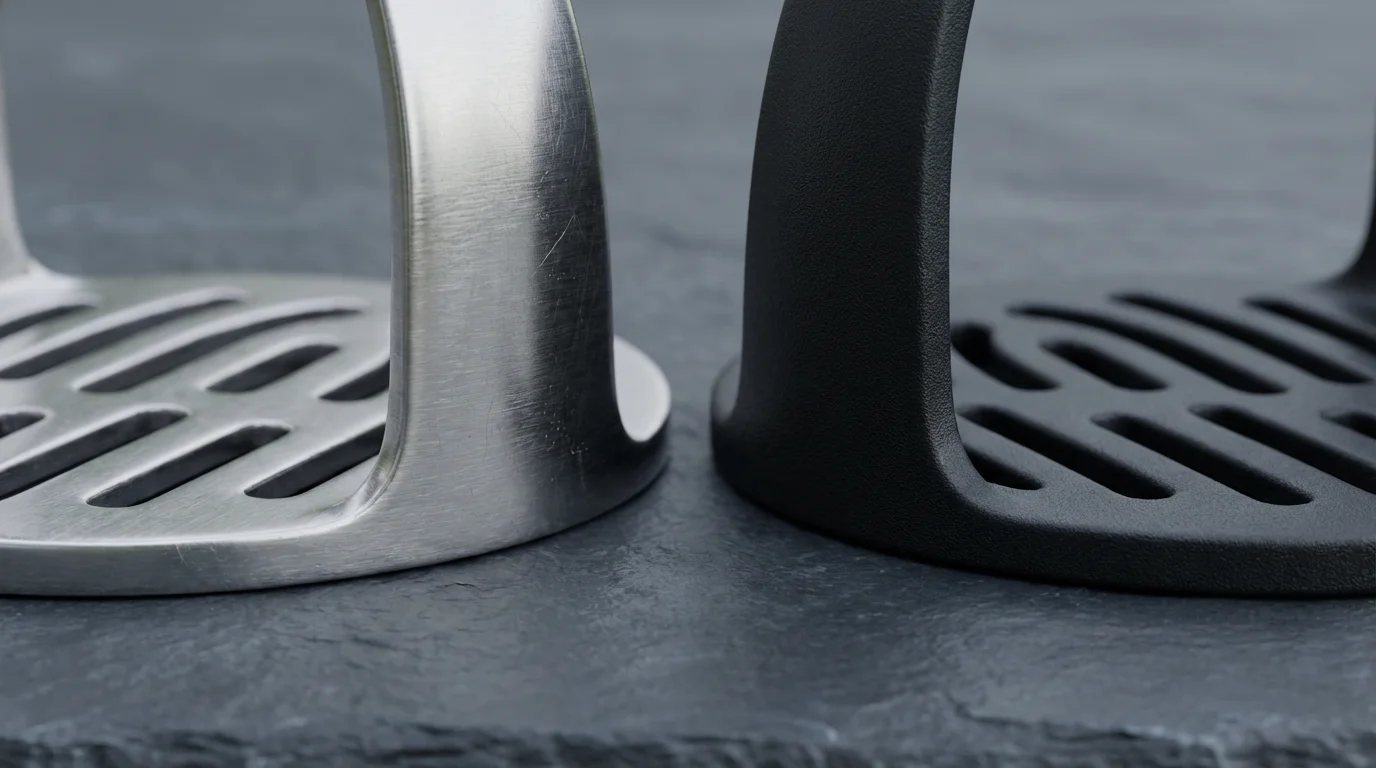
Stainless steel offers superior durability. This durable metal resists rust and staining, making it ideal for kitchen environments. Stainless steel mashers withstand significant pressure without bending or breaking, ensuring they last for years. They also handle high temperatures well, which is important when mashing hot potatoes directly from the pot. We have tested numerous stainless steel models, and their robust construction consistently proves itself in rigorous use. For instance, a well-constructed stainless steel ricer can process pounds of potatoes without showing signs of strain. According to Consumer Reports’ kitchen appliance reviews, durable materials like stainless steel are crucial for kitchen tools that endure repetitive, forceful tasks.
Plastic mashers, while often more affordable, rarely match the longevity of their metal counterparts. High-quality, BPA-free plastic is suitable for handles or non-scratch mashing plates for non-stick cookware. However, an all-plastic mashing head often struggles with firmer potatoes, leading to flexing or even breakage over time. Cheaper plastics can absorb odors, stain, or degrade with repeated exposure to hot temperatures and dishwashing cycles. Handles frequently combine plastic with a silicone non-slip grip. Silicone, a flexible, heat-resistant material, enhances comfort and provides a secure hold, which is particularly beneficial when your hands are wet.
When selecting your masher, prioritize models with stainless steel mashing heads and shafts for maximum durability and performance. Plastic components on handles, especially those with an ergonomic, non-slip grip, are perfectly acceptable and can enhance comfort without compromising the tool’s core functionality.
Ergonomics, Storage, and Cleaning: Practical Considerations
Beyond texture, practical considerations like ergonomics, storage, and cleaning significantly influence how much you use a kitchen gadget. A beautifully designed masher that hurts your hand or proves impossible to clean will quickly end up in the back of a drawer.
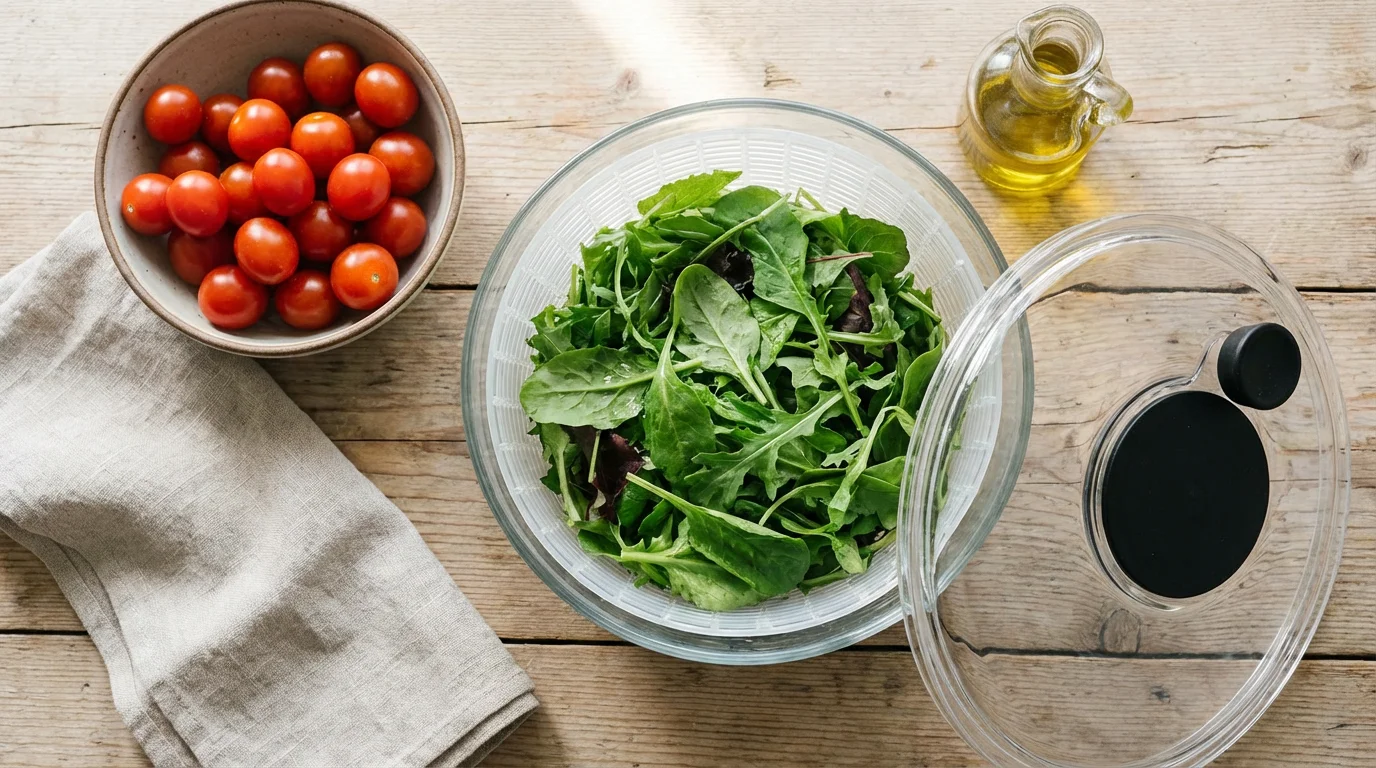
While ricers are bulky, much like salad spinners, the professional results they provide usually justify the extra cabinet space.
Ergonomics refers to a product’s design for comfortable and efficient use. A well-designed masher should fit comfortably in your hand, regardless of hand size, and require minimal effort to operate. Look for handles with a non-slip grip, perhaps made of silicone, that provides a secure hold even when wet or greasy. Handles that are too thin or too short can cause hand strain, especially when mashing a large batch of potatoes. We prioritize mashers with broad, cushioned handles in our testing, as they distribute pressure more evenly and reduce fatigue.
Cleaning is another critical factor. The best mashers are often dishwasher safe, meaning you can clean them in your dishwasher without damage. Plate mashers generally clean easily, as their smooth surfaces rinse quickly. Zig-zag mashers can sometimes trap potato bits between their wires, requiring a quick scrub with a brush. Ricers and food mills demand the most attention. You typically need to disassemble them, clean each component, and ensure all perforations are clear of potato residue to prevent future clogs. While some components of ricers and food mills are dishwasher safe, handwashing often proves more effective for thorough cleaning.
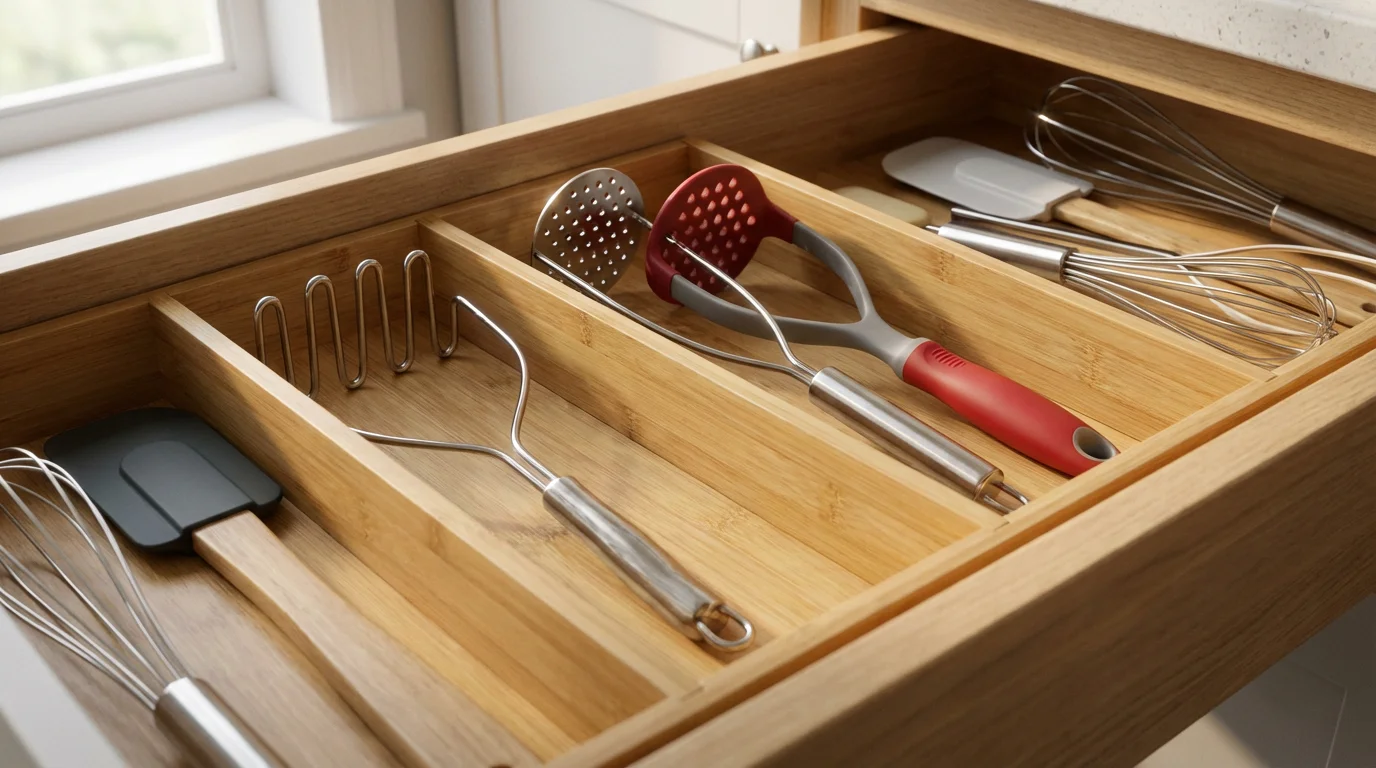
Storage considerations depend on your kitchen space. A simple hand masher, particularly those with a loop for hanging, takes up minimal drawer space or hangs neatly on a utensil rack. Ricers and food mills, being larger and sometimes requiring disassembly, demand more dedicated storage. Their bulk might be a deterrent if your kitchen has limited drawer or cabinet space. Always consider the overall footprint of a tool before purchasing, ensuring it integrates seamlessly into your kitchen environment rather than becoming another unused item.
Choosing Your Masher: A Texture Preference Guide
Selecting the right potato masher ultimately depends on your desired mashed potato texture and your willingness to invest in a specialized tool. Here is a breakdown to guide your decision, comparing the primary types:
Once your mash is plated, try using a Microplane grater to top it with a fine dusting of hard cheese or fresh nutmeg.
| Masher Type | Ideal Texture | Ease of Use | Cleaning Difficulty | Storage Footprint | Typical Price Range |
|---|---|---|---|---|---|
| Plate Masher | Chunky, Rustic | Very Easy | Very Easy (Dishwasher Safe) | Small, Compact | $10 – $25 |
| Zig-Zag / Wavy Masher | Medium-Smooth, Consistent | Easy | Moderate (Can trap bits, Dishwasher Safe) | Small, Compact | $15 – $30 |
| Potato Ricer | Velvety Smooth, Fluffy | Moderate (Requires leverage) | High (Disassembly needed) | Medium to Large | $25 – $60 |
| Food Mill | Very Smooth, Pureed | Moderate (Requires hand crank) | High (Disassembly needed) | Large | $40 – $100+ |
Plate Mashers:
- Buy if: You love chunky, homemade mashed potatoes, prioritize ease of use and cleaning, and have limited storage space. You want a reliable, no-frills tool for everyday mashing.
- Skip if: You expect a perfectly smooth, lump-free consistency, or you frequently make large batches requiring minimal effort.
Zig-Zag / Wavy Mashers:
- Buy if: You prefer a consistent, medium-smooth texture without going fully velvety. You value efficiency over pure chunkiness and appreciate a good balance between performance and ease of cleaning.
- Skip if: You want aggressively chunky potatoes or absolutely no lumps at all.
Potato Ricers:
- Buy if: Velvety smooth, light, and fluffy mashed potatoes are your ultimate goal. You do not mind a specialized “unitasker” that requires more cleaning effort for superior results. This is your choice for gourmet-level mash.
- Skip if: Storage space is extremely limited, you dislike extra cleaning steps, or you prefer some texture in your potatoes.
Food Mills:
- Buy if: You need a versatile tool for not only super-smooth mashed potatoes but also purées, sauces, and baby food. You have ample storage and do not mind the investment for a multi-functional gadget that offers unparalleled smoothness.
- Skip if: You only need a potato masher, have tight budget constraints, or minimal kitchen space.
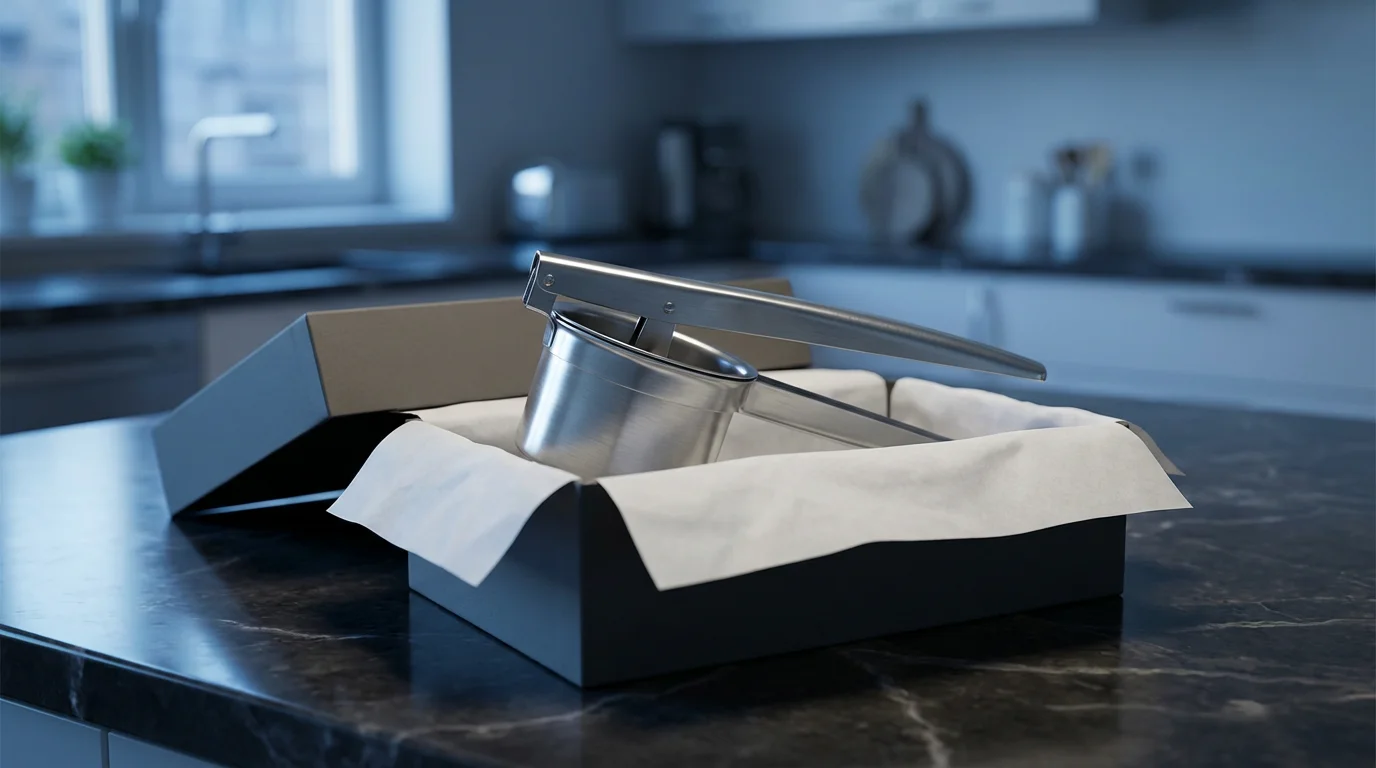
Gift-Worthy Gadgets and Kitchen Stocking Stuffers
Choosing a kitchen gadget as a gift can be tricky. You want to give something practical and genuinely useful, not another “As Seen on TV” disappointment. A well-chosen potato masher makes an excellent gift, particularly for home cooks who appreciate good food.
For the aspiring chef who loves entertaining, a high-quality stainless steel potato ricer makes an impressive and thoughtful gift. It suggests an appreciation for culinary detail and elevates their mashed potato game instantly. Pair it with a recipe for classic, rich mashed potatoes to inspire immediate use.
If you are looking for a more budget-friendly option or a practical stocking stuffer, a robust zig-zag or plate masher offers great value. The OXO Good Grips Smooth Potato Masher or a similar well-reviewed wavy masher provides excellent utility without a significant investment. These tools are indispensable in any kitchen and demonstrate you value practicality. Many home cooks still use an old, ineffective masher, making an upgrade a truly appreciated gift. Consider the recipient’s cooking style and kitchen space. A compact, easy-to-clean masher is always a welcome addition.
Frequently Asked Questions
What is the difference between a potato masher and a potato ricer?
A potato masher, whether plate or zig-zag style, breaks down cooked potatoes by pressing or crushing them, typically yielding mashed potatoes with some lumps or a rustic texture. A potato ricer, a specialized tool, forces cooked potatoes through small perforations, separating the starch cells to produce an exceptionally smooth, light, and fluffy, lump-free consistency.
Can I use a potato masher for other vegetables?
Absolutely. You can use most potato mashers, especially plate and zig-zag types, to mash other soft cooked vegetables like sweet potatoes, carrots, parsnips, turnips, or even cauliflower. They also work well for mashing avocados for guacamole or making homemade baby food from cooked fruits and vegetables.
How do I prevent gummy mashed potatoes?
Gummy mashed potatoes often result from overworking the starch. When you mash potatoes too vigorously or for too long, especially with a traditional masher, you break down the starch cells excessively, releasing too much starch and creating a sticky texture. To prevent this, mash only until you reach your desired consistency, avoid using electric mixers, and consider a potato ricer for the smoothest, lightest results, as it processes potatoes without tearing the starch cells.
Are silicone-handled mashers durable?
Yes, silicone handles on mashers are generally very durable and offer significant benefits. Silicone, a flexible, heat-resistant material, provides an excellent non-slip grip, making the masher more comfortable and secure to hold, even when your hands are wet. It withstands frequent use and cleaning, often remaining intact long after other parts of lesser-quality tools might degrade.
Disclaimer: Product prices and availability change frequently. Prices shown were accurate at time of writing but may have changed. We may earn a small commission from purchases made through links on this site, at no extra cost to you. Always verify current pricing on the retailer’s website before purchasing.




Leave a Reply