
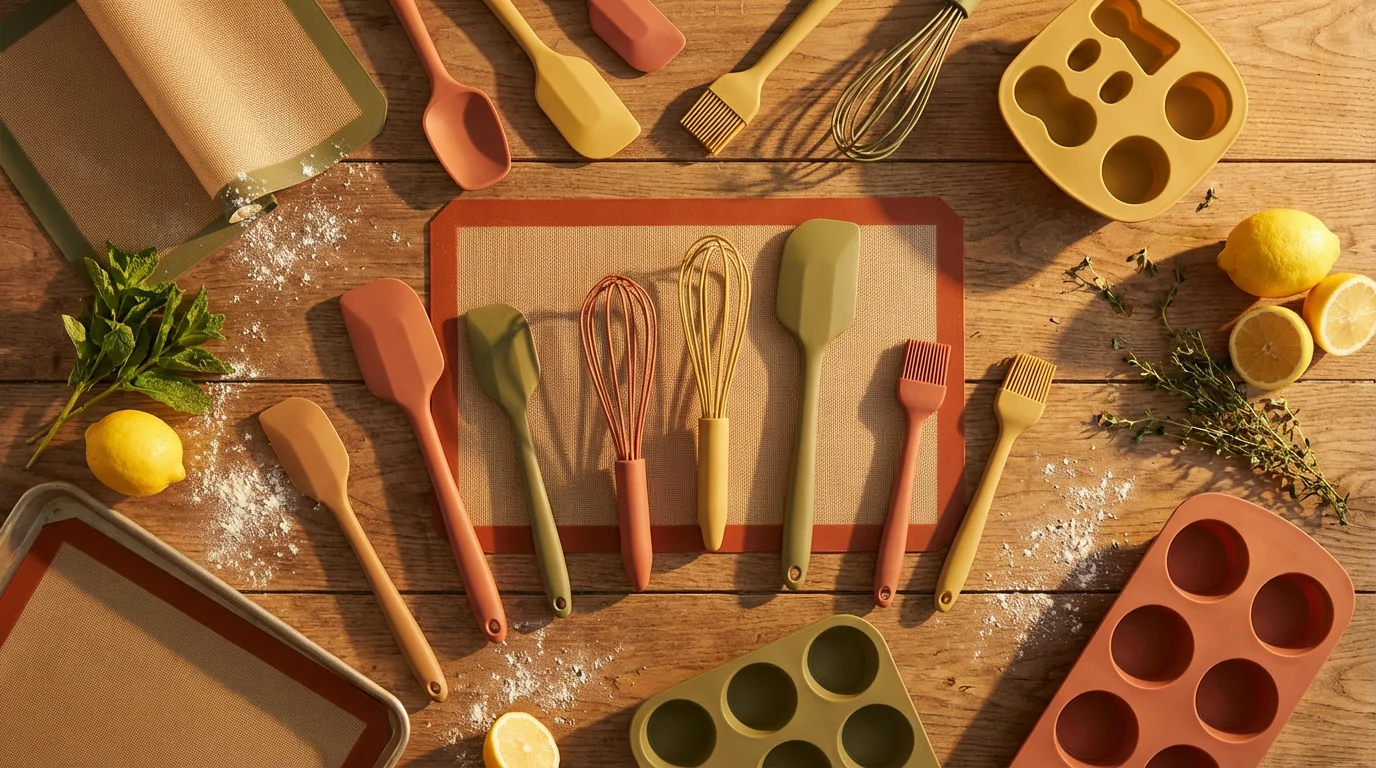
In the evolving landscape of kitchen gadgets, silicone tools have carved out a significant niche. From flexible spatulas to vibrant baking mats, this versatile material promises convenience and improved cooking experiences. But with so many products flooding the market, you might wonder: are silicone kitchen tools actually worth the hype, or do they just add clutter to your drawers? We take a practical, honest look at silicone, separating genuine utility from clever marketing.
Many home cooks have faced the disappointment of purchasing a shiny new gadget only to find it underperforms or breaks quickly. This review dives deep into the world of silicone, examining its true benefits, potential drawbacks, and whether these tools truly make your time in the kitchen easier and more efficient. We evaluate their material quality, ergonomic design, ease of cleaning, and overall value, helping you make informed decisions.
Understanding Silicone: More Than Just Rubber
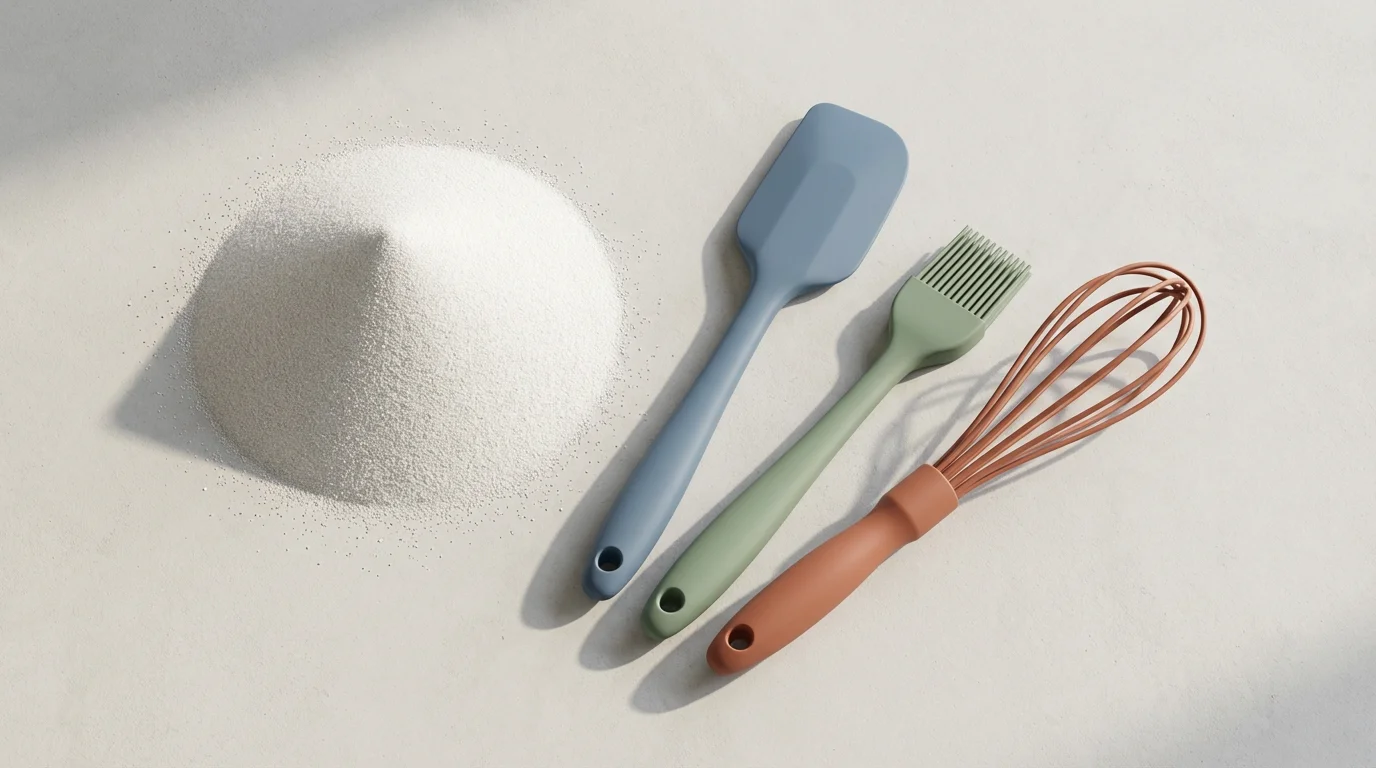
When you encounter a kitchen tool labeled “silicone,” you are looking at a synthetic polymer that contains silicon, oxygen, carbon, and hydrogen. Unlike plastic, which is petroleum-based, silicone comes from silica, or sand. This fundamental difference gives silicone its unique properties, particularly its impressive heat resistance. While often compared to rubber due to its flexibility, silicone outperforms natural rubber in temperature tolerance and durability, especially when exposed to oils and high heat over time.
The versatility of silicone in the kitchen stems from its molecular structure, which allows it to remain stable across a broad temperature range. You will find it in everything from flexible spatulas, designed to scrape every last bit from a bowl, to baking molds that release cakes effortlessly. Understanding what silicone is, at its core, helps explain why it behaves so differently from traditional materials and why it has become so popular in modern kitchens.
The Practical Advantages of Silicone Kitchen Tools
Silicone brings several distinct advantages to your kitchen arsenal, making daily cooking tasks smoother and often more efficient. These benefits move beyond mere novelty, offering tangible improvements over older material types.
- Superior Heat Resistance: A primary benefit of silicone is its ability to withstand high temperatures without melting, warping, or leaching harmful chemicals. Most quality silicone kitchen tools are heat resistant tools up to 450°F (232°C), and some even higher, reaching 500°F (260°C). This means your silicone spatula remains intact even when stirring a scorching hot pan of caramel or flipping items on a griddle. This contrasts sharply with plastic, which can deform and release unwanted compounds at much lower temperatures.
- Non-Stick Properties: Silicone naturally resists sticking, a characteristic that makes baking and cooking much easier. A silicone baking mat, for instance, eliminates the need for parchment paper or excessive greasing, allowing cookies and pastries to slide off effortlessly. This non-stick surface also makes cleaning a breeze.
- Gentle on Cookware: Unlike metal utensils, silicone is soft and flexible, protecting your expensive non-stick pans from scratches and damage. Using the best silicone utensil set for non-stick pans ensures your cookware lasts longer, preserving its essential non-stick coating.
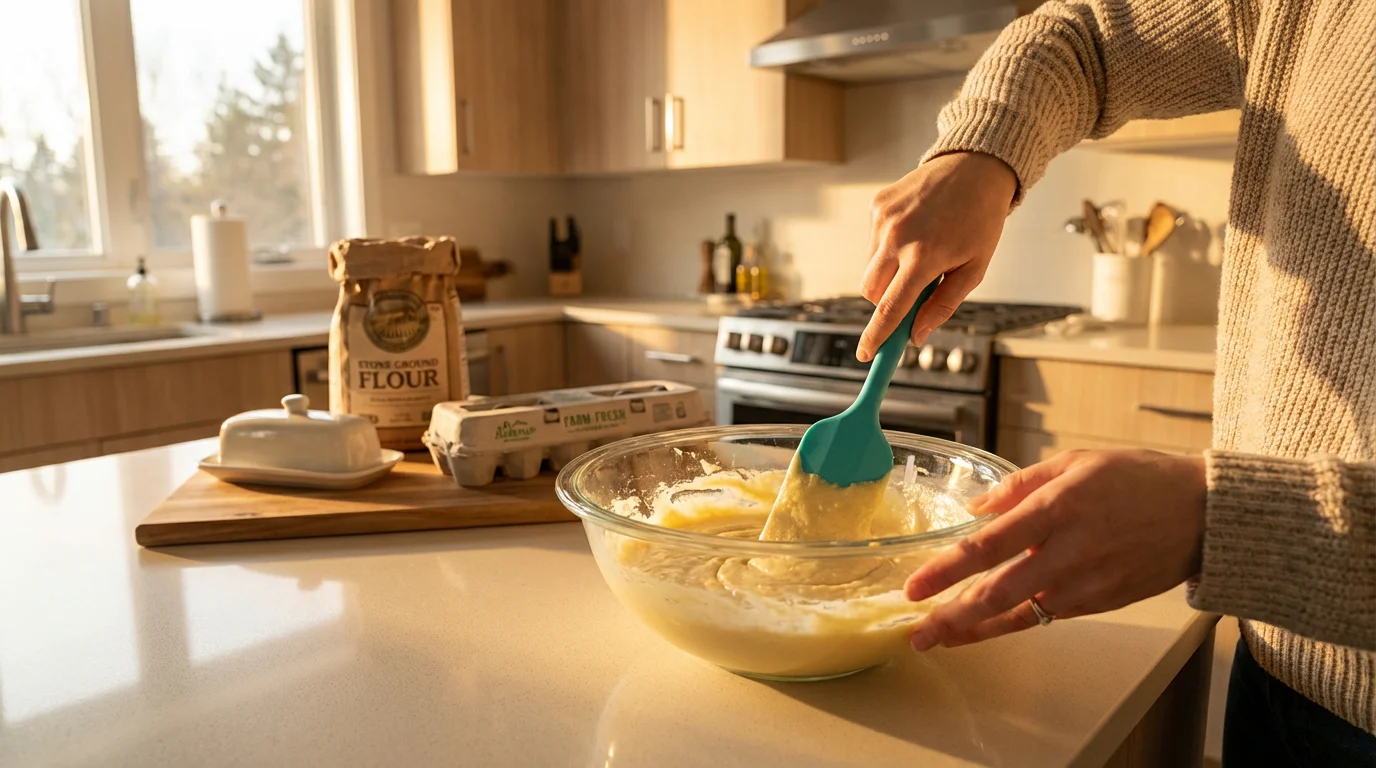
- Flexibility and Conformity: The pliant nature of silicone allows tools like spatulas to conform to the contours of bowls and pans, ensuring you scrape out every last bit of batter or sauce. This reduces waste and makes cleanup more thorough.
- Durability and Longevity: High-quality silicone resists staining, odors, and corrosion. It does not react with foods or absorb flavors, ensuring your tools remain neutral. This material can withstand repeated use and washing without degrading, offering a longer lifespan compared to many plastic alternatives.
- Easy to Clean: Most silicone tools are dishwasher safe, simplifying cleanup after cooking. Their non-porous surface means they do not harbor bacteria or food particles easily, contributing to better kitchen hygiene.
“When evaluating kitchen equipment, we prioritize tools that offer true utility and stand up to rigorous daily use. Silicone often excels in specific tasks where its flexibility and heat resistance provide a clear advantage over traditional materials.” — Serious Eats Equipment Reviews
Are Silicone Kitchen Tools Safe for Cooking? Unpacking the Science
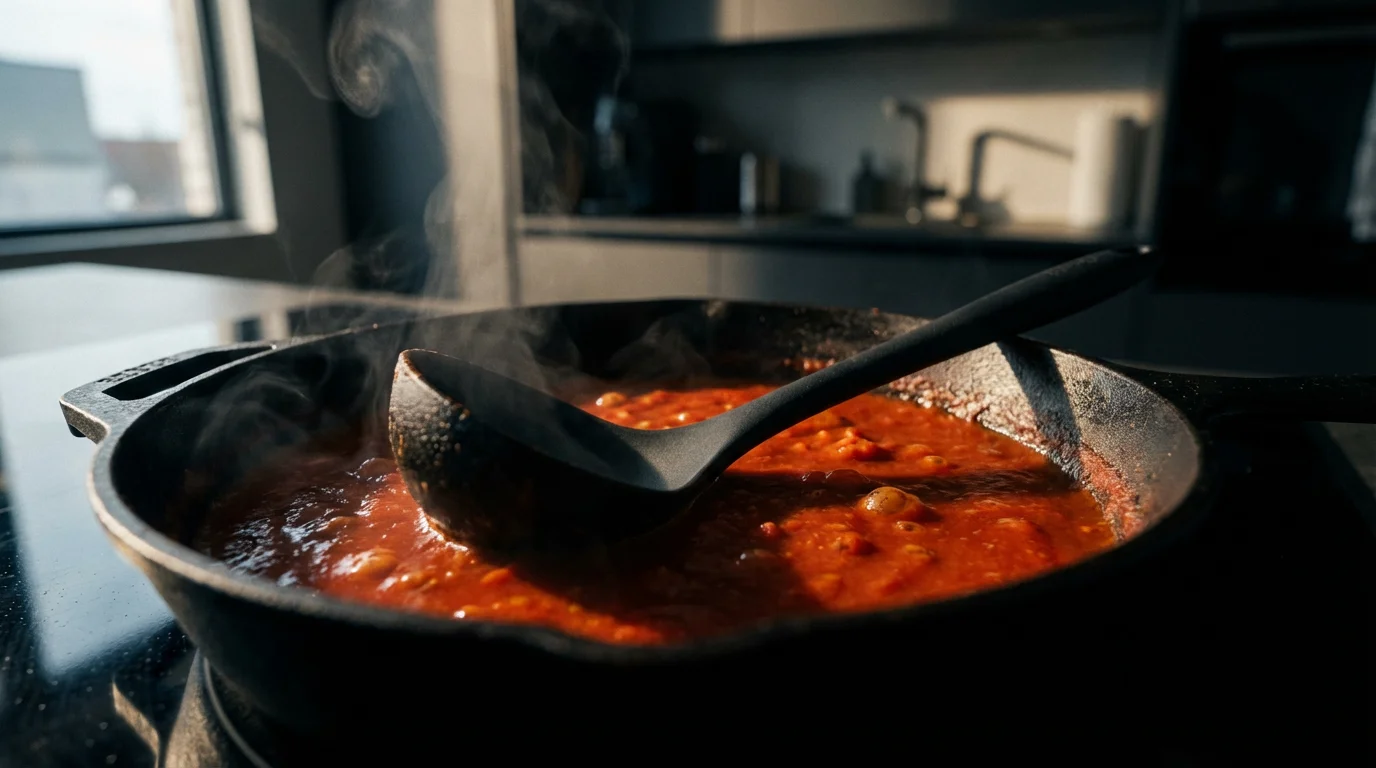
A common concern among home cooks is the safety of materials that come into contact with food, especially under heat. When asking, “are silicone kitchen tools safe for cooking?”, the answer generally leans towards yes, provided you choose high-quality products. Food-grade silicone is inert, meaning it does not react with food or beverages, nor does it produce hazardous fumes. Reputable manufacturers use a curing process that ensures the material is stable and does not leach chemicals into your food, even at high temperatures.
However, quality matters significantly. Cheap, uncured, or filler-filled silicone products can sometimes leach odors or taste into food, particularly when new or exposed to extreme heat. You can often perform a “pinch test” on new silicone bakeware: twist or pinch a flat section. If it turns white, it likely contains fillers that may not be as heat stable or inert as pure food-grade silicone. Always look for products clearly labeled “100% food-grade silicone” or “BPA-free.” While the safety concerns around BPA are still debated, many consumers prefer to avoid this chemical, and reputable silicone manufacturers ensure their products are made without it.
To further ensure safety, avoid using silicone tools for tasks that consistently exceed their specified heat limits. While they are heat resistant tools, prolonged exposure to temperatures above their rating can compromise their integrity over time. Stick to trusted brands and verify certifications if available.
Silicone Spatulas and Utensils: The Everyday Workhorses
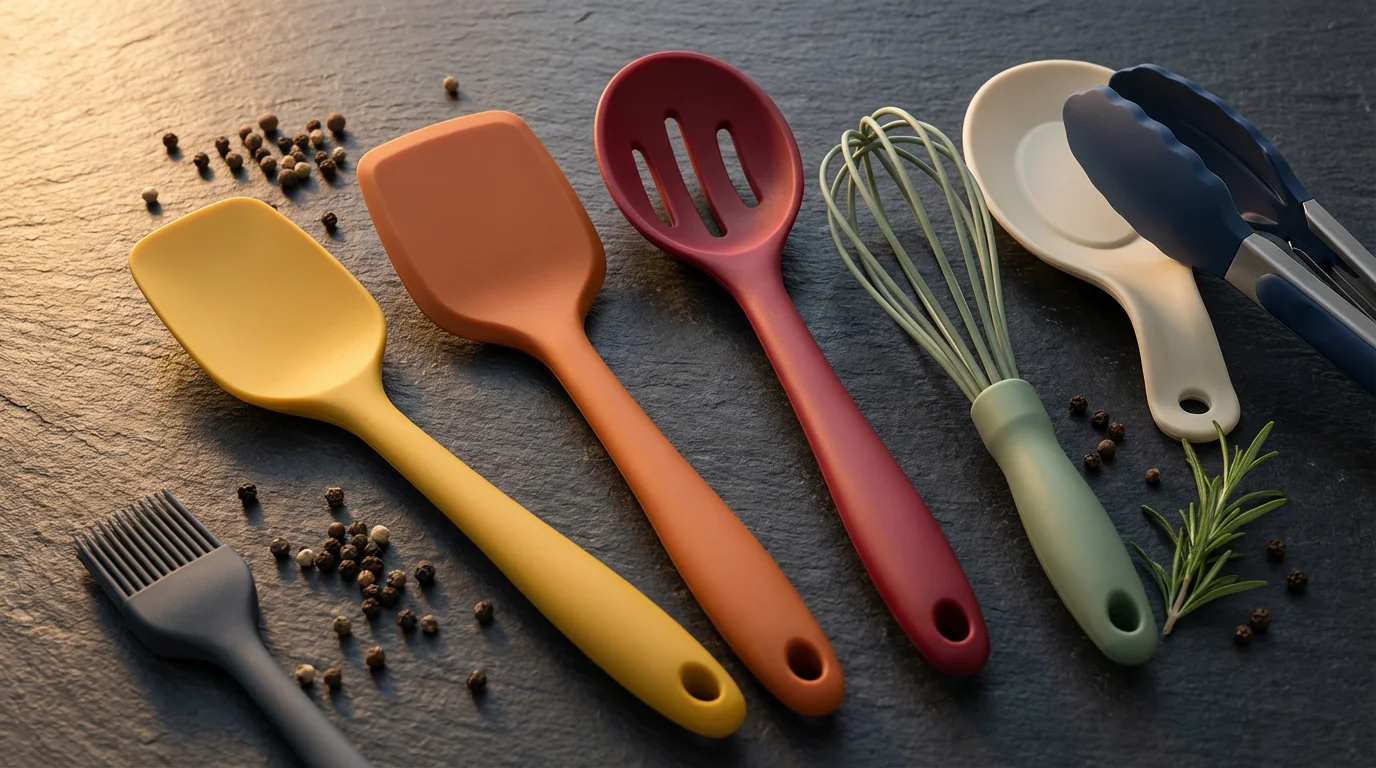
For many kitchens, the silicone spatula is the gateway gadget, demonstrating the material’s undeniable utility. A good quality silicone spatula is invaluable for a variety of tasks.
When selecting a silicone spatula, consider the following:
- Blade Flexibility: Some tasks, like folding egg whites, require a highly flexible blade. For stirring thick batters or scrambling eggs, a firmer blade offers more control. Many manufacturers now offer spatulas with varying degrees of flexibility to suit different needs.
- Handle Material: Handles can be solid silicone, silicone-coated wood, or silicone-coated stainless steel. Solid silicone models prevent food from getting trapped where the head meets the handle, making them highly hygienic and truly dishwasher safe. Wooden handles offer a classic feel but require more care. Stainless steel core handles provide superior durability and rigidity.
- Heat Resistance: Ensure the entire silicone spatula, especially the handle connection, can withstand the temperatures you expect it to encounter. Cheap models sometimes feature silicone heads attached to plastic handles that melt easily.
Beyond spatulas, a comprehensive silicone utensil set can transform your cooking experience:
- Silicone Whisks: These are excellent for non-stick surfaces, allowing you to whisk sauces or scramble eggs directly in your pan without fear of scratching. Their silicone coating protects your cookware, and they are generally easier to clean than traditional wire whisks.
- Silicone Tongs: With silicone tips, these tongs offer a firm, non-slip grip on food without damaging delicate items or scratching your pans. They are perfect for flipping, turning, and serving.
- Silicone Ladles and Spoons: These tools combine the heat resistance and non-scratch properties of silicone with the functionality of traditional ladles and spoons. They are particularly useful for serving from non-stick pots and pans.
When searching for the best silicone utensil set for non-stick pans, prioritize sets where the silicone is seamlessly integrated or permanently bonded to a sturdy core. This prevents heads from detaching, a common complaint with cheaper, two-piece designs.

Beyond the Basics: Specialized Silicone Gadgets Reviewed
While spatulas and basic utensils are kitchen staples, silicone’s versatility extends to more specialized gadgets. Here we review a few examples, assessing their practical value.
Silicone Baking Mats (e.g., Silpat): These are undeniably useful. They provide a non-stick, reusable surface for baking cookies, pastries, and even roasting vegetables. Our tests confirm they promote even baking and effortless release. The investment pays for itself quickly by eliminating parchment paper. They save counter space by replacing bulky baking dishes in some applications and are easy to store rolled up. Buy if: You bake regularly and want consistent results with easy cleanup. Skip if: You rarely bake or prefer traditional greased pans.
Silicone Steamers: These collapsible baskets fit into various pot sizes, providing an efficient way to steam vegetables or dumplings. They are lightweight, flexible, and easy to clean. Their ergonomic design means they often have handles that stay cool, making removal from hot pots safer. Buy if: You frequently steam and want a durable, non-rusting alternative to metal steamers. Skip if: You already have a functional metal steamer and don’t need additional flexibility.
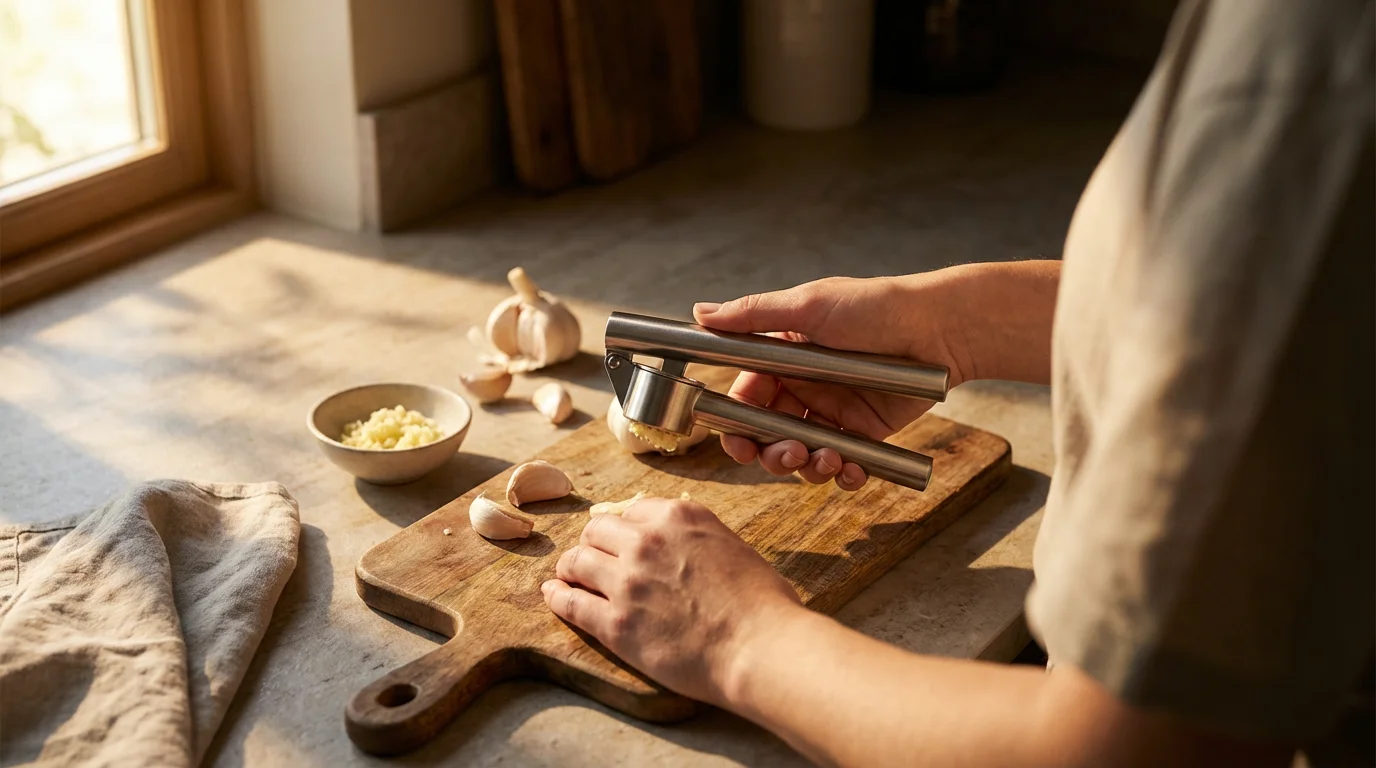
Silicone Garlic Peelers: This is a classic unitasker gadget, designed to peel garlic cloves quickly. You place cloves inside a silicone tube and roll it firmly on the counter. In our testing, it worked effectively, especially for larger cloves, saving sticky fingers. It’s inexpensive and stores easily. Buy if: You use a lot of fresh garlic and dislike peeling it by hand. Skip if: You use pre-peeled garlic or don’t mind the traditional method.
Silicone Egg Separators: Another unitasker, this gadget uses suction to pick up the yolk, leaving the white behind. While it can work, a steady hand and cracked eggshells often suffice. It offers minimal improvement over traditional methods for most home cooks. Buy if: You struggle with separating eggs and prioritize cleanliness over speed. Skip if: You have decent knife skills for cracking eggs or prefer a simpler, less-fussy method.
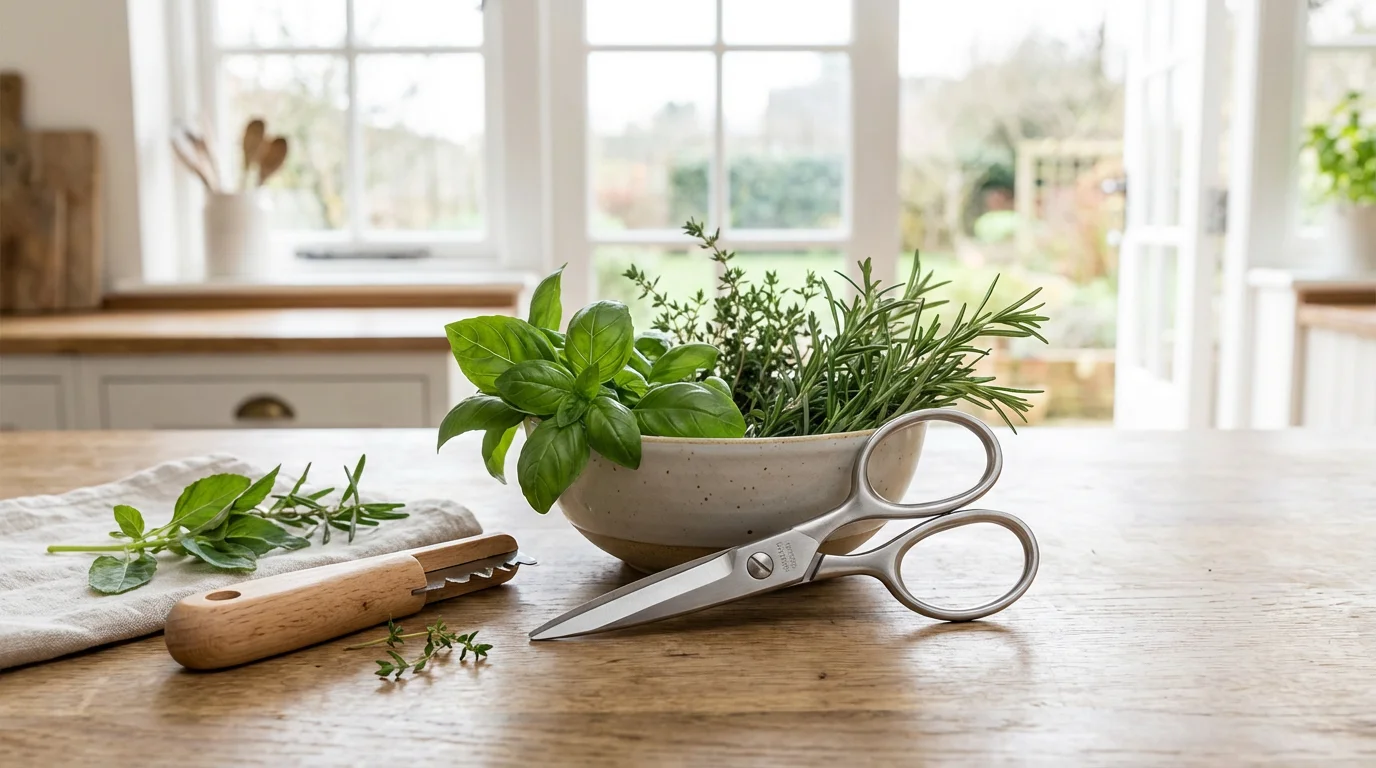
Silicone Herb Strippers: These tools feature various sized holes to pull herb leaves from their stems quickly. For herbs like rosemary or thyme, they save a good amount of time and effort. For softer herbs like parsley, they are less effective. They are small, inexpensive, and easy to store. Buy if: You frequently cook with woody-stemmed herbs. Skip if: You mainly use soft herbs or don’t mind stripping by hand.
Silicone vs. Other Materials: Wood, Metal, and Plastic
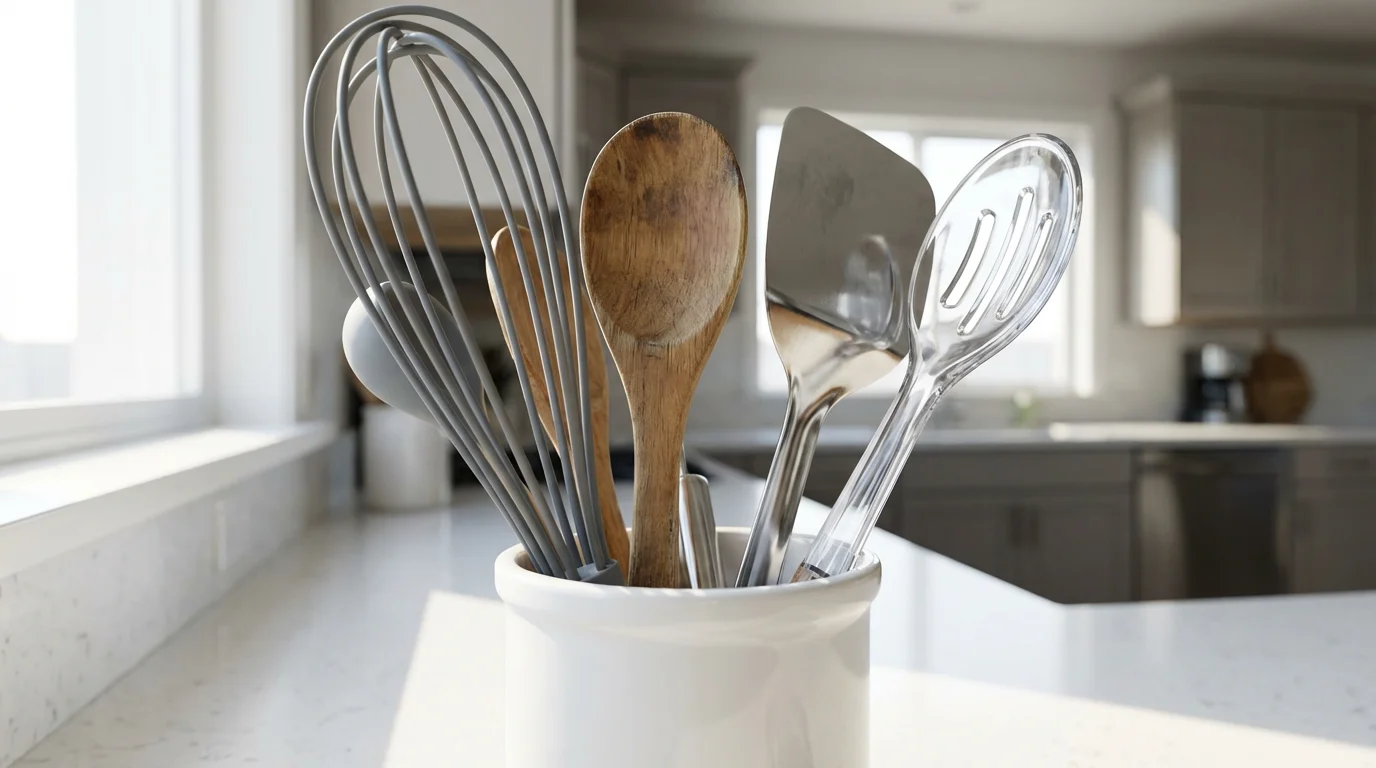
Understanding where silicone stands against traditional kitchen materials helps you choose the right tool for the job. Each material has its strengths and weaknesses.
| Feature | Silicone | Wood | Metal (Stainless Steel) | Plastic |
|---|---|---|---|---|
| Heat Resistance | Excellent (up to 500°F / 260°C) | Poor (can char, crack) | Excellent (very high, can conduct heat) | Poor (melts, warps at low heat) |
| Non-Stick | Naturally non-stick | Not non-stick, can absorb | Not non-stick | Not non-stick |
| Scratch-Free (on non-stick) | Excellent | Good | Poor (can scratch) | Good (can scratch with force) |
| Flexibility | Excellent (flexible blades) | Rigid | Rigid | Varies (can be flexible, brittle) |
| Durability | Very good (resists staining, odors) | Good (can crack, warp) | Excellent (rusts if not stainless steel) | Fair (can stain, scratch, degrade) |
| Cleaning | Easy, dishwasher safe | Hand wash, can absorb odors | Easy, dishwasher safe | Easy, dishwasher safe, can stain |
| Cost | Mid-range | Low to Mid-range | Mid to High-range | Low-range |
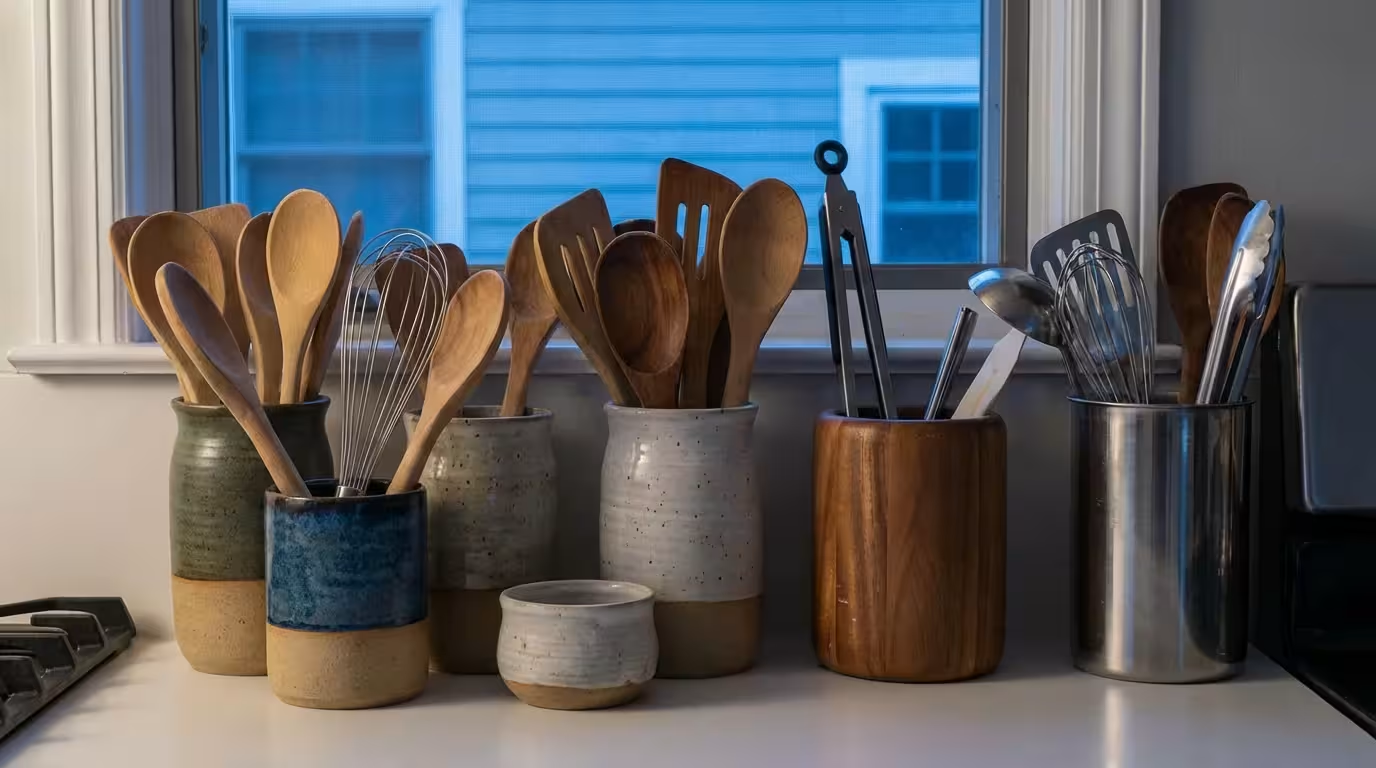
When you consider a new kitchen tool, assess the primary function. If you need a utensil for high-heat stirring in a non-stick pan, a silicone spatula or silicone utensils are a superior choice over metal or plastic. For heavy-duty scraping or chopping, stainless steel or a sturdy wooden tool might still be more appropriate. The best kitchen is one equipped with a thoughtful mix of materials.
Choosing Your Tools: Durability, Ergonomics, and Storage
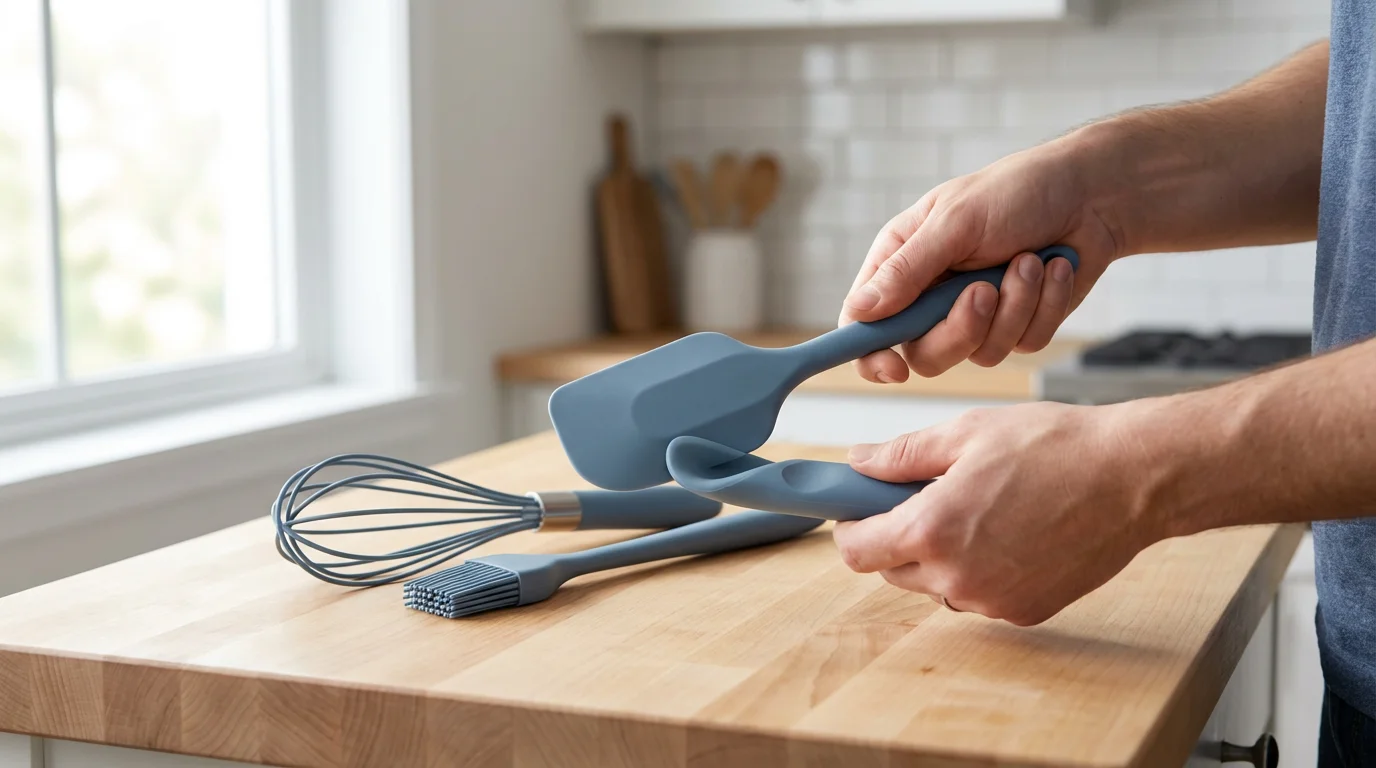
Selecting silicone kitchen tools involves more than just their material composition. You should consider durability, how comfortable they are to use, and how easily they fit into your existing kitchen setup.
Durability and Material Quality: Not all silicone is created equal. Look for tools made from 100% food-grade silicone, preferably with a stainless steel core in utensils for added strength. This prevents the silicone from bending excessively under pressure. Check for seamless construction, especially where the silicone head meets the handle. This design prevents food traps and increases overall hygiene and longevity. According to Consumer Reports’ kitchen product evaluations, examining the integrity of seams and overall construction is key to identifying durable tools.
Ergonomic Design and Ease of Use: An ergonomic tool is designed to be comfortable to hold and use, reducing strain during prolonged tasks. Look for handles that fit well in your hand, offering a non-slip grip even when wet. Test the weight balance: a well-balanced tool feels like an extension of your arm, not a burden. For example, a silicone whisk should feel comfortable and not too heavy, allowing for rapid whipping without hand fatigue. Consider if the tool feels equally comfortable for different hand sizes, an important factor if multiple people use your kitchen.
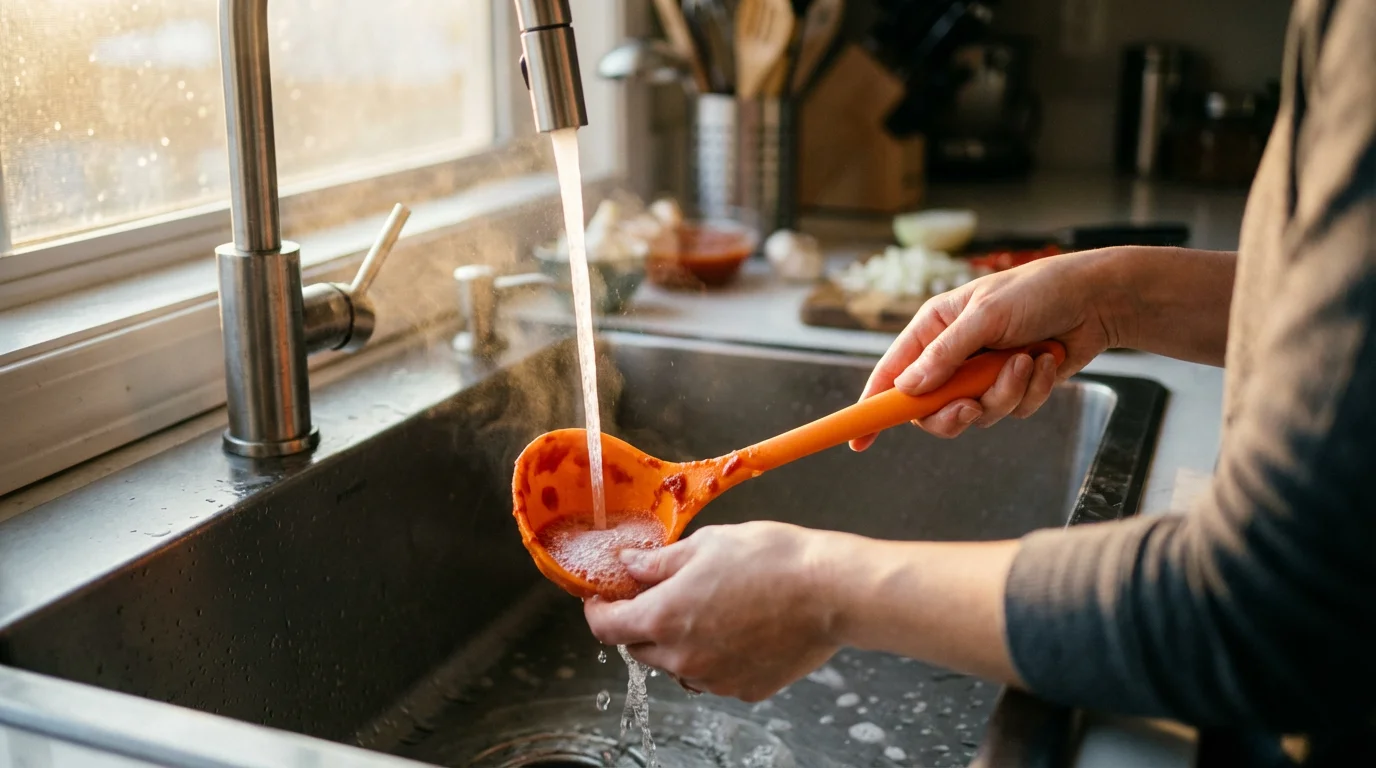
Storage and Cleaning Considerations: While many silicone tools are flexible, remember their overall footprint. Silicone baking mats, for instance, roll up compactly, saving valuable drawer or pantry space. However, larger, rigid silicone molds might require specific storage solutions. Most quality silicone is dishwasher safe, simplifying cleaning. For items that might stain, like a silicone spatula used with tomato sauce, a quick rinse immediately after use can prevent color absorption. Ensure there are no crevices or areas where food can get permanently lodged.
Cleaning and Longevity: Keeping Your Silicone in Top Shape
One of silicone’s major selling points is its ease of cleaning and remarkable longevity, provided you care for it properly. Most silicone kitchen tools are dishwasher safe, which is a huge convenience. For optimal results, place them on the top rack of your dishwasher.
Despite being resistant to odors and stains, silicone can occasionally absorb strong colors or smells, especially if left in contact with highly pigmented foods like tomato paste or curry. To prevent this, rinse or wash your silicone tools immediately after use. If a stain or odor persists, a simple solution of baking soda and water can often do the trick. Create a paste, apply it to the affected area, let it sit for a few hours or overnight, then scrub and rinse.
While silicone is heat resistant, direct exposure to open flames or sharp objects can still damage it. Avoid using silicone spatulas to scrape stuck-on food from the bottom of a pan with excessive force, as metal flakes could eventually tear the material. Similarly, do not use knives or other sharp utensils directly on silicone baking mats. These practices will significantly extend the life of your tools. Good quality silicone, properly cared for, can last for many years, offering excellent value.
“The true test of a kitchen tool’s value comes from its performance over time. Quality silicone, maintained correctly, consistently delivers on its promises of durability and ease of use, making it a worthwhile investment for the home cook.” — America’s Test Kitchen
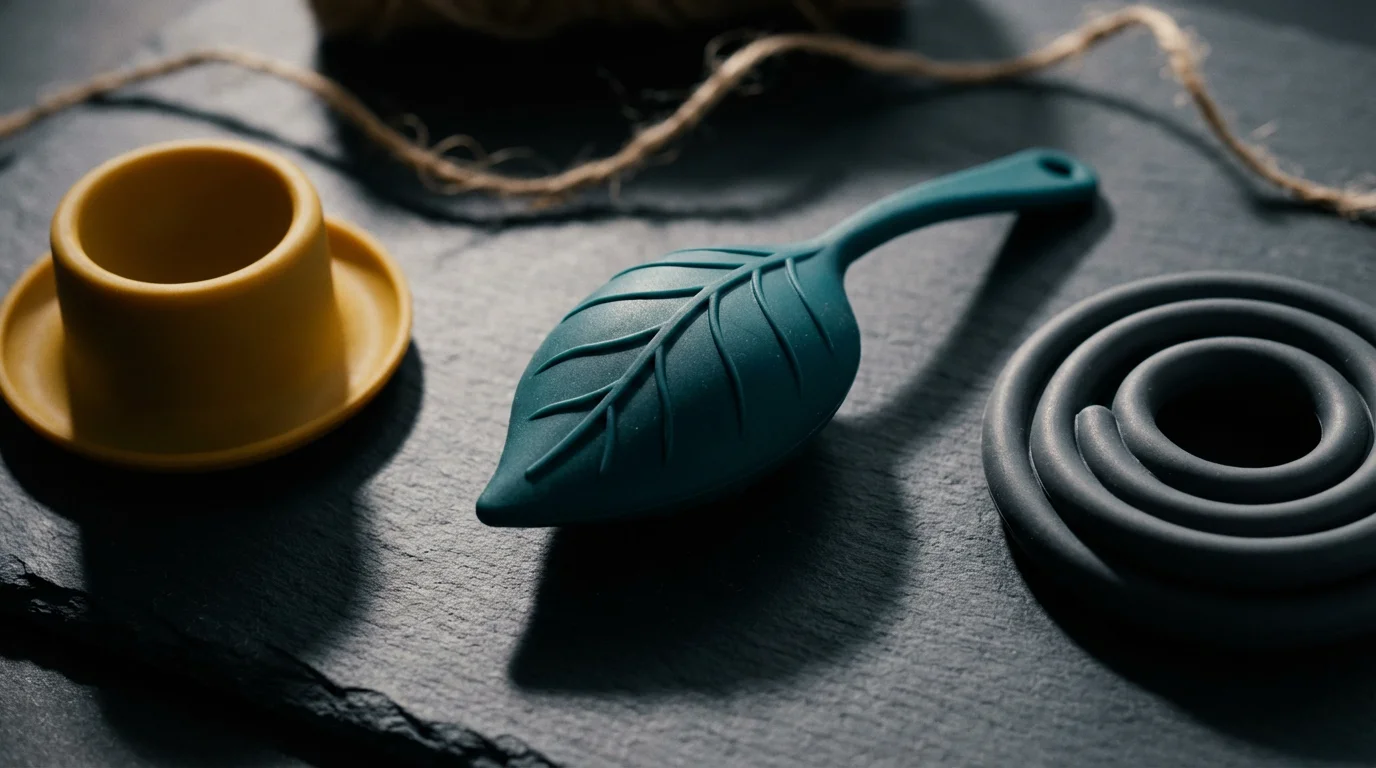
Gift-Worthy Silicone Gadgets and Smart Stocking Stuffers
When searching for a thoughtful gift for a fellow home cook, or for small, practical kitchen stocking stuffers, silicone items frequently top the list. Their blend of practicality, vibrant colors, and often affordable price points make them excellent choices.
Top Gift-Worthy Silicone Gadgets:
- High-Quality Silicone Spatula Set: A set that includes various sizes and shapes (spoonula, scraper, flipper) is always appreciated. Look for seamless, heat-resistant designs, perhaps with stainless steel cores for durability. This is a foundational gift that any cook will use daily.
- Silicone Baking Mats: A set of two good quality silicone baking mats is a fantastic gift for bakers. They simplify cleanup, promote even baking, and are reusable for years.
- Silicone Oven Mitts/Pot Holders: These offer superior heat protection compared to cloth alternatives, are waterproof, and provide a secure, non-slip grip. Many designs also feature an ergonomic fit.
- Silicone Whisk for Non-Stick Pans: A specialty item, but highly valued by those who want to protect their non-stick cookware while whisking sauces or gravies.
Smart Stocking Stuffers (Under $15-20):
- Single Premium Silicone Spatula: A high-quality, ergonomic silicone spatula is a great, inexpensive upgrade for anyone’s kitchen.
- Silicone Garlic Peeler: For the garlic lover, this unitasker delivers on its promise of quick, clean peeling.
- Silicone Pastry Brush: Far superior to traditional bristle brushes, silicone pastry brushes do not shed bristles, are easy to clean, and are heat resistant.
- Silicone Trivet/Hot Pad: Flexible, colorful, and highly functional for protecting countertops from hot dishes. Many designs also double as jar openers.
When gifting, consider the recipient’s cooking habits. If they bake frequently, a baking mat makes sense. If they are just starting their kitchen journey, a versatile silicone utensil set for non-stick pans is an excellent foundation.
Frequently Asked Questions
Are silicone kitchen tools safe for high heat?
Yes, good quality, food-grade silicone kitchen tools are highly heat resistant, typically tolerating temperatures up to 450°F (232°C) or even 500°F (260°C) without melting or leaching. Always check the manufacturer’s specific temperature ratings for optimal safety.
Can silicone utensils scratch my non-stick pans?
No, silicone utensils are specifically designed to be gentle on cookware. Their soft, flexible nature prevents them from scratching or damaging delicate non-stick coatings, making them an ideal choice for extending the life of your pans.
How do I clean my silicone kitchen tools?
Most silicone kitchen tools are dishwasher safe and can be placed on the top rack. For stubborn stains or odors, a paste of baking soda and water, left to sit for a few hours, then scrubbed and rinsed, often removes any residue effectively.
Is “BPA-free” important for silicone products?
“BPA-free” means the product is made without bisphenol A, a chemical some consumers prefer to avoid. While silicone itself typically does not contain BPA, opting for products explicitly labeled “BPA-free” ensures you are choosing materials that meet higher safety standards and address common consumer concerns.
Do silicone tools absorb odors or flavors from food?
High-quality, non-porous silicone tools are highly resistant to absorbing odors or flavors. However, prolonged exposure to highly pigmented or strong-smelling foods, like tomato sauce or garlic, can sometimes lead to temporary absorption. Prompt washing usually prevents this, and the baking soda method can resolve persistent issues.
Disclaimer: Product prices and availability change frequently. Prices shown were accurate at time of writing but may have changed. We may earn a small commission from purchases made through links on this site, at no extra cost to you. Always verify current pricing on the retailer’s website before purchasing.

Leave a Reply