
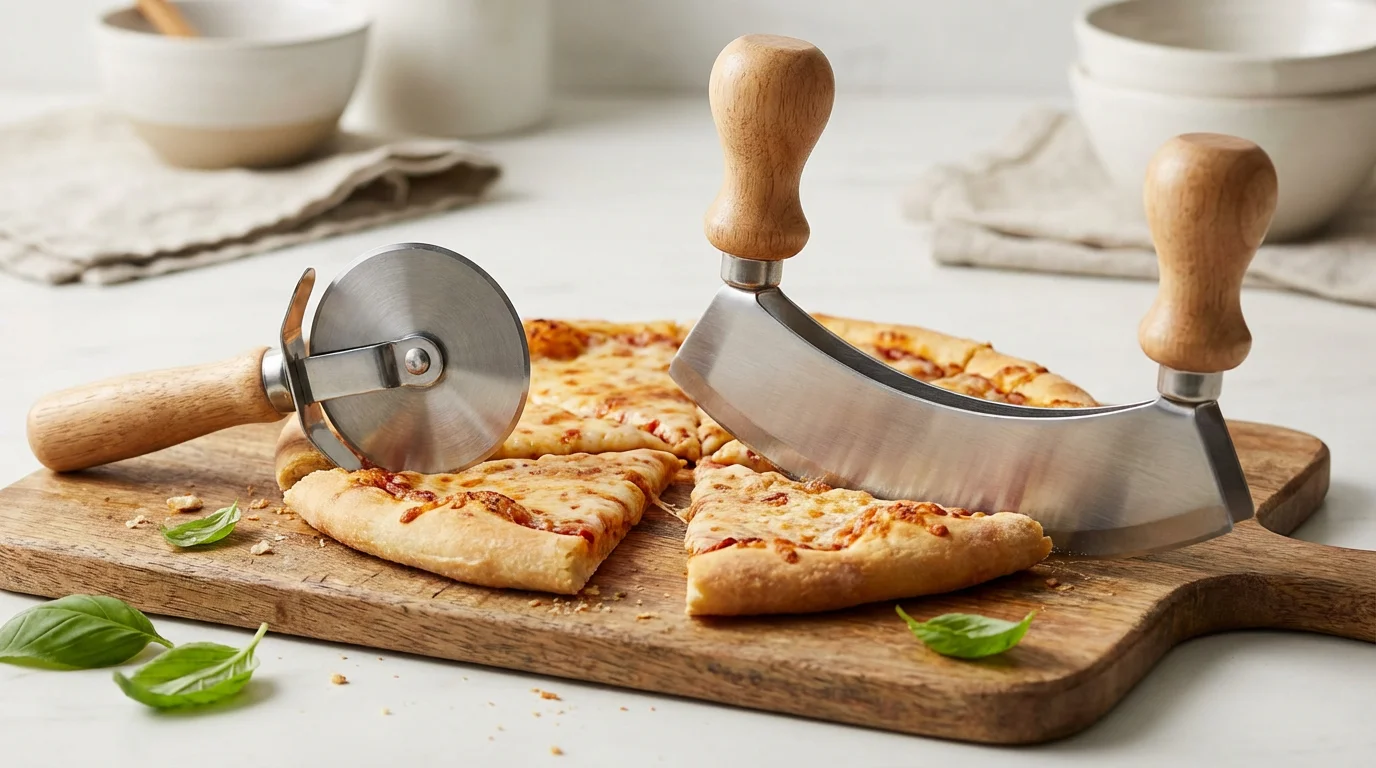
For home cooks across the USA, making pizza often means enjoying a culinary creation. Yet, cutting that perfectly baked pie can become a frustrating battle, especially when your tool fails to deliver a clean slice. The market offers two primary contenders in the pizza cutting arena: the traditional pizza wheel and the powerful rocker blade. Both promise effortless slicing, but their designs and performance differ significantly. We test these two styles to help you choose the best pizza cutter for your kitchen, ensuring your next pizza night goes smoothly without a fight with a wobbly blade or a messy, torn crust.
To get that perfect crust every time, using the best kitchen timers is just as important as the tool you use to cut it.
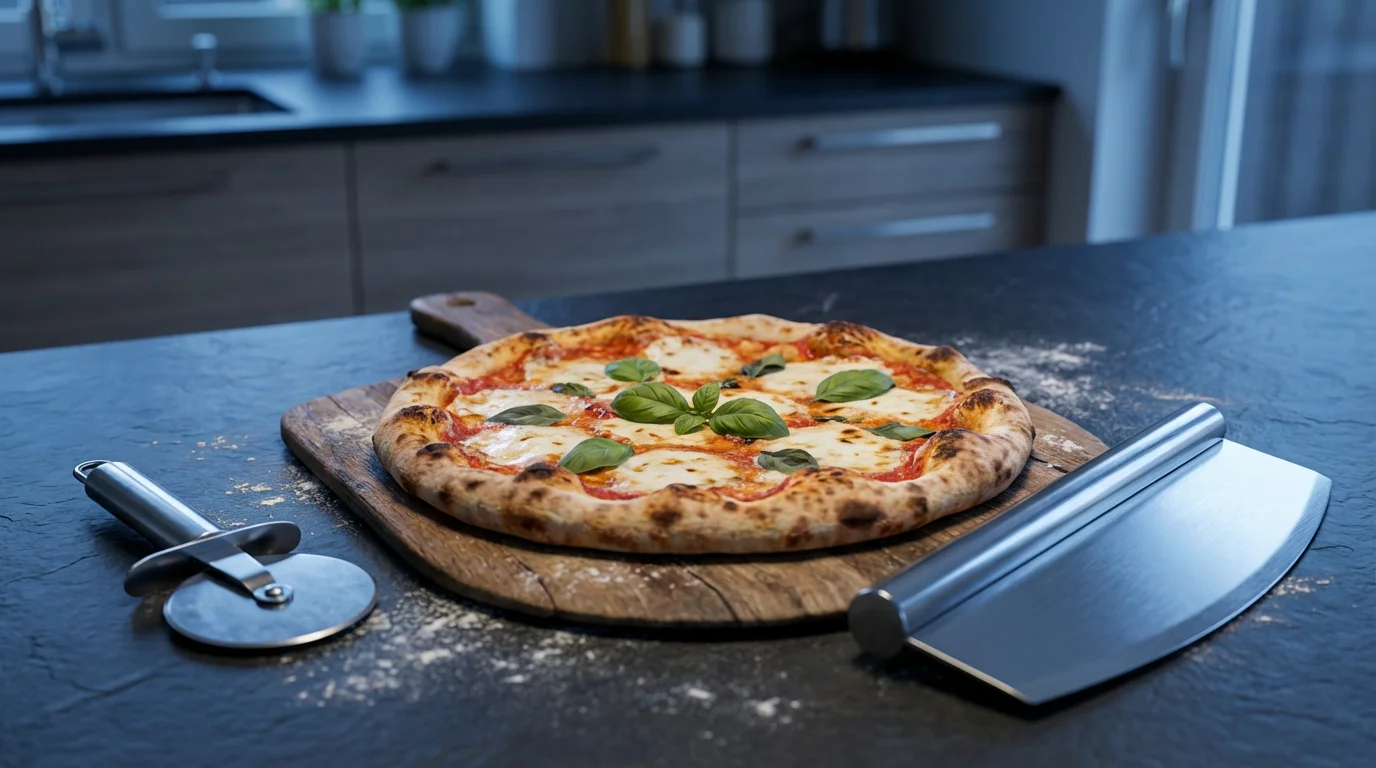
The Pizza Cutter Conundrum: Choosing Your Blade
You have likely experienced the disappointment of a dull pizza cutter, dragging cheese, tearing crusts, and leaving a trail of frustration. Many gadgets promise to simplify kitchen tasks, but only a select few truly deliver. When it comes to pizza cutters, the choice between a wheel and a rocker blade boils down to your cutting style, the types of pizzas you enjoy, and your priorities for cleanup and storage. We dive deep into both styles, examining their strengths and weaknesses with a skeptical eye, ensuring you invest in a tool that performs reliably rather than another gadget gathering dust.
The Classic Wheel Cutter: Precision in Motion
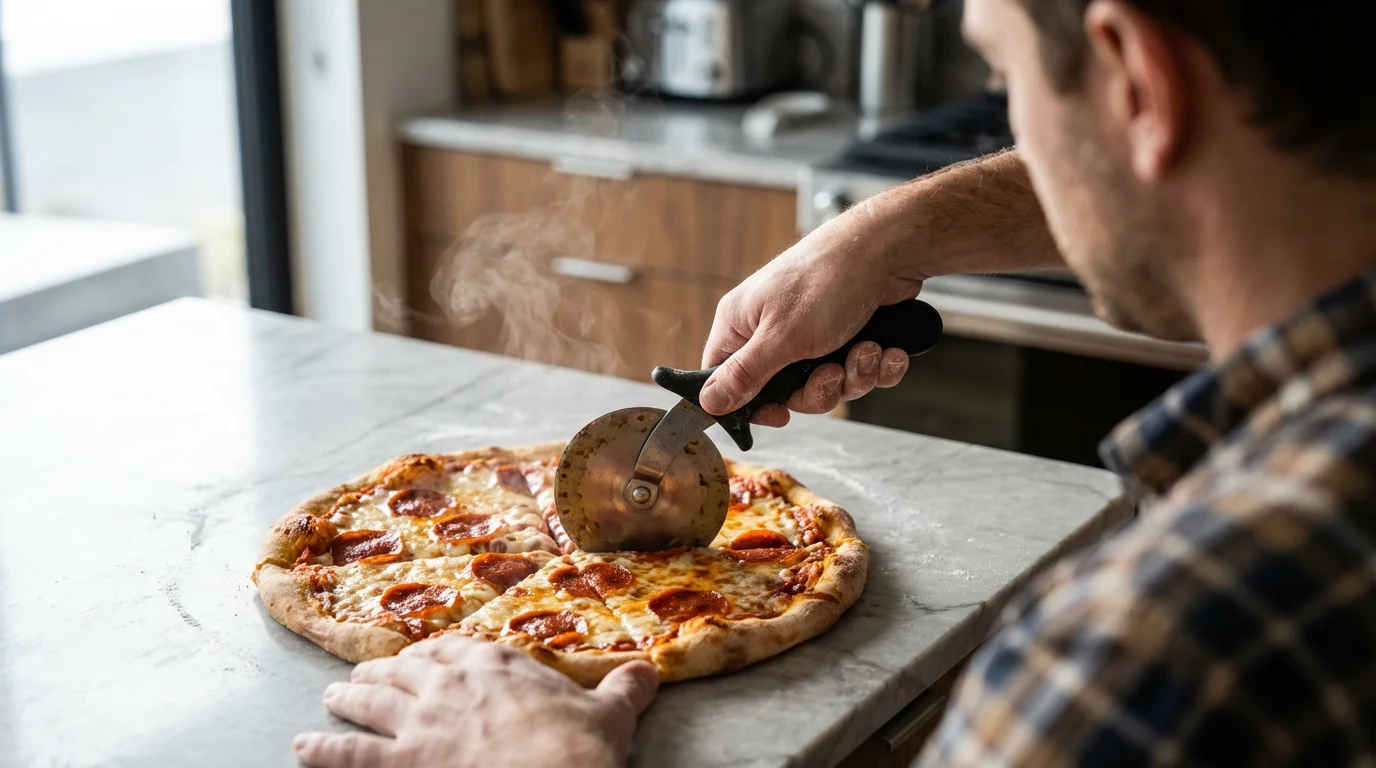
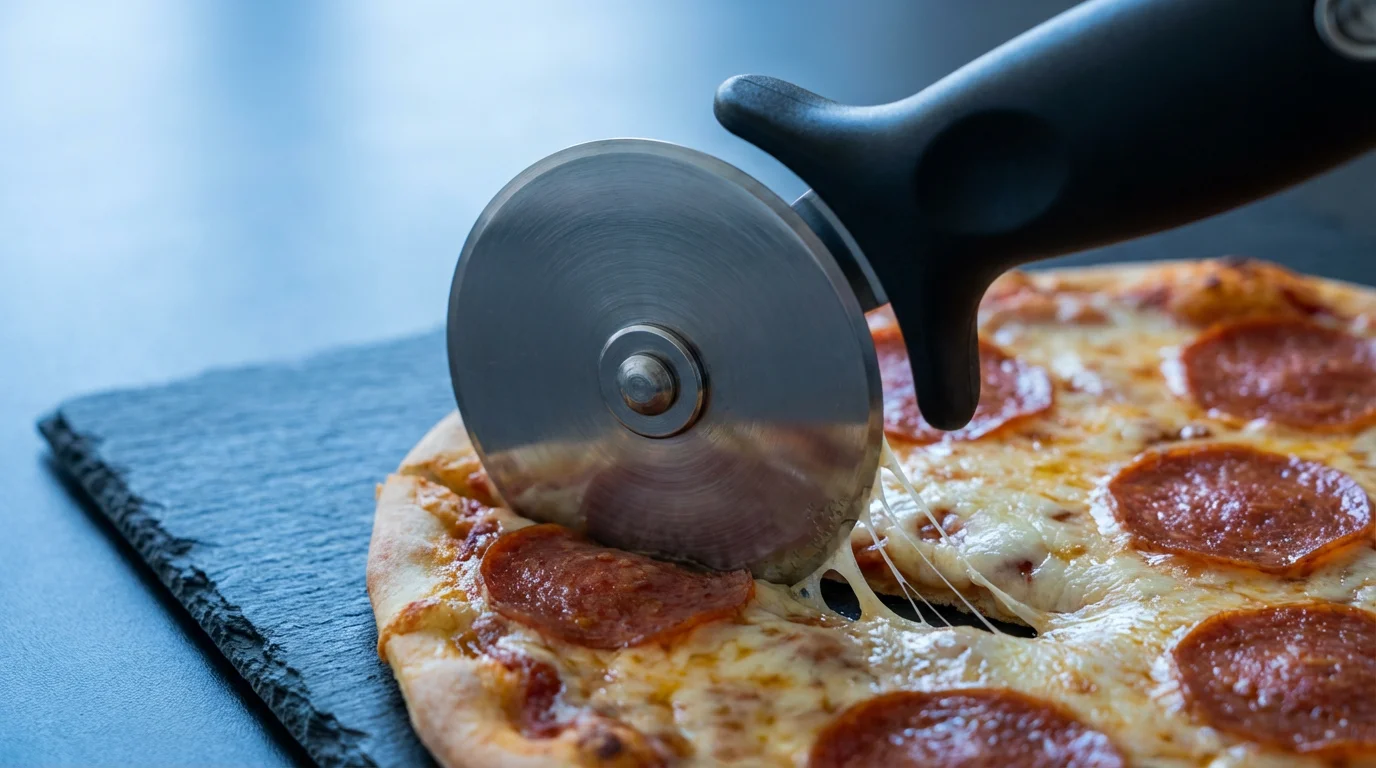
The pizza wheel remains a ubiquitous kitchen tool, instantly recognizable by its circular blade mounted on a handle. Its design allows for a rolling motion, cutting through pizza with varying degrees of success depending on the blade’s sharpness and the user’s technique. Many home cooks gravitate toward this familiar design, but not all wheel cutters are created equal.
Choosing between different blade styles is much like evaluating manual vs electric citrus juicers; it often comes down to personal preference and volume.
Design and Variations
Wheel cutters come in several forms: small handheld models, larger wheels with more substantial handles, and even enclosed designs for safety. Most feature a stainless steel blade, a durable metal that resists rust and staining, paired with a handle made from plastic, silicone, a flexible, heat-resistant material, or wood. Some models include a blade guard, improving safety during storage.
Pros of the Wheel Cutter
- Maneuverability: Its compact size allows you to navigate tight turns and cut slices of various shapes, which is particularly useful for irregularly shaped homemade pizzas.
- Control: You maintain precise control over the cutting path, making it easier to follow existing score lines or create intricate patterns.
- Storage: Many wheel cutters are relatively small, fitting easily into kitchen drawers without occupying significant space.
- Price Point: You can find functional wheel cutters at a wide range of price points, making them accessible to most budgets.
Cons of the Wheel Cutter
- Blade Drag: A common issue is the blade dragging toppings or cheese, especially if it is not exceptionally sharp or if the pizza has generous toppings. This often leads to a messy cut and an unevenly topped slice.
- Multiple Passes: Thick crusts, particularly deep-dish pizza, often require multiple passes to cut completely through, increasing the risk of disturbing toppings. This can be frustrating when you want a quick, clean cut.
- Cleaning: Food can get lodged around the axle where the blade attaches to the handle, making thorough cleaning a challenge.
The Dominant Rocker Blade: Power and Efficiency
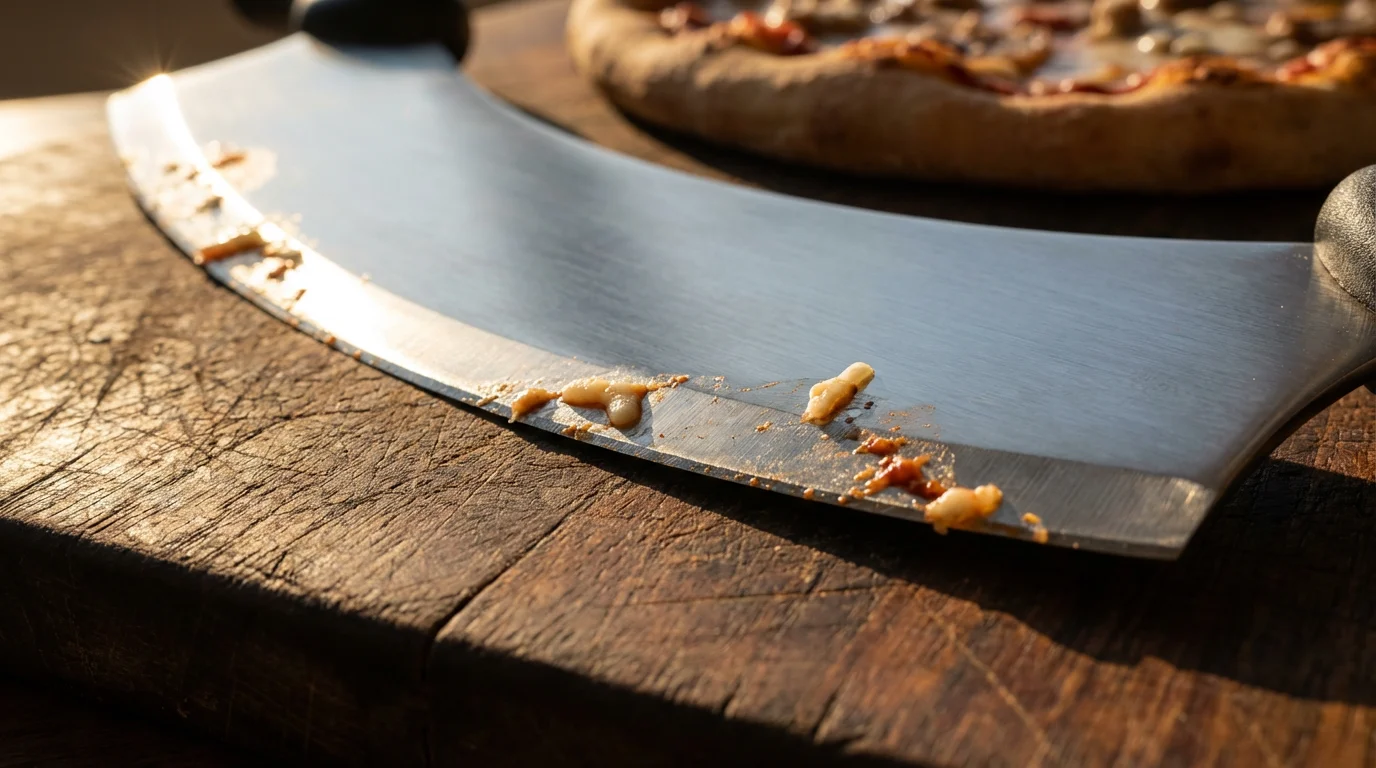
Also known as a pizza mezzaluna, the rocker blade offers a distinctly different approach to pizza cutting. This crescent-shaped blade, often quite large, requires a two-handed grip and a rocking motion to slice through the pizza. Pizzerias frequently use rocker blades for their speed and efficiency.
If you prepare fresh greens for your pizza toppings, you might also wonder if tools like salad spinners are a necessary addition to your kitchen.
Design and Variations
Rocker blades typically feature a single, long, curved blade, ranging from 12 to 20 inches in length. They often come with handles integrated directly into the blade or as separate grips on either end. Materials are almost exclusively stainless steel for the blade, with handles varying from plastic to wood or silicone for a non-slip grip, a handle designed to not slide in your hand, even when wet. Some models include a protective sheath for safe storage.
Pros of the Rocker Blade
- Clean, Single Pass Cuts: A sharp rocker blade can slice through an entire pizza in one swift, decisive motion. This minimizes cheese drag and keeps toppings intact, resulting in cleaner, more aesthetically pleasing slices.
- Speed: For those who frequently make or serve multiple pizzas, the speed of a rocker blade is a significant advantage. You can cut an entire pizza in seconds.
- Versatility: Its long blade handles not only pizza but also herbs, vegetables, and even pastries, making it less of a unitasker, a gadget that only does one specific task, than some might assume.
- Deep Dish Champion: Its broad surface and cutting power make it the best pizza cutter for deep dish pizza, easily navigating through thick layers of crust, cheese, and toppings.
Cons of the Rocker Blade
- Storage: Its size presents a storage challenge. Most rocker blades require dedicated drawer space or a magnetic knife strip, as they do not fit neatly into standard utensil crocks.
- Learning Curve: Mastering the rocking motion for a clean, even cut can take a few attempts. Incorrect technique can still result in torn crusts or uneven slices.
- Safety: A large, extremely sharp blade requires careful handling, both during use and cleaning. Always use a protective sheath if provided.
- Countertop Protection: You absolutely need a cutting board or a pizza peel to protect your countertops from the blade. Directly cutting on a stone or metal surface will dull the blade quickly.
Performance Showdown: Cutting Through the Crust
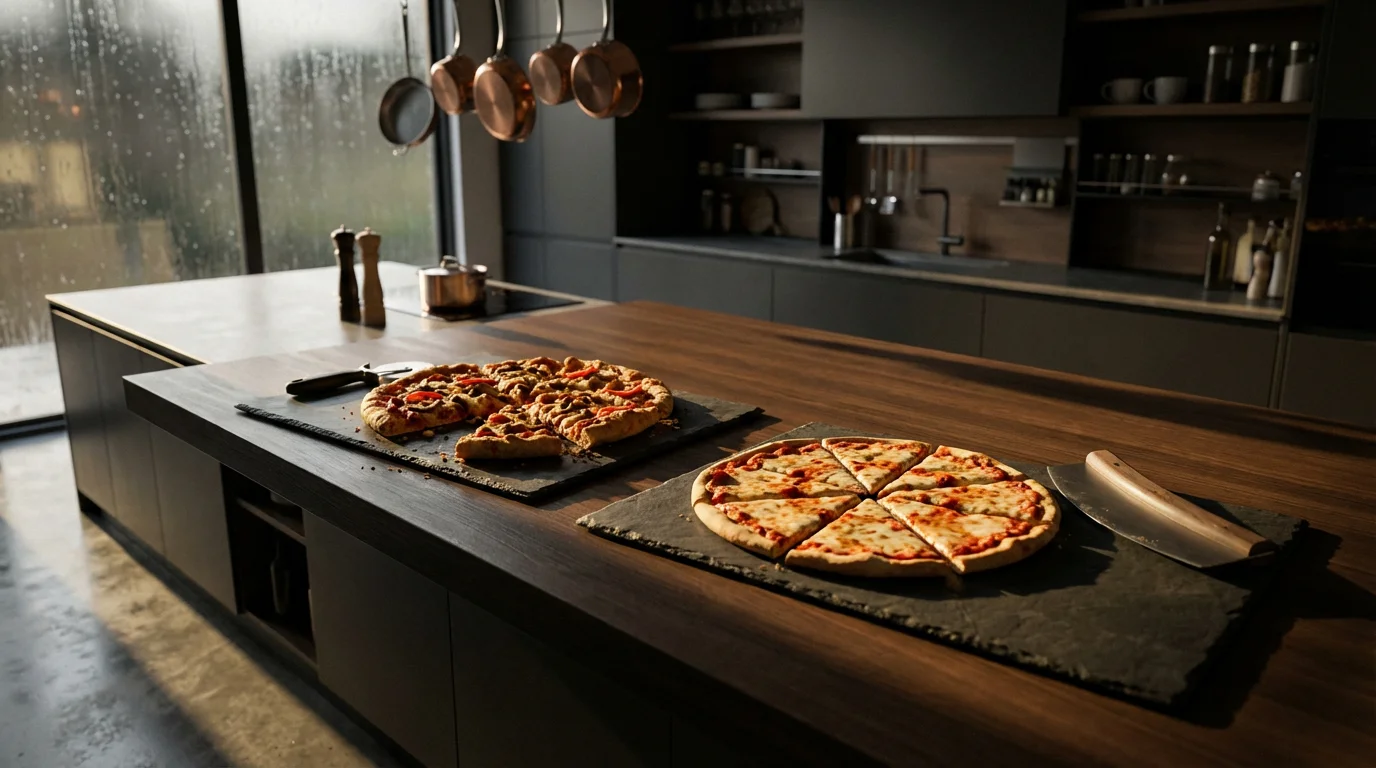
To truly understand the differences, we put both styles to the test on various pizza types. Our observations reveal distinct performance profiles.
Thin Crust Pizza
Wheel Cutter: Performs adequately on thin, crispy crusts. A sharp wheel cutter makes a clean cut. However, a dull blade still crumbles the crust rather than slices it, leading to a ragged edge. Light toppings fare better; dense toppings are prone to dragging.
Rocker Blade: Excels on thin crusts. The single, decisive rock prevents almost any topping disturbance and delivers incredibly clean edges. The breadth of the blade ensures even pressure across the slice, preventing breakage common with very thin crusts.
Standard Crust Pizza
Wheel Cutter: This is where most wheel cutters show their limitations. Unless exceptionally sharp and wielded with significant downward pressure, you often need two or three passes to cut through the bottom crust. This increases the likelihood of how to cut pizza without making mess, pulling cheese, and pushing toppings.
Rocker Blade: Cuts through standard crusts with ease in a single motion. The consistent pressure across the blade’s length ensures a complete cut without disturbing toppings or requiring multiple passes. This style significantly reduces the mess often associated with cutting pizza.
Deep Dish Pizza
Wheel Cutter: Struggles significantly. The height and density of deep dish pizza make it challenging for a wheel cutter to penetrate fully in one pass. Repeated attempts inevitably displace toppings and create an unsightly mess. Our tests confirmed that a wheel cutter is generally inefficient for deep dish.
Rocker Blade: This tool truly shines with deep dish pizza. Its large, sharp blade and the leverage provided by two hands allow for a powerful downward rock that severs through even the thickest layers of crust, cheese, and toppings cleanly. This is unequivocally the best pizza cutter for deep dish pizza, ensuring beautiful, intact slices.
“The hallmark of an effective kitchen tool is its ability to perform its primary function flawlessly and without undue effort. For pizza, that means a clean cut, every time, regardless of crust thickness or topping generosity.”
Durability and Materials: Stainless Steel vs. The Rest
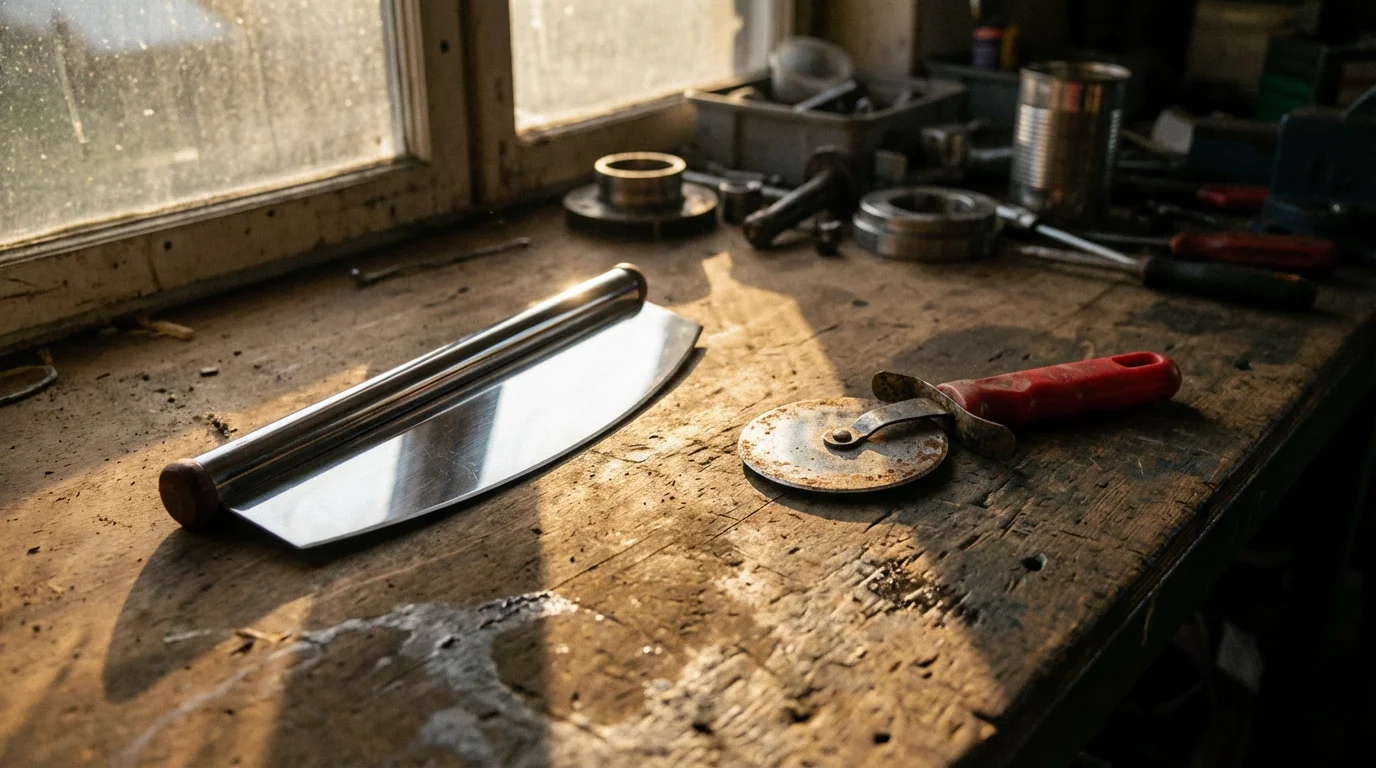
The longevity of your pizza cutter largely depends on its construction materials and design. Investing in quality pays off, preventing frequent replacements.
Blade Material
Stainless Steel: The industry standard for both wheel and rocker blades. High-carbon stainless steel blades maintain sharpness longer and resist corrosion. Inferior stainless steel can dull quickly and may even pit over time. When selecting, look for descriptions like “high-carbon stainless steel” or “forged stainless steel” to indicate better quality.
Blade Thickness: Thicker blades generally offer more rigidity and durability, particularly important for rocker blades which experience significant downward force. A thin, flimsy blade on either style will flex, making clean cuts difficult and increasing the risk of bending or breaking.
Handle and Grip
Plastic: Common in budget-friendly wheel cutters. Look for BPA-free, made without a chemical (BPA) that some people prefer to avoid, and sturdy plastics. Ergonomic, designed to be comfortable to hold and use, handles with a non-slip grip enhance safety and comfort. Cheap plastic handles can crack or become brittle over time.
Silicone: Often used as an overmold on plastic or metal handles, silicone provides an excellent non-slip grip and heat resistance. It adds comfort and reduces hand fatigue during extended use.
Wood: Offers a classic aesthetic but requires more maintenance. Wooden handles are generally not dishwasher safe and can crack, warp, or harbor bacteria if not dried properly. They provide a comfortable grip but lack the non-slip properties of silicone or textured plastics.
Integrated Metal: Many high-end rocker blades feature a single piece of stainless steel that forms both the blade and the handles. This construction offers superior durability, eliminating points of failure found in multi-part assemblies.
According to Serious Eats’ equipment reviews, the best kitchen tools prioritize robust construction and thoughtful design, ensuring they withstand repeated use and cleaning cycles. Our testing aligns with this; a well-built tool reduces frustration and offers better value.
Ergonomics and Storage: Comfort Meets Convenience
A good kitchen gadget feels comfortable in your hand and fits seamlessly into your kitchen storage system. These factors significantly influence how often you actually use a tool.
Ergonomic Design
For Wheel Cutters:
- Handle Size: Handles should provide a comfortable grip for various hand sizes. Some smaller wheels feel flimsy in larger hands, while oversized handles can be awkward for smaller hands.
- Finger Guard: Essential for safety, a finger guard protects your hand from slipping onto the blade during vigorous cutting.
- Weight Distribution: A well-balanced wheel cutter feels substantial but not heavy, allowing for controlled pressure without strain.
For Rocker Blades:
- Handle Position: Handles should be wide enough for a secure, two-handed grip and positioned to allow natural rocking motion without hand interference.
- Blade Curvature: The blade’s curve affects the ease of rocking. A well-designed curve ensures smooth, even contact with the pizza as you cut.
- Overall Weight: A heavier rocker blade can use gravity to its advantage, requiring less downward force from you. However, it should not be so heavy as to become cumbersome.
Storage Considerations
Wheel Cutters:
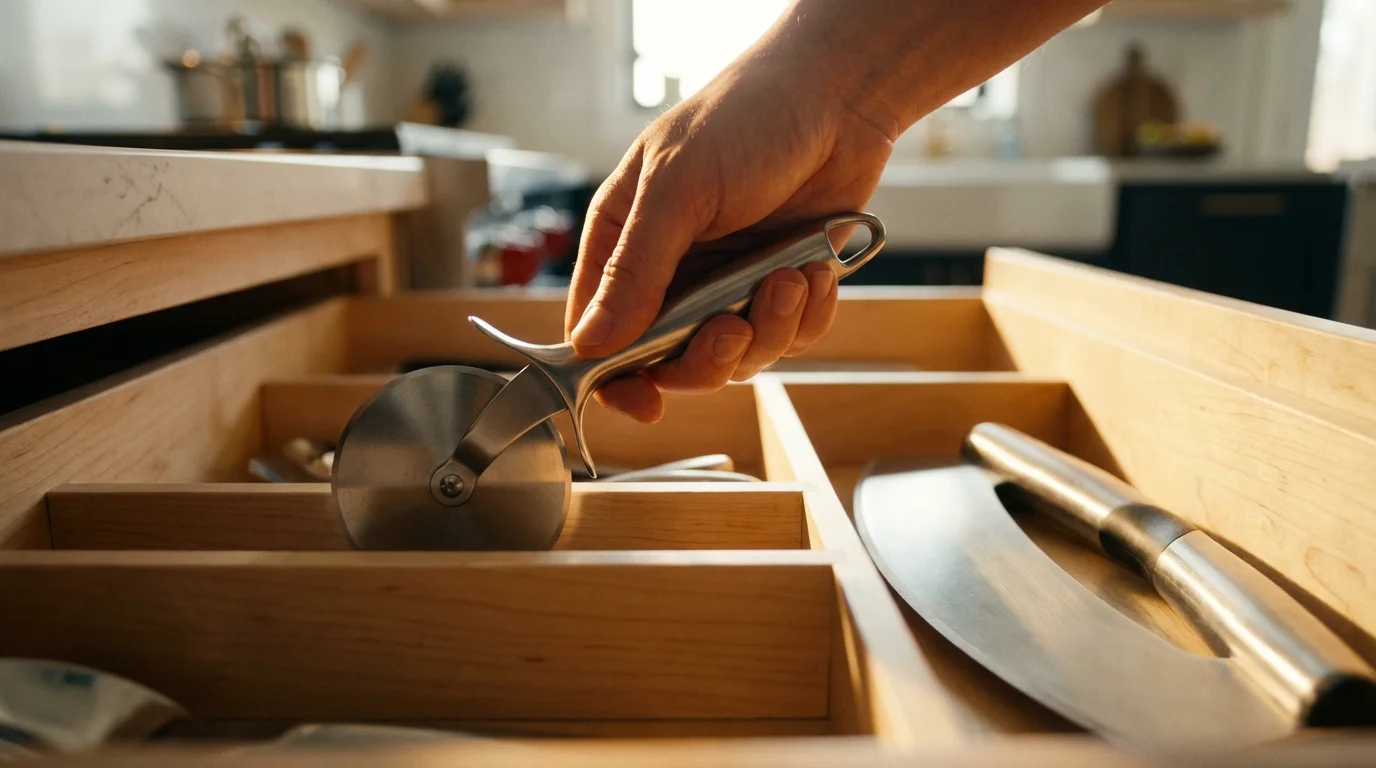
Typically compact, most wheel cutters fit into standard utensil drawers. Some models feature a hanging loop for pegboard storage. Look for models with blade guards or enclosed designs to protect both the blade and your hands when rummaging through drawers.
Rocker Blades:
Their size is the primary challenge. A 14-inch rocker blade simply will not fit in most standard utensil drawers.
Common storage solutions include:
- A dedicated, longer kitchen drawer.
- A magnetic knife strip mounted on a wall.
- A protective sheath for the blade, allowing safer storage upright in a deep cupboard or on a shelf.
Consider your available kitchen space before committing to a rocker blade, as it demands more room than a wheel cutter.
Cleaning and Maintenance: Keeping Your Cutter Pristine
Ease of cleaning directly impacts how often you reach for a gadget. Nobody wants a tool that requires a lengthy, intricate cleaning process after every use.
While pizza cutters handle large pies, specialized avocado tools are perfect for processing smaller, delicate ingredients for gourmet toppings.
Dishwasher Safety
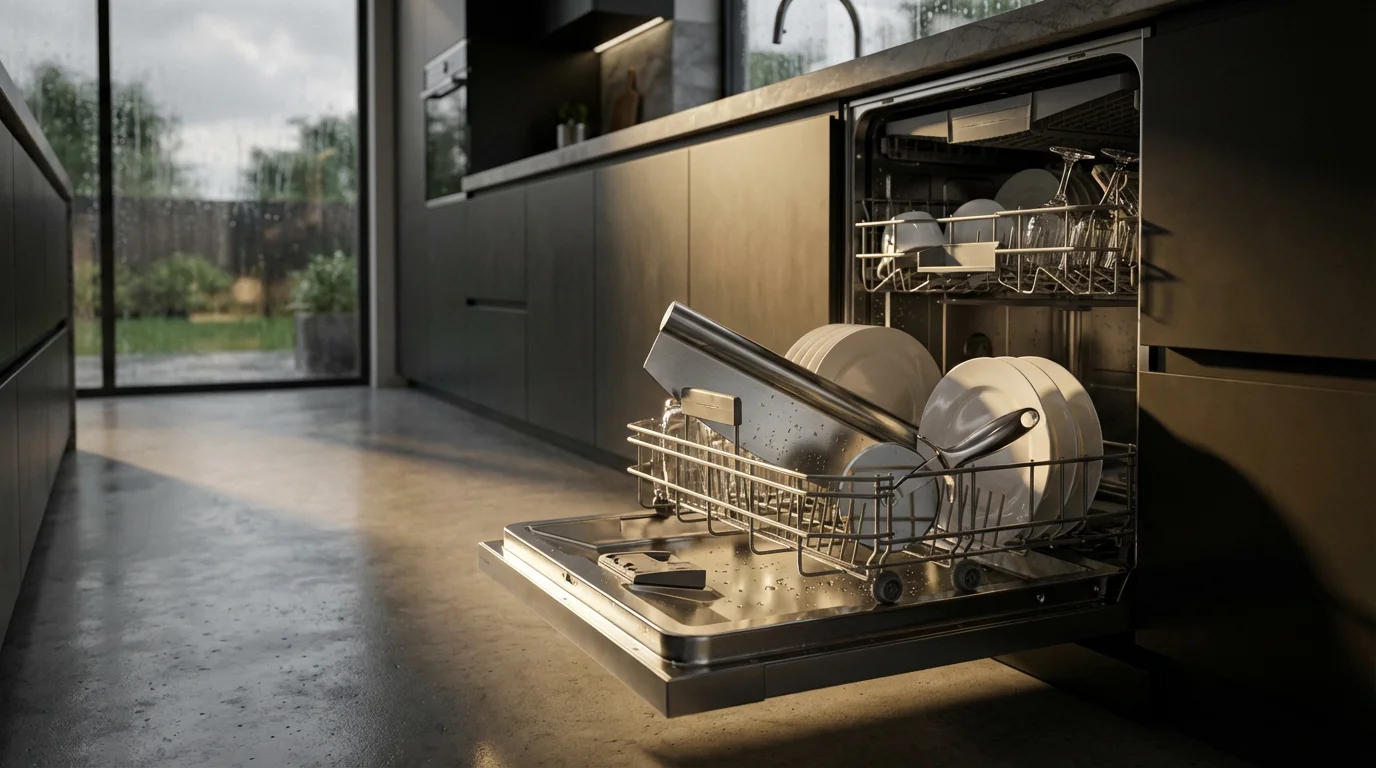
Dishwasher Safe, can be cleaned in a dishwasher without damage: Many wheel cutters with stainless steel blades and plastic or silicone handles are dishwasher safe. Always check manufacturer instructions. Dishwashing simplifies cleanup significantly. However, even dishwasher-safe items benefit from a quick rinse immediately after use to prevent food from drying onto the blade or components.
Hand Washing Recommended: Rocker blades, especially those with wooden handles or extremely sharp edges that you want to preserve, often recommend hand washing. Hand washing also applies to any pizza cutter with intricate parts where cheese or sauce might accumulate. For wheel cutters, pay close attention to the axle area. For rocker blades, cleaning is generally straightforward due to the large, open blade, but handle with extreme care due to sharpness.
Blade Care
Sharpness: A sharp blade is crucial for both styles. Wheel cutters are notoriously difficult to sharpen effectively at home without specialized tools. Rocker blades, being essentially a large knife, can be sharpened using standard knife sharpeners or professional services. Regular sharpening ensures consistent performance and extends the life of your tool.
Rust Prevention: While stainless steel resists rust, it is not impervious. Always dry your pizza cutter thoroughly after washing, especially if you hand wash it. Air drying can lead to water spots or, in extreme cases, rust on lesser quality stainless steel. Wooden handles require particular attention to drying to prevent warping or mildew.
Making Your Choice: Which Cutter Suits Your Kitchen?
Your ideal pizza cutter depends on your specific needs, the types of pizzas you typically make, and your kitchen habits. We offer clear recommendations to guide your purchase.
Buy a Wheel Cutter if you:
- Primarily make thin or standard crust pizzas.
- Value compact storage and easy drawer access.
- Prefer a familiar, single-hand operation.
- Have a smaller budget for kitchen gadgets.
- Only cut pizza occasionally and do not want a specialized tool.
- Desire a dishwasher-safe option for minimal cleanup effort.
Look for wheel cutters with a sturdy, ergonomic handle, a substantial stainless steel blade, and a finger guard. Brands like OXO or KitchenAid often offer reliable models in this category.
Skip the Wheel Cutter if you:
- Regularly make deep dish, Detroit-style, or very thick crust pizzas.
- Are frequently frustrated by cheese drag and torn crusts.
- Want the fastest, cleanest cut possible for entertaining or multiple pizzas.
- Are willing to invest in a more specialized, powerful tool.
Buy a Rocker Blade if you:
- Frequently make or serve deep dish, thick crust, or large pizzas.
- Prioritize extremely clean, single-pass cuts without disturbing toppings.
- Have ample kitchen storage space for a longer utensil.
- Are comfortable with a two-handed operation and careful handling of a sharp blade.
- Appreciate a tool with additional versatility for chopping herbs or pastries.
Consider rocker blades from brands like Wüsthof, KitchenAid, or dedicated pizza tool manufacturers. Ensure it comes with a protective sheath for safety. As America’s Test Kitchen often emphasizes, the right tool makes a significant difference in both efficiency and the quality of your culinary results.
Skip the Rocker Blade if you:
- Have very limited kitchen storage, particularly for long items.
- Only make small, thin crust pizzas infrequently.
- Are uncomfortable handling very large, sharp blades.
- Seek the lowest price point for a pizza cutting solution.
Beyond Pizza: Versatility and Unexpected Uses
While pizza cutters are unitaskers by definition, some designs offer surprising utility beyond their primary role.
Much like the best garlic press helps streamline specialized prep, a rocker blade offers multi-functional utility for various ingredients.
Wheel Cutter Versatility
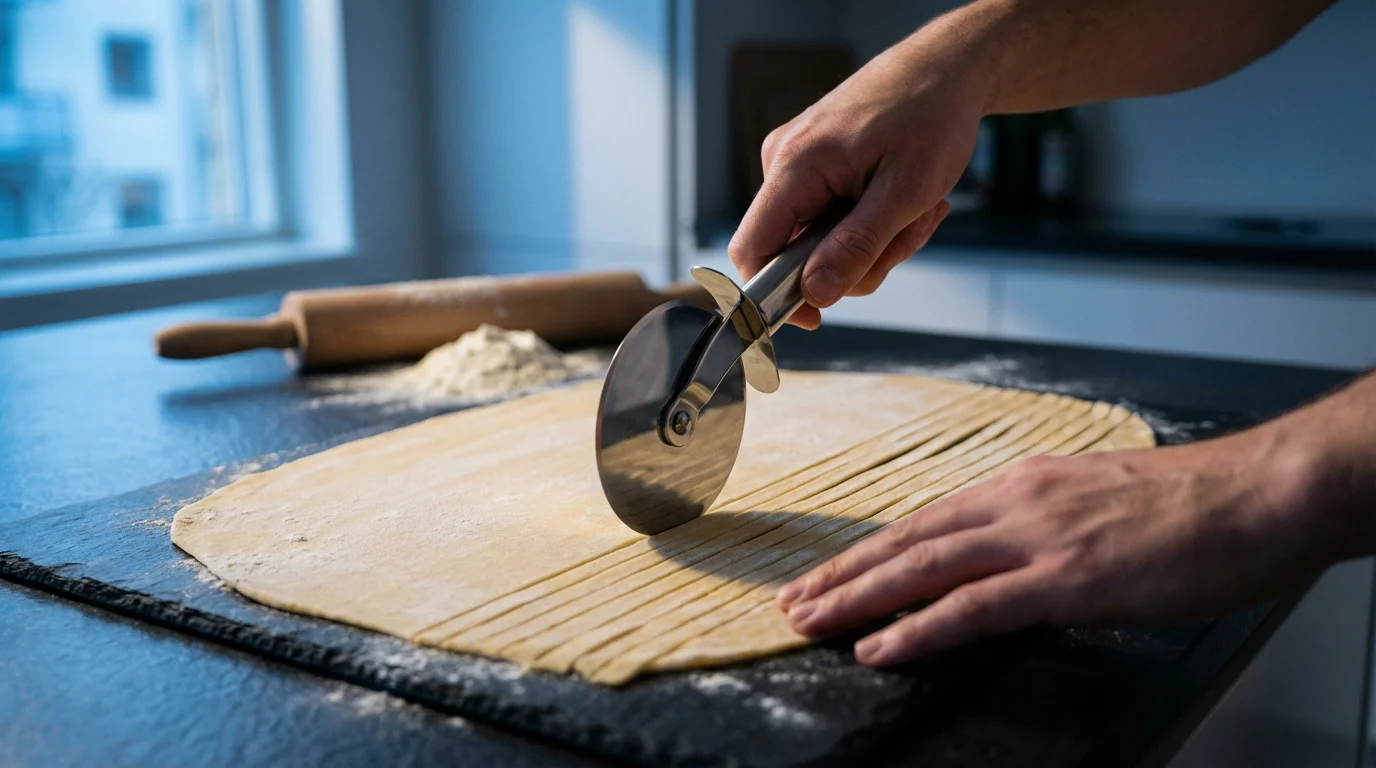
Smaller wheel cutters can prove useful for cutting pastry dough, homemade pasta, or even breaking apart flatbreads. They are also convenient for precise cuts in tortillas or quesadillas. Their compact size makes them handy for detail work that a larger blade might struggle with.
Rocker Blade Versatility
This is where the rocker blade truly excels in offering more than just pizza-cutting capabilities. Its long, curved blade makes it an excellent tool for:
- Chopping Herbs: You can quickly mince large quantities of fresh herbs with a rocking motion, similar to a traditional mezzaluna.
- Chopping Vegetables: It handles larger vegetables like lettuce, cabbage, or even bell peppers for salads or stir-fries with surprising speed.
- Cutting Pastries and Dough: For cutting large sheets of puff pastry, pie crusts, or even fondant, the rocker blade provides a clean, straight edge that a knife might not.
This multi-use functionality enhances its value, making it less of a singular purpose tool and more of a valuable kitchen asset, provided you have the space for it.
| Feature | Wheel Cutter | Rocker Blade |
|---|---|---|
| Best For | Thin to standard crusts, occasional use | Deep dish, thick crusts, frequent use, large pizzas |
| Cut Quality | Can drag cheese, multiple passes often needed, messy potential | Clean, single-pass cuts, minimal cheese drag, neat slices |
| Speed | Moderate, can be slow on thick crusts | Very fast, cuts entire pizza in seconds |
| Ergonomics | Single-hand operation, various handle styles, finger guard crucial | Two-hand operation, strong leverage, requires specific motion |
| Storage | Compact, fits in drawers easily | Large, requires dedicated space (long drawer, magnetic strip, sheath) |
| Cleaning | Often dishwasher safe, axle can trap food | Generally hand wash recommended (due to size/sharpness), easy to wipe clean |
| Versatility | Limited beyond pizza, pastry, small dough tasks | Excellent for chopping herbs, vegetables, large dough sheets |
| Durability | Varies; strong stainless steel and solid construction is key | Generally very durable, often single-piece metal construction |
| Price Range | $10 – $30 | $20 – $70+ |
Frequently Asked Questions
What is the most effective way to cut pizza without making a mess?
For the cleanest cuts with minimal mess, a sharp rocker blade is superior. Its design allows for a single, decisive pass, preventing cheese drag and keeping toppings in place. If using a wheel cutter, ensure the blade is extremely sharp and apply firm, continuous pressure in one direction per cut.
Are expensive pizza cutters worth the investment?
For frequent pizza makers, particularly those who enjoy thick or deep-dish pizzas, an investment in a high-quality rocker blade or a premium wheel cutter with a forged stainless steel blade is worthwhile. You gain durability, a sharper edge, and a more comfortable, efficient cutting experience. For occasional use on thin crusts, a mid-range wheel cutter often suffices.
How do I keep my pizza cutter sharp?
Wheel cutters are challenging to sharpen at home; replacement is often more practical. For rocker blades, use a standard knife sharpener or take it to a professional sharpener. Regular honing with a steel between sharpenings can maintain its edge. Always hand wash and thoroughly dry your blade to prevent dulling and corrosion.
Can I use a rocker blade for things other than pizza?
Absolutely. A rocker blade excels at chopping herbs, mincing garlic, and dicing vegetables like lettuce, cabbage, or even bell peppers for salads. Its long, curved blade makes it efficient for these tasks, offering more versatility than a traditional wheel cutter.
What is an ergonomic design in a pizza cutter?
An ergonomic pizza cutter features a design that prioritizes user comfort and ease of use. This often includes handles that fit comfortably in your hand, non-slip grips that prevent accidents, and a balanced weight that reduces strain during cutting. For wheel cutters, a good finger guard is also part of an ergonomic design.
Disclaimer: Product prices and availability change frequently. Prices shown were accurate at time of writing but may have changed. We may earn a small commission from purchases made through links on this site, at no extra cost to you. Always verify current pricing on the retailer’s website before purchasing.




Leave a Reply