

The modern kitchen teems with gadgets. Some are ingenious, transforming cooking into a seamless experience. Others, frankly, are solutions looking for problems, destined for the back of a drawer after a single use. Among these many tools, the humble egg slicer often finds itself at the center of a debate: is this a truly useful unitasker—a gadget that only does one specific task—or just another piece of kitchen clutter? As expert kitchen product reviewers, we approach every gadget with a healthy dose of skepticism. We put egg slicers and dicers through their paces to determine if these simple tools genuinely deliver big results, saving you time and effort.
Understanding which 10 kitchen gadgets actually save time can help you distinguish between a cluttered drawer and a high-efficiency workspace.
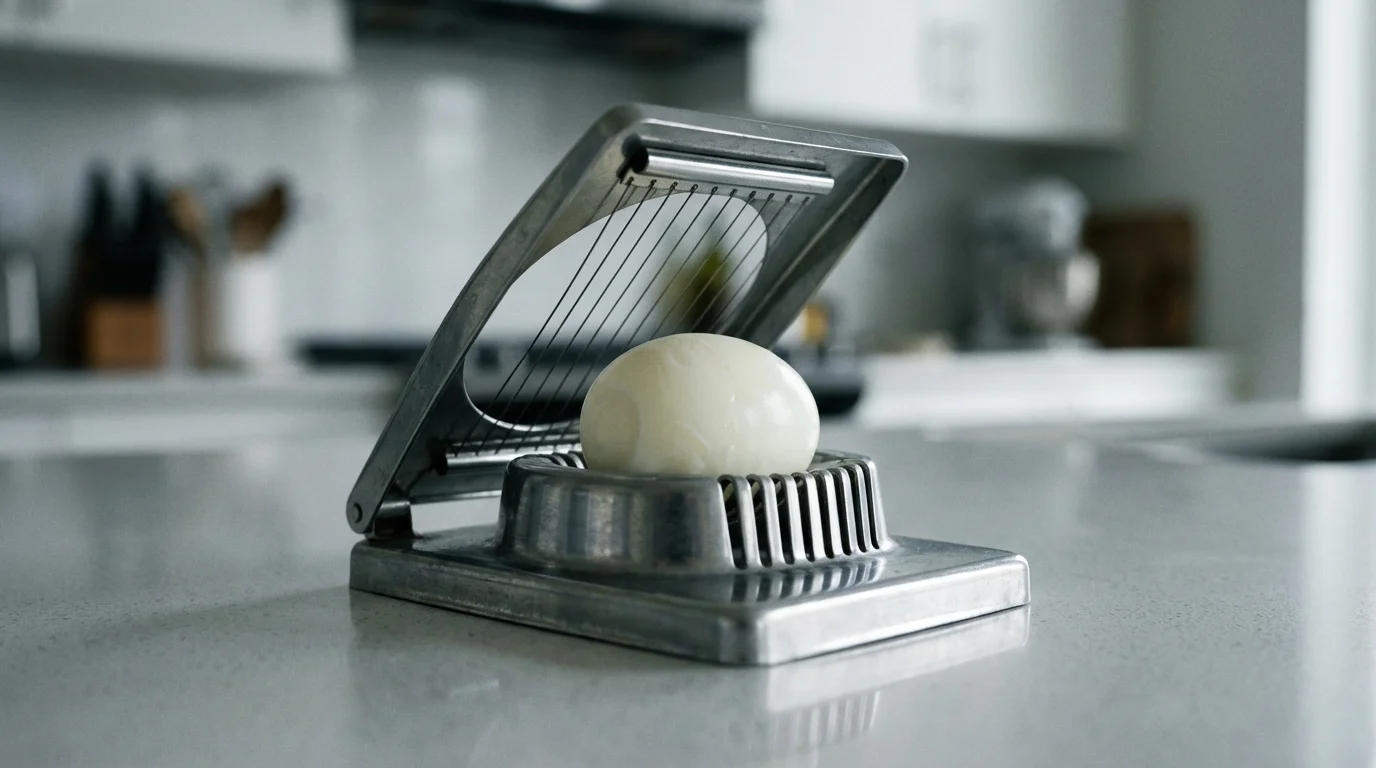
Egg Slicers and Dicers: What Are These Kitchen Unitaskers?
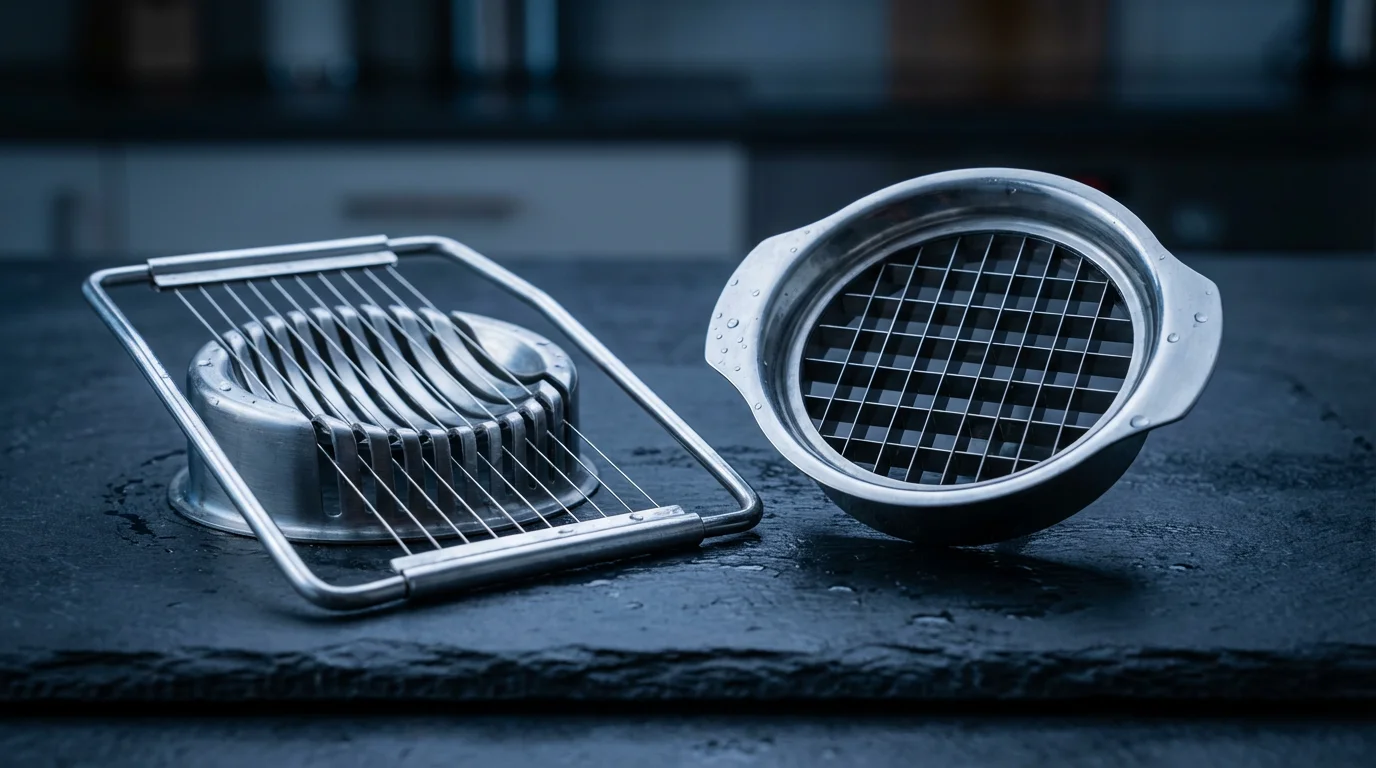
At its core, an egg slicer is a simple device. It typically features a cradle for a hard-boiled egg and a hinged top equipped with a series of parallel wires or blades. You place an egg in the cradle, bring down the hinged top, and the wires slice the egg into uniform, neat pieces. An egg dicer takes this a step further, often involving a two-step process: first, you slice the egg in one direction, then rotate it 90 degrees and slice again to create small, even cubes. These are classic examples of unitaskers, specialized tools designed to excel at one very specific job. While you can achieve similar results with a knife, these gadgets promise speed, consistency, and a measure of safety.
Much like the best garlic press, an egg slicer is a specialized tool that performs its one job far better than a standard chef’s knife.
The Case for the Single-Purpose Tool: When an Egg Slicer Delivers
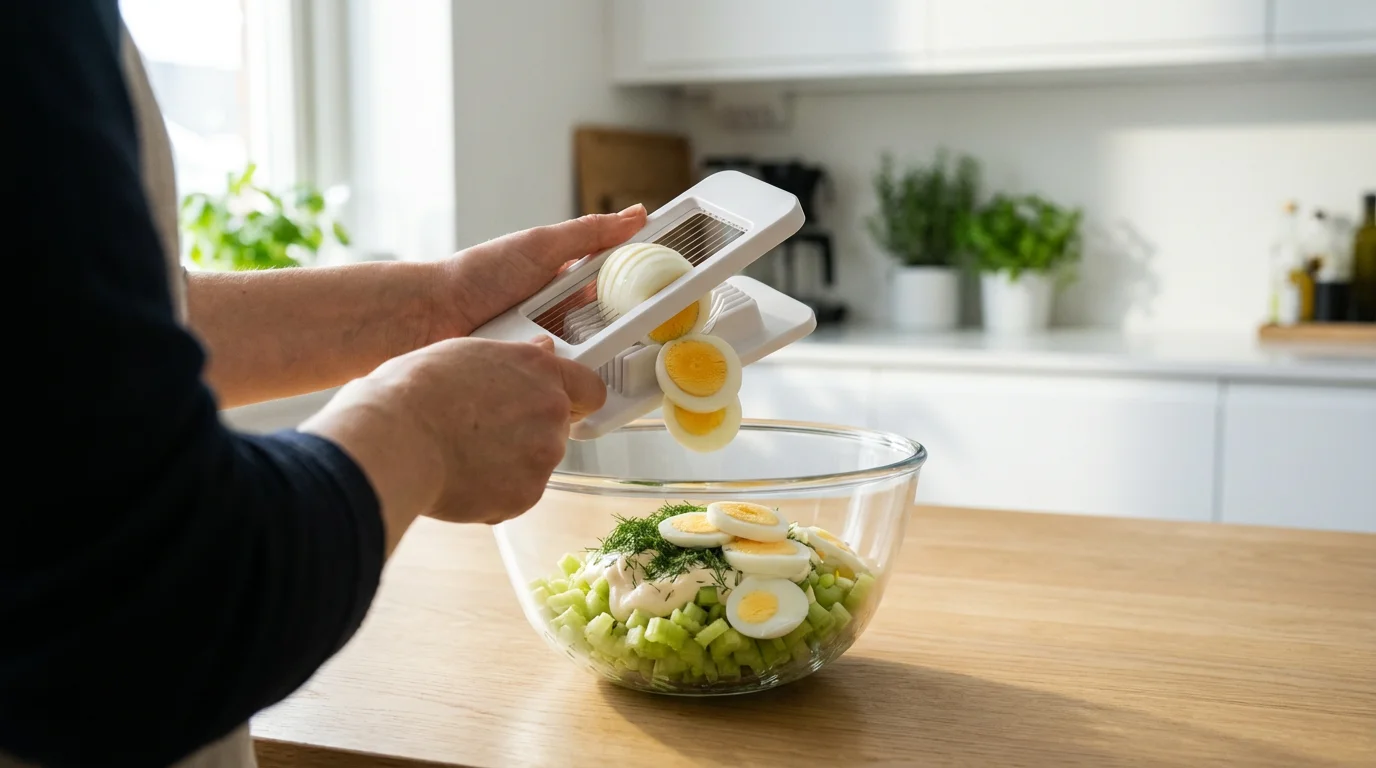
Many home cooks, just like you, question the necessity of a single-purpose gadget. Your kitchen drawers probably hold more than enough multi-functional tools. However, some unitaskers prove their worth through sheer efficiency and superior results. An egg slicer falls into this category for specific cooking tasks. If you frequently prepare egg salad, chef salads, or garnish dishes with hard-boiled eggs, the consistent slices or dice an egg slicer produces are invaluable. It significantly reduces prep time compared to meticulous knife work, especially when dealing with multiple eggs.
Consider the alternative: carefully slicing a soft hard-boiled egg with a knife often results in uneven pieces, smushed yolks, and potential mess. The precise tension of the wires in a good egg slicer cuts through the egg cleanly, preserving its structure. As Wirecutter’s kitchen testing often highlights, the best tools are those that make a task noticeably easier and produce better results, even if they only do one thing. For anyone regularly preparing dishes with hard-boiled eggs, an egg slicer quickly becomes a reliable workhorse rather than a drawer filler.
“The best kitchen gadget is one you’ll actually use every week—not the one with the most Amazon reviews. If it consistently saves you time and improves your results, it earns its spot.” — QuickKitchenTools.com Reviewer
Anatomy of an Egg Slicer: Materials and Build Quality
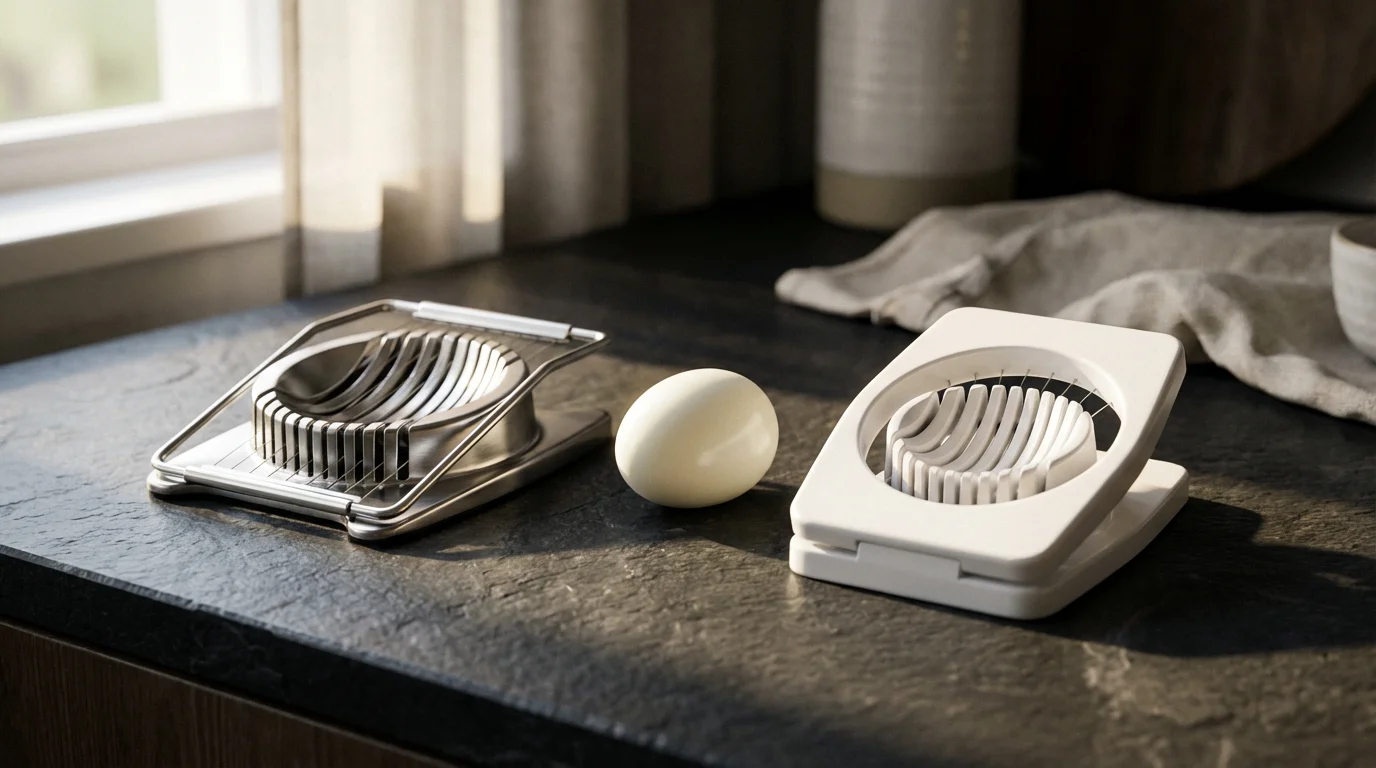
The durability and performance of an egg slicer largely depend on its materials and construction. Most models feature either a plastic or stainless steel frame, with stainless steel wires. Understanding the differences helps you choose wisely.
Plastic Models
Plastic egg slicers typically offer a lightweight and more affordable option. Many use BPA-free plastic, meaning they are made without a chemical that some people prefer to avoid in food contact items. While convenient, plastic frames can crack or degrade over time, especially if subjected to aggressive cleaning or high heat. The hinge mechanism is often the first point of failure. The wires, while usually stainless steel, may loosen or become bent if not properly cared for. Look for models with thick, rigid plastic and a sturdy hinge.
Stainless Steel Models
Premium egg slicers often feature a full stainless steel construction, including the frame. These are significantly more durable and resistant to corrosion and staining. The solid build means they withstand repeated use and cleaning much better than their plastic counterparts. The wires in stainless steel models tend to be more robust and less prone to bending, maintaining their tension for consistent cuts. While generally more expensive, their longevity often justifies the higher initial cost. However, some full stainless steel models can be heavier and potentially less comfortable for prolonged use if they lack ergonomic design considerations.
Here’s a comparison of common materials:
| Feature | Plastic Body (Stainless Steel Wires) | Full Stainless Steel Body & Wires |
|---|---|---|
| Durability | Prone to cracking over time, wires may loosen. | Highly durable, resistant to rust and bending. |
| Cost | Lower initial cost. | Higher initial cost, but better longevity. |
| Weight | Lightweight and easy to handle. | Heavier, feels more substantial. |
| Cleaning | Generally dishwasher safe, but can discolor. | Dishwasher safe, retains appearance better. |
| Maintenance | Wires may need occasional re-tensioning. | Wires hold tension well, minimal maintenance. |
Ergonomic Design and Ease of Use: Finding Your Fit
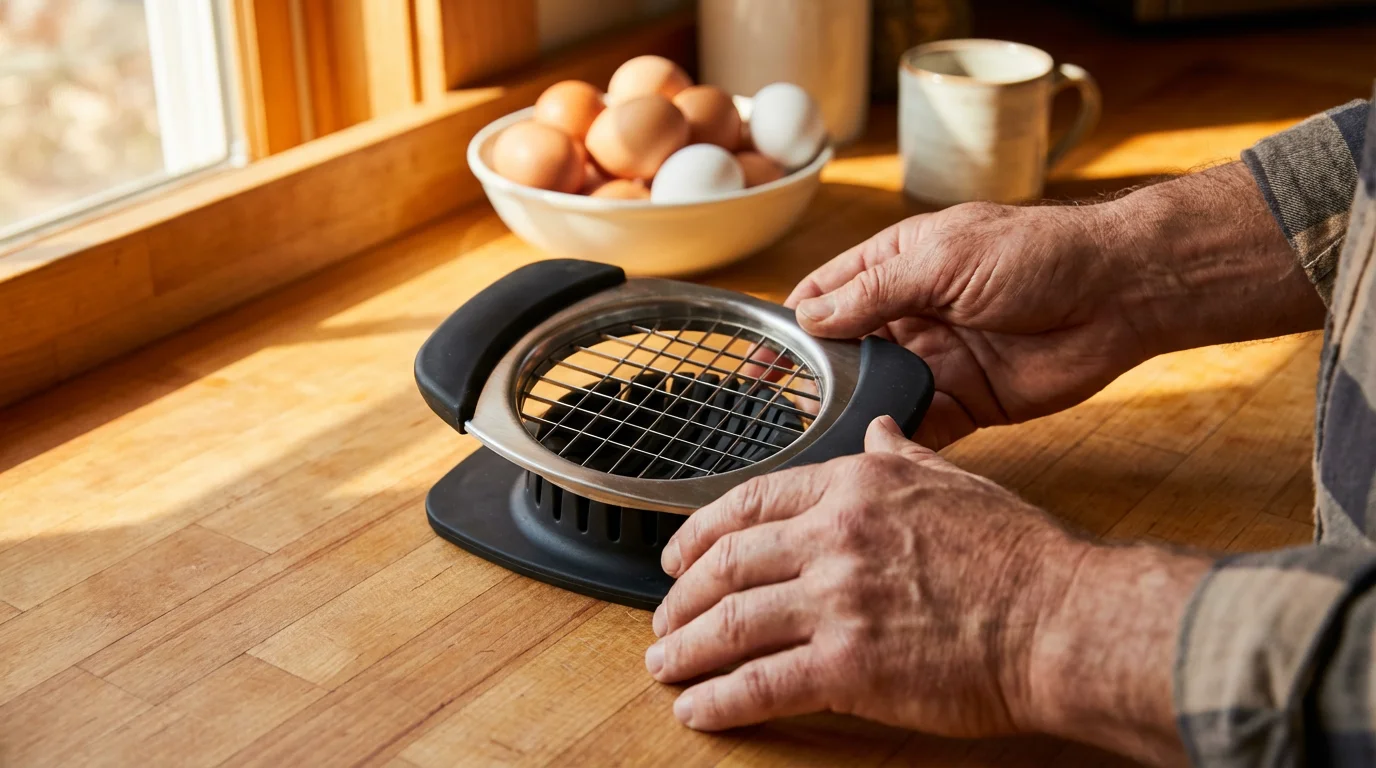
Even a simple tool benefits from thoughtful design. An ergonomic egg slicer is one designed to be comfortable to hold and use, minimizing strain during repetitive tasks. This becomes particularly important if you are slicing many eggs at once or if you have hand strength limitations. Look for features such as:
- Non-slip grip: A handle designed to not slide in your hand, even when wet, ensures safety and control. Many models use silicone or textured plastic for this purpose.
- Comfortable handles: Handles should fit naturally in your hand, without sharp edges or awkward angles.
- Stable base: The base of the slicer should sit firmly on your countertop without wobbling, providing a secure platform for the egg. Some feature rubberized feet to prevent sliding.
- Easy-to-operate hinge: The hinge should move smoothly without excessive resistance, yet feel sturdy enough to apply pressure without flexing.
Our testing reveals that models with a slightly wider base offer better stability. Those with rubberized feet adhere more securely to the countertop, preventing slips during use. A well-designed slicer minimizes the effort required, making the task feel effortless.
Putting Them to the Test: Slice, Dice, and Durability
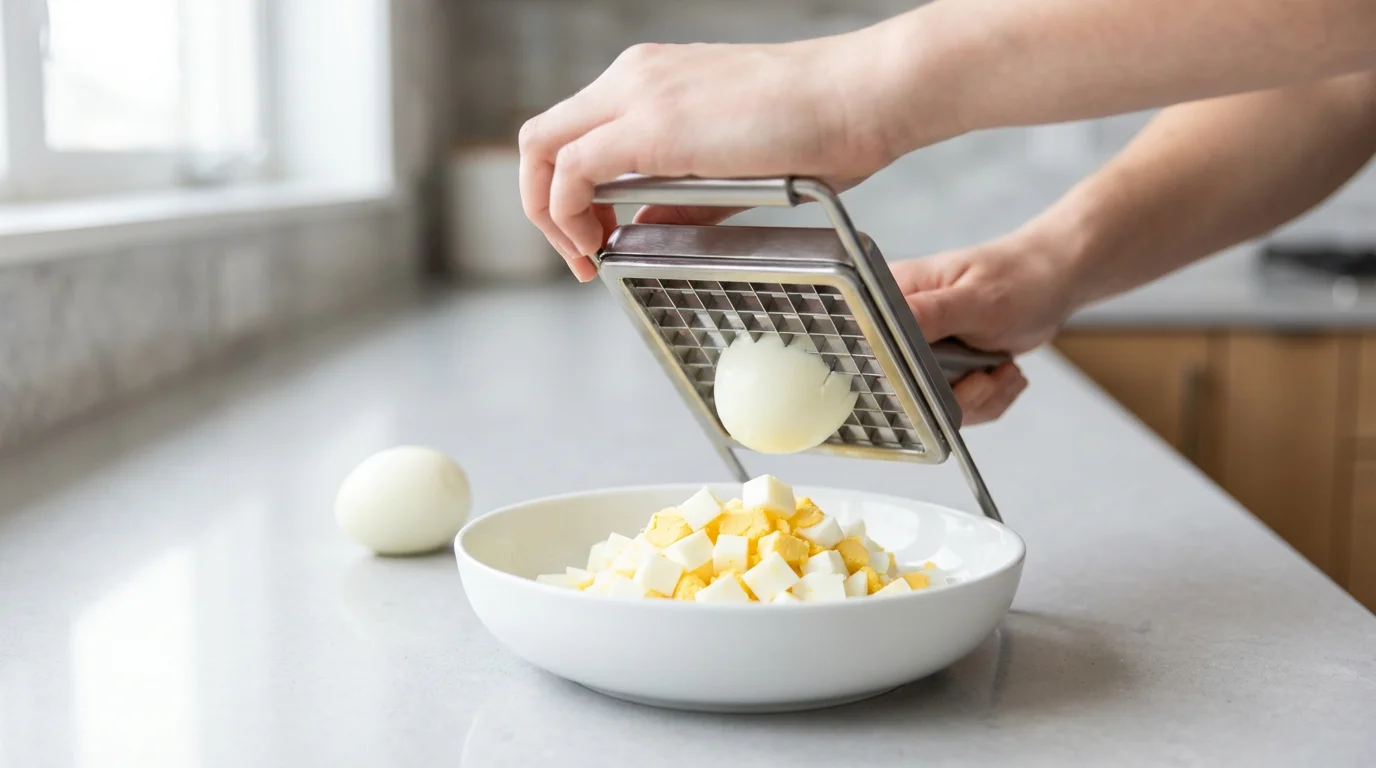
We rigorously test egg slicers and dicers with eggs of varying sizes and levels of doneness, from firm-yolked hard-boiled eggs to slightly softer ones. The goal is consistent, clean cuts without mashing the egg.
Hands-On Observations:
- Slice Consistency: The best egg slicers produce uniform slices, typically about 1/4 inch thick, with minimal yolk tearing. Models with tightly spaced, taut stainless steel wires consistently outperform those with thicker or looser wires. We found that a single-direction slicer is excellent for round or oval slices, perfect for garnishes or sandwiches.
- Dicing Performance: For egg dicers, the two-step process needs to be efficient. The top-performing dicers offer a stable cradle that allows for easy rotation of the egg between slices. The resulting dice should be small, consistent cubes, ideal for egg salads where texture matters.
- Durability Under Pressure: We subjected several models to repeated use and even intentionally slightly undercooked eggs (which are harder to slice cleanly). Models with a full stainless steel frame held up without any bending or warping. Plastic models, particularly those with thinner hinges, showed signs of stress after extended use, with some developing hairline cracks near the hinge pins.
- Cleaning Ease: This is a critical factor. Egg residue, especially from the yolk, can stick to the wires and crevices. Dishwasher safe models simplify cleanup significantly. We tested both hand-washing and dishwasher cycles. The more open designs with fewer nooks and crannies cleaned up fastest. For hand-washing, a small brush or even a toothpick can help dislodge stubborn bits from between the wires.
Many units claim to be dishwasher safe, and most are, particularly the plastic varieties. However, long-term exposure to high heat in a dishwasher can sometimes stiffen plastic hinges or cause minor discoloration. Stainless steel models emerge from the dishwasher looking pristine every time.
Beyond the Breakfast Plate: Creative Uses for Your Egg Slicer
While an egg slicer is primarily known as a breakfast tool, its utility extends far beyond just slicing eggs for toast. Its ability to create uniform slices or dice makes it surprisingly versatile for other soft foods, proving its value as a genuine kitchen helper.
If you enjoy the precision of uniform egg slices, you might also find that vegetable spiralizers add a similar professional touch to your salad presentations.
How to Use an Egg Slicer for Salads:
This is where the `best egg slicer for hard boiled eggs` truly shines. For a classic chef salad or a vibrant Cobb salad, consistent egg slices elevate the presentation. Simply place your hard-boiled egg into the slicer, press down, and you have perfect, elegant slices ready to arrange. For egg salad, use an egg dicer or slice an egg once, then rotate it and slice again for quick, uniform cubes. This method creates a superior texture for your `egg dicer` creations compared to hand-chopping, which often results in irregular pieces.
Other Unexpected Uses:
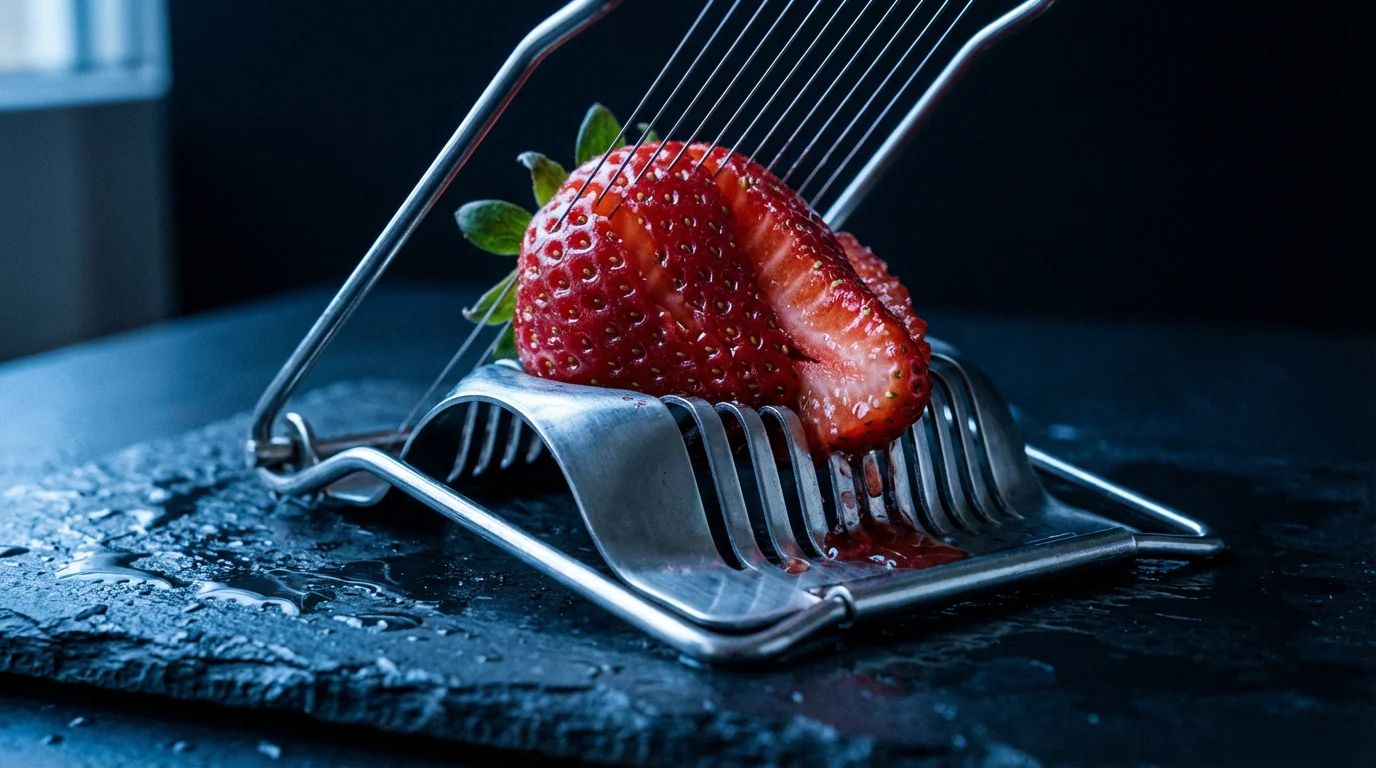
- Soft Fruits and Vegetables: Slice strawberries for desserts, mushrooms for stir-fries, or even soft kiwis for a fruit salad. The wires cut cleanly through these delicate items without bruising them.
- Mozzarella Cheese: For Caprese salads or homemade pizzas, slice fresh mozzarella into even rounds. Ensure the cheese is chilled to maintain firmness for the best results.
- Avocados: While dedicated avocado slicers exist, a sturdy egg slicer can manage firm avocado halves, creating beautiful, uniform slices for toast or salads.
- Butter: Need perfectly even pats of butter for pastry or cooking? Place a cold stick of butter in the slicer and press down.
These creative applications broaden the appeal of the `egg slicer` from a mere single-use item to a useful tool for everyday meal preparation, helping you prepare `breakfast tools` and beyond.
Making the Choice: Is an Egg Slicer or Dicer Right For Your Kitchen?
After extensive testing, it is clear that a quality egg slicer or dicer can be a valuable addition to your kitchen, particularly if you find yourself frequently working with hard-boiled eggs. However, like any gadget, it is not for everyone. We provide an honest assessment to help you decide.
Whether you are looking for an egg dicer or the best apple corers and slicers, investing in specialized prep tools can significantly shorten your time spent in the kitchen.
Skip an Egg Slicer/Dicer if…
- You rarely eat hard-boiled eggs or only use them infrequently.
- You prefer rustic, hand-chopped textures for your egg salads.
- Your kitchen is already overflowing with gadgets, and space is a major concern. The storage and cleaning considerations might outweigh the benefits for occasional use.
- You are on a very tight budget and can achieve satisfactory results with a sharp knife.
Buy an Egg Slicer/Dicer if…
- You love egg salad, deviled eggs, or regularly add hard-boiled eggs to salads and sandwiches.
- You value consistency and neat presentation in your food.
- You appreciate time-saving tools that make repetitive tasks quicker and easier.
- You are looking for gift-worthy gadgets or thoughtful kitchen stocking stuffers for someone who enjoys cooking and entertaining. A well-built stainless steel model makes an excellent gift.
- You want a safer alternative to a knife for delicate slicing tasks, particularly if you have less dexterity or are teaching children to cook.
When selecting a model, prioritize strong, taut wires, a stable base, and a comfortable hinge. For long-term value, investing in a stainless steel version generally pays off. While no gadget replaces fundamental knife skills, a good egg slicer consistently provides convenience and efficiency, proving that sometimes, the simplest tools yield the biggest results.
Frequently Asked Questions
Can an egg slicer only be used for hard-boiled eggs?
While designed for hard-boiled eggs, a sturdy egg slicer can also cut other soft foods such as strawberries, mushrooms, firm avocados, and chilled mozzarella cheese. You need to ensure the food is soft enough for the wires to cut cleanly without bending them.
Are all egg slicers dishwasher safe?
Most modern egg slicers, especially those with plastic frames and stainless steel wires, are labeled as dishwasher safe. However, checking the manufacturer’s specific care instructions is always best. Full stainless steel models are almost universally dishwasher safe and tend to hold up better over time in the dishwasher.
What is the difference between an egg slicer and an egg dicer?
An egg slicer cuts an egg into uniform, round or oval slices in one pass. An egg dicer typically involves a two-step process: you slice the egg in one direction, then rotate it 90 degrees and slice again, resulting in small, even cubes. Some specialized tools combine both functions or have interchangeable cutting grids.
How do I clean egg residue from between the wires?
After using your egg slicer, rinse it immediately to prevent egg residue from drying. If stubborn bits remain, use a small brush, a sponge with firm bristles, or even a toothpick to gently clean between the wires. Soaking the slicer in warm, soapy water for a few minutes can also help loosen dried residue.
Disclaimer: Product prices and availability change frequently. Prices shown were accurate at time of writing but may have changed. We may earn a small commission from purchases made through links on this site, at no extra cost to you. Always verify current pricing on the retailer’s website before purchasing.
To ensure your greens provide the perfect crisp base for your eggs, using quality salad spinners to remove excess moisture is essential.






Leave a Reply