
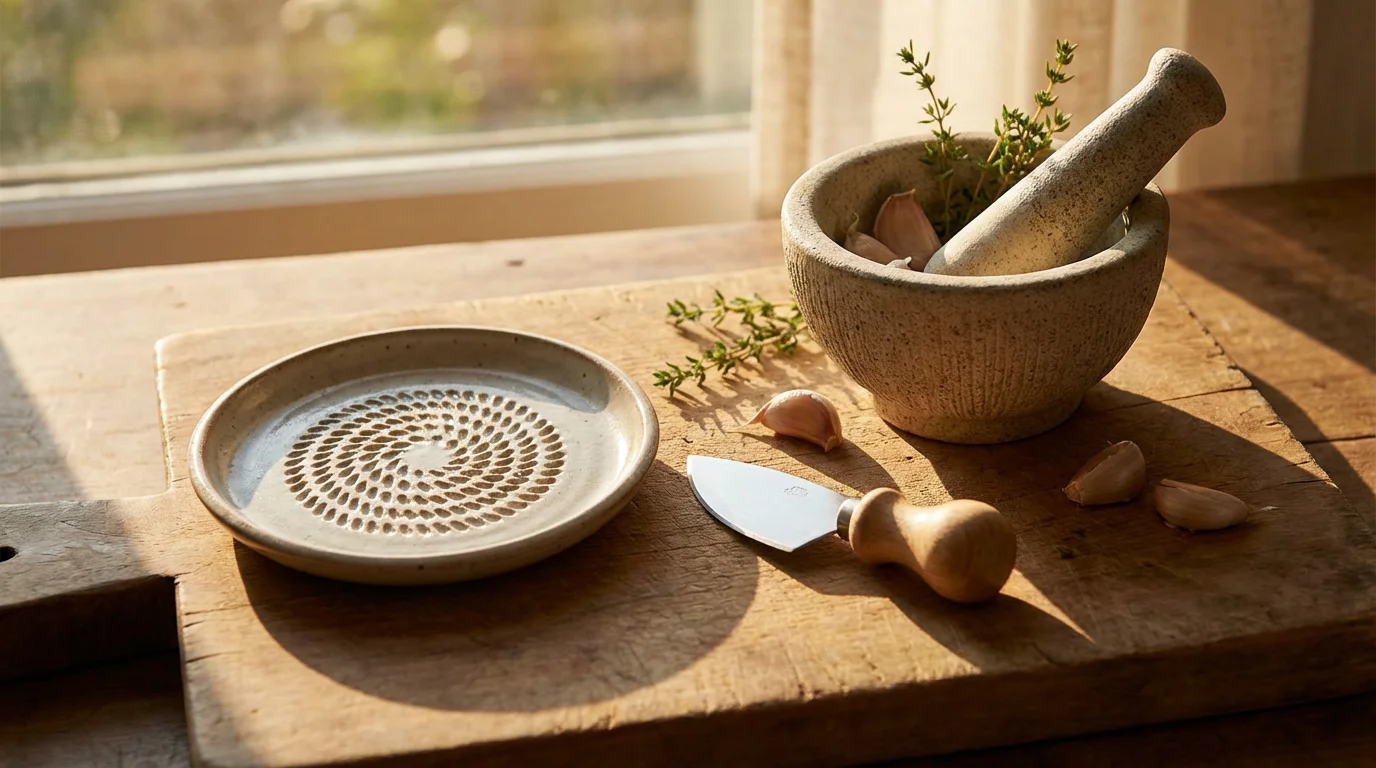
Garlic is a cornerstone of countless cuisines, adding pungent, aromatic depth to dishes. While the garlic press holds a popular spot in many kitchens, it often falls short for serious home cooks. Many presses are difficult to clean, crush garlic rather than mince it, and can strip away some of the nuanced flavor. You want tools that deliver consistent results, enhance your cooking, and make prep work faster and more enjoyable. This guide moves beyond the limitations of the traditional garlic press, exploring superior garlic tools that empower you to mince, slice, and paste garlic with precision, efficiency, and safety. You will discover methods that cater to every cooking style and quantity, transforming your garlic prep from a chore into a seamless part of your culinary routine.
Why Move Beyond the Garlic Press?
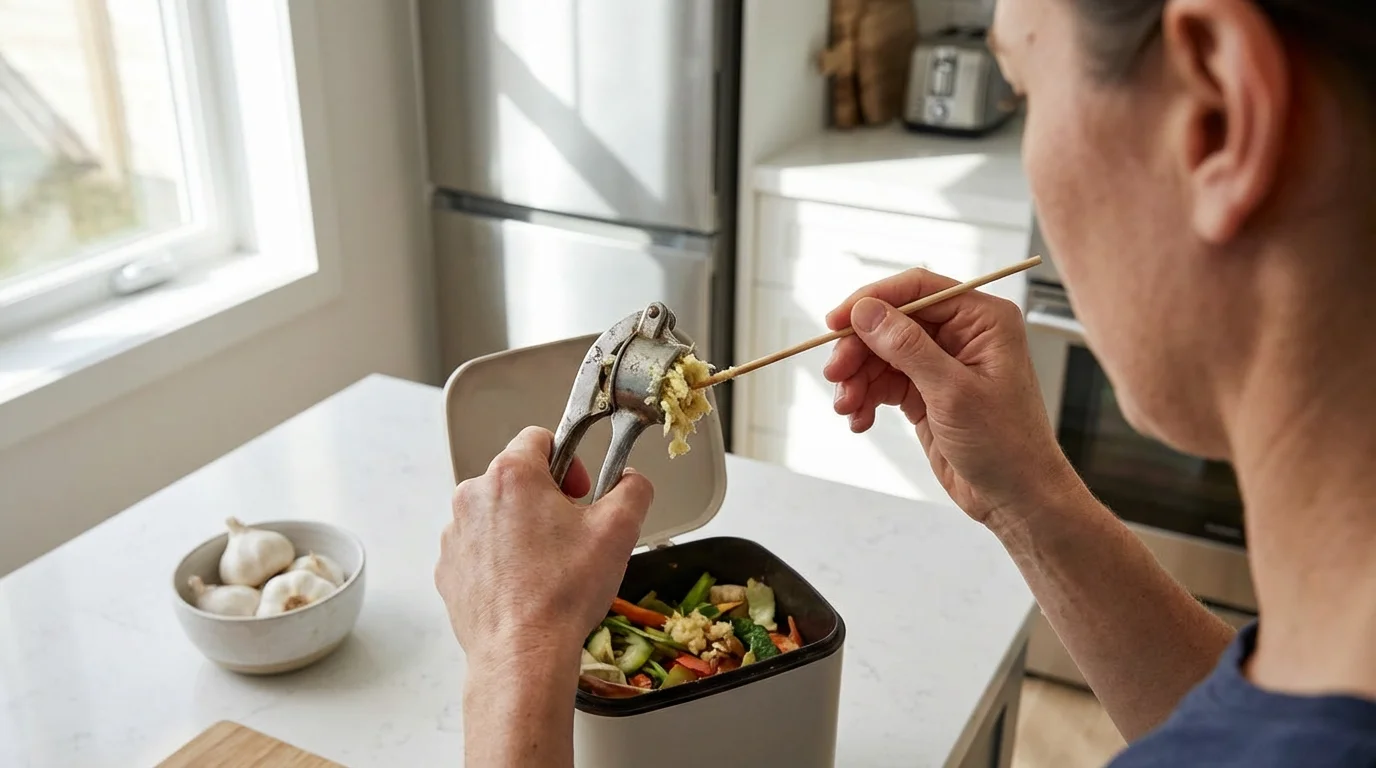
The traditional garlic press, while convenient for some, presents several drawbacks that impact both the quality of your garlic and your efficiency in the kitchen. Many presses tend to mash garlic cloves, extruding a pulpy mass that can have a slightly bitter taste. This method often leaves a significant amount of garlic stuck inside the chamber, leading to waste and frustrating cleanup. Furthermore, achieving various garlic textures, from delicate slices to a smooth paste, becomes nearly impossible with a standard press.
By exploring alternative garlic tools, you gain greater control over the texture, consistency, and flavor release of your garlic. You unlock the ability to quickly mince garlic for a stir-fry, create a fine paste for a vinaigrette, or produce uniform slices for roasting. These alternatives offer better ergonomics, easier cleaning, and ultimately, a more satisfying cooking experience. You invest in better flavor and streamline your prep, making your time in the kitchen more productive.
The Indispensable Kitchen Knife for Garlic Prep
For many chefs and home cooks, a sharp kitchen knife remains the ultimate `garlic tool`. A high-quality chef’s knife or even a paring knife offers unmatched versatility and control, allowing you to achieve any desired consistency, from a rustic chop to an ultra-fine paste. Learning proper knife technique also fundamentally improves your overall kitchen skills, benefiting all your meal prep tasks.
Chef’s Knife: Your Everyday Workhorse
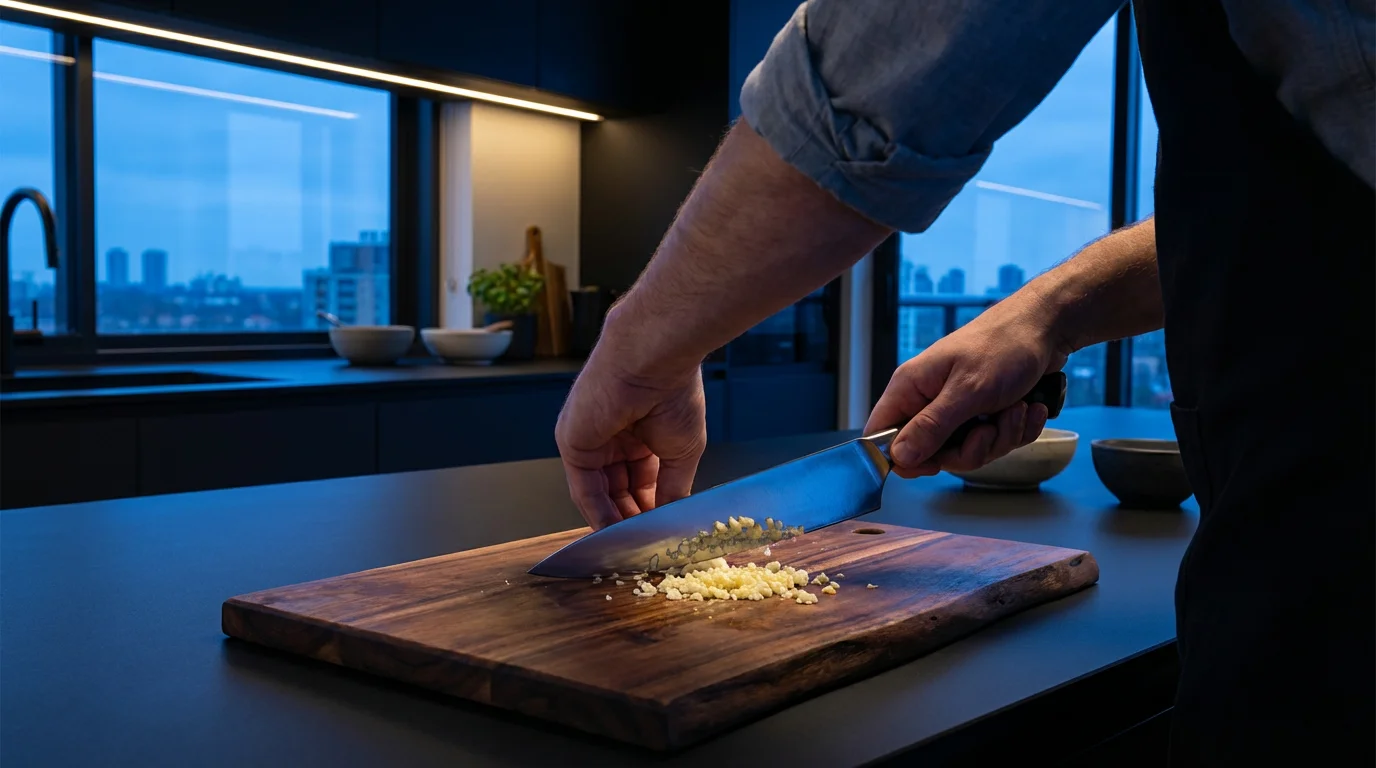
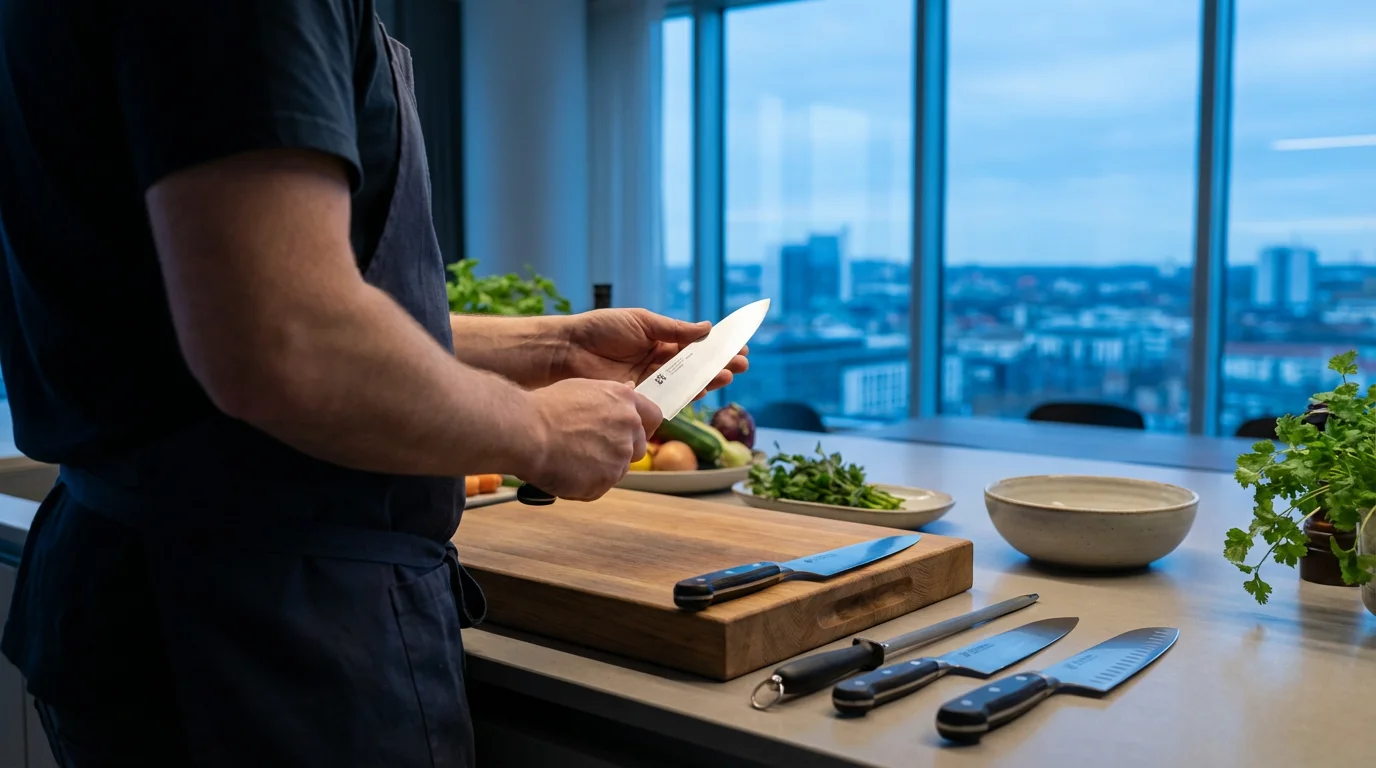
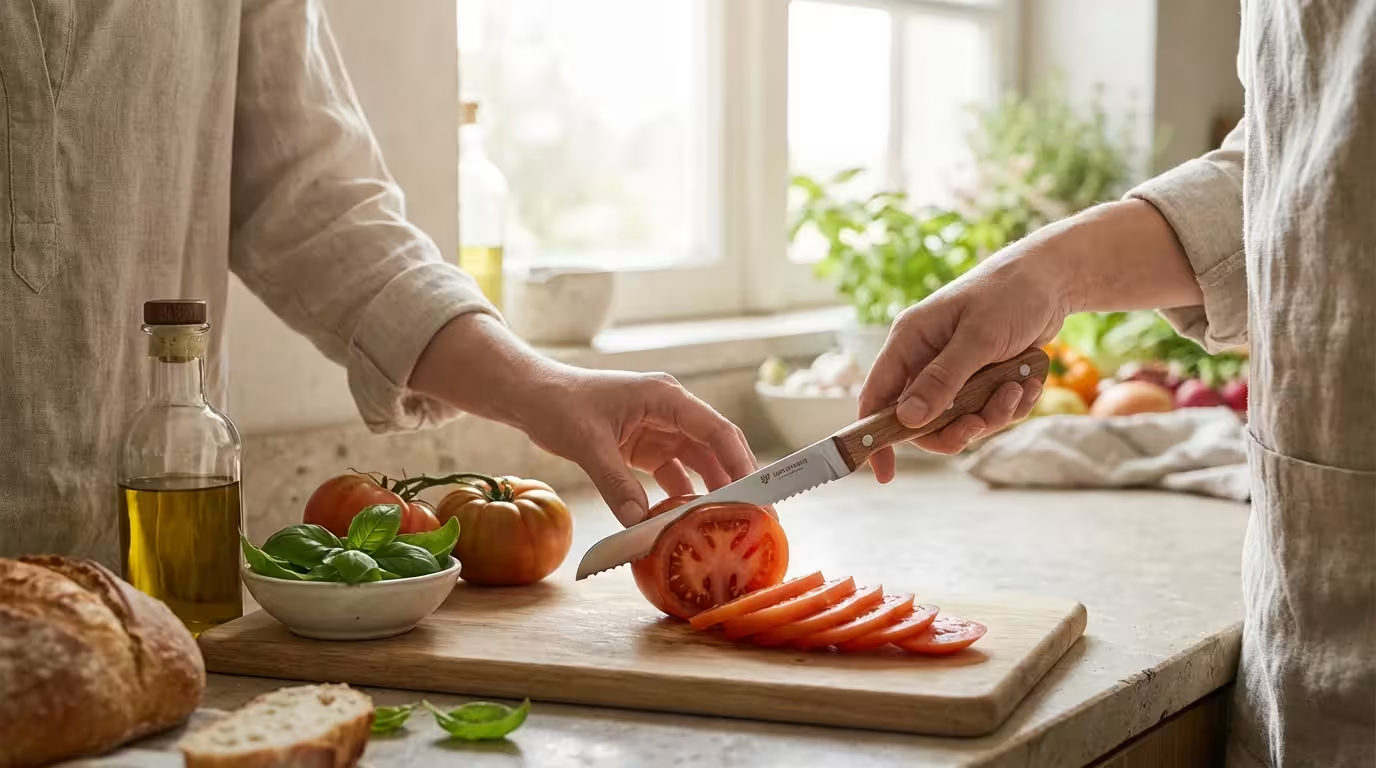
A chef’s knife, typically with an 8-inch blade, serves as the foundation of efficient garlic prep. Its broad blade and curved profile enable a rocking motion perfect for mincing. For crushing garlic, simply place the flat side of the blade over a peeled clove, apply firm pressure with the heel of your hand, and smash. This releases the garlic’s natural oils and makes subsequent mincing much easier. To mince, gather the crushed garlic, keep the blade tip on the board, and rock the knife through the garlic repeatedly until you reach your desired fineness.
When selecting a chef’s knife, consider a model with a “full tang,” meaning the knife blade extends all the way through the handle for better balance and durability. A well-designed “bolster,” the thick part where the blade meets the handle, provides balance and finger protection, enhancing safety during use. According to Wirecutter’s kitchen knife reviews, a comfortable grip and balanced feel are paramount for sustained, safe use.
Paring Knife: Precision for Smaller Tasks
A 3- to 4-inch paring knife excels at smaller, more intricate garlic tasks, such as finely slicing a single clove or meticulously peeling. While not ideal for large-batch mincing, its smaller size offers excellent control for delicate work. Always ensure your paring knife is razor-sharp; a dull knife requires more force, increasing the risk of slips and injury.
Safety and Technique are Paramount
Regardless of the knife you use, safety is non-negotiable. Always maintain a stable, clean cutting surface. When mincing, adopt the “claw grip” with your non-dominant hand: curl your fingertips inward, gripping the garlic, and let your knuckles guide the blade. This protects your fingertips from the knife edge. Always cut away from your body, and keep your attention on the task. Many kitchen injuries stem from dull blades rather than sharp ones, as dull blades require excessive force and are more prone to slipping.
“A sharp knife is a safe knife. A dull blade can slip more easily, leading to dangerous accidents. Keep your knives honed and sharpened for optimal safety and performance.” — Culinary Expert
Garlic Rockers: Efficient Mincing Reimagined
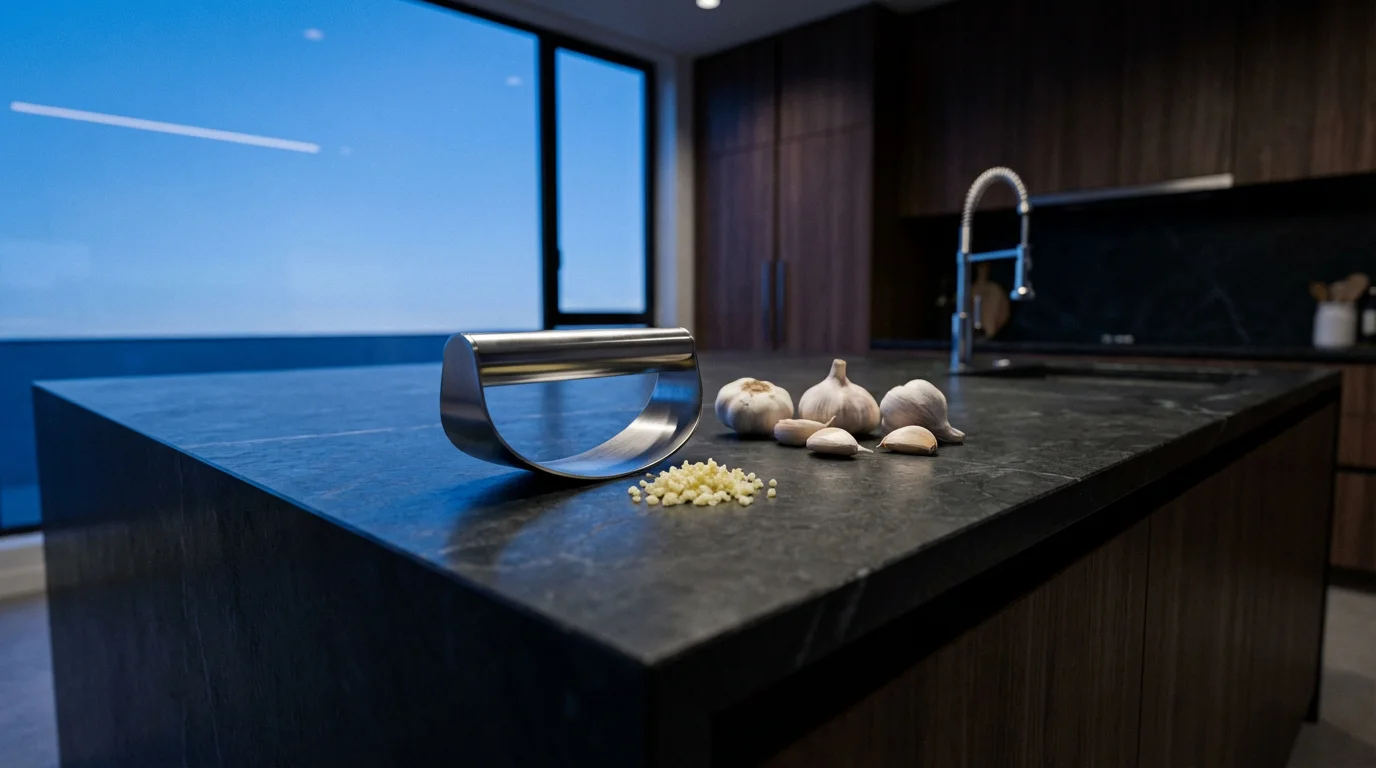
The `garlic rocker` offers an innovative and efficient solution for mincing garlic quickly and cleanly, presenting a compelling alternative to both a traditional press and sometimes even a knife for smaller quantities. This tool typically features a curved stainless steel blade with a handle, allowing you to rock it back and forth over garlic cloves. The motion mimics a chef’s knife’s mincing action but with less direct contact for your hands, reducing odor transfer.
How Garlic Rockers Work
To use a garlic rocker, peel your garlic cloves and place them on a cutting board. Position the rocker over the cloves and apply downward pressure while rocking it from side to side. The sharp holes or perforations on the rocker’s base efficiently push the minced garlic through, leaving minimal waste. Many models also include a small scraper or brush for easy retrieval of the minced garlic.
Pros and Cons of the Garlic Rocker
- Pros:
- Speed: Quickly minces several cloves at once, making it one of the `best way to mince garlic quickly` for moderate amounts.
- Ease of Cleaning: Typically rinse clean under water or are dishwasher-safe. Minimal intricate parts compared to a press.
- Reduced Odor Transfer: Less direct contact with garlic means fewer lingering smells on your hands.
- Consistent Mince: Produces a relatively uniform mince, ideal for sauces and dressings.
- Ergonomics: The rocking motion can be less strenuous on wrists than continuous knife work for some users.
- Cons:
- Texture Limitations: Primarily for mincing; you cannot achieve slices or a perfect paste.
- Capacity: Best for 2-5 cloves at a time, not suited for large batches.
- Requires Clean Board: Works best on a flat, stable surface; small pieces can escape if not contained.
When considering a `garlic rocker vs garlic press`, the rocker often wins on hygiene and the quality of the mince. It avoids the crushing action that a press performs, which can release bitter compounds, and is generally far easier to clean. Look for models made from sturdy stainless steel for durability and rust resistance.
Garlic Slicers and Microplanes: Precision and Fineness
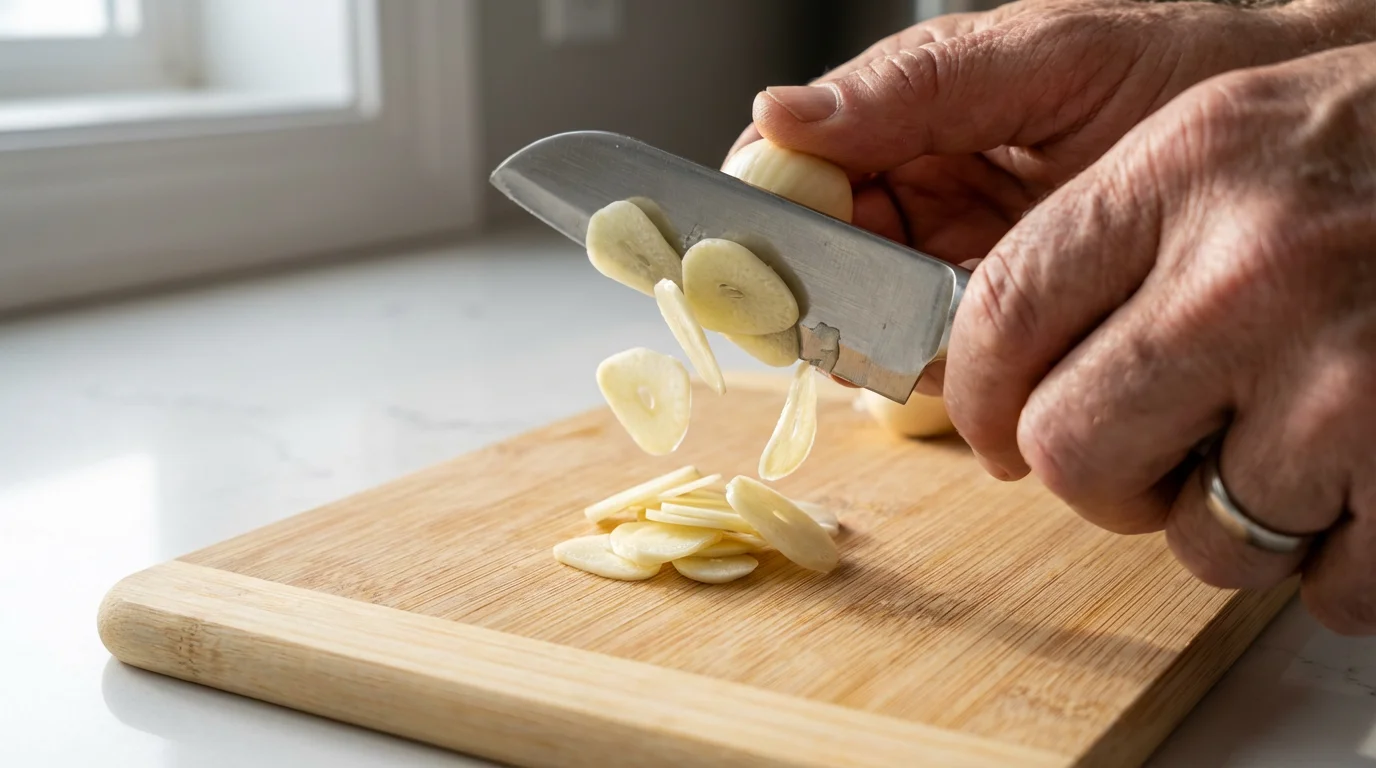
Beyond mincing, sometimes your recipe calls for specific garlic textures: paper-thin slices for roasting, or a super-fine paste that melts into a sauce. Dedicated `garlic slicer` tools and microplane graters excel in these specific applications, offering precision that a knife or rocker might struggle to achieve consistently.
Dedicated Garlic Slicers
These small, handheld tools feature a fixed blade or a series of tiny blades designed to produce uniform, thin slices of garlic. They are perfect for dishes where you want the visual appeal and even cooking of sliced garlic, such as garlic bread, roasted vegetables, or garnishes. Many garlic slicers incorporate a protective chamber or plunger system, keeping your fingers safely away from the blade during operation. Look for models that allow easy disassembly for thorough cleaning.
Specifications to consider: Blade material (stainless steel is common), ease of grip, safety features like finger guards.
Microplane Graters: For Ultra-Fine Paste
A microplane grater is an invaluable tool for creating an incredibly fine garlic paste that virtually melts into your food. Unlike mincing, grating on a microplane produces a texture akin to a puree, releasing maximum garlic flavor throughout a dish without any noticeable chunks. This is ideal for dressings, marinades, or compound butters where you want intense garlic flavor without the texture.
Using a microplane is straightforward: hold the peeled garlic clove against the grating surface and move it back and forth. Be mindful of your fingertips as you get closer to the end of the clove. Always clean a microplane carefully with a brush to remove trapped particles, as the tiny blades can be difficult to access with a sponge.
Safety Reminders for Slicers and Graters
Both slicers and microplanes feature extremely sharp blades. Always use the provided finger guards or protective plungers with slicers. When using a microplane, grate away from your body and be cautious as the clove diminishes in size. A cut from these tools can be surprisingly deep due to their sharpness.
Food Processors and Mini Choppers: Batch Processing Power
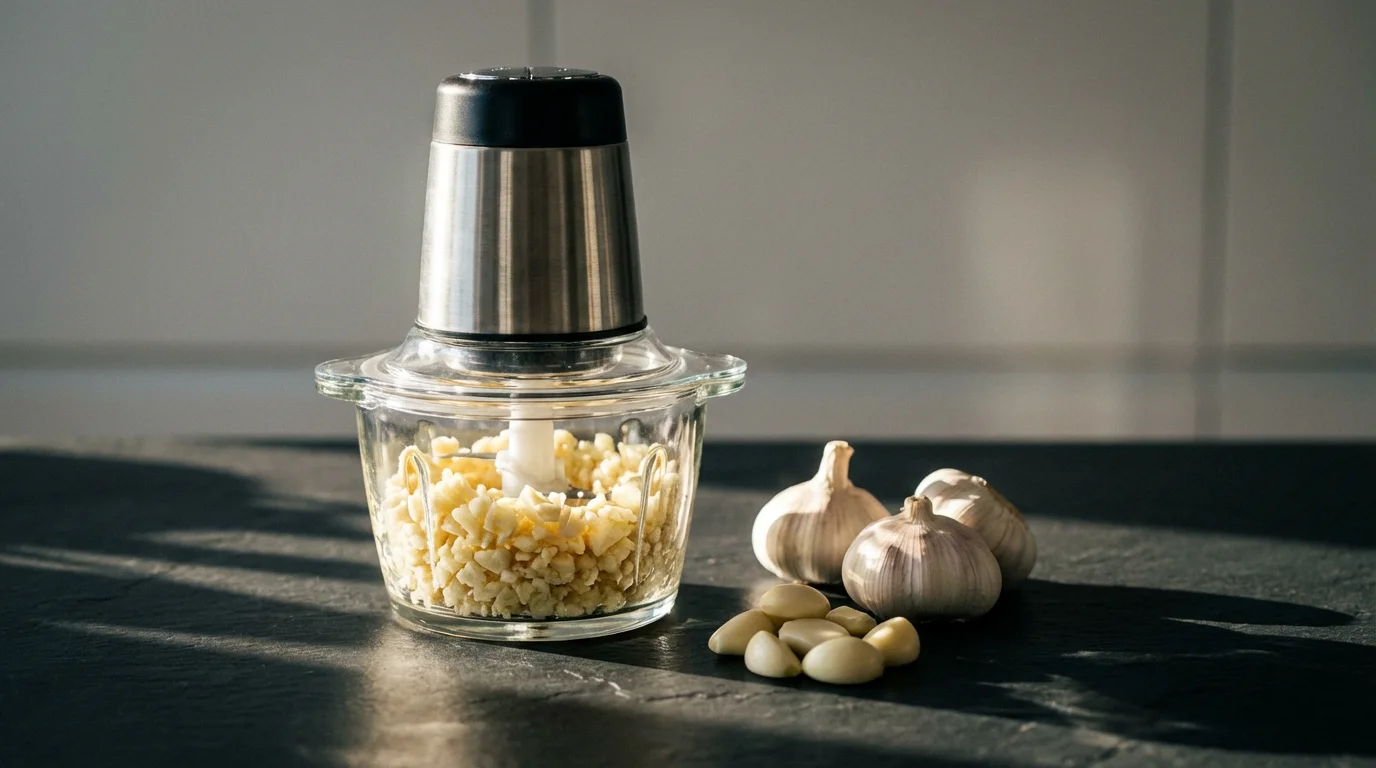
When your recipe demands significant quantities of garlic, or when you are prepping for weekly meals, manual methods can become time-consuming. This is where food processors and mini choppers become indispensable `garlic tools`. They offer unparalleled speed and efficiency for processing large batches, from a coarse chop to a fine paste.
Food Processors: The Heavy Lifter
A full-sized food processor, with its powerful motor and large work bowl, can mince dozens of garlic cloves in seconds. It excels at creating garlic paste for large batches of hummus, marinades, or infused oils. The key to successful garlic processing in a food processor is using the “pulse function.” This allows you to control the consistency by delivering short bursts of power, preventing over-processing into a watery puree. For best results, add a small amount of liquid, like olive oil, to help move the garlic around the blade and ensure even processing. As America’s Test Kitchen often advises, understanding your appliance’s settings ensures optimal performance.
Specifications: Look for models with a 7-cup capacity or larger for versatility, and a motor with at least 600 watts for efficient processing of tougher ingredients.
Mini Choppers: Compact Convenience
For smaller batches that are still too large for a knife or rocker, a mini chopper is an excellent in-between option. These compact appliances typically have a 1- to 3-cup capacity bowl and are perfect for quickly mincing 5-10 cloves of garlic, along with other aromatics like shallots or herbs. Like food processors, they rely on sharp blades and a pulse function to achieve desired textures. Their smaller footprint means easier storage and often simpler cleanup than a full-sized processor.
Specifications: A 2-cup capacity and a motor around 200-300 watts are generally sufficient for garlic and other small chopping tasks.
Safety and Usage Tips for Powered Tools
- Blade Handling: The blades in food processors and mini choppers are extremely sharp. Always handle them by the central hub, never by the cutting edges, when inserting or removing.
- Secure Lids: Ensure the lid is properly locked in place before operating. Most models have safety interlocks that prevent the motor from running if the lid is not secure.
- Don’t Overfill: Overfilling the bowl reduces efficiency and can strain the motor. Process in batches if necessary.
- Pulse, Don’t Process Continuously: Use short bursts for garlic to avoid over-processing. A continuous run can turn garlic into a watery, bitter pulp.
- Cleanup: Many bowls and blades are dishwasher-safe, but always check the manufacturer’s instructions. Hand-washing blades carefully can extend their lifespan.
Choosing Your Garlic Tool: A Comparison
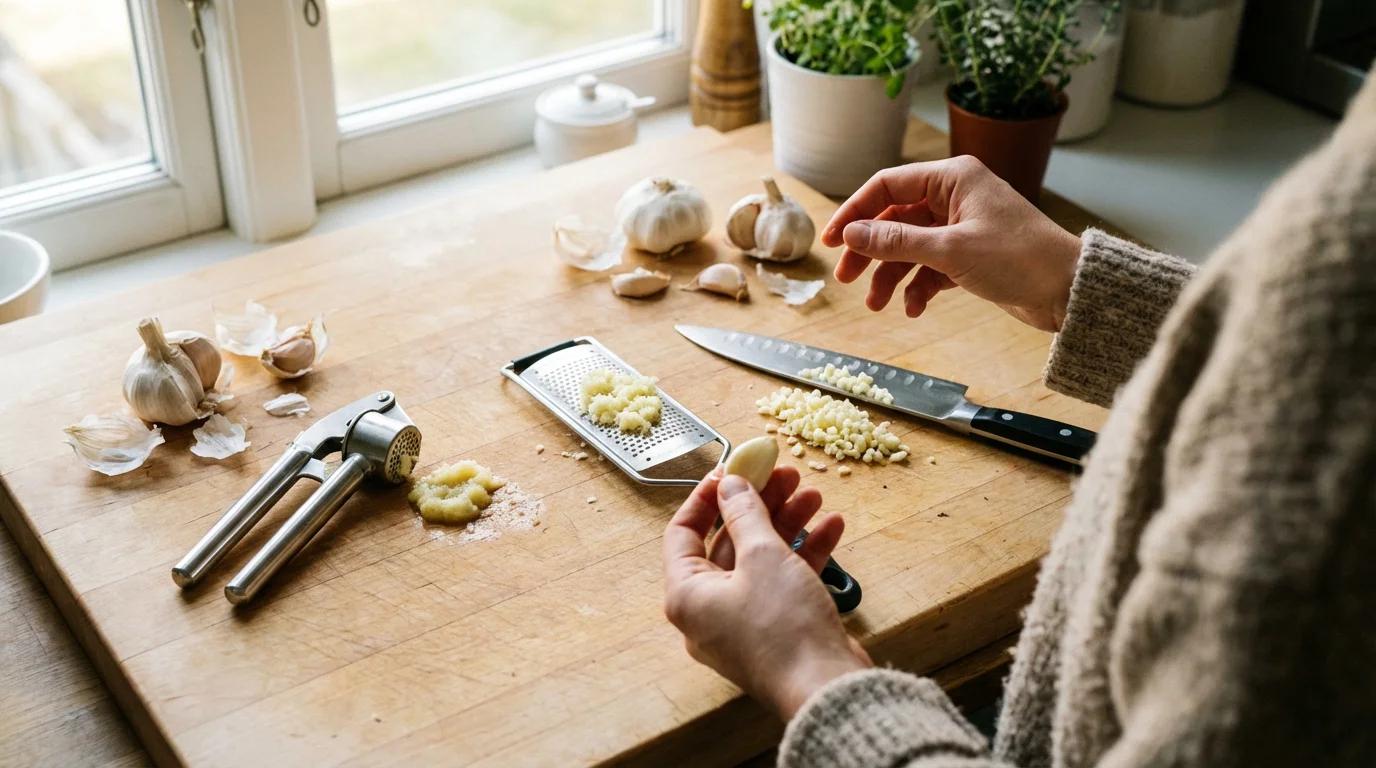
The best garlic tool for you depends on your cooking habits, the quantity of garlic you typically prepare, and the desired final texture. Here is a comparison to help you weigh the pros and cons of each major type of `garlic tool` discussed.
| Tool | Mince Quality | Speed | Ease of Cleaning | Cost | Versatility | Best For |
|---|---|---|---|---|---|---|
| Kitchen Knife (Chef’s/Paring) | Excellent (chopped, minced, paste, sliced) | Moderate (skill-dependent) | Very easy (rinse, wipe) | Moderate to High | Very High (fundamental skill) | Any task, developing knife skills, precise control. |
| Garlic Rocker | Good (uniform mince) | Fast (for 2-5 cloves) | Very easy (rinse, scrape) | Low to Moderate | Moderate (mincing only) | Quick mincing of small to medium quantities, less hand odor. |
| Garlic Slicer | Excellent (uniform thin slices) | Moderate (for slices) | Moderate (can have small crevices) | Low | Low (slicing only) | Specific recipes requiring thin, even garlic slices. |
| Microplane Grater | Excellent (ultra-fine paste) | Moderate (for paste) | Moderate (needs brush for trapped bits) | Low to Moderate | Low (fine grating only) | Creating smooth garlic paste for dressings, marinades. |
| Food Processor/Mini Chopper | Good (coarse chop to fine paste) | Very Fast (for large batches) | Moderate (multiple parts) | Moderate to High | High (many other uses) | Batch processing, large quantities, sauces, purees. |
Maintaining Your Garlic Tools for Longevity and Safety
Proper care of your `garlic tools`, especially cutting implements, ensures their longevity, maintains peak performance, and prioritizes your safety. A well-maintained tool is always more effective and less likely to cause accidents.
Knife Sharpening and Honing
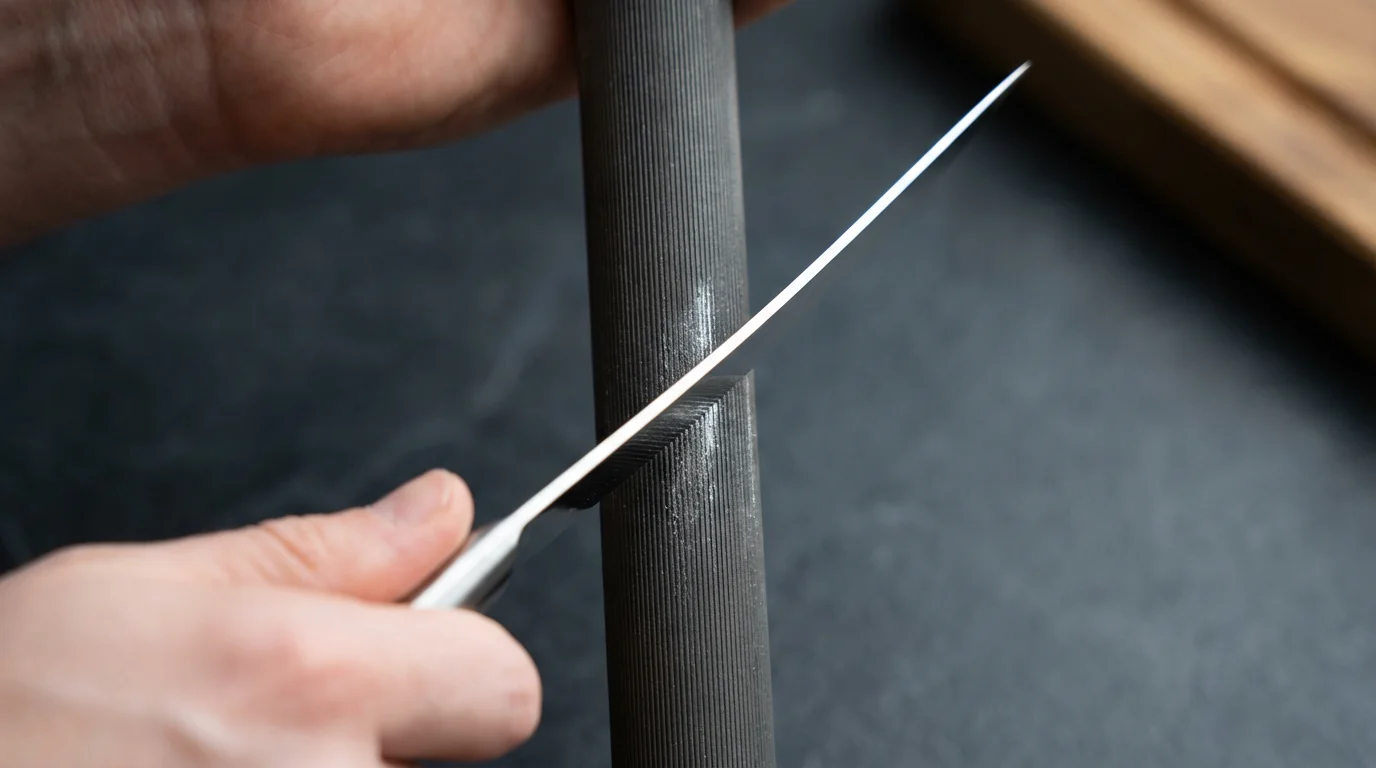
Regular maintenance for your kitchen knives is crucial. Understand the difference between “honing” and “sharpening.” Honing realigns the blade edge, straightening out any microscopic bends without removing metal. Use a honing rod before or after every few uses to keep your blade performing optimally. “Sharpening,” on the other hand, actually removes metal to create a new, sharper edge. This typically needs to happen less frequently, perhaps a few times a year depending on use, and can be done with a whetstone, electric sharpener, or professional service. A truly sharp blade requires less force to cut, significantly reducing the risk of slips and injuries.
Cleaning for All Tools
- Hand-Wash Whenever Possible: While some tools are labeled “dishwasher-safe,” hand-washing is often gentler and prolongs the life of sharp blades and plastic components. Use warm, soapy water and a non-abrasive sponge.
- Immediate Cleaning: Garlic is acidic and its residues can be sticky and corrosive. Clean tools immediately after use to prevent garlic from drying onto surfaces and to minimize odor transfer.
- Thorough Rinsing: Ensure all soap residue is rinsed away to prevent streaks or flavor transfer.
- Drying: Dry your tools thoroughly with a clean towel to prevent water spots and rust, especially on stainless steel blades. Air drying can leave mineral deposits.
Storage
Store knives in a block, on a magnetic strip, or with blade guards to protect their edges. Store smaller `garlic tools` like rockers, slicers, and microplanes in a drawer where blades are not exposed to prevent accidental cuts and protect the cutting surfaces from damage. Proper storage extends the life of your tools and maintains their sharpness.

Recommendations: Finding Your Perfect Garlic Companion
Selecting the right `garlic tools` comes down to your personal cooking style, frequency, and desired outcomes. Here are some recommendations tailored to different types of home cooks:
Best for Beginners: The Garlic Rocker and a Quality Chef’s Knife
If you are just starting your culinary journey, a good 8-inch chef’s knife provides the foundational skill development for all prep work, including garlic. Pair it with a `garlic rocker` for those times you need to quickly mince a few cloves without the intimidation of extensive knife work. This combination offers both skill-building and convenience, easing you into efficient garlic prep. Look for a rocker made of durable stainless steel that feels comfortable in your hand. Consumer Reports often reviews kitchen gadgets, and their recommendations for a basic chef’s knife can be a great starting point, focusing on balance and durability.
Best for Serious Cooks: High-Quality Chef’s Knife and a Microplane Grater
Experienced cooks who value precision and flavor control will find an investment in a premium chef’s knife invaluable. This allows for superior control over mincing, slicing, and pasting garlic. Supplementing this with a microplane grater rounds out your arsenal, providing the ability to create ultra-fine garlic paste for sophisticated sauces and dressings. This duo covers virtually every garlic preparation need with professional-level results.
Best Value: A Solid Chef’s Knife and a Small Cutting Board
For those prioritizing value and versatility, a single, well-chosen chef’s knife (around $50-$100) will serve you better than a collection of single-purpose gadgets. Learn to wield it effectively, and you can mince, slice, and even create a paste with skill. Pair it with a small, stable cutting board dedicated to aromatics like garlic, and you have an efficient, cost-effective setup that excels at all garlic tasks. This approach emphasizes mastering a fundamental tool rather than accumulating specialized gadgets.
Frequently Asked Questions
What is the `best way to mince garlic quickly`?
For 1-5 cloves, a garlic rocker offers one of the quickest and cleanest methods. If you are comfortable with a knife, smashing cloves with the side of a chef’s knife and then mincing with a rocking motion is also very fast. For larger quantities, a mini chopper or food processor provides the fastest solution, typically processing multiple heads of garlic in mere seconds with the pulse function.
Is a `garlic rocker` worth it compared to a knife or a press?
Many home cooks find a garlic rocker to be a worthwhile investment. It offers a quicker, cleaner mince than a traditional press, avoids the press’s inherent crushing action that can lead to bitterness, and is significantly easier to clean. While a sharp knife offers more versatility, the rocker provides excellent efficiency for everyday mincing tasks, especially for those who prefer to keep garlic odors off their hands.
Does the type of tool affect the flavor of the garlic?
Yes, the way you process garlic significantly impacts its flavor. Crushing garlic, as often happens with a traditional press, can release more of its bitter compounds and reduce its fresh, pungent bite. A fine mince from a knife or rocker, or a paste from a microplane, activates different enzymes and releases more allicin, contributing to a more intense and complex flavor. Slicing, conversely, provides a milder, more subtle garlic flavor as less cell structure is broken.
How do I remove garlic smell from my hands and tools?
To remove garlic smell from your hands, rub your hands vigorously under cold running water against a stainless steel object, such as your sink or a spoon. The sulfur compounds in garlic react with the metal, neutralizing the odor. For tools, washing immediately with warm soapy water is usually sufficient. For stubborn smells, a paste of baking soda and water or a soak in diluted vinegar can help.
Disclaimer: Product prices and availability change frequently. Prices shown were accurate at time of writing but may have changed. We may earn a small commission from purchases made through links on this site, at no extra cost to you. Always use cutting tools carefully and follow manufacturer safety guidelines.
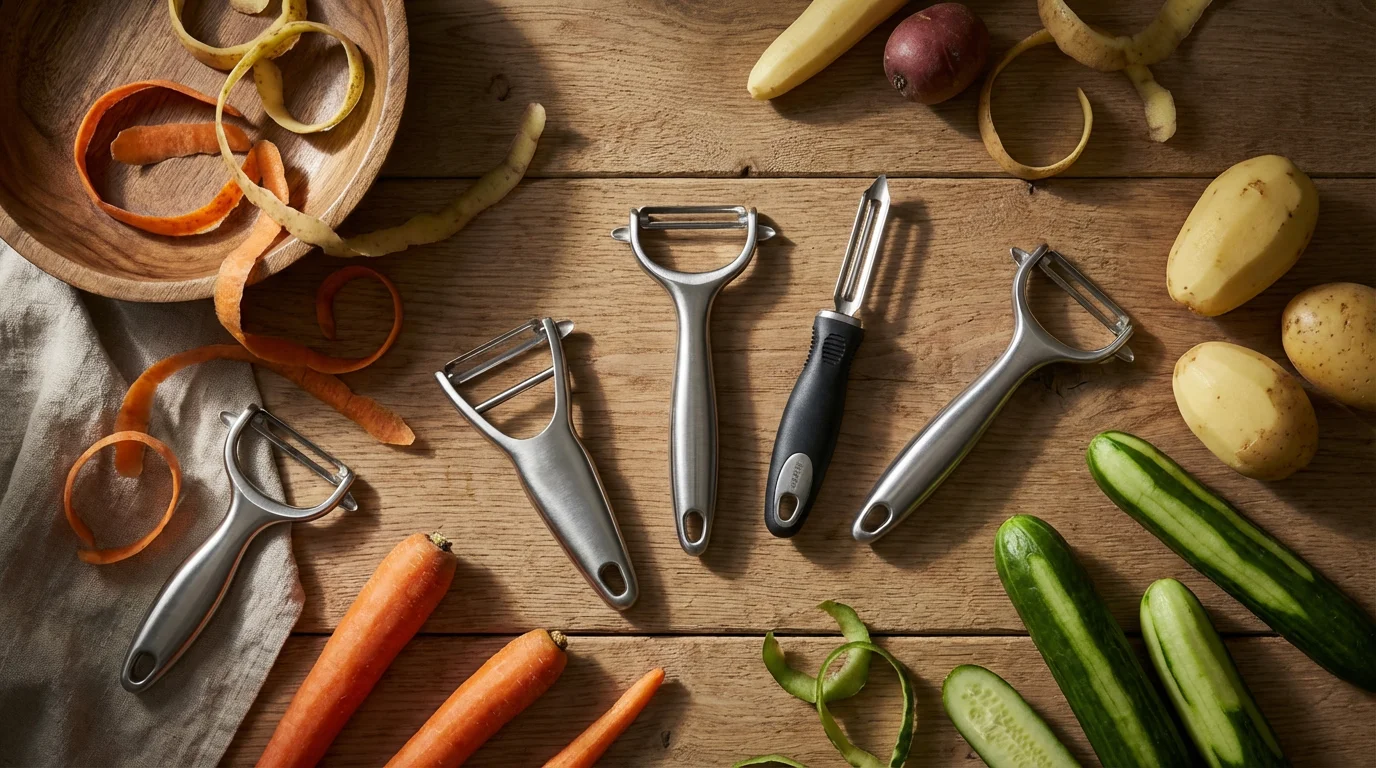
If you find peeling multiple cloves tedious, using the best vegetable peelers for your other prep needs can save significant time.
While dedicated slicers are great for garlic, mandoline slicers offer similar precision for a wider variety of larger vegetables.

Leave a Reply