

Every home cook understands the rhythm of meal preparation: chop, sauté, boil, and drain. While knives and cutting boards claim much of the spotlight for efficiency, your colanders and strainers play an equally critical, though often overlooked, role in speeding up your kitchen routine. Selecting the right draining tool simplifies tasks from rinsing delicate berries to draining a hefty pot of pasta, enhancing both safety and efficiency in your kitchen.
Choosing the best colander or strainer for your needs extends beyond basic function. You want tools that handle hot liquids safely, rinse ingredients thoroughly without loss, and withstand frequent use. This guide helps you navigate the options, focusing on practical applications and durable designs that truly make a difference in your meal prep.

Understanding Colanders and Strainers: The Essential Differences
While often used interchangeably, colanders and strainers serve distinct purposes due to their design. Understanding these differences helps you select the correct tool for your task, ensuring efficiency and preventing frustration.
Before you begin rinsing your harvest, using high-quality vegetable peelers can help you prepare ingredients more efficiently.
Colanders: Your Go-To for Draining Large Items
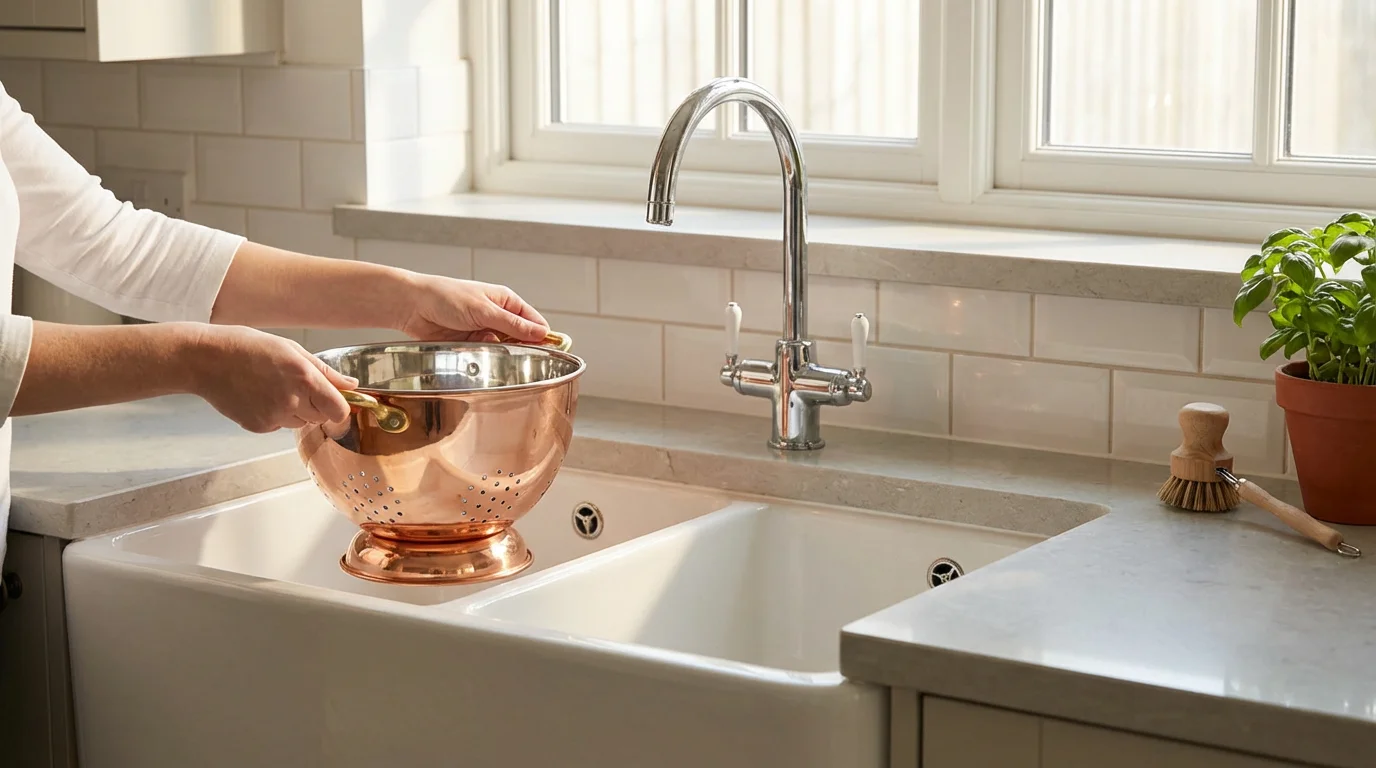
A colander is a bowl-shaped kitchen utensil with perforations, or holes, designed to drain liquids from food. These holes typically measure larger than a fine mesh, making colanders ideal for draining substantial items like pasta, potatoes, or washing large quantities of vegetables. Colanders usually feature a base or feet to elevate them from the sink bottom, preventing drained water from re-contacting your food. They also commonly include handles for secure gripping, especially when handling heavy or hot contents.
Strainers: Precision for Smaller Particles and Finer Tasks
A strainer, conversely, is a device for separating wanted elements from unwanted material, most commonly referring to tools with a fine mesh. This woven wire construction, with its very small holes, excels at tasks requiring precision. You use fine mesh strainers for rinsing tiny grains like quinoa or rice, sifting flour and powdered sugar, or straining stocks, sauces, and teas to remove small particles and achieve a smooth consistency. They often come with a handle and sometimes a hook to rest on the edge of a pot or bowl.
The distinction boils down to hole size: larger perforations for colanders handle bulk draining, while the tiny holes of fine mesh strainers manage smaller ingredients and more delicate separation tasks.
Materials Matter: Choosing for Durability and Safety
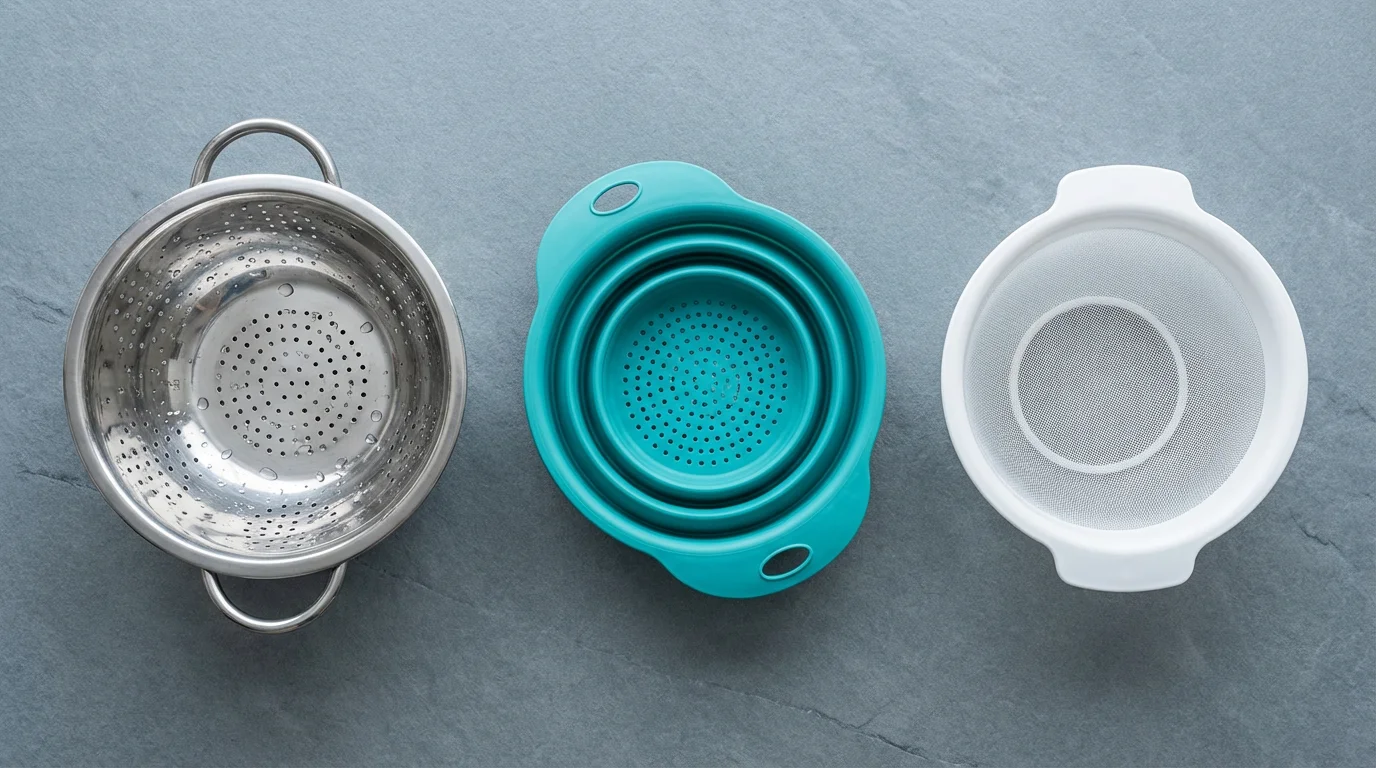
The material of your colander or strainer impacts its durability, heat resistance, cleaning ease, and overall safety. You find these tools in stainless steel, plastic, and silicone, each with distinct advantages and disadvantages.
Stainless Steel: The Professional’s Choice
Stainless steel colanders and strainers stand as the workhorses of the kitchen. You find them in various grades, with 18/8 or 18/10 stainless steel indicating a high chromium and nickel content that resists corrosion and rust. These tools offer exceptional durability, withstand high temperatures, and do not impart flavors to your food. They are also non-reactive, meaning they will not react with acidic foods like tomatoes or citrus. Their robustness makes them ideal for draining boiling pasta or hot blanched vegetables.
- Pros: Extremely durable, rust-resistant (especially higher grades), heat-safe, non-reactive, easy to clean, often dishwasher-safe.
- Cons: Can be heavier, may scratch non-stick surfaces if not handled carefully, typically higher upfront cost.
Plastic: Lightweight and Budget-Friendly
Plastic colanders offer a lightweight and often more affordable alternative. Modern plastic versions are typically BPA-free, addressing health concerns associated with older plastics. They come in a wide array of colors and designs, making them a fun addition to your kitchen. However, their heat resistance varies significantly. Avoid using plastic colanders for very hot liquids, as high temperatures can warp the plastic or potentially leach chemicals.
- Pros: Lightweight, inexpensive, available in many colors, won’t scratch delicate surfaces.
- Cons: Less durable, prone to warping or melting with high heat, can stain over time, not always suitable for very hot foods.
Silicone: Flexible and Space-Saving
Silicone colanders and strainers have gained popularity for their flexibility and space-saving design. Many models collapse flat for easy storage, a significant advantage in smaller kitchens. Silicone is heat-resistant, making it suitable for draining hot foods, and gentle on non-stick cookware. It also provides a non-slip grip, enhancing safety when handling. You must ensure the silicone is food-grade and heat-safe for optimal performance and safety.
- Pros: Flexible, collapsible for storage, heat-resistant, non-stick properties, gentle on cookware, good grip.
- Cons: Can be more expensive than plastic, some find them less rigid for very heavy items, can absorb odors if not cleaned properly.
Key Features for Optimal Performance
Beyond material, several design features dictate how effectively and safely a colander or strainer performs its job. Paying attention to these details helps you choose tools that genuinely enhance your cooking experience.
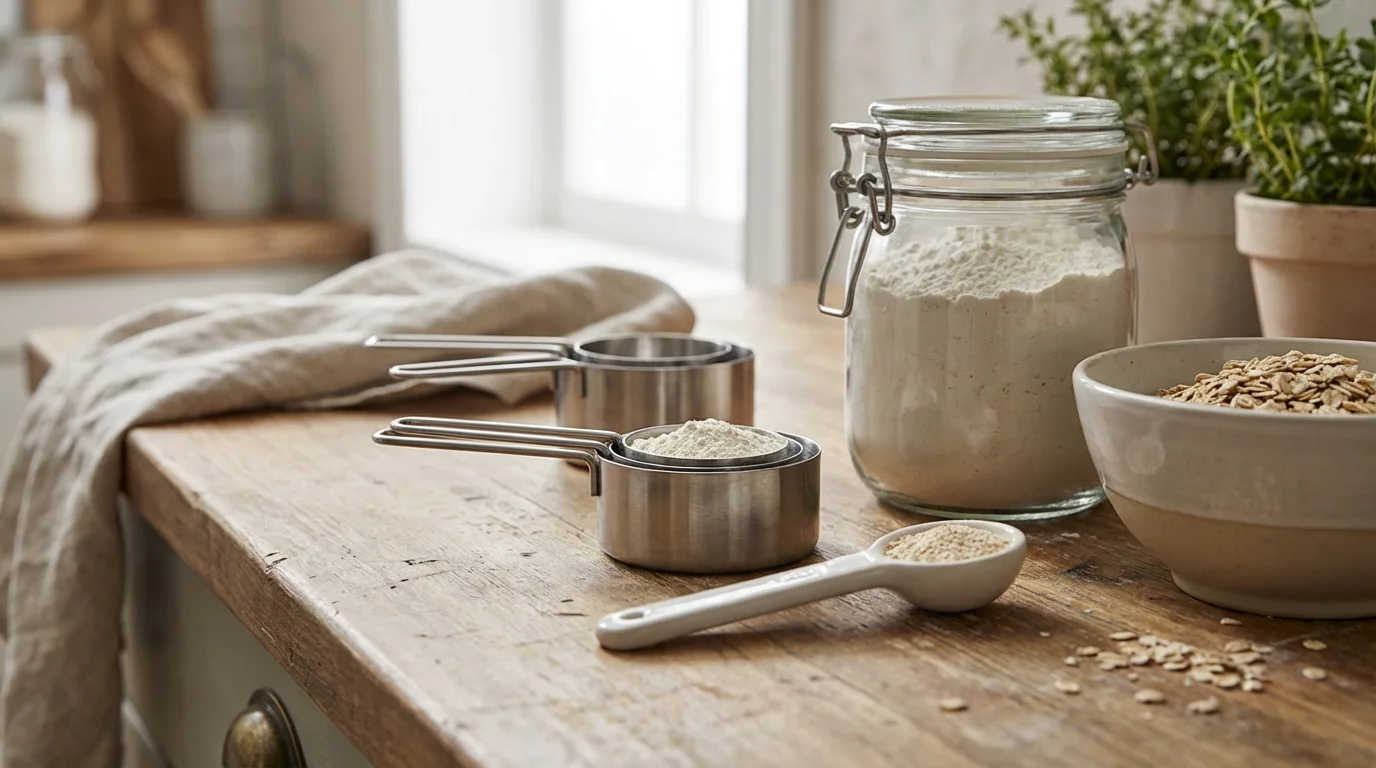
While colander capacity is important for draining, using accurate measuring cups and spoons ensures your recipes remain balanced from the start.
Size and Capacity
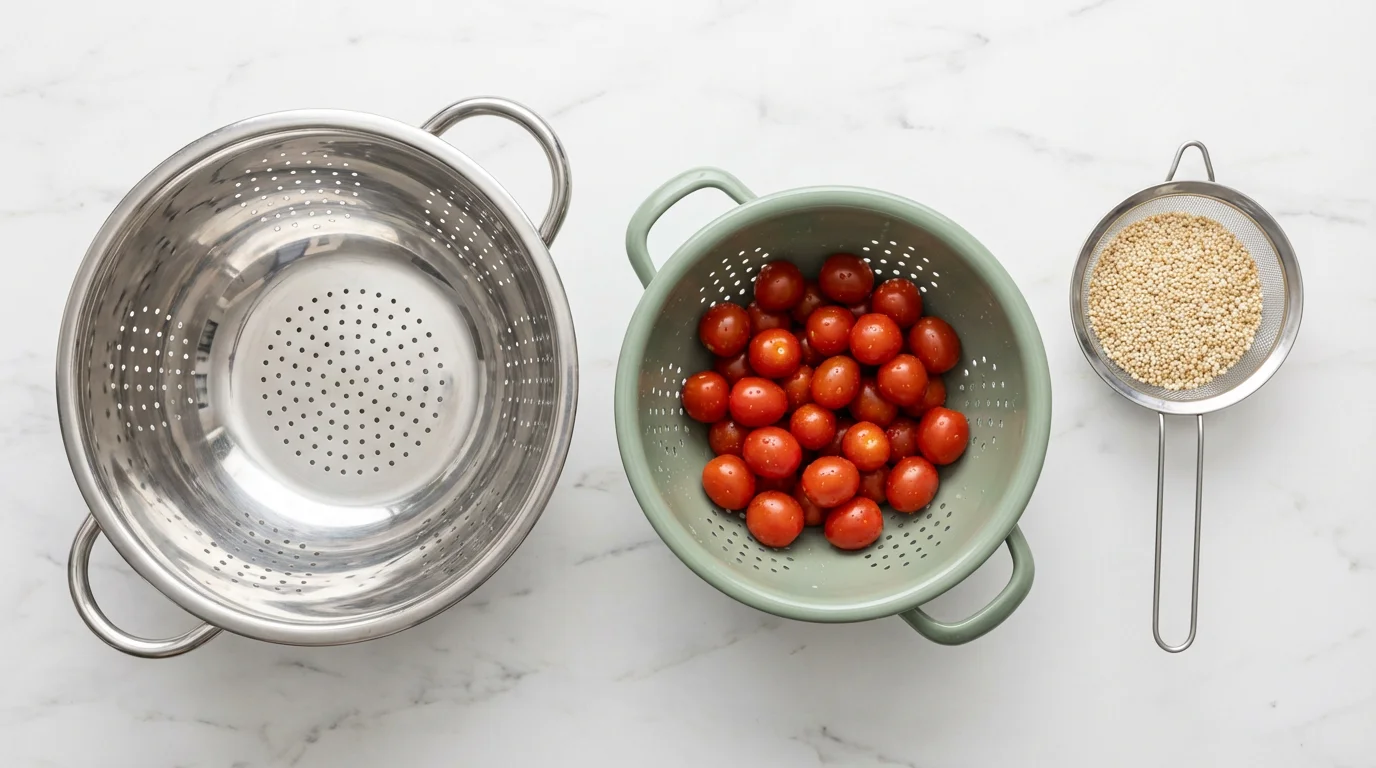
Colanders and strainers come in various sizes, from small handheld strainers for single servings to large 5-quart colanders for family-sized pasta batches. Consider your typical cooking volume. A common recommendation is a primary 3-quart to 5-quart colander for general tasks and a smaller 1-quart fine mesh strainer for precision work. Too small a colander means you might need to drain in batches, wasting time and risking spills. Too large a strainer can be cumbersome for small tasks.
Stability and Handles
Stability prevents tipping and spills, especially when dealing with hot, heavy food. Look for colanders with a broad, stable base or sturdy feet that elevate the tool sufficiently from the sink basin. Handles are crucial for safety and ergonomics. Well-designed handles, whether loop, ear, or side handles, offer a secure, comfortable grip, reducing the risk of hand fatigue and accidental burns. Silicone-coated handles provide an extra layer of heat protection and a non-slip grip.
“A stable colander with ergonomic handles is not a luxury, but a safety necessity. It prevents awkward juggling of hot, heavy ingredients, significantly reducing burn risks.”
Hole Size and Pattern
The size and pattern of the holes directly influence what you can drain. Traditional colanders feature larger, uniformly spaced holes suitable for pasta, vegetables, and potatoes. Fine mesh strainers have tiny, tightly woven holes, perfect for rinsing rice, quinoa, or straining stocks. Some colanders even feature micro-perforations, bridging the gap between traditional colanders and fine mesh strainers, offering versatility for various tasks without losing small grains.
Cleaning and Storage
Ease of cleaning significantly impacts how often you reach for a tool. Many stainless steel and some plastic/silicone colanders are dishwasher-safe, simplifying cleanup. Fine mesh strainers sometimes require a soft brush to dislodge trapped food particles. Consider how the tool stores in your kitchen. Collapsible silicone options save drawer space, while nesting stainless steel sets offer compact storage for multiple sizes. Good Housekeeping often evaluates kitchen tools for their ease of cleaning and durability, which you can research at Good Housekeeping’s appliance section.
Footed vs. Rimmed
Footed colanders have a separate base or distinct feet that lift the draining surface off your countertop or sink. This design ensures water drains away completely and your food never sits in its own runoff. Rimmed strainers, often smaller, may rest directly on a bowl or pot via a sturdy rim or extended handles. Each serves a purpose, but for general draining, a well-footed colander offers superior hygiene.
Choosing the Right Tool for the Job
Equipping your kitchen with a versatile set of colanders and strainers empowers you to tackle any recipe with confidence and efficiency. Here is how you match the tool to the task:
Draining Pasta and Large Vegetables
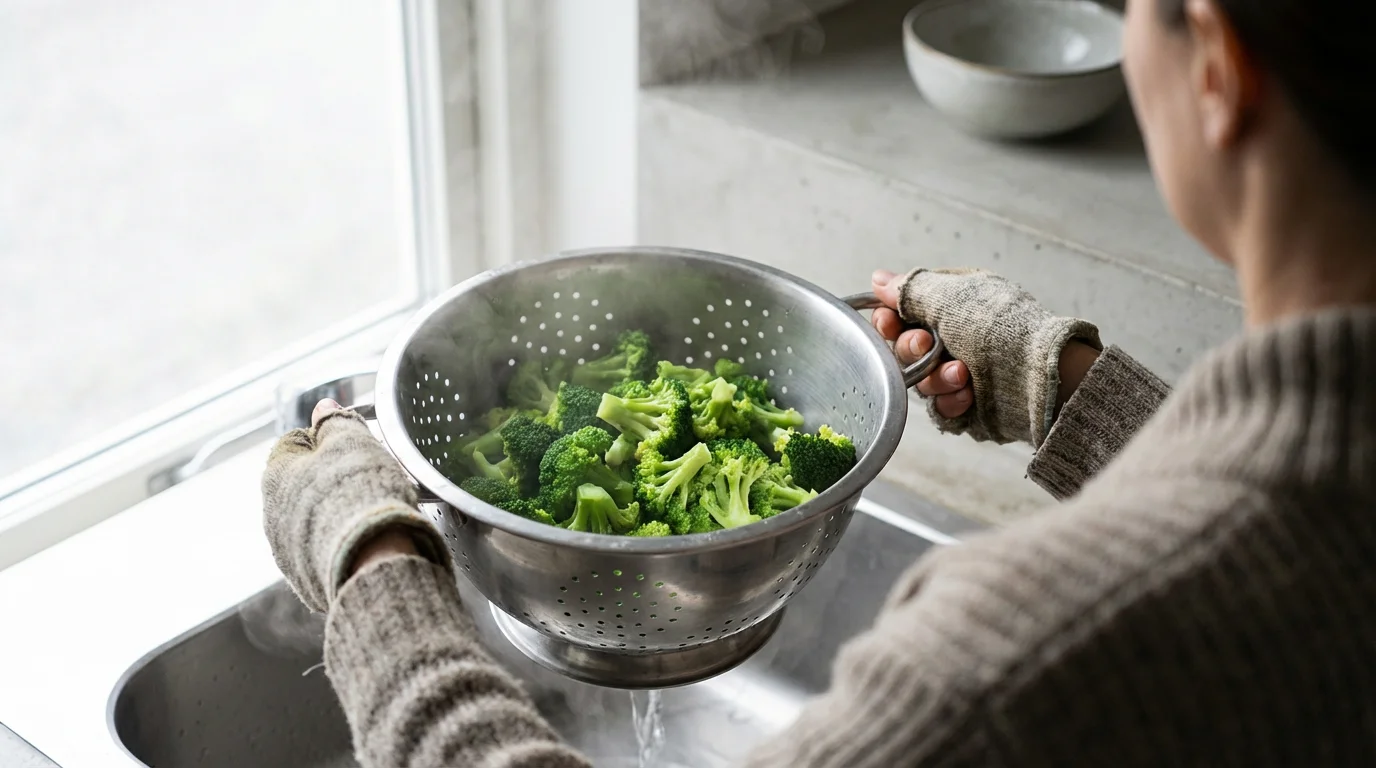
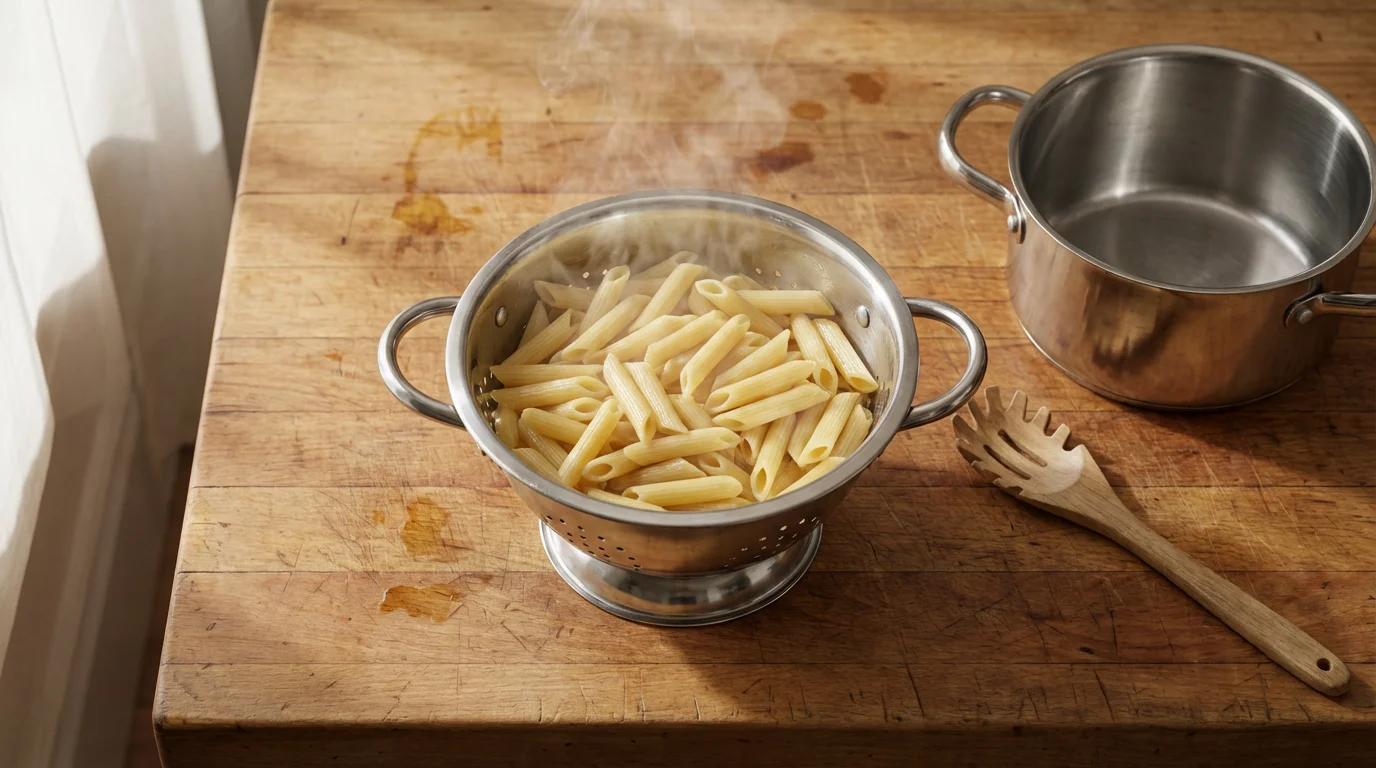
For large volumes of hot pasta, blanched vegetables, or boiled potatoes, a large, sturdy stainless steel colander with a stable base and comfortable handles is indispensable. Its robust construction handles heavy loads and high temperatures safely. The larger perforations ensure rapid draining without clogging, preventing your pasta from becoming soggy.
Washing Produce
When washing fruits and vegetables, you need a tool that cleans thoroughly without bruising delicate items or letting small pieces escape. A medium-sized perforated colander, either stainless steel or a sturdy, BPA-free plastic, works well for most produce. For berries or chopped greens, a colander with slightly smaller holes or even a fine mesh strainer can prevent loss. Many cooks appreciate a colander bowl set for this, where the colander nests inside a solid bowl, allowing for easy rinsing and soaking.
Rinsing Grains and Legumes
Rinsing rice, quinoa, lentils, or other small grains demands a fine mesh strainer. The tiny mesh prevents even the smallest grains from slipping through while allowing water to flow freely, removing excess starch and debris. Using the wrong tool, such as a large-holed colander, will result in significant grain loss and frustration. A medium-sized fine mesh strainer, approximately 8-inch diameter, handles most grain-rinsing tasks effectively.
Straining Stocks, Sauces, and Purees
Achieving a smooth, clear stock or sauce requires a dedicated fine mesh strainer, sometimes referred to as a chinois if it is conical. The incredibly fine mesh captures even the smallest impurities, ensuring a silky texture. For delicate tasks like straining custard or removing seeds from fruit purees, an extra-fine mesh or a conical strainer gives you superior results. You can also use a fine mesh strainer to ‘sieve’ cooked vegetables for baby food or smooth soups, enhancing consistency.
Sifting Dry Ingredients
Although often done with specific sifting tools, a large, deep fine mesh strainer can effectively sift flour, powdered sugar, cocoa powder, and other dry ingredients. Its broad surface area allows for efficient aeration and removal of lumps, which helps create light and airy baked goods. This dual-purpose utility makes a good quality fine mesh strainer a highly versatile addition to your kitchen arsenal, a point frequently emphasized by culinary experts at Serious Eats in their equipment reviews.
Our Top Picks for Every Kitchen
Building an efficient kitchen tool collection means selecting items that offer versatility, durability, and ease of use. You do not need dozens of strainers, but a thoughtful selection makes all the difference.
Best for Beginners: The All-Around Stainless Steel Colander
If you buy only one draining tool, choose a medium-to-large (3-5 quart) stainless steel colander. It handles most general kitchen tasks: draining pasta, washing produce, and rinsing canned beans. Look for one with a stable footed base and sturdy loop handles. It is durable, heat-safe, and generally dishwasher-friendly, offering maximum utility with minimal fuss.
- Why it’s great: Highly versatile, robust, easy to clean, essential for basic cooking needs.
- Considerations: May be bulky for small kitchens.
Best for Serious Cooks: A Duo of Stainless Steel and Fine Mesh
Experienced cooks benefit from a combination: a large, high-quality stainless steel colander (5+ quarts) for substantial draining, paired with an 8-inch stainless steel fine mesh strainer. This duo covers everything from draining pounds of pasta to crafting smooth sauces. The fine mesh strainer also proves invaluable for rinsing delicate grains, sifting dry ingredients, or even steaming small vegetables over boiling water.
- Why it’s great: Comprehensive functionality, professional-grade durability, precision for intricate tasks.
- Considerations: Requires more storage space, higher initial investment.
Best Value & Space-Saving: Collapsible Silicone Colander and Small Fine Mesh
For smaller kitchens or budget-conscious cooks, a collapsible silicone colander offers excellent value. Choose a medium size (3 quarts) for versatility. Pair this with a small (3-4 inch) stainless steel fine mesh strainer for rinsing small portions or sifting. The silicone colander’s ability to fold flat saves precious cabinet space, and its heat resistance makes it safe for hot foods. The small fine mesh handles quick sifting and tea-straining tasks.
- Why it’s great: Excellent space-saver, budget-friendly, good heat resistance for daily tasks.
- Considerations: Silicone may lack the rigidity for very heavy loads, tiny mesh can be fiddly to clean.
Here is a comparison of these recommended types:
| Feature | All-Around Stainless Steel Colander | Stainless Steel Fine Mesh Strainer | Collapsible Silicone Colander |
|---|---|---|---|
| Primary Use | Draining pasta, large veggies, washing produce | Rinsing small grains, sifting, straining sauces | Draining pasta, veggies, washing produce (space-saving) |
| Material | Stainless steel (e.g., 18/8) | Stainless steel mesh and frame | Food-grade silicone, often with plastic base/rim |
| Hole Type | Perforated (larger holes) | Fine mesh (very small woven holes) | Perforated (larger holes) |
| Capacity Range | 3-5 quarts common | Typically 1-4 quarts, or 3-10 inch diameter | 2-5 quarts common |
| Heat Resistance | Excellent, suitable for boiling liquids | Excellent, suitable for hot liquids/steam | Good, safe for hot liquids |
| Storage | Bulky, nests with other bowls | Can hang, may not nest perfectly | Folds flat, excellent for small spaces |
| Dishwasher Safe | Typically Yes | Typically Yes (may require pre-rinse) | Often Yes |
| Pros | Extremely durable, versatile, hygienic, fast draining | Precision tasks, no grain loss, sifting, clear stocks | Space-saving, heat-resistant, non-scratch, lightweight |
| Cons | Can be bulky, heavier, higher cost | Not for bulk draining, requires thorough cleaning of mesh | Less rigid for heavy items, can stain, less aesthetic |
Safety and Maintenance for Longevity
Using and maintaining your colanders and strainers correctly ensures they last longer and remain safe for food contact. Your safety always comes first, especially when handling hot liquids.
Handling Hot Liquids Safely
When draining boiling water from pasta or blanched vegetables, always exercise extreme caution. Use a colander with sturdy, heat-resistant handles that allow you to maintain a firm grip. Position the colander securely in the sink before pouring. Pour slowly and away from your body to prevent steam burns. If using a plastic colander, ensure it is specifically rated for high temperatures, or opt for a stainless steel or silicone alternative when dealing with boiling liquids. Consumer Reports frequently advises on the safe use and durability of kitchen tools, which you can explore on their appliances section.
Cleaning for Hygiene and Durability
Proper cleaning prevents bacterial growth and extends the life of your tools. After each use, rinse your colander or strainer thoroughly to remove all food particles. For most stainless steel and dishwasher-safe plastic/silicone models, a trip through the dishwasher suffices. For fine mesh strainers, tiny food bits can become lodged in the mesh. Use a stiff brush or even a toothpick to gently dislodge particles, then wash with warm, soapy water. Always dry your stainless steel tools completely to prevent water spots or potential rusting, especially if they are not a higher grade of stainless steel.
Smart Storage Solutions
Effective storage protects your tools from damage and keeps your kitchen organized. Collapsible silicone colanders are champions of space-saving. Stainless steel colanders often nest within mixing bowls or other colanders, maximizing vertical storage. Hang fine mesh strainers from a hook or store them in a drawer where they will not get bent or squashed. Avoid cramming items into drawers or cabinets where they can warp or scratch, compromising their functionality and appearance.
Frequently Asked Questions
What is the difference between a colander and a sieve?
A colander is generally a larger, bowl-shaped utensil with larger perforations, primarily used for draining liquids from bulkier foods like pasta or vegetables. A sieve, often synonymous with a fine mesh strainer, features a much finer mesh and is used for more precise tasks such as sifting flour, straining smooth sauces, or rinsing very small grains like quinoa.
Can I use a plastic colander for hot pasta?
You can use a plastic colander for hot pasta if the manufacturer explicitly states it is heat-safe for boiling liquids. Many modern BPA-free plastic colanders are designed to withstand high temperatures. However, stainless steel or silicone colanders generally offer superior heat resistance and durability for draining very hot items, reducing the risk of warping or potential chemical leaching.
How do I clean a fine mesh strainer effectively?
To clean a fine mesh strainer effectively, rinse it immediately after use to prevent food from drying onto the mesh. For stubborn particles, use a soft brush, a bottle brush, or even an old toothbrush to gently scrub the mesh from both sides under running water. A soak in warm, soapy water for a few minutes can also help loosen stuck-on food before scrubbing. Ensure you dry it thoroughly to prevent rust.
Is it worth buying an over-the-sink colander?
An over-the-sink colander is definitely worth considering if you frequently drain large quantities, wash bulky produce, or need hands-free draining. Its expandable design allows it to rest securely across your sink, freeing up your hands and counter space. This makes it particularly useful for washing large batches of greens or for tasks that require long periods of draining, such as thawed foods.
Disclaimer: Product prices and availability change frequently. Prices shown were accurate at time of writing but may have changed. We may earn a small commission from purchases made through links on this site, at no extra cost to you. Always use cutting tools carefully and follow manufacturer safety guidelines.


Leave a Reply