

A well-equipped kitchen provides the right tool for every task, and for precision, dexterity, and control, no tool surpasses the paring knife. This small but mighty blade empowers you to tackle detailed food preparation with confidence, transforming intricate tasks from tedious chores into efficient steps in your cooking process. Many home cooks overlook the paring knife, often reaching for a larger chef’s knife for every cut. You gain significant safety and efficiency by selecting the right specialized tool.
This guide explores the essential role of the paring knife in your kitchen. Discover its unique characteristics, learn why it excels at particular jobs, and understand how to choose, use, and maintain the perfect paring knife for your culinary needs. You will master delicate tasks, speed up your meal prep, and work more safely.
Understanding the Paring Knife
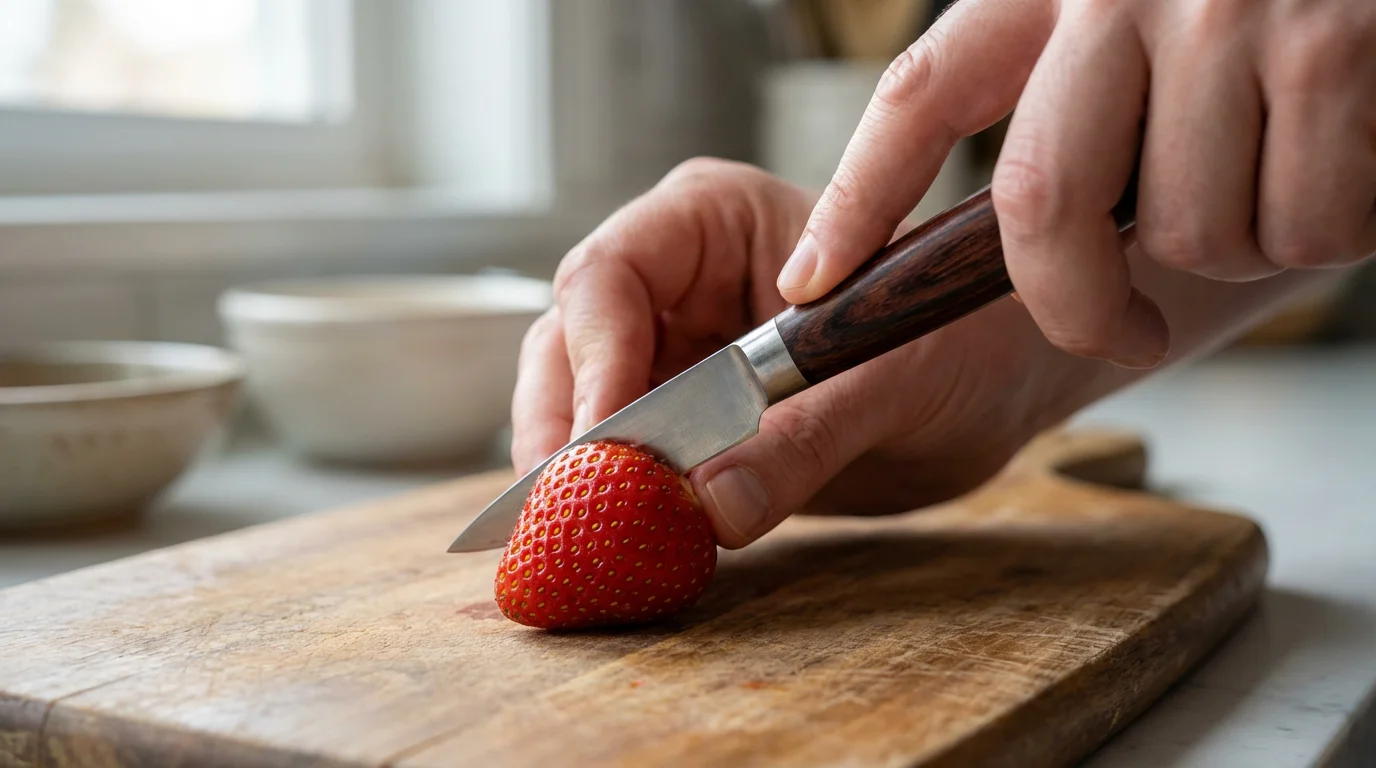
A paring knife stands out in your knife block as a compact, nimble tool designed specifically for intricate, close-up work. Typically featuring a blade length between 2.5 and 4 inches, this small knife provides unparalleled control for tasks that require precision. While your larger chef’s knife handles general chopping and slicing with power, the paring knife offers the delicate touch needed for detailed operations. Think of it as the surgical instrument of your kitchen, allowing you to manipulate ingredients with accuracy that a longer blade simply cannot provide.
The term “paring” itself describes the act of peeling or trimming off the outer layer of a fruit or vegetable, highlighting its primary function. However, its utility extends far beyond just peeling. It truly is a detail knife, essential for any task requiring accuracy, finesse, and the ability to work directly in hand rather than solely on a cutting board. Embracing the paring knife means embracing efficiency and safety for these specific culinary challenges.

Anatomy of a Precision Tool
Understanding the components of a paring knife helps you appreciate its design and how it contributes to its effectiveness. While smaller, it shares fundamental characteristics with larger kitchen knives, all optimized for control and balance.
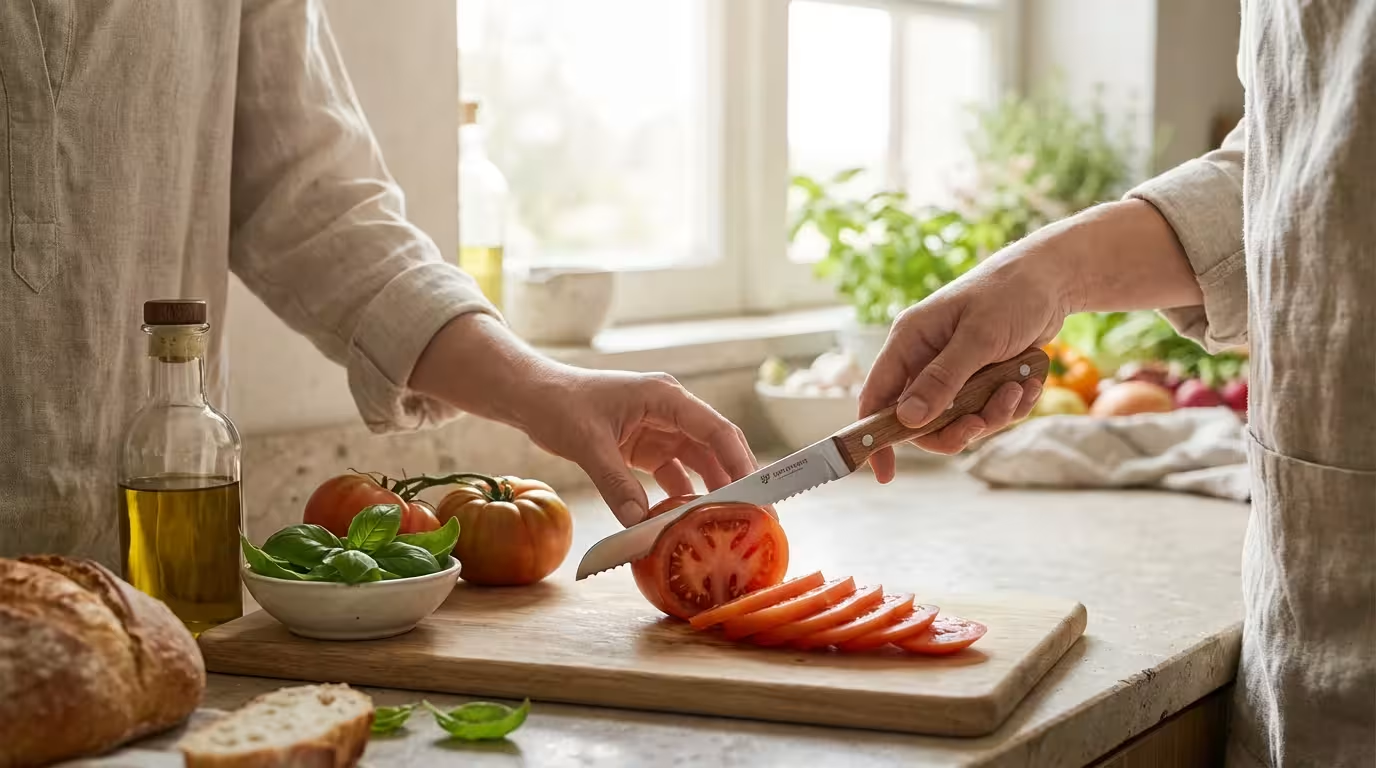
Just as the paring knife is the master of detail, bread knives provide specialized serrated edges for tasks that require cutting through tough crusts.
- Blade: The sharp part of the knife, typically between 2.5 and 4 inches long. Paring knife blades often feature a pointed tip for piercing and a slight curve for rock-chopping action on a small scale.
- Edge: The sharpened part of the blade that performs the cutting. A keen edge is paramount for safety and efficiency.
- Spine: The unsharpened top edge of the blade, often thicker for strength.
- Tip: The very end of the blade, crucial for piercing and scoring.
- Heel: The rear part of the blade, closest to the handle. It offers leverage for tougher cuts.
- Bolster: This thick section where the blade meets the handle adds balance and provides a crucial safety barrier, protecting your fingers from slipping onto the blade. High-quality knives often feature a well-defined bolster.
- Tang: The part of the blade that extends into the handle. A full tang means the blade extends all the way through the handle. This construction ensures superior balance, strength, and durability, distributing weight evenly for better control during detailed work. Partial tangs are lighter but generally less robust.
- Handle: Designed for grip and comfort. Materials vary widely, from wood and synthetic polymers to composite materials. Ergonomics are key, as you will often use this knife for extended periods of detailed work.
- Rivets: Pins that secure the handle scales to a full tang.
When you choose a paring knife, consider how these elements come together to create a tool that feels like a natural extension of your hand. This synergy is particularly important for a detail knife where fine motor control is paramount.
When to Reach for Your Small Knife: Essential Uses
Knowing what is paring knife used for transforms your kitchen workflow. Its compact size and precise control make it indispensable for tasks where larger knives prove unwieldy or unsafe. Here are some of its primary applications:
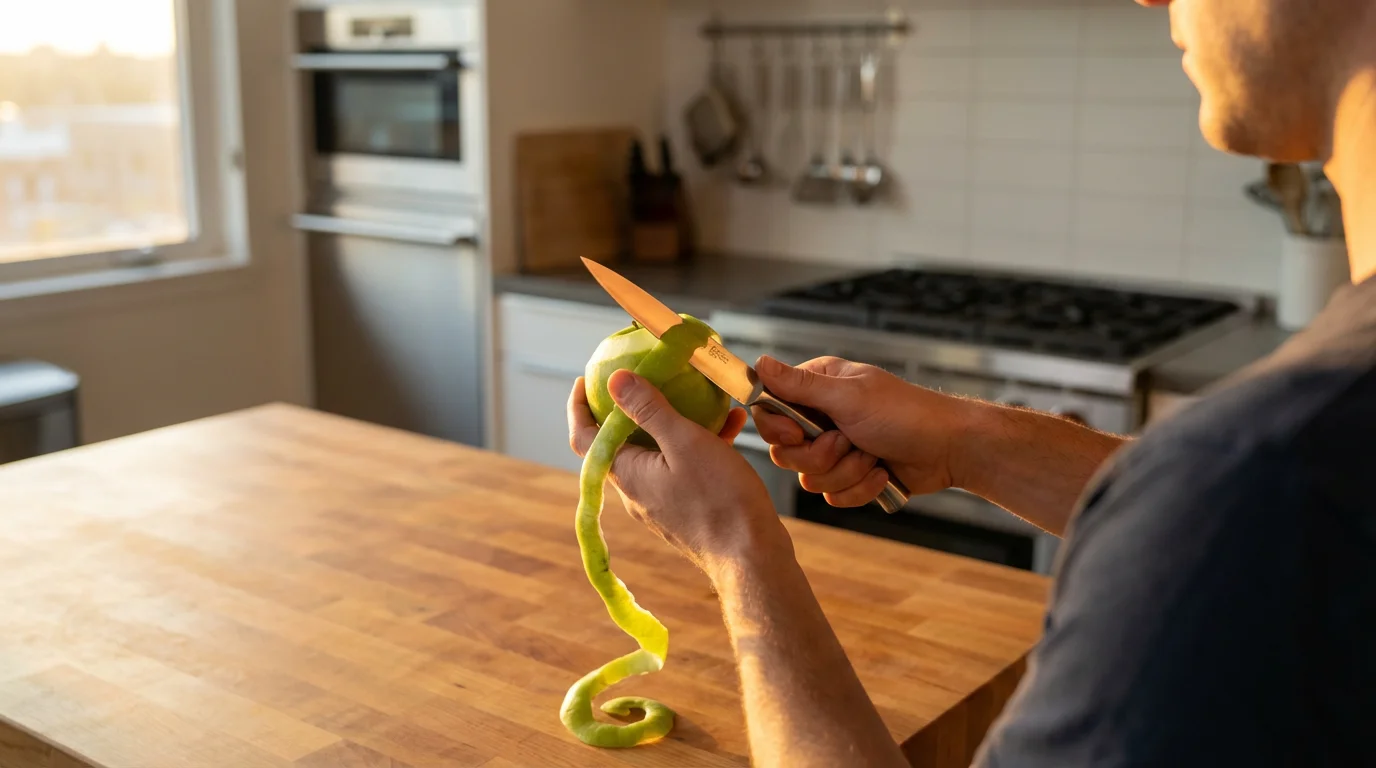
- Peeling Fruits and Vegetables: This is the classic application. Its short blade and sharp tip allow you to follow the contours of round or irregularly shaped produce, removing only the thin outer layer. This makes it the best paring knife for peeling fruit like apples, pears, and mangoes, as well as vegetables like potatoes, carrots, and asparagus. You exert precise control over the depth of your cut, minimizing waste.
- Coring and Hulling: Easily core apples, remove strawberry hulls, or clean out the core of a tomato. The pointed tip precisely extracts unwanted parts without damaging the surrounding flesh.
- Trimming and Shaping: Trim fat from meat, remove blemishes from produce, or shape vegetables for decorative purposes. For example, creating tournéed potatoes or preparing garnishes becomes much simpler with a paring knife.
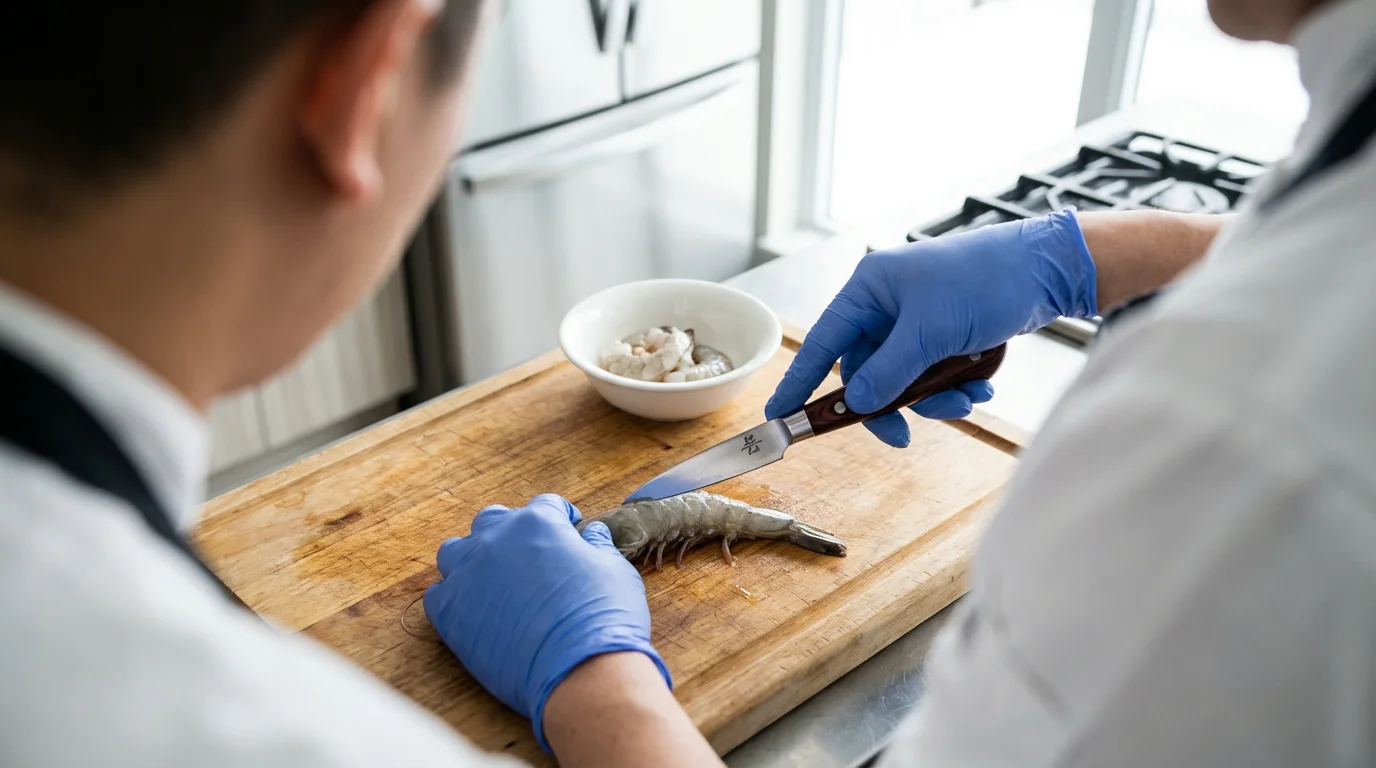
- Deveining Shrimp: The sharp tip excels at making a shallow incision along a shrimp’s back to remove the vein.
- Mincing Garlic and Shallots: For small quantities, a paring knife provides excellent control for finely mincing garlic cloves or shallots, especially when you need to maintain a very fine texture.
- Segmenting Citrus: Create beautiful, membrane-free citrus segments (supremes) by slicing between the fruit’s membranes with precision.
- Making Small Incisions or Scoring: Score bread dough, create small pockets in roasts for stuffing, or make shallow cuts on vegetables for faster cooking.
- Opening Packages: Safely open food packaging or ingredient bags without fumbling with scissors or larger, more dangerous blades.
Integrating the paring knife into your routine for these specific tasks greatly improves both the speed and the quality of your prep work. You avoid the awkwardness and potential hazards of trying to perform delicate maneuvers with a long, heavy blade.
Choosing Your Ideal Detail Knife
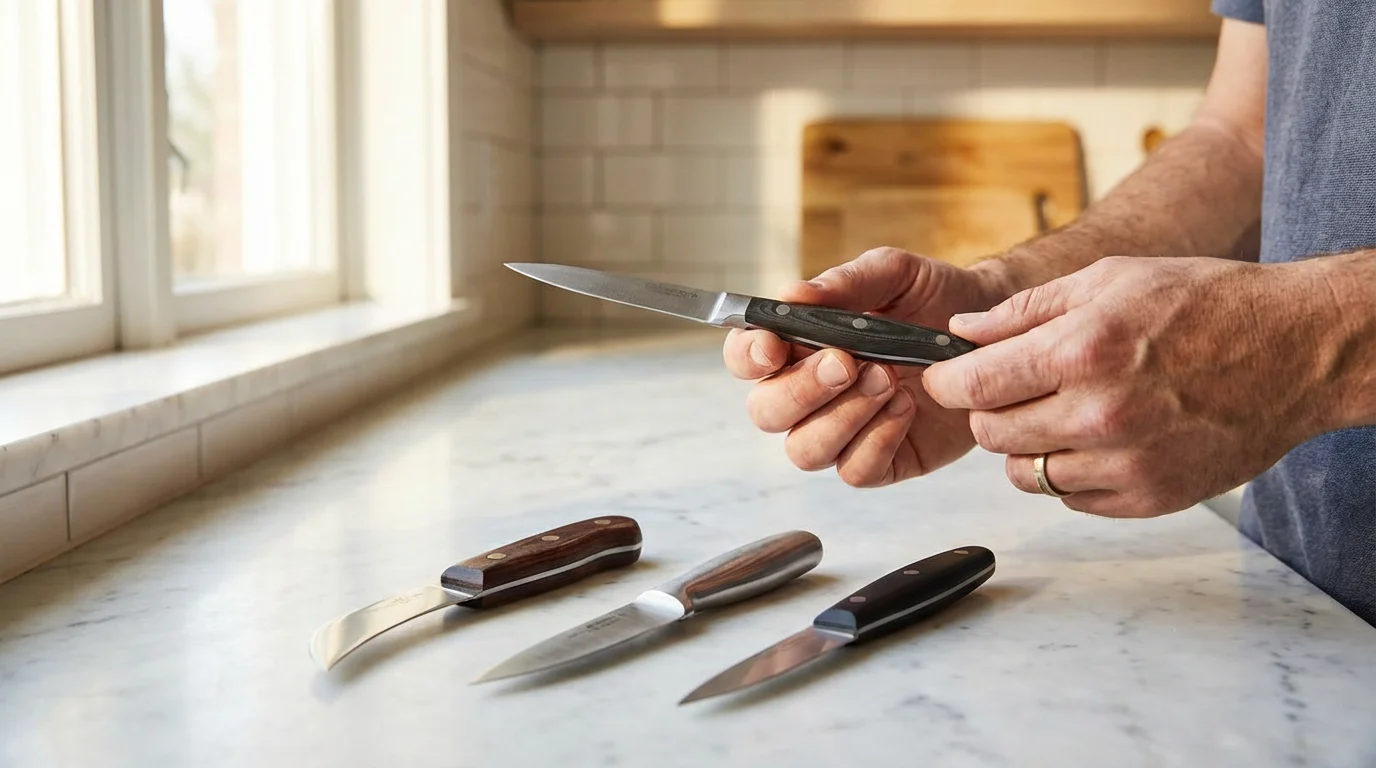
Selecting the right paring knife involves considering blade material, handle design, and overall balance. Your choice impacts performance, maintenance, and comfort.
Blade Materials: Performance and Care
The blade’s material dictates its sharpness retention, resistance to corrosion, and how easily it sharpens. The three main types are:
- High-Carbon Stainless Steel: This is the most common and widely recommended material for kitchen knives. It combines the rust resistance of stainless steel with the edge retention and sharpening capabilities of high-carbon steel. These blades hold a sharp edge well, are relatively easy to resharpen, and resist staining and corrosion with proper care. You find excellent examples in this category from reputable brands.
- Carbon Steel: Offers exceptional sharpness and edge retention, often surpassing stainless steel. However, carbon steel is prone to rust and discoloration (patina) if not meticulously cleaned and dried immediately after use. It requires more diligent maintenance, which some experienced cooks appreciate for its superior cutting performance.
- Ceramic: Extremely hard and holds an edge for a very long time without sharpening. Ceramic blades are also lightweight and entirely rust-proof. The significant downside is their brittleness; they can chip or break easily if dropped or twisted, and you cannot sharpen them with conventional sharpeners, requiring professional service or specialized tools. Consider ceramic knives carefully for specific, delicate tasks, but avoid them for any twisting or prying motions.
For most home cooks, high-carbon stainless steel offers the best balance of performance, durability, and maintenance ease. According to Wirecutter’s kitchen knife reviews, this material consistently performs well across various tests.
Handle Design and Ergonomics
Since you use a paring knife for tasks requiring fine motor skills, a comfortable and secure grip is crucial. Consider these aspects:
- Material:
- Wood: Offers a classic look and comfortable feel, but requires more maintenance (hand-washing, occasional oiling) and can be less durable than synthetic options.
- Synthetic (e.g., composite, POM, polypropylene): Durable, hygienic, often dishwasher-safe (though hand-washing extends knife life), and provides a secure grip even when wet. Many professional kitchens favor synthetic handles for their practicality.
- Stainless Steel: Highly durable and hygienic, but can become slippery when wet and may feel cold or heavy in hand.
- Shape and Size: The handle should fit comfortably in your hand, providing a secure grip without causing fatigue during extended use. Some handles feature ergonomic contours that naturally align with your hand.
- Balance: A well-balanced knife feels comfortable and natural. For a paring knife, many prefer a blade-heavy balance, which helps guide the tip through delicate cuts. The presence of a full tang often contributes significantly to this balance.
Exploring Paring Knife Blade Types
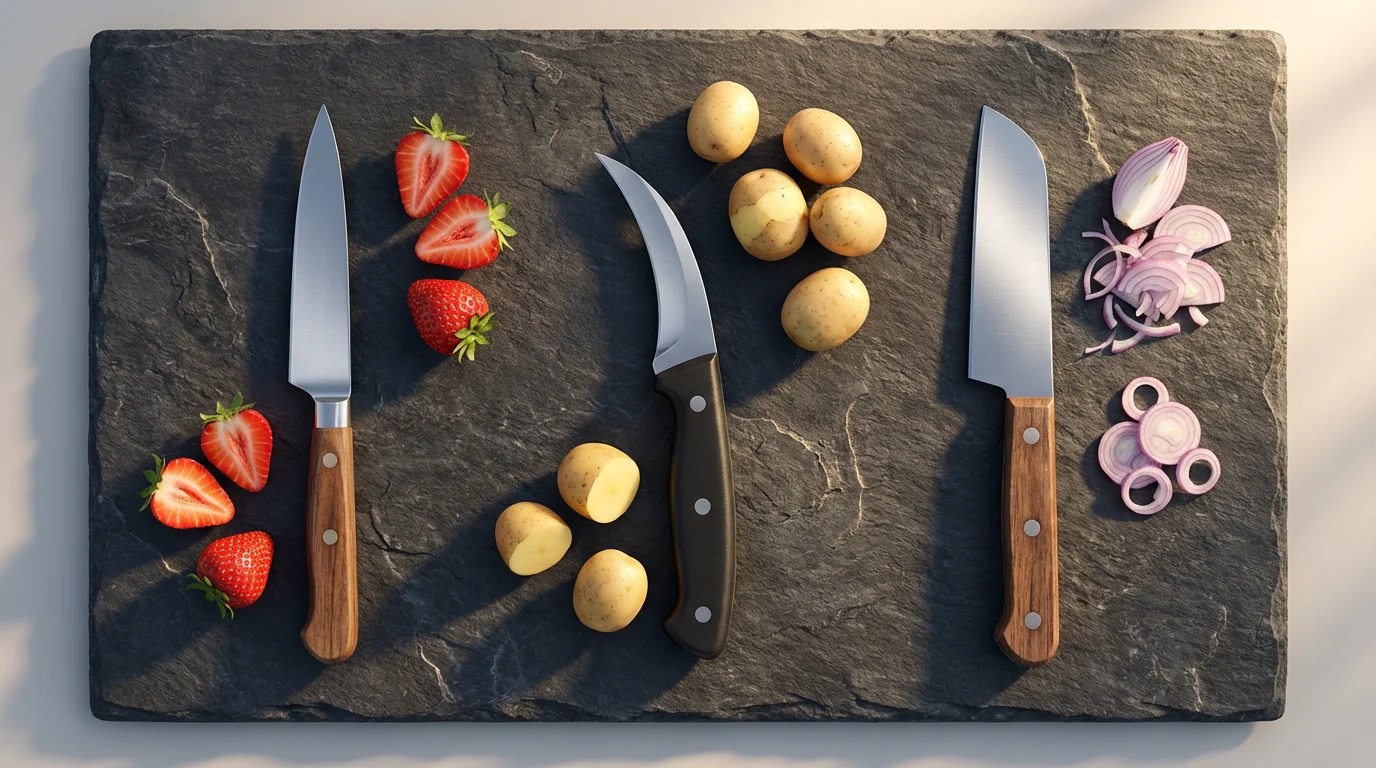
Paring knives come in a few distinct blade shapes, each offering subtle advantages for specific tasks. While a classic spear point handles most jobs, understanding the variations helps you pick a specialized tool if your prep calls for it.
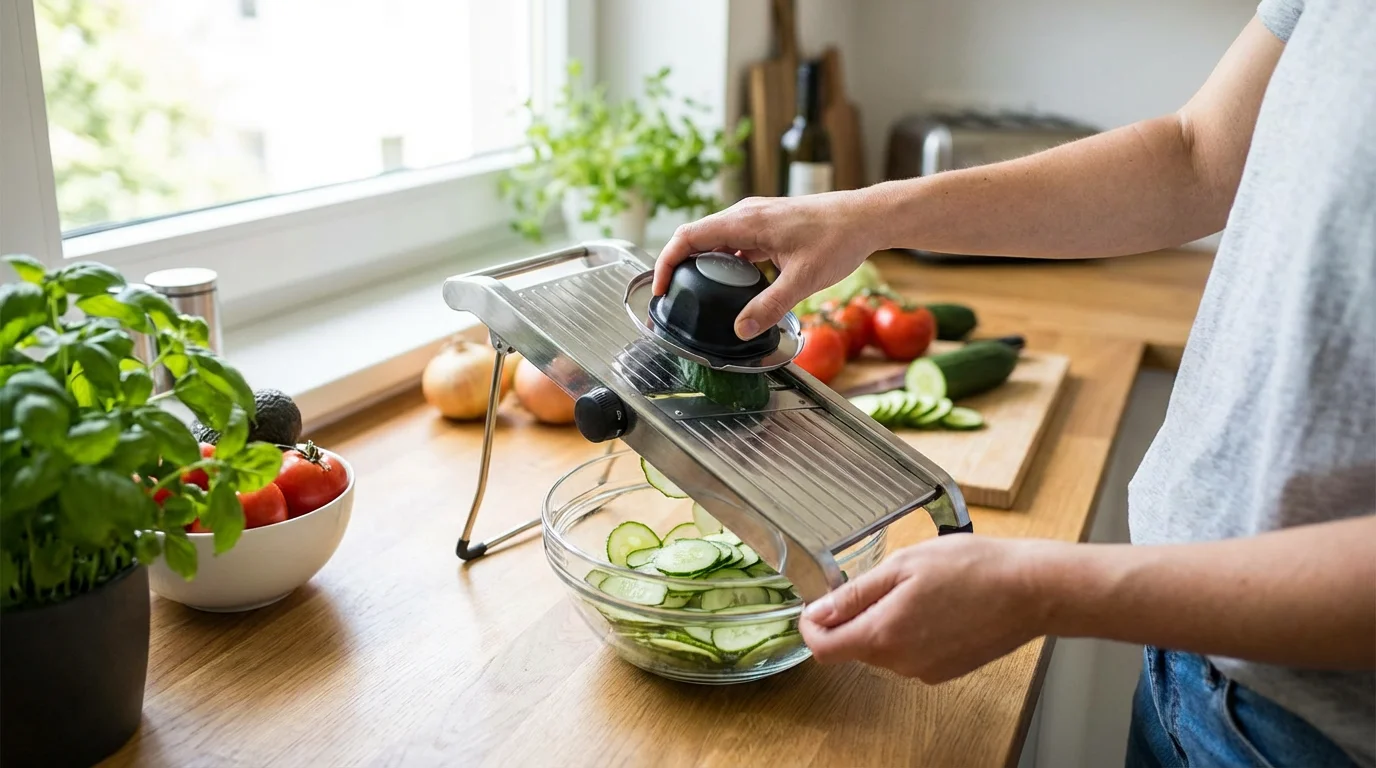
When your preparation requires dozens of identical, paper-thin slices, using one of the best mandoline slicers can save significant time compared to handheld cutting.
| Blade Type | Description | Best For | Typical Length |
|---|---|---|---|
| Spear Point | The most common type, with a symmetrical, pointed tip that tapers to a fine point. The blade often has a slight curve. | General peeling, coring, mincing small ingredients, making precise cuts, and detailed work. Excellent all-rounder. | 3 to 4 inches |
| Bird’s Beak (Tourné) | Features a concave, inward-curving blade resembling a bird’s beak. This unique shape allows for very precise, rounded cuts. | Peeling round fruits and vegetables (e.g., tournéing potatoes), intricate garnishes, creating decorative cuts, removing imperfections. | 2.5 to 3 inches |
| Sheep’s Foot | Has a straight edge and a blunt, rounded spine that curves down to meet the edge at the tip. It lacks a sharp point. | Chopping and mincing small ingredients on a board, dicing garlic, herbs, or shallots. The blunt tip reduces accidental piercing. | 3 to 4 inches |
For most home cooks, a spear point paring knife proves versatile enough for nearly every task. If you frequently perform highly decorative cuts or enjoy the challenge of tournéing vegetables, a bird’s beak knife makes an excellent specialized addition.
Mastering Technique and Safety
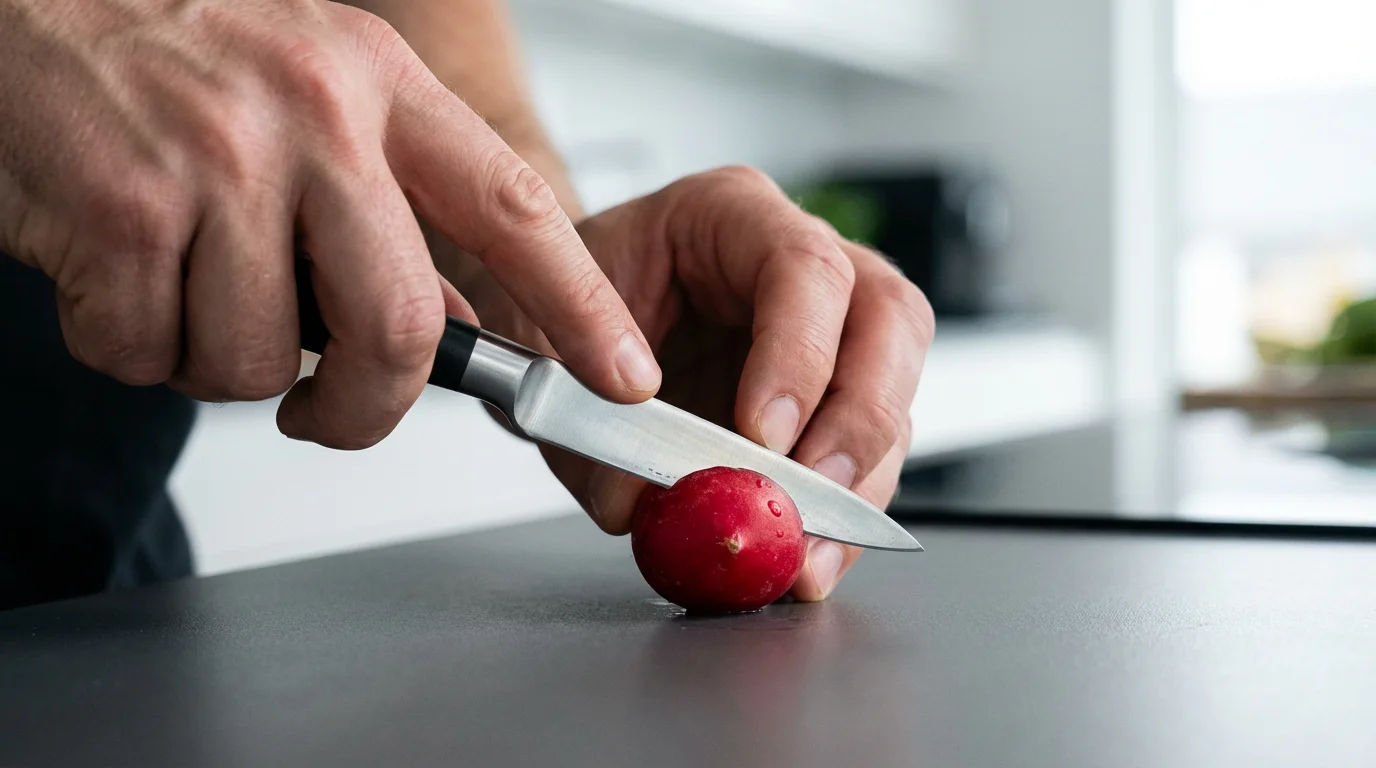
Proper technique maximizes the efficiency of your paring knife and, more importantly, ensures your safety. Many kitchen accidents stem from improper grip or dull blades. Follow these guidelines for confident and secure use.
The Right Grip
Unlike larger knives where you might use a “pinch grip” on the blade for more control, with a paring knife, you often hold it more like a pencil or a small tool, especially for in-hand peeling. Your dominant hand should wrap around the handle, with your thumb and forefinger guiding the blade. Keep your grip firm but relaxed, avoiding excessive tension which leads to hand fatigue.
Key Techniques
- In-Hand Peeling: Hold the item (e.g., potato, apple) in your non-dominant hand. With your paring knife, gently slice away from yourself, rotating the item as you go. Use your thumb on the item’s surface to guide the blade and maintain control. This is where the short blade truly shines for its agility.
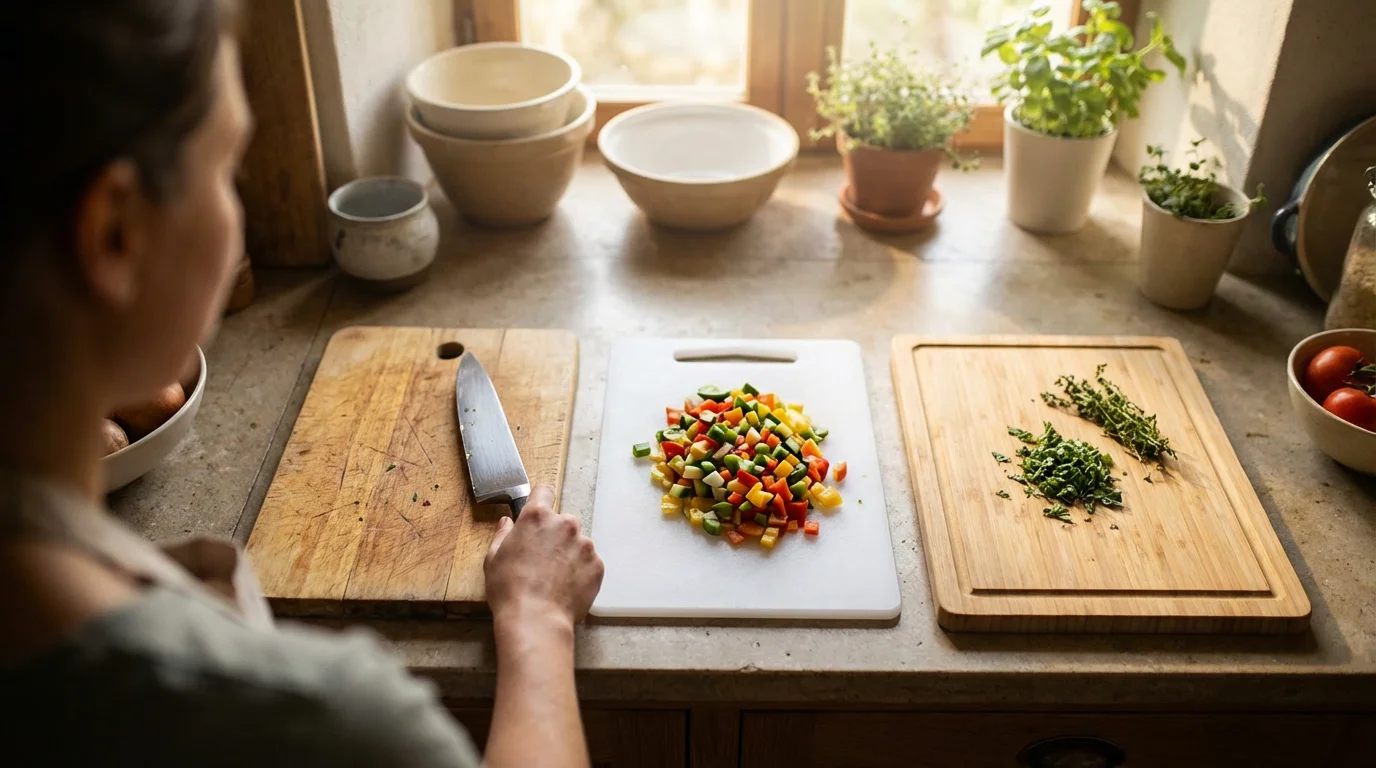
- Board Work: For tasks like mincing garlic or trimming small vegetables, use the paring knife on a cutting board. Employ a slight “rocking” motion for mincing or a straight push-cut for trimming. Always keep the non-cutting hand’s fingertips tucked back, forming a “claw” grip on the food to protect them.
- Coring and Hulling: Insert the tip of the knife around the core or hull, then make a circular motion to cut it out. Maintain firm control of both the knife and the ingredient.
“A sharp knife is a safe knife. You exert less force and maintain greater control with a keen edge, significantly reducing the risk of slippage and injury. Never struggle with a dull blade.”
Safety First, Always
Your safety in the kitchen is paramount. Follow these crucial safety tips whenever you handle a paring knife, or any knife:
- Keep Your Knives Sharp: A sharp blade cuts cleanly and predictably. A dull blade requires more force, increasing the chance of slipping and causing injury. Regularly honing your knife (realigning the edge) between uses and sharpening (removing metal to create a new edge) as needed is essential.
- Cut Away From Your Body: Always direct the blade’s movement away from your hands and body. This prevents accidental cuts.
- Secure Your Grip: Ensure your hands are dry and free of grease to maintain a firm grip on the handle.
- Use a Stable Surface: When working on a cutting board, place a damp cloth or non-slip mat underneath to prevent it from sliding.
- Store Safely: Store your paring knife in a knife block, magnetic strip, or sheathed in a drawer to protect the blade and prevent accidental contact. Never leave a knife loose in a drawer.
- Never Try to Catch a Falling Knife: Step back and let it fall. Your fingers are more valuable than the knife.
- Pay Attention: Avoid distractions when using knives. Focus on the task at hand.
Adopting these practices ensures you harness the power of your paring knife efficiently and without incident.

Caring for Your Paring Knife
Proper care extends the life of your paring knife, maintains its sharpness, and prevents rust or damage. Consistent maintenance makes a significant difference.
Cleaning and Drying
Always hand-wash your paring knife immediately after use. Hot, soapy water and a soft sponge work best. Avoid abrasive scrubbers that can scratch the blade. Thoroughly dry the knife with a clean towel immediately after washing. This prevents water spots, staining, and rust, especially on high-carbon stainless or carbon steel blades. Dishwashers expose knives to harsh detergents, high heat, and potential jostling, all of which dull the edge and damage handles, even on “dishwasher-safe” models. You prolong your knife’s life significantly by hand-washing it.
Honing and Sharpening
- Honing: Use a honing rod frequently, perhaps every 2-3 uses. Honing realigns the microscopic edge of the blade, which bends out of line during cutting. It does not remove metal; it simply straightens the edge, making it feel sharper. Hold the honing rod vertically or at a slight angle, then draw the blade down and across the rod at a 15-20 degree angle per side, alternating sides.
- Sharpening: When honing no longer restores the edge, it is time for sharpening. Sharpening actually removes a tiny amount of metal to create a new, sharper edge. You can use a whetstone, pull-through sharpener, or electric sharpener. For ceramic knives, you need diamond-coated sharpeners or professional services. Many home cooks send their knives for professional sharpening annually or bi-annually, depending on usage.
Consistent blade maintenance ensures your paring knife remains a precision tool, making every cut safer and more effective.
Storage
Proper storage protects both your knife’s edge and your hands. Options include:
- Knife Blocks: A classic, convenient option that protects blades.
- Magnetic Strips: Saves counter space and displays knives prominently, but requires careful placement to avoid blade damage.
- In-Drawer Trays/Sheaths: Keeps knives organized and protected in a drawer, preventing them from banging against other utensils.
Top Paring Knife Recommendations
Choosing the right paring knife involves matching your budget and cooking style with a quality tool. Here are some categories and characteristics to look for, offering a blend of value, performance, and ergonomics.
Best for Beginners: Victorinox Fibrox Pro Paring Knife (3.25-inch)
- Blade Material: High-carbon stainless steel.
- Handle: Fibrox (textured thermoplastic elastomer) provides an exceptional non-slip grip, even when wet.
- Pros: Extremely sharp out of the box, excellent value, lightweight, durable, and comfortable for extended use. The grip minimizes hand fatigue. Easy to maintain.
- Cons: A utilitarian aesthetic, lacking the polished finish of premium brands.
- Why it’s great: This knife consistently receives high marks for its performance-to-price ratio. It offers a professional-grade edge and a secure, comfortable grip, making it a safe and efficient choice for new cooks still developing their knife skills.
Best for Serious Cooks: Wüsthof Classic Paring Knife (3.5-inch)
- Blade Material: Forged high-carbon stainless steel.
- Handle: Full tang, triple-riveted synthetic handle for durability and balance.
- Pros: Exceptional balance and heft, razor-sharp edge retention, precise control, and built to last a lifetime. The bolster offers excellent finger protection and weight distribution.
- Cons: A premium price point. Requires careful hand-washing.
- Why it’s great: For those who spend considerable time on intricate prep work, the Wüsthof Classic delivers superior feel and performance. Its robust construction and balanced design make detailed tasks feel effortless, embodying the quality found in high-end kitchen tools. America’s Test Kitchen frequently praises Wüsthof knives for their performance and durability.
Best Value (for specific tasks): OXO Good Grips Paring Knife (3.5-inch)
- Blade Material: Japanese stainless steel.
- Handle: Ergonomic, soft-grip handle.
- Pros: Inexpensive, very comfortable handle reduces hand fatigue, sharp enough for everyday paring tasks. Good for those needing a reliable utility knife without a significant investment.
- Cons: Edge retention is not as strong as premium brands, requiring more frequent honing. It feels lighter, which some prefer, but others might miss the heft.
- Why it’s great: OXO excels at ergonomic design, and this paring knife follows suit. Its comfortable grip is a major benefit for anyone prone to hand fatigue. While not a top-tier performer, it offers excellent functionality for its price, making it a smart purchase for occasional use or as a backup.
Frequently Asked Questions
What is a paring knife used for, exactly?
You use a paring knife for detailed, controlled tasks like peeling fruits and vegetables, coring apples, hulling strawberries, deveining shrimp, mincing small quantities of garlic or herbs, and creating intricate garnishes. Its small blade provides superior precision and control compared to a larger chef’s knife.
How do I sharpen my paring knife?
You sharpen a paring knife using a whetstone, pull-through sharpener, or electric sharpener, typically at a 15-20 degree angle per side. For daily maintenance, you hone the blade with a honing rod to realign the edge, which maintains sharpness between full sharpening sessions. For ceramic knives, you must use diamond-coated sharpeners or professional services due to their extreme hardness.
Can I put my paring knife in the dishwasher?
You should always hand-wash your paring knife immediately after use with warm, soapy water, and then dry it thoroughly. Dishwashers expose knives to harsh chemicals, high heat, and potential jostling, all of which dull the blade’s edge, damage the handle, and contribute to rust or corrosion, even if the manufacturer states it is “dishwasher safe.” Hand-washing preserves the knife’s longevity and performance.
What is the best paring knife for peeling fruit?
The best paring knife for peeling fruit is typically a 3 to 3.5-inch spear point paring knife made from high-carbon stainless steel. This combination offers a sharp, durable edge, excellent control for following fruit contours, and good maneuverability. A bird’s beak (tourné) paring knife also excels at peeling round fruits and vegetables due to its curved blade.
What is the difference between honing and sharpening?
Honing realigns the microscopic edge of a knife blade, which bends out of true with use. It pushes the edge back into a straight line without removing significant metal. Sharpening, on the other hand, grinds away a small amount of metal from the blade to create an entirely new, sharp edge when the existing one is too dull to be restored by honing.
Disclaimer: Product prices and availability change frequently. Prices shown were accurate at time of writing but may have changed. We may earn a small commission from purchases made through links on this site, at no extra cost to you. Always use cutting tools carefully and follow manufacturer safety guidelines.






Leave a Reply