

Successful meal preparation hinges on having the right tools. Among the most fundamental yet often overlooked items in your kitchen are mixing bowls. These humble vessels are the workhorses for everything from whisking eggs to marinating meats, proving essential for efficient and safe cooking. Choosing the correct mixing bowls, considering both their material and size, dramatically impacts your workflow, the quality of your dishes, and even your kitchen’s overall hygiene.
This guide helps you navigate the options, focusing on practical considerations for home cooks in the USA. We address common concerns about durability, ease of cleaning, and how different materials perform under various cooking conditions. Understanding these aspects allows you to make informed decisions, ensuring your kitchen bowls serve you reliably for years to come.
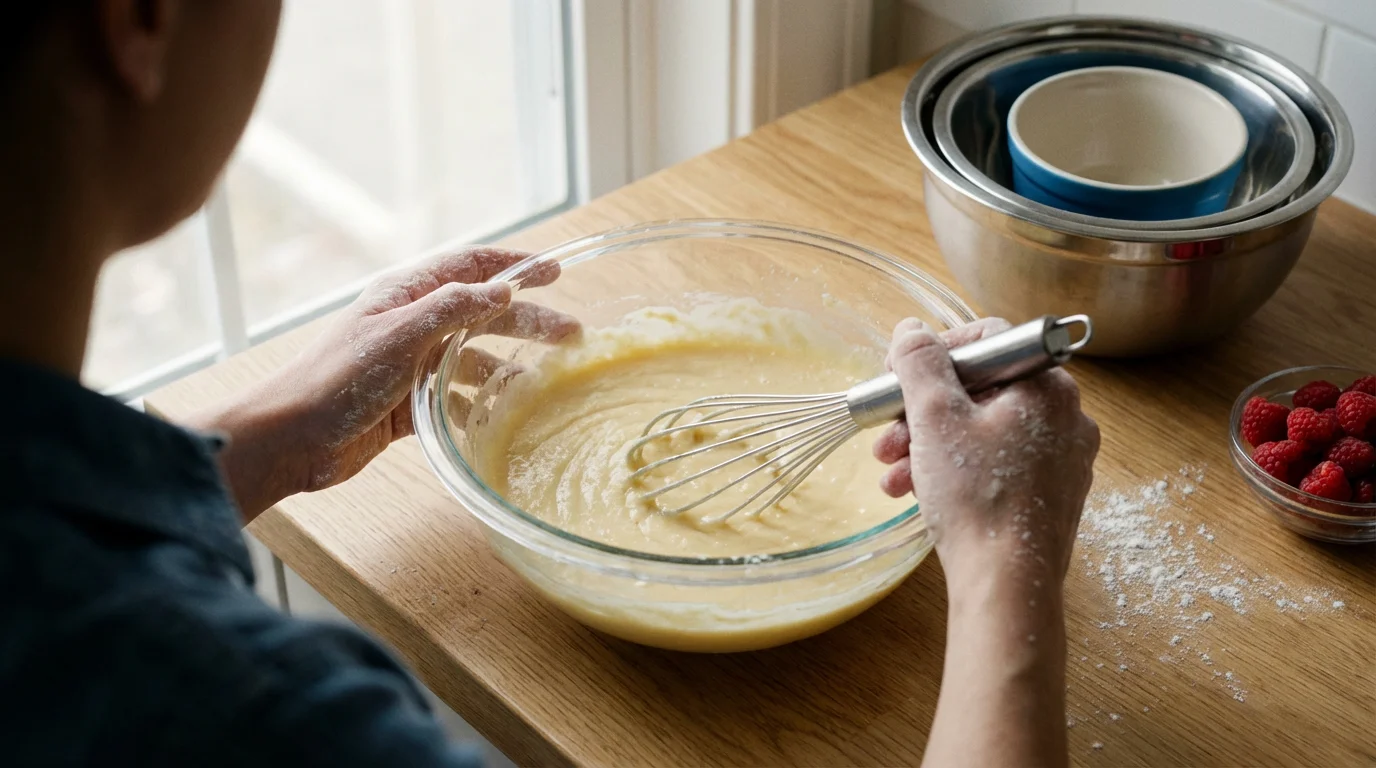
Why the Right Mixing Bowls Matter for Efficient Prep
Mixing bowls are more than just containers; they are integral to your cooking process, playing a crucial role in preparing ingredients for cooking. Using appropriate kitchen bowls streamlines your workflow, improves food safety, and even influences the outcome of your recipes. Imagine trying to whip egg whites in a bowl too small, or attempting to toss a salad in a shallow dish, the mess and inefficiency quickly become apparent.
Along with bowls, having stable cutting boards is a fundamental part of an organized prep station.
Properly sized and material-matched mixing bowls facilitate “mise en place,” the culinary practice of having all ingredients prepped and ready before you begin cooking. This foundational principle of professional kitchens drastically reduces stress and cooking time for home cooks. With the right set of prep bowls, you can chop vegetables, measure spices, and whisk sauces concurrently, moving seamlessly from one task to the next.
Safety is another paramount concern. A stable mixing bowl, for instance, prevents spills and reduces the risk of accidents when you vigorously whisk or mix. Materials that react with food, especially acidic ingredients, can compromise both the flavor and safety of your meal. Moreover, bowls that handle heat well are essential for tasks like melting chocolate over a double boiler or microwaving ingredients. Investing in quality mixing bowls is not merely about convenience, it is about enhancing your overall cooking experience and ensuring delicious, safe results.
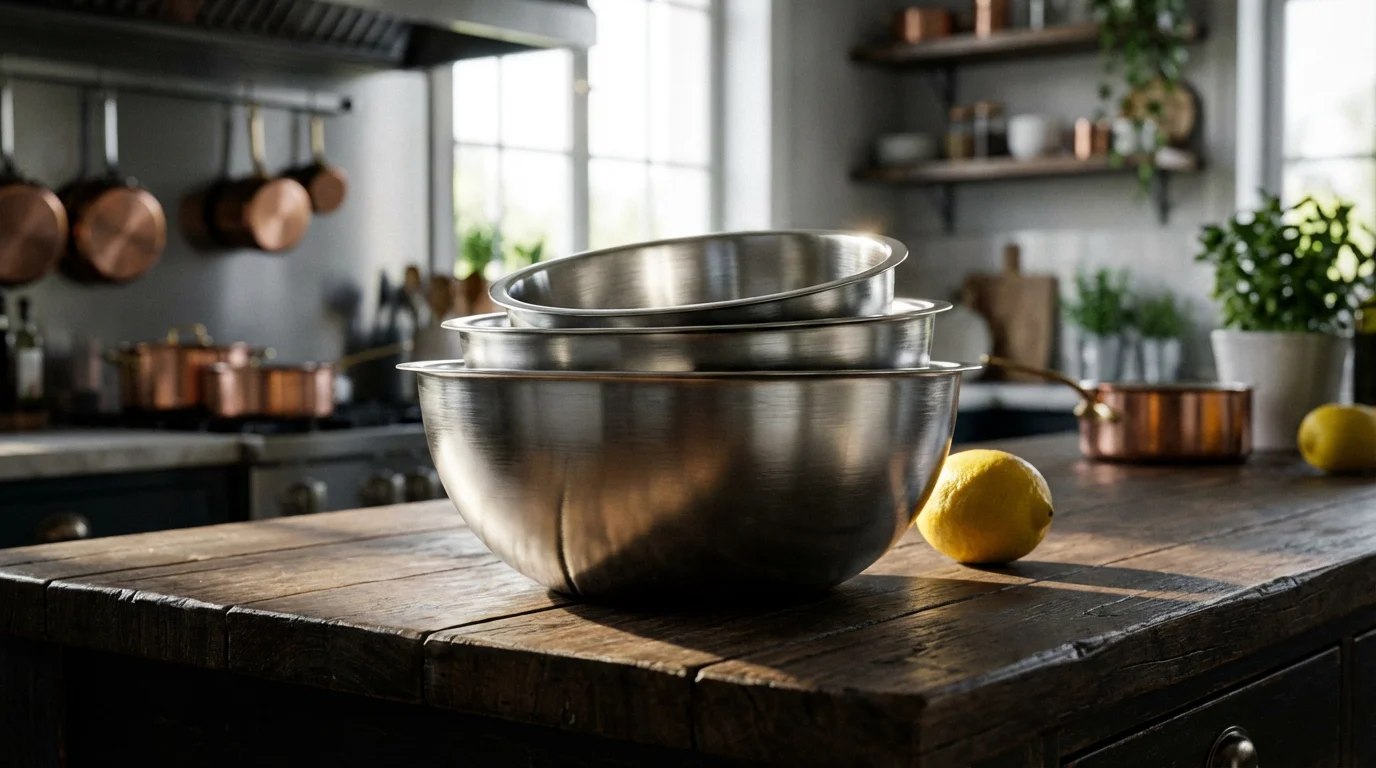
Understanding Stainless Steel Mixing Bowls
Stainless steel mixing bowls stand as a cornerstone in both professional and home kitchens, celebrated for their durability and versatility. You will find these bowls in various gauges, with thicker gauges offering more resistance to dents and warping. Typically made from food-grade stainless steel, they resist corrosion and do not react with acidic ingredients, making them safe for a wide range of tasks.
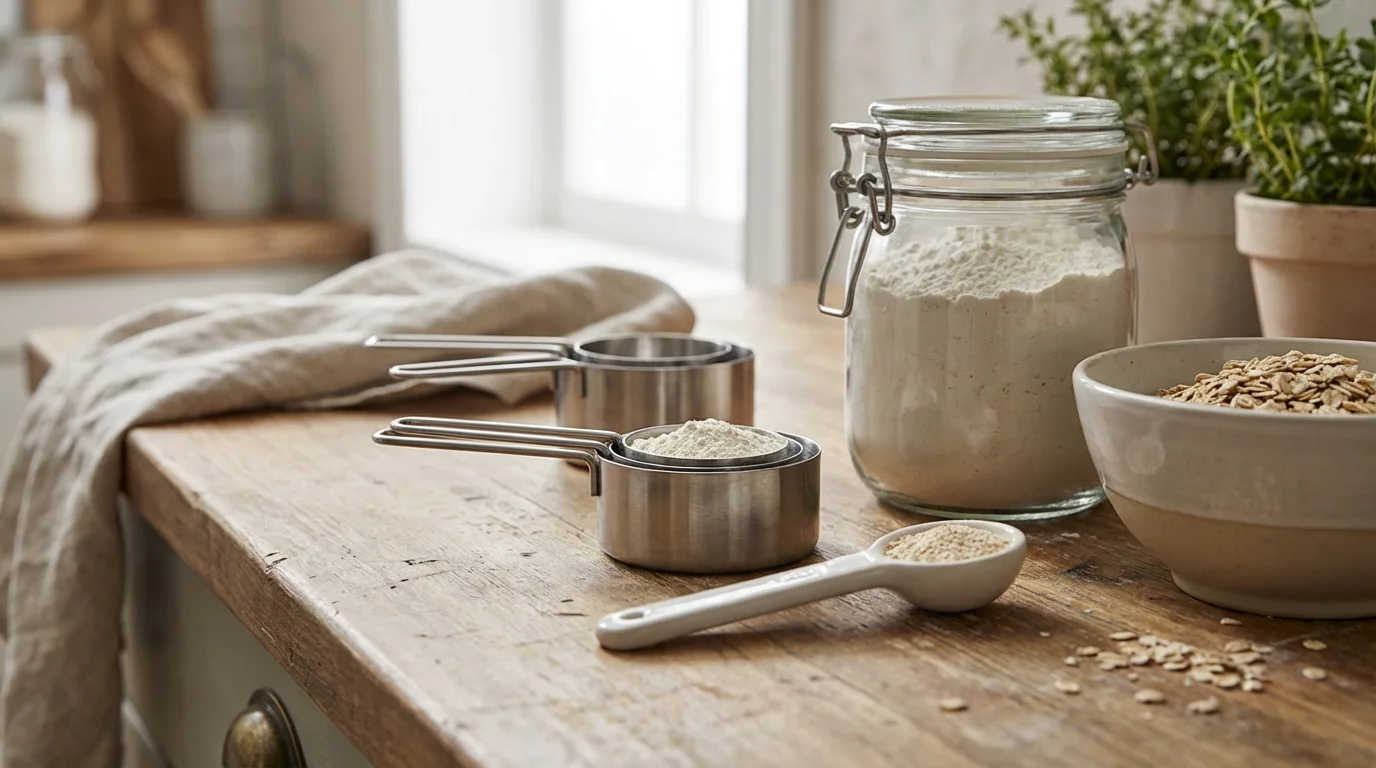
To ensure recipe success, use high-quality measuring cups and spoons to portion your ingredients before adding them to your stainless steel bowls.
Pros of Stainless Steel Mixing Bowls:
- Durability: Stainless steel is highly resistant to breaking, chipping, or shattering, a significant advantage over glass or ceramic bowls. They withstand drops and bumps in a busy kitchen.
- Lightweight: Despite their sturdiness, stainless steel bowls are considerably lighter than their glass counterparts, making them easier to handle, especially larger sizes filled with ingredients.
- Non-Reactive: These bowls do not absorb odors or flavors, nor do they react with acidic foods like tomatoes, citrus, or vinegar. This ensures your food’s taste remains uncompromised.
- Temperature Control: Stainless steel conducts temperature efficiently, allowing it to cool quickly when placed in an ice bath. This feature is invaluable for tasks like chilling butter for pastries or whipping cream. Many culinary experts, including those at America’s Test Kitchen, recommend stainless steel for tasks requiring precise temperature management.
- Easy to Clean: Most stainless steel bowls are dishwasher-safe, simplifying cleanup. Their smooth, non-porous surface also resists staining.
- Stackable: Their nesting design saves valuable cabinet space, a practical consideration for any kitchen.
Cons of Stainless Steel Mixing Bowls:
- Not Microwave Safe: You cannot use stainless steel bowls in a microwave, limiting their utility for reheating or melting ingredients.
- Poor Heat Retention: While good for cooling, they do not retain heat well, which might be a disadvantage if you need to keep ingredients warm.
- Can Dent: Thinner gauge stainless steel can dent if dropped or handled roughly, though this typically does not affect performance.
- Slippery: Without a silicone base, they can slide around on countertops during vigorous mixing, necessitating a damp towel underneath for stability.
For home cooks seeking the best mixing bowl set for baking and general prep, stainless steel often emerges as a top contender due to its resilience and hygienic properties. Opt for bowls with a non-slip silicone base to enhance stability during vigorous whisking or kneading.
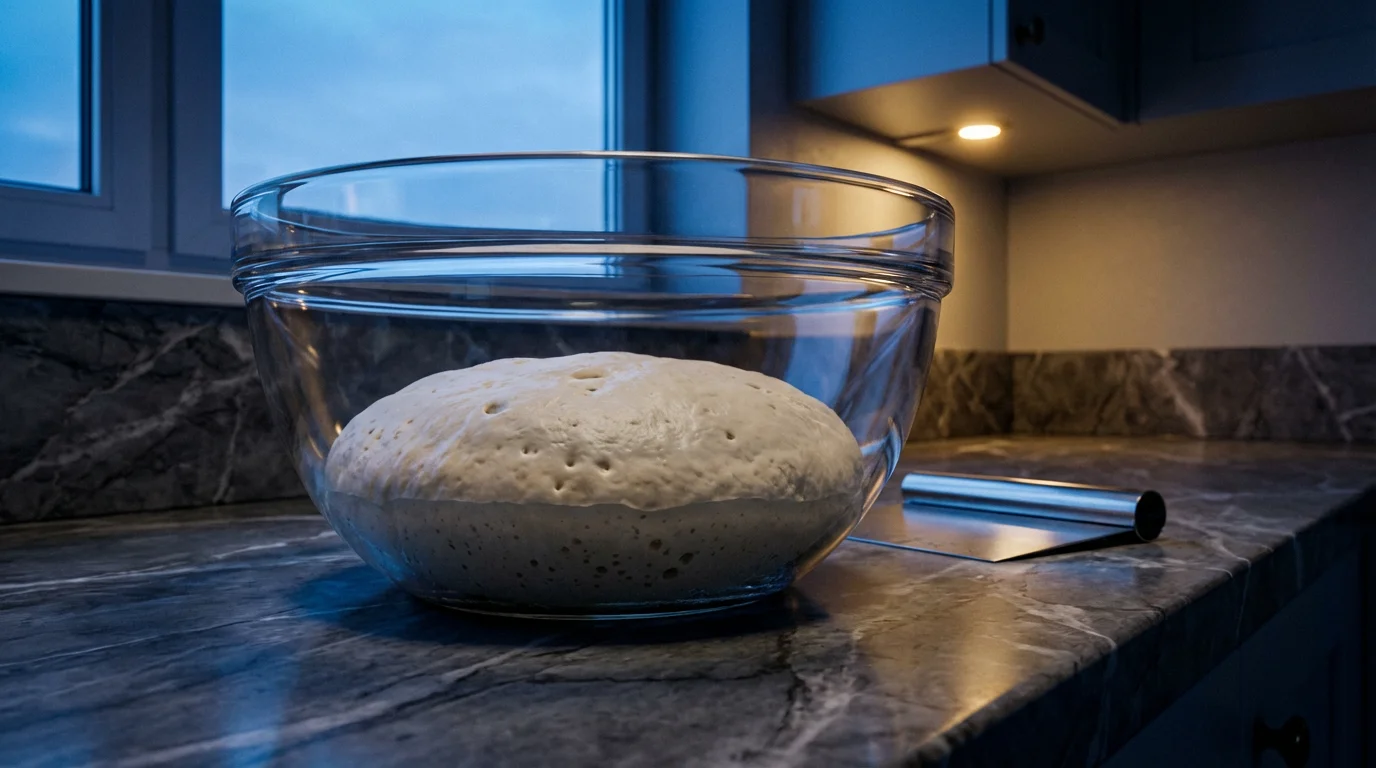
Exploring Glass Mixing Bowls
Glass mixing bowls offer a distinct set of advantages, particularly for baking and microwave use. Crafted from tempered glass, these bowls are renowned for their transparency, allowing you to monitor mixing progress from all angles. Their substantial weight provides a stable base, an asset during aggressive stirring.
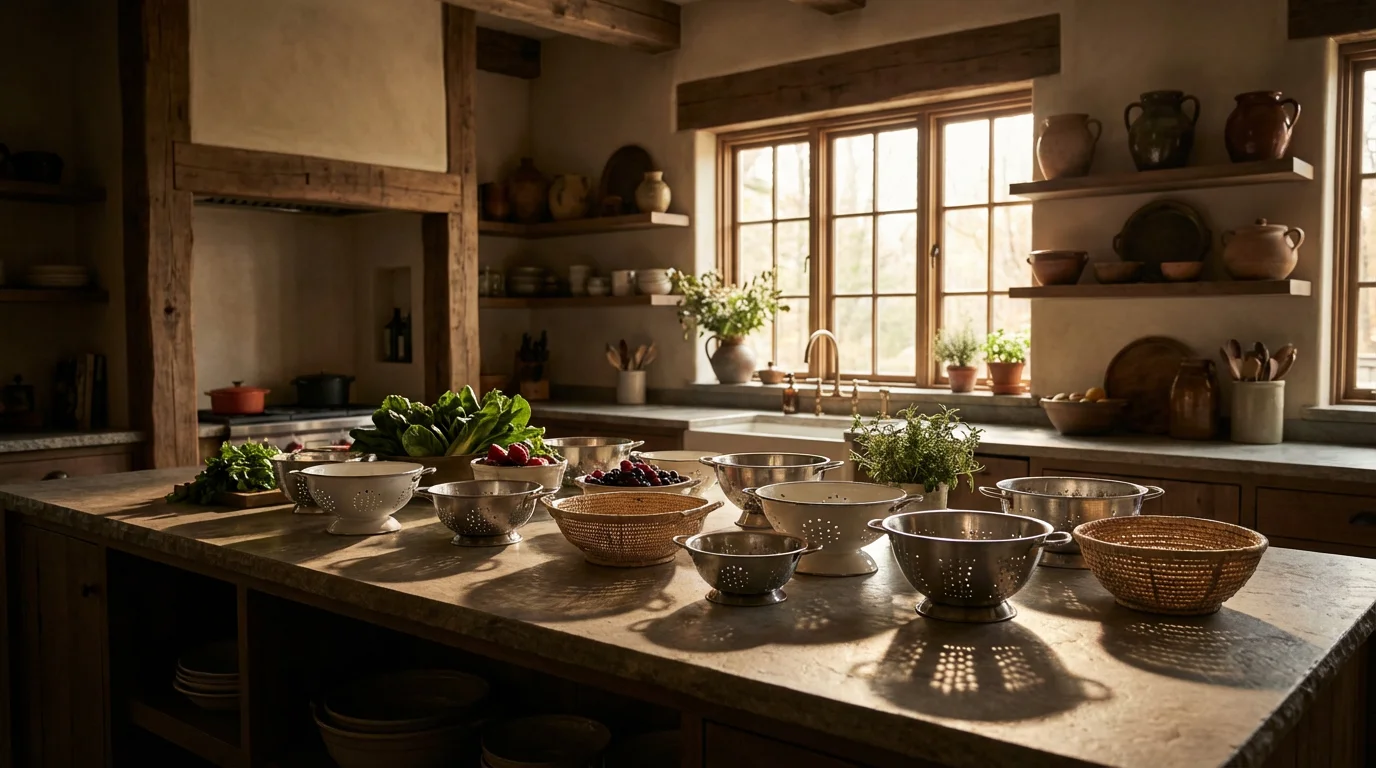
Before mixing fresh produce in glass bowls, the best colanders and strainers are essential for properly rinsing and draining your fruits and vegetables.
Pros of Glass Mixing Bowls:
- Non-Reactive and Non-Porous: Glass does not absorb odors, flavors, or stains. It also does not react with acidic ingredients, preserving the true taste of your food.
- Microwave and Oven Safe: Tempered glass bowls safely transition from refrigerator to microwave or oven, making them incredibly versatile for melting butter, heating sauces, or even baking small dishes. Always verify manufacturer specifications for temperature limits.
- Visibility: The clear nature of glass allows you to see all ingredients clearly, ensuring thorough mixing. This visual feedback is particularly helpful when incorporating dry ingredients into wet, or checking for lumps.
- Stability: Glass bowls are heavier than stainless steel or plastic, providing excellent stability on countertops. You rarely need a damp towel underneath them.
- Aesthetic Appeal: Glass bowls present beautifully, making them suitable for serving salads or displaying ingredients, enhancing your overall kitchen aesthetic.
- Dishwasher Safe: Like stainless steel, most glass mixing bowls clean easily in a dishwasher.
Cons of Glass Mixing Bowls:
- Fragile: Glass is susceptible to breaking, chipping, or shattering if dropped or exposed to extreme temperature changes too rapidly. This requires careful handling.
- Heavy: Their weight, while providing stability, can also make larger bowls cumbersome to lift, especially when full.
- Poor Temperature Conductor: Glass retains heat well but transfers cold slowly, making it less ideal for tasks requiring rapid chilling, such as whipping cream over ice.
- Can Be Expensive: High-quality tempered glass bowls, especially in sets, can cost more than comparable stainless steel or plastic options.
For precise baking and tasks requiring microwave use, glass mixing bowls are often considered the best mixing bowl set for baking by many home cooks. Their non-reactive surface ensures pure flavors, a critical factor for delicate recipes.
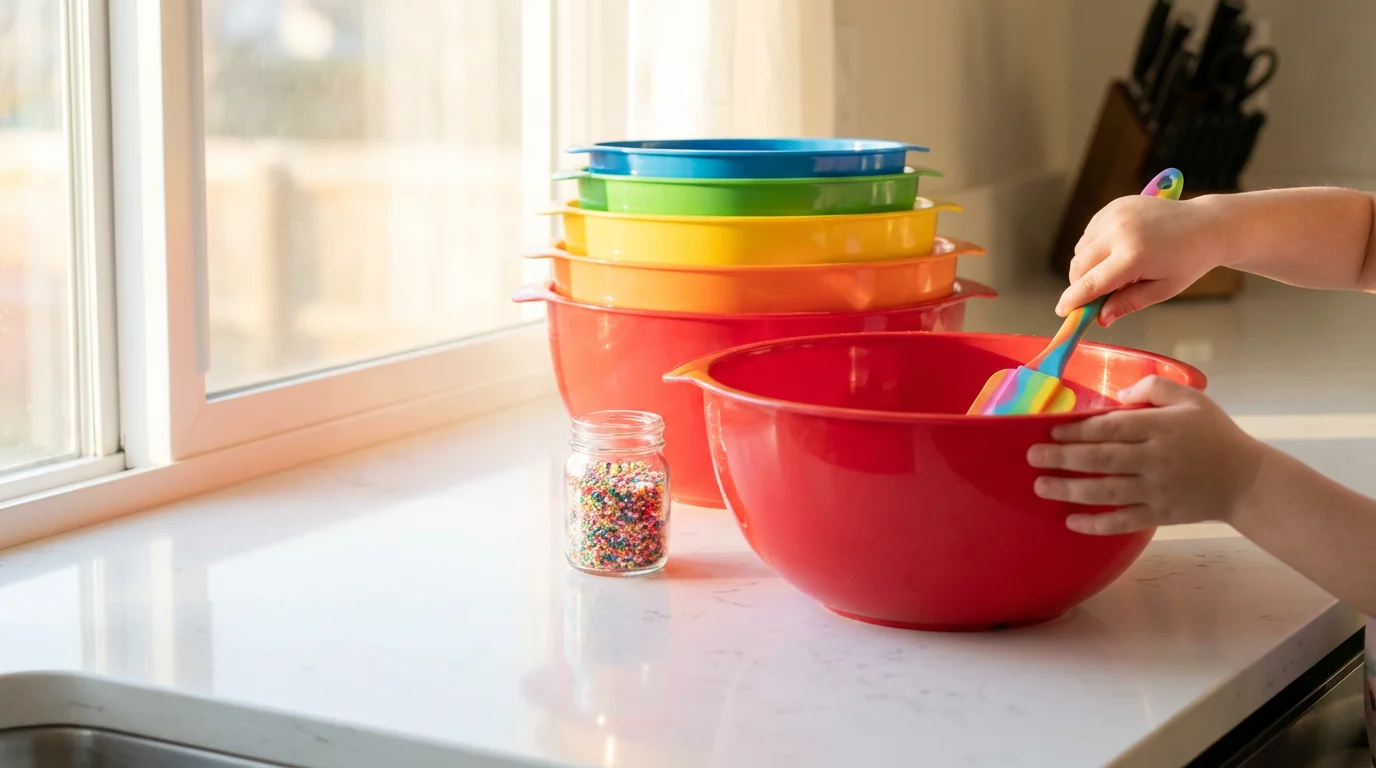
The Utility of Plastic Mixing Bowls
Plastic mixing bowls represent an economical and highly practical option for many everyday kitchen tasks. Modern plastic bowls are typically made from BPA-free polypropylene or melamine, ensuring food safety. You often find them in bright colors and nested sets, making them attractive and space-saving additions to your kitchen.
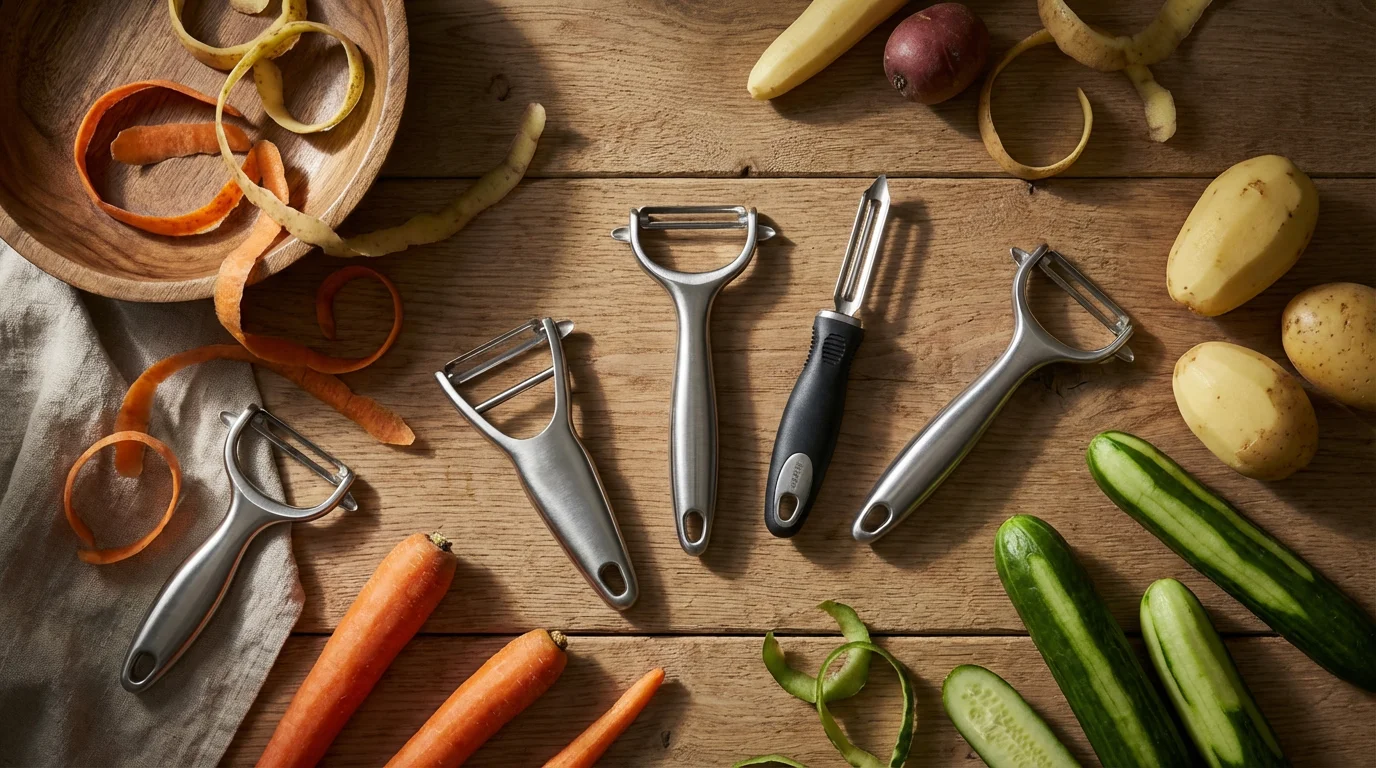
When preparing quick meals, using the best vegetable peelers allows you to fill your prep bowls in half the time.
Pros of Plastic Mixing Bowls:
- Lightweight: Plastic bowls are the lightest option, making them effortless to handle, especially for children or those with limited grip strength.
- Durable (Relatively): While they can crack or warp under extreme heat, plastic bowls are generally resistant to shattering if dropped. They bounce, rather than break.
- Affordable: Plastic mixing bowl sets offer excellent value, making them accessible for beginners or those seeking budget-friendly kitchen tools.
- Non-Reactive: Quality food-grade plastic does not react with food, preserving flavors and odors.
- Microwave Safe (Check Labels): Many plastic bowls are microwave-safe, providing convenience for heating or melting ingredients. Always verify the manufacturer’s specific instructions.
Cons of Plastic Mixing Bowls:
- Can Stain and Absorb Odors: Over time, plastic can absorb strong food odors (garlic, onion) and stain from colorful ingredients (tomato sauce, turmeric). This makes them less ideal for raw ingredients like garlic that might linger.
- Less Stable: Being lightweight, plastic bowls can slide easily on countertops during vigorous mixing. Non-slip bases mitigate this issue.
- Not Oven Safe: Plastic bowls are never safe for oven use and can warp or melt if exposed to high heat from stovetops or hot liquids.
- Scratching: Plastic surfaces scratch more easily than glass or stainless steel, creating crevices where bacteria can harbor. This makes them less hygienic over extended use.
- Environmental Impact: While often recyclable, plastic products contribute to environmental concerns, a factor some consumers consider.
Plastic prep bowls are excellent for quick, everyday tasks, and for families with young children due to their light weight and resistance to shattering. Look for sets clearly marked BPA-free and dishwasher-safe to ensure maximum utility and safety.
“When selecting kitchen tools, prioritize safety and ease of use. For mixing bowls, a non-slip base and appropriate material for your most frequent tasks can make a significant difference in your daily cooking efficiency.” — Good Housekeeping
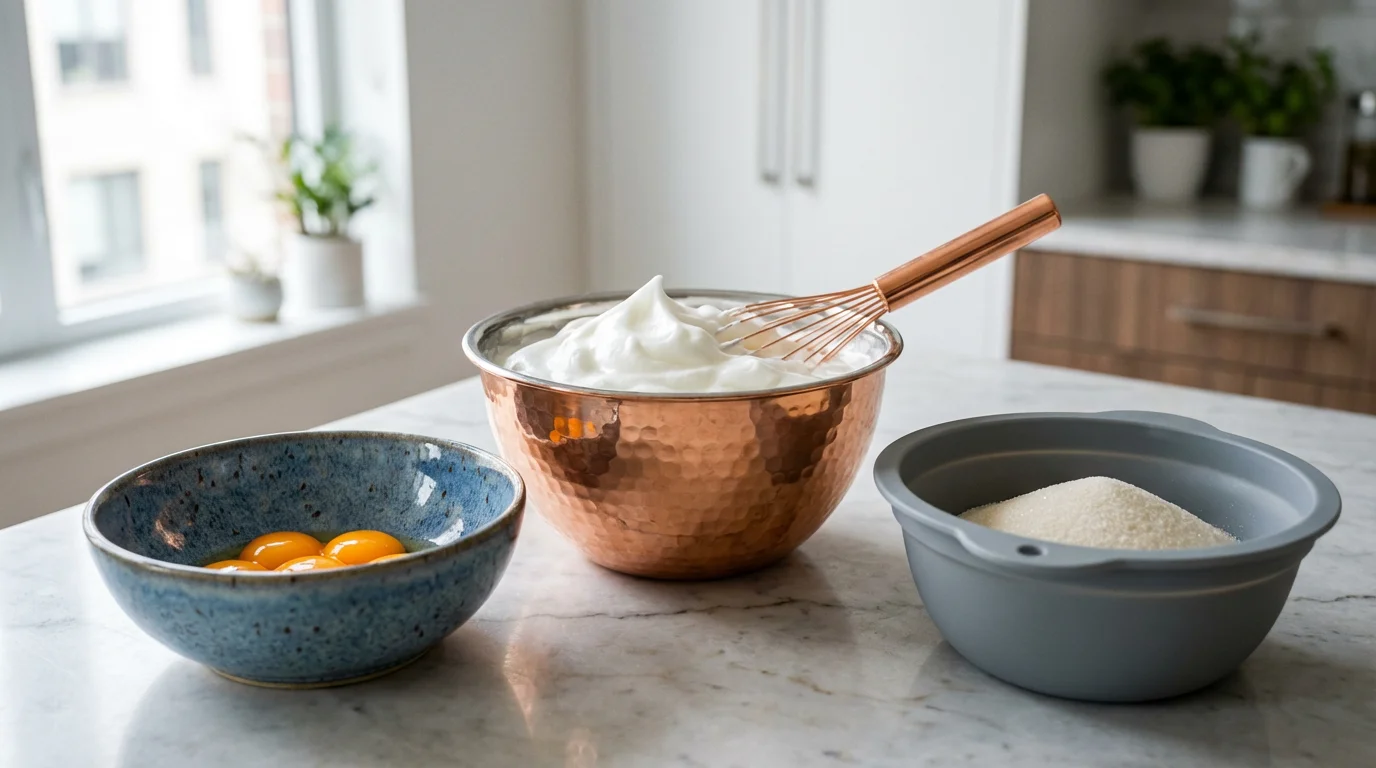
Other Mixing Bowl Materials: Ceramic, Copper, and Silicone
While stainless steel, glass, and plastic dominate the market, other materials offer specialized benefits. Each brings unique properties to your kitchen, catering to specific culinary needs.
Ceramic Mixing Bowls:
- Pros: Heavy and stable, excellent heat retention for proofing dough or keeping food warm, attractive for serving, non-reactive.
- Cons: Fragile, very heavy, not ideal for rapid temperature changes, often more expensive.
- Best Use: Ideal for serving, marinating, and tasks benefiting from stable temperature.
Copper Mixing Bowls:
- Pros: Essential for perfectly whipped egg whites. The copper ions react with egg proteins, stabilizing the foam and creating more voluminous, stable peaks. They are also beautiful.
- Cons: Highly reactive with acidic foods, very expensive, tarnishes easily and requires diligent cleaning. Not microwave or dishwasher safe.
- Best Use: A specialty tool primarily for whipping egg whites and zabaglione.
Silicone Mixing Bowls:
- Pros: Flexible and collapsible for easy storage, lightweight, non-stick, heat-resistant, often microwave and freezer safe.
- Cons: Less stable for vigorous mixing, can sometimes retain residual odors, more prone to staining.
- Best Use: Space-saving kitchens, camping, melting chocolate, or specific baking tasks where flexibility is an asset.
While these materials offer niche advantages, for a comprehensive, everyday mixing bowl set, you will likely find more value and versatility in stainless steel or glass options. Consider these specialized bowls as additions once you have your core set established.
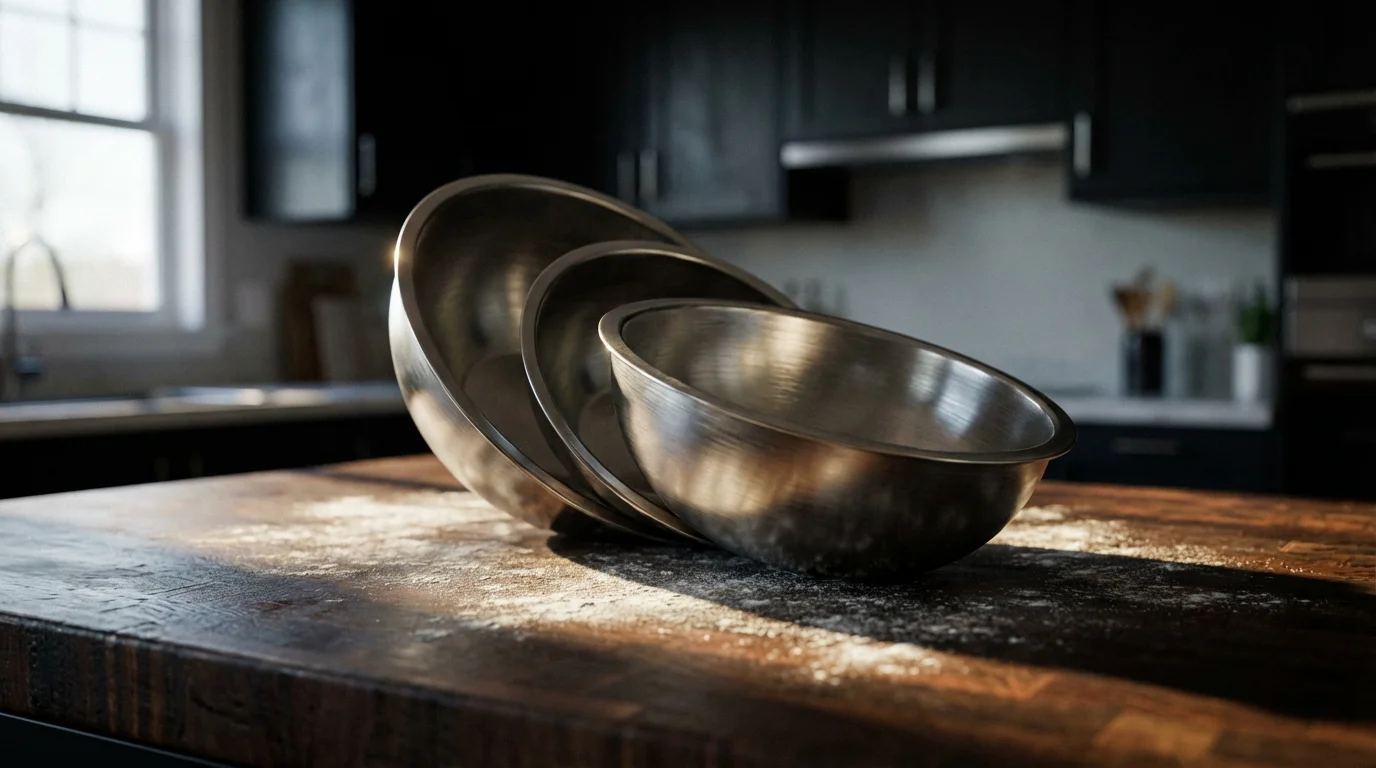
Choosing the Right Sizes for Your Kitchen
Selecting the appropriate sizes for your mixing bowls is as crucial as choosing the right material. A well-rounded collection of kitchen bowls allows you to tackle any recipe without interruption, from a small prep bowl for a single egg to a large mixing bowl for a family-sized batch of cookie dough.
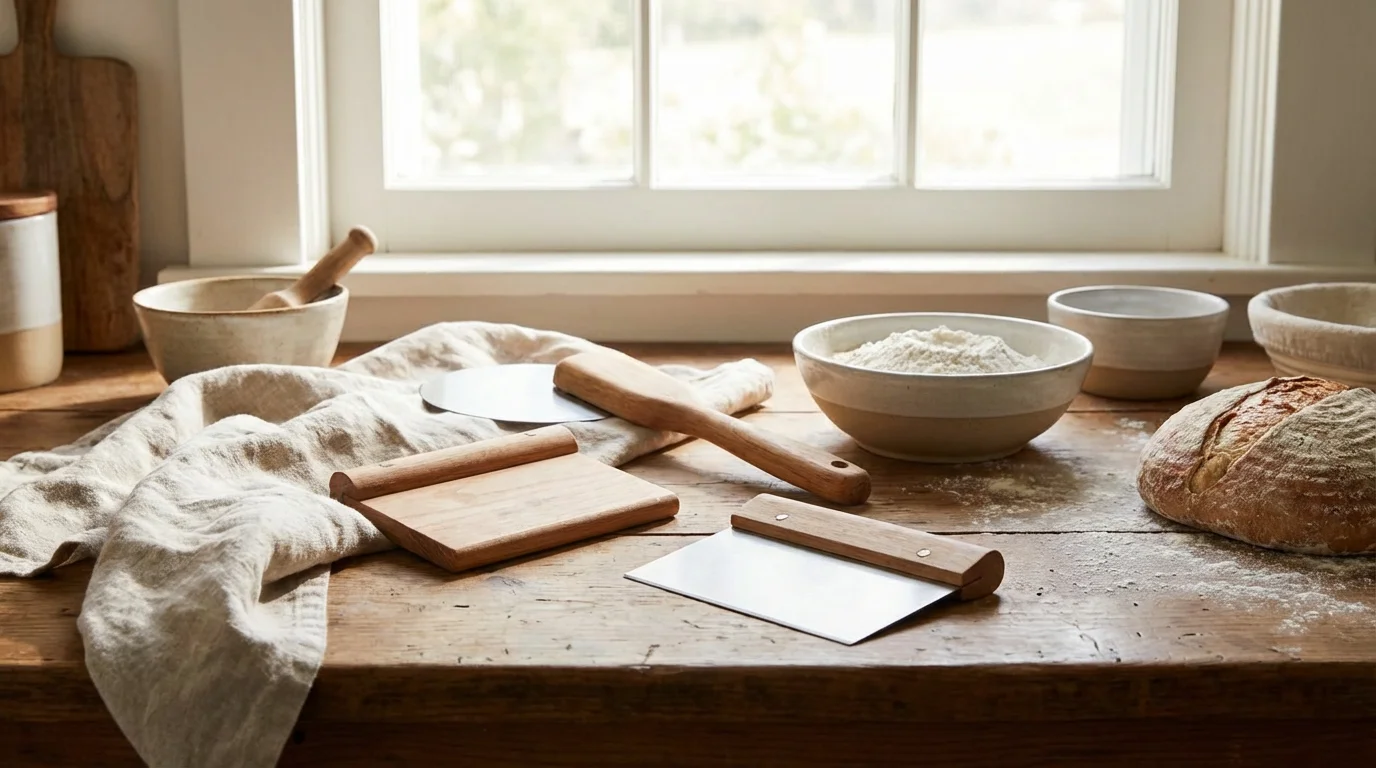
When working with large batches of bread, bench scrapers and dough cutters are the perfect companions for managing your dough as it leaves the mixing bowl.
Common Mixing Bowl Sizes and Their Uses:
Mixing bowls are typically measured by their capacity in quarts or liters. Here is a practical guide:
| Size (Quarts) | Typical Diameter (Inches) | Common Uses | Example |
|---|---|---|---|
| 0.5 – 1 QT | 5 – 6 | Small prep tasks, cracking eggs, whisking single servings of dressing, holding chopped herbs or spices (mise en place). | Prep bowls for seasoning a steak. |
| 1.5 – 2.5 QT | 7 – 8.5 | Whisking a few eggs, mixing small batters, marinating single portions, making dips. | Mixing pancake batter for two. |
| 3 – 4 QT | 9 – 10 | General purpose mixing, preparing salads for 2-4 people, mixing bread dough, combining ingredients for casseroles. Often considered the “sweet spot” for many tasks. | Tossing a medium green salad. |
| 5 – 6 QT | 11 – 12 | Large baking projects, mixing big batches of cookie dough, preparing salads for a crowd, mixing meatballs or larger quantities of ground meat. | Kneading dough for a loaf of bread. |
| 7 – 8+ QT | 13+ | Very large batches, double recipes, serving large quantities of popcorn, proofing large bread doughs, holding multiple ingredients for bulk meal prep. | Mixing a large batch of potato salad for a party. |
Most home cooks benefit from a set that includes at least three to five bowls spanning these size ranges. This diversity ensures you always have a suitable container for the task at hand, preventing spills and allowing for efficient ingredient management.
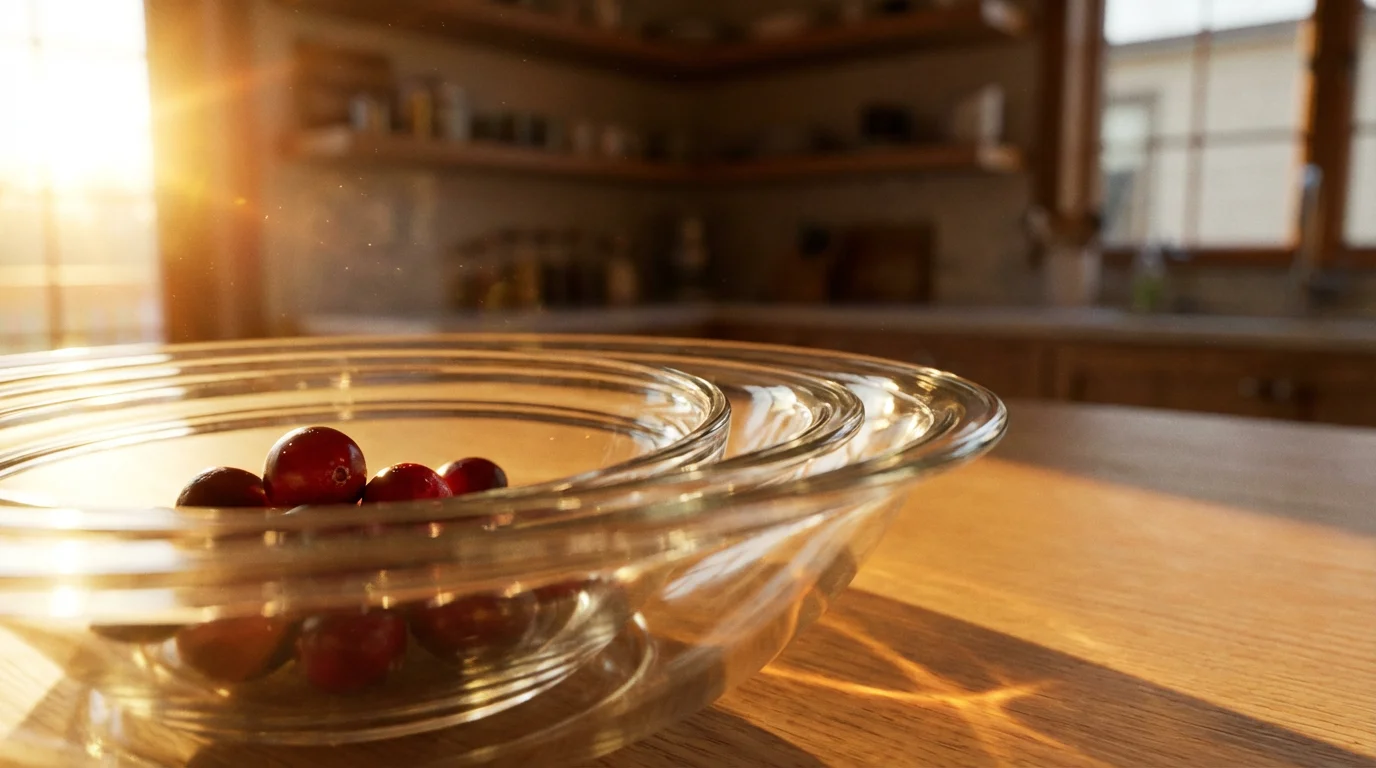
Selecting Your Ideal Mixing Bowl Set
When selecting your ideal mixing bowl set, consider your primary cooking activities, kitchen storage, and budget. The best mixing bowl set for baking might differ slightly from a set optimized for general prep or raw ingredients.
Consider Your Cooking Style:
- Baking Enthusiast: If you frequently bake, prioritize glass bowls for microwave safety and non-reactivity, or stainless steel for temperature control with egg whites and chilling. A set with a range of sizes, including a large one (5-8 QT) for dough, proves essential.
- Everyday Cook/General Prep: A versatile stainless steel set with non-slip bases works exceptionally well. Its durability and lightweight nature suit daily meal preparation. You might also want a few plastic prep bowls for quick tasks.
- Beginner Cook: An affordable yet functional plastic set can be a great starting point. As your skills grow, you can invest in a more robust stainless steel or glass set.
Key Features to Look For:
- Non-Slip Bases: A silicone ring on the bottom of a stainless steel or plastic bowl provides crucial stability, preventing slips and spills during vigorous mixing.
- Pour Spouts: Some bowls feature integrated pour spouts, a simple but highly effective design element for transferring liquid batters or sauces cleanly.
- Handles: Ergonomic handles improve grip and control, particularly on larger bowls, reducing hand fatigue.
- Lids: Sets with airtight lids transform your mixing bowls into convenient storage containers for leftovers or prepped ingredients, supporting your meal prep efforts.
- Nesting Design: Bowls that stack neatly inside one another save significant cabinet space, a valuable feature for any kitchen, as highlighted by expert reviews from Wirecutter.
Best Value and Picks:
- Best Value: Look for mid-range stainless steel sets from reputable brands. They offer excellent durability and versatility without breaking the bank. Many sets include 3-5 bowls in useful sizes.
- Best for Serious Bakers: A high-quality set of tempered glass bowls, often paired with a separate copper bowl for specific egg tasks.
- Best for General Prep: A stainless steel set with non-slip silicone bases and matching lids provides maximum utility for chopping, mixing, and storing.
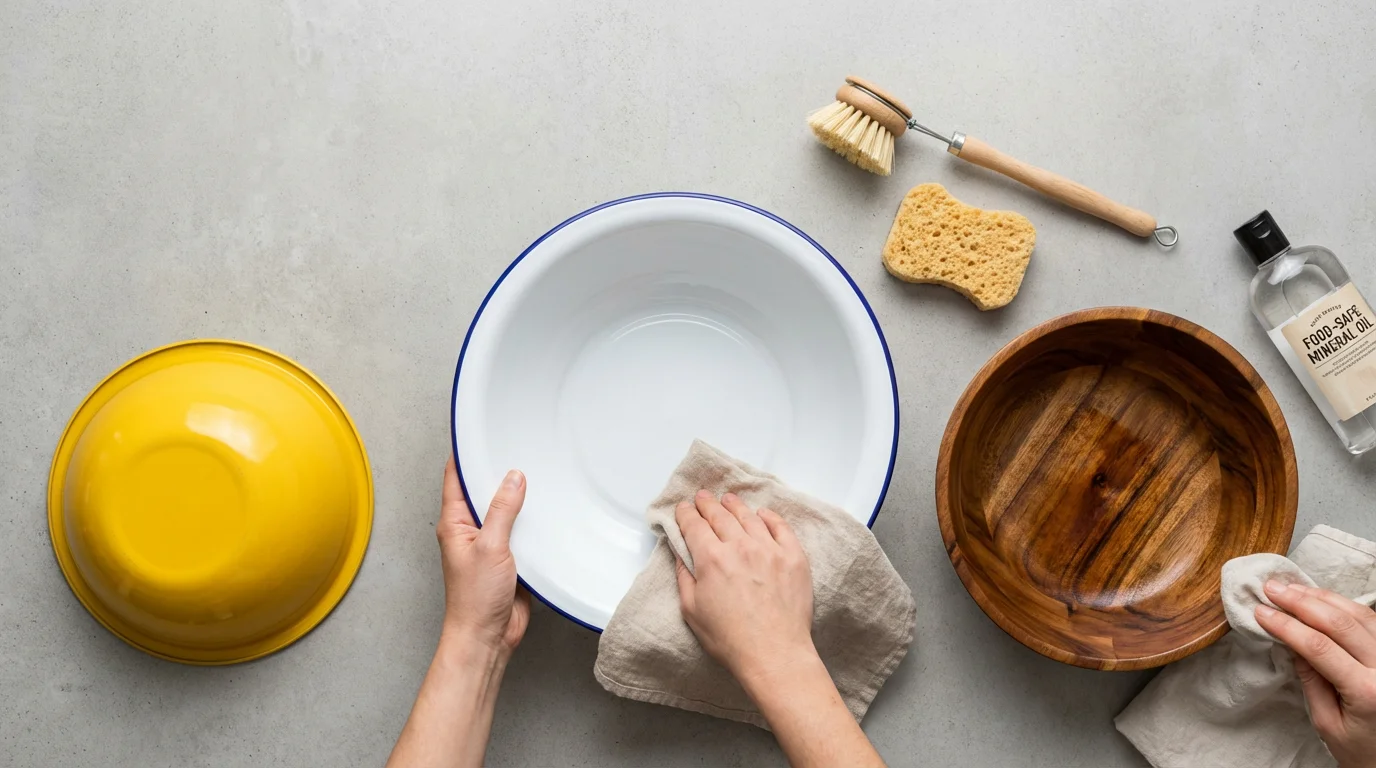
Maintaining Your Mixing Bowls for Longevity
Proper care extends the life of your mixing bowls and maintains their hygienic properties. While most modern mixing bowls are designed for easy maintenance, specific materials require particular attention.
Dishwasher vs. Hand Washing:
- Stainless Steel: Almost all stainless steel mixing bowls are dishwasher safe. For best results and to prevent water spots, remove them promptly after the cycle finishes.
- Glass: Tempered glass bowls are generally dishwasher safe. Avoid abrasive scrubbers on any printed measurements or logos.
- Plastic: Most BPA-free plastic bowls are top-rack dishwasher safe. High heat settings can potentially warp plastic, so lower temperature cycles are preferable. Hand washing helps prevent staining and odor absorption over time.
- Ceramic: Typically dishwasher safe, but check for delicate glazes.
- Copper: Always hand wash copper bowls. Dishwashers can cause tarnishing and discoloration. Polish regularly to maintain shine.
- Silicone: Dishwasher safe and easy to clean.
Preventing Damage and Stains:
- Avoid Metal Utensils in Plastic: Using metal whisks or spatulas in plastic bowls can cause scratches, creating surfaces where bacteria can hide. Opt for silicone or wooden utensils.
- Mind Temperature Shocks (Glass): While tempered glass is resilient, sudden, extreme temperature changes (e.g., hot oven to cold counter) can still cause it to shatter. Allow bowls to cool gradually.
- Deep Cleaning for Stains/Odors: For plastic bowls, a paste of baking soda and water can help lift stains and absorb odors. For stainless steel, a vinegar solution can remove water spots and restore shine.
- Proper Storage: Store bowls nested to save space and protect them from scratches and dents. Ensure they are completely dry before stacking to prevent moisture buildup and potential odors.
By following these simple maintenance guidelines, your mixing bowls, whether they are reliable prep bowls or your favorite best mixing bowl set for baking, will remain functional and attractive for countless cooking adventures.
Frequently Asked Questions
Can I use my mixing bowls in the microwave or oven?
It depends entirely on the material. Glass mixing bowls, especially those made from tempered borosilicate glass, are generally safe for both microwave and oven use. Always check the manufacturer’s specific temperature ratings. Stainless steel bowls are never microwave or oven safe due to metal reactivity. Most plastic bowls are microwave safe but never oven safe. Ceramic bowls are often oven safe, but always verify.
Why do some recipes specifically call for a copper bowl when whipping egg whites?
Copper bowls have a unique chemical property that makes them superior for whipping egg whites. The copper ions react with the egg whites’ conalbumin protein, forming a more stable bond. This interaction helps prevent over-whipping and produces a more voluminous, stable, and glossy meringue or foam that holds its structure longer. No other material offers this specific benefit.
How many mixing bowls do I really need in my kitchen?
For most home cooks, a set of three to five mixing bowls in varying sizes proves most practical. A typical useful range includes a small (1-2 quart) bowl for prep and small tasks, a medium (3-4 quart) bowl for general mixing and salads, and a large (5-8 quart) bowl for baking, doughs, or serving. Having a few smaller prep bowls (0.5-1 quart) for individual ingredients further enhances efficiency and helps with “mise en place.”
My plastic mixing bowls are starting to stain and smell. How can I clean them?
Plastic bowls can absorb colors and odors over time. For stains, try scrubbing with a paste made from baking soda and a little water, letting it sit for an hour before rinsing. For odors, a mixture of equal parts white vinegar and water, or a soak in baking soda solution, can help neutralize smells. For very stubborn odors, soaking in a diluted bleach solution (one tablespoon bleach per gallon of water) for 30 minutes, followed by thorough rinsing, can be effective, but always wear gloves and ensure proper ventilation.
Choosing the right mixing bowls means understanding your cooking habits and the unique properties of each material. Whether you prioritize the durability of stainless steel, the versatility of glass, or the affordability of plastic, investing in a well-matched set of prep bowls significantly enhances your kitchen efficiency and enjoyment. Select thoughtfully, care for them properly, and these essential kitchen tools will serve you well for years.
Disclaimer: Product prices and availability change frequently. Prices shown were accurate at time of writing but may have changed. We may earn a small commission from purchases made through links on this site, at no extra cost to you. Always use cutting tools carefully and follow manufacturer safety guidelines.
Leave a Reply