
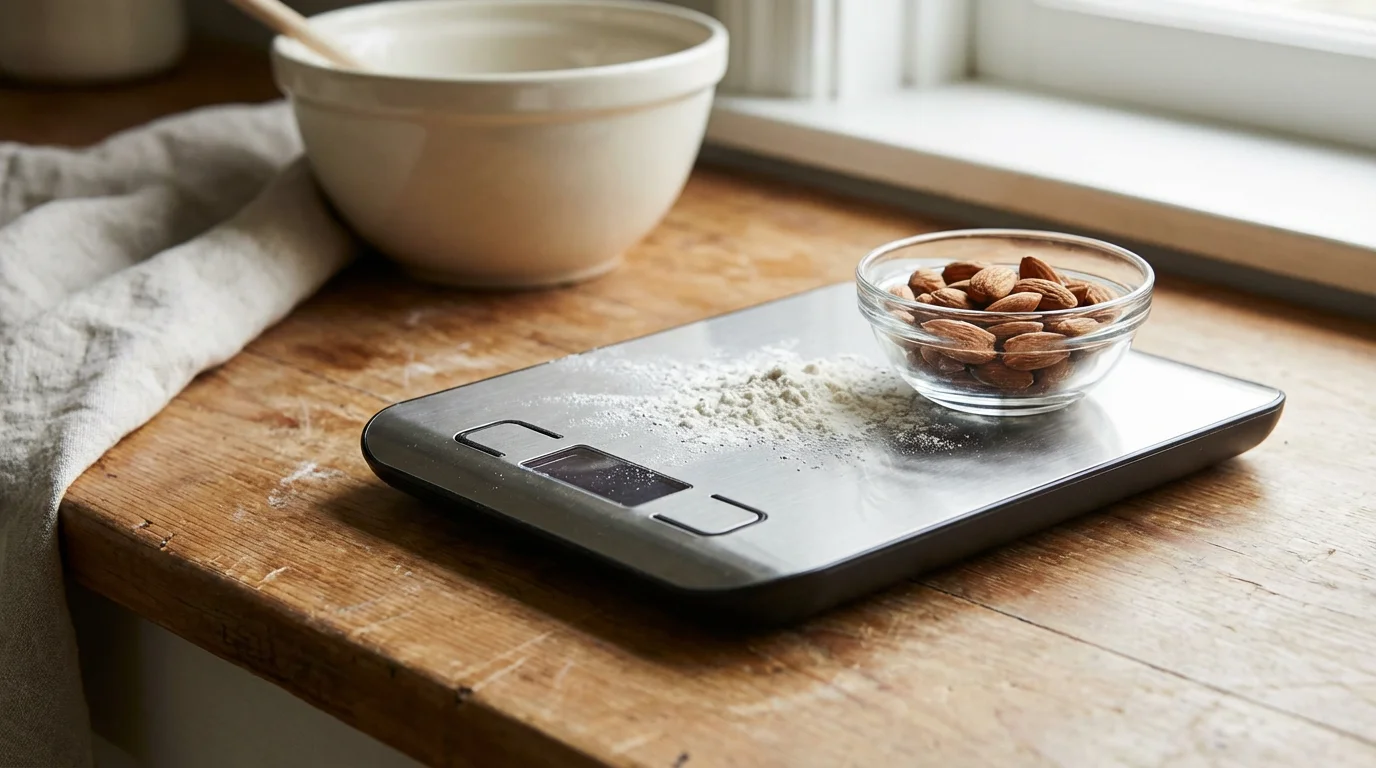
Baking is both an art and a science. While creativity certainly plays a role, precision forms the backbone of consistent, delicious results. Many home cooks approach baking with measuring cups and spoons, relying on volume measurements. However, this method introduces significant variability, often leading to unpredictable outcomes like dense cakes or tough bread. A kitchen scale, also known as a food scale or baking scale, elevates your baking by offering unparalleled accuracy, transforming your kitchen into a more precise and efficient workspace.
Why Baking by Weight Transforms Your Results
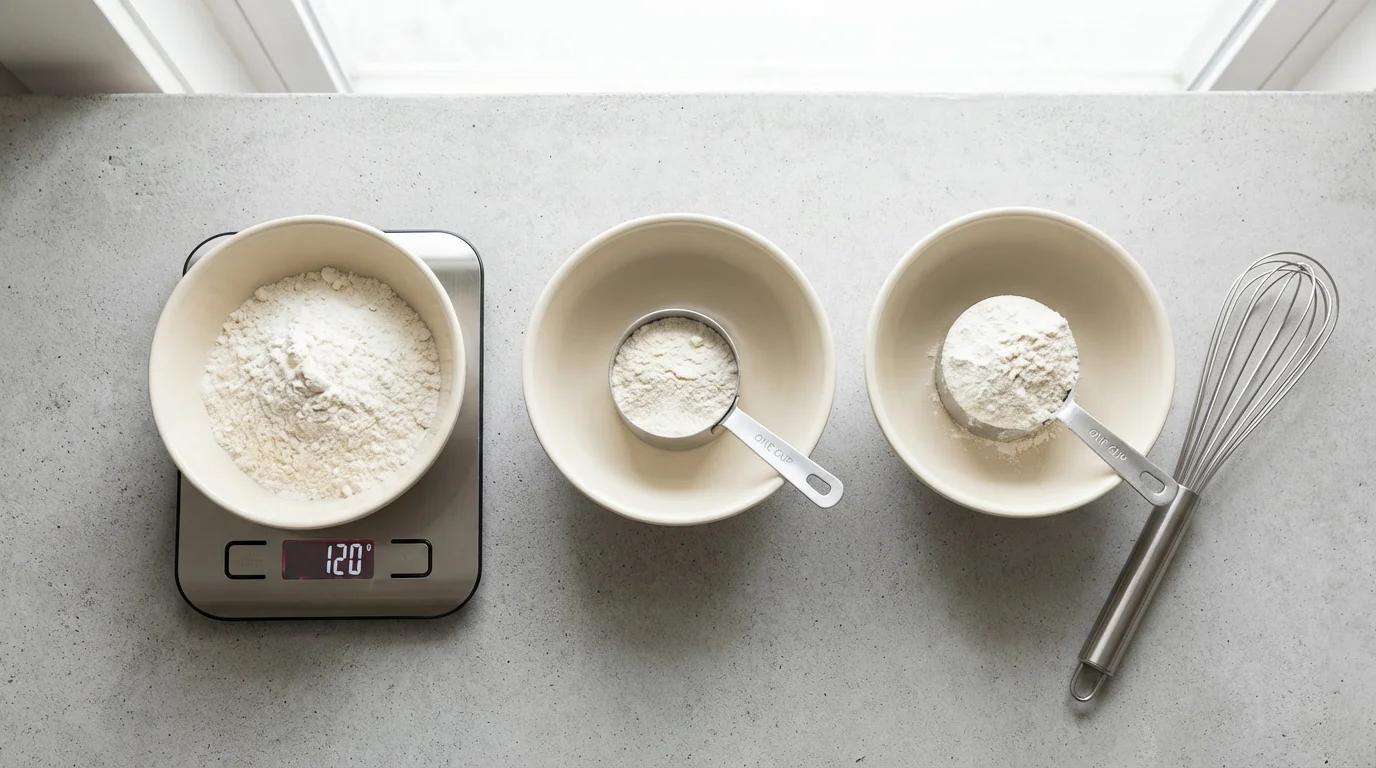
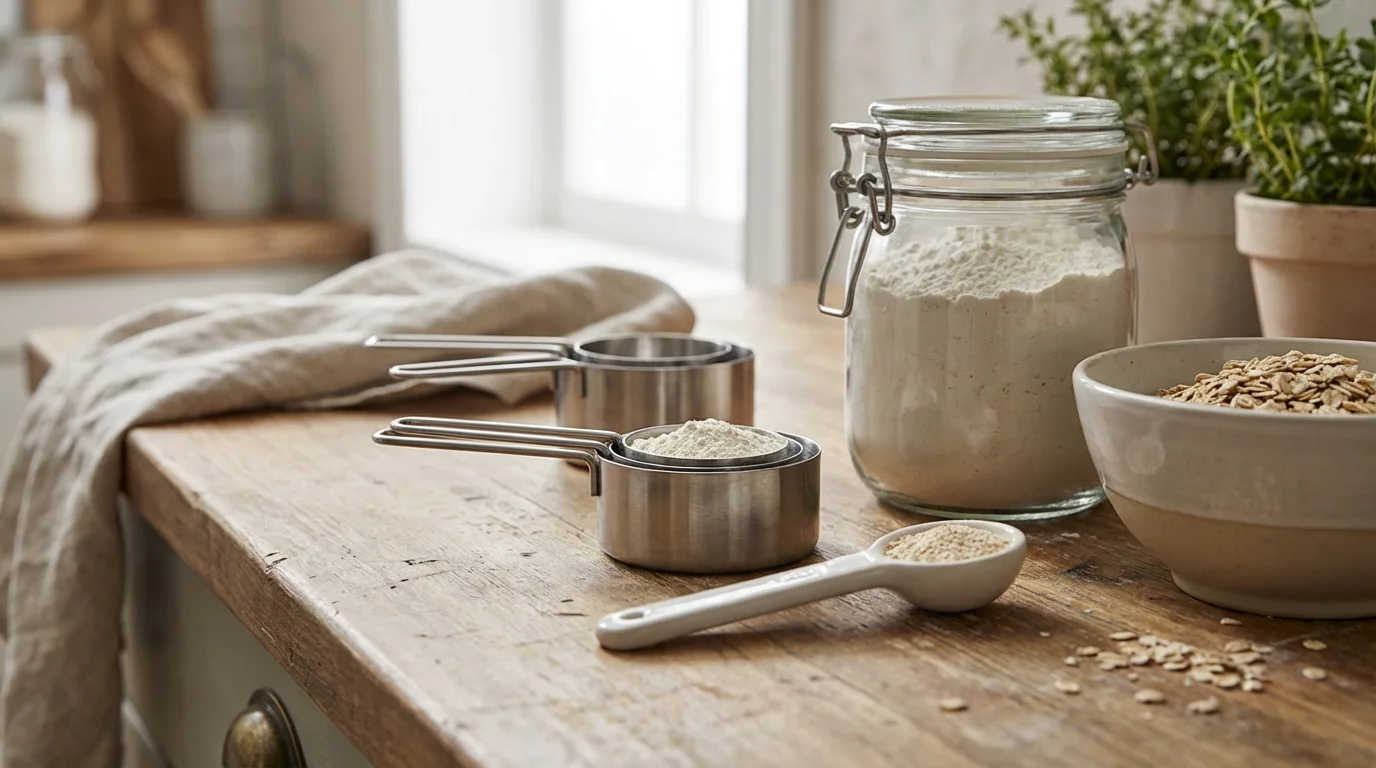
If you have ever wondered why your cookies sometimes spread too much or your bread does not rise as expected, the culprit might be inconsistent measurements. Volume measurements, using cups and spoons, are inherently inaccurate. Consider flour, a fundamental baking ingredient. A “cup” of flour can vary by as much as 20% depending on how you scoop it. Some home cooks fluff the flour, others compact it, and these methods yield significantly different weights. This means one baker’s “cup” of flour might weigh 4 ounces, while another’s weighs 5 ounces. This 25% difference in a key ingredient dramatically impacts the final product.
Baking by weight eliminates this guesswork. When a recipe calls for 120 grams of flour, 120 grams is always 120 grams, regardless of compaction. This precision ensures your ingredient ratios remain consistent every time you bake, leading to reliably excellent results. This method also simplifies cleanup since you measure directly into your mixing bowl, eliminating multiple measuring cups. According to America’s Test Kitchen, weighing ingredients offers superior accuracy and consistency, making it a critical technique for achieving professional-level baking at home. Adopting a kitchen scale for baking transforms your understanding of recipes and empowers you to reproduce perfect outcomes consistently.
Understanding Different Types of Kitchen Scales
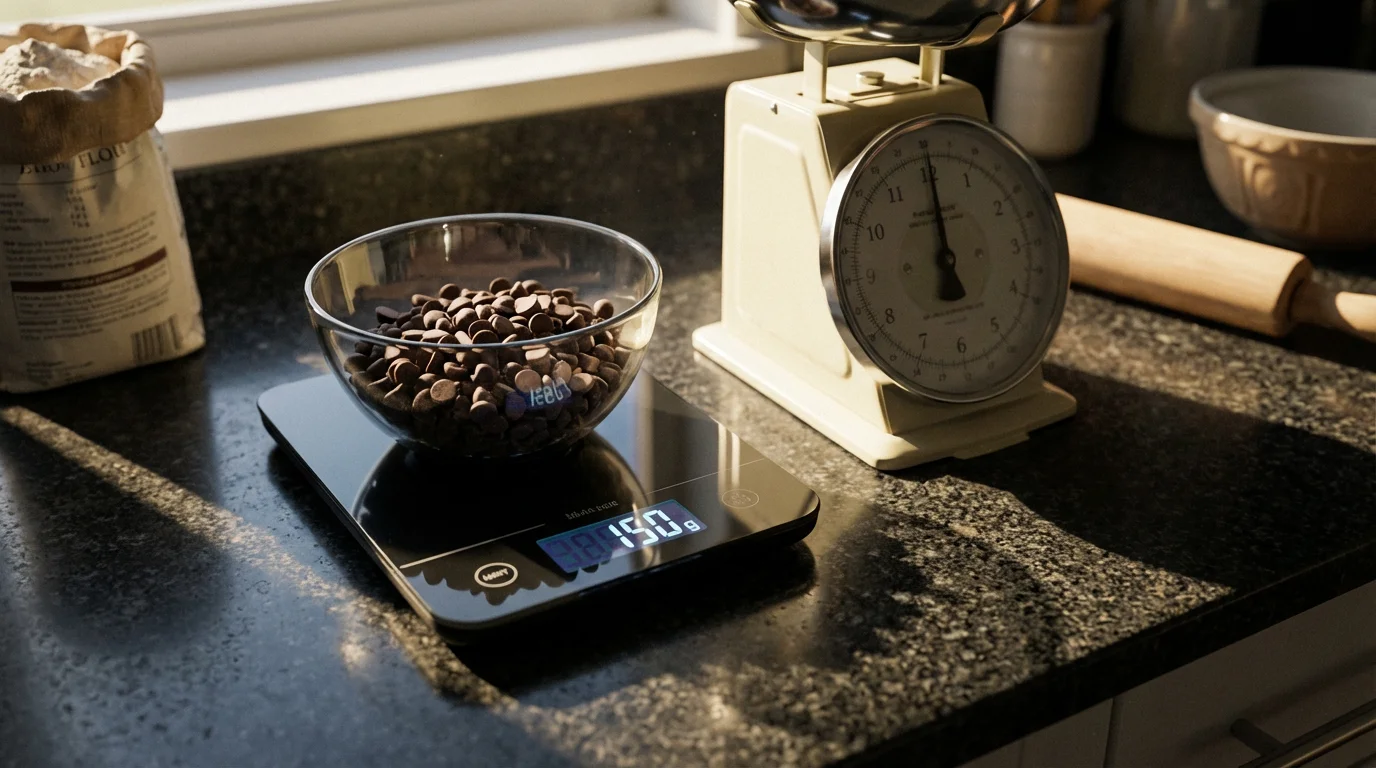
You generally find two main types of kitchen scales available: analog and digital. For serious baking, the choice is clear.
Digital Kitchen Scales
Digital kitchen scales are the modern standard, offering superior accuracy and convenience. They display weight electronically, typically with a backlit screen for easy reading. Most digital models feature a “tare” function, allowing you to zero out the weight of a container or previous ingredient, measuring each new ingredient accurately. They also offer unit conversion, letting you switch between grams, ounces, pounds, and sometimes milliliters for liquids. The best digital kitchen scale for baking provides precise measurements, often down to 1 gram or 0.05 ounces, which is crucial for sensitive recipes.
- Pros: High accuracy, easy-to-read display, tare function, multiple unit options, compact design.
- Cons: Requires batteries, can be sensitive to liquid spills on the display.
Analog Kitchen Scales
Analog kitchen scales operate with a spring mechanism and display weight using a needle on a dial. While charmingly old-fashioned and battery-free, they lack the precision and functionality required for accurate baking. Their increments are typically larger, making it difficult to measure small quantities precisely. They also rarely feature a tare function, forcing you to use separate containers and perform mental math, which defeats the purpose of efficiency.
- Pros: No batteries, often durable.
- Cons: Lower precision, harder to read, no tare function, generally larger footprint.
For any serious home baker, a digital kitchen scale is the indispensable tool for achieving consistent, high-quality results. Its precision and ease of use significantly outweigh the convenience of an analog scale for this specific application.
Key Features to Look for in a Baking Scale
Choosing the right baking scale involves considering several features that contribute to its utility, accuracy, and ease of use. Focus on these aspects to ensure you select the best digital kitchen scale for baking that meets your needs.
Once you have measured your dry ingredients precisely, a food processor is often the most efficient way to incorporate fats or pulse the mixture into a fine crumb.
Capacity and Accuracy
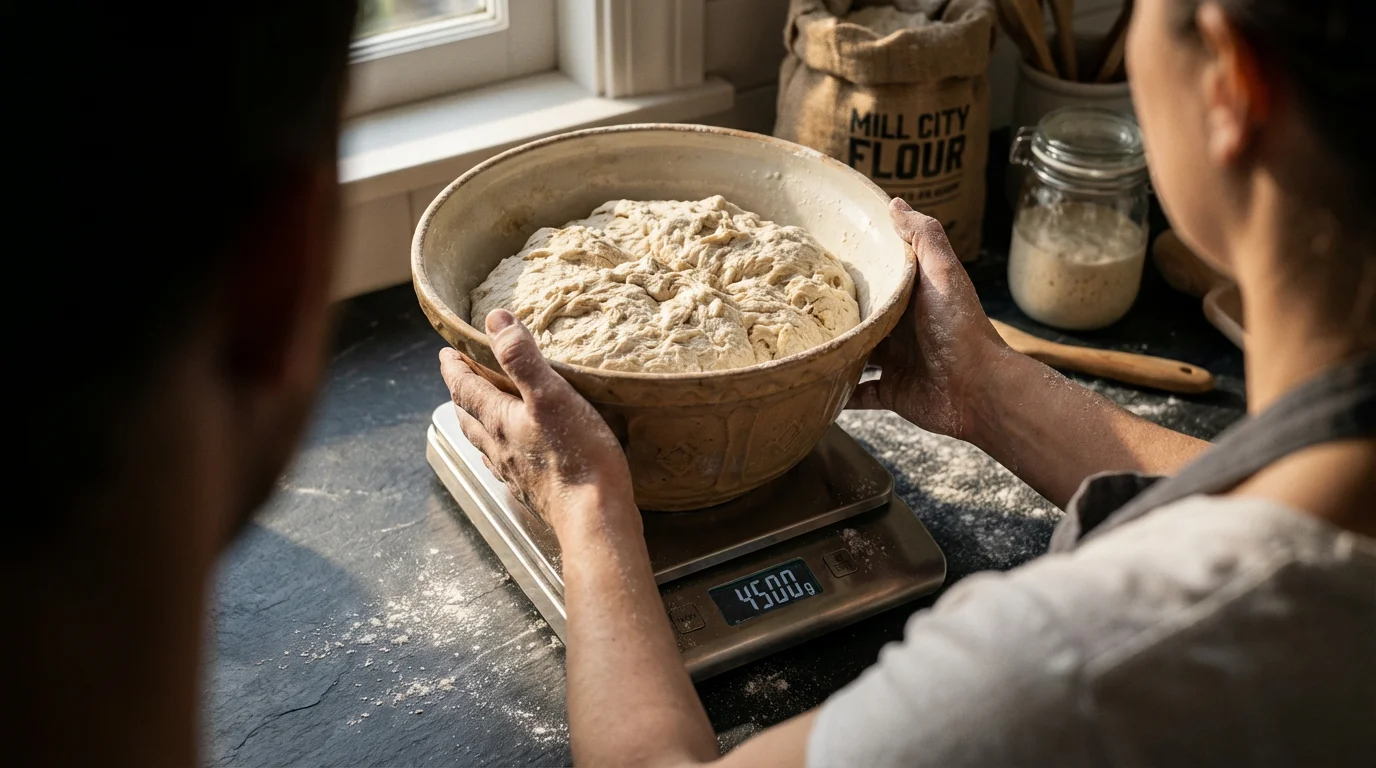
A good baking scale offers a sufficient maximum capacity, typically between 10 to 15 pounds (approximately 5 to 7 kilograms). This allows you to weigh large quantities of flour, sugar, or even a full mixing bowl of dough without exceeding the scale’s limit. Crucially, look for scales that measure in small increments, ideally 1 gram (0.05 ounces) for most ingredients. Some scales offer even finer precision, down to 0.1 grams, which is beneficial for highly sensitive ingredients like yeast, salt, or spices in small batches.
Tare Functionality
The tare function is non-negotiable for a baking scale. This feature allows you to zero out the weight of any container placed on the scale. For example, you can place your mixing bowl on the scale, press “tare,” and the display will reset to zero. Then, add your first ingredient. Press “tare” again, and add the next ingredient. This process simplifies multi-ingredient recipes, measures everything in one bowl, and ensures precise additions without mathematical errors.
Unit Conversion
Recipes often come from various sources and regions, using different units of measurement. Your scale should effortlessly switch between grams, ounces, and pounds. Some advanced models also offer milliliters, which can be useful for weighing liquids like water or milk, where 1 milliliter approximately equals 1 gram.
Readability and Display
A clear, backlit LCD display with large digits significantly improves usability. You need to read the weight quickly and accurately, even in dimly lit kitchens or when a large mixing bowl obstructs the view. Ensure the display remains visible from various angles and does not get hidden by larger items on the platform.
Platform Size and Material
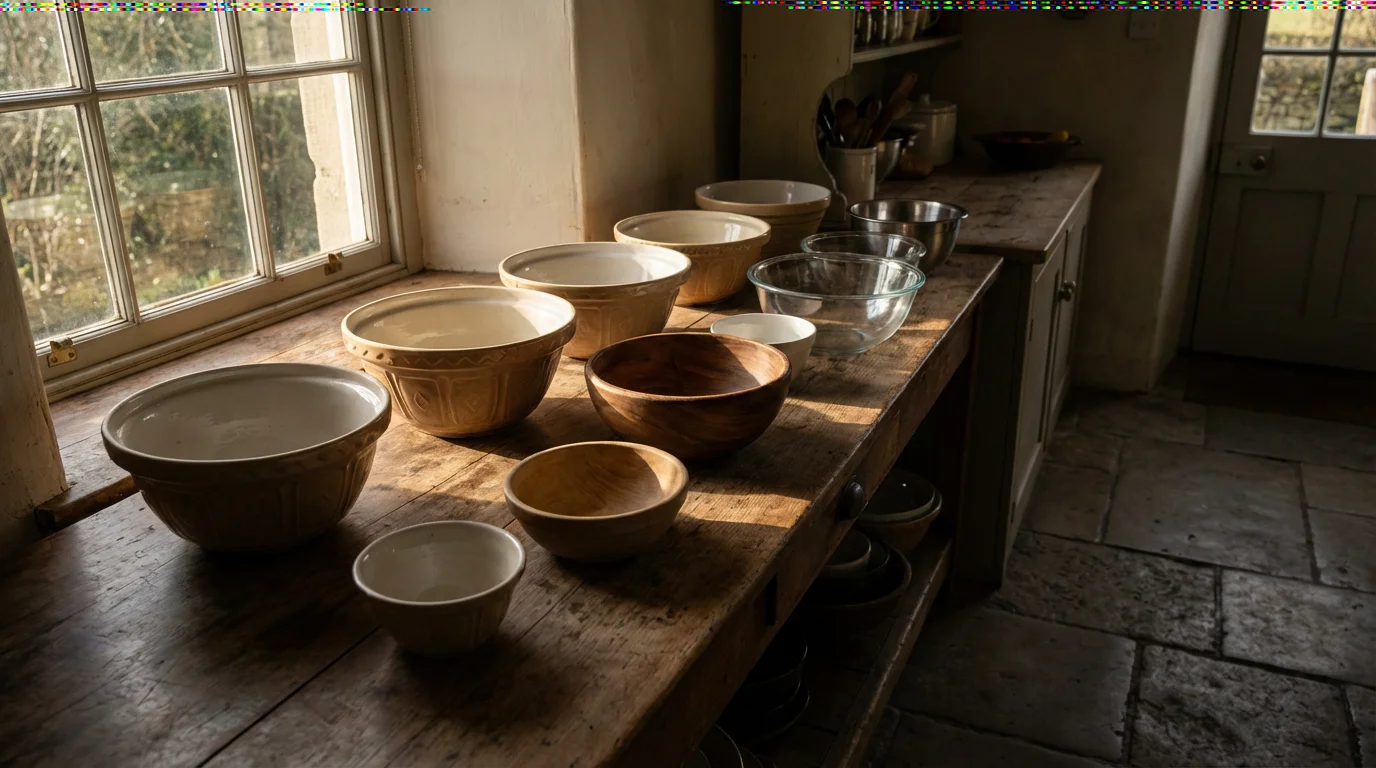
The weighing platform should be large enough to accommodate your largest mixing bowls without obscuring the display. Many scales feature a stainless steel platform, which is durable, easy to clean, and resists staining and odors. Plastic platforms are also common and can be perfectly adequate, but ensure they feel sturdy and resistant to scratches.
Ease of Cleaning and Storage
Baking can be messy, so your scale should be easy to wipe clean. Stainless steel surfaces are generally the easiest to maintain. Consider the scale’s overall footprint and height. Compact, thin designs are easier to store in drawers or small cupboards, making your kitchen more organized and efficient. Some models have removable platforms for easier washing, though ensure the main unit remains dry.
“A digital kitchen scale with a robust tare function and fine increments is not just a tool for professional chefs; it is a game-changer for any home baker seeking consistent, professional-quality results.”
Mastering Your Kitchen Scale: Techniques for Precision
Using a kitchen scale effectively is straightforward once you understand a few key techniques. These steps ensure you maximize accuracy and minimize mess.
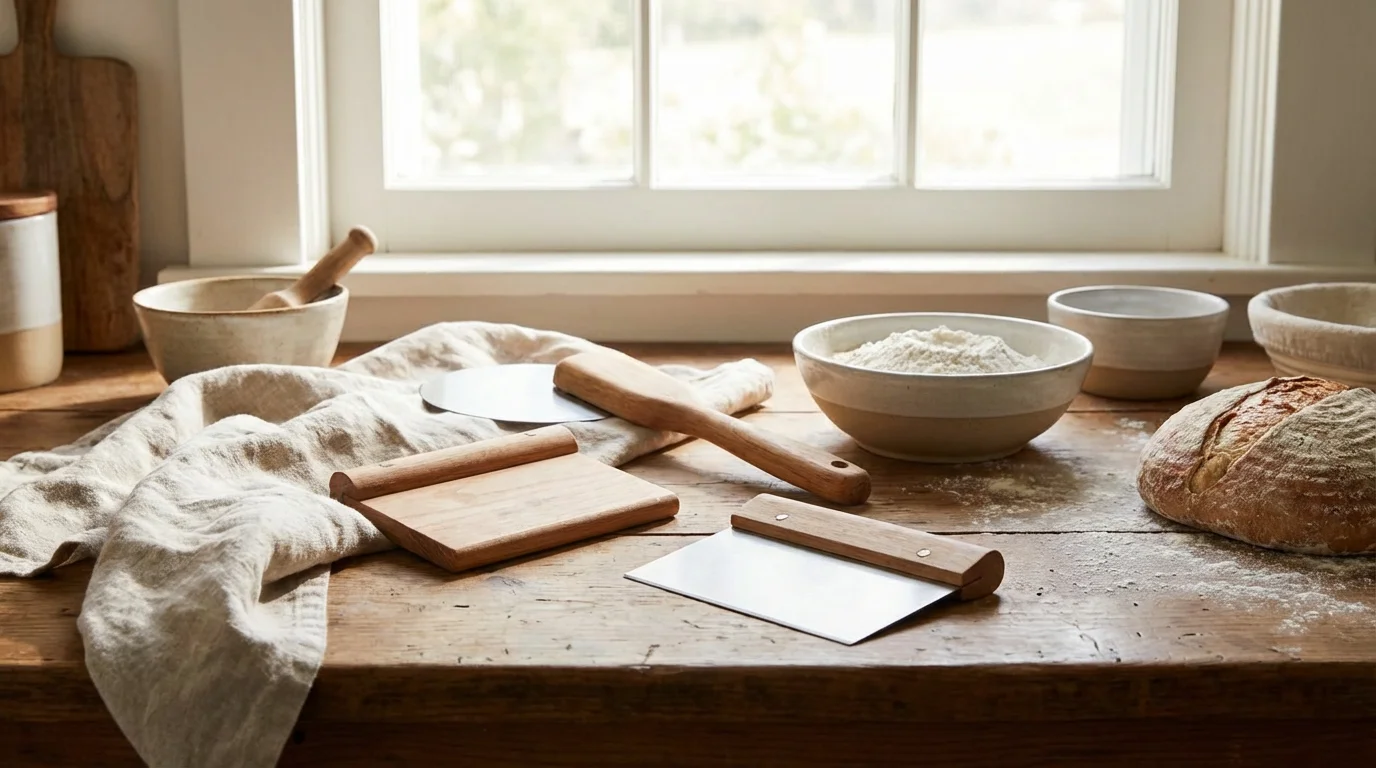
After using your scale to weigh out dough portions, bench scrapers and dough cutters are essential for moving and shaping those pieces without sticking.
Step-by-Step Weighing with Tare
- Place Your Container: Put your mixing bowl or other container directly on the scale’s platform.
- Tare to Zero: Press the “tare” button. The display will reset to zero, effectively subtracting the container’s weight.
- Add First Ingredient: Carefully add your first ingredient until the desired weight appears on the display. Pour slowly or spoon ingredients in small amounts to avoid overshooting the target.
- Tare for Next Ingredient: Press the “tare” button again. The display will reset to zero, ready for the next ingredient.
- Repeat: Continue this process for all subsequent dry and liquid ingredients in your recipe. This method allows you to measure multiple ingredients into the same bowl, reducing dirty dishes.
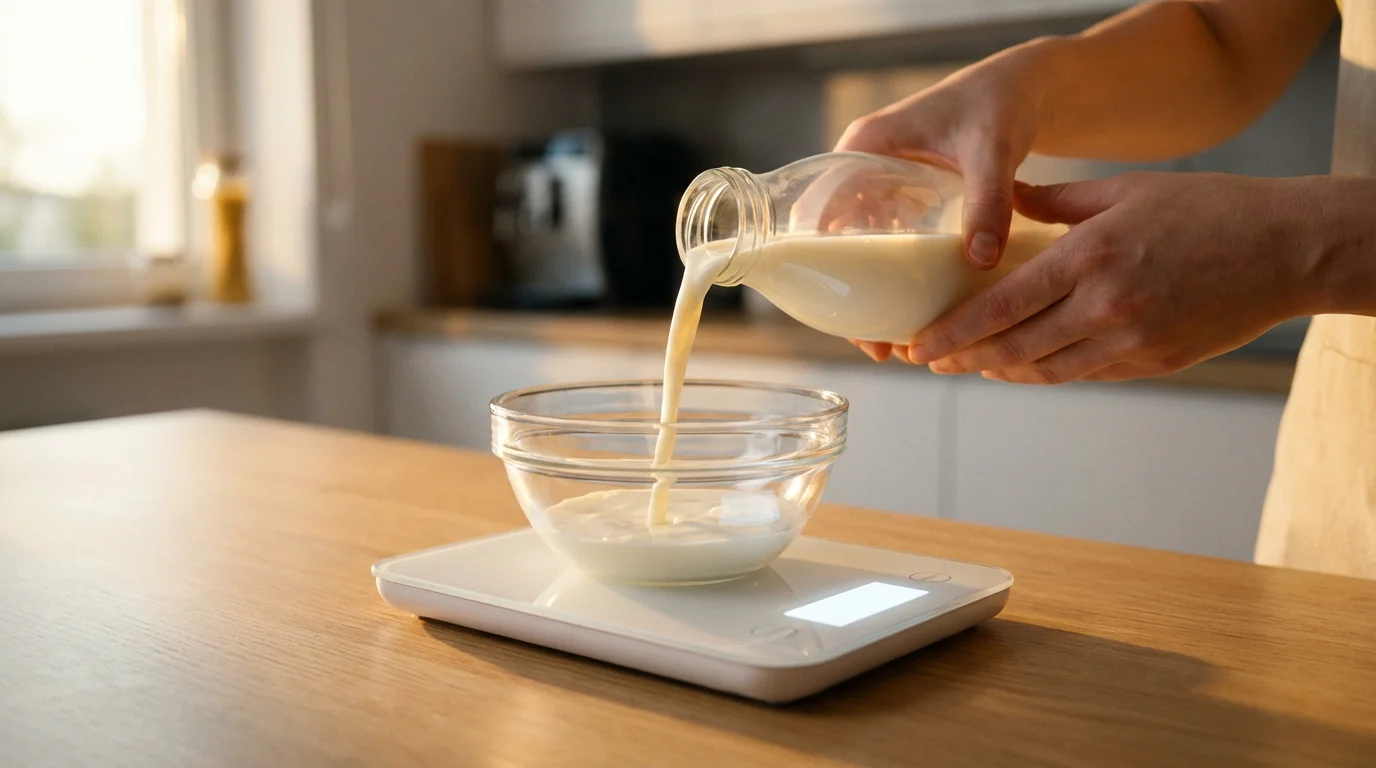
Measuring Liquids by Weight
While some recipes specify liquid volumes, measuring them by weight offers greater accuracy, especially for ingredients like water or milk. Water has a density very close to 1 gram per milliliter, so 100 grams of water is approximately 100 milliliters. This conversion makes it incredibly easy to measure liquids with precision. Simply use the tare function as described above, and add your liquid to the desired weight.
Tips for Accuracy and Safety
- Level Surface: Always use your scale on a flat, stable surface to ensure accurate readings.
- Avoid Overloading: Do not exceed your scale’s maximum capacity. This prevents damage and ensures accuracy.
- Keep Dry: While many scales are spill-resistant, avoid submerging them in water or exposing them to excessive moisture, especially the electronic components. Wipe spills immediately.
- Away from Heat: Keep your scale away from direct heat sources, such as stovetops or ovens, which can affect its internal components and accuracy.
- Patience is Key: When adding ingredients, especially fine powders like flour or liquids, pour or spoon them slowly. It is easier to add a little more than to remove an excess.

Top Picks: Finding Your Ideal Digital Kitchen Scale
Selecting the best digital kitchen scale for baking depends on your specific needs, whether you are a casual baker or a serious enthusiast. Here, we outline the characteristics of ideal scales for different user profiles.
Ideal Scales for Different Baking Needs
| User Profile | Key Features to Prioritize | Example Specifications | Pros | Cons |
|---|---|---|---|---|
| Beginner Baker / Value Seeker | Simplicity, essential functions, affordability. | Capacity: 11 lbs (5 kg); Accuracy: 1g / 0.1 oz; Tare function; Basic LCD display; Plastic platform. | Easy to use, cost-effective entry point, reliable for most recipes. | May lack advanced features or higher capacity; plastic platform might stain over time. |
| Serious Home Baker / Frequent User | Higher capacity, precision, durability, easy cleaning. | Capacity: 15 lbs (7 kg); Accuracy: 1g / 0.05 oz; Backlit display; Stainless steel platform; Unit conversion. | Robust construction, accommodates larger batches, precise for delicate ingredients, easy to maintain. | Higher price point, potentially larger footprint. |
| Precision Enthusiast / Small Batches | Ultra-fine accuracy for small quantities, quick readings. | Capacity: 5-7 lbs (2-3 kg); Accuracy: 0.1g / 0.005 oz; Compact design; Quick response time. | Exceptional precision for yeast, spices, or coffee beans; ideal for specialized recipes. | Lower max capacity, not ideal for very large mixing bowls, typically more expensive. |
When making your selection, consider how often you bake and the typical batch sizes. A scale recommended by Consumer Reports or Wirecutter will often highlight a balance of accuracy, durability, and user-friendliness, aligning with what serious bakers require. Always check the maximum weight capacity and the smallest increment of measurement to ensure it fits your baking style.
Beyond Baking: Expanding Your Scale’s Utility
While indispensable for baking, your kitchen scale offers versatility that extends to many other areas of food preparation and household tasks. Investing in a good kitchen scale means you acquire a multi-functional tool for your home.
Keep your scale and surrounding areas clean by performing all your prep work on a high-quality cutting board designed for your specific kitchen needs.
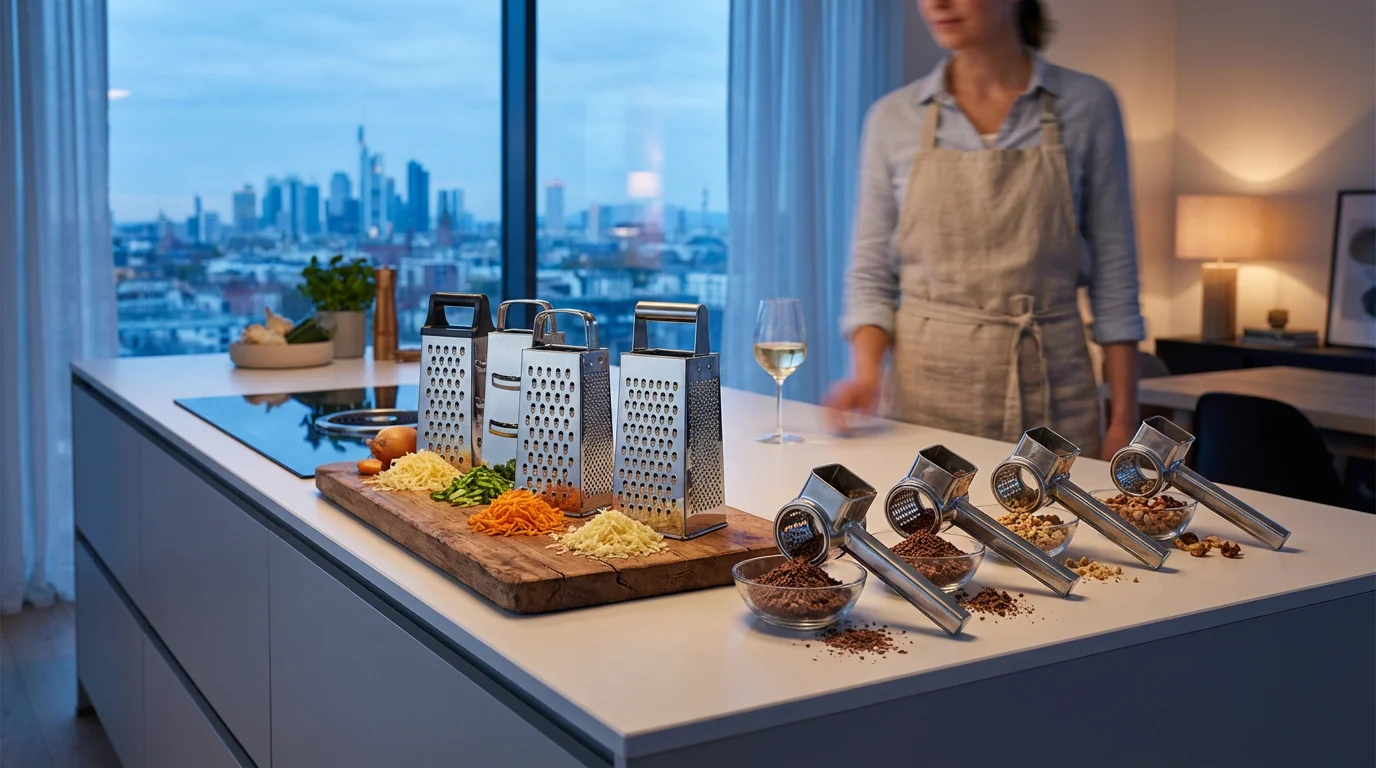
For tasks that require both visual and weight consistency, pairing your scale with mandoline slicers ensures every vegetable slice is identical in size and mass.
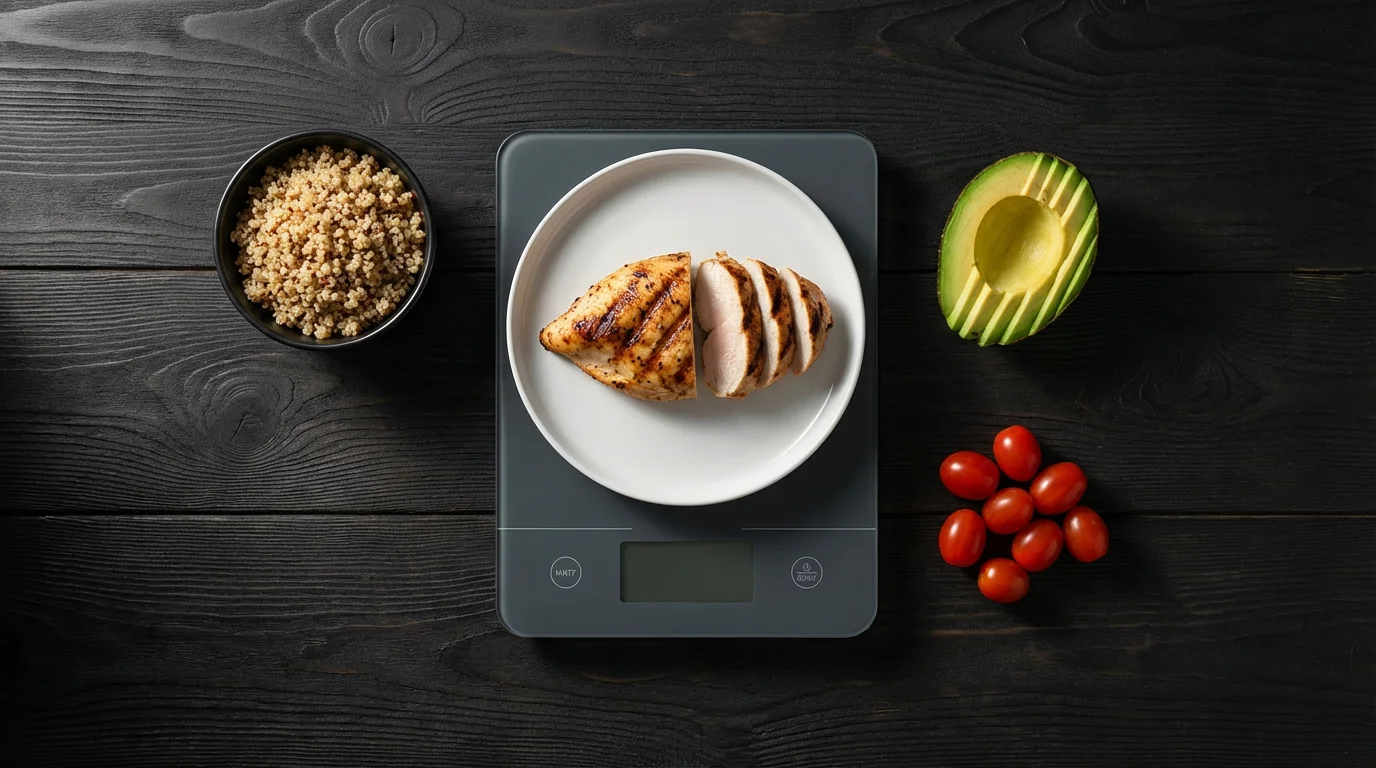
Portion Control and Healthy Eating
A kitchen scale is an excellent tool for managing portion sizes, especially if you follow specific dietary guidelines or track macros. You can accurately weigh proteins, carbohydrates, and fats to meet your nutritional goals. This precision helps you understand exactly how much you are consuming, making meal planning and healthy eating much more effective than relying on visual estimation or imprecise measuring cups.
Coffee Brewing Precision
Coffee enthusiasts swear by weighing beans and water for the perfect brew. Whether you are using a pour-over method, an AeroPress, or an espresso machine, precise ratios of coffee to water are critical for extracting optimal flavor. A scale that measures in 0.1 gram increments is particularly useful here, helping you achieve consistent, barista-quality coffee every time.
Meal Prep Consistency
For weekly meal prep, a scale ensures you divide ingredients and cooked food evenly into containers. This leads to consistent portioning across your meals, whether for calorie management or simply ensuring everyone receives a fair share. It also helps in scaling recipes up or down, making sure ingredient ratios remain correct regardless of the batch size.
Crafts and Hobbies
Beyond the kitchen, your scale can assist with various hobbies. Weighing ingredients for soap making, candle making, or even mixing paints requires accuracy. For shipping small packages, you can use your scale to get an estimated weight before going to the post office, potentially saving time and ensuring correct postage.
Maintaining Your Kitchen Scale for Long-Term Accuracy
Proper care and maintenance ensure your kitchen scale remains accurate and functional for years. These simple steps protect your investment and preserve its precision.
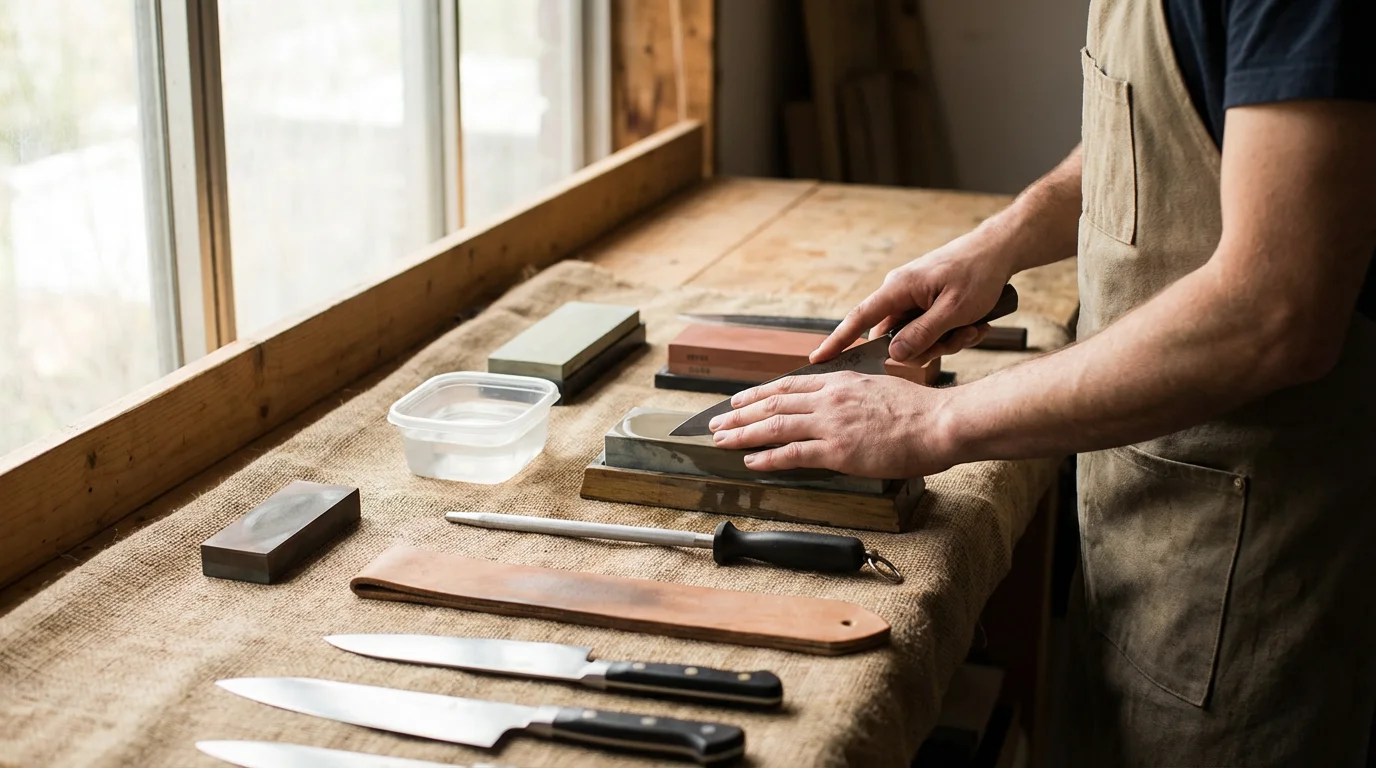
While you focus on maintaining your scale’s accuracy, don’t forget that regular knife sharpening is equally important for a safe and efficient kitchen environment.
Cleaning Your Scale
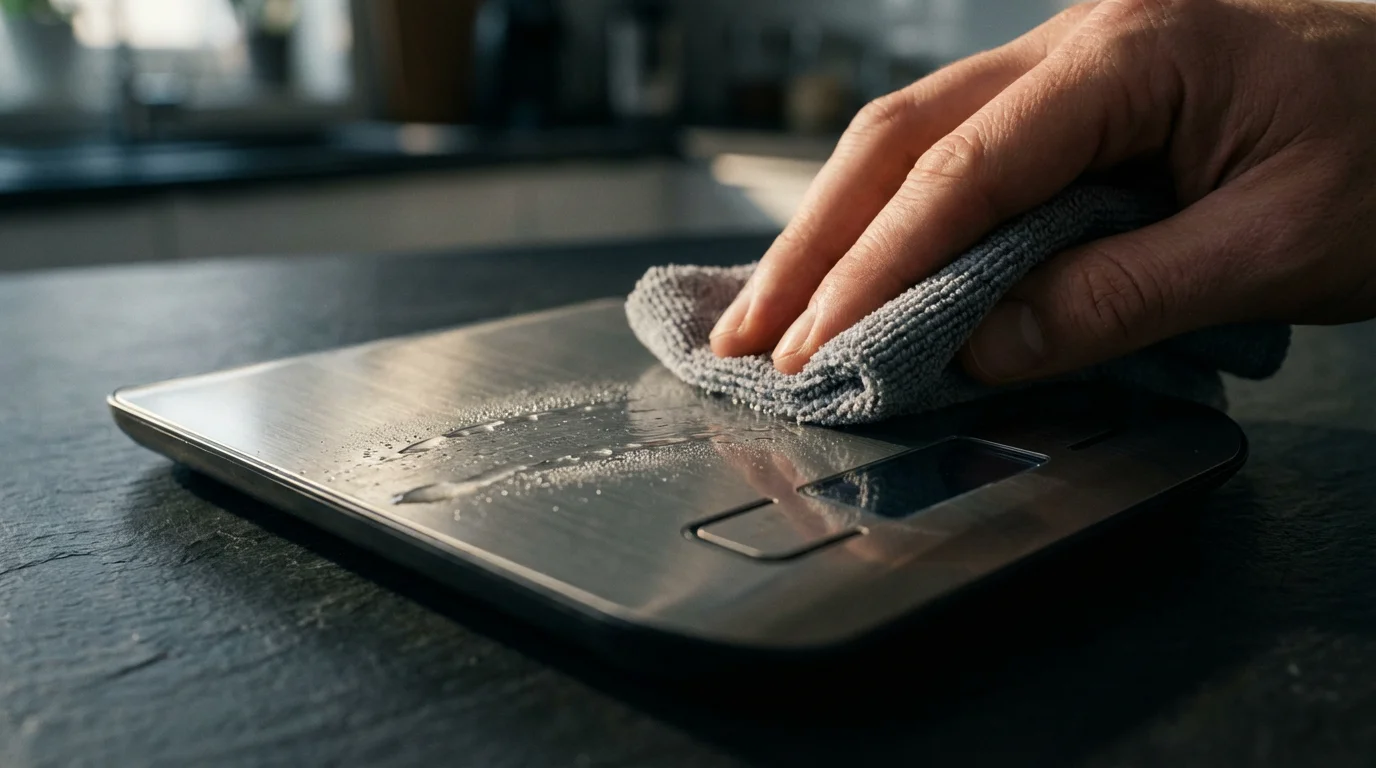
Most digital kitchen scales are not designed to be submerged in water. For general cleaning, simply wipe the platform and display with a damp cloth and mild soap, then dry thoroughly. If you have a stainless steel platform, a kitchen cleaner safe for stainless steel can remove tougher stains. Some models feature a removable platform that can be hand-washed or placed in a dishwasher, but always confirm this in your user manual. Always avoid harsh abrasive cleaners or scouring pads that could scratch the display or platform.
Battery Care
Digital scales run on batteries, typically AAA, AA, or coin cell batteries. Keep a spare set on hand so a dead battery does not interrupt your baking. If you do not use your scale frequently, consider removing the batteries during extended periods of storage to prevent corrosion, which can damage the electronic components. When the low battery indicator appears, replace the batteries promptly to maintain accuracy.
Proper Storage
Store your scale in a clean, dry place where it will not be bumped or have heavy objects placed on top of it. A kitchen drawer or a dedicated shelf is ideal. Avoid storing it near extreme temperatures, such as next to the oven or in a very cold pantry, as temperature fluctuations can affect its electronic sensors. Storing it on a flat surface also helps maintain the calibration of its internal sensors.
Calibration
Some high-end kitchen scales offer a user calibration function, which involves placing a specific weight (often sold separately) on the scale to adjust its accuracy. If your scale allows for calibration, consult the manufacturer’s instructions. Most consumer-grade kitchen scales are factory-calibrated and do not require user intervention, but if you notice inconsistent readings, ensure it is on a flat surface and try new batteries before considering a replacement.
Common Misconceptions About Kitchen Scales
Despite their clear benefits, some home cooks harbor misconceptions about kitchen scales. Addressing these can help you embrace this valuable tool.
“Kitchen Scales are Too Complicated to Use”
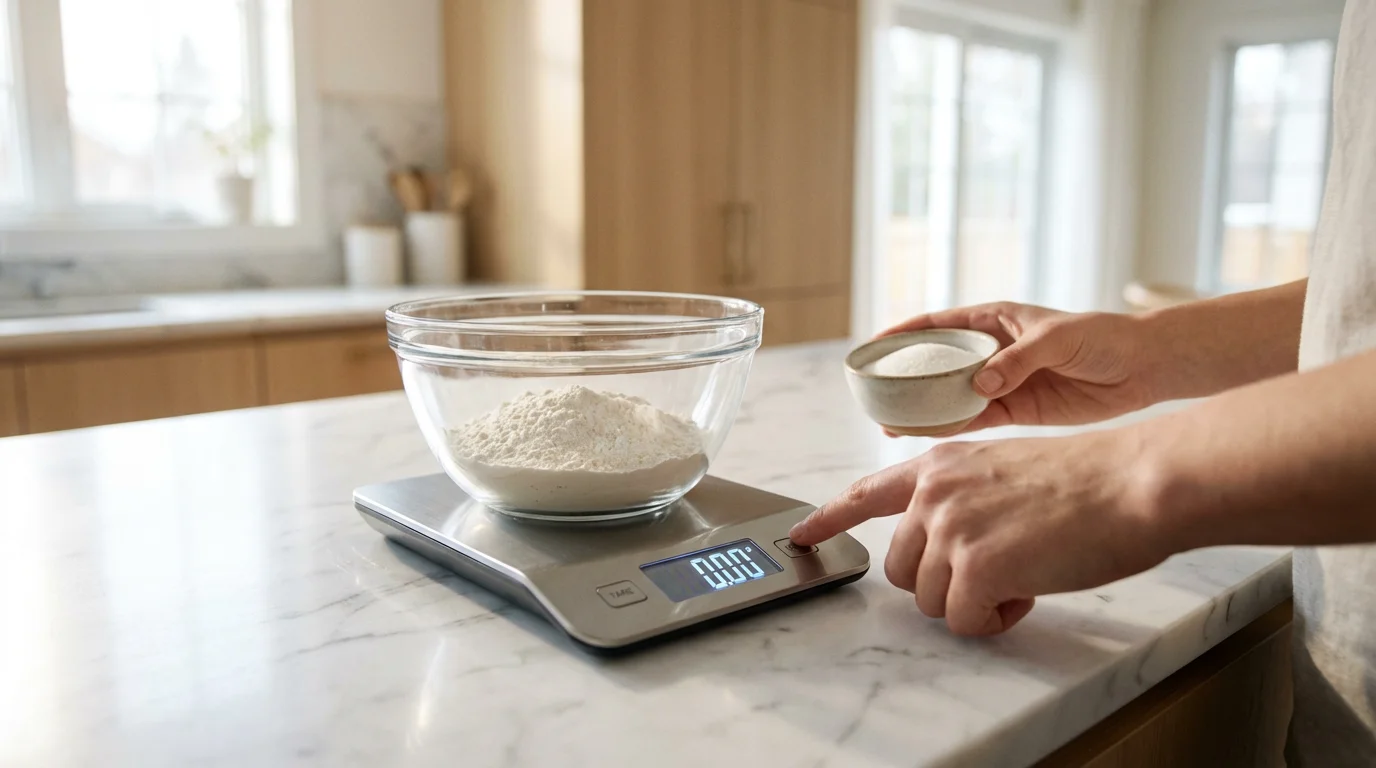
This is simply untrue. Digital kitchen scales are incredibly user-friendly. The tare function, which allows you to zero out weights, is typically a single button press. Switching between units is also intuitive. Once you use it a few times, measuring by weight becomes second nature and feels much simpler than managing multiple measuring cups and spoons.
“Volume Measurements Are Good Enough for Home Baking”
While volume measurements work for some simple recipes where precision is less critical, they are not “good enough” for consistent, high-quality baking. As discussed, the variability in scooping flour or measuring liquids can significantly alter ingredient ratios, leading to inconsistent textures, rises, and flavors. For reliable results, especially in complex recipes, a kitchen scale is superior.
“Only Professional Bakers Need a Kitchen Scale”
This idea is outdated. While professionals certainly rely on scales, home cooks gain just as much benefit. A scale democratizes precision baking, allowing anyone to achieve bakery-quality results in their own kitchen. It fosters a deeper understanding of recipes and ingredient ratios, moving you beyond simply following instructions to truly understanding the science of baking.
“Kitchen Scales Are Just Another Unnecessary Gadget”
Far from being an unnecessary gadget, a kitchen scale is a fundamental tool that improves accuracy, reduces mess, and enhances the consistency of your cooking and baking. It simplifies complex tasks, saves time on cleanup, and opens up a world of more reliable recipes. Many home cooks consider it one of the most impactful tools they add to their kitchen arsenal.
Frequently Asked Questions
Do I really need a kitchen scale for baking?
While you can certainly bake without one, a kitchen scale dramatically improves the consistency and quality of your baked goods. Volume measurements like cups and spoons are imprecise, leading to varied results. Weighing ingredients ensures accurate ratios every time, producing more reliable and delicious outcomes.
What’s the difference between a kitchen scale and a food scale?
These terms are interchangeable. A “kitchen scale” or “food scale” refers to the same device used for weighing ingredients or food items. There is no functional difference; they both serve the same purpose of measuring weight for cooking, baking, or portion control.
Can I use my kitchen scale for liquids?
Yes, absolutely. Measuring liquids by weight is often more accurate than using volume, especially for water, milk, or other liquids with a density close to 1 gram per milliliter. Simply place your container on the scale, tare it to zero, and pour in the liquid until you reach the desired weight.
How do I clean my digital kitchen scale?
Wipe your digital kitchen scale with a damp cloth and mild soap, then dry it thoroughly. Avoid submerging the scale in water or using harsh abrasives. If your scale has a stainless steel platform, it might be removable for easier washing, but always consult your manufacturer’s instructions first.
What capacity kitchen scale do I need for baking?
For most home baking, a kitchen scale with a maximum capacity of 10 to 15 pounds (5 to 7 kilograms) is sufficient. This allows you to weigh larger quantities of flour, sugar, or a full mixing bowl of dough without exceeding the scale’s limit.
Disclaimer: Product prices and availability change frequently. Prices shown were accurate at time of writing but may have changed. We may earn a small commission from purchases made through links on this site, at no extra cost to you. Always use cutting tools carefully and follow manufacturer safety guidelines.

Leave a Reply