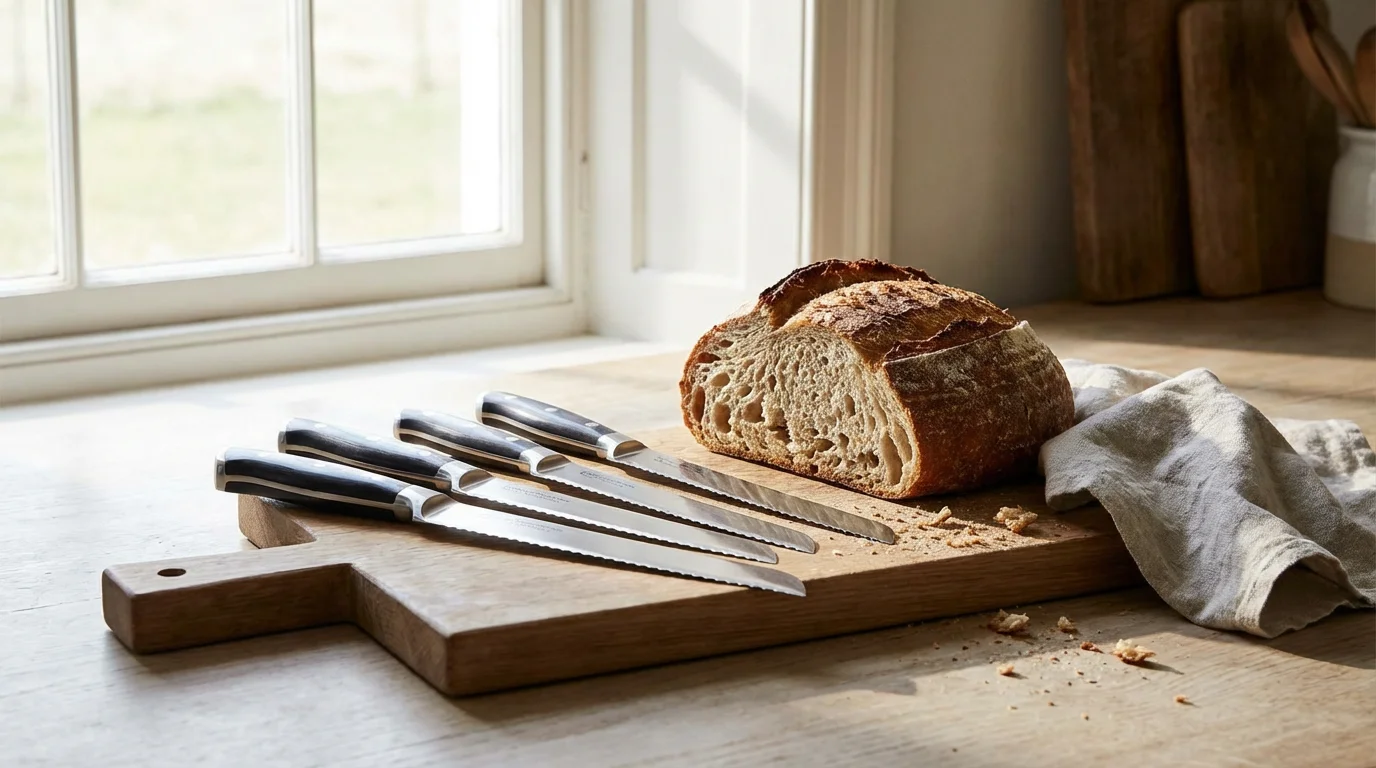
A good bread knife transforms your kitchen experience, turning crusty loaves into perfectly uniform slices and delicate pastries into pristine portions. Unlike a chef’s knife or a paring knife, a serrated blade excels at cutting foods with tough exteriors and soft interiors, preventing crushing and tearing. You gain both efficiency and a professional finish with the right tool. This guide helps you understand, select, and safely use the ideal bread knife for your kitchen.
Before you even reach for your blade, successful baking starts with precision, often requiring the right measuring cups and spoons to get the ingredient ratios just right.
Why a Dedicated Bread Knife? The Science of Serration
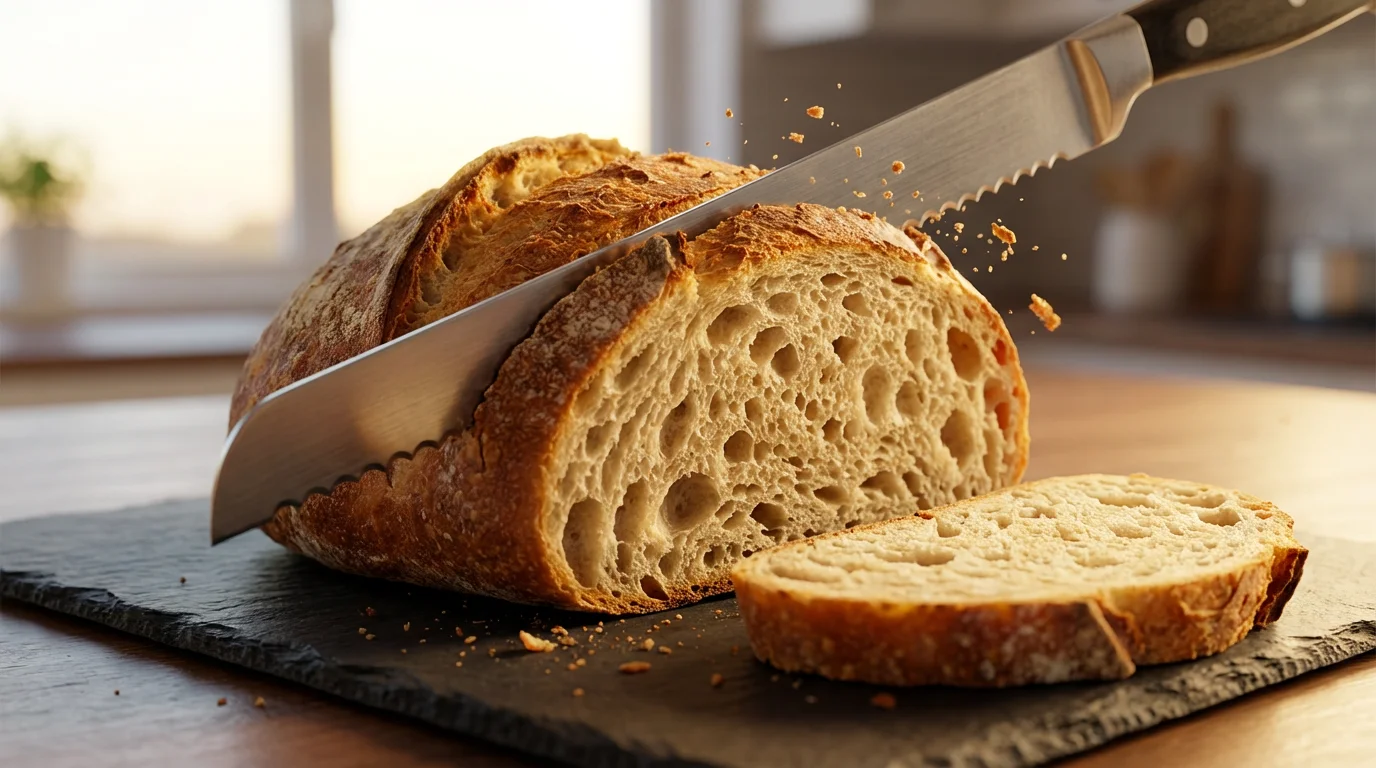
You might wonder if your chef’s knife can handle all your slicing tasks. While versatile, a straight-edged blade struggles with items like fresh bread, which combine a resilient crust with a soft, airy interior. A chef’s knife pushes and compresses these foods, often tearing the delicate crumb and leaving you with ragged, uneven slices. This is where the specialized design of a bread knife, a true Wirecutter recommended kitchen tool, proves indispensable.
A serrated knife features a series of teeth along its blade edge. These teeth act like miniature saws. When you apply pressure and a gentle sawing motion, the pointed tips of the serrations pierce the tough crust of the bread. The gaps between the teeth reduce friction and allow the blade to glide through the soft interior without dragging or compressing it. This unique cutting action provides a clean, precise cut every time, preserving the integrity of your baked goods. Imagine trying to cut a delicate angel food cake with a smooth blade; it would tear. A serrated knife slices through with minimal resistance, delivering beautiful, intact pieces.
The serrated edge also offers advantages for other foods. It allows you to tackle items with slippery skins, like tomatoes, or hard exteriors and soft centers, like large melons, more effectively than a straight edge. You exert less force and maintain greater control, which contributes to safer food preparation. For serious home cooks, a good bread knife is not a luxury, it is a fundamental tool that expands your culinary capabilities.
Anatomy of an Effective Bread Knife
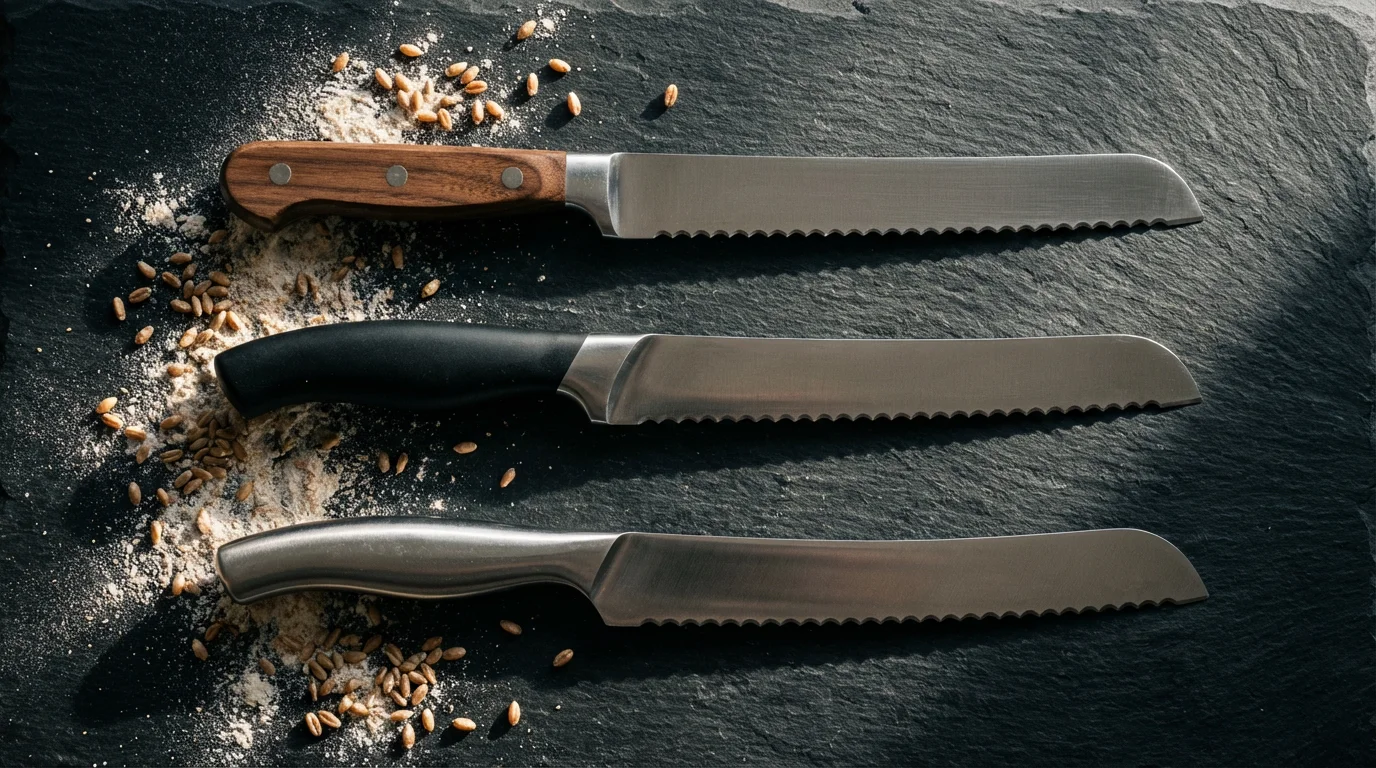
Understanding the components of a bread knife empowers you to make an informed choice. Each part plays a critical role in its performance, comfort, and safety.
If you are baking your own loaves from scratch, bench scrapers and dough cutters are invaluable for portioning dough before it even hits the oven.
- Blade Length: Most bread knives range from 8 to 10 inches in blade length, with some extending to 12 inches. A longer blade, like a 10-inch or 12-inch serrated knife, allows you to slice through larger loaves, such as sourdough boules or baguettes, with a single, continuous stroke. This reduces the need for multiple passes, resulting in cleaner cuts and less crumb scattering. Shorter blades, around 8 inches, offer more maneuverability and control, which can be useful for smaller items like bagels or rolls. Consider the size of the loaves you most frequently cut.
- Serration Pattern:
- Pointed Serrations: These are the most common type, featuring sharp, triangular teeth. They excel at piercing tough crusts and are highly effective for most breads.
- Scalloped Serrations: These have rounded or wave-like teeth. They offer a smoother cut and are often preferred for delicate items like soft cakes or pastries, as they are less prone to tearing. Some chefs find them easier to clean.
- Offset Serrations: A less common but highly effective design. The serrations are not perfectly aligned with the blade’s edge but are slightly offset, creating a more aggressive cutting action that can be excellent for exceptionally crusty breads.
The choice of serration depends on your primary use. For general bread slicing, pointed serrations are a reliable all-rounder.
- Blade Material:
- High-Carbon Stainless Steel: This is the most common and recommended material. It offers an excellent balance of sharpness, durability, and corrosion resistance. You get a blade that holds an edge well and resists rust.
- Stainless Steel: While rust-resistant, pure stainless steel blades may not hold an edge as long as high-carbon varieties. They are often found in more budget-friendly options.
- Ceramic: Ceramic knives are incredibly sharp and lightweight. However, they are brittle and prone to chipping or breaking if dropped or twisted. Sharpening ceramic serrated blades is also extremely difficult and often requires specialized equipment.
For durability and performance, high-carbon stainless steel is your best bet for a quality bread knife.
- Handle Design and Material: The handle significantly impacts comfort, grip, and control.
- Ergonomics: A well-designed handle fits comfortably in your hand, reducing fatigue during extended use. Look for contoured shapes that provide a secure grip, even with wet hands.
- Material: Common handle materials include wood, synthetic composites (like POM or G10), and stainless steel. Wooden handles offer a classic look and natural feel but require more care to prevent drying or cracking. Synthetic handles are durable, hygienic, and often dishwasher-safe. Stainless steel handles are sleek but can be slippery if not textured properly.
Prioritize a handle that feels balanced and secure in your hand.
- Bolster: The bolster is the thick part where the blade meets the handle. It adds balance to the knife and provides a finger guard, enhancing safety by preventing your hand from slipping onto the blade. A full bolster extends fully from the spine to the heel of the blade.
- Tang: The tang refers to the part of the blade that extends into the handle.
- Full Tang: A full tang knife means the blade extends all the way through the handle, often secured with rivets. This construction offers superior balance, strength, and durability. You experience better control and less hand fatigue with a full tang design.
- Partial Tang: A partial tang means the blade only extends partway into the handle. These knives are generally less durable and can feel less balanced.
For a high-quality bread knife, prioritize a full tang construction.
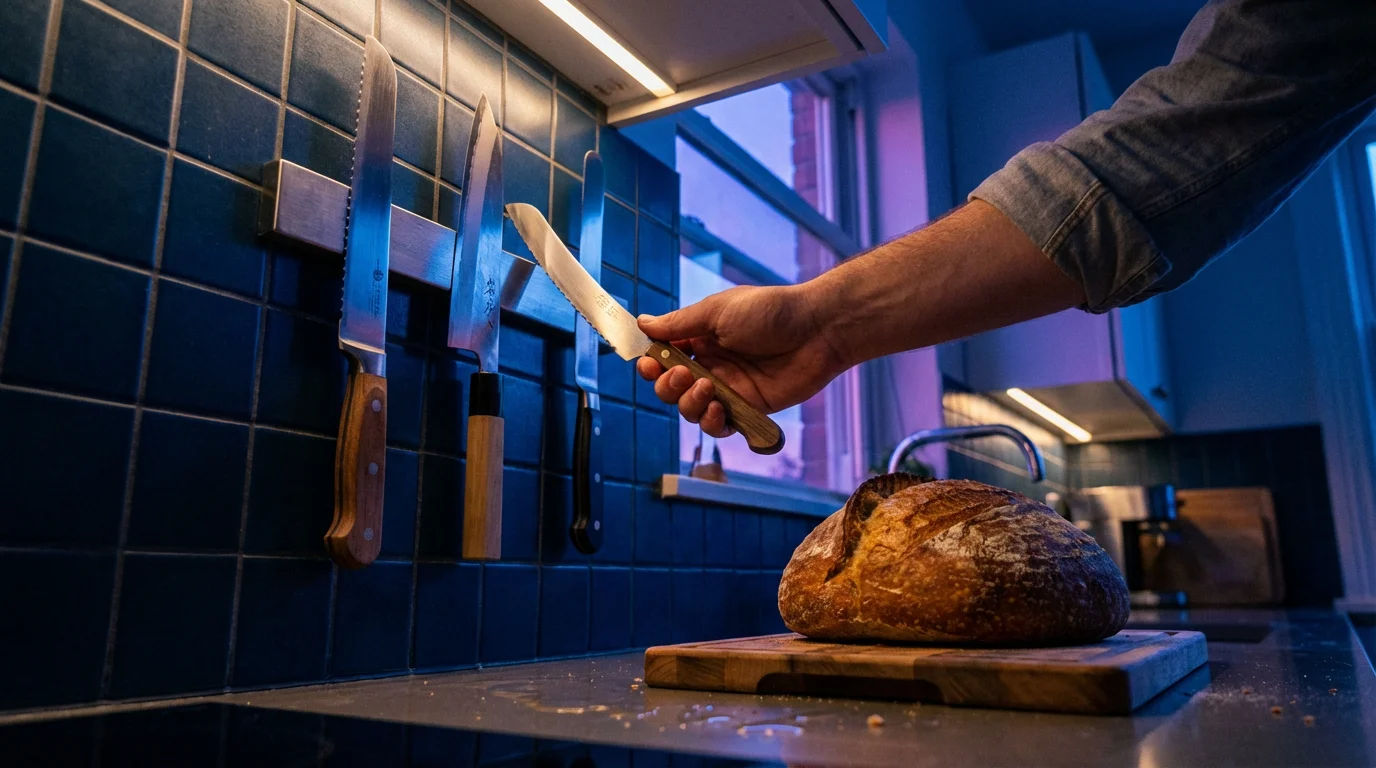
Selecting the Best Bread Knife for Your Needs
Choosing the right serrated knife involves balancing your specific needs with budget and performance. Consider these factors when making your selection.
In addition to a quality knife, many serious bakers rely on kitchen scales for accurate baking to ensure their bread has the perfect crumb and structure every time.
What kind of bread do you slice most often?
- Crusty artisan loaves: Opt for a longer blade (10-12 inches) with aggressive, pointed serrations. This design allows the blade to bite into tough crusts effectively. For example, the Consumer Reports kitchen appliance reviews frequently highlight how specific blade designs excel with different food textures.
- Soft sandwich bread or pastries: A shorter blade (8-9 inches) with scalloped serrations provides a gentler cut, minimizing tearing.
- General use: An 8-10 inch blade with pointed serrations offers versatility for most home kitchens.
Handle Ergonomics and Comfort: Hold the knife in your hand. Does it feel balanced? Is the grip secure and comfortable? A well-designed handle reduces hand fatigue, especially when slicing multiple loaves or denser items. Materials like synthetic polymers with a textured finish often offer excellent grip and are easy to maintain.
Weight and Balance: A good bread knife feels balanced in your hand, neither blade-heavy nor handle-heavy. This balance translates to better control and reduces strain on your wrist. A full tang knife typically provides superior balance.
Price vs. Performance: Quality bread knives range in price. While you can find inexpensive options, they often compromise on blade material, handle comfort, and durability. Investing in a mid-range to high-end serrated knife from a reputable brand delivers better performance, lasts longer, and provides a more enjoyable experience. Expect to pay between $30 and $100 for a high-quality bread knife that will serve you for many years.
“A bread knife is not just for bread. It’s a precision instrument for anything with a delicate interior and a resistant exterior. Treat it with the respect you give your finest chef’s knife.”
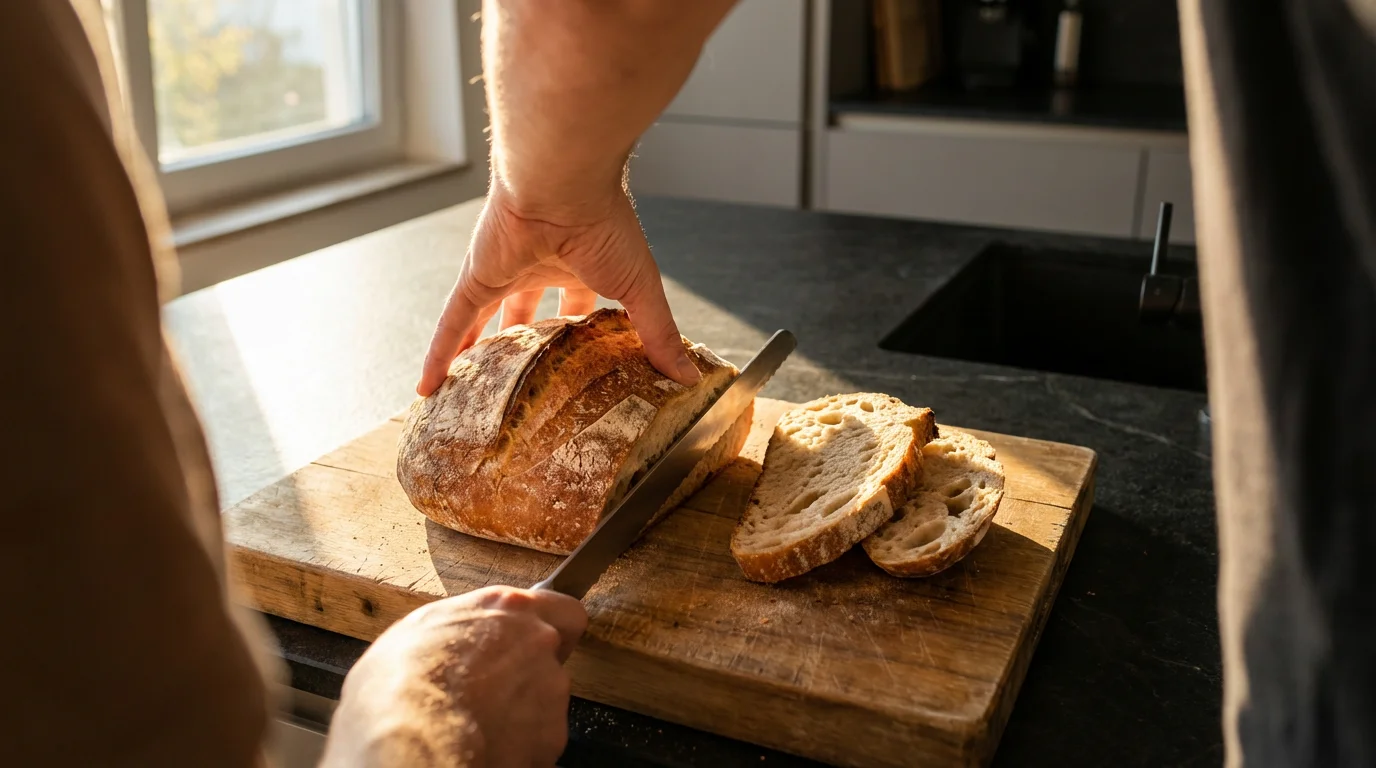
Safe and Efficient Bread Slicing Techniques
Safety is paramount when using any sharp kitchen tool, and a serrated knife is no exception. Proper technique ensures both your safety and the quality of your cuts.
- Stable Surface: Always use a sturdy, non-slip cutting board. Place a damp cloth or a silicone mat underneath your cutting board to prevent it from sliding on your countertop. This simple step significantly reduces the risk of accidents.
- The Claw Grip: When holding the food you are slicing, curl your fingertips inward, forming a “claw.” Rest your knuckles against the flat side of the blade, guiding the knife while keeping your fingertips safely tucked away. This prevents accidental cuts to your fingers.
- Proper Grip on the Knife: Grip the handle firmly but not rigidly. For optimal control and balance, hold the knife with your dominant hand, wrapping your fingers around the handle and placing your thumb against the side. Some chefs prefer to pinch the bolster with their thumb and forefinger for even greater precision, but for bread, a full handle grip is often sufficient.
- The Sawing Motion: Unlike a straight-edged knife that relies on downward pressure and a rocking motion, a bread knife requires a back-and-forth sawing action. Apply gentle, even pressure as you move the blade across the bread. Let the serrations do the work. Avoid pressing down too hard, which can compress the bread and cause the knife to bind.
- Full Blade Length: Utilize the entire length of the blade. Start with the heel (the part closest to the handle) and draw the knife back towards you, allowing the tip to finish the cut. This maximizes efficiency and creates cleaner slices.
- Keep it Sharp: While sharpening a serrated knife is different from a straight blade, a dull serrated knife is dangerous. It requires more force to cut, increasing the risk of slippage. Learn about maintenance to ensure your blade stays effective.
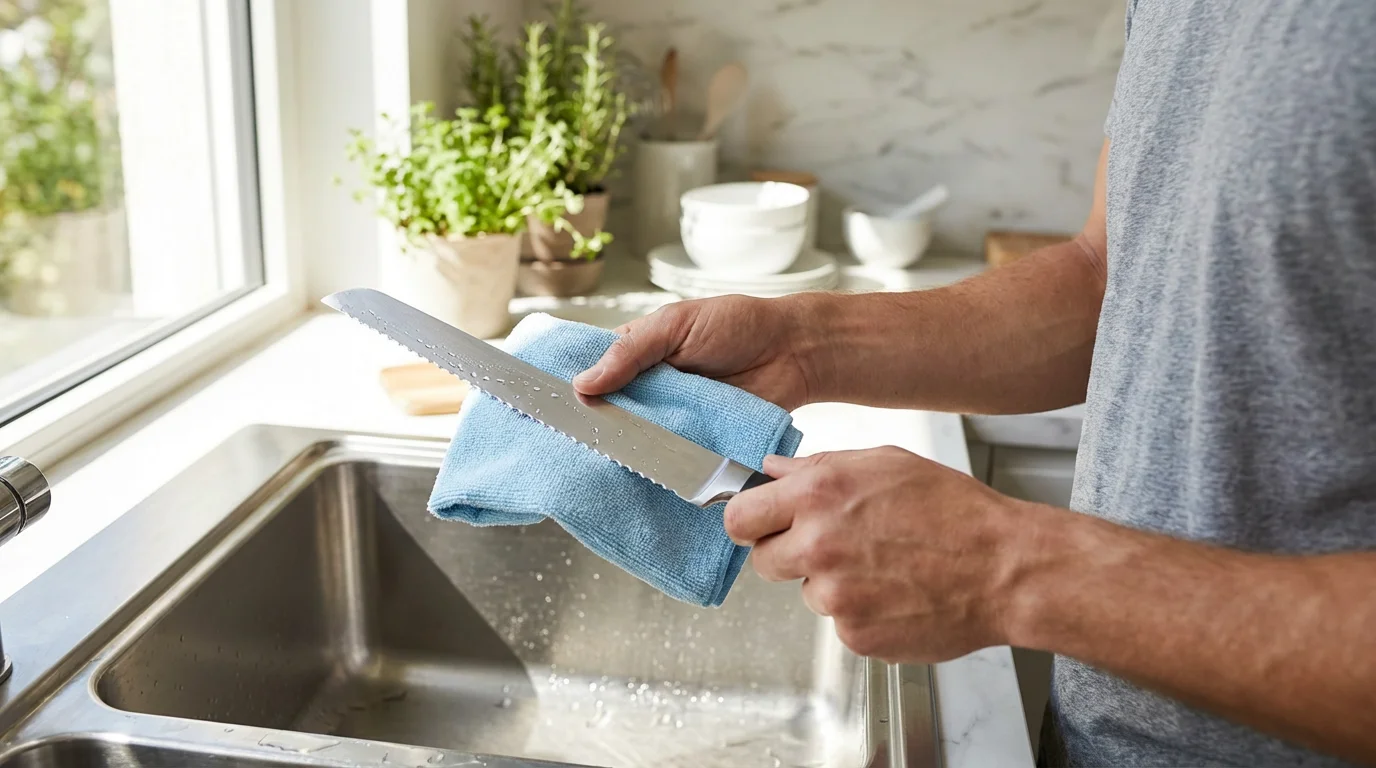
Caring for Your Serrated Blade: Maintenance and Sharpening Considerations
Proper care extends the life of your bread knife and maintains its performance. Serrated knives have specific maintenance requirements that differ from straight-edged blades.
- Hand Washing is Best: Always hand wash your bread knife immediately after use with warm, soapy water. While some synthetic-handled knives might be labeled “dishwasher-safe,” the harsh detergents, high heat, and potential for banging against other utensils in a dishwasher can dull the blade and damage the handle over time.
- Dry Immediately: After washing, thoroughly dry the knife with a soft cloth. Leaving moisture on the blade, especially near the serrations, can lead to rust and corrosion, even on stainless steel.
- Proper Storage: Store your bread knife safely to protect its edge and prevent accidents. Options include:
- Knife Block: A dedicated slot in a knife block protects the blade.
- Magnetic Strip: Mounts on your wall, offering easy access. Ensure the blade does not clang against the strip during placement.
- In-Drawer Knife Organizer: Keeps the blade safely contained within a drawer, preventing it from contacting other utensils.
- Blade Guards: Simple plastic or felt-lined guards fit over the blade, ideal for storing in drawers.
Never store a knife loosely in a drawer where it can dull against other tools or pose a hazard.
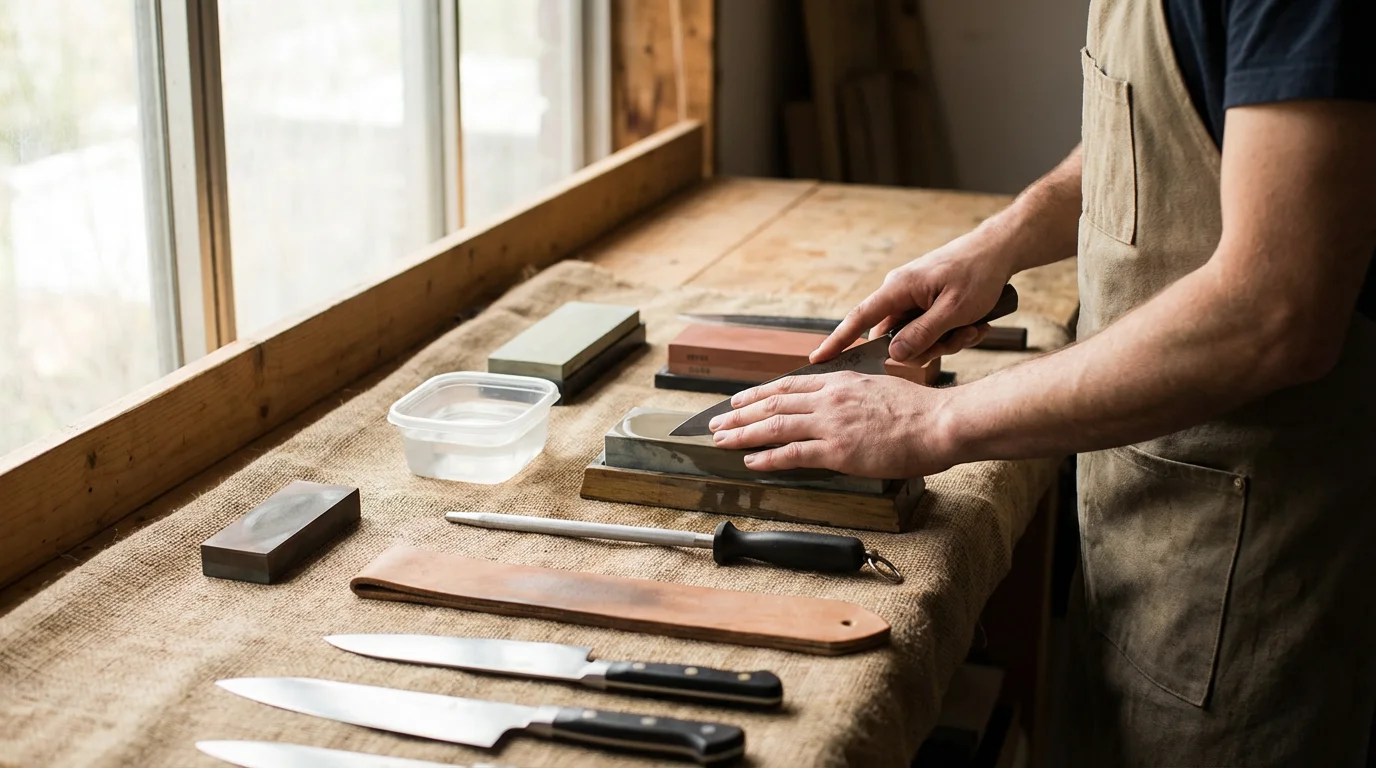
- Sharpening Serrated Blades: This is a critical distinction. You cannot sharpen a serrated knife with a standard honing rod or flat sharpening stone. A honing rod realigns a straight edge, while a serrated blade requires sharpening each individual scallop or tooth.
- Specialized Sharpeners: Some companies produce sharpeners designed specifically for serrated blades, often featuring tapered ceramic or diamond rods that fit into the gullets (the spaces between the teeth). You sharpen each gullet individually.
- Professional Sharpening: For best results, consider sending your serrated knife to a professional sharpener who has the expertise and equipment to restore its edge without damaging the serrations.
- When to Sharpen: Serrated knives hold their edge for a very long time compared to straight blades because the cutting action relies more on piercing than a continuous slice. You will notice it needs sharpening when it starts tearing instead of cleanly slicing, or when you apply significantly more force to cut.
Do not attempt to sharpen a serrated knife with a traditional pull-through sharpener designed for straight blades; you will damage the serrations.
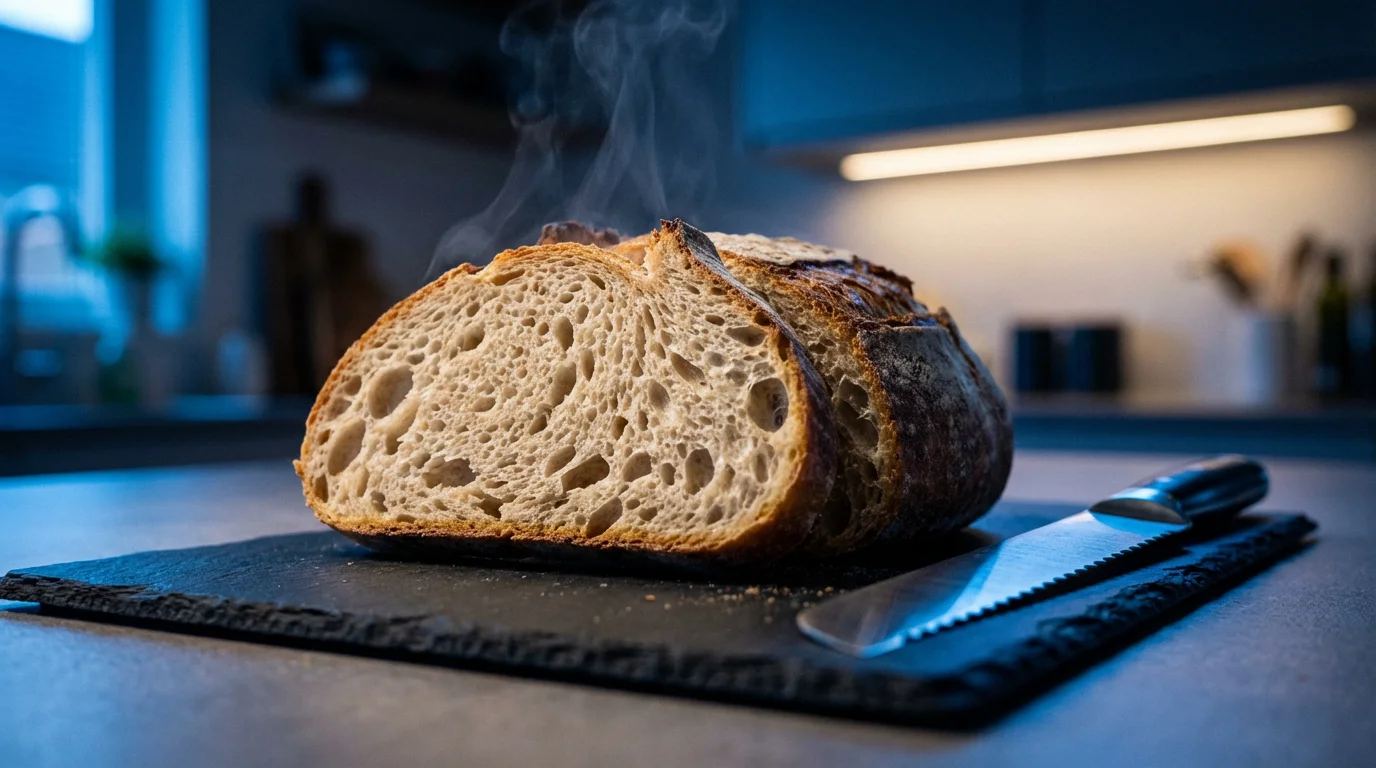
Our Top Bread Knife Recommendations
You find many excellent bread knives available, each with unique features. Based on extensive testing and user feedback, we recommend these options for various needs.
| Model | Blade Length | Serration Type | Blade Material | Handle Material | Key Benefits | Best For |
|---|---|---|---|---|---|---|
| Victorinox Fibrox Pro 10.25-inch Bread Knife | 10.25 inches | Pointed | High-carbon stainless steel | Fibrox (synthetic) | Exceptional sharpness, excellent grip, great value. Maintains edge well. | Best Value, All-Around Performer |
| Wüsthof Classic 10-inch Bread Knife | 10 inches | Pointed | High-carbon stainless steel | Synthetic (full tang) | Precision forged, superior balance, ergonomic handle, very durable. | Serious Cooks, Premium Quality |
| Shun Classic 9-inch Bread Knife | 9 inches | Scalloped | VG-MAX (Damascus-clad) | Pakkawood (D-shaped) | Ultra-sharp, exquisite craftsmanship, aesthetic appeal, smooth cutting. | Delicate Slicing, Premium Design |
| Mercer Culinary Millennia 10-inch Bread Knife | 10 inches | Pointed | High-carbon stainless steel | Santoprene and polypropylene | Affordable, very sharp, comfortable non-slip grip, good for beginners. | Beginners, Budget-Conscious |
The Victorinox Fibrox Pro consistently receives high marks for its outstanding performance-to-price ratio. It delivers a sharp, durable blade with a comfortable, non-slip handle, making it an excellent choice for most home cooks. For those seeking a professional-grade tool with impeccable balance and longevity, the Wüsthof Classic is a standout. If delicate items like soft cakes or tomatoes are a frequent task, and you appreciate artisanal craftsmanship, the Shun Classic with its scalloped edge offers a refined cutting experience. Finally, the Mercer Culinary Millennia offers impressive sharpness and a safe, comfortable grip at a very accessible price point, making it perfect for those starting their kitchen tool collection.
Beyond the Loaf: Versatile Uses for Your Bread Knife
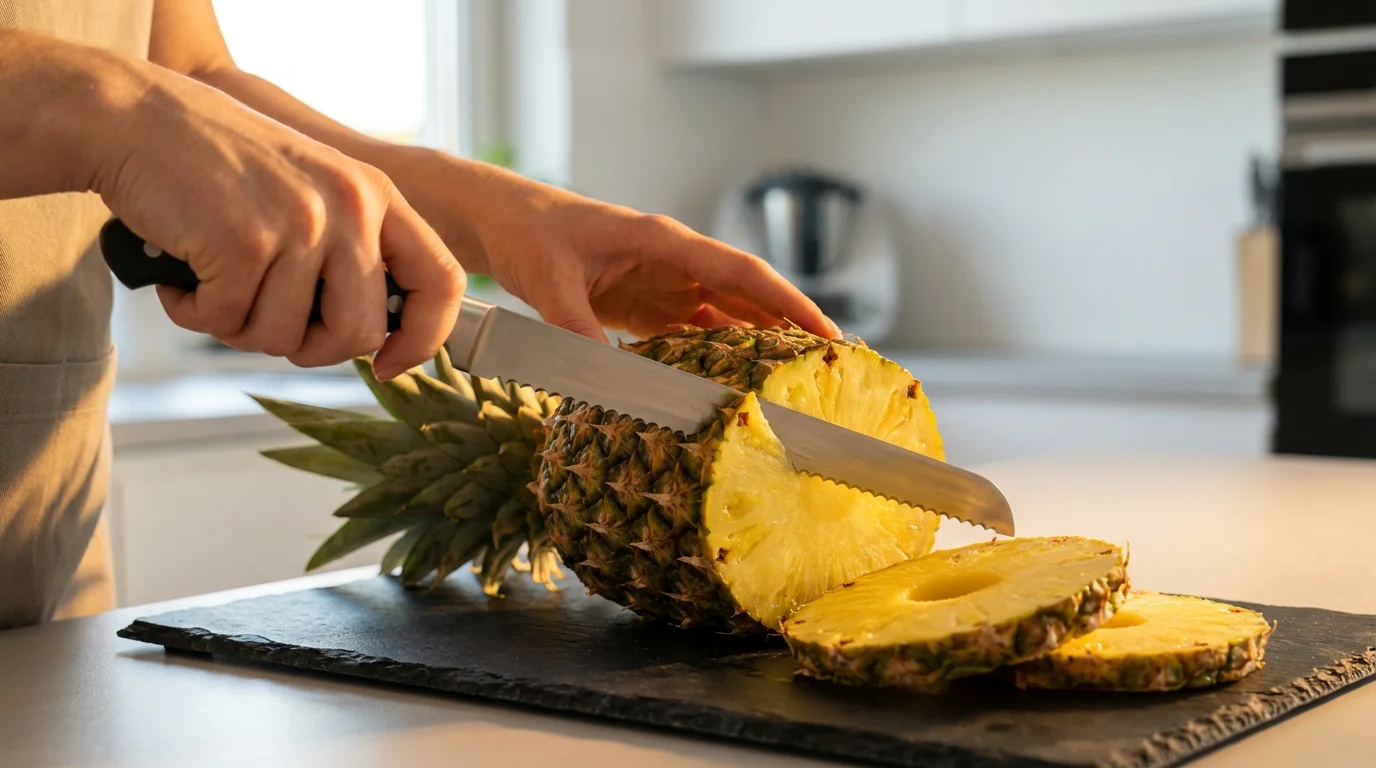
While its name suggests a singular purpose, your bread knife, or serrated knife, is far more versatile than you might realize. This slicing knife excels at a variety of tasks where a straight edge might falter.
- Tomatoes: The delicate skin of a tomato is no match for a serrated blade. Its teeth pierce the skin easily, allowing you to slice through the soft interior without crushing the fruit. You achieve perfect, thin slices for salads or sandwiches.
- Citrus Fruits: Peeling oranges, grapefruits, or other citrus can be messy. A bread knife helps you cleanly remove the peel and segment the fruit, making quick work of preparation.
- Melons and Squashes: Large, tough-skinned fruits like watermelon, cantaloupe, or even some winter squashes benefit from the sawing action of a serrated blade. It provides the leverage needed to cut through their thick exteriors safely and efficiently.
- Cakes and Pastries: Achieve clean, even slices of layer cakes, tarts, and even brownies without tearing or smudging the frosting. The serrated edge glides through delicate baked goods, preserving their structure.
- Roasts (with a disclaimer): While a dedicated carving knife is ideal for cooked meats, a sharp bread knife can manage a roast with a tough, crispy skin or crackling, such as pork belly or roasted chicken. Its serrations bite into the crispy exterior where a smooth blade might slip. However, it is generally less suitable for carving soft, boneless meats.
- Crusty Vegetables and Fruits: Think about artichokes, pineapples, or even dense cabbage. The serrations allow you to tackle these challenging items with greater ease and control.
Remember to always use a stable cutting board and appropriate safety techniques, regardless of what you are slicing. Your bread knife is a powerful tool when you understand its full potential.
Frequently Asked Questions
How long should a bread knife be?
A bread knife’s ideal length typically ranges from 8 to 12 inches. For most home cooks, an 8-inch to 10-inch blade provides a good balance of versatility and control. Longer blades, up to 12 inches, excel at slicing large, crusty loaves with a single stroke, preventing uneven cuts.
Can I sharpen a serrated bread knife?
Yes, you can sharpen a serrated bread knife, but you cannot use a standard honing rod or flat sharpening stone. Serrated knives require specialized sharpeners, often with tapered ceramic or diamond rods that individually sharpen each gullet (the curve between the teeth). For best results, consider professional sharpening services.
What is the best bread knife for crusty bread?
For crusty bread, choose a bread knife with a blade length of 10-12 inches and pronounced, pointed serrations. These teeth effectively pierce the tough crust, while the longer blade allows for a smooth, continuous sawing motion. High-carbon stainless steel blades ensure durability and edge retention.
Are bread knives just for bread?
No, bread knives are highly versatile beyond just slicing bread. Their serrated edge makes them excellent for cutting items with tough exteriors and soft interiors, such as tomatoes, large melons, squashes, and even delicate cakes and pastries. They provide clean cuts without crushing or tearing.
What is the difference between scalloped and pointed serrations?
Pointed serrations have sharp, triangular teeth, ideal for piercing tough crusts and general bread slicing. Scalloped serrations have rounded or wave-like teeth, offering a smoother cut. Chefs often prefer scalloped serrations for delicate items like soft cakes or very ripe tomatoes, as they are less prone to tearing.
Disclaimer: Product prices and availability change frequently. Prices shown were accurate at time of writing but may have changed. We may earn a small commission from purchases made through links on this site, at no extra cost to you. Always use cutting tools carefully and follow manufacturer safety guidelines.
Leave a Reply