
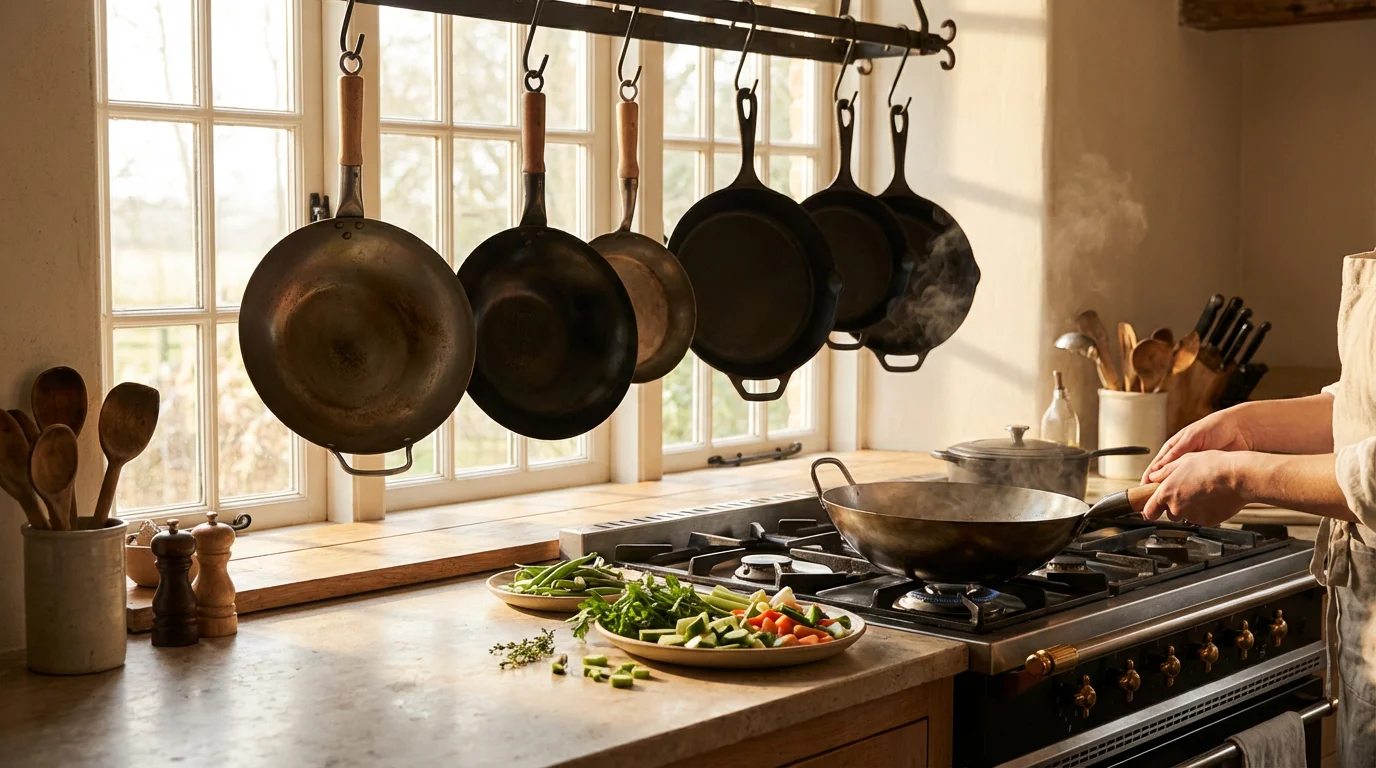
Mastering stir-frying at home transforms weeknight meals into vibrant, flavorful dishes. A wok, often considered specialized asian cookware, offers far more versatility than you might imagine. This guide cuts through the confusion, helping you choose the right wok for your kitchen, understand its unique capabilities, and maintain it for years of delicious cooking. You will discover the practical differences between materials, how to adapt a wok to your specific stovetop, and what truly makes a wok an indispensable tool.
Why a Wok Elevates Your Cooking: Beyond Stir-Frying
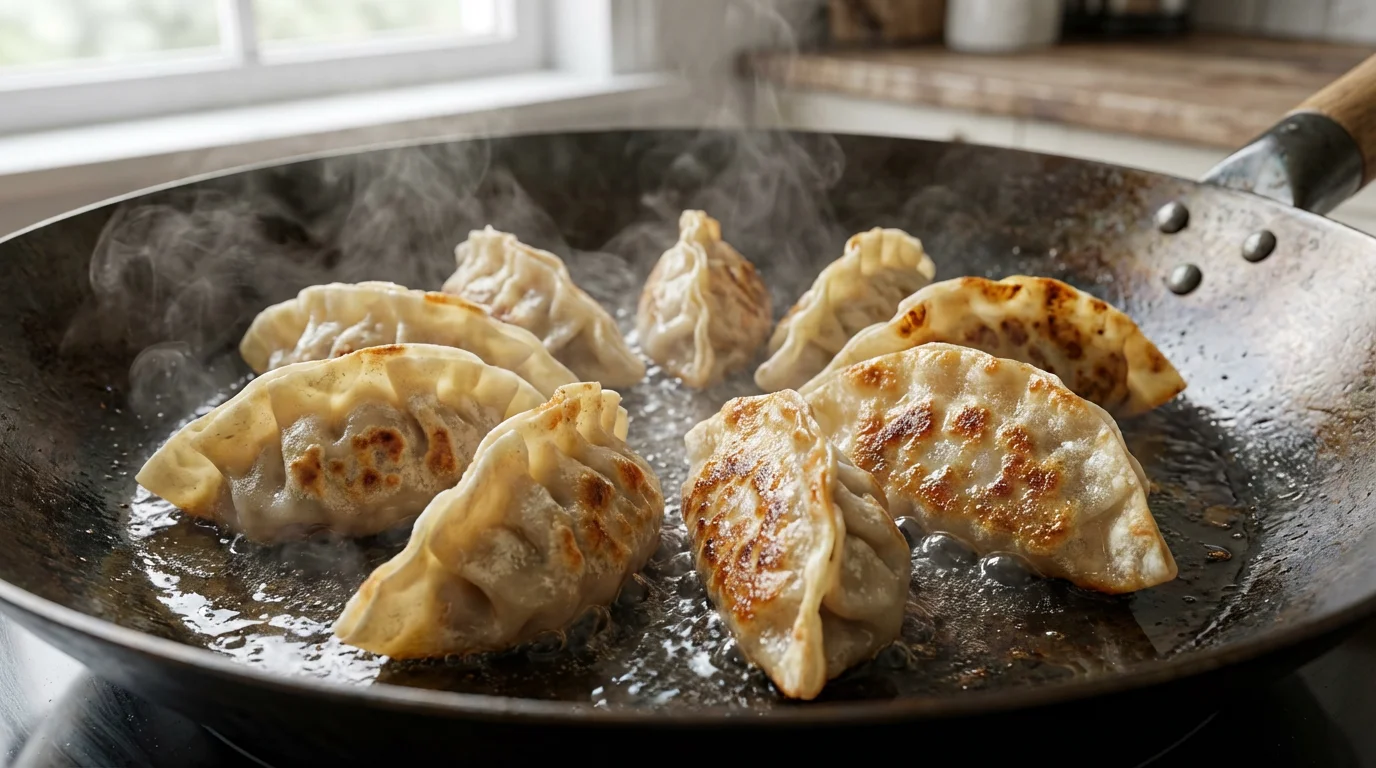
A wok is more than just a stir fry pan, it is a truly versatile piece of cookware designed to maximize heat efficiency and cooking speed. Its distinctive rounded bottom and high, sloping sides create multiple temperature zones within a single pan. The very bottom of the wok, directly over the heat source, reaches intense temperatures for searing and rapid cooking, while the upper sides are cooler, acting as a holding area for cooked ingredients or a gentle cooking zone. This gradient heat distribution allows you to perform complex cooking tasks efficiently.
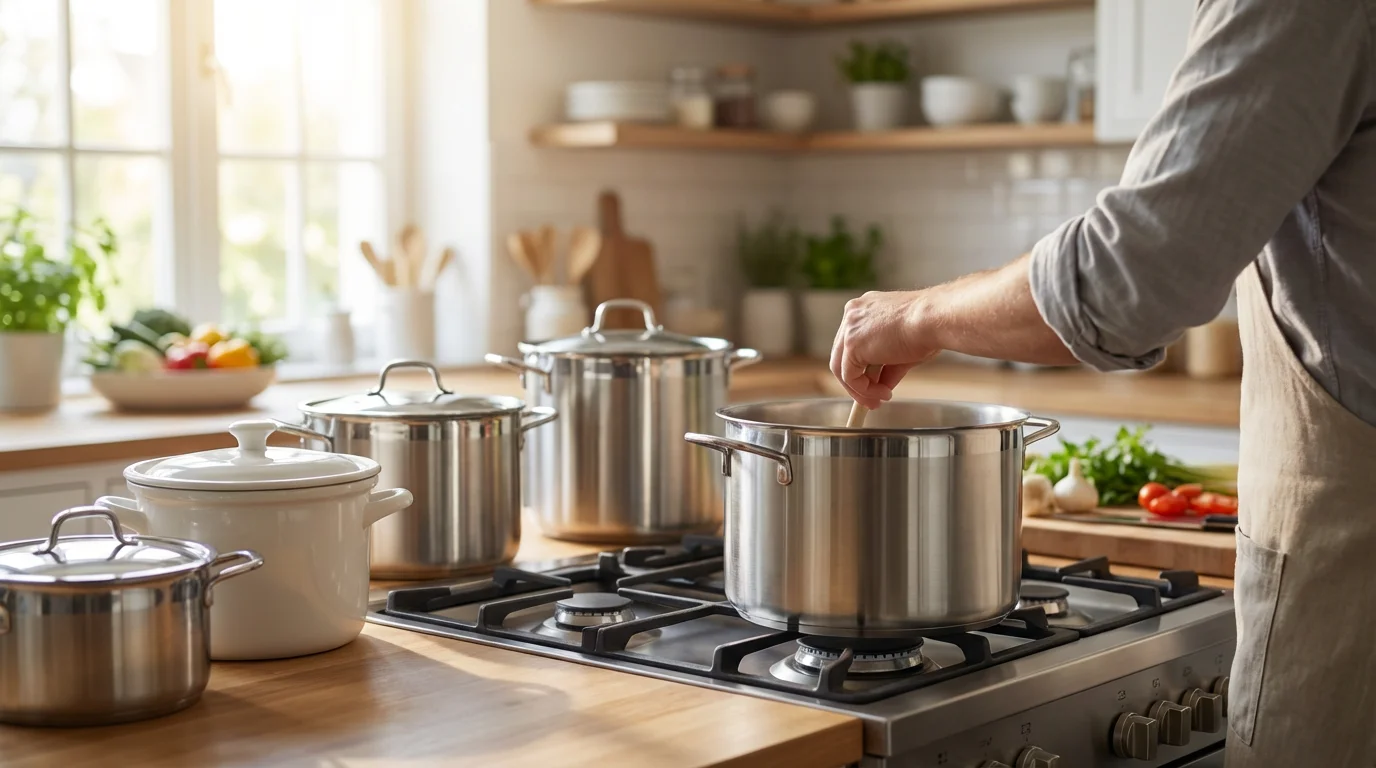
While the wok excels at high-heat tossing, you might still rely on the best saucepans for delicate tasks like reduction sauces or boiling grains.
This unique design makes a wok ideal for its namesake, stir-frying, where you rapidly toss small pieces of food over high heat, achieving a crispy exterior and tender interior. However, its utility extends far beyond. You can deep-fry efficiently in a wok, as its deep shape requires less oil than a wide, flat-bottomed pan, and the sloping sides minimize splatter. Its large capacity also accommodates steaming, often with a bamboo steamer resting inside. You can even use it for smoking foods, with wood chips at the bottom and a rack above, or for braising and stewing thanks to its volume. A wok truly brings a new dimension of cooking functionality to your home kitchen.
Understanding Wok Materials: Carbon Steel vs. Cast Iron vs. Stainless Steel
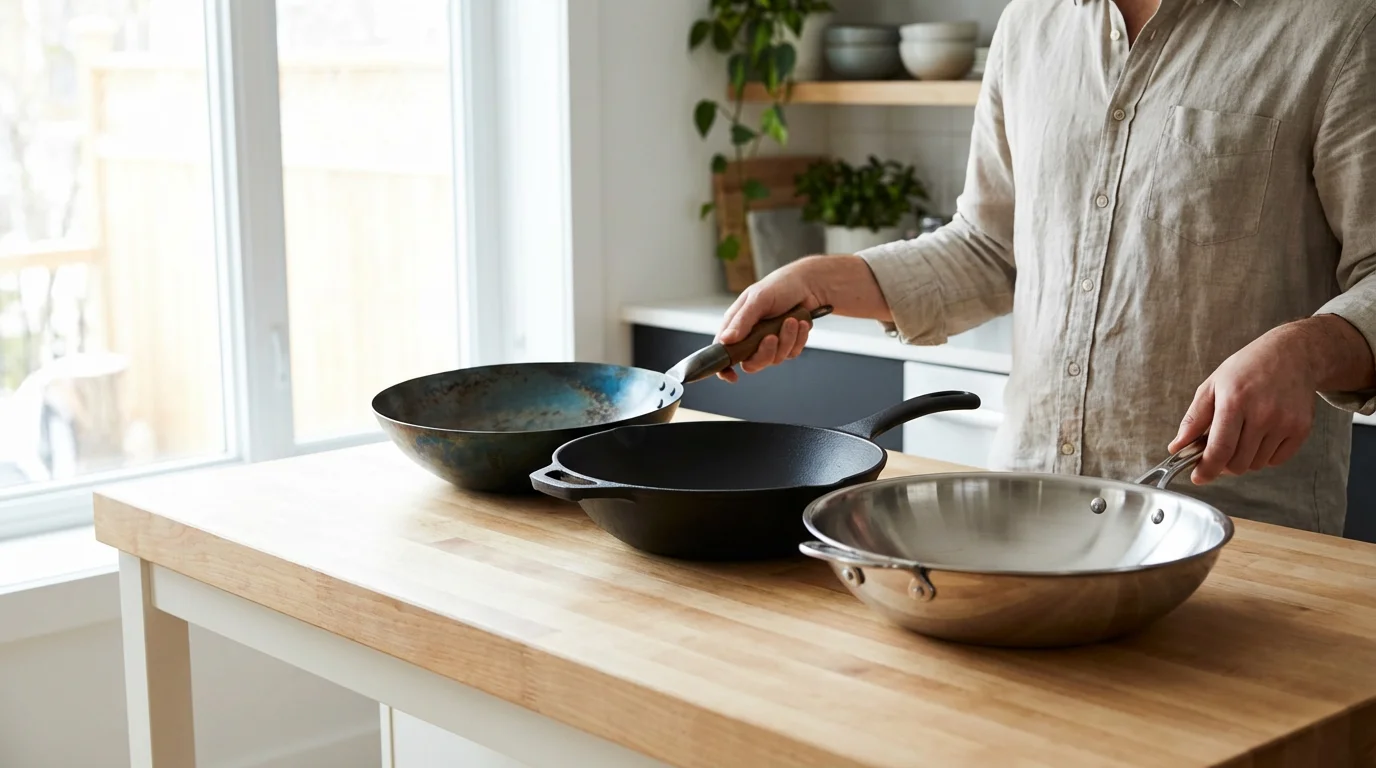
Choosing the right wok material profoundly impacts your cooking experience. Each material offers distinct advantages and drawbacks, particularly concerning heat performance and maintenance.
Carbon Steel Woks: The Traditional Champion
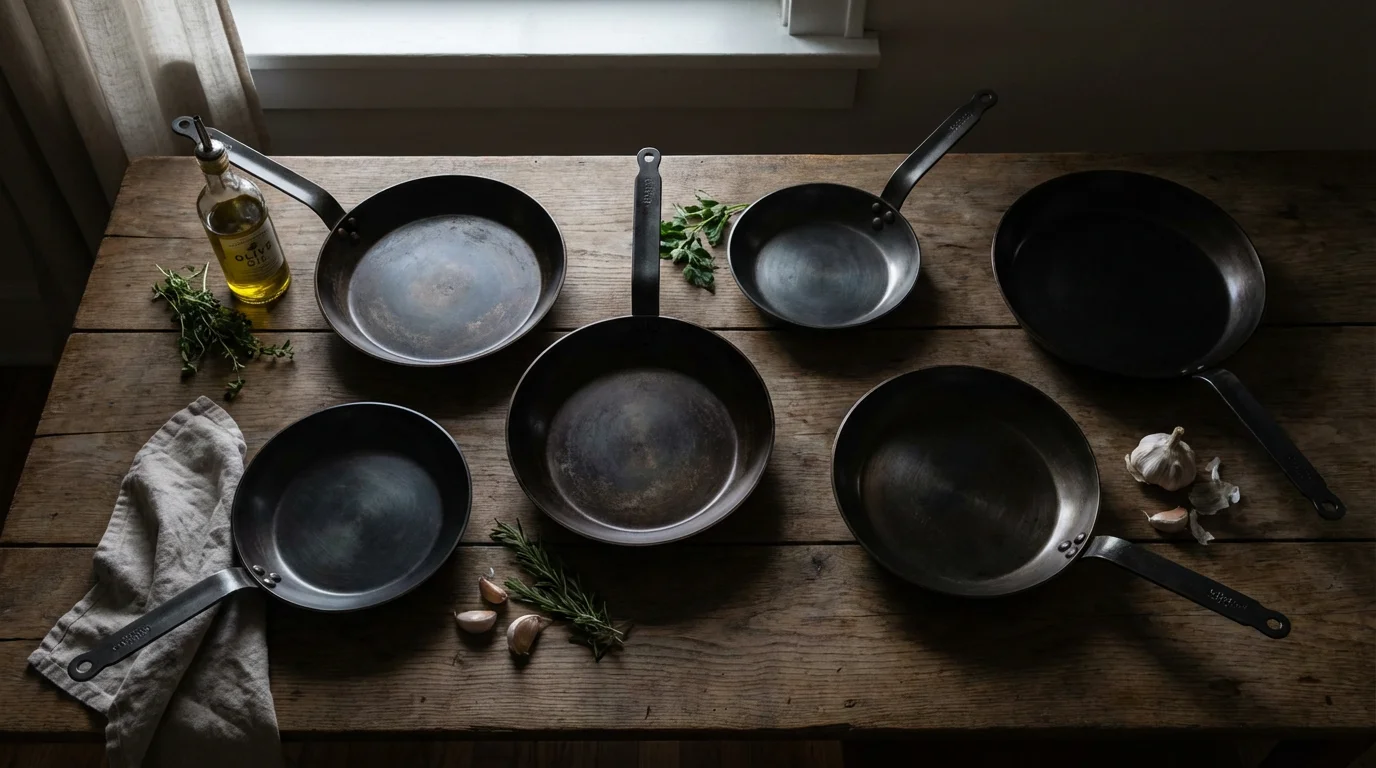
Carbon steel is the classic material for a wok, favored by professional chefs and home cooks alike for its superb heat responsiveness and durability. These woks are typically thin, allowing them to heat up very quickly and respond almost instantly to changes in burner temperature. This rapid heating and cooling control is crucial for effective stir-frying, ensuring ingredients cook evenly without overcooking. The term `gauge` refers to the thickness of the metal, where lower numbers indicate thicker metal. A 14-gauge or 16-gauge carbon steel wok strikes an excellent balance between durability and heat responsiveness for home use.
Carbon steel requires seasoning, a process where layers of oil are baked onto the surface, creating a natural, non-stick patina. This `seasoned` surface provides excellent food release and also protects the pan from rust. While requiring initial setup and ongoing care, a properly seasoned carbon steel wok becomes incredibly non-stick over time and can last for decades. Its key advantages include exceptional `heat distribution`, responsiveness, and long-term durability. The primary drawback is the maintenance, as it requires hand washing and careful drying to prevent rust.
Cast Iron Woks: Heat Retention Powerhouses
Cast iron woks excel at retaining heat, making them fantastic for searing and maintaining a consistent temperature even when you add a large batch of ingredients. This superior heat retention means your pan temperature drops less drastically when cold food hits the surface, which helps achieve better browning. Cast iron woks are significantly heavier than carbon steel versions, which can make them harder to toss food in, a key technique in stir-frying.
Like carbon steel, cast iron requires `seasoned` care. Many cast iron woks come pre-seasoned, offering a head start, but continued seasoning builds a robust, non-stick surface. They are incredibly durable and, with proper care, can literally last for generations. Their robust nature often makes them `oven-safe` to very high temperatures, expanding their utility. The main downsides are their weight, slower heating time compared to carbon steel, and the need for similar maintenance to prevent rust.
Stainless Steel Woks: Low Maintenance, Less Traditional
Stainless steel woks are less common for traditional stir-frying but offer a compelling alternative for those seeking minimal maintenance. Stainless steel does not rust, and it does not require seasoning. You can typically wash it in the dishwasher, though hand washing is still recommended for longevity. Many stainless steel woks feature a `tri-ply` construction, meaning three layers of metal are bonded together. This often includes an aluminum or copper core sandwiched between two layers of stainless steel. This core significantly improves `heat distribution`, as stainless steel alone is a poor conductor of heat.
However, stainless steel does not get as naturally non-stick as a well-seasoned carbon steel or cast iron wok. Food tends to stick more, especially at high stir-frying temperatures, making it challenging to achieve the desired “wok hei,” or breath of the wok, which refers to the unique smoky flavor imparted by high-heat cooking. While durable and easy to clean, they generally do not offer the same performance as carbon steel for authentic stir-frying. They are `induction compatible` if they contain sufficient magnetic material.
Non-Stick Woks: Convenience with Compromises
Non-stick woks, often coated with `PTFE` (polytetrafluoroethylene, commonly known as Teflon) or `ceramic coating`, appeal to many for their easy food release and cleanup. These coatings prevent sticking, which can be helpful for beginners. However, traditional stir-frying requires very high heat, often exceeding the recommended maximum temperatures for most non-stick coatings. Overheating can damage the coating, causing it to degrade and lose its non-stick properties, and potentially release fumes. Most non-stick woks are not `oven-safe` beyond moderate temperatures.
Additionally, non-stick coatings are not as durable as carbon steel or cast iron. Metal utensils can scratch them, and even careful use will see the coating wear down over time. While suitable for lower-heat cooking or for dishes that inherently stick, a non-stick wok compromises on the high-heat performance essential for true stir-frying. You will find better long-term value and cooking performance in a carbon steel or cast iron wok if stir-frying is your primary goal.
The Science of Heat: How Wok Materials Perform
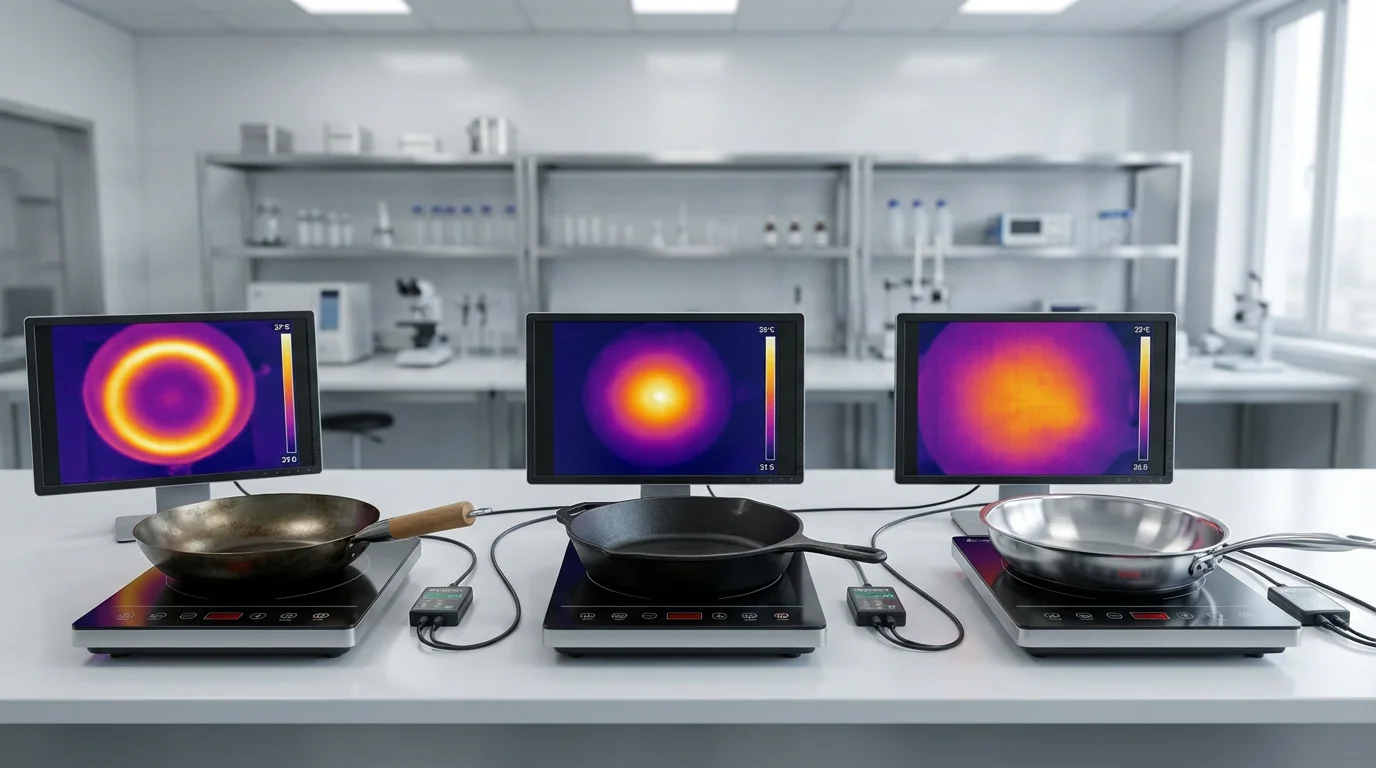
Understanding how heat interacts with different wok materials unlocks the secrets to effective stir-frying. The key concepts are `heat distribution`, thermal mass, and responsiveness.
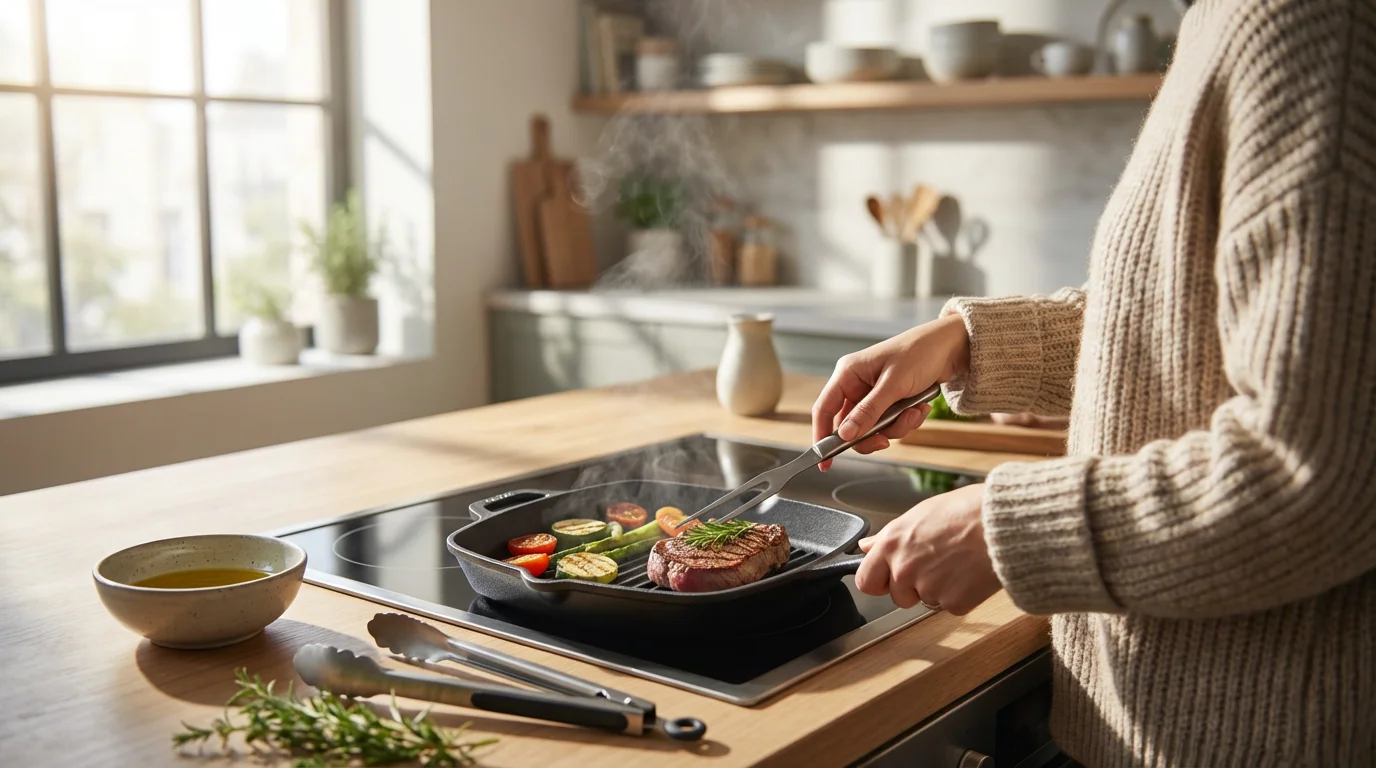
If you are looking for the charred flavor of high-heat cooking but prefer distinct sear marks, grill pans for indoor grilling are another excellent addition to your kitchen arsenal.
`Heat distribution` refers to how evenly heat spreads across the pan’s surface. For a wok, optimal heat distribution means the center gets intensely hot, and the heat gradually diminishes up the sides. Carbon steel excels here due to its excellent thermal conductivity. It heats up quickly and transfers heat efficiently across its thin structure, creating distinct hot and cooler zones necessary for cooking different ingredients at varying speeds within the same pan. This responsiveness allows you to quickly adjust the cooking process. As America’s Test Kitchen’s pan tests often show, materials with high thermal conductivity offer superior control.
Cast iron, while also conducting heat well, possesses a higher thermal mass. This means it takes longer to heat up, but once hot, it retains that heat remarkably well. The benefit lies in its ability to maintain high temperatures even when you add a significant volume of cold food. This prevents the pan from cooling down too much, which can lead to steaming instead of searing. The trade-off is less responsiveness; it takes longer for cast iron to cool down if you reduce the heat.
Stainless steel, on its own, is a poor conductor of heat. For this reason, most quality stainless steel cookware, including woks, employs `tri-ply` construction. A core of aluminum or copper is sandwiched between two layers of stainless steel. Aluminum and copper are excellent heat conductors, so this design improves `heat distribution` significantly. However, even with tri-ply, stainless steel woks typically do not achieve the same intense, localized heat or responsiveness as carbon steel, making them less ideal for authentic stir-frying.
Non-stick coatings themselves have little impact on `heat distribution` but are applied to various base metals. The base metal dictates performance. However, the temperature limitations of non-stick coatings often prevent you from reaching the super-high temperatures required for optimal stir-frying, negating some of the material’s potential benefits.
“The difference between a good stir-fry and a great one often comes down to heat. A properly heated carbon steel wok creates the perfect environment for rapid searing and cooking, developing complex flavors you simply cannot achieve in a flatter, less responsive pan.”
Wok Shape and Handle Design: Round-Bottom, Flat-Bottom, and Ergonomics
The wok’s physical characteristics, particularly its shape and handle design, significantly impact its compatibility with your stovetop and ease of use. You need to consider these features carefully to ensure your wok functions optimally in your home kitchen.
For large-scale oven cooking, such as preparing whole meats, a dedicated roasting pan provides the flat surface area that a sloped wok lacks.
Round-Bottom Woks: The Traditional Choice for Gas Stoves
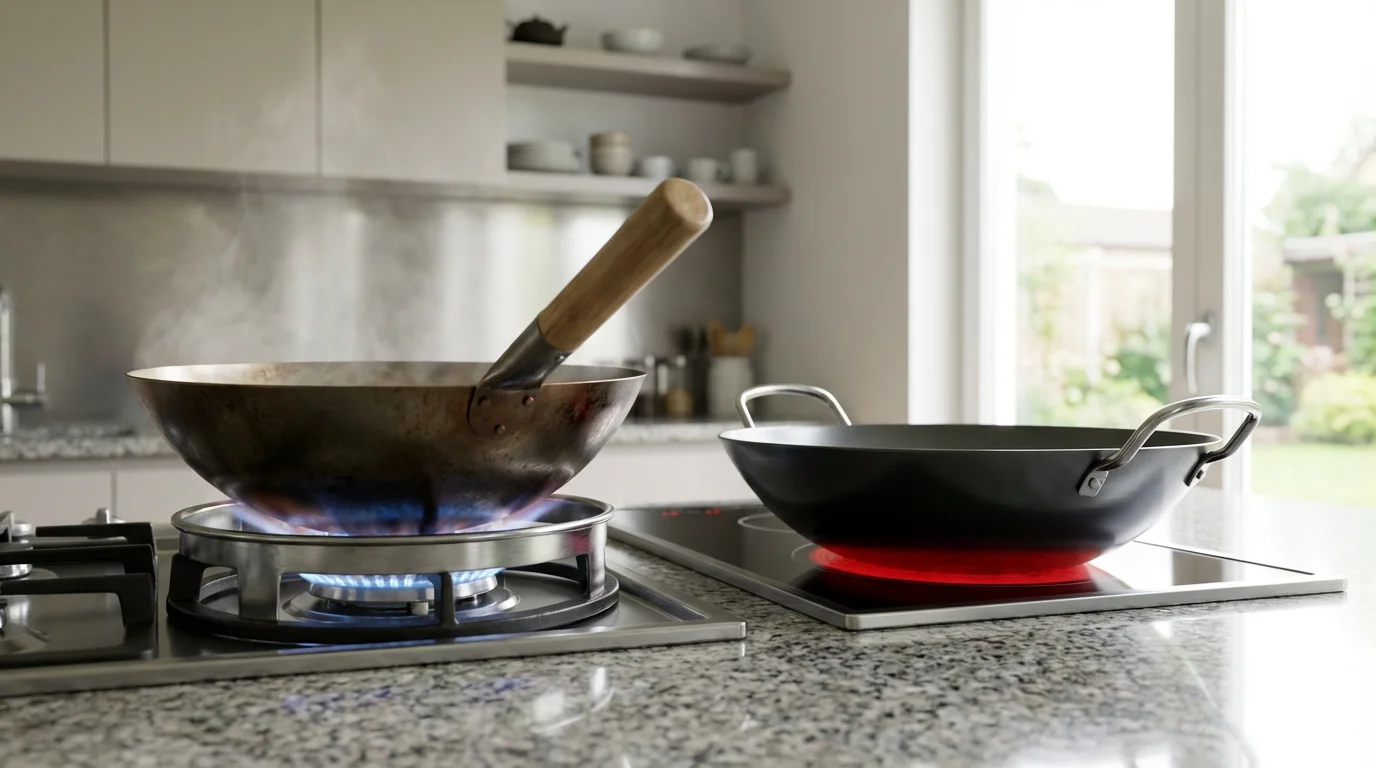
Traditionally, woks feature a perfectly rounded bottom. This design is paramount for efficient stir-frying because it concentrates heat directly at the center, creating the intense hot spot necessary for searing ingredients quickly. The spherical shape also makes tossing and stirring incredibly efficient, as food naturally falls back towards the center of the pan, ensuring even cooking.
However, a round-bottom wok requires a gas stove with a grate that can support its curved base, or a specialized `wok ring`. A `wok ring` is a metal ring placed over your burner grate, designed to cradle the wok and allow heat to flow up its sides. If you have a powerful gas burner and are committed to authentic stir-frying, a round-bottom wok with a wok ring offers the best experience. This setup ensures maximum contact between the flame and the wok’s surface, leveraging its designed heat zones.
Flat-Bottom Woks: Adapting to Modern Kitchens
Recognizing that most home kitchens in the USA feature electric or induction stoves, manufacturers developed flat-bottom woks. A flat-bottom wok has a flattened base, typically 4-6 inches in diameter, allowing it to sit stably and make full contact with a flat cooking surface. This design addresses the question, `can you use wok on electric stove?` The answer is a resounding yes, provided you choose a flat-bottom model.
While a flat-bottom wok sacrifices some of the intense centralized heat and fluid tossing motion of a round-bottom, it still offers significant advantages over a standard frying pan. The sloped sides are crucial for collecting food, trapping steam, and creating various heat zones. For induction cooktops, ensure your flat-bottom wok is `induction compatible`, meaning it contains a magnetic material (usually cast iron or magnetic stainless steel) in its base.
Handle Design: Comfort and Control
Wok handles come in two primary configurations:
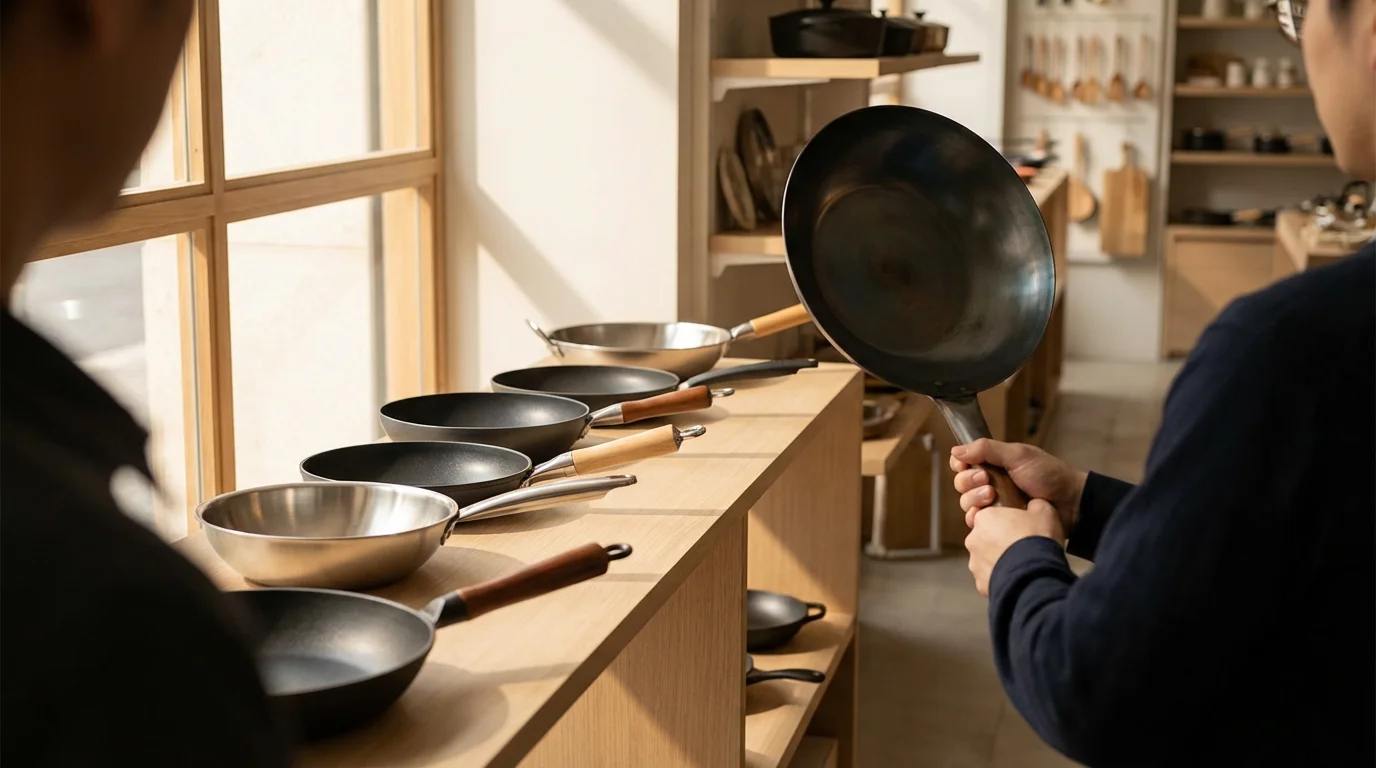
- Single Long Handle (Cantonese Style): This handle resembles a frying pan handle, often made of wood or a heat-resistant composite. It provides excellent leverage for tossing food, a fundamental technique in stir-frying. Many carbon steel woks feature a wooden handle to remain cool to the touch. This design is particularly useful if you frequently lift and toss your wok.
- Two Loop Handles (Mandarin/Peking Style): These woks feature two smaller loop handles on opposite sides of the pan, typically made of metal. They are often found on heavier woks, such as cast iron, as they make it easier to lift and carry the substantial weight. While not ideal for rapid tossing, they are practical for larger batches, deep-frying, or when the wok is heavy. If the handles are metal, check if the wok is `oven-safe`, as metal handles can withstand high oven temperatures.
Consider your cooking style and the weight of the wok when choosing a handle. For agile stir-frying, a single long handle offers superior control. For heavier woks or multi-purpose use, two loop handles provide better stability and safety.

Matching Your Wok to Your Stove: Gas, Electric, Induction
The type of stove you own critically influences the best wok choice for your home. You need a wok that interacts efficiently with your heat source to achieve optimal cooking performance.
Gas Stoves: The Ideal Environment for Any Wok
Gas stoves offer precise heat control and an open flame, making them the most versatile choice for woks. You can use both round-bottom and flat-bottom woks effectively on a gas stove.
For a traditional round-bottom wok, a gas stove is paramount. The flames envelop the curved bottom and sides, creating the distinct, intense heat zones that define true stir-frying. To use a round-bottom wok on a gas stove, you will likely need a `wok ring`. This metal ring sits on your burner grate, cradling the wok and ensuring stability while allowing the flames to lick up the sides. This setup provides the most authentic stir-frying experience, generating the high, responsive heat vital for dishes with “wok hei.”
Flat-bottom woks also perform exceptionally well on gas stoves. While they do not have the same direct flame contact up the sides as a round-bottom in a wok ring, the intense heat from gas still heats the flat base efficiently, allowing heat to radiate up the sloped sides. If you are unsure about committing to a wok ring, or if you prefer the stability of a flat base, a flat-bottom carbon steel wok is an excellent `best wok for home kitchen gas stove` option.
Electric Coil and Ceramic/Glass Top Stoves: Flat-Bottom is Essential
The question `can you use wok on electric stove?` specifically addresses this setup. For electric coil or smooth ceramic/glass top stoves, a flat-bottom wok is the only practical option. Round-bottom woks will not sit stably or make sufficient contact with the heating element, rendering them ineffective and unsafe.
On electric coil stoves, a flat-bottom wok heats up as any other pan would. However, electric coils offer slower heat recovery compared to gas, so you might need to cook in smaller batches to maintain high temperatures. For smooth ceramic or glass top stoves, ensuring the wok’s bottom is perfectly flat and smooth prevents scratching the delicate surface. Opt for carbon steel or cast iron flat-bottom woks, as these materials retain heat well, compensating somewhat for the slower responsiveness of electric burners. Avoid non-stick options if you aim for high-heat stir-frying, as those surfaces tend to degrade more quickly on electric stoves which can have uneven hot spots.
Induction Stoves: Magnetic Material is a Must
Induction cooktops heat cookware directly through electromagnetic fields, requiring the pan to be `induction compatible`. This means the wok’s base must contain a magnetic material, such as cast iron or magnetic stainless steel. Aluminum or pure copper woks will not work on induction unless they have an induction-compatible base plate bonded to them.
Only flat-bottom woks will work on induction stoves because they require direct, flat contact with the cooktop surface to generate the magnetic current. A flat-bottom cast iron wok or a `tri-ply` stainless steel wok with an induction-ready base are your primary choices for induction cooking. While induction offers incredibly fast heating and precise temperature control, similar to gas, you still need to select a wok specifically designed for it. A `best wok for home kitchen gas stove` would typically be carbon steel, but for induction, you often look at alternatives.
Caring for Your Wok: Seasoning, Cleaning, and Longevity
Proper care and maintenance extend the life and enhance the performance of your wok, particularly for carbon steel and cast iron models. Understanding these steps ensures your wok develops a resilient, naturally non-stick surface.
Seasoning Your Carbon Steel or Cast Iron Wok
`Seasoning` is the process of baking layers of oil onto your wok, creating a polymerized, non-stick surface that also protects against rust. Most new carbon steel woks come with a factory coating to prevent rust during shipping; you must remove this first. You typically do this by scrubbing the wok with hot, soapy water and a scouring pad until all traces of the protective oil are gone and the metal is bare.
After thoroughly cleaning and drying, you apply a very thin layer of high smoke point oil (like grapeseed, flaxseed, or canola oil) to the entire wok, inside and out. Then, you heat the wok over a burner or in an oven until the oil smokes and polymerizes, forming a dark, glossy layer. Repeat this process several times to build a strong, initial seasoning. For ongoing maintenance, simply cook with oil and clean properly. Each time you cook, especially with oil, you further enhance the seasoning.
Cleaning and Maintenance
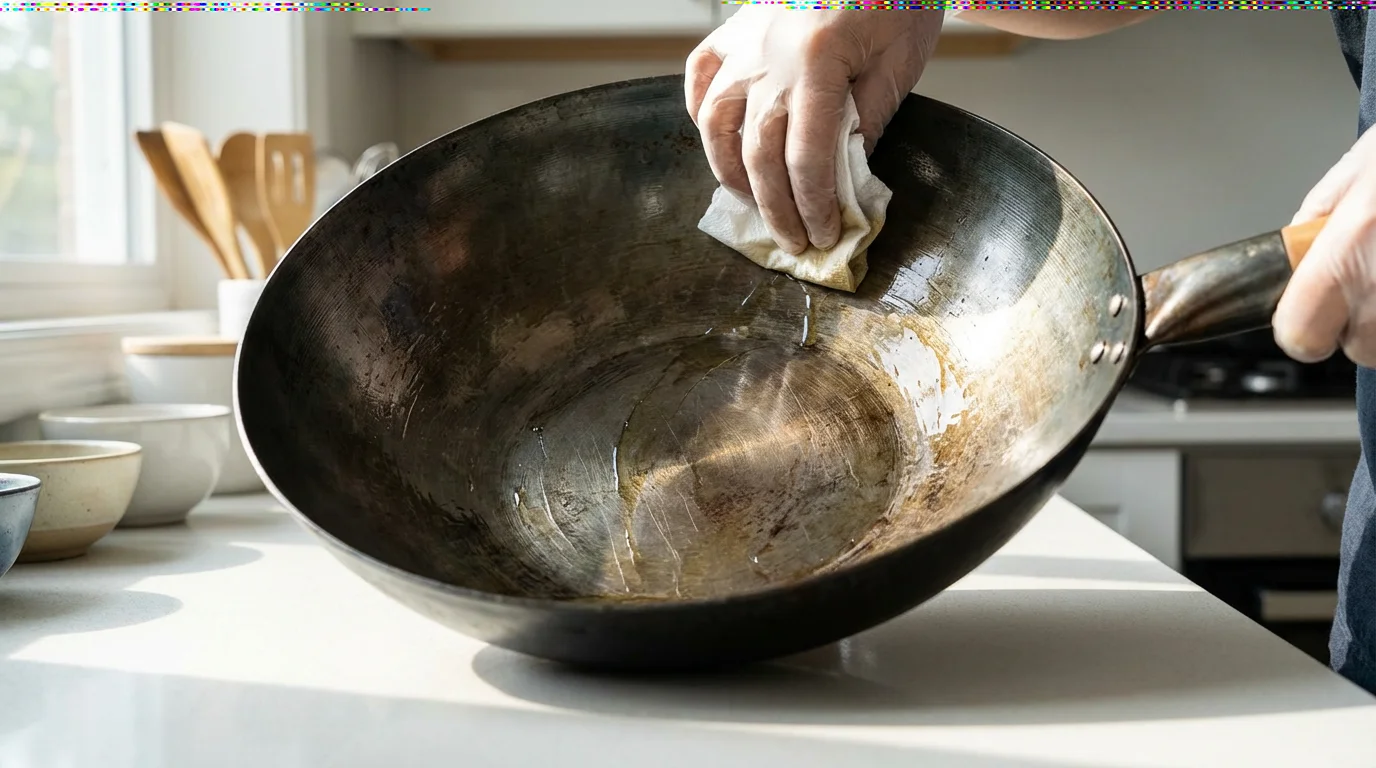
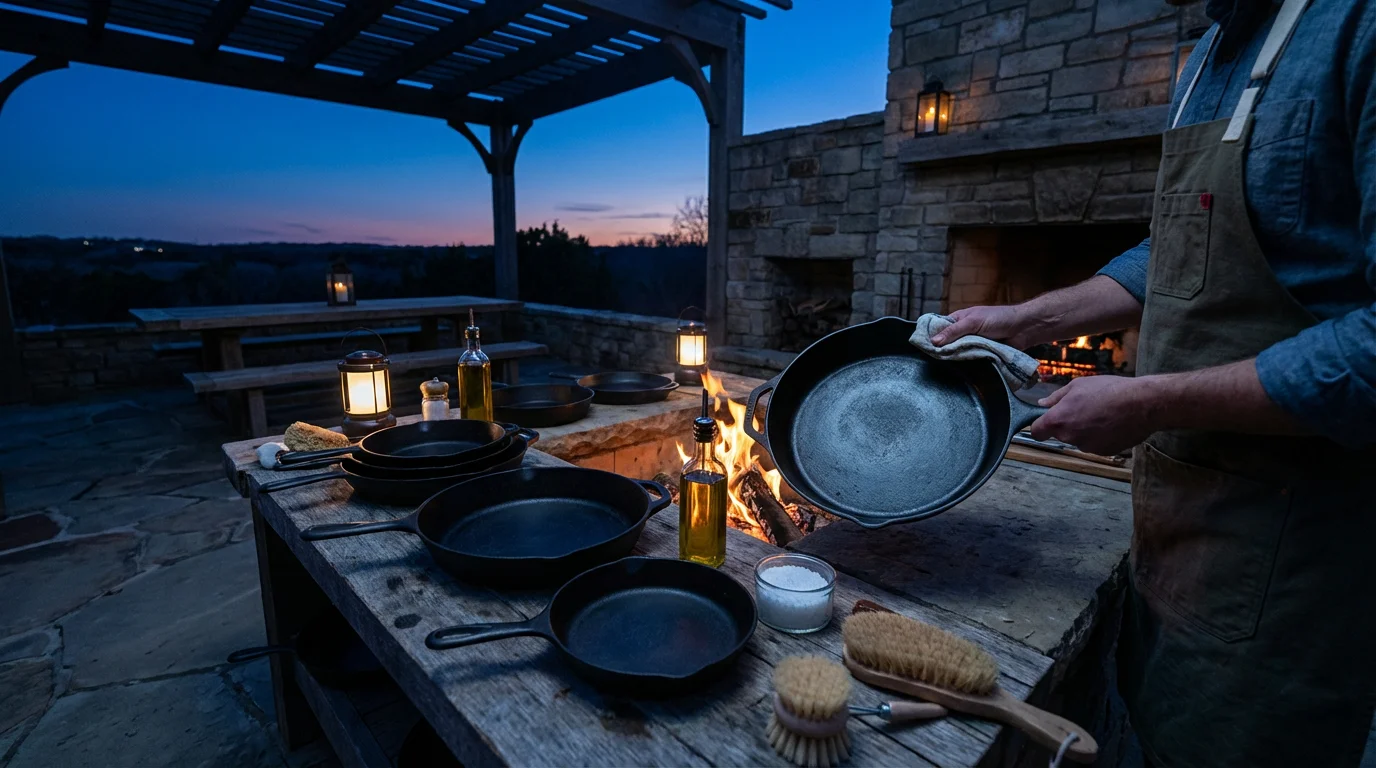
Cleaning a seasoned carbon steel or cast iron wok differs significantly from cleaning other pans. You should generally avoid soap, as it can strip away the seasoning.
- After cooking: While the wok is still warm, scrape out any food bits with a bamboo wok brush or a wooden spatula.
- Rinse: Rinse the wok with hot water. For stubborn bits, use a non-abrasive sponge or a plastic scraper. Avoid harsh detergents.
- Dry Immediately: This is critical to prevent rust. Thoroughly dry the wok with a towel. You can also place it back on a low burner for a minute or two to evaporate any remaining moisture.
- Light Oil Coat: Apply a very thin layer of cooking oil (a few drops wiped with a paper towel) to the inside of the wok, especially if storing for a long period or in a humid environment.
For stainless steel woks, you can wash them with soap and water, and they are often dishwasher-safe, though hand washing prolongs their life. Non-stick woks also require gentle cleaning with soap and a soft sponge; avoid abrasive scrubbers or metal utensils.
Longevity and Rust Prevention
A well-cared-for carbon steel or cast iron wok will last a lifetime, even multiple lifetimes. Rust is the primary enemy of these materials. If rust appears, scrub it off with steel wool, wash, dry, and re-season that spot immediately. This proactive maintenance keeps your wok in prime condition. Store your wok in a dry place. Some cooks hang their woks or store them upside down to ensure airflow. By following these simple steps, your wok will not just last, but improve with every use, becoming a truly non-stick and indispensable tool in your kitchen.
Top Wok Brands and Budget-Friendly Alternatives
Selecting a wok often involves balancing quality, material, and budget. While some brands are renowned for premium cookware, effective woks are available across various price points. Your `best wok for home kitchen gas stove` or electric might come from a surprising place.
Premium Choices: Long-Term Investments
While brands like Le Creuset and All-Clad are famous for Dutch ovens and stainless steel sets, they are not primary players in the traditional wok market. Instead, look to specialized brands for high-quality woks:
* **Joyce Chen:** A highly respected name in Asian cookware, Joyce Chen offers excellent carbon steel woks. Their woks are known for good `gauge` thickness, thoughtful handle designs (often with wooden handles for comfort), and excellent performance. They often come with flat bottoms, making them suitable for electric and gas stoves. A Joyce Chen wok provides superb `heat distribution` and durability, a solid long-term investment.
* **Wok Shop (San Francisco):** For an authentic experience, the Wok Shop offers hand-hammered carbon steel woks. These woks are often thinner, making them incredibly responsive to heat changes and lighter for tossing. While requiring significant initial seasoning, they represent the pinnacle of traditional wok craftsmanship and cooking performance. You receive a unique, personalized piece of cookware.
Mid-Range Options: Quality and Value
This category offers a sweet spot between performance and affordability, providing durable woks that perform well for most home cooks.
* **Lodge Cast Iron:** Lodge, a renowned American brand for cast iron cookware, also produces cast iron woks. These woks are pre-seasoned, offering convenience out of the box. They are exceptionally durable and excel at `heat retention`, making them great for searing. Lodge cast iron woks are typically flat-bottomed, making them `induction compatible` and suitable for all stove types. Their primary drawback is weight, which makes agile tossing more challenging.
* **Craft Wok:** Craft Wok specializes in hand-hammered carbon steel woks, offering a balance of traditional craftsmanship and modern accessibility. They are robust, excellent for stir-frying, and built to last. Many come with flat bottoms and a sturdy wooden handle, making them a top contender for the `best wok for home kitchen gas stove` and electric users seeking genuine carbon steel performance.
Budget-Friendly Alternatives: Getting Started Without Breaking the Bank
You do not need to spend a fortune to get a functional wok. Several budget options provide a great entry point into wok cooking.
* **Helper Handle Carbon Steel Woks (Generic Brands):** Many Asian markets and online retailers sell basic carbon steel woks with a helper handle for very affordable prices. While they might require more diligent seasoning and potentially show wear sooner than premium options, they offer the core benefits of carbon steel: good `heat distribution` and the ability to build a non-stick patina. These are often flat-bottomed, making them versatile. Look for a reasonable `gauge` thickness for durability.
* **T-fal Non-Stick Woks:** If ease of cleanup and absolute stick-prevention is your top priority for lower-heat stir-frying, T-fal offers reliable non-stick woks. Remember the limitations of non-stick coatings at high stir-frying temperatures. These are generally `induction compatible` if they have a magnetic stainless steel base and provide good general cooking functionality.
Here’s a comparison table of common wok materials and relevant brands:
| Material | Key Brands/Types | Heat Distribution | Heat Retention | Maintenance | Non-Stick (After Seasoning) | Stovetop Compatibility | Typical Price Range |
|---|---|---|---|---|---|---|---|
| Carbon Steel | Joyce Chen, Craft Wok, Generic Asian Brands | Excellent, responsive | Good | High (seasoning required) | Excellent | Gas (round or flat), Electric (flat), Induction (flat, if magnetic) | $30 – $100 |
| Cast Iron | Lodge | Good, slower to heat | Excellent | High (seasoning required) | Excellent | All types (flat, induction compatible) | $40 – $120 |
| Stainless Steel (Tri-ply) | Cuisinart, Calphalon | Very Good | Good | Low (easy cleanup) | Poor to Moderate | All types (flat, induction compatible) | $60 – $200 |
| Non-Stick (PTFE/Ceramic) | T-fal, OXO | Varies by base material | Varies by base material | Low (easy cleanup) | Excellent initially | All types (flat) | $25 – $80 |
When deciding, consider your primary use, stove type, and willingness to maintain the pan. For authentic, high-heat stir-frying, a carbon steel wok offers the best performance and value over time. For robust searing and minimal active maintenance, cast iron is a strong contender.
Frequently Asked Questions
What size wok is best for a home kitchen?
For most home cooks, a 12 to 14-inch wok provides an ideal balance. This size accommodates family-sized meals without being too cumbersome for your stovetop or storage. A 14-inch wok offers ample surface area for stir-frying without overcrowding ingredients, which is crucial for achieving proper searing rather than steaming.
Can I really use a wok for more than just stir-frying?
Absolutely. A wok’s unique shape and `heat distribution` make it incredibly versatile. You can deep-fry efficiently using less oil, steam dishes with a bamboo steamer, braise meats, smoke foods, and even make popcorn. Its design helps contain splatters during deep-frying and provides generous capacity for larger cooking tasks.
How do I know if a carbon steel wok is good quality?
Look for a carbon steel wok with a `gauge` between 14 and 16. A slightly thicker gauge indicates better durability and heat retention without sacrificing too much responsiveness. Check for sturdy, securely riveted handles, ideally made of wood to remain cool. A flat-bottom wok should have a substantial, even base for stovetop stability. A quality wok will feel balanced in your hand, even if it has a bit of heft.
Is it worth buying a wok if I only have an electric stove?
Yes, it is definitely worth buying a wok even if you have an electric stove. Choose a flat-bottom carbon steel or cast iron wok to ensure full contact with the heating element. While electric stoves may not achieve the intense, instantaneous heat of a gas burner, the wok’s sloped sides still provide excellent cooking surface area and versatility beyond a flat frying pan. You can still achieve great results with proper technique and managing batch sizes.
Disclaimer: Product prices and availability change frequently. Prices shown were accurate at time of writing but may have changed. We may earn a small commission from purchases made through links on this site, at no extra cost to you. Always verify current pricing on the retailer’s website before purchasing.
Leave a Reply