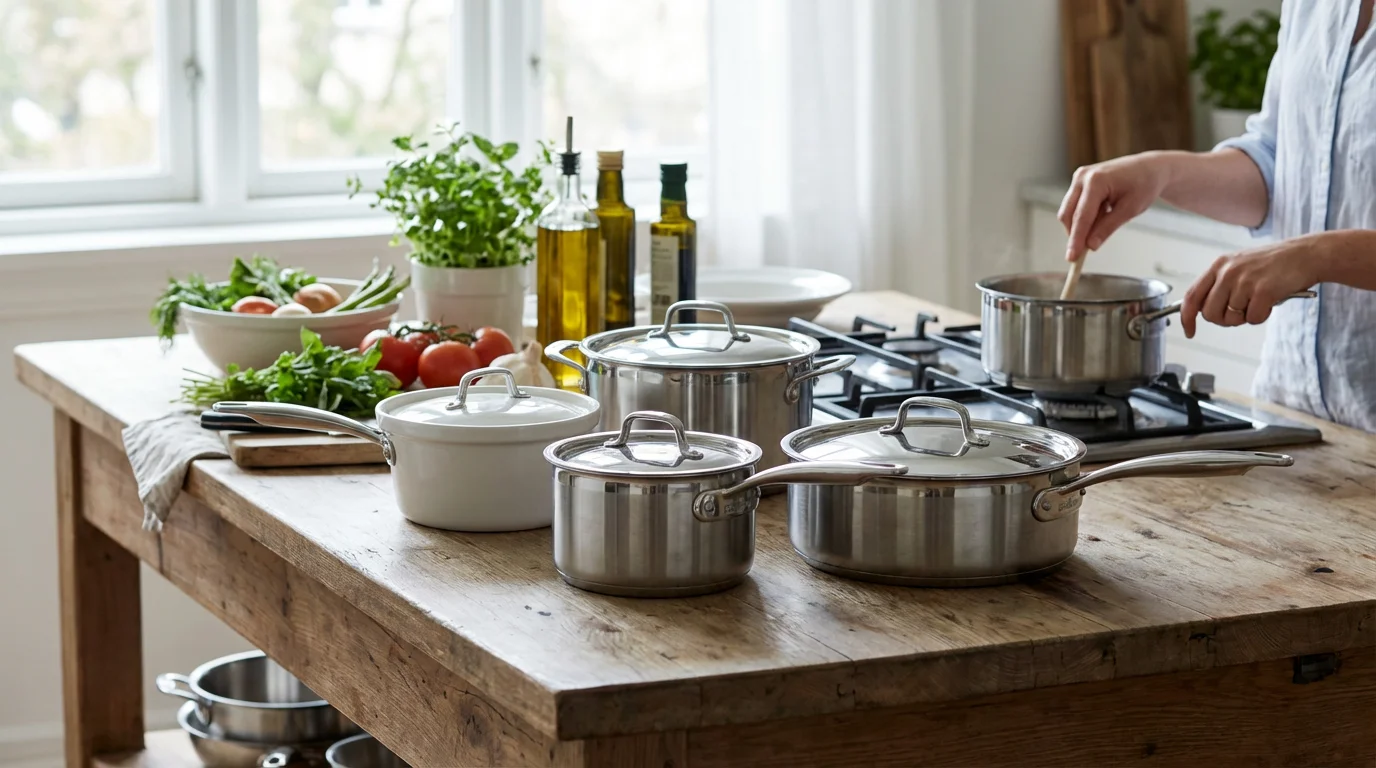
A saucepan stands as a true workhorse in any functional kitchen. From boiling eggs and cooking grains to simmering delicate sauces, this versatile piece of cookware sees daily action. However, navigating the array of materials, sizes, and brands can feel overwhelming. You need to understand the practical differences between a stainless steel saucepan and a non-stick one, or what size truly suits your cooking habits, before investing. This guide delivers clear, actionable insights to help you choose the best saucepans for your kitchen, ensuring durability and performance for years to come.
Beyond basic simmering and boiling, you can expand your kitchen’s capabilities with specialized tools like woks for home stir-frying.
Understanding Saucepans: Key Materials Explored
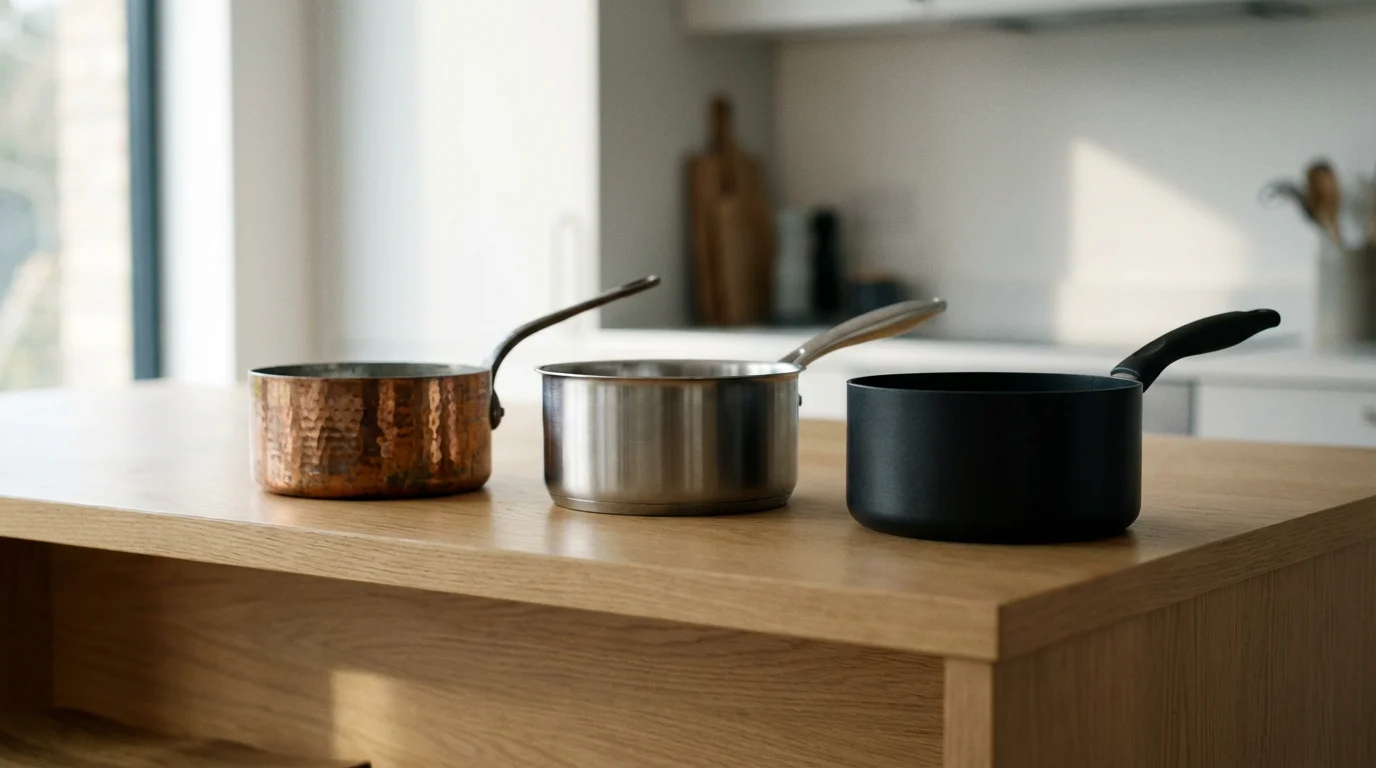
The material of your saucepan dictates its performance, durability, and care requirements. Different materials excel at different tasks, influencing everything from how evenly your cream sauce heats to how quickly your pasta water boils. Understanding these fundamental differences empowers you to make informed choices for your everyday cooking needs.
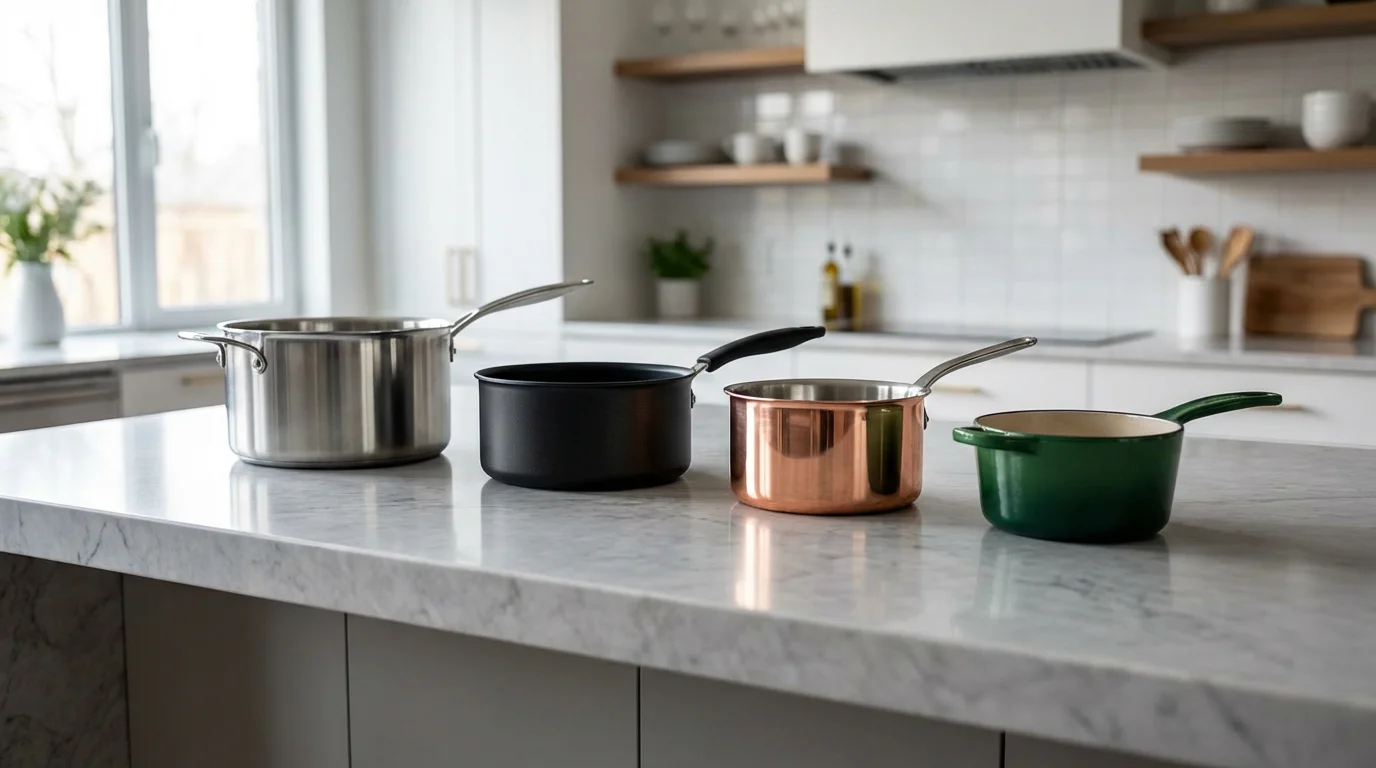
Here is a quick overview of the most common saucepan materials:
| Material | Pros | Cons | Best For | Care & Maintenance |
|---|---|---|---|---|
| Stainless Steel | Durable, non-reactive, oven-safe, induction compatible, easy to clean. | Moderate heat conductor, requires proper preheating to prevent sticking. | Boiling, simmering, sauces, soups, versatile everyday use. | Dishwasher safe, gentle scrubbing for stuck-on food. |
| Non-Stick (PTFE or Ceramic) | Foods release easily, requires less oil, easy cleanup. | Less durable coatings, lower oven-safe temperatures, requires gentle handling. | Delicate sauces, reheating, oatmeal, rice, avoiding sticking. | Hand wash only, avoid metal utensils, low-medium heat. |
| Copper | Excellent heat distribution, precise temperature control, beautiful. | Very expensive, high maintenance (polishing), reactive with acidic foods. | Delicate sauces, candy making, professional use requiring precise control. | Hand wash, requires polishing to maintain shine, tin or stainless lining is critical. |
| Anodized Aluminum | Good heat conductivity, relatively lightweight, non-reactive (once anodized), affordable. | Not induction compatible unless it has a magnetic base, can scratch. | General simmering, boiling, good value. | Hand wash recommended, avoids abrasive cleaners. |
Stainless Steel Saucepans: The Durable All-Rounder
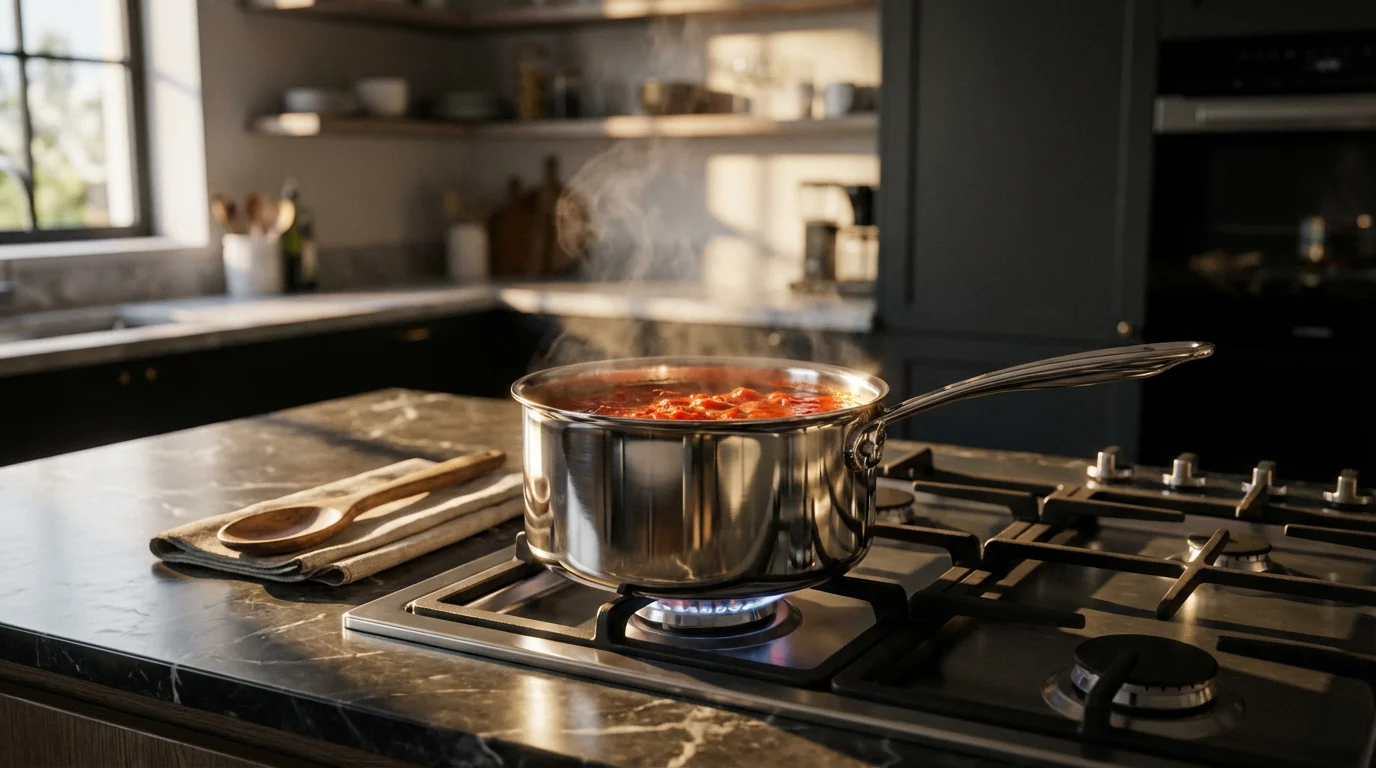
Stainless steel remains a cornerstone of professional and home kitchens for excellent reasons. It is incredibly durable, non-reactive to acidic foods like tomato sauce, and relatively easy to maintain. However, stainless steel on its own conducts heat poorly. Manufacturers address this by using a “tri-ply” construction, where a core of aluminum or copper is sandwiched between two layers of stainless steel. This design significantly improves “heat distribution,” meaning heat spreads evenly across the pan’s surface, preventing hot spots that can scorch your food.
When selecting a stainless steel saucepan, look for models described as tri-ply or “fully clad.” This ensures the heat-conducting core extends up the sides of the pan, providing more uniform cooking. The “gauge,” or thickness of the metal, also matters. A lower gauge number indicates thicker metal, leading to better durability and heat retention. High-quality stainless steel saucepans are typically “oven-safe” up to 500°F (260°C) or higher and are usually “induction compatible” thanks to the magnetic properties of stainless steel.
“A high-quality tri-ply stainless steel saucepan is the single most versatile piece of cookware you can own for everyday tasks. It handles nearly everything with ease and lasts for decades.” — Cookware Expert
Many brands, including All-Clad and Cuisinart, offer excellent stainless steel options. According to Wirecutter’s cookware reviews, quality stainless steel cookware, particularly fully clad options, consistently performs well across a range of cooking tasks, offering exceptional durability and even heating.
Non-Stick Saucepans: For Convenience and Delicate Dishes
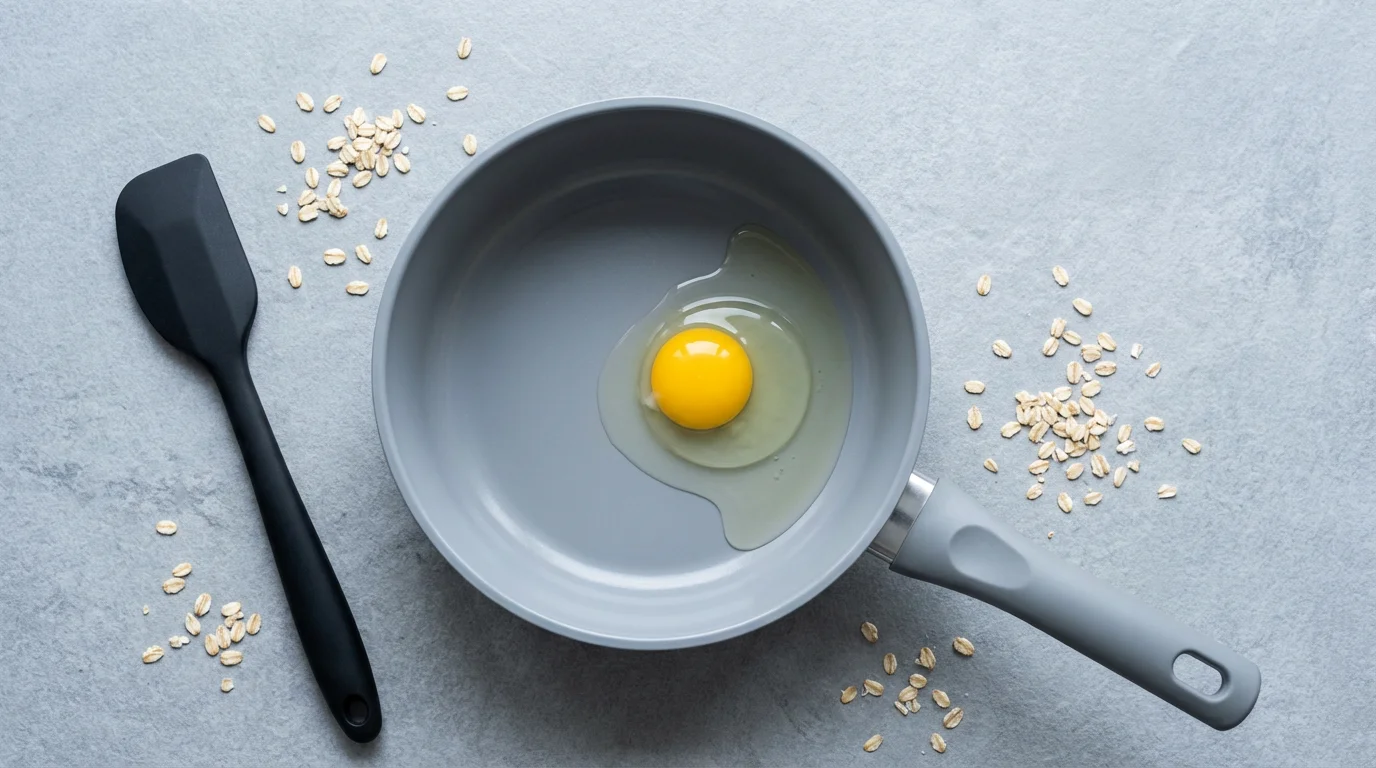
Non-stick saucepans offer unparalleled convenience, making them ideal for dishes prone to sticking. Think oatmeal, rice, delicate sauces, or reheating leftovers. Most traditional non-stick coatings use “PTFE” (polytetrafluoroethylene), commonly known by the brand name Teflon. Newer alternatives often feature “ceramic coatings,” which are made from silica. Both aim for easy food release and simpler cleanup.
The primary advantage of non-stick is obvious: food slides right out, requiring minimal oil. This makes them excellent for health-conscious cooking. However, non-stick coatings have trade-offs. They are less durable than stainless steel or cast iron. Metal utensils can scratch the surface, and very high heat can degrade the coating. Most non-stick saucepans have lower “oven-safe” temperature limits, typically around 350°F (175°C) to 400°F (200°C).
You should exclusively use silicone or wooden utensils with non-stick pans. Always hand wash them to preserve the coating. A well-maintained non-stick saucepan remains invaluable for specific tasks, but expect to replace it every few years, especially with frequent use, as the coating wears down.
Specialty Materials: Copper and Anodized Aluminum
While stainless steel and non-stick cover most everyday saucepan needs, other materials offer specialized benefits.
For those who appreciate the heat responsiveness of copper but want the durability of iron, carbon steel pans are another excellent specialty option for the home cook.
Copper Saucepans
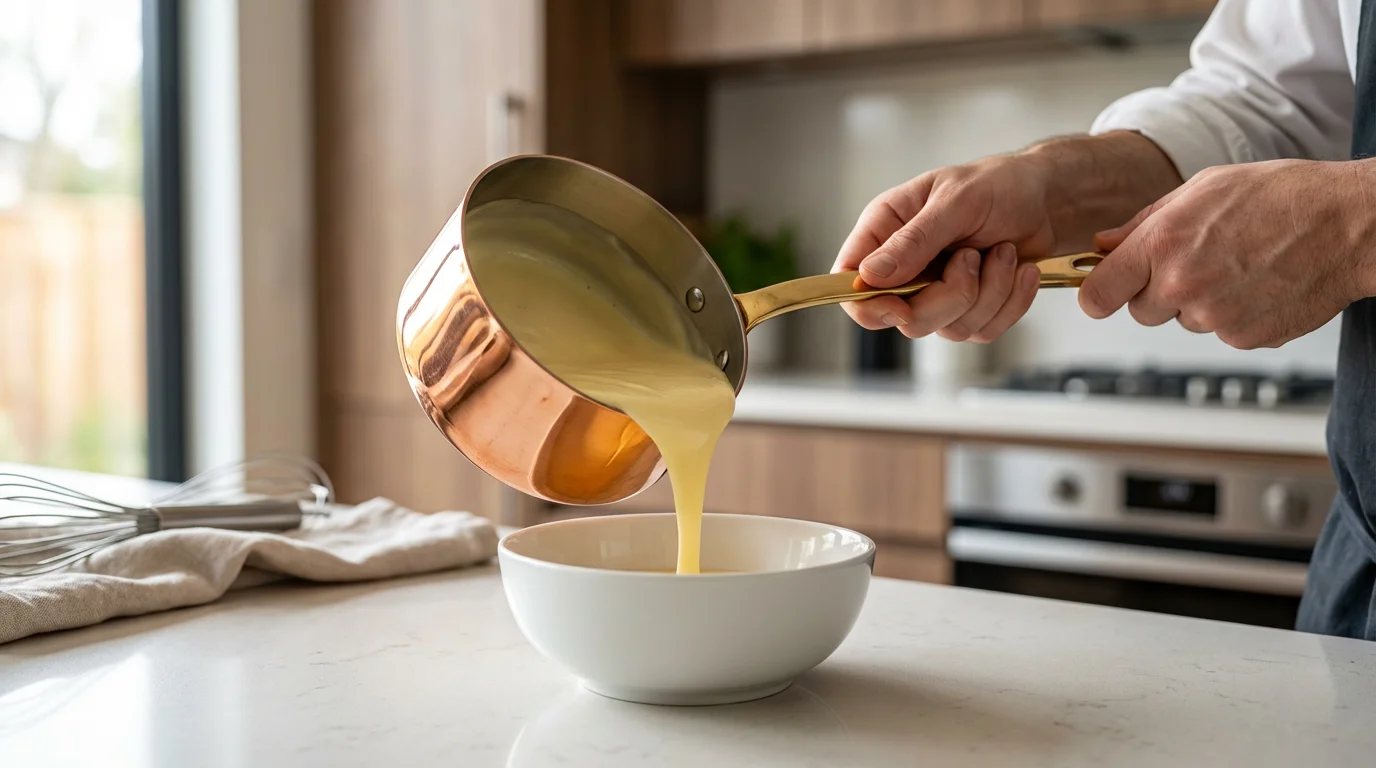
Copper boasts exceptional “heat distribution” and responsiveness, meaning it heats up and cools down almost instantly. This precision makes it a favorite for professional chefs working with delicate sauces, custards, or candy. However, copper is expensive and requires significant maintenance. It tarnishes easily, needing regular polishing. Pure copper also reacts with acidic foods, which can leach into your food and impart a metallic taste. For this reason, all food-safe copper cookware features an interior lining, usually stainless steel or tin.
Anodized Aluminum Saucepans
Aluminum is a fantastic heat conductor, lightweight, and affordable. Raw aluminum can react with acidic foods and discolor. Anodization hardens the aluminum, making it non-reactive, more durable, and scratch-resistant. Hard-anodized aluminum saucepans offer good performance and value. They are generally not “induction compatible” unless specifically designed with a magnetic base, a feature you will want to verify if you have an induction cooktop. They typically require hand washing to protect the anodized surface.
What Size Saucepan Do I Need? Matching Capacity to Your Cooking
Choosing the right saucepan size is crucial for efficient cooking and optimal results. You certainly do not want a pot that overflows when boiling pasta or one that leaves your sauce spread too thin. Here is a breakdown of common saucepan sizes and their ideal uses:
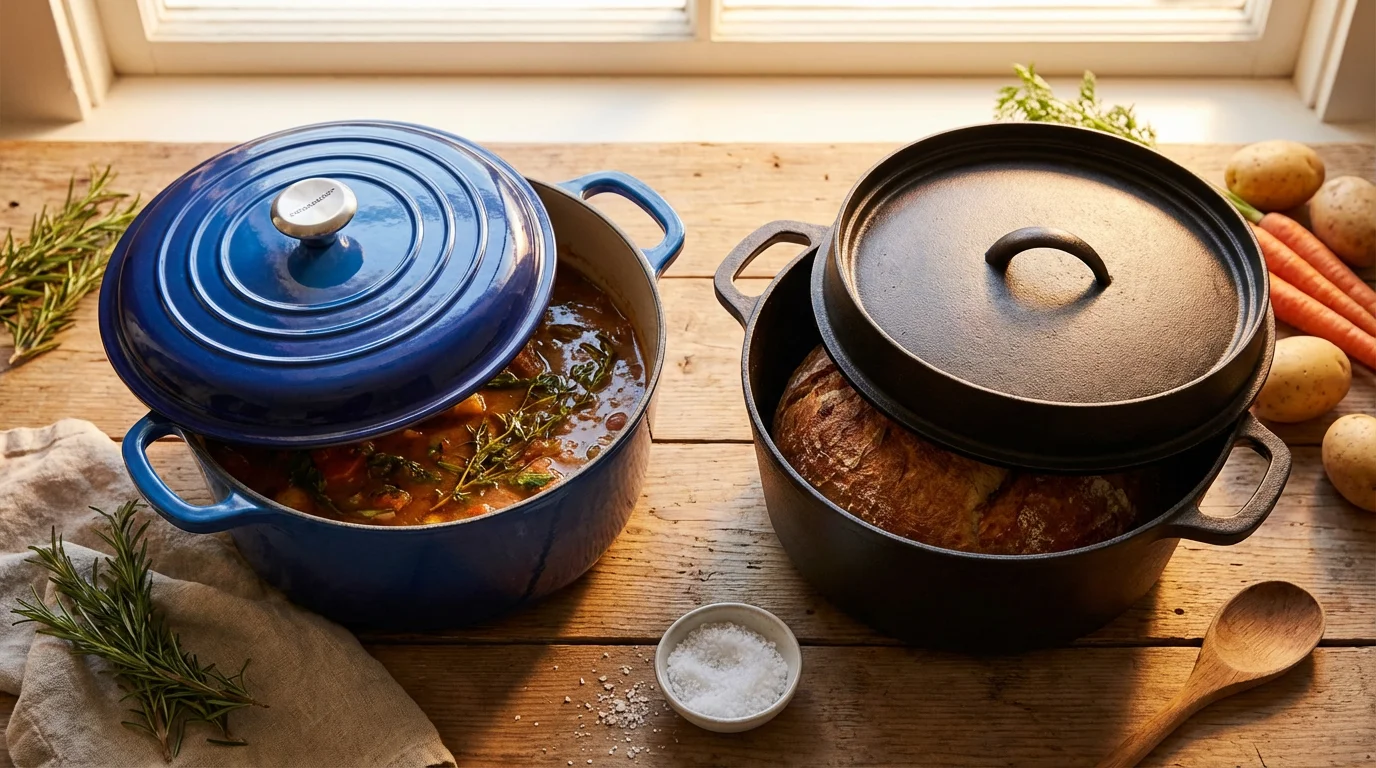
If you often find yourself needing even more volume for braising or large batches of stew, a Dutch oven is a perfect heavy-duty companion to your saucepan set.
- 1-Quart Saucepan (Small Sauce Pot):
- Uses: Melting butter, heating individual servings of soup, making gravies or small batches of sauces, boiling an egg, warming milk.
- Why You Need It: Efficient for single servings or small tasks, preventing waste and speeding up heating.
- 2-Quart Saucepan (Everyday Sauce Pot):
- Uses: Cooking rice or grains for 2-3 people, preparing vegetables, making side dishes, simmering soups for two, making a batch of your favorite sauce. This is often the “best saucepan for making sauces” in moderate quantities.
- Why You Need It: The most versatile size for everyday cooking, hitting the sweet spot for many common recipes.
- 3-Quart Saucepan (Versatile Medium Pot):
- Uses: Cooking pasta for a small family, larger batches of rice, steaming vegetables, making substantial soups or stews for 3-4 people, boiling potatoes.
- Why You Need It: Offers more capacity without being unwieldy, ideal for slightly larger family meals.
- 4-Quart Saucepan (Large Stovetop Pot):
- Uses: Boiling a significant amount of pasta, making stock, preparing chili or stews for a crowd, batch cooking.
- Why You Need It: Essential for bigger families, entertaining, or meal prepping, allowing ample space for simmering without overflow.
For most home cooks, a 2-quart and a 3-quart saucepan offer the best starting point, handling the majority of daily kitchen tasks. Add a 1-quart for small jobs and a 4-quart for larger preparations, and you will have a comprehensive set.
Essential Features to Consider for Your Saucepan
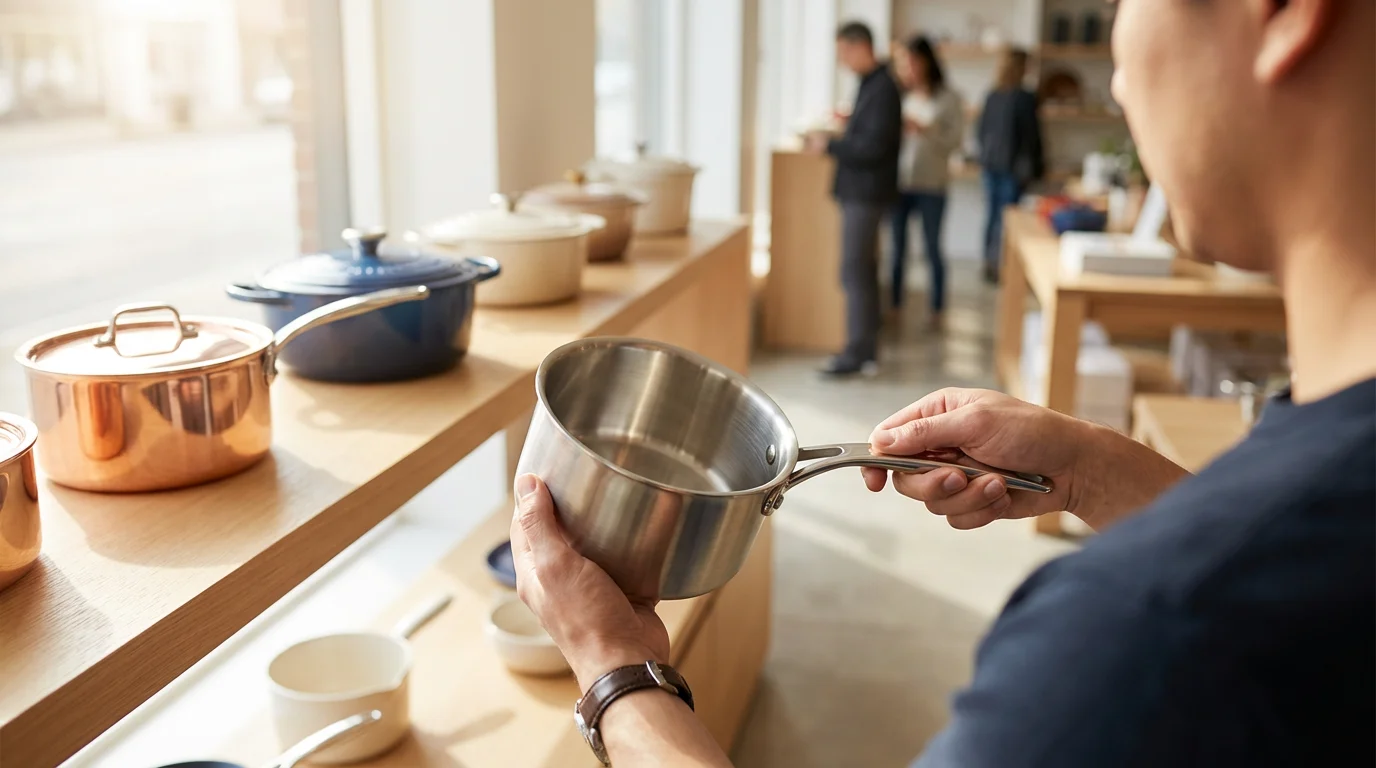
Beyond material and size, several design features enhance a saucepan’s usability and longevity.
- Lids: A snug-fitting lid is crucial for retaining heat and moisture. Tempered glass lids allow you to monitor cooking without lifting, but stainless steel lids offer greater durability and are often oven-safe to higher temperatures. Ensure the lid handle is comfortable to grasp and stays cool.
- Handles: Prioritize sturdy, securely riveted handles. Welded handles can eventually detach. Look for handles made from heat-resistant materials like stainless steel or silicone-wrapped stainless steel that stay cool to the touch on the stovetop. The handle should feel balanced in your hand, even when the pan is full.
- Pouring Spouts and Rims: A flared rim or a dedicated pouring spout on one or both sides facilitates drip-free pouring of liquids. This feature prevents messy spills when transferring sauces or draining water.
- Measurement Markings: Internal measurement markings can be incredibly convenient for recipes requiring precise liquid volumes, eliminating the need for separate measuring cups.
- Induction Compatibility: If you own an induction cooktop, ensure your chosen saucepan explicitly states it is “induction compatible.” This requires a magnetic base. Most quality stainless steel pans are, but verify before purchasing.
- Oven-Safe Temperatures: Consider how often you move pans from stovetop to oven. Stainless steel saucepans typically offer high oven-safe temperatures (up to 500°F or 260°C), while non-stick pans have much lower limits.
Top Saucepan Brands and Value Picks
The market offers a wide range of saucepan brands, from premium to budget-friendly. Your choice often balances performance, durability, and cost.
Premium Choices: All-Clad
All-Clad sets the gold standard for stainless steel cookware. Their fully clad, “tri-ply” construction provides exceptional “heat distribution” and durability. An All-Clad 2-quart or 3-quart saucepan represents a significant investment, but it will last a lifetime and perform beautifully for nearly any task. Their D3 and D5 lines are particularly popular, offering superb responsiveness and even heating. As America’s Test Kitchen often highlights, All-Clad products consistently rank among the best for their robust construction and superior cooking performance.
Mid-Range Excellence: Cuisinart, Tramontina, Calphalon
These brands offer excellent performance at a more accessible price point. Cuisinart’s MultiClad Pro line, for example, features a tri-ply stainless steel construction very similar to All-Clad, delivering impressive “heat distribution” and “oven-safe” capabilities. Tramontina’s Tri-Ply Clad series also receives high praise for its quality and value. Calphalon offers a range of options, including hard-anodized aluminum and stainless steel, providing durability and good heat conductivity.
Budget Alternatives: Cook N Home, Amazon Basics, T-fal
You can still find functional saucepans without breaking the bank. Brands like Cook N Home or Amazon Basics offer stainless steel options that provide adequate performance for basic needs. While they may not have the same heavy “gauge” or perfect “heat distribution” of premium brands, they serve well for boiling water or simple simmering. For non-stick, T-fal remains a popular budget choice, offering decent performance for its price. Look for models with sturdy handles and a flat bottom for stability on your stovetop.
Consider a brand’s reputation for customer service and warranty. A good warranty reflects a manufacturer’s confidence in their product’s durability.
Caring for Your Saucepans: Maintenance for Longevity
Proper care significantly extends the life of your saucepans, protecting your investment and ensuring continued performance.
Stainless Steel Care
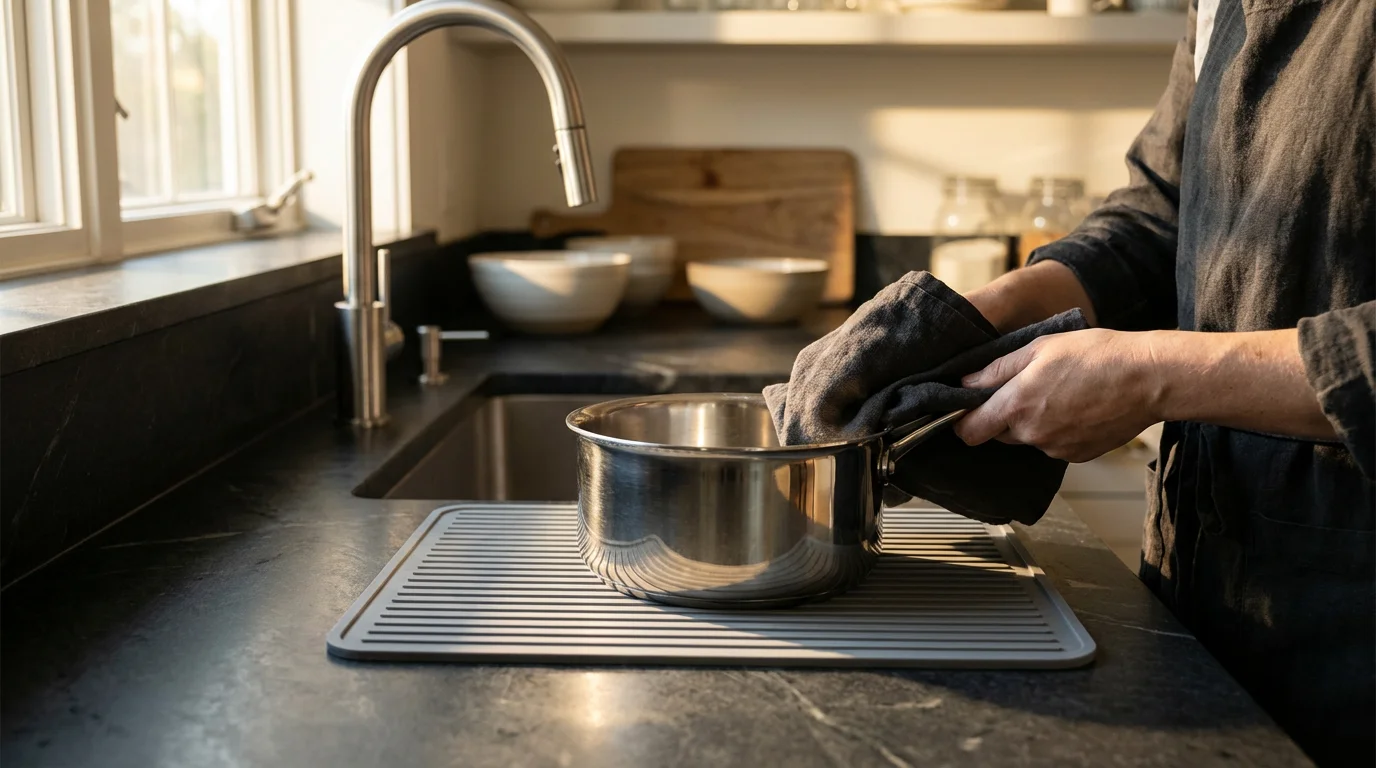
- Cleaning: Most stainless steel saucepans are “dishwasher safe,” but hand washing preserves their finish longer. For stuck-on food, deglaze the pan with water while it is still warm, or soak it with hot soapy water. A paste of baking soda and water effectively removes stubborn stains or discoloration.
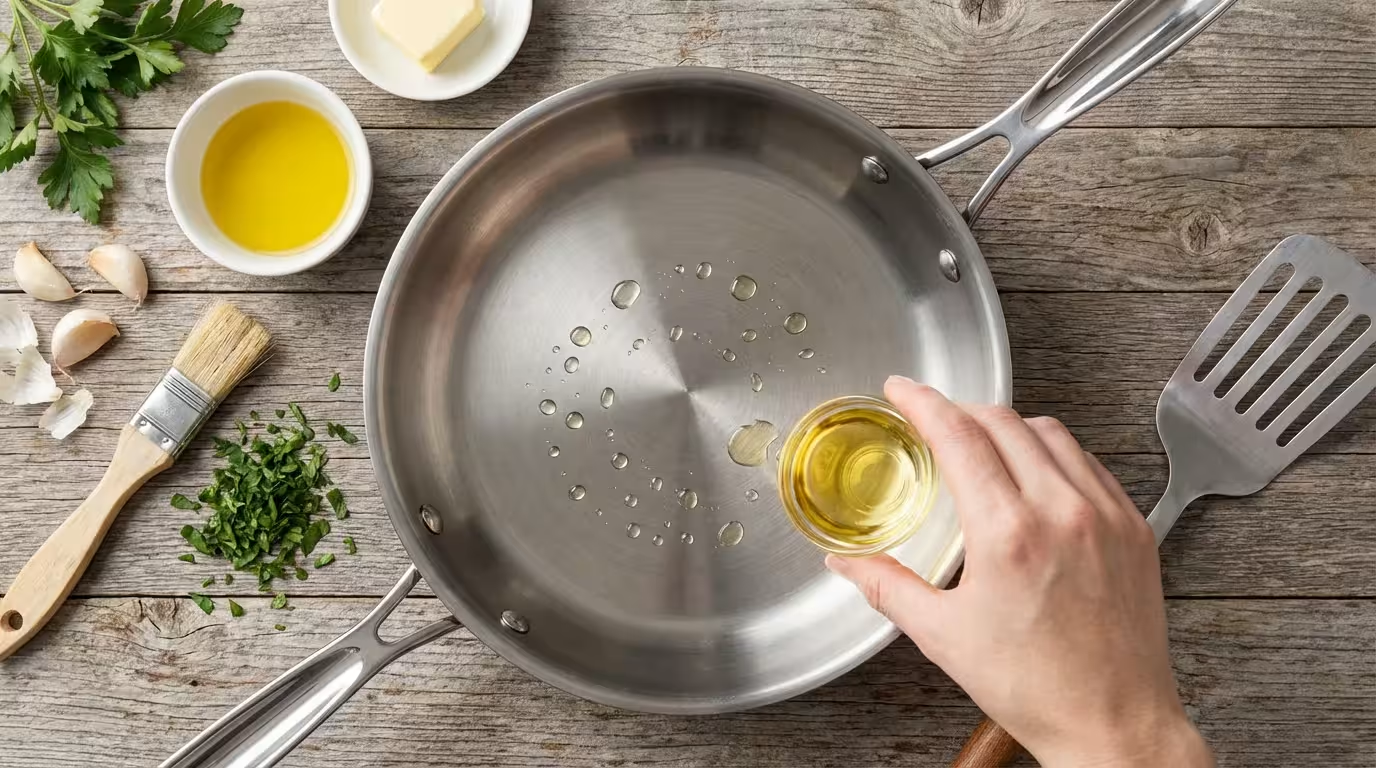
- Heat Management: Always preheat your stainless steel pan properly. A simple test involves flicking a few drops of water into the hot pan; if they bead up and dance, the pan is ready. This prevents sticking.
- Avoiding Discoloration: Avoid adding salt to cold water in a stainless steel pan. The salt crystals can pit the surface as the water heats.
Non-Stick Care
- Hand Wash Only: Always hand wash non-stick saucepans with a soft sponge and mild dish soap. Dishwasher detergents are often too abrasive and can degrade the coating.
- Gentle Utensils: Use only wood, silicone, or plastic utensils to prevent scratching the non-stick surface.
- Low to Medium Heat: Avoid using high heat with non-stick pans. High temperatures can cause the “PTFE” or “ceramic coating” to break down and release fumes, reducing the pan’s lifespan.
- Storage: Place a paper towel or felt pad between non-stick pans when stacking them to prevent scratches.
Copper and Anodized Aluminum Care
- Copper: Hand wash with mild soap. Polish regularly with a copper cleaner to maintain shine and prevent tarnishing. Never put copper in the dishwasher.
- Anodized Aluminum: Hand wash recommended. Avoid abrasive scrubbers or harsh detergents, which can damage the anodized layer.
Cookware Sets vs. Individual Saucepans: A Strategic Approach
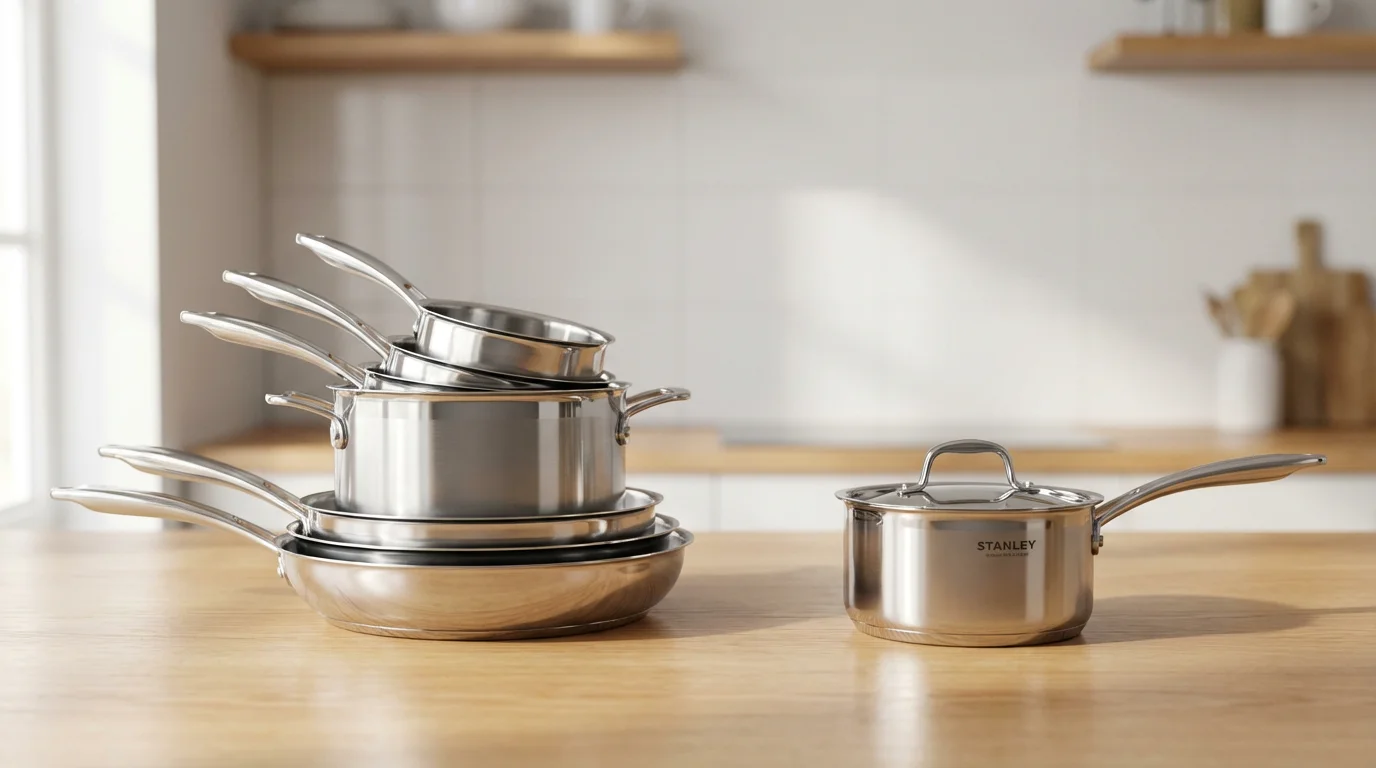
Many home cooks face the dilemma of buying a complete cookware set or purchasing individual pieces. Each approach has its merits, and your decision should align with your specific kitchen needs and budget.
When building your collection, remember that many stovetop recipes can also be adapted for oven-safe casserole dishes to add more variety to your meal prep.
Cookware Sets: Pros and Cons
Pros:
- Cost-Effective: Sets often provide better value per piece than buying items individually.
- Cohesive Look: All pieces match, creating a uniform aesthetic in your kitchen.
- Convenience: You acquire a range of essential pots and pans in one purchase.
Cons:
- Unnecessary Pieces: Sets often include pans you may rarely use, like an extra-small frying pan or a highly specialized pot.
- Compromised Quality: To keep set prices down, manufacturers sometimes include lower-quality pieces within a set, even if certain pans, like saucepans, are good.
- Lack of Customization: You are stuck with the material and design choices of the set, potentially missing out on a superior individual piece for a specific cooking style.
Buying Individual Saucepans: The Focused Approach
Pros:
- Tailored to Your Needs: You can choose the exact sizes and materials you genuinely use most. For example, you might opt for a premium stainless steel 2-quart saucepan for sauces and a budget non-stick 1-quart for oatmeal.
- Higher Quality for Core Pieces: You can allocate your budget to invest in top-tier versions of your most-used items. If you make a lot of sauces, buying the “best saucepan for making sauces” becomes a priority.
- Upgrade as Needed: You replace individual worn-out pieces or add new ones as your cooking skills evolve, rather than replacing an entire set.
Cons:
- Higher Upfront Cost: Buying high-quality individual pieces can be more expensive piece by piece.
- Less Cohesion: Your cookware collection might look less uniform.
- Requires Research: You need to actively research and select each piece.
For saucepans, a hybrid approach often works best. Invest in one or two high-quality stainless steel saucepans (a 2-quart and a 3-quart) as your core “stovetop pot” collection. You can then supplement these with a less expensive non-stick saucepan for specific tasks, or a smaller 1-quart for melting butter. This strategy ensures you get the best performance for your most frequently used items while optimizing your budget.
Frequently Asked Questions
Are expensive saucepans worth it?
Yes, often they are. Expensive saucepans, especially those with “tri-ply” or “fully clad” stainless steel construction from reputable brands like All-Clad, offer superior “heat distribution,” durability, and even heating, which directly impacts your cooking results. While a budget pan might boil water, an expensive one prevents scorching, sears evenly, and lasts for decades, making it a worthwhile long-term investment for frequent cooks.
What is the difference between a saucepan and a pot?
A saucepan is a type of “stovetop pot” characterized by its deep, straight sides and a long handle. It typically ranges from 1 to 4 quarts in capacity. Larger, two-handled vessels, usually 6 quarts and up, are generally referred to as stockpots or Dutch ovens, designed for bigger batches of soup, stock, or pasta. The key differentiating factor often comes down to size and handle configuration.
Can I use my saucepan in the oven?
It depends entirely on the saucepan’s material and handle construction. Most “oven-safe” stainless steel saucepans with stainless steel handles can go into the oven, often up to 500°F (260°C). Non-stick saucepans usually have much lower “oven-safe” limits, typically 350-400°F (175-200°C), and those with plastic or silicone components on the handle or lid knob may not be oven-safe at all. Always check the manufacturer’s specifications.
How do I prevent food from sticking to my stainless steel saucepan?
The key to preventing sticking in stainless steel is proper preheating. Place your empty saucepan over medium heat for a few minutes. To test, flick a few drops of water into the pan. If they bead up and roll around like mercury, the pan is hot enough. If they evaporate instantly, it is too hot. If they just sit there, it is not hot enough. Add your oil or fat once the pan reaches the correct temperature, then add your food. This creates a non-stick barrier.
Disclaimer: Product prices and availability change frequently. Prices shown were accurate at time of writing but may have changed. We may earn a small commission from purchases made through links on this site, at no extra cost to you. Always verify current pricing on the retailer’s website before purchasing.

Leave a Reply