
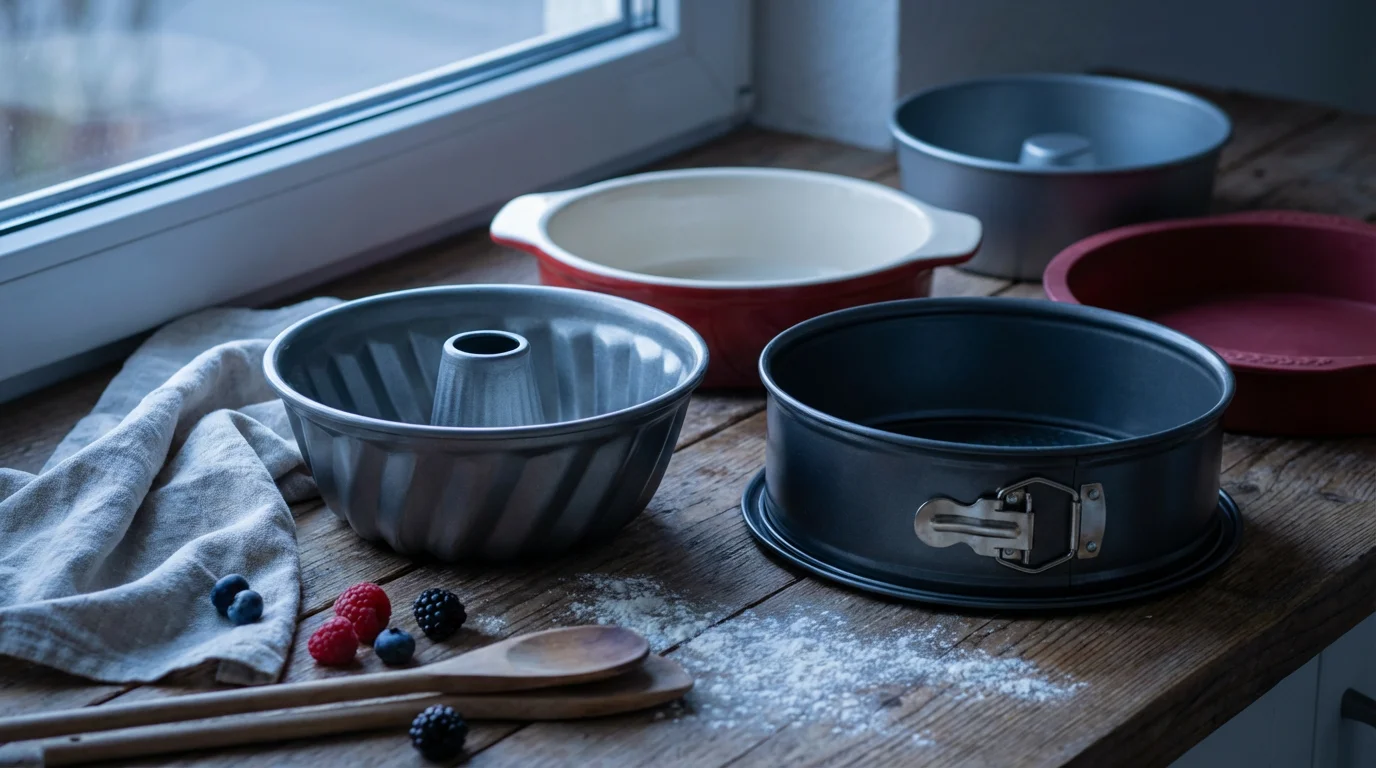
Baking a beautiful, delicious cake starts long before you mix the first ingredient. It begins with selecting the right tools, and for cakes, that means choosing the best cake pan. The market offers a dizzying array of options, from shiny aluminum `round cake pan` models to heavy-duty aluminized steel, leaving many home bakers confused. You want a cake pan that delivers consistent results, bakes evenly, and lasts for years, whether you are crafting a simple sheet cake or an elaborate `best cake pan for layer cakes` masterpiece.
This guide cuts through the noise, providing practical insights into the materials, sizes, and brands that truly matter. We help you understand what you need to build a functional baking arsenal, ensuring your next birthday cake is perfect and your investments in bakeware pay off.
Understanding Cake Pan Materials: A Foundation for Better Baking
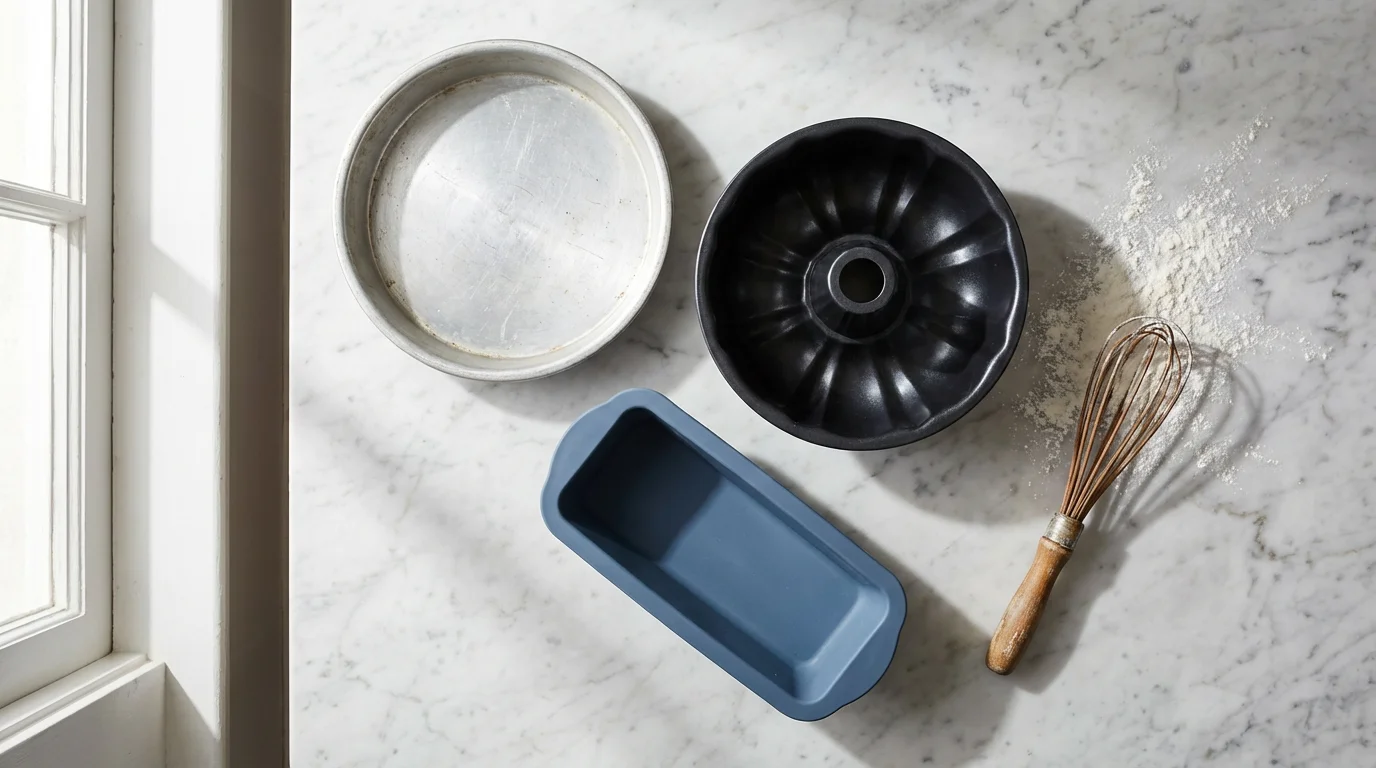
The material of your `baking pan` fundamentally impacts how your cake bakes, browns, and releases. Each material has distinct properties affecting its heat conduction, durability, and required care.
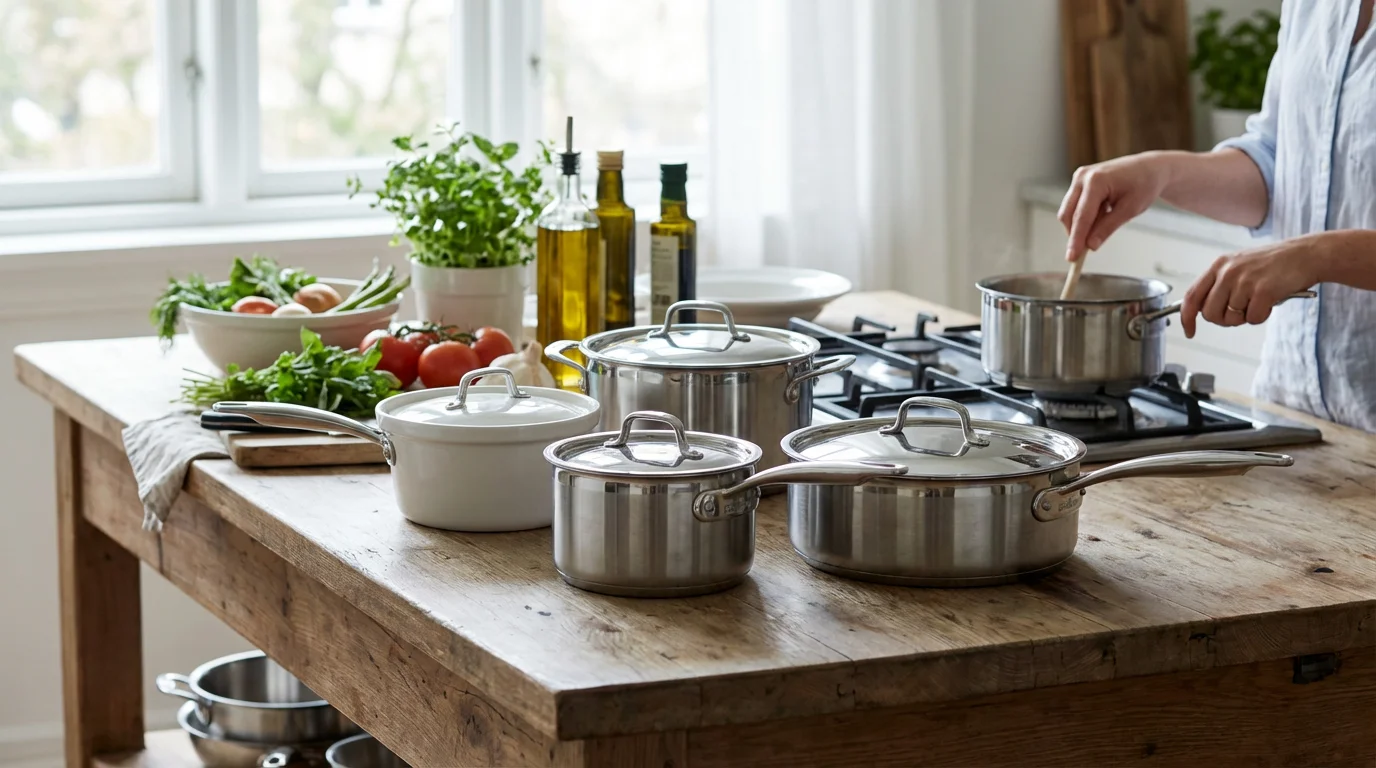
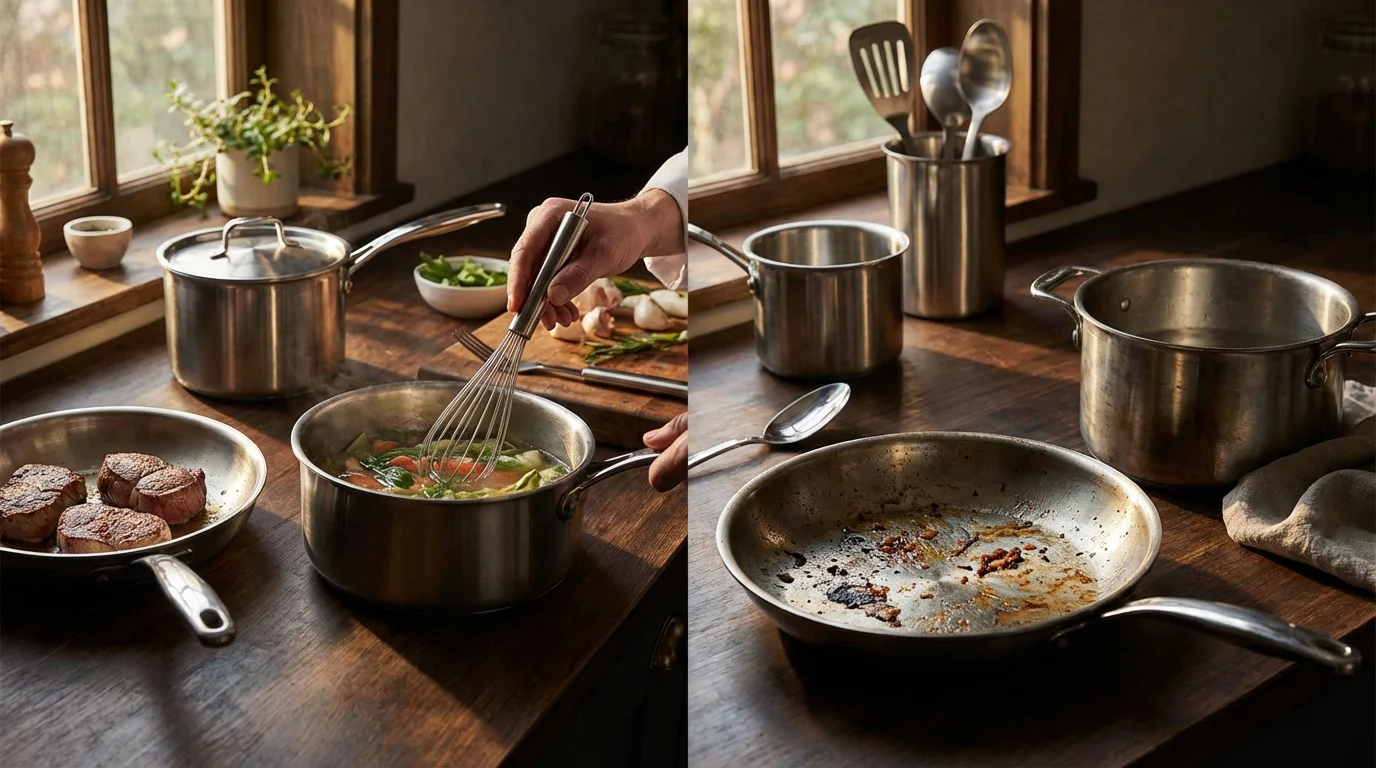
While aluminum is preferred for its conductivity in baking, comparing stainless steel cookware is helpful when selecting durable pots and pans for stovetop tasks.
Aluminum Cake Pans: The Baker’s Workhorse
Aluminum is the most common material for cake pans, and for good reason. It is an excellent conductor of heat, meaning it transfers heat quickly and efficiently from the oven to your batter. This property promotes even baking throughout the cake.
- Lightweight and Affordable: Aluminum pans are generally lighter and more budget-friendly than other options.
- Superior Heat Distribution: Its high thermal conductivity ensures your cake bakes evenly, reducing the risk of burnt edges and raw centers. This even `heat distribution` is crucial for delicate cakes.
- Drawbacks: Raw aluminum can react with acidic ingredients, potentially imparting a metallic taste or discoloring the cake. It can also scratch easily and warp if subjected to extreme temperature changes or if it is too thin. Look for anodized aluminum, which features an electrochemically hardened surface that resists corrosion, scratching, and prevents reactivity.
Aluminized Steel Cake Pans: Strength and Consistency
Aluminized steel combines the strength of steel with the excellent heat properties of aluminum. Manufacturers bond a layer of aluminum to a steel core, creating a highly durable and efficient baking surface.
- Exceptional Durability: The steel core makes these pans highly resistant to warping, bending, and denting, even at high oven temperatures. They often have a lower `gauge`, which refers to the thickness of the metal. Lower gauge numbers indicate thicker metal, which translates to superior strength and better heat management.
- Even Baking: The aluminum coating ensures the pan still benefits from aluminum’s excellent `heat distribution`, promoting uniform baking and browning.
- Rust Resistance: The aluminum layer protects the steel from rust. Many aluminized steel pans also feature a non-stick coating for easy release.
Non-Stick Coated Cake Pans: Convenience First
Many aluminum and aluminized steel pans come with non-stick coatings. These coatings, often PTFE or ceramic, significantly simplify cake release and cleanup.
- Easy Release: Cakes slide out effortlessly, minimizing the need for heavy greasing and flouring. This is particularly beneficial for intricate designs or delicate cakes.
- Easy Cleanup: Residue washes off quickly, often with just soap and water.
- Considerations: Non-stick coatings can degrade over time, especially with high heat or abrasive scrubbing. They are often less durable than bare metal and may scratch. You generally need to avoid metal utensils to protect the surface.
Silicone Cake Molds: Flexibility and Fun Shapes
Silicone molds are a modern alternative, known for their extreme flexibility and non-stick properties.
- Effortless Release: Cakes pop out easily without sticking, even complex shapes.
- Versatile: Silicone is `oven-safe` up to a certain temperature (usually 400°F-500°F or 200°C-260°C) and can also go into the freezer, making it useful for both baking and freezing desserts.
- Limitations: Silicone does not conduct heat as efficiently as metal, often leading to less even browning, particularly on the sides and bottom of the cake. Cakes baked in silicone can also be more prone to drying out if baked too long. Their flexibility means you often need to place them on a sturdy baking sheet for stability in the oven.
Glass or Ceramic Cake Pans: Oven-to-Table Appeal
While less common for traditional layer cakes, glass or ceramic pans are popular for streusel-topped coffee cakes, casseroles, and gratins due to their attractive presentation.
- Aesthetic Appeal: They transition beautifully from oven to table, making them ideal for dishes you want to serve directly.
- Heat Retention: Glass and ceramic retain heat very well, keeping food warm longer after coming out of the oven.
- Baking Characteristics: They heat up slowly but retain high heat, which can sometimes lead to overbrowning on the edges and bottom before the center is fully cooked. They are also susceptible to thermal shock, meaning extreme temperature changes can cause them to crack or shatter.
The Science of Perfect Cakes: Heat Distribution and Durability Explained
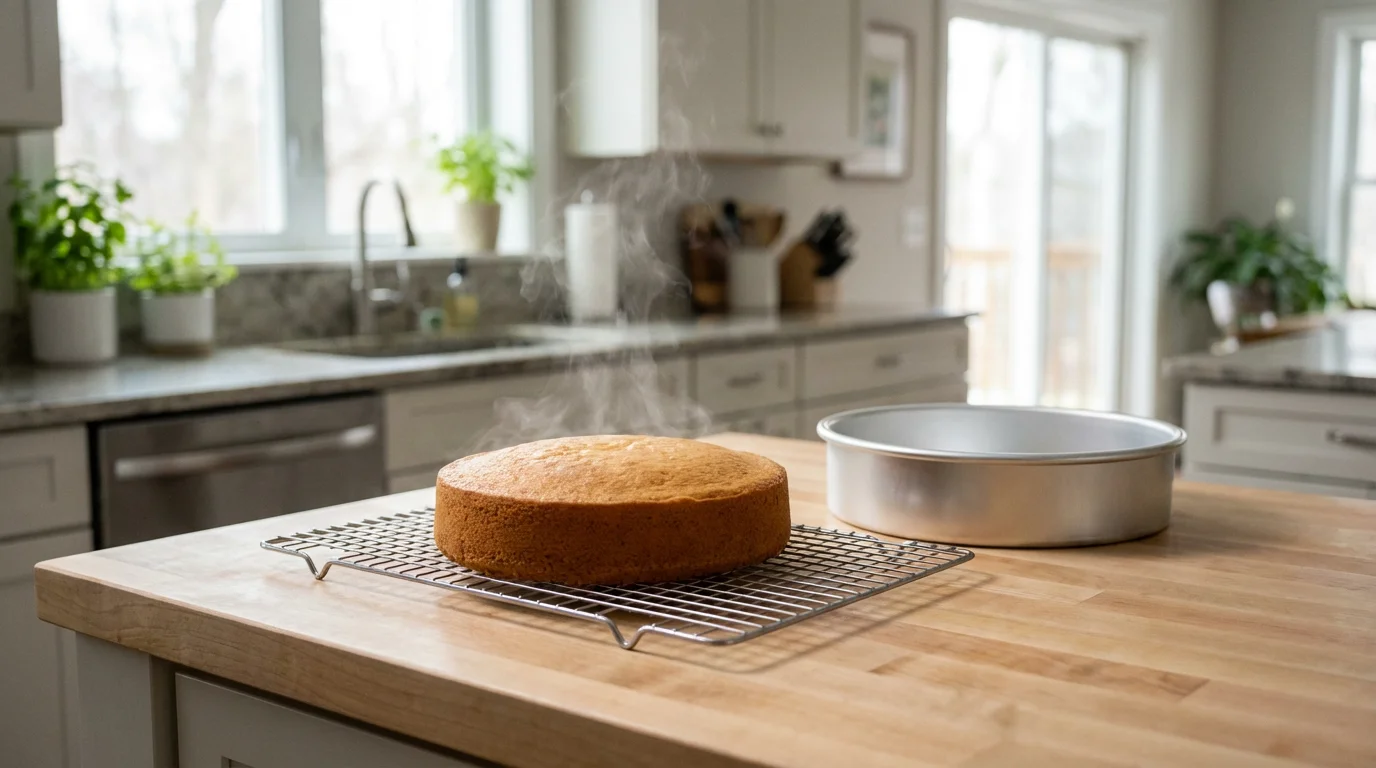
Understanding how different materials conduct heat is key to achieving consistently perfect cakes. Uneven `heat distribution` causes some parts of your cake to overbake while others remain undercooked, leading to dry edges, sunken centers, or dense textures.
How Heat Distribution Affects Your Cake
Aluminum is a superior heat conductor, spreading heat rapidly and uniformly across the pan’s surface. This ensures the batter cooks evenly from the edges to the center, promoting a consistent rise and tender crumb. Pans made from thicker materials, like those with a lower `gauge`, often demonstrate better heat distribution and are less prone to hot spots, preventing common baking frustrations.
“The greatest baking secret isn’t a fancy ingredient. It’s understanding how your bakeware conducts heat. An evenly heated pan is your foundation for a cake that rises beautifully and bakes through consistently.”
In contrast, materials like glass and ceramic heat up slower and retain heat for longer. This can result in a more intensely browned crust and a longer baking time for the center, sometimes leading to a less even bake. Thin steel pans, unless aluminized, can also create hot spots due to poor conductivity, potentially causing parts of your cake to burn.
The Impact of Pan Color
The color of your `baking pan` also plays a significant role. Light-colored pans reflect heat, leading to a gentler, more gradual bake. This is generally preferred for cakes, resulting in a tender crumb and light golden crust. Dark-colored pans absorb more heat, which can accelerate browning and sometimes lead to a thicker, tougher crust or even burnt edges if you do not adjust baking times and temperatures. For most cakes, especially delicate ones, a light-colored or anodized aluminum `round cake pan` is often the best choice for even results.
Durability and Longevity
You want your cake pans to withstand regular use without warping, denting, or losing their non-stick properties. Aluminized steel pans are renowned for their strength and resistance to warping, making them a long-term investment. Thicker aluminum pans, especially anodized ones, also offer good durability. Thin, inexpensive aluminum pans, however, are more prone to denting and warping under high heat or during handling.
Non-stick coatings, while convenient, are often the first component to show wear. High-quality non-stick pans can last for many years with proper care, but lower-quality coatings may scratch and flake relatively quickly. Regular use of metal utensils or abrasive cleaners dramatically shortens their lifespan.
Choosing the Right Size and Shape: Your Cake Pan Arsenal
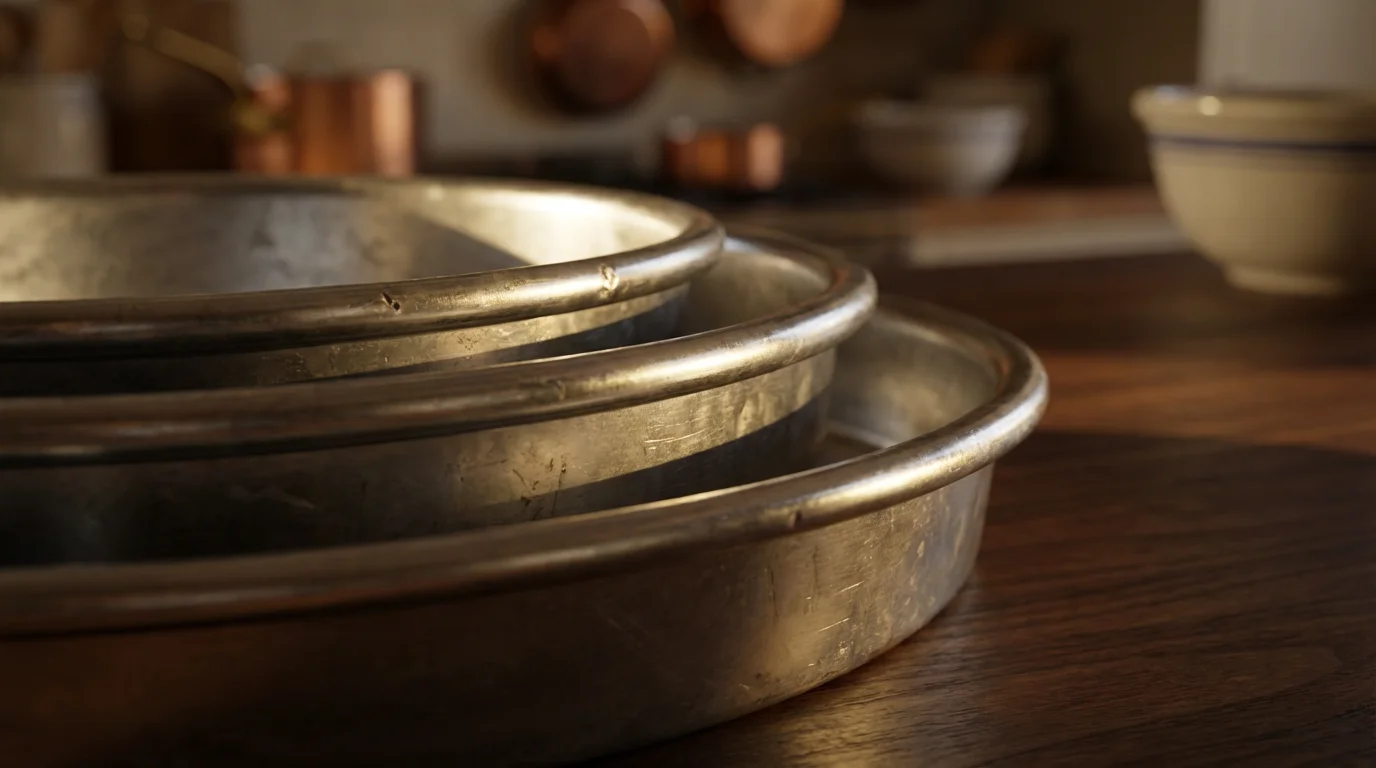
Selecting the correct `cake pan` size and shape is not just about aesthetics, it is about recipe success. A recipe designed for a specific pan size assumes a certain depth of batter, which impacts baking time and how the cake rises.
The Essential Round Cake Pan Sizes
For most home bakers, a good starting point includes a few versatile `round cake pan` sizes:
- 6-inch Round: Ideal for smaller, taller layer cakes, often used for smash cakes or intimate celebrations. A recipe for an 8-inch cake will yield two 6-inch layers, creating a dramatic, tall presentation.
- 8-inch Round: This is a highly versatile size, perfect for a standard two-layer cake serving 8-10 people. Many recipes for `best cake pan for layer cakes` are written for this dimension.
- 9-inch Round: Another common size, often used for single-layer cakes, fruit tarts, or slightly larger layer cakes that serve 10-12. This is a solid choice for a typical `what size cake pan for birthday cake`.
- 10-inch Round: Great for larger gatherings, serving 12-16 people. It requires more batter and a longer baking time.
Square and Rectangular Pans
Square and rectangular `baking pan` options are fantastic for sheet cakes, brownies, bar cookies, and some savory dishes. Common sizes include:
- 8×8-inch Square: Good for smaller batches of brownies or a modest snack cake.
- 9×9-inch Square: A standard size for brownies, cornbread, and square cakes, serving 6-9.
- 9×13-inch Rectangular: The quintessential sheet cake pan, perfect for feeding a crowd (serves 12-18). It is also excellent for casseroles and roasting vegetables.
Specialty Pans: Expanding Your Repertoire
While not essential for every baker, specialty pans open up new possibilities:
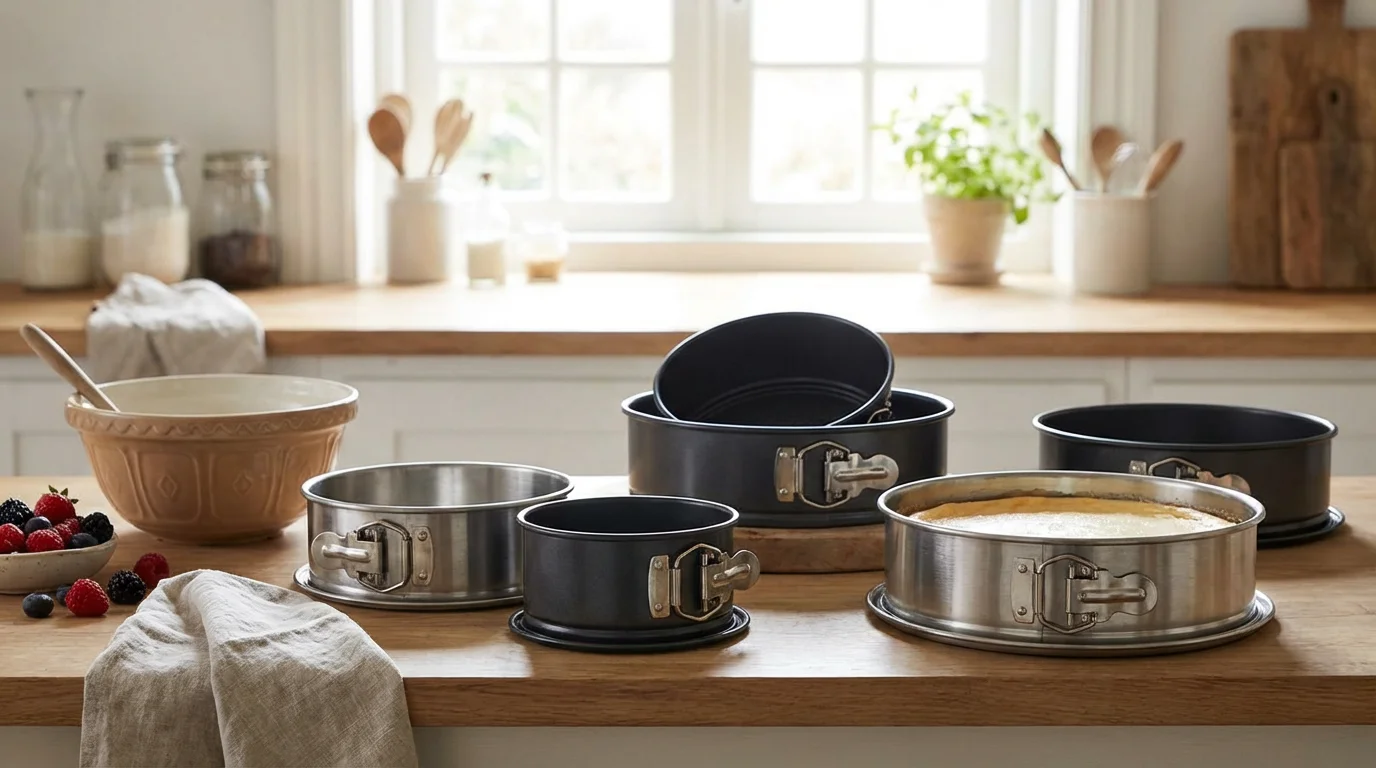
- Springform Pans: These feature sides that can be unlatched and removed from the base, making them indispensable for delicate cheesecakes, tortes, or quiches that would be difficult to invert. You can find them in various round and square sizes, but 9-inch round is most common.
- Bundt Pans: Known for their distinctive fluted or decorative designs, Bundt pans turn a simple cake into an elegant dessert with minimal effort. They are typically 10- or 12-cup capacity.
- Loaf Pans: Essential for quick breads, pound cakes, meatloaf, and some yeast breads. Common sizes are 8.5×4.5 inches or 9×5 inches.
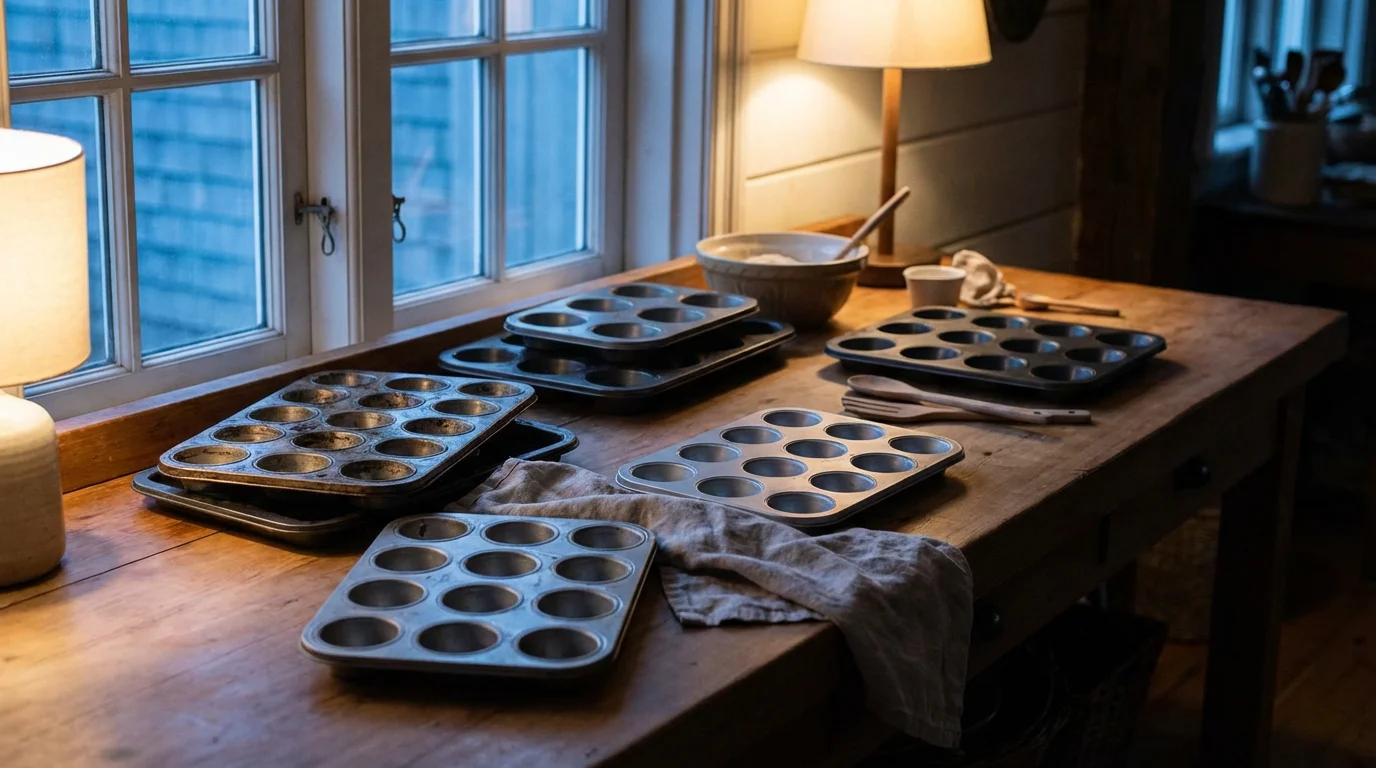
- Muffin Tins: Available in standard, mini, and jumbo sizes, these are crucial for cupcakes, muffins, and savory egg bites.
To help visualize common `cake pan` sizes and their uses, consult this table:
| Pan Type & Size | Typical Use | Approximate Servings |
|---|---|---|
| 6-inch Round | Small layer cakes, smash cakes | 4-6 |
| 8-inch Round | Standard layer cakes, smaller single-layer cakes | 8-10 |
| 9-inch Round | Birthday cakes, single-layer cakes, tarts | 10-12 |
| 10-inch Round | Large layer cakes, special occasion cakes | 12-16 |
| 8×8-inch Square | Small brownies, bar cookies, snack cakes | 6-9 |
| 9×13-inch Rectangular | Sheet cakes, casseroles, large batches of brownies | 12-18 |
| 9-inch Springform | Cheesecakes, delicate tortes, quiches | 8-12 |
| 10-cup Bundt | Decorative cakes, pound cakes | 12-16 |
Cake Pan Care and Maintenance: Protecting Your Investment
Proper care significantly extends the life of your `cake pan` and ensures consistent baking results. Different materials require different cleaning and storage methods.
Caring for Aluminum and Anodized Aluminum Pans
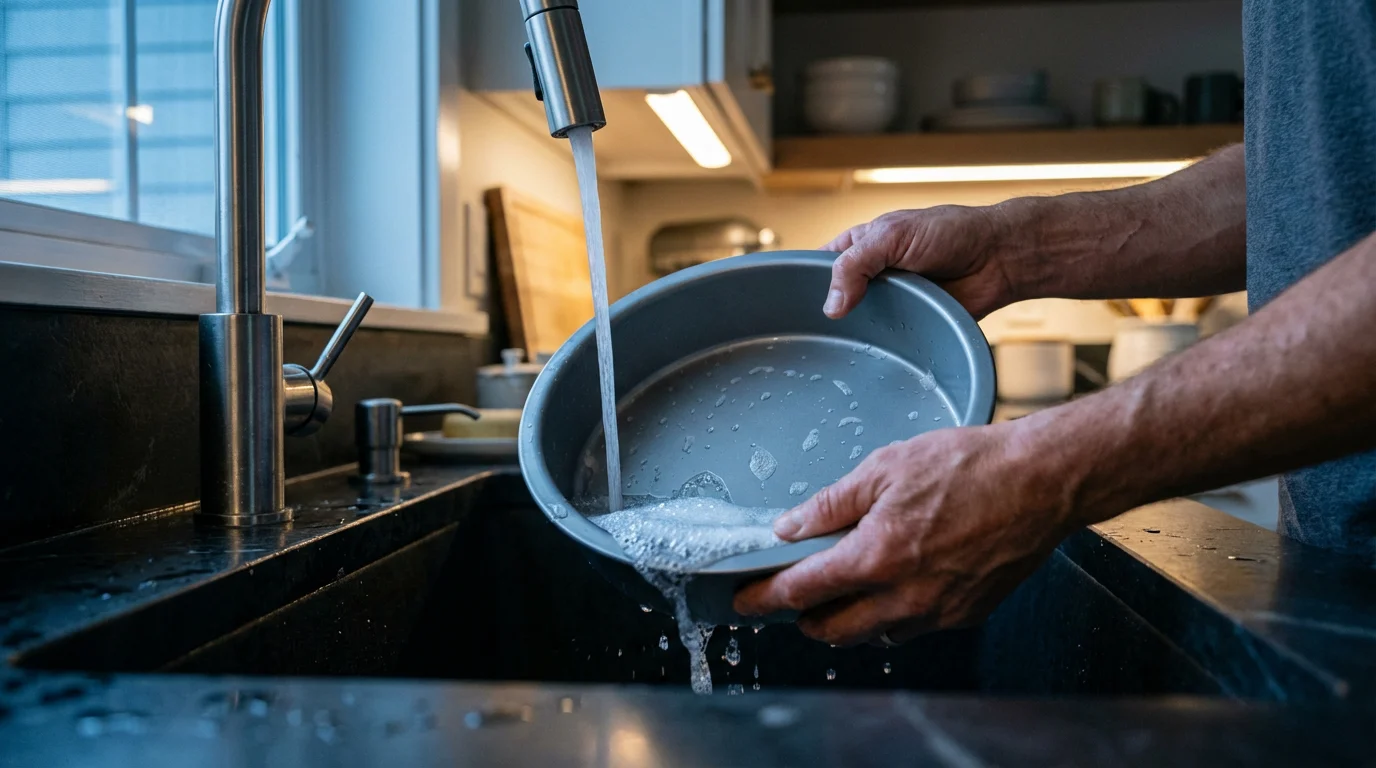
Hand Washing is Key: Raw and anodized aluminum pans should always be hand washed with warm, soapy water. The harsh detergents and high heat of dishwashers can cause discoloration, pitting, and can strip the protective anodized layer or dull raw aluminum. This damage compromises both performance and appearance. Dry them immediately to prevent water spots.
Avoid Abrasives: Do not use steel wool or abrasive scrubbing pads, as they can scratch the surface. For baked-on residue, soak the pan in warm, soapy water, then gently scrub with a soft sponge or nylon brush. According to America’s Test Kitchen, gentle cleaning methods preserve the integrity of baking surfaces for longer performance.
Maintaining Non-Stick Coated Pans
Gentle Cleaning: Hand wash non-stick pans with warm, soapy water and a soft sponge. While some non-stick pans claim to be dishwasher safe, hand washing is always recommended to prolong the life of the coating. Harsh detergents and high heat contribute to faster degradation of non-stick surfaces.
Protect the Coating: Never use metal utensils, knives, or abrasive scrubbers on non-stick surfaces, as these will scratch and damage the coating, rendering it ineffective. Use silicone, wood, or plastic utensils when handling your cake inside the pan.
Low to Medium Heat: Although cake pans are primarily for oven use, understand that exposing non-stick coatings to extremely high heat, especially when empty, can damage them. Follow the manufacturer’s recommended `oven-safe` temperatures.
Silicone Molds
Silicone molds are relatively low maintenance. They are usually dishwasher safe and can handle both high oven temperatures and freezing. Ensure they are thoroughly dry before storing to prevent mildew growth.
Glass and Ceramic Pans
These pans are generally dishwasher safe. Avoid sudden temperature changes to prevent thermal shock, which can cause cracking. For example, do not place a hot glass pan directly into cold water or a cold surface.
Top Cake Pan Brands and Value Picks: From Budget to Pro-Grade
Investing in quality `baking pan` products from reputable brands ensures better performance and longevity. Here are some brands known for their excellent cake pans:
Professional-Grade Choices
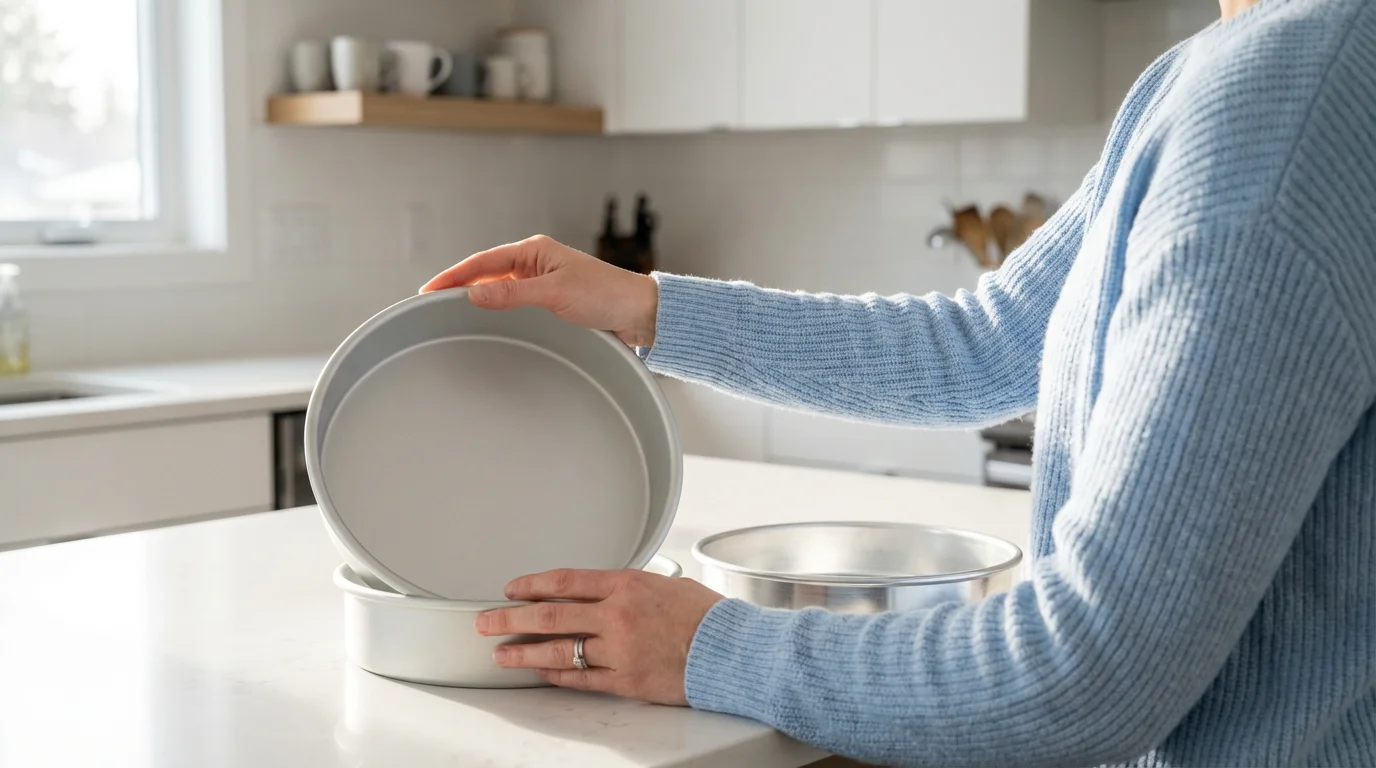
- Fat Daddio’s: Highly regarded by professional bakers, Fat Daddio’s produces anodized aluminum pans known for their seamless construction, even heating, and durability. Their light silver finish promotes perfect browning. If you are serious about `best cake pan for layer cakes`, Fat Daddio’s offers exceptional value for the quality.
- Nordic Ware: While famous for its decorative Bundt pans, Nordic Ware also produces high-quality natural aluminum `round cake pan` options and aluminized steel bakeware. Their products are made in the USA and are known for their sturdy construction and reliable performance. Their Platinum Collection Bundt pans are particularly popular for their intricate designs and non-stick release.
Mid-Range Excellence
- Wilton: A household name in baking, Wilton offers a wide range of bakeware, including both aluminum and non-stick aluminized steel pans. Their “Performance Pans” line provides good value, offering sturdy construction and reliable results for everyday baking. You can easily find various `what size cake pan for birthday cake` options from Wilton.
- USA Pan: This brand specializes in commercial-grade bakeware for home use. USA Pan’s products are made from aluminized steel and feature a patented corrugated surface that promotes air circulation for even baking and easy release. They are known for their exceptional durability and consistent performance. Wirecutter frequently recommends USA Pan bakeware for its robust build and reliable non-stick properties.
- Cuisinart: While more known for small appliances, Cuisinart also produces a line of bakeware, including cake pans, often made from heavy-gauge aluminized steel with a non-stick coating. These offer good durability and heat distribution at a competitive price point.
Budget-Friendly Alternatives
You do not need to spend a fortune to get good `cake pan` results. Many store brands or less-known manufacturers offer surprisingly decent options, particularly for basic aluminum pans. Look for pans that feel substantial and have a light, even finish. Avoid overly thin aluminum that flexes easily, as these are prone to warping and uneven baking. For example, brands like Pyrex offer dependable glass `baking pan` options, while some supermarket lines have improved their basic non-stick metal offerings.
Cake Pan Sets Versus Individual Purchases: What Makes Sense for You
When building your bakeware collection, decide whether to buy a complete set or individual pieces. Both approaches have merits.
The Appeal of Bakeware Sets
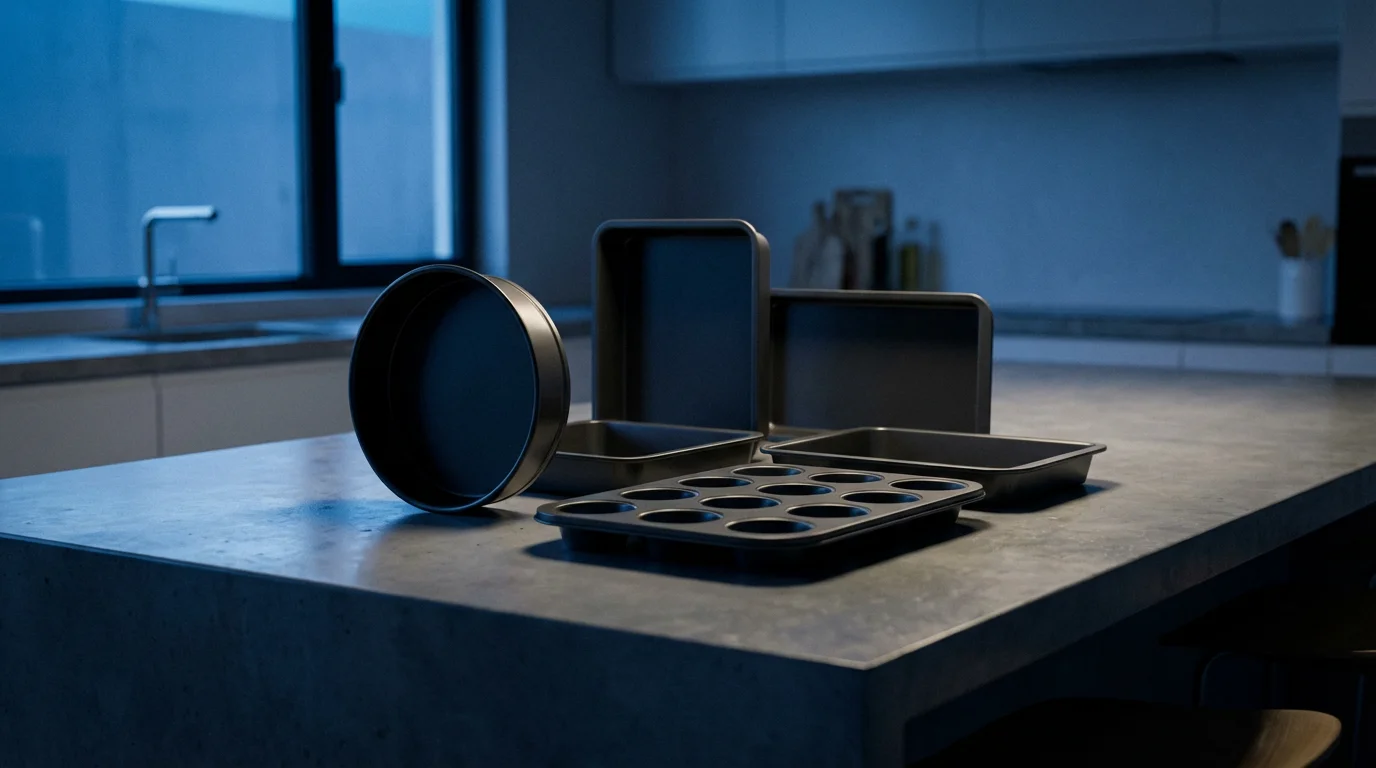
Cost-Effective Entry: Bakeware sets often provide a significant cost saving compared to purchasing each piece individually. They are an attractive option for new bakers or those outfitting a kitchen from scratch. A typical set might include a `round cake pan`, a square pan, a rectangular pan, a muffin tin, and a baking sheet.
Coordinated Look: Sets usually feature matching designs and materials, creating a cohesive look in your kitchen. Some brands, like Cuisinart, offer comprehensive bakeware sets that include all the essential `baking pan` options for a home cook.
Potential Drawbacks: Sets can include pieces you rarely use or may compromise on the quality of individual items to hit a price point. For example, a set might feature a good `round cake pan` but a less durable roasting pan. Ensure the set you choose includes the sizes you truly need, like a solid `what size cake pan for birthday cake` option.
The Advantage of Individual Pieces
Tailored Selection: Buying individual pans allows you to select precisely what you need, focusing on specific sizes, shapes, and materials that suit your baking habits. If you primarily bake `best cake pan for layer cakes`, you can invest in two or three high-quality 8-inch `round cake pan` models without acquiring items you will not use.
Superior Quality: You can choose the best pan for each specific purpose, prioritizing materials like anodized aluminum for cake pans and heavy-gauge aluminized steel for baking sheets, ensuring optimal performance across your collection.
Higher Initial Cost: The primary disadvantage is that buying individual high-quality pieces typically costs more upfront than a bundled set.
Your Essential Starter Set Recommendation
For most home bakers, we recommend a hybrid approach. Start with these essential individual pieces, then expand as your baking interests grow:
- Two 8-inch or 9-inch `round cake pan` models: Crucial for layer cakes. Opt for anodized aluminum for superior baking.
- One 9×13-inch rectangular `baking pan`: Versatile for sheet cakes, brownies, and savory dishes. Aluminized steel with a non-stick coating is ideal.
- One 8×8-inch or 9×9-inch square `baking pan`: For smaller cakes and brownies.
- One standard 12-cup muffin tin: For cupcakes and muffins.
- Two sturdy half-sheet baking sheets: Essential for cookies, roasting, and supporting silicone molds.
Beyond the Basics: Specialty Cake Pans and Accessories
Once you have your core set of `cake pan` essentials, consider expanding into specialty items that elevate your baking.
For those who enjoy fruit-filled desserts as much as cakes, choosing between pie plates made of glass, ceramic, or metal is equally important for a perfect crust.
Springform Pans: Delicate Releases
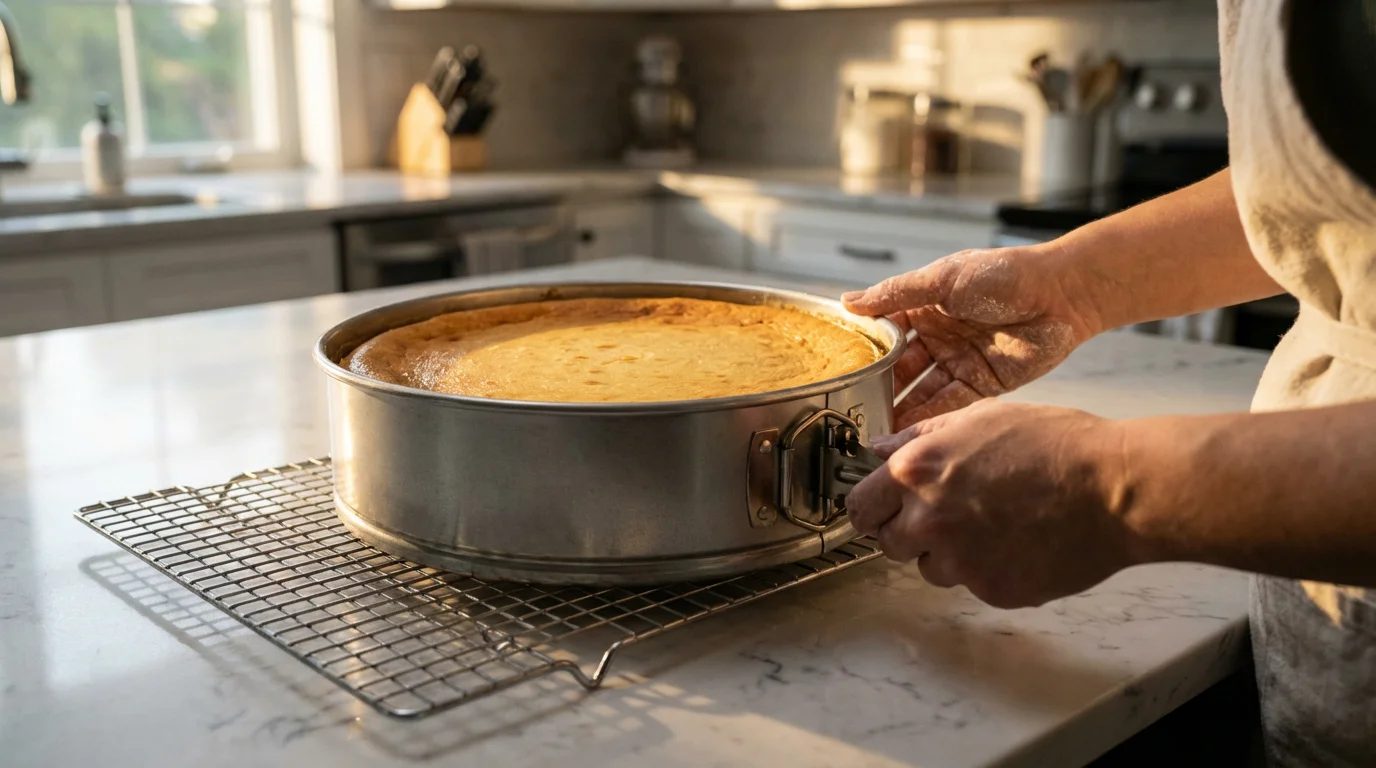
As mentioned, a springform pan is indispensable for cheesecakes, ice cream cakes, and other delicate desserts. Its removable sides allow you to lift the cake away from the base without inverting it, preserving intricate top layers and delicate structures. Look for models with a tight seal to prevent leaks, especially for liquid batters. A 9-inch `round cake pan` springform is a great starting point.
Bundt Pans: Effortless Elegance
Bundt pans transform simple cake batters into visually stunning desserts. Their intricate designs negate the need for frosting or extensive decoration, making them ideal for impressive yet easy-to-prepare cakes. Nordic Ware offers an extensive collection of high-quality Bundt pans in various artistic patterns.
Fluted Tart Pans with Removable Bottoms
While not strictly cake pans, these are essential for beautiful tarts and quiches. The fluted edges provide a professional finish, and the removable bottom allows for easy release without damaging the crust.
Essential Baking Accessories
Beyond the pans themselves, certain accessories significantly improve your baking experience:
- Parchment Paper: A baker’s best friend. Lining your `cake pan` with parchment paper ensures easy release and prevents sticking, especially important for delicate cakes. Pre-cut rounds for `round cake pan` sizes are a time-saver.
- Baking Spray with Flour: A convenient alternative or supplement to greasing and flouring, it helps prevent sticking in intricate pans like Bundt molds.
- Oven Thermometer: Your oven’s internal thermometer can be inaccurate. An independent oven thermometer gives you the true temperature, ensuring consistent baking and preventing issues like sunken cakes or burnt crusts. According to Serious Eats, an accurate oven temperature is one of the most critical factors for successful baking.
- Cooling Racks: Essential for allowing air circulation around your baked goods as they cool, preventing soggy bottoms.
Frequently Asked Questions
What is the best cake pan for layer cakes?
The best cake pan for layer cakes is typically an anodized aluminum `round cake pan` that is 8 or 9 inches in diameter. Anodized aluminum offers excellent `heat distribution`, ensuring even baking and a consistent crumb, while resisting warping and reactivity. Buying two or three of the same size allows you to bake multiple layers simultaneously for a uniform result.
Do dark or light cake pans bake better?
Light-colored `cake pan` models generally bake better for most cakes. Light pans reflect heat, promoting a slower, more even bake that results in a tender crumb and light golden crust. Dark pans absorb more heat, which can lead to faster browning, thicker crusts, or even burnt edges. If you use a dark pan, you may need to reduce your oven temperature by 25°F (about 15°C) and reduce baking time slightly.
Can I put aluminum cake pans in the dishwasher?
No, you should not put raw or anodized aluminum `baking pan` models in the dishwasher. The harsh detergents and high heat of a dishwasher can cause discoloration, pitting, and corrosion, which can permanently damage the pan’s finish and affect its performance. Always hand wash aluminum pans with warm, soapy water and a soft sponge, then dry them immediately.
How do I prevent cakes from sticking to the pan?
To prevent cakes from sticking, thoroughly grease and flour your `cake pan` before adding batter. You can use butter or shortening to grease the pan, then dust it with flour, tapping out the excess. For extra security, especially with intricate pans or delicate recipes, line the bottom with parchment paper. Non-stick baking spray with flour is also highly effective.
Is a springform pan essential for a home baker?
A springform pan is not strictly essential for every home baker, but it becomes indispensable if you regularly bake cheesecakes, tortes, or other delicate desserts that are difficult to invert or remove from a solid-sided pan. If your baking repertoire includes these items, a 9-inch `round cake pan` springform is a worthwhile investment for its convenience and reliable release.
Disclaimer: Product prices and availability change frequently. Prices shown were accurate at time of writing but may have changed. We may earn a small commission from purchases made through links on this site, at no extra cost to you. Always verify current pricing on the retailer’s website before purchasing.


Leave a Reply