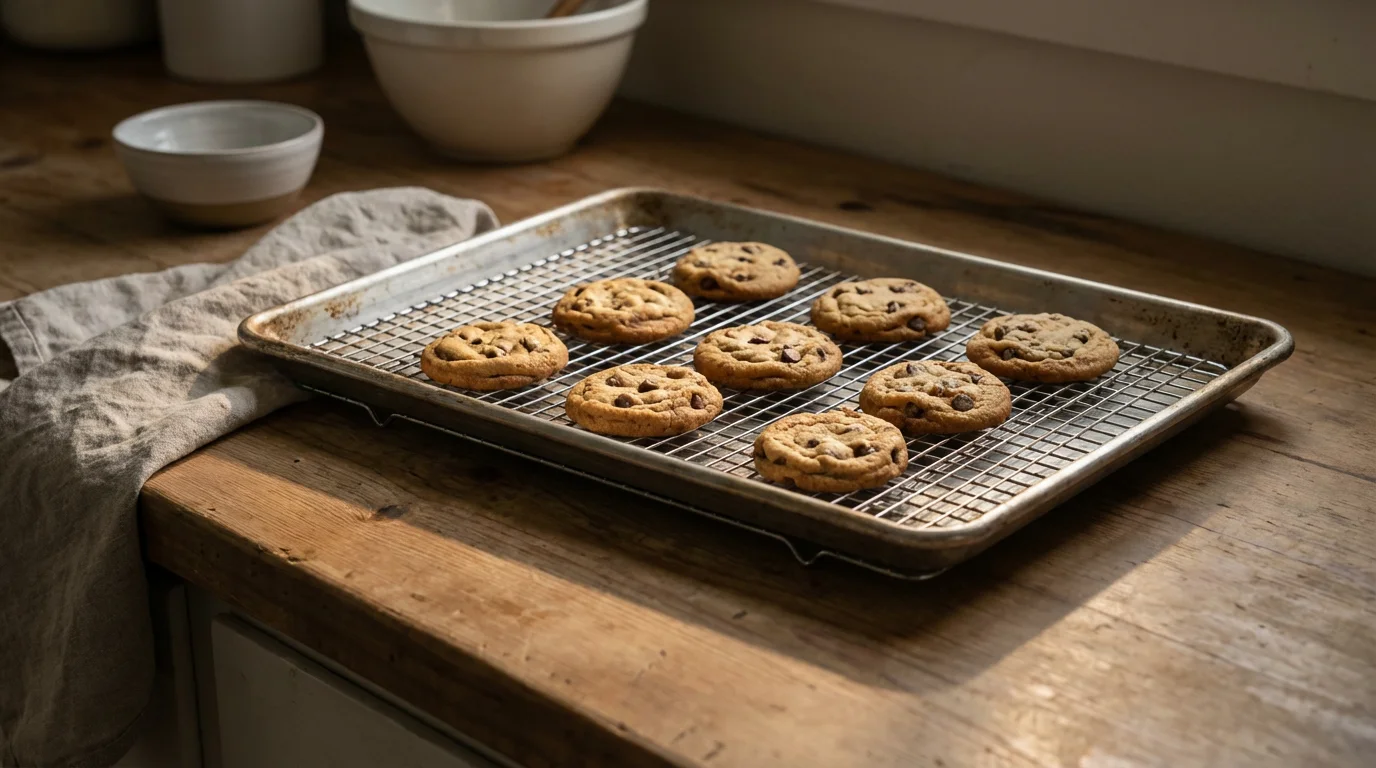
Achieving perfectly golden cookies, evenly roasted vegetables, and crispy sheet pan dinners starts with the right equipment. Your baking sheet is a fundamental tool in the kitchen, but not all sheets perform equally. A flimsy pan warps under high heat, leading to uneven cooking, burnt edges, and a less than stellar meal. You deserve cookware that performs reliably every time.
This guide cuts through the marketing noise to help you understand the critical factors behind superior baking sheet performance. We focus on material science, practical use cases, and honest assessments of durability and value, ensuring you select a baking sheet that delivers consistent, even browning and lasts for years.
Material Science: The Foundation of Baking Sheet Performance
The material of your baking sheet dictates its performance, durability, and how you care for it. Understanding these differences empowers you to make informed choices.
If you appreciate the responsiveness of aluminum but want more versatility for stovetop use, carbon steel pans are an excellent alternative to both stainless and cast iron.
Aluminum
Aluminum is the most common material for baking sheets, and for good reason. It offers excellent heat distribution, meaning it spreads heat evenly across its surface. This property prevents hot spots that can cause uneven browning. Aluminum sheets are lightweight, affordable, and respond quickly to temperature changes, making them ideal for delicate baked goods like cookies. However, bare aluminum can react with acidic foods, potentially imparting a metallic flavor and causing discoloration of the pan. It also scratches more easily than other metals.
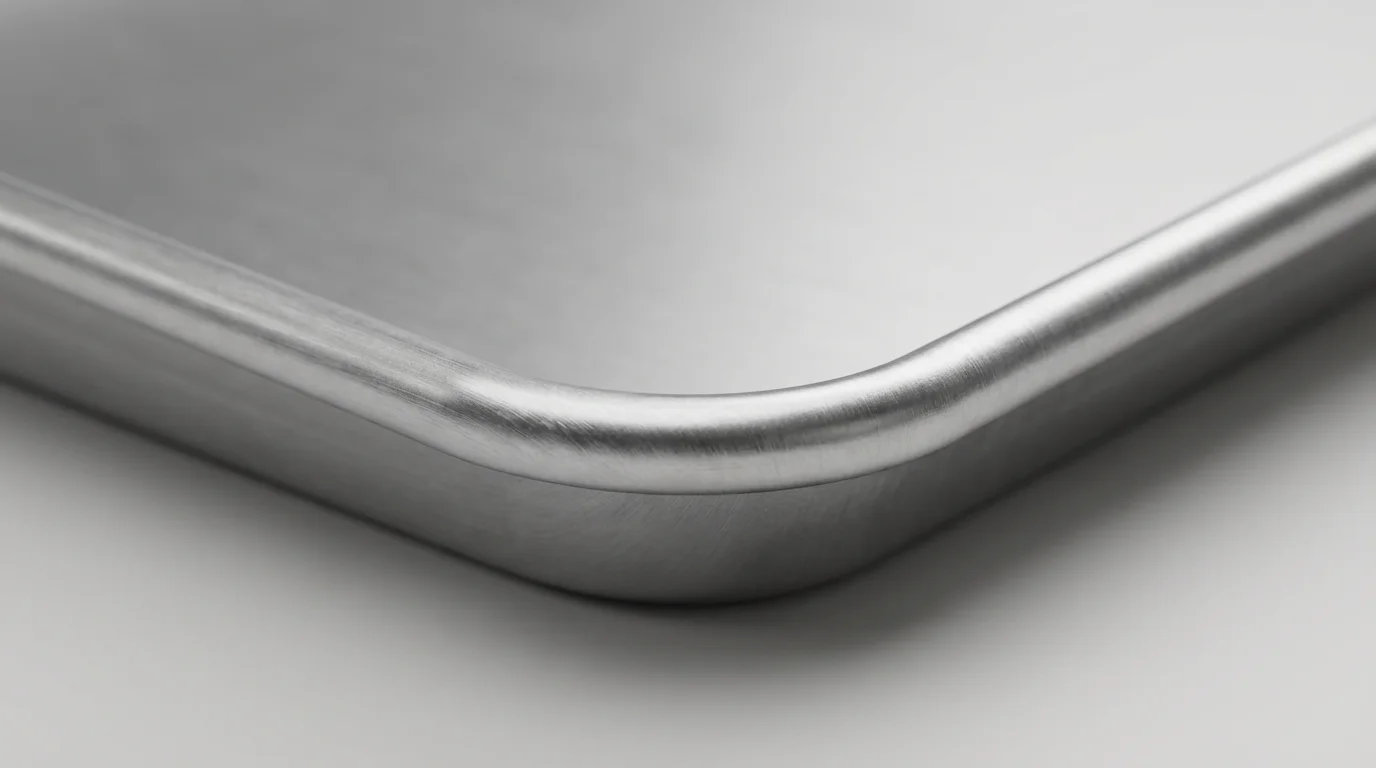
When evaluating aluminum sheets, pay close attention to their gauge. Gauge refers to the thickness of the metal. Lower gauge numbers indicate thicker metal. A 12-gauge or 14-gauge aluminum pan is significantly more durable and less prone to warping than a thinner 18-gauge or 22-gauge alternative. Thicker sheets retain their shape better under high heat and distribute heat more consistently.
Aluminized Steel
Aluminized steel combines the best attributes of both aluminum and steel. Manufacturers create it by hot-dipping steel into an aluminum-silicon alloy. This process results in a material that benefits from aluminum’s superior heat conduction while gaining steel’s strength and rust resistance. The steel core provides rigidity, making aluminized steel baking sheets highly resistant to warping, even at high temperatures. The aluminum-silicon coating prevents reactions with acidic foods and offers a durable, non-corrosive surface. Many professional kitchens favor aluminized steel for its reliability and longevity. It is generally a step up in price from bare aluminum but offers superior performance and durability.
Stainless Steel
While stainless steel excels in pots and pans due to its durability and non-reactivity, it generally performs poorly as a baking sheet. Stainless steel is a notoriously poor conductor of heat, meaning it creates significant hot spots and cold spots across its surface. This leads to very uneven baking and roasting. Foods often burn in some areas while remaining undercooked in others. Stainless steel baking sheets are durable and non-reactive, but their inconsistent heat distribution makes them unsuitable for most baking tasks. We recommend avoiding them for general baking applications.
Non-Stick Coatings
Many baking sheets feature a non-stick coating for easy food release and cleanup. These coatings come in two primary types:
- PTFE (polytetrafluoroethylene): This is the chemical name for coatings commonly known as Teflon. PTFE offers exceptional non-stick properties, making it excellent for delicate items that might otherwise stick. However, PTFE coatings have temperature limitations. Exposing them to temperatures above 450-500°F (232-260°C) can cause the coating to degrade, releasing fumes and losing its non-stick efficacy. PTFE coatings are also susceptible to scratching from metal utensils.
- Ceramic coating: This is a newer non-stick surface made from silica, often touted as a “greener” or “PFAS-free” alternative. Ceramic coatings generally offer good non-stick performance initially, but their durability often lags behind traditional PTFE. They tend to lose their non-stick properties more quickly over time, especially with frequent use or exposure to high heat. You should treat ceramic coatings with care, using only silicone or wood utensils to prevent scratching.
While convenient, non-stick baking sheets typically have a shorter lifespan than bare metal pans. The coatings inevitably degrade, scratch, or chip over time. You should replace them when their non-stick properties diminish significantly.
The Quest for Even Browning: How Heat Distribution Works
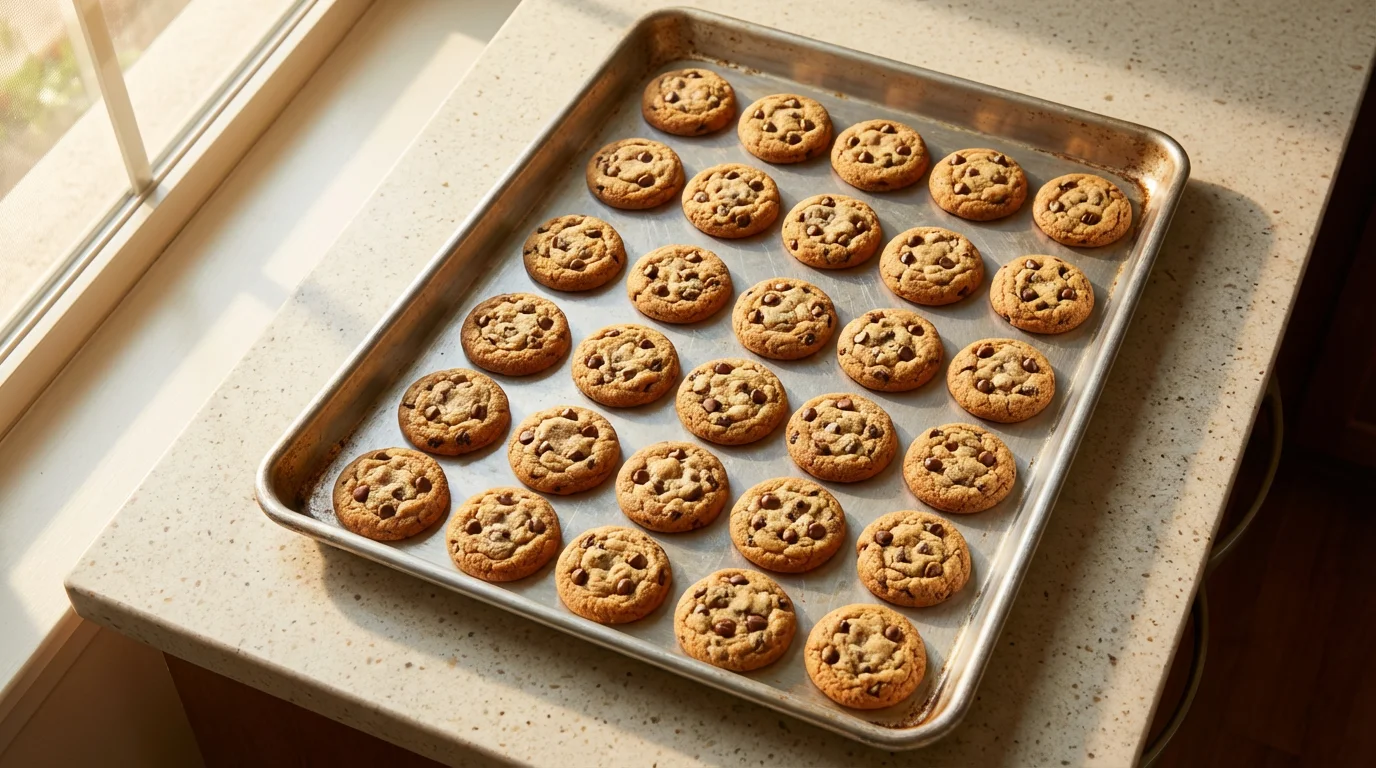
Even browning is the hallmark of well-cooked food, from crispy roasted potatoes to uniform cookies. This consistency directly stems from your baking sheet’s ability to manage and distribute heat. Here’s how it works:
Thermal Conductivity
Different materials have varying levels of thermal conductivity, their ability to transfer heat. Aluminum is an excellent conductor, quickly absorbing heat from the oven and distributing it across its entire surface. This results in consistent temperatures from edge to edge, promoting even browning. Stainless steel, on the other hand, conducts heat poorly. When heat strikes a stainless steel pan, it creates localized hot spots, leading to burnt areas next to undercooked ones.
Metal Gauge and Warping
The thickness of the metal, or its gauge, plays a crucial role in preventing warping. Thin sheets of metal struggle to withstand the rapid temperature changes of a hot oven. When cold dough hits a hot, thin pan, or a hot pan meets a cold countertop, the metal expands and contracts unevenly, causing it to buckle and warp. This warping often creates an audible “pop” and can lead to oils pooling in one area, resulting in unevenly cooked food. Thicker, heavier-gauge sheets have more mass and structural integrity, allowing them to absorb and distribute thermal stress more effectively. They retain their flat shape, ensuring your food cooks uniformly. According to Wirecutter’s cookware assessments, heavier gauge metals are consistently recommended for their superior performance and resistance to warping.
Pan Color
The color of your baking sheet also influences browning. Light-colored, reflective surfaces, like bare aluminum, reflect heat away from the food, resulting in lighter, more even browning. These are ideal for delicate items like cookies or pastries where you want a golden finish without excessive crisping. Darker surfaces, especially those with non-stick coatings, absorb more heat, leading to faster, more intense browning and crisping. Use dark pans cautiously for items prone to burning, such as thin cookies. For roasting vegetables or achieving a deep crust, a darker pan can be beneficial, but monitor your cooking closely.
Size Matters: Half Sheet vs. Quarter Sheet Pan
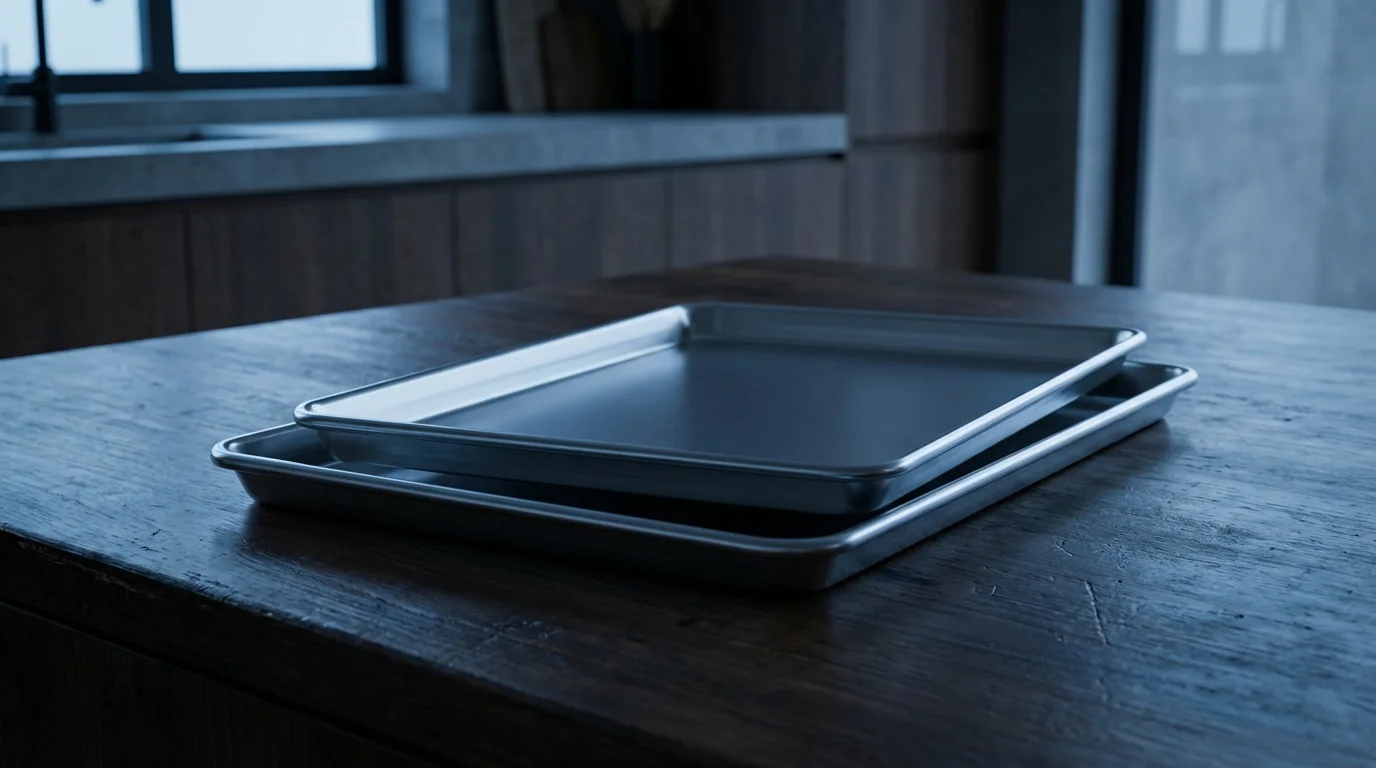
Baking sheets come in various sizes, but two stand out as kitchen workhorses: the half sheet and the quarter sheet. Understanding their standard dimensions and ideal applications helps you choose the right tool for the job.
For individual portions of snacks or desserts, a high-quality set of muffin tins and cupcake pans is another must-have for the home baker.
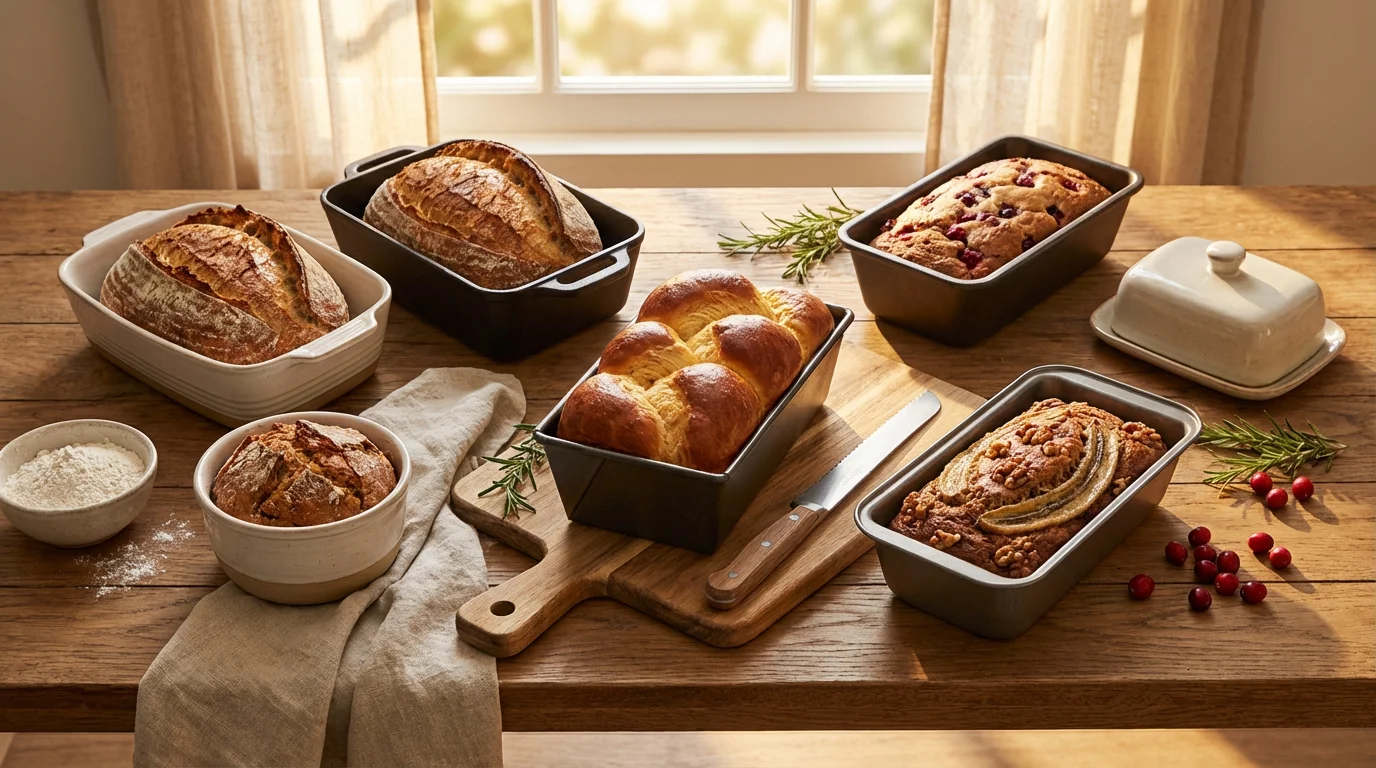
While sheet pans are essential for cookies, specialized loaf pans are required for achieving the perfect rise in your favorite bread recipes.
Half Sheet Pan
The standard “half sheet” pan measures approximately 18 x 13 inches (45.7 x 33 cm). This size is named because it represents half the size of a commercial full sheet pan. It is the most versatile and widely used size for home cooks. A half sheet pan fits comfortably in most standard home ovens, providing ample space for a batch of cookies, a sheet pan dinner for a family, or roasting a generous quantity of vegetables. Its large surface area allows for proper air circulation around food, which is essential for even cooking and browning. You can often fit two half sheet pans side by side in larger ovens, maximizing your cooking capacity.
Quarter Sheet Pan
A “quarter sheet” pan typically measures around 9 x 13 inches (22.9 x 33 cm). This pan is a quarter of the size of a commercial full sheet pan. It’s perfect for smaller tasks, such as toasting nuts, roasting a single chicken breast, baking a small batch of brownies, or heating up leftovers. Quarter sheet pans are also useful for organizing ingredients during meal prep or using as a tray to carry items. Their compact size makes them ideal for smaller ovens or when you only need to cook a small portion. Many home cooks find a quarter sheet invaluable for everyday tasks that do not require the expansive surface of a half sheet.
Choosing the Right Size
For most home cooks, the half sheet pan is the essential starting point due to its versatility. If you frequently cook for one or two people, or have a smaller oven, a quarter sheet pan makes an excellent addition. Consider how you typically cook and the volume of food you prepare. A well-stocked kitchen often includes at least two half sheet pans and one or two quarter sheet pans.
Top Performers: Our Picks for Warp-Resistant Baking Sheets
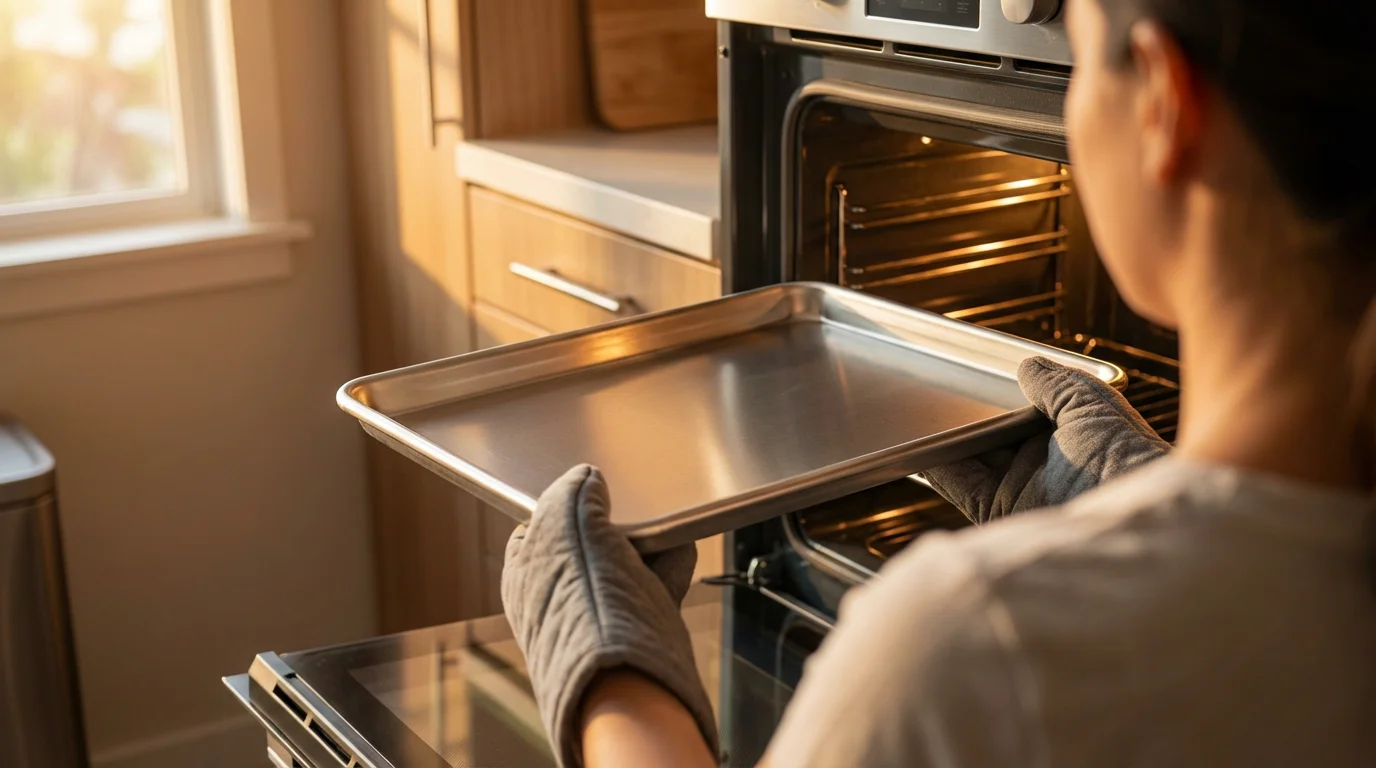
Investing in a high-quality baking sheet means choosing one that stands up to repeated high-heat use without buckling. The best baking sheet that doesn’t warp typically features heavy-gauge aluminized steel or thick, natural aluminum. Here are some of our top recommendations, focusing on durability, heat distribution, and overall value.
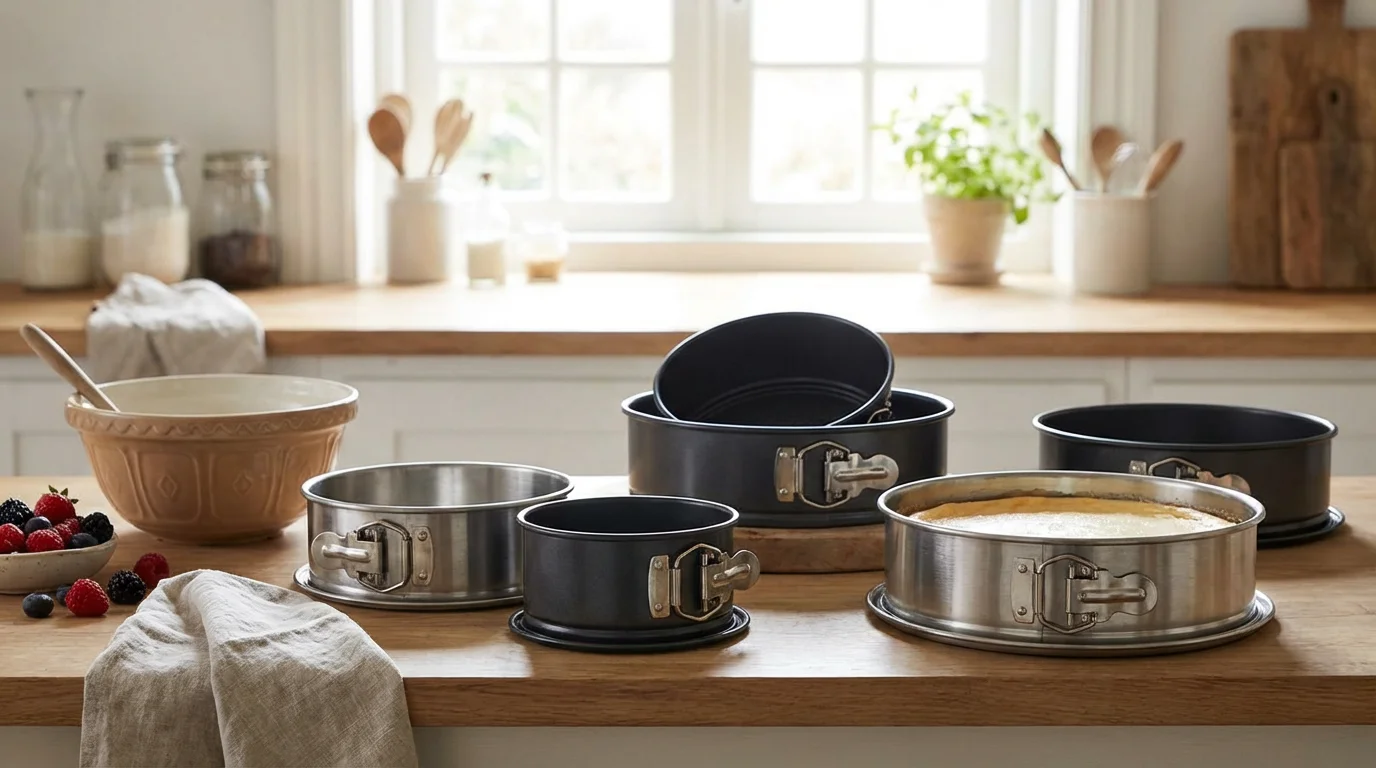
Beyond sheet cakes, investing in the best cake pans will help you achieve professional results when baking layered celebration cakes.
Nordic Ware Natural Aluminum Commercial Baker’s Half Sheet
This pan is a perennial favorite for its outstanding performance and value. Constructed from heavy 10-gauge natural aluminum, it provides superior heat distribution and impressive warp resistance. The light color promotes even, gentle browning, making it perfect for cookies, pastries, and delicate baked goods. It features a reinforced encapsulated steel rim for added strength. This pan proves that you do not need to spend a fortune for professional-grade results.
OXO Good Grips Non-Stick Pro Half Sheet
For those who prioritize easy release, the OXO Good Grips Pro series offers an excellent aluminized steel option. This pan features a commercial-grade, double-layer ceramic-reinforced non-stick coating. The micro-textured pattern on the surface promotes even airflow and ensures easy food release without excessive oil. While it has a non-stick coating, the aluminized steel core provides robust warp resistance. You should keep in mind the temperature limits of its non-stick surface, typically around 450°F (232°C).
Vollrath Wear-Ever Half Size Sheet Pan
If you seek a truly professional-grade option, the Vollrath Wear-Ever pan delivers. Made from heavy-duty 14-gauge aluminum alloy, it boasts exceptional durability and warp resistance. This pan’s construction is designed for demanding commercial kitchens, translating to a lifetime of reliable performance in your home. It’s a bare aluminum pan, so you might want to use parchment paper or a silicone mat for easy cleanup and preventing sticking. Its robust build makes it an excellent choice for high-temperature roasting.
“A heavy-gauge aluminum or aluminized steel baking sheet costs a bit more upfront, but its ability to resist warping and deliver consistent results means you replace it far less often. Consider it an investment in consistently good food.”
Comparison Table: Warp-Resistant Baking Sheets
Below, you will find a comparison of our top picks, highlighting their key features:
| Feature | Nordic Ware Natural Aluminum | OXO Good Grips Non-Stick Pro | Vollrath Wear-Ever |
|---|---|---|---|
| Material | 10-Gauge Natural Aluminum | Aluminized Steel with Ceramic Non-Stick | 14-Gauge Aluminum Alloy |
| Warp Resistance | Excellent (Heavy Gauge) | Excellent (Aluminized Steel Core) | Superior (Heavy Commercial Grade) |
| Heat Distribution | Excellent, Even | Excellent, Even | Excellent, Even |
| Surface Finish | Bare Aluminum (Light) | Non-Stick (Dark, Micro-Textured) | Bare Aluminum (Light) |
| Max Oven-Safe Temp | Up to 550°F (288°C) | Up to 450°F (232°C) | Up to 550°F (288°C) |
| Best For | Cookies, pastries, all-purpose baking | Sticky foods, easy cleanup, everyday baking | High-temp roasting, heavy-duty use, professional results |
| Price Point | Budget-Friendly | Mid-Range | Mid-Range to Premium |
Non-Stick vs. Bare Metal: Making the Right Choice
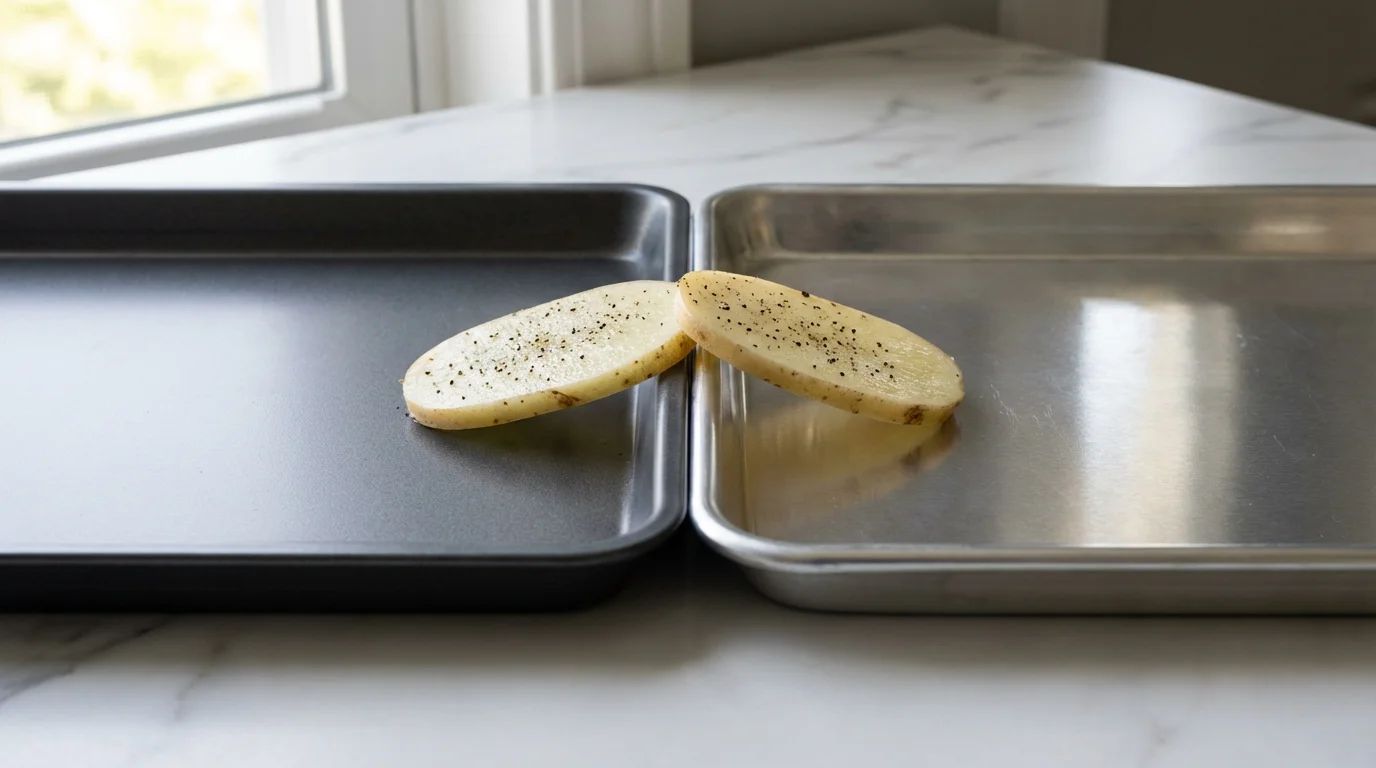
The choice between a non-stick and a bare metal baking sheet significantly impacts your cooking results and cleanup routine. Each type excels in different scenarios, and a well-equipped kitchen often benefits from having both.
When you need to cook and serve in the same vessel, casserole dishes provide a beautiful presentation that sheet pans cannot match.
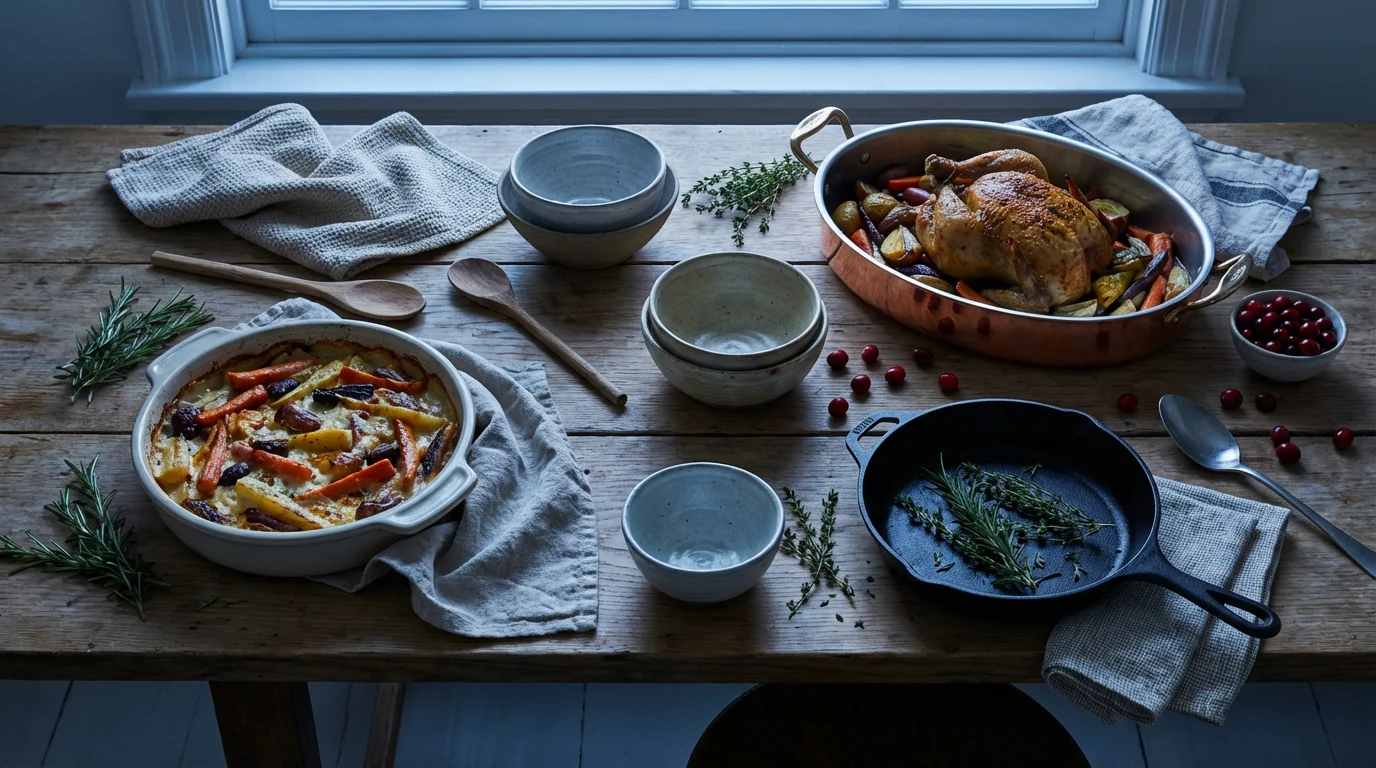
For larger cuts of meat or holiday turkeys where you need deeper sides to catch drippings, specialized roasting pans are far superior to a flat baking sheet.
When to Choose Bare Metal (Aluminum or Aluminized Steel)
Bare metal pans are the champions of browning and crisping. They conduct heat efficiently and allow for direct contact between your food and the hot metal surface, which is crucial for the Maillard reaction that creates rich flavors and beautiful golden-brown crusts. We recommend bare metal sheets for:
- Roasting vegetables: Achieve tender interiors and crispy exteriors.
- Baking cookies: Bare aluminum provides even, gentle heat for uniform cookie bottoms.
- Sheet pan dinners: For maximum searing and caramelization of proteins and vegetables.
- High-temperature cooking: Bare metal pans tolerate oven temperatures up to 500-550°F (260-288°C) without degradation, unlike most non-stick coatings.
While bare metal requires a little more effort for cleanup, using parchment paper or silicone baking mats mitigates sticking issues effectively. According to Serious Eats’ equipment reviews, professional chefs often prefer bare aluminum for its superior browning capabilities.
When to Choose Non-Stick
Non-stick baking sheets offer unparalleled convenience for specific tasks. Their easy-release surface minimizes the need for extra oil or parchment, and cleanup is typically a breeze. Consider non-stick for:
- Delicate baked goods: Items like meringues, delicate cookies, or sticky caramels release effortlessly.
- Foods prone to sticking: Dishes with sugary glazes or cheese benefit from the non-stick surface.
- Lower temperature baking: For dishes cooked at or below 400-450°F (204-232°C), respecting the coating’s temperature limits.
The primary drawback of non-stick is its limited lifespan. The coatings inevitably scratch, chip, or degrade over time, losing their efficacy. You must also avoid metal utensils, abrasive cleaners, and high heat to prolong their life. When the coating starts to fail, your pan becomes less effective and can pose health concerns if particles flake off into food.
Care and Maintenance for Longevity
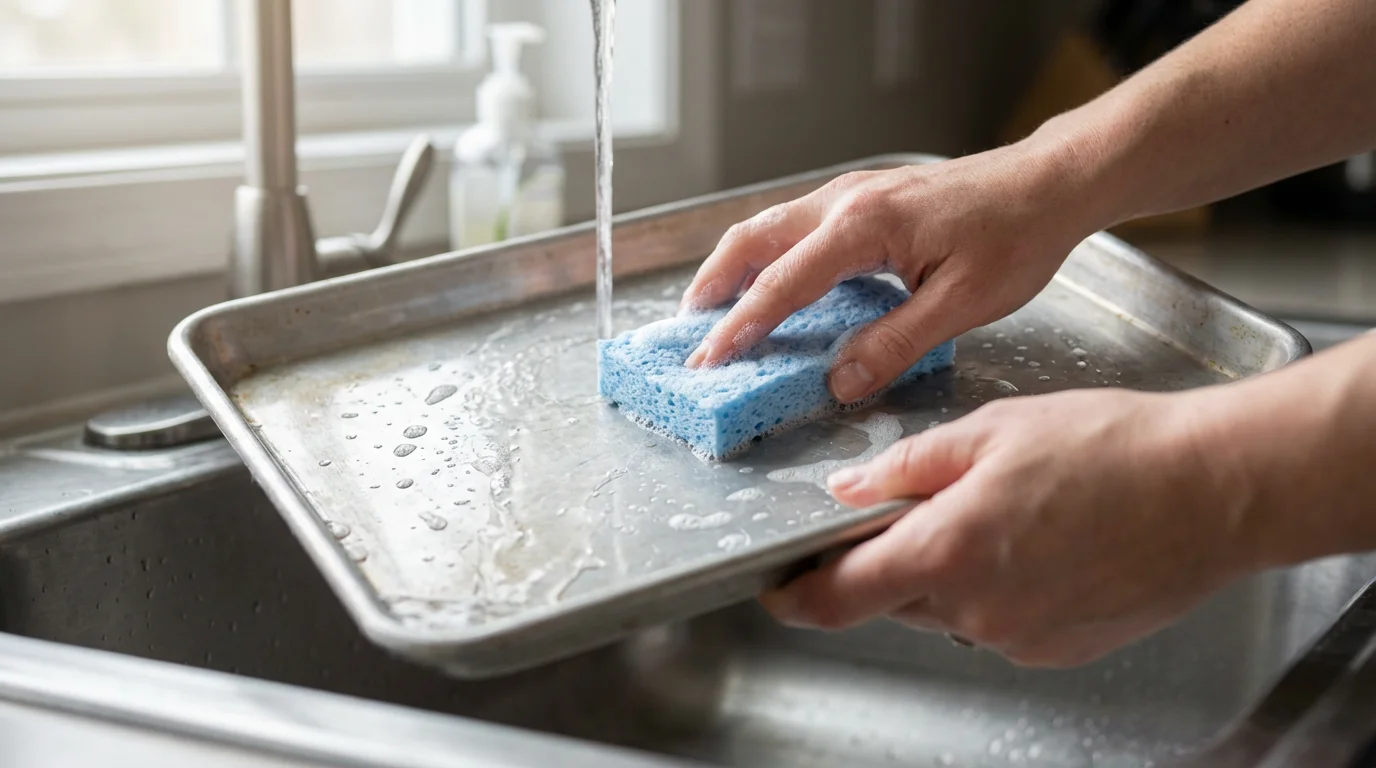
Proper care significantly extends the life and performance of your baking sheets. Different materials require specific attention to maintain their integrity and non-stick properties.
For Bare Aluminum and Aluminized Steel Pans
These pans are generally durable but can discolor or develop residue if not cleaned properly.
- Hand Wash Only: Avoid the dishwasher. The harsh detergents and high heat of a dishwasher cause oxidation and discoloration on bare aluminum, leading to a dull finish and potential pitting. Aluminized steel also benefits from hand washing to preserve its coating.
- Gentle Cleaning: Use warm, soapy water and a soft sponge or nylon brush. For stubborn baked-on food, soak the pan in hot, soapy water for 15-30 minutes before gently scrubbing.
- Avoid Abrasives: Do not use steel wool, abrasive scouring pads, or harsh chemical cleaners, as these can scratch the surface and dull the finish.
- Prevent Warping: Allow your pans to cool down gradually after removing them from the oven. Plunging a hot pan into cold water can shock the metal, causing it to warp.
- Storage: Store pans flat if possible. Stacking them too tightly can lead to scratches. Place a sheet of parchment paper or a kitchen towel between stacked pans for protection.
For Non-Stick Coated Pans (PTFE or Ceramic)
Non-stick coatings are convenient but require extra care to preserve their integrity.
- Hand Wash is Best: While some non-stick pans are labeled “dishwasher safe,” hand washing is always preferred. Dishwasher detergents are abrasive and can degrade non-stick coatings over time, shortening their lifespan.
- Soft Utensils Only: Always use wooden, silicone, or plastic utensils. Metal utensils will scratch and damage the non-stick surface, causing it to peel or flake.
- Low to Medium Heat: Respect the pan’s maximum oven-safe temperature. Excessive heat breaks down non-stick coatings. For PTFE, this is typically around 450-500°F (232-260°C). For ceramic, it might be slightly lower.
- Avoid Cooking Sprays: Commercial cooking sprays often contain lecithin, which can bake onto the non-stick surface, creating a sticky residue that is difficult to remove and eventually compromises the non-stick properties. Use a small amount of oil or butter instead.
- Gentle Cleaning: Use warm, soapy water and a soft sponge. Avoid abrasive cleaners or scrubbing pads.
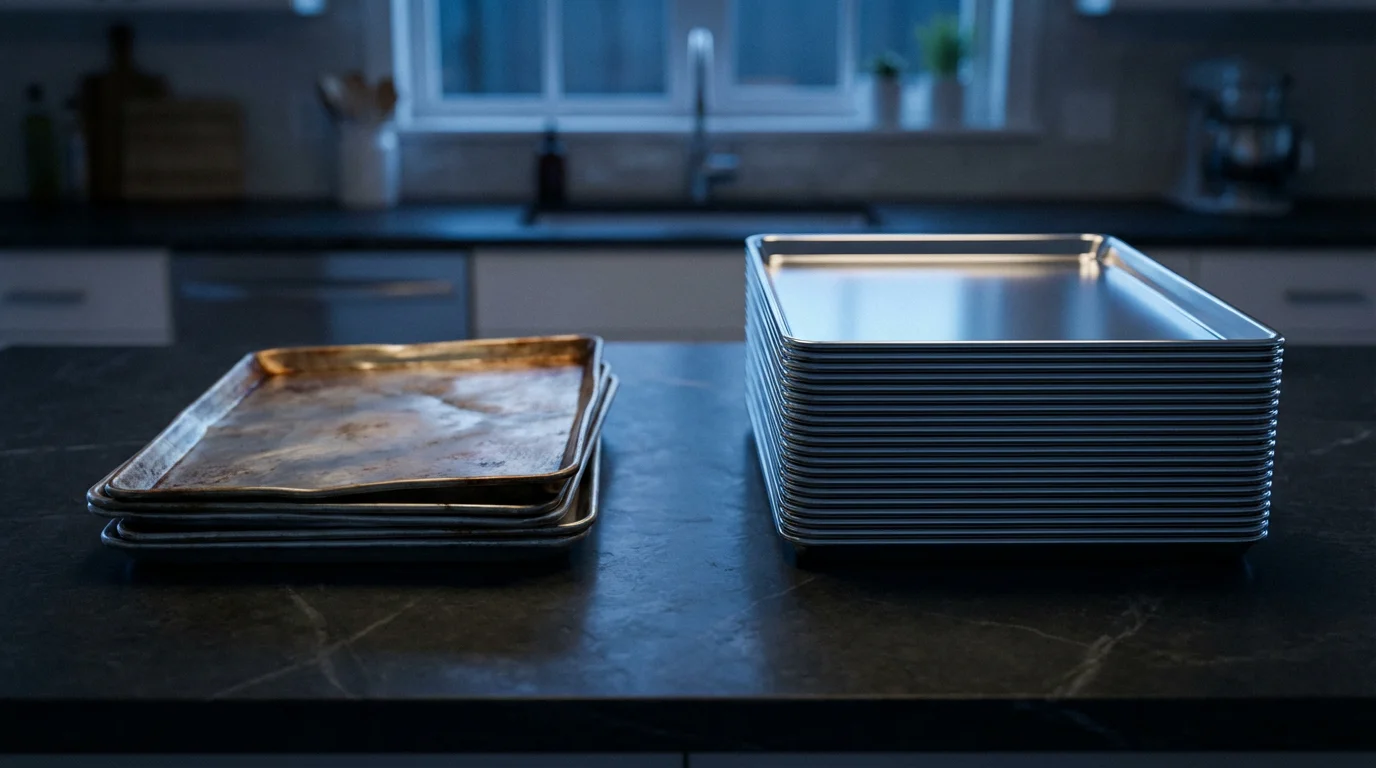
Budget-Friendly vs. Premium: Finding Your Sweet Spot
The market for baking sheets ranges from inexpensive, flimsy options to heavy-duty, professional-grade models. Deciding how much to spend depends on your cooking habits, expectations for durability, and willingness to re-purchase.
Budget-Friendly Options
You can find perfectly functional baking sheets at lower price points, typically around $10-$15 for a half sheet. These are often thinner gauge aluminum or basic non-stick options. While they get the job done for occasional baking, they are more prone to warping and their non-stick coatings degrade faster. If you bake infrequently or are just starting out, a budget-friendly bare aluminum pan like the Nordic Ware Natural Aluminum Commercial Baker’s Half Sheet provides excellent value and performance that often rivals more expensive options. It stands as a testament to quality without breaking the bank.
Mid-Range Options
In the $20-$40 range, you enter the territory of heavy-gauge aluminized steel or thicker natural aluminum pans. These offer significant improvements in warp resistance, heat distribution, and overall durability. Brands like OXO Good Grips Pro or thicker Nordic Ware variants fall into this category. This price point offers the best balance of performance, longevity, and value for most home cooks. You get reliable performance that lasts for many years with proper care.
Premium Options
Premium baking sheets, often priced above $40, are typically commercial-grade products or those from high-end cookware brands. These are usually exceptionally heavy-gauge aluminized steel or aluminum alloys, designed for constant, rigorous use. Vollrath Wear-Ever pans exemplify this category, providing industrial-strength durability. While excellent, the performance gains over a good mid-range option might be marginal for the average home cook. If you demand the absolute best in durability and plan to use your baking sheets daily for demanding tasks, a premium pan is a worthwhile investment. For the occasional baker, the extra cost may not translate into a proportional increase in practical benefit.
“Spend wisely. A sturdy, uncoated aluminum sheet pan for under $20 can outperform a pricier, poorly constructed non-stick pan. Prioritize material and gauge over brand name or flashy coatings.”
Essential Baking Sheet Accessories
While a good baking sheet is your foundation, certain accessories enhance its performance and make your cooking experience easier and cleaner. These items are indispensable in any functional kitchen.
Parchment Paper
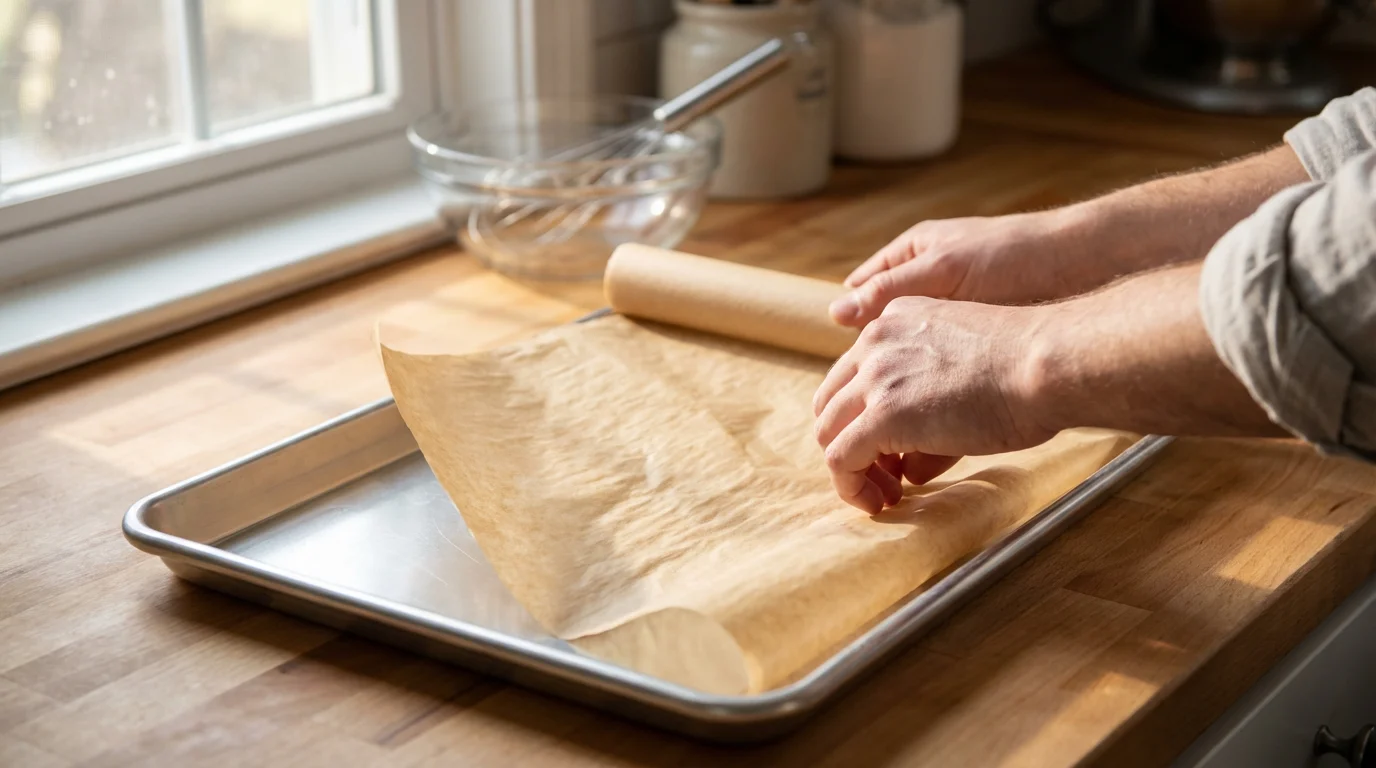
Parchment paper is a non-negotiable accessory for baking sheets. It provides an instant non-stick surface, making cleanup a breeze for sticky foods like roasted vegetables with glazes, or sugary cookies. It also helps prevent scorching on the bottom of delicate items and ensures even baking by creating a thin, insulated layer. Look for unbleached parchment paper for a more natural option, or silicone-coated parchment for superior non-stick properties. Always check its maximum temperature rating, which is typically around 425°F (218°C).
Silicone Baking Mats
Reusable silicone baking mats, often known by the brand name Silpat, are an eco-friendly alternative to parchment paper. They offer an excellent non-stick surface and promote even baking. Food releases effortlessly, and cleanup is minimal. Silicone mats are durable, oven-safe up to higher temperatures than most parchment (often 500°F or 260°C), and can be washed and reused hundreds of times. They are particularly good for cookies, macarons, and anything where precise browning and easy release are critical.
Cooling Racks
A wire cooling rack designed to fit inside or on top of your half sheet pan is incredibly useful. Placing food on a rack allows air to circulate underneath, preventing soggy bottoms on roasted items or cookies. When roasting meats or vegetables, a rack elevates the food, allowing fat and juices to drip away into the pan below, resulting in crispier results. Choose stainless steel racks for durability and rust resistance. You can also use a cooling rack for glazing pastries or simply as a trivet.
Frequently Asked Questions
What is the difference between a baking sheet and a cookie sheet?
The terms “baking sheet” and “cookie sheet” are often used interchangeably, but historically, they had a slight distinction. A traditional cookie sheet had only one raised edge, or sometimes no raised edges, allowing cookies to slide off easily. A baking sheet, also known as a sheet pan, features a raised rim on all four sides. This rim prevents liquids from spilling over and provides a structural advantage, helping to resist warping. Today, most general-purpose pans with four raised edges are called baking sheets or sheet pans, and they are perfectly suitable for baking cookies. For maximum versatility, choose a baking sheet with four rims.
How do I prevent my baking sheet from warping?
To prevent your baking sheet from warping, choose a heavy-gauge pan, preferably made from aluminized steel or thick aluminum. Avoid thin, lightweight sheets. Preheat your oven fully before placing food on the pan to minimize sudden temperature shocks. Also, allow the hot pan to cool gradually on a wire rack or stovetop before attempting to clean it. Do not plunge a hot pan into cold water. These practices reduce the thermal stress on the metal, helping it maintain its flat shape.
Is a dark baking sheet better than a light one?
Neither is inherently “better”; they serve different purposes. Light-colored, reflective baking sheets promote lighter, more even browning by reflecting heat. They are ideal for delicate baked goods like cookies, pastries, and anything you want gently golden. Dark-colored sheets absorb more heat, leading to faster, more intense browning and crisping. Use them for roasted vegetables or achieving a deeper crust on certain dishes, but monitor your food closely to prevent burning. For general versatility, a light-colored, natural aluminum or aluminized steel pan is usually preferred.
Can I use aluminum foil directly on my baking sheet?
Yes, you can use aluminum foil directly on your baking sheet. It helps with cleanup, especially for sticky or greasy foods. However, be aware that aluminum foil reflects heat, similar to a light-colored pan, potentially affecting browning. If you are roasting vegetables or seeking crispiness, the foil might reduce direct contact with the hot metal, leading to slightly less browning on the bottom. For most tasks, it’s a convenient option. Just ensure it covers the pan completely to avoid food juices getting underneath.
When should I replace my baking sheets?
You should replace bare metal baking sheets if they become severely warped, pitted, or excessively corroded, as these conditions affect cooking performance and food safety. For non-stick baking sheets, replacement becomes necessary when the non-stick coating starts to scratch, chip, peel, or lose its effectiveness. A failing non-stick surface no longer releases food easily and can potentially leach particles into your food, making it time for an upgrade. Typically, a bare metal pan will outlast a non-stick pan significantly.
Disclaimer: Product prices and availability change frequently. Prices shown were accurate at time of writing but may have changed. We may earn a small commission from purchases made through links on this site, at no extra cost to you. Always verify current pricing on the retailer’s website before purchasing.

Leave a Reply