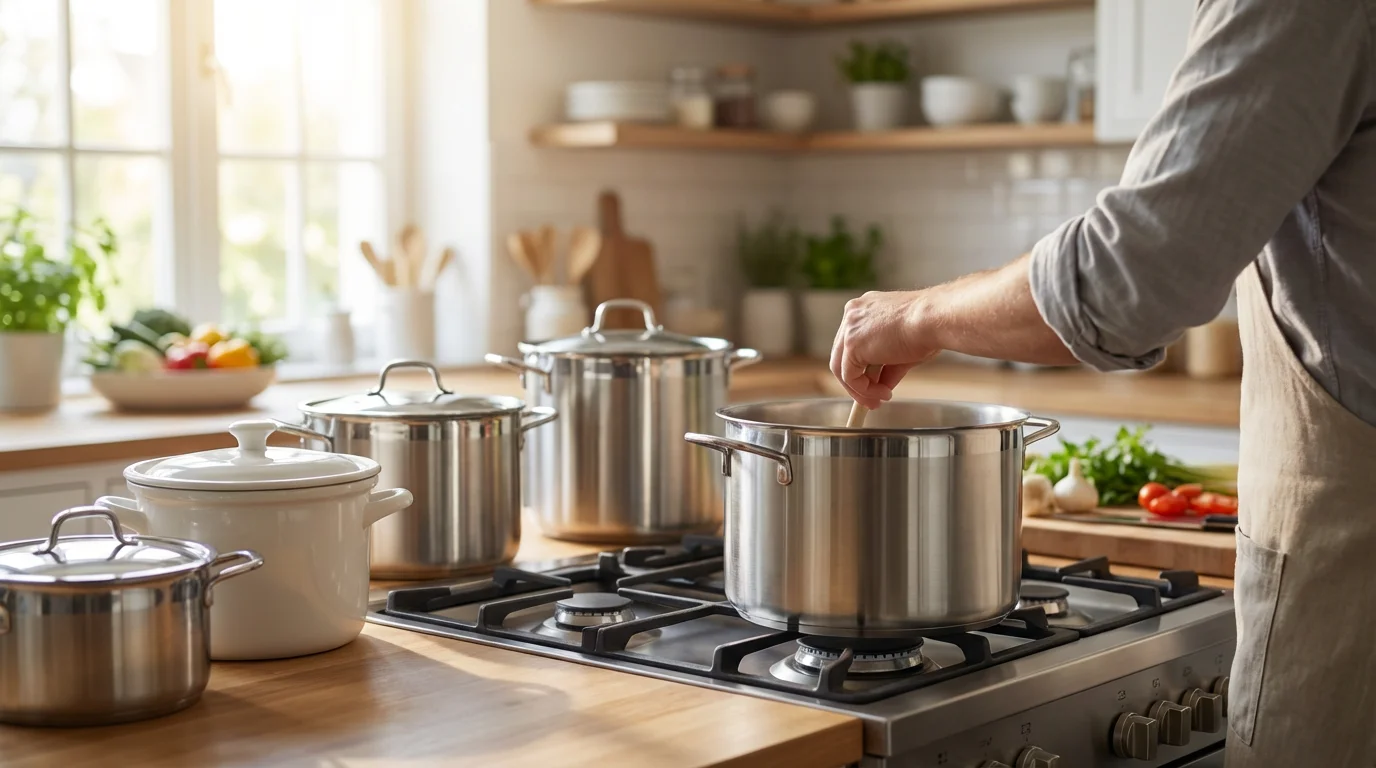
Choosing the right stockpot is crucial for any home cook who loves making soup, chili, pasta, or big batches of stock. But with so many sizes and materials available, how do you decide what truly fits your kitchen and cooking habits? This guide cuts through the confusion, helping you understand stockpot sizes, materials, and brands so you make an informed decision.
The Essential Stockpot: More Than Just a Large Pot
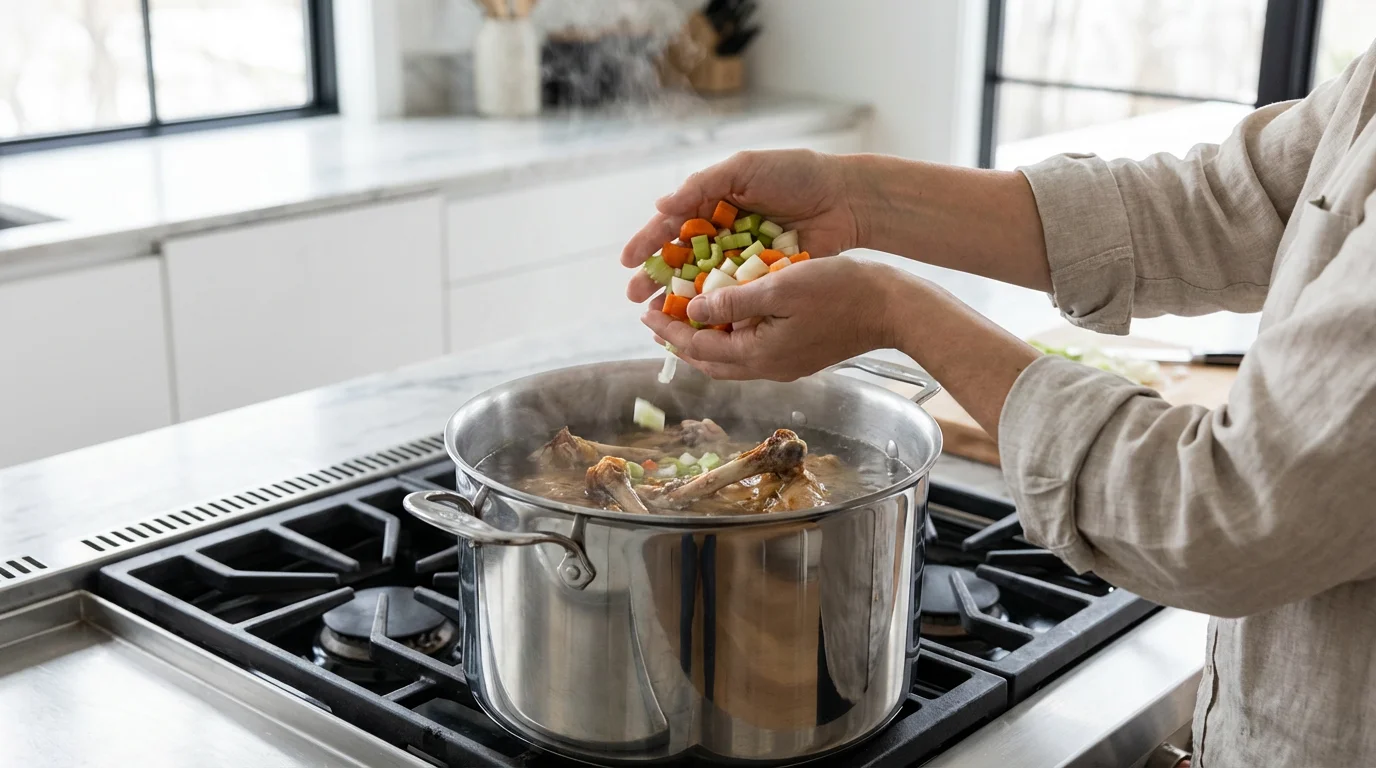
A stockpot is a tall, narrow pot with a flat bottom, two loop handles, and a lid, designed for cooking large quantities of liquid-based dishes. Its height minimizes evaporation, which is ideal for simmering stocks, broths, and soups over extended periods. While you might use a large pot for boiling pasta or blanching vegetables, a true stockpot’s design optimizes it for volume and slow, even cooking.
For smaller tasks like boiling a single egg or making a reduction, the best saucepans are a more efficient choice than a heavy stockpot.
Think beyond just making soup. A versatile stockpot allows you to batch cook chili, prepare corn on the cob for a crowd, steam tamales, boil a whole chicken, or even homebrew beer. Understanding its primary function helps you appreciate why selecting the correct size and material is so important.
“A good stockpot is a workhorse, not a show pony. Its value comes from its capacity and ability to handle long, slow simmers without scorching, making it indispensable for foundational cooking.”
Decoding Stockpot Sizes: Practical Guidelines for Your Kitchen
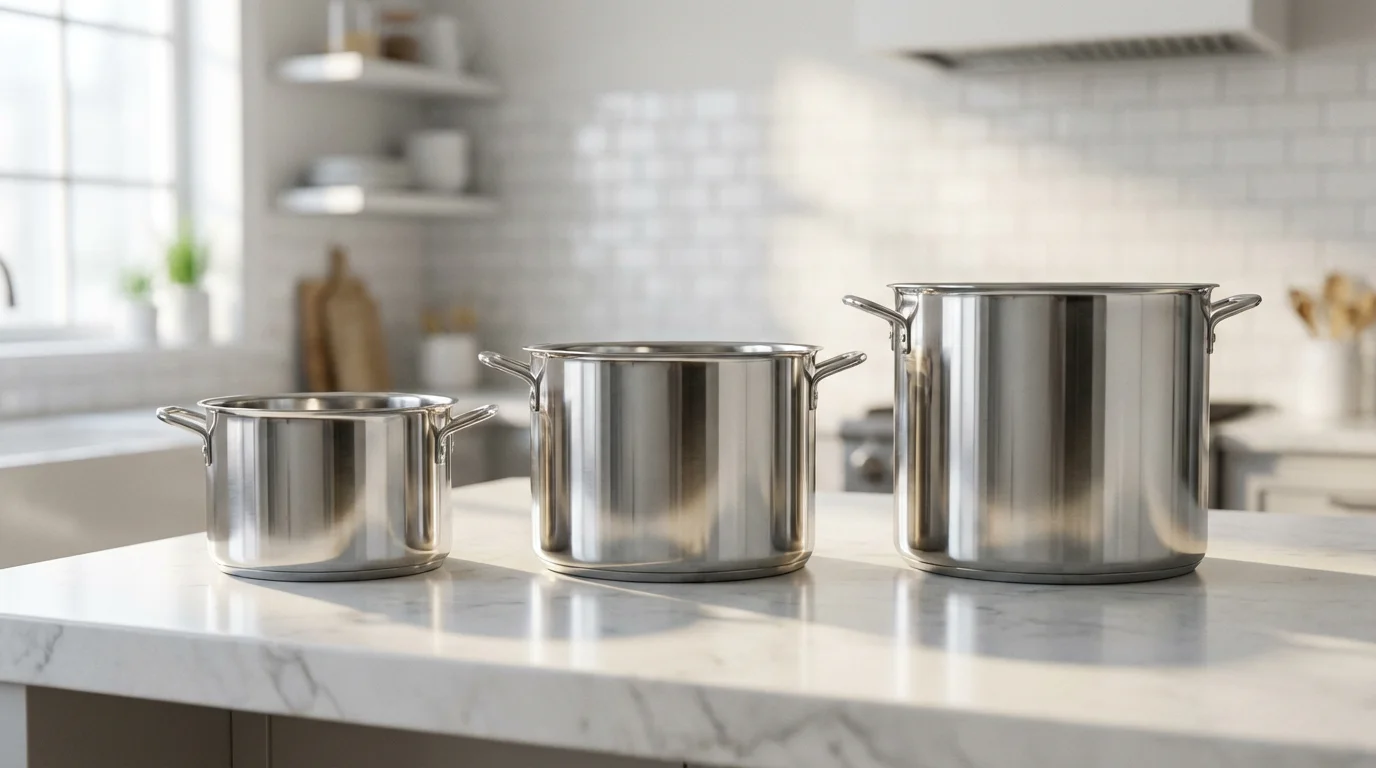
The core question for many home cooks remains: what size stockpot for making soup, broth, or other large-volume meals? Stockpot sizes typically range from 4 quarts to 20 quarts or more. Matching the size to your household needs and cooking habits ensures you do not buy something too small for batch cooking or too large for daily use.
When cooking large meats where dry heat is preferred, specialized roasting pans provide the surface area needed for even browning.
Small Stockpots: 4-8 Quarts
- Ideal For: Everyday soups, small batches of chili, boiling pasta for 1-2 people, reheating leftovers, blanching small quantities of vegetables.
- Considerations: A 6-quart or 8-quart stockpot serves as an excellent complement to your existing cookware, perfect for when your Dutch oven is occupied or you need a lighter option. This size is often called a “soup pot” due to its utility for smaller, daily liquid preparations.
Medium Stockpots: 8-12 Quarts
- Ideal For: Family-sized portions of soup or stew, standard batches of chili, preparing larger pasta dishes, cooking grains like rice or quinoa in bulk, making chicken noodle soup for a typical family of four to six. This is often the best stockpot for batch cooking for an average family.
- Considerations: An 8-quart or 10-quart stockpot strikes a great balance for most households. It is substantial enough for many tasks without being cumbersome to store or too heavy to lift when full.
Large Stockpots: 12-20 Quarts
- Ideal For: Serious batch cooking, preparing stocks and broths from scratch, canning projects, serving large gatherings or parties, boiling seafood. A 16-quart or 20-quart stockpot excels when you need to make a substantial quantity of anything liquid.
- Considerations: This size demands significant stovetop space and storage. Ensure your burners can accommodate its wide base and your cabinets can hold its height. It is a fantastic investment for avid meal preppers or those who frequently entertain.
Extra Large Stockpots: 20+ Quarts
- Ideal For: Homebrewing, boiling massive amounts of pasta or corn on the cob, preparing stock for commercial use or very large community events, cooking a whole turkey or ham in liquid.
- Considerations: These are specialized tools. Most home kitchens do not require a stockpot this large. Confirm your stove has the BTU power to heat such a volume efficiently and that you have a safe way to move it when full.
When you consider what size stockpot for making soup, think about your maximum likely use case. It is generally better to have a slightly larger pot than one that constantly overflows. However, a pot that is too large for your typical needs wastes energy and takes up valuable space.
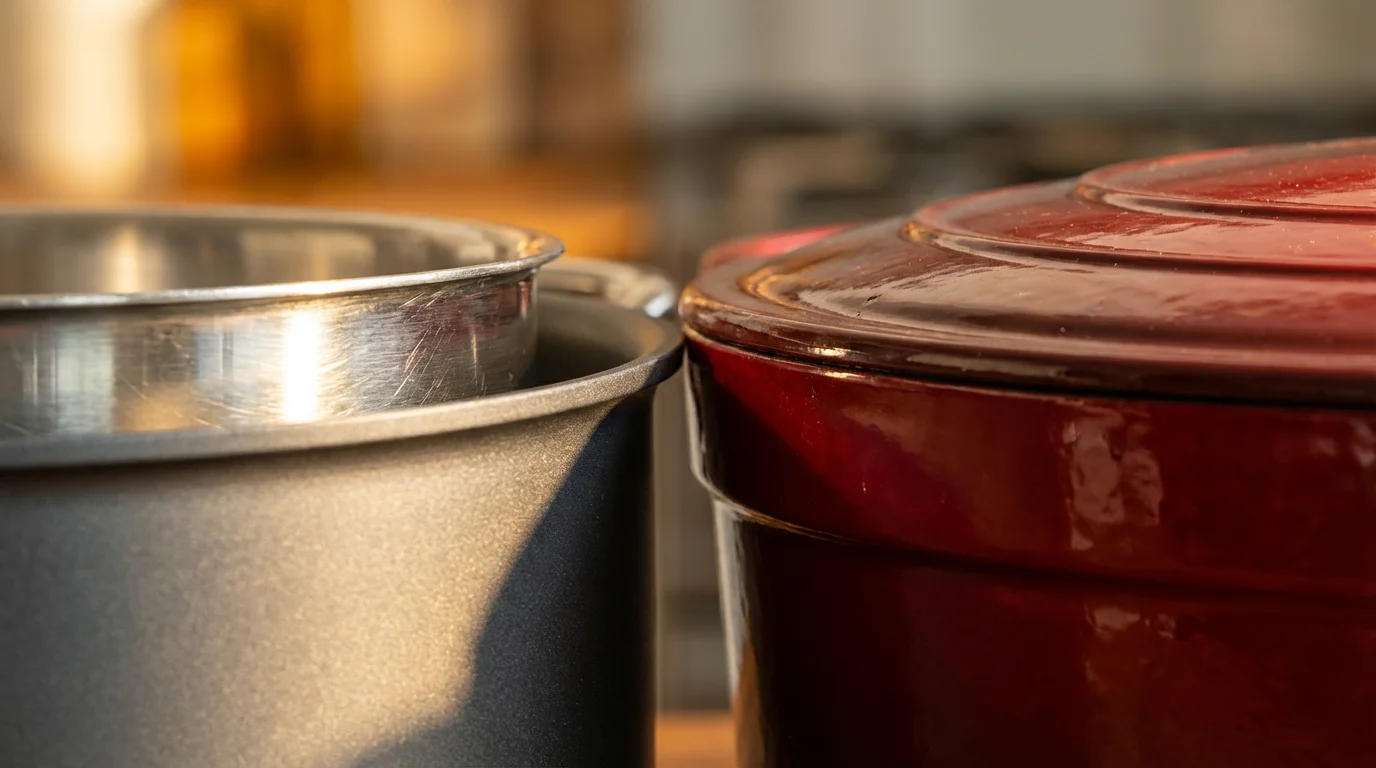
Stockpot Material Science: Stainless Steel, Aluminum, and Enamel-on-Cast Iron
The material of your stockpot dictates its performance, durability, and maintenance. Understanding the “material science” helps you choose wisely.
Keep in mind that while metal pots are durable, non-stick pans remain the top choice for easy cleanup when cooking delicate foods.
Stainless Steel
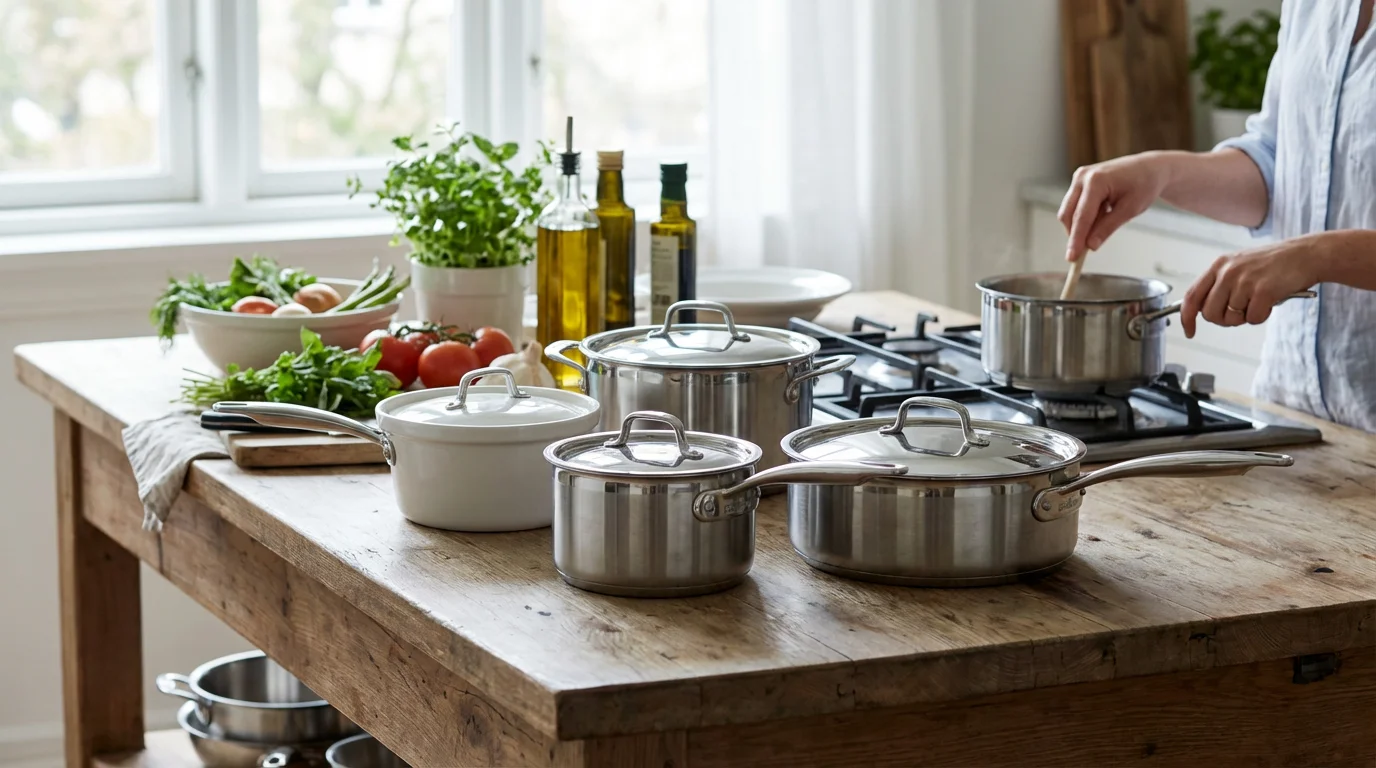
Stainless steel is a popular choice for stockpots due to its durability, non-reactivity, and ease of cleaning. It does not react with acidic foods, meaning your tomato sauce or lemon-infused broth will taste pure. However, stainless steel alone is a poor conductor of heat. This is where “tri-ply” construction comes in. “Tri-ply” refers to three layers of metal bonded together: typically stainless steel on the outside and inside, with a core of aluminum or copper. This construction significantly improves “heat distribution,” which is how evenly the pan spreads heat across its surface, preventing hot spots and scorching.
- Pros: Highly durable, non-reactive, non-corrosive, induction compatible if magnetic, generally dishwasher safe.
- Cons: Pure stainless steel has poor heat conductivity (look for tri-ply or encapsulated bottoms), food can stick if not heated properly.
- Consideration: Pay attention to the “gauge” or thickness of the metal. Lower numbers mean thicker metal, which often translates to better durability and heat retention, especially in tri-ply construction.
Aluminum
Aluminum is an excellent conductor of heat, second only to copper. It heats up quickly and evenly, making it efficient for boiling water or quickly bringing liquids to a simmer. It is also lightweight and relatively inexpensive.
- Pros: Superb heat conductivity, lightweight, affordable.
- Cons: Reactive with acidic foods (can impart a metallic taste and discolor food), relatively soft and prone to denting, not induction compatible unless specifically designed with a magnetic base.
- Consideration: Anodized aluminum offers a harder, non-reactive surface, but it is less common for large stockpots. Many commercial kitchens use aluminum for its efficiency, but home cooks may prefer stainless steel for non-reactivity.
Enamel-on-Cast Iron (Dutch Ovens)
While often called Dutch ovens, many enameled cast iron pieces function perfectly as stockpots, especially in sizes up to 7-9 quarts. Cast iron excels at heat retention and even heat distribution once hot. The enamel coating makes it non-reactive and easy to clean, eliminating the need for “seasoning” (a protective coating built up on bare cast iron through oil and heat).
- Pros: Excellent heat retention and distribution, non-reactive, beautiful, extremely durable, “oven-safe” to high temperatures (check manufacturer’s specs).
- Cons: Very heavy, often expensive, slow to heat up.
- Consideration: Ideal for slow-cooked stews, braises, and chili where consistent, gentle heat is paramount. They may not be the primary choice for rapidly boiling large volumes of water due to their weight and slow heating.
| Material | Heat Distribution | Durability | Maintenance | Reactivity | Induction Compatible | Price Range |
|---|---|---|---|---|---|---|
| Stainless Steel (Tri-Ply) | Excellent (due to core) | High | Easy (dishwasher safe) | Non-reactive | Yes (if magnetic) | Mid-High |
| Aluminum | Excellent | Moderate (prone to dents) | Easy (hand wash) | Reactive | No (unless magnetic base) | Low-Mid |
| Enamel-on-Cast Iron | Excellent (retention) | Very High | Easy (hand wash) | Non-reactive | Yes | High |
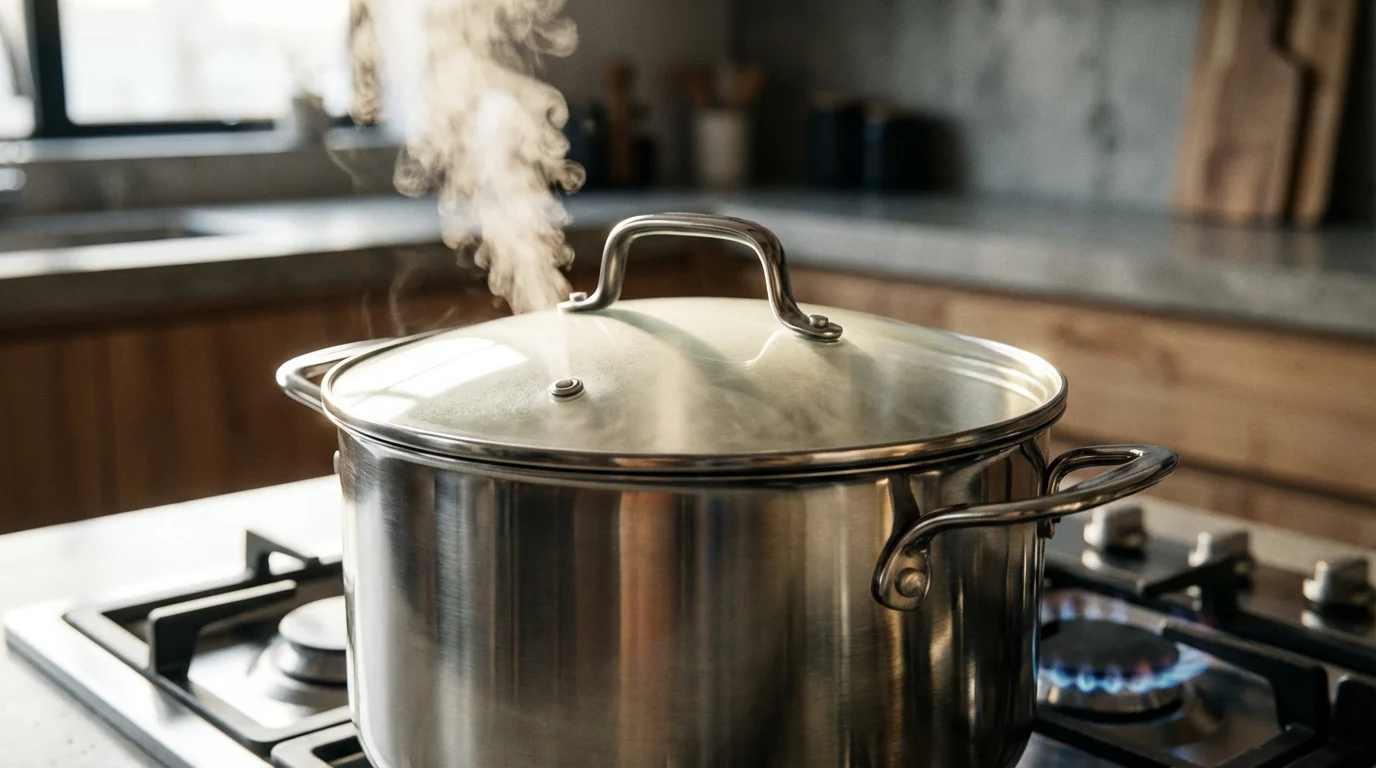
Beyond Size and Material: Key Features for Stockpot Performance
Beyond the core material, several features contribute to a stockpot’s overall utility and longevity.
While stockpots are designed for the stovetop, casserole dishes are better suited for baked pasta and dense side dishes that finish in the oven.
Lids
A tight-fitting lid is essential for a stockpot. It minimizes evaporation, which is critical when simmering stock for hours, ensuring your liquid does not reduce too quickly. It also helps liquids come to a boil faster, saving energy. Look for lids that fit snugly and perhaps include a steam vent to prevent boil-overs.
Handles
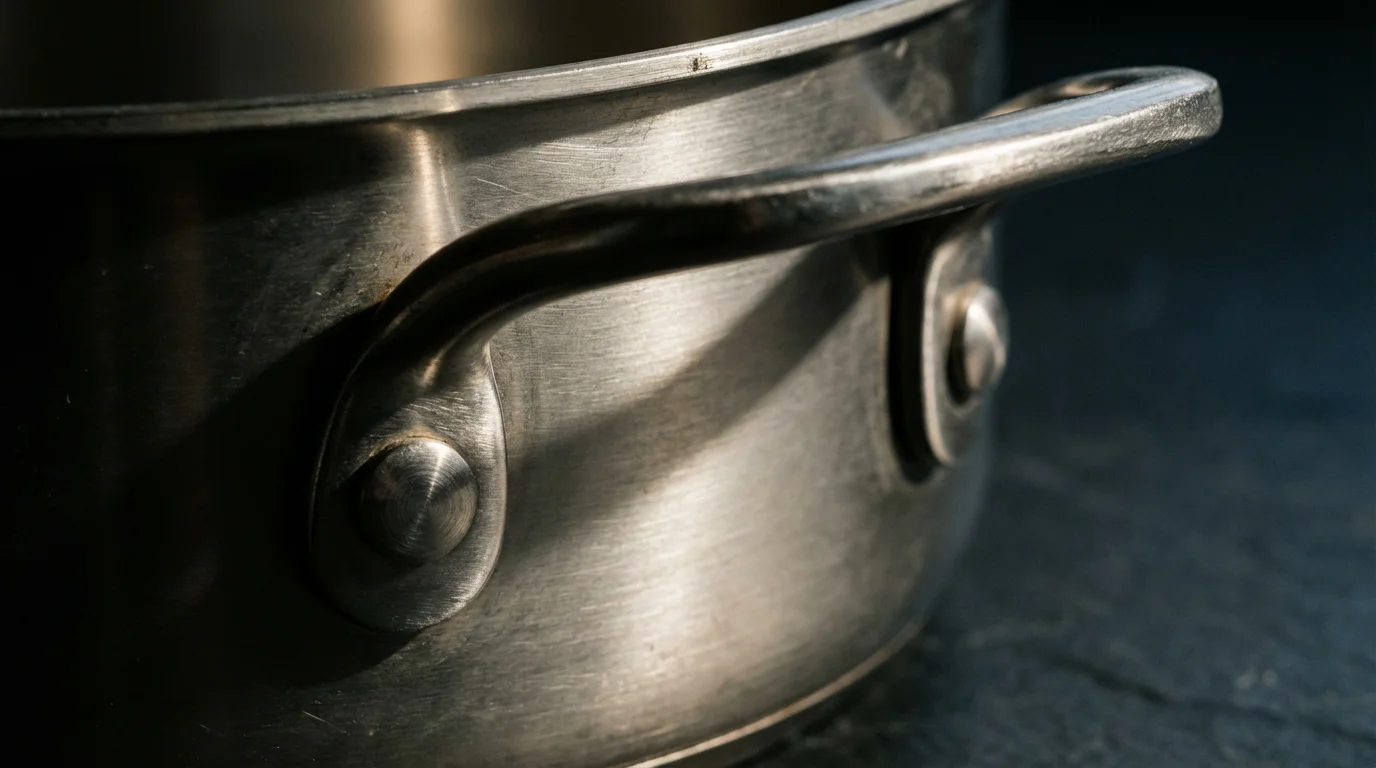
Stockpots, especially when full, become incredibly heavy. Robust, securely riveted handles are non-negotiable. Look for handles that are wide enough for a comfortable, secure grip, even when using oven mitts. Some designs feature handles that stay cool on the stovetop, enhancing safety.
Oven-Safe Capability
Many stockpots are “oven-safe,” meaning they can go from stovetop to oven without damage. This feature extends versatility, allowing you to finish a braise in the oven or keep a large batch of food warm. Always check the maximum “oven-safe” temperature specified by the manufacturer, as plastic handles or glass lids can have lower limits.
Induction Compatibility
If you own an induction cooktop, ensure your stockpot is “induction compatible.” Induction cooktops work by generating an electromagnetic field that heats only the cookware itself. This requires the pot to have a magnetic base. Stainless steel stockpots typically are induction compatible, but aluminum ones generally are not, unless they have an added magnetic plate on the bottom.
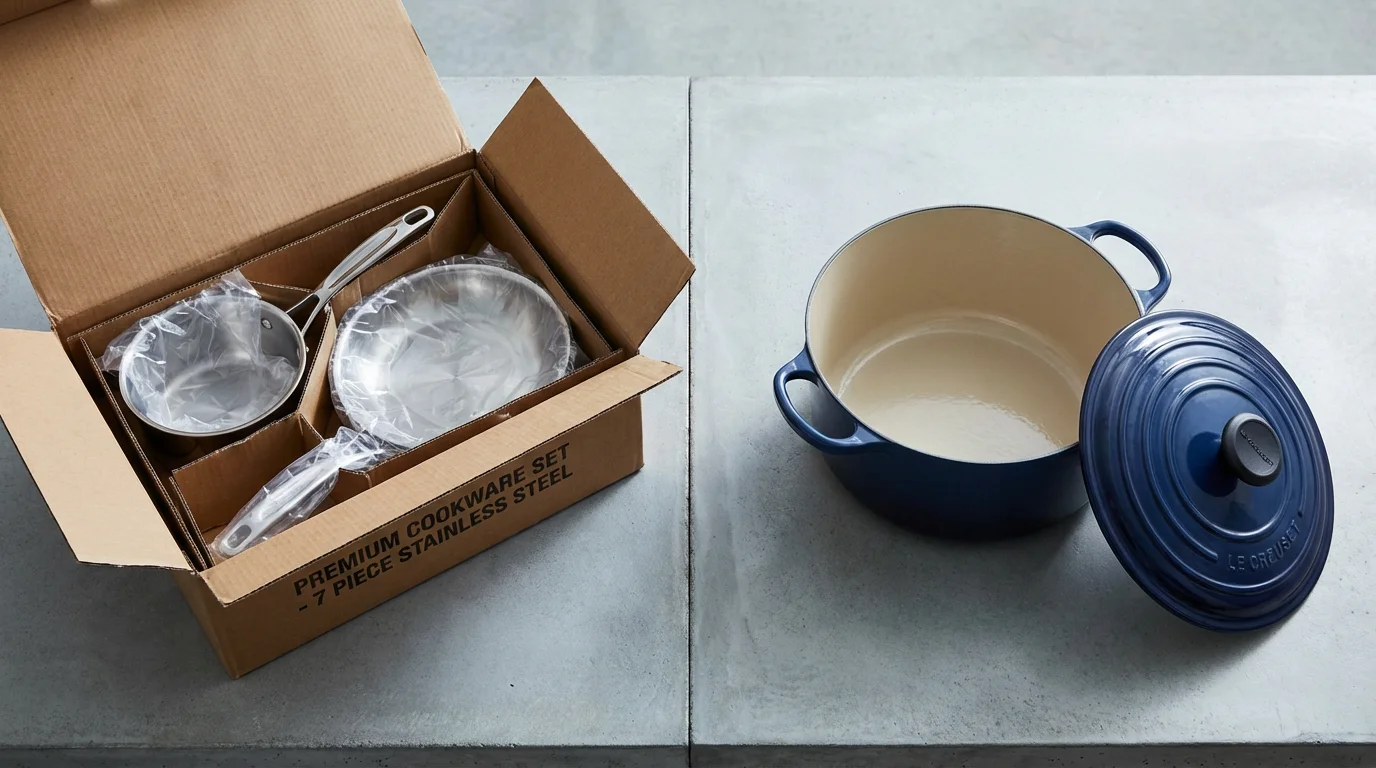
Choosing Your Stockpot: Cookware Sets Versus Individual Purchases
When building your kitchen, you face a common dilemma: buy a complete cookware set or purchase individual pieces as needed?
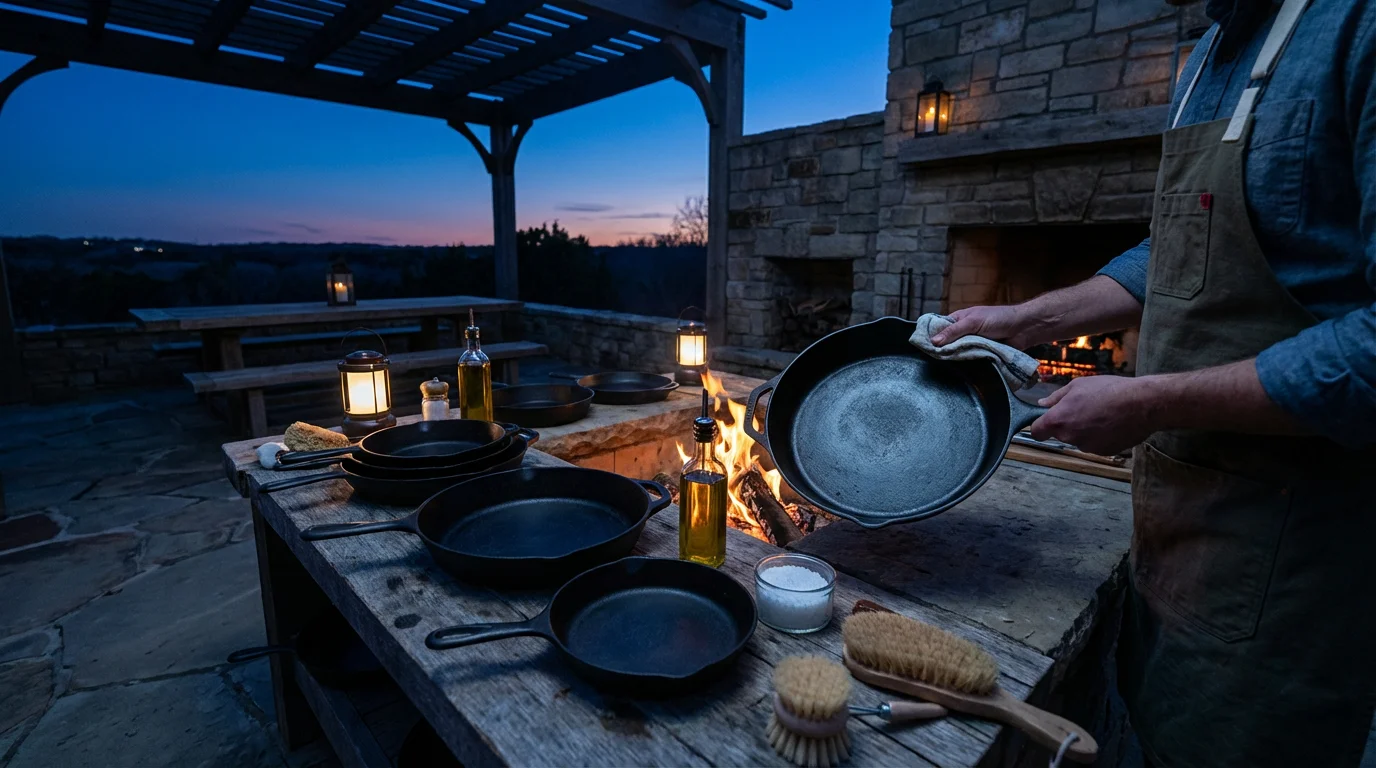
If you find cast iron stockpots too cumbersome to lift, carbon steel pans offer a lighter alternative with excellent thermal properties.
Cookware Sets
Cookware sets often offer better value per piece upfront. They provide a cohesive look and usually include a variety of pots and pans, including a standard-sized stockpot (often 6-8 quarts). For new homeowners or those building a kitchen from scratch, a set offers a convenient starting point.
Pros: Cost-effective per piece, coordinated aesthetic, immediate variety of sizes.
Cons: You may get pieces you do not need, or the included stockpot might not be the ideal size for your specific batch cooking requirements. Quality can vary within a set, with the smaller pans sometimes receiving more attention than the stockpot.
Individual Stockpot Purchases
Buying a stockpot individually allows you to select the exact size, material, and brand that meets your specific needs and budget. If you already have a functional collection of everyday pans but need a dedicated large pot for making soup or canning, buying one standalone piece makes more sense.
Pros: Tailored to your specific needs, allows for higher quality selection for that one crucial piece, avoids redundant items.
Cons: Can be more expensive than the equivalent piece in a set, requires more research to find the right fit.
If you are looking for a true “best stockpot for batch cooking,” you will likely find better options by purchasing a 12-quart or larger stockpot separately from a brand known for its heavy-duty construction, rather than relying on a typical set’s offering.
According to Wirecutter’s cookware recommendations, it is often more strategic to invest in a few high-quality individual pieces that truly suit your cooking style rather than a comprehensive, but potentially inconsistent, set.
Top Stockpot Brands: From Investment Pieces to Budget-Friendly Buys
The market offers a wide range of stockpot brands, each with its own reputation for quality, durability, and price point. Here, we examine some popular options.
Investment-Grade Stockpots
- All-Clad: Known for its exceptional “tri-ply” stainless steel construction, All-Clad stockpots offer superior heat distribution and durability. They are an investment, but they last for decades. Expect to pay a premium, but you gain a professional-grade tool. Their 12-quart stockpot is a favorite for serious home cooks.
- Le Creuset (Dutch Ovens): While primarily known for Dutch ovens, Le Creuset’s enameled cast iron pieces function as excellent stockpots for dishes requiring slow, even cooking and exceptional heat retention. They are beautiful, highly durable, and come with a lifetime warranty. A 7.25-quart round Dutch oven is a fantastic, versatile option for many.
- Demeyere: A Belgian brand, Demeyere offers high-performance stainless steel cookware with advanced technologies like multiple layers of alloy for optimized heat distribution and Silvinox surface treatment for easy cleaning. They rival All-Clad in quality and price.
Mid-Range and Best Value Options
- Cuisinart: Cuisinart offers a strong lineup of stainless steel stockpots, often with encapsulated aluminum bases for good heat distribution at a more accessible price point than All-Clad. Their Multiclad Pro series provides excellent value for tri-ply performance. You can find their 12-quart option as a reliable choice for family meals and batch cooking.
- Tramontina: This brand delivers impressive quality for its price. Tramontina’s Tri-Ply Clad stainless steel stockpots offer similar performance to higher-end brands, providing excellent heat distribution and durability. Many chefs and home cooks recommend them as a “best value” alternative to All-Clad. Their 12-quart or 16-quart stockpots are highly regarded.
- Calphalon: Calphalon’s stainless steel stockpots, particularly their Premier or Classic lines, are well-regarded for their robust construction and good heat performance. They often feature useful additions like straining lids.
Budget-Friendly and Starter Options
- Farberware: A long-standing brand, Farberware offers entry-level stainless steel stockpots that are functional and affordable. They may not have the same heavy-duty construction or advanced heat distribution as tri-ply options, but they serve well for occasional use or for those on a tight budget.
- Amazon Basics / Winco: For very basic needs, brands like Amazon Basics or commercial kitchen suppliers like Winco offer stainless steel stockpots at extremely low prices. These are typically thinner gauge stainless steel with an encapsulated disc bottom. They are suitable for boiling water or light-duty use, but may be more prone to scorching with delicate sauces.
When selecting your stockpot, consider your budget against your frequency of use and the types of dishes you prepare. An investment in a quality stockpot often pays off in durability and cooking performance over many years.
“Do not underestimate a mid-range stockpot. Brands like Cuisinart and Tramontina often deliver 80-90% of the performance of high-end options for half the price, making them the smart choice for most home kitchens.” — Cookware Expert
Caring for Your Stockpot: Maintenance for Longevity
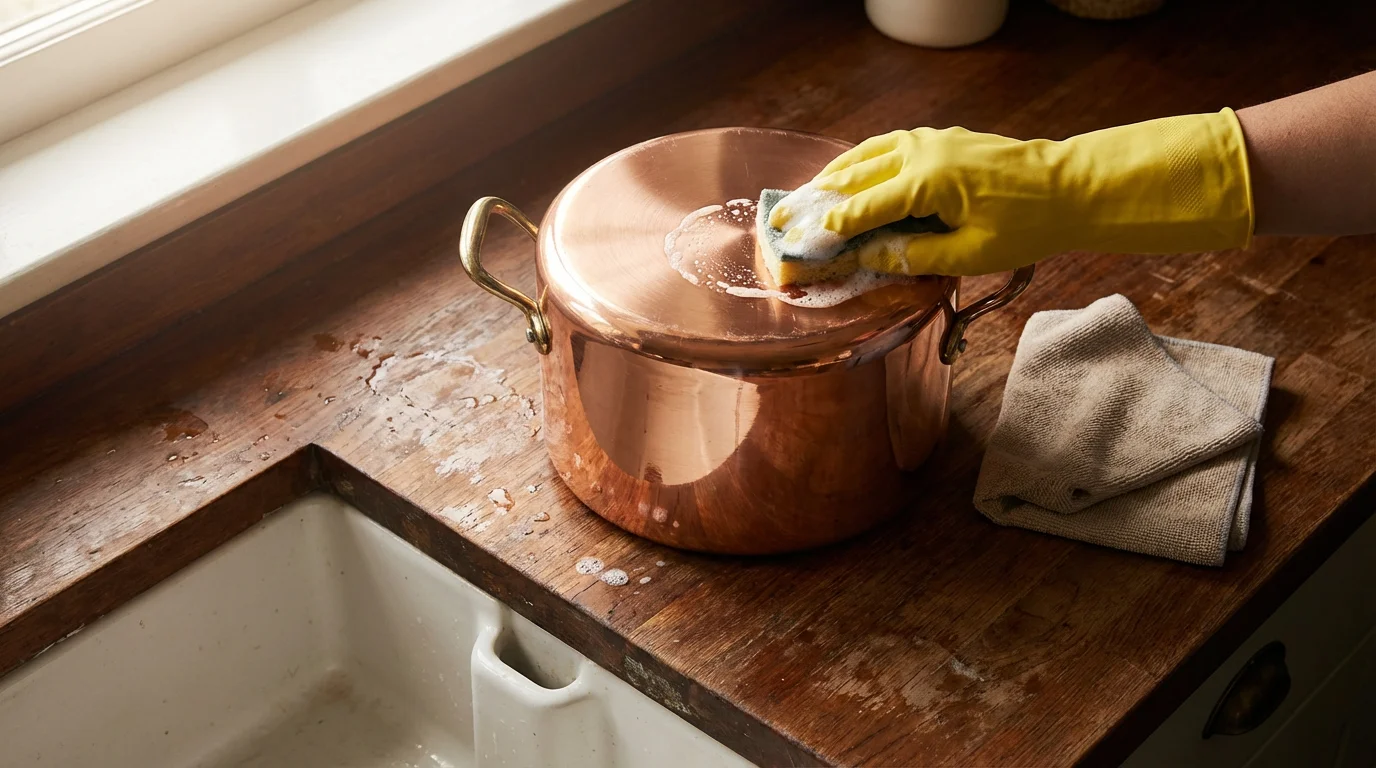
Proper care extends the life of your stockpot and ensures it performs optimally for years. Maintenance varies slightly by material.
Stainless Steel Stockpots
- Cleaning: Most stainless steel stockpots are dishwasher safe, but hand washing is recommended for longevity and to prevent hard water spots. For stubborn stuck-on food, fill with water, bring to a boil, then scrape gently with a wooden spoon. Bar Keepers Friend is excellent for removing discoloration and restoring shine.
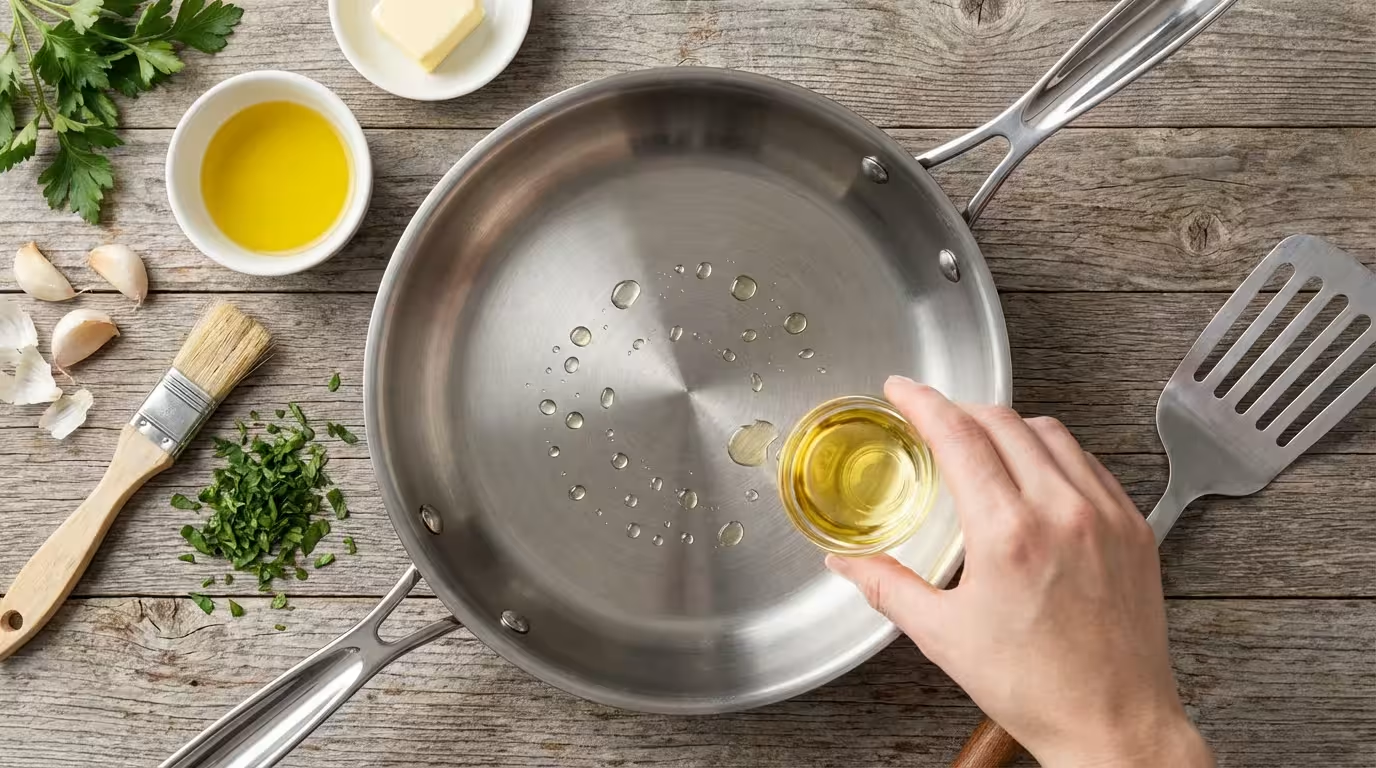
- Preventing Sticking: Always preheat your stainless steel stockpot before adding oil or food. This creates a natural non-stick surface.
- Storage: Ensure the pot is completely dry before storing to prevent water spots or mildew. Stack carefully to avoid scratching, perhaps using felt protectors between pots.
Aluminum Stockpots
- Cleaning: Hand wash with warm, soapy water. Avoid harsh abrasives or dishwashers, as these can pit and discolor aluminum, especially non-anodized versions.
- Reacting to Food: Avoid cooking acidic foods like tomato sauce or lemon juice for extended periods, as aluminum reacts and can impart a metallic taste.
Enamel-on-Cast Iron Stockpots (Dutch Ovens)
- Cleaning: Hand wash with warm, soapy water and a non-abrasive sponge. Avoid metal scrubbers or harsh detergents that can damage the enamel. For stubborn residue, soak the pot with warm water and a little dish soap, then gently scrub.
- Heat Management: Always preheat gradually on low to medium heat to prevent thermal shock, which can crack the enamel. Avoid extreme temperature changes.
- Storage: Store with the lid on, or with a paper towel between the pot and lid to prevent moisture buildup and chipping.
Regardless of material, always let a hot stockpot cool down before washing it. Plunging a hot pot into cold water can cause warping or cracking, especially with cast iron.
Frequently Asked Questions
What is the difference between a stockpot and a Dutch oven?
A stockpot is typically taller and narrower, designed primarily for boiling, simmering large volumes of liquid, and making stock. A Dutch oven is usually wider and shallower, made from heavy cast iron (often enameled), excellent for slow cooking, braising, and baking due to its superior heat retention and distribution. While a Dutch oven can function as a smaller stockpot, a stockpot cannot typically replace a Dutch oven for oven-based braising or baking.
Can I use my stockpot for canning?
Yes, you can use a large stockpot (typically 16 quarts or larger) for water bath canning. Ensure the pot is deep enough to cover your jars with at least an inch of water, plus space for boiling. You will also need a canning rack to keep jars off the bottom and allow water circulation. Always verify your pot’s material is non-reactive and durable enough for the prolonged heat.
Is it worth buying an expensive stockpot?
Investing in an expensive, high-quality stockpot, especially one with tri-ply stainless steel or enameled cast iron construction, is worth it if you frequently make large batches of soup, stock, or chili. These pots offer superior heat distribution, durability, and better cooking performance, lasting for many years. For occasional light use, a more budget-friendly option may suffice.
How do I prevent food from sticking in my stainless steel stockpot?
To prevent sticking in a stainless steel stockpot, always preheat the pot on medium heat for a few minutes before adding oil or food. Test by dropping a few water droplets; if they dance and evaporate quickly, the pot is ready. Add your cooking oil, let it heat briefly, then add your ingredients. This creates a natural barrier that reduces sticking.
Disclaimer: Product prices and availability change frequently. Prices shown were accurate at time of writing but may have changed. We may earn a small commission from purchases made through links on this site, at no extra cost to you. Always verify current pricing on the retailer’s website before purchasing.

Leave a Reply