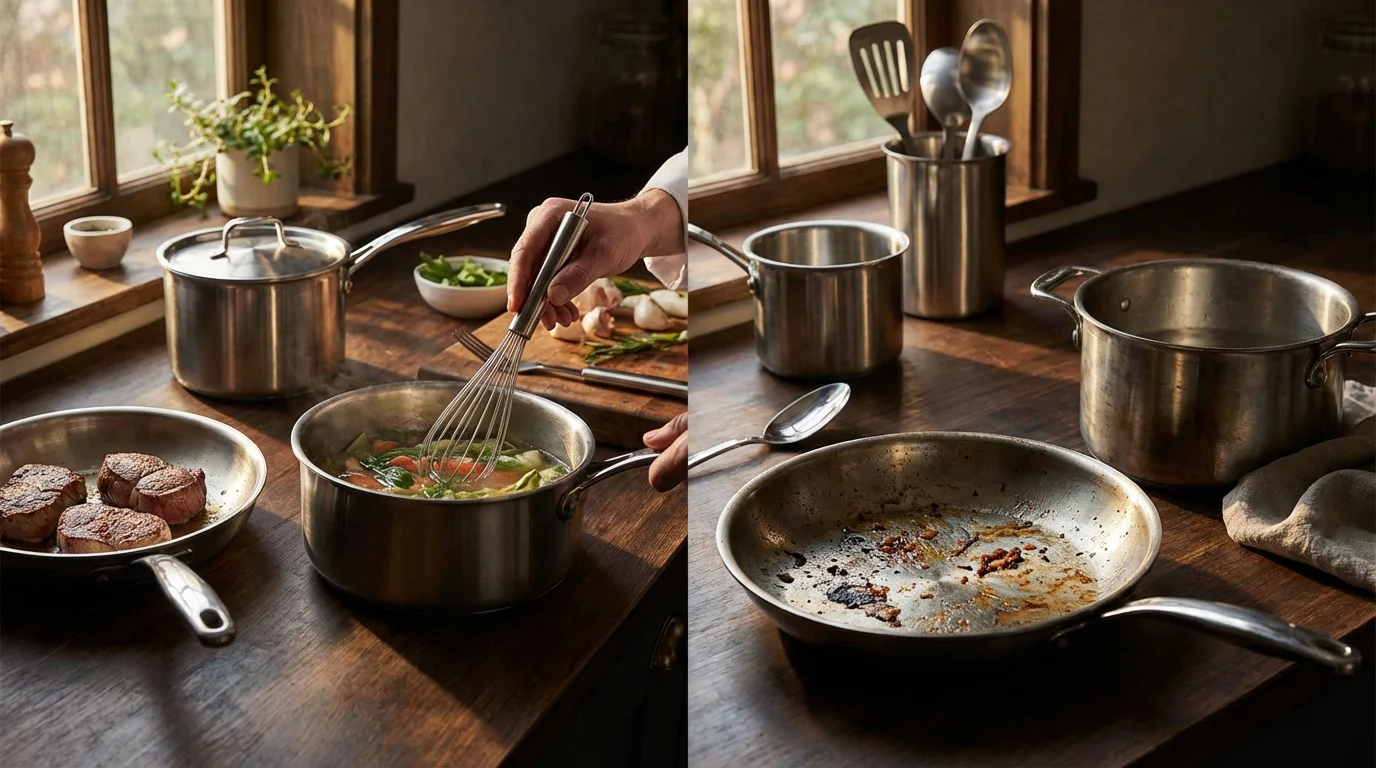
Building a functional kitchen requires thoughtful choices about your essential tools, and cookware stands at the heart of daily cooking. Among the myriad options available, stainless steel consistently earns a place in both professional and home kitchens. It offers a unique balance of durability, versatility, and performance, but like any material, it comes with its own set of considerations. This guide helps you navigate the world of stainless steel cookware, understanding its strengths, addressing common challenges, and determining if it is the right foundation for your culinary journey.
The Anatomy of Quality Stainless Steel Cookware
Stainless steel itself is an alloy, primarily iron with a minimum of 10.5% chromium. This chromium content prevents rust and corrosion, creating that “stainless” quality. However, stainless steel alone is not an excellent heat conductor. It heats unevenly and develops hot spots, leading to inconsistent cooking results. This is where engineering comes into play with quality stainless cookware.
The Importance of Cladding: Tri-Ply and Beyond
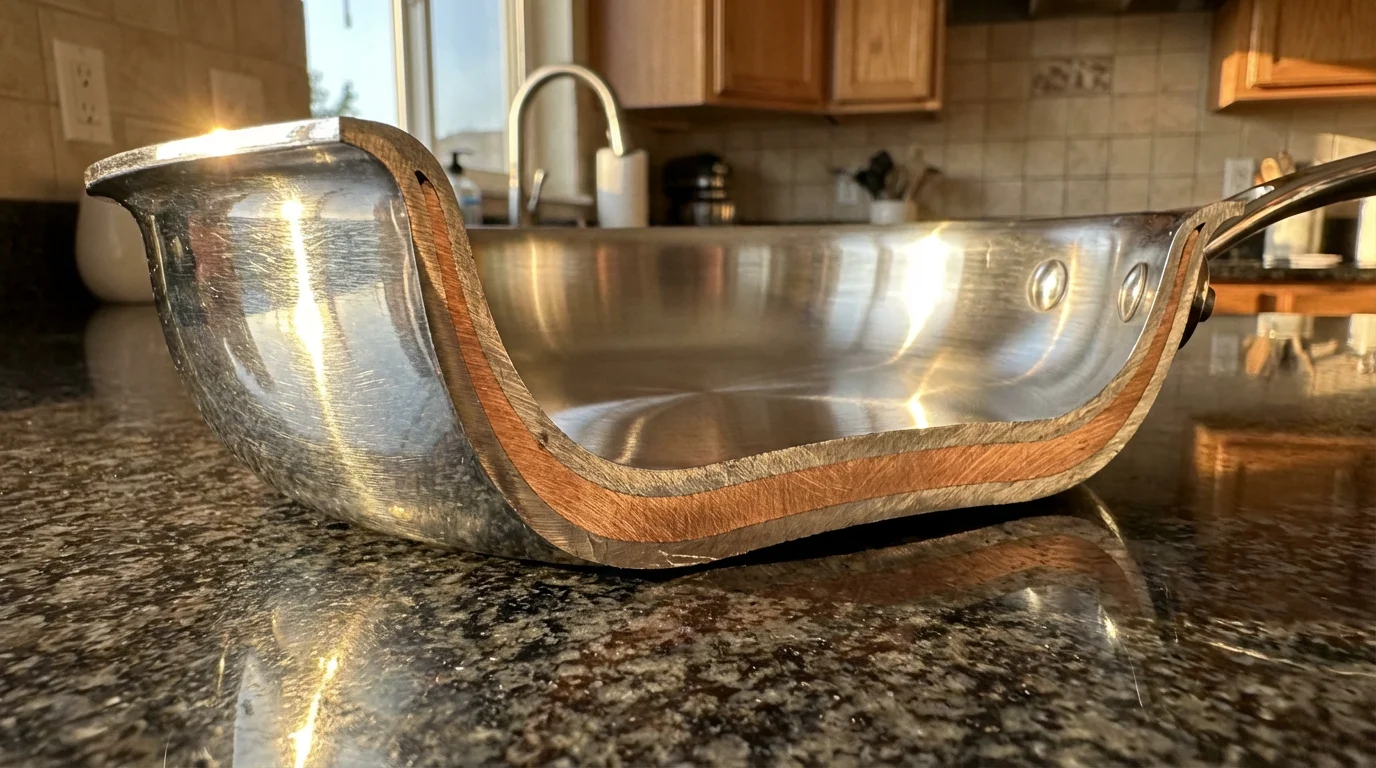
The best stainless steel cookware uses a construction method called cladding, which involves bonding layers of different metals together. The most common and effective form is tri-ply construction, meaning three layers of metal bonded together. Typically, this includes:
- An exterior layer of magnetic stainless steel, making the pan induction compatible.
- A core layer of aluminum or copper, which provides superior heat distribution.
- An interior layer of non-reactive stainless steel, perfect for cooking all types of food without metallic flavors.
While tri-ply is standard, some premium brands offer 5-ply or even 7-ply construction, often extending the conductive core up the sides of the pan. This multi-ply approach ensures heat spreads rapidly and evenly across the entire cooking surface, eliminating hot spots that can scorch food.
Gauge and Weight
The gauge refers to the thickness of the metal. Lower numbers indicate thicker metal, which generally translates to better durability and more robust performance. Thicker pans resist warping better and distribute heat more consistently. You will notice that high-quality stainless steel pans feel substantial in your hand, reflecting their multi-ply construction and thicker gauge.
“A quality clad stainless steel pan merges the best attributes of several metals: the durability and non-reactivity of stainless steel with the superior heat conductivity of aluminum or copper. Do not compromise on this core design.”
Advantages of Stainless Steel Cookware
Many home cooks gravitate towards stainless cookware for compelling reasons:
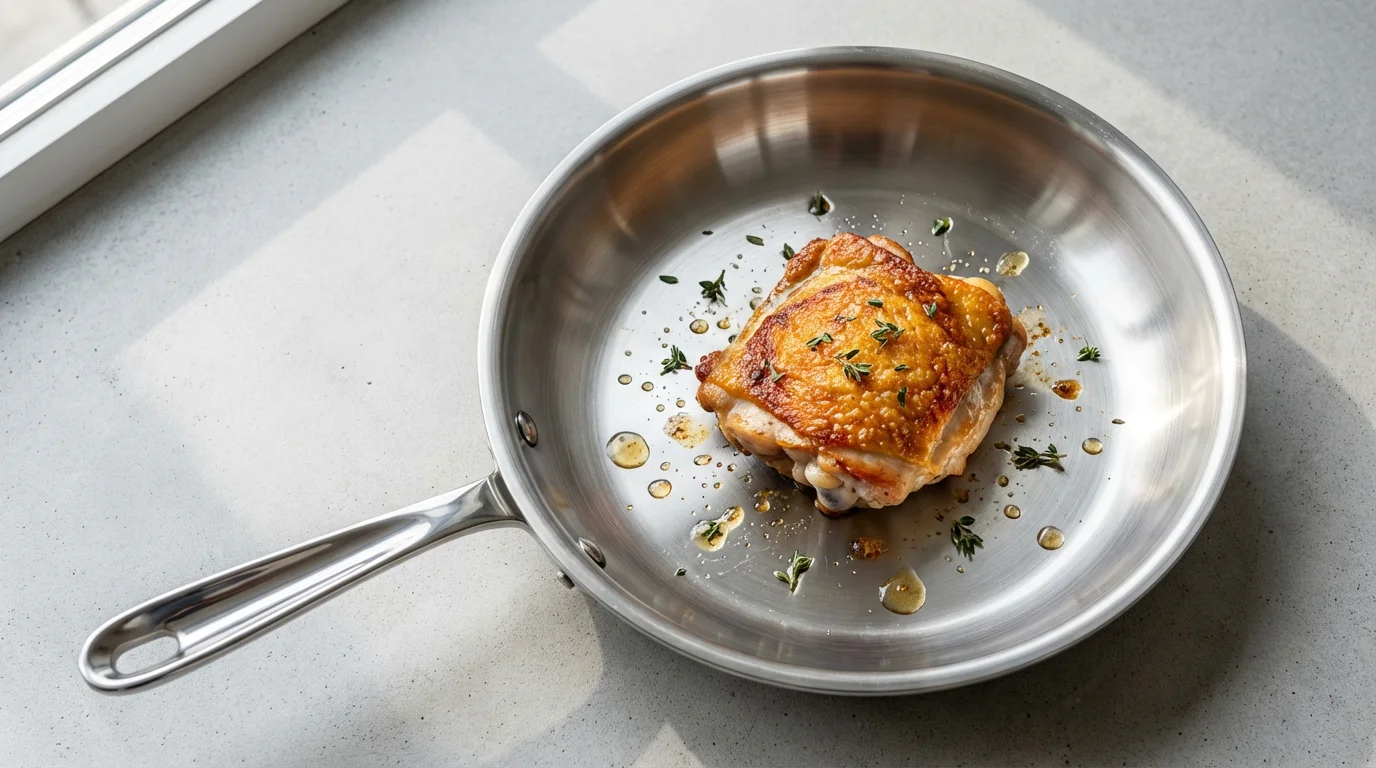
- Exceptional Durability: Stainless steel is incredibly robust. It resists scratching, denting, and warping, enduring high heat and rigorous daily use. This makes it a long-term investment for your kitchen.
- Non-Reactive Surface: Unlike cast iron or aluminum, stainless steel does not react with acidic foods like tomatoes, wine, or citrus. You can simmer tomato sauce or deglaze with vinegar without worrying about metallic tastes or discoloration.
- Versatility: Most stainless steel cookware is safe for use on all cooktops, including induction, electric, gas, and ceramic. It is also highly oven-safe, often up to 500°F (260°C) or higher, allowing you to start dishes on the stovetop and finish them in the oven.
- Even Heat Distribution (with cladding): As discussed, clad stainless steel provides excellent, consistent heat across the cooking surface, crucial for even browning and predictable results.
- Easy to Clean and Maintain: While learning to cook on it takes practice, cleaning stainless steel is straightforward. It generally tolerates dishwasher cycles, though hand washing often preserves its finish better. Stubborn stains usually respond to simple cleaning solutions.
- Aesthetic Appeal: The shiny, sleek appearance of stainless steel gives a professional and clean look to any kitchen.
Mastering Your Stainless Steel Pan: Preventing Sticking
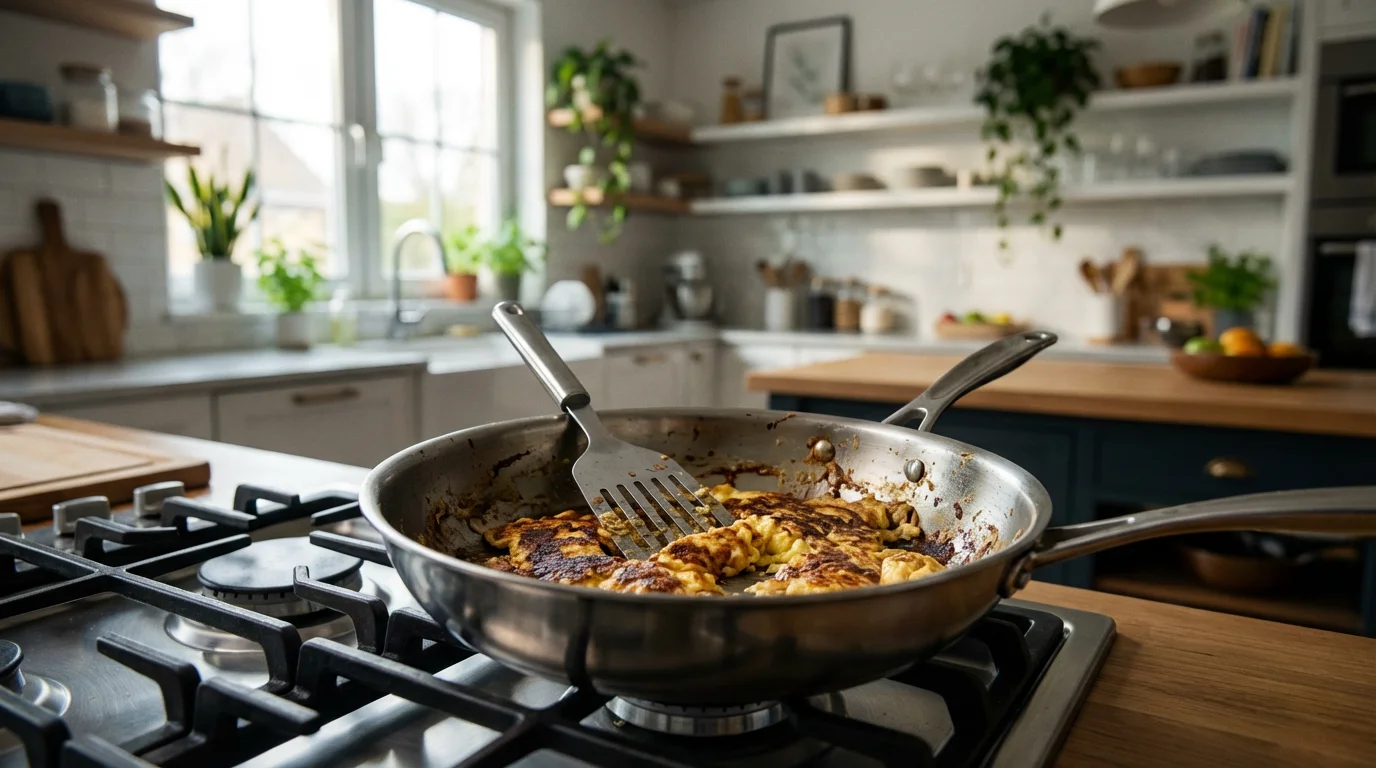
One of the most common frustrations for new users is wondering why does food stick to stainless steel pan. The answer lies in technique and understanding heat. Stainless steel does not possess a natural non-stick surface, but you can achieve excellent results without sticking by following these steps:
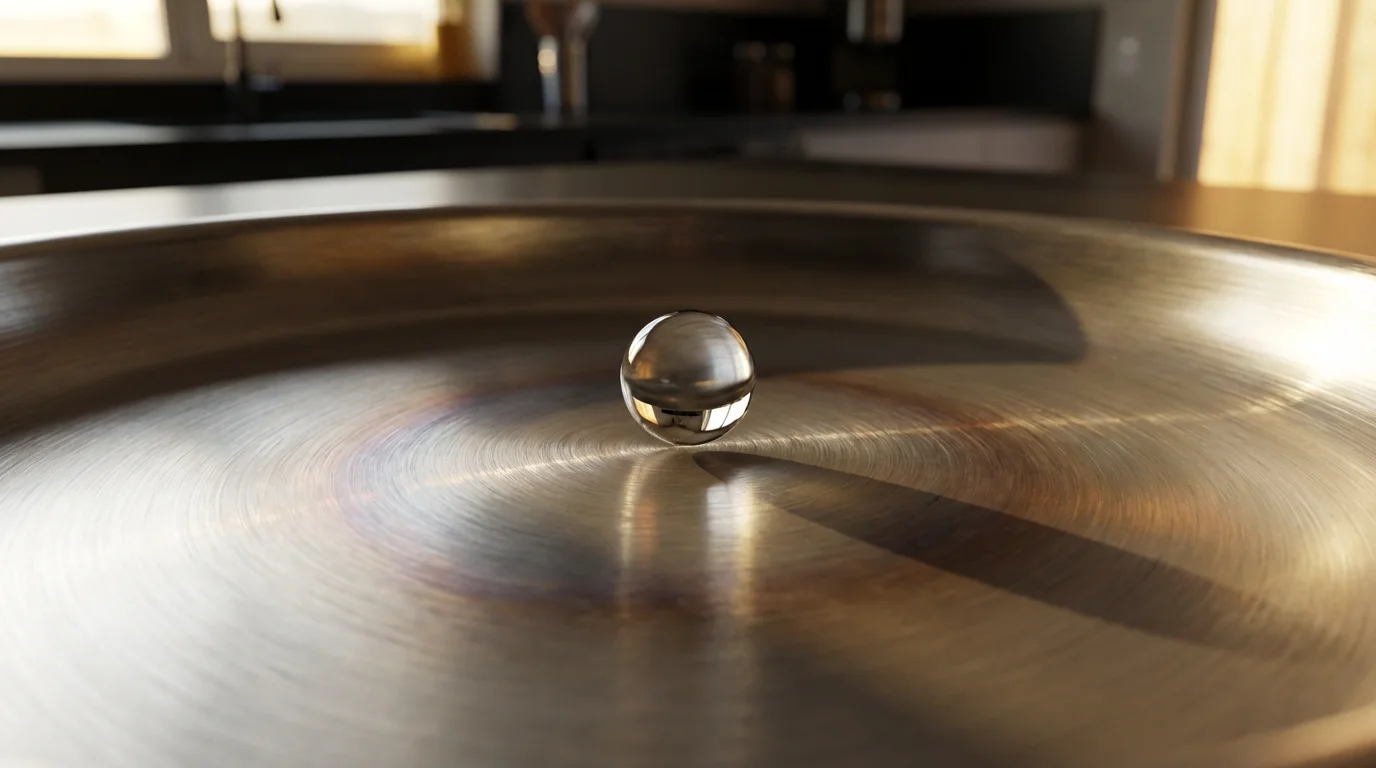
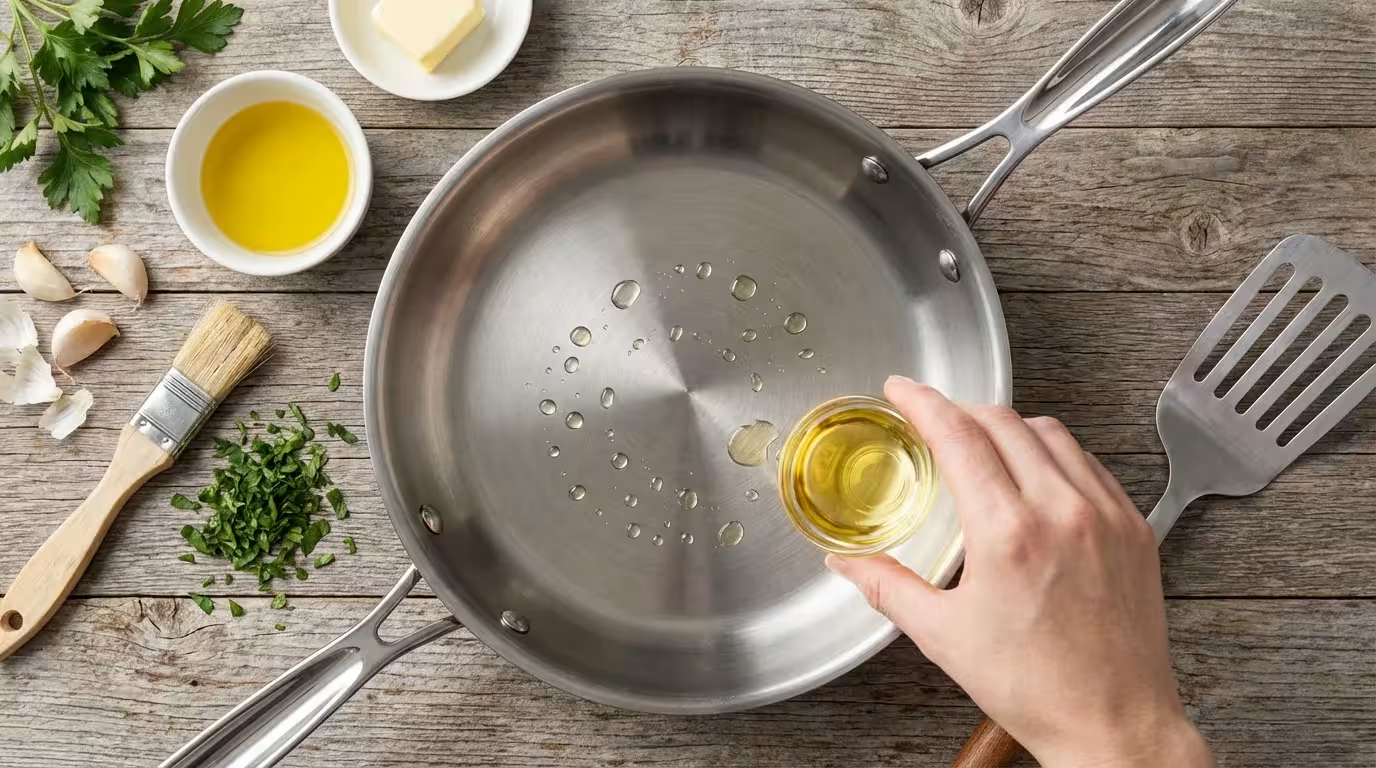
- Preheat Properly: Always preheat your pan before adding oil or food. Place the empty pan over medium heat for 2-3 minutes. A good test: drop a small amount of water into the pan. If it forms a single, rolling bead (the Leidenfrost effect), the pan is ready. If it evaporates immediately, it is too hot. If it just sits there, it is not hot enough.
- Add Fat, Then Heat: Once the pan is properly preheated, add your cooking oil or fat. Swirl it around to coat the bottom. Allow the oil to shimmer or slightly smoke, indicating it is hot enough to create a barrier between the food and the pan.
- Don’t Crowd the Pan: Overcrowding lowers the pan’s temperature, leading to steaming instead of searing, which increases sticking. Cook in batches if necessary.
- Temperature Control: Most sticking happens when the pan is not hot enough or too hot. Use medium heat for most tasks. High heat can burn food quickly and leave stubborn residue.
- Allow Food to “Release”: When searing proteins, resist the urge to move the food immediately. As a crust forms, the food naturally releases from the pan. You will feel it when it is ready to flip.
- Deglazing: After cooking, residual food bits (fond) often stick to the bottom. Immediately after removing food, add a liquid (water, broth, wine) to the hot pan. The liquid helps release these flavorful bits, perfect for making a pan sauce, and simplifies cleanup.
Disadvantages of Stainless Steel Cookware
While highly advantageous, stainless steel cookware also presents a few challenges you should consider:
- Initial Learning Curve: As mentioned, mastering the non-stick technique requires practice. It is not as forgiving as a coated non-stick pan, especially for delicate foods.
- Can Be Expensive: High-quality, clad stainless steel cookware, particularly from reputable brands, can carry a significant price tag. While it is a long-term investment, the upfront cost can be higher than other options.
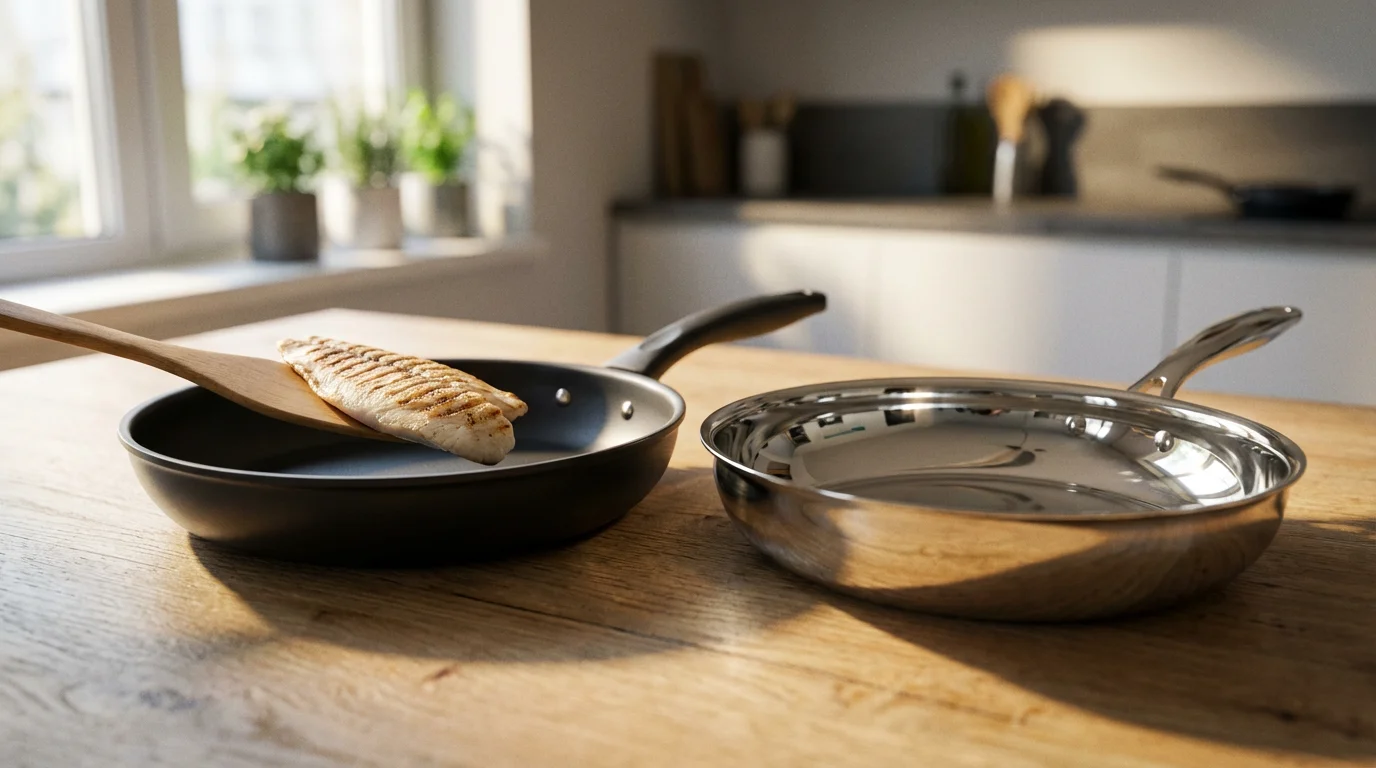
- Not Naturally Non-Stick: Without proper technique and sufficient fat, food will stick. This makes cooking eggs or delicate fish more challenging than in a non-stick pan.
- Weight: Clad stainless steel, especially with multiple layers, can be heavy. This might be a concern for some users, particularly when handling larger pots or pans full of food.
Stainless Steel vs. Other Cookware Materials
Understanding where stainless steel fits among other popular cookware materials helps you make informed choices. Each material excels in specific situations.
Non-Stick Pans
Non-stick pans feature a coating, often PTFE (like Teflon) or a ceramic coating, that prevents food from adhering. They are excellent for delicate foods like eggs, pancakes, or fish. However, non-stick coatings are less durable than stainless steel. They scratch easily, cannot withstand high heat without degradation, and have a limited lifespan, typically needing replacement every 1-5 years. They are generally not oven-safe above 350-400°F (175-200°C).
Cast Iron
Cast iron, particularly when well seasoned, offers incredible heat retention and develops a natural non-stick surface over time. It excels at searing meats, deep frying, and baking. Cast iron is extremely durable and oven-safe to very high temperatures. Its main downsides include its significant weight, slow heating time, reactivity with acidic foods (until heavily seasoned), and specific maintenance requirements (never dishwasher safe, needs oiling). According to Serious Eats equipment reviews, well-maintained cast iron pans offer unparalleled searing performance.
Carbon Steel
Carbon steel shares many characteristics with cast iron, offering excellent searing capabilities and developing a natural seasoning. It is lighter and heats up faster than cast iron, making it more responsive to temperature changes. Like cast iron, it requires seasoning and careful maintenance to prevent rust and maintain its non-stick properties. Carbon steel is often favored by professional chefs for its performance and durability, particularly for tasks like omelets or stir-frying.
Here is a comparison:
| Feature | Stainless Steel (Clad) | Non-Stick (PTFE/Ceramic) | Cast Iron | Carbon Steel |
|---|---|---|---|---|
| Heat Distribution | Excellent (with clad core) | Good | Poor (retains well) | Good (retains well) |
| Durability | Excellent, very long-lasting | Poor, coating degrades | Excellent, lasts generations | Excellent, lasts generations |
| Non-Reactivity | Yes | Yes (coating only) | No (reacts with acids) | No (reacts with acids) |
| Non-Stick Properties | Requires technique/fat | Excellent (initially) | Develops with seasoning | Develops with seasoning |
| Maintenance | Easy to clean, often dishwasher safe | Gentle washing, hand-wash recommended | Specific seasoning and oiling, never dishwasher safe | Specific seasoning and oiling, never dishwasher safe |
| Oven-Safe Temp | Typically 500°F+ (260°C+) | Usually 350-400°F (175-200°C) | Very high, 500°F+ (260°C+) | Very high, 500°F+ (260°C+) |
| Induction Compatible | Yes (if magnetic exterior) | Often (if base is magnetic) | Yes | Yes |
| Best Use Cases | Searing, sautéing, deglazing, sauces, braising | Eggs, pancakes, delicate fish | Searing, frying, baking, deep-frying | Searing, stir-frying, omelets, everyday cooking |
Choosing Your Stainless Steel Essentials: Sets vs. Individual Pieces
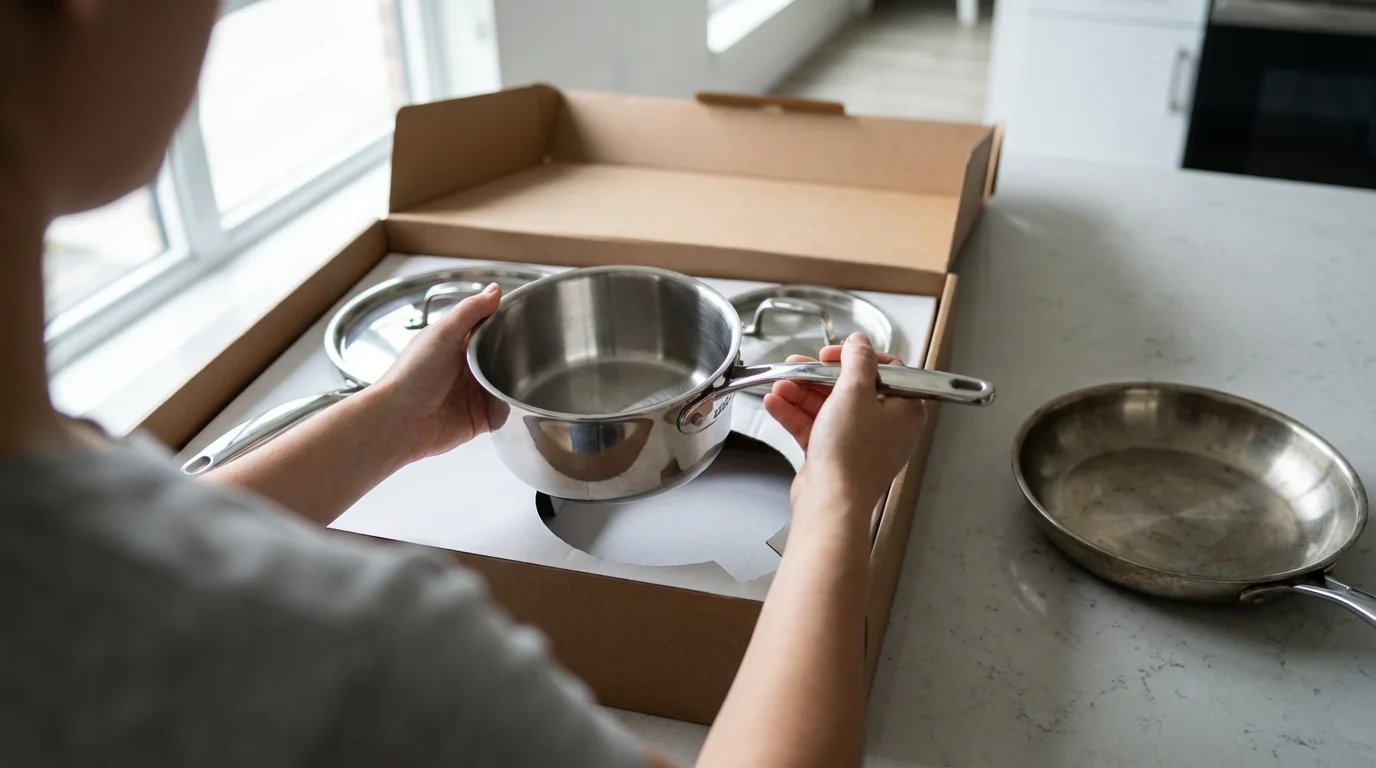
When you decide to invest in metal pans, you face the choice between buying a complete set or building your collection one piece at a time.
Cookware Sets
Purchasing a cookware set often offers convenience and cost savings compared to buying individual pieces. A good set provides a cohesive look and ensures all pieces are compatible in terms of material and performance. For example, a quality best stainless steel cookware set for home typically includes:
- 8-inch and 10-inch skillets (or fry pans)
- 2-quart and 3-quart saucepans with lids
- 3-quart or 4-quart sauté pan with a lid
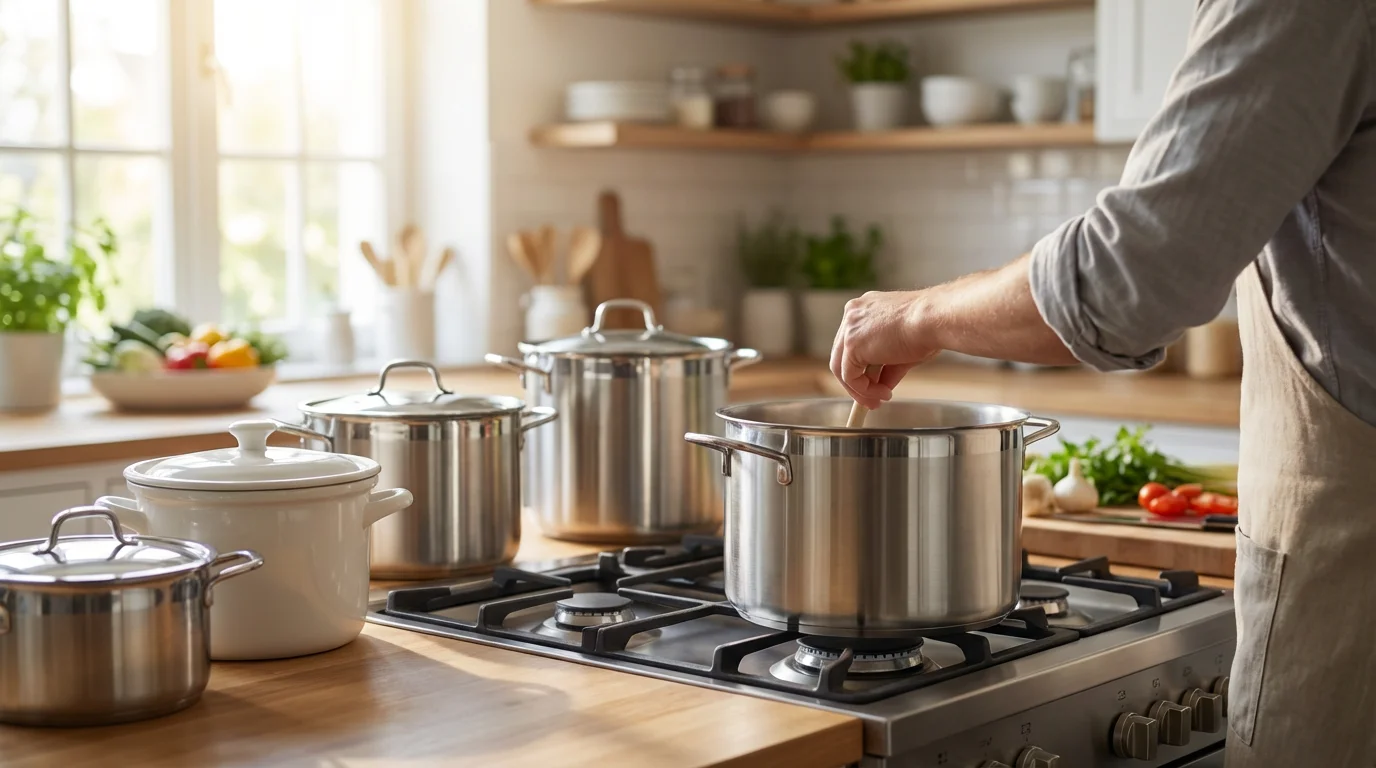
- 6-quart or 8-quart stockpot with a lid
This provides a solid foundation for most cooking tasks. However, sets sometimes include pieces you may rarely use or might prefer in a different material, like a small non-stick pan for eggs.
Buying Individual Pieces
Building your collection piece by piece allows you to customize your kitchen to your specific needs and cooking style. You can invest in high-quality stainless steel for your most-used items and choose different materials for specialized tasks. For example, you might buy:
- A 10-inch stainless steel skillet for searing.
- A 3-quart stainless steel saucepan for sauces.
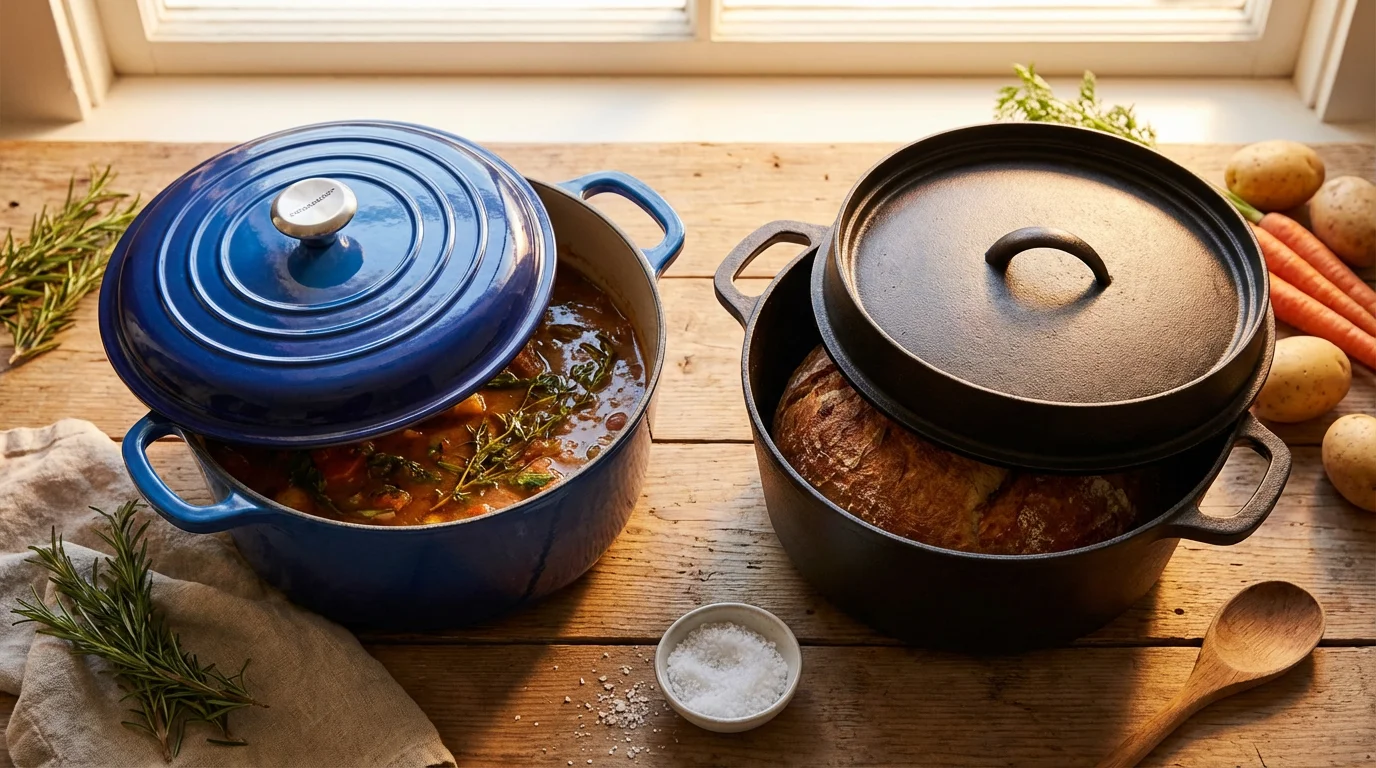
- A large cast iron Dutch oven for braising.
- A non-stick pan solely for eggs.
This approach gives you ultimate control and avoids unnecessary clutter. Consumer Reports frequently reviews individual pieces, offering insights into performance and value, as noted in their cookware evaluations.
Essential Starter Set Recommendations for Stainless Steel
If you are building a functional kitchen, prioritize these core stainless steel pieces:
- 10-12 inch Skillet/Fry Pan: Your workhorse for searing, sautéing, and browning.
- 2-3 quart Saucepan with Lid: Indispensable for sauces, grains, and small batches of soup.
- 6-8 quart Stockpot with Lid: Essential for pasta, large batches of soup, stock, and boiling.
- 3-4 quart Sauté Pan with Lid: Offers straight, high sides for larger volumes, perfect for one-pan meals or braising.
Top Stainless Steel Cookware Brands and Value Picks
The market offers a wide range of stainless steel cookware, from premium brands favored by chefs to excellent budget alternatives. Quality often correlates with price, largely due to the thickness and consistency of the cladding.
Premium Brands
- All-Clad: Often considered the gold standard for stainless steel, All-Clad pioneered the fully clad, tri-ply construction. Their D3, D5, and Copper Core lines offer exceptional heat distribution, durability, and oven-safe temperatures. All-Clad is an investment, but their performance and longevity justify the cost for serious cooks.
- Le Creuset (Stainless Steel Line): While famous for their enameled cast iron Dutch ovens, Le Creuset also produces high-quality stainless steel cookware. Their stainless line often features a full aluminum core for excellent performance and their signature elegant design.
Mid-Range Brands
- Cuisinart: Cuisinart offers a strong balance of performance and value. Their MultiClad Pro line, for example, features fully clad, tri-ply construction that delivers impressive heat distribution at a fraction of the cost of premium brands. This is a popular choice for those seeking the best stainless steel cookware set for home without breaking the bank.
- Calphalon: Known for both non-stick and stainless steel options, Calphalon’s stainless steel lines, such as Calphalon Premier or Contemporary, provide reliable performance with durable construction and comfortable handles.
Budget Alternatives
- Tramontina: Tramontina offers exceptional value, particularly their Tri-Ply Clad line. Many reviewers, including America’s Test Kitchen, consistently rate Tramontina’s clad stainless steel as a strong performer that rivals more expensive brands. You get solid heat distribution and durability without the premium price tag. For many home cooks, this represents one of the best value propositions in stainless cookware.
- Cook N Home: This brand often provides entry-level stainless steel sets that are budget-friendly. While they might not offer the same heavy-duty construction or heat distribution as higher-priced options, they serve as a good starting point for new kitchens or occasional use.
- Lodge (Stainless Steel Line): While renowned for their cast iron, Lodge has also ventured into stainless steel. Their offerings provide a robust, no-frills option for those seeking dependable performance at an accessible price point.
Care and Maintenance for Longevity
Proper care ensures your stainless steel cookware lasts for decades. Here are key tips:
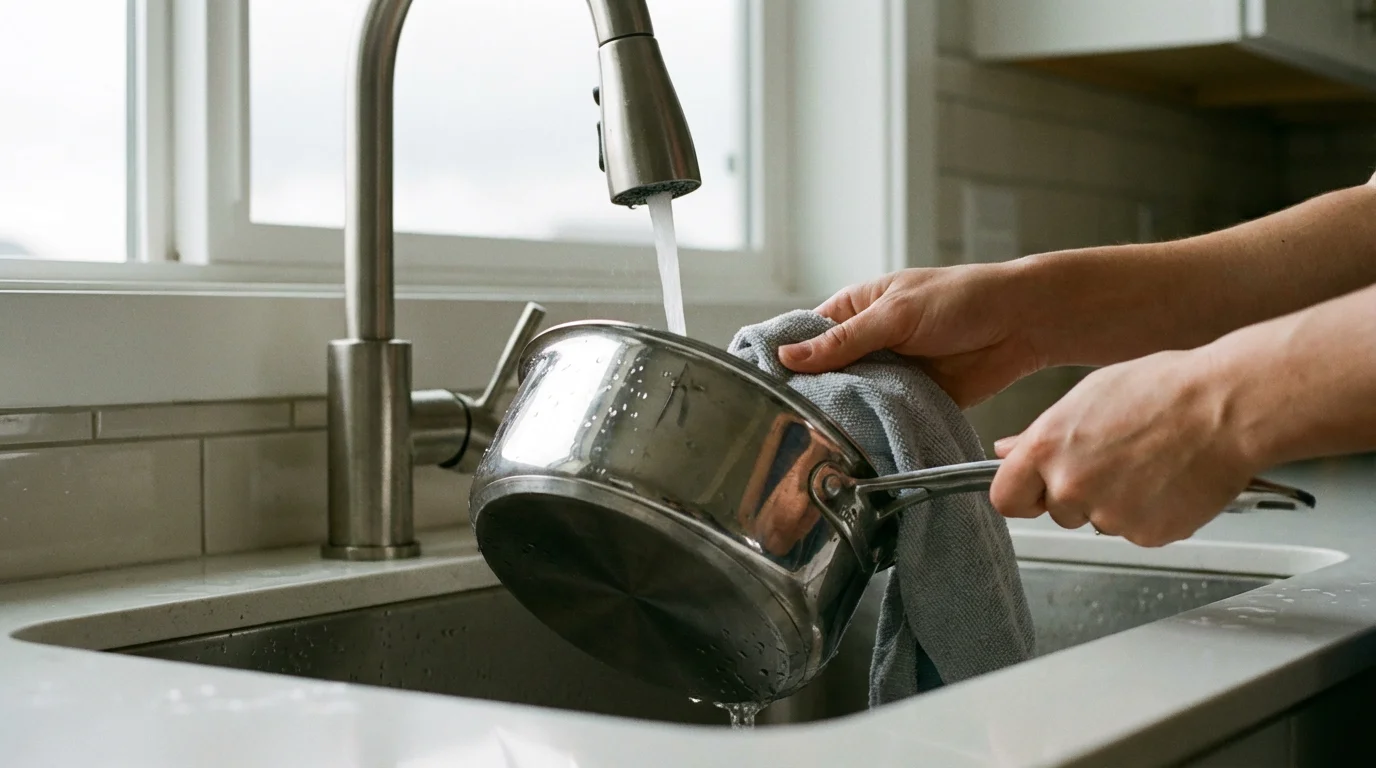
- Cool Before Cleaning: Always allow your hot pans to cool down naturally before washing them. Plunging a hot pan into cold water can cause thermal shock, potentially warping the pan.
- Hand Washing Recommended: While many stainless steel pieces are dishwasher safe, hand washing preserves their luster and prolongs their life. Use warm, soapy water and a soft sponge or cloth.
- Dealing with Stuck-On Food: For stubborn stuck-on bits, soak the pan in hot, soapy water for 15-30 minutes. If that does not work, try adding a little water and a tablespoon of baking soda, bring it to a simmer, then scrape with a wooden spoon. For really tough spots, a paste of baking soda and water can work wonders.
- Removing Discoloration (“Heat Tint”): Sometimes, stainless steel can develop a rainbow-like sheen or bluish tint from excessive heat. You can easily remove this “heat tint” by wiping the pan with a cloth dampened with white vinegar or a specialized stainless steel cleaner.
- Avoid Abrasive Cleaners: Steer clear of steel wool, harsh scouring pads, or abrasive cleaners, which can scratch the surface and dull the finish of your metal pans.
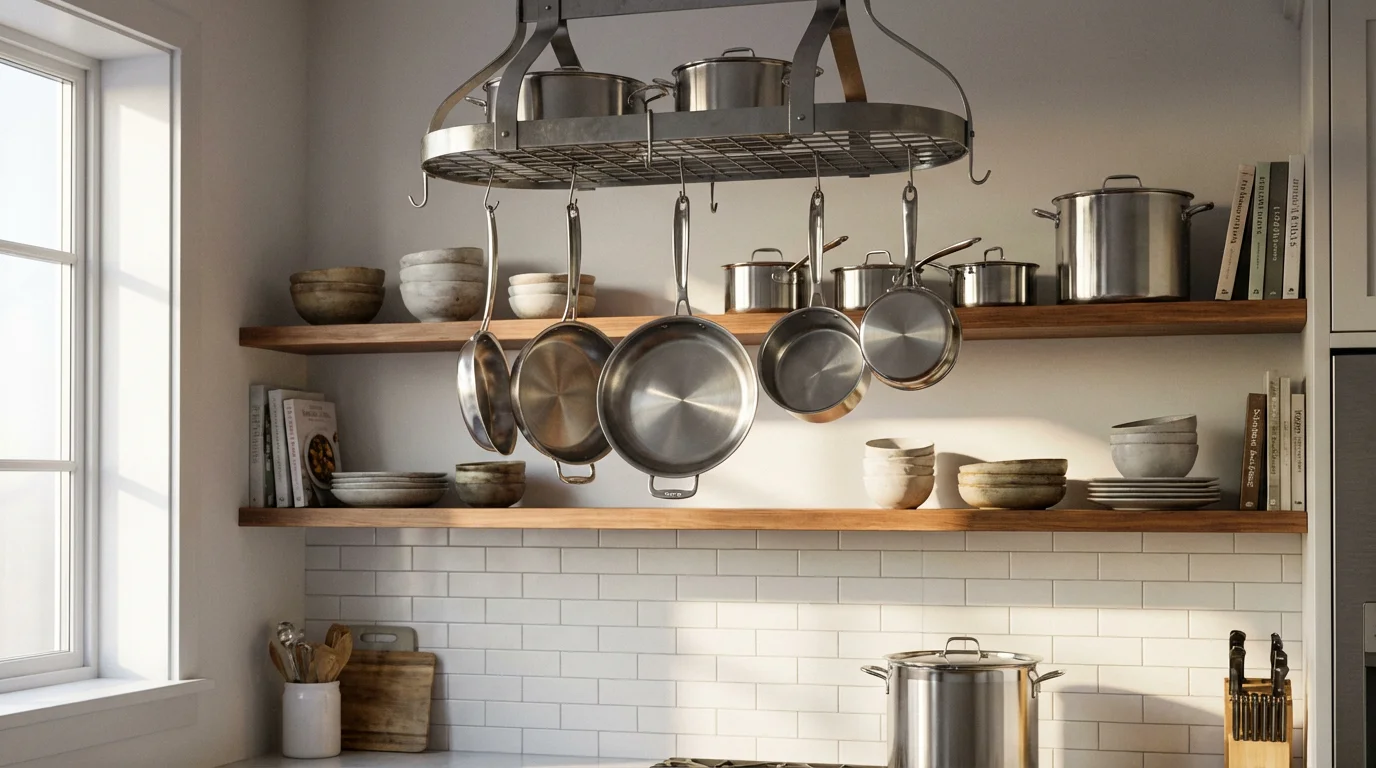
- Storing Your Cookware: Stack pans carefully, perhaps with soft cloths or pan protectors between them, to prevent scratches.
Frequently Asked Questions
Is stainless steel cookware safe for my health?
Yes, stainless steel is considered one of the safest materials for cookware. It is non-reactive, meaning it will not leach metals or chemicals into your food, even when cooking acidic ingredients. It also withstands high temperatures without breaking down or releasing harmful fumes, unlike some non-stick coatings.
Can I put my stainless steel pans in the dishwasher?
Most quality stainless steel cookware is dishwasher safe. However, frequent dishwashing can dull the finish over time and might cause handles to loosen if they are not riveted securely. For best results and to maintain its appearance, we recommend hand washing.
How do I prevent food from sticking to my stainless steel pan?
Preventing sticking involves proper preheating and adequate fat. Always preheat your pan on medium heat until a drop of water beads and rolls. Then, add a generous amount of oil and let it shimmer before adding your food. Do not overcrowd the pan, and allow a crust to form on food before attempting to move it, which helps it release naturally.
What maximum oven temperature can stainless steel cookware handle?
Most high-quality stainless steel cookware is oven-safe to very high temperatures, typically 500°F (260°C) or even 600°F (315°C). Always check the manufacturer’s specific guidelines for your particular pan, as some handles or lids might have lower temperature limits.
Is stainless steel cookware compatible with induction cooktops?
Yes, most modern, quality stainless steel cookware is induction compatible. This is because the outer layer of clad stainless steel typically contains magnetic iron, which induction cooktops require to generate heat. If you use an induction cooktop, confirm the cookware explicitly states “induction compatible” before purchasing.
Disclaimer: Product prices and availability change frequently. Prices shown were accurate at time of writing but may have changed. We may earn a small commission from purchases made through links on this site, at no extra cost to you. Always verify current pricing on the retailer’s website before purchasing.
For specialized high-heat tasks, many chefs also keep woks for home stir-frying in their arsenal due to their unique shape and heat distribution.
If you plan on cooking large turkeys or roasts, you should also consider adding roasting pans for holiday and everyday cooking to your kitchen inventory.
Leave a Reply