
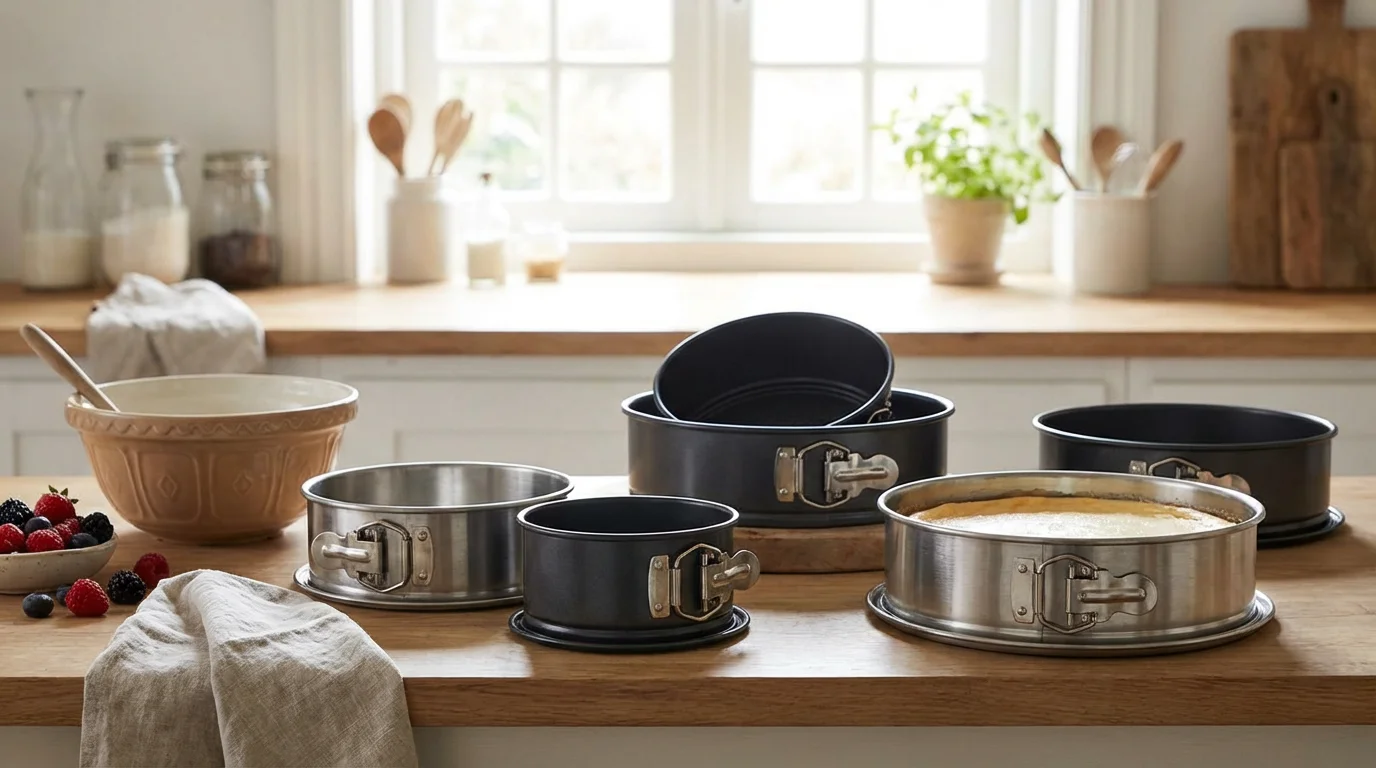
You often find yourself searching for the perfect tools to elevate your baking. When delicate desserts like cheesecakes or tortes grace your kitchen, a standard cake pan simply will not suffice. This is where the specialized springform pan becomes an indispensable piece of bakeware. Designed with a unique mechanism to release your baked goods flawlessly, it eliminates the common frustrations of inverted cakes and damaged edges. Understanding its features, materials, and proper use ensures your beautiful creations emerge perfectly intact every time.
What is a Springform Pan and Why Use One?
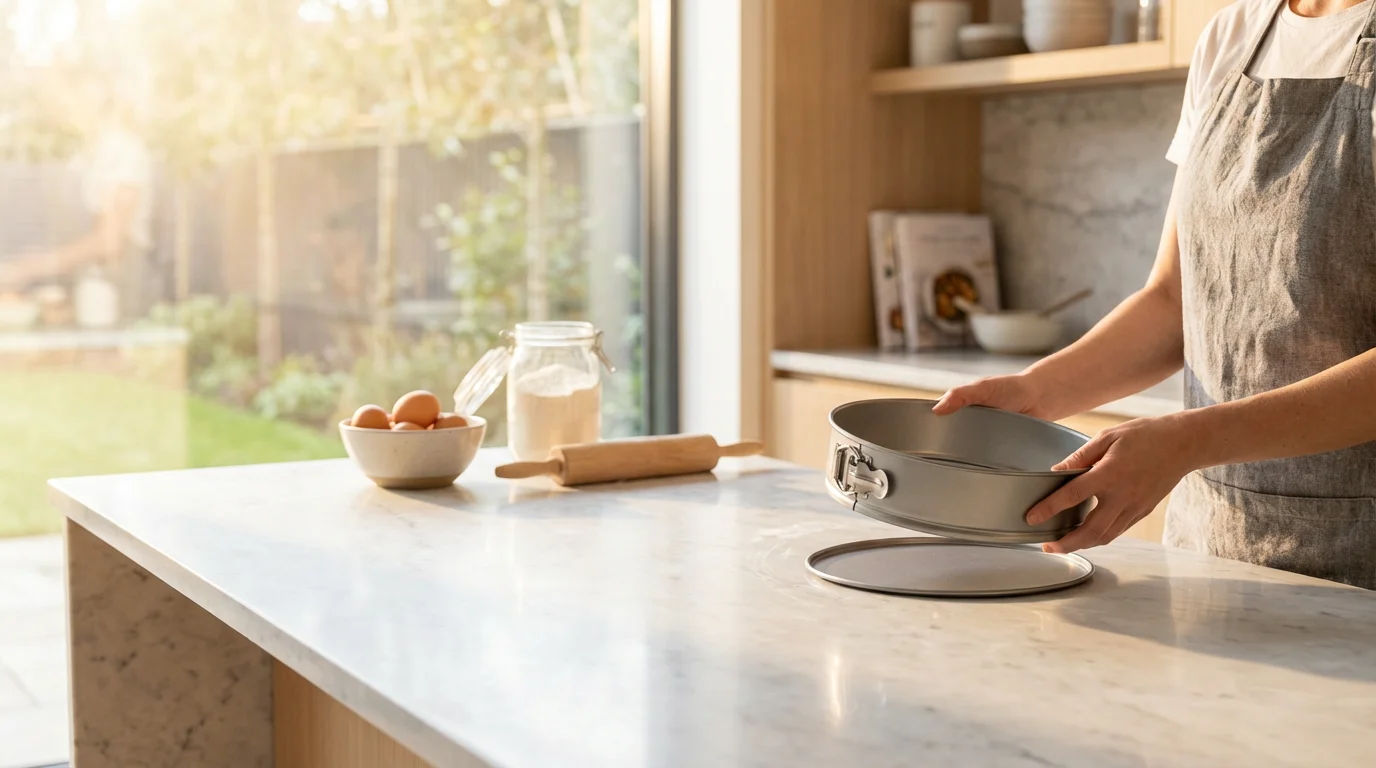
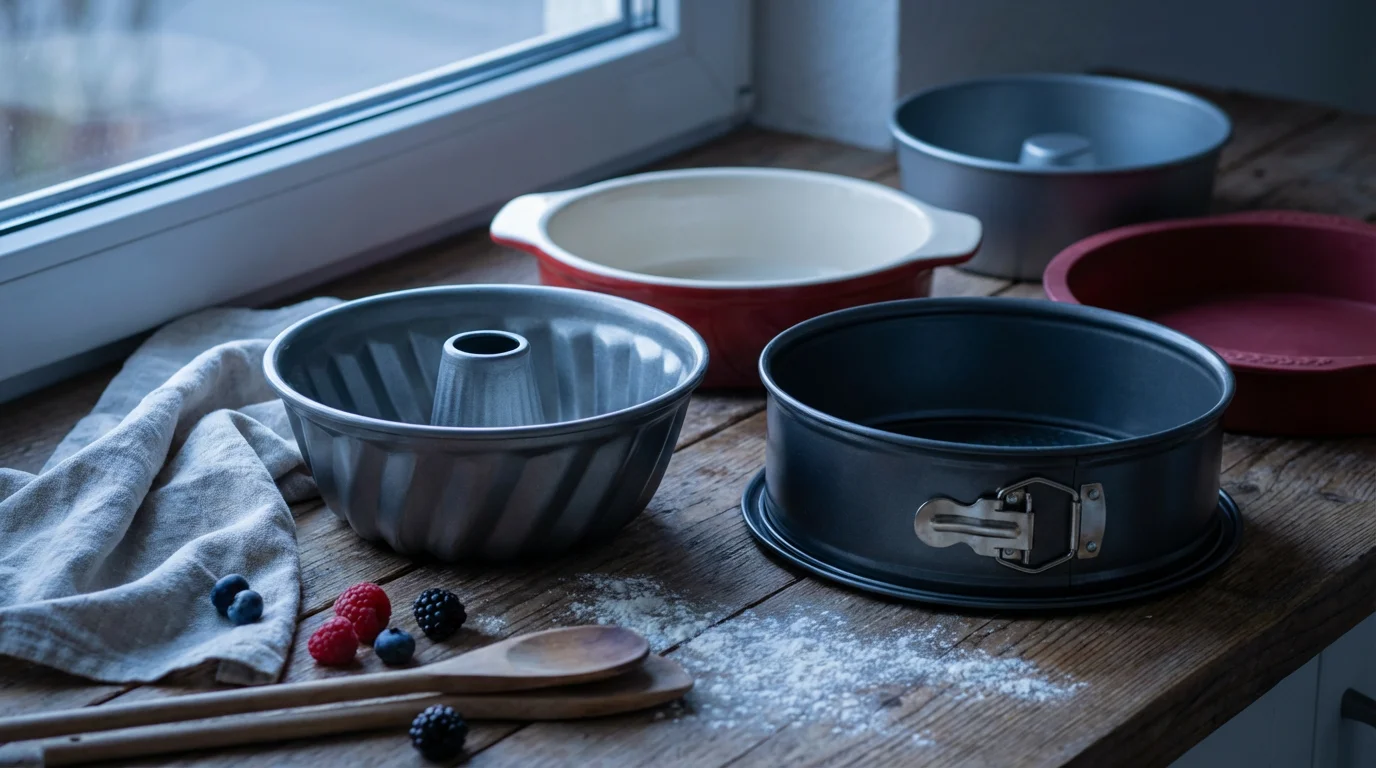
A springform pan distinguishes itself from standard bakeware by its ingenious design: a two-piece construction featuring a removable bottom and an expandable side ring. A latch on the side of the pan releases the tension, allowing the ring to expand and detach from the base. This design is crucial for delicate baked goods that cannot be inverted or easily removed from a traditional pan without risking damage. When you bake a cheesecake, for example, its creamy texture and often crumbly crust make traditional removal methods impractical. The removable bottom ensures you can lift your cheesecake directly onto a serving plate, maintaining its pristine shape and presentation.
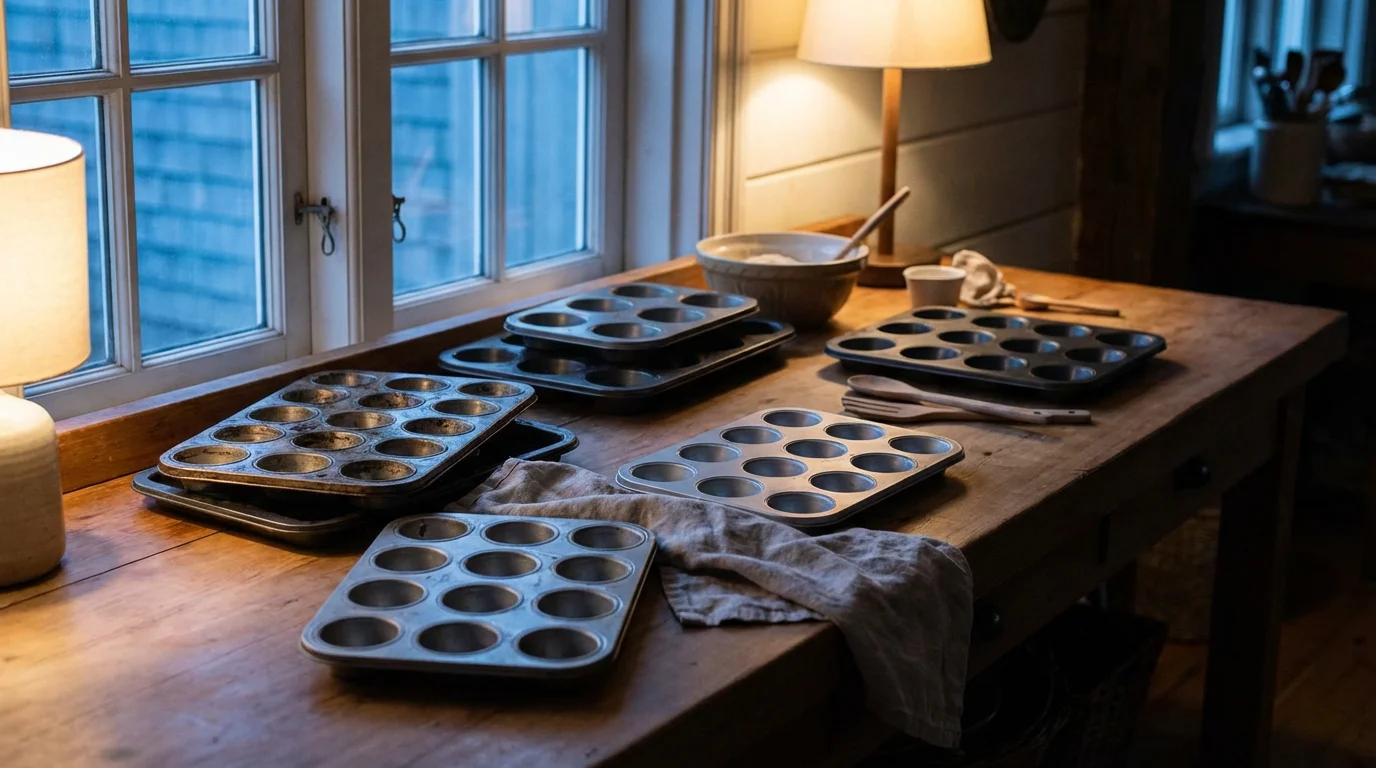
For smaller individual desserts, utilizing muffin tins and cupcake pans can provide the same portability and easy serving as mini springform options.
The primary benefit of a springform pan lies in its ability to facilitate effortless release. You no longer need to grease and flour extensively, hoping your creation will slide out without incident. Instead, you simply unlatch the ring, lift it away, and your dessert stands proudly on the base, ready for display. This specialization makes it the ultimate cheesecake pan, but its utility extends to deep-dish pizzas, tortes, ice cream cakes, and other items where structural integrity is paramount.
Essential Features of a High-Quality Springform Pan
Not all springform pans offer the same performance or longevity. When you invest in one, focus on key features that dictate its effectiveness and ease of use.
Similar to how a high-quality pan ensures a perfect cheesecake, using the best baking sheets for even browning is essential for consistent results with cookies and pastries.
- Material and Gauge: Most springform pans consist of carbon steel, aluminum, or aluminized steel. Carbon steel often provides better rigidity and heat distribution. Aluminized steel combines the rust resistance of aluminum with the strength of steel. The gauge refers to the thickness of the metal. Lower gauge numbers indicate thicker, more durable metal. Thicker pans resist warping and distribute heat more evenly, preventing burnt edges and undercooked centers.
- Non-Stick Coating: Many springform pans feature a non-stick coating, commonly PTFE or a ceramic coating. A good non-stick surface facilitates easy release and simplifies cleanup. Ensure the coating is durable and PFOA-free for health and safety.
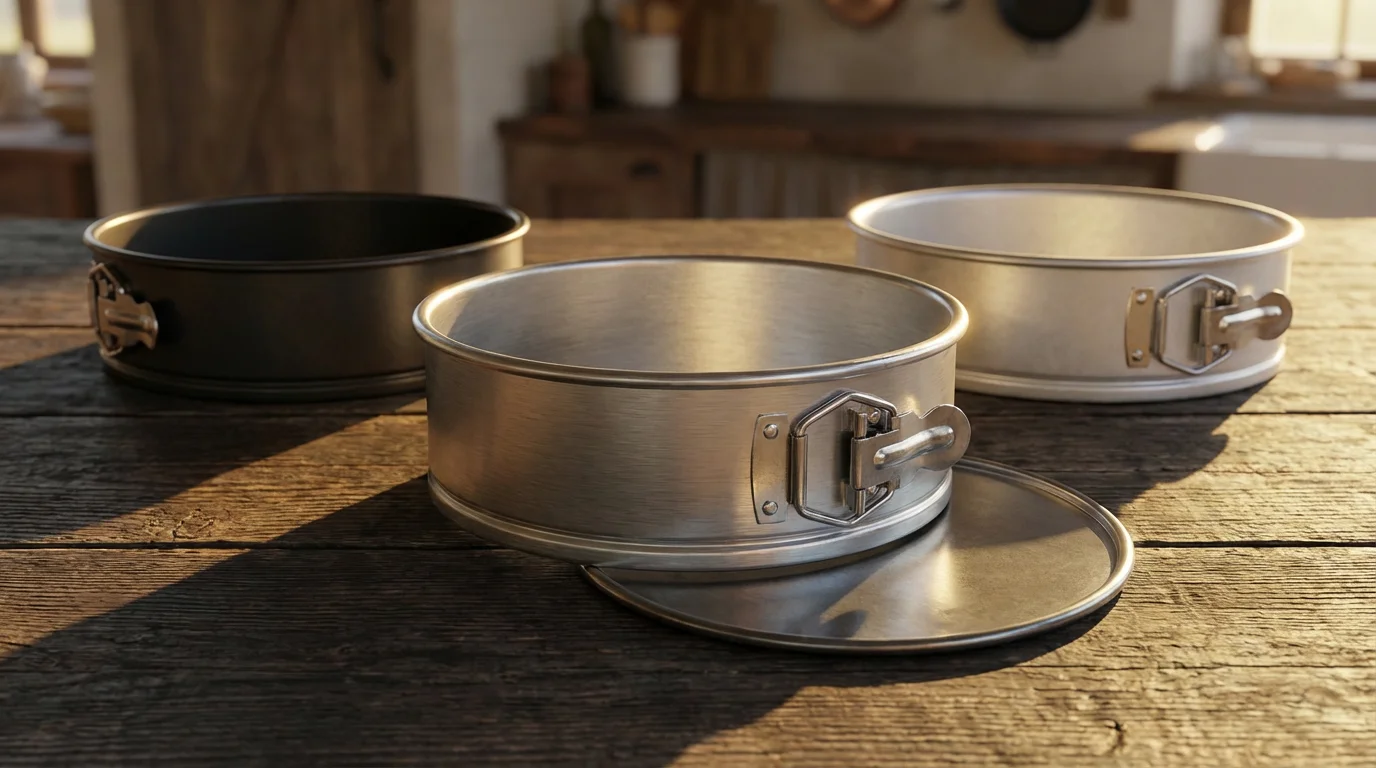
- Latch Mechanism: The latch is the heart of the springform pan. A robust, easy-to-operate latch mechanism is essential. It should open and close smoothly, securing the ring tightly to the base without excessive force. A flimsy latch often signals a poorly constructed pan prone to leaks or premature failure.
- Tight Seal: A critical design element is the seal between the side ring and the base. A well-designed pan creates a snug, leak-resistant seal. Look for a slight lip or groove on the base that the ring fits into, enhancing its sealing capability. This prevents batters, especially thinner ones, from seeping out during baking, a common concern for many home bakers.
- Heat Resistance: Ensure your pan is oven-safe to the temperatures required for your recipes, typically up to 450°F (232°C) or higher. While most pans meet this, verifying the maximum temperature rating prevents damage to the pan or its coating.
“A reliable springform pan is more than just a pan; it’s a structural engineering marvel for your desserts. Prioritize the latch and seal, as these are its most critical components.” — Bakeware Expert
Common Materials and Their Performance
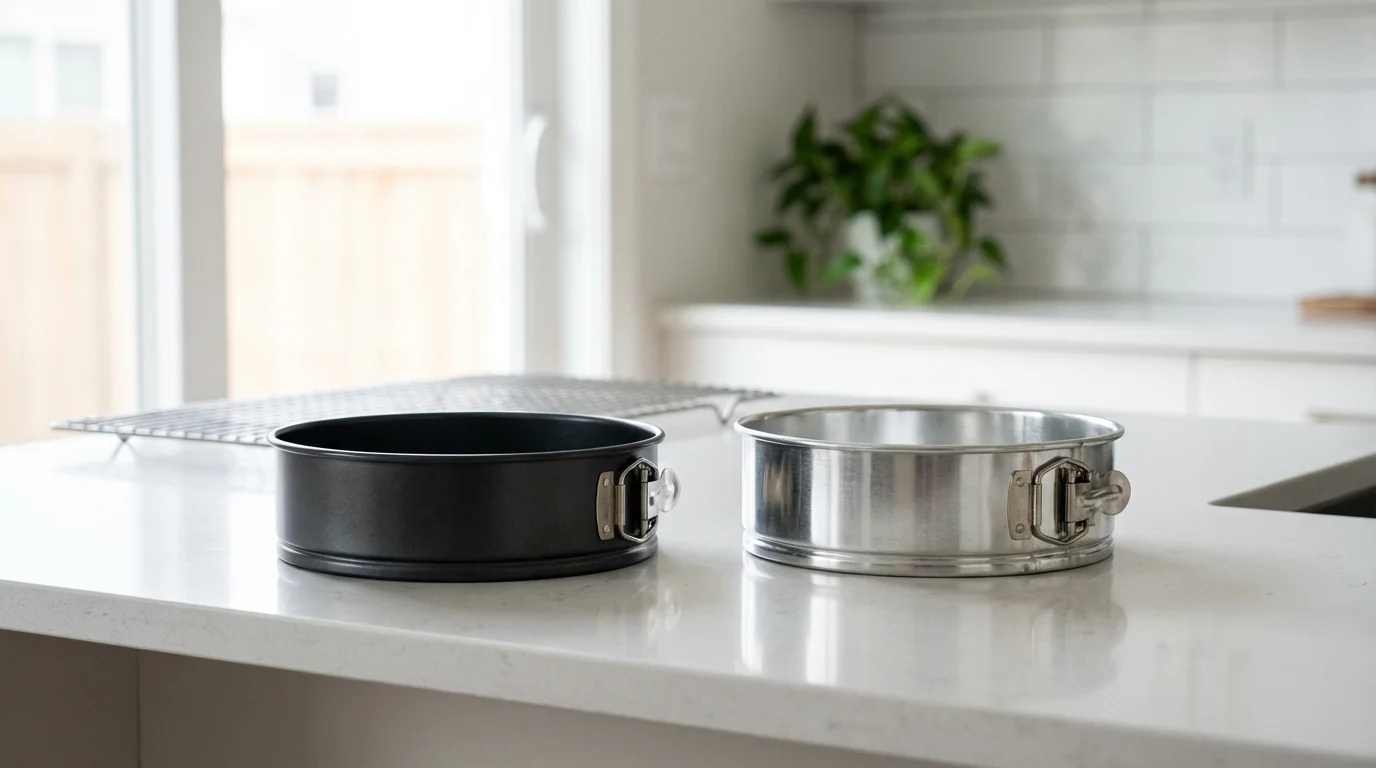
The material of your springform pan significantly influences its heat distribution, durability, and maintenance requirements. Understanding these differences helps you select the best springform pan for your specific baking needs.
Carbon Steel
Carbon steel is a popular choice for bakeware, offering excellent strength and rigidity. Pans made from carbon steel often feature a dark finish that absorbs heat efficiently, leading to good browning.
- Heat Distribution: Carbon steel conducts heat well, providing relatively even baking. Its dark surface can sometimes lead to faster browning, so monitor baking times.
- Durability: Highly durable and resistant to warping, especially with a lower gauge. It withstands frequent use and high temperatures.
- Maintenance: Generally easy to clean, especially with a non-stick coating. Hand washing is often recommended to preserve the coating. It is not prone to rust if dried properly.
Aluminized Steel
This material combines the strength of steel with a thin layer of aluminum. Manufacturers often use it for commercial bakeware due to its performance.
- Heat Distribution: Aluminum is an excellent heat conductor, ensuring very even heat distribution across the pan. This helps prevent hot spots and results in consistent baking.
- Durability: Very durable and warp-resistant. The aluminum coating provides corrosion resistance, extending the pan’s lifespan.
- Maintenance: Similar to carbon steel, it cleans easily, particularly with a non-stick finish. Hand washing is best for longevity.
Anodized Aluminum
Anodizing hardens the surface of aluminum, making it more durable and non-reactive. These pans are typically lighter in color.
- Heat Distribution: Aluminum excels at heat distribution, ensuring your cheesecakes cook evenly. The lighter color prevents over-browning.
- Durability: The anodized surface makes it scratch-resistant and prevents corrosion. It is generally lightweight but sturdy.
- Maintenance: Easy to clean. Avoid abrasive scrubbers to protect the anodized surface. These pans are less likely to have non-stick coatings and may require more greasing.
Glass or Ceramic (Less Common for Springform)
While glass and ceramic bakeware exist, they are very rare for springform pans due to the inherent difficulty of creating a release mechanism with these materials. If you encounter one, exercise caution, as they are often heavier and more fragile.
Here is a quick comparison:
| Material | Heat Distribution | Durability | Non-Stick Options | Typical Price Point |
|---|---|---|---|---|
| Carbon Steel | Good, often dark surface aids browning | High, resistant to warping | Common (PTFE, ceramic) | Mid-range |
| Aluminized Steel | Excellent, very even | High, warp-resistant, corrosion-resistant | Common (PTFE, ceramic) | Mid to High-range |
| Anodized Aluminum | Excellent, consistent, lighter finish | Good, scratch and corrosion-resistant | Less common | Mid-range |
Choosing the Right Size and Shape
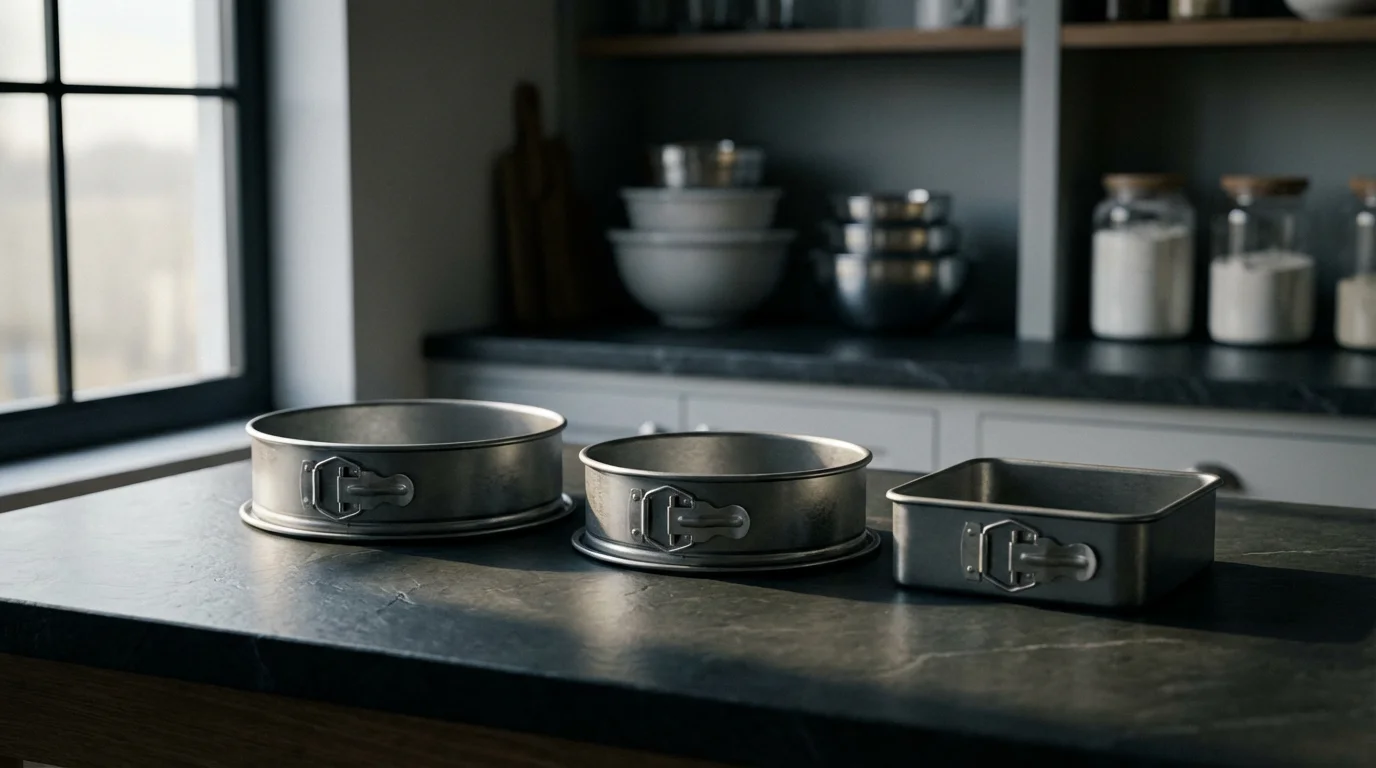
Springform pans primarily come in round shapes, but square or rectangular options exist for specific applications. The most common sizes are 8-inch, 9-inch, and 10-inch diameters. Your recipe usually dictates the required size, but having a versatile 9-inch round pan covers most cheesecake and cake recipes.
If you are looking to round out your bakeware collection, loaf pans for bread and quick breads are another versatile tool every home baker should own.
A standard 9-inch springform pan offers sufficient volume for most family-sized cheesecakes and layer cakes. If you often bake for larger gatherings, a 10-inch pan provides extra capacity. Conversely, an 8-inch pan works well for smaller desserts or when you desire a taller cake with the same amount of batter. You might also consider mini springform pans for individual servings, which are excellent for portion control and elegant presentations.
Beyond size, consider the height of the pan’s sides. Deeper pans, often 2.75 to 3 inches high, accommodate taller cheesecakes and more elaborate layers. Shallow pans are suitable for tarts or quiches.
Mastering Leak Prevention and Baking Techniques
A common concern with springform pans is leakage. Nothing frustrates a baker more than a beautiful batter seeping onto the oven floor. However, with a few proactive steps, you can effectively prevent leaks and ensure baking success.
- Check the Seal: Before pouring any batter, ensure the pan is latched correctly and the base is firmly seated. Give the pan a gentle shake or wiggle; if you hear or feel any looseness, adjust the latch.
- Use Parchment Paper: For an extra layer of protection and easier release, cut a circle of parchment paper to fit the bottom of the pan. You can also place a strip around the inner perimeter of the ring. This creates a barrier for the batter and helps prevent sticking.
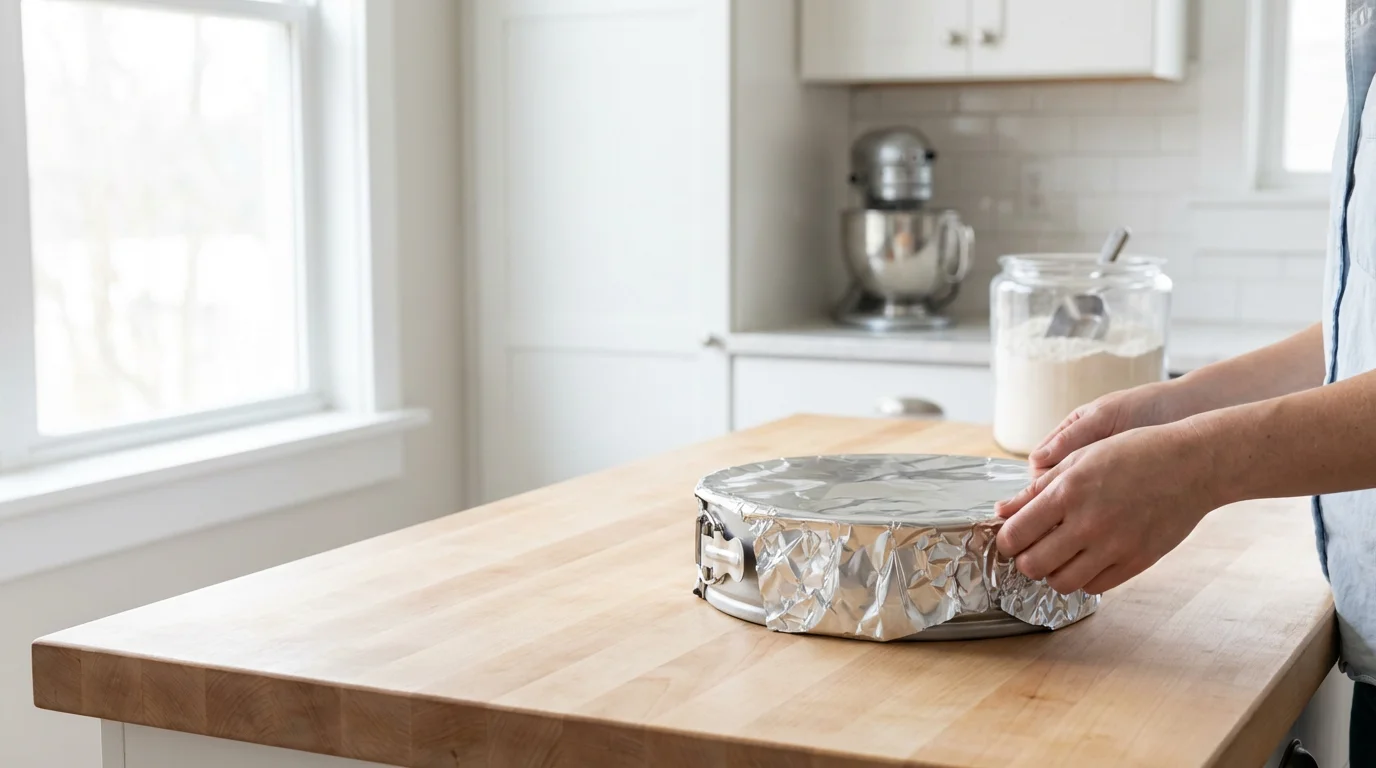
- Aluminum Foil Wrap (for Water Baths): Many cheesecake recipes call for a water bath to ensure even, crack-free baking. To make your springform pan without leaking in a water bath, wrap the entire exterior of the pan tightly with heavy-duty aluminum foil. Use at least two layers, ensuring the foil extends several inches above the top edge of the pan. According to Serious Eats, ensuring a tight seal with foil prevents any water from seeping in and ruining your cheesecake. Some bakers even suggest using a slow cooker liner bag or a large oven bag wrapped around the pan for ultimate waterproofing.
- Thick Batters: Thicker batters, like those for traditional New York-style cheesecakes, are less prone to leaking than thinner, runnier batters. If your batter is very thin, implement the foil wrap method even without a water bath, as a precautionary measure.
- Proper Greasing (if no non-stick): If your pan lacks a non-stick coating, thoroughly grease the sides and bottom. You can also dust with flour, cocoa powder, or fine breadcrumbs depending on your recipe.
Beyond leak prevention, successful baking in a springform pan involves careful temperature control. Cheesecakes often bake at a moderate temperature for an extended period, followed by cooling slowly in the oven with the door ajar to prevent cracks. Always follow your specific recipe’s instructions for baking times and temperatures.
Care and Maintenance for Lasting Performance
Proper care extends the life of your best springform pan for cheesecake and preserves its non-stick properties.
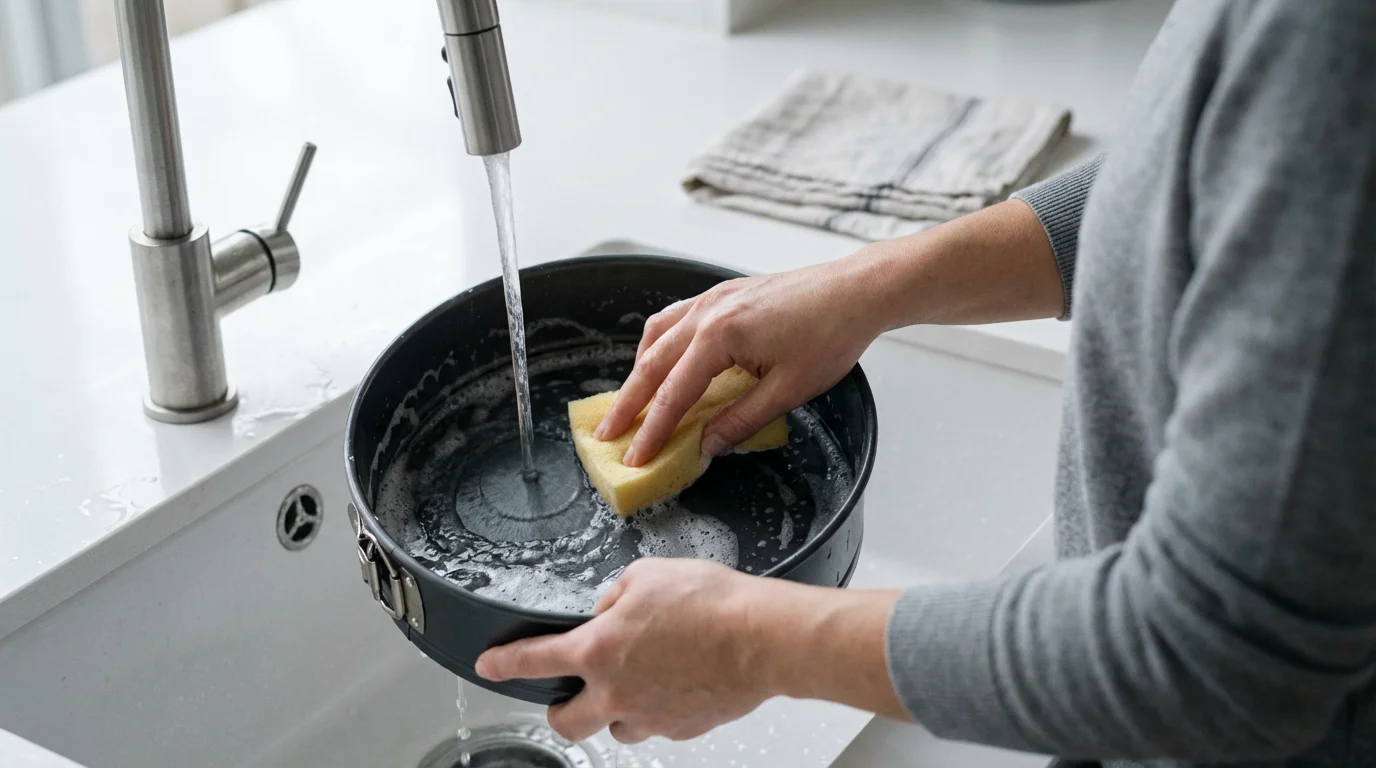
- Hand Wash Only: Most manufacturers recommend hand washing springform pans. Dishwashers, especially with harsh detergents and high heat, can degrade non-stick coatings and potentially warp metal over time. Wash with warm, soapy water and a soft sponge.
- Avoid Abrasives: Do not use metal scouring pads, abrasive cleaners, or sharp utensils on the pan, especially if it has a non-stick coating. These scratch the surface, compromising its effectiveness.
- Thorough Drying: After washing, dry the pan completely with a towel or let it air dry. Water left on the metal, particularly in the crevices of the latch mechanism, can lead to rust. This is especially true for carbon steel pans without robust coatings.
- Gentle Storage: Store your springform pan carefully to prevent scratches. Avoid stacking heavy pans directly on the non-stick surface. Place a piece of parchment paper or a soft cloth between stacked pans for protection.
- Check the Latch: Periodically inspect the latch mechanism. If it becomes stiff, a tiny drop of food-grade mineral oil applied to the hinge can restore its smooth operation.
Top Springform Pan Brands and Value Picks
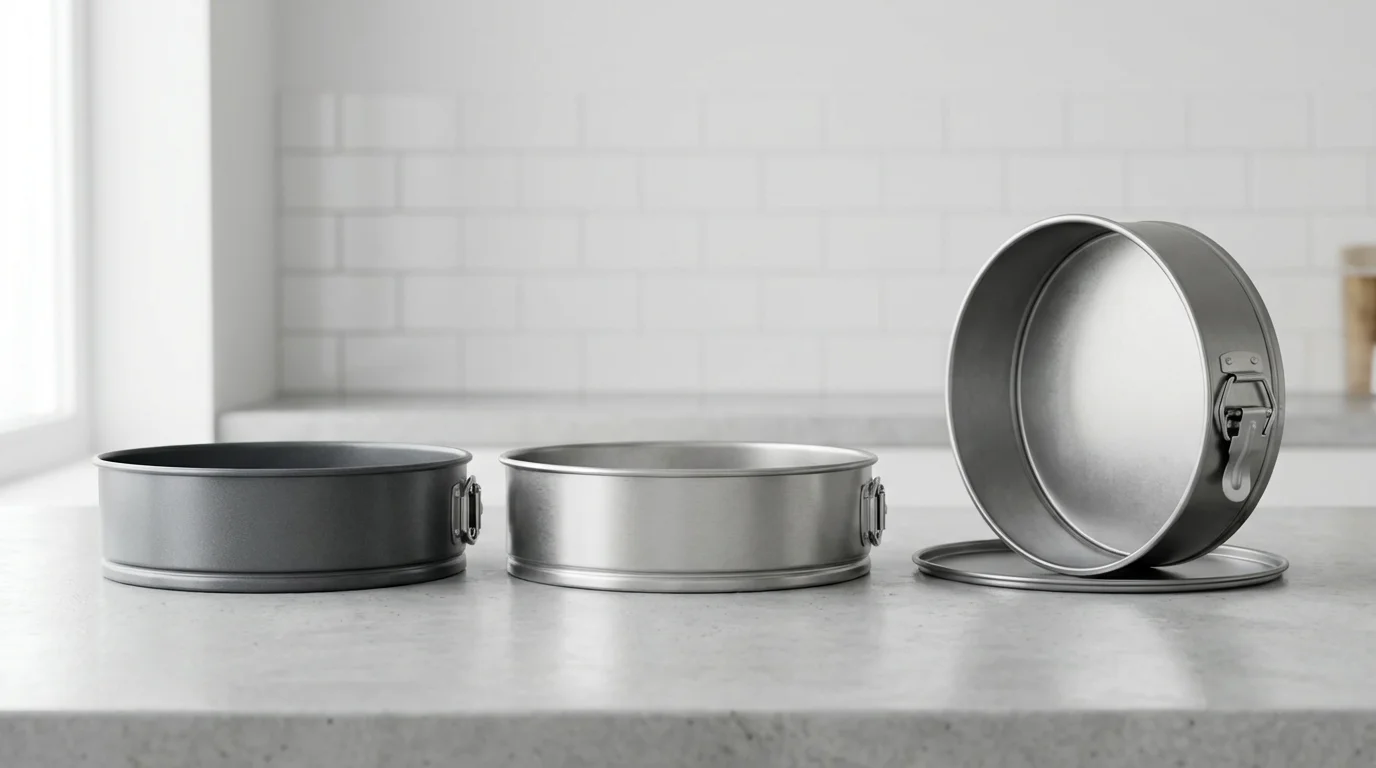
When selecting a cheesecake pan, you encounter a range of brands offering various levels of quality and price. Investing in a reputable brand often means better durability, a more reliable latch, and superior non-stick performance.
Premium Brands
- Nordic Ware: A highly respected American brand known for its heavy-gauge bakeware. Nordic Ware springform pans often feature durable non-stick coatings and robust construction, providing excellent heat distribution and warp resistance. They consistently rank high in consumer tests for reliability and performance.
- Fat Daddio’s: While not exclusively springform, Fat Daddio’s offers high-quality anodized aluminum bakeware, including excellent round cake pans that some bakers adapt for cheesecake. Their focus on even heating and professional-grade materials makes them a favorite among serious bakers.
- Williams Sonoma Goldtouch: This premium line from Williams Sonoma features heavy-gauge aluminized steel with a ceramic-reinforced non-stick coating. These pans are renowned for their even baking, durability, and flawless release. The quality justifies the higher price point for frequent bakers.
Reliable Mid-Range Options
- Cuisinart: Cuisinart offers a range of bakeware, including springform pans that strike a good balance between quality and affordability. Their pans typically feature heavy-gauge steel and durable non-stick coatings, performing well for everyday baking needs.
- OXO Good Grips: OXO is known for thoughtful design and user-friendly products. Their springform pans feature micro-textured patterns for better air flow and release, along with a PFOA-free non-stick coating. They offer a comfortable grip on the latch, which many users appreciate.
Budget-Friendly Alternatives
If you only occasionally bake cheesecakes or are just starting out, several budget-friendly options deliver acceptable performance. Brands like Wilton or Amazon Basics provide functional springform pans at a lower cost. These pans may use thinner gauge metal or less durable non-stick coatings, requiring more careful handling and maintenance to last. While they may not offer the same longevity as premium options, they serve their purpose for occasional use. As Consumer Reports often highlights, even budget options can perform adequately if you understand their limitations and care for them properly.
Creative Uses Beyond Cheesecake
While the springform pan is famous for cheesecakes, its unique design makes it versatile for numerous other culinary creations. You can expand its utility in your kitchen far beyond the typical dessert.
For recipes that don’t require high straight sides, traditional pie plates remain the gold standard for tarts and crust-heavy desserts.
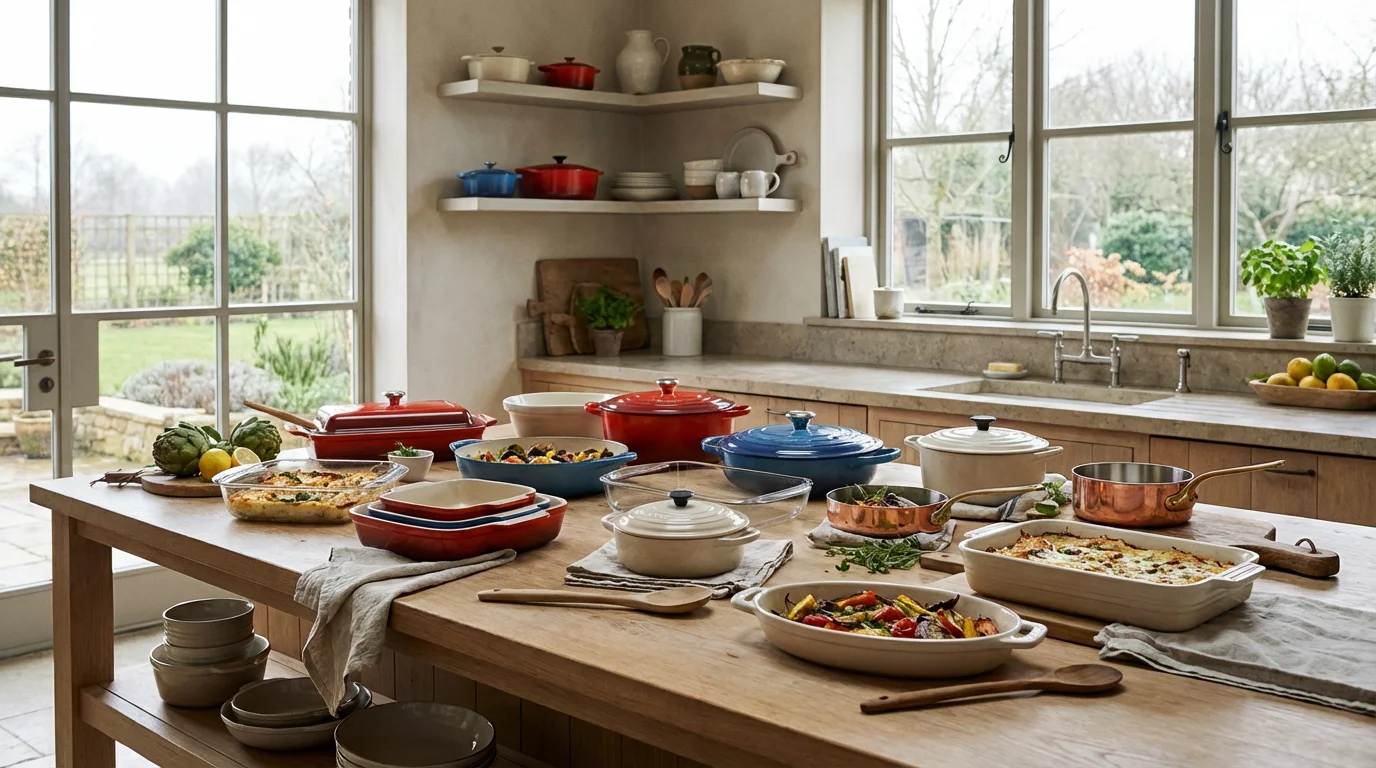
While the springform design is unique, some of these savory recipes can also be prepared in deep casserole dishes depending on your serving preferences.
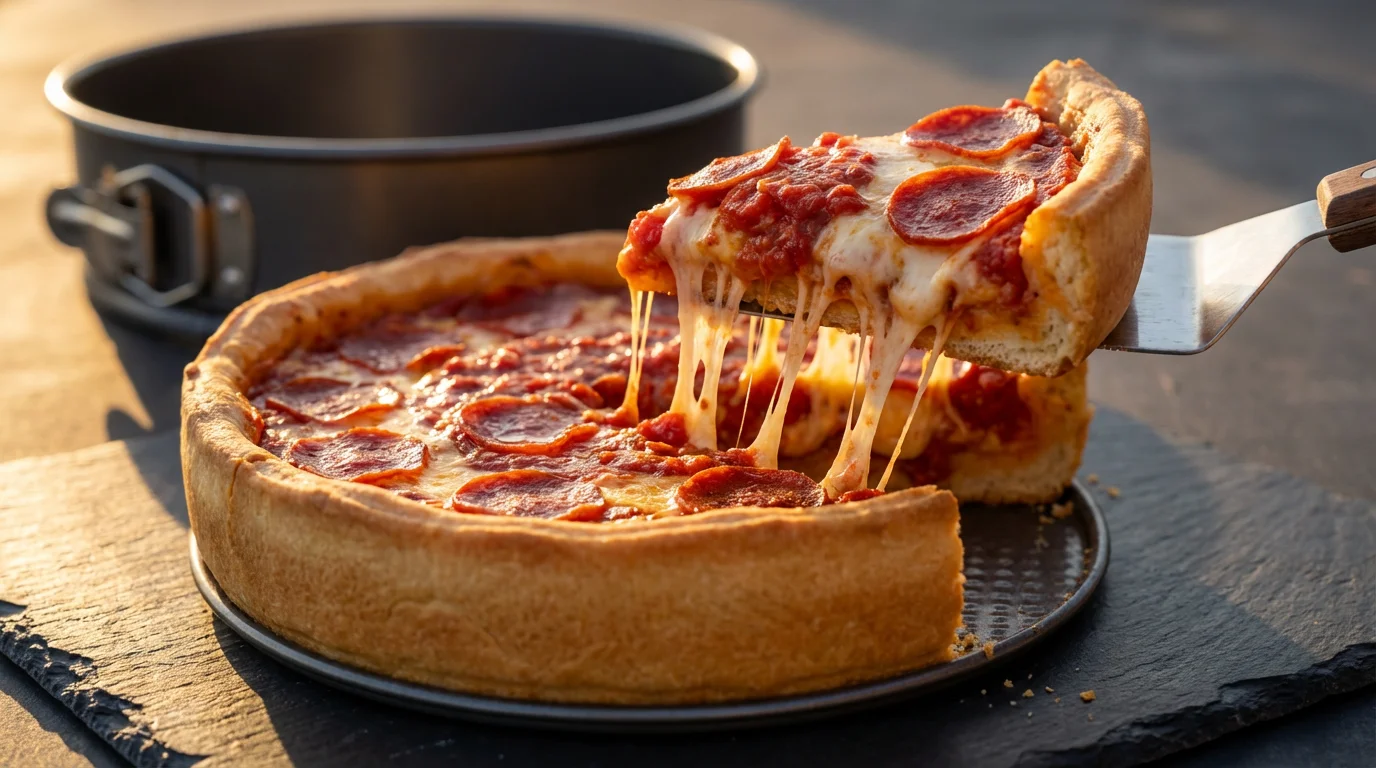
- Deep-Dish Pizza: The high sides of a springform pan are perfect for creating impressive deep-dish pizzas with thick crusts and generous layers of toppings. The removable sides allow for easy slicing and serving without damaging the crust.
- Layered Dips and Salads: Assemble elaborate layered dips or gelatin salads. The pan helps mold these dishes into a perfect round shape, which you then unmold for a stunning presentation at parties.
- Ice Cream Cakes: Construct intricate ice cream cakes with various layers of ice cream, cookies, and sauces. Freeze each layer before adding the next. The springform design ensures a clean release of your frozen masterpiece.
- Tortes and Delicate Cakes: Many European tortes, often rich and dense, benefit from the gentle release of a springform pan. This includes flourless chocolate cakes or delicate genoise sponges that might tear if inverted.
- Quiches and Frittatas: Bake deep quiches or frittatas. The pan’s structure supports the heavier fillings, and the removable ring makes serving individual slices easy.
Maximizing the use of your springform pan means you acquire a highly functional tool that supports both sweet and savory endeavors. You transform it from a single-purpose item into a versatile piece of bakeware.
Frequently Asked Questions
What is the best way to prevent a springform pan from leaking?
To prevent leaks, ensure the pan’s latch is securely closed and the base fits snugly into the ring. For added security, line the bottom with parchment paper. If using a water bath, wrap the entire exterior of the pan tightly with two layers of heavy-duty aluminum foil, extending above the waterline.
Can I use a springform pan for regular cakes?
Yes, you can absolutely use a springform pan for regular cakes, especially those that are delicate or difficult to invert, such as sponges or certain butter cakes. The removable sides make for an easy and clean release, preserving the cake’s structure and frosting.
How do I clean a springform pan with a non-stick coating?
Hand wash your non-stick springform pan with warm water, mild dish soap, and a soft sponge. Avoid abrasive scrubbers or metal utensils, as these can damage the non-stick coating. Dry the pan thoroughly immediately after washing to prevent rust, particularly around the latch mechanism.
What does “gauge” mean in bakeware?
“Gauge” refers to the thickness of the metal used to make the pan. A lower gauge number indicates a thicker piece of metal. Thicker pans generally offer better durability, resist warping more effectively, and provide superior, more even heat distribution, which leads to better baking results.
Is it necessary to grease a non-stick springform pan?
While a non-stick springform pan reduces the need for heavy greasing, a light spray of cooking oil or a thin layer of butter is still recommended, especially for sticky batters or delicate items. This provides an extra layer of insurance for flawless release and helps protect the non-stick coating over time.
Disclaimer: Product prices and availability change frequently. Prices shown were accurate at time of writing but may have changed. We may earn a small commission from purchases made through links on this site, at no extra cost to you. Always verify current pricing on the retailer’s website before purchasing.
Leave a Reply